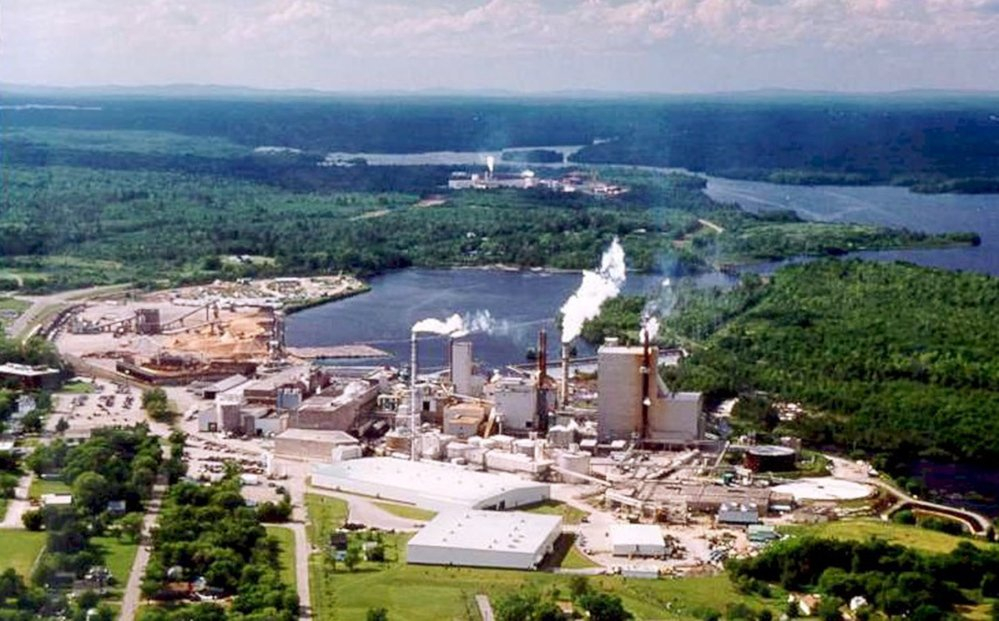
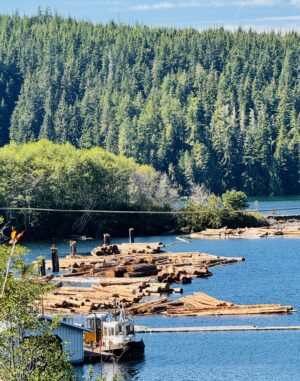
 The past few years have been tough for Canada’s forest industry. …In response to US tariffs and as a partial solution to our continuing housing crisis, Prime Minister Carney has made a commendable move, providing support for the lumber industry and setting a target of doubling housing starts. He’s also announced the Canadian Forest Sector Transformation Task Force. Achieving Mr. Carney’s targets for the forestry sector will require transformation of our wood products and construction industries. …When a log is cut up for lumber, about 40% of the tree is converted to residual chips, and without demand for wood chips to make paper, production of lumber will not be viable. New, alternative uses for those residuals become essential. One option would be to replace a number of idled pulp mills with a couple of large, modern mills.
…New pulp mill designs act as biorefineries, making a range of products. Heat can be exported to district heating plants and power to the grid. Methanol, also known as wood alcohol, can be used in various industrial processes. Currently, methanol is made largely from natural gas, so replacing this product with wood-based spirits offers a carbon advantage. Lignin extracted from pulp mills can be used to displace petroleum-based incumbents in a range of products such as plywood glues and polyurethanes. Currently, because of the steep decline in demand for our pulp and paper products, we are only cutting half the wood that provincial forest ministries deem sustainable. This leaves large amounts of biomass in the forests, which can amplify the threat of wildfires. Reinvesting in our forest sector can help us to lower the risk of catastrophic fires going forward. [to access the full story a Globe and Mail subscription is required]
 Canada-US Trade Minister Dominic LeBlanc says he sees a path to renew the Canada-United States-Mexico Agreement (CUSMA) and anticipates more specifics from the U.S. administration soon. Gearing up to head back to Washington, DC next week to meet with US Trade Representative Jamieson Greer and “others” next week, LeBlanc said he’s “not pessimistic about renewing the trilateral framework.” “Renewing. It doesn’t expire, it expires in 2036. But the review is not a renegotiation,” LeBlanc said. LeBlanc said two of the key factors underpinning his optimism are that when US President Trump levied his latest global tariff, he maintained the CUSMA exemption, and because American political and business leaders are “speaking up more now.” …Amid speculation that Trump wants to scrap the trilateral trade pact and strike trade deals with Canada and Mexico independently, LeBlanc said the way he sees it, Trump may pursue separate bilateral deals, but that doesn’t necessarily mean the end of CUSMA.
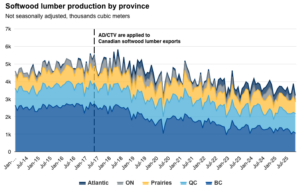 Anti-dumping and countervailing duties, and now additional tariffs on softwood lumber and derivative wood products add to a long history of trade measures applied to Canadian exports. …Recent trade data shows exports of targeted wood products to the US have declined by roughly 11% in 2025 from a year earlier with losses concentrated in Quebec and BC. Export gains elsewhere have only partially compensated for reduced US market access—in part reflecting the geographical constraints in shipping lumber and wood products. …Average industrial capacity utilization rate for wood product manufacturing has declined roughly 10 percentage points to 75% in 2025 Q3 from a decade earlier, while employment in sawmills and wood preservation fell roughly 20% between May 2017 and November 2025 with more pronounced declines in BC (-32%) and Quebec (-13%). …Reduced domestic supply could also put pressure on downstream industries such as pulp and paper mills and construction. The combination of weak demand and constrained supply raises the risk of further production curtailments and mill closures.


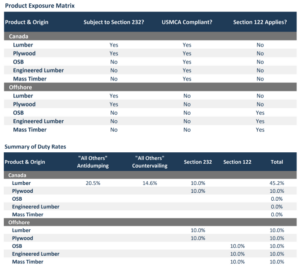 President Donald Trump announced a temporary import duty under Section 122 of the Trade Act of 1974, shortly after the US Supreme Court struck down his tariffs imposed under the International Emergency Economic Powers Act. The Section 122 surcharge is scheduled to take effect February 24 and remain in place for up to 150 days. Under the proclamation, Section 122 duties do not apply to goods that are subject to Section 232 of the Trade Expansion Act of 1962 or that are USMCA compliant. The implications for wood products are as follows:
 US President Donald Trump just lost his biggest emergency tariff weapon at the US Supreme Court – but for Canadian exporters and long‑term investors, the real story is that the pressure has shifted to narrower, more strategic sectors that matter for jobs, growth and returns. …Trump reacted by promising new tariffs through other statutes. …Section 232 now defines Canada’s real exposure. …Softwood timber and lumber: 10 percent tariffs imposed last October, alongside US countervailing and anti‑dumping duties on Canadian lumber that the Commerce Department increased from 14.5 percent to 35 percent earlier this year. …Upholstered wooden furniture, cabinets and vanities: 25 percent tariffs since last October; a planned increase in January was paused. …Dominic LeBlanc, Canada’s minister for US–Canadian trade relations, told CBC News that “what’s hurting the Canadian economy are the sectoral tariffs under a different American law,” and said this “reminds us again of the importance of diversifying our trading relationships.”
 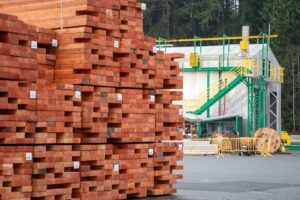 The US Lumber Coalition has expanded its list of complaints against Canadian softwood producers. The group has presented nine “new subsidy allegations,” claiming that Canadian producers benefit from federal government programs, including one that offers refundable tax credits for clean technology such as solar power. …The Commerce Department is investigating the nine new allegations put forward by the group. Canada has repeatedly rejected American arguments that Canadian producers benefit from subsidies and also denies dumping. …One of the group’s complaints targets a federal program in Canada, open to eligible forestry companies, that provides refundable tax credits for carbon capture, utilization and storage. In addition, the group’s allegations name provincial programs in BC, Alberta, Ontario and Quebec. …The Commerce Department deferred a potential probe, suggested by the Coalition, into cases pertaining to alleged subsidies for long-term timber tenures in BC and Alberta. [to access the full story a Globe & Mail subscription is required]
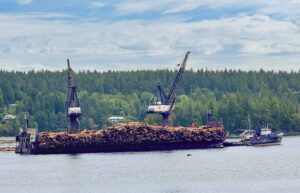 Raw logs were being loaded for export at the shuttered Crofton pulp mill – just weeks after hundreds of local workers were laid off over a lack of wood fibre, and as about 120 sidelined Chemainus sawmill employees brace for their EI benefits to run dry. “I don’t want a handout, I want a job,” said Brian Bull, who was laid off from Western Forest Products’ Chemainus sawmill. …North Cowichan’s mayor says repeated appeals to federal officials to grant workers the additional 20 weeks of EI benefits promised by the Prime Minister in the summer of 2025 have gone unanswered. “There’s about 120 workers impacted at the Chemainus sawmill. The majority are set to lose their EI benefits next month. …So laid-off Chemainus sawmill workers are urging the provincial government to stop raw log exports. Elzinga said he fears their the Chemainus sawmill may never re-open, due a lack of fibre supply.
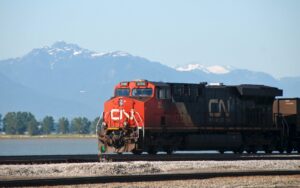 The CN railway running through 100 Mile House will not be discontinued after all. District of 100 Mile House Mayor Maureen Pinkney said that the consultant hired to assess the rail line’s future had told her, and around 87 other stakeholders in the region between North Vancouver and Prince George, that removal of the rails was off the table. …CN Rail announced it would be discontinuing service between Squamish and 100 Mile House… and that rails and ties are removed after discontinuance. …Potentials for the new use of the rail tracks include the return of passenger rail to 100 Mile House. …Pinkney said that there could be opportunities from the saved rail line to make up for lost tax revenue from the closure of the West Fraser Mill, as well as the OSB plant.


 The BC government is forecasting that the natural gas industry will play a larger role as the top driver of provincial resource revenue, while warning about tough times in the former economic powerhouse of forestry. Natural gas royalties are expected to ring in at nearly $1.3-billion for the 12 months ending March 31, 2027, up 38%. …The government is anticipating $521-million in forestry revenue for the 2026-27 fiscal year, up 3%, but still down sharply when compared with several years ago. …In the 2020-21 fiscal year, forestry revenue surpassed $1.3-billion and natural gas royalties reached $196-million. …Tuesday’s budget introduces a temporary Stumpage Payment Deferral Program in an effort to ease the cash crunch for companies. The voluntary program covers the first 11 months of 2026. …The government anticipates that the trend of depressed annual volumes of tree harvesting will continue over the next several years, restricting the production of softwood lumber. [to access the full story a Globe & Mail subscription is required]
 The United Steelworkers union found positives in a difficult BC budget. …Recognizing the uncertainty created by US trade policy… USW Western Canada Director Scott Lunny said… “Today’s budget advances the government’s work towards long-term economic stability, including BC’s goal of securing $200 billion in private-sector investment over the next decade in sectors including mining, forestry and manufacturing”. …USW noted positives, including: a continued commitment in funding to strengthen permitting capacity in resource industries; a $400- million Strategic Investments Special Account to leverage federal government dollars for investment and job creation in key sectors like value-added forestry, responsible mining, manufacturing and clean energy; and unprecedented investment in skilled trades funding as well as a training grant to encourage apprenticeships. …”While we welcome the $20 million to help workers and employers in tariff-impacted sectors like steel and forestry, there is still a missing commitment to stabilizing and sustaining the primary forestry sector,” said Lunny.
 The decision by the US Supreme Court to invalidate many of President Trump’s tariffs has been met with mixed reactions in Quebec, as the steel, aluminum and lumber sectors remain subject to US tariffs. Economy Minister Jean Boulet said, “its effects for Quebec seem limited,” noting that Quebec exports in accordance with CUSMA were already exempt. “American tariffs on lumber and other key sectors remain in place,” Boulet stressed. …Stakeholders from Quebec’s economic and union sectors pointed out that Friday’s ruling is far from putting an end to the trade war with our southern neighbors. …“While this decision is great news for free trade, its impact on Canada remains limited and we are not out of the woods yet,” said senior public policy analyst Gabriel Giguère in a statement. Moreover, the review of the USMCA planned for this year still looms over Canada-US relations.

 It took only a few hours after the
  The US Customs and Border Protection agency said it will halt collections of tariffs imposed under the International Emergency Economic Powers Act at 12:01 a.m. EST on Tuesday, more than three days after the US Supreme Court declared the duties illegal. The agency said in a message to shippers on its Cargo Systems Messaging Service that it will de-activate all tariff codes associated with US President Trump’s prior IEEPA-related orders as of Tuesday. The IEEPA tariff collection halt coincides with Trump’s imposition of a new, 15% global tariff under a different legal authority to replace the ones struck down by the Supreme Court on Friday. CBP gave no reason why it was continuing to collect the tariffs days after the Supreme Court’s ruling. The message noted that the collection halt does not affect other tariffs imposed by Trump under the Section 232 national security statute and the Section 301 unfair trade practices statute.


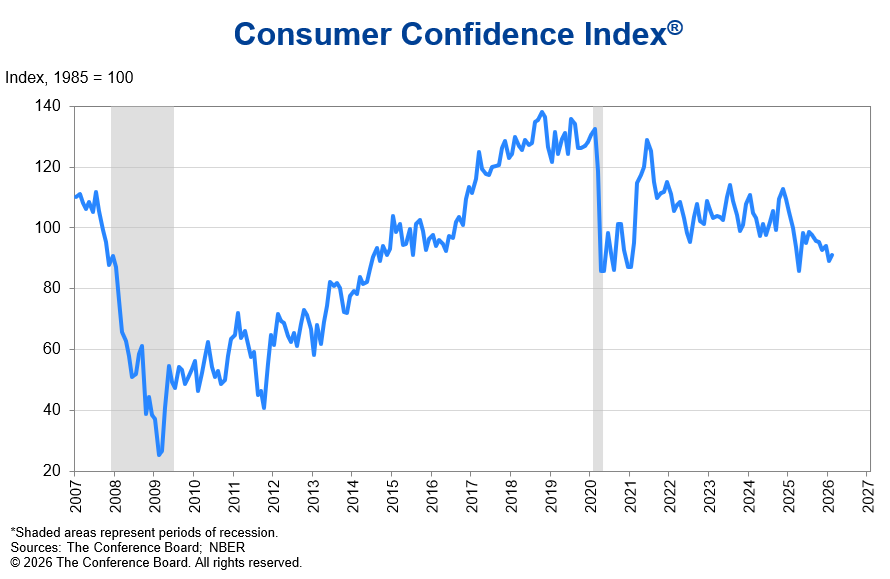
 Statistics Canada says the economy capped off a volatile year with a contraction in the final quarter of 2025. The agency said that real gross domestic product declined 0.6% on an annualized basis in the fourth quarter, falling short of expectations from the Bank of Canada and most economists for flat growth. Real GDP per capita was unchanged in the fourth quarter. StatCan said the main reason for the contraction was businesses drawing down their inventories. The economy swung back and forth between gains and losses every quarter last year as sharp changes in exports tied to US tariffs drove volatility in GDP data. …The agency said real GDP rose 1.7% in 2025 overall, cooling from 2% growth in each of the previous two years and marking the slowest pace of annual growth since 2016 outside the COVID-19 pandemic. “Lower exports, particularly to the United States, were the main contributor to the slower rise in GDP in 2025”.
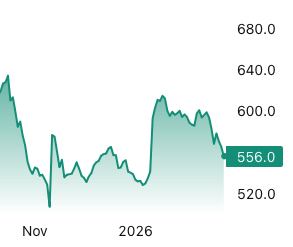 Lumber futures fell toward $550 per thousand board feet, marking a six-week low, as a stagnant North American housing sector failed to absorb heavy seasonal inventories. Demand weakened as January data showed a 7% year over year drop in single family starts and an 8.4% decline in units under construction. High 6.25% mortgage rates and a 5.8% slump in Canadian home sales during January 2026 further stalled new project starts. On the supply side, regional inventory remained bloated. While BC curtailments continued harsh winter storms in the US South halted jobsite activity more than mill output, creating a distributor logjam and forcing aggressive dealer discounting to clear yard space. Additionally, while Trump’s administration 45% softwood duties were meant to buoy prices they instead stifled demand by adding nearly $17,500 to average home costs. This eroded the builder confidence needed to clear current supply.
 The strong momentum and bull run of basic materials carried over into 2026 and appears poised to be the TSX’s top-performing sector for the second consecutive year. While mining heavyweights continue to lead the surge, lumber stocks are delivering market-beating returns. Stella-Jones, Canfor Corporation, and Doman Building Materials are worth watching right now. These companies offer operational leverage and have maintained resilience amid persistent price volatility and trade restrictions.
 VANCOUVER, BC – Canfor Corporation announced today that it will record a non-cash asset write down and impairment charge totaling approximately $321 million in its fourth quarter of 2025 results. Of this amount, $215 million relates to the Company’s lumber segment and $106 million relates to its pulp and paper segment. In the lumber segment, the impairment is associated with the Company’s European operations and reflects ongoing log supply pressures in the region, which have resulted in significant increases in log costs and reduced asset carrying values. In the pulp segment, the impairment reflects sustained declines in global US-dollar pulp list prices as well as continued challenges in securing economically viable fibre necessary to support operations. This impairment charge is non-cash in nature and does not affect Canfor’s liquidity position, cash flows or day-to-day operations.


 US labor productivity in construction falls 30% from 1970 to 2024, while aggregate US labor productivity more than doubles over the same period, widening a long-running gap between construction and the wider economy. Since 1965, construction labor productivity falls by an average 0.6% per year, while economy-wide productivity grows about 1.6% per year, based on analysis by Goldman Sachs Global Investment Research. The analysis links part of the gap to limited innovation in construction equipment and processes after a period of faster adoption in the 1950s and 1960s. The share of industrial machines in total construction production costs rises from 4% in 1948 to 12% in 1968, then slips to 10% in the 1970s and stays near that level, while pre-fabrication’s share of new residential housing units falls from about one-third at its peak in 1960–1970 to 5%.
 Contractors in certain niches can expect some meaningful materials price reductions after the Supreme Court struck down most of President Trump’s tariffs Friday. The court rejected Trump’s claim to authority to impose reciprocal tariffs. That would drive “a modest but meaningful reduction in materials price escalation” for specialty equipment, HVAC and electrical systems and fixtures, said Anirban Basu, chief economist at Associated Builders and Contractors. …But the administration quickly signaled plans for alternative tariff methods shortly after the ruling. AGC also noted other materials-specific tariffs on lumber, steel, aluminum and copper products are unaffected by Friday’s decision. Taken together, that means the Supreme Court decision “could be short-lived and completely counteracted,” said Basu. That back-and-forth tends to stall construction activity as owners and contractors weigh whether the decision will hold. …AGC has told builders not to hold their breath waiting for refund checks.
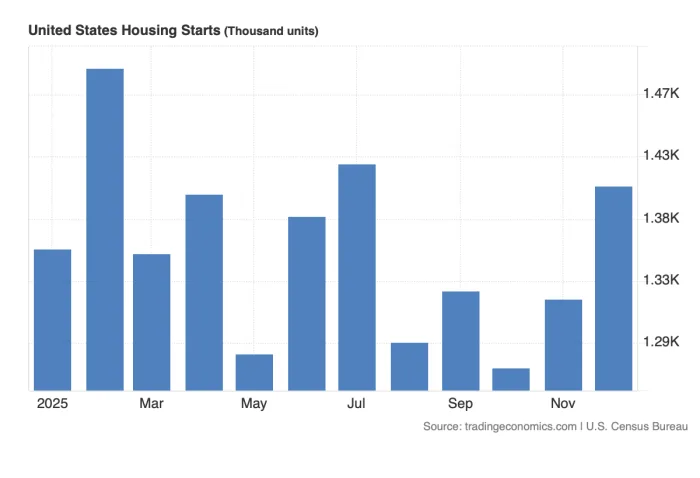
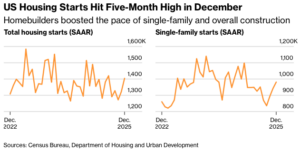 New residential construction in the US rose to a five-month high in December, as homebuilders boosted production to take advantage of lower borrowing costs. Housing starts increased 6.2% to an annual pace of 1.4 million homes in December, according to figures released Wednesday by the government, which were delayed by fall’s federal shutdown. …The advance was broad-based, with both single-family home starts and apartment projects rising at year’s end. The number of one-family homes started was the highest since February. The stronger construction numbers suggest that builders were growing more confident at year’s end even as they continued to sell off a bloated inventory of new houses. For the full year, however, starts notched a fourth-straight annual decline …In December, building permits, which point to future construction, rose 4.3% to an annualized pace of 1.45 million, the highest since March, government data show. Single-family permits fell slightly. [to access the full story a Bloomberg subscription is required]



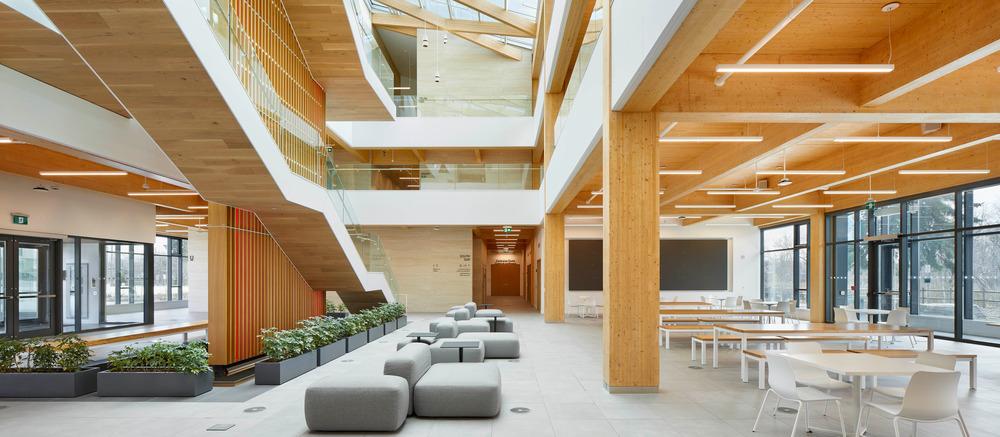
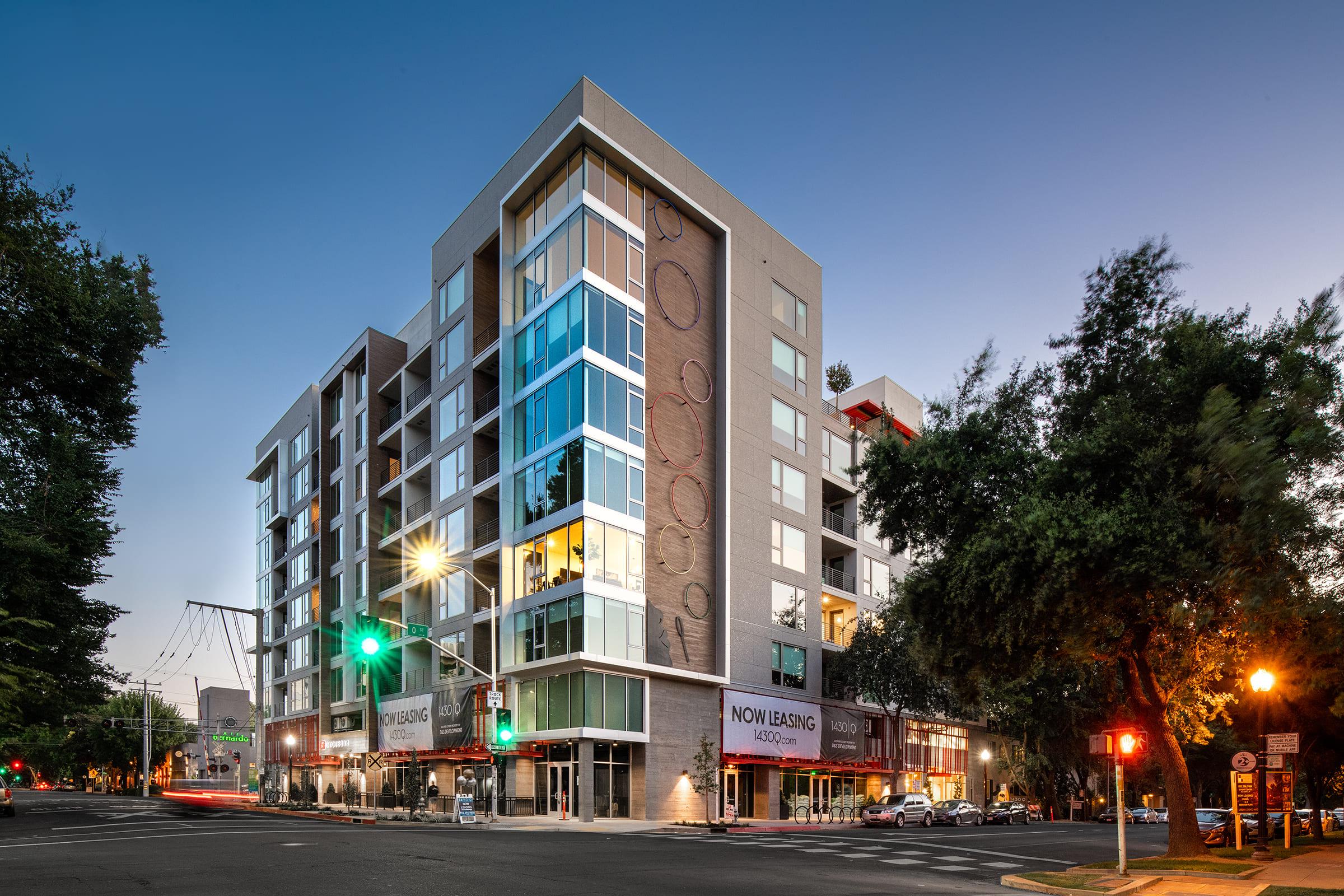
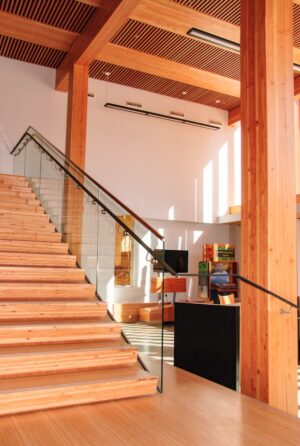 Massachusetts is considering changing state building codes to allow single staircases in multi-family residential buildings up to six stories. Advocates say the change would result in smaller buildings, space savings that could lead to 130,000 new housing units. Before changing the building codes, which currently require two exit stairways, Massachusetts Governor Maura Healey has signed an executive order establishing a technical advisory panel to study potential safety issues. “We’re all about making it easier to build more housing across our state to drive down costs for everyone,” Healey said in a statement. “While the double-stair requirement plays an important role in ensuring safety, it’s also holding us back from the type of housing construction we need to meet demand.” …New York City and Seattle, Washington have “permitted single-stair buildings up to six stories for decades,” the administration says…, as have the states of Tennessee, Montana, and Connecticut.
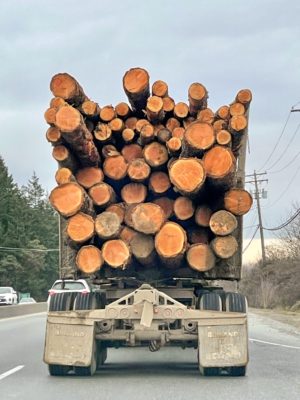 The forest industry and related associations, unions and community leaders have now coalesced behind the banner “forestry is a solution.” Their purpose, they say, is “to address the urgent challenges, from building affordable housing to reducing wildfire risks in our backyards” and to “rally British Columbians to support forestry workers and their families.” They will roll out the old dogma that BC practices the most sustainable forestry in the world. …The real purpose, I suspect, is that the coalition wants to continue the old model of intensive industrial forestry, despite the reality that our forests can no longer support this outdated model. In 2003, in an address at UBC, Pedersen, the chief forester of the day, stated that the forest industries’ plan was to harvest BC’s primary forests as quickly as possible and convert them into densely planted managed forests. Today, they have achieved that vision.
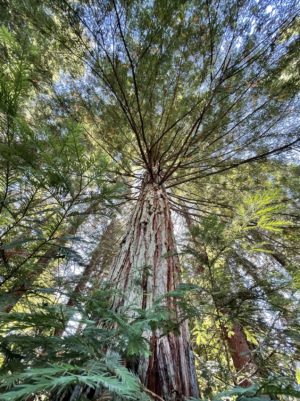 A BC First Nation in the final stages of treaty negotiation is suing the province for allegedly breaching the “honour of the Crown” after an official extended an expiring timber licence in its traditional territory. Filed in a BC Supreme Court last week, the application for judicial review from ’Wuìk̓inux̌v Nation seeks to overturn an August 2025 decision… that gave Interfor a three-year extension to log an estimated 50,000 cubic metres of timber. The court application argues that allowing a third party to continue harvesting on the nation’s lands—without their consent and against their environmental concerns—is a step backward that the law no longer allows. The claim, which also names Interfor, arrives at a volatile moment for BC politics: by leaning on a landmark legal precedent set in December 2025, it lands squarely in the middle of a heated debate over how the province manages its natural resources in an era of reconciliation.
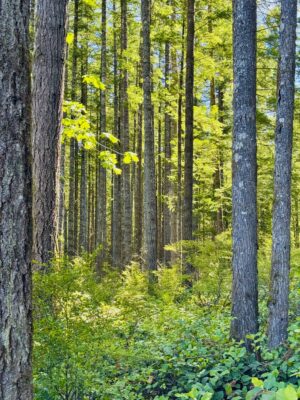 QUEBEC — A group of First Nations chiefs has filed a lawsuit claiming Aboriginal title over three large tracts of land. They say it’s to have more control over forestry but the implications go much further. For months, First Nations land defenders have been disrupting the logging industry on their traditional lands. It started in protest of Bill 97, the controversial forestry reform bill that Quebec scrapped in September. Nitassinan hereditary chief Dave Petiquay says the group of hereditary chiefs — from the Haute-Mauricie and Saguenay–Lac-Saint-Jean regions want the power to decide who can log on their lands and where. Lawyer Frédéric Bérard argues the Canadian constitution gives them that right. …The lawyer says, if successful, the suit would have repercussions for hereditary chiefs across the country and could impact future major infrastructure projects. The chiefs say they are willing to go all the way to the Supreme Court of Canada.

 A research paper questions a key rationale for expanding road access in national forests. Lifting restrictions on road construction in national forests could lead to more wildfires, according to a newly published study. The research led by a senior scientist at The Wilderness Society — which opposes the Trump administration’s proposal to reopen forests to new roads and logging — reinforces earlier studies finding that fire ignitions are more numerous near forest roads, including for fires started by lightning. The new research, published in the
 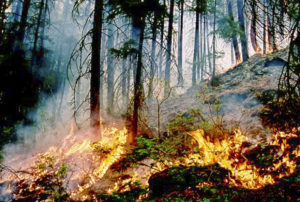 New research from The Nature Conservancy, the University of California, Berkeley and the USDA Forest Service, published in the journal Forest Ecology and Management, details how wildfires could be leveraged to increase forest resilience to future high-severity fires across the Western United States. Wildfires can be a powerful regenerative force for nature. However, modern wildfires in forests across the Western US have become uncharacteristically destructive, largely due to climate change and more than a century of fire suppression. Mechanical thinning and prescribed fire are used to reduce wildfire size and severity, but compliance restrictions and logistical challenges, as well as agency staffing capacity and funding constraints, often limit the scale of their treatment. The paper recommends that forest managers work in and adjacent to recent wildfire footprints to increase the pace and scale of fuel treatments, including low-to-moderate-severity wildfires (beneficial wildfire), and outlines three pathways for effectively leveraging these footprints.
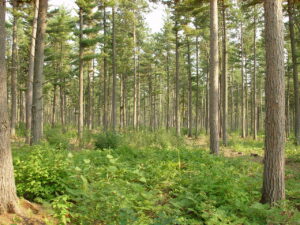 ARIZONA — The Forest Service budget to thin the forest is down. But hey, at least there’s a budget. That is the bad news/good news gist of a report on the 4-Forests Restoration Initiative (4-FRI) delivered last week at the Natural Resources Working Group meeting. Fortunately, the state Forestry Department is also continuing to fund thinning projects, including creating buffer zones around forested communities like Payson. However, time may be running out to restore the overgrown, drought-plagued forest. The meeting also featured a report documenting the worsening condition of the forest as thinning efforts falter. Jon Orona, with Arizona Department of Forestry and Fire Management, reported that 2025 was the fifth-driest year ever recorded – with average temperatures between 6 and 12 degrees above normal.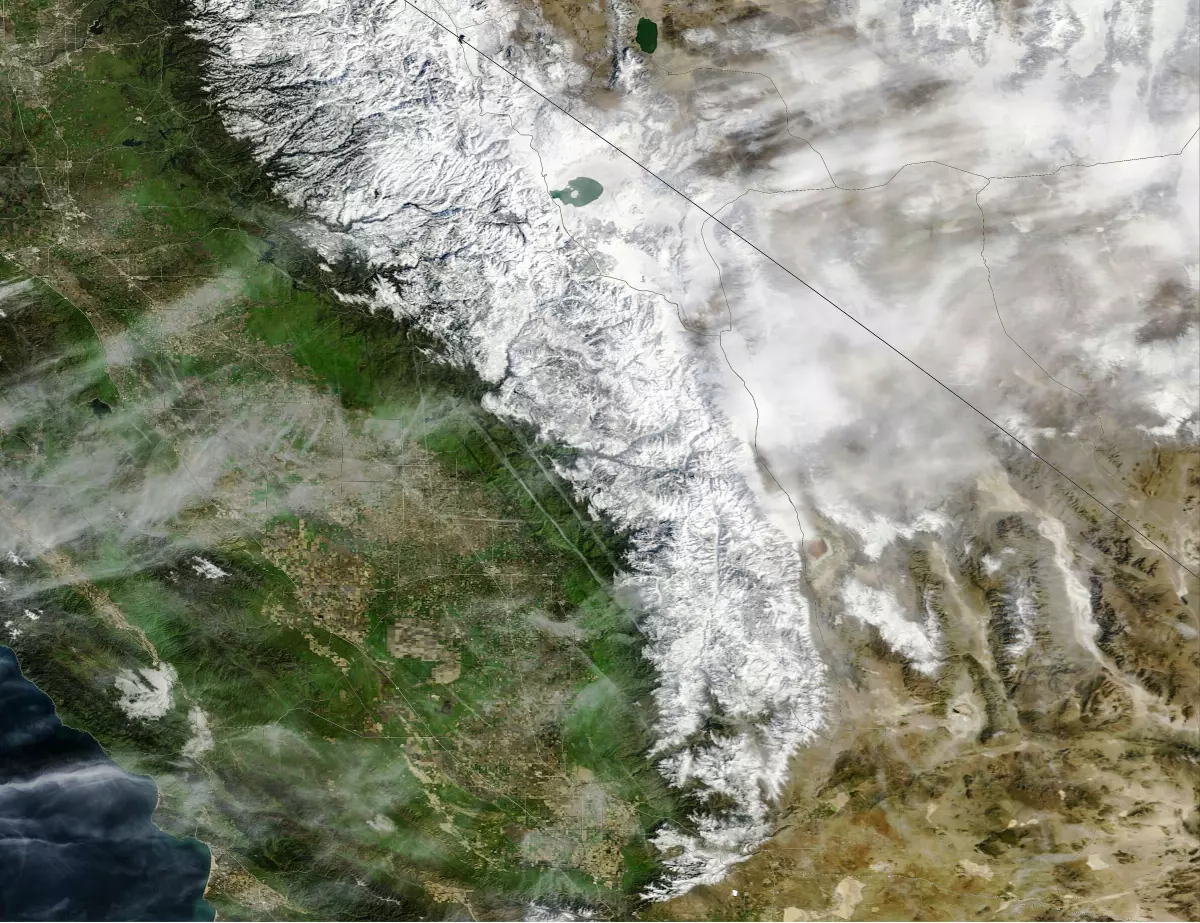

 ARIZONA — A coalition of local governments, timber industry representatives and environmental groups plans to tell congressional leaders and US Forest Service officials this week that Northern Arizona’s forests — and the timber industry that depends on them — face collapse without construction of a second, 30-megawatt biomass-burning power plant. The group will carry that message to Washington, DC, arguing that a “biomass bottleneck” threatens forest restoration efforts, watersheds and rural communities. Two concurring reports outline the concern: one issued by the Eastern Arizona Counties Organization and the Natural Resources Working Group in the White Mountains, and another from the Greater Flagstaff Forest Partnership (GFFP) and the Forest Biomass Coalition Working Group. …The report concludes that, while private industry may eventually develop products such as fiberboard or biochar from forest byproducts, only a second biomass-burning plant near Flagstaff or Winslow offers a proven, near-term solution.
 LITTLE ROCK, Arkansas — The Arkansas Department of Agriculture announced some of its forestry personnel will go to Oklahoma and Tennessee to help with wildfire suppression and winter storm response. Governor Sarah Huckabee Sanders authorized state forestry personnel to support wildfire suppression in Oklahoma and urban tree recovery in Tennessee. …Six wildland firefighters will go to Oklahoma for around two weeks. These firefighters will focus on attacking and suppressing new wildfires to prevent further spread. The Department is also sending four bulldozers and two pick-up trucks to help. Three urban forestry personnel will go to Tennessee to join an Urban Forest Strike Team, a specialized group of certified arborists, foresters, and urban forestry experts. Arkansas forestry personnel will help the UFST with tree damage and risk assessments, hazard mitigation planning, and technical expertise and training.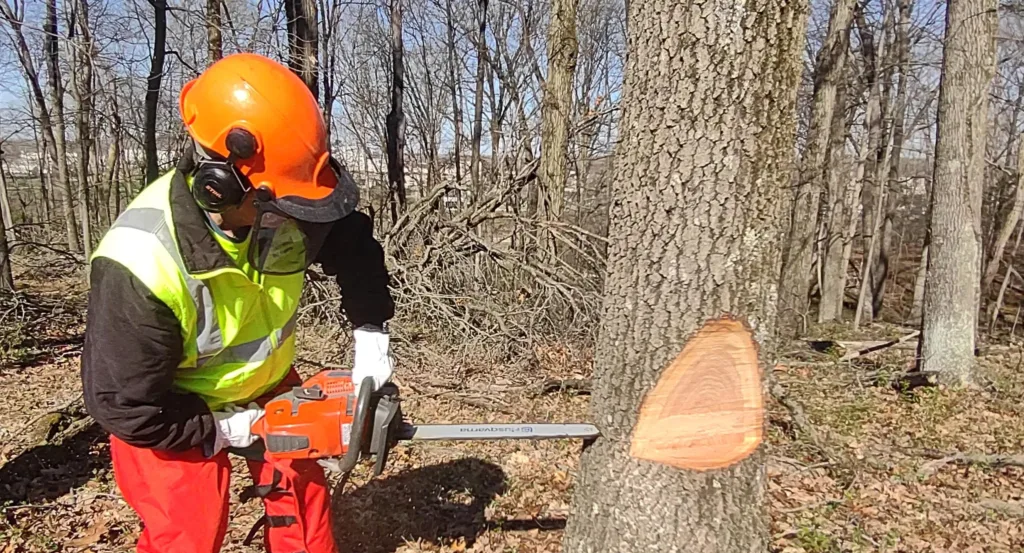
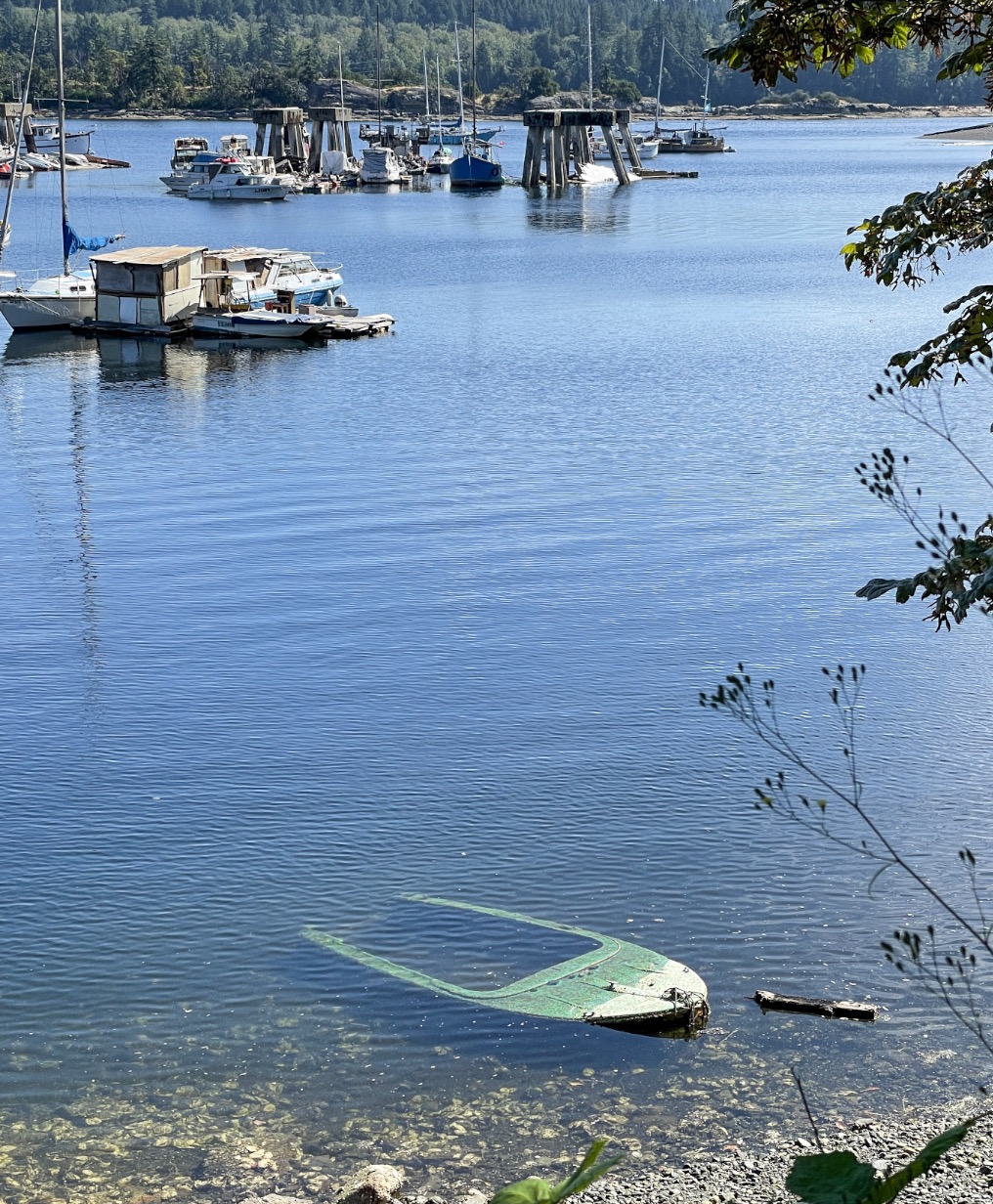 COWICHAN BAY, BC — Simon Fraser University researchers have uncovered concerning fibreglass contamination in a key estuary on Vancouver Island, raising concerns about how an as-yet overlooked contaminant could affect aquatic birds, marine life and coastal communities that rely on shellfish and seafood. A
  Wildfires have increased in frequency and severity over the past few decades. More fires are burning at the wildland-urban interface (WUI), where homes and other buildings meet the natural landscape—but our understanding of emissions from structure fires is still growing. New research led by the University of Colorado Boulder’s Cooperative Institute for Research in Environmental Sciences shows that common synthetic materials used in homes, like plastics and insulation, can release harmful compounds into the air when they burn. But synthetic materials make up only a small fraction of a home. Timber and wood panels make up the majority of the materials used, and the burning emissions from those are not so different from a vegetation fire. The work,