 The Canada-US trade talks are facing new pressures as the August 19 tariff deadline approaches. In related news: Canada’s negotiator warned that new tariffs could halt negotiations; Quebec’s premier links the return of US wine to concessions on forestry; David Elstone says the new tariffs are another critical blow; the US Lumber Coalition says Trump is helping curb Canadian lumber; and Brian Menzies argues the US Coalition’s position amounts to protectionism. Meanwhile: Stora Enso plans to close its Veitsiluoto sawmill in Finland; and the outlook for NBSK pulp is cautiously positive.
In Forestry news: Canada’s wildfire season takes a heavy toll on First Nations communities; concerns are raised about coordination of evacuation orders; thunderstorms could increase activity near BC’s existing wildfires; the Steelworkers Humanity Fund donated $30,000 for BC’s wildfire relief; and Northwestern Ontario has 110 active fires. Meanwhile: the Democrats propose 25 bills on wildfire risk and recovery; Oregon explores a proactive approach to fire; why Wall Street supports bioenergy; and more on Maine lumber mill fire investigation.
Finally, Canada’s wood success stories; Europe’s new packaging regulation; and Hawaiʻi’s newest building material.
Kelly McCloskey, Tree Frog News Editor
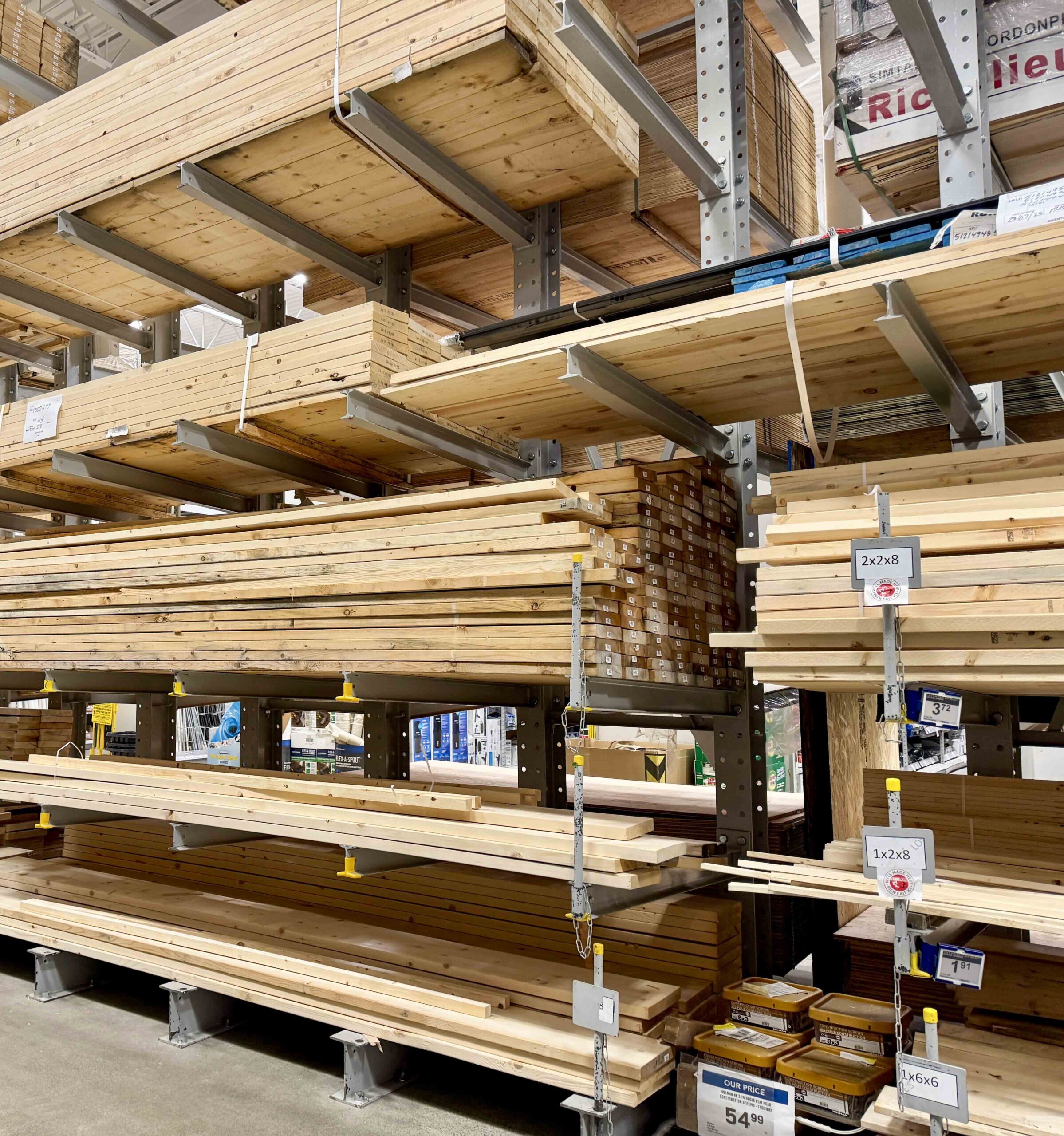 As the clock ticks toward U.S. President Donald Trump’s latest tariff deadline, Canada and the U.S. aren’t at a point where a tariff deal can be reached — and Canadian officials are not satisfied with the latest U.S. offer, according to two sources with knowledge of the trade talks. According to sources on both sides of the border, the Americans offered a new proposal on Tuesday which would lower some of the sectoral tariffs but not to the degree that the Canadian side would like to see. CBC News is not naming the sources because they were not authorized to speak publicly. Negotiators have been going back and forth in recent weeks in an effort to reach some sort of deal before Aug. 19, which is when Trump has promised a 50 per cent levy on hundreds of Canadian goods in addition to the sectoral tariffs already in place.
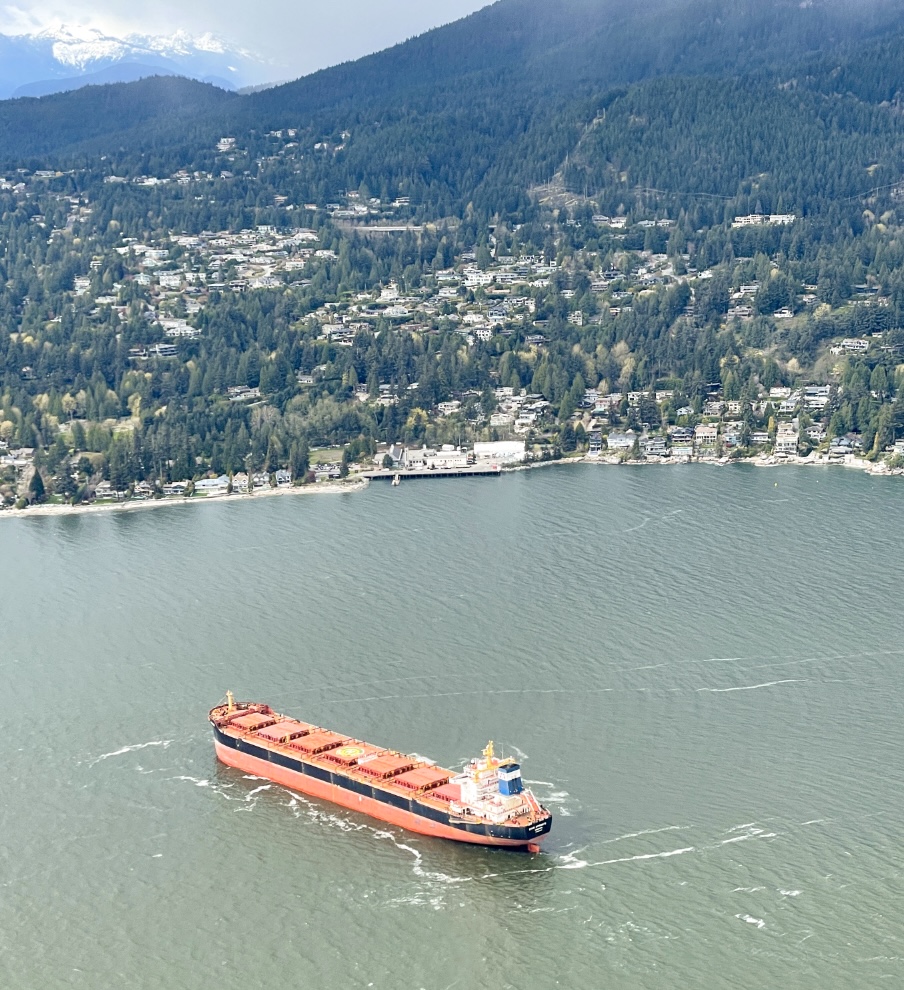 Canada’s top trade negotiator has warned her American counterparts that if the White House imposes new tariffs on Aug. 19, the move would represent a “cliff” that risks halting negotiations with the U.S. According to five sources briefed on the discussions, Janice Charette delivered the message in a meeting last week with United States Trade Representative Jamieson Greer. Four of the sources said Ms. Charette cautioned the Americans on the public mood in Canada should President Donald Trump make good on his threat to impose the new tariffs. The sources said she warned the officials that Ottawa would not be able to rein in or control the public or premiers’ reactions and the federal government will have lost the room to negotiate with the Americans. The Globe and Mail is not identifying the sources, who were not authorized to disclose details of their private briefings on the sensitive trade talks. [A Globe and Mail subscription is required for full access]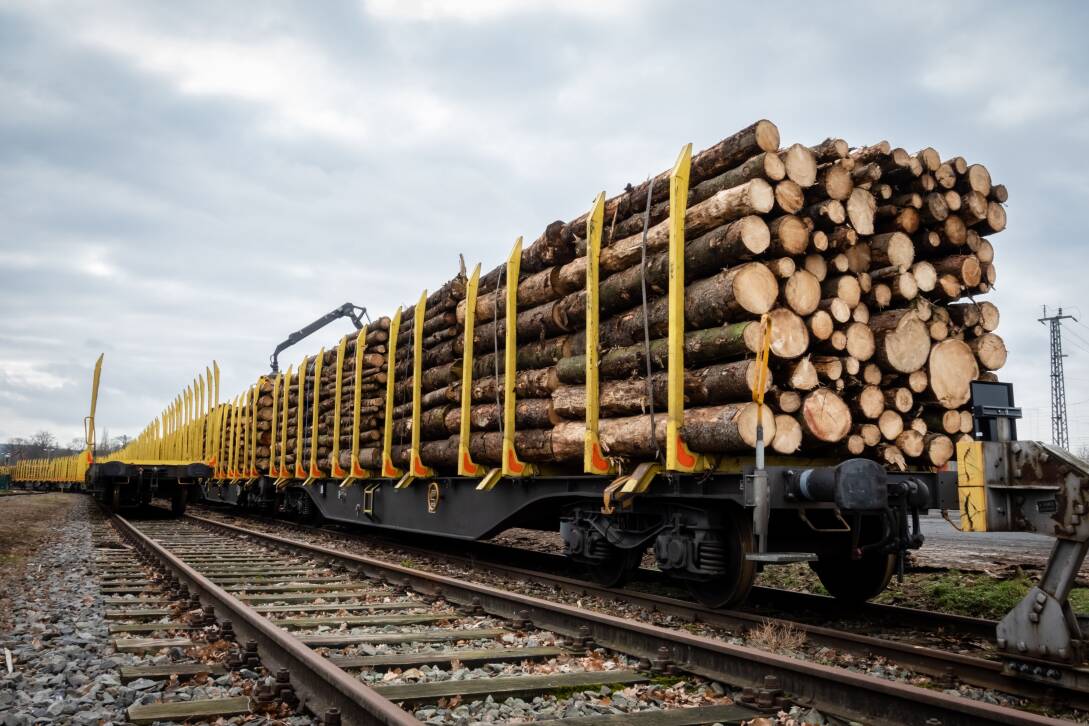
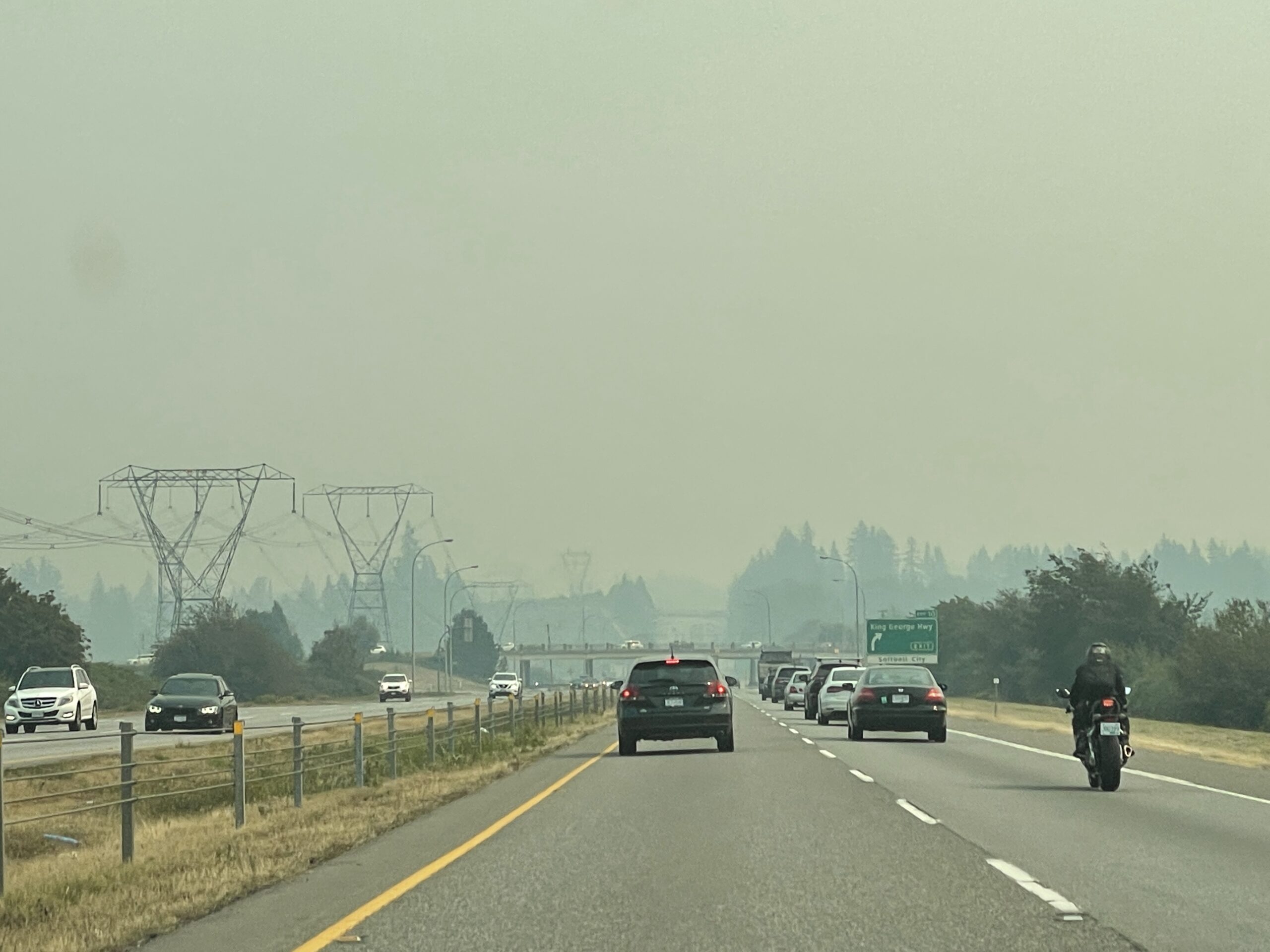 WASHINGTON, D.C. — Hundreds of wildfires are burning across North America, putting communities, buildings, and firefighters at risk. With blazes in Washington state, Oregon, Idaho, Montana, California, Utah, and in Canada, especially in British Columbia, Ontario, and the Northwest Territories, there have been plenty of headlines about the devastation. Last month, smoke from Canadian boreal forest fires poured into the United States, triggering air quality alerts for more than 120 million Americans. …Four Republican lawmakers accused Canada of failing to do enough to prevent wildfire smoke from hitting the United States, claiming that “continued inaction” was “unacceptable.” President Donald Trump also expressed frustration. …Forest management experts say Trump is oversimplifying a much more complicated problem. The U.S. and Canada have forests that are different in structure, but both now face many of the same fire pressures, says Lori Daniels, a professor of forest and conservation sciences at the University of British Columbia. [A subscription to the National Post is required for full story access]
 Premier David Eby’s statement after speaking in Penticton with evacuees, local leaders and emergency personnel responding to wildfires: Today, I met with people whose lives have been turned upside down by these wildfires. I listened to families forced to leave their homes with little warning. I heard from people waiting anxiously for news about whether they have anything left to return to. And I spoke with business owners worried about their employees and their future. I also met with local mayors, First Nations leadership, firefighters, emergency personnel and community organizations helping people through an incredibly difficult time. The message I heard was clear: These have been devastating days, but people are facing them with strength, determination and a deep commitment to supporting their neighbours. To everyone who has been evacuated, who is under alert, who has lost property or who is living with uncertainty right now: know that you are not facing this alone.
  The U.S. Lumber Coalition repeatedly accuses Canada of subsidizing softwood-lumber production, preserving excess capacity and distorting trade. That argument deserves scrutiny — but it must be applied consistently. The U.S. is hardly subsidy-free. Federal and state governments support forestry and wood manufacturing through grants, tax provisions and public programs. U.S. dairy producers also receive extensive government support. The question is not whether governments support important industries. Both countries do. The questions are which measures are acceptable, who benefits, and who pays. The coalition is not formally proposing Canadian-style supply management. …The coalition wants Canada to reduce production, limit lumber entering the United States and accept a smaller American market share. …Free trade cannot mean open markets for American exports and managed scarcity for American imports. A principle applied in only one direction is not a principle. It is protectionism — a policy that shelters inefficient U.S. companies from healthy competition while steadily eroding affordability, suppressing innovation, restricting opportunity and, ultimately, destroying jobs. [A subscription to the Vancouver Sun may be required for full access]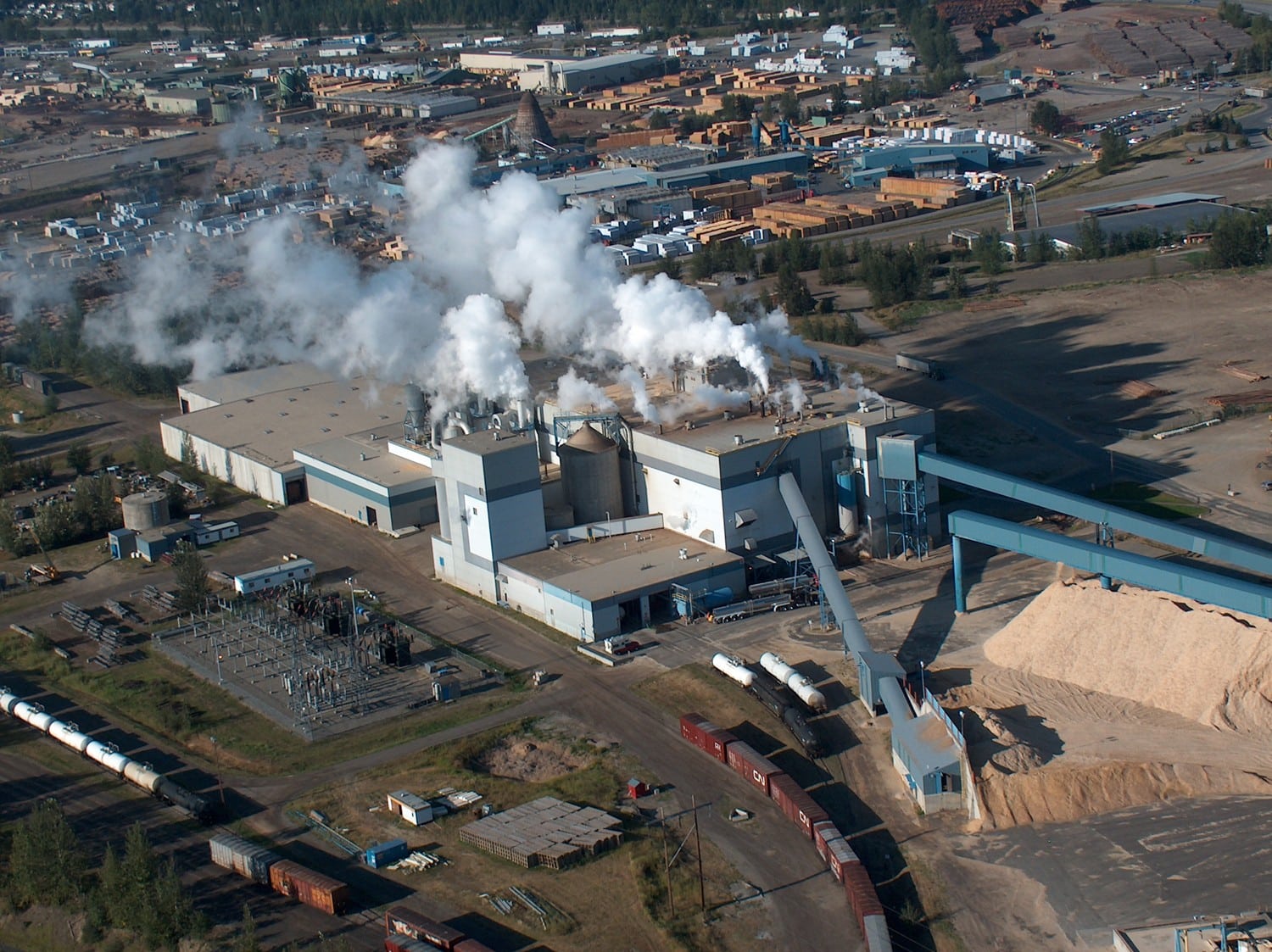

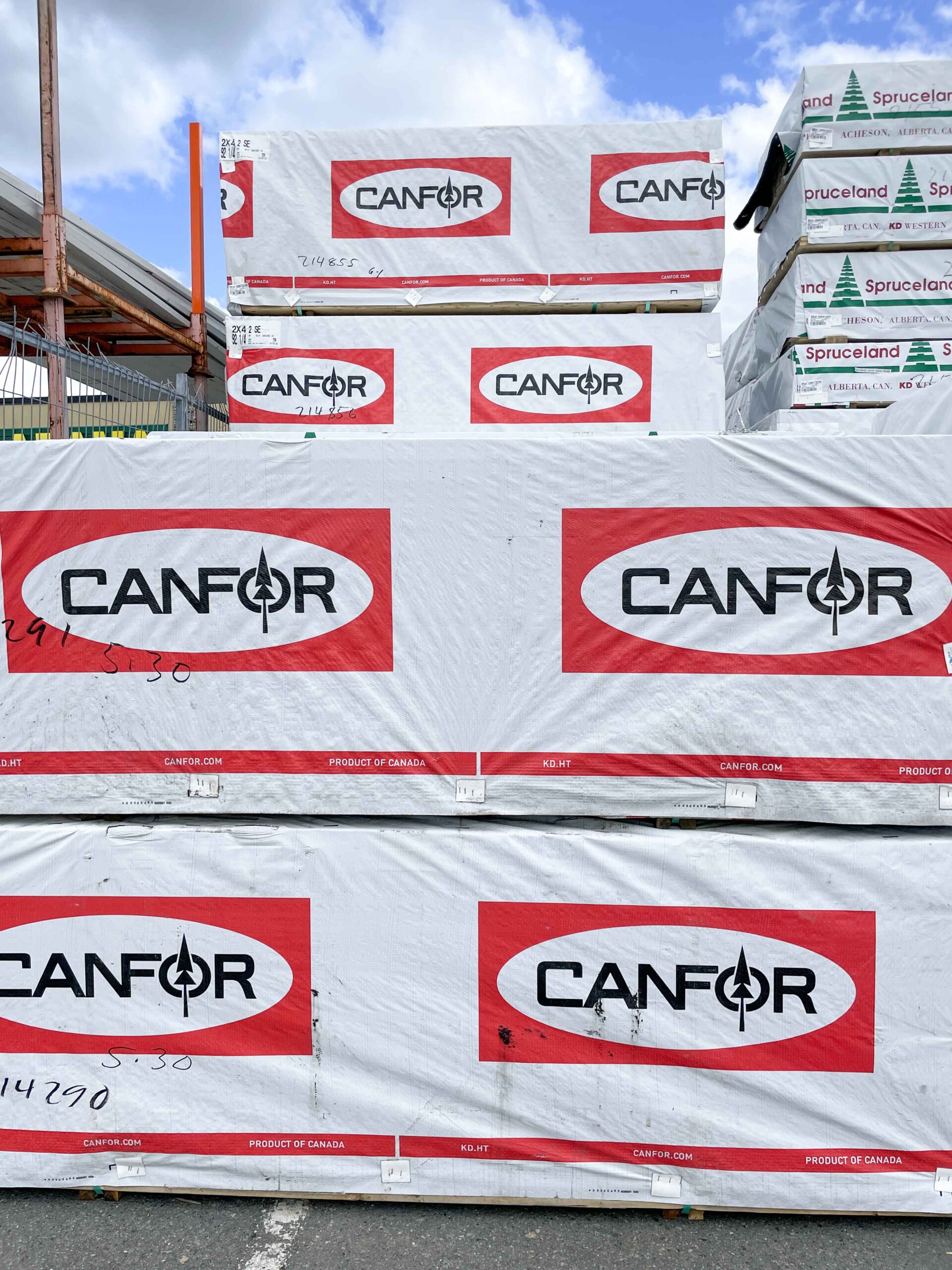 A Canfor spokesperson recently told the Whitecourt Star that discussions with Fox Creek sawmill staff, some of whom may transition to Whitecourt operations after the Fox Creek mill closes, are “ongoing.” The discussions follow Canadian Forest Products (Canfor)’s announcement at the end of July that the Fox Creek sawmill will permanently close by the late summer. “At this time, we have sufficient fibre supply to support our operations in Alberta, including Whitecourt and Grande Prairie,” Canfor media relations told the Star via email. Canfor confirmed approximately 70 staff members are impacted by the closure of the Fox Creek location, adding that it’s anticipated around 30 per cent will be offered other “opportunities.” These opportunities include roles at Whitecourt operations and other locations, or caretaking work at the Fox Creek site, according to Canfor. …The company stated the Fox Creek mill closure will result in a loss of 120 million board feet of production capacity.
 The TLA, together with the ILA, NWLA and MNP is pleased to share the 2026 Timber Harvest Cost Model. This model was developed to provide contractors with reliable data to support contract negotiations and align with government requirements. These rates reflect the required revenues of a contractor who runs a reasonably efficient operation. The BC Timber Harvest Rate Model calculates the hourly rates for equipment used in BC’s forest industry. It is designed to give contractors a baseline rate for a selected piece of equipment, serving as a starting point for setting rates. The inputs used in the calculations for the rate guide have been gathered from contractors, equipment manufacturers, service providers and administrative sources. …In May 2025, the beta version of the model was launched and shared with the BC contractor community. Since then, MNP has been gathering feedback from users to identify enhancements that will help contractors determine appropriate equipment rates.

 SEARSMONT, Maine —Federal investigators say firefighters unknowingly used a suppression tactic that likely contributed to the deadly explosion at Robbins Lumber mill fire in Searsmont in May. The report from the National Institute for Occupational Safety and Health (NIOSH) says that neither workers nor responding firefighters understood that the silo involved was designed to limit oxygen or that its contents posed a combustible dust hazard. … A preliminary investigation classified the fire as accidental and identified combustible dust as the cause of the subsequent explosion. The report says the silo was an oxygen-limiting model, which is designed to restrict the amount of air entering the structure. NIOSH said mill employees and firefighters interviewed after the explosion did not know the silo was oxygen-limiting and were unaware that the wood shavings and sawdust inside constituted a combustible dust hazard or that there were different risks with that silo as compared to other designs.
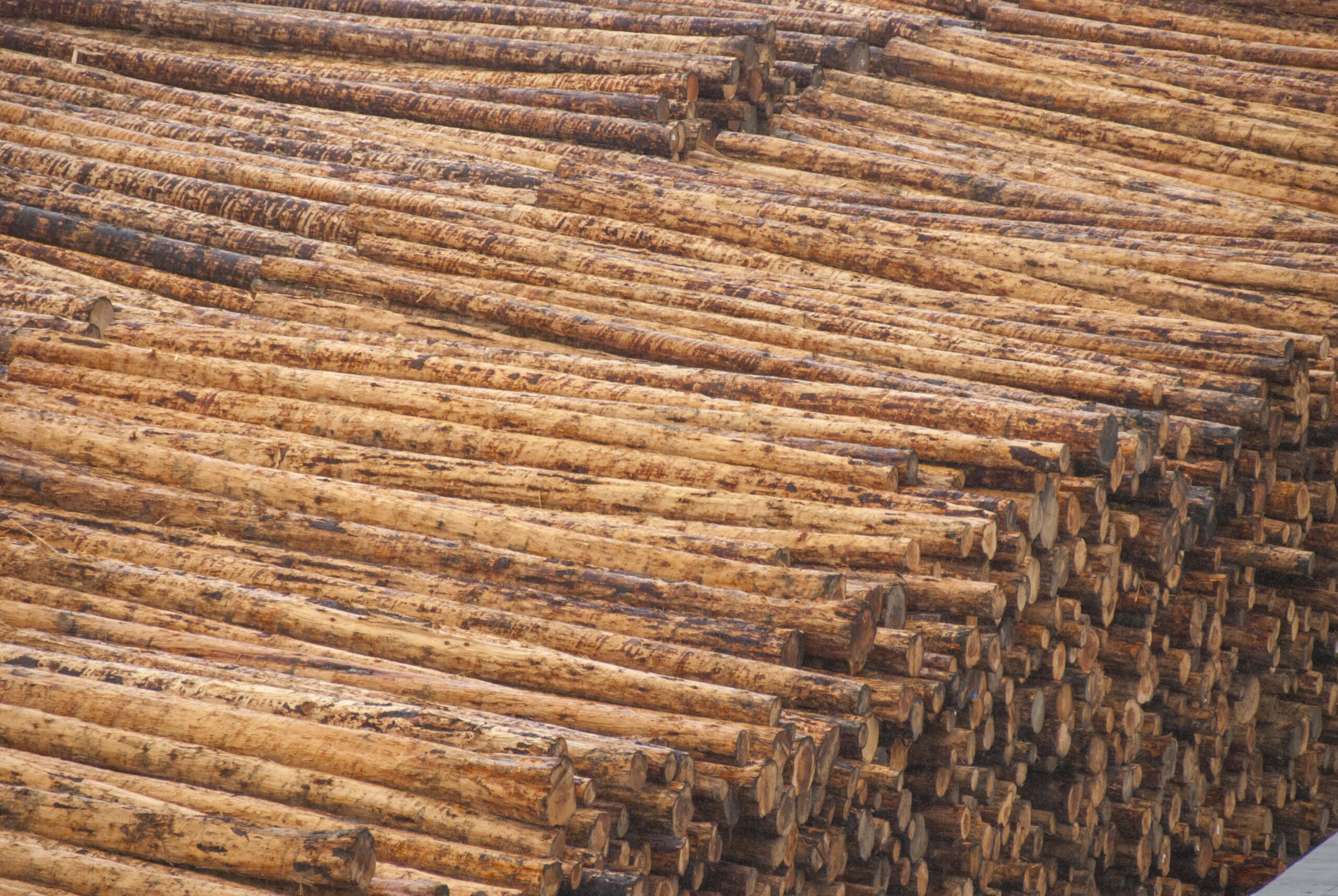 With one of the last buyers of hemlock pulpwood gone, good forest management could become too costly to sustain — putting habitat, climate resilience and rural jobs all at risk. News about the end of pulping operations at Finch Paper has focused on how it is bad for logging contractors and the forest products industry. As organizations focused on the future of Vermont forests, we agree — those impacts are significant. …This is bad news for everyone who cares about sustaining Vermont’s forests. [While commodity products are] often a goal of forest management, so are: improving wildlife habitat, biodiversity, climate resilience, recreational trails, carbon storage, protecting against pests and diseases… managing fire danger and improving the overall health and diversity of forests. Our organizations may prioritize the benefits on this list differently, but we agree on one thing: Without buyers for wood … forest management become economically difficult, or impossible, to carry out.
  There have been three price increase announcements by the majority producers of containerboard in just five months; most recently PCA’s announcement of a $140/ton (liner and medium) increase effective September 1, 2026; IP announced $80/ton for September 1, 2026, and Smurfit Westrock announced $100/ton. These latest announcements all took place within 3 days of each other. AICC believes these increases are without economic justification based on current rawmaterial inputs and economic data. Producers cite (as they have, again without objective justification,and unconvincingly in such a relatively short period of time in between them) economic need, high operating rates (e.g., Inflation, fuel, labor, insurance), and tight supply to justify these increases. AICC is skeptical of these reasons in the current containerboard and corrugated market. Arguably, the increases are reflective of a small group of producers having market dominance.


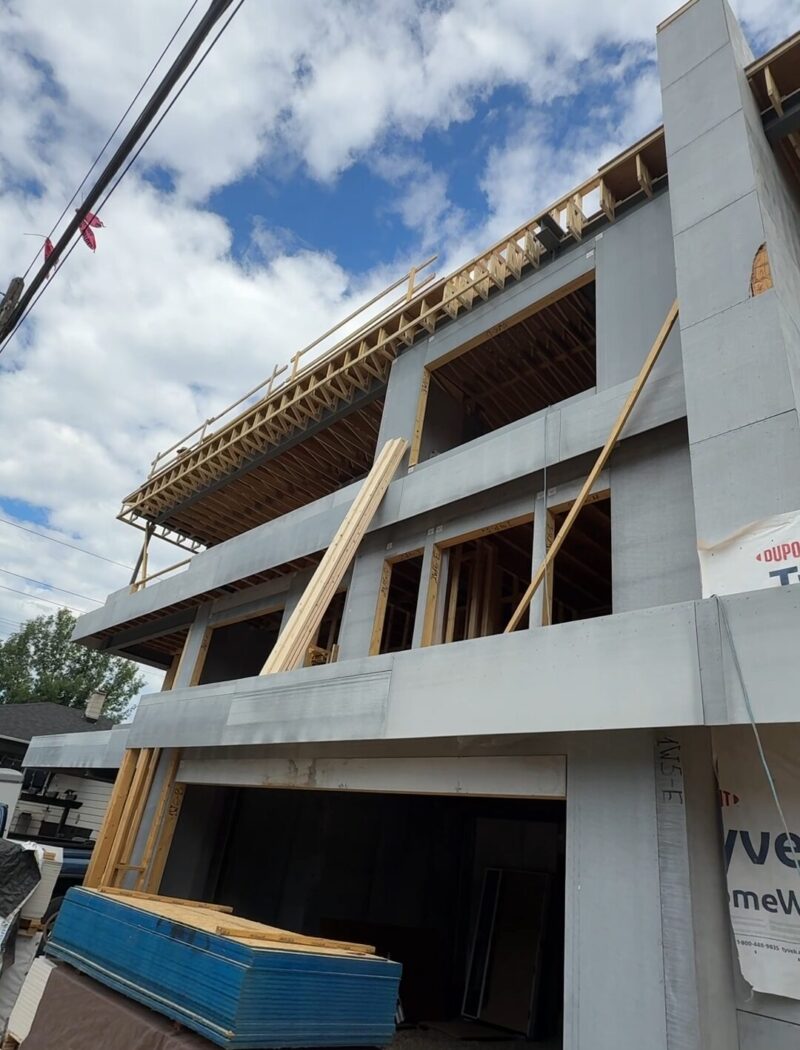



 The first requirements of the EU’s new Packaging and Packaging Waste Regulation (PPWR) take effect today, August 12. Duni Group is well prepared and welcomes the regulation, which creates a common framework for the European packaging market.



 TORONTO – The Steelworkers Humanity Fund (SHF) is donating $30,000 to support individuals, families and communities evacuated by recent wildfires in British Columbia. Hot and dry conditions across much of British Columbia have contributed to another difficult wildfire season, forcing thousands of people from their homes and creating uncertainty for many communities. The United Steelworkers union (USW) has documented impacts in several communities and in workplaces represented by the union across the province. These include evacuations and evacuation alerts, union members serving on local emergency response teams who are helping to protect their communities and fight fires, members trapped in their homes and some who lost their homes to the flames. The SHF is providing $30,000 to the Canadian Red Cross British Columbia Wildfire Appeal to assist those impacted by the wildfires.

 Fire Lake lies near Garibaldi Park. …Five years ago, the B.C. government earmarked the Fire Lake forest as a priority old-growth logging deferral area. Part of the forest sits in a wildlife habitat area that the government set aside for the endangered northern spotted owl… But none of these designations carried any weight last fall when BC Timber Sales auctioned off about 70 hectares of the forest … for clearcut logging. Joe Foy, a campaigner for the Wilderness Committee, drove along freshly bulldozed roads to shoot photos and video of the forest and document recent logging. …When Foy and his colleague combed through B.C. government websites and maps, they discovered the forest around Fire Lake is far from the only federally designated critical habitat for spotted owls that Premier David Eby’s government has slated for logging. …The government claims it is safeguarding species at risk, Foy said, but “species are literally disappearing as they talk.”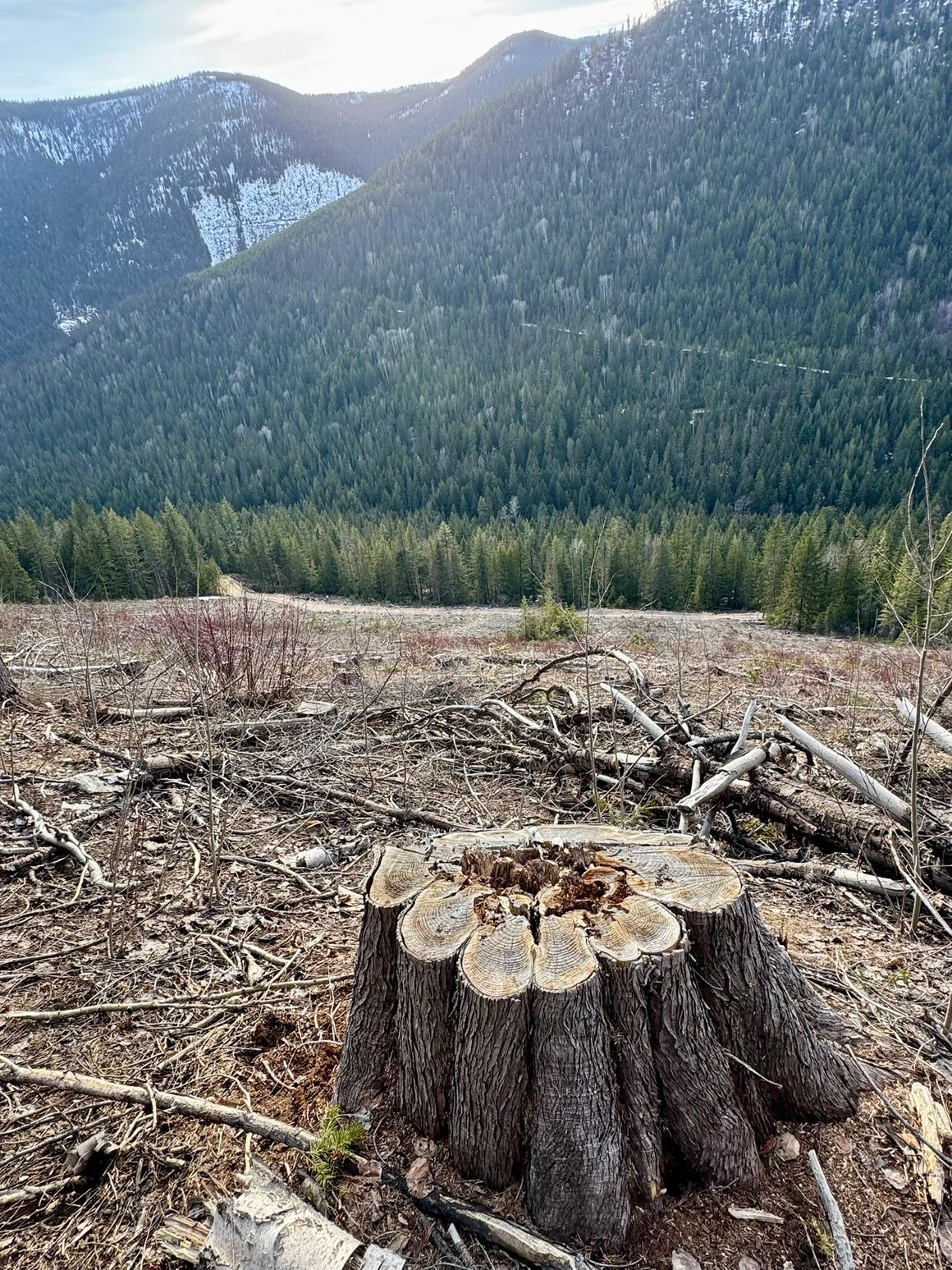



 Retreat to the woods and waves of Vancouver Island this fall for the 29th Annual Woodlots BC Conference and AGM in Parksville from October 1-3. This year’s event will be held at the tranquil Tigh-Na-Mara Seaside Spa Resort, located on the traditional lands of the Qualicum and Snaw-Naw-As First Nations. Explore the theme “Woods & Waves: Navigating the Narrative” through coastal field tours followed by a full day of speakers and sessions. This is a fantastic opportunity to combine professional development with a relaxing resort experience. Enjoy the 22-acre forested oceanfront resort featuring 3 kms of sandy beach, the Grotto Spa, indoor pool and on-site restaurant. This year’s theme is Woods & Waves: Navigating the Narrative. Woodlots in BC face unique, shifting challenges—from intense weather events to changing regulations. This theme uses “navigation” as a metaphor, positioning open communication and collective wisdom as the ultimate compass for woodlot managers. Register by the Early Bird deadline on August 31, 2026, for a chance to win your Early Bird registration back.







 As the Southern Europe heats up, countries are spending billions on firefighting efforts. But wildfire experts say a greater emphasis on preventative measures is needed to stop this year’s disaster from becoming a regular occurrence. “[Scientists] totally agree that we pretty much know what we need to do, but we’re massively lagging behind,” says Stefan Doerr, a geographer at Swansea University. …“First of all, we have to stop climate change,” says Alexander Held, a wildfire specialist at the European Forest Institute. “But we can’t do this in the short term.” Instead, he says it is vital to modify the land to cut back on the accumulation of fuel. One strategy is to thin highly flammable vegetation by reintroducing grazing livestock, cutting back growth, or even using prescribed burning… Making landscapes wetter can also suppress fires. …Introducing strips of more fire-resilient deciduous trees, for example, is an option.

 Under U.S. federal policy, wood pellets are classified as carbon neutral renewable energy. That label, assigned in an overlooked 2018 rider buried in a massive appropriations bill, is worth billions of dollars. The people who lobbied hardest to put it there were investors who may make billions as a result of that controversial decision. Enviva, the world’s largest wood pellet producer, was built with private equity money. Riverstone Holdings first invested in 2010 through its $4.3 billion Riverstone/Carlyle renewable energy fund, then led a recapitalization worth more than $1 billion in 2020, bringing in money from investment firms Goldman Sachs, Mubadala, Fortress, and Neuberger Berman. None of them were betting on wood, but on a label. Take away the renewable designation and the business disappears. It only works when governments agree to count pellets as “clean.” …Congress should immediately strip the carbon neutrality language from spending bills, keep biomass out of clean energy tax credits, and let the EPA follow the evidence.
 Our Policy, Regulation and Research Department is requesting feedback on sections 4.107 and 4.110–4.118, Harassment and Violence, of the proposed new Part 4.1, Psychological Health and Safety, Harassment and Violence, of the Occupational Health and Safety Regulation. The consultation phase gives stakeholders an opportunity to share feedback before the proposed amendments are taken to public hearing. View the proposed regulatory amendments and information on how to provide feedback. Please provide your feedback by 4:30 p.m. on Friday, October 9, 2026.


 As the Bald Ridge wildfire near Summerland, B.C., continues to burn, many are wondering how the blaze spread so quickly. …the Bald Ridge wildfire quickly grew to 50 square kilometres in just three hours after it was first detected. …“It was absolutely shocking to see that fire in Summerland go from an ignition and then spread to a thousand hectares within an hour or so, 5,000 overnight and 10,000 within 24 hours,” Lori Daniels, Centre for Wildfire Coexistence at the University of British Columbia said. …Cliff Chapman with the B.C. Wildfire Service said conditions in that region of British Columbia right now “are explosive.” …The fires across B.C. are occurring at a time when “fires are coming on the shield of prolonged droughts,” according to Daniels. …Daniels believes that, “if we have forest and trees near us now in Canada,” people in the country are “susceptible” to evacuations and wildfire effects.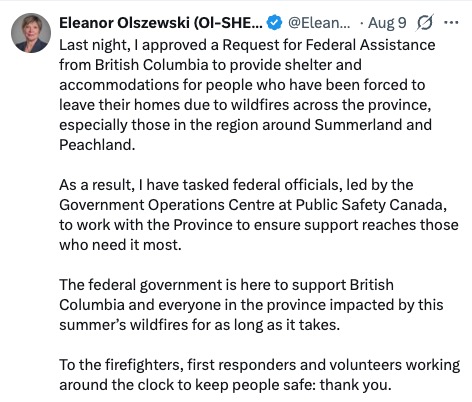


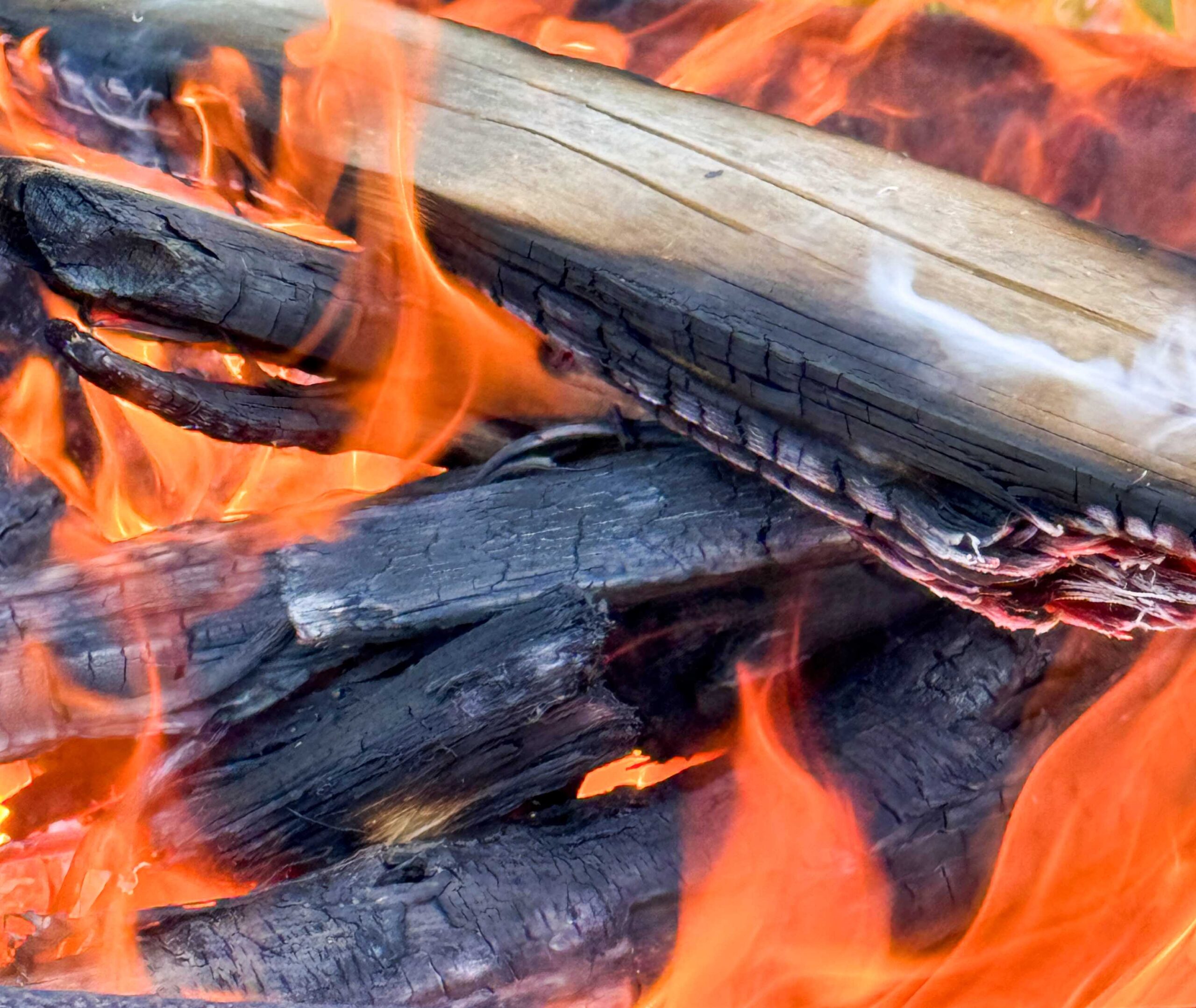 A man charged with starting one of the wildfires in Spokane, Washington, that have destroyed hundreds of buildings planned the crime for weeks and researched when the weather would be best for igniting it, police said. In an interview after his arrest, Aaron Farinacci said “fire is powerful, beautiful, and that things that go through fire experience a kind of rebirth,” Spokane County Detective Michael Drapeau wrote in a court filing Wednesday. Farinacci, 37, is charged with starting the Old Trails fire, one of three blazes in the Spokane area that have burned more than 850 buildings, destroying whole neighborhoods and streets. …Farinacci served about a decade in prison after killing his father in Mesa, Arizona, in 2010. He also shot himself. He was charged with murder but pleaded guilty in 2012 to manslaughter and aggravated assault. Farinacci’s lawyer repeatedly raised concerns about his mental health during the case.

