 Trump delays 50% tariffs for three days, saying we have a deal, subject to the finalization of documents. Meanwhile, Carney says progress has been made but important work remains. In other Business news: Canada’s corrugated and containerboard industry presses for tariff relief; Tolko curtails veneer production in Kamloops; Ontario invests $2.1M to support forest biomass ventures; Oregon receives $15M for wood innovation projects; work begins toward restarting the Nippon Dynawave mill; and Michigan State University accelerates its mass timber collaborative.
In Forestry/Wildfire news: the US administration moves to rescind the Roadless Rule protecting millions of acres of national forest—while ENGOs say it’s an assault on forest protections. In related news: US researchers say climate change is reshaping western forests; Haida Gwaii records its first marbled murrelet nest in decades; Edmonton combats its Dutch elm disease problem; and a BC startup is mapping backroads to highlight wildfire evacuation routes. Meanwhile: news updates from BC Wood Specialities; and the Alberta Forest Products Association; and wildfire updates from Summerland and Kamloops, BC; Ontario; and Colombia (the country).
Finally, BC First Nation Forestry Council’s Lennard Joe on the future of forestry in BC.
Kelly McCloskey, Tree Frog News Editor


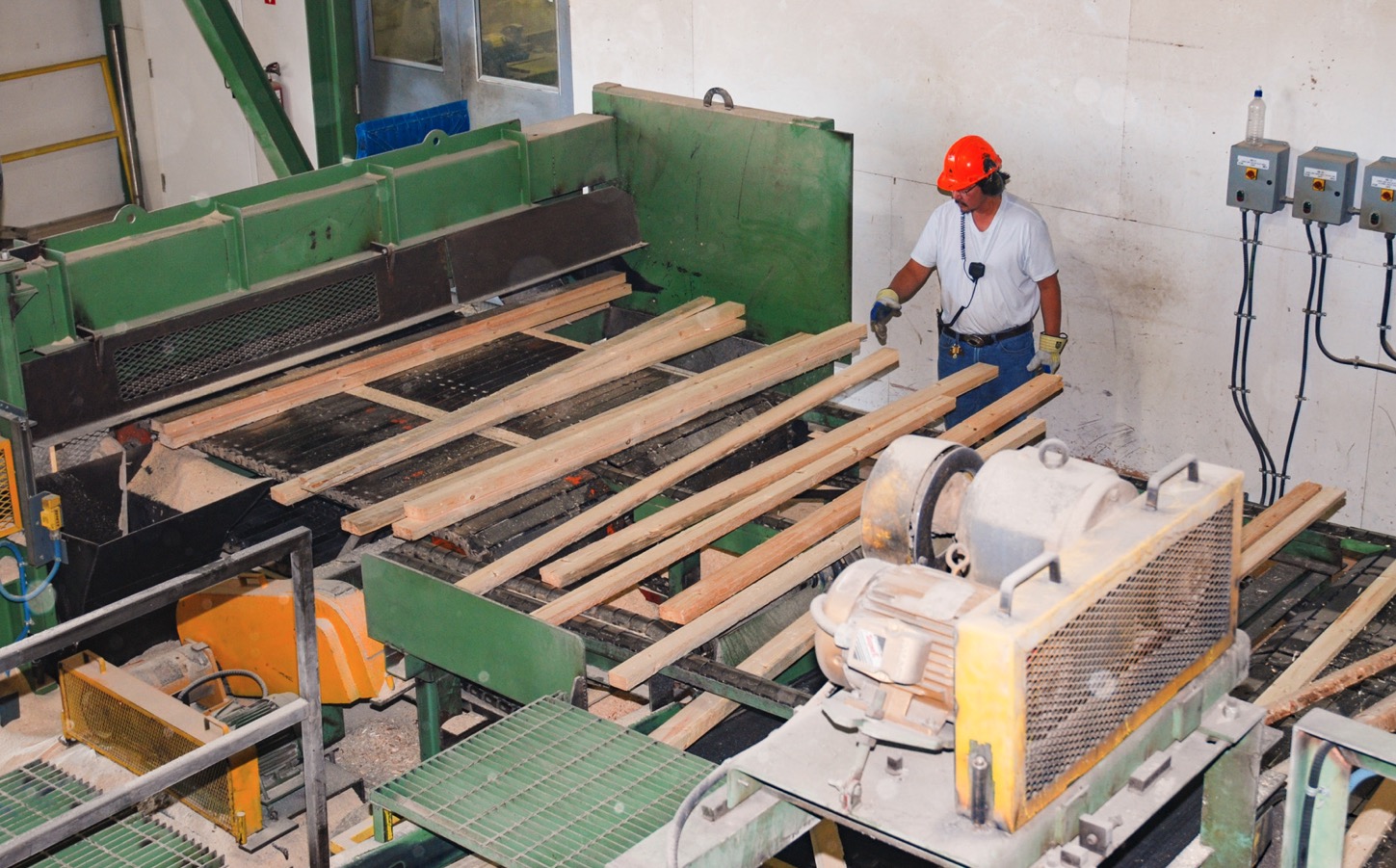 It was recently reported that Interfor Corp., a B.C.-founded forest products company and one of North America’s largest lumber producers, is planning to relocate its head office operations from Metro Vancouver to Georgia. A couple of weeks earlier, Canfor Corp. announced the permanent closure of its Northwood Pulp Mill in Prince George. These are only the latest in a long list of forestry operations that have closed or left British Columbia. According to the Council of Forest Industries (COFI), 23 mills have permanently closed since 2023. The latest reports suggest the count may now be approaching 30. Premier David Eby’s government has been quick to blame the shrinking B.C. forest industry on U.S. President Donald Trump’s tariffs. …But the deeper causes of the crisis in B.C. forestry lie closer to home. B.C. lumber production has been in steep decline for a decade or more. …That conclusion is reinforced by the Canadian Forest Sector Transformation Task Force…
 GOLDEN LAKE — The Ontario government is investing over $2.1 million in four projects to increase forest sector competitiveness and drive innovative uses for mill by-products and underused wood known as forest biomass. As part of the government’s plan to protect Ontario and build a competitive, resilient and self-reliant economy, these investments will position the forest sector to unlock new markets, bolster supply chains and protect good-paying jobs. “Our government is helping forest sector businesses build international reach and bring competitive products to market,” said Kevin Holland, Associate Minister of Forestry and Forest Products. “Under our forest sector roadmap, we’re driving the industry’s continued growth and showcasing Ontario’s capacity as a G7 leader in innovative manufacturing.” Associate Minister Holland made the announcement at Ben Hokum and Son, which is receiving over $1.9 million to install two biomass-assisted steam kilns… These investments are delivering on the government’s

 The Hive at 2150 Keith Drive in Vancouver is one of the most seismically advanced mass timber projects in North America. The building features nine levels of mass timber construction, sitting atop a concrete base, with a honeycomb structure of diagonally oriented braces arranged in a cellular pattern. The building’s design uses a perimeter-braced structural system that creates a striking exterior expression and eliminates the need for conventional cast-in-place concrete cores. A mass timber structure for all floors above Level 2; a series of timber shear walls in the interior and a series of structural braces at the exterior resist the wind and seismic load. Exposed wood is a major feature of the building’s interior design. The use of mass timber is complemented by a palette of earth-toned materials, including composite metal panels, wood soffits and abundant glazing. A perfect pairing for the views of the North Shore mountains and downtown Vancouver skyline.


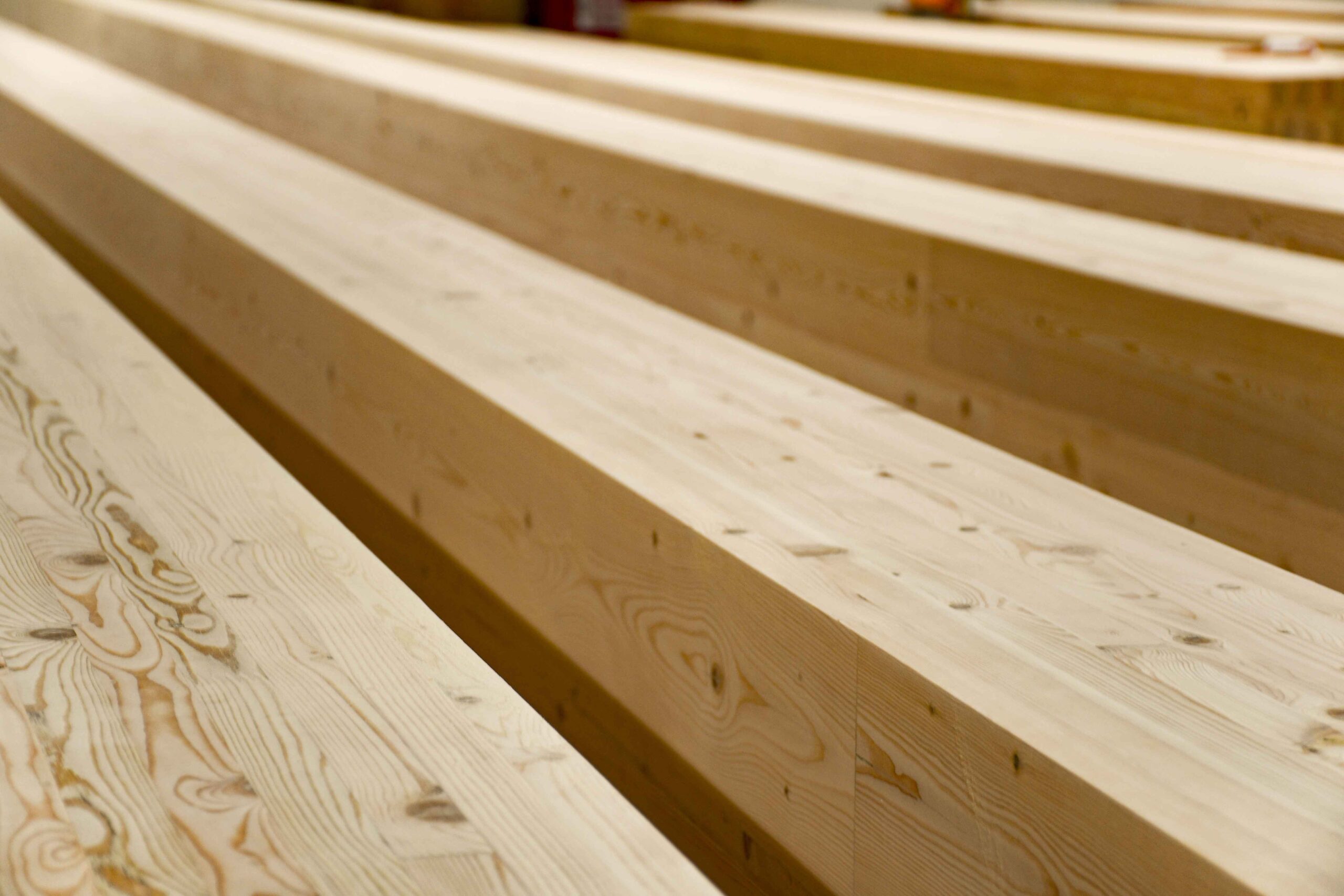 Auburn engineers are working with the U.S. Air Force to redesign deployable military housing using mass timber, with the goal of creating temporary barracks-style structures that can be assembled faster and perform better in cold-weather environments. Led by Auburn Engineering, the project combines structural design, materials testing and prototype development with architecture and building science… Battelle, an applied science and technology organization, is partnering with the Air Force to build prototypes. The work focuses on improving structures traditionally built with light wood-frame construction, similar to conventional residential framing. While effective, that approach can require several days of on-site assembly and additional measures to withstand harsh climates. …Roueche said the Air Force needs temporary housing that can be transported, assembled and occupied quickly. Mass timber gives the team a way to meet that need by shifting more work into prefabrication, reducing on-site assembly time and improving thermal performance for cold-weather deployments.
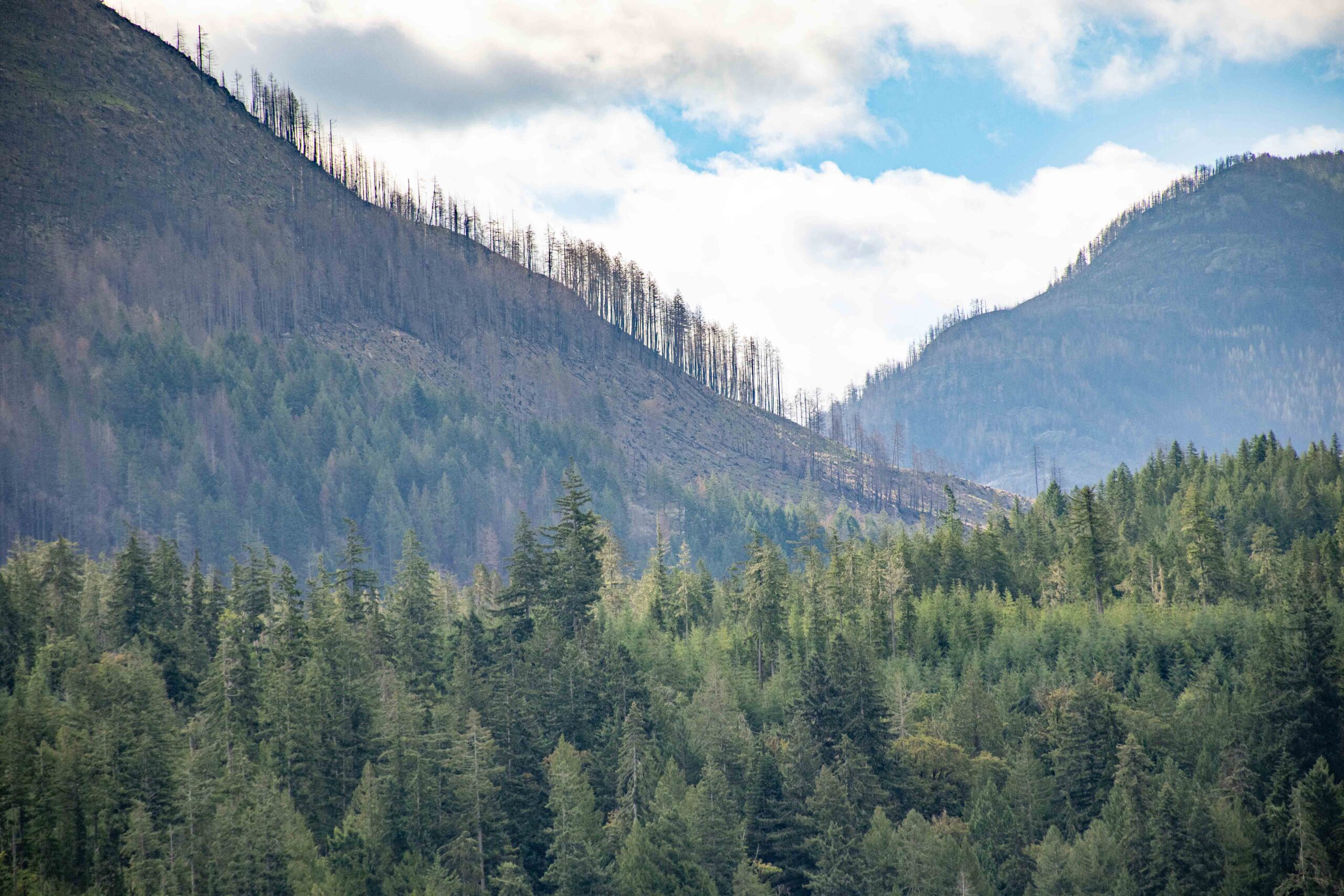 Canada is on track for its fourth worst wildfire season on record. At a regular fire briefing in Ottawa Tuesday, federal forecasters said September’s fire risk stands to be well above seasonal averages across northern British Columbia, northern Quebec and most of Labrador. So far this year, wildfires have burned more than 40,000 square kilometres … marking the first time in history that forest has burned for four years in a row in Canada. A wildfire destroyed around 150 homes, barns and other buildings in B.C.’s south Okanagan this month. In July, a fire also destroyed much of Namaygoosisagagun, also known as Collins First Nation, 250 kilometres north of Thunder Bay. That fire merged with others in the area and became the largest wildfire ever recorded in Ontario, spanning more than 3,500 square kilometres. Yet the number of requests for federal assistance related to wildfires dropped dramatically this year, government officials told reporters at a technical briefing.
 When Donald Trump says Canada is mismanaging its forests, many Canadians instinctively dismiss the comment. …But that would be too easy — not because clearing dead trees and brush never makes sense, but because Trump’s call to “rake the forest” turns a complex problem into a simplistic slogan… Managing a forest that stretches across nearly a third of the country is far more complex than the soundbite would suggest. The real question Canadians should be asking is, “Are we managing our forests in ways that can make catastrophic wildfires more likely and more intense?” The uncomfortable answer is yes. Canada’s wildfire crisis is being fuelled by two converging forces: a changing climate and decades of decisions about how we manage forests and fire. …Trump speaks in soundbites not science, so it can be hard to take him seriously. But that doesn’t mean Canada shouldn’t seize the opportunity to have a serious conversation about forest management…
 Canadian forests are getting cooked by our fossil fuel pollution, unleashing a rapidly intensifying wildfire crisis. Most summers used to be calm, low-fire seasons when Canadians could peacefully enjoy our lakes, woods and mountains. As we will see, those low-fire years have become vanishingly rare because we’ve burned away the cooler, calmer climate that made them possible. Most summers in Canada now are choking, high-fire endurance events. As we will also see, we now suffer through more wildfires in our average year than during our very worst years in decades past. And our worst years have turned dystopian. If we don’t stop overheating our forests, the wildfire crisis will continue to spiral out of control. …Are humans causing the wildfire surge in Canada’s unmanaged forests? Yes. Our fossil fuel emissions now permeate every cubic millimetre of the atmosphere… We are cooking up a dystopian future overwhelmed by megafires.
 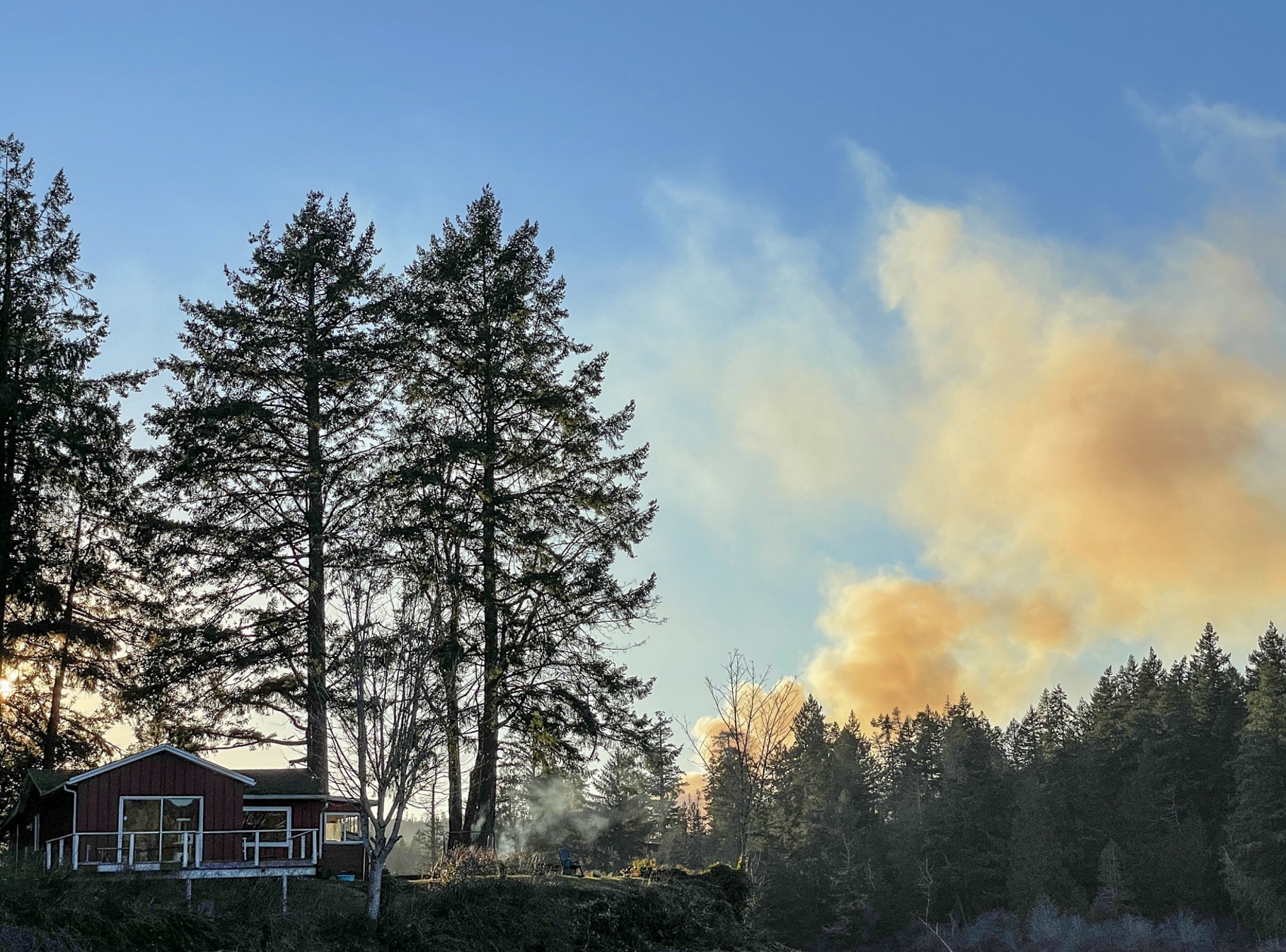 The BC Wildfire Service has outlined its policies regarding responses to house and structure fires following a fire that destroyed Ric and Shirley Martin’s Balsam Road home outside Houston on Aug. 5, 2026. An initial BCWS attack crew did respond, but that was to assess and address any risk of the fire spreading into surrounding forested areas, the service said. “Wildland firefighters are trained to respond to wildfires and other incidents involving vegetation and organic fuels. They are not trained or equipped to respond to fires involving structures or other non-organic materials,” the service stated. “Structural firefighters are trained and equipped to respond to structure fires and to protect and defend properties and infrastructure in the wildland urban interface.” …“In the case of the Balsam Road fire, BC Wildfire Service personnel were present to monitor and address any wildfire risk associated with the incident, while structural fire suppression responsibilities remained with the appropriate local fire response agencies.”
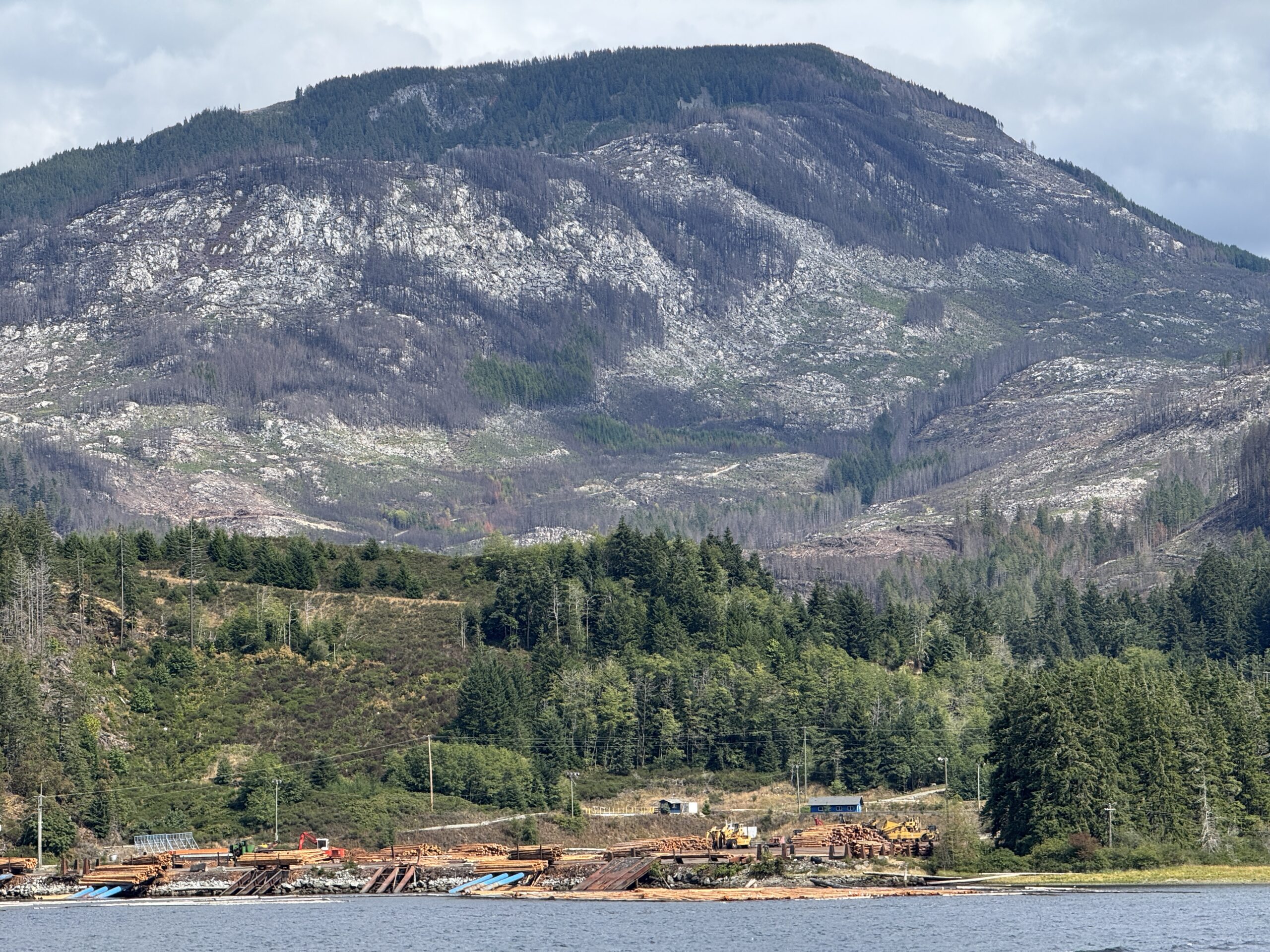 As fires continue to bear down on B.C., officials are developing an “all-of-society” approach to build community resilience, bringing together FireSmart programs, risk reduction work and the forest sector, according to Forests Minister Ravi Parmar. “I’ve asked my ministry to take a lot of the different pots of money that we have and develop an all-of-society approach,” Parmar said during a Tuesday press conference. He said the approach would include building a “working forest” with resilience as a core part of that work, along with broader efforts to help communities FireSmart their properties and neighbourhoods. Parmar said the province will provide more details later this week. He said that approach is already well rooted in the Okanagan and that he plans to continue conversations with the West Kelowna fire chief and mayor when he travels to the valley next week.
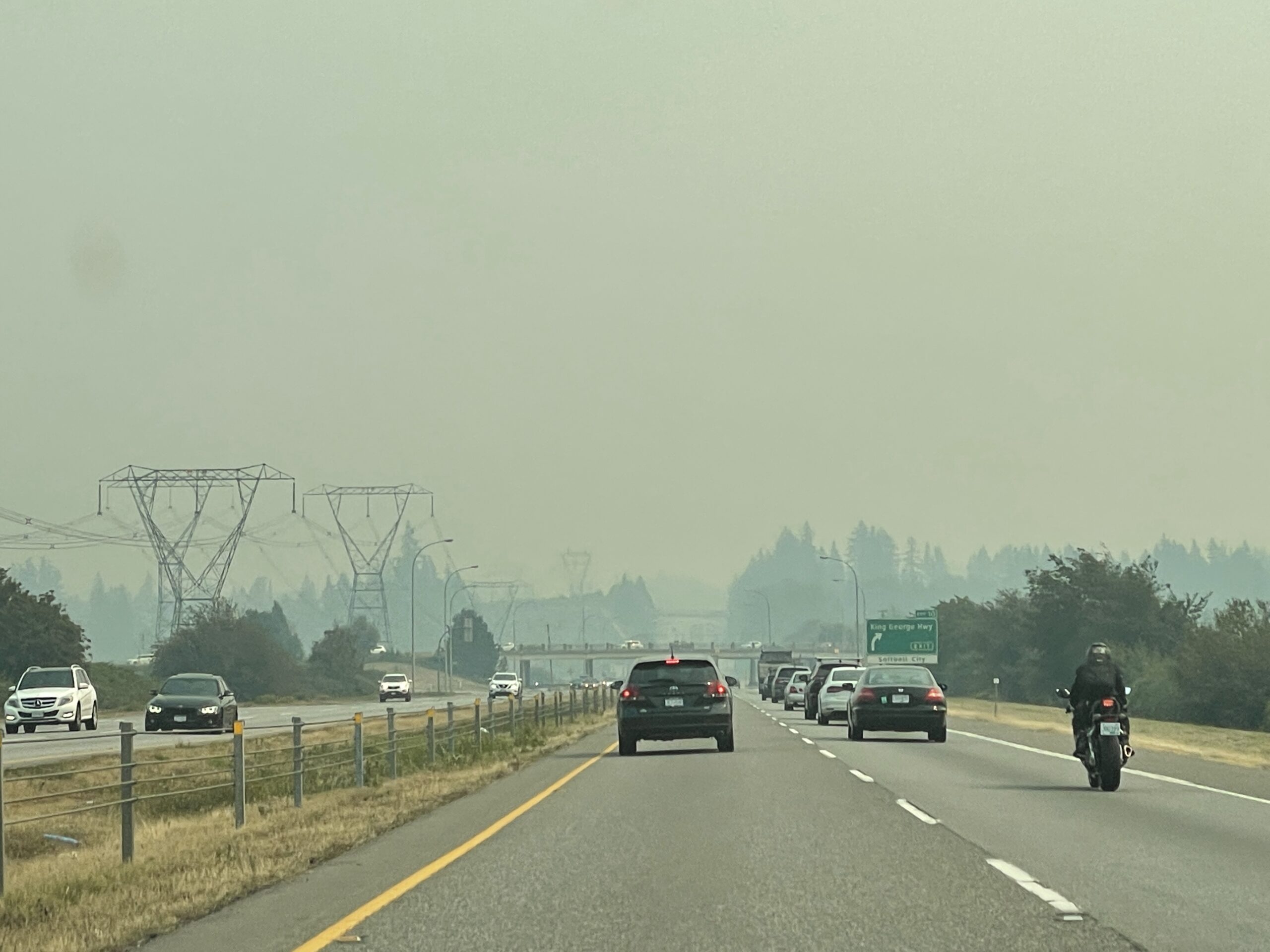 Smoke continues to linger over much of Southern B.C. Sunday. Environment Canada’s air quality warnings remain in place for a large portion of the region, including the Thompson-Okanagan. While most of the area is under a “yellow” warning, the South Okanagan and Fraser Canyon regions are under the more severe “orange” warning. Multiple wildfires are actively burning in and around B.C.’s Southern Interior and putting up plenty of smoke, including the Bald Range fire in Summerland and the Ainslie Creek fire in the Fraser Canyon, along with several fires south of the border. Environment Canada warns that the elderly and very young, people with lung or heart conditions, and people who are pregnant should reduce their time spent outdoors during smoky conditions. No air quality warnings are in place for the Metro Vancouver area or the East Kootenays. Smoky conditions are forecast to persist through Monday.
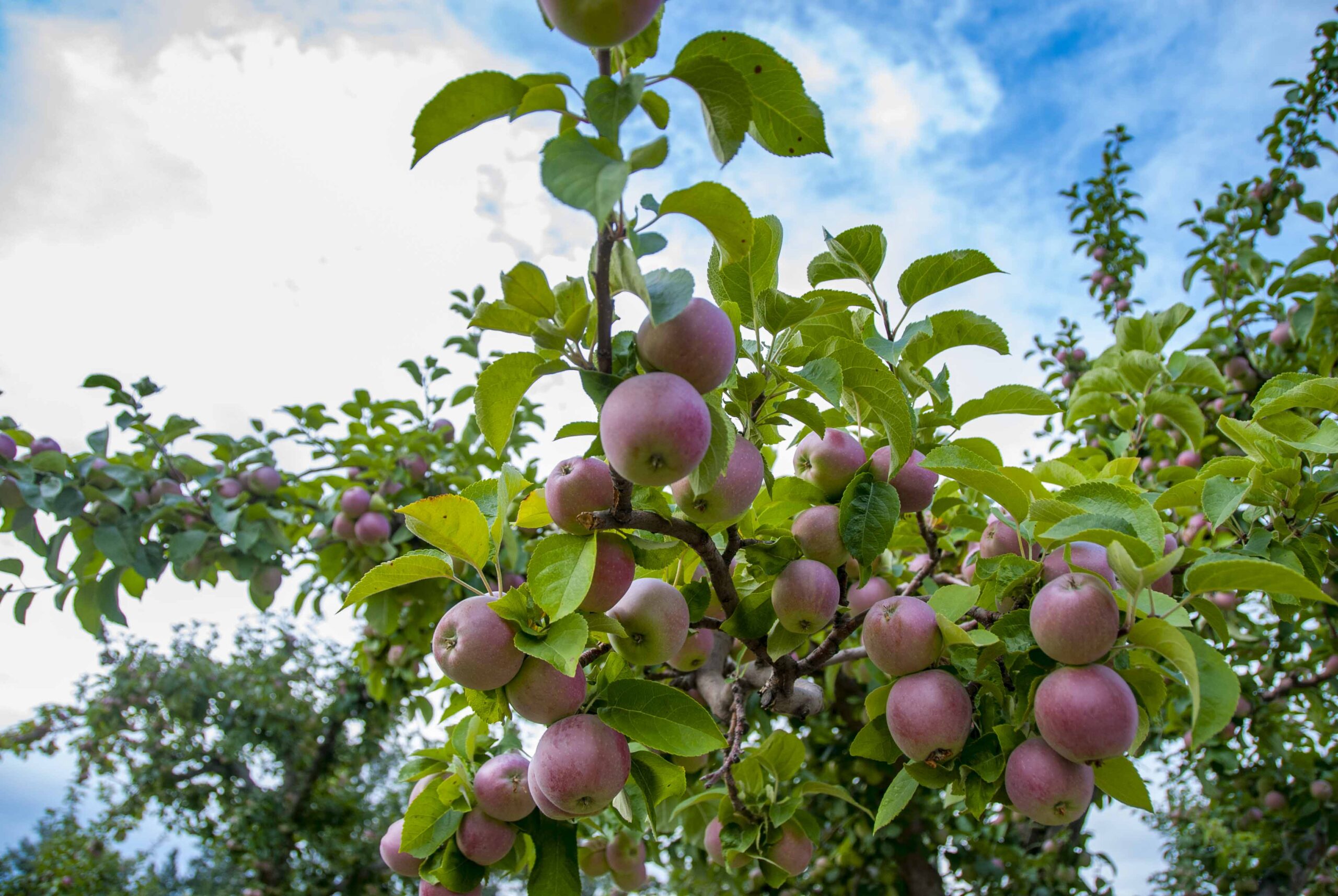 Thousands of pounds of fruit are going to waste in Summerland as farms on the frontlines of a firefight sit empty just as the window for harvest opens, offering a devastating blow in what has already been a difficult year. Adrian Arts, executive director of the BC Fruit Growers’ Association, said that growers have been hit by heat, drought and now wildfire this year alone. Peaches that were to be harvested last week will likely rot on the tree and the remaining fruits that aren’t quite ready for harvest will likely be ruined by ash, Arts said. “I’m guessing a lot of that crop is going to be abandoned along with the peaches, plums, and other fruit ripening this week,” he said. Arts said the repeated crises are exposing weaknesses in existing government support programs that are no longer meeting their needs.
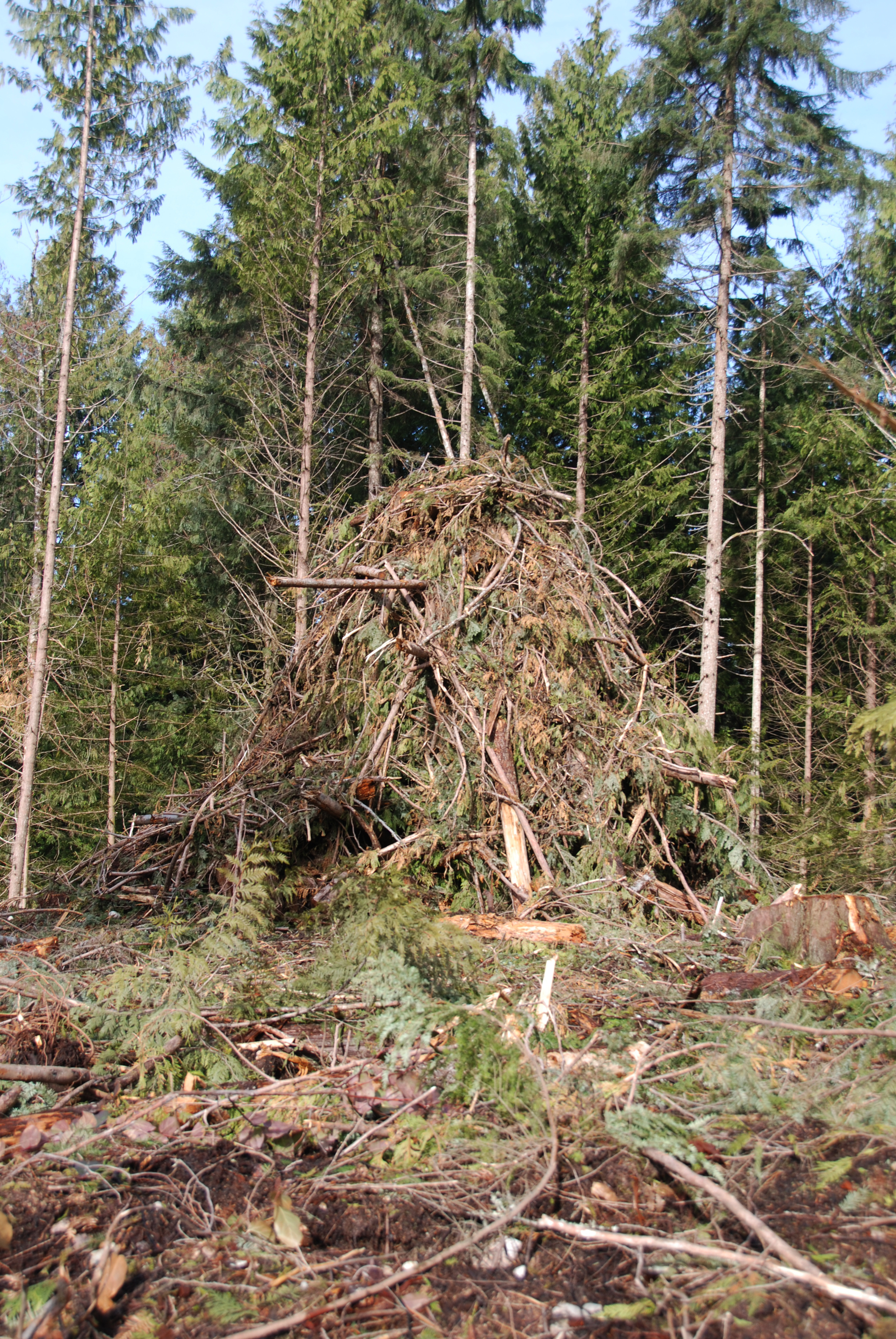 Salmon Arm Deputy Fire Chief Carmen Guidos was called in by council to help extinguish concern wildfire fuel mitigation work done at the Park Hill trail system has exacerbated the fire risk. On the agenda for city council’s May 10 meeting was a letter from resident Stig Keskinen regarding the timing of the city’s ongoing wildfire fuel mitigation program that saw work done along the Park Hill trails in May and June. In the letter, Keskinen posits this is not the time of year to do such work. One reason for this are the resulting “dozens of piles” of forest debris now drying throughout the trail system. …Keskinen wanted to know when they would be dealt with ….Guidos confirmed that is the plan, to burn in the fall – similar to what was done with the wildfire mitigation work at Little Mountain.

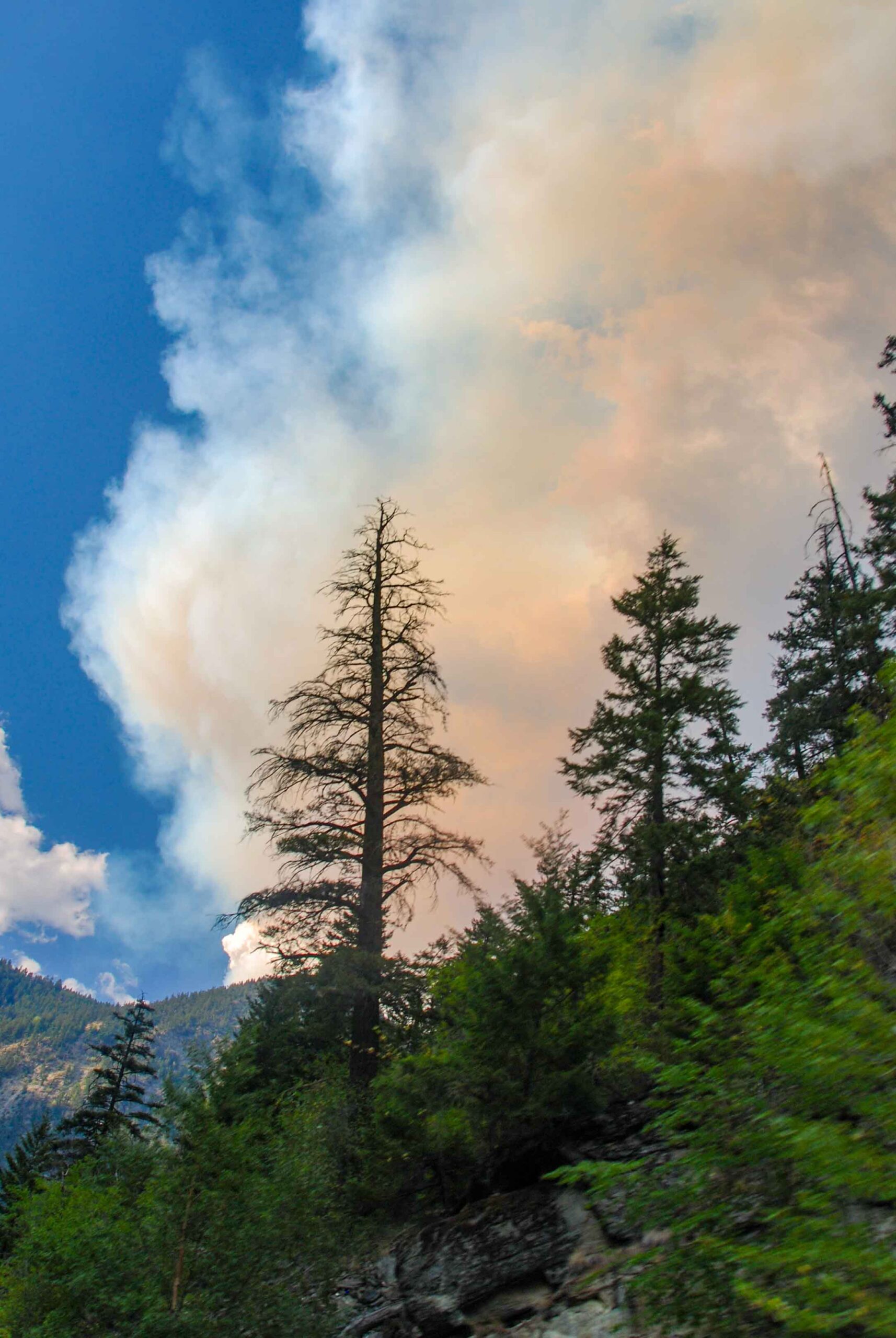 As an advocate for protecting the Peachland watershed water supply, Taryn Skalbania is used to publicly challenging the provincial government’s policies and guidelines governing logging in the forestry sector. But another challenge confronted her with the rapid growth of the Bald Range wildfire, as she faced an evacuation order at 3 a.m. on Saturday, Aug. 8, from her Princeton Avenue hobby farm just inside the eastern municipal boundary of Peachland. …Skalbania also picked up on comments from Penticton Indian Band chief Greg Gabriel at a press conference in Penticton last Wednesday that included Premier David Eby, calling for the need to examine the forestry sector and logging practices as culprits of drought and massive forest fires. Regarding the recent preponderance of wildfires on the west side of Okanagan Lake, she cited logging was one of several factors playing a role in that occurrence.
 The public is invited to give feedback on the timber supply review for the Williams Lake timber supply area (TSA). People can share their thoughts on the Williams Lake TSA discussion paper by submitting comments before Oct. 5, 2026. The discussion paper provides the results of a timber supply analysis and describes the current legal requirements, geography, natural resources and forest management practices. The information will be used by B.C.’s chief forester to determine how much timber can be harvested in the TSA annually, which is known as the allowable annual cut (AAC). Before setting the new AAC, the chief forester will consider input from First Nations, industry and community members. Public feedback is a part of every AAC decision and is an opportunity for communities to provide input, which will be considered during the AAC determination.
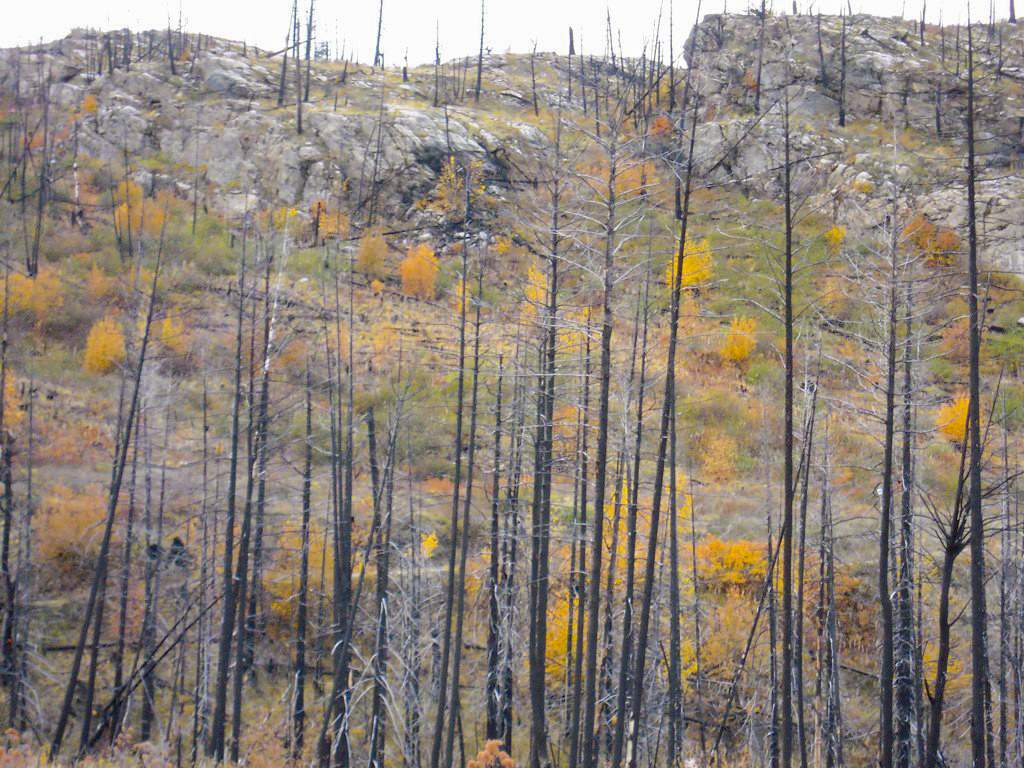 The District of 100 Mile House received a candid look at the current and projected timber supply for the 100 Mile House Timber Supply Area last week. On Tuesday, Aug. 11, Kane Copley, a strategic land manager for the Ministry of Forests, attended council’s regular meeting to deliver and explain the results of the 100 Mile House Timber Supply Area Timber Supply Analysis Discussion Paper. Copley said the review was conducted this year and based on information gathered from January to May. In his presentation, Copley outlined that the Ministry of Forests regularly reviews the timber supply for all areas and tree farm licenses throughout the province. These reviews are done to examine the impacts of current legal requirements and forest management practices on the timber supply, environment, economy and social conditions of the local area.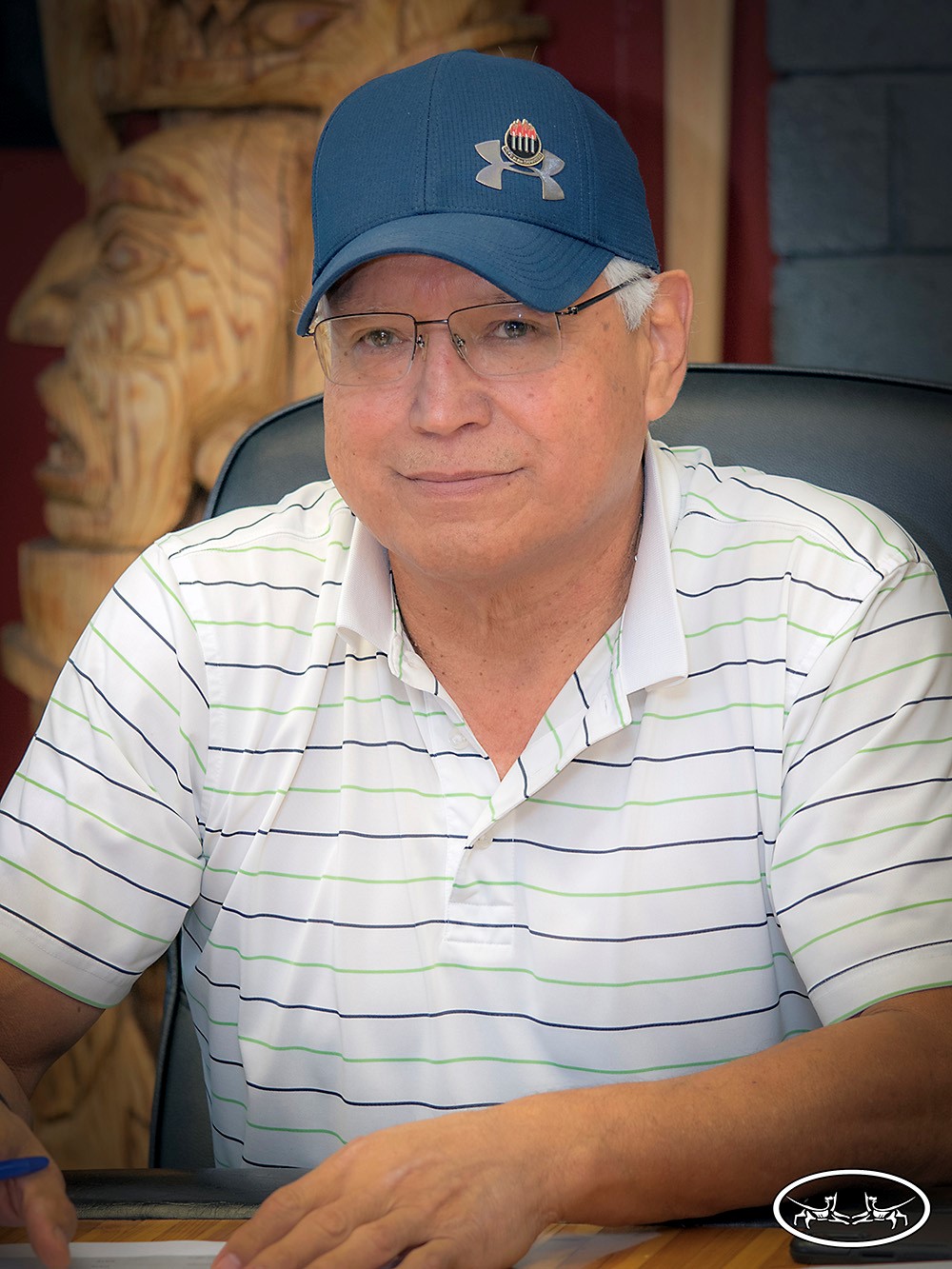
 I am tired of the misdirection surrounding B.C.’s wildfire crisis. …We are constantly told this is strictly a global warming issue—a convenient excuse used to tax regular people for fuel consumption and agricultural methane. But the public needs to realize the truth: local industrial forestry has its foot on the gas pedal, directly creating the explosive conditions for these fires by destroying our natural ecosystem. For decades, the logging industry has used chemical spraying—specifically glyphosate—to systematically wipe out native deciduous trees… In the eyes of timber corporations, these plants are just “weeds” competing with commercial conifer lumber. …We are living in an upside-down system where regular citizens are told to fix global emissions, while multibillion-dollar timber giants are legally allowed to spray chemicals that strip the earth of its natural ability to clean the air, process organic waste, and create oxygen and water for us.

 The United States Forest Service is proposing to amend the Northwest Forest Plan (NWFP) to allow cutting older trees across the western portion of Washington, Oregon, and Northern California. As a fifth generation native of the west coast, I have spent a lifetime in these forests as a private citizen and a 40 plus year career as a U.S. Forest Service employee specializing in forestry and forest engineering. The primary proposed change in the 19.4 million acres of forestlands is to allow cutting trees up to 120 years old compared to 80 years in the current plan. Conservatively speaking, 90 or more percent of the old growth forests in the NWFP area were clearcut in the logging and road building boom from 1950 to the mid 1990’s. …The U.S. Forest Service likely lacks the experienced staff needed to carry out the proposed increase in timber harvest. Years of NWFP implementation, combined with recent federal workforce reductions, have significantly weakened the agency’s institutional knowledge.
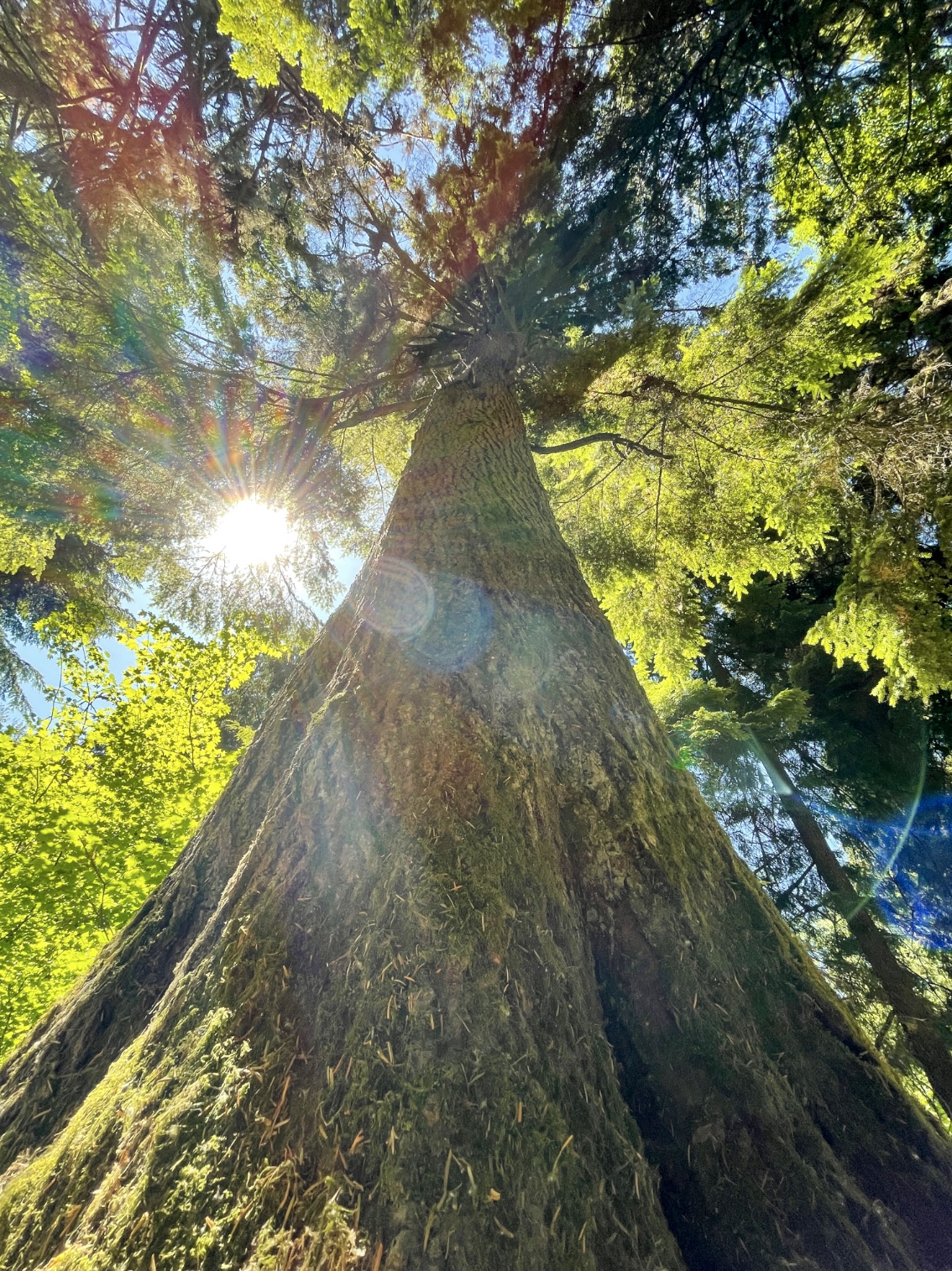 As the climate warms, some mountain trees are moving higher up, while others are spreading downhill. Scientists say something inside the trees may explain why. And that split could reshape watersheds and wildfire risk. For years, scientists have expected mountain trees to move upslope in search of cooler conditions. But a new global study found nearly one-third of tree species are moving downhill instead. That matters because where trees grow can affect how forests burn and how much water they soak up before it flows downstream to rural communities, cities and farms. So why are some trees moving in one direction while others head the other way? The answer may lie in how trees move water. Tim Rademacher, a researcher at the University of Vermont and a co-author of the study, says some species can move water quickly and efficiently, helping them grow. But that efficiency comes with a cost.
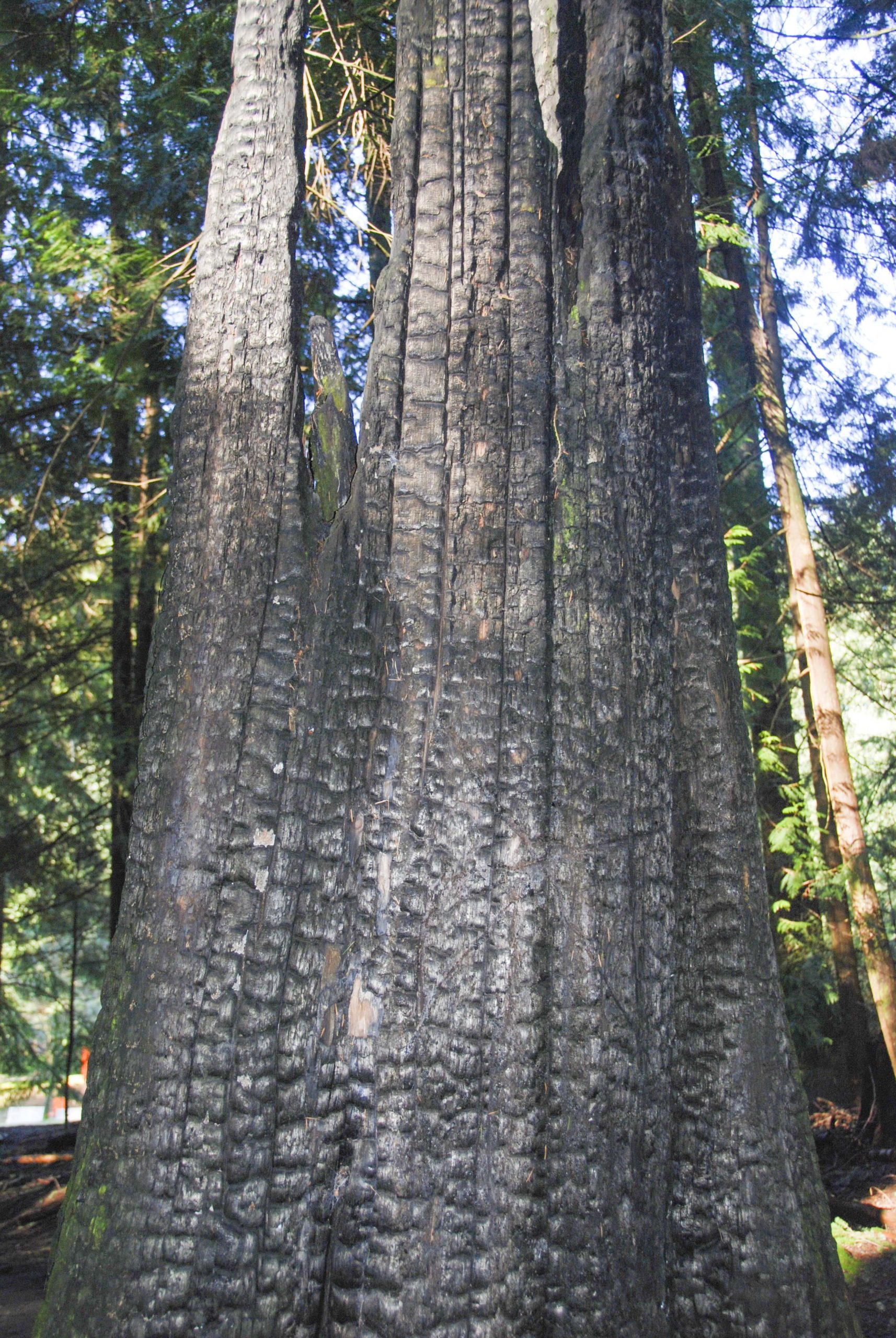 The Babylon Fire left parts of the burned landscape more vulnerable to flooding, erosion and debris flows, with increased runoff and erosion likely to recur intermittently for five to 10 years as the landscape recovers. The Forest Service’s newly released Burned Area Emergency Response (BAER) report recommends emergency work to reduce those risks, including road-drainage improvements, debris racks at culverts, warning signs, closures and stabilization at old mine sites. Although the most severe soil damage covered only 5% of the area assessed, the report identified five drainages with the highest potential for debris flows. The lightning-caused Babylon Fire started June 26 in the Abajo Mountains about 25 miles southwest of Monticello and burned across parts of Elk Ridge, Dark Canyon Wilderness and Bears Ears National Monument within the Manti-La Sal National Forest. …The report says ground cover typically takes three to five years to re-establish and can take up to 10 years, particularly if drought persists.
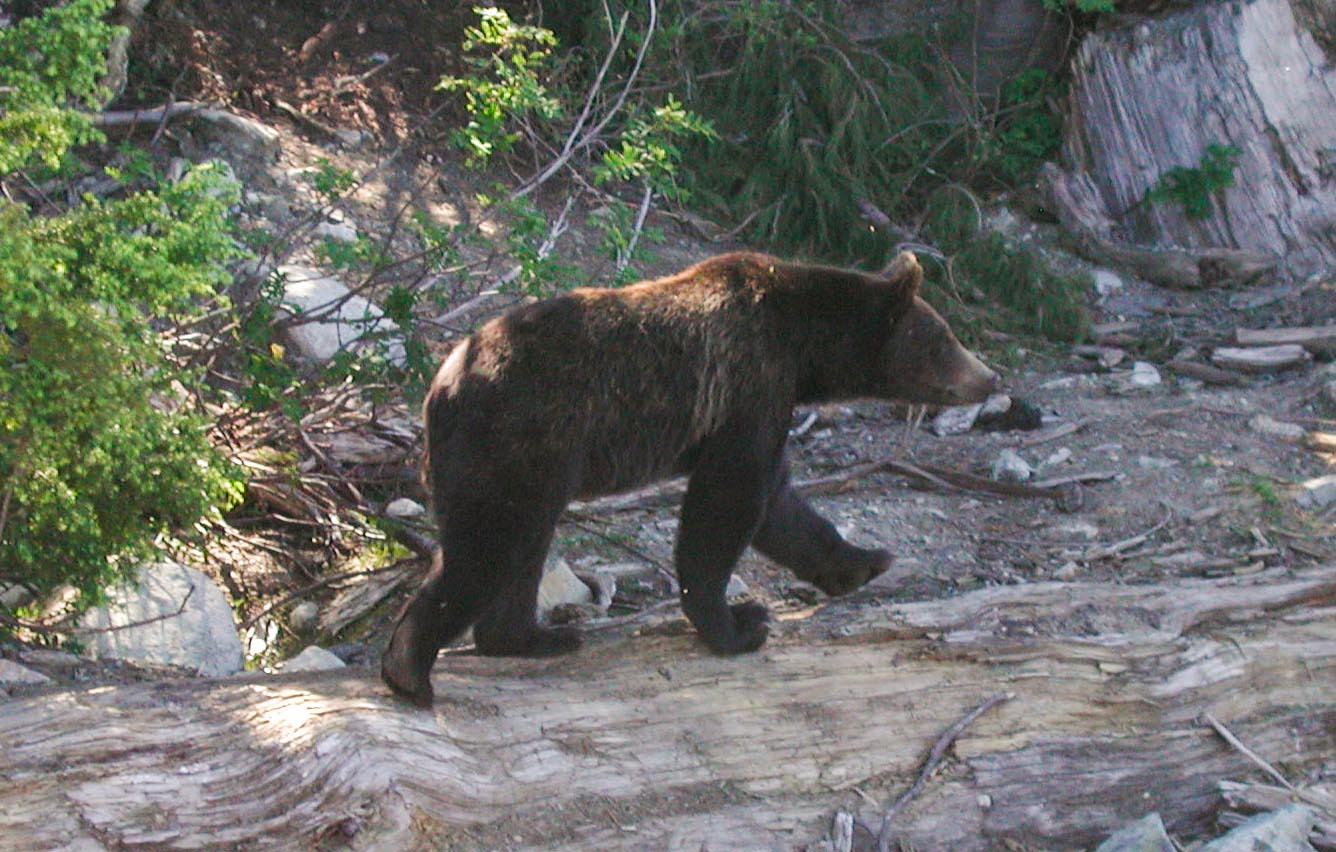 Drought and wildfires are straining wildlife and the habitats they depend on across Colorado, prompting Colorado Parks and Wildlife (CPW) to closely monitor habitat conditions as animals face increased stress in their search for food, water and shelter. Wildfires rapidly alter ecosystems by removing vegetation that provides food and cover for wildlife. While ecosystems are adapted to periodic fire and will recover over time, large wildfires may reduce habitat quality, displace animals and increase competition for limited resources. Species unable to relocate quickly or that rely on specialized habitats are especially vulnerable this summer. …CPW is adjusting hunting and fishing season structures and license quotas in areas affected by wildfire damage, closing boating ramps during extreme drought conditions, and establishing voluntary and mandatory fishing closures to help sustain healthy habitats and wildlife populations. …Give wildlife extra space and respect area closures. Do not feed wildlife; let them find natural food sources.
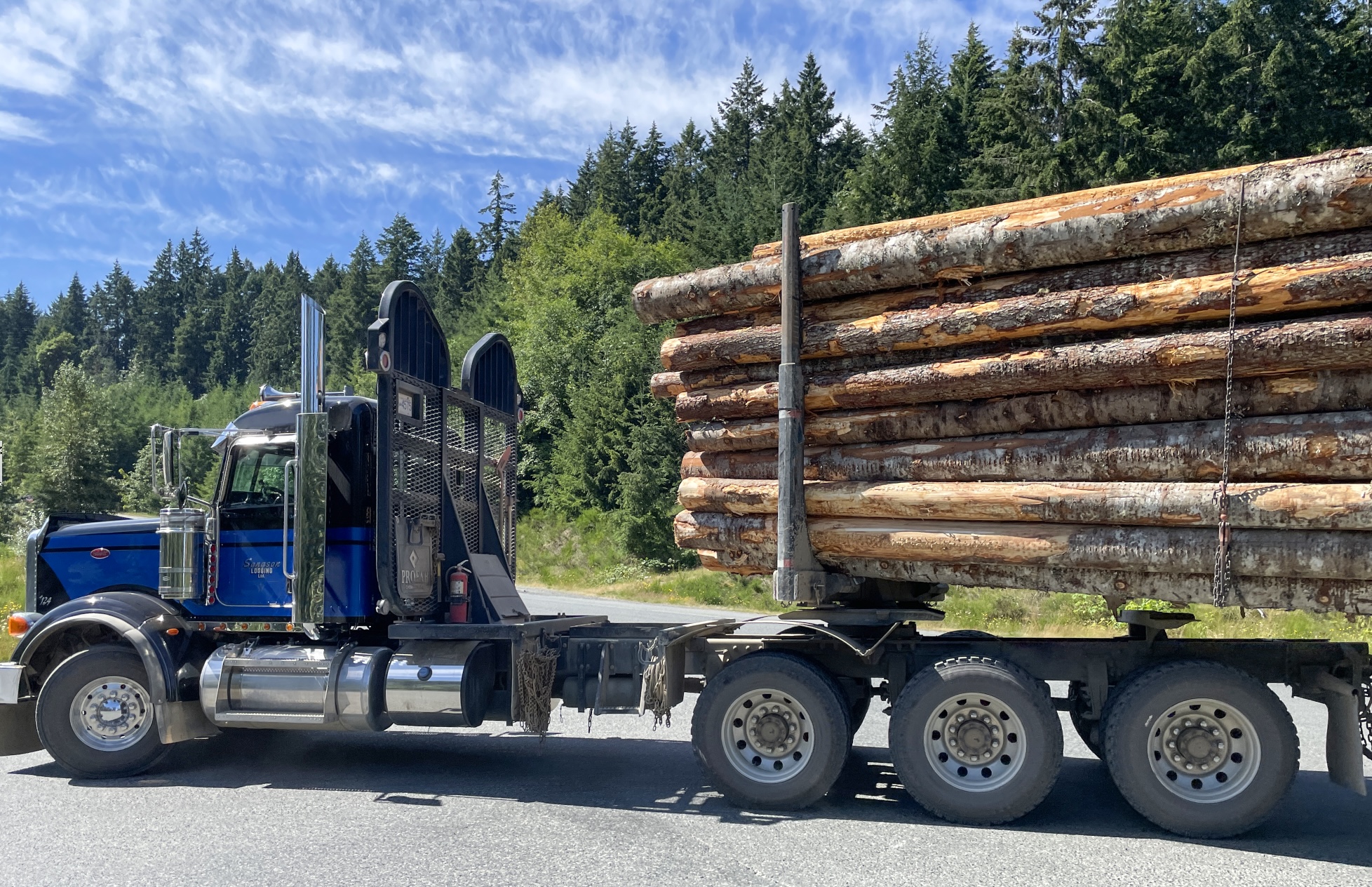 The closure of Finch Paper’s pulp mill in Glens Falls, New York, is a blow that will echo across the Northeast for years. For loggers, truckers, foresters and woodlot landowners, this is not some distant threat to worry about in the future. It is — today — lost income, lost markets for wood and the continuing fraying of a way of life. One of us has spent a career in forestry; the other leads a wilderness protection organization. …we both understand a truth: The amount of land we can set aside as wilderness depends on how well we manage the rest of the forest and thus the health of the timber industry. Both wildlands and managed woodlands are needed. …Put simply, wilderness advocates should be rooting for a thriving forest economy. And loggers should welcome a network of wildlands that keeps large forest blocks whole … and models the full range of what these forests can be.


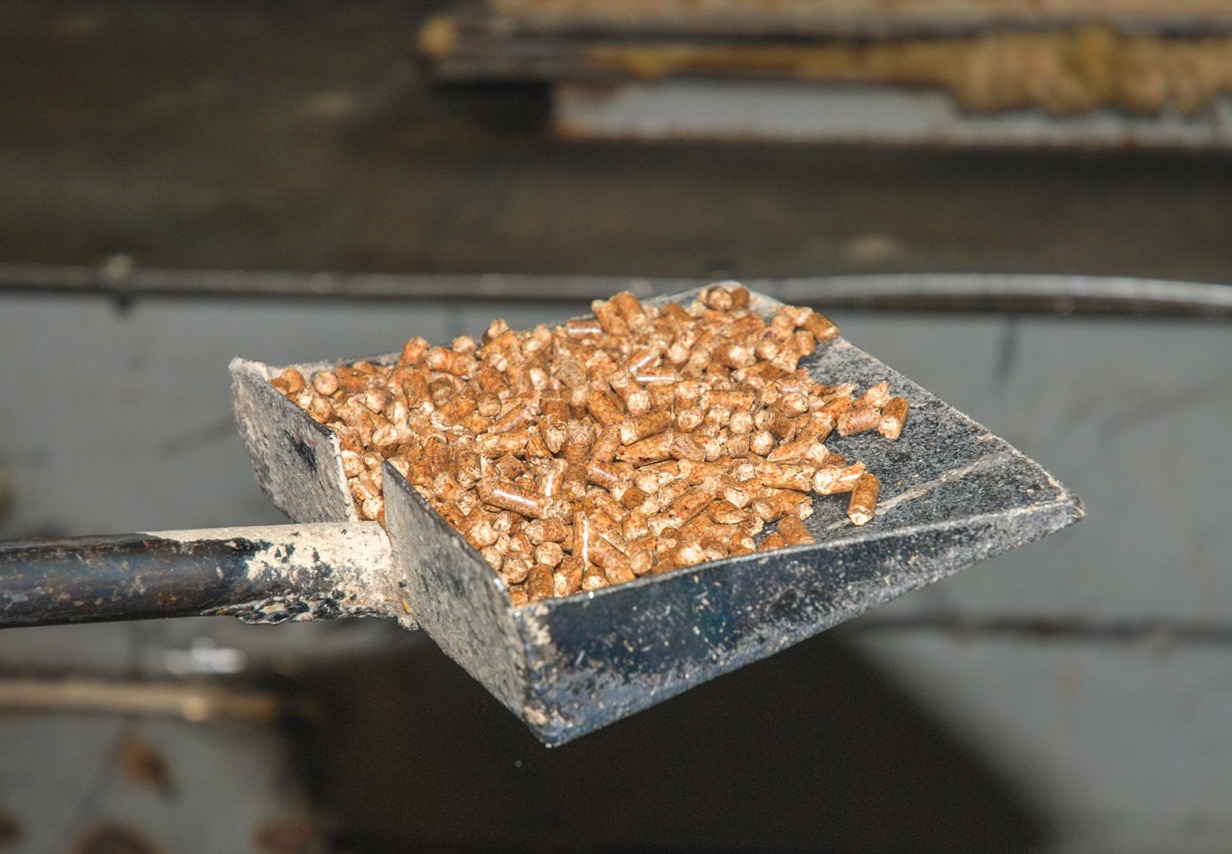 For the past decade, Japan has been expanding the use of woody biomass for power generation to replace or be mixed and burned with coal. The country is now the second-largest wood pellet consumer in the world after the U.K. But there are concerns that burning wood pellets or palm kernel shells to generate electricity might not be safe. In the past few years, there have been at least 14 fires, explosions and accidents at biomass power plants across Japan. These incidents, combined with rising prices, pollution concerns and growing opposition are leading some to question the future of Japan’s large-scale biomass plants, an estimated 34 of which produce 3.5 gigawatts of power. …in the rush to expand plants, corners may have been cut, including improper construction and substandard storage and processing of wood pellets, says Roger Smith, Japan director at nonprofit Mighty Earth.
 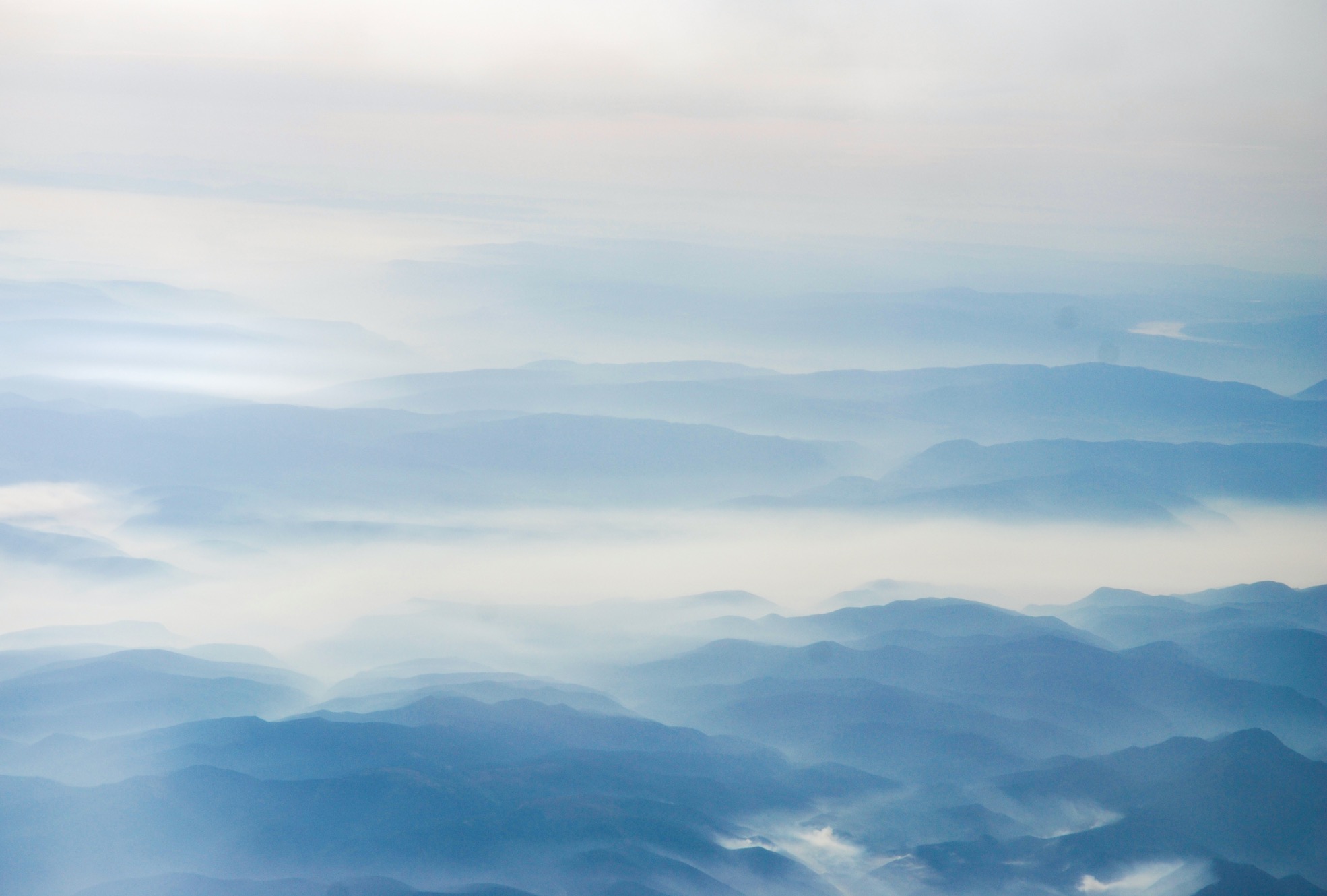 Almost 4 million hectares of land burned across Canada during this summer’s fire season, much of it in the remote boreal forests. …some of the world’s largest and fastest-growing wildfires now occur in the Arctic and boreal region, across eight countries to form a ring around the North Pole and making up the world’s largest biome. Primarily triggered by lightning strikes and exacerbated by global warming, which is warming the Arctic boreal forests at up to four times the global average, these fires are becoming a major source of worldwide carbon emissions. …Arctic and boreal regions store an immense amount of carbon. Boreal forests alone house roughly two-thirds of global forest carbon. …Protecting the boreal from wildfire is not only about safeguarding northern communities and ecosystems. It is an essential part of tackling climate change, protecting public health and building resilience for a warming world.
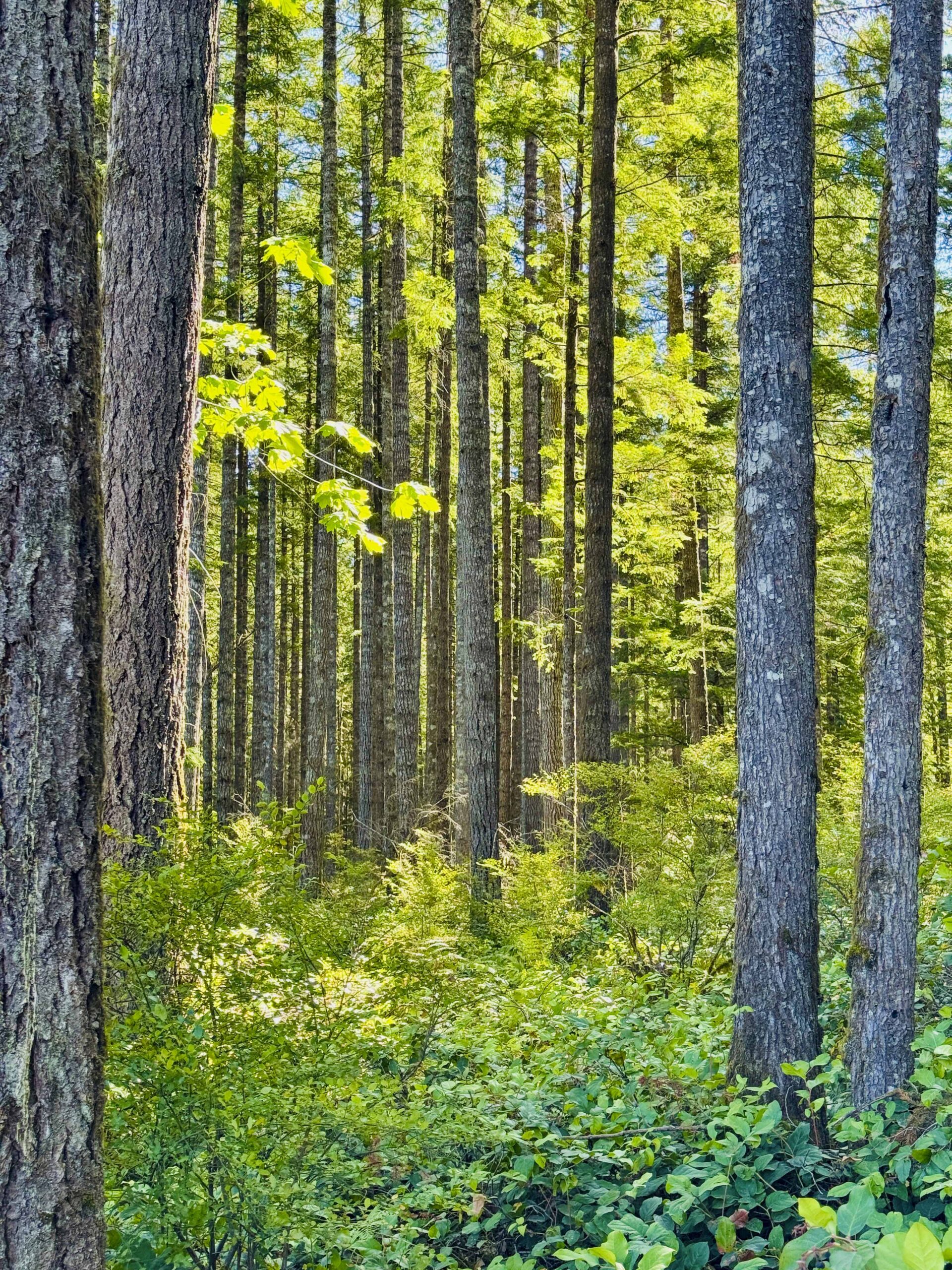 Scientist, Tim Searchinger, has resigned from the World Resources Institute amid disagreement over how to tally forest carbon in accounting rules that are under development. Those rules, which are being drafted by Greenhouse Gas Protocol (GHG Protocol) — a global standard-setting body overseen in part by the non-profit — will shape how companies in the forest industry report their carbon footprints. A senior research scholar at Princeton University’s School of Public and International Affairs, Searchinger said that he will be leaving his role as technical director of land-related issues this month because of what he said are shortcomings in the GHG Protocol’s process in drawing up the new rules. …Danny Cullenward, a senior fellow at the University of Pennsylvania’s Kleinman Center for Energy Policy, stepped down from his seat on the body’s Independent Standards Board in June over the same issue. …The argument centers on two competing approaches to calculate carbon stores and emissions from forests.
  We invite you to share your ideas for policy projects for our Policy, Regulation and Research Department to consider when developing proposals for the 2027–2029 Policy Workplans. These workplans set out policy priorities with respect to compensation for injuries, death, and occupational disease; employer assessment; and occupational health and safety. Information on policy projects underway and recently completed, as well as details on how to provide feedback, can be found here:
 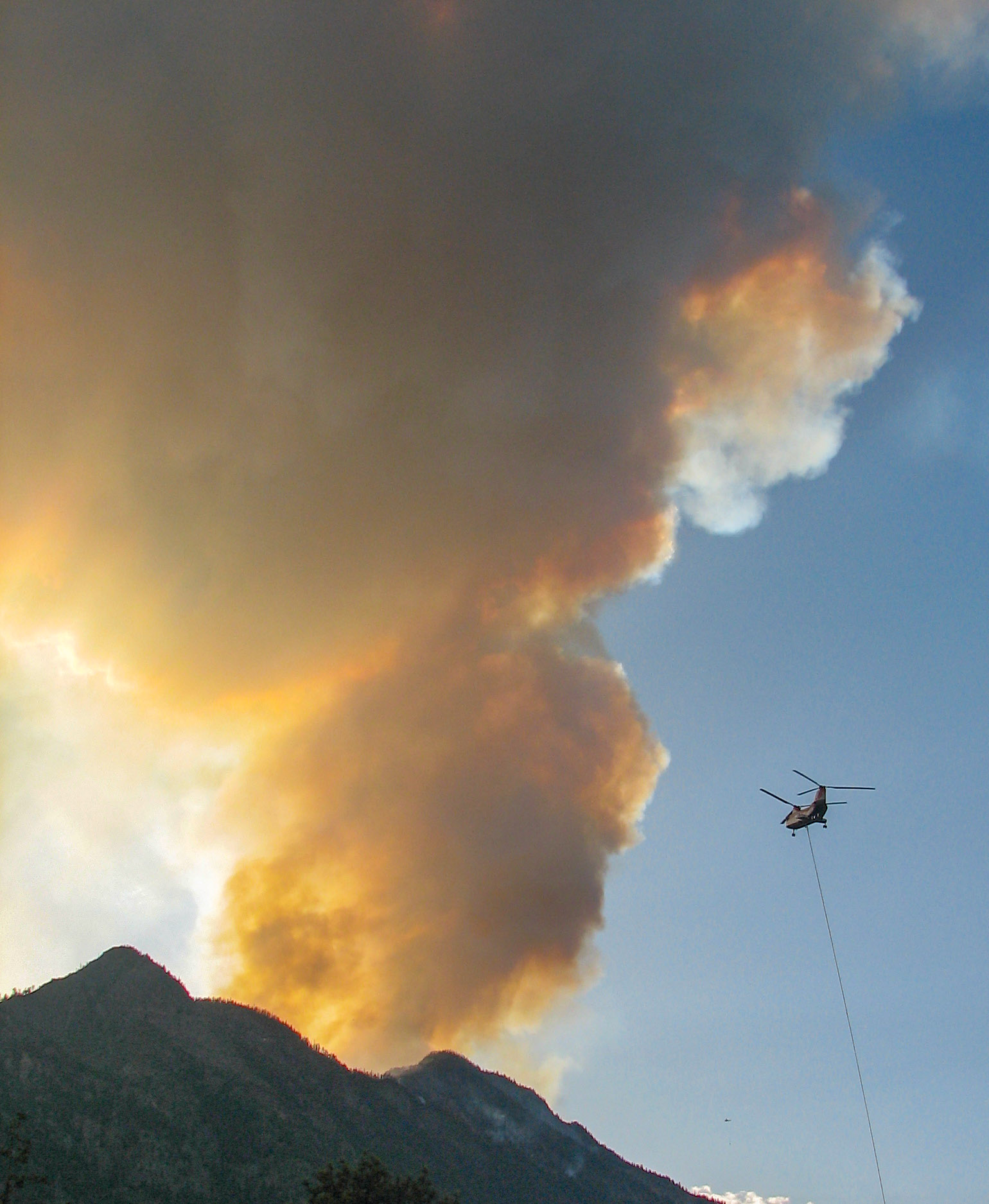 Three BC ministries — Health, Emergency Management and Climate Readiness, and Forests — provided an update on on wildfire and smoke conditions in British Columbia. This is the first wildfire season update that has included Provincial Health Officer Dr Bonnie Henry. … Effects of wildfire smoke can be felt even at a distance from the fires, said Dr Bonnie Henry in her opening remarks. Children are more affected because their lung are small relative to their body weight. Smoky air can result in throat irritation, headaches, cough and runny eyes which Dr Henry called “short term effects”. But she says she has “concerns” about long term effects, including how very small PM2.5 particles of from smoke and soot get deep into the lungs and infiltrate to other parts of the body. …She highlighted an announcement that N95 masks are being provided free in BC wildfire zones, through the Canadian Red Cross with federal funding.

 PARIS — Firefighters across Europe struggled against multiple fires Friday as a new wave of record-breaking heat baked a swath of the continent, their task further complicated by exceptionally parched landscapes. …With France experiencing its driest year ever, a new fire raced through woodlands overnight in the Landes region on the southwest coast. The blaze forced more than 500 people to evacuate their homes in the town of Luglon as hundreds of firefighters deployed to the area.
 Thessaloniki, Greece –