 As the global pulp and paper industry navigates shifting trade dynamics, rising costs, and increasing pressure to decarbonize, the challenge is no longer just about producing fibre—it’s about producing it smarter.
At International Pulp Week, two first-day plenary sessions will tackle that challenge from different, but highly complementary angles: how paper producers can optimize fibre use to stay competitive today, and how the industry can unlock new value streams from carbon tomorrow.
Together, the presentations from Rodrigo Marchi and Jouni Martiskainen offer a practical look at how mills can improve performance, reduce costs, and position themselves for a lower-carbon future.
Rethinking the furnish: Suzano’s Rodrigo Marchi on hardwood strategy

Opening the conversation, Marchi will bring a customer-focused lens to one of the industry’s most fundamental levers: fibre mix.
As Managing Director for the Americas at Suzano, Marchi leads commercial strategy, regional growth, and operations across a diverse set of markets. With more than 18 years of international experience spanning sales, supply chain, innovation, and business development, his perspective is shaped by close collaboration with customers across the globe.
In Optimizing Fibre, Elevating Performance: How Hardwood Is Helping Customers Compete, Marchi will explore how increasing the share of hardwood in tissue and paper furnishes can deliver measurable gains in efficiency and product quality—without compromising key attributes such as softness, strength, or runnability.
The session comes at a time when paper producers are under pressure from multiple directions. Global trade patterns are shifting, geopolitical tensions are influencing supply chains, and industry consolidation is changing the competitive landscape. Against this backdrop, optimizing fibre use is becoming a critical tool for maintaining margins and improving resilience.
Marchi’s presentation is expected to go beyond theory, drawing on real-world examples from Suzano’s customer partnerships. By demonstrating how mills have successfully adjusted their furnishes to incorporate higher hardwood ratios, the session will provide a practical roadmap for paper makers looking to reduce costs and improve operational flexibility.
While sustainability remains part of Suzano’s broader vision, the emphasis here is firmly on day-to-day performance—helping customers make smarter decisions in an increasingly complex environment.
Turning emissions into value: Svante’s Jouni Martiskainen on carbon capture
 If Marchi’s session focuses on optimizing inputs, Martiskainen’s presentation looks at what can be done with outputs—specifically, the carbon emissions generated by pulp and paper production.
In Carbon Capture in Pulp & Paper: Monetizing Biogenic CO₂, Martiskainen will explore how a traditional waste stream can be transformed into a revenue-generating opportunity.
As Project Development Manager at Svante, Martiskainen is focused on commercializing second-generation carbon capture technology within the biogenic carbon sector. His 30-year career in the global forest products industry spans technical, operational, energy, and innovation roles, giving him a deep understanding of how new technologies can be integrated into existing mill environments.
His presentation will examine different pathways for capturing and utilizing biogenic CO₂, along with the advantages and challenges associated with various pulp-producing regions. For mills facing increasing pressure from regulators, customers, and investors to reduce emissions, these pathways represent a potential shift—from compliance cost to business opportunity.
The ability to participate in emerging carbon dioxide removal (CDR) markets, secure offtake agreements, or develop premium low-carbon products could fundamentally change how mills think about emissions.
From concept to reality: a closer look at carbon capture
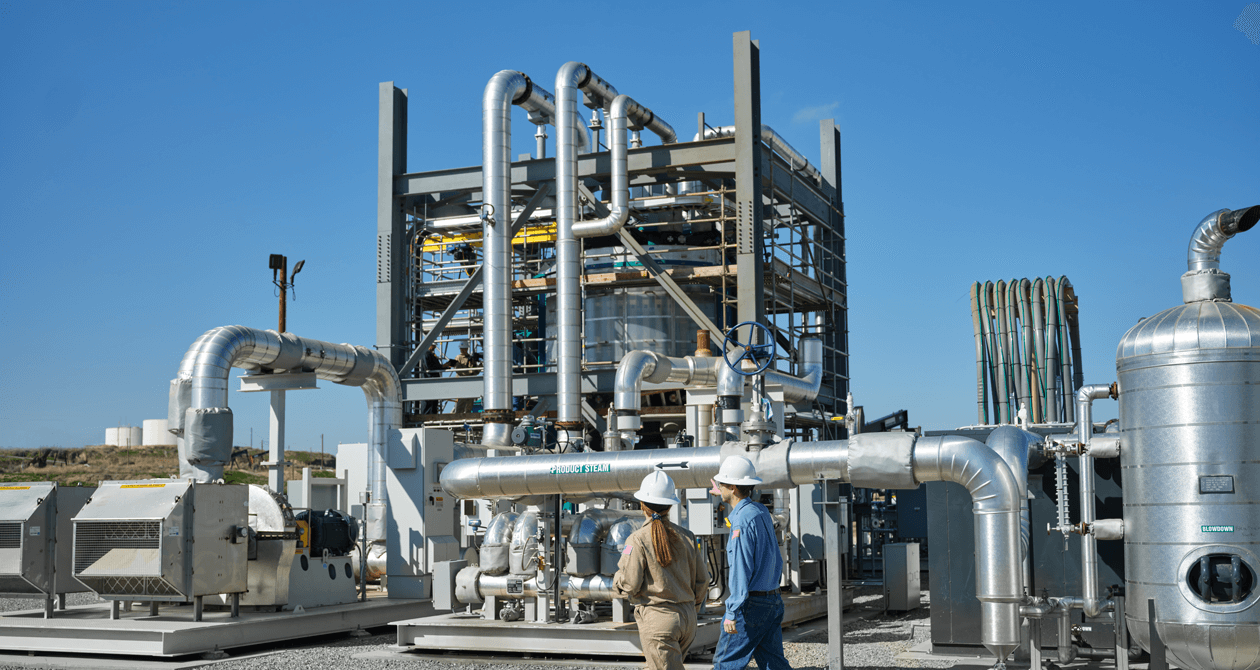 For delegates interested in seeing these concepts in action, Martiskainen’s session is complemented by an optional tour of Svante’s manufacturing facility.
The behind-the-scenes visit offers a practical look at how carbon capture and removal can be integrated into existing pulp mill operations with minimal disruption. Participants will explore how mills can leverage existing waste heat and infrastructure to improve energy efficiency while capturing biogenic CO₂.
The tour also highlights the broader business case for carbon capture—demonstrating how it can unlock new revenue streams, support participation in emerging carbon markets, and strengthen the long-term competitiveness of pulp operations in a low-carbon economy.
Competing in a changing industry
While Marchi and Martiskainen approach the industry from different angles, their messages are closely aligned.
Both presentations focus on practical, actionable strategies that mills can implement today. Whether it’s optimizing fibre mixes to improve efficiency and reduce costs, or capturing emissions to create new value streams, the underlying theme is the same: competitiveness in the pulp and paper sector is increasingly defined by how effectively producers use their resources.
That includes not only the fibre that goes into the process, but also the energy and emissions that come out of it.
As the industry continues to evolve, the ability to adapt—to new market conditions, new technologies, and new expectations—will be critical.
At International Pulp Week, these two sessions offer a clear view of how that adaptation is already taking shape.
International Pulp Week (IPW) is the premier annual gathering of the global market pulp industry, hosted by the Pulp and Paper Products Council. As the leading event dedicated exclusively to the market pulp sector, IPW provides a unique platform for producers, end-users, and key stakeholders to exchange insights, strengthen relationships, and explore the trends shaping the industry’s future.
Join us May 10–12, 2026, at the Sutton Place Hotel in Vancouver. Visit our website for registration details and more.