 The Canada-US tariff war is taking a growing toll on forest products businesses on both sides of the border. Rayonier Advanced Materials is closing its Témiscaming mill; Ottawa announced support for Mercer Peace River Pulp in Alberta; BC’s Richmond Plywood is calling for more support; New Brunswick customers are avoiding US-wood; a Philadelphia company is paying more for plywood, Wisconsin and Nevada are bracing for pain; and Buffalo builders are experiencing higher costs. In related news: COFI’s Kim Haakstad backs Canada’s decision; US Trade Rep. Greer counters on why the talks collapsed; and David Elstone says the counter-tariffs bring US forest products into the crossfire.
In other news: FPAC’s Derek Nighbor says mounting pressures can’t come at the expense of worker safety; Maine’s ND Paper mill races to survive; creditors seek damages over Enviva’s bankruptcy; and researchers say drought and storms damaged California’s redwoods. Meanwhile, the US Endowment launched forestry student mini-grants; new guidance on managing moisture risk in mass timber buildings; registration opened for the 2027 International Mass Timber Conference; and the Tyee goes into the air with pilots battling a BC wildfire.
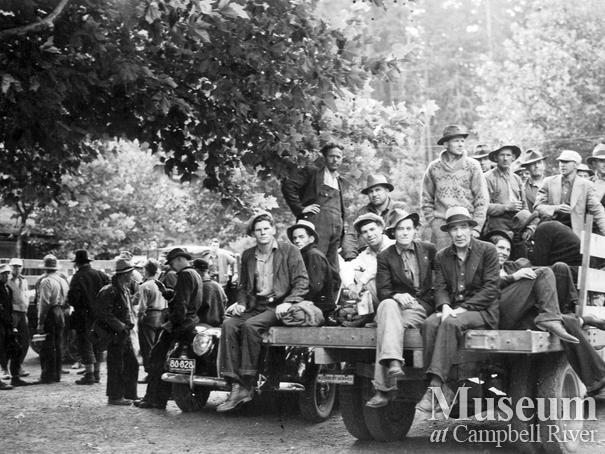
Finally: a look back at the Navy crews who battled BC’s devastating 1938 Sayward fire.
Kelly McCloskey, Tree Frog News Editor
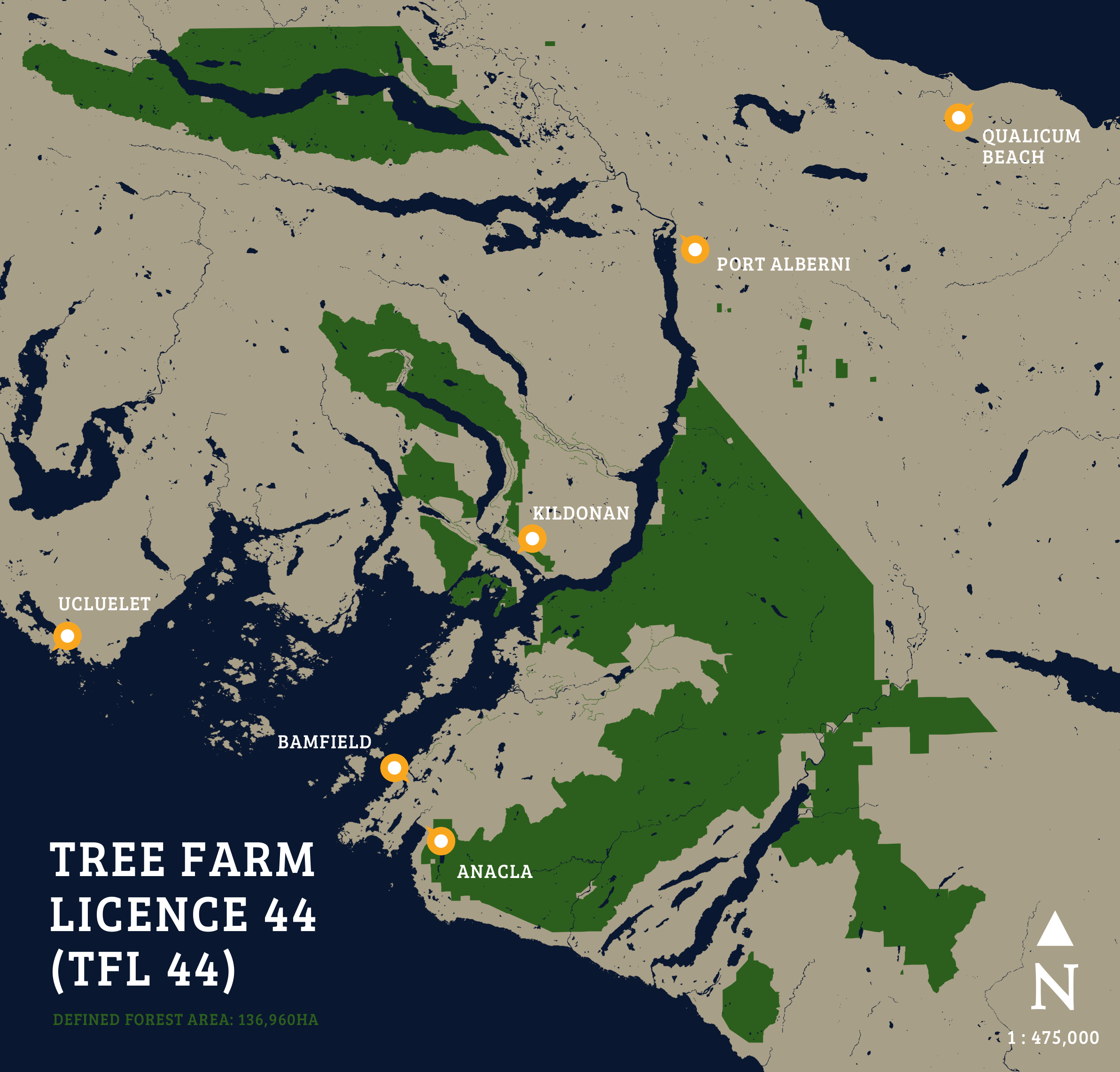
 First Nations are grappling with uncertainty and bracing for impact as the Canada-U.S. trade war escalates, with steep tariffs taking effect on some business sectors. … British Columbia faces the highest consequences to the new 50 per cent tariffs on certain goods, causing concern among First Nations in the province that are involved in forestry. John Jack, elected chief councillor of the Huu-ay-aht First Nations on Vancouver Island, said they are “potentially deeply impacted due to our heavy investment in the forestry industry.” Those investments include its own company, HFN Forestry Limited, a 35-per-cent partnership with Western Forest Products on nearly 137,000 hectares of forest, and Iskum Investments, a First Nations consortium looking at building a second-growth focused mill. …Dallas Smith, president of the Nanwakolas Council, which represents six First Nations on northern Vancouver Island, said the new tariffs would greatly affect its investments in forestry.


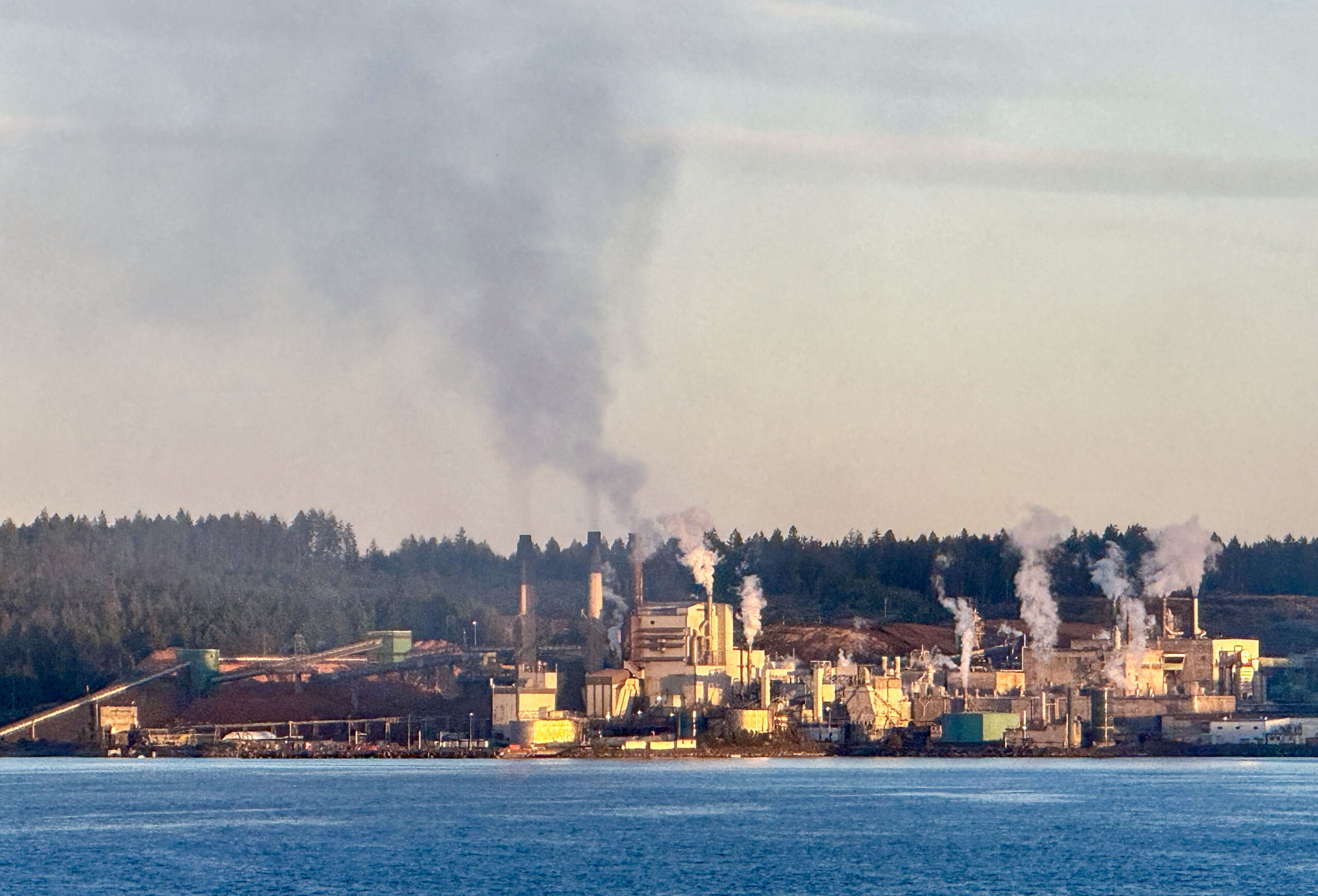 Local officials and an operator are remaining hopeful over the future of the two remaining pulp mills on Vancouver Island, despite recent mill closures and new U.S. tariffs. B.C.’s critical forestry industry is among those that are likely to take a major hit due to the incoming 50 per cent tariffs on certain Canadian goods — with the new duties targeting some Canadian pulp and paper products specifically. But Nanaimo Forest Products, which operates the Harmac Pacific Pulp Mill, says most of its specialty wood products have been spared by tariffs and are mostly exported to markets in Asia. “We’re highly focused on exporting our products overseas into places like Japan, Korea, China, Indonesia, even Australia,” said Harmac CEO and general manager Paul Sadler. Harmac produces northern bleached softwood kraft (NBSK) pulp, which Sadler says is common throughout British Columbia, often used for making tissues and paper towels.
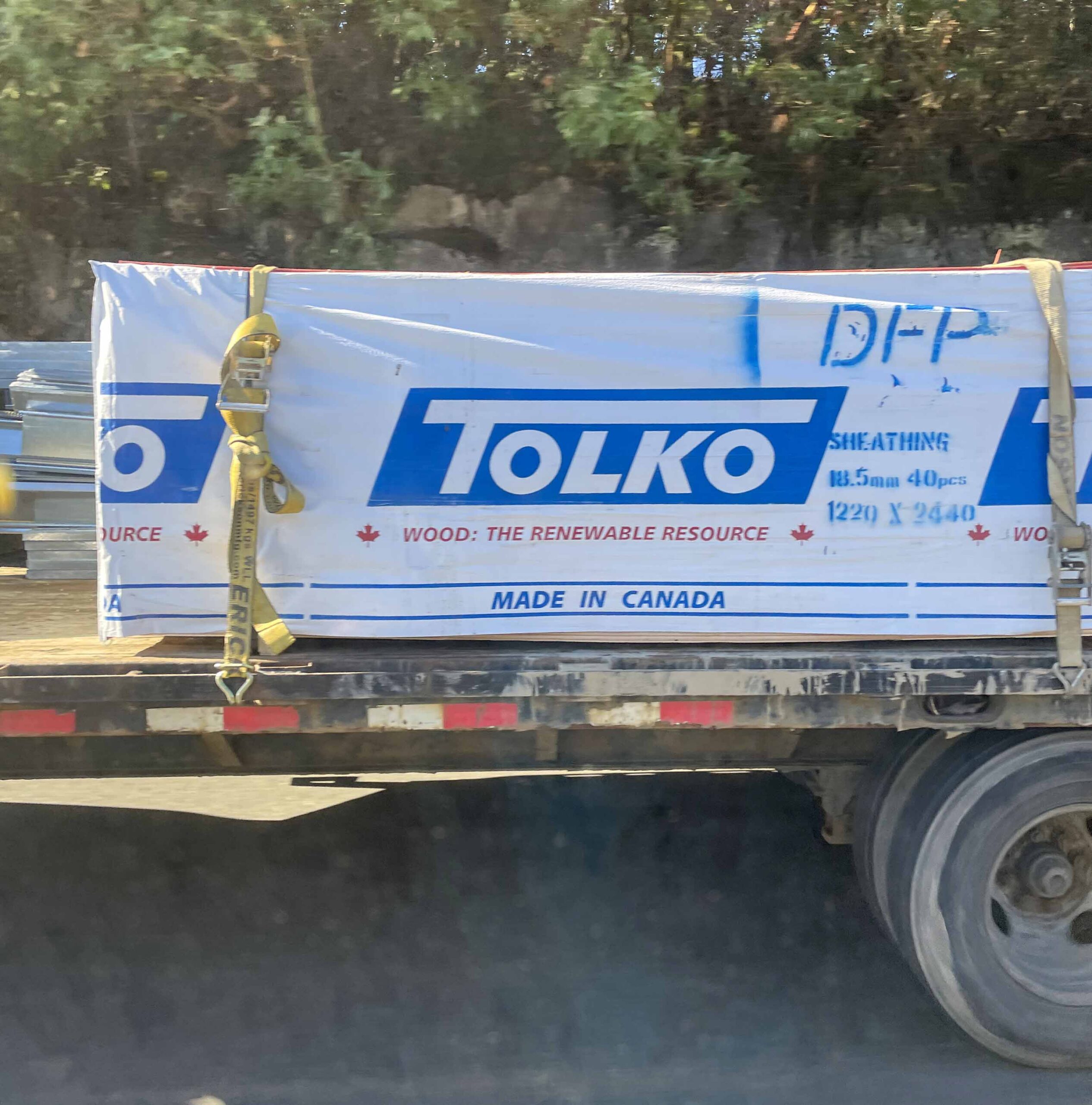 Late Thursday, Tolko issued a statement addressing reports that its Heffley Creek veneer facility was facing an indefinite curtailment. “We are aware of reports circulating about an indefinite curtailment at Tolko’s Heffley Creek veneer facility,” the company said. “This reporting is inaccurate.” Hot and dry conditions are impacting some Tolko harvesting operations, resulting in reduced fiber supply and a temporary shutdown of veneer production. The remainder of the Heffley Creek facility is fully operational, with full production expected to return this week.
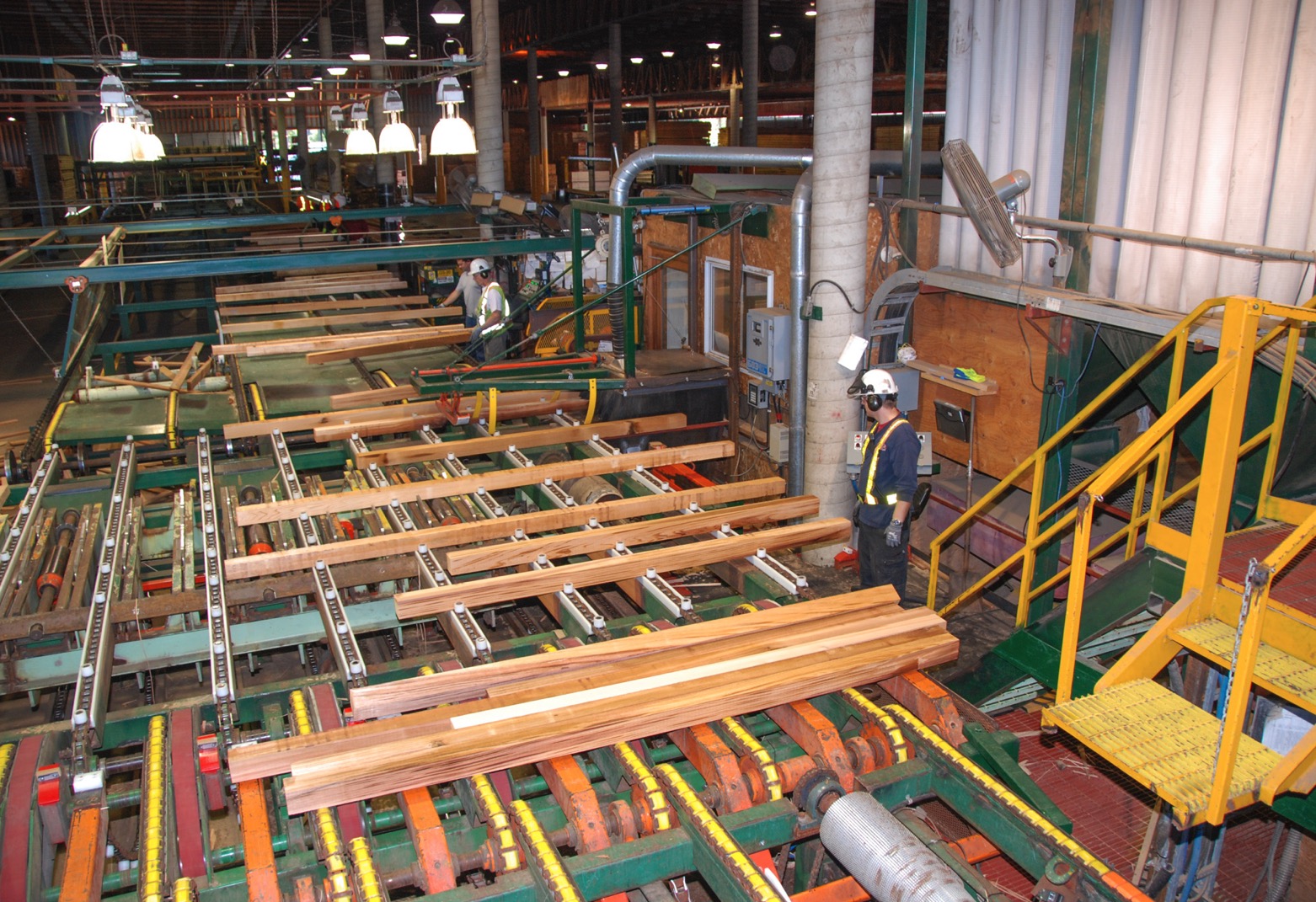 It’s one of the great paradoxes of B.C.’s declining forestry sector. Large forestry companies continue to divest from B.C. and shutter sawmills and pulp mills, largely due to a lack of access to affordable fibre. Meanwhile, in Coastal B.C., there seems to be plenty of timber available, mostly in the form of second growth. In 2025, only half of the 15 million cubic metres of the coastal available cut was harvested, according to the Truck Loggers Association. Nearly a third of that timber is owned or controlled by Coastal First Nations – about 4.6 million cubic metres.
 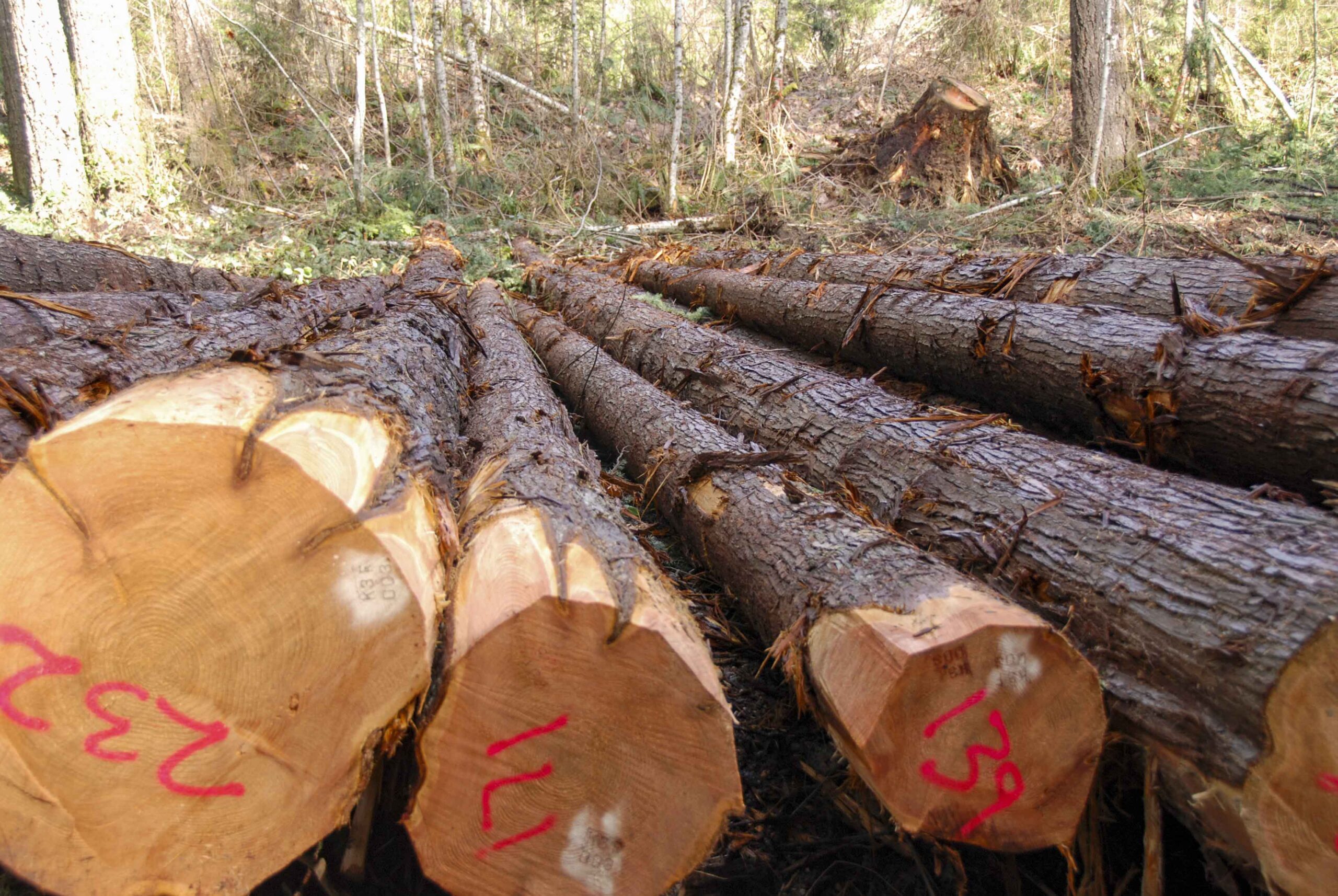 … municipal politicians [will] gather for their annual fall convention and attempt to influence the provincial government’s agenda. The Union of B.C. Municipalities convention takes place in Vancouver, Sept. 14-18. …The City of Nanaimo is calling for a ban on exporting raw logs and lumber cants. …The motion states that a lack of adequate and affordable wood fibre supply has been identified as a key factor in the continued curtailment or permanent closure of B.C. sawmills and pulp mills. Over the past five years, on average about 3.2 million cubic metres of raw logs have been exported. “Therefore be it resolved that UBCM call on the provincial government and federal governments to ban the export of raw logs and lumber cants from B.C. to ensure that forests harvested in B.C. from Crown land and private managed forest lands are processed in B.C., encouraging value-added manufacturing in B.C. and supporting employment in B.C.’s forest industry,” the motion states. [A Vancouver Sun subscription required for full access]
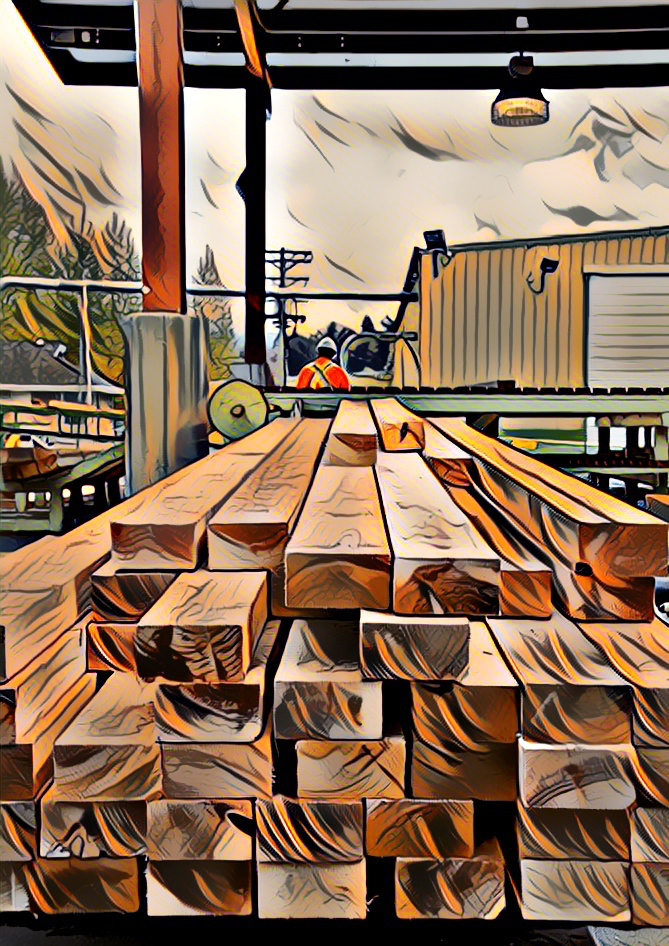 Nova Scotia’s softwood lumber exports south of the border have been spared from Donald Trump’s tariffs, but pine products from the province are facing steep new costs in the deepening trade rift between Canada and the United States. About 60 to 80 per cent of Nova Scotia’s pine products — some $25 million worth — are shipped to the U.S., and they have been hammered with 50 per cent tariffs imposed by the president over the weekend. The province’s forestry industry said the tariffs “will essentially kill the white pine market in Nova Scotia.” “It’s concerning,” Breck Stuart, president of Forest Nova Scotia, said in an interview Monday. “The western half of Nova Scotia, where there’s a lot of white pine, that’s 30 per cent of our forest. That market basically went to zero overnight. …Stuart said most of the province’s pine products flow through Freeman Lumber in Greenfield, Millett Lumber in Chester and Lewis Moulding and Wood Specialties in Weymouth.
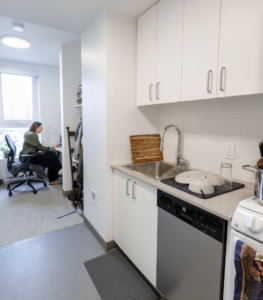



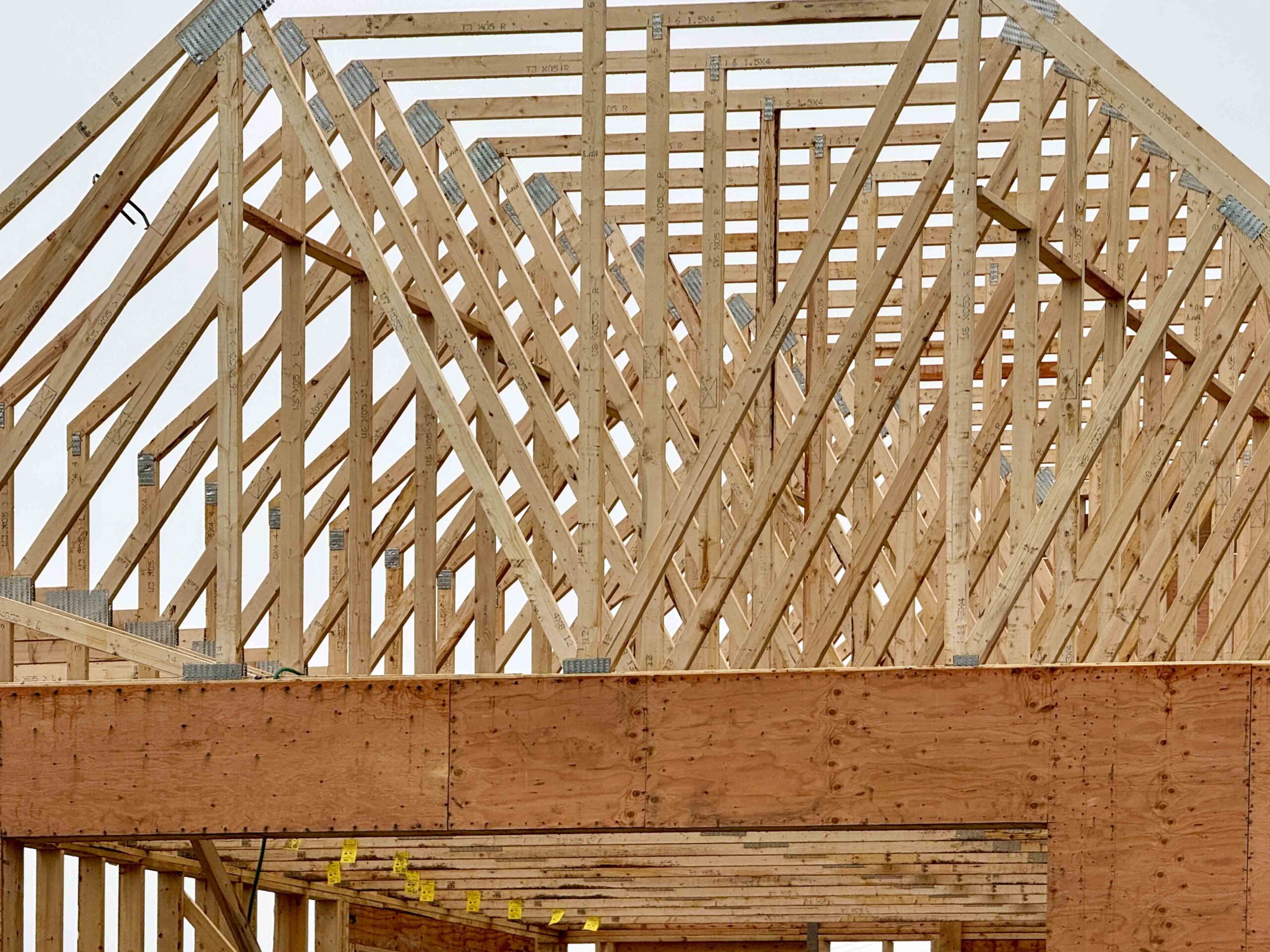 MILAN — In a business setting perfect for the moment, Gov. Kelly Ayotte last Friday ceremonially signed into law a bill seen as crucial to the state’s lumber industry, one that puts it on an even playing field with how Canada grades its lumber. Local elected officials, employees and guests gathered at the Milan Lumber Co., for the signing of House Bill 1204, that changes how New Hampshire grades state-grown timber for sale. The change removes an “s” at the end of three other letters, s-p-f, standing for spruce-pine-fir, which is how Canadian lumber is marked. Before the Legislature passed the bill, the state’s lumber was marked as s-p-f-s. The “s” at the end stands for “south,” meaning south of the Canadian border. Removing the extra “s” at the end of New Hampshire milled lumber means it is graded the same as Canadian milled lumber and should be sold at the same price.
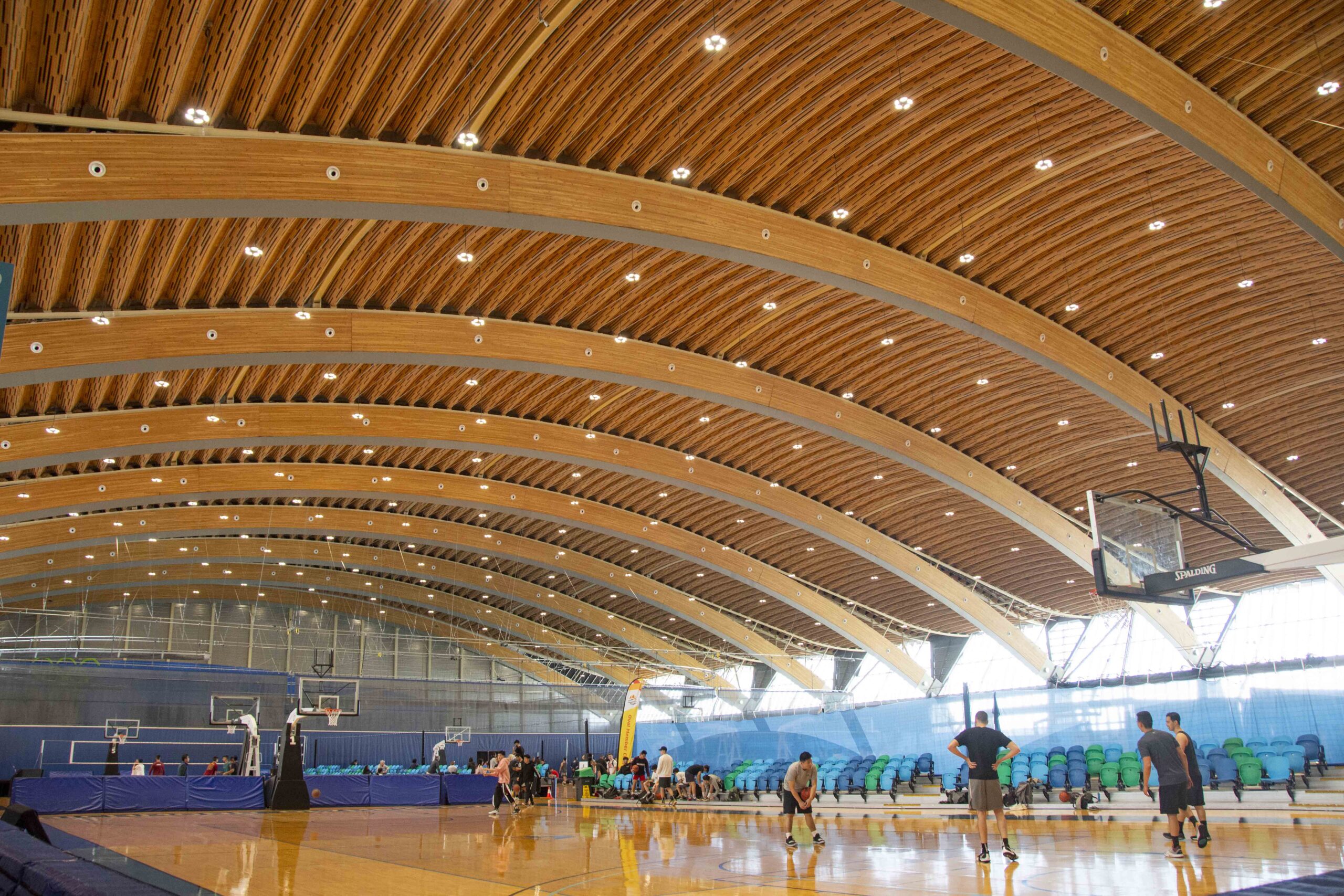 The Alliance for Sustainable Building Products (ASBP) has launched an international project to develop practical guidance on managing water and moisture risk throughout the lifecycle of mass timber buildings. Funded by the Softwood Lumber Board (SLB) and Swedish Wood, the project will bring together existing research and industry expertise to produce practical guidance on the design, construction and long-term management of mass timber buildings. With mass timber being adopted in a wider range of building types, the ASBP said practical guidance would help build confidence for the industry and insurance providers. The guidance will build on the success of the Mass Timber Insurance Playbook, published by ASBP and co-authored by Dr Jim Glockling. …the principles of moisture management are governed by universal building physics. The guidance will therefore be developed as an internationally applicable resource, with regional considerations added where appropriate. It is scheduled to be published in October 2026.

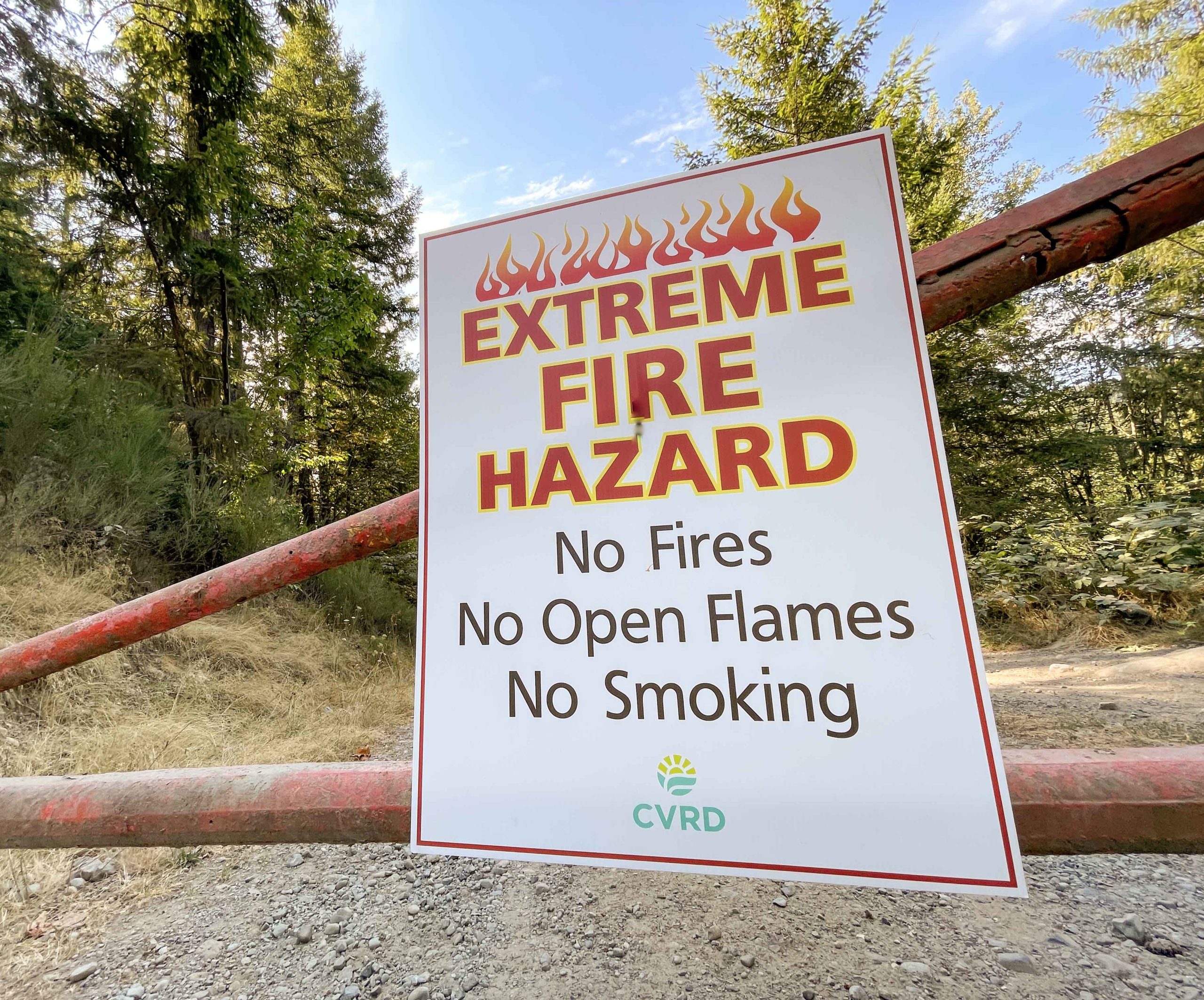 Prince George city council is being asked to support a call for an independent public inquiry into BC forest and wildfire management. A report, drafted by Coun. Garth Frizzell in his capacity as chair of the Standing Committee on Intergovernmental Affairs, goes before council on Monday, Aug. 31. It recommends the city submit a resolution to the Union of BC Municipalities (UBCM) asking the provincial government to establish an inquiry under the Public Inquiry Act. The UBCM holds its annual convention Sept. 14-18 in Vancouver. The proposed inquiry would examine the relationship between forest management practices and wildfire risk and severity, as well as the effectiveness of fuel management, prescribed burning, wildfire prevention and landscape-resilience strategies.
 BURNABY, B.C. — The United Steelworkers union (USW) says the B.C. government’s proposed Working Forest Landscape Model is a step in the right direction, but … implementation cannot wait. “Our union and others have called for a clearly defined working forest for decades,” said Scott Lunny, USW Western Canada Director. “Government needs to move quickly to define the economic land base, increase the sustainable harvest and give workers and communities the certainty needed to rebuild our forest industry.” …USW says establishing where B.C.’s working forest will be only part of the challenge. The province must also determine how access to fibre from that land will support domestic manufacturing and employment. “These are public forests and a working forest needs to work for British Columbians,” said Lunny. “Greater certainty around the land base and fibre supply should mean greater certainty that those resources support mills, investment and good jobs here in B.C.” …“There is no time to waste”.
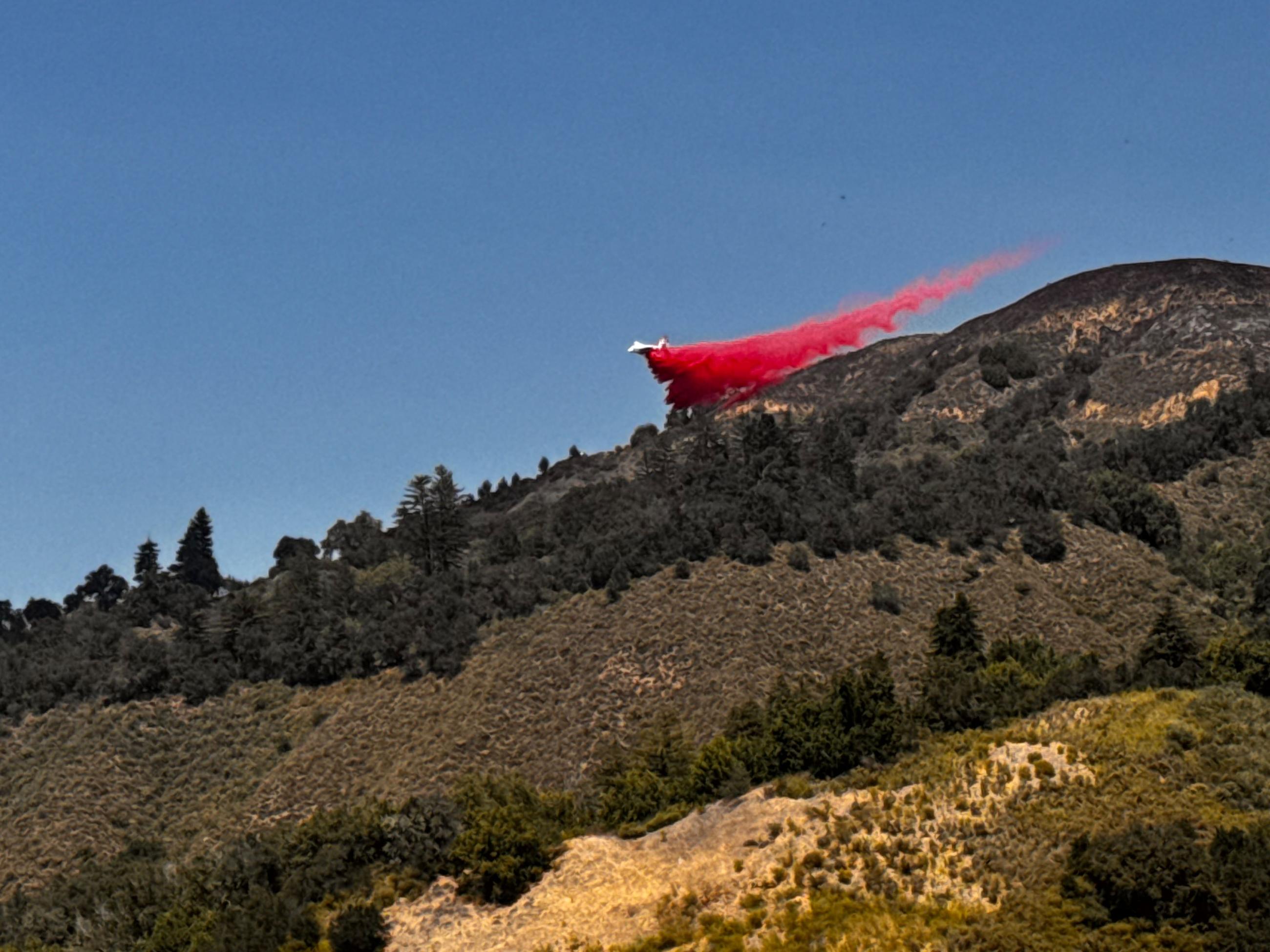
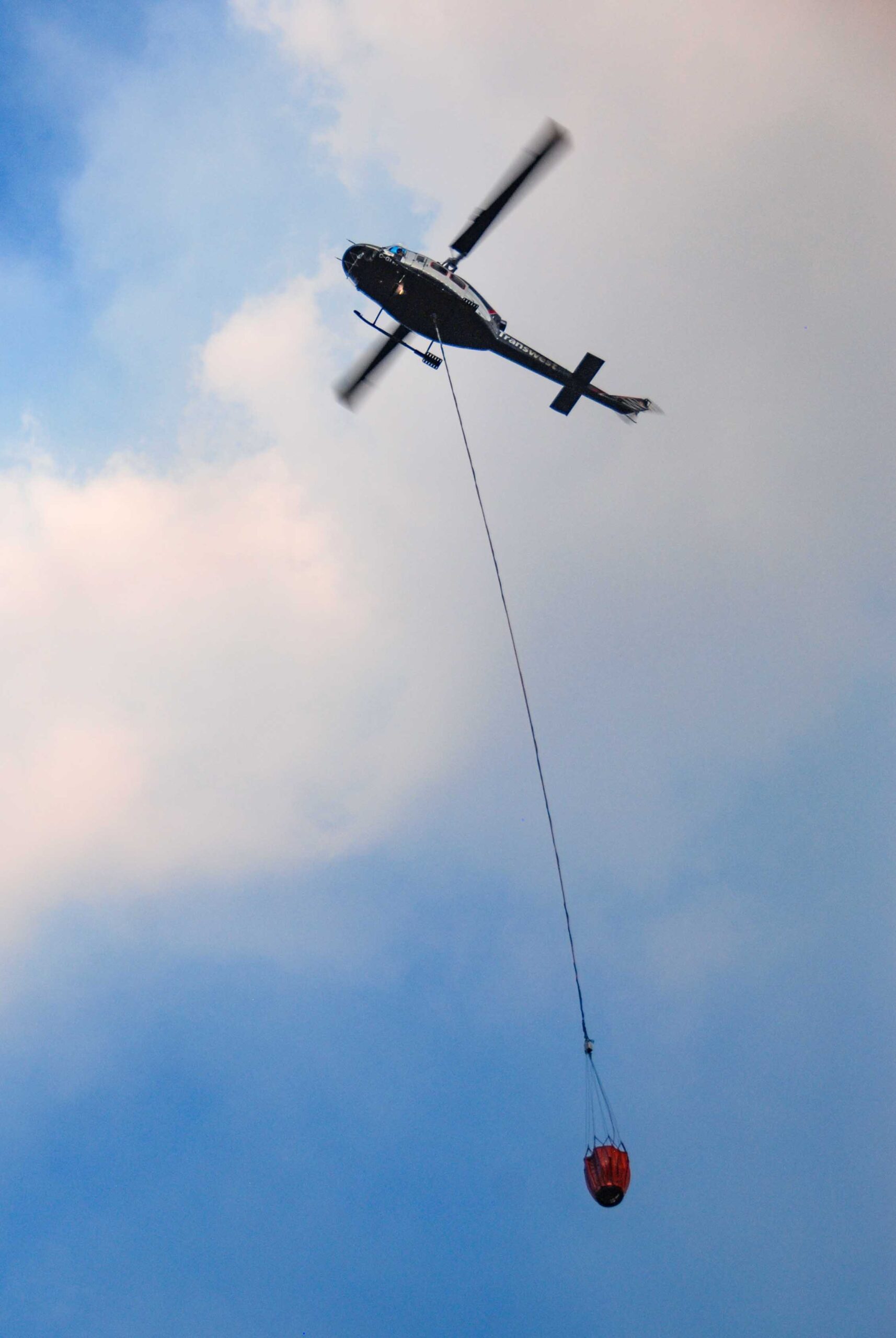 Large, devastating fires like those B.C. has witnessed this year frequently spark complaints and questions from the public: Why are there helicopters sitting at the local airport while smoke billows from a nearby mountain? Why are no squadrons of water bombers coming to the rescue? While officials might compare fighting a firestorm to spitting into a campfire, it does little to dispel the complaints that more could and should be done — in particular as anxious residents are evacuated and wait to hear if their homes, farm animals and pets have survived. To better understand how aircraft are used as a tool in wildfire fighting, The Tyee climbed aboard a Bell 407 deployed to one of the province’s largest wildfires. Flying above the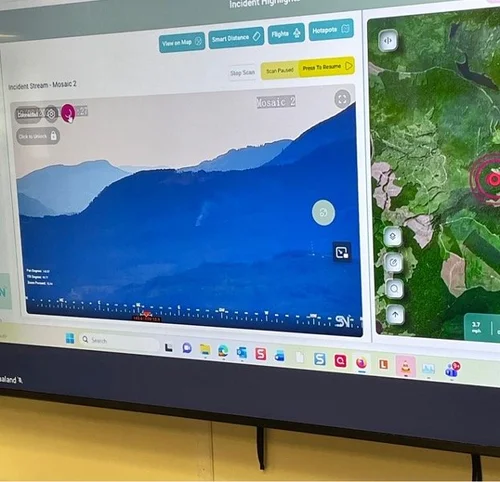
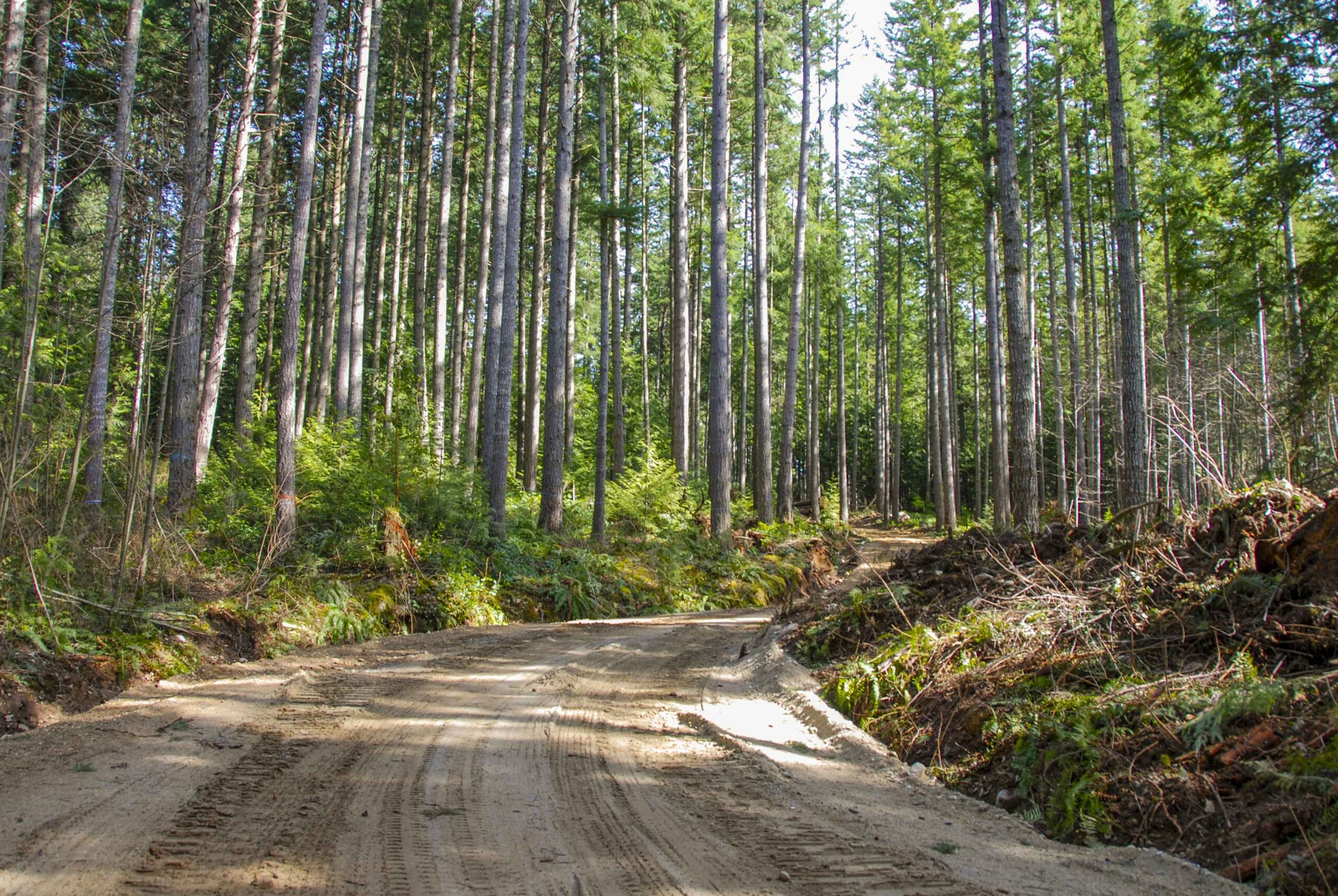 About 83 kilometres of Forest Service Road segments across the Merritt Timber Supply Area have been identified for possible deactivation over the next three years, with work aimed at reducing erosion, protecting waterways and addressing safety concerns on inactive roads. BC Timber Sales is planning the work as part of its ongoing management of Forest Service Roads in the Merritt TSA, according to the Ministry of Forests. The tentative list includes segments in the Gordon Tyner, Pimainus, Skuhun, Wallace Creek, Finnegan Red Creek, Matthew Creek, Tulameen Champion, Olivine Champion Creek, Jim Kelly Creek, Sunday Summit, Victor Lake, Cook Creek, Mellin Pennask Lake and Pattinson Lake areas. The province says the road list remains tentative and could change as detailed assessments are completed. …Future wildfire response, silviculture, range management and recreational access will also be considered during planning.
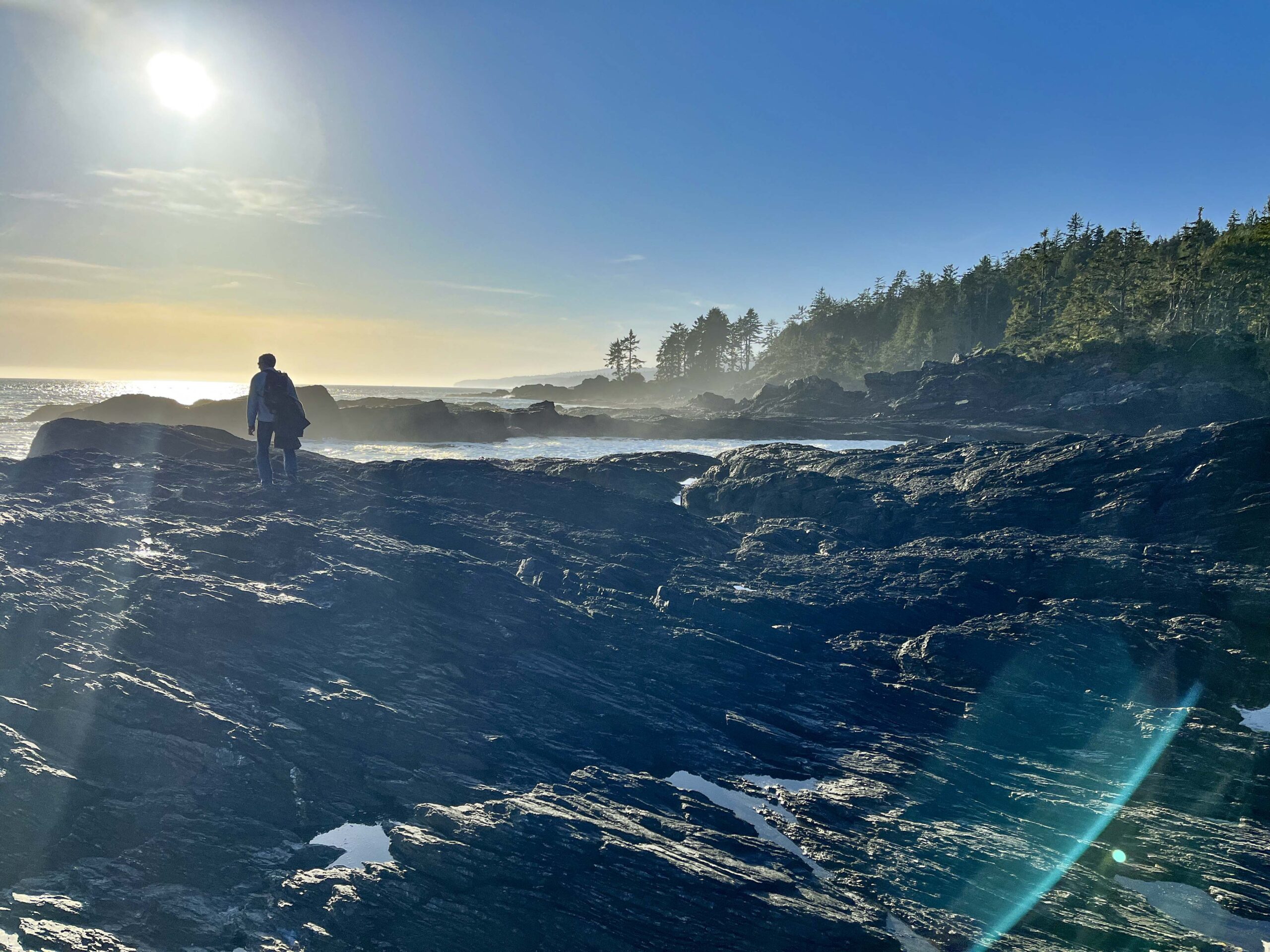 The province has rejected a leasing application by a private wilderness survival school operator to set up camp within East Sooke Regional Park. Vitaliy Svetlichnyy, owner of One With Nature outdoor survival school, had applied two years ago to lease a 71-hectare parcel of Crown land inside the borders of East Sooke Park to build and operate his school. The proposal included an intensive-use area of about five hectares for several permanent structures … and a dock on the waterfront and storage buildings. Svetlichnyy was asking for a lease of 10 to 30 years on the land and foreshore, but his proposals caused a widespread outcry from local government and the public who said private operators should not be allowed in parks. In his decision, Peter Warbuton, senior licensed authorizations officer for the province, said the proposed long-term commercial use, infrastructure development and exclusive occupation were incompatible with the existing conservation, recreation and stewardship objectives of the area.


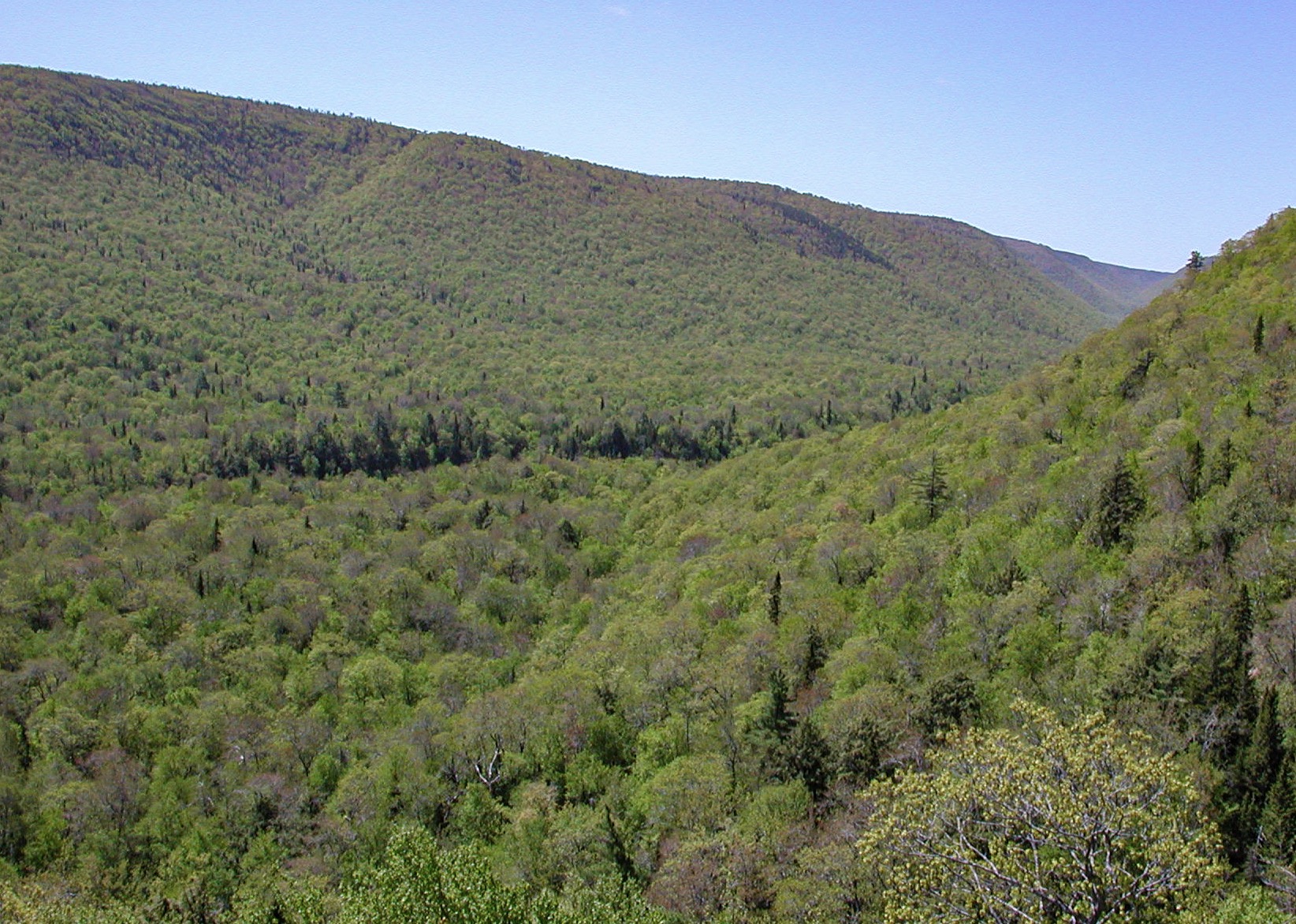 A team developing an aerospace and environmental project based in Montreal is currently working at the Timmins Stratospheric Balloon Base, testing its technology. The SAFARI-APEX project team from Montreal’s École de technologie supérieure has developed a prototype that uses cameras and artificial intelligence to monitor forests from above. The system is designed to spot conditions that could make an area more vulnerable to fire before one actually starts. Serguei Markov, an IT engineer and one of the people behind the project said the system analyzes factors such as vegetation, soil and humidity — information that could help focus fire prevention efforts where the risk is highest. …A prototype, called Borealis, was sent into the atmosphere on a Canadian Space Agency stratospheric balloon in Timmins.
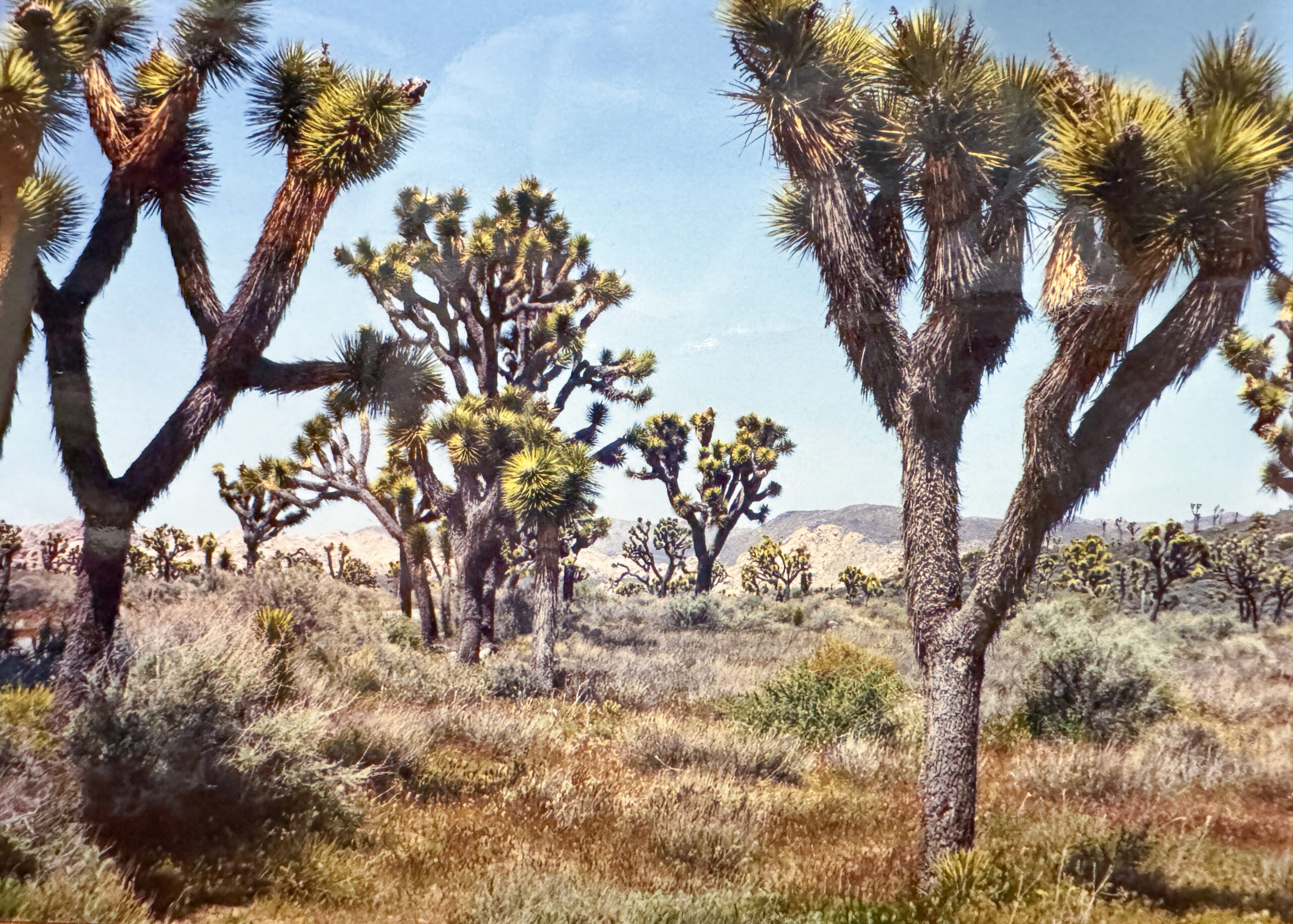 More than 400 endangered animal and plant species could face accelerated extinction after the Donald Trump administration’s decision to rescind a rule that has protected old-growth forests for more than two decades. According to a new report from the Center for Biological Diversity, the rollback of the Bill Clinton-era “roadless rule” could put 7.4m acres of endangered-species habitat and nearly 1,800 miles of protected rivers and streams at risk, while opening more than 45m acres of national forests to roads, drilling and logging. The Trump administration moved last week to rescind the 2001 Roadless Area Conservation Rule, citing “outdated restrictions [that] have kept tens of millions of forested acres off-limits to the very treatments that improve forest health and reduce wildfire risk to our communities”.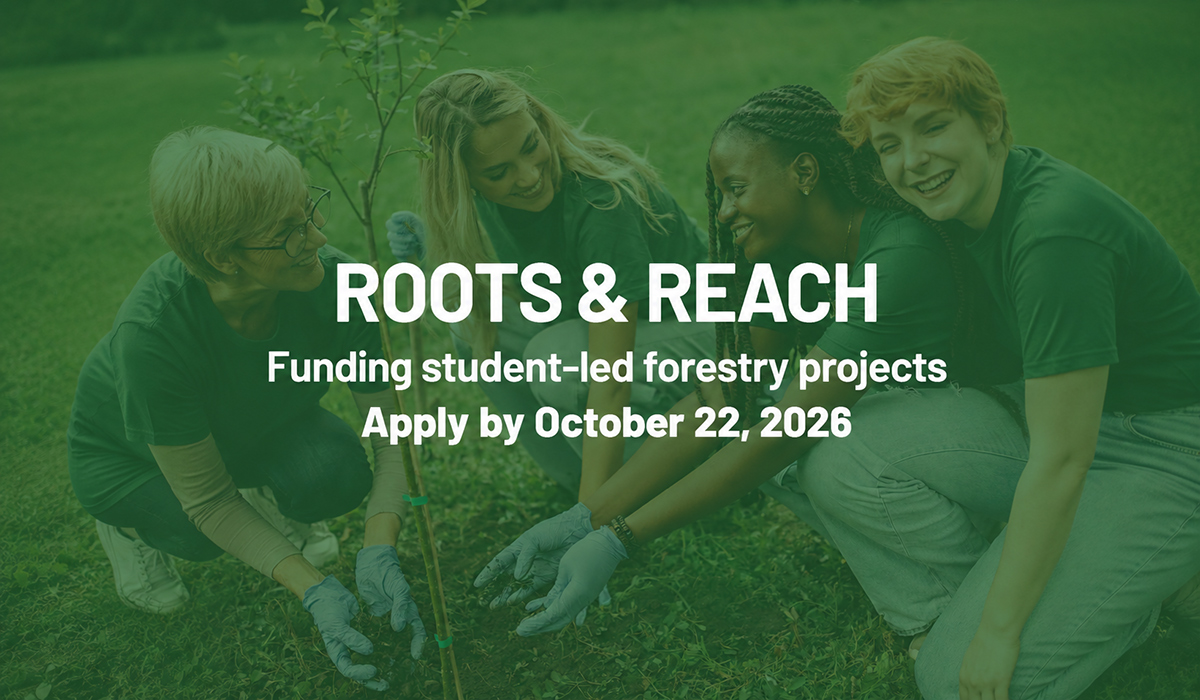


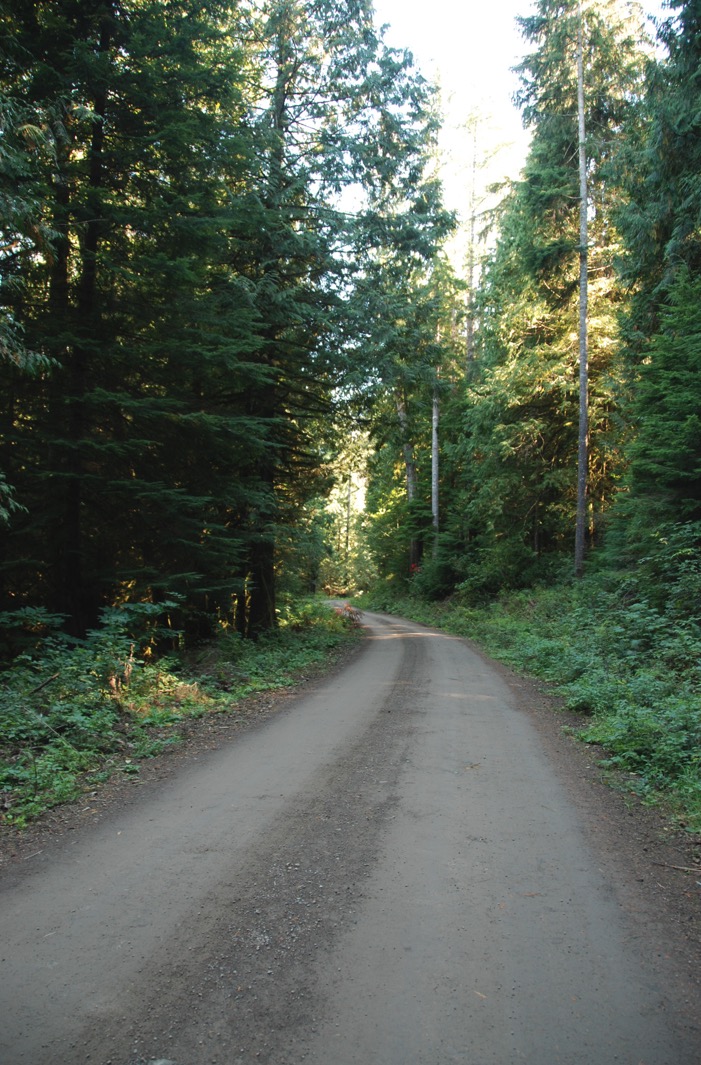 Last week, the Trump administration announced it was moving forward with efforts to rescind the national Roadless Rule, which has governed roadless areas of U.S. Forest Service land for a quarter-century. But Idaho won’t be affected. That’s because of an effort, launched two decades ago during the brief governorship of now-Sen. Jim Risch, to secure a specific statewide roadless rule. Colorado is the only other state with its own rule. Idaho’s rule will remain in place, even if the Trump administration succeeds in reversing the national rule — a tragic outcome that places at risk some of the best remaining patches of wild habitat for fish and game, and risks increasing the number of wildfires, which are mostly caused by humans, mostly near roads. Idaho’s rule could provide a viable model for future protection of roadless areas in an era when federal land management decisions are likely to whipsaw with every presidential election for the foreseeable future.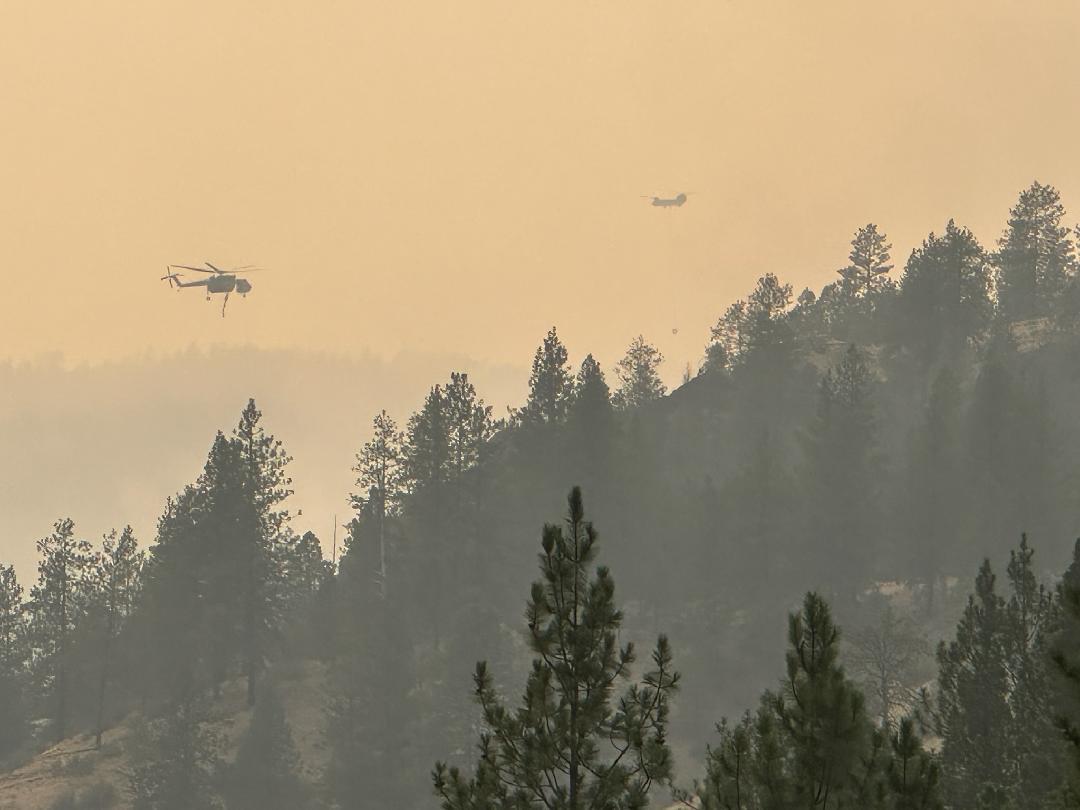

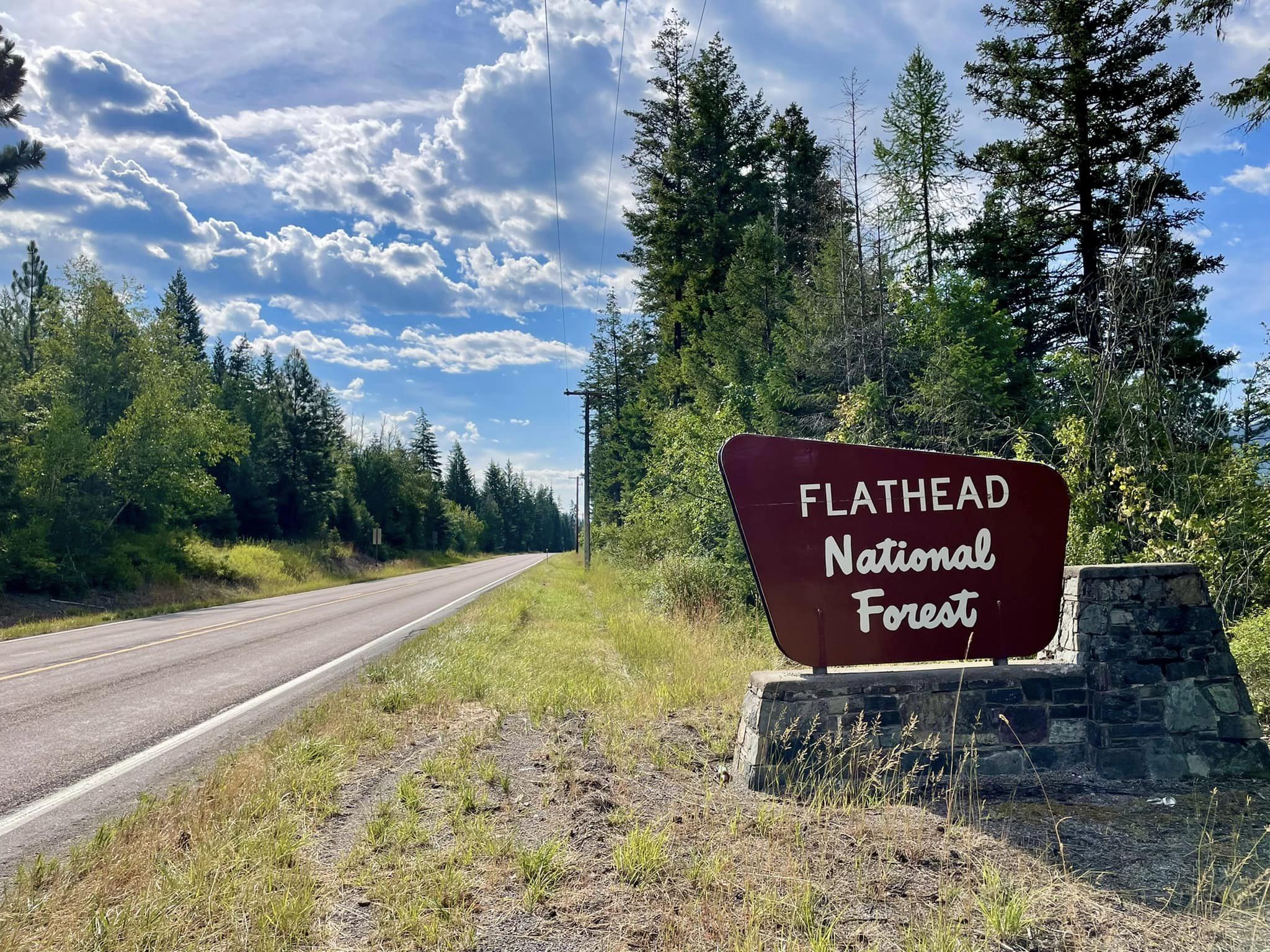 Land managers with the Flathead National Forest plan to approve a fuels-reduction project in the Swan Valley near Holland Lake using an emergency determination on the grounds that it lies in a “high-risk fireshed,” according to an Aug. 18 decision notice. Foresters say the project is eligible for an Emergency Action Determination (EAD) because it proposes to reduce wildfire risk while preserving the area’s old-growth forests. Initially released for public scoping in 2023, the Rumbling Owl Fuels Reduction Project spans 6,200 acres on the Swan Lake Ranger District of the Flathead National Forest southeast of Condon and east of Highway 83. According to an environmental assessment prepared by Jeff Durkin, the district silviculturist for the Swan and the project leader on Rumbling Owl, the project meets the newly established criteria for EAD authorization, which the agency has increasingly used to expedite approval of logging projects featuring a fuels-reduction component.


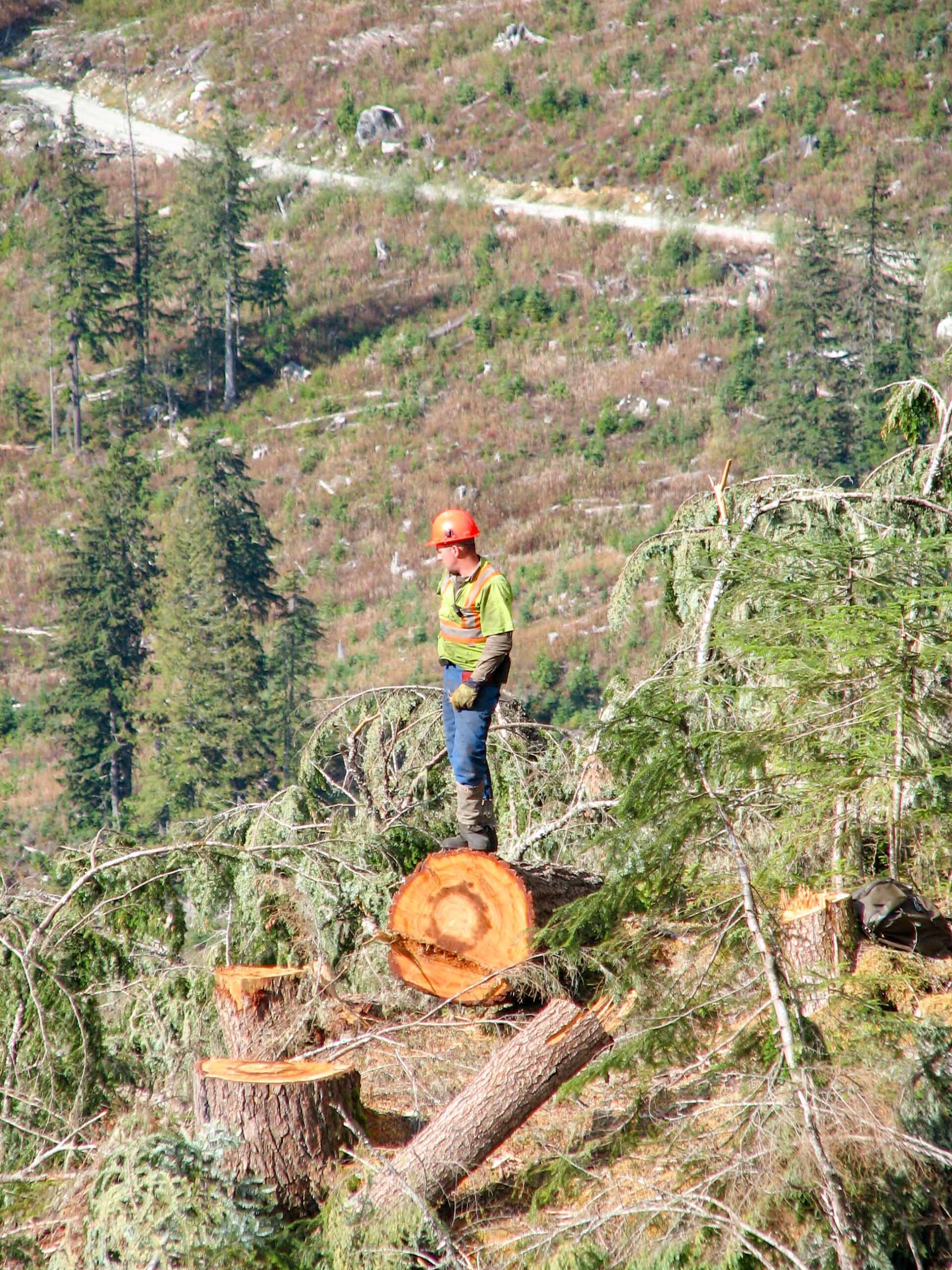 Thousands of acres of currently protected national forest land in Michigan could be opened to road construction and logging under a proposal from the U.S. Forest Service to rescind a 25-year-old rule. The 2001 Roadless Area Conservation Rule, which restricts road construction and timber harvesting in designated roadless areas, currently protects about 16,000 acres of roadless forest land across the Huron-Manistee, Hiawatha and Ottawa national forests in Michigan. They are among nearly 45 million acres of inventoried roadless areas nationwide which would see protections eliminated under the proposal to rescind the rule,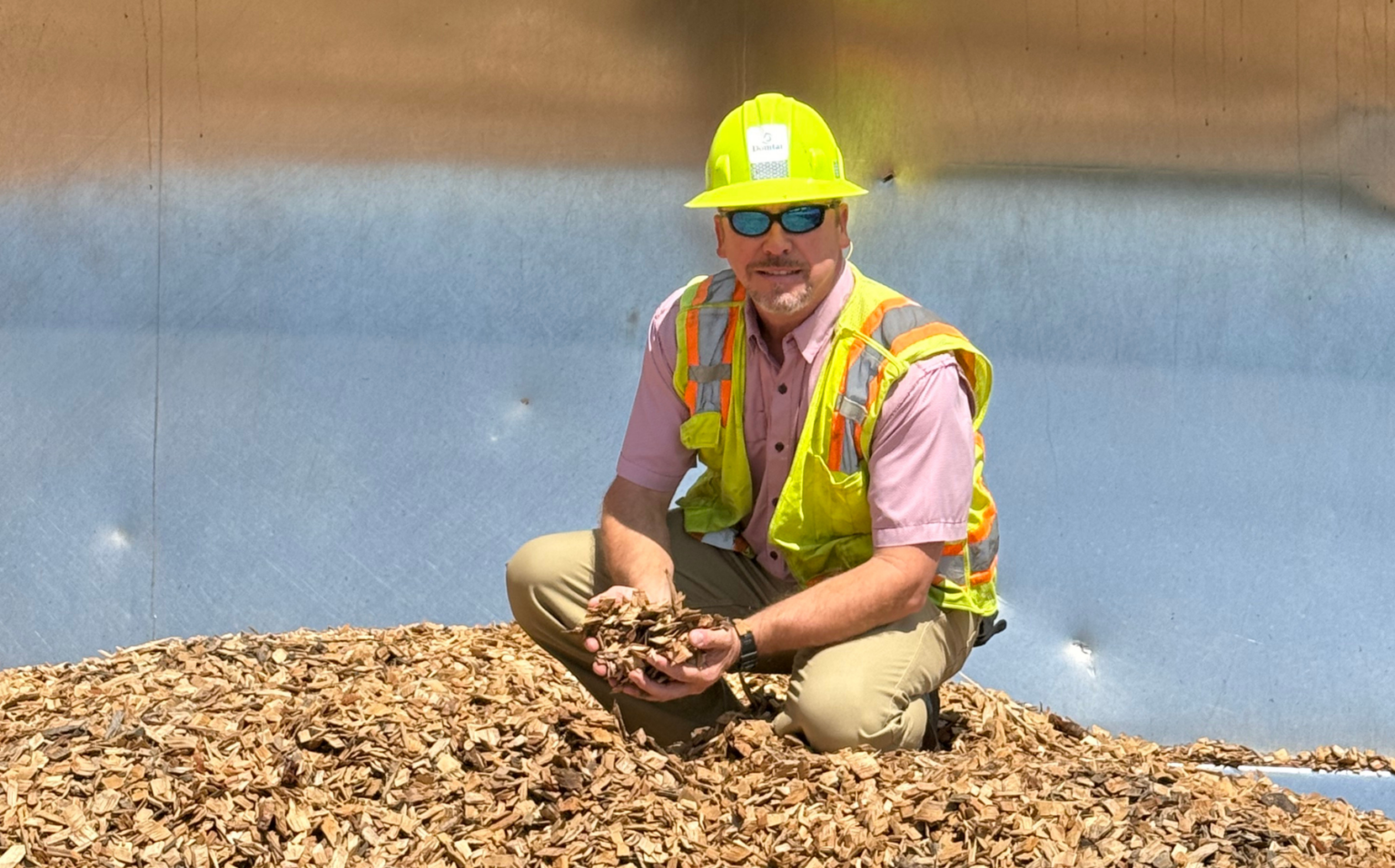

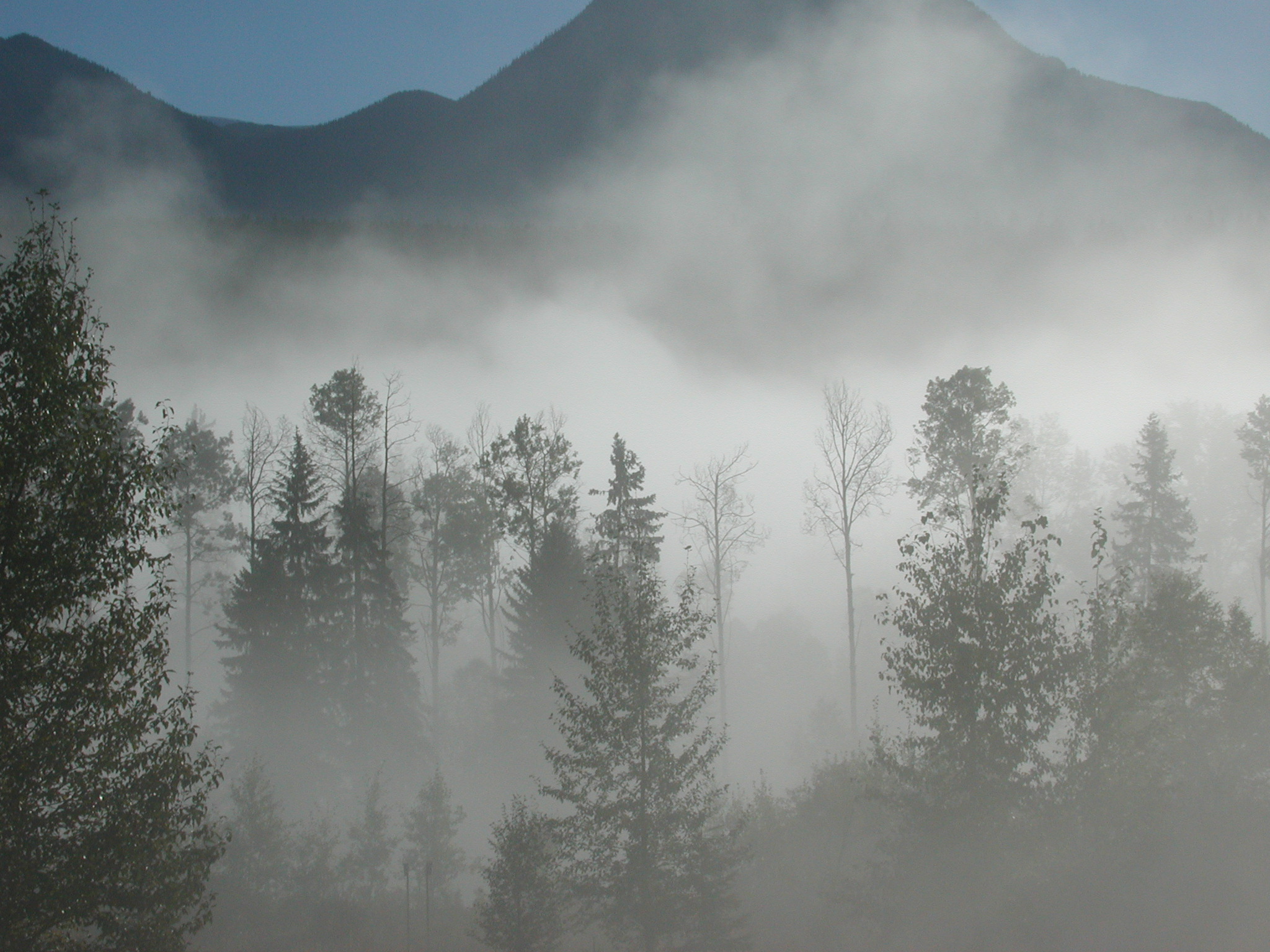 Richmond Hill, Ontario, Canada – Dense evergreen plantations in Canada’s boreal forest absorb so much winter sunlight that the resulting surface warming can offset 6 to 20 percent of the climate benefit they are credited with. Canada’s current carbon accounting frameworks measure the carbon stored but largely omit the heat absorbed by these forests, according to a new Policy Brief from the United Nations University Institute for Water, Environment and Health (UNU-INWEH). The result is inflated mitigation estimates and public investment in forests that may not deliver the cooling they promise. The Policy Brief “
 A man has died following a workplace incident at a forestry business in Golden last week. Golden-Field RCMP responded to the scene at about 9:51 a.m. on Aug. 17, after reports of a serious workplace incident. Police said the initial investigation indicates the man was working alone on a logging truck when the vehicle moved and injured him. RCMP and B.C. Emergency Health Services attended, but the man was pronounced dead despite the efforts of first responders. The B.C. Coroners Service is conducting an independent investigation, and WorkSafeBC has also been notified and will investigate the circumstances surrounding the workplace death. An RCMP collision reconstructionist examined the scene, while Commercial Vehicle Safety and Enforcement inspected the logging truck and found it to be in excellent mechanical condition.
 An evacuation alert for 30 Lions Bay properties due to a nearby wildfire has been rescinded. The Village of Lions Bay issued the alert Sunday evening at 9 p.m. due to the Lone Tree Creek Wildfire but it was later rescinded on Monday after crews were able to hold the fire. A total of 30 homes, including properties on Oceanview Road and Kelvin Grove Road, had been told to prepare their things and be ready to leave at a moment’s notice should the alert be upgraded to an order. Those same residents were being notified directly on Monday that the alert had been cancelled. “While this is very positive news, response activities are continuing,” read a statement from the Village of Lions Bay.
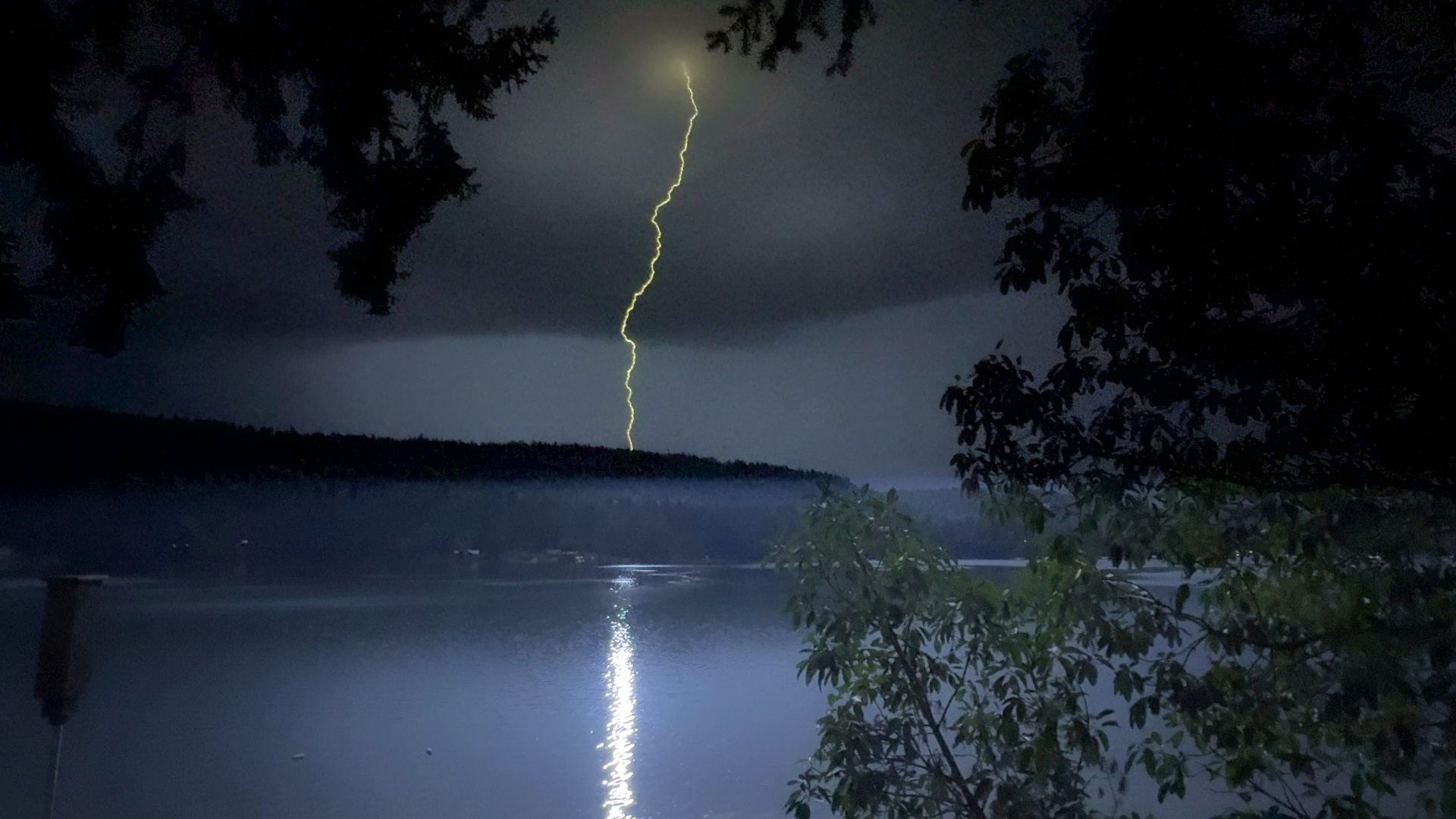 The number of wildfires in British Columbia surged past 180 over the weekend, up from about 125 on Friday, as the province recorded 11,000 lightning strikes. An update from the BC Wildfire Service said a subtropical weather system brought hot temperatures and lightning that sparked fires throughout southern B.C. But it said crews were prepared for the storm that also brought significant rainfall, helping to moderate fire behaviour in a summer that’s otherwise been very dry. The service said 75 per cent of the new fires sparked during the storm had already been classified as held, under control or out by Monday. With that, the number of active blazes ticked down to just below 180 later Monday. The service has warned of the return of hot, dry and windy conditions this week. …About a third of B.C.’s active fires are burning out of control, including four major wildfires of note — the Pear Lake fire in the Cariboo, the Bald Range fire in Summerland, B.C., and the Ainslie Creek and Brunswick Creek fires in the Fraser Canyon.