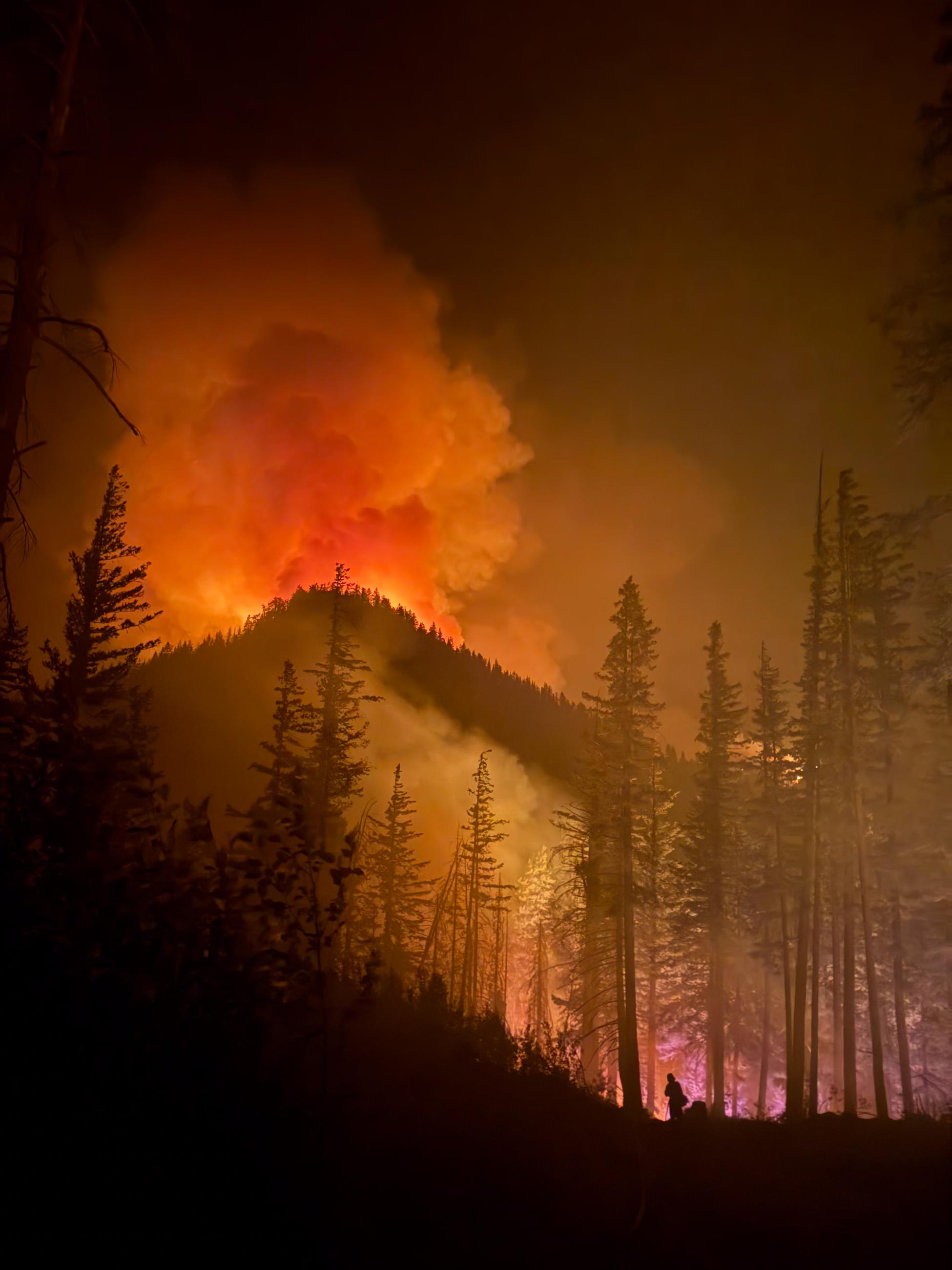
Ontario is investing $5M in support of a potential restart of the Espanola pulp mill, and $17M in four forest biomass projects. In related news: an Ontario packaging company touts its tariff-free supply chain; and Maine’s governor says her state is not the enemy. In other Business news: Western Forest Products is building an artificial marsh to filter mill runoff; Maine’s Woodland Pulp contests safety fines for toxic gas release; the first lawsuit is filed in Nippon’s Longview tank explosion; and France rejects Fibre Excellence nationalization proposal. Meanwhile: inflation risks rise in Canada; US residential spending weakens; and global lender caution is growing.
In Forestry/Climate news: Canada invests $68M in urban forestry; climate change and pests are reshaping North American forests; a Georgia study says rural views of forest bioenergy are shaped by politics; Oregon protestors push back on Roadless Rule repeal; and UBC researchers link clear-cut logging to increased flood risk in Oregon. Meanwhile: New Zealand members vote for unified FSC governance with Australia; and Australia’s Forestry Standard CEO steps down after 11 years.
Finally, the Canadian government is arguing in court that its climate law is unenforceable.
Kelly McCloskey, Tree Frog News Editor
 The first Monday in September has been an official holiday in Canada since 1894, and in the United States since 1892. But the origin of Labour Day came 20 years before that, when unions started holding parades and rallies in Toronto and Ottawa to celebrate the successful 1872 Toronto printers’ strike – that won the decriminalization of unions in Canada. …the origins of Labour Day come from the struggles of working people and the demand for fairness. In this case, it was the movement to establish a 9-hour work day (the standard was a 12-hour work day and a 6-day work week) and a strike by printers in Toronto in the spring of 1872 to get it. …In 1882, an American labour leader witnessed the annual May “labour day” festivities in Toronto which inspired him to organize the first American “labor day” on September 5 that same year. …In Canada, pressure had been mounting to declare a national labour holiday. On July 23, 1894 the government of Prime Minister John Thompson passed a law making Labour Day official.
  Unions and labour activists from across Canada, Mexico and the United States are united in their demand that stronger protections for workers’ rights must be included in any new trade deal negotiated between the governments. Multinational corporations continue to pit workers against each other in a race to the bottom across the three countries. Pro-employer protection unions remain prevalent in Mexico, obstructing the ability of workers to organize and collectively improve their conditions. The rights of workers to freely form unions and negotiate with their employers continue to be routinely violated, despite the provisions of the Labour Chapter of the Canada-United States- Mexico Agreement (CUSMA). …On behalf of workers across Canada, Mexico and the United States, we call on our governments to ensure that trade in North America raises standards for employment and working conditions in all three countries.
 CHAPLEAU — The Ontario government is building a strong and self-reliant economy by investing over $17.3 million in four projects that will modernize forest sector manufacturing, enhance the industry’s competitive advantage and strengthen forestry supply chains by using more mill by‑products and underused wood known as forest biomass. …This funding is part of the government’s plan to protect Ontario forestry workers in the face of recent U.S. tariff attacks by building a more resilient, innovative and diversified forest sector, ready to compete in global markets. …The Forest Sector Investment and Innovation Program and Forest Biomass Program investments will support four projects advancing the
 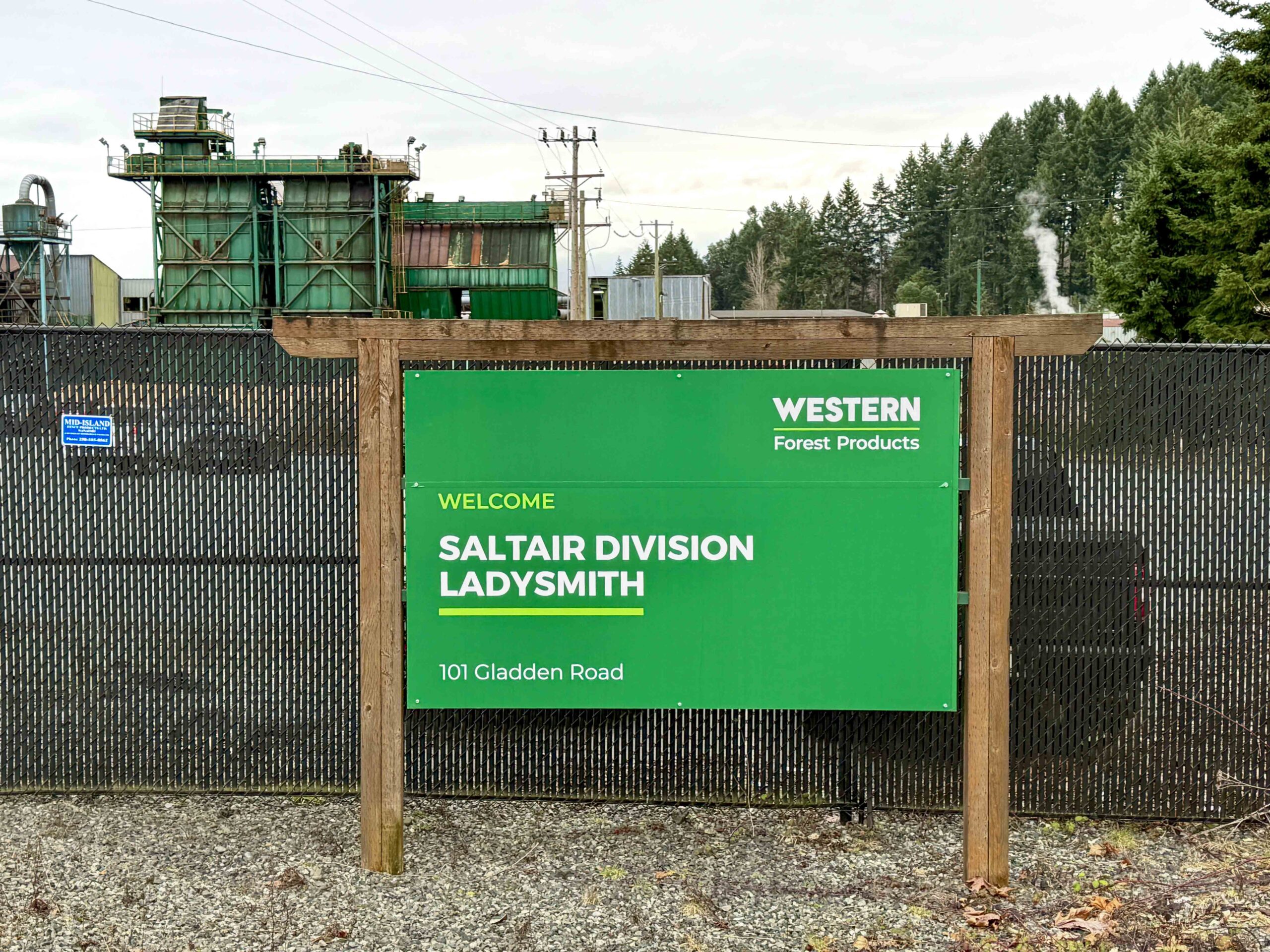 A new chapter in the effort to better manage water around Western Forest Products’ Saltair sawmill is taking shape. The company is creating a new runoff filtering system designed to collect and control surface water from the mill and surrounding area before it can make its way beyond the site into Ladysmith Harbour. The rainwater and stormwater runoff interacting with fine woody materials and galvanized mill infrastructure will shortly all be directed into an almost natural setting. “We want to make sure all the rainwater runoff from our site is filtered and it’s going into the ocean clean,” said Tyler Fraser, production superintendent at the mill. “Prior to this project all the surface water went into the storm drains, which would then lead to an oil-water separator before the harbour.” …“We have an established constructed wetland up at Beaver Cove in Telegraph Cove that has worked perfectly,” said Ben Matthews, mill environmental regulatory manager for WFP.
 Prince George city council voted to send a letter to the federal jobs minister asking her to extend temporary employment insurance program for forestry workers in response to the impending closure of Northwood Pulp Mill at its Monday, Aug. 31 meeting. A report written by intergovernmental relations senior advisor Annie Doran and submitted by Coun. Garth Frizzell in his role as chair of the Standing Committee on Intergovernmental Affairs said that in the wake of the ongoing U.S.-Canada trade war, the federal government instituted several temporary measures, including: Waiving the waiting period for all new claims; Suspending the allocation of separation earnings like vacation pay, severance pay and more; and Increasing the number of weeks that long-tenured workers can received benefits to a maximum of 20. These benefits were implemented on March 30, 2025 and are expected to end on Oct. 10, 2026.

 Two weeks until the 23rd Annual Global Buyers Mission in Whistler! At a time when trade barriers, transportation constraints, and rising operating costs are influencing how businesses plan and source, strong supplier–buyer relationships matter more than ever. GBM brings B.C.’s value-added wood manufacturers together with pre-qualified international buyers, distributors, and specifiers. From targeted B2B meetings and conversations on the tradeshow floor to networking receptions including the Women’s Networking Event, WoodTALKS seminars, and a few memorable Whistler moments along the way, GBM is designed to create connections that last well beyond the event. See you in Whistler, September 10-12!
 Osoyoos, British Columbia — September 21–22, 2026 Every industry has its acronyms. Few, however, land quite like the one the Independent Lumber Manufacturers’ Association (ILMA) has chosen for its 2026 Annual Convention: WTF — Where’s The Fibre? It’s a cheeky title for a serious question. Fibre availability — the raw material that keeps sawmills running, communities employed, and Canada’s forest sector competitive — has become one of the defining challenges facing the industry. ILMA’s answer is to lean into the tension rather than tiptoe around it, gathering the people who can actually do something about the problem for two days of conversation, deal-making, and, yes, a little golf. The ILMA Annual Convention has built a reputation as one of Canada’s premier forestry networking events, and this year’s edition returns to Spirit Ridge Resort in Osoyoos, located on the traditional territory of the Osoyoos Indian Band. The ILMA’s convention is intentionally curated — bringing together company owners and senior executives from across the sector alongside government representatives, First Nations leaders, suppliers, consultants, and forestry professionals.
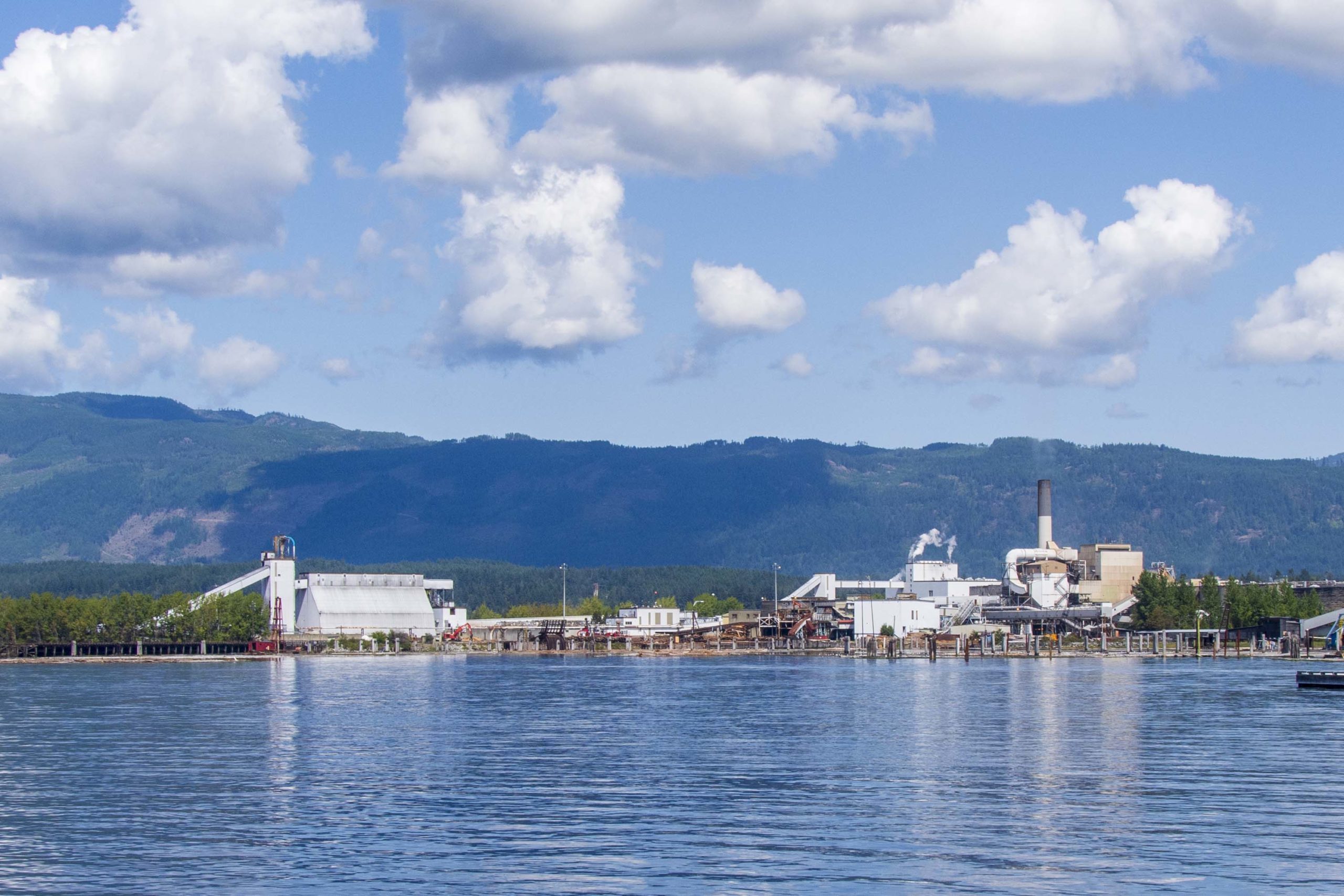 Bryan Yu, chief economist for Central 1 Credit Union, had no sooner completed a grim economic prognosis of B.C.’s ailing forest economy when, as if to punctuate the point, Domtar announced it would indefinitely idle its Howe Sound pulp mill in Port Mellon on Aug. 20. He said it was an “unhappy coincidence” that the announced pulp mill closure just happened to be announced the day before Central 1 published its economic commentary, which describes B.C. forest economy reaching the “breaking point.” The mill’s closure will result in about 400 workers losing their jobs. Domtar (formerly Paper Excellence) gave no date for when the mill will shut down. But if it is before the end of this year, that will mean three major pulp mills in B.C. will have shut down in B.C. in a single year. …The Council of Forest Industries (COFI) estimates 21 mills, mostly sawmills, have shut down in B.C. since 2023.



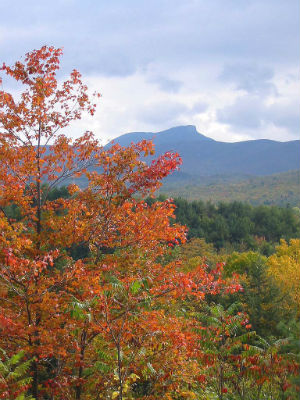
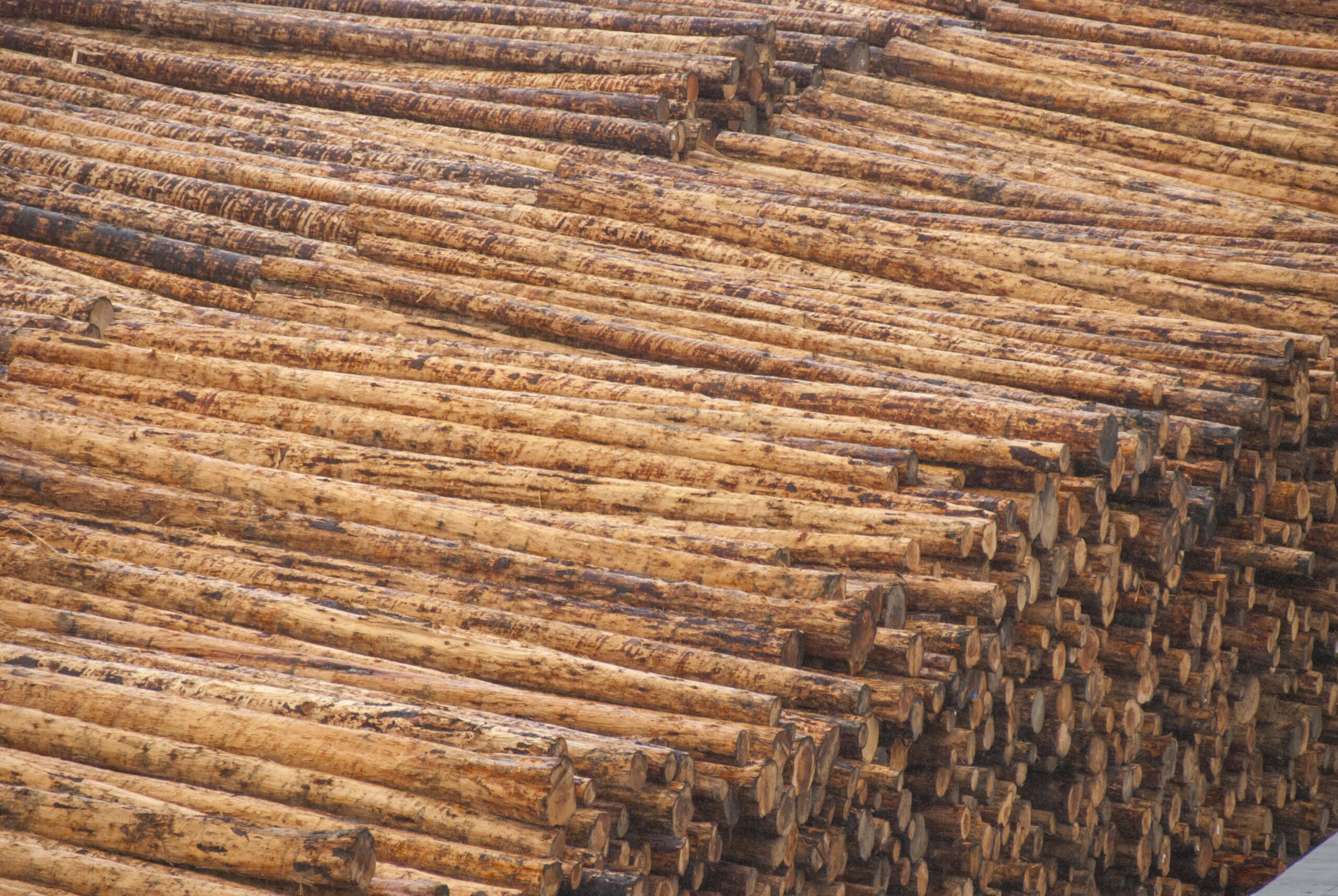 Donald Trump this month announced plans to rescind a landmark rule that has protected old-growth forests in the US for 25 years. If finalized, the rollback is expected to benefit the companies that Tom Schultz, chief of the US Forest Service, represented in his previous roles as a timber industry lobbyist and executive, according to research by consumer advocacy non-profit Public Citizen. …In a statement, Schultz described the move as “the best way to restore the balance, reduce wildfire risk, and secure the long-term health of our forests and neighboring communities”. But studies suggest it could put 400 threatened and endangered species at risk. …[Schultz previously] served as president of the Federal Forest Resource Coalition, representing companies that purchase timber from the federal government, and was vice-president … at Idaho Forest Group, a major lumber manufacturer. Schultz has long been critical of the roadless rule.
 This month’s Lumber Shorts includes these stories and more: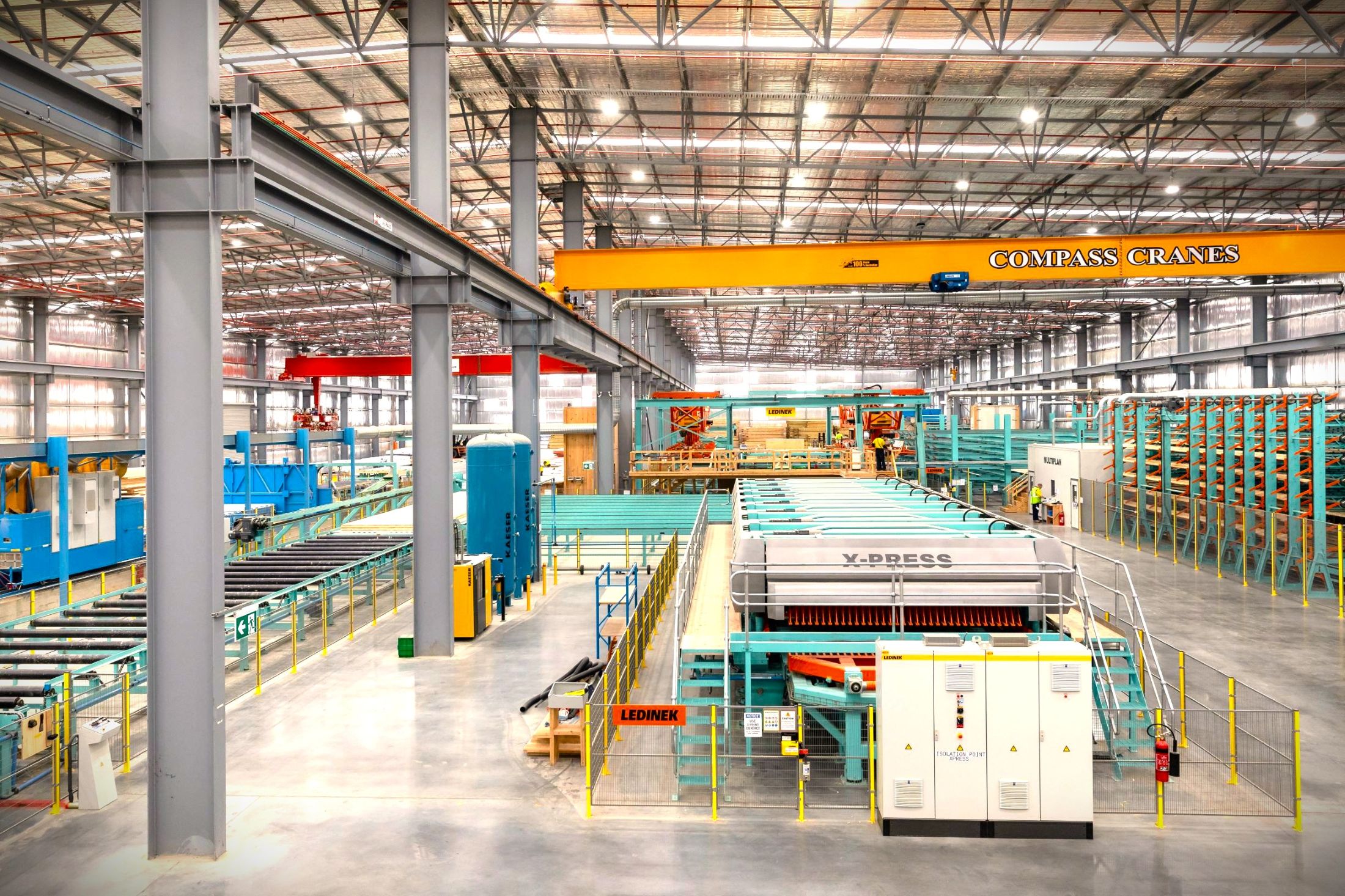





 Federal Way, WA – Pacific Lumber Inspection Bureau (PLIB) has launched Light Framing, its third online grader training course and the second of a planned three-course syllabus designed to provide comprehensive grader training based on the National Grading Rule for Dimension Lumber (NGR). Light Framing is based on the in-mill grader training PLIB has offered for decades. To replicate the live training experience, PLIB’s online courses offer a wide range of learning activities, making extensive use of images, video captured from in-mill scanners and instructional videos led by PLIB’s experienced grading supervisors. The ultra-realistic learning environment helps users recognize and accurately measure and assess every grade-defining characteristic. …Light Framing is the third grader training course offered at PLIB’s online Learning Management System. Foundations of Lumber Grading, … was released earlier this year and STUDS was launched last month. A fourth course, Structural Light Framing and Joists & Planks, will be launched in the coming weeks, completing the NGR curriculum.
 The Canada Wood Market Insights has these headlines and more:
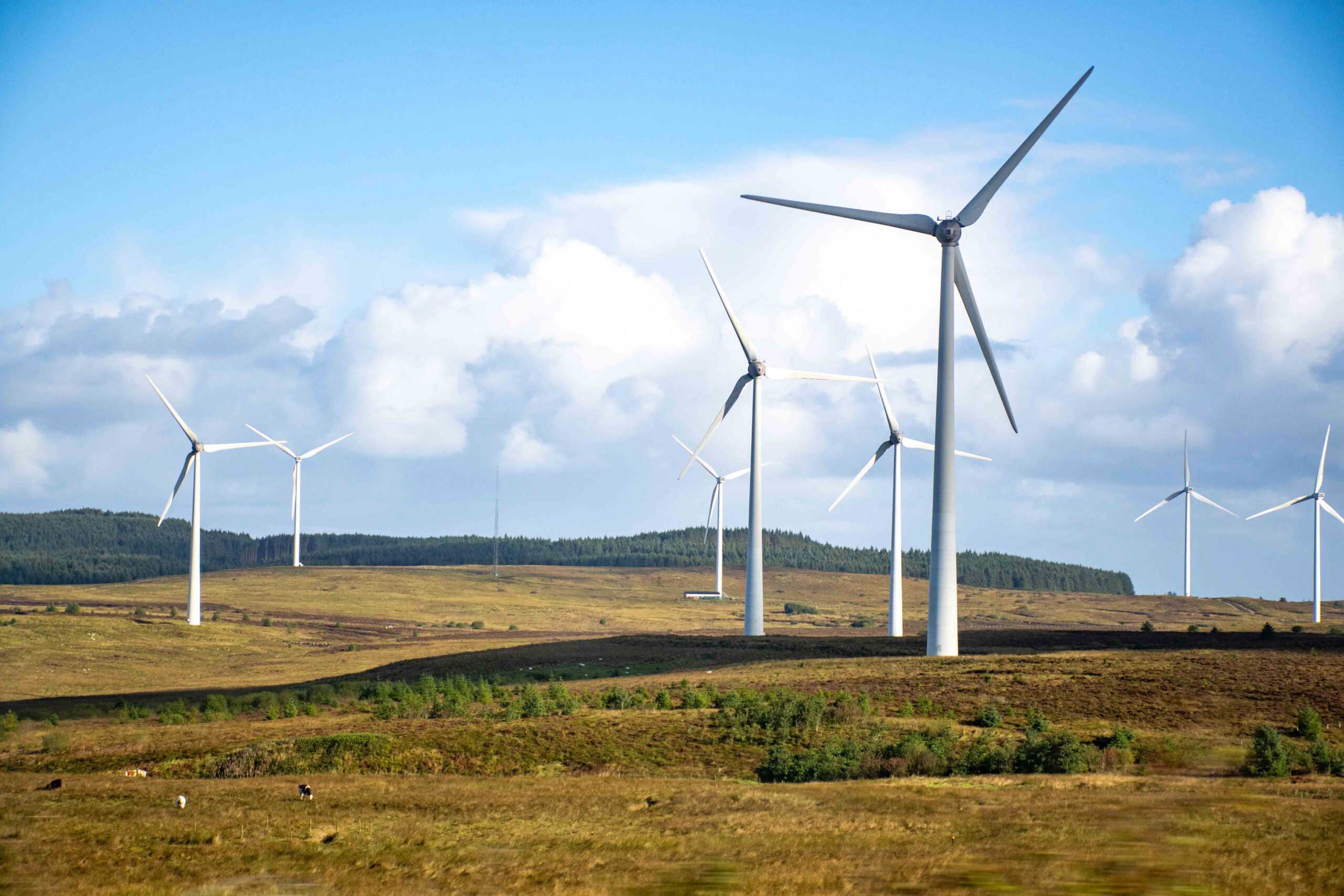 Wind turbines are a powerful alternative to fossil fuels, with wind power now accounting for about 10.5% of all utility-scale electricity generated in the United States. In Germany, the combination of wind and solar power has passed fossil fuels as the nation’s top electric generators. But the environmental impact of wind turbines and their massive blades cuts both ways. The blades are generally made of reinforced fiberglass, a material that is strong, light, and durable. They can last 20 to 30 years. But they’re so difficult to recycle that Europe came up with an unexpected new job for old wind turbines: Pedestrian bridge girders. A company in Germany has a solution that could make the recycling process easier. Voodin Blade Technology made 63-foot wind turbine blades from laminated veneer lumber (LVL). It’s not a completely new idea. In the 1980s, NASA approached Michigan boatbuilders Gougeon Brothers about applying their wood-composite techniques to wind turbines.

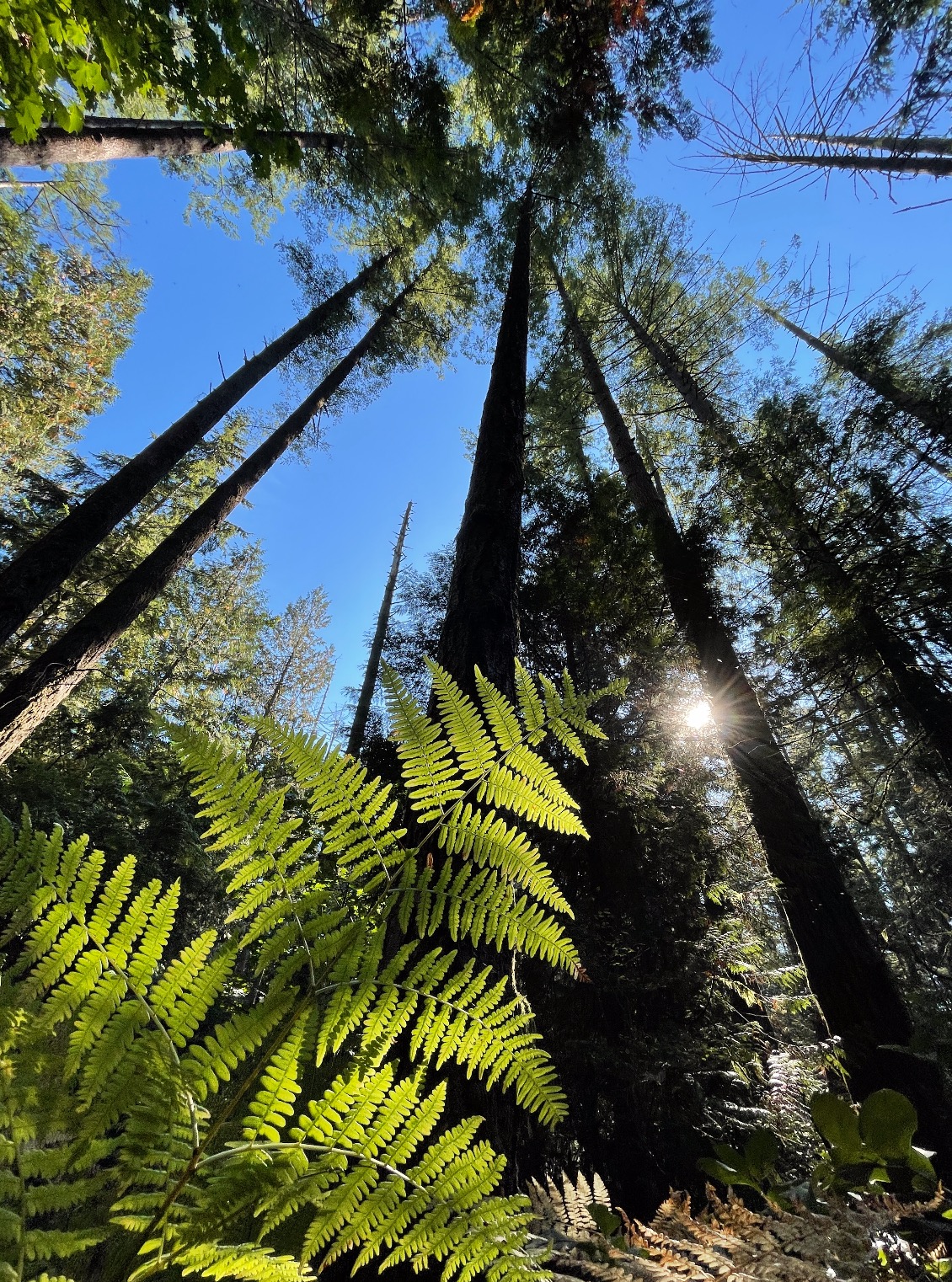 If global emissions continue unchecked, rising temperatures and shifting rainfall patterns could amplify tree pests and diseases across more than 80 per cent of North American forests within decades, jeopardizing critical carbon sinks, air quality and the forestry economy. This is the key finding of a new UBC-led study published today in Nature Ecology & Evolution. The researchers found that insects pose the more immediate threat, with more than 60 per cent of the areas examined projected to experience 30 per cent more insect pressure by mid-century. Species like the spongy moth, already wreaking havoc in Canadian forests, could expand significantly in eastern North America by mid-century. “The forests that exist today aren’t going to be ones existing in 2040,” said senior author Dr. Jonathan Davies. “The process is happening already. I think we’ve got to put everything on the table because the status quo is no longer tenable.”
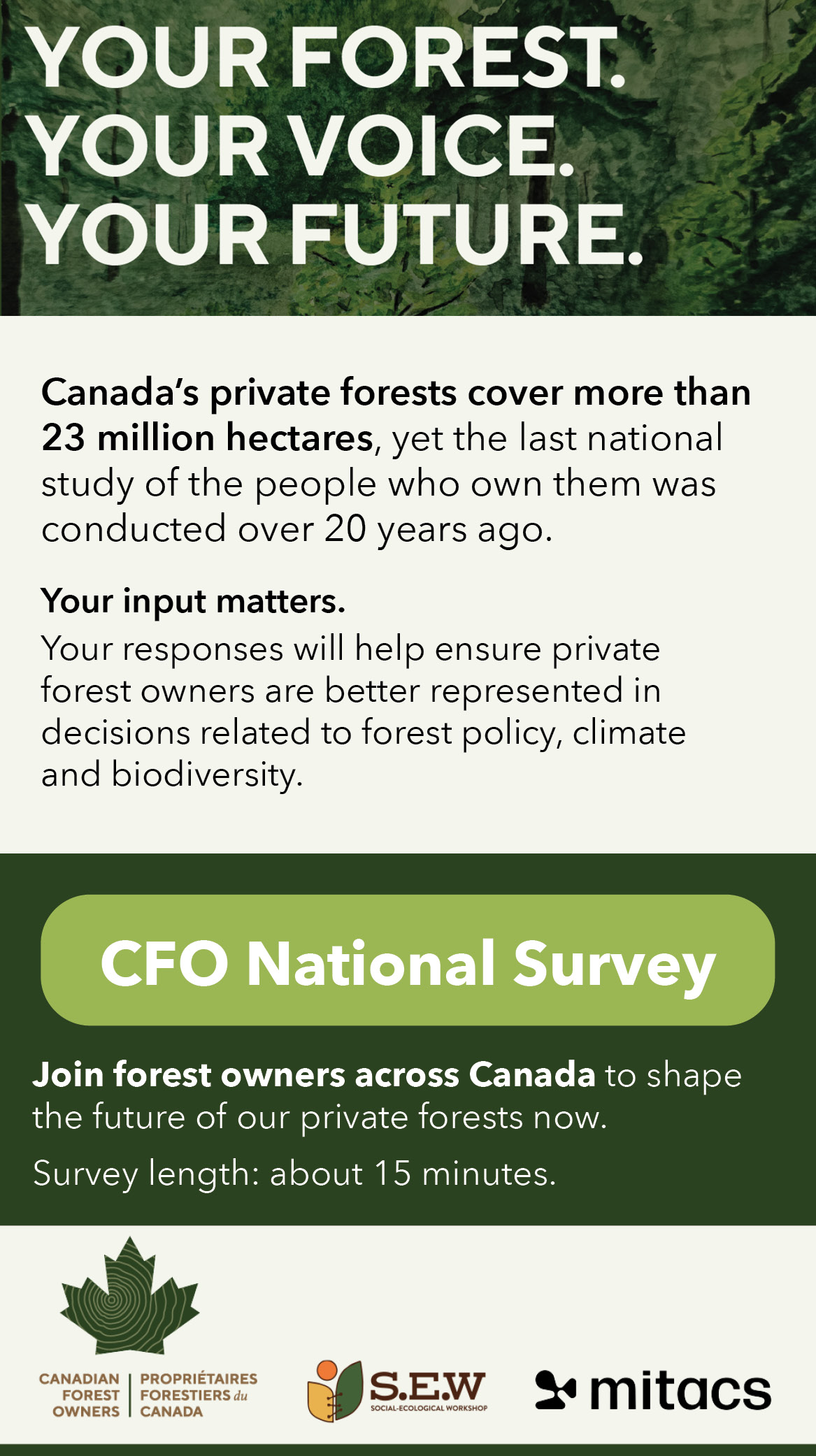 National survey seeks input from farmers and private woodlot owners to improve forestry policy, rural economic development, and environmental stewardship across Canada. Private forests are a familiar part of many Canadian farms, providing firewood, timber, wildlife habitat, clean water, and environmental benefits that extend far beyond property lines. Yet despite their importance, very little current information exists about the people who own and manage them. Now, Canadian Forest Owners (CFO), in partnership with researchers at McGill University, has launched the first national survey of private forest owners in more than two decades, seeking input from farmers and woodlot owners across the country. The initiative is designed to create an updated picture of Canada’s private forest sector and help governments make more informed decisions on forestry, climate, biodiversity, and rural economic development. …Many Canadian farms include woodlots that generate income, supply wood products, protect watercourses, enhance biodiversity, and contribute to carbon storage.
 Canada is having an important conversation about the future of its forest sector. Fibre supply is tightening. Mills and communities face growing uncertainty. Wildfires, insects, conservation pressures, changing forest conditions and intensifying trade tensions are reshaping the economics of forestry. At the same time, governments are looking for ways to attract investment, improve productivity and strengthen rural economies. In that conversation, one of Canada’s significant forest resources has too often remained in the background: privately owned working forests. That is beginning to change. When Mark Carney announced the Canadian Forest Sector Transformation Task Force in November 2025, Canadian Forest Owners (CFO) saw an opportunity to challenge the traditional boundaries of Canada’s forest policy. When we presented to the Task Force in February and submitted recommendations in March, our message was straightforward: Canada cannot build a stronger, more competitive and resilient forest sector while leaving private forests and forest owners at the margins.
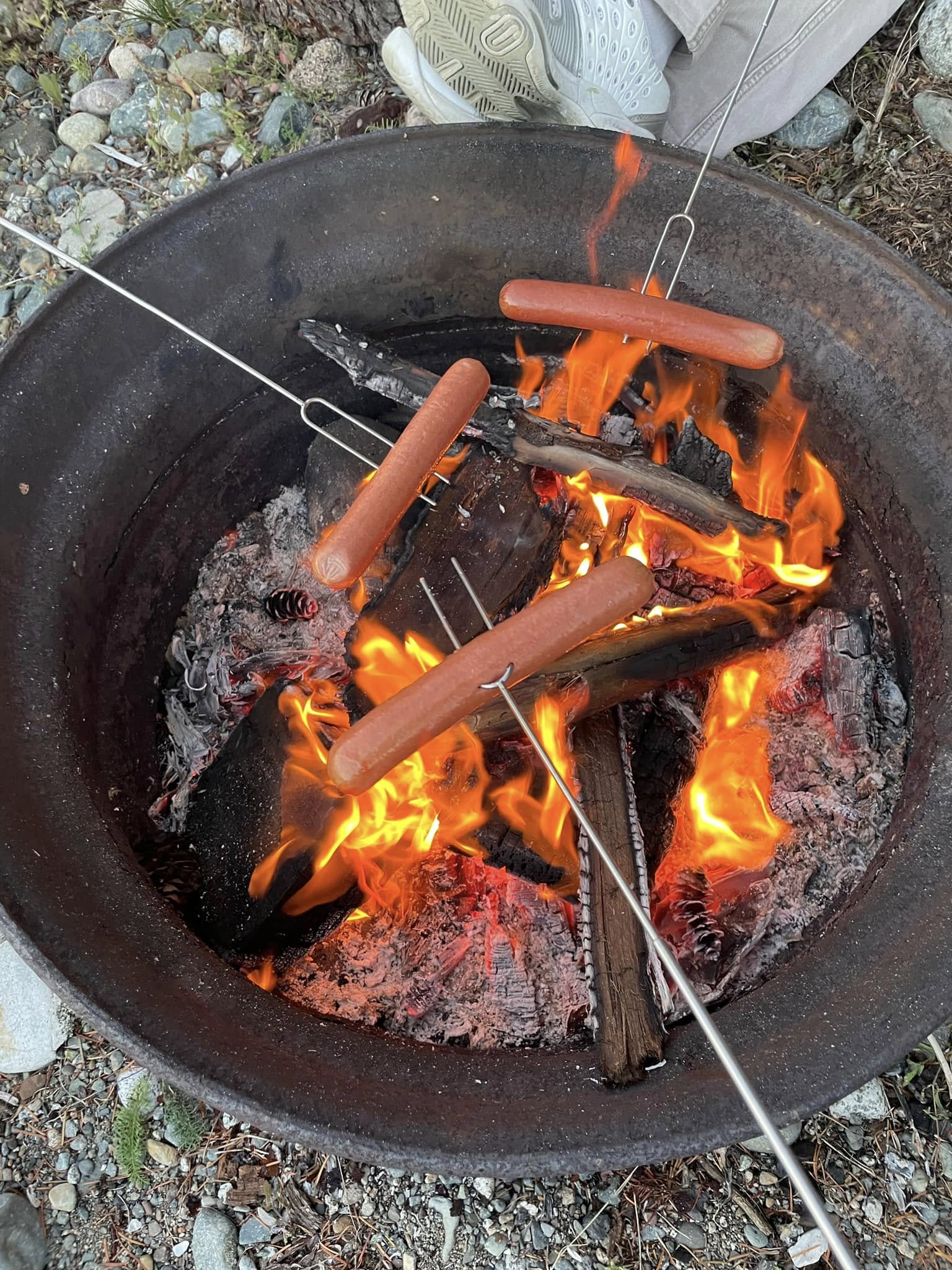 Campfire prohibitions will be lifted across the Coastal Fire Centre starting Thursday (Sept. 3), as wildfire danger continues to decline following recent rainfall and cooler temperatures. Effective at noon, Category 1 open-fire prohibitions, which include campfires, will be rescinded throughout the Coastal Fire Centre – which encompasses the Island and B.C.’s South Coast. Fire no larger than 0.5 metres high by 0.5 metres wide, used for recreational or ceremonial purposes, will be allowed. At the same time, Category 2 and Category 3 open-fire prohibitions will also be lifted in the Haida Gwaii Forest District. Category 2 fires include backyard burning, while Category 3 fires include larger industrial burning activities. However, Category 2 and Category 3 fires will remain prohibited throughout the rest of the Coastal Fire Centre. Some activities and equipment also remain prohibited, including binary exploding targets, fireworks, burn barrels or burn cages, controlled air incinerators, air curtain burners, and carbonizers.
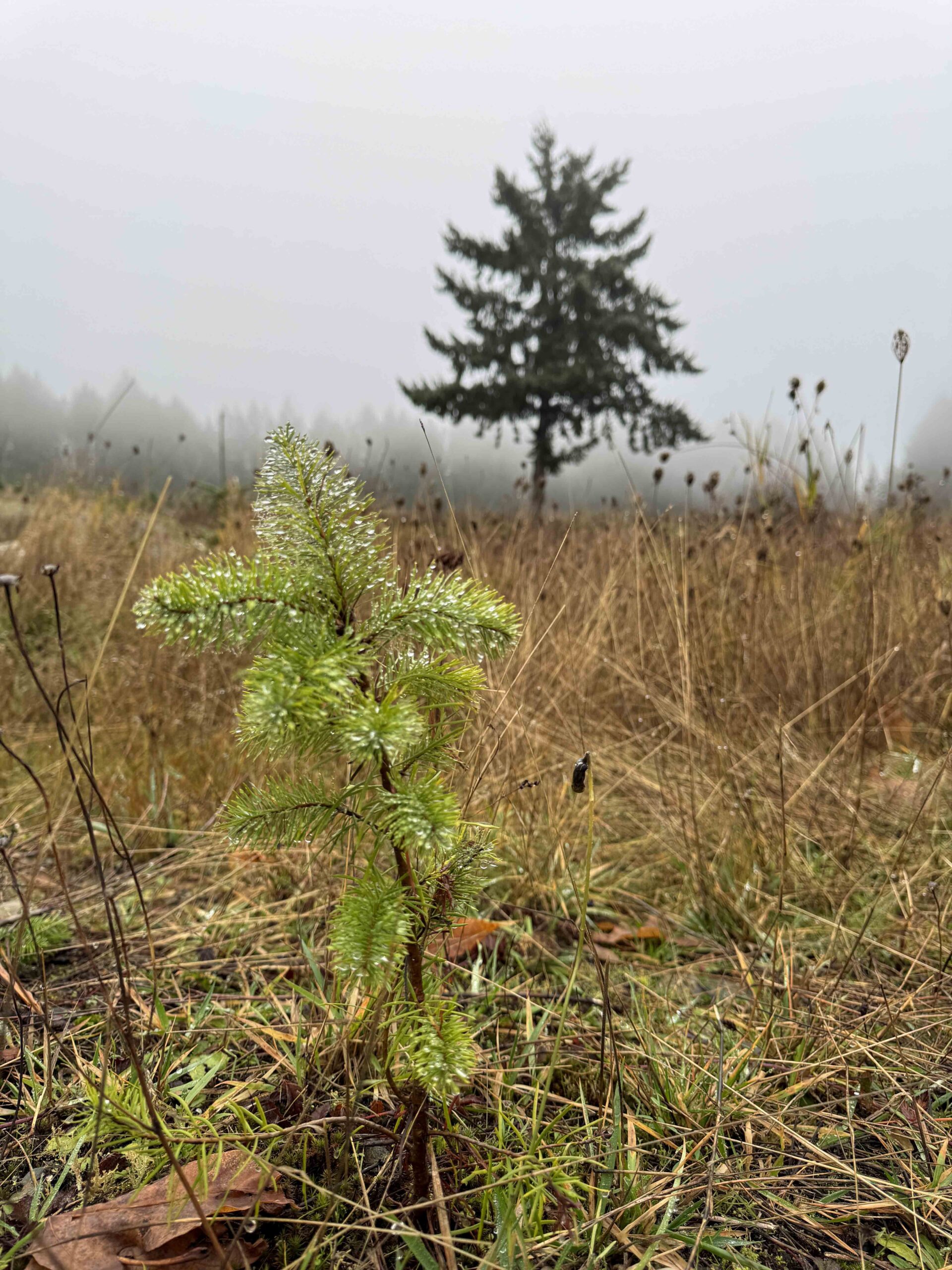 Patrick Tom has been helping a crew plant trees in his community of Wekweètì, N.W.T., since late August. His job is to ferry personnel and supplies to an area on the south shore of Snare Lake, which is being replanted after a wildfire. A crew of roughly 45 people flew into the Tłįchǫ community — approximately 300 kilometres northeast of Behchokǫ̀ — to plant 425,000 black and white spruce trees over the span of two weeks. It’s part of the Tlicho government’s plan to plant 13 million trees across its lands by 2030, with the help of federal funding. The initiative aims to restore ecosystems and boreal caribou habitat, while also creating local jobs. Tom worked for the Ekati diamond mine for the last 27 years. When it went into receivership in July, Tom said he was able to retire and he now has a pension.
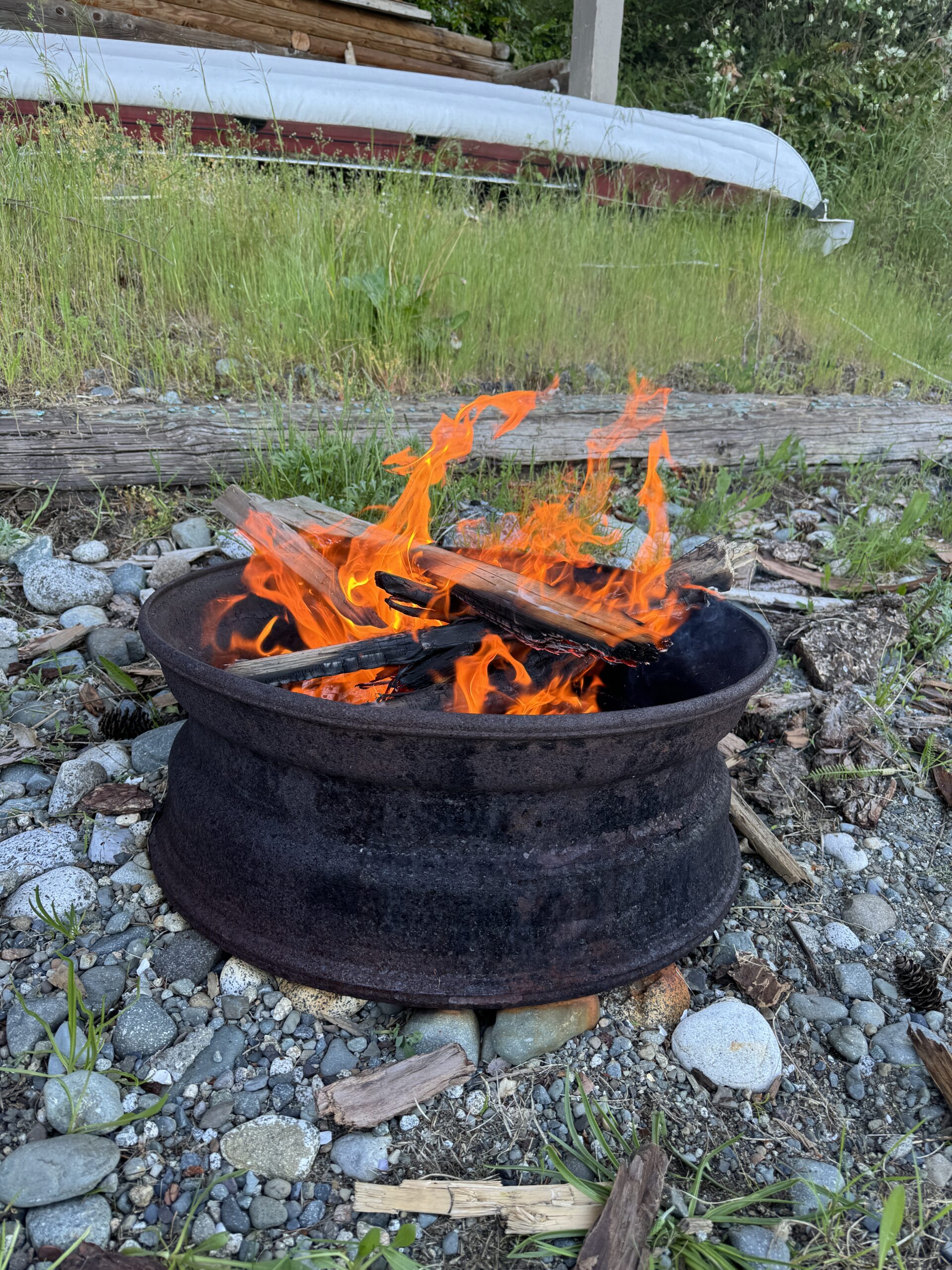 The end of wildfire season is beginning to fizzle as the B.C. Wildfire Service is nudging open the gates a little bit and allowing category one fires today. The combination of current and future forecasts, recent precipitation and improved overnight recoveries has reduced the need to prohibit campfires in the Southeast Fire Centre region. “The B.C. Wildfire Service takes several factors into account before rescinding prohibitions,” noted the BCWS in a statement. “This includes balancing the needs of the public with the need to mitigate the risk of human-caused wildfires.” As of noon, category one campfires will be permitted throughout the Southeast Fire Centre — which includes the Rocky Mountain Natural Resource District and the Selkirk Natural Resource District — and all non-municipal land across the Regional District of Central Kootenay. However, there are rules involved. A category one campfire must be set in accordance with section 20 of the Wildfire Regulation…

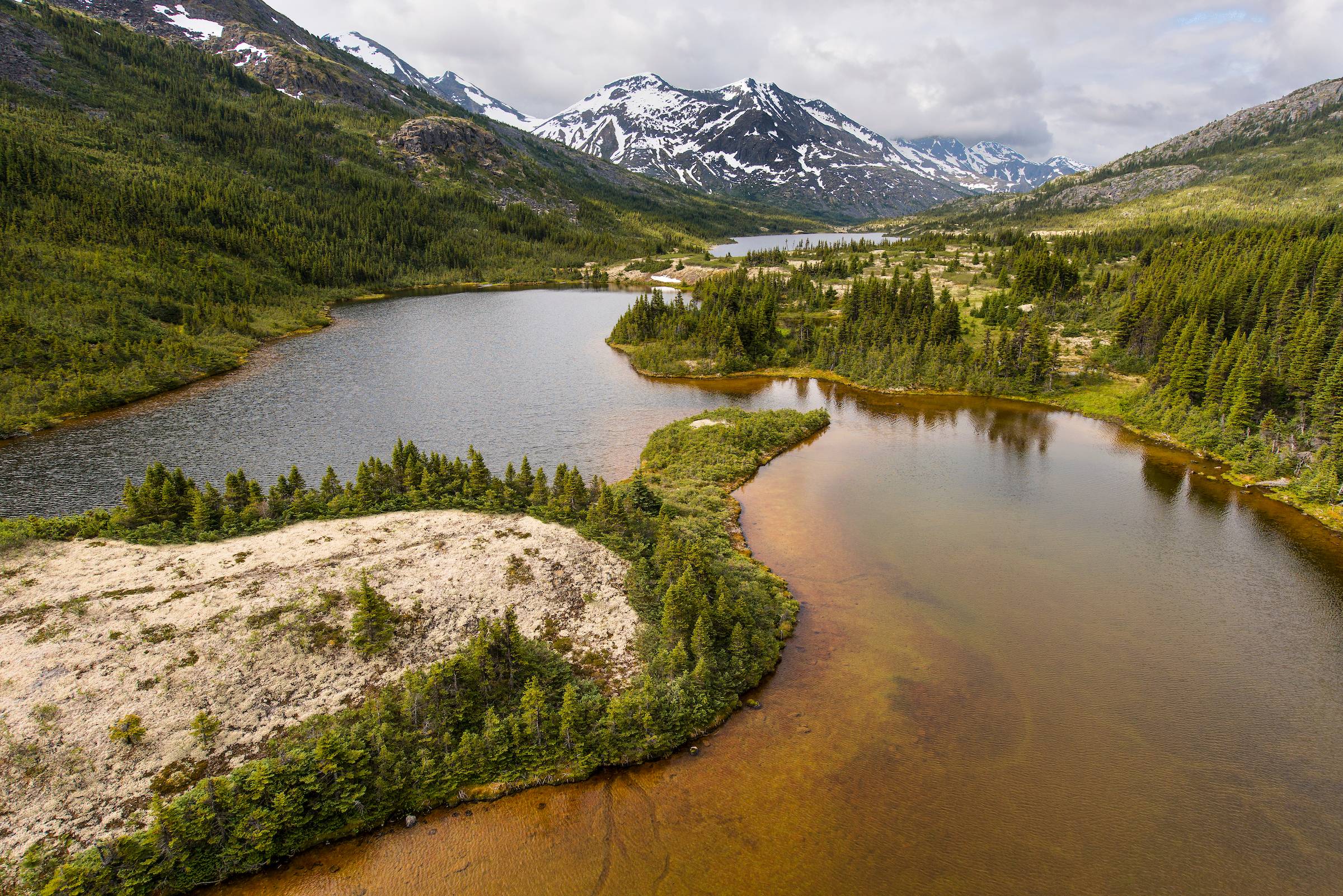

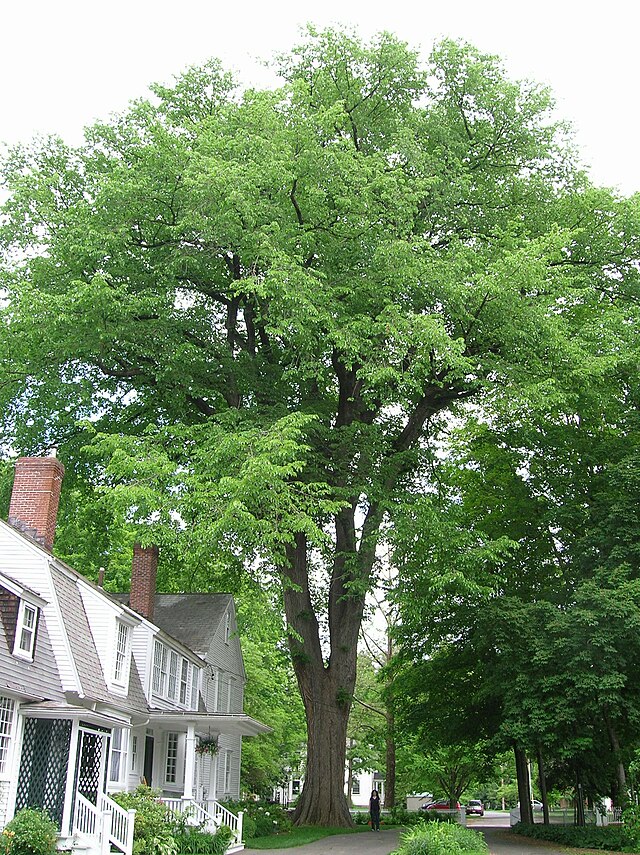


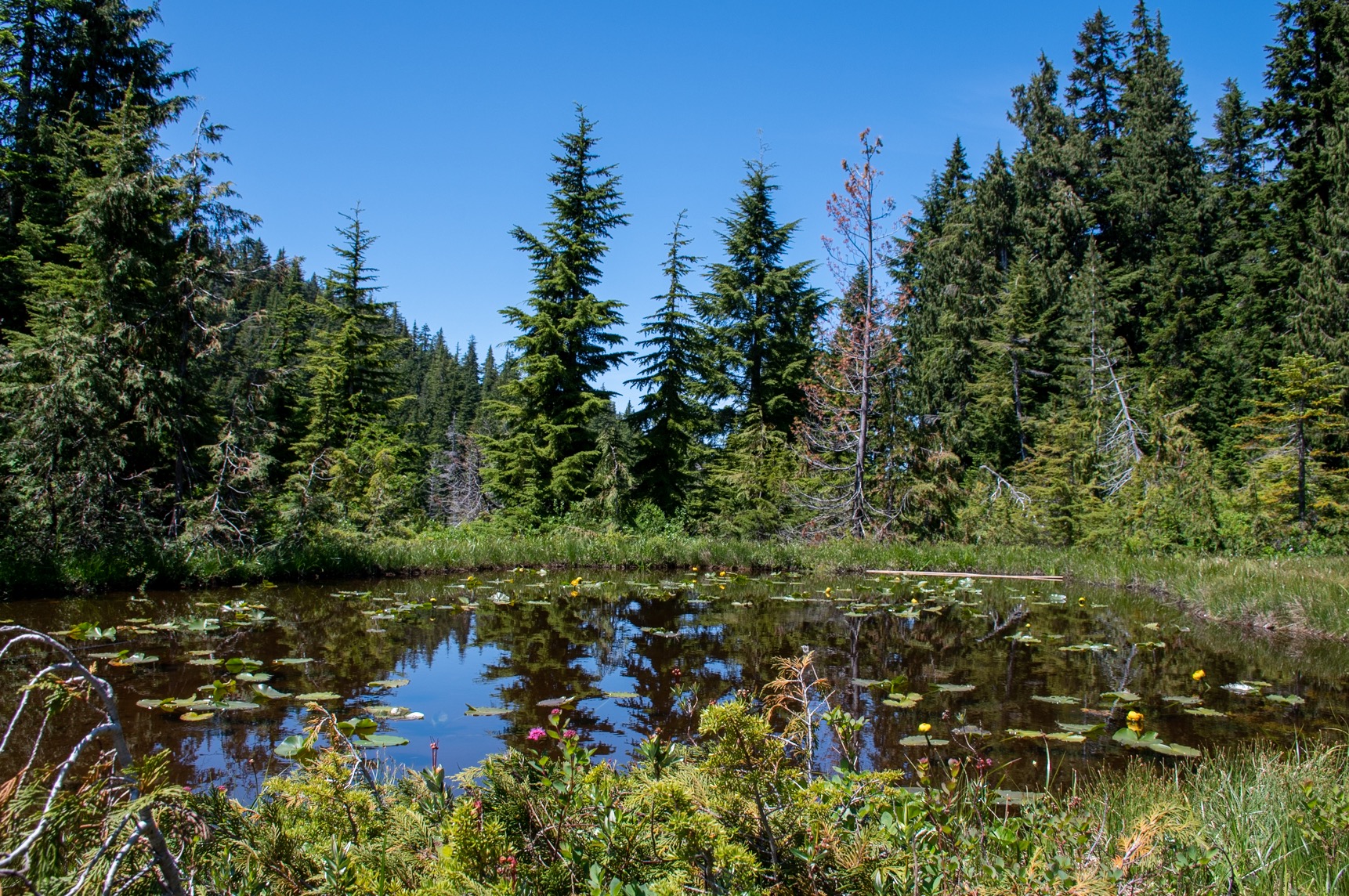 The Wrangell Ranger District has recently wrapped up a large goshawk survey to prepare for potential timber sales. There is a push to increase logging on federally managed lands in Alaska following the 2025 presidential order to “unleash Alaska’s extraordinary resource potential.” Ahead of any logging operation, there are a variety of wildlife surveys required before anything can be cut, including these goshawk surveys. …Cooper Freeman, the Alaska director for the Center for Biological Diversity said that, with renewed push for logging in the second Trump administration, there has been an increase of surveys, but that he did not think the survey methods were very effective at locating the hawks. “So it’s quite likely that many goshawks, if they’re there, would go undetected, and logging would harm the birds.”
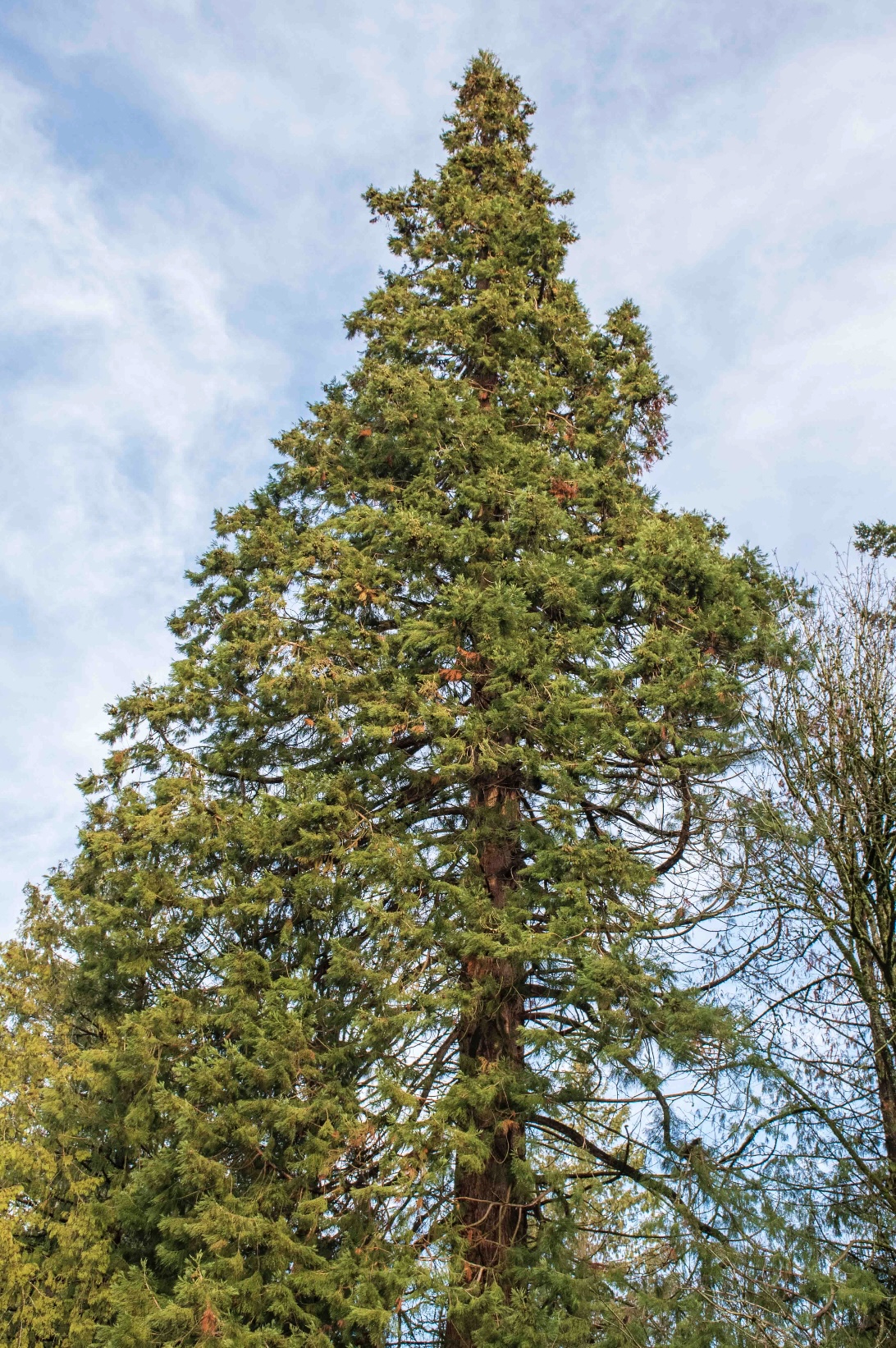 Giant sequoias only grow naturally in California today. But they once ranged as far east as Colorado, Wyoming and Nevada, before the climate turned drier and pushed them into their current, narrower range. Now, even that shrunken sequoia forest is under threat. Wildfires have killed off nearly one-fifth of all large sequoias across their native range over the last decade; a steep loss for a species that can live for thousands of years. A new study … finds those losses aren’t inevitable. Researchers at the University of Nevada, Reno studied Mountain Home Demonstration State Forest, home to the world’s largest old-growth sequoia grove, after the 2020 Castle Fire. Some parts of the forest had been thinned or deliberately burned in the 15 years before the fire, while others hadn’t. The difference was stark. Sequoias in untreated forest died at more than double the rate of those in treated areas, said Bryant Nagelson, the study’s lead author.
 TWISP, Wash. — A trio of conservation groups sued the Trump administration Monday, asking a federal judge to halt a sweeping logging project set to clear-cut mature and old-growth forests in north-central Washington state. “This lawsuit challenges the false narrative that we have to choose between healthy forests or safe communities,” Kristine Akland, senior attorney at the Center for Biological Diversity, said in a statement. The Center for Biological Diversity, joined by Kettle Range Conservation Group and Methow Forest Forum, accuse the U.S. Forest Service and Fish and Wildlife Service of violating multiple federal environmental laws through the approval of the Midnight Restoration Project.
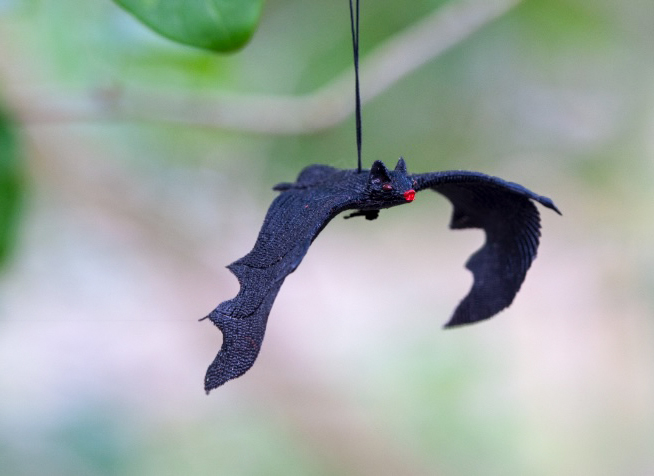 A federal judge has ordered the U.S. Forest Service to suspend a commercial logging project in southern Illinois’ Shawnee National Forest, finding the agency’s approval of the project under President Joe Biden violated the Endangered Species Act. Despite the agency’s own preliminary assessment showing an endangered bat species lived in the roughly 70-acre area targeted for the tree thinning project, the Forest Service did not wait for an official opinion from the U.S. Fish and Wildlife Service to approve the project. Environmental groups sued, but by the time the judge issued a temporary restraining order halting the project last summer, a logging company had already cut down trees in 40 of the 67 acres. Separately, the Trump administration this summer has moved to change two federal rules, including one weakening the Endangered Species Act, making it easier to approve projects like logging, mining, oil and gas drilling and other development in federal lands and forests.
 COLLEGE STATION, Texas — Texas A&M Forest Service today launched the Texas Prescribed Burn Manager Insurance Program to provide liability protection for qualified certified and insured prescribed burn managers. The program was established in response to House Bill 2563 in an effort to increase the use of prescribed fire as a wildfire mitigation tool by reducing liability barriers faced by prescribed burn managers. “Prescribed burning is one of the most effective tools we have to reduce the risk of catastrophic wildfires,” said Texas State Representative Trent Ashby. “Last session, I was proud to work with Texas A&M Forest Service to establish the Texas Prescribed Burn Manager Insurance Program, which will remove one of the primary barriers facing certified professionals who perform this important work. The launch of this program represents a proactive effort to reduce wildfire risk and protect our land, livestock, homes, and communities across Texas.”
 Algerian President Abdelmadjid Tebboune has said he wants to reinstate the death penalty for arsonists, following a wave of deadly forest fires. The official death toll stands at 12, but independent news outlets believe the figure is much higher. The president ordered the justice ministry to introduce changes to the criminal law introducing capital punishment for arsonists. Capital punishment remains in the country’s penal code for some offences, but no execution has been carried out since 1993. More than 100 wildfires have been recorded in recent days in the north-east of the country, most of which have been extinguished. …Under the current law, deliberately starting forest fires is punishable by up to 30 years in prison, or life imprisonment in certain cases. …While Algeria regularly experiences forest fires around the summer months, climate change has exacerbated the intensity and severity of recent wildfires in the country.
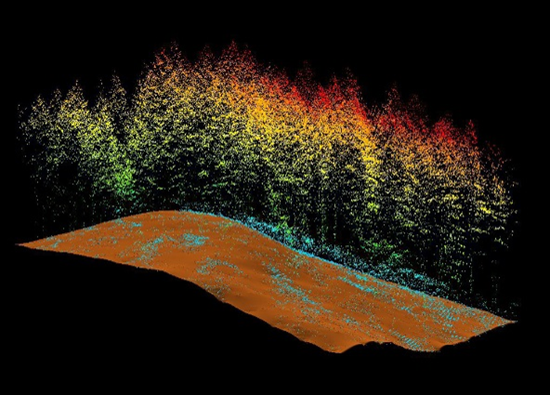 For decades, mature forests have been treated as if their ability to store additional carbon gradually fades toward a biological ceiling. Once trees fill the available space and their canopies close, conventional satellite measurements often suggest that forest biomass changes very little. A new analysis, however, indicates that this apparent stability may be partly an illusion created by the way satellites observe forests. Across the conterminous United States, mature forests continue to accumulate carbon over large areas, but much of that growth is being missed by current satellite-derived biomass estimates. …The researchers compared several independent ways of detecting forest change, including satellite-derived biomass estimates, lidar observations, forest inventories and ecosystem models. …The contrast between the measurements was striking. Satellite estimates indicated that biomass in mature forests had undergone nearly neutral change over recent decades, implying little overall gain or loss. Forest inventories, by comparison, estimated that mature forests were accumulating about 102 teragrams of carbon each year.
  Finland’s Ministerial Finance Committee has given the green light to €21m funding for wood-based bioproducts firm Metsä Fibre to develop a biogenic carbon capture plant in Rauma. The Ministry of Economic Affairs and Employment will shortly prepare the decision for Sari Multala, Minister of Climate and the Environment, ahead of official approval. The €70m ($81.2m) plant would have a capture capacity of 100,000 tonnes per year. CO2 would be captured from the flue gases of Metsä Group’s Rauma pulp mill where it would be further delivered to produce renewable electrofuels. Later, the solutions from the plant could be scaled up and replicated for other similar projects.
 Time is running out! The Cellulose Conference is fast approaching, and so is the end of our early bird pricing. Register today to secure the best rate before prices increase tomorrow. Don’t miss this opportunity to connect with industry leaders, discover the latest innovations, and be part of the conversation shaping the future of cellulose. Join speakers from Numera Analytics, Lenzing, CCF Group, IKEA, Maersk, Roquette, Acuity Commodities, and more for a day of forward-looking analysis and strategic discussion. Early bird registration ends in just a few days, so secure your place now and take advantage of the discounted rate before it’s gone. Registrations are coming in every day. Check out the companies already registered by clicking
  Our Policy, Regulation and Research Department is requesting feedback on proposed amendments to Part 8, Personal Protective Clothing and Equipment — Standard of Fit, of the Occupational Health and Safety Regulation. The consultation phase gives stakeholders an opportunity to share feedback before the proposed amendments are taken to public hearing. View the
  In this month’s update, you find these stories and more:
 The fire that is burning out of control in Port Hope Simpson has more than tripled in size, as Day 2 of efforts to fight the blaze near the southeastern Labrador community comes to a close. The fire that began at an estimated two hectares in size when it was mapped as a possible threat to the community on Wednesday reached five hectares by mid-Thursday morning. As of about 7 p.m., the latest update, it’s seven hectares, according to provincial forestry. However, any spread has not been into the town, thanks to activities through the day. “Today, aerial suppression efforts were supported by three water bombers and two bucketing helicopters, which were effective in preventing the spread of the wildfire,” states the update.