 BC forestry leaders say the sector is at a breaking point, calling on Premier Eby to establish a crisis action group. In related news: Prince George backs call for a public inquiry; BC provides $2M to help a Chemainus wood-products firm; and Metsä Fibre moves on layoffs at its Finnish pulp mill. On the Canada-US trade war front: Mark Carney convenes his cabinet; BC Premier Eby and Quebec’s Fréchette back Ottawa’s retaliatory tariffs; and Washington’s lumber industry braces for the fallout. In related news: tariffs put pulp and tissue supply chains under pressure; a Mississippi politician defends lumber duties; a former UK parliamentarian says Canada has leverage; and border communities work to preserve cross-border ties.
In Forestry/Wildfire news: AF&PA and FPAC sought changes to the EU’s deforestation rules; the US Hardwoods says they are ready for the EUDR; Canadian Forest Owners says private forests can help with fibre challenges; and the US Congress unites on a major wildfire bill. Meanwhile, AI-powered sensors are being deployed to detect BC wildfires; Thunder Bay receives federal support for planting; and given forest loss—can the world meet the rising demand for wood.
Finally, BC Wood’s GBM kicks-off today; FEA’s Forest Products Forum nears, and CEO Nick Arkle reflects on 50 years at Gorman.
Kelly McCloskey, Tree Frog News Editor
 VANCOUVER – British Columbia forestry groups have written to Premier David Eby saying the industry is at a “breaking point” and calling for urgent action to address challenges ranging from slow-moving provincial processes to steep U.S. tariffs. The letter dated Sept. 4 said the entire industry is at risk, from logging and transportation to pulp and paper and value-added manufacturing. “…Government must respond with the urgency that crisis demands,” said the letter from contractors, manufacturers, unions and others linked to the sector. …But other challenges are “homegrown,” it said. The province “can control many of the costs, regulations, policies, permitting processes and fibre-access decisions that determine whether those companies survive it,” the letter said. …Eddie Petryshen, with Wildsight, said the “falldown” of the forest industry has been predicted — and ignored — for decades. …Parmar highlighted the province’s plan to shift to a “working forest” model, saying that it would address concerns the industry has been raising.
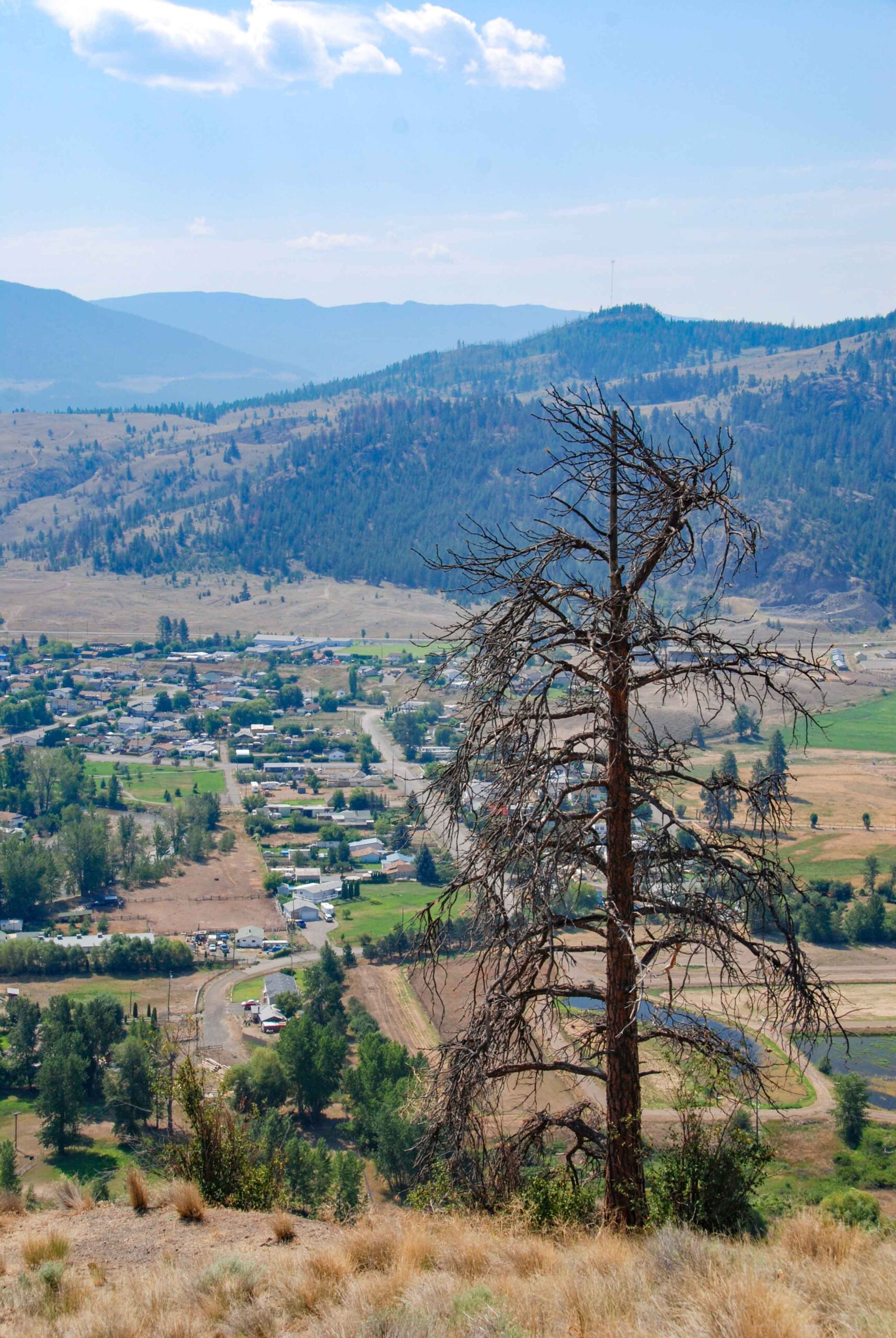 KAMLOOPS — Forestry stakeholders in British Columbia, from loggers to truckers, First Nations, unions and specialty groups have signed an open letter to Premier David Eby demanding immediate action on the forest sector. Pulp is the main game for forestry in Kamloops, with the Kruger mill employing hundreds in the community either directly or indirectly. U.S. Section 338 tariffs are expanding, expected to hit the pulp sector. “Unlike lumber, the tariffs aren’t as dramatic of a direct hit because we sell about 90 per cent of our pulp offshore, not to the United States,” said Joe Nemeth from the B.C. Pulp and Paper Coalition. …Kamloops MLA and forest critic Ward Stamer was in favour of the actions outlined, highlighting the need for a quick response from government to save the sinking industry. …Solutions around permitting and increasing allowable cut, some of the quicker changes the province could enact. Without that change, Nemeth is worried for the future.
 Oliver, BC — The Osoyoos Indian Band (OIB) and the Gorman Group, through Similkameen Forest Products Ltd. (SFP), signed a partnership agreement on July 20, 2026, that gives the OIB a direct role in the planning and management of Tree Farm Licence (TFL) 59. TFL 59 is located east of Oliver within the OIB’s traditional territory. It is a long-term tree farm licence that provides the holder of the licence the opportunity to manage a defined forest area, and it has been held and managed by SFP. Through its forestry company, Nk’Mip Forestry LLP (Nk’Mip), the agreement means that the OIB will now be involved in the management work from the beginning of the forest planning process.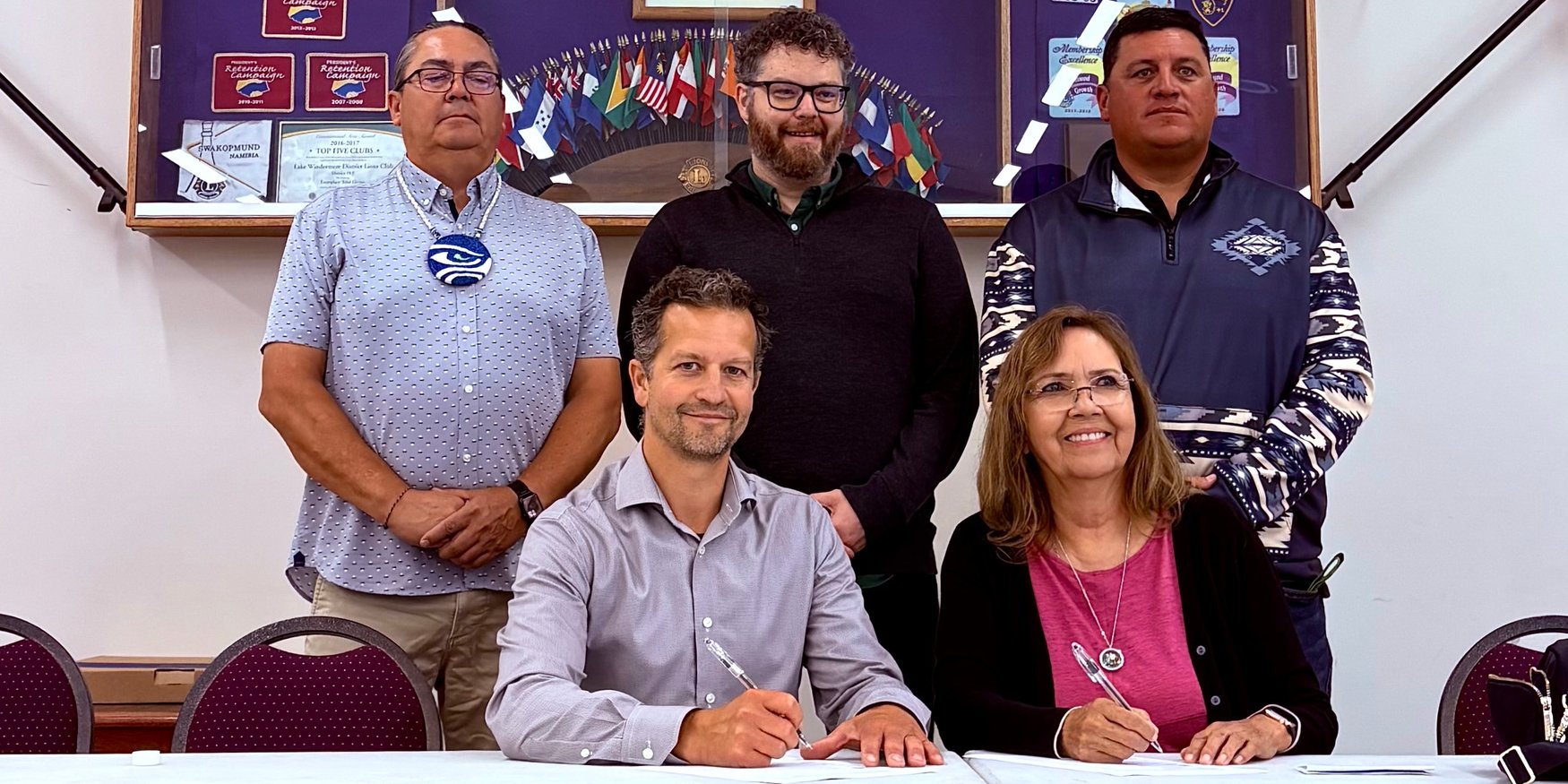
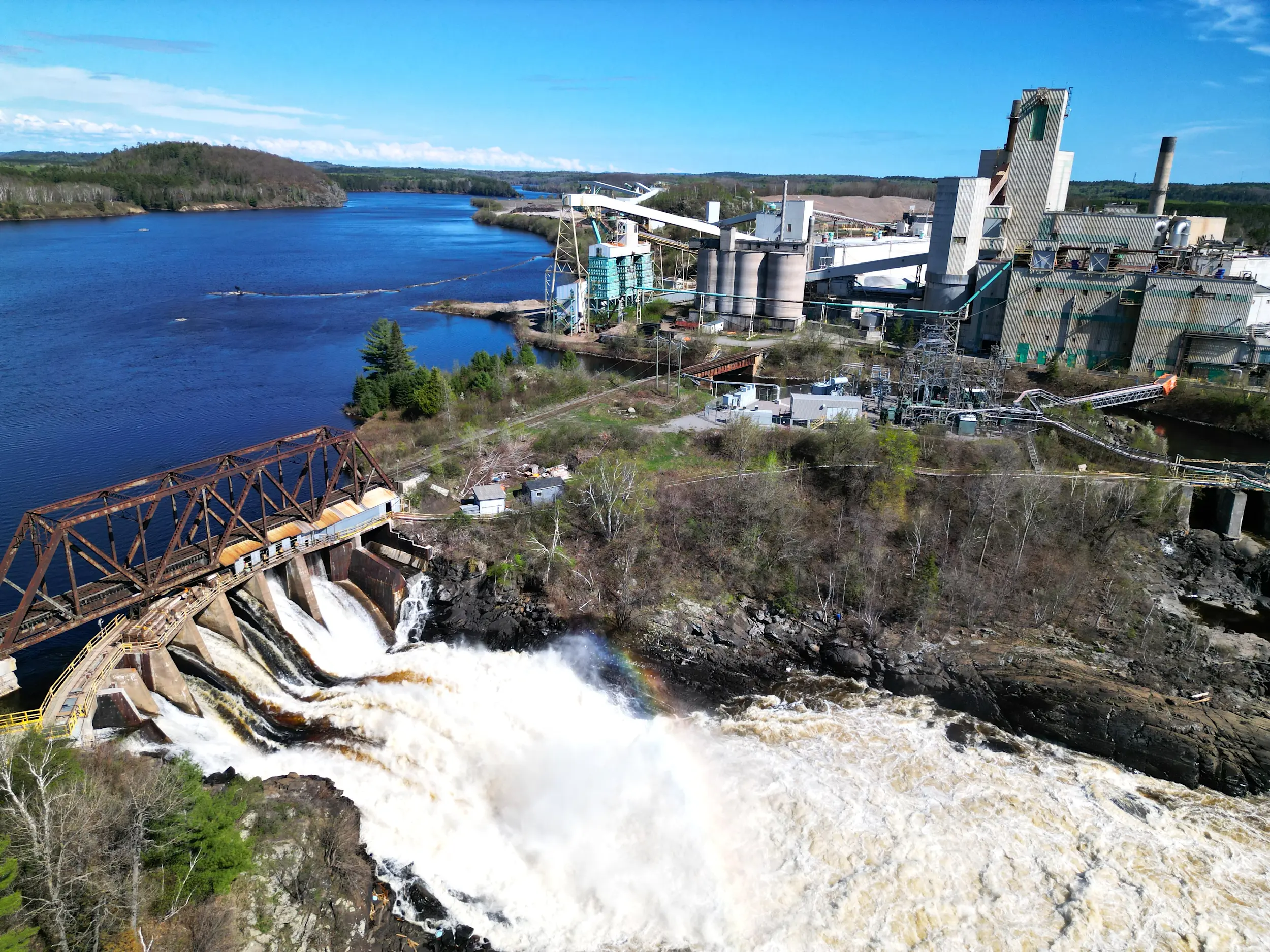
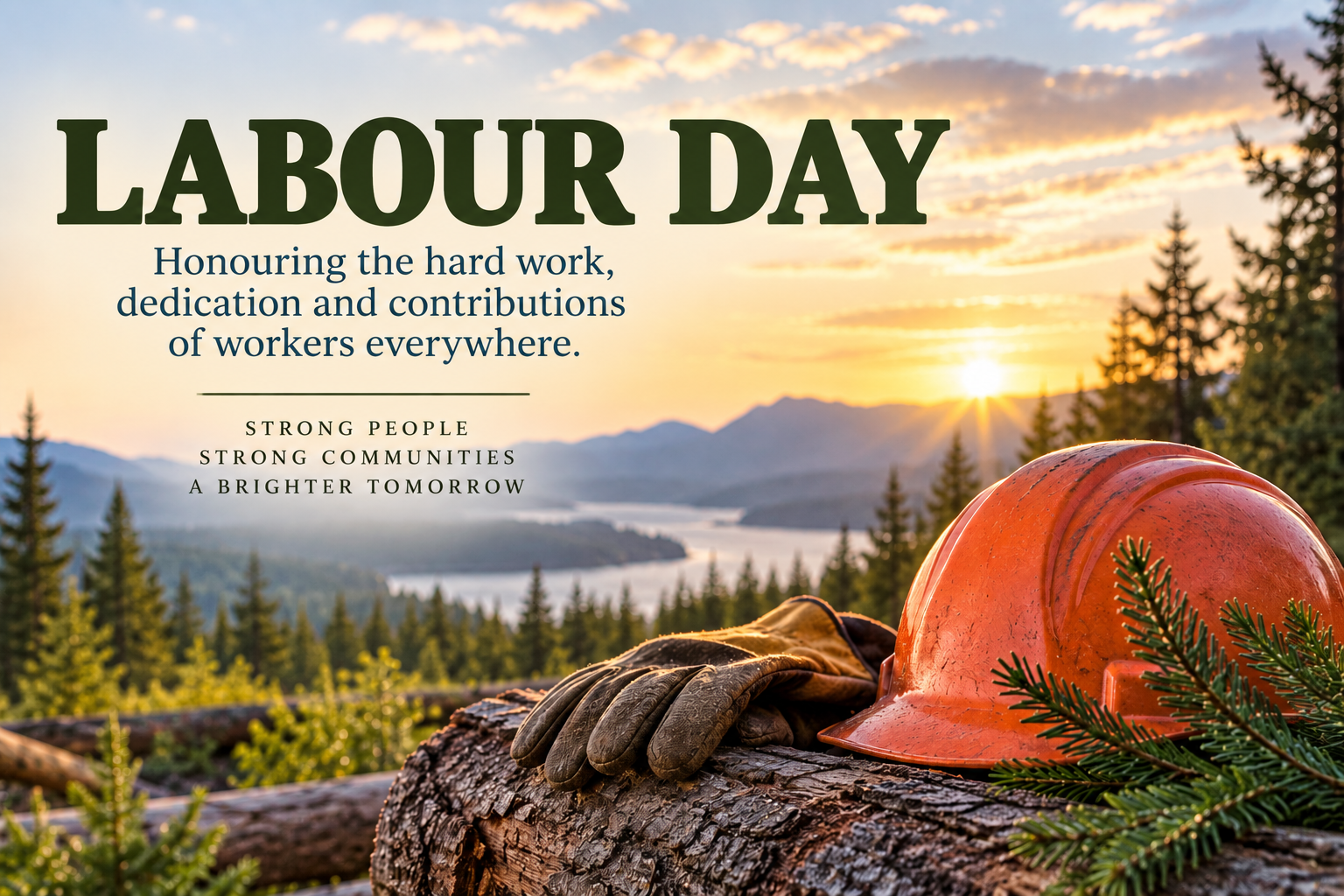 Since 1894, Americans have enjoyed an extended weekend built on the backs of workers who fought for the American Dream. With East Texas’s history rich in the oil, timber, agriculture and manufacturing sectors, historian Dr. M. Rhys Dotson, talks about the significance of Labor Day in East Texas. …On June 28, 1894, President Grover Cleveland signed a law making the first Monday in September the national holiday, which recognizes the American Labor Movement and achievements of American workers, but Labor Day began many years beforehand. “The origins go back to Manhattan and New York City where you had labor organizers coming together to advocate for workers’ rights,” Dotson said. …In the late 1880s, many states already adopted the holiday and the 1894 Pullman nationwide railroad strike which led to severe economic consequences for the U.S. pushed Cleveland to kick off the reconstruction of American labor law and resulted in the federal Labor Day holiday.


 Are you looking to enhance your skills in the lumber and sawmill sector? Onboarding new employees that would benefit from formal education in the field? Are you seeking to provide your employees with essential business skills for professional development? BCIT is currently offering two Associate Certificates to help you:


 Researchers have developed a phosphorus-free and formaldehyde-free lignin-derived phenolic resin that combines intrinsic flame retardancy, robust adhesion and effective fire protection when applied as a coating on wood. The material offers a sustainable alternative to conventional petroleum-based phenolic resins. Conventional petroleum-derived phenolic resins face growing scrutiny due to sustainability concerns, inherent flammability and limited adhesion durability. In response, a recent study introduces a lignin-derived phenolic resin, designated SALG-PR, that is both phosphorus-free and formaldehyde-free. The material …delivers a fully bio-based network with multifunctional performance. The resin exhibits notable intrinsic flame retardancy, reaching a UL-94 V-0 rating and a limiting oxygen index (LOI) of 62.4 %, values comparable to established petroleum-based resins and to previously reported bio-based flame-retardant materials. Direct exposure to a butane torch for 300 s did not lead to burn-through, and infrared thermography confirmed effective localisation of heat within the flame-impinged region, indicating a strong barrier effect.



 PRINCE GEORGE – The City of Prince George will add its voice to growing calls for a provincial examination of the link between forest management practices and the severity of wildfires in British Columbia after council voted to support pursuing an independent public inquiry. The resolution, brought forward by the city’s Standing Committee on Intergovernmental Affairs, received council support despite concerns from some members about cost and effectiveness. Coun. Brian Skakun, co-author of the resolution, said the province must take a closer look at how forests are managed and whether current approaches are helping or contributing to increasingly destructive wildfire seasons. “I think the province, along with First Nations, have to look at what we’re doing wrong,” Skakun said. …Council will take the resolution to the Union of British Columbia Municipalities and send letters to the Premier, the Minister of Forests and the Minister of Emergency Management and Climate Readiness requesting provincial action.
 Nine graduate students in B.C. have been awarded scholarships through the Habitat Conservation Trust Foundation (HCTF), including three students in the Okanagan. Studying at the University of B.C. Okanagan (UBCO), Madeline Frazer, Peter Baker and Kara Atkinson were each awarded $10,000 to support applied research in wildlife and habitat stewardship, management, policy and decision-making. “Their projects reflect the breadth of the challenges and opportunities in wildlife management, from species-focused research on grizzly bears, elk, mule deer, caribou, snakes and birds to broader work on the impact of climate change on species, evaluating invasive species management, the impact of silviculture and forest harvest on ungulate, and the history of land management on ecosystems,” said Dan Buffet with HCTF.
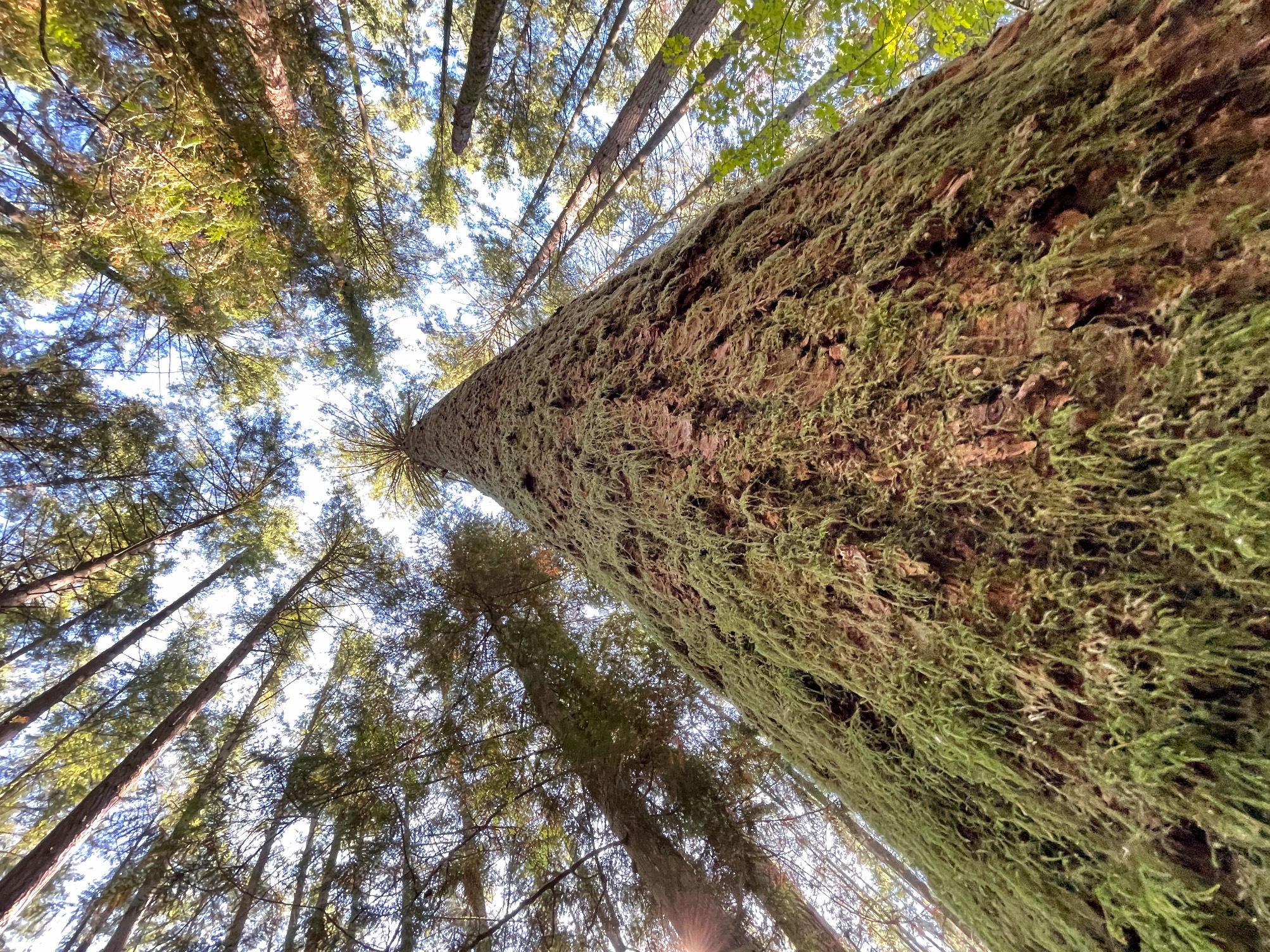 People embedding metal spikes in trees in the Walbran Valley area are not associated with an activist group trying to stop old-growth logging, a member of the Walbran Watchdogs says. The tree spikes were identified in a B.C. Supreme Court ruling as an example of the “irreparable harm” suffered by Tsawak-qin Forestry Limited Partnership, which has rights to log in the area. The ruling extended an injunction against blocking roads and impeding logging in the area. The injunction had been set to expire on Sept. 13, but was extended to the end of January 2028. In an August ruling, Justice H. William Veenstra found that hundreds of trees had been spiked in the area, leading to damaged logging equipment and the potential for “significant risk of injury or death” to fallers and sawmill workers.
 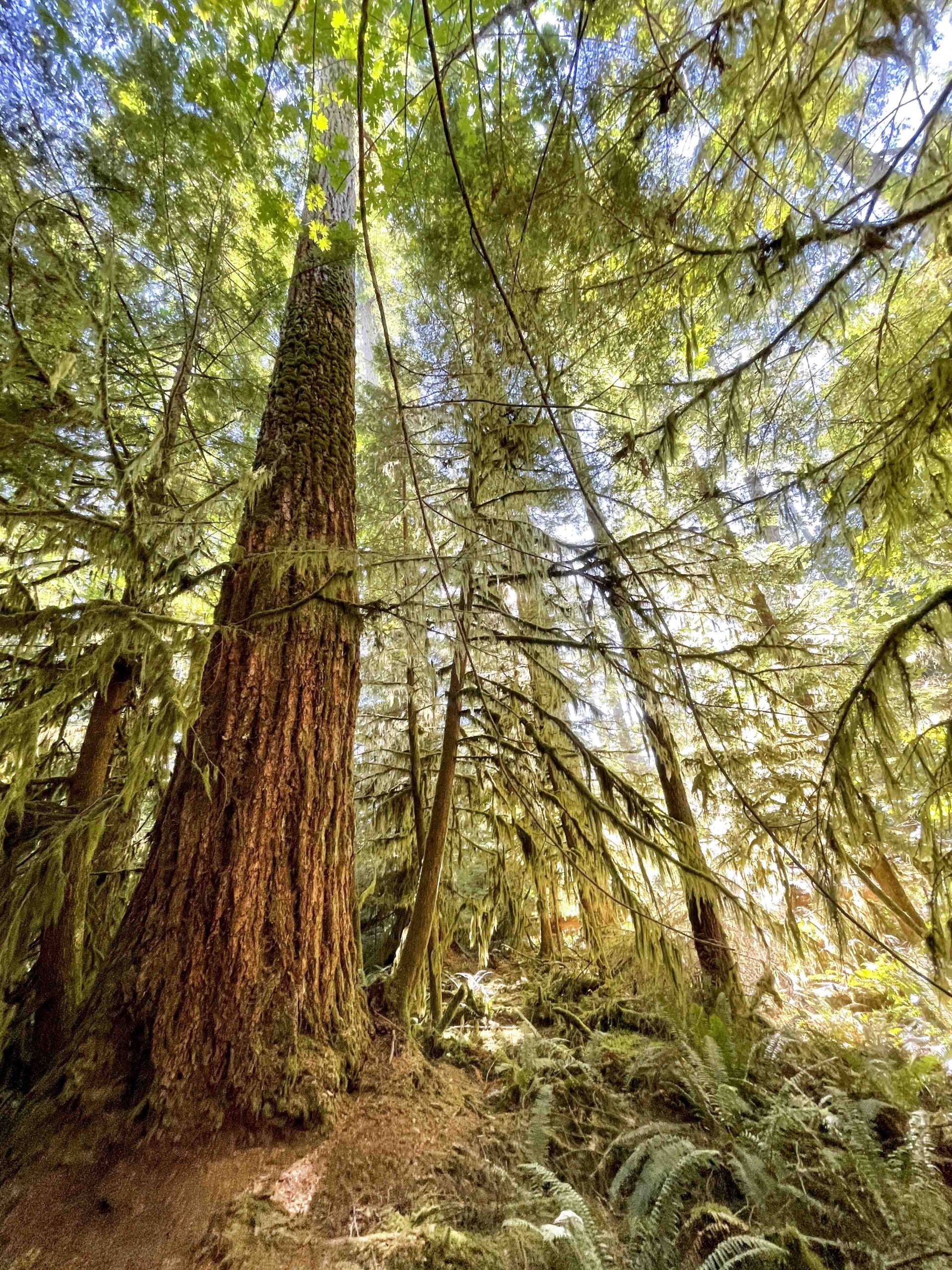 Back in 1979 the narrow parking spaces were there, as were the trees. And so was Bill Beese. He was 23 at the time, working as a summer student for the forestry giant MacMillan Bloedel. And while he couldn’t conduct his field work inside the provincial park, his boss said he and the other students should stop there anyway. Just to look. Or rather, look up. “We were just awestruck,” said Beese. …”The name Cathedral Grove is very apt.” Nearly 50 years later, Beese is one of the thousands of voters who helped Cathedral Grove beat 31 challengers over the CBC’s five-week competition to determine the top thing people like to get out of their cars and look, or look up at. “It is literally a roadside attraction. The highway goes right through this magnificent old-growth forest. And it’s very unique,” said Beese, who, as a forest ecologist and retired Vancouver Island University forestry professor, admits bias.
  B.C.’s deputy chief forester has determined the new allowable annual cut (AAC), the maximum amount of timber that can be harvested each year, for Tree Farm Licence (TFL) 30 in the Omineca region. The new AAC, which takes effect Friday, Sept. 4, 2026, is 340,000 cubic metres, a 17.6% reduction from the previous AAC. The deputy chief forester considered changes that have affected the amount of timber that can be sustainably harvested since the previous review. It includes the need to retain more trees for wildlife habitat, protect riparian areas and conserve rare ecosystems. TFL 30 overlaps the territory of the following First Nations: Lheidli T’enneh Nation; McLeod Lake Indian Band; West Moberly First Nations; and Tsay Keh Dene Nation. The determination considered issues raised by First Nations, including maintaining habitat for moose and protecting streams, riparian areas and fish habitat.
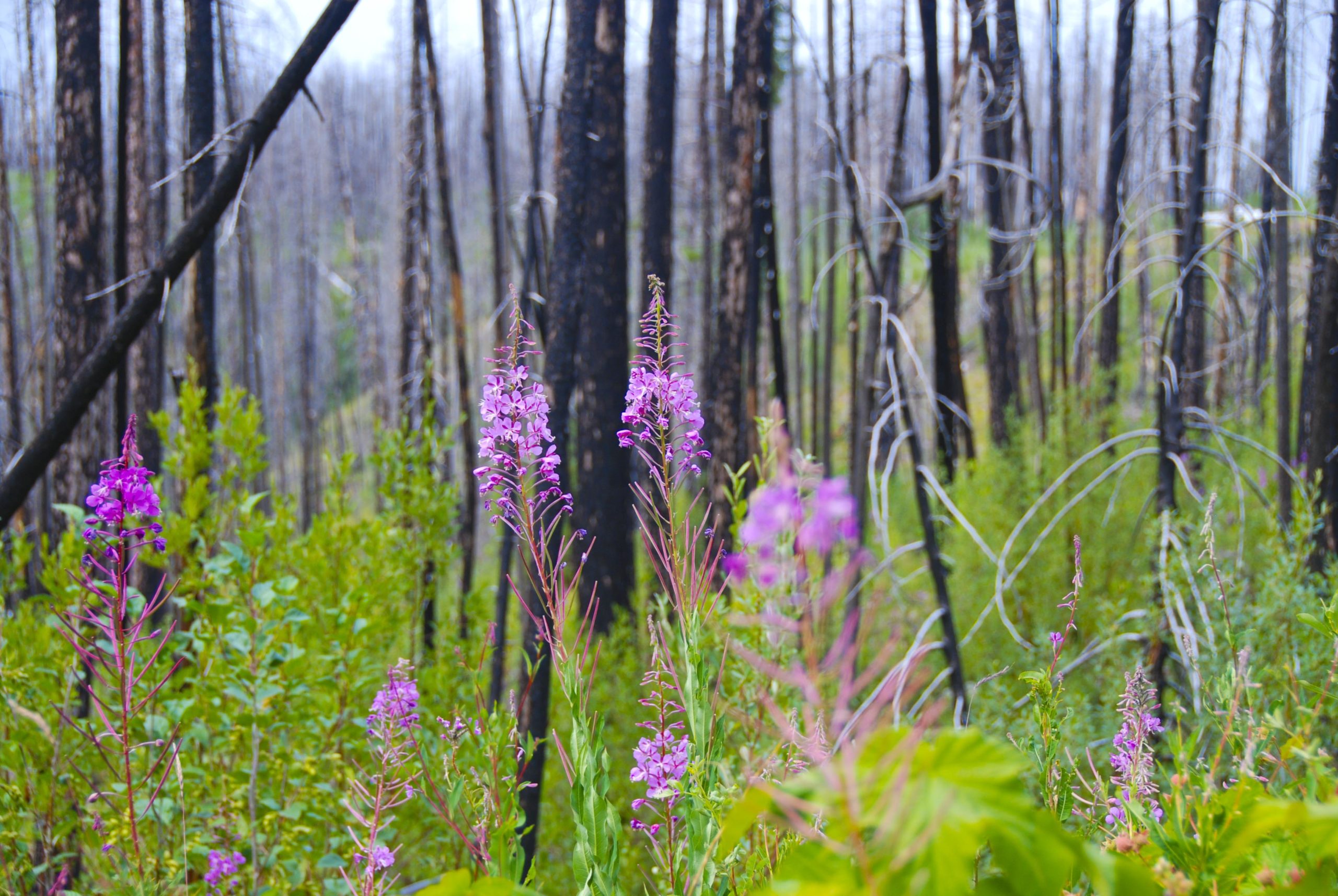 As B.C. recovers from another intense wildfire season, debate is growing over how much and how quickly timber from burned forests can, and should be recovered. B.C. Conservative Party MLA and forestry critic Ward Stamer says the province is moving too slowly and leaving too much valuable timber behind. …The province says that, on average, about five per cent of timber in wildfire-impacted areas is currently being salvaged. Stamer wants that rate to rise to 25 per cent and says the province should make better use of existing roads and infrastructure to improve access. …B.C. Forestry Minister Ravi Parmar says a 25 per cent salvage rate isn’t realistic, pointing to challenges including access, operability and safety. Stamer disputes that argument. …Stamer says the province could be doing more to get additional burned timber to market. A study from Université Laval found that fire-affected wood can split and is vulnerable to insects and fungal attacks.
 …When the Species Conservation Act replaced Ontario’s long-standing Endangered Species Act, the change, introduced under Bill 5 in June 2025, stripped provincial protection from several species and narrowed habitat protection for others — 106 species lost protections, a July 2026 report by Ontario Nature found. It also introduced a new model for environmental assessments that is “proponent-led,” leaving developers largely responsible for assessing their own environmental impact and cutting government biologists out of the process almost entirely. A recording of the meeting, which involved about 25 staff members in the species at risk branch of the Ministry of Environment, was shared with The Narwhal by one participant… sources reveal the new act has had a significant impact on the people tasked with protecting Ontario’s most vulnerable species — reducing them from experts to rubber stamps, if anything at all, for the industries they once held to account.
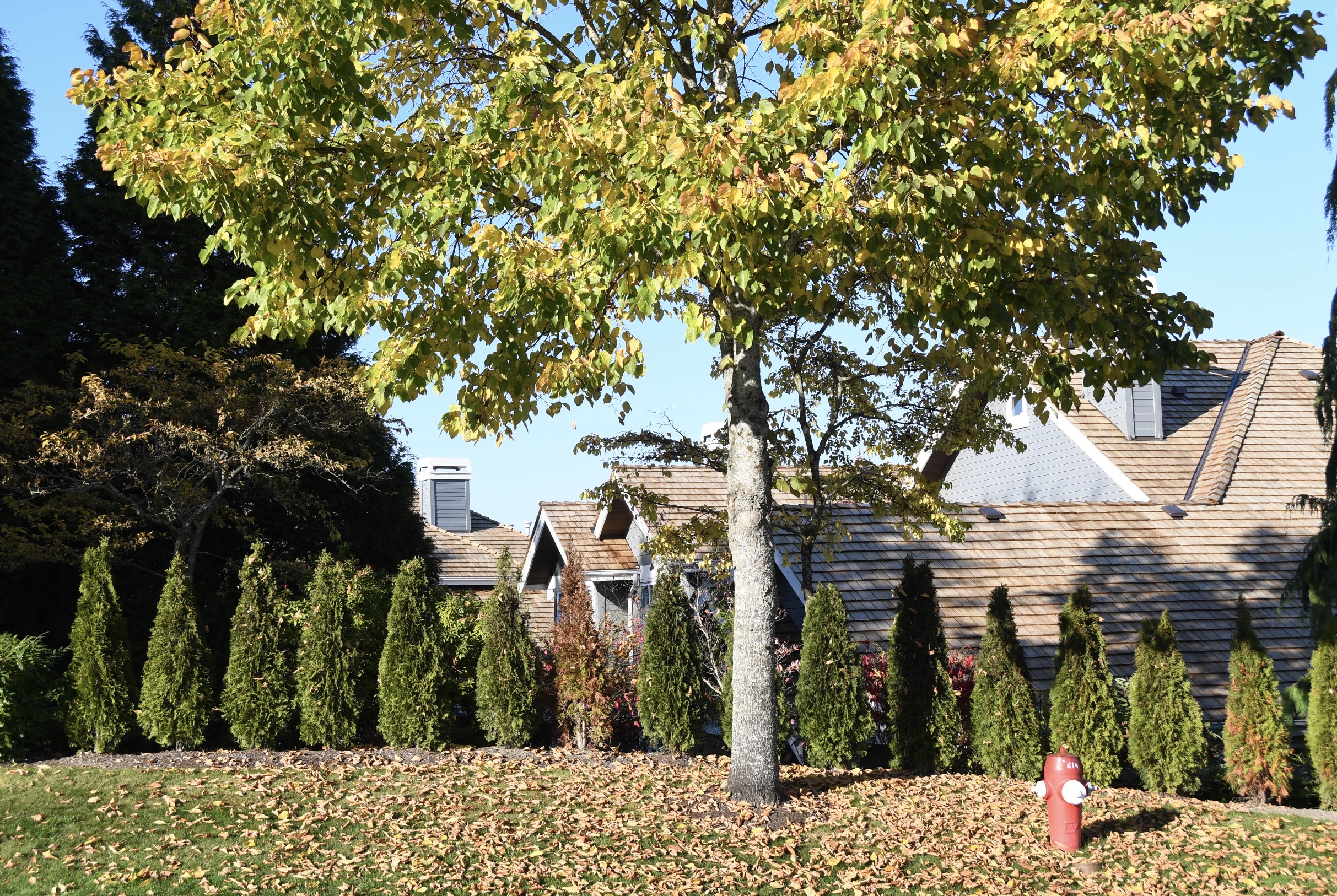 THUNDER BAY — The City of Thunder Bay is benefiting from an infusion of government cash as it continues to plant thousands of trees, largely to mitigate the destruction of the urban forest canopy caused by the invasive emerald ash borer. The federal government and the Federation of Canadian Municipalities have announced details of a recent round of funding under the Growing Canada’s

 The deadline to submit public comment on a proposed plan to repeal the Roadless Rule has been extended. …Last month, the United States Department of Agriculture filed a plan to repeal it. The agency said in a press release that the rule is a barrier to wildfire risk reduction work. The rescission would increase logging opportunities, aligning with the Trump administration’s goals to increase natural resource extraction in Alaska. That set off a 30-day federally mandated public comment period, allowing the public to submit feedback on the plan, which will be used in developing final rulings and environmental analyses. The public comment period was initially scheduled to end Sept. 21. That deadline has now been pushed to Oct. 6. The new public comment deadline is now after federally mandated subsistence hearings that are scheduled for later this month.
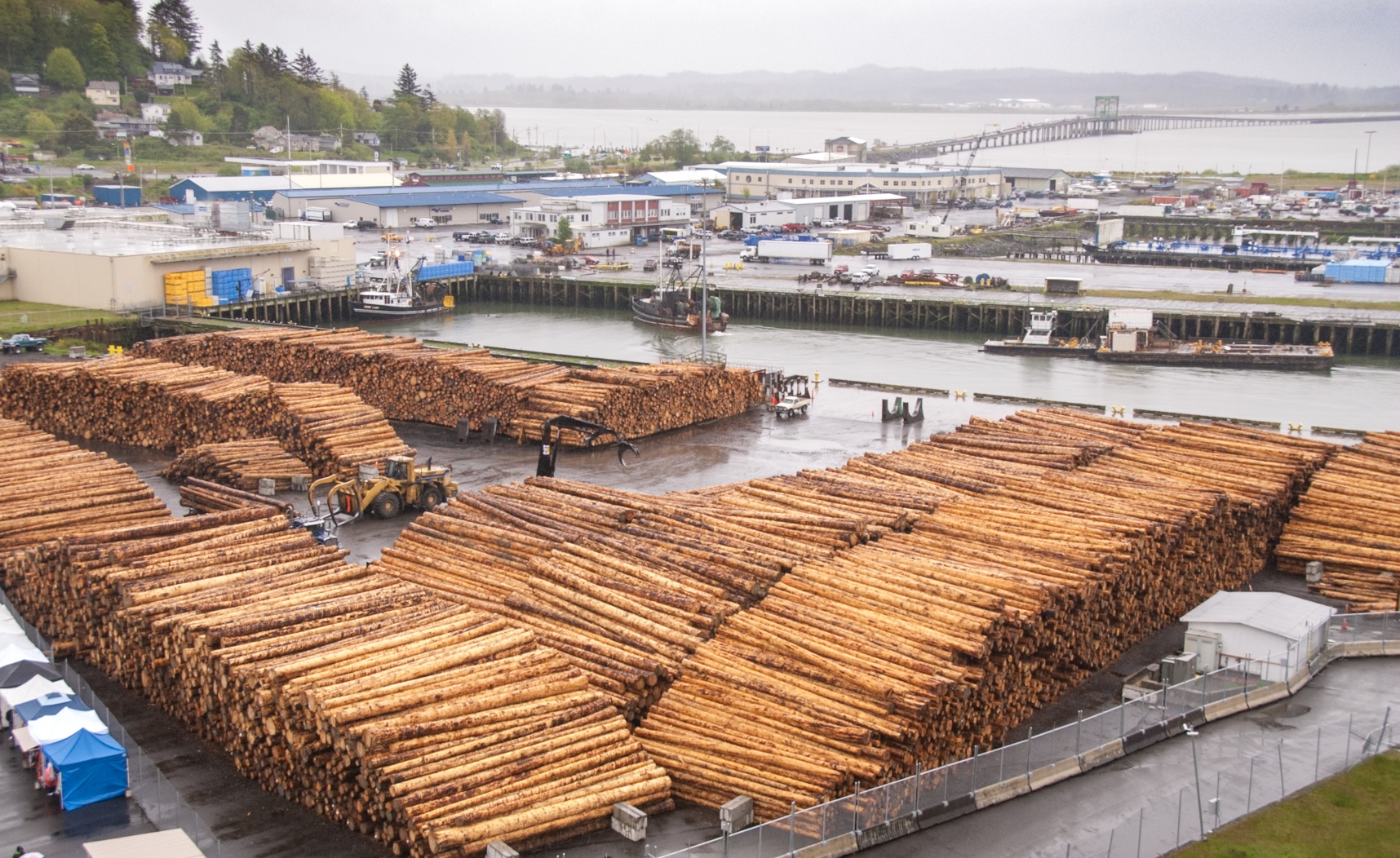 A sweeping bipartisan bill that seeks to prevent catastrophic wildfires and restore fire-ravaged forests has revealed a schism in the nation’s environmental movement as some conservation advocates find themselves allied with a longtime foe: loggers. The Fix Our Forests Act, which Congress is close to passing, aims to speed up forest management projects on public and tribal lands by reducing regulatory and legal hurdles. The proposed legislation comes at a time of increasingly devastating wildfires and has garnered wide support among Republicans and the timber industry. However, the traditional Democratic coalition of environmental groups is split over the role humanity has to play in forest management. …Among the major environmental groups that oppose the legislation are the Sierra Club and Center for Biological Diversity. …But the Nature Conservancy and other groups have voiced support for the bill, citing the constant and imminent threat that increasingly severe wildfires pose to communities and ecosystems.
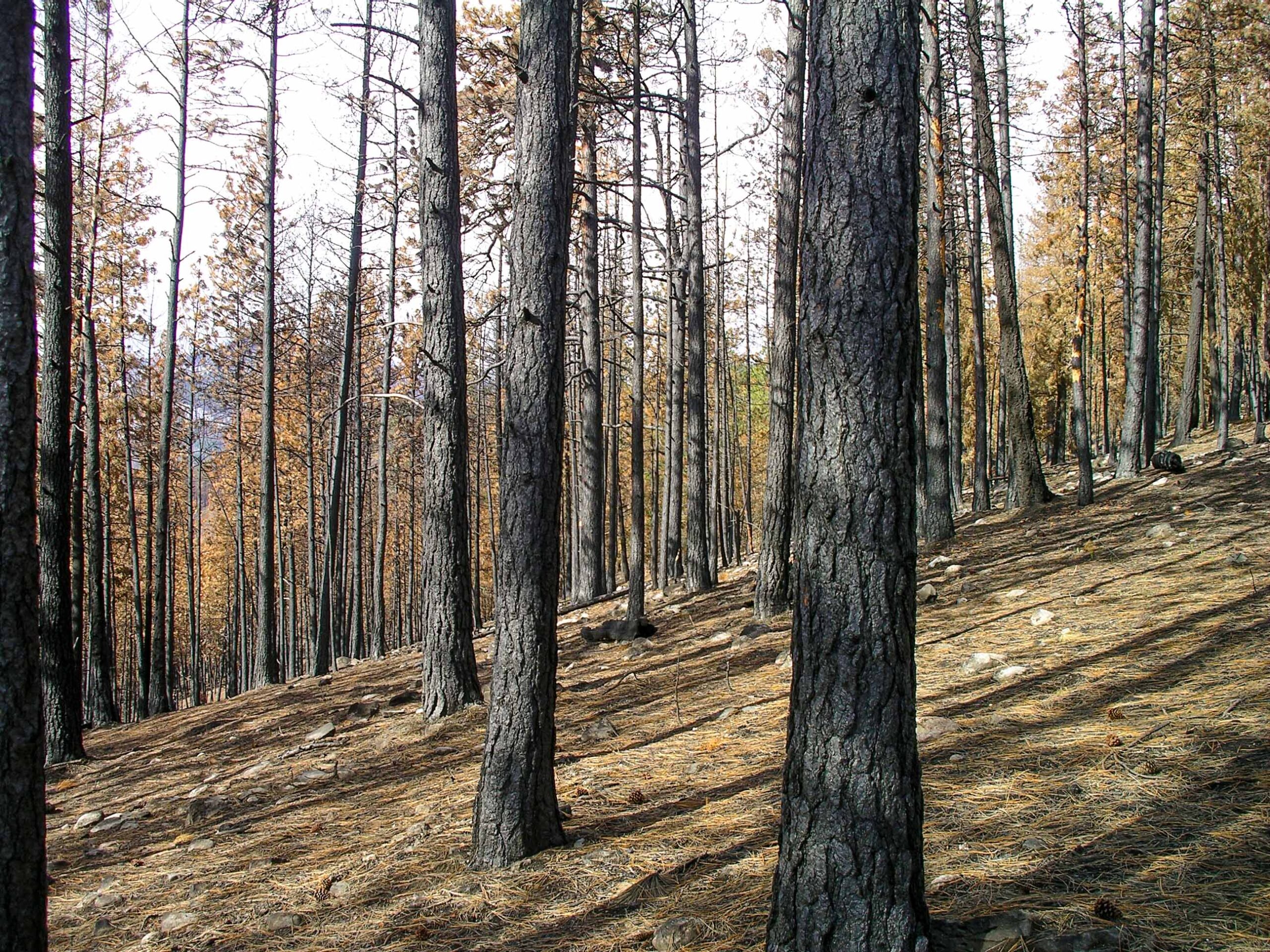 EUGENE, Ore. — After more than 2.5 million acres burned across Oregon this fire season, forestry and agriculture experts gathered in Eugene Thursday to discuss ways to prevent another record-breaking year. The Healthy Forests Roundtable at the Veterans Memorial Association building focused on what participants described as a need to shift more attention toward wildfire prevention and forest management. One of the main solutions discussed was thinning forests to reduce the amount of fuel available to burn. Participants said removing excess trees and vegetation can make forests more resilient when fires start. But they also pointed to a challenge facing that work: Oregon has fewer mills available to process timber removed from forests. …The roundtable also highlighted what participants described as a disconnect between state and federal forest management. Harvests on federal lands have dropped 90% since 1990, according to information presented during the discussion.
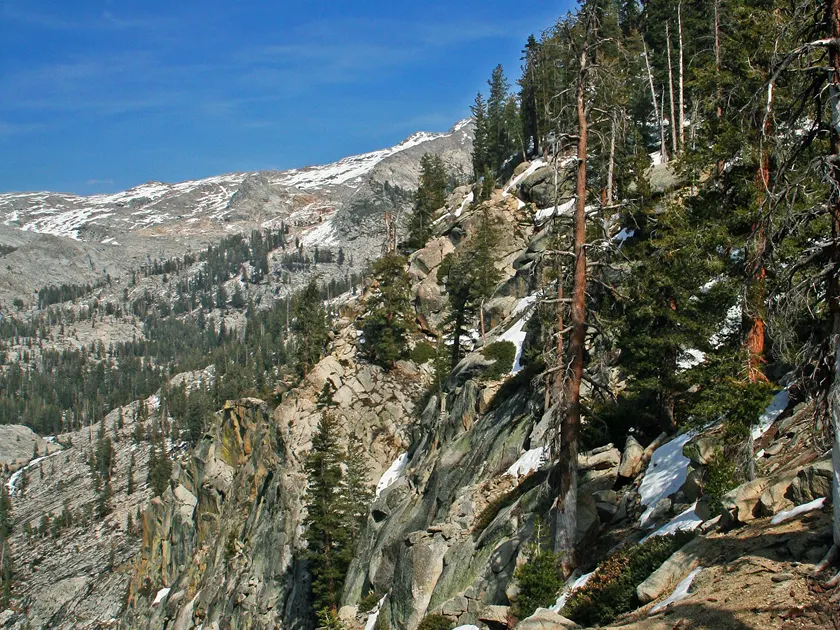

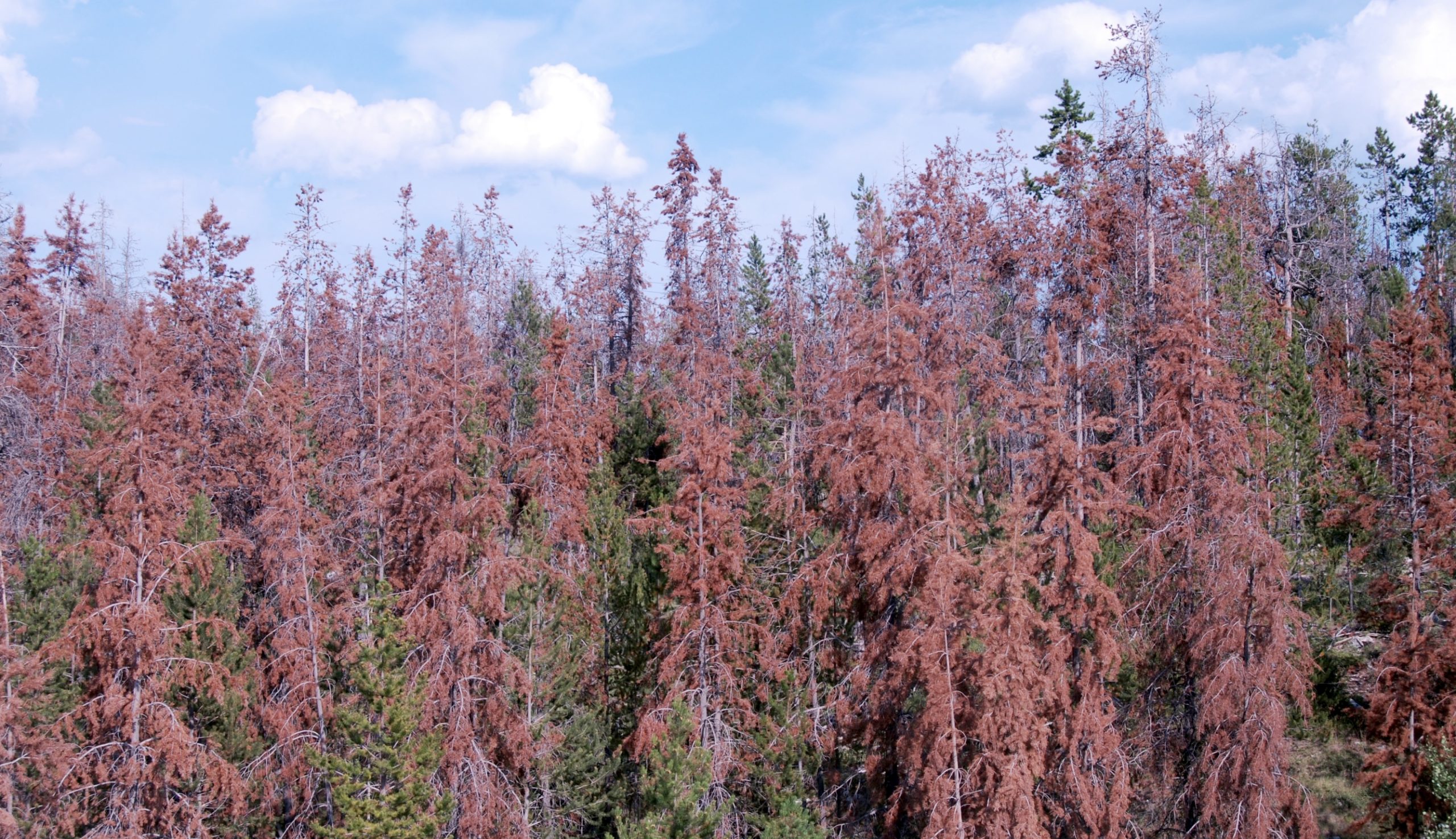 Satellite measurements detected declining photosynthetic activity in Western U.S. forests two years before bark-beetle mortality appeared in aerial detection surveys, according to new University of Utah-led research. The first-of-its-kind study suggests that satellite-observed chlorophyll fluorescence (SIF), a measure of plant photosynthesis, could provide an early warning of forest stress. As drought, wildfire and insect outbreaks occur with increasing frequency across the American West, the technology could also help scientists understand how these disturbances affect forests’ ability to absorb and store carbon from the atmosphere. …“The ultimate goal is to identify areas of concern early enough for land managers to investigate, mobilize crews, allocate funding or otherwise prepare before mortality becomes widespread,” said lead author Lewis Kunik. …In forests that would later experience bark-beetle mortality, the researchers detected a significant SIF decline roughly two years before mortality was seen in aerial surveys conducted by the USDA Forest Service.

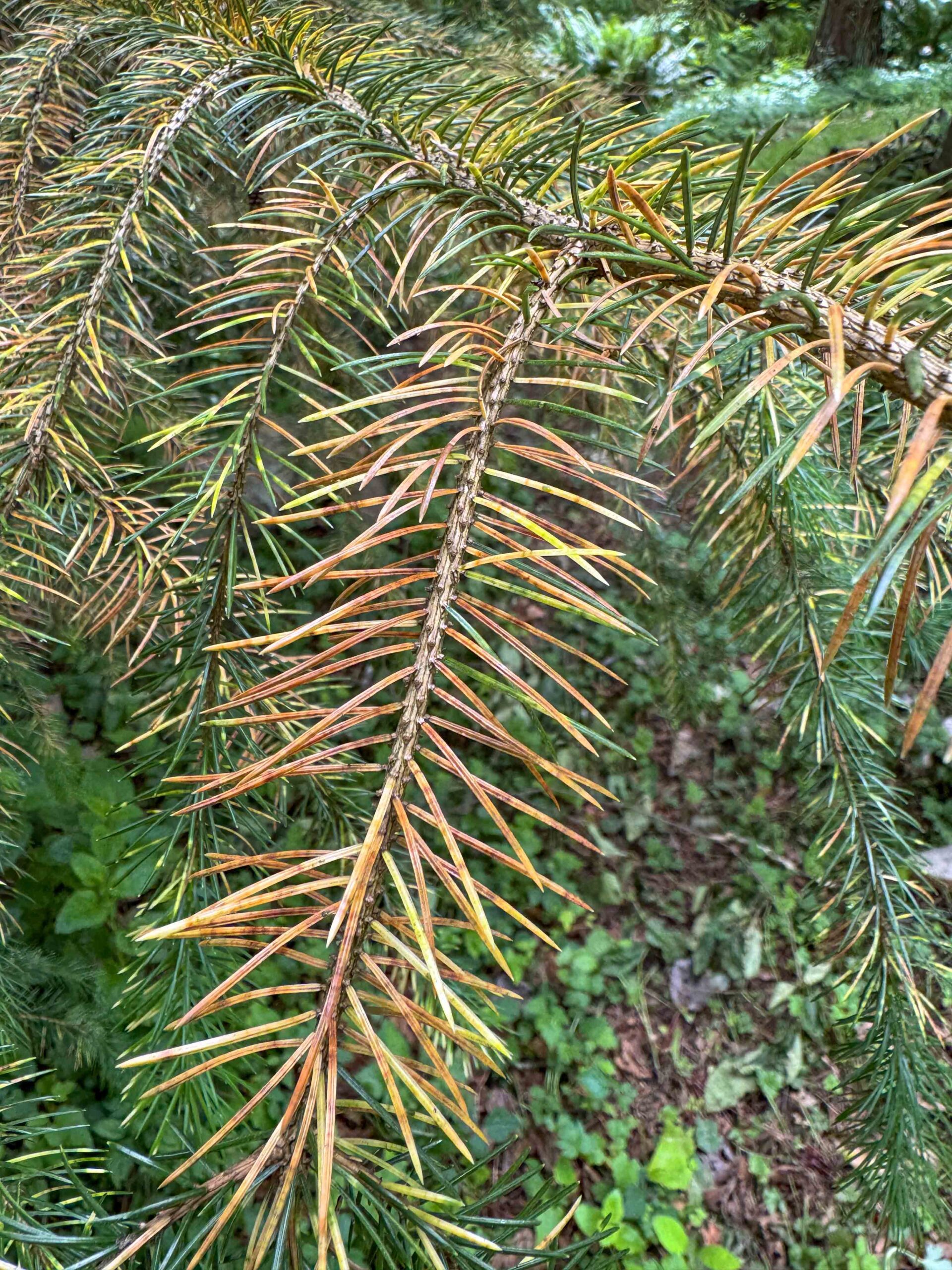 New research suggests climate change could leave Canada’s forests increasingly vulnerable to pests and disease in the coming decades, while a federal climate report projects a sharp increase in the area burned by wildfires across the country. A federal government report warns average temperatures in Canada could rise by at least 3.5 C by the end of the century, even if the world achieves net-zero greenhouse gas emissions. At the same time, researchers at the University of British Columbia say climate change is expected to increase pest and disease damage across much of North America’s forests. The UBC study found more than 80 per cent of the forest area examined could experience higher levels of damage by the middle of the century. “Climate can influence the performance of both trees and the pests,” said Dr. Zihui Wang, a researcher in UBC’s Department of Botany.
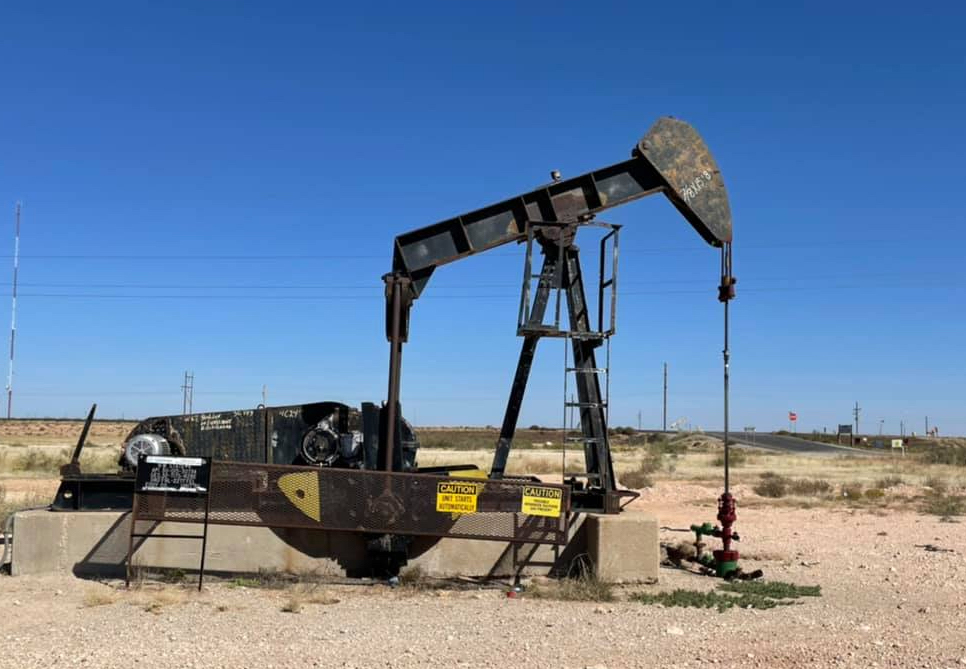 Donald Trump’s trade war is accelerating Canada’s retreat from climate policy. When trade talks between Canada and the United States broke down on August 22 and Trump imposed tariffs of 50 per cent on almost $30 billion of Canadian goods, Canada had to respond. And it is responding. Prime Minister Mark Carney is standing up to Trump. I admire him for that. Canada cannot allow an American president to threaten our economy every time he doesn’t get what he wants. We need new markets, new trading partners and far less dependence on the United States. But something else is happening in the rush to protect ourselves. Climate policy is getting trounced. The oil-and-gas emissions cap has been abandoned. The Clean Electricity Regulations and other climate measures have been weakened. The federal government has moved toward expedited approvals for energy infrastructure.
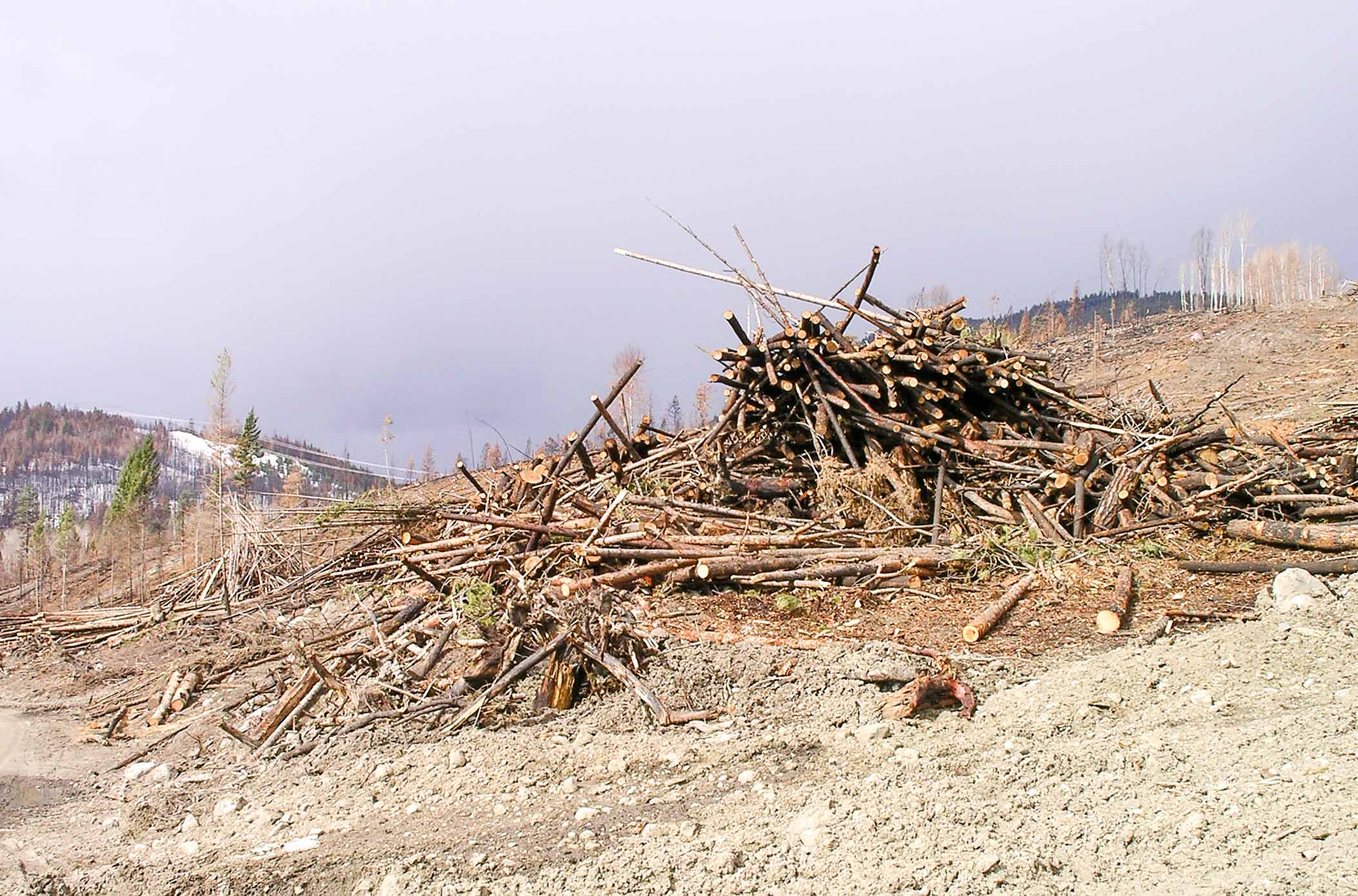 For generations, Nova Scotia’s forests have been a foundation of the province’s economy. But the traditional business model built around sawmills, pulpwood and large-scale paper production has been under growing pressure. The closure of the Northern Pulp mill in Pictou County in 2020 exposed just how vulnerable the sector had become. …Now, industry leaders are looking toward an emerging opportunity: turning branches, bark and other low-grade fibre into energy. …Nova Sustainable Fuels is planning a multibillion-dollar renewable-energy project that would use biomass from Nova Scotia’s forestry and forest-based industries to produce sustainable aviation fuel, providing an alternative to conventional petroleum-based aviation fuel. For an industry struggling to find markets for its fibre, projects such as that could represent an important new customer. Stuart said a biomass market could also complement efforts to improve the health of Nova Scotia’s forests. [A Chronicle Herald subscription may be required for full access]
 Global greenhouse gas (GHG) emissions reached a record high of 55bn t/CO2 equivalent (CO2e) in 2025, up by 0.9pc on the year, data from the EU’s independent emissions database for global atmospheric research (Edgar) show. These figures include the land use, land use change and forestry (LULUCF) sector — which can act either as a source of carbon or a carbon sink. Excluding LULUCF, global GHG emissions rose to 54.1bn t/CO2e in 2025, an increase of 0.7pc on the year, Edgar found. The highest-emitting countries in 2025 were China, the US and India, with shares of 29.5pc, 11.1pc and 8.3pc of the global total, respectively, Edgar data show. …Of the top six emitters, the US and Indonesia recorded the most substantial increases in emissions in 2024-5 — a rise of 2.2pc or 131.5mn t/CO2e for the US and one of 1.2pc or 16.1mn t/CO2e for Indonesia.
 Summer is winding down, vacations are ending, and the familiar September routine is kicking back into gear. As calendars begin to fill and priorities shift toward year-end planning, now is the perfect time to map out your business activities for the months ahead. One event should be at the top of your list: the CelCo Cellulose Conference in London this November. More than just a conference, this is where the global pulp, cellulose, and fiber industry comes together. Attending will give you the opportunity to connect with key industry stakeholders, strengthen existing relationships, gain valuable market intelligence, and increase your visibility within the sector. Think beyond the conference itself. Schedule customer meetings, supplier discussions, strategic partnerships, and networking opportunities around your trip. Maximize your time in London and turn a few days away from the office into months of business value. Make sure you’re part of the conversations that matter most.

 The Occupational Health and Safety Regulation provides that, except as otherwise determined by WorkSafeBC, an employer must ensure no worker is exposed to a substance exceeding the Threshold Limit Values (TLVs) prescribed by the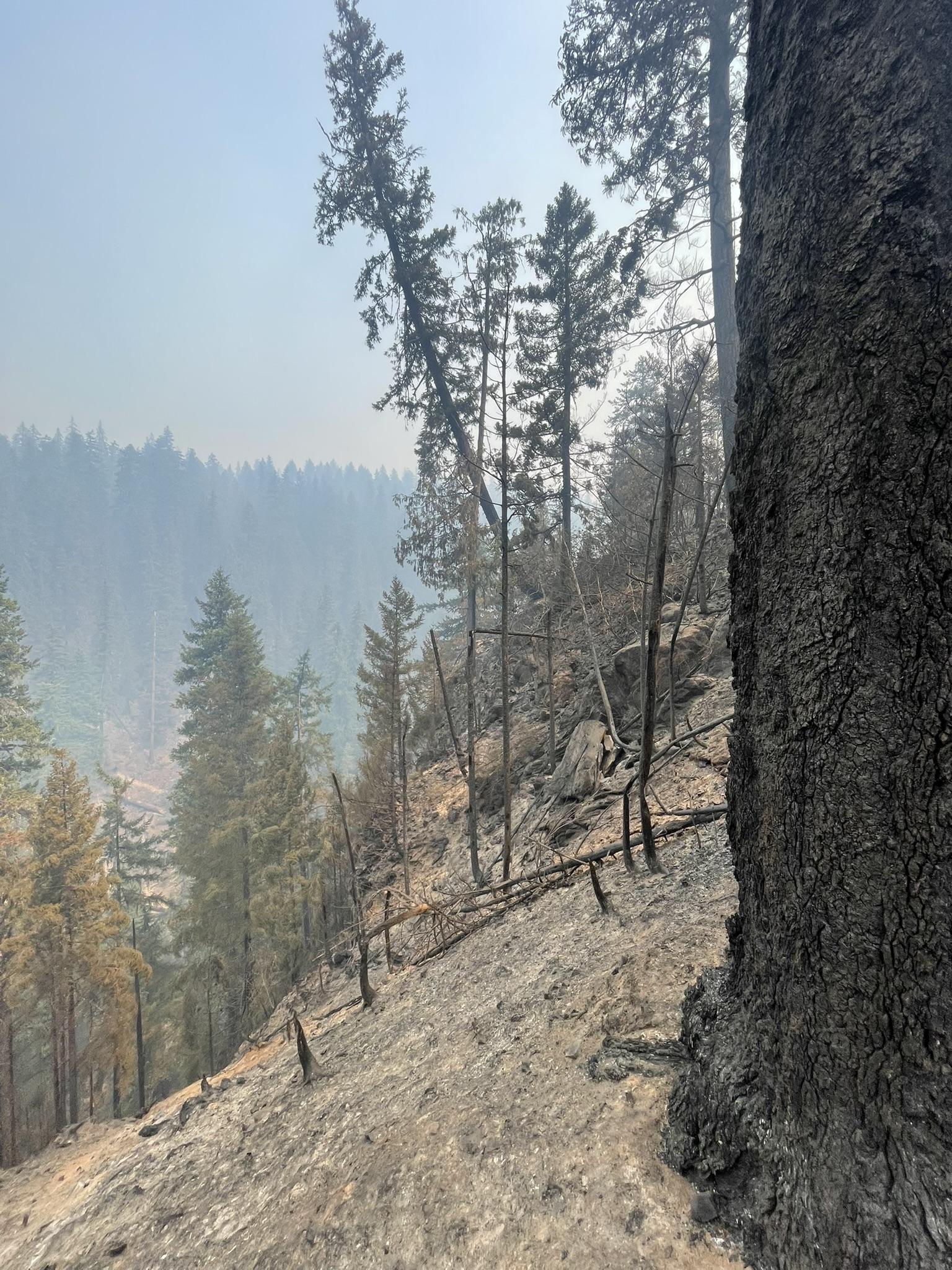
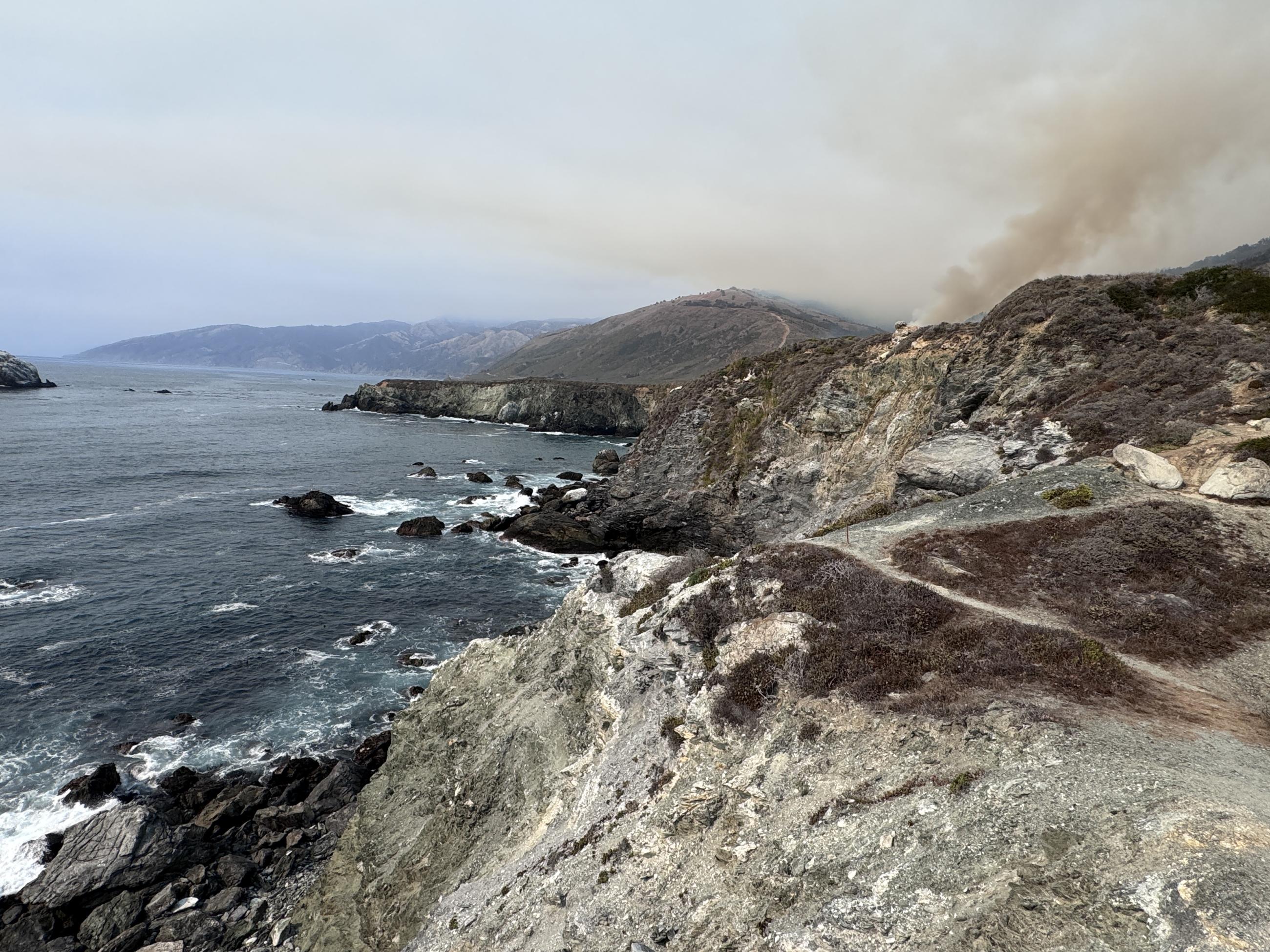
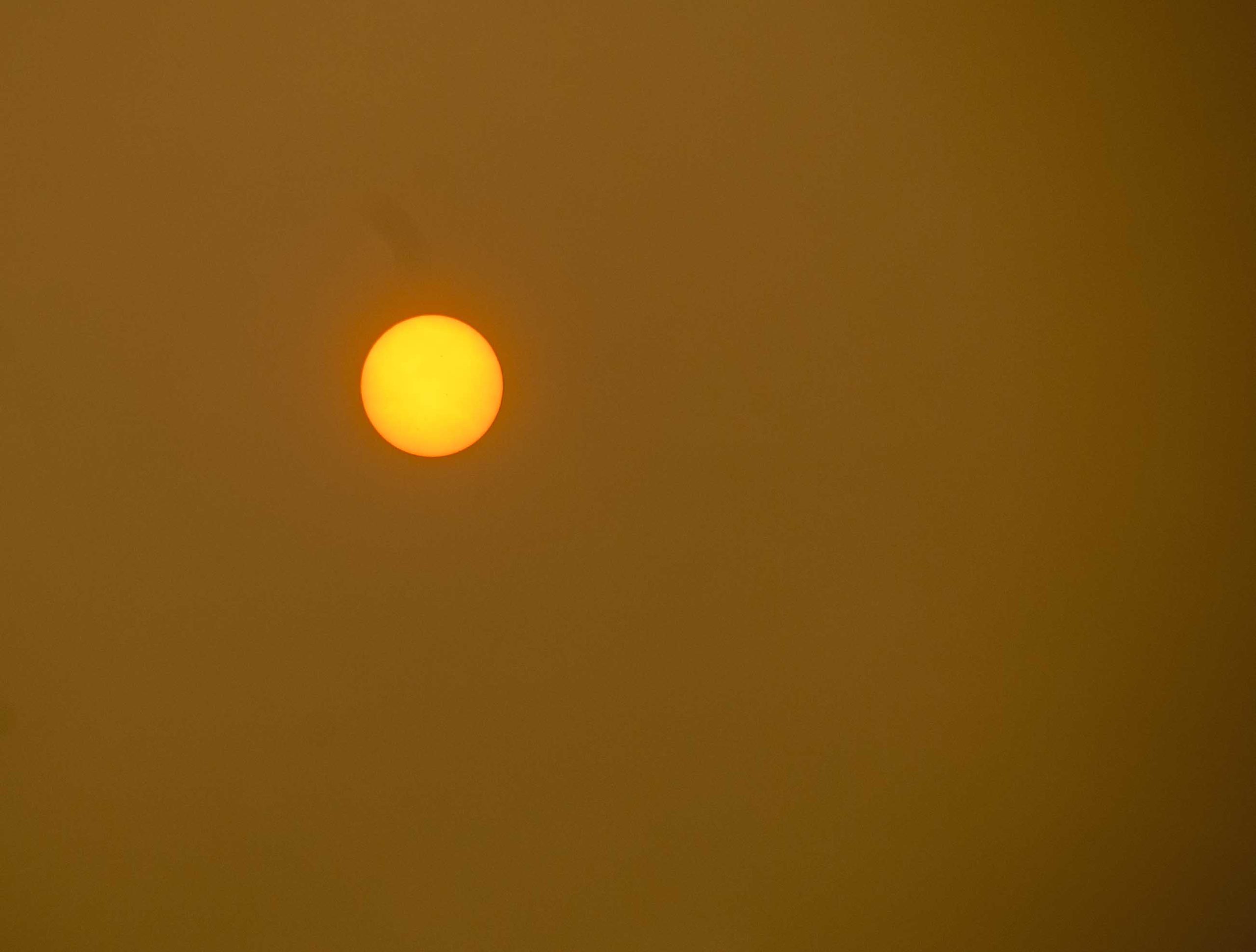 PALEMBANG, Indonesia — Schools in the capital of Indonesia’s South Sumatra province switched to remote learning Wednesday as worsening haze from forest and peatland fires pushed air pollution to unhealthy levels, adding to disruptions that have already affected more than 1.4 million students across the country, officials said. Indonesia has been plagued by forest and land fires for decades but an intensifying El Nino pattern and a prolonged dry season made the impact of the fires especially dire this year. Toxic haze and smoke have spread far beyond Indonesia’s borders in Southeast Asia, creating a regional health crisis. The smoke has drifted as far as the Philippines, more than 800 kilometers (500 miles) away, and breached Malaysia’s emergency-level threshold, forcing authorities to declare an emergency last week in a town in Sarawak state on Borneo Island. …Large fires have burned thousands of hectares in Indonesia’s Kalimantan and Sumatra regions.
 ANKARA, Turkey — Firefighters on Tuesday battled a wildfire in Turkey’s Mediterranean coastal province of Antalya that forced hundreds of people from their homes and injured at least two people, the state-run news agency reported. The fire broke out Monday evening in Antalya’s Aksu district and, fueled by strong winds, quickly spread into the neighboring Kepez district, Anadolu Agency reported. Two people were hospitalized with injuries to their legs while six others affected by smoke were treated on site, the report said. Authorities evacuated people from at least 254 homes in Aksu and Kepez and temporarily closed a highway between Antalya and the city of Isparta, located some 130 kilometers (80 miles) north. More than 2,000 homes in the region were affected by power outages, Anadolu reported. The agency said at least five firefighting aircraft, 10 helicopters, 110 fire extinguishing trucks and 600 personnel were deployed to battle the blaze.
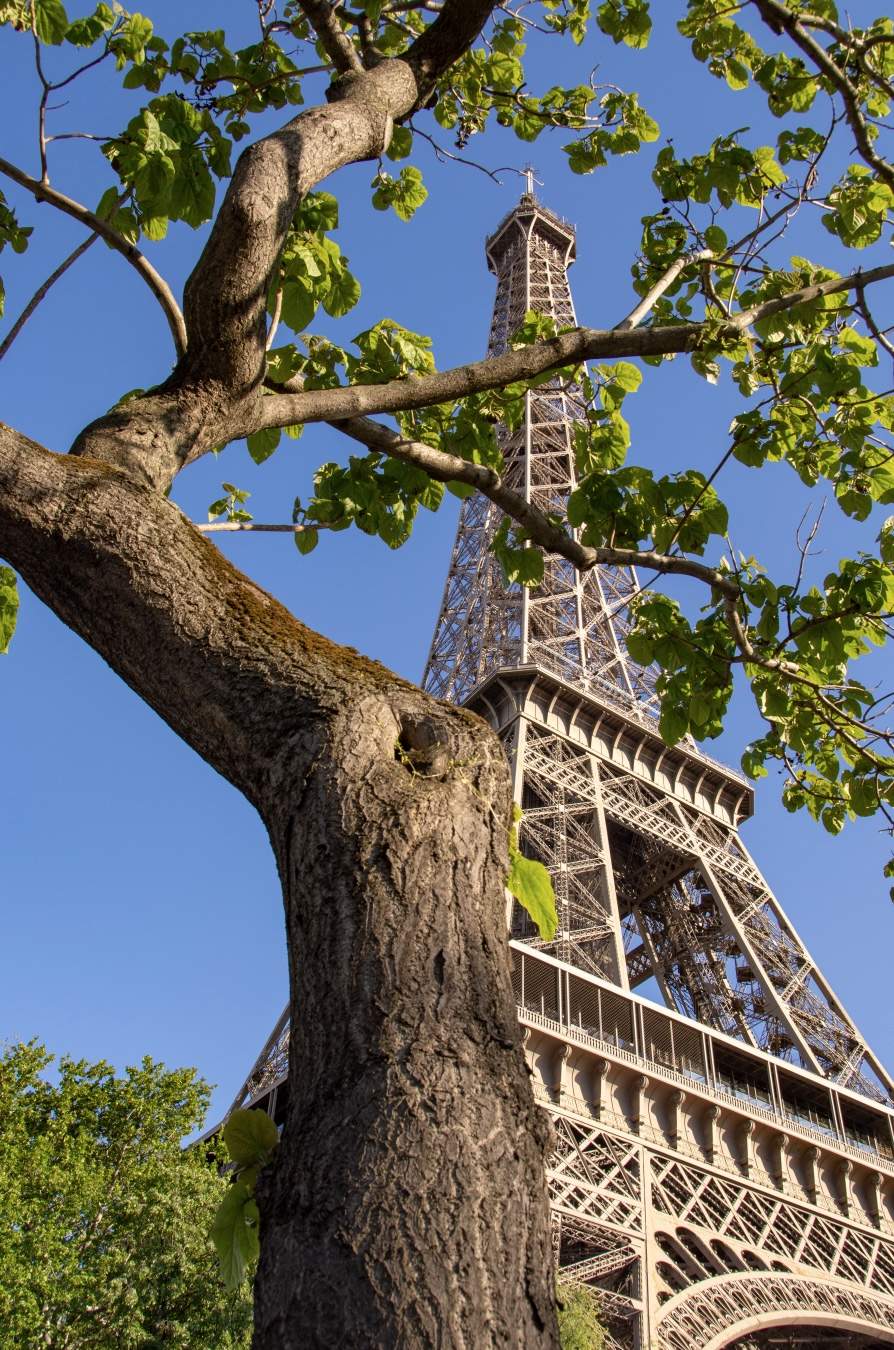 Paris, France – A record-breaking summer that saw more than 1,000 wildfires has torched some 540,000 hectares of land across the European Union since mid-June, according to official data. Multiple back-to-back heatwaves fuelled by climate change scorched Europe, causing more than 30,000 excess deaths, widespread drought and devastating wildfires that forced hundreds of thousands of people to flee their homes, particularly in Spain and France. Temperature records across the continent were smashed, triggering dangerous blazes even in normally cool, wet areas such as Belgium and Scotland. …Four of the EU’s 15 largest fires of the last 10 years occurred this summer, according to European Forest Fire Information System (EFFIS) data. …Before the end of July, France had already broken its record for the total area burned in a single year since records began. …Spain, Greece, Portugal and Italy are among the other southern EU nations that experienced an active fire season, a common summer phenomenon in the region.
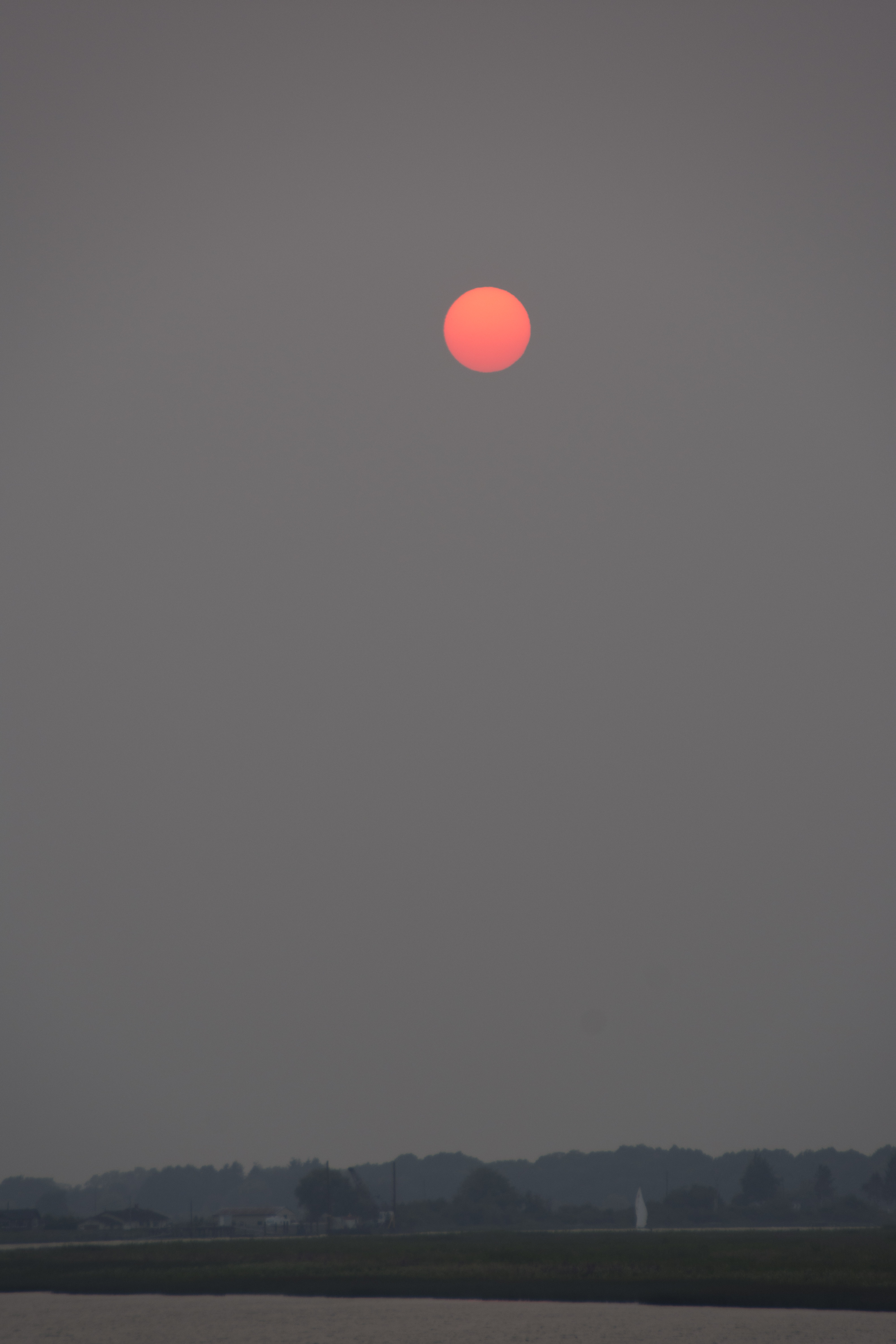 Pontianak, Indonesia – Toiling around the clock, haggard Indonesian firefighters on Borneo island cannot keep up with the blazes devouring landscapes and shrouding communities in a cloying haze. They are fighting a perilous battle with limited weapons against fires blamed in part on a stronger-than-usual episode of the El Nino climate phenomenon parching Southeast Asia. Experts also blame climate change, decades of forest degradation and slash-and-burn land clearing practices that have changed the naturally fire-resistant landscape. “We are exhausted. Sometimes we carry out firefighting until dawn. Sometimes we don’t sleep,” said Sampe Ritonga, fire chief for Sintang regency. …Some 400 kilometres (250 miles) away in Pontianak — the capital of West Kalimantan province — people have been breathing foul air for weeks. …on Sunday, the level of PM2.5 pollution exceeded 500 micrograms per cubic metre, according to IQAir, a Switzerland-based monitor. That is more than 100 times the World Health Organization’s recommended safe limit
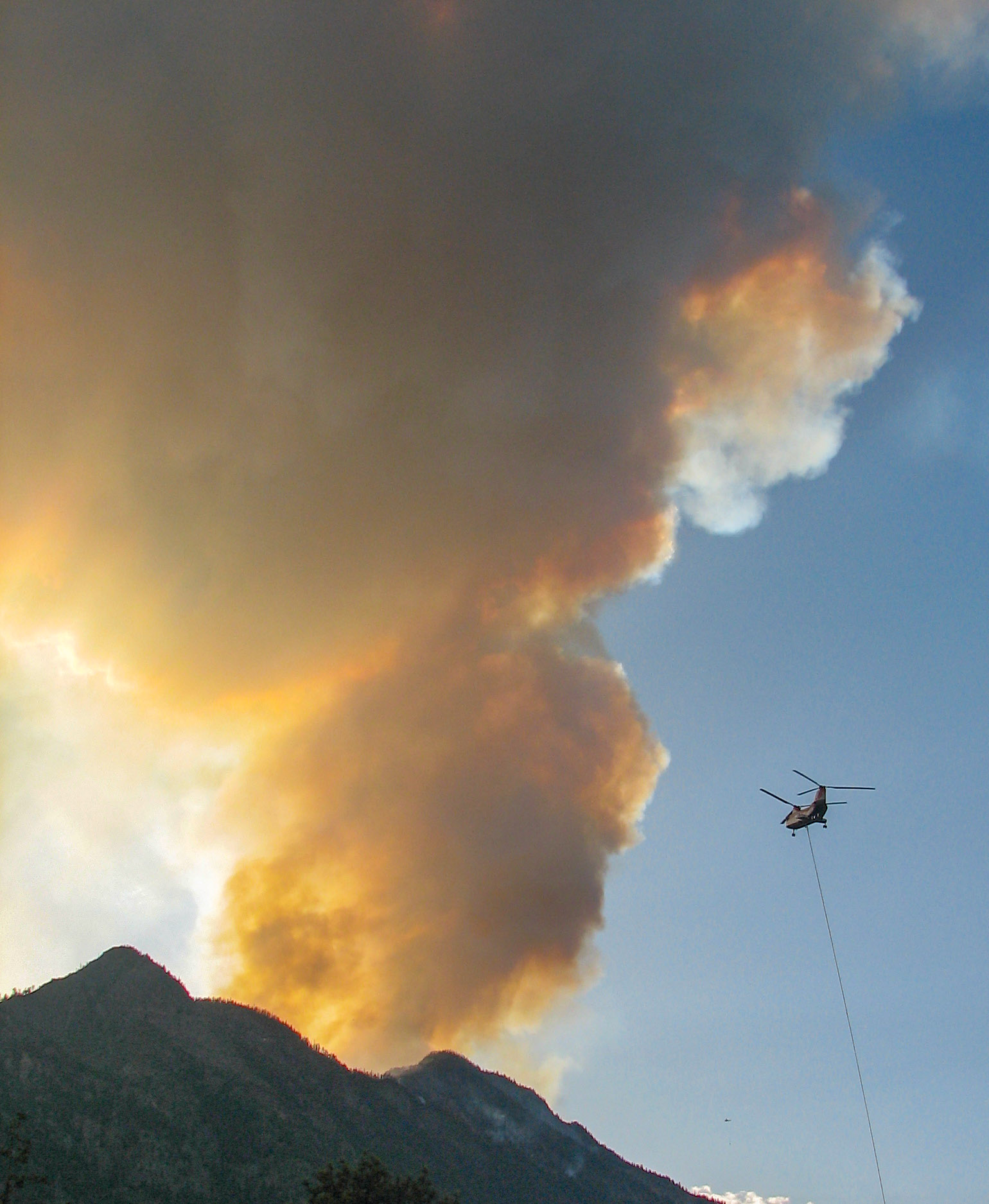 Firefighting crews continued efforts Tuesday to bring under control a forest fire that started Monday evening in Antalya’s Aksu district in southern Türkiye and spread to nearby Kepez. The fire began in a forested area near the Karaöz neighborhood in Aksu and spread toward Kepez as strong winds pushed the flames across a wider area. The blaze affected areas around the Karaöz, Hatipler, Yeşilkaraman, Kızıllı and Çamlıca neighborhoods. As a precaution, the Northern Ring Road and part of the Antalya-Isparta highway were temporarily closed to traffic. The road was reopened under controlled conditions Monday morning. The fire reached the Antalya-Isparta highway, but crews prevented the flames from crossing the road through intensive firefighting efforts. Aerial operations began early Tuesday, with five aircraft and more than 10 helicopters joining the response. Around 110 firefighting vehicles and more than 600 personnel are also working to contain the blaze. Authorities evacuated 254 homes in the two districts.