 Canada has been invited to become the European Union’s first “associate member,” as both face deteriorating relationships with the US. In related news: small businesses on both sides of the border face rising costs; a US lumber wholesaler speaks out; and US Customs affirms a lumber duty-evasion ruling. In other Business news: NB Power moves on plan to convert to biomass; BPWood names Ben Meachen CEO; a judge pauses US Forest Service employee relocations; Stora Enso closes its Veitsiluoto sawmill; and Canada’s housing starts and US single-family permits declined.
In Wood Product news: the CWC released its 2025 Wood Design Manual; Western Forest Products showcases thermally modified Hem-Fir; and AkzoNobel makes the case for wood buildings. In other news: the US Endowment announced awards to accelerate wood fiber markets; FPInnovations tests fibre procurement strategies; Mosaic seeks public recreation feedback; the Canadian Institute of Forestry promotes National Forest Week; ForestNet interviews Lenny Joe; and the latest news from FSC Canada.
Finally, David Elstone says BC forest industry transformation without a plan is just contraction.
Kelly McCloskey, Tree Frog News Editor
 This past summer once again saw wildfires rip through the BC Interior resulting in lost homes and uprooted communities. As always, we’re left wondering why did this happen? Could it have been prevented? In the case of the Summerland fire, CBC reported that fuel management and prescribed burning work had been planned in some of the affected areas but had not been carried out. But the situation is more nuance than the reporting suggests. Considerable mitigation work had taken place around the community over the past two decades including fuel management treatments, ecological burns, and targeted grazing. The effectiveness of those efforts, along with other factors across the landscape and efforts of individual local residents, will no doubt be studied in detail in the months ahead. The impact of this wildfire does not mean mitigation failed. Quite the opposite; it suggests that preventative work matters, that FireSmart initiatives by homeowners are imperative, and that communities are safer because of it.

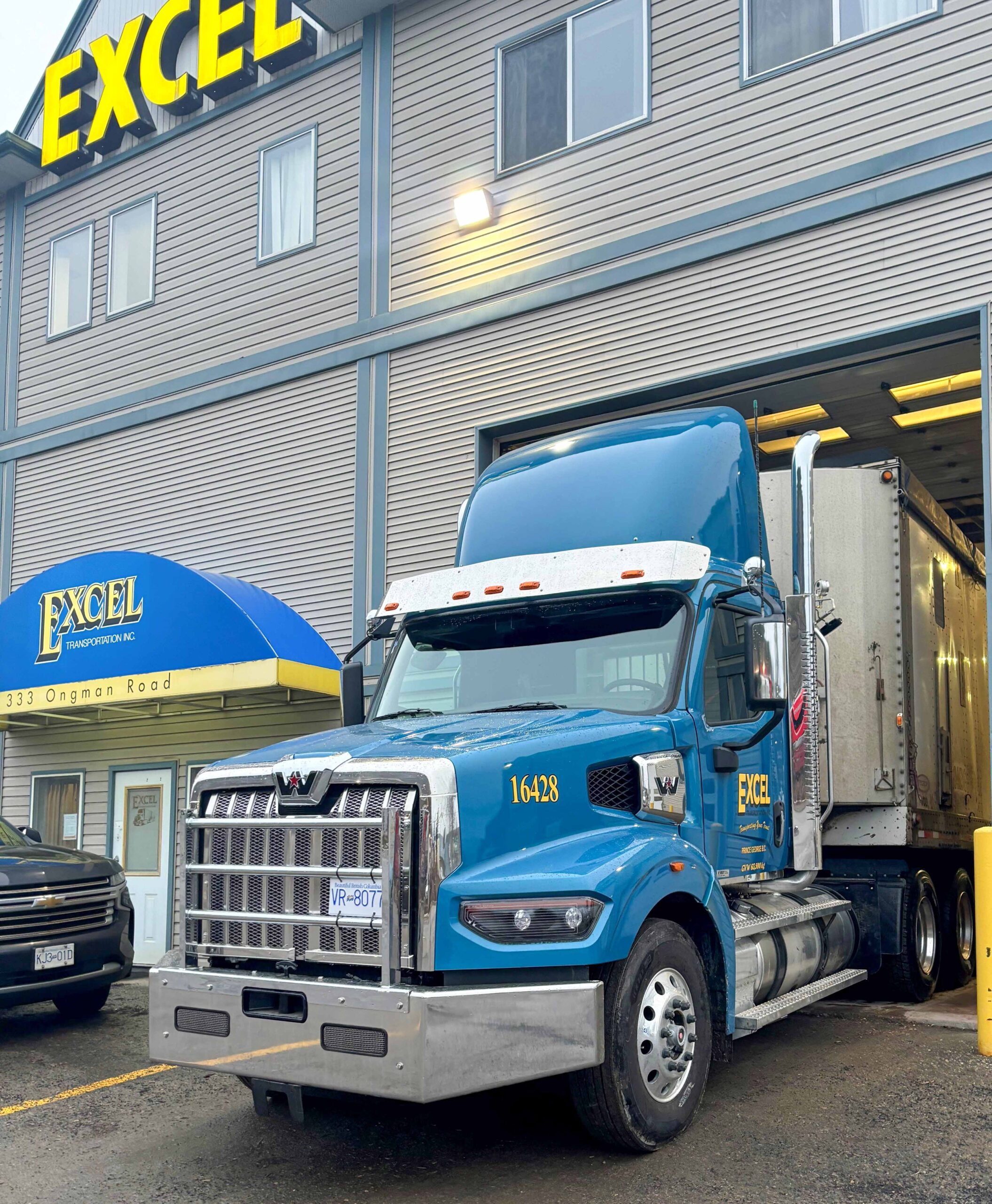 PRINCE GEORGE — A long-standing Prince George transportation company is preparing for a major downsizing after losing a key forestry hauling contract in the wake of Canfor’s Northwood Pulp Mill closure. Excel Transportation announced it will no longer serve as a hauling contractor for Canfor, a decision the company says stems from the ongoing downturn in northern B.C.’s forestry sector rather than any concerns about performance or safety. “This is one of the most difficult announcements we’ve had to make in our company’s history,” said CEO Annie Horning in a statement. The closure of the Northwood mill earlier this year eliminated roughly 300 Canfor jobs and significantly reduced the amount of wood being moved throughout the region. With less timber available to haul, Canfor reduced the number of hauling contracts it requires and ultimately chose not to retain Excel.

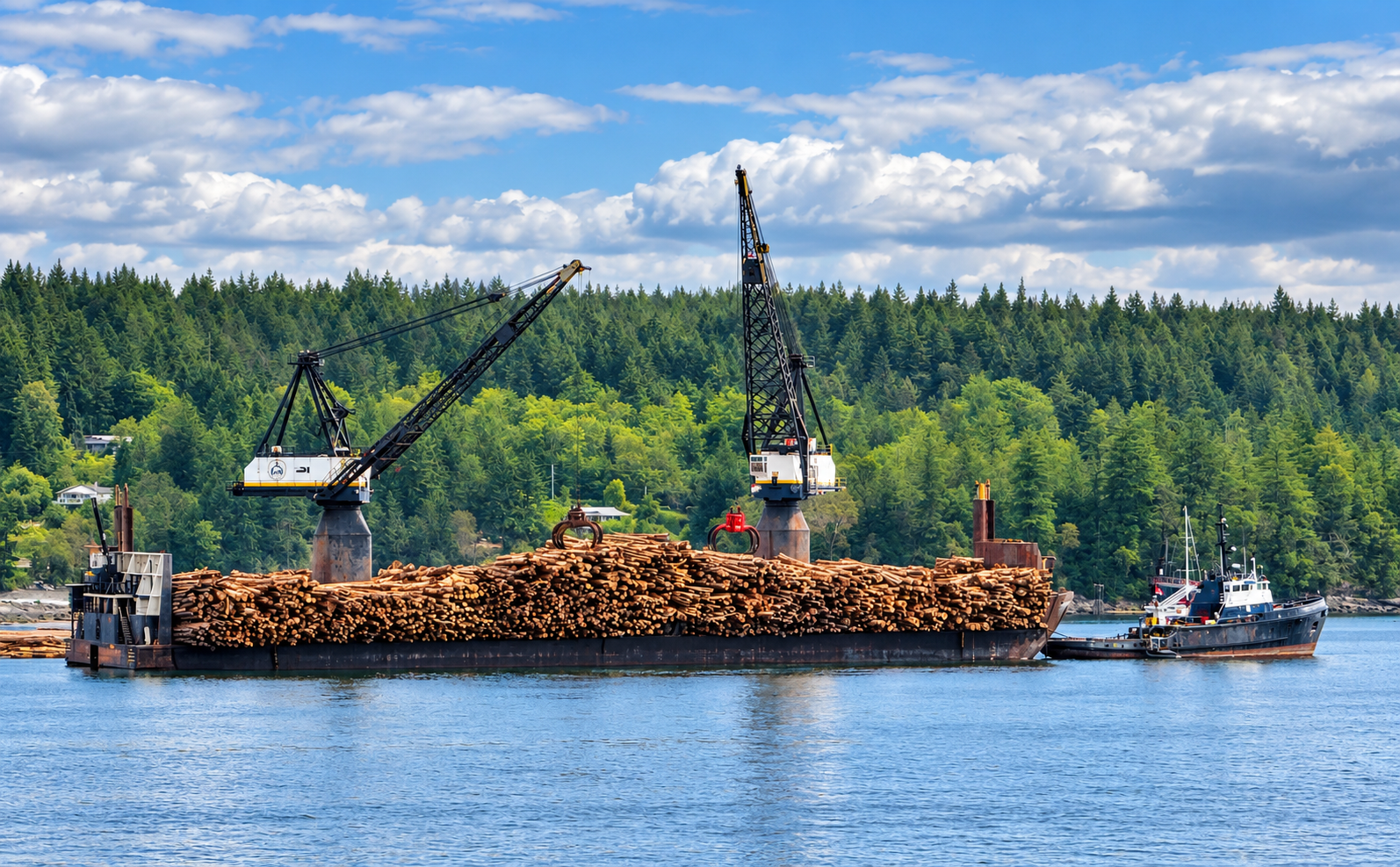 Indigenous land titles, data centres and human-bear conflicts are among the top-of-mind concerns for municipal politicians, as they gather for their annual fall convention and attempt to influence the provincial government’s agenda. The Union of B.C. Municipalities convention this year is being held in Vancouver from Sept. 14 to 18. … The City of Nanaimo is calling for a ban on exporting raw logs and lumber cants. A cant is a raw log with its bark removed. The motion identifies a lack of adequate and affordable wood fibre supply as a key factor in the continued curtailment or permanent closure of B.C. sawmills and pulp mills. Over the past five years, on average, about 3.2 million cubic metres of raw logs have been exported. The ban would be to “ensure that forests harvested in B.C. from Crown land and private managed forest lands are processed in B.C., encouraging value-added manufacturing in B.C. and supporting employment in B.C.’s forest industry,” the motion states.

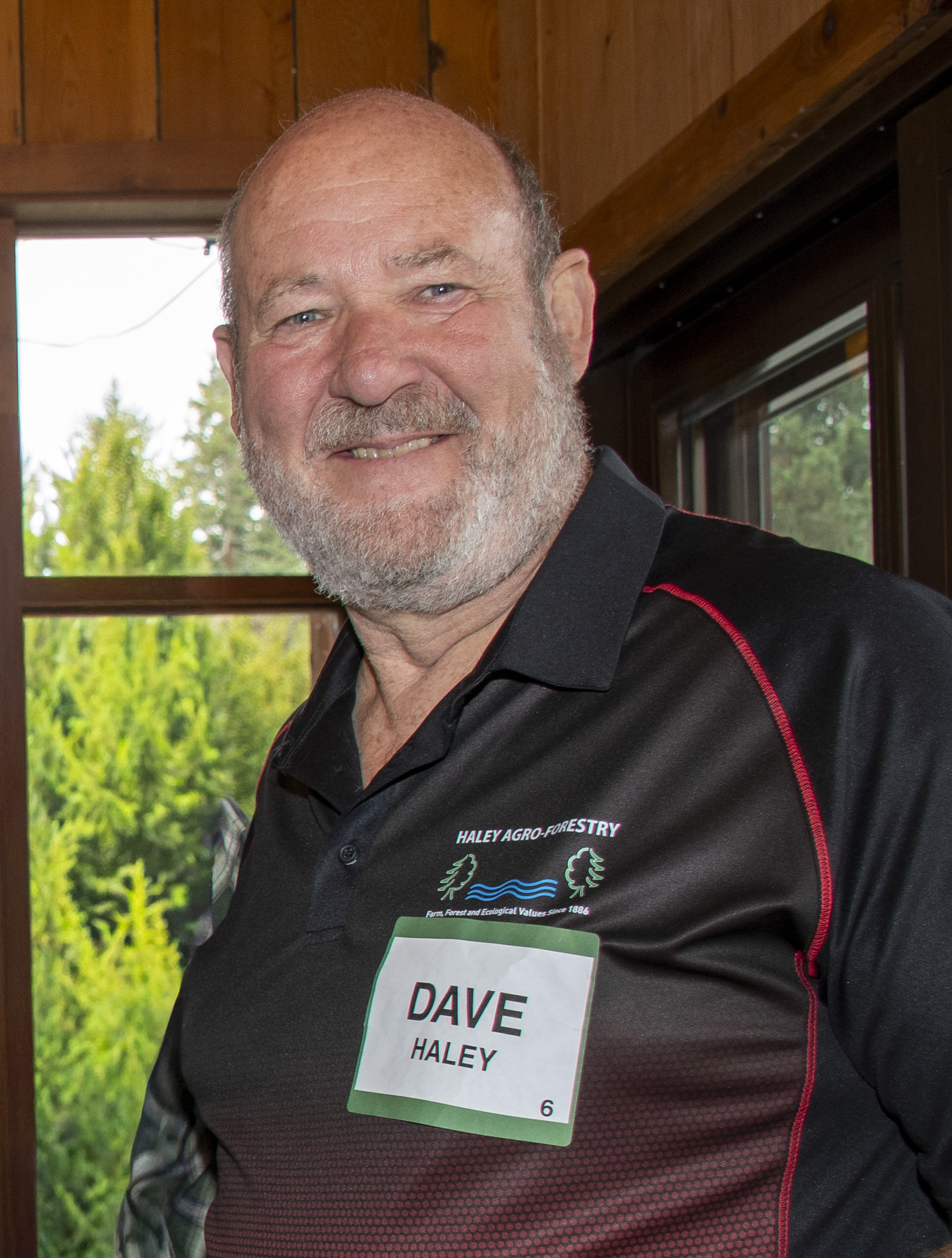

 U.S. District Court Judge Vince Chhabria is ordering a temporary pause of the Agriculture Department’s imminent plans to relocate employees across the country. Chhabria
  In this update, you’ll find these stories and more:
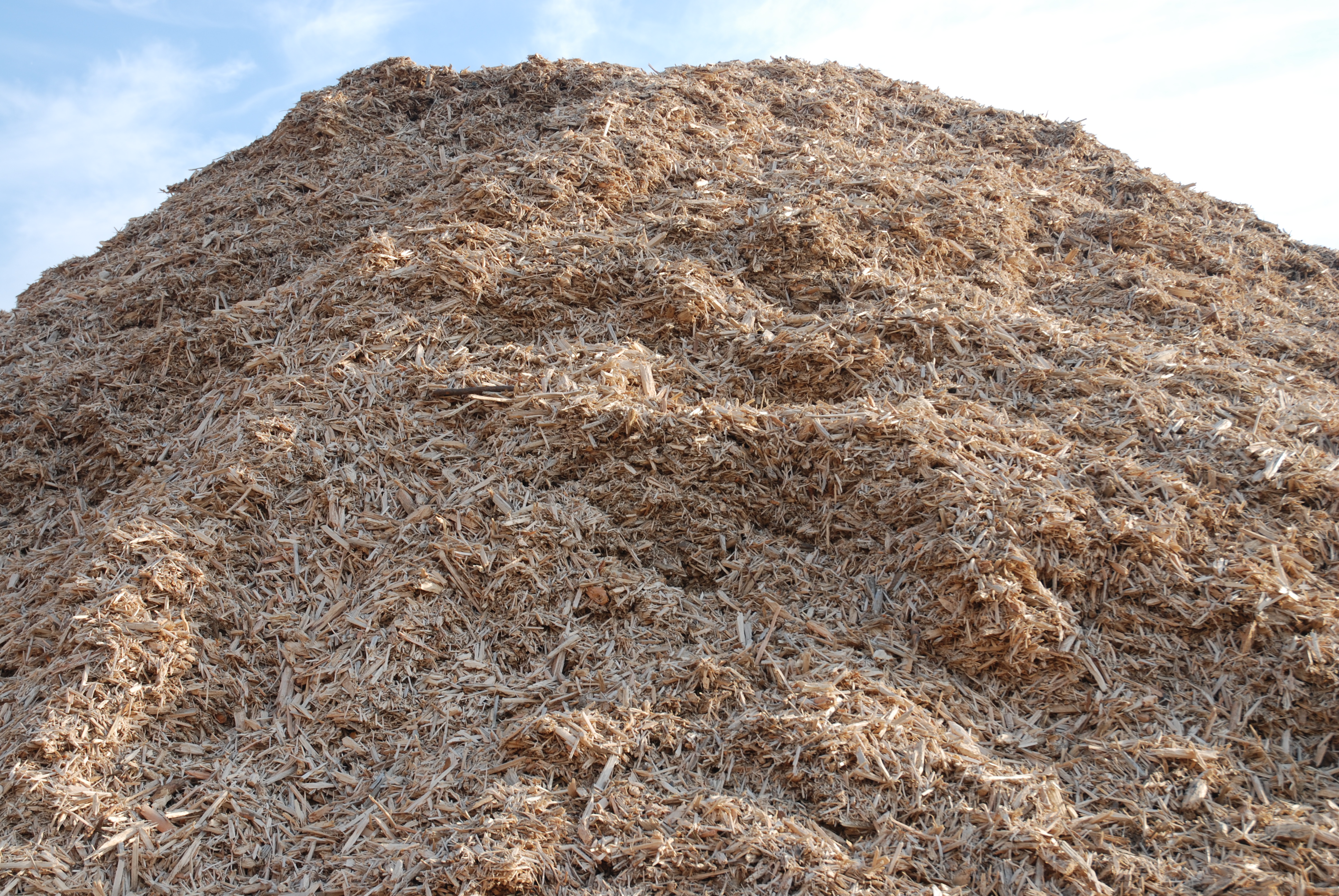 Regulators in Vermont have issued a waiver to permit biomass plants Ryegate Power and the McNeil Generating Station in Burlington to purchase low-grade wood that had been destined for a Glens Falls mill, Finch Paper, before it suddenly discontinued its pulpwood operation in July. Typically, per a condition in its permitting, Ryegate’s wood comes from harvests that are initially reviewed by Vermont Department of Fish and Wildlife biologists. “A temporary waiver of [Ryegate’s] harvesting policy requirements would allow wood that was intended for Finch to be sold to the Ryegate Power Station without otherwise required Department of Fish and Wildlife review and approval,” the Vermont Public Utilities Commission (PUC) order stated. According to testimony provided to the PUC, Finch purchased approximately 2,000 tons per week of softwood and hardwood from Vermont. It was the primary market for about 40% of the state’s pulp and nearly all its hemlock pulpwood.
 From capacity shifts and trade flow developments to network disruptions and sustainability innovations, the container shipping landscape continues to evolve at pace. Join Patrick Hore, Global Head of Energy, Chemicals & Raw Materials at Maersk, as he delivers an essential market update on the forces currently shaping global supply chains. In his session, “Latest from the Container Shipping Market: What Do You Need to Know for Your Supply Chains?“, Patrick will explore: Volume trends across key global trade routes; Fleet capacity outlook and what it means for shippers; Current network disruptions and future scenarios; and Technical and sustainability developments transforming container shipping. Whether you’re responsible for sourcing, logistics, operations or strategy, this session will provide valuable insights to help you navigate an increasingly complex shipping environment. Join Patrick Hore and an outstanding line-up of industry experts at the CELCO Conference.
  Annie Dillard, author of the Pulitzer prize-winning book Pilgrim at Tinker Creek, died aged 81 at her home in South Wellfleet, Massachusetts, on Tuesday. Maggie Nelson, Dillard’s literary editor, confirmed her death to the New York Times. Pilgrim at Tinker Creek, a nonfiction narrative Dillard wrote about the natural world surrounding her mountainous Virginia home, was published in 1974 when the young writer was just 28. The book was an instant critical and financial success, skyrocketing Dillard to becoming one of the most prominent nonfiction writers of her generation. Tinker Creek won the 1975 Pulitzer prize for general nonfiction, and in 1998 it was included in Modern Library’s list of 100 best nonfiction books. …Her work was often compared to Henry David Thoreau, the naturalist about whom she wrote her master’s thesis. [Tree Frog Editor Sandy McKellar adds – Dr. Bart van der Kamp assigned this book as required reading for his UBC Forestry 100 class!]
 The Wood Design Manual 2025 is now available in an early release digital format. The latest edition of this essential Canadian reference for designing timber structures is now available for engineers, students and self-learners. The Wood Design Manual 2025 has been reorganized into three volumes to make it easier to find and use the information you need:

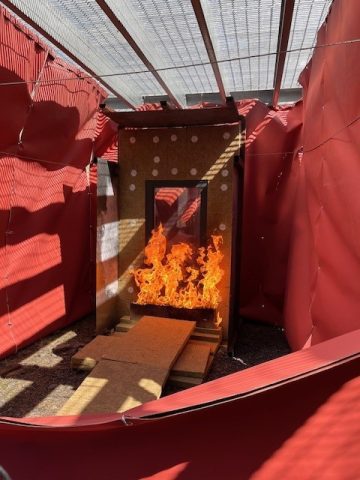


 Are you looking to enhance your skills in the lumber and sawmill sector? Onboarding new employees that would benefit from formal education in the field? Are you seeking to provide your employees with essential business skills for professional development? BCIT is currently offering two Associate Certificates to help you:
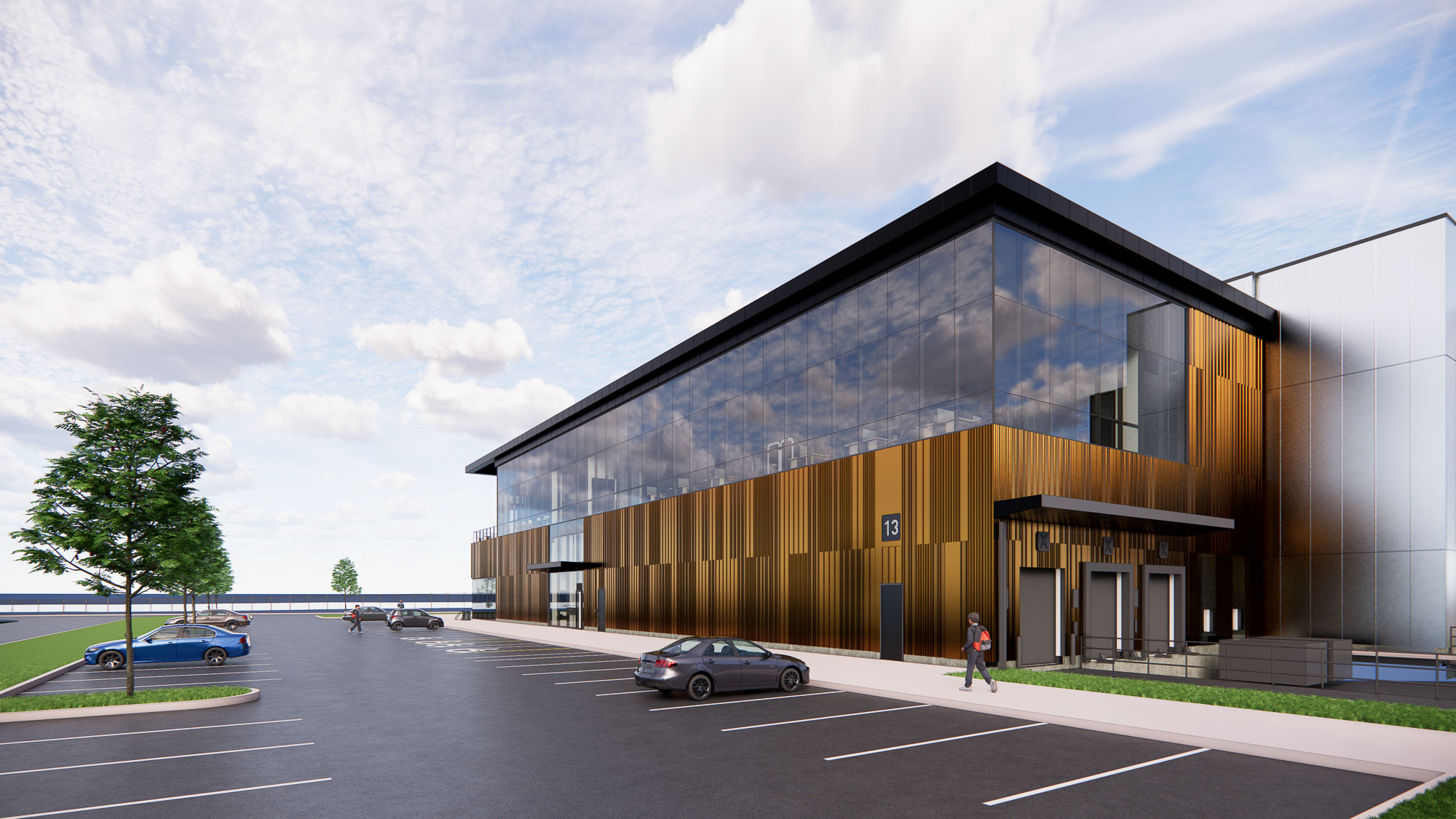
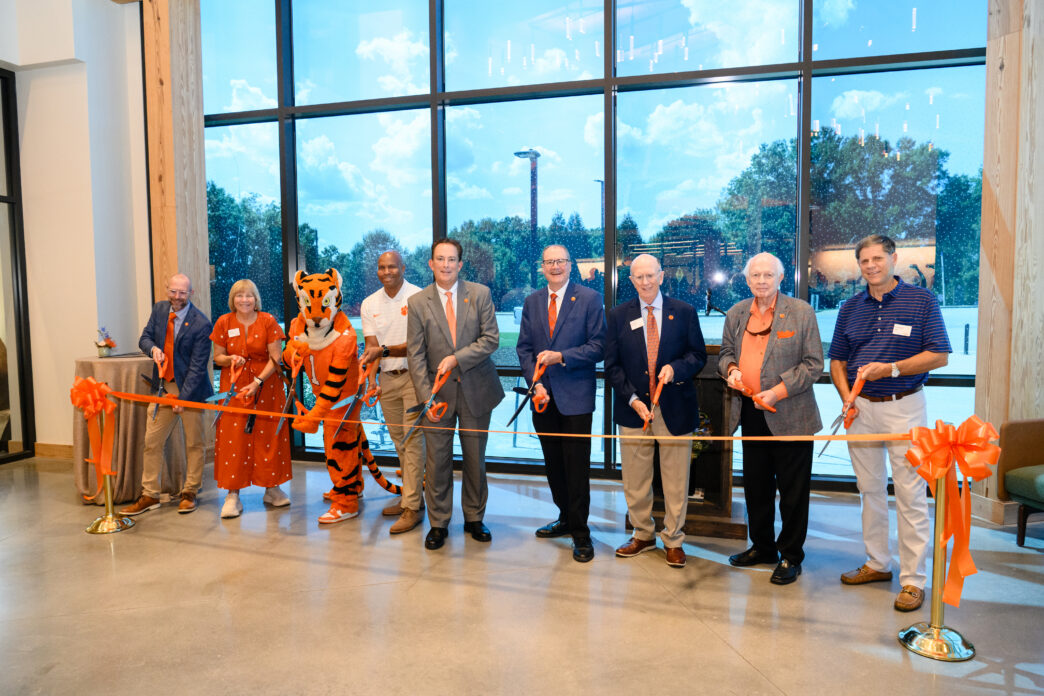
 Lexington, Ky.— Wood has been used to build homes and other structures for thousands of years. Now, new technology is allowing builders to use it in ways that would have been difficult to imagine just a few decades ago. Chad Niman, forest products Extension specialist in the University of Kentucky Department of Forestry and Natural Resources says cross-laminated timber (CLT) is changing the way that structures are built around the U.S. and world, making it important to keep up with the development of this construction method to improve the health of our forests and buildings. The UK Martin-Gatton College of Agriculture, Food and Environment will bring together experts from across the nation for the 2026 Regional Cross-Laminated Timber Conference, Oct. 12-14 at The Campbell House in Lexington. The three-day conference will focus on CLT and other types of mass timber.
 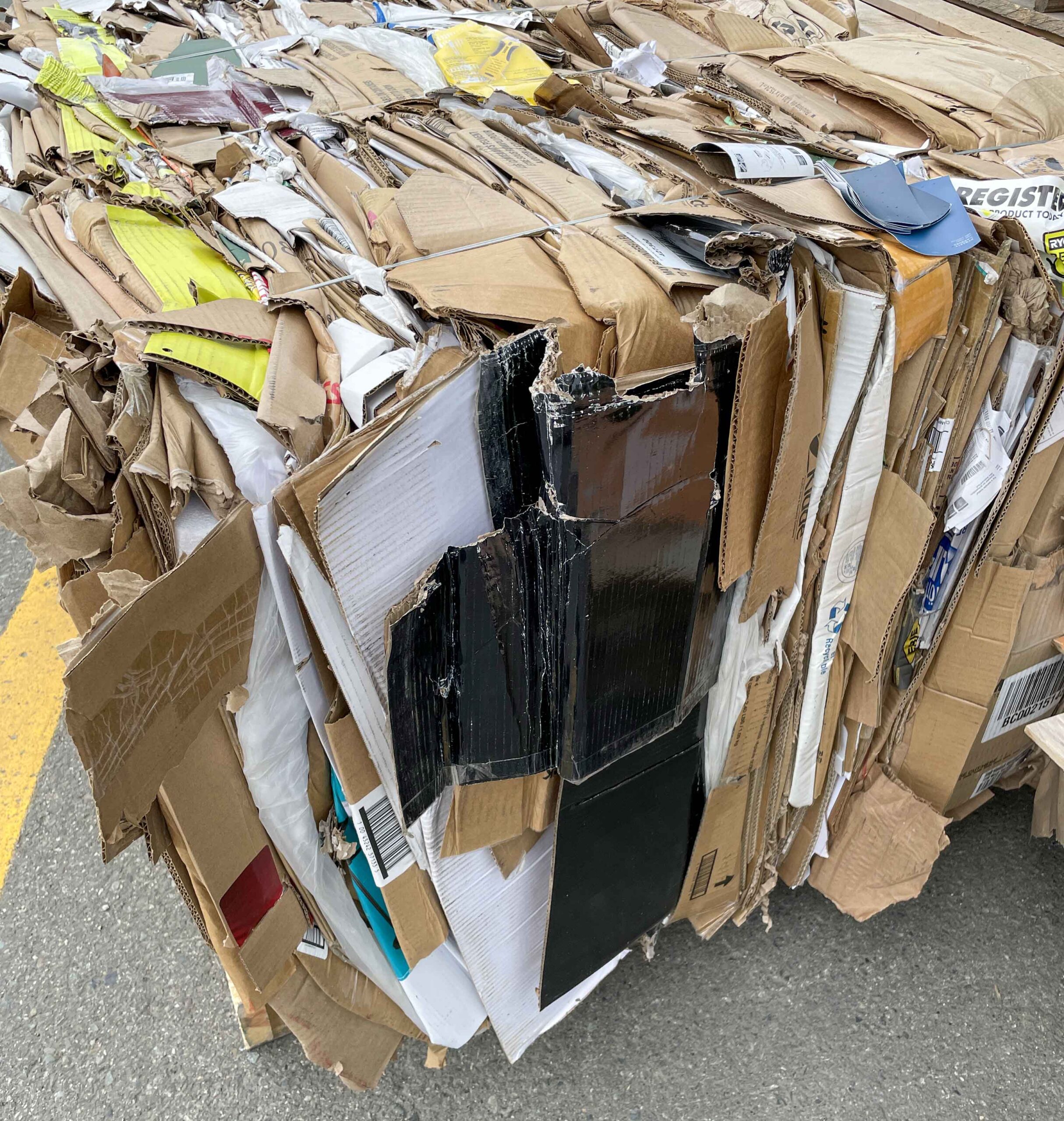 At Stora Enso’s mill in Varkaus, Finland, recovered cardboard packaging is converted into new fibre raw material. The same fibre can be recycled up to 7 times before it becomes too short and weak for further use. The site contains Finland’s largest recycled-fibre processing facility. Covering approximately 3 hectares, it receives used packaging from households, retailers and packaging manufacturers. More than 95 per cent of paperboard and cardboard packaging is recycled in Finland. However, domestic collections do not provide enough material for the mill, which also imports recovered packaging from Sweden and the Baltic countries. Approximately 20 truckloads of recovered material arrive at the site each day. The compressed bales contain products such as milk cartons, pizza boxes and cereal packages.
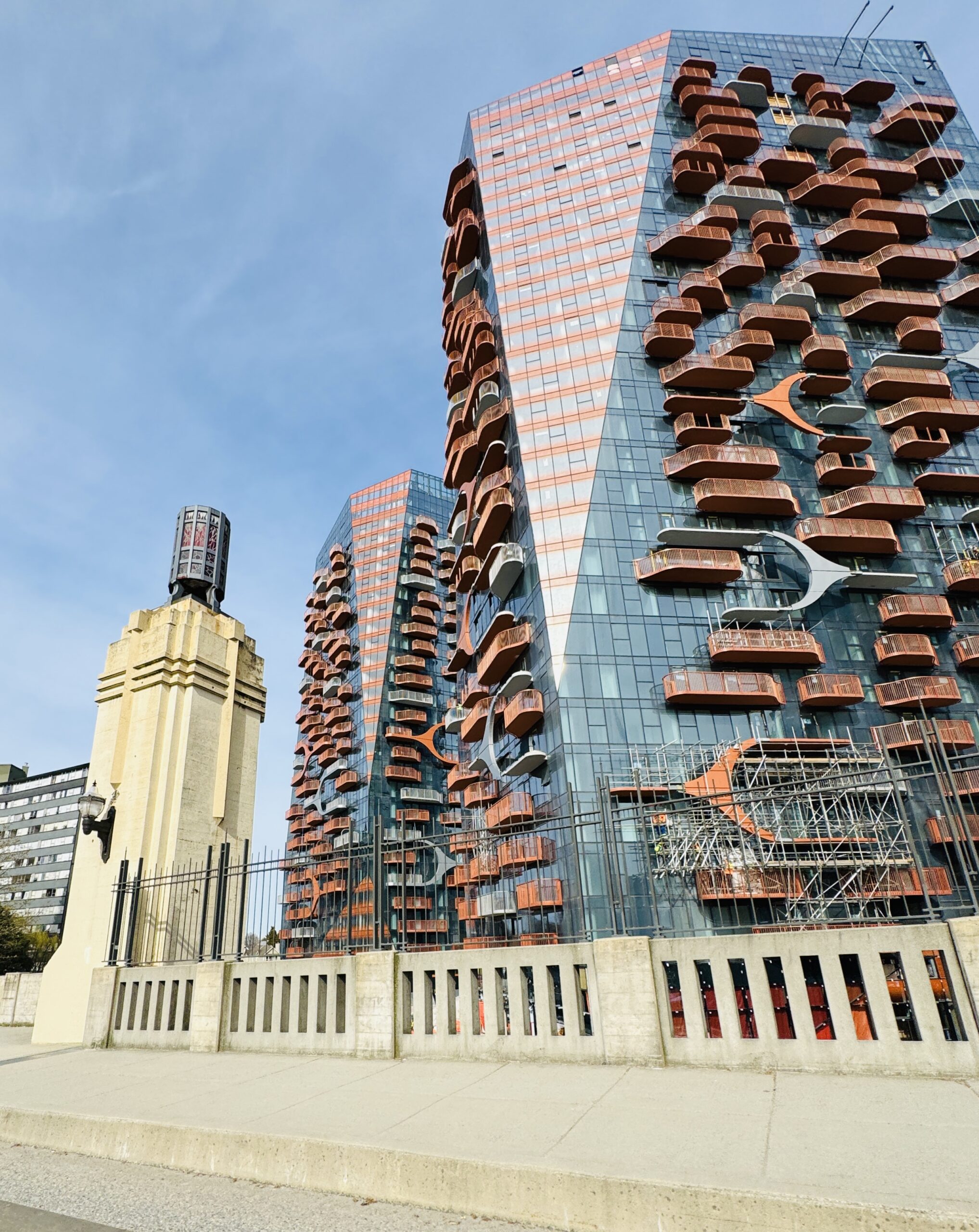 For decades, architectural sustainability was dominated by operational performance. Better insulation, efficient mechanical systems, photovoltaic panels, passive solar strategies, and high-performance envelopes became the principal instruments for reducing environmental impact. Those measures remain important, but they no longer describe the entire carbon problem. A building can perform efficiently in operation while carrying an enormous historical carbon burden embedded in its concrete frame, steel reinforcement, glass, aluminum, masonry, finishes, foundations, and infrastructure. Once these materials have been manufactured, transported, assembled, and incorporated into a structure, their associated emissions cannot simply be erased by installing efficient equipment. This is where the concept of material memory becomes architecturally significant. Existing buildings contain not only physical material but also the emissions already invested in producing that material. Retaining a structural frame therefore represents more than preservation. It can function as a form of carbon avoidance.
 Wildfire risk reduction and fibre procurement research trials are ongoing within the Forest Operations Resilience Vertical. The team worked alongside Carrier Lumber Ltd. in Prince George, BC, on a commercial thinning trial assuming different fibre market availabilities, including a baseline sawlog and pulp scenario, a sawlog only scenario, a sawlog, pulp, and biomass scenario, and a sawlog and biolog scenario, where pulp was hauled as biomass to be chipped. A second trial is underway with Vanderwell Contractors in Calling Lake, Alberta, where the scenarios will trial different topping diameters for sawlogs and rat tail recovery, as well as mulching residual material on trails to influence fire behaviour. These trials assist FPInnovations in assessing which alterations to standard commercial thinning practices can influence wildfire behaviour and procure fibre, with cost and productivity data collected alongside wildfire fuel loading metrics.


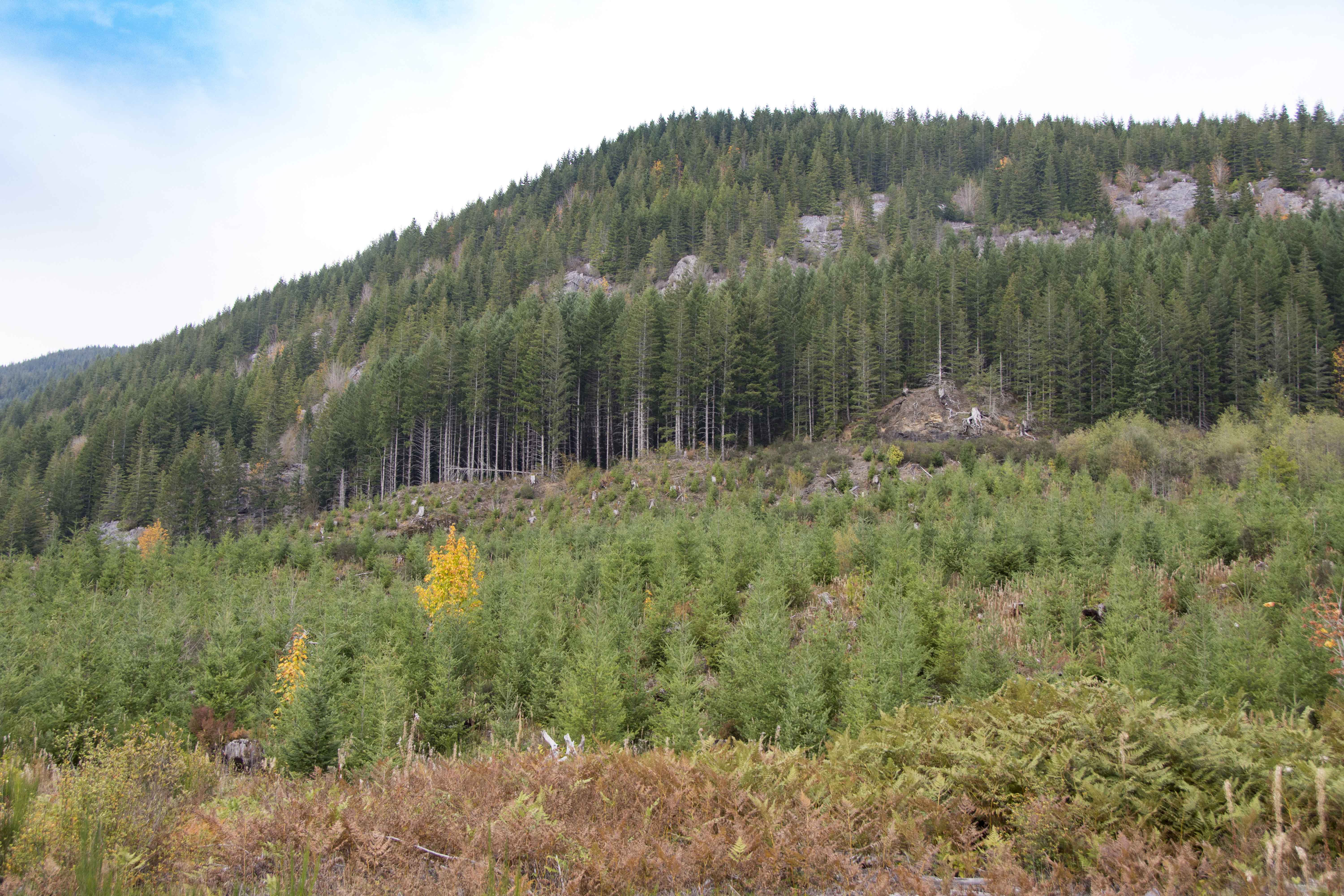 As the provincial government advances plans to carve British Columbia’s lands into zones where logging and other industrial activities are permitted or barred, a former longtime public servant says he is struggling to not be cynical about what could lie ahead. In August, The Tyee broke the news that the provincial ministries of Forests and Water, Land and Resource Stewardship were proposing to divide B.C.’s vast and spectacularly diverse lands into “working forest,” “multiple-use” and “conservation and protection” zones. The details were included in a leaked internal government email. The zoning exercise is happening as Premier David Eby tells Forests Minister Ravi Parmar to find more trees for companies to log in order to meet a logging target of 45 million cubic metres per year. Forest ecologist Andy MacKinnon, who worked in the Forests Ministry for 30 years, said he worries that the “Path to 45” initiative will drive the zoning plan.
 .png?t=1789154044436)

 Mosaic Forest Management is asking recreation users how they find gate and access information for its lands, returning to the public on an issue that surfaced as one of the clearest concerns in last year’s feedback. The survey asks people who camp, cut firewood or spend time on Mosaic’s lands how they plan trips, which apps and maps they already use, and what tools would help most. It is open until September 29, 2026. Mosaic’s lands are private managed forests, working forests where harvesting, road maintenance and hauling continue year-round. Public recreation is offered voluntarily alongside those operations, which means access can change with active work, road conditions and seasonal wildfire risk. Communicating those changes clearly is the challenge the new tools are meant to address. …Recreation users can complete the survey at
 Communities in McLeod Lake and Mackenzie, and on northern Vancouver Island, will have greater opportunities to manage local forests, support wildfire resilience and strengthen local forestry economies through expansions of two community forests. “Rural communities understand forestry, both as an economic driver and as a tool to reduce wildfire risk,” said Ravi Parmar, Minister of Forests. “Driven by powerful partnerships, these expansions will mean real benefits for their communities in the form of local logs for local manufacturing, jobs on the land base and healthier, more resilient forests.” These expansion decisions will result in a total of 20,000 cubic metres allocated to the McLeod Lake Mackenzie community forest, and more than 8,100 cubic metres to the North Island Community Forest. The expansions will provide more opportunities for local forest management, including wildfire risk reduction, while helping ensure a sustainable fibre supply for local facilities and users.
 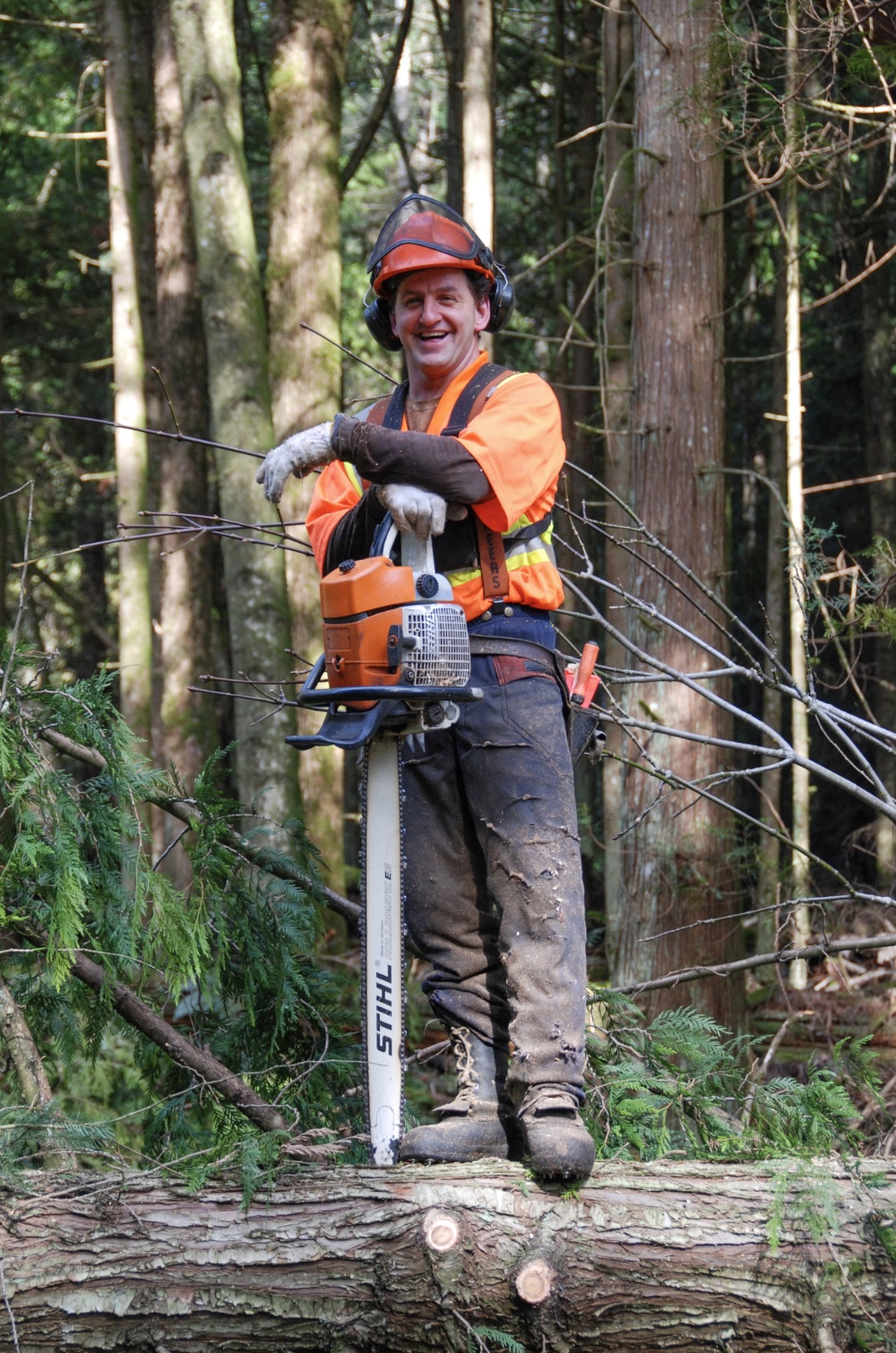 As part of the City of Rossland FireSmart program, contractors will complete FireSmart fuel treatment projects on municipal land parcels within the community beginning this week. The objective of the fuel management project is to reduce hazardous forest fuels and to decrease wildfire risk to the adjacent residents and the community, noted a release from the city. “The goal for the project is to reduce hazardous surface fuel accumulations close to homes and the community,” it stated. Expected activities include: Reduction of woody surface fuels from tree mortality and winter storm damage; Removal of dead standing trees; Retention of the healthy, large trees to maintain a cool and moist under storey; Retention and protection of all healthy, deciduous trees and shrubs (leaves have a high moisture content and are low flammability); Retention and protection of high value wildlife trees; and Debris disposal (chipping).
 …The last recorded sighting of wild northern spotted owls in BC was in 2023… Spuzzum First Nation Chief Janice Kuester says the loss is deeply upsetting. …But that doesn’t mean there’s no hope. …Biologist and ecological consultant Jared Hobbs says re-establishing the species in B.C. is possible, “but we have to stop eroding the recovery options.” …An effort to have an emergency order issued for the owls failed in 2023 …Instead, the government said it was committed to collaborating with B.C. and Indigenous communities, in part through an ongoing federal recovery strategy. That plan identifies logging and species competition as the two main threats facing the owls, and sets a goal of restoring a stable population of 250 of the birds. Part of that goal involves introducing captive-bred spotted owls back into the wild. In B.C., the Northern Spotted Owl Breeding Program has roughly 40 spotted owls, and is working to breed and release more.


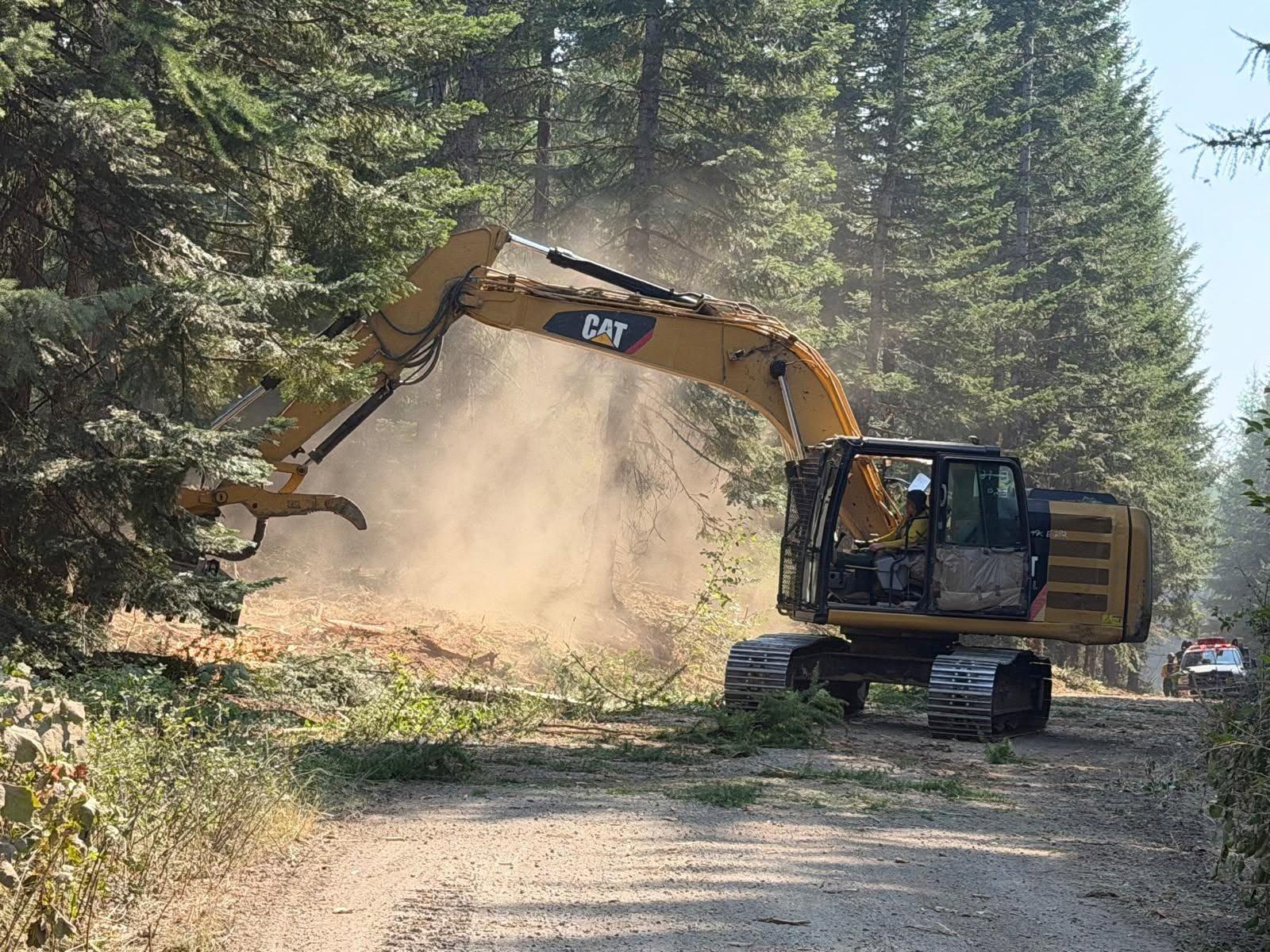




 The U.S. Endowment for Forestry and Communities (the Endowment) today announced five awards totaling $5.5 million through its Accelerating Wood Fiber Markets initiative. The five-year effort will help connect underutilized wood fiber with new buyers and support the long-term economic viability of working forests and the communities that rely on them. The Endowment committed $5 million to the initiative, with an additional $500,000 provided by the Northern Border Regional Commission through its Forest Economy Initiative to support work in Maine, New Hampshire, New York and Vermont. The funding opportunity drew significant interest from across the country. The Endowment received 76 proposals requesting approximately $86 million, underscoring both the scale of the market challenges facing forest-reliant communities and the demand for practical, locally driven solutions. “These organizations bring deep regional knowledge and practical strategies for creating durable markets,” said Matt Krumenauer, Vice President of Markets at the U.S. Endowment for Forestry and Communities.

 Scientists have identified a previously unknown frog species living in the seasonally flooded forests of the western Amazon. Named Adenomera varcena, the species adds to growing evidence that Amazonian biodiversity is even richer than it appears. The discovery also highlights the importance of cryptic diversity, in which animals that look nearly identical can actually belong to separate species. Researchers distinguished the new frog by combining several lines of evidence, including its DNA and distinctive call. The discovery grew out of field expeditions in the Upper Juruá River region of western Acre. Scientists surveyed forest fragments near the Moa and Crôa rivers, close to Cruzeiro do Sul. Confirming that the frog represented a new species required far more than simply examining its appearance. The team compared DNA data, recordings of its calls, body shape (morphology), habitat information, and specimens preserved in scientific collections.
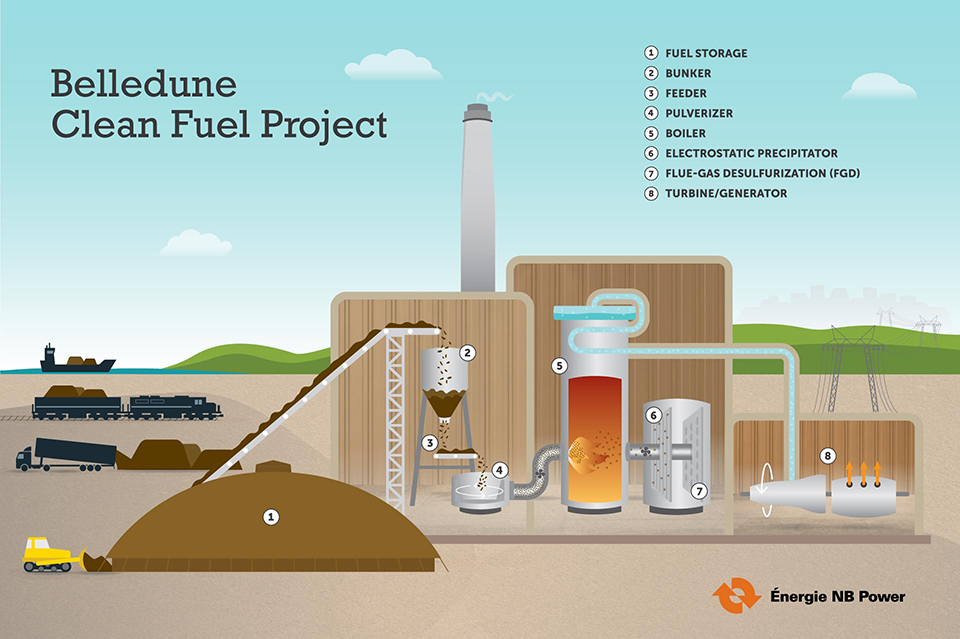
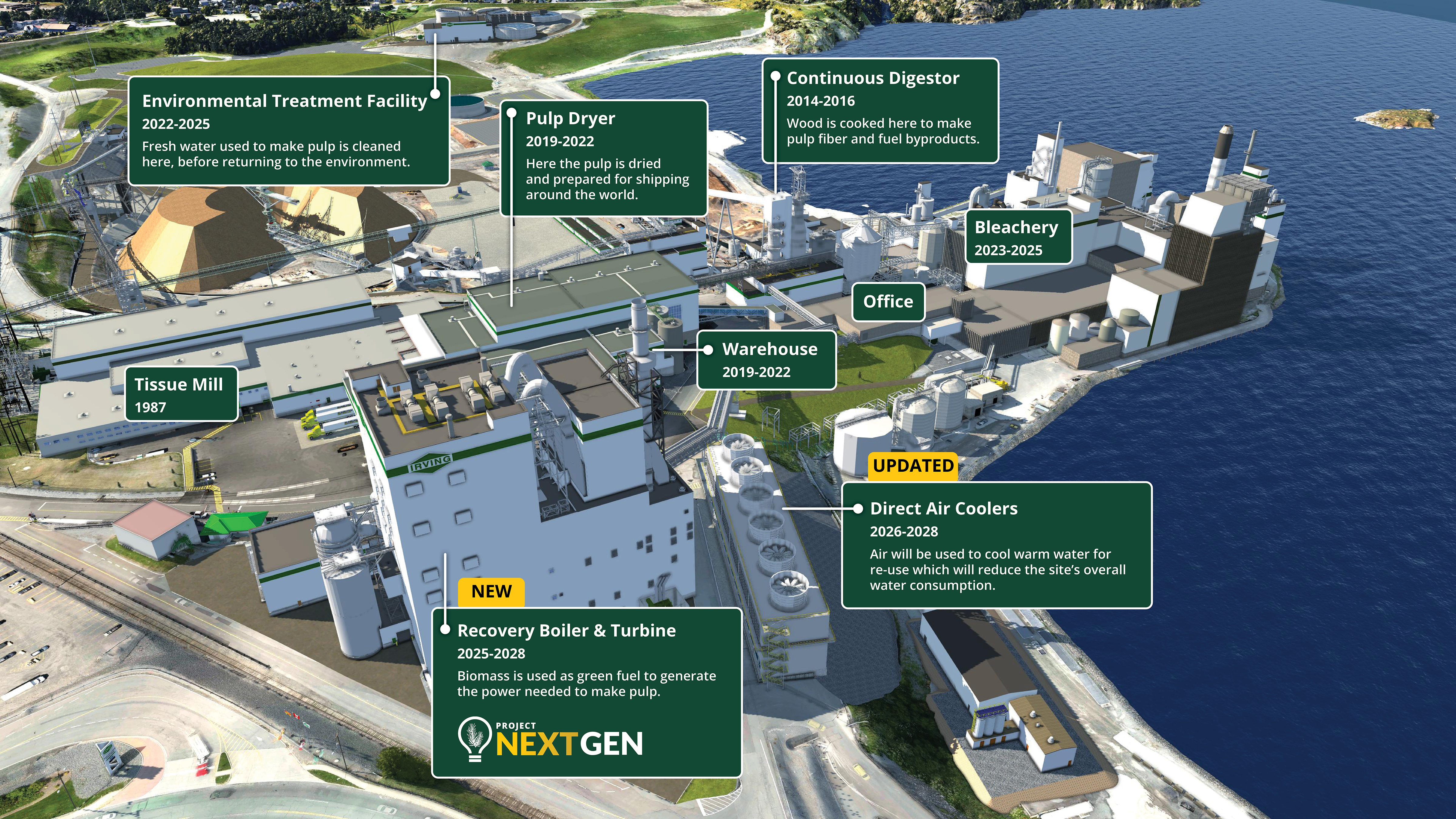
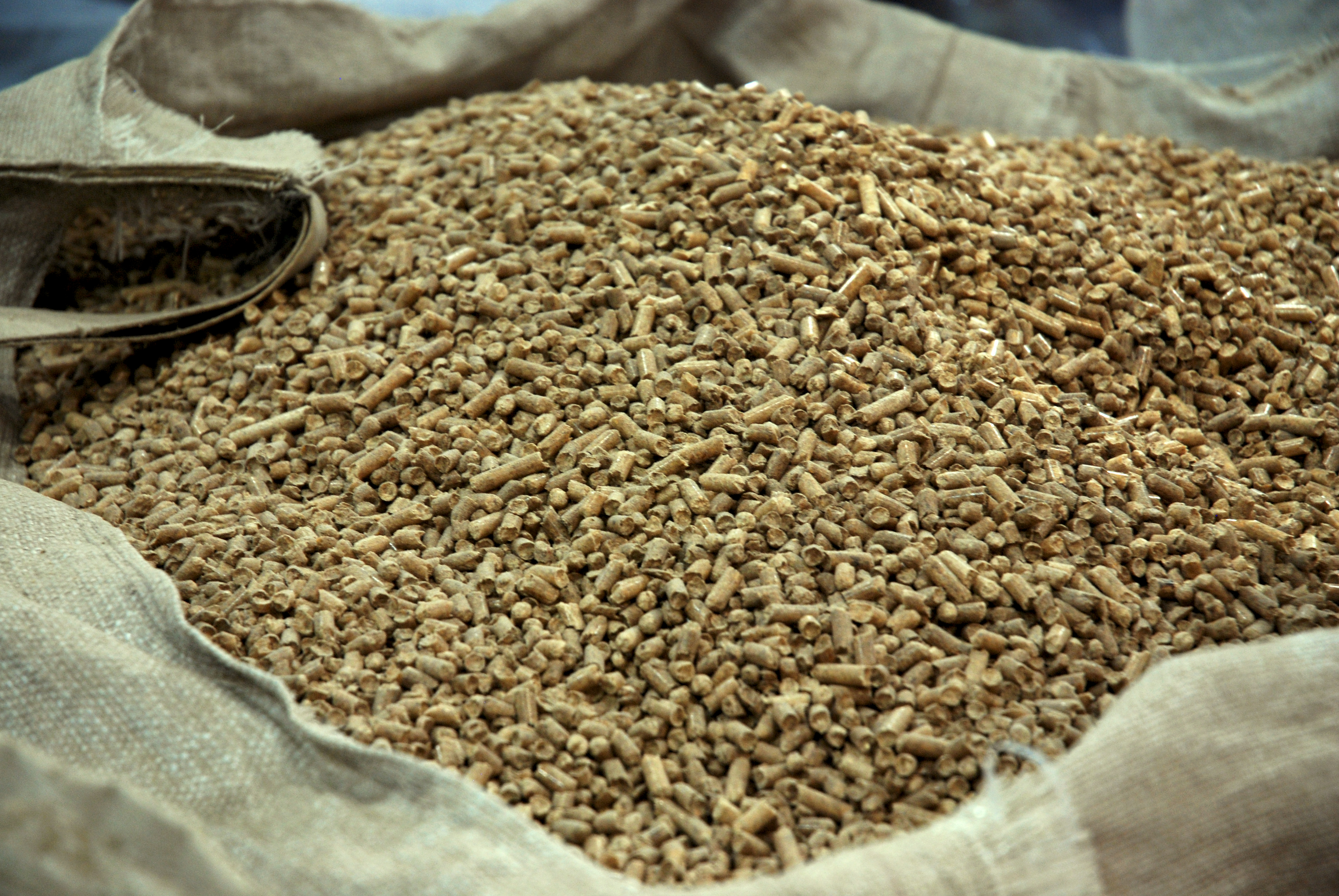 NB Power is pushing ahead with the conversion of its Belledune Generating Station from coal to biomass. A Thursday announcement is expected to reveal the proponents that will supply the repurposed power plant – one of New Brunswick’s largest – with 300,000 tonnes of wood pellets annually. Among them is expected to be a partnership proposing to build a torrefied wood pellet production facility at the Port of Belledune. “Once it’s officially confirmed, we are going to have a plant right at the port,” said Pabineau First Nation Chief Terry Richardson in an interview. “What’s great about this project is it’s Canadian technology, Canadian companies, and First Nations all partnering together.” Brunswick News reported in May on a partnership between Pabineau First Nation, Eel River Bar First Nation, Arbec Forest Products, and Airex Energy, a Quebec company proposing to build a torrefied wood pellet production facility at the Port of Belledune. [A Telegraph-Journal subscription is required for full access]
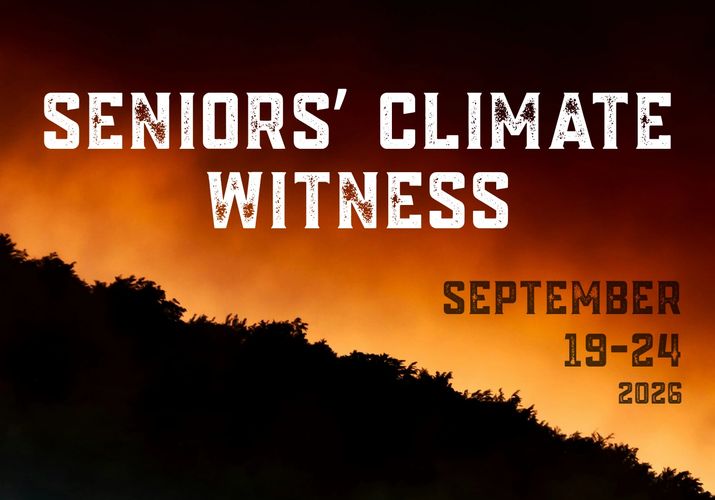
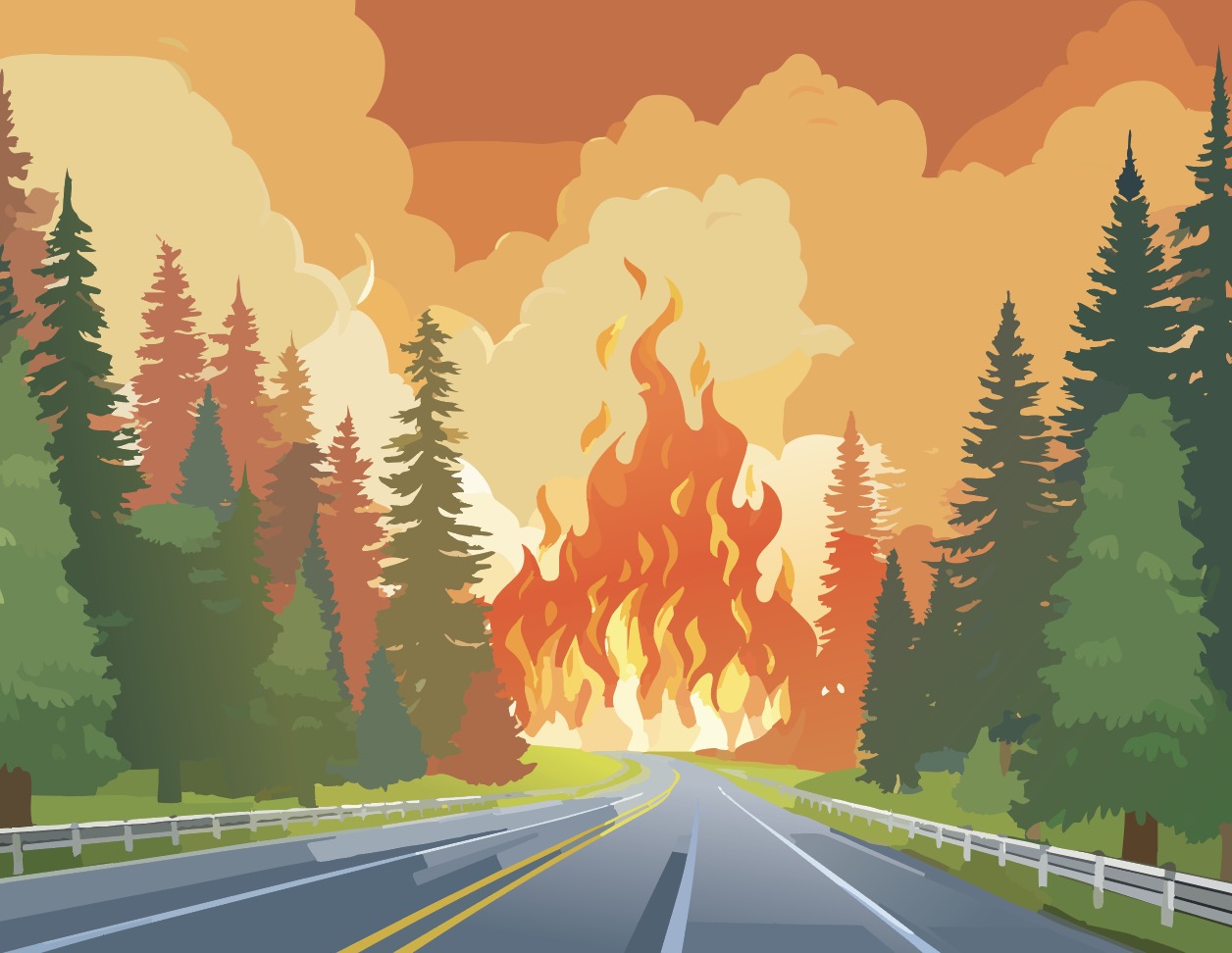 Our government could do something about climate change, but it refuses. In fact, most elected leaders and political candidates don’t even talk about it. As the fossil-fuel industry increasingly allied itself with Republicans to block climate action over the decades, Democrats became the party more willing to address it. But now, even many Democrats have gone quiet. As the November midterms approach, think tanks and consultants are advising them to avoid the topic global warming because “it is not a priority for voters.” The silence is called “climate hushing,” the strategic choice to avoid talking about global warming to avoid political backlash, polarization or economic anxiety. In other words, our elected leaders should avoid mentioning the huge elephant in the room, even as it gets more dangerous. Hardly an evening newscast goes by today without reports of major weather disasters and millions of Americans under threat of fire, flood, killer heat or other calamity.
  Two B.C. companies are receiving provincial support to deploy clean-energy technology that strengthens backup power reliability for general aviation aircraft in B.C., replacing diesel generators with battery storage to keep critical services, such as wildfire response, medical transport and search and rescue, running during emergencies. With as much as $1 million being provided through B.C.’s Integrated Marketplace, Abbotsford-based Fast Air will deploy a mobile battery and solar power system developed by Richmond-based Holinova at the Abbotsford International Airport. …The Fast Air-Holinova project is the second project launched under Integrated Marketplace’s Forestry Innovation and Emergency Management Testbed. Announced in December 2025, the Forestry Innovation and Emergency Management Testbed enables testing of technologies that may generate insights and data that could be implemented throughout the province. The data could provide insights to help: improve emergency response; improve resilience; streamline emergency processes; and build efficiencies in the forestry sector.


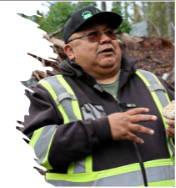 The BC Forest History Association Speaker Series. Jordon Gabriel, from the Líl̓wat Nation will present: Learning From the Land: Indigenous Knowledge, Forestry, and the Path to Reconciliation. We will explore how Líl̓wat knowledge and contemporary forestry practices are being brought together through cultural burning, wildfire risk reduction, fuels management, community forestry, and collaborative stewardship. Our key takeaway is that reconciliation in forestry must prioritize Indigenous voices, knowledge, and authority in land stewardship to support healthier forests, safer communities, cultural continuity, employment, and responsibility to future generations. Líl̓wat Forestry Ventures Ltd. is a leading forestry management corporation within the Líl̓wat Nation in Mount Currie, British Columbia. Jordon Gabriel, from the Líl̓wat Nation, is one of the Forestry Technicians helping to ensure sustainable management of the Nation’s forests and the preservation of all cultural values for generations to come. Jordon worked with the BC Wildfire Services for 20 years.