 Canada is pressing the European Union to ease its deforestation rules as the two sides pursue closer ties. In related news: Canada’s Ambassador wants relief for low-risk countries; while revised EUDR rules now exempt used timber, bamboo and rattan. In other Business news: Kimberly Clarke seeks EU approval of Kenvue deal; a BC court rejects a Teal-Jones transaction that would extinguish fibre agreements; CMHC says US tariffs could make more lumber available for housing; and a proposed US diesel export ban raises concerns for Canada’s economy, and Louisiana’s timber industry.
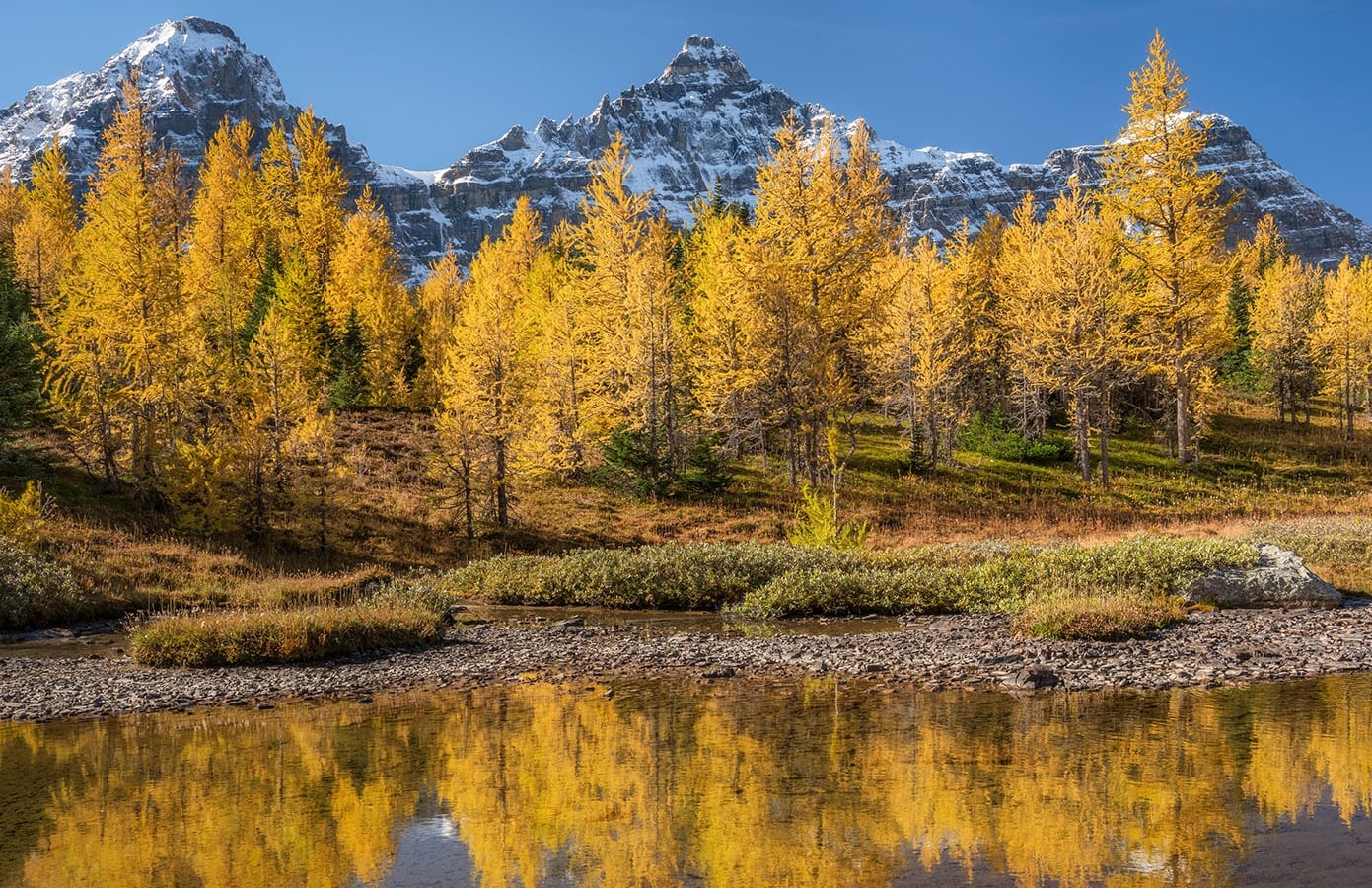
In Forestry/Climate news: Washington may join the California-Quebec carbon market; acres of California’s forest offsets are destroyed by fire; an insurance report says boreal fires impact US supply chains; the US Endowment supports markets for Tribal forest products; pellet experts warn of challenging years ahead; and Domtar supports Indigenous forestry students. Meanwhile: Charlotte breaks ground on a mass-timber firehouse; and a needleworm outbreak is taking the gold out of Banff’s famous fall larches.
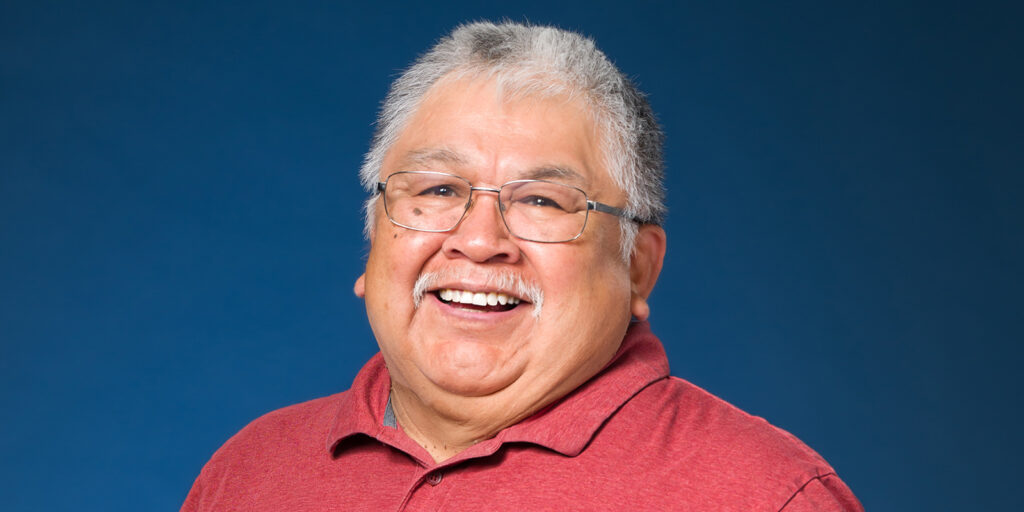
Finally, congratulations to Robert Kozak on his second 5-year term as Dean of Forestry & Environmental Stewardship at UBC.
Kelly McCloskey, Tree Frog News Editor
 The
The  The
The 

 In an early loss for the Carney government, a federal court refused to strike down a climate lawsuit brought by Canadian youth. Justice Patrick Gleeson sided with the young people and the environmental advocates who are asking the court to hear what could be a landmark case on the federal government’s climate accountability legislation. The ruling means the environmentalists will likely get their day in court where both they and the government will get an opportunity to argue whether the Carney government must update its climate plan, formally known as the Canadian Net-Zero Emissions Accountability Act. Back in June, three young people and two environmental groups launched a lawsuit asking the Federal Court to order Ottawa to amend its climate plan. Since the plan was first launched in 2022, the Liberal government under Prime Minister Mark Carney has eliminated key measures needed for Canada to achieve the 2030 target.



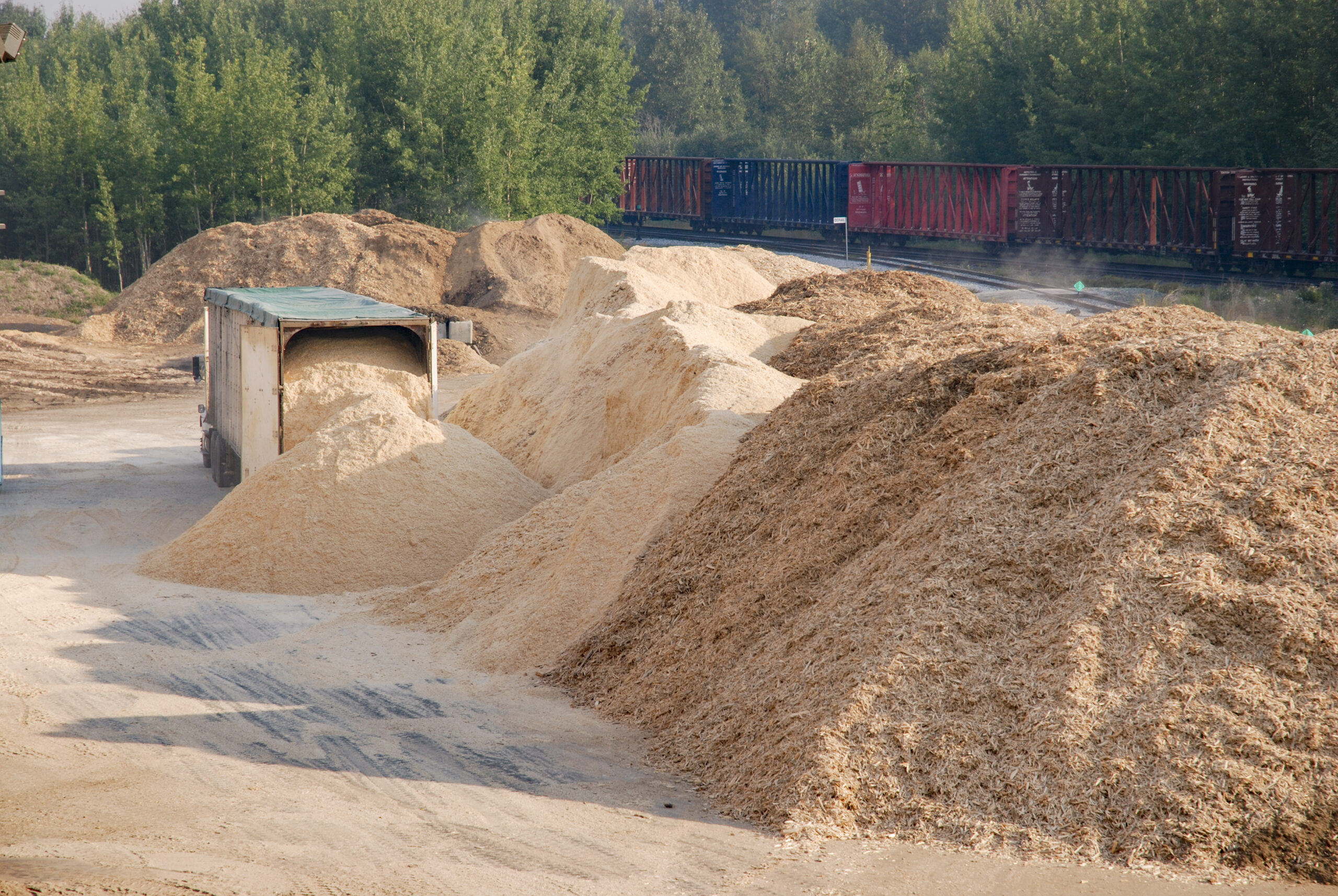 Fueled by supply chain interruptions due to war in the Middle East, diesel prices have reached historic highs in 2026, driving up operating costs across many industries and hiking prices for consumer goods. With narrow margins and significant volumes of feedstock to transport, biomass-to-energy facilities and wood pellet producers face a challenging financial equation. In August 2026, average U.S. diesel prices stood at $5.37 per gallon, according to AAA’s fuel price tracker. Supply chain disruptions due to conflict in the Middle East jumped significantly in 2026. U.S. Energy Information Association data has tracked this trend as diesel prices climbed from an average of $3.52 per gallon in January to $4.91 in March. Since then, prices spiked to $5.60 on average in May, rising to a crushing $6.31 national average by mid-September—an all-time record in the United States.
 New housing starts in England rose sharply in the second quarter of 2026. This came even as the number of homes granted planning permission continued to decline, according to figures published Thursday by the Ministry of Housing, Communities and Local Government (MHCLG). Builders started work on 35,910 new dwellings between April and June. That was a seasonally adjusted 6% increase on the first quarter and 20% higher than the same period last year, the department’s “Housing Supply: Indicators of New Supply” release showed. Completions, however, fell to 35,800, down 3% quarter-on-quarter, though still 1% above a year earlier. Over the same period, permission was granted for 212,000 homes in the year to June 30. That was a 12% drop from the 242,000 approved a year earlier, according to provisional figures MHCLG compiled with contractor Glenigan. …MHCLG estimates 196,900 net additional homes were delivered in England in 2025-26. That was a 6% fall from the previous year.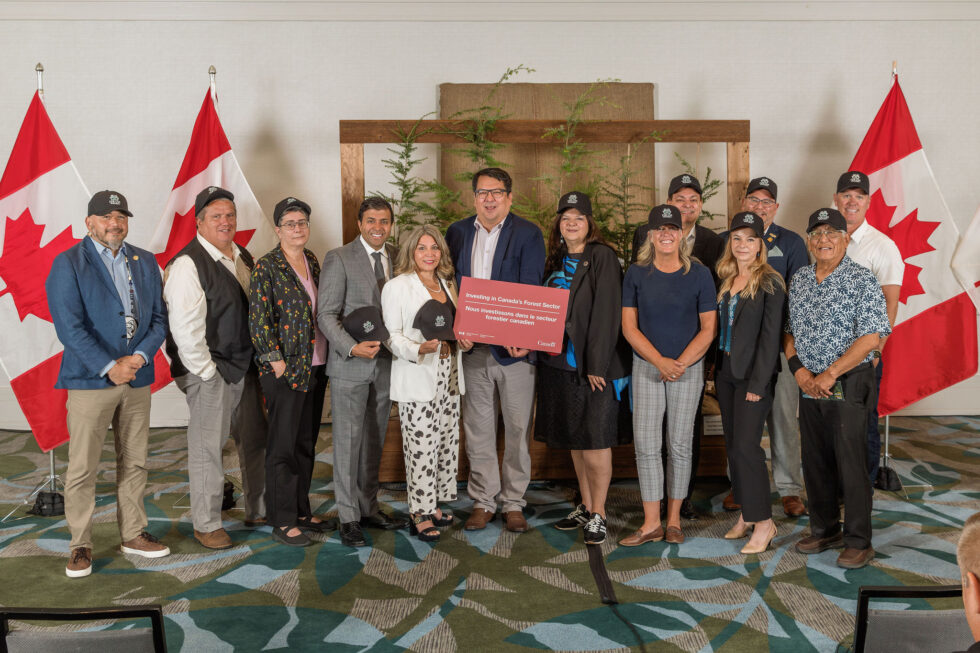


 As architects and interior designers balance sustainability goals with the growing demand for human-centred spaces, biophilic design offers an opportunity to support both people and the planet. Research continues to demonstrate the measurable benefits of biophilic design with wood, including improvements in wellbeing, occupant satisfaction and overall user experience. Explore this toolkit of resources and discover how to create healthier, more inspiring spaces.


 MONTRÉAL — Domtar is proud to announce a $25,000 contribution to Indspire’s Building Brighter Futures: Bursaries and Scholarships program. Helping to remove financial barriers, the program supports First Nations, Inuit and Métis students across Canada to pursue and complete post-secondary education. “Education creates opportunity and strengthens communities,” said Luc Thériault, Domtar’s President – Canada and CEO, Pulp and Wood Products. “We’re proud to partner with Indspire to help Indigenous students achieve their educational goals and create pathways to rewarding careers.” …Domtar’s contribution will be matched by the Government of Canada, doubling the impact of the donation and bringing the total value of support for Indigenous students to $50,000. …Indspire is a national Indigenous charity that invests in the education of First Nations, Inuit and Métis people. …Domtar has previously supported Indigenous students through Indspire’s Building Brighter Futures program, including students pursuing forestry and forestry-related studies.





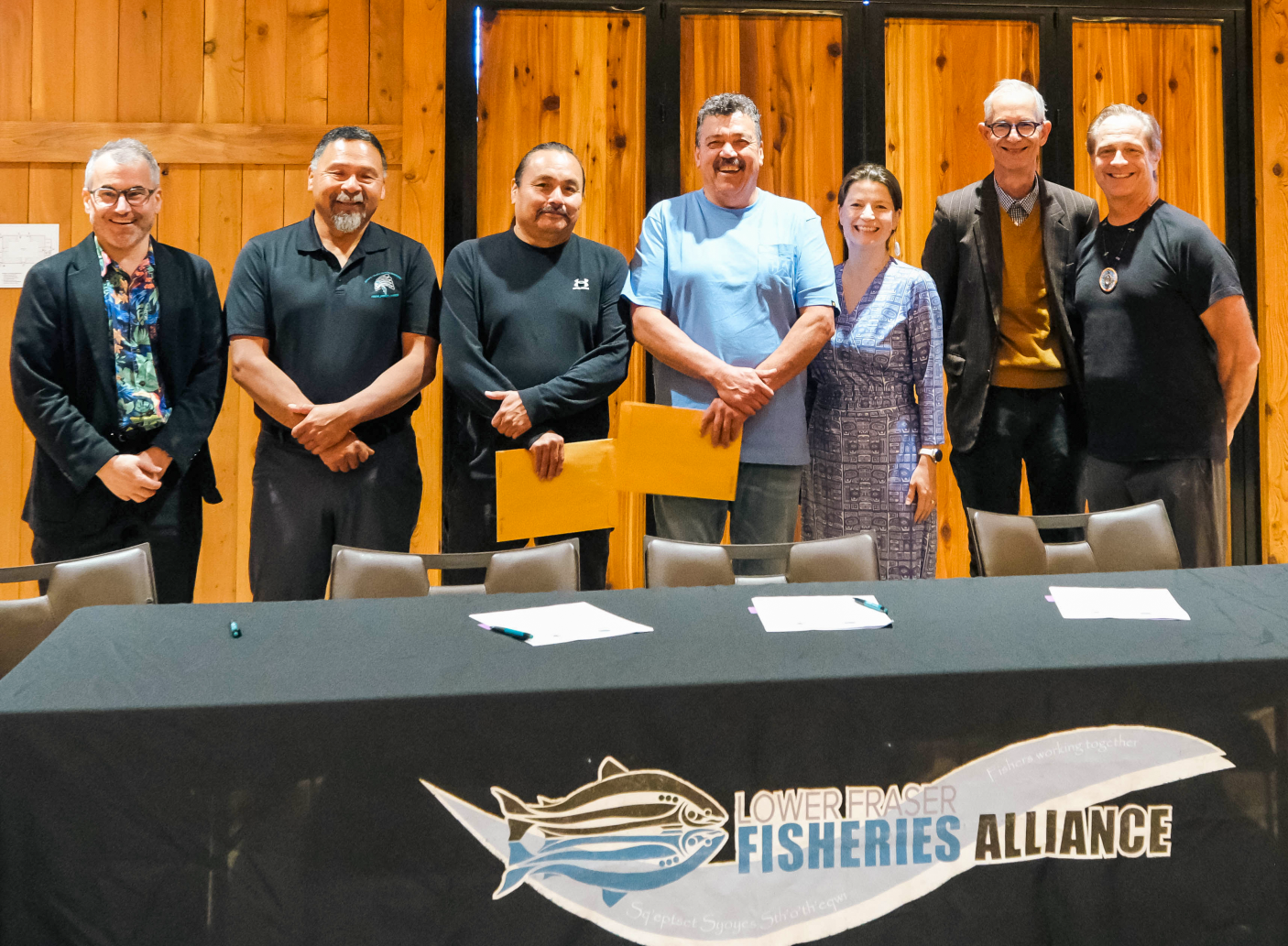 The University of British Columbia and the Lower Fraser Fisheries Alliance (LFFA) have signed a memorandum of collaboration to strengthen their partnership on fisheries conservation and research, resource management, and environmental stewardship in S’ólh Téméxw. The traditional and shared territory of the Stó:lō people spans the Fraser Valley and lower Fraser Canyon region of B.C. The agreement formalizes a long-standing research relationship between the Faculty of Forestry & Environmental Stewardship (FES), the Faculty of Science, the Institute for the Oceans and Fisheries (IOF) and the LFFA, a First Nations-led organization that advances the collective fisheries interests of 24 Lower Fraser First Nations. The partnership provides a framework for collaboration on a number of areas including strengthening work on long-term fisheries conservation including the health and sustainability of fisheries, aquatic resources and their habitats, with particular attention to the management of Fraser River fish.
  Drought and water-scarcity challenges persist in B.C., with some areas expected to remain affected through the winter and potentially into 2027. While some recent rainfall has provided local relief, the snowpack is forecast to be low in the coming months, so water conservation must continue through winter. People, businesses, farms, water suppliers, First Nations and local governments are being urged to continue conserving water and planning ahead. Communities, particularly those in and below areas affected by wildfire, should also prepare for flooding, debris flows, landslides and erosion during intense fall, winter storms. …While late-summer rainfall has helped calm conditions, the wildfire season is not over and large areas of the province remain at risk for wildfire activity, including the potential for increased activity in October.

 Filmmaker Murray Wilson responds to criticism of the documentary’s case for active forest management: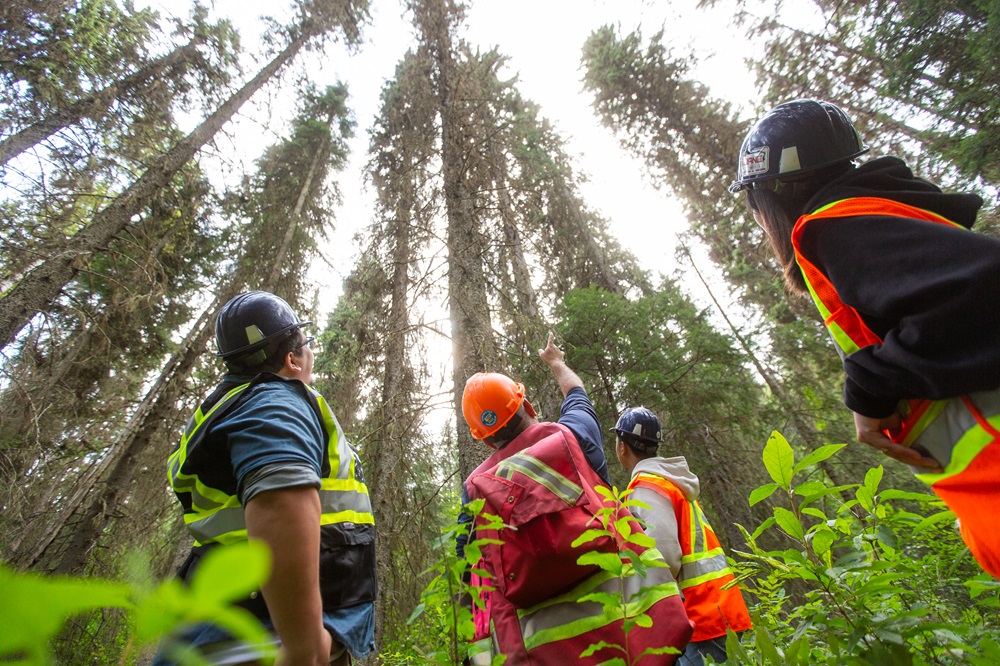





 HURKETT — The Ontario government is investing over $1.1 million in five projects that will increase Indigenous participation in forestry and build a stronger, more resilient forest sector. As part its plan to protect Ontario, the government is fighting back against unjustified U.S. tariffs and economic attacks by making strategic investments through the Forest Biomass Program that will support economic development and clean energy projects to help the forestry sector increase productivity and capacity, with the long-term potential to create over 200 good-paying jobs in the sector. …Since launching the Forest Biomass Program in 2023, Ontario has invested close to $5 million in 22 projects under the Indigenous Bioeconomy Partnerships funding stream. The government’s latest investments will build a more resilient forest sector by developing projects with the potential to add annual demand for over 100,000 tonnes of mill by-products and underused wood, known as forest biomass.
 The U.S. Endowment for Forestry and Communities (the Endowment) today announced $500,000 in awards to CTrees and Spatial Informatics Group (SIG) through its Technology Solutions to Improve Forest Health and Forest Management initiative. CTrees will receive $300,000 to develop Forest Asset Intelligence: The Wood Triangle, while Spatial Informatics Group will receive $200,000 to develop and deploy the Planscape Bioeconomy Module. The initiative supports practical technology solutions that can improve forest health outcomes, strengthen wood markets, support forest management decision-making and increase operational effectiveness. Projects were also evaluated for their potential to be applied more broadly across regions, ownership types and markets.
 A recent
  BILLINGS, Mont. — Killing endangered animals while logging a forest or building a dam would not be considered illegal unless the animals were specifically targeted, under a new interpretation of the Endangered Species Act by President Donald Trump’s administration that marks a sea change in how the landmark environmental law is enforced. A directive sent to U.S. Fish and Wildlife Service employees this week says imperiled animals or plants must be intentionally targeted for their killing to be considered illegal. That’s a sharp turnaround from past practice at the wildlife service… Experts said the change would allow timber companies to log forests in the Pacific Northwest even if they knew that doing so could kill imperiled birds nesting in the trees…. …Under the new law, only people acting directly against animals, such as hunters, trappers, anglers and perhaps pesticide users would need permits, said Sandi Snodgrass, an attorney with Holland and Hart in Denver…
 PORTLAND — Sustainable Northwest (
 There is a giant misconception regarding the way we manage our forests here in Northern California. …Recently, there has been a lot of talk of two harvest plans in the Charlie Creek area of Branscomb. I’m very familiar with this area and the work being done around it. An organization has sued Calfire over approved harvest plans that surround Charlie Creek. So I simply want to lay out what is being said by the organization’s website, in local news outlets, and what is actually occurring. First off, every timber harvest plan in the state of California goes through an extremely rigorous process before work begins. …The “experts “ from the other side who claim the whole mountain is gonna fall into the creek, have never set foot or eye on plan area. …The two Branscomb harvest plans currently in the courts are fully compliant following the strictest regulations …Here is the truth about the two plans in lawsuit.
 The agency gave the public one week to weigh in on plans to log 5,000 acres of the Akawa Butte Fire burn area. The Trump administration is seeking to fast-track logging in forests recently burned by wildfires in a policy shift that’s starting with Central Oregon. The U.S. Forest Service aims to log about 5,000 acres in the Deschutes National Forest where the Akawa Butte Fire burned this summer. The agency gave tribes, counties and the public just one week to weigh in, with a deadline of just before midnight Monday. Similar projects typically include a 30-day public comment period. The proposal to log the Akawa Butte Fire burn area relies on a new policy that allows the Forest Service to fast-track logging recently burned forests. Forest Service officials say they need to act quickly to remove dead and dying trees that could become fire fuel later on. …Environmental groups say the Forest Service is rushing a sensitive process.
 Oregon — U.S. Sen. Jeff Merkley and Rep. Andrea Salinas have introduced legislation that would transfer 18,626 acres of federal forestland to the Confederated Tribes of Grand Ronde, a federally recognized tribe in western Oregon, amid concerns from conservation groups about the extent of logging and potential impacts to wildlife habitat. The legislation is part of a larger push by tribes across the U.S. to regain ancestral lands. Such land transfers have been rare in Oregon, where tribes retain only a small fraction of their historic territories. The bill is backed by all seven Democrats in Oregon’s congressional delegation who said it addresses historic dispossession and will allow the tribe to sustainably manage the land and boost economic opportunity in the region. Other supporters are U.S. Senator Ron Wyden and representatives Suzanne Bonamici, Val Hoyle, Maxine Dexter and Janelle Bynum. [A subscription to the Oregonian is required for full access]
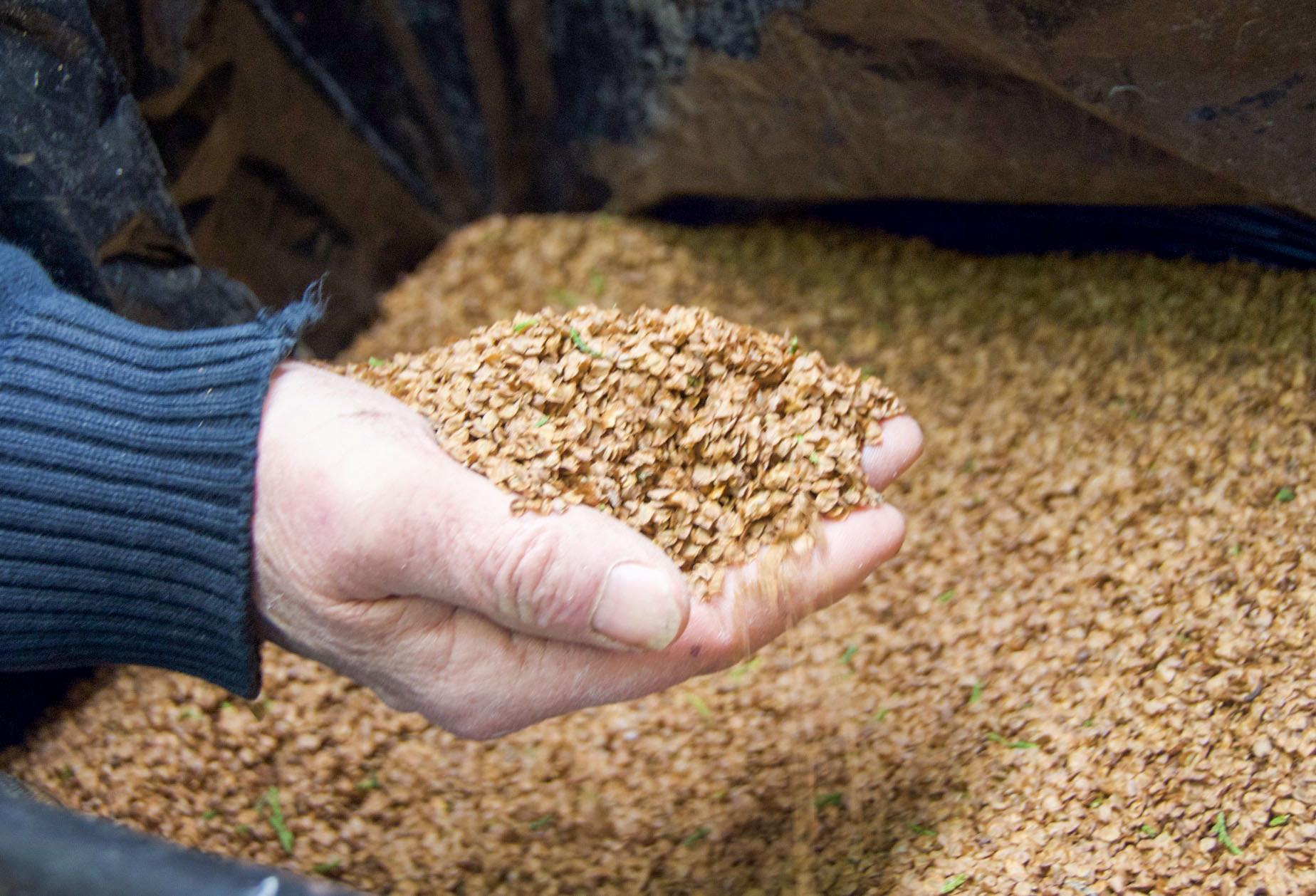 The Minnesota Department of Natural Resources has completed aerial seeding via helicopter to disperse jack pine, white pine, tamarack and black spruce seeds on
  Vermont utility regulators are temporarily softening environmental rules at Vermont’s two wood-burning power plants to help stabilize the logging industry. State officials say the $2.3 billion wood products industry is in a perilous situation after one of the region’s largest paper mills announced in July it will no longer purchase local wood scraps to make its paper. The rule change, announced earlier this month, will allow McNeil Generating Station in Burlington and Ryegate Power Station in the Northeast Kingdom to buy wood that had been destined for that paper mill, even if it comes from timber harvests that have not been inspected by fish and wildlife officials for impacts to wetlands and habitat for endangered species. The Finch Paper Mill in Glens Falls, New York, used to buy some 2,000 tons of “pulpwood” scraps from Vermont loggers and mills each week before its July announcement.

 During the Wood Pellet Association of Canada 2026 Conference in Victoria, B.C., the Emerging Competition & Market Dynamics panel discussion focused on the global wood pellet market and how it is entering a period of rapid change and intensifying competition. …the panel was comprised of Hannah Adler, Argus Media; William Strauss, FutureMetrics; Manolis Karampinis, Bioenergy Europe; and Didzis Palejs, Latvian Biomass Association. The panel addressed the potential for long-term oversupply in the wood pellet market caused by the expected reduction in demand from the Drax Group’s power station in the U.K. …While the wood pellet sector is expected to go through a few rough years, Strauss believes the future for the sector remains bright. …While Japan remains a key customer of wood pellets for Canada, Adler said that demand has slowed down with the phasing out of the Feed-in-Tariff and Feed-in-Premium schemes.
 Taking the stage at Climate Week in New York City, California Gov. Gavin Newsom announced his authorization to move forward with linking Washington into its carbon market that’s shared with Quebec, Canada, the next-to-last step in California’s process to complete the merger. On the same day, Washington state officials completed the rulemaking process to allow the linkage. California and Quebec will still need to complete regulatory changes, the final step, before merging can occur. In June, the three jurisdictions signed a linkage agreement to fully join operations in 2027. Washington hopes that joining the older and well-established carbon market will stabilize prices for businesses, which have swung wildly in recent years on the state’s 5-year-old market. …For more than a decade, California’s carbon market has sought to cut climate pollution by setting a cap on greenhouse gas emissions and requiring major polluters to buy allowances to cover their share of emissions. In 2014, its market linked with Quebec.
 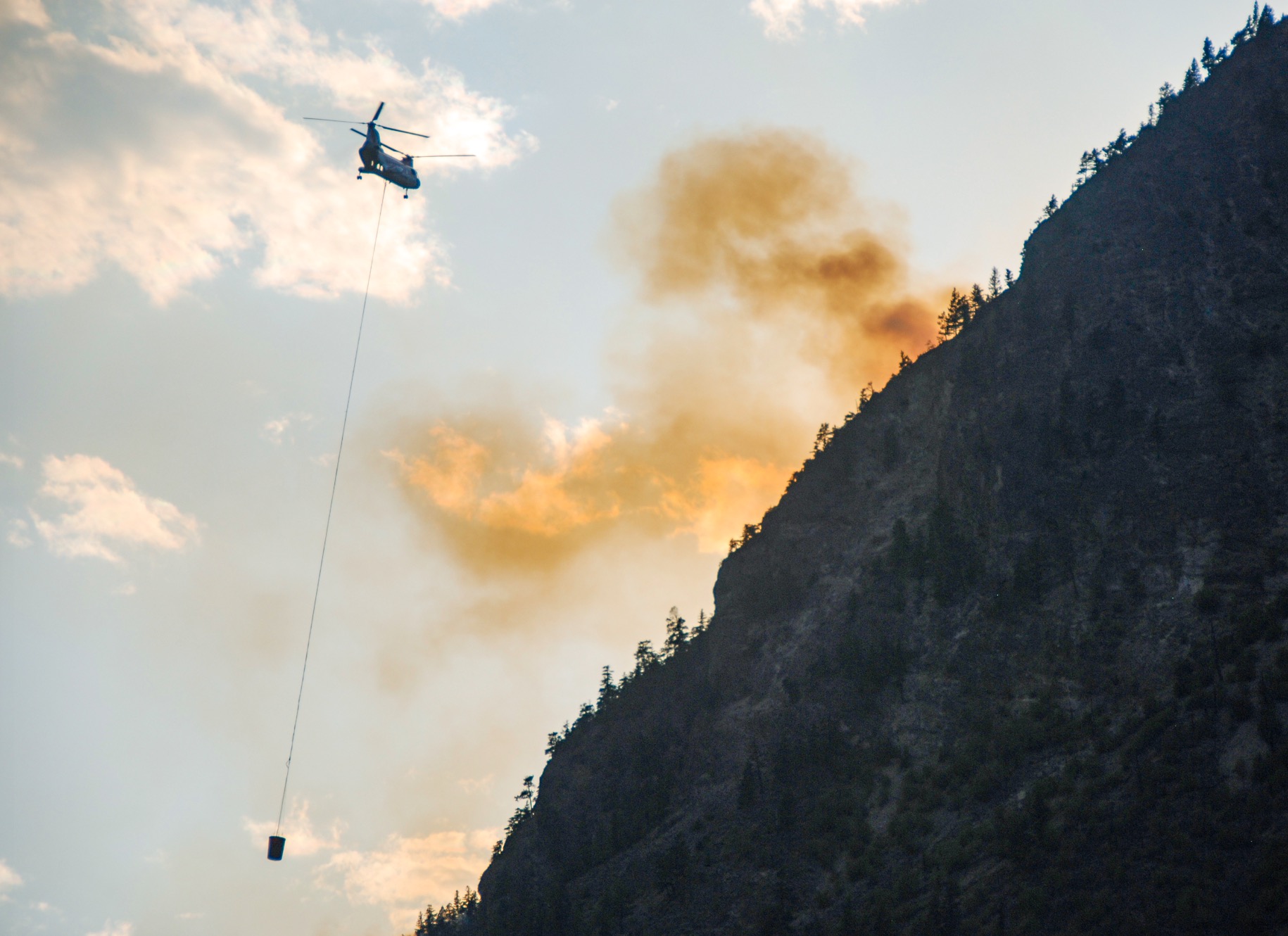 The wildfires that have raged across Oregon and Washington this year burned millions of acres. But beyond the immediate destruction, the fires have destroyed something less visible: tens of millions of dollars in California carbon credits, paid for by businesses and consumers under the state’s climate mandates. The fires have scorched tens of thousands of acres enrolled in forest-carbon projects under California’s cap-and-trade program. The system allows companies to meet part of the state’s climate rules by purchasing credits from forest owners… sometimes outside of the state. The destruction is the latest evidence that California’s forest-offset program is ineffective at best, counterproductive at worst. …California has tried to account for wildfire risks by establishing a “buffer pool,” to which each project is required to contribute as a kind of insurance policy. When a fire destroys a forest-carbon project, credits from the pool are canceled to cover the loss. But this approach has proven inadequate.
  Don’t miss this highly anticipated session with Lars Kjellberg at CELCO 2026. Fifteen years ago, the dissolving pulp industry was entering what many believed would be a golden age. Demand forecasts pointed to unprecedented growth. Prices surged to record levels. New investments poured into the sector as producers rushed to capture what appeared to be a once-in-a-generation opportunity. But what actually happened? At CELCO 2026, renowned industry and financial markets expert Lars Kjellberg will take attendees through one of the most fascinating chapters in dissolving pulp history and explain why the industry’s next phase may look very different from the last. More importantly, Lars will share his perspective on whether the industry is now entering a period of tighter supply-demand balances, improving pricing conditions, and stronger returns.
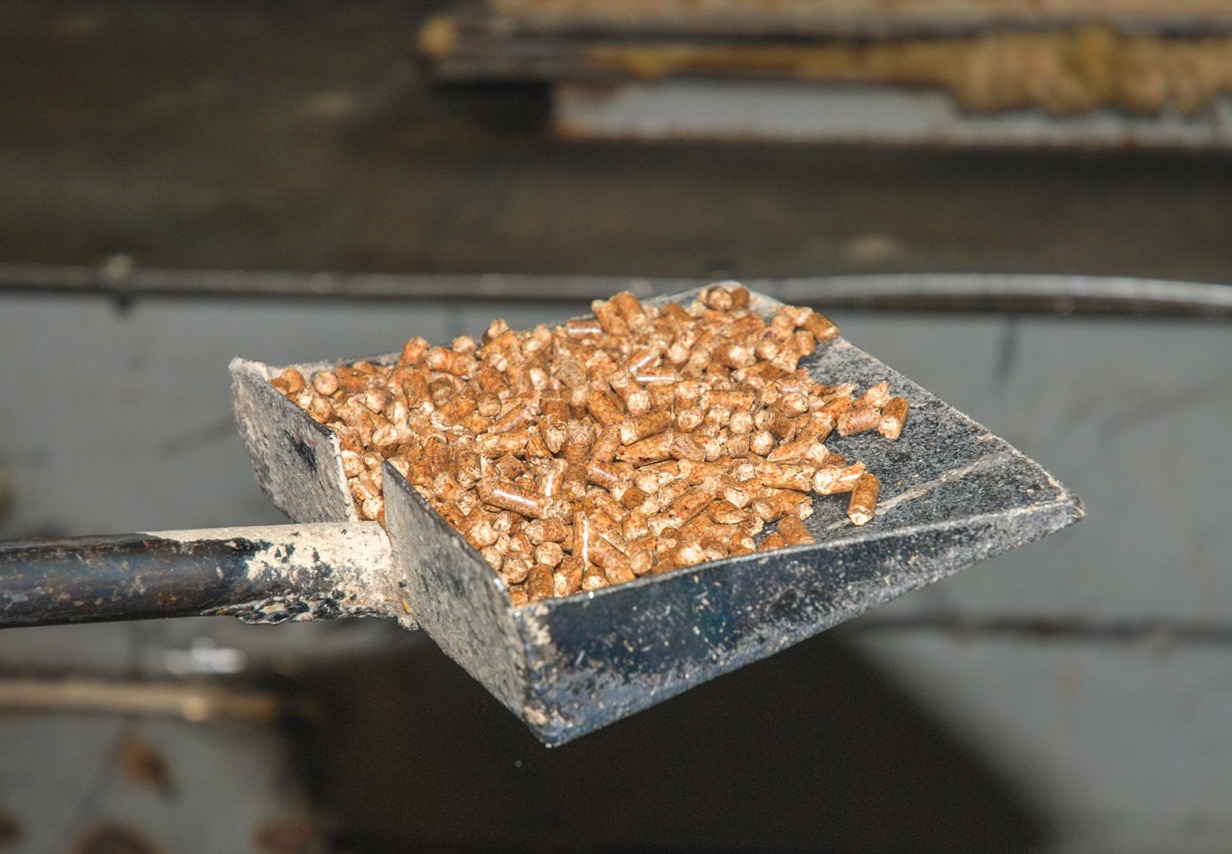 Aden Pellet Enerji, a subsidiary of Pasifik Holding, has completed an export shipment of 3,375 tonnes of Green Planet branded wood pellets from its production facility in Giresun’s Espiye district, dispatched via 125 containers through Giresun Port to buyers across the European Union and the United Kingdom, with Italy and Slovenia identified as primary destinations. The shipment forms part of an ongoing export programme rather than a standalone transaction, with Pasifik Holding indicating that Aden Pellet’s international commercial operations continue on an established basis. This positions the company within Turkey’s growing wood pellet export sector, which has increasingly targeted European biomass markets as demand for solid biofuel continues to be shaped by EU renewable energy directives and member states’ efforts to reduce reliance on fossil fuels for heating and power generation.
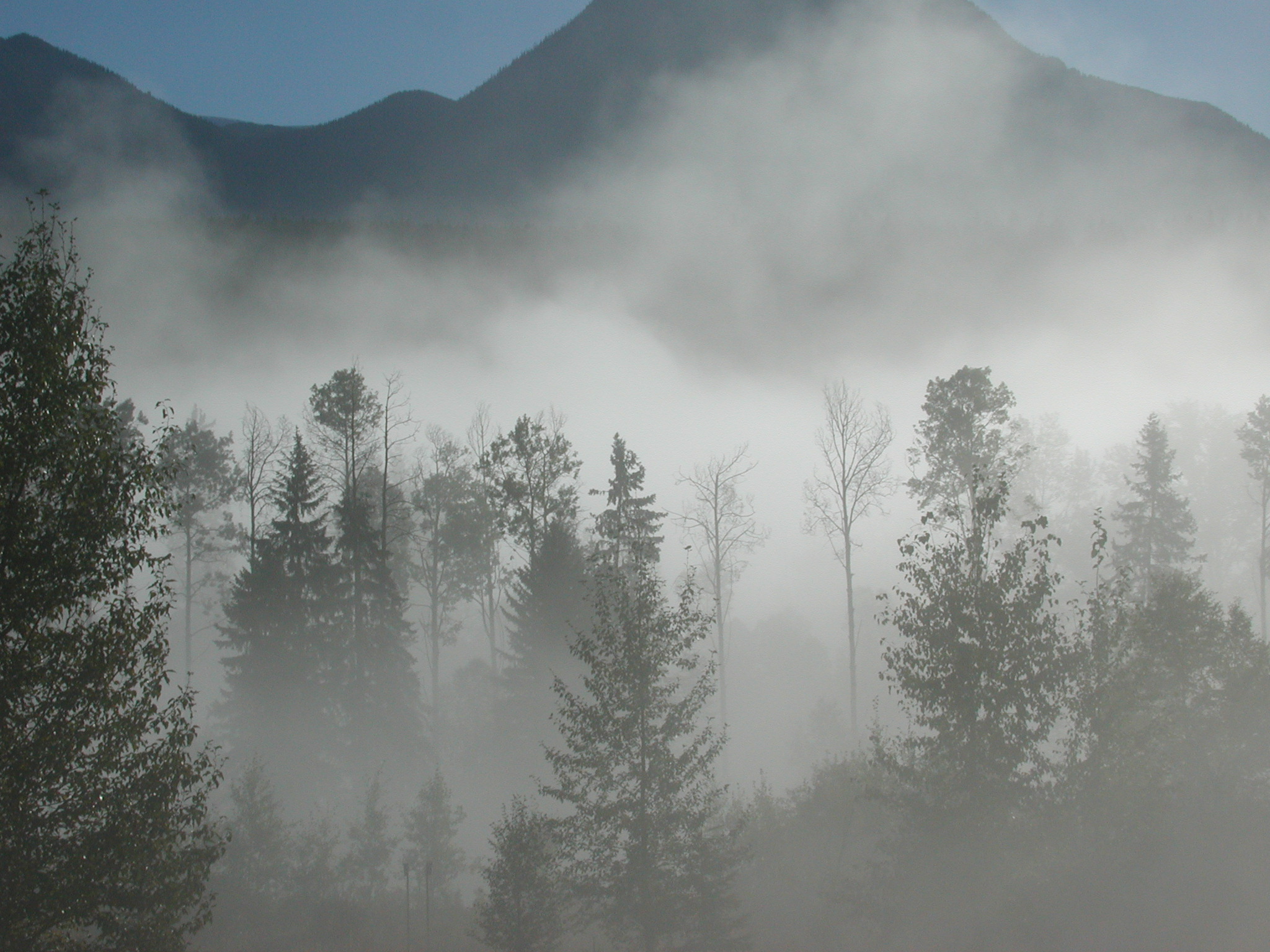 Do forests cool the planet or warm it? It’s a deceptively simple question with no clear answer. The catch is that the same forest can push climate in opposite directions at once. Forests are widely viewed as climate change mitigators—and planting trees as a partial climate solution—because they absorb carbon dioxide. Yet that framing is incomplete. Trees also release reactive gases called biogenic volatile organic compounds (BVOCs) that can influence cloud formation, contribute to air pollution, and extend the atmospheric lifetime of methane, a greenhouse gas that can trap about 80 times as much heat as carbon dioxide. …Whether forests cool or warm the planet depends on how BVOCs behave once they leave the foliage. From there, the normal steps of plant metabolism synthesize and release BVOCs. …The Model of Emissions of Gases and Aerosols from Nature estimates BVOC emissions by combining information about terrestrial vegetation with data on environmental conditions that influence emissions.