 Domtar’s Howe Sound pulp mill is expected to reopen in mid-October after BC and the company reached a restart agreement—while the Truck Loggers and Unifor welcomed the news. In related news: a New Brunswick plan follows the closure of AV Group’s pulp mill; investments bring back mill jobs to BC’s North Cowichan; the deadline has arrived for a White House update on hardwood tariffs; and the NAHB says housing headwinds will intensify heading into 2027. Meanwhile, Trump’s trade war redraws the New Brunswick-Maine border; and Sappi North America announced that Kirk Ross will succeed Mike Haws as CEO.
In Forestry/Climate news: proposed changes to US endangered species protections are raising concerns; a growing coalition is challenging the US repeal of GHG rules; Mosaic is undertaking a recreation access pilot near Sooke, BC; Salmon Arm, BC is pursuing a community forest tenure; and Bjørn Lomborg opines on the costs and trade-offs of climate policies. Meanwhile: Washington seeks support to conserve old-growth; industry wants active management in Oregon’s Blue Mountain Forest Plan; Oregon has begun removing barred owls to protect spotted owls; and Maine highlights forestry practices that protect water quality.
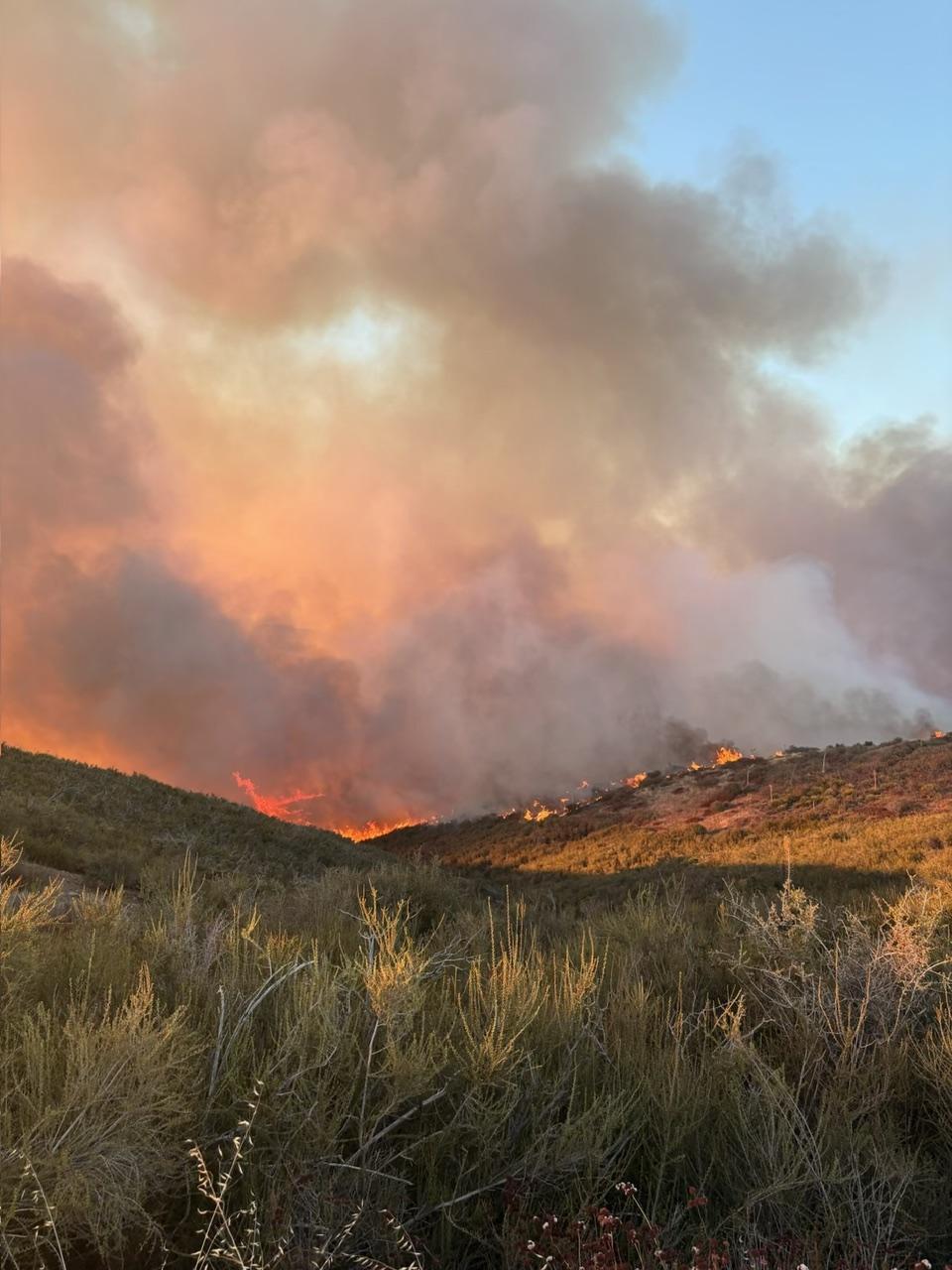
Finally, Algeria has adopted the death penalty for forest arson following deadly wildfires.
Kelly McCloskey, Tree Frog News Editor
 The UN’s 2026 edition of




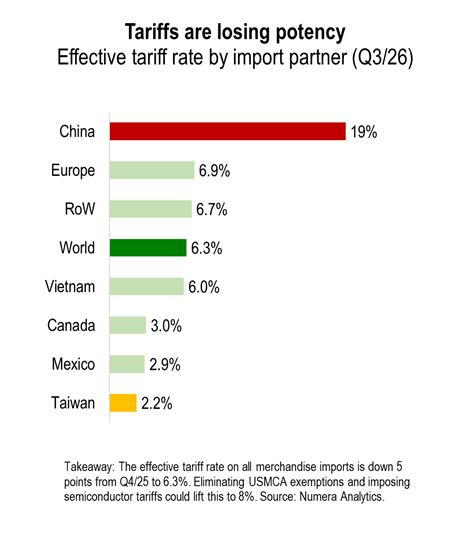
 Washington, D.C. — A steep decline in hardwood exports, the growing popularity of man-made wood alternatives and surging fuel prices have been battering the American hardwood lumber industry. In Kentucky, 78 wood industry facilities, mostly sawmills, have closed in the last four years, according to the University of Kentucky Department of Forestry and Natural Resources. The U.S. relationship with China has been a major source of the industry’s problems and a focus of proposals to address them. China once bought about half of U.S. hardwood exports, according to the Hardwood Federation. Then, eight years ago, President Donald Trump slapped tariffs on imports from China, and China retaliated with tariffs on hardwood and other American imports. The reciprocal tariffs were eventually rolled back, but China’s purchases of American hardwood never returned to their previous levels. …advocates are pushing for lawmakers to pass legislation for $12 billion in agriculture relief, including $200 million for the hardwood industry.

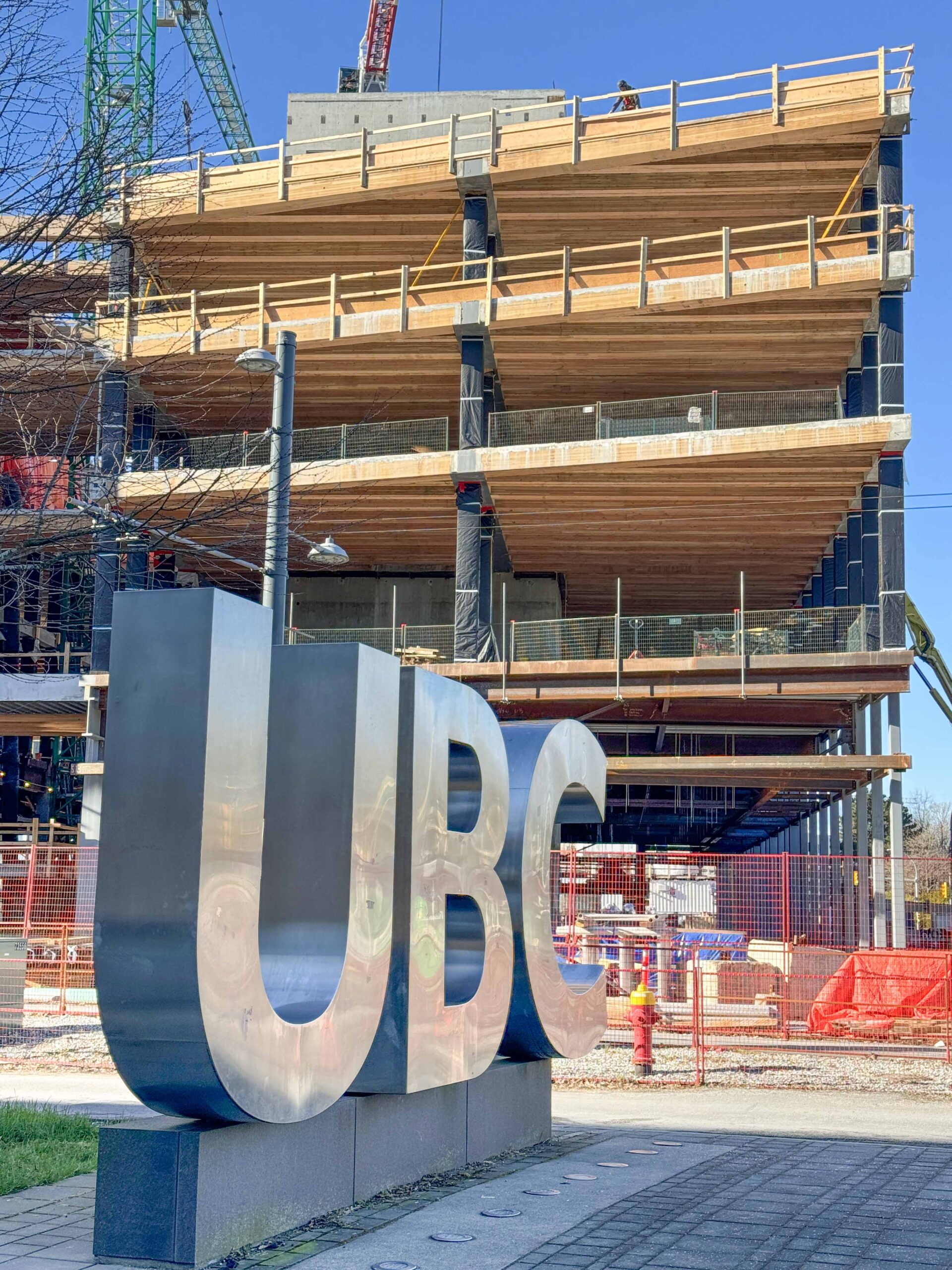 The University of British Columbia’s new MacIsaac Health Building is the first project on the Vancouver campus to achieve Canada Green Building Council Zero Carbon Building—Design Standard v2 certification. Designed by Perkins&Will in partnership with Danish partner Schmidt Hammer Lassen, the approximately 25,000 m2 facility brings together nursing, kinesiology, student health and well-being, clinical teaching, research, and academic space. Carbon reduction informed the project’s design and construction strategies. The building also achieved LEED Gold certification. A high-performance envelope is intended to reduce energy demand, while natural-ventilation strategies and heat-recovery systems support operational performance. The project team also completed a whole-building life-cycle assessment to identify opportunities to reduce embodied carbon. Material selection also played a major role. Mass timber forms a key part of the structure and provides exposed timber finishes throughout the building. According to the project team, the material selection helps reduce embodied carbon while referencing Pacific Northwest building traditions.




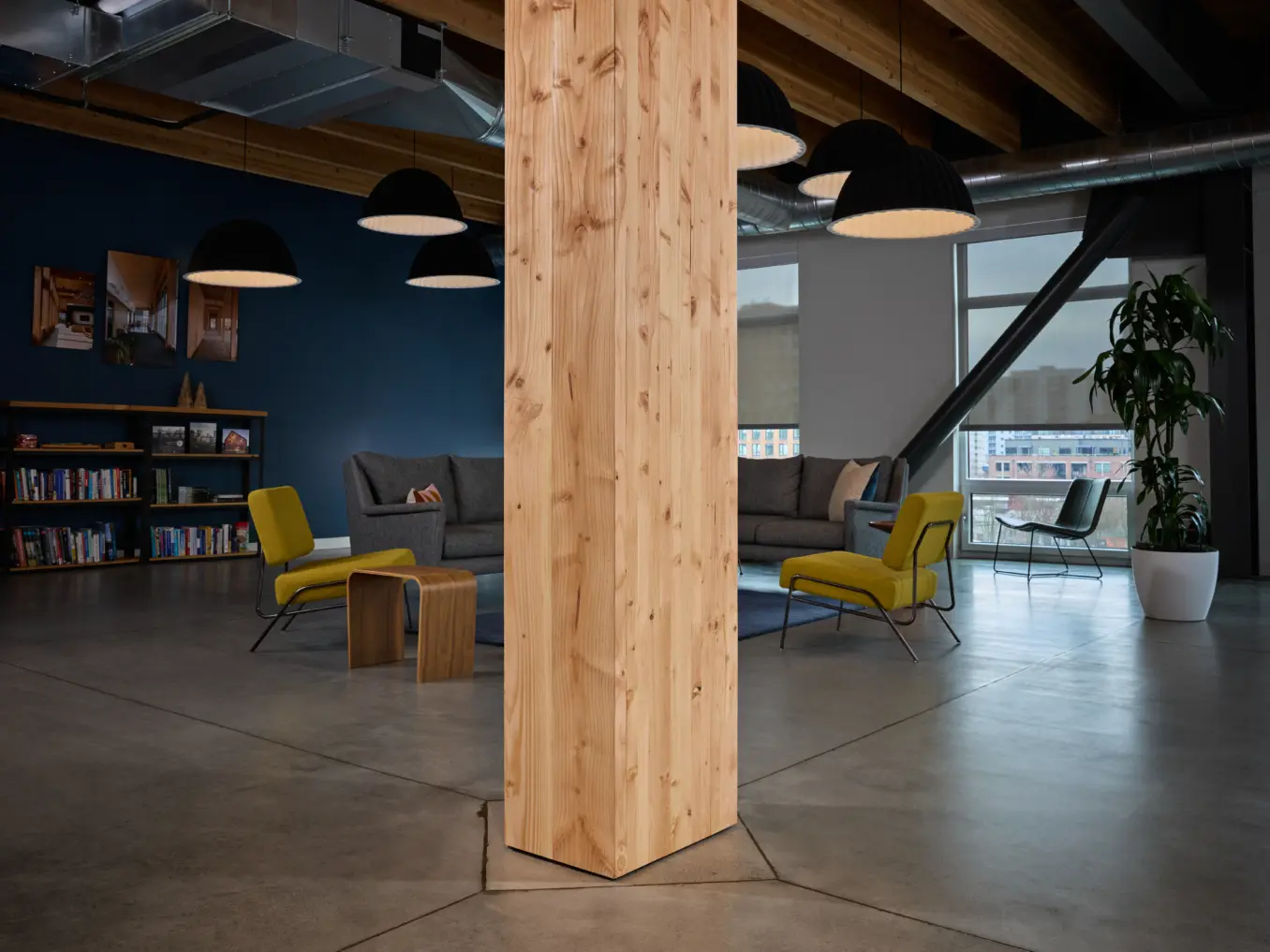
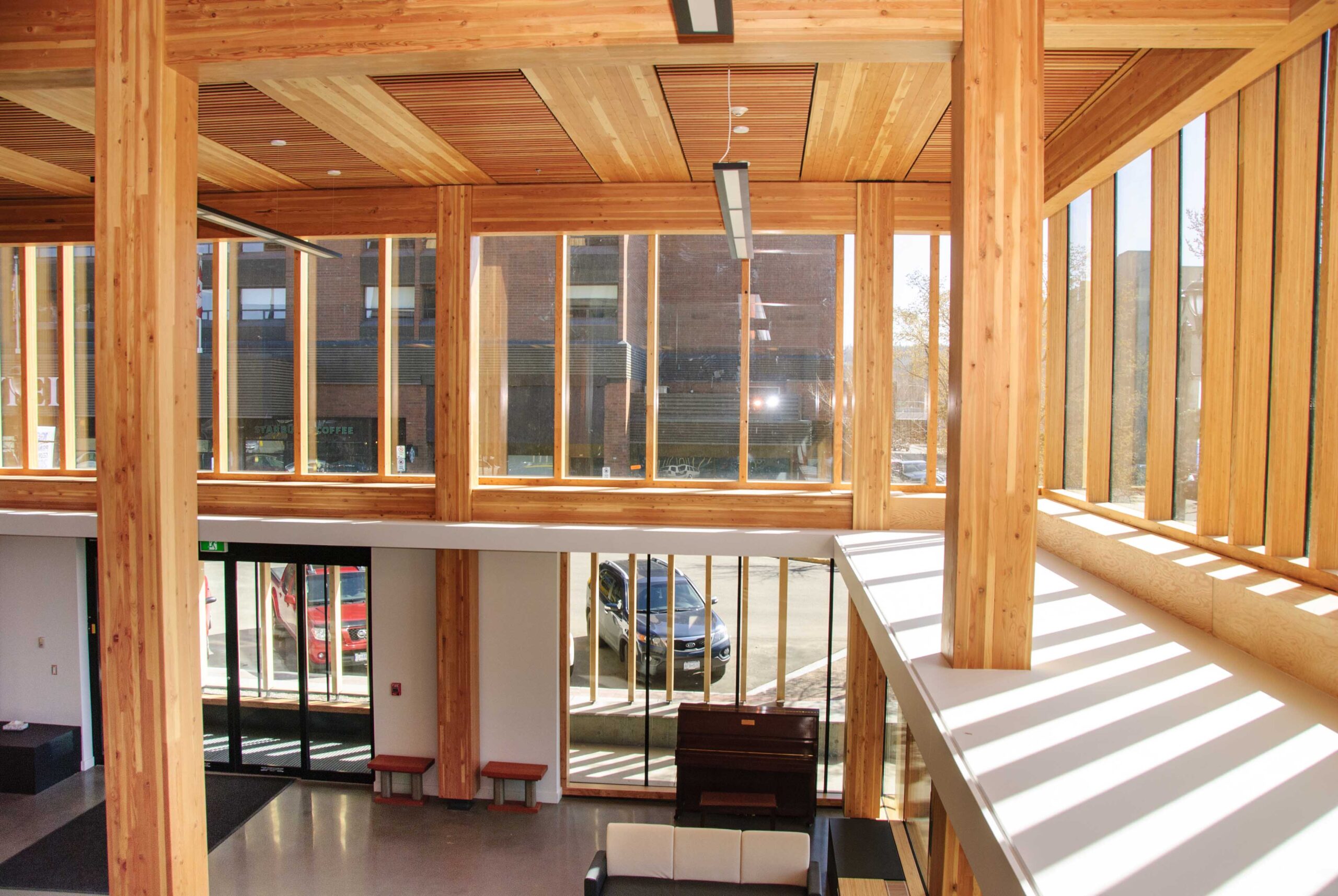 Work to increase the use of timber in construction in Ireland has entered the “next phase” with the first meeting of a group tasked with delivering on this government ambition taking place. …The group is responsible for delivering the seven priority recommendations from a report by the Timber in Construction Steering Group.

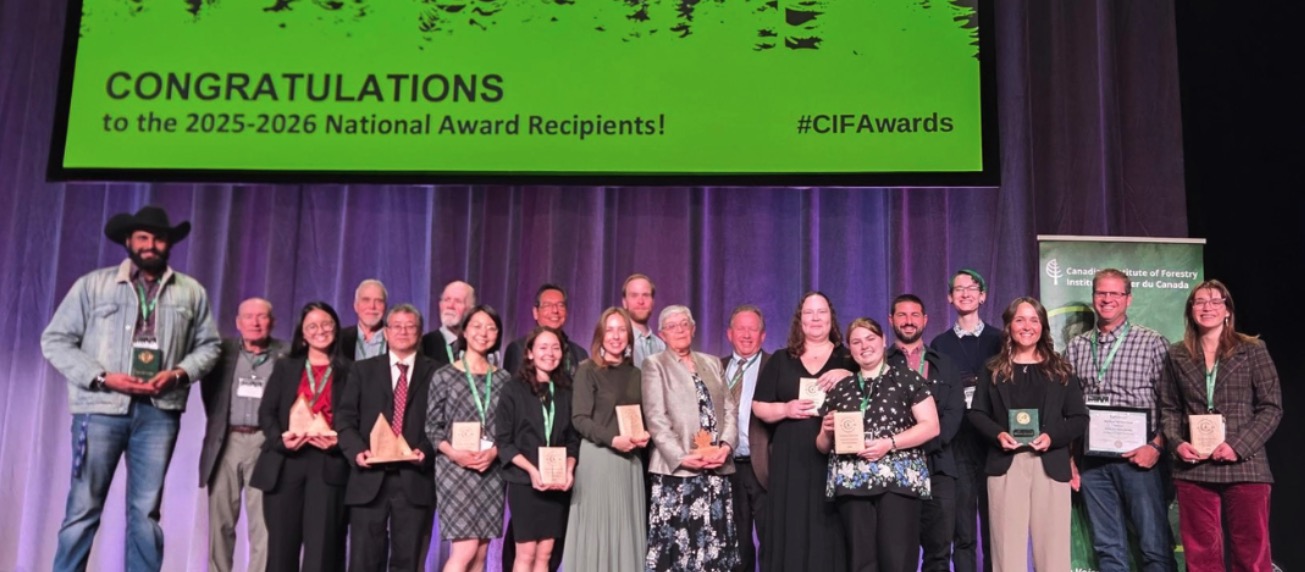 Edmonton, Alberta – The Canadian Institute of Forestry (CIF-IFC) is pleased to announce the 2026 National Award recipients. Recipients have earned distinction through demonstration of exceptional achievements in the field of forestry. The Awards were presented at the Annual National Awards Ceremony and Banquet on September 28 in Edmonton, Alberta. The Institute would like to extend our congratulations to all the award recipients for 2026!




 As we move into fall, this is a time share the important role community forests play across BC. September 30 is National Day for Truth and Reconciliation. It is a time to reflect on our shared history, to listen and learn, and to recognize that reconciliation is ongoing work. Across BC, community forests are contributing to that work by building relationships with First Nations …and learning from the knowledge and values that First Nations bring to caring for the land. …With a provincial election underway, the BCCFA will be working throughout the campaign to bring our priorities forward and help candidates understand what community forests are delivering for BC and what is needed to strengthen the community forest program. In this edition of our newsletter, you’ll find information on:




 Re:
Re: 

 Mission’s forestry department reported a net loss of $234,506 in the second quarter of 2026, but is expected to be profitable by the end of the year. According to the department’s quarterly report from the September 21 council agenda, market uncertainty led to lower volumes harvested during the quarter. The department reported a net profit of $301,844 in the second quarter of last year and projected a net profit of $733,511 for Q2 of 2026. However, the department released just 39 per cent of its budgeted volume to date because market uncertainty. “Continued challenges exist in the timber market. In addition to tariffs from the United States, fuel prices have increased substantially in 2026, which has impacted shipping costs,” the report reads. The report highlights trade friction with the United States as “one big challenge” moving forward, but also notes reasons for optimism for the remainder of 2026 and beyond.
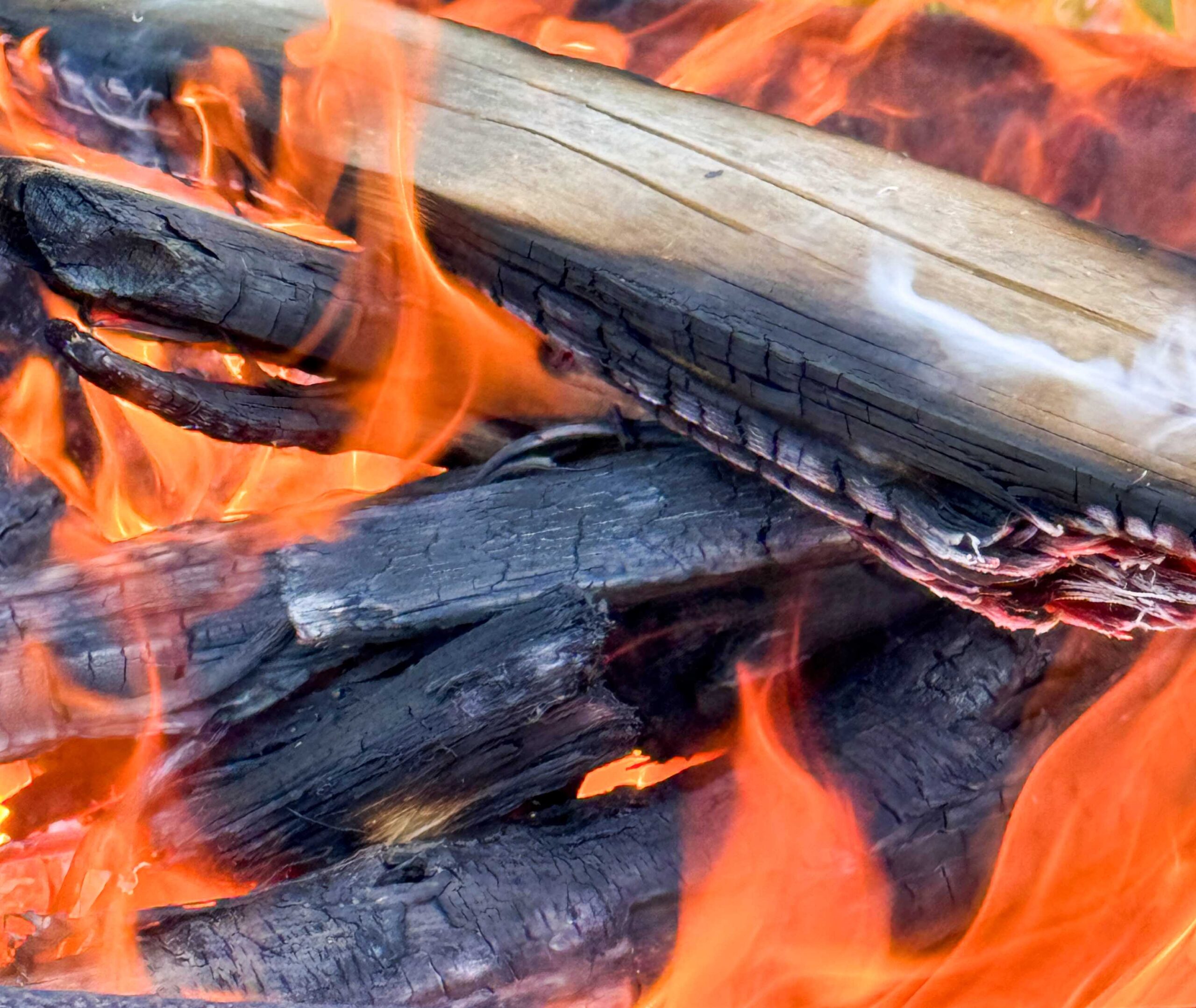 Okanagan backcountry patrols are still turning up campfires burning without anyone around, weeks after campfire restrictions were eased across the region. Kane Blake, founder of the Okanagan Forest Task Force, says volunteers have discovered multiple campfires over the past several weeks that were left burning with no one present to monitor them. …Under B.C.’s Wildfire Regulation, a Category 1 campfire must be watched and patrolled while it is burning. The person responsible must maintain a fuel break around the fire and have either at least one firefighting hand tool or eight litres of water available. Leaving a fire unattended can also result in enforcement under the Wildfire Act and Wildfire Regulation. B.C.’s current listed fines include $1,150 for lighting, fuelling or using a fire against regulations. For the Okanagan Forest Task Force, Blake says the goal is also to educate younger generations about safely enjoying the backcountry.
 The decisions made in a forest today will shape it for generations. Making those decisions well requires shared knowledge, strong relationships and an understanding of the priorities of the communities connected to the land. …In the Williams Lake region, the National Forest Week vision is being put into practice through a partnership between West Fraser and the Stswecem’c Xget’tem First Nation (SXFN). Together, West Fraser and SXFN are demonstrating how collaboration can advance local forest stewardship through shared learning, skills development and a commitment to responsible land management. “Good forest management starts with understanding the ecosystem and managing for resiliency over generations,” said Chad Swanson, West Fraser’s Chief Forester for British Columbia. “Working collaboratively with Indigenous Nations in the areas where we operate allows us to incorporate important knowledge and perspectives about the land and combine them with forestry science. Together, these insights help us make informed decisions that support healthy, resilient forests.”




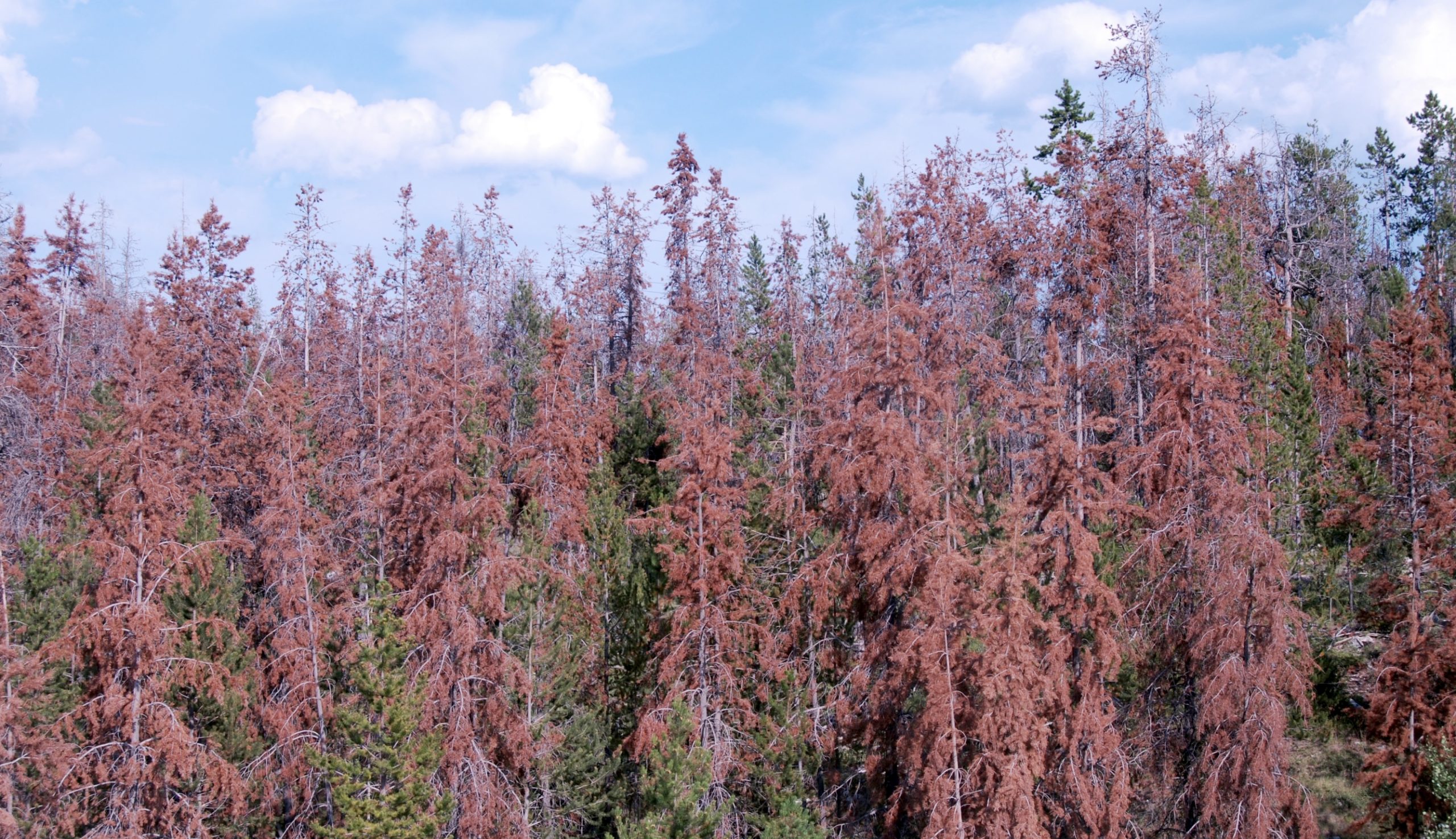



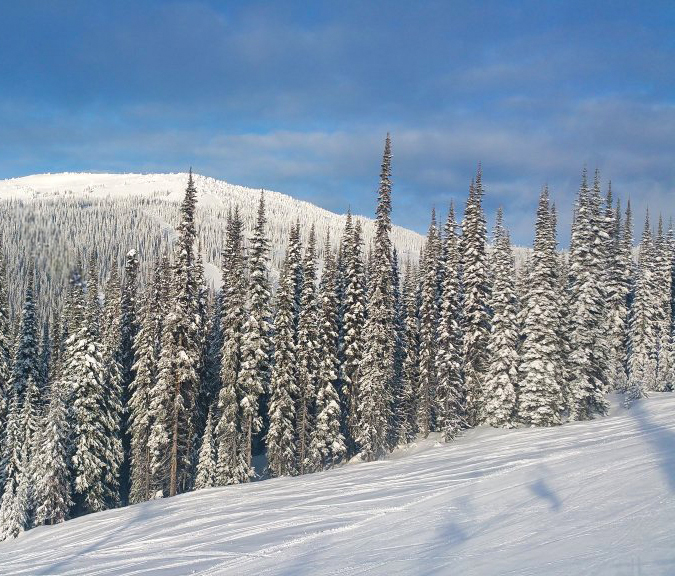
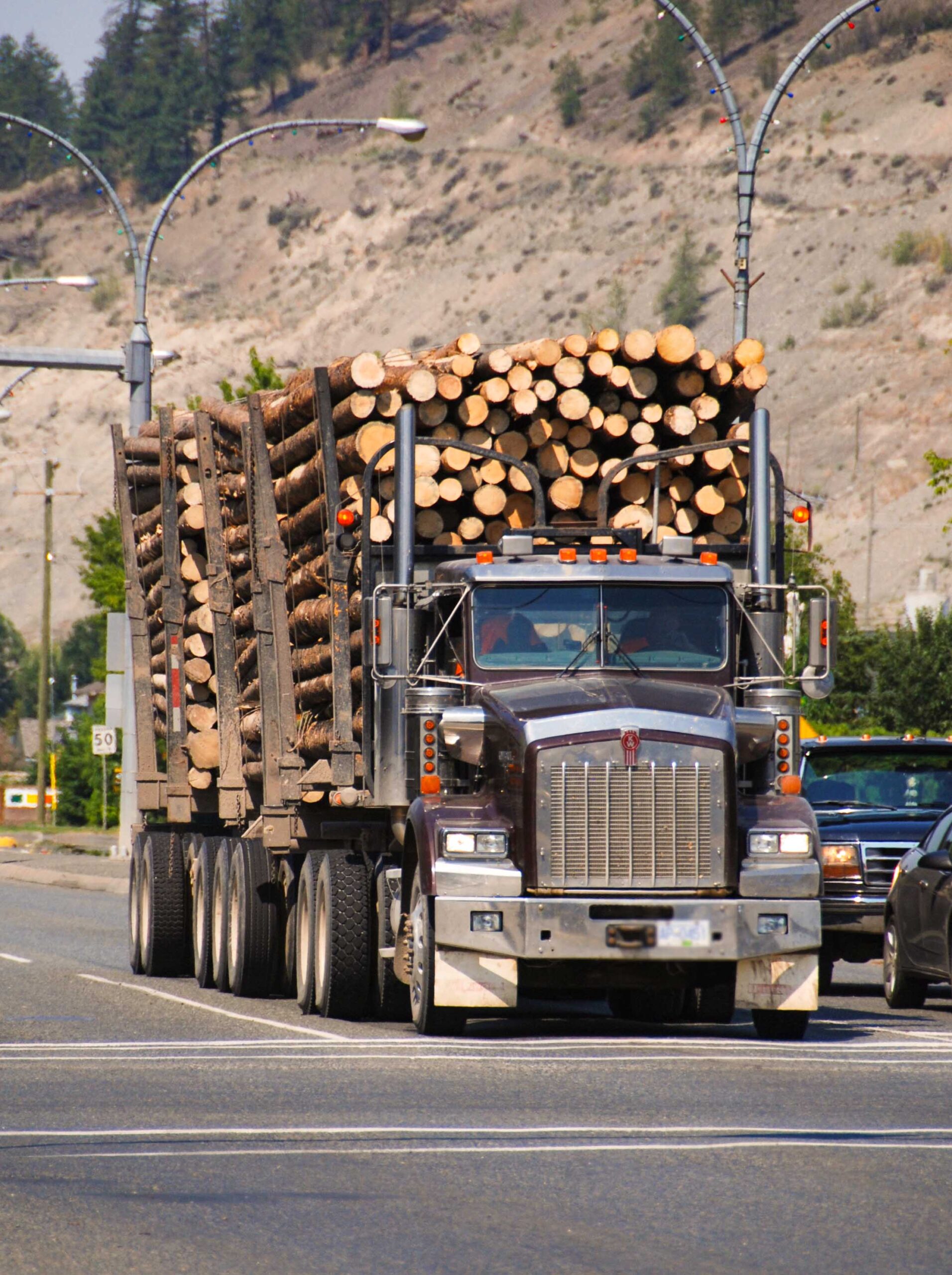
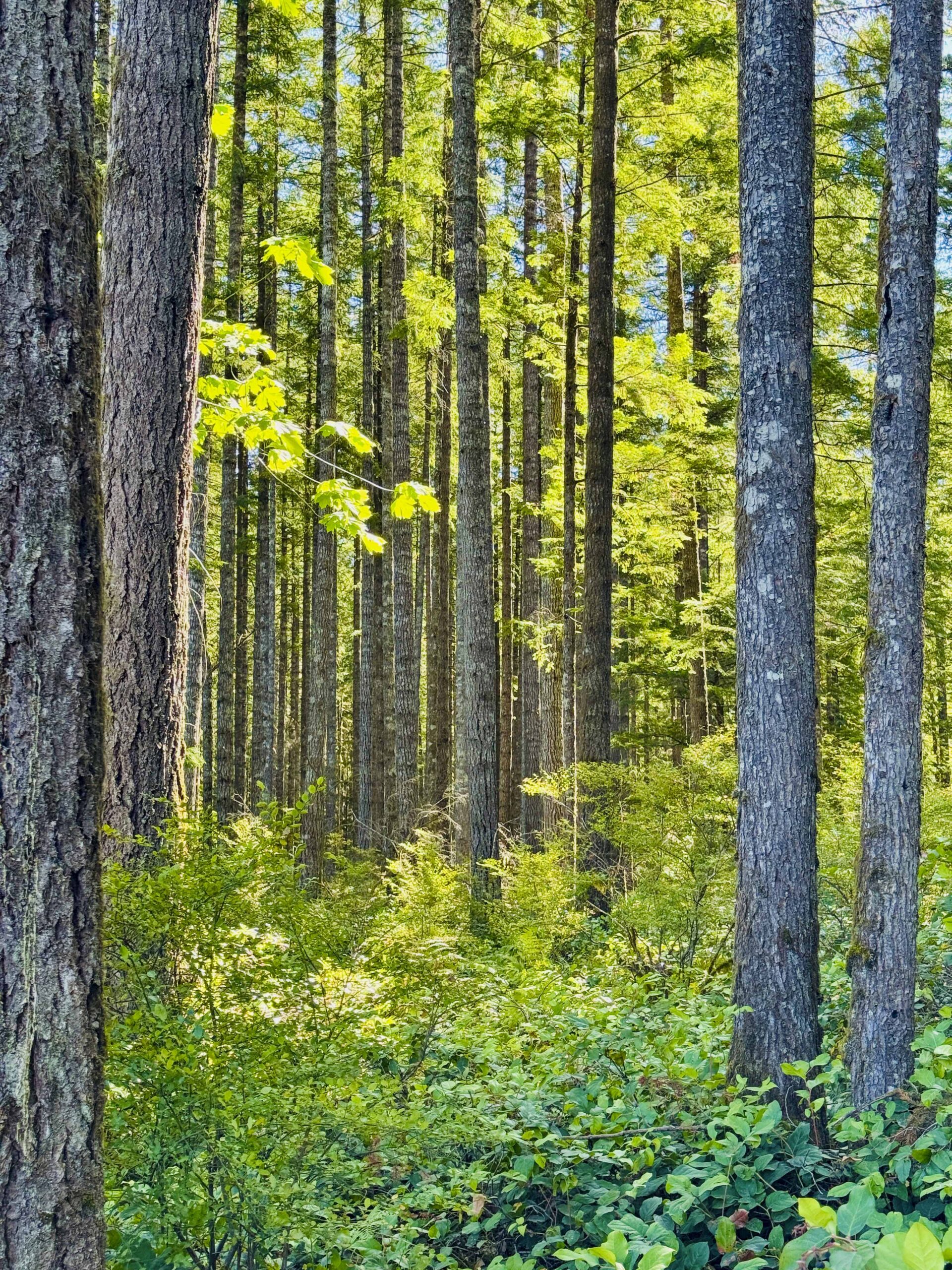 For harvesting to be profitable on the scale necessary, we need a competitive market for logs, and our forest products industry was decimated with the earlier cessation of harvesting on federal lands. Today, 25% of our lumber supply, worth about $19.7 billion, is imported from Canada. While we ignored our federal forests, the Canadians have been exhausting their easier pickings. With only difficult sites left, they are cutting back, with more cutbacks planned in the future. In the last decade, lumber production there has decreased by 55%. This is an opportunity that we need to capitalize on. By reestablishing a modest forest products industry, we could create a market for the material we need to thin and harvest. Were we to replace the Canadian lumber with domestically produced lumber, the downstream financial stimulus could add an additional $39.4 billion to our GDP. …Let’s consider some of the possible end products for the thinned and harvested timber.
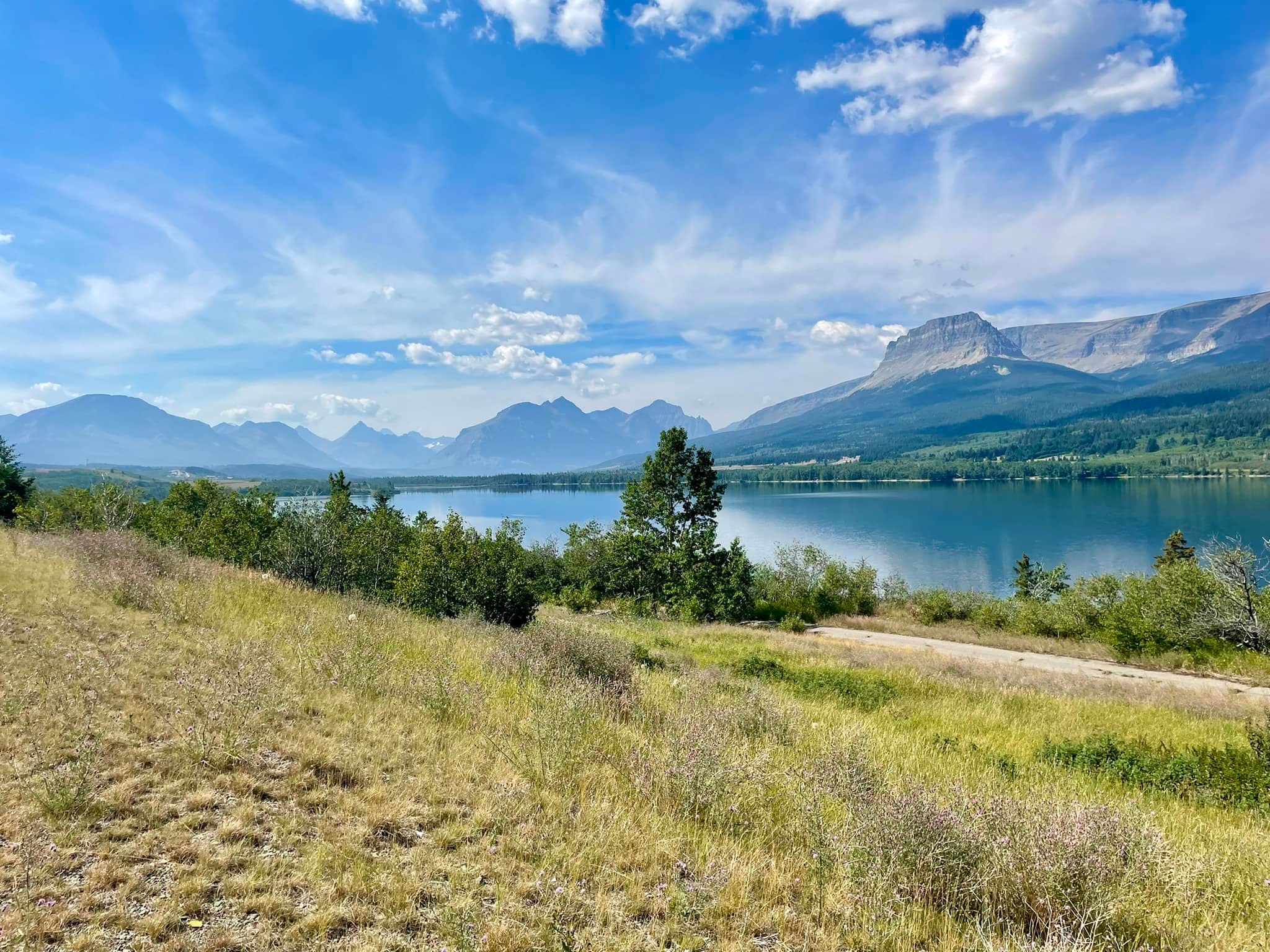 Officially known as “inventoried roadless areas,” roadless areas are protected under a federal rule enacted 25 years ago that generally prohibits logging and road-building. In Montana they cover about one-third of the state’s 17 million acres of public land administered by the U.S. Forest Service. …The original intent of the 2001 Roadless Area Conservation Rule, in part, was to curb the spread of roads and development into the agency’s wildest landscapes. It was also a recognition that the Forest Service’s sprawling road network — today comprising 368,000 miles — was already beyond its capacity to maintain. …President Donald Trump’s administration announced last summer it would move to rescind that roadless rule, effectively returning those lands to the land-use designations established by each individual national forest. Last month, the U.S. Department of Agriculture, which oversees the Forest Service, released a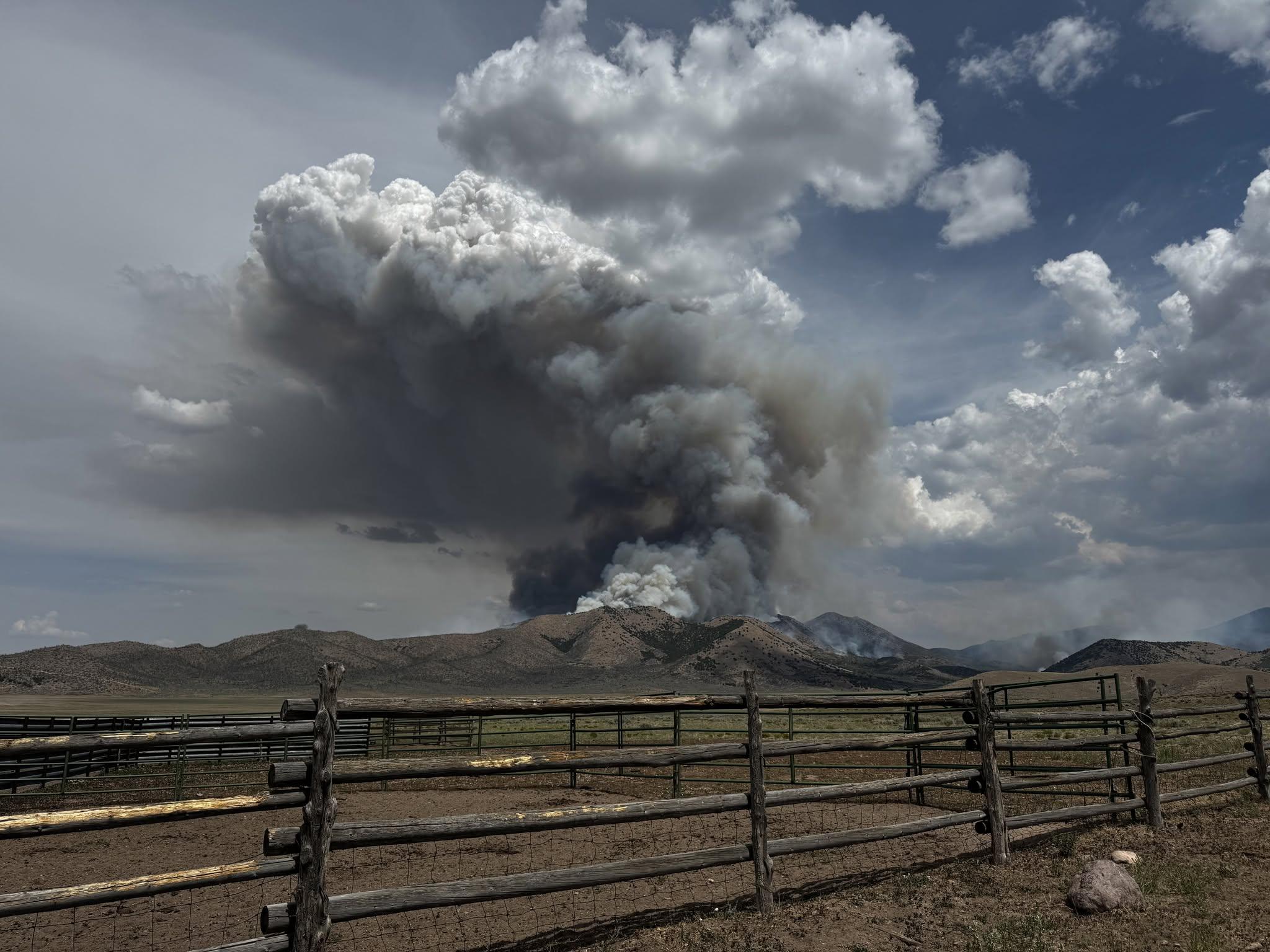



 In this months newsletter, you’ll find these stories and more:
 In an interview with The Ethical Corporation, Inter-IKEA Group’s global head of forestry Mikhail Tarasov pointed to biodiversity loss as one of the biggest threats to the world’s forests. Competition for forest resources and accelerating climate change, which is driving wildfires and the spread of pests and disease, add to the challenge for IKEA. The company, which processed 14.7 million cubic metres of round wood for its products last year, is one of the world’s largest consumers of timber, most of it sourced from Europe. That figure, however, represents a 30% reduction in its consumption since 2019, in part by recycling and reusing wood in its products. IKEA is working to promote better forest management so that decisions on the harvesting of trees take account of local conditions, and combine management with protection and regeneration. The different IKEA entities own over 500,000 hectares of forest. Tarasov’s group is piloting “climate smart” forestry on 16,000 hectares in Latvia.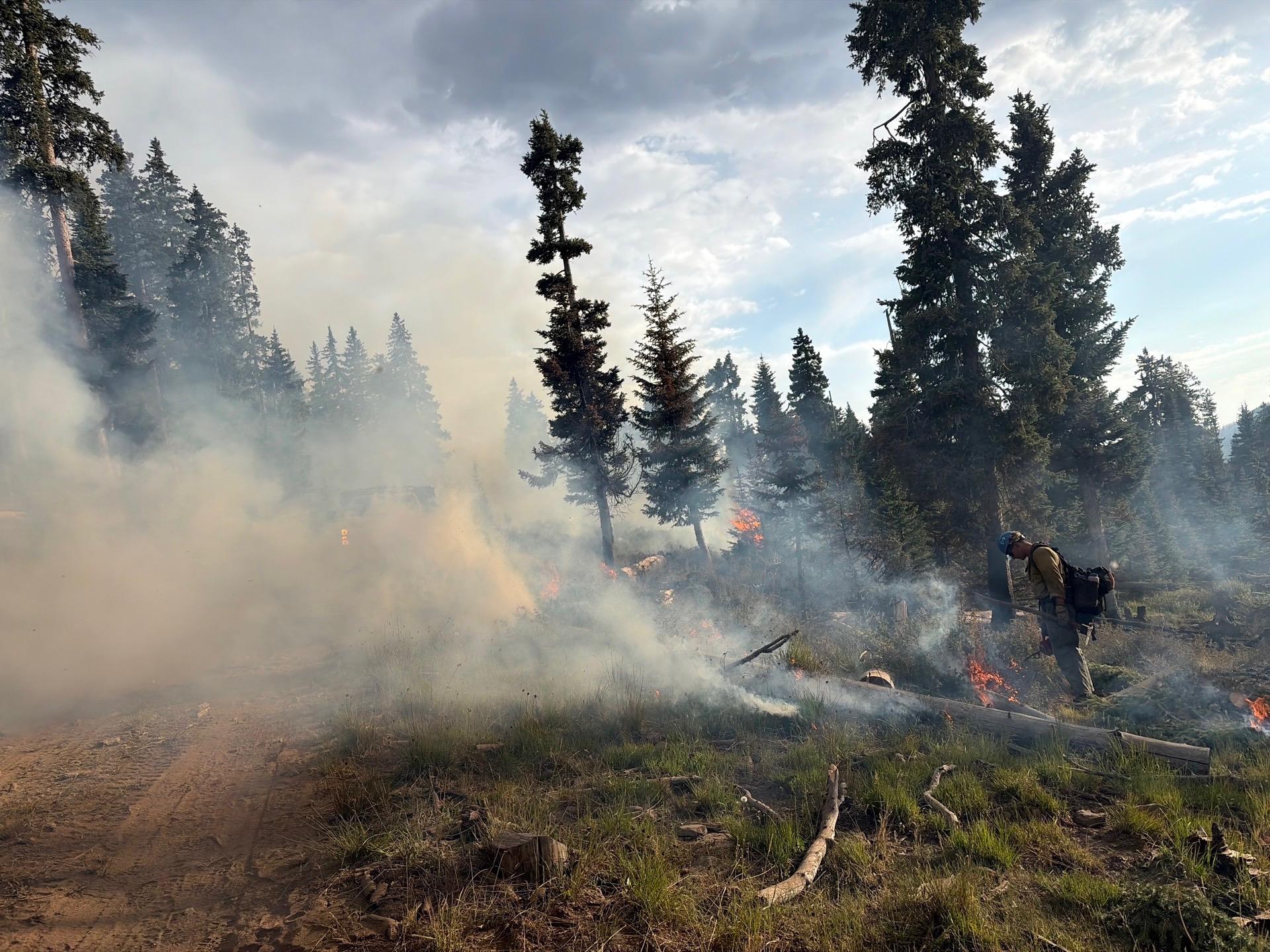

 The global fiber industry is navigating a challenging market environment, shaped by changing demand, competitive pressures and the need to continually adapt. How can producers strengthen their competitive position — and where will future growth come from? At CELCO 2026, Christian Skilich, Chief Pulp & Chief Technology Officer at Lenzing Group, will share Lenzing’s perspective on the evolution of the fiber market, the importance of innovation in maintaining competitiveness, and the company’s strategy for future growth. In his presentation on Competitiveness, Innovation & the Future of Fiber, Christian will examine the close relationship between competitiveness and innovation, offering attendees a practical look at how one of the industry’s major producers is positioning itself for the next phase of the market. He will explore how the fiber market has developed in recent years, why innovation is critical in responding to today’s challenging market environment and Lenzing’s new strategy and its priorities for the years ahead.
  From training young and new workers to managing roadside risks and small business safety, the fall issue of WorkSafe Magazine shares practical guidance to help employers and workers create safer, healthier workplaces. Alongside feature stories, you’ll find information on small business, volunteer fire departments, upcoming conferences.