 In a Forbes commentary, Monica Sanders argues that wildfire diplomacy should extend beyond sharing firefighters and aircraft. In related news: BC warns of explosive wildfire situation as structures are lost in Clinton and Vernon ; Ontario faces renewed calls for a public inquiry into its record-breaking season; and an Alberta ministry faces safety charges in the 2024 death of a firefighter. Meanwhile: the mega fire crisis nobody wants to own; wildfires point to upside of carbon removal technology; ENGOs contest a Kananaskis logging project; and activists on Vancouver Island are trying to stop old growth logging.
In Business news: Canada invest $1.3M in First Nations-led study for a BC wood processing facility; a Prince George councillor is urging Jim Pattison to deliver cheques to laid-off Northwood workers; and Domtar’s Suwannee Lumber mill fire in Florida is under control. Meanwhile: Kimberly-Clark refutes China’s product quality warning; Vermont supports eight wood product innovators; Trex says wood conversion demand is accelerating its Arkansas business; and BlueLinx posted Q2 income of $6.4M.
Finally, Pliny Fisk III, “beloved mad scientist of the US green building movement”, dies at 82.
Kelly McCloskey, Tree Frog News Editor
 OTTAWA — For the past six months, Luke Elias, the president at Muskoka Cabinet Company Inc., says his workers have been working only two or three days a week. The Eastern Ontario company, which has been making custom wood cabinetry for nearly four decades, is one of the thousands of companies in the kitchen cabinet industry that have been crippled by cheap imports coming from primarily southeast Asian countries. Elias said his company, like many others, has been working at less than half of its capacity, and he has had to lay off 30 out of 70 workers. …On Friday, Minister of Finance François-Philippe Champagne announced a 25 per cent surtax on imports of certain wood cabinets and vanities, effective immediately, to remain in place for a maximum of 200 days. …Dan Kelly, president and CEO of the Canadian Federation of Independent Business, said the surtax is a very important first step in helping address dumping.

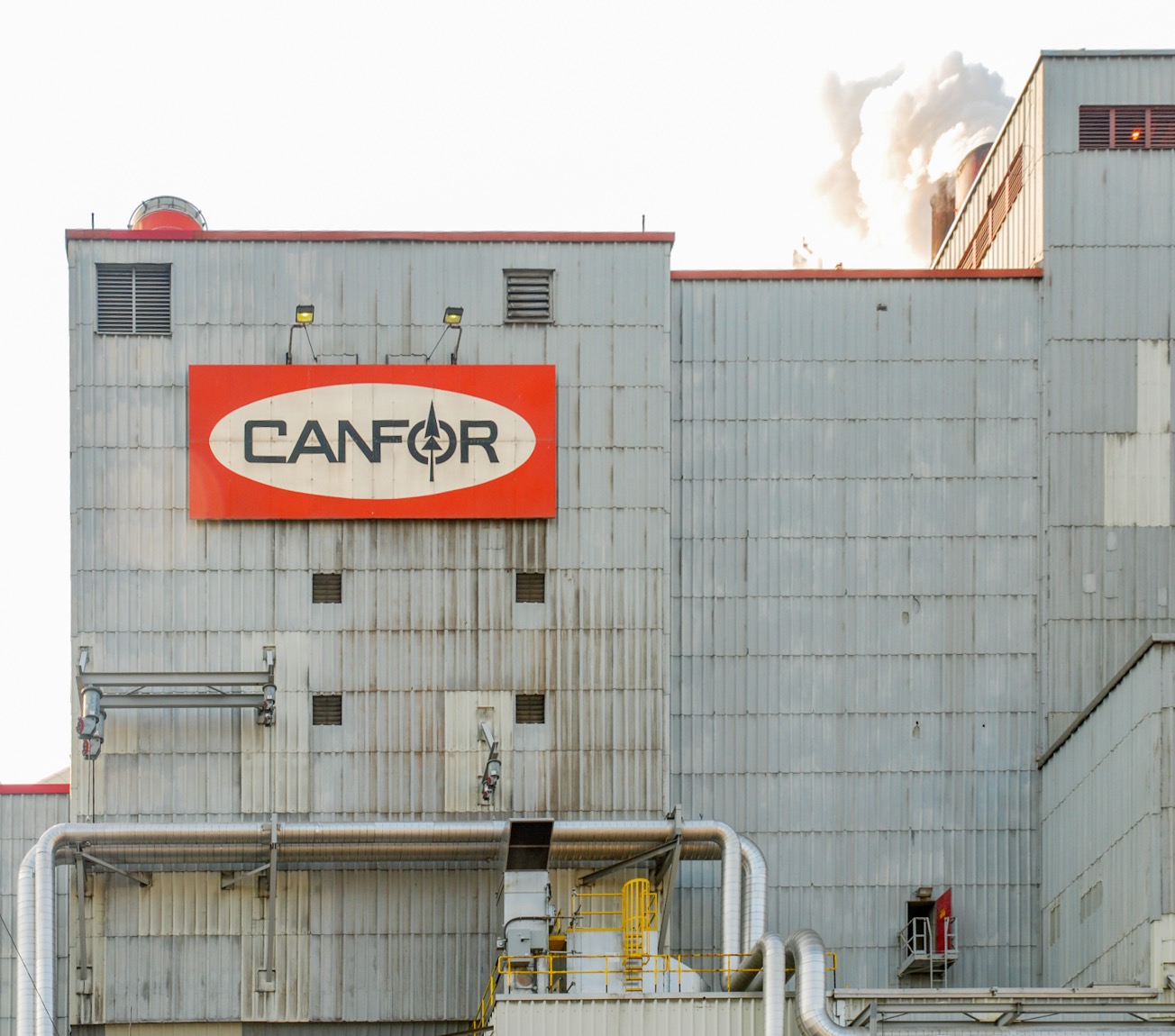 A Prince George city councillor is challenging billionaire Jim Pattison to personally hand out final paycheques to workers losing their jobs at Canfor’s Northwood Pulp Mill. Pattison owns the Jim Pattison Group, the majority shareholder in Canfor. …Canfor has closed multiple mills around B.C., impacting hundreds of workers. The latest is 300 people at the Northwood Pulp Mill. At a July news conference, Coun. Brian Skakun — himself a former Canfor employee — said he wanted to see Pattison … personally hand out cheques as the workers leave the job site for the last time. “If Jimmy Pattison really wants to live by his decision, then I would encourage him to come out to these mills when they’re shut down and hand out the last cheques to each employee personally and say, ‘I am sorry for what is going on,'” Skakun said, accusing Canfor of being more concerned about shareholders than communities.
 The Independent Lumber Manufacturers’ Association (ILMA) has chosen a convention theme that’s sure to get people talking: WTF? Where’s The Fibre? The title may raise a smile, but the question is serious.


 Sidney S. Frissell died in Hamilton, MT, on March 13, 2026. He was a Forestry professor and Dean at the University of Montana, woodsman and an avid birder, watercolor painter of birds in their natural habitats, and lifelong Ham radio operator. …Sid earned a Forestry degree at the University of Minnesota and went to work for the US Forest Service in Randall, Washington. Within a year he returned to graduate studies at Minnesota, earning a Master’s degree and then pursuing a PhD. …In collaboration with colleagues he made lasting contributions in wildlife ecology and management, forest recreation, and wilderness management, coauthoring a methodology for assessing sustainability of use of campsites still applied by forest managers today. After serving several years as Associate Dean of the School of Forestry at the University of Montana, he was promoted to Dean in 1986. …He retired at a relatively young age to pursue a second career in wildlife illustration and bird painting…


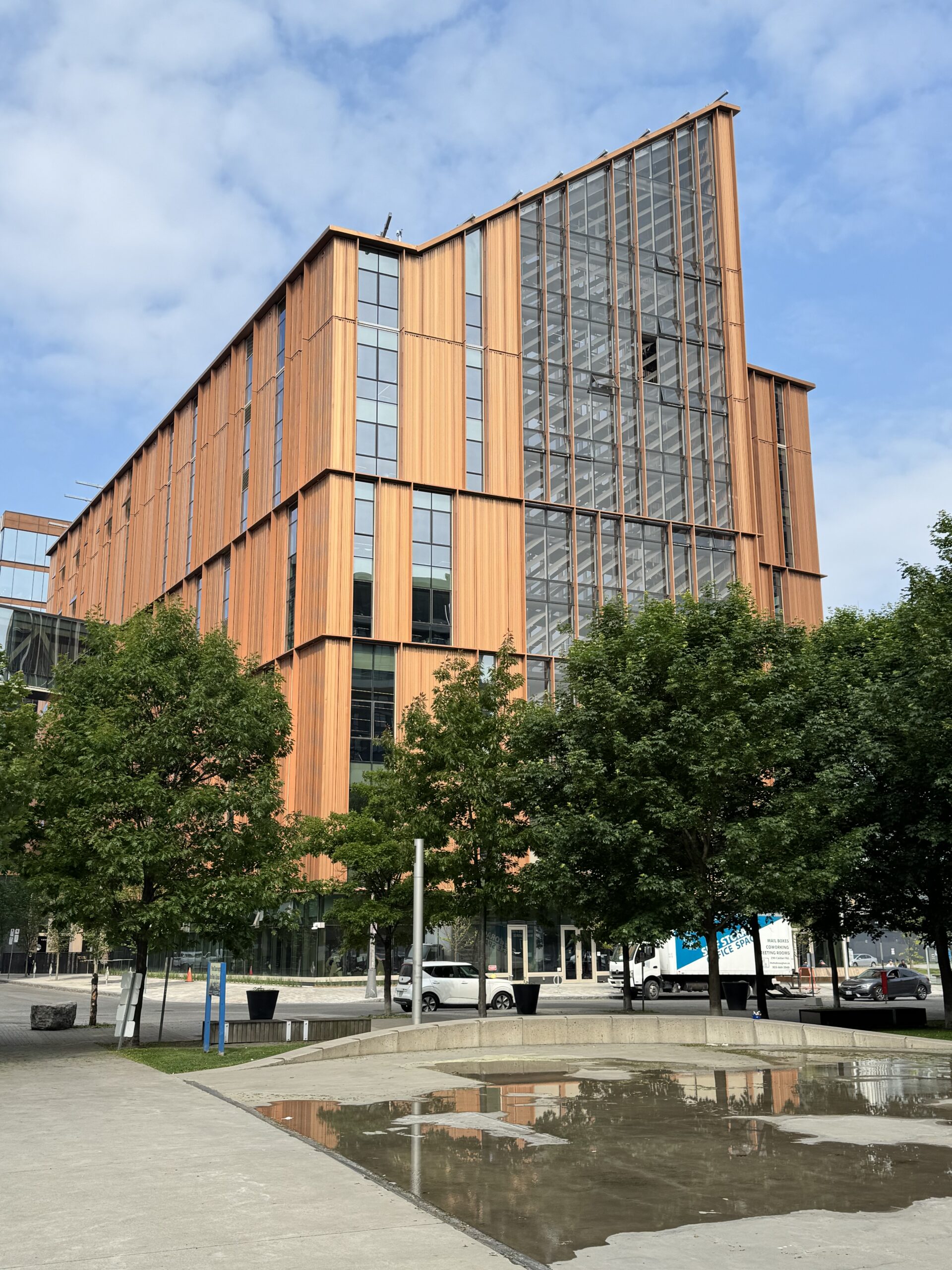 Wood is everywhere at Toronto’s Limberlost Place. From tall structural columns to ceilings, walls and stairs, nearly every surface in the airy, three-level central atrium is timber, complete with rustic knots and growth rings. It all feels welcoming and surprisingly intimate. “I’ve never seen anyone get so excited about structures in my entire career,” says architect Phil Silverstein, a partner at Moriyama Teshima Architects, the local firm that designed the new classroom hub for George Brown Polytechnic in collaboration with Vancouver’s Acton Ostry. “People walk through the halls of Limberlost touching the wood. They [even] want to hug a column! There’s something innate about it that excites people.” But all that wood isn’t just about feeling – or looking – good. Part of a wave of new mass timber development, Limberlost Place is a testing ground for a technological revolution that could fundamentally transform Canadian housing and infrastructure.



 I saw “
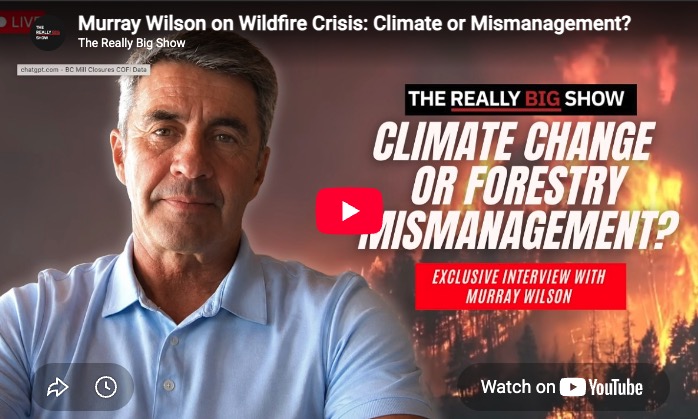 As wildfires burn across Canada and smoke again reaches communities far from the fire line, a harder question is emerging behind the daily evacuation updates and air quality warnings: Is British Columbia doing enough to manage its forests before the next crisis? The question has taken on added political weight as criticism of Canadian wildfire smoke has surfaced south of the border and as politicians debate whether severe fire seasons are primarily a climate problem, a forest management problem or both. Murray Wilson says that framing misses the point if it becomes an excuse for inaction. Wilson, a former forester, discussed wildfire risk, smoke, forest management and the shrinking capacity of the forest sector in an interview with
  In the Okanagan, we have sadly become all too familiar with the smoke and devastation caused by wildfires. Most recently, several wildfires have impacted our region, most notably the Bradley Creek fire, which has threatened parts of the Okanagan Indian Band lands and resulted in the loss of more than 200 homes. It should also be noted that some residents reportedly evacuated before an official evacuation order was in effect, a reminder of how quickly conditions can change when wind and weather shift unexpectedly. …Earlier this year, I discussed many of these issues with retired forester Murray Wilson on my Finding Solutions podcast. Drawing on decades of experience, Mr. Wilson shared his perspective on forest management and how we can better understand and mitigate wildfire risk. …Forest management is undoubtedly important. However, it is also reasonable to expect that more progress can be made in reducing the number of human-caused fires.
 Two protesters from the Walbran Valley blockade were sentenced Tuesday, after pleading guilty to breaching an injunction order in November 2025. The order barred protesters from blocking access to the Tsawak-qin Forestry logging site. Twelve protesters were arrested in total. Kenni Apt was sentenced to 12 months’ probation, with 75 hours of community service or a fine of $2,250. They were arrested after attaching themselves to a large wooden cougar statue within the injunction area, intending to block logging activity. Apt says they feel good about their sentence, but they’re sad that they won’t be able to visit the valley any time soon. …Zoey Barak was sentenced to seven days’ jail time. She was arrested after being found in an elevated sling between two trees within the injunction area. The blockade in Walbran Valley was linked to the same organizers behind the Fairy Creek anti-logging blockade on southwest Vancouver Island, which saw thousands arrested in 2021.
 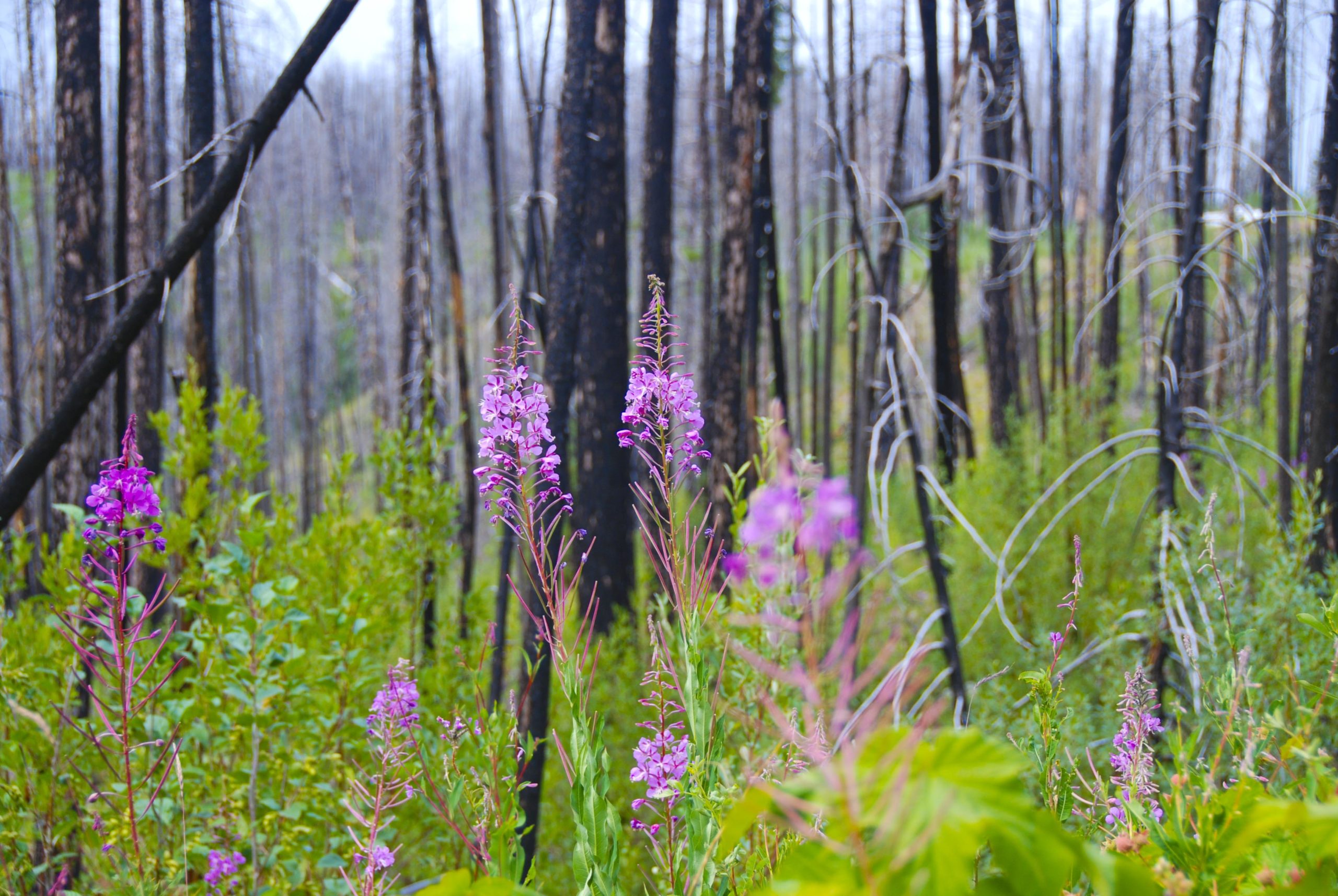 Prolonged drought conditions are forcing British Columbia’s fire tacticians to rethink how they battle blazes in the province’s dry and hot Interior. As huge, destructive blazes spread across the southern Interior, many are burning across land that has already experienced fire over the last decade. In years past, the BC Wildfire Service would expect previous burn scars to slow, or even stop, the progress of a new fire. But this fire season, a prolonged drought has upended that assumption. Firefighters’ experiences could have implications for what British Columbians can expect from fire seasons for years to come. …A burn scar “used to be something we could use as a control line,” Chapman said. Current conditions, though, make those scars untrustworthy. “The fire behaviour can be almost as extreme in some of those old burns, depending on their age and how severe the burn was.”
 Timberwolf Wilderness Society is asking for a judicial review in federal court after a permit was provided for a logging operation in Kananaskis Country in an area with threatened bull trout. Timberwolf launched legal action after
  Critical ecosystems throughout B.C. will be safer and better protected, thanks to provincial funding for a new partnership led by the Habitat Conservation Trust Foundation (HCTF). B.C. is providing $1 million to HCTF to identify and assess water-control infrastructure on conservation lands and other areas that support ecological values throughout the province, helping guide investments that improve habitat, reduce risks and support local communities. …As part of the work, a shared database will be created to identify infrastructure such as small dams, dikes and water-control structures. It will track infrastructure condition and safety risks, while taking into account ecological, cultural and community needs associated with each site. …The initiative is expected to provide, for the first time, a co-ordinated inventory and assessment of water-control structures allowing government and conservation partners to better understand infrastructure needs and prioritize future upgrades.
 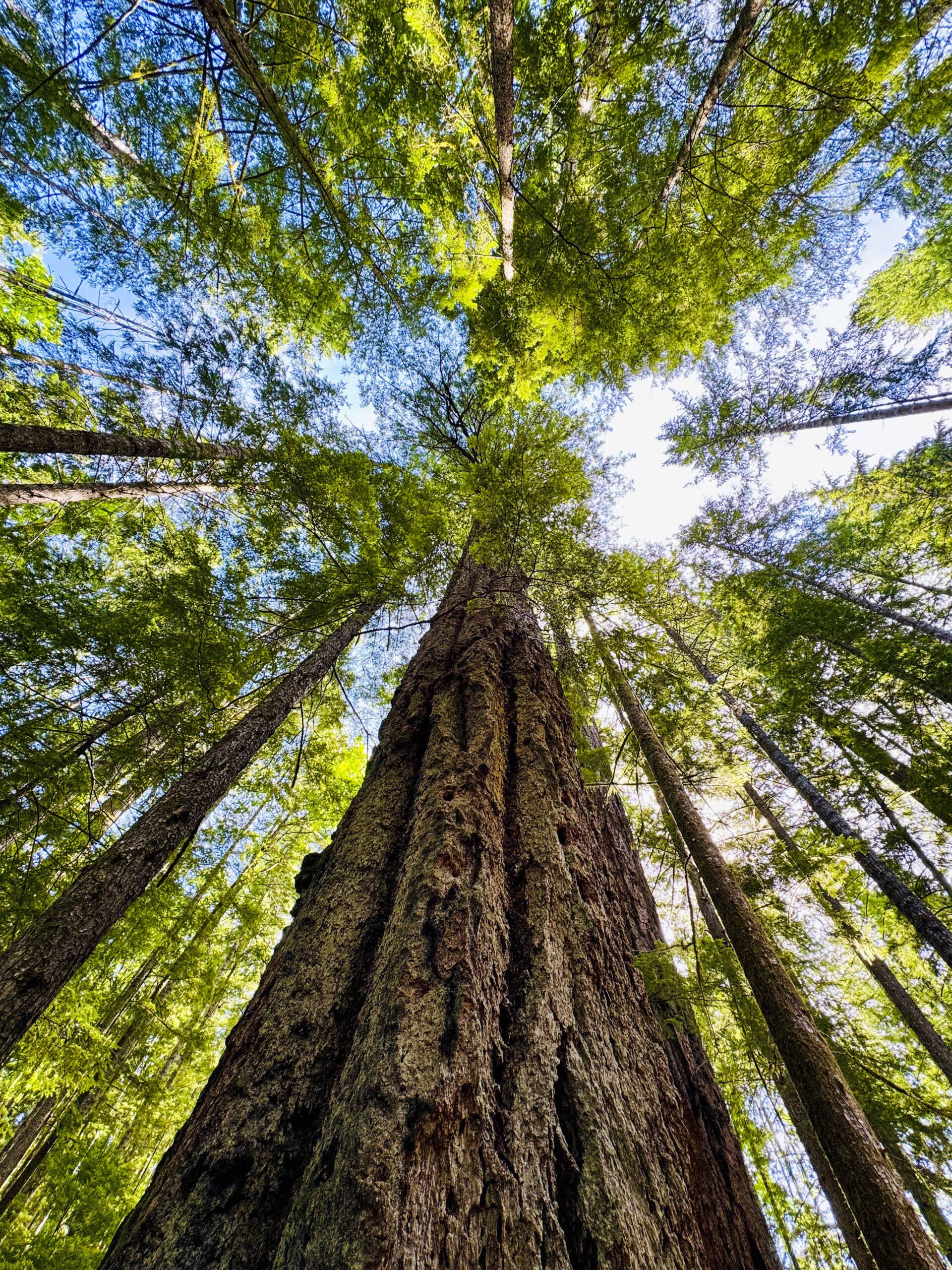 PORT RENFREW, British Columbia — The five-car caravan crept down a gravel logging road as the day’s last beams of golden light filtered through the trees. About 20 forest defenders were making a stand in southwest Vancouver Island, at a spot where a logging company was expected to cut
 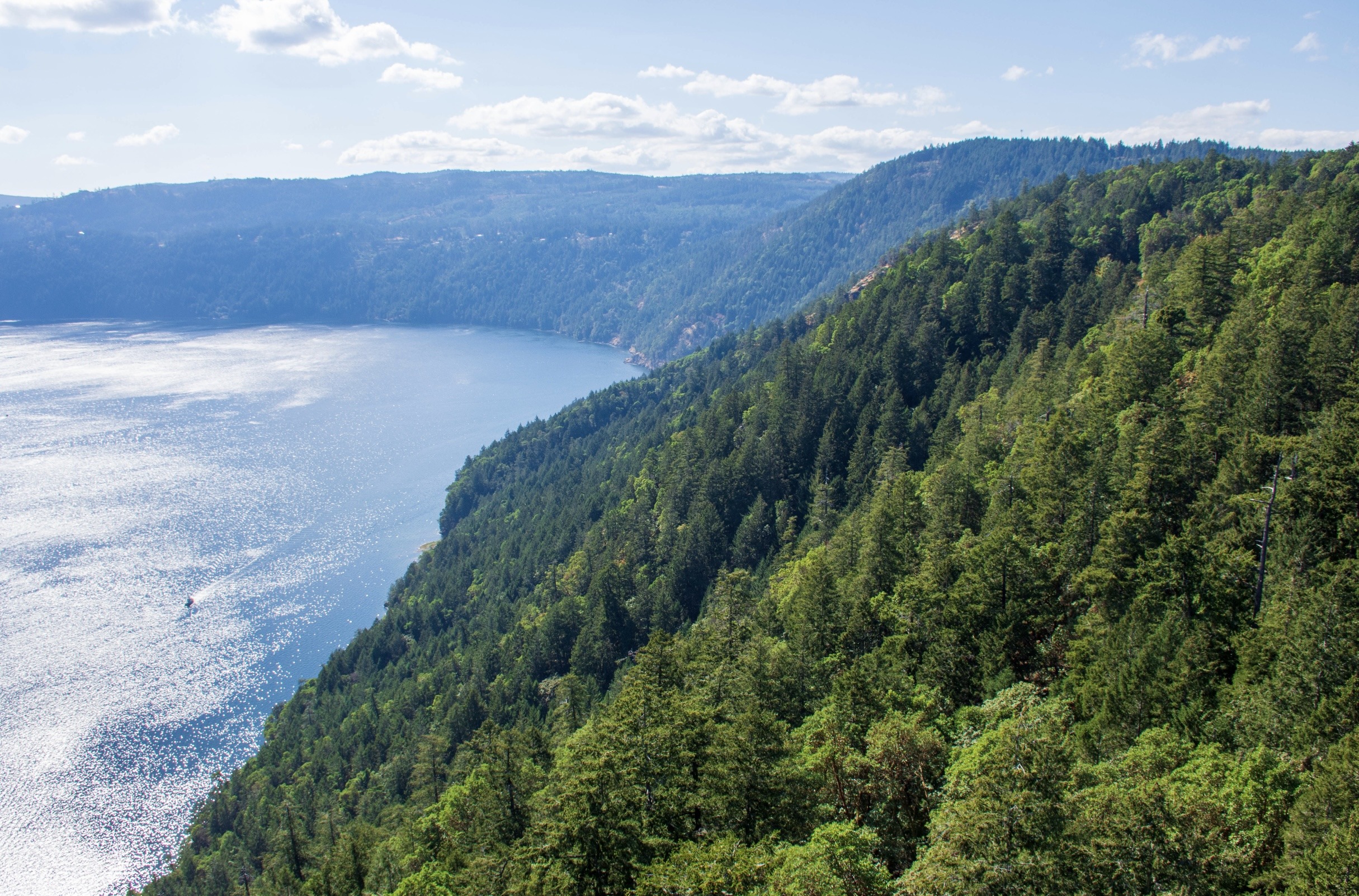 In 2004, Dr. Geoff Scudder of UBC completed one of B.C.’s most important biodiversity analyses. By mapping species rarity and richness, he identified where the province’s most threatened species occur and where biodiversity is most concentrated. These biodiversity hotspots are the places where conservation matters most. These hotspots occur mostly in the South Okanagan, the Lower Mainland, and Southeastern Vancouver Island along with the Gulf Islands. Despite their global significance, these hotspots remain largely outside B.C.’s protected area network. As Canada advances its 30×30 plan to protect 30% of land and ocean by 2030, the gap between what is protected and what needs protection is poised to widen. Canada has committed to 10 new national parks, and B.C. has proposed three new conservation areas. Yet none of these proposals capture Scudder’s hotspots. Once again, B.C. is protecting more of what is already safe and less of what is truly at risk.
 Ravi Parmar, Minister of Forests, has issued the following statement in response to the arrival of wildfire personnel from Mexico: Supporting our neighbours and communities, showing hospitality to our partners and taking care of each other. These are the values that make me proud to be a British Columbian. In our time of need, I am honoured to welcome more than 100 wildfire personnel from Mexico on Monday, Aug. 3, 2026, with more than 200 arriving later in the week. They’ve travelled from their homes to help us protect ours amidst a challenging wildfire season. As British Columbians, let’s welcome them warmly as they prepare to work alongside our BC Wildfire Service crews. Wildfire response is built on teamwork. Whether support comes from within B.C., across Canada or around the world, every person who joins the effort strengthens our response capacity and helps ensure resources are available when and where they are needed most.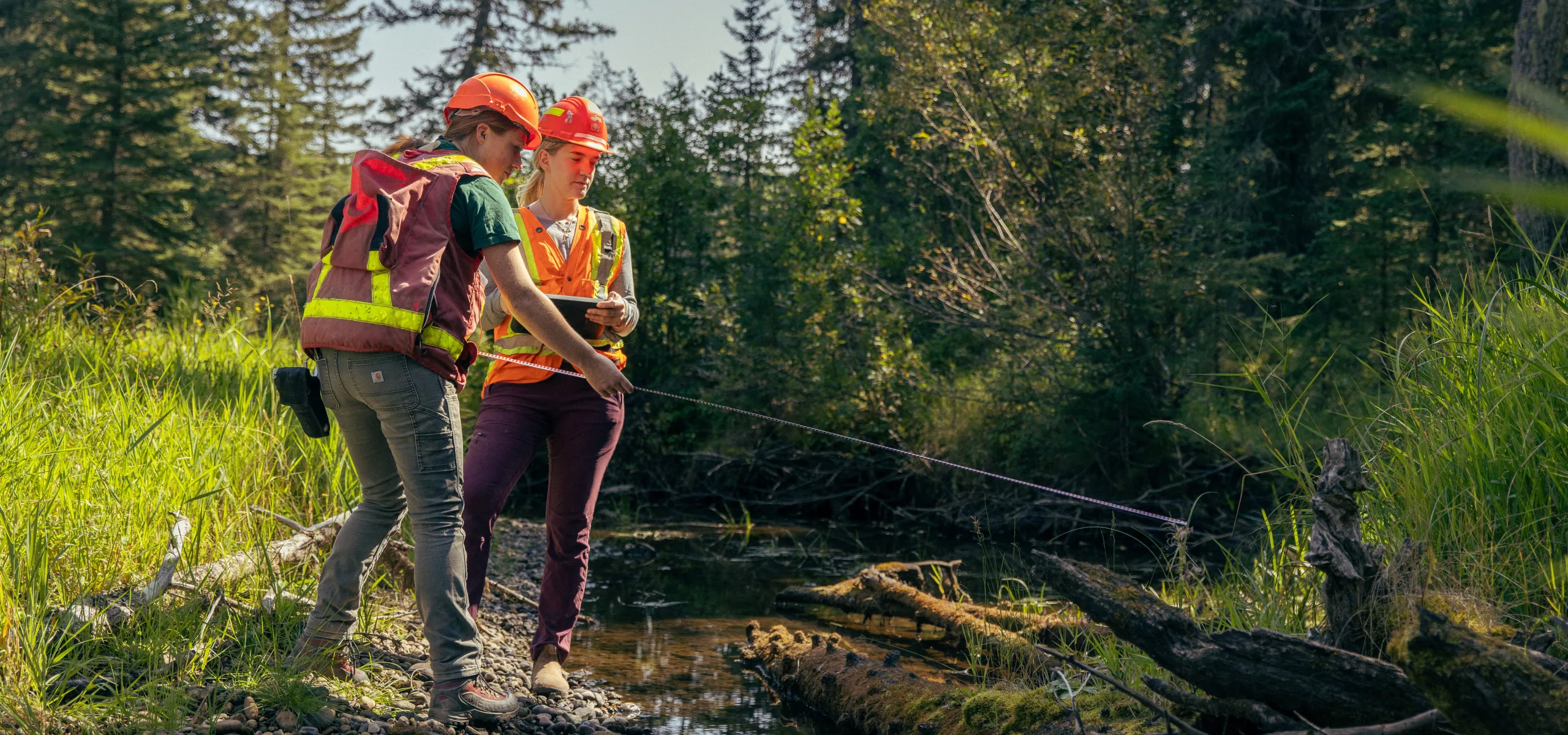
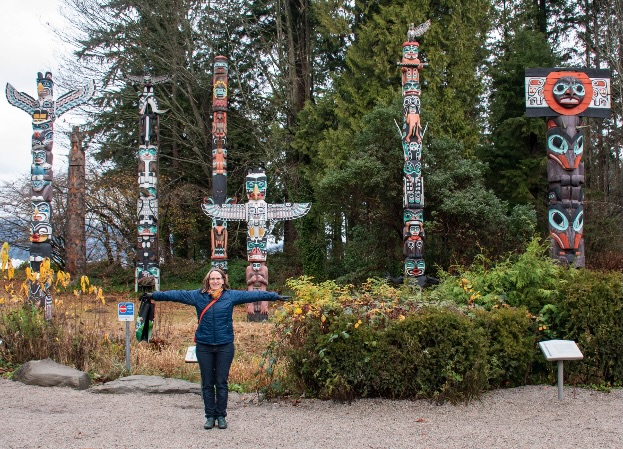 After a visit to Stanley Park, Nina Shoroplova, a Vancouver naturalist, went on to research and write a book about the park and its trees. Stanley Park holds a fascination for many. Sometimes called the crown jewel of the city, the park contains about 600,000 trees. But the urban forest is changing in ways that challenge both the health of the ecosystem and ideas about the park itself. An outbreak of western hemlock looper killed about 30 per cent of the large trees in Stanley Park as of April 2023… Recent droughts have made the damage more severe, increasing the wildfire risk in the park… Amid some opposition, park board crews have cut down about 14,000 trees since fall 2023. …The idea that Stanley Park is an area of untamed wilderness has always held appeal. But its history and present reality are much more complex, said Sean Kheraj, author of Inventing Stanley Park: An Environmental History. …The reality is that Stanley Park’s forest has long been influenced by people. [A Vancouver Sun subscription is required for full access]

 U.S. President Donald Trump’s claim that Canada is failing to properly manage its forests, and that the cost of wildfire smoke drifting south should be added to tariffs on Canadian goods, has prompted renewed questions about whether more could be done to prevent the massive blazes that have blanketed parts of North America with smoke. But wildfire experts say the answer is far more complicated. “The short answer is there’s nothing that Canada can do about these major wildfires that are causing wildfire smoke to travel thousands of kilometres,” said Anabela Bonada, managing director of climate science at the Intact Centre on Climate Adaptation at the University of Waterloo. …“The No. 1 thing is all of us reducing our emissions, and that goes for the U.S. as well,” Bonada said. “But we are looking at smoky summers ahead, so we need to do everything possible to protect ourselves and people that live in our home.”
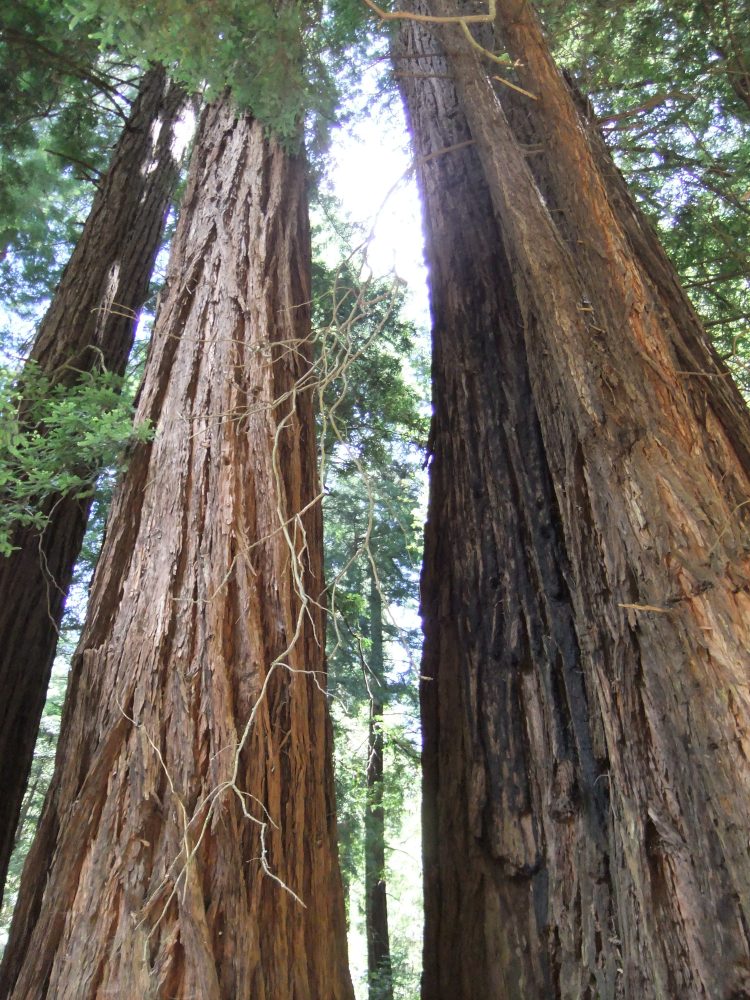 This fog-shrouded patch of coastal forest in the heart of Yurok Country was tended by the tribe for millennia. But in the Gold Rush era it was taken away and, later, used by the logging industry, reshaping the landscape. Now, as the land heals from the scars of a long-running lumber mill, it has been returned to its original stewards, who will operate it as a public gateway to Redwood National and State Parks about 50 miles south of the Oregon border. Save the Redwoods League in June conveyed the 125-acre property to the Yurok Tribe following a yearslong project to restore the degraded industrial site to a diverse riparian habitat. It opens to the public Saturday as ‘O Rew Redwoods Gateway, which features interpretive exhibits and trails leading to old-growth redwood groves.
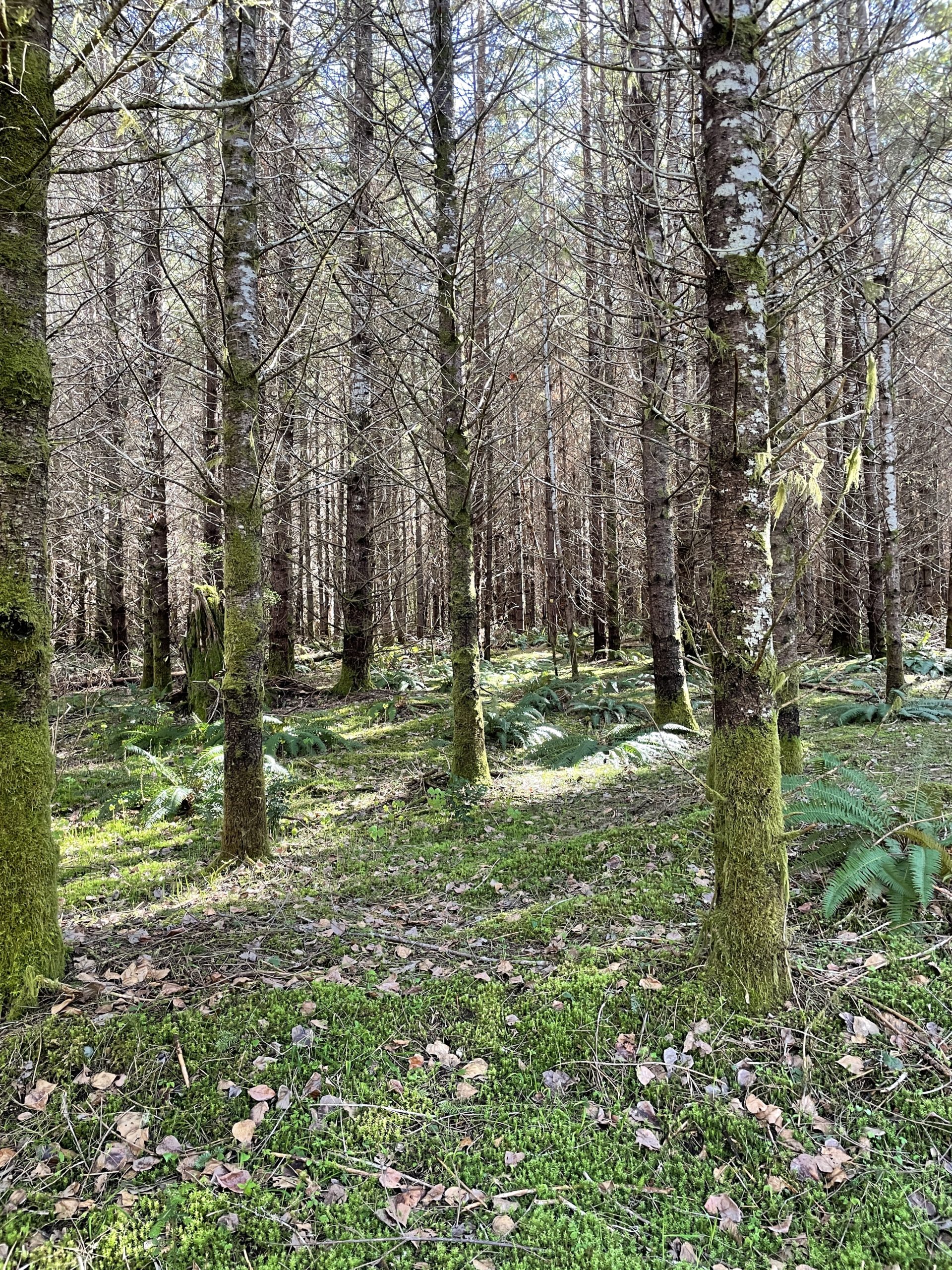 The U.S. Forest Service has promised to approve at least 20,000 acres a year worth of forest thinning projects annually to support forest restoration and wildfire protection in the footprint of the Four Forest Restoration Initiative, or 4FRI. The commitment is key to the 4FRI effort to save Northern Arizona’s forests and forested communities, partly because it provides a guarantee of biomass to support loggers and support industries. The 4FRI collaboration on the Tonto, Coconino, Apache-Sitgreaves and Kaibab forests remains the most ambitious forest restoration effort on the continent. However, the fitful approvals of logging and restoration projects has hobbled the timber industry needed to thin millions of overgrown, fire-prone acres. The slow pace of project approvals has limited the growth of the logging industry, especially crucial operations that can make use of the low-value biomass produced by every thinning project.

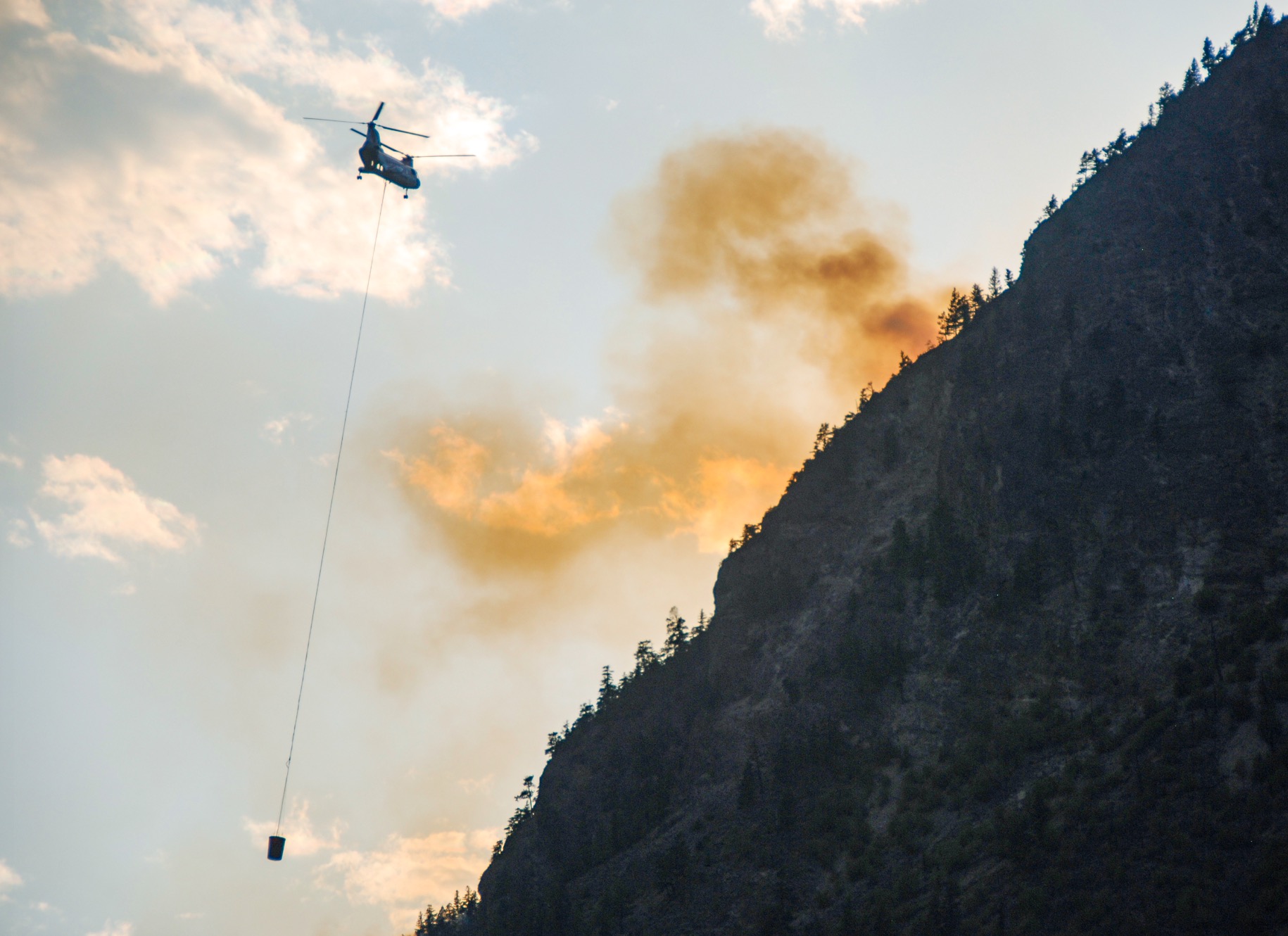 Global wildfires are intensifying, prompting “wildfire diplomacy” where nations share emergency resources like firefighters and aircraft. This cooperation, exemplified by US-Canada efforts and the EU mechanism, builds trust and facilitates immediate response. However, this assistance largely neglects crucial long-term recovery phases, including contamination testing, housing reconstruction, and public health. The article argues that effective wildfire diplomacy must extend beyond emergency aid to encompass prevention, shared resilience, and comprehensive post-fire recovery standards. This includes joint investment in forecasting, cross-border smoke protocols, and integrating Indigenous knowledge, ensuring communities can rebuild safely and sustainably.
 At its July 2026 meeting, WorkSafeBC’s Board of Directors approved amendments to the Occupational Health and Safety Regulation. The amendments relate to


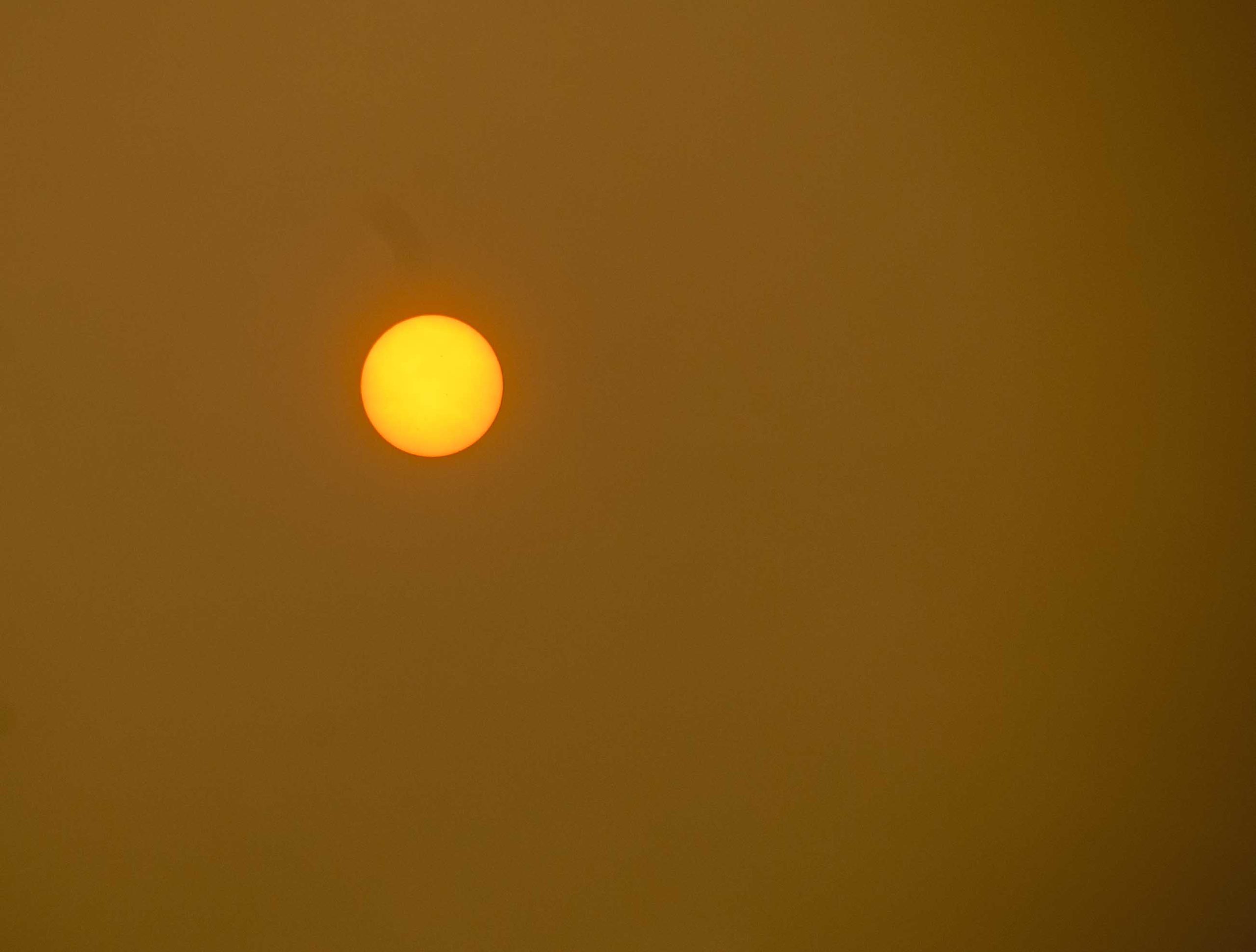 VERNON — The devastation stretches for more than a kilometre along the northwest shore of British Columbia’s Okanagan Lake, house after house reduced to scorched and twisted metal and grey dust. The apocalyptic scenes — burned-out cars, still-smouldering ground and homes levelled to their foundations — stand in contrast to the postcard views previously enjoyed by this once-pretty waterfront community on the Okanagan Indian Band’s reserve. But the aftermath of the Bradley Creek wildfire, that was fanned by howling winds as it tore through the area on Saturday, extends far beyond the shoreline, and smoke still billows from behind the community, on a steep, forest-covered ridge. The depths of the destruction go deep into the reserve, where Chief Dan Wilson said on Tuesday that about 230 homes had been destroyed in one of the worst wildfire losses in recent Canadian history. Wilson said 30 homes of band members and 200 non-band homes had burned.
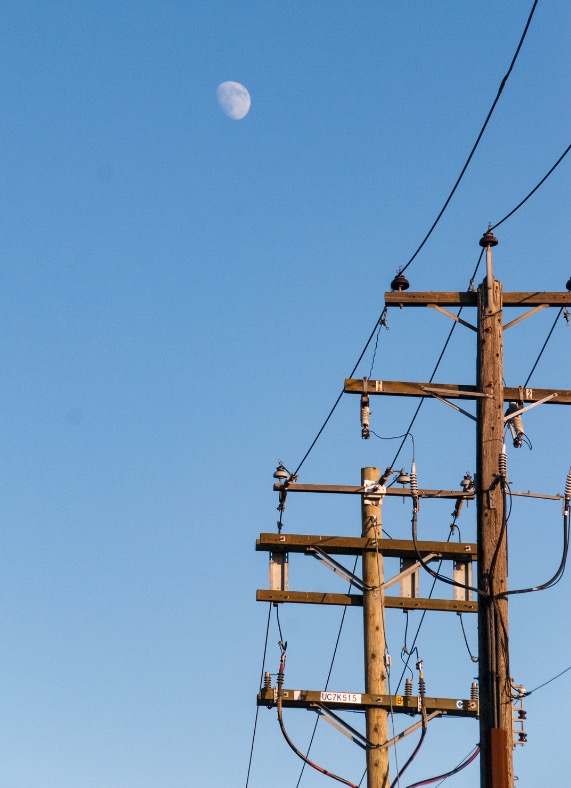 B.C. Hydro says it will have to replace hundreds of power poles due to wildfires raging in the southern part of the province, but that its major transmission lines have escaped major damage. “There is quite a long list of items that are going to be replaced,” B.C. Hydro spokesperson Bob Gammer told CBC’s Daybreak North. The Pear Lake wildfire, burning near Clinton, has torched more than 230 power poles and knocked out power to about 1,100 customers. In the Boston Bar area, the fires of the Brunswick fire complex have left about 100 customers without power and burned 34 transmission poles. Significant quantities of power line and transformers will also need to be replaced, Gammer said. However, the fires have not knocked out any of B.C. Hydro’s major 500 kV transformer systems, and all of its primary transmission corridors — which supply power to millions of British Columbia — remain in service, the Crown corporation told CBC News.


 BORDEAUX, France — Firefighters in southwestern France said Friday they were working on four active hotspots as they tried to put out fires that ripped through 100,000 acres of forest, villages and farmland over the past week. Lt. Col. Eric Pitault, the spokesman for firefighters in the Gironde region, said that while the situation had “stabilized,” there are still several zones that are difficult for responders to access. He said authorities were hoping to have full control by the weekend. Tens of thousands of people near Bordeaux who were evacuated due to fire risk were allowed to return to their homes on Thursday night, as the rest of Europe continued to tackle a historic heatwave. “It’s the first somewhat optimistic day,” said Sophie Brocas, prefect of Bordeaux’s Gironde region, as she allowed the 84,000 evacuees to return home. Some 60,000 had been allowed to return to their homes on Tuesday, according to the Associated Press.