 Citing fibre and market concerns, Canfor announced the closure of its Fox Creek sawmill. In related news: Steelworkers Jeff Bromley pans Interfor’s move to the US; Kruger’s revitalization plan creates uncertainty for Newfoundland sawmill; Quebec’s Arbec Bois d’œuvre secures $60M tariff-response loan; Clearwater Paper reports Q2 net loss; and conservatives call for change in wake of Northwood Pulp closure. Meanwhile: Canada’s LeBlanc returns to D.C. for trade talks; AF&PA says proposed tariffs on Canada risk supply-chain certainty; Ontario invests $7.2M to protect tariff impacted workers; US trade court upholds antidumping duty methodology; and a US Endowment plan will rebuild markets for forest residuals.
In Forestry/Wildfire news: Canada and US join APEC’s call for crackdown on illegal timber; Canada’s wildfire season fuels calls for national agency; Ontario First Nations criticize wildfire communications; roadside vehicle fires remain a common cause of BC wildfires; and Spain braces for a heatwave and winds. Meanwhile: Murray Wilson comments on the reaction to his BC is Burning film; Two Sides celebrates progress on misleading paper claims; and Texas highlights the economic importance of its forest sector.
Finally, Oregon breaks ground on one of the largest US mass-timber healthcare projects.
Kelly McCloskey, Tree Frog News Editor
 Burnaby-headquartered Interfor Corp., one of B.C.’s long-standing lumber giants, has told its employees that it will be moving most of its executive and back-office work to an office in the United States. The company didn’t indicate whether it would officially move its headquarters to the office in Georgia that Interfor established in 2014… Interfor did not respond to Postmedia requests for comment. News of the move came as a surprise to the union that represents about 250 Interfor’s workers at two of its three B.C. mills, as well as mills in Ontario. “I read it this morning while vacation with my morning coffee,” said Jeff Bromley, wood council chair for the United Steelworkers. “I understand that they’ve built and purchased a number of operations in the States over the last 20 years,” Bromley added. “But at the end of the day, it’s still a kick in the gut.” …Now he is concerned other companies might follow suit.
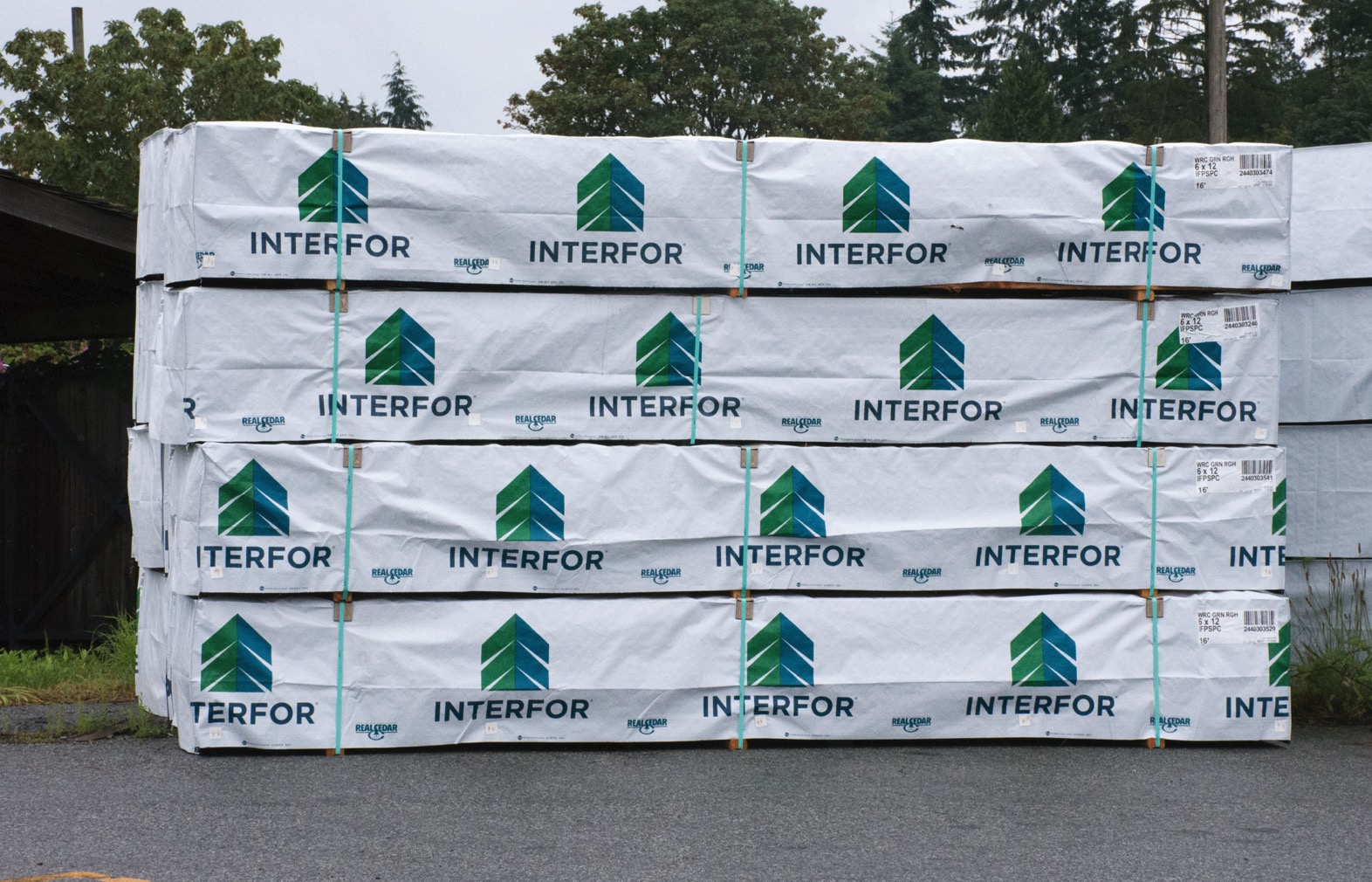 Canadian lumber giant Interfor Corp., which blamed U.S. tariffs on softwood lumber when it idled two Northern Ontario sawmills indefinitely in April, has told employees it plans to shift its corporate and functional support operations from the company’s current headquarters in Burnaby, B.C., to an office in Georgia. In a memo sent to employees earlier this month and viewed by the Financial Post, chief executive Ian Fillinger said the Peachtree City office, outside Atlanta, will be established as Interfor’s “primary hub for corporate and functional support.” The July 9 memo says “a continued West Coast presence” will be maintained as part of a multi-year operational strategy and that the company hopes to handle the gradual shift to a U.S. corporate support hub largely through attrition and future hiring decisions. …According to Fillinger the changes would position the company’s support functions closer to where the business operates and strengthen how mills and customers are served….
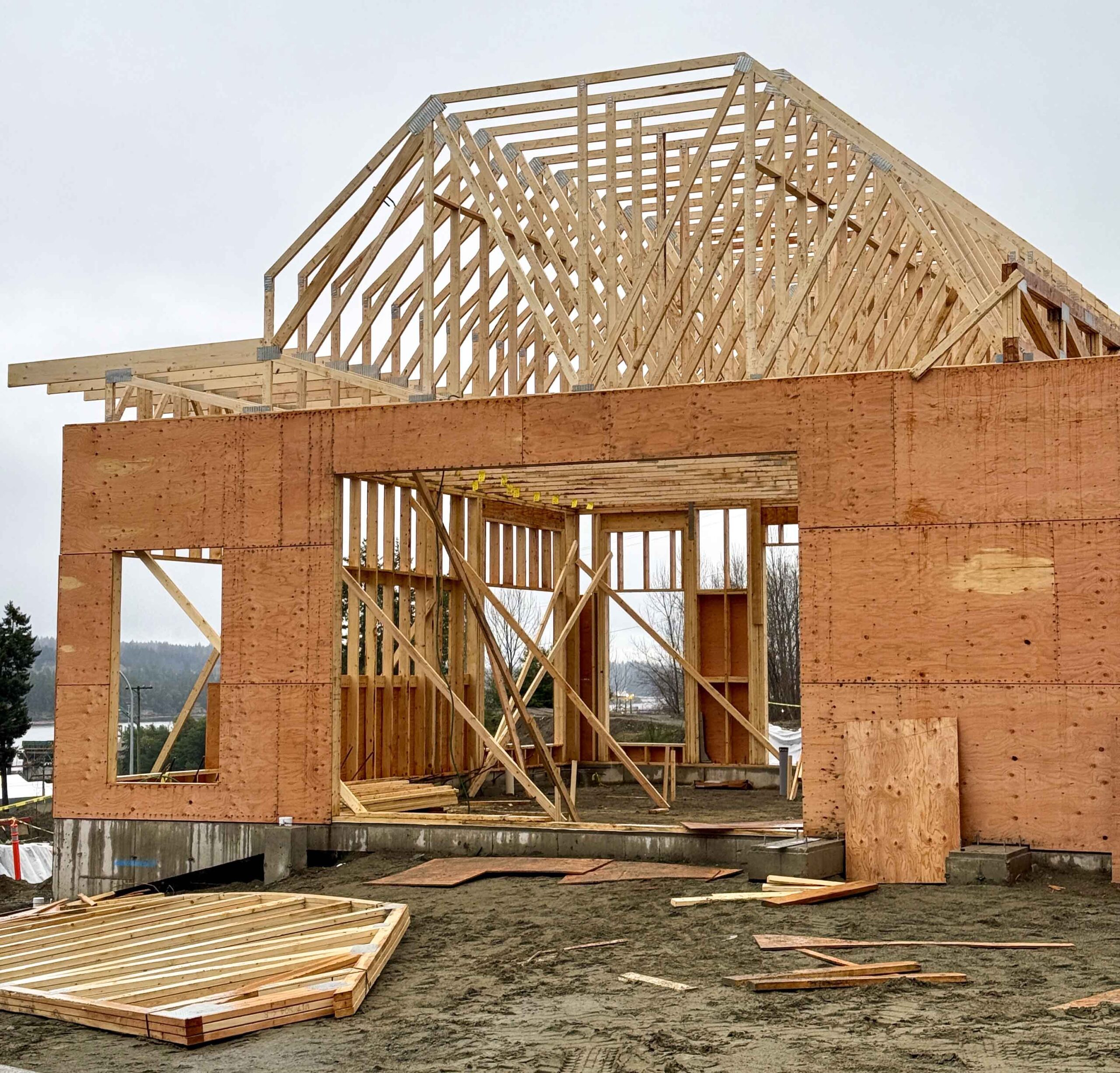 A niche corner of B.C.’s forest sector … is now staring down a deadline for a crushing blow in the next round of tariff charges announced by U.S. President Trump. Those new charges would slap a 50 per cent tariff on $28 billion of Canadian exports including B.C. plywood, veneers and plywood panels starting Aug. 19, leaving producers short on strategies to adjust. “(We’re) just hoping that Trump is flip-flopping again,” said Bhavjit Thandi, chief financial officer of Richmond Plywood. …Thandi said Richmond Plywood sells most of the output of its 450-employee mill into the Canadian market, but the 10 to 12 per cent it has been shipping into the U.S. represents its best and highest-value product. …To Brian Menzies, executive director of the Independent Wood Producers Association, the threatened tariffs add insult to injury for his members that have been struggling for almost a decade under the punitive duties of the Canada-U.S. softwood lumber dispute. [A Vancouver Sun subscription is required for full story access]
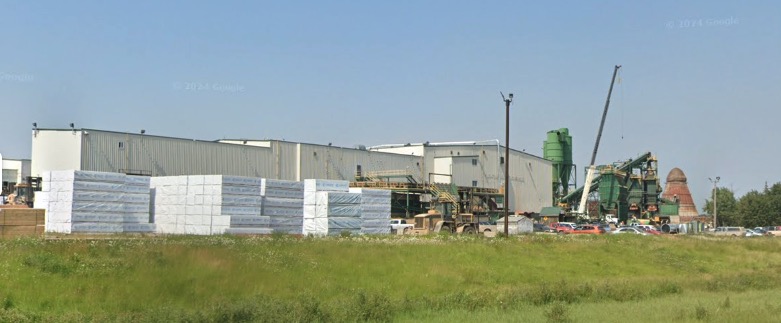 Carrier Forest Products Ltd. plans to indefinitely “curtail” production at its Big River sawmill later this year, resulting in 117 layoffs. Carrier recently announced that output from its Saskatchewan mill is to halt in October of this year, citing weak market conditions in addition to wildfires and American tariffs. “For over 100 years, the forestry industry has provided a source of income for the residents of this community as well as attracting many newcomers into town,” said Clint Panter, the reeve of the town council in Big River. …The NDP has blamed the governing Saskatchewan Party for the layoffs, stating that a lack of support for the forestry industry left the company vulnerable to tariffs, fires, disease and insects. In response, Saskatchewan Minister of Energy and Resources Chris Beaudry said the sawmill’s closure is “a direct result of the unjustified U.S. tariffs and duties, a weak pricing environment and a falling exchange rate.”
 Department of Finance Canada highlighted a $100 million loan to Millar Western Forest Products Ltd. through the Large Enterprise Tariff Loan (LETL) facility. As part of the Government of Canada’s efforts to support and protect Canadian businesses facing trade-related uncertainty, this loan will provide the company with the flexibility to strengthen its near-term operations, including rebuilding its log inventory, and adapt to evolving market conditions while protecting jobs. Millar Western produces high-quality hardwood and softwood pulp from three mills in Slave Lake and Whitecourt, Alberta, and Quesnel, British Columbia. The company employs more than 420 full-time workers and supports approximately 300 contractors in maintenance, field-level forestry and consulting services. As an export-oriented business, Millar Western ships most of its products internationally, with 93 per cent of its sales going to Asian markets, primarily China.
 SAULT STE. MARIE — The Ontario government is partnering with the Government of Canada to invest more than $7.2 million through the Canada-Ontario Workforce Tariff Response to help protect workers in the North, strengthen critical industries and build a more competitive and resilient economy in the face of global economic uncertainty. This investment will help more than 500 workers across northern Ontario upgrade their skills, transition into in-demand careers and ensure local employers have the skilled workforce they need to grow and succeed. “Through these investments, we’re helping workers transition into good-paying careers, supporting employers facing economic pressures and strengthening the industries that will drive Ontario’s future prosperity,” said David Piccini, Minister of Labour, Immigration, Training and Skills Development. Ontario will deliver the funding through Skills Advance Ontario, which partners with employers and training providers to help workers transition into the sectors that are driving economic growth and building the province’s long-term competitiveness.
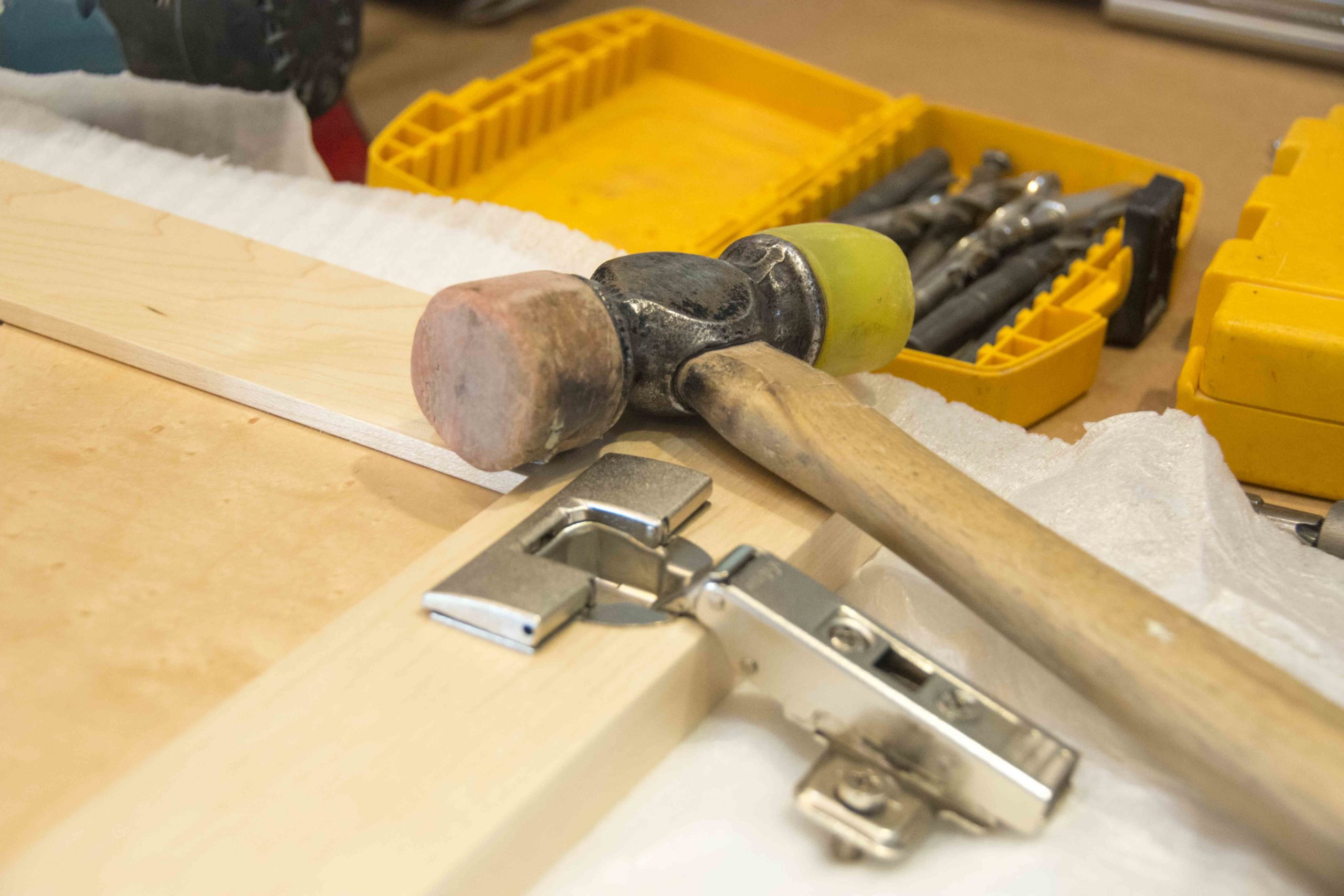 When construction and trades professionals are asked which single trade the skills shortage will hit hardest, they don’t name electricians or plumbers first. They name the carpenters and woodworkers, and the consequence they point to most isn’t a blown budget or a slipped schedule. It’s a decline in the quality of the work itself.
  PITTSBURGH – United Steelworkers (USW) International President Roxanne Brown and IAM Union (International Association of Machinists and Aerospace Workers) International President Brian Bryant sent a letter to United States Trade Representative (USTR) Jamieson Greer, urging him to reconsider tariffs on Canadian goods and instead employ a trade policy built on the long history and unique relationship the two nations share. “While it’s true that workers and their communities have suffered greatly from decades of so-called free trade, Canada has never been the problem,” said Brown. “Our two nations share a deep collaboration built on decades of economic integration as well as intelligence and defense cooperation. Rather than imposing further tariffs … we should work together with our Canadian allies to limit illegal trade practices and advance our shared prosperity.” “…we urge the administration to work with the Canadian government to preserve the integrated manufacturing relationship that supports workers on both sides of the border,” said Bryant.
 The purely economic decision by Finch Paper in Glens Falls, now part of a global company, to stop purchasing Adirondack regional trees for its pulp to paper operation and to instead acquire its pulp from far beyond New York’s borders is serious – and deserves the attention it’s getting from forest product industries, harvesters, truckers, suppliers, and landowners elsewhere. …While residents will no longer have to breathe the sulfide smell from the mill, there are broadly negative effects further north. Environmental interests also have a big stake in this matter. If a large, regional, formerly reliable market for low-grade… pulp trees is suddenly eliminated, then the reduced income and opportunities for future management threatens the quality, diversity, and sustainability of Adirondack forests. It also threatens the loss of Adirondack forest-related employment up and down the supply chain, as well as forest fragmentation and loss of wildlife habitats due to sale, subdivision, and subsequent development.
 Federal Way, Washington – Pacific Lumber Inspection Bureau (PLIB) has expanded its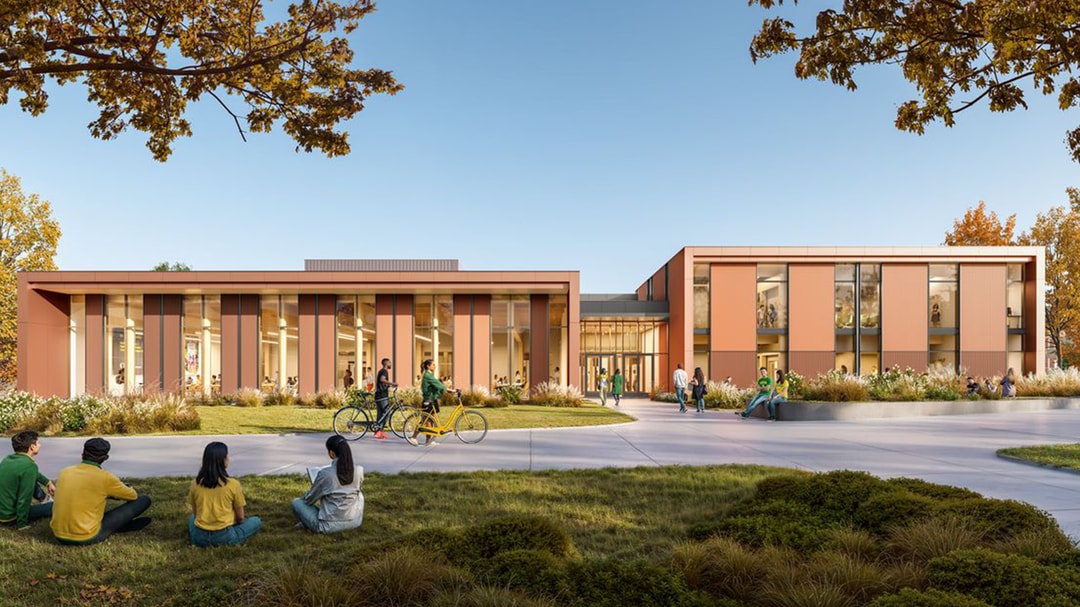


 Canada has long been recognized as a global leader in advancing reconciliation with Indigenous Peoples, particularly since Aboriginal rights and title were constitutionally entrenched in 1982. While significant progress has been made, reconciliation remains an ongoing process, with courts continuing to shape how these rights are defined, respected, and implemented. A pivotal moment came with the Tsilhqot’in Nation v British Columbia decision, in which the Supreme Court of Canada granted Aboriginal title to a large area of land in British Columbia. This ruling established key legal tests for proving Aboriginal title and outlined how governments may justify infringements. Importantly, the decision affirmed that such lands are no longer Crown lands and are subject to Indigenous rights of “exclusive use and occupation.” More recently, courts in British Columbia, Ontario, and New Brunswick have begun addressing how Aboriginal title may intersect with privately owned land. These cases introduce a complex legal tension: both Aboriginal title and fee simple ownership confer rights of exclusive use and occupation. The question of how these rights can coexist on the same parcel of land remains unresolved and is now central to ongoing legal debates.
 As more than 900 wildfires burn across Canada, prompting evacuation orders and pushing Ontario into its worst wildfire season on record, officials are renewing calls for the country to develop a national wildfire strategy through the creation of a federal agency. Canada is the only G7 country that does not have a national emergency agency that is mandated to respond to wildfires. After a disastrous July for wildfires that razed First Nations communities in northeasern Ontario and sent poisonous smoke southward through the US, provincial premier Doug Ford called for a countrywide response to the wildfire threat. “We need a large national fire strategy. We seem to be going through this every single year,” Ford told reporters. … A national wildfire strategy through the creation of a federal emergency agency would help Canada be more prepared, said Mike Flannigan, a professor of wildland fire at Thompson Rivers University in British Columbia.
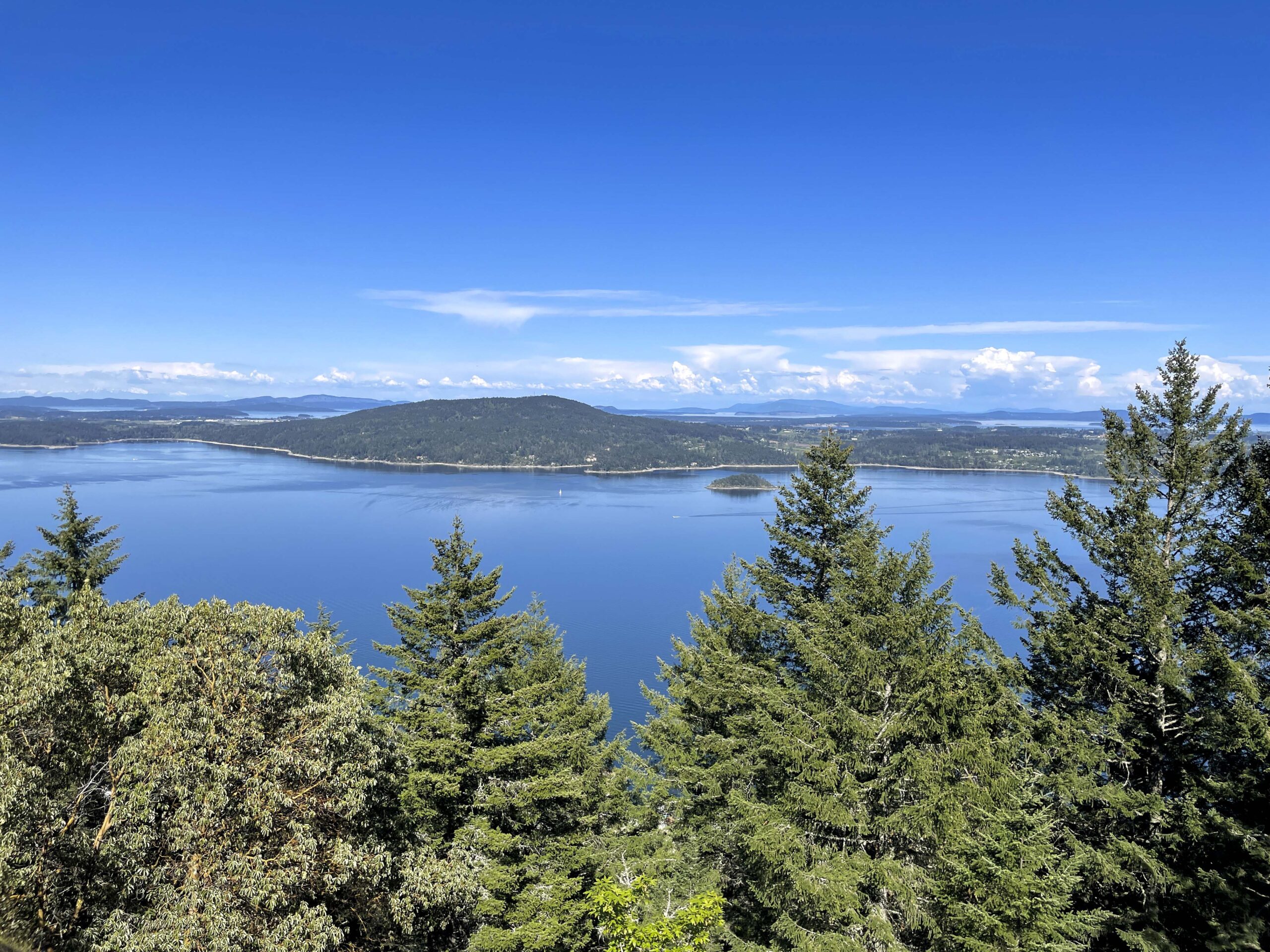 …Now Canada’s forest industry, a pillar of our economy since colonial times, must also look itself in the mirror. …So does that mean the Americans are right? Republican John James, a U.S. Congressman from Michigan, blamed Canada for abdicating its “responsibility to prevent a foreseeable disaster from crossing into another country’s airspace.” The short answer is no. …but the responsibility lies not with Canada, per se; the main culprit is human-caused climate change. …The current U.S. administration has recklessly and suicidally turned its back on a transition to a low-carbon economy. …Meanwhile, our own federal government under Prime Minister Mark Carney has pulled away from Justin Trudeau’s bold moves to curb fossil-fuel use, and has instead championed pipelines. …The key, big-picture, is to transition to a low-carbon future. In the meantime, we can do a better job with forest management, informed by Indigenous knowledge, to avert or mitigate wildfire disaster. [Access to this story requires a Globe and Mail subscription]





 TORONTO — On World Nature Conservation Day, a new report published by Ontario Nature demonstrates how Bill 5’s Species Conservation Act (SCA), which repealed the Endangered Species Act (ESA), creates critical protection gaps for 106 migratory birds, aquatic species and species of Special Concern. The report – Bridging the Gap: Assessing Recent Changes to Species at Risk Protections in Ontario – shows that the ESA provided an effective, though imperfect, framework for species conservation and recovery. The loss of this framework is a symptom of a much broader trend in weakened environmental protections across the province and beyond, where the most vulnerable species and habitats are seen as “red tape”. This pattern exacerbates the ongoing biodiversity crisis, which will ultimately undermine the economic and social resilience of Ontario, in addition to further imperiling our precious natural world.
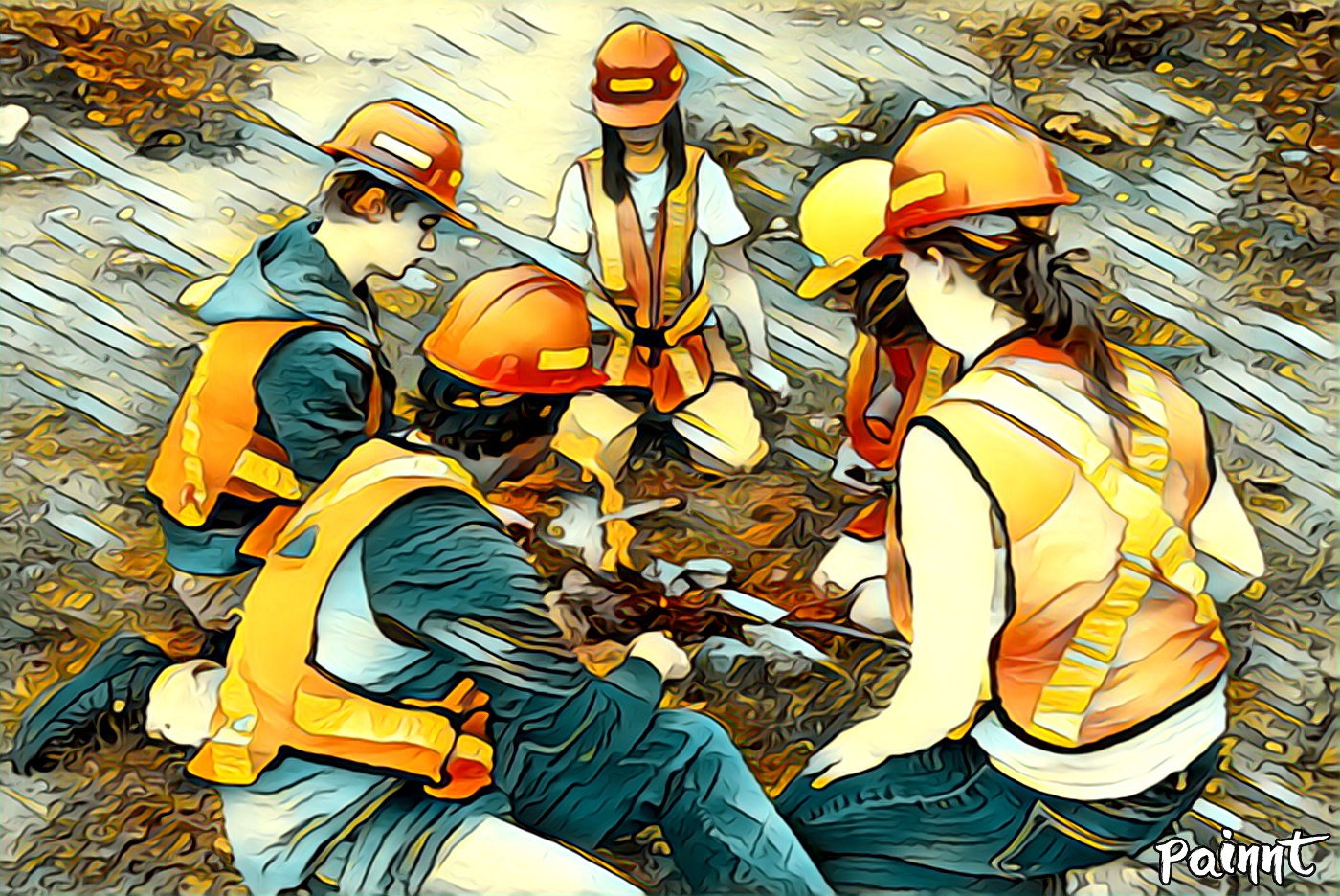 Hiring young workers can be an effective way to address labor needs, but forestry employers should understand that federal and state laws place significant restrictions on the work employees under age 18 may perform. Before hiring a minor, employers should familiarize themselves with those requirements to ensure they remain compliant while making informed staffing decisions. The federal government generally defines the youth labor force as individuals between the ages of 16 and 24. Under federal employment law, however, workers under age 18 are subject to additional protections that do not apply to older members of that group. Many forestry occupations are considered particularly hazardous under regulations administered by the U.S. Department of Labor. States may also impose their own requirements governing the employment of minors, so employers should review both federal and applicable state laws before hiring a worker under age 18.
 Trump administration officials and members of Congress walked along the burn scar from Utah’s devastating Cottonwood Fire last week…. If the forest had been thinned, with “a lot fewer trees per acre, and maybe even some controlled burns to take the underbrush out, there’s just not the fuel there when these fires start to make them catastrophic fires,” Rep. Bruce Westerman said. The Arkansas Republican chairs the House Natural Resources Committee. But these traditional fire prevention methods may no longer work with a changing climate that makes hot, dry weather increasingly the norm said Dominik Kulakowski, a professor of geography at Clark University in Massachusetts. “The implication of that,” he said, “is that we’re losing our ability to manage forest fires.” …The Trump administration issued a directive this year calling on federal agencies to aggressively suppress all fires — including the smaller ones that forests evolved with and may keep them healthy.
 Seven years ago, the Alliance for the Wild Rockies, with the support of local residents, took the U.S. Forest Service to federal court to halt the Hanna Flats logging, road-building and burning project on the Idaho Panhandle National Forests in North Idaho. The good news — for grizzly bears, old growth forests and the local populace — is that a federal appeals court just ruled for the Alliance. The logging project is located in the habitat of the imperiled Selkirk grizzly bears, which have been reduced to a mere 50 bears when the minimum needed for recovery is 100 bears. The bears suffer from human-caused mortality at unsustainable rates and are regularly displaced and harmed from logging and road-building. …There is no hope of recovering this imperiled grizzly population as required by the Endangered Species Act unless the government starts complying with the law. This court decision is one step in the right direction.
 Oregon forestry officials will need to manage hundreds of thousands of acres of western state forests to better support critical species, water and air quality and to decrease greenhouse gas emissions under a new management plan the Board of Forestry approved Wednesday. The seven-member board voted 5-2 to pass the 168-page



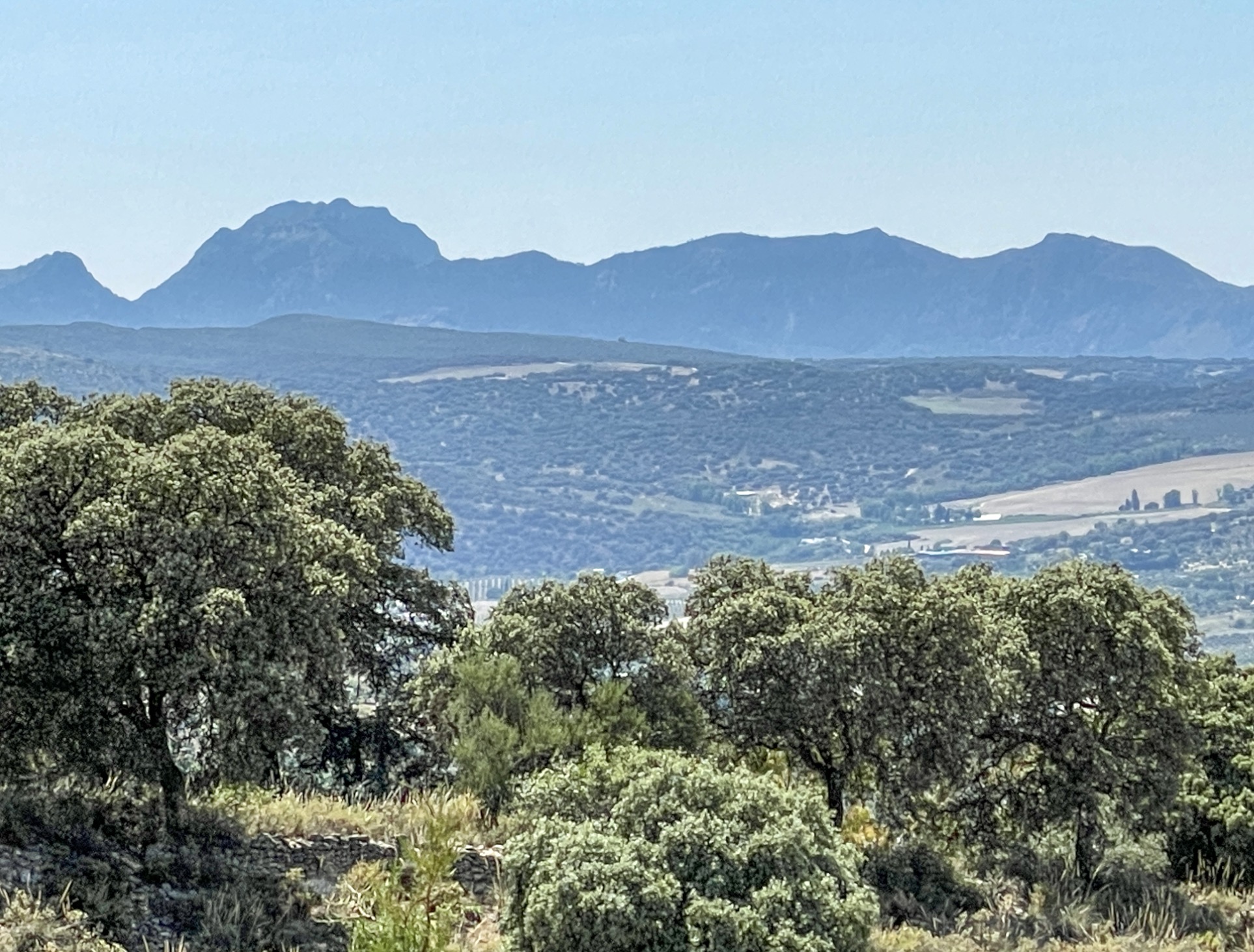 With France and Spain struggling to contain raging wildfires, and others from Germany to Greece on high alert, Europe is discussing how to stop this happening again next year. …Addressing the root causes of wildfires, such as increasingly frequent heat waves, will require long-term policies. But there are ways to reduce the risk in the short term, said Tammouz Eñaut Helou, secretary-general of the French forest owners’ association UCFF. This includes raising awareness about how to prepare for outbreaks of fire and “maintaining access through forests to allow firefighters to operate more effectively during interventions”. …Environmentalists say it’s the entire structure of our forests that needs to be rethought. “The fires … are spreading through timber plantations. These monocultures are more than twice as likely to burn as natural forests,” the director of UK environmental group Earthsight, Samuel Lawson, said on Sunday. …Helou, representing the planters of such forests, disagrees.

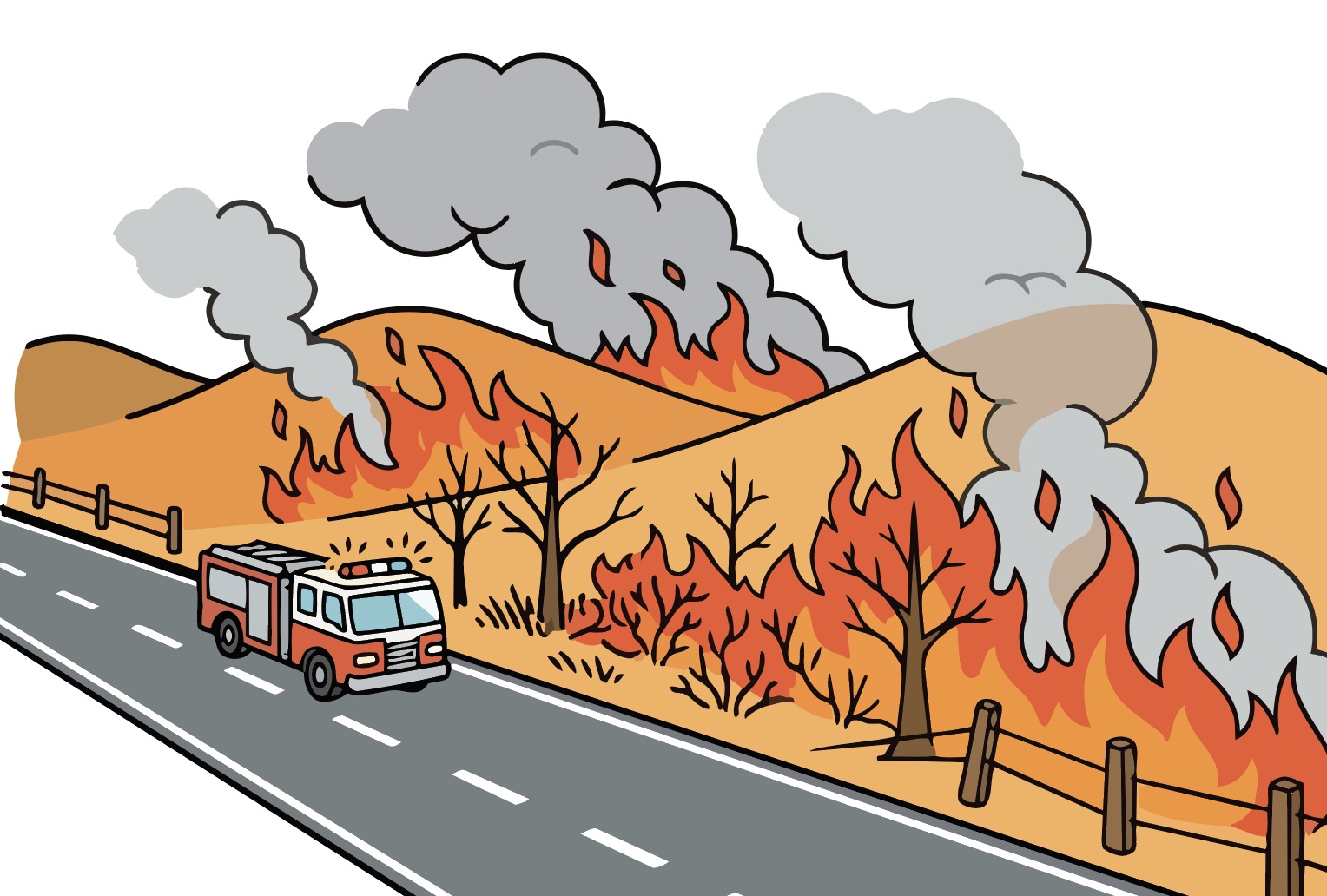 When people see or hear that a fire has started beside a highway or road, many probably think that a casually discarded cigarette butt tossed out a window is the culprit. Not so, says Ashcroft Fire Rescue Chief Josh White. …he says that most roadside fires could be prevented if drivers took a few simple steps to make their vehicles more roadworthy… According to the BC Wildfire Service, only 0.8 per cent of human-caused fires in B.C. each year are caused by discarded smoking materials. By contrast, vehicles are responsible for 3.8 per cent of human-caused fires each year. …White says that there are three main things people can do to reduce the risk of vehicle fires. “Get the vehicle serviced regularly; don’t overload the vehicle; and carry a working fire extinguisher. It won’t necessarily put a fire completely out, but it’s good at knocking down a small fire”


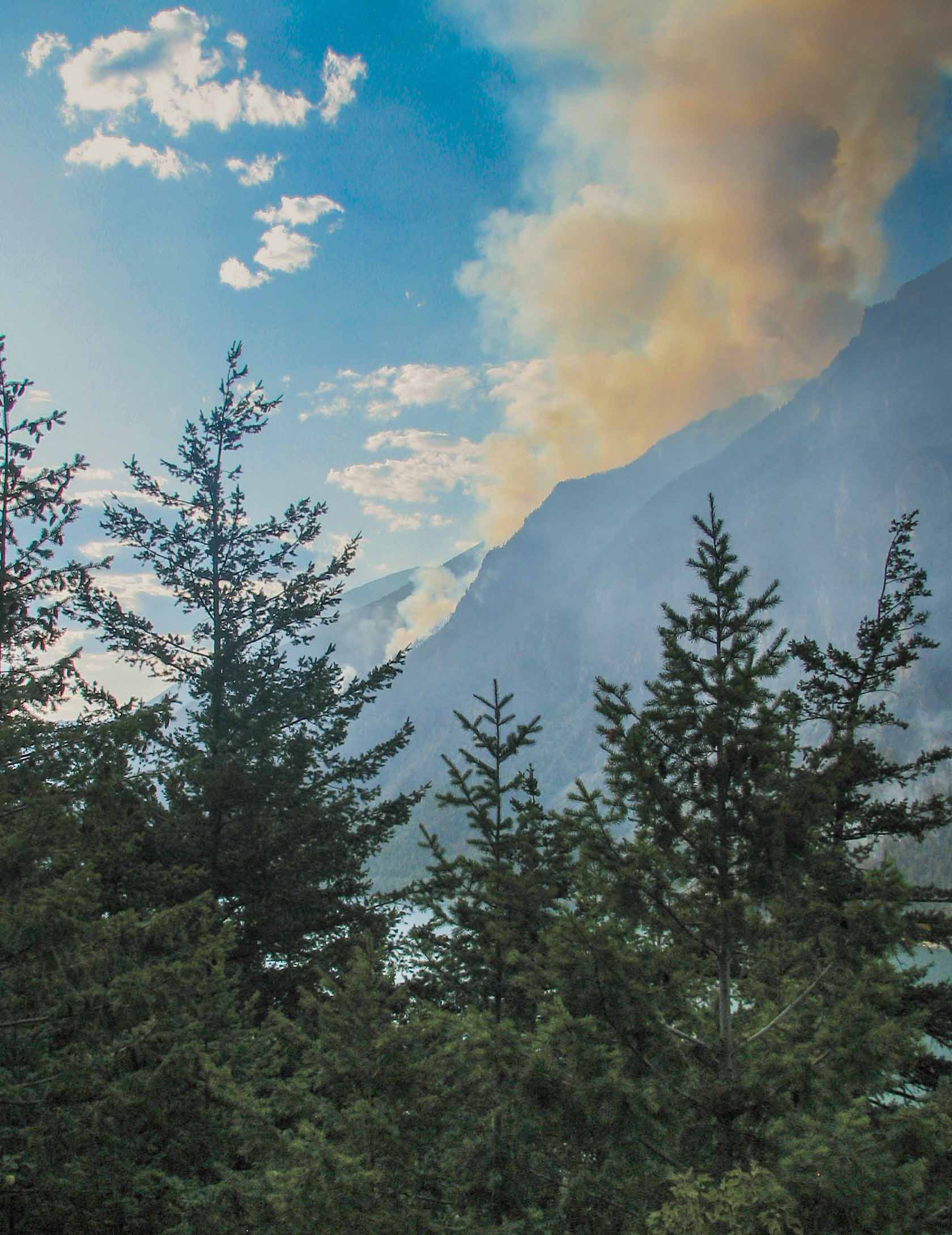 A wildfire in Washington State has crossed the border into B.C., the North Cascades National Park Service Complex says. Border 2 Fire, 2.4 kilometres east of Hozomeen just south of the Canada-U.S. border, crossed into B.C. and into the Okanogan-Wenatchee National Forest lands in the east, according to an update from the park service Wednesday (July 22). Border 1 and Border 2 wildfires combined and are now a total of 121 hectares. The fire is believed to be caused by lightning. The park service says the fire is burning in remote, steep, and densely forested and rocky terrain. Fire activity is expected to be elevated with upcoming hot, dry and windy conditions over the next few days until cooler weather conditions return to the area, the service added.


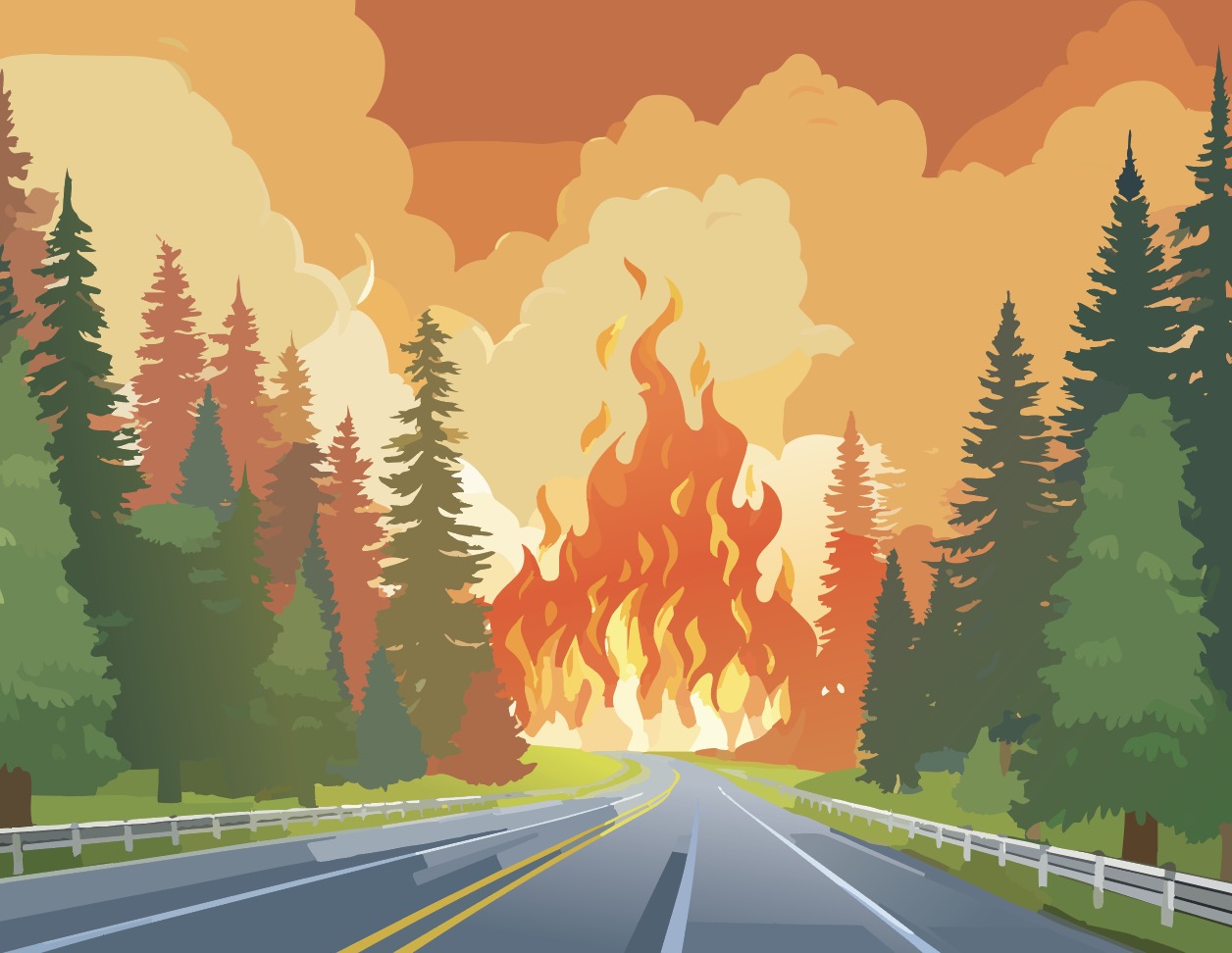 More than 300,000 people were evacuated and at least one person killed because of wildfires in France and Spain, with fire crews battling the blazes for several days. The two countries are facing massive wildfires that began last week amid successive heat waves in Europe that produced record high temperatures in several countries and led to thousands of excess deaths. …Fire crews were dealing with a 280-km perimeter of fire covering 77,000 hectares across Madrid, Ávila, and Toledo, Spain’s Secretary-General for Civil Protection and Emergencies Virginia Barcones told state broadcaster TVE. …In France, around 55,000 people were ordered to evacuate villages near Bordeaux… Much of Europe has been affected by successive heat waves that have raised the risk of wildfires. With temperatures expected to rise again and little rain forecast in many fire-affected areas, that danger is only expected to increase this week.
 PARIS — A wildfire in southwest France grew so powerful that its smoke column became a thunderstorm, generating lightning that struck the ground and ignited new fires beyond the original blaze, French officials said. Put another way, that means the inferno was no longer simply being propelled by the weather. It was making its own. The thundercloud also produced violent, erratic winds capable of driving the flames in new directions. The phenomenon, called a pyrocumulonimbus, or pyroCb, is rare in Europe and more commonly documented in North America and Australia, where it occurs only over some of the most extreme fires. France’s national firefighters federation said it had never before recorded one in the country. …At about 6:20 p.m. Friday, two days after the fire began, the departmental fire and rescue service said it had generated a pyrocumulonimbus. The cloud weakened overnight as humidity rose, then formed again several times. An electrified black thundercloud…

 BARCELONA, Spain — Firefighters in central Spain battled a wildfire on Wednesday that has burned over 32,000 hectares (79,000 acres) in one of the country’s largest blazes on record. The fire in rural Guadalajara comes less than two weeks after a deadly blaze devastated a small expat community in southern Spain. That small but extremely virulent fire killed 13 people, including several foreigners, in one of the southern European country’s deadliest wildfires. Spanish Prime Minister Pedro Sánchez on Wednesday visited the fire-ravaged area in Guadalajara, and called for a pact between political parties to fight climate change. “Year after year we clearly see how climate change kills and destroys wealth in our communities,” Sánchez said in the village of Tamajón, located less than two hours by car northeast of Madrid. “This isn’t politics. It is science, it’s about facts.”