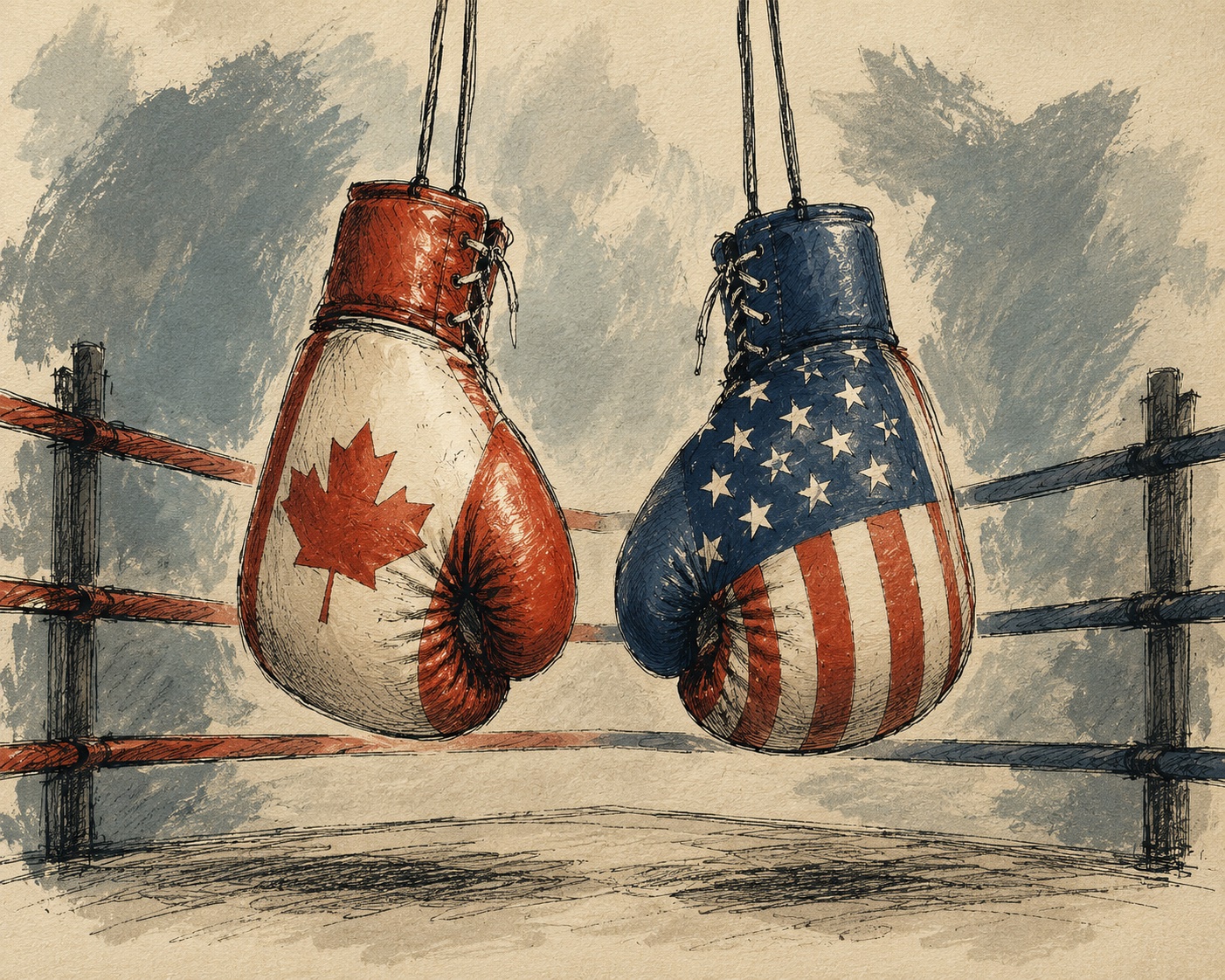
 Carney and Canada’s premiers weigh their response, as Trump’s 50% tariffs raise risks for Canadian forest products and US housing. In related news: Prime Minister Carney says Canada is only interested in a comprehensive trade deal; Derek Nighbor says the tariffs will impact Canadian jobs and US housing; experts David Elstone and Harry Nelson add their perspectives; and a NY Times columnist says this is nothing compared to what’s coming. Meanwhile: a global forest sector outlook report; a BC economic performance report; and the final determination on US duties on Chinese hardwood plywood.
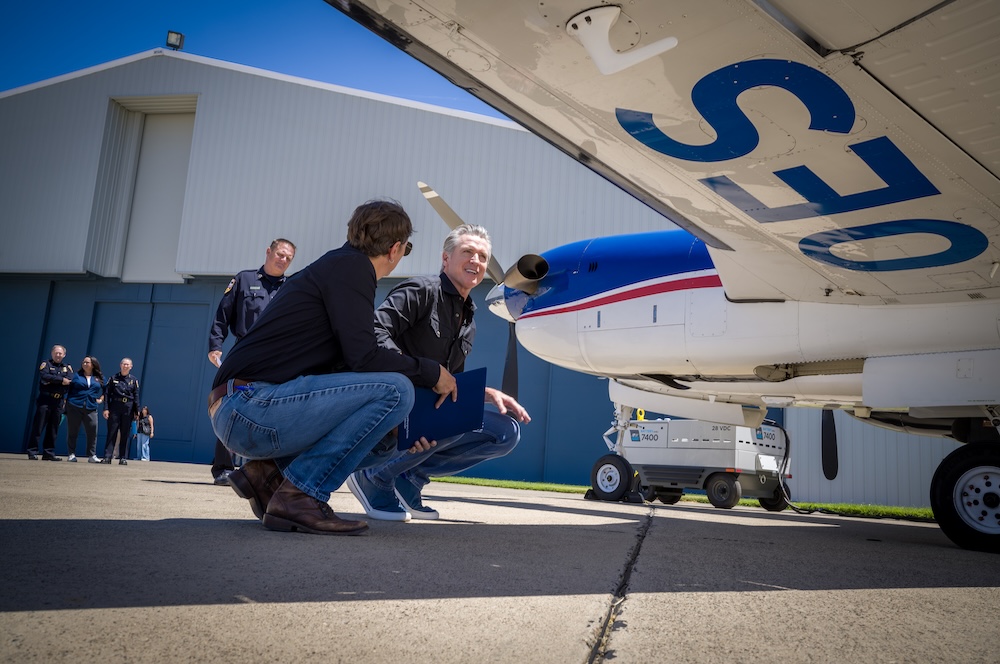
In Forestry/Wildfire news: Xat’sull First Nation seeks emergency order to protect caribou; Ontario faces scrutiny over forest firefighter pay and retention; California highlights new investments in wildfire prevention technology; and China unveils an ambitious five-year forestry conservation plan. Meanwhile: wildfire and evacuation updates from BC’s Fraser Valley; and northeast of Madrid, Spain.
Finally, the promise—and pitfalls—of replacing plastics with paper packaging.
Kelly McCloskey, Tree Frog News Editor














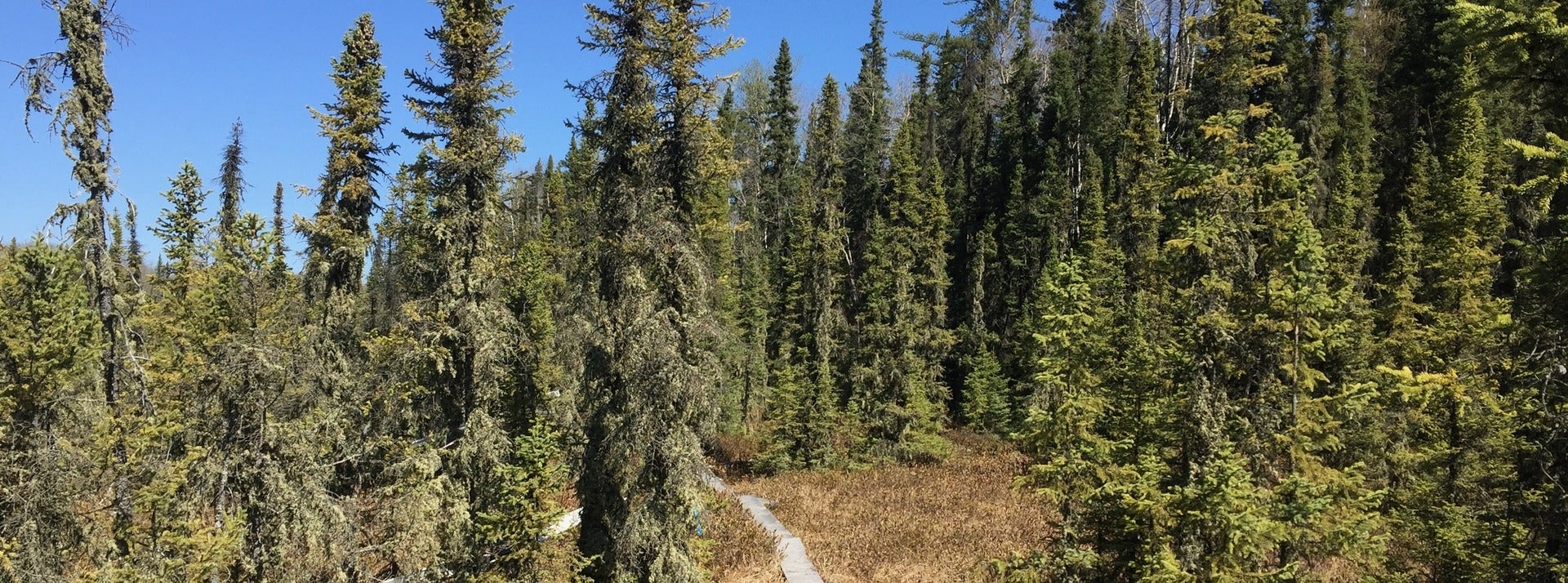

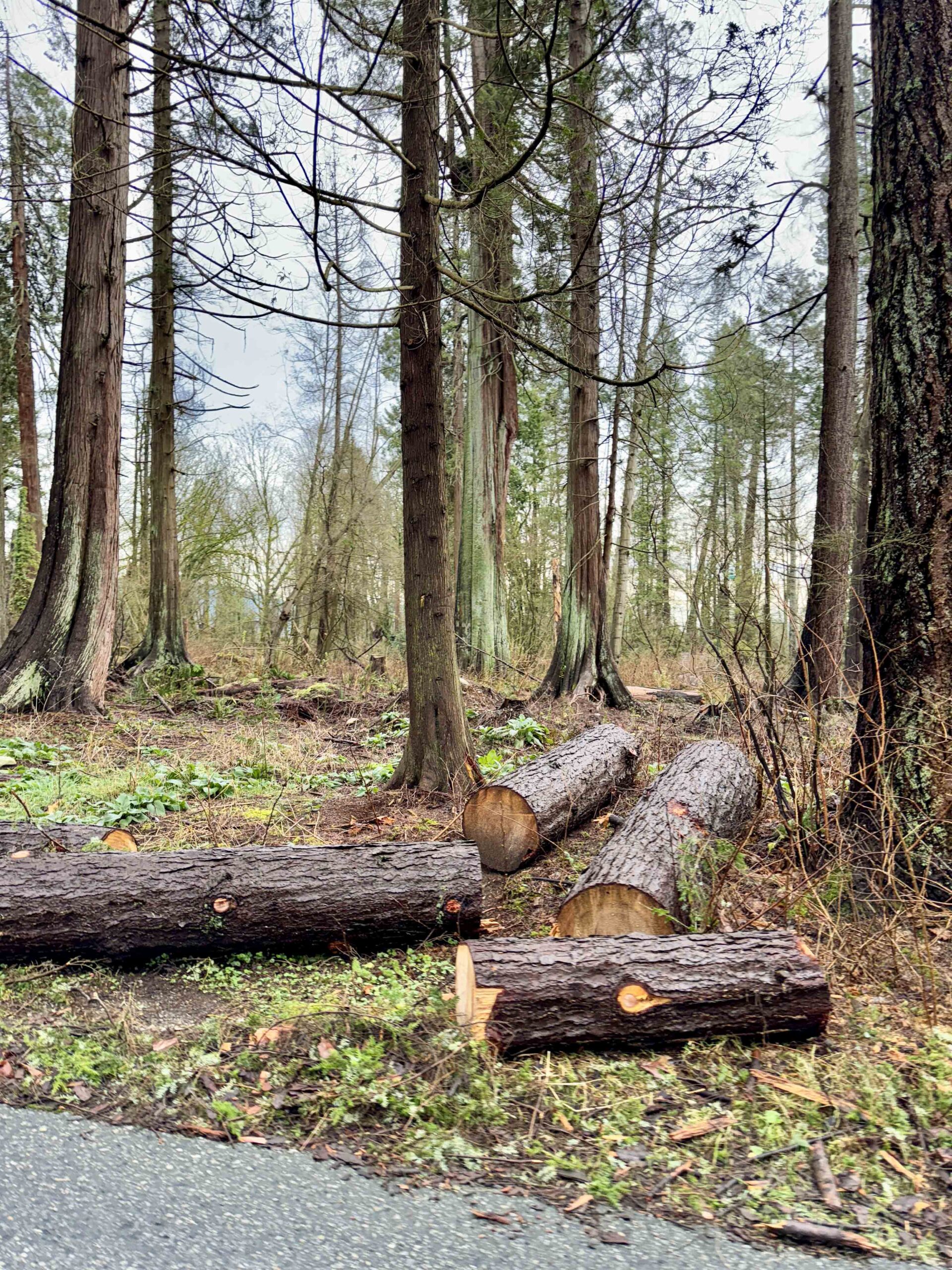
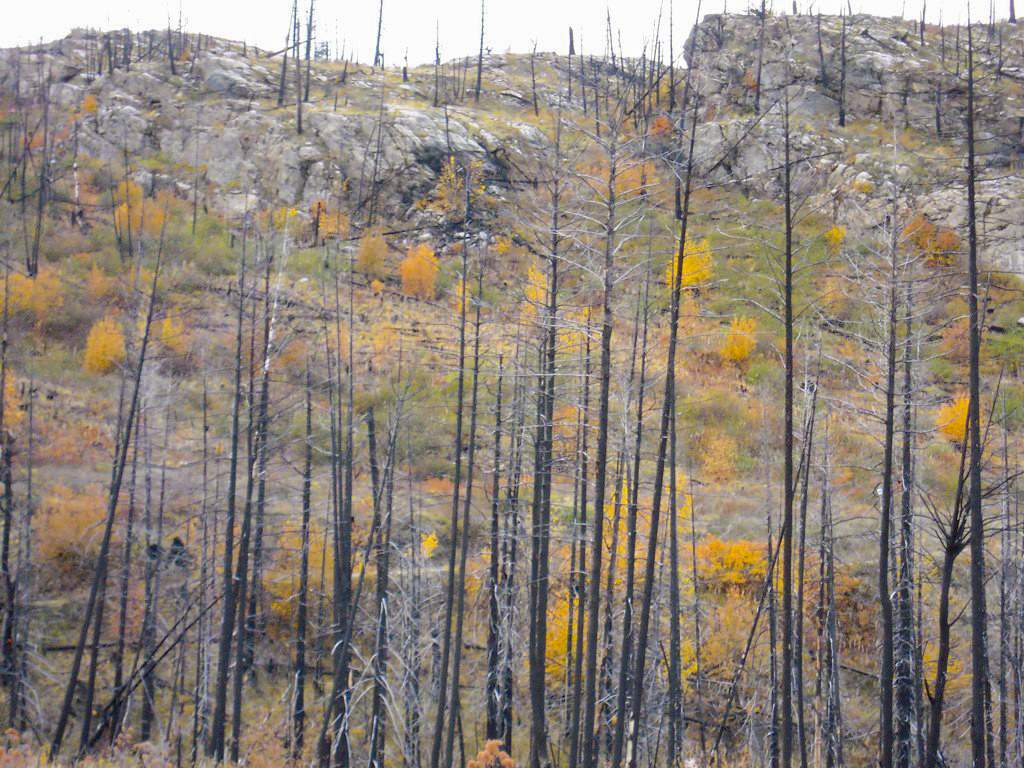 Nk’Mip Forestry, with support from Siya Forestry, has planted more than 900,000 trees and native plants across Osoyoos Indian Band territory this year as part of the federal “2 Billion Trees Program.” The restoration project focuses on areas damaged by wildfire and other disturbances, including land severely burned during the 2021 Nk’Mip Creek wildfire where natural regeneration has been limited. “These sites were severely burned by the 2021 Nk’Mip Creek wildfire and were not regenerating on their own,” said Peter Flett, head of operations for Nk’Mip Forestry, in a press release issued Tuesday. “By planting now, we can help establish mixed-species forests that are better suited to future environmental conditions.” …In addition to restoring forests and wildlife habitat, the initiative is creating employment opportunities for local crews through seed collection, nursery work, planting and monitoring. The project is funded through the Government of Canada’s 2 Billion Trees Program



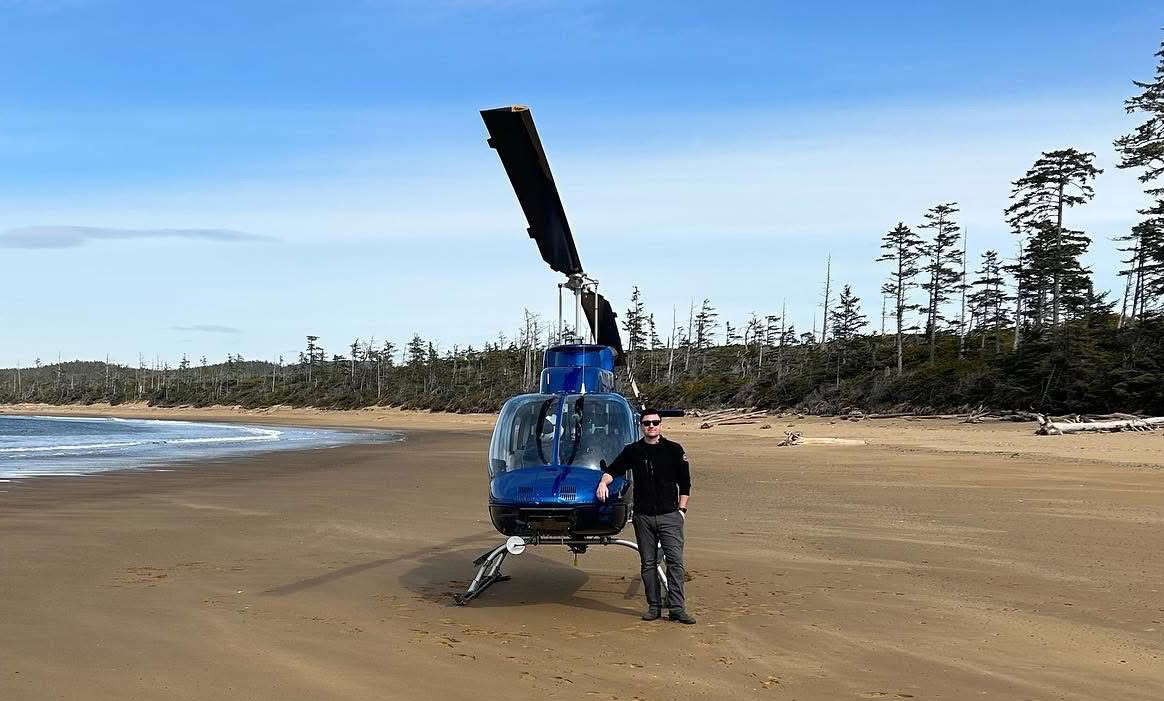
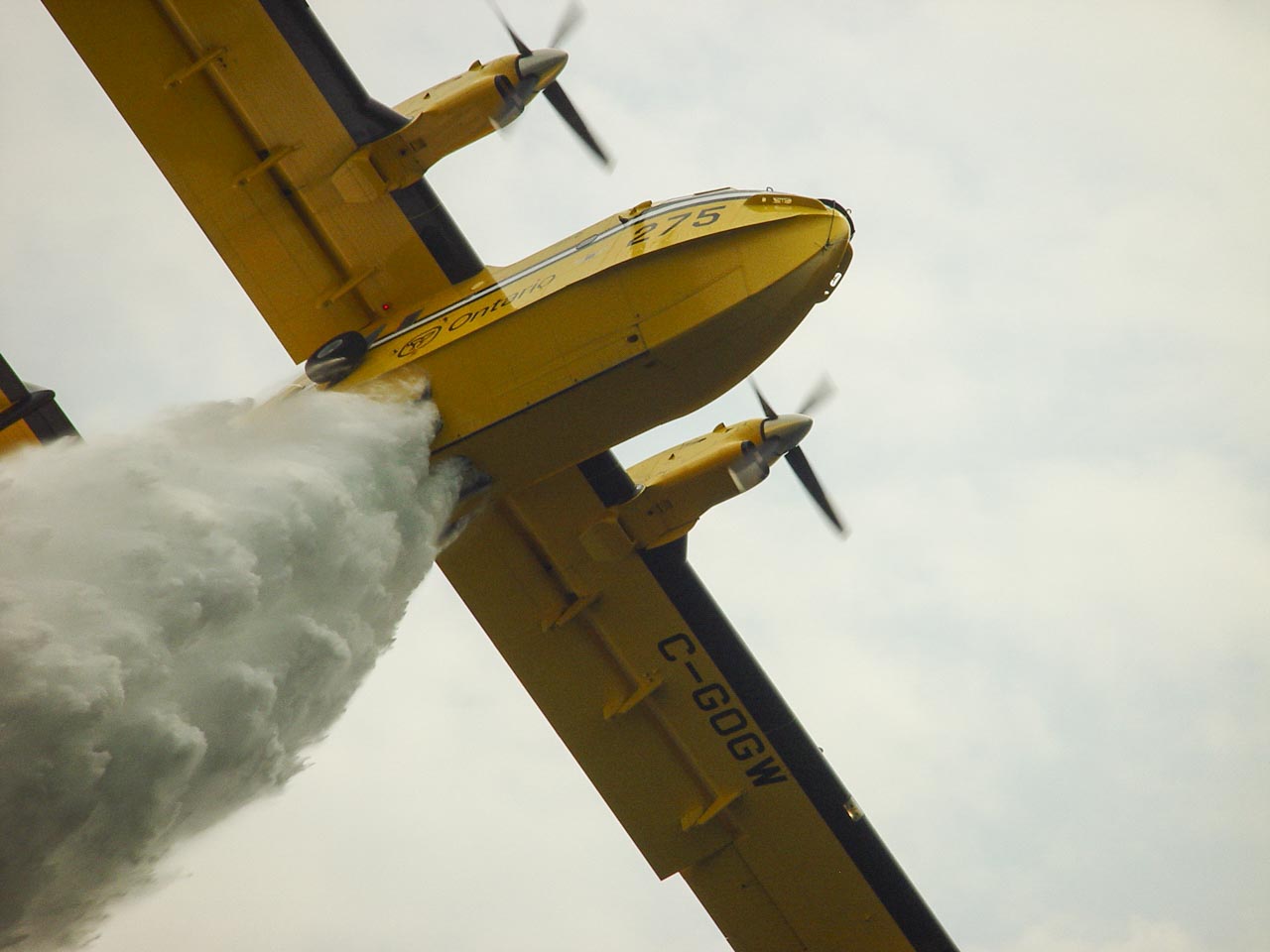 It was more than a decade ago that the Ontario government started to worry about its wildland firefighting program. In 2016, a report warned that fire rangers were quitting at an alarming rate, were less experienced than in previous years and were comparatively underpaid. Those issues have persisted ever since. Versions of the report repeated the warnings in 2018 and 2019, while an internal memo from 2022 warned of “an increase in the number of people leaving our organization for employment opportunities elsewhere.” …The Ontario Public Service Employees Union has pushed for major pay increases, to reclassify wildland firefighters as firefighters, not resource technicians, and more year-round jobs. …The government has vehemently denied claims it has failed to prepare for the fire season or that it is underfunding the fight to control the blazes.


 As tribes across the West seek the return of federal lands through U.S. Congress, land trusts have advanced a complementary strategy: helping tribes buy back private lands from willing sellers — including timber companies — with public funding and conservation dollars. That approach is also gaining support in Oregon where five federally recognized tribes are pursuing federal legislation that would transfer public lands into tribal ownership. In a letter last week to the state’s congressional delegation … urged lawmakers to invest in tribal acquisitions of private lands while preserving environmental protections and public access on federal lands. …Historically, land trusts focused on buying and preserving environmentally valued land via conservation easements and other deed restrictions [that] limited people’s access to the land or prohibited most human activities. In recent years, the trusts have started to reexamine that approach, particularly when working with tribes who strongly believe that land should exist in relationship with people.




 With Environment Canada issuing heat warnings for several regions of British Columbia and temperatures expected to climb into the mid-30s in some areas of the province this week, WorkSafeBC is reminding employers to take steps to protect workers from heat-related illness. “Elevated temperatures increase the risk of heat stress and heat stroke, which can be serious and even life-threatening,” says Todd McDonald, head of Prevention Services at WorkSafeBC. “These illnesses are preventable, and employers have a responsibility to take steps to protect workers, whether they are indoors or outdoors.” Between 2021 and 2025, WorkSafeBC accepted 335 heat-related injury claims, including 47 in 2025. …Outdoor workers in construction, agriculture, transportation, and public works are at higher risk. However, indoor workers — including those in kitchens, warehouses, and manufacturing facilities — may also be exposed to high heat, especially in spaces without air conditioning. To prevent heat stress, WorkSafeBC requires employers to conduct workplace-specific risk assessments and develop … safe work procedures.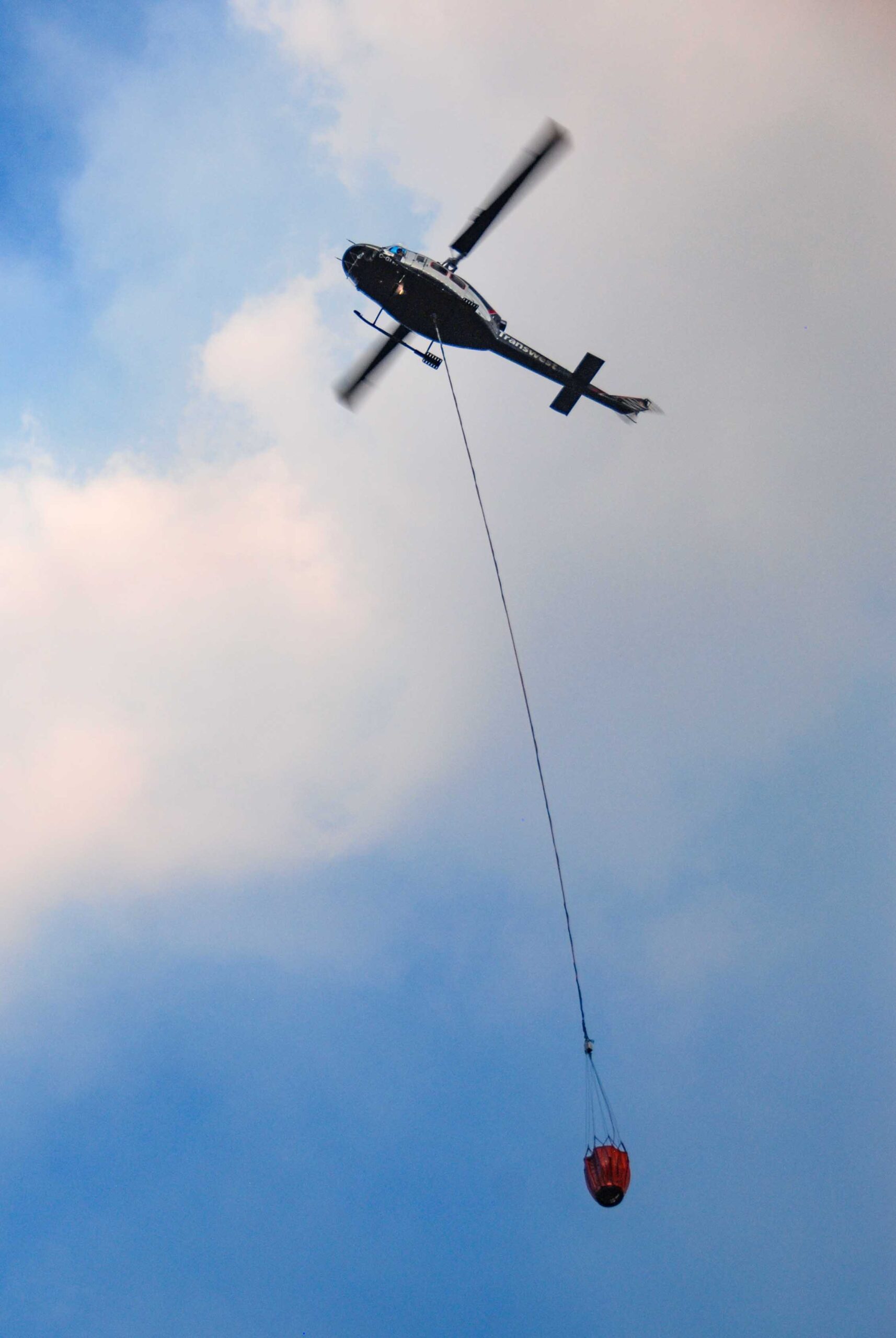


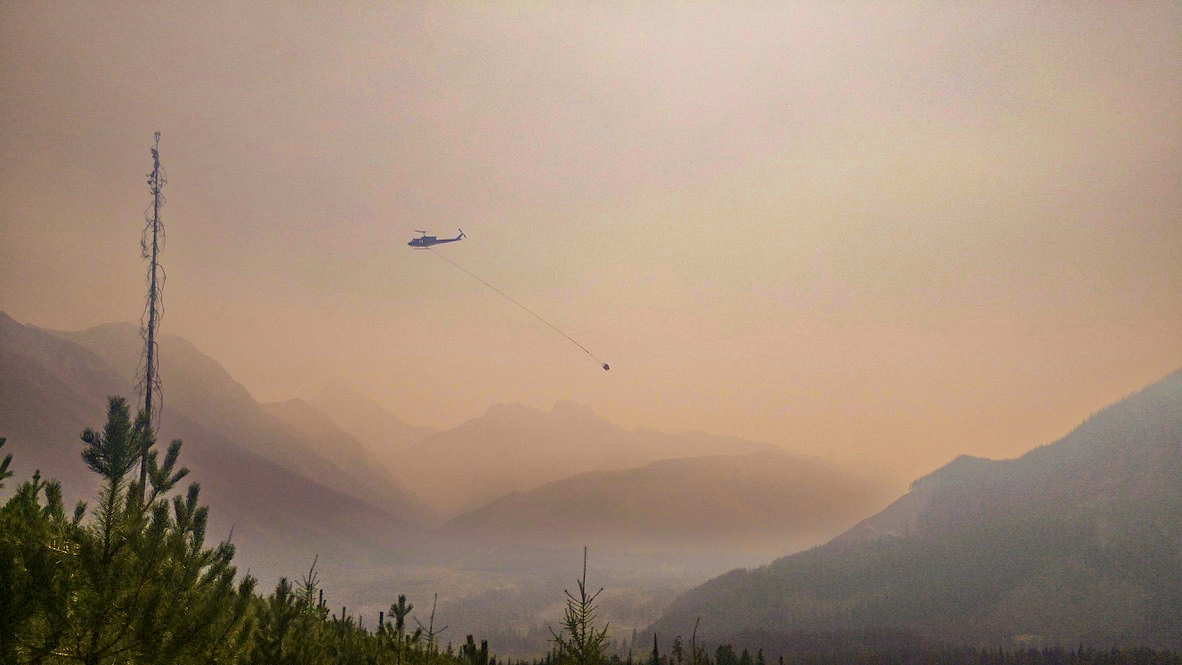


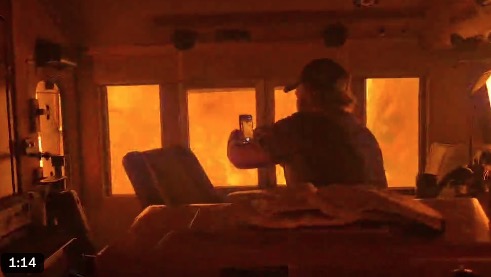

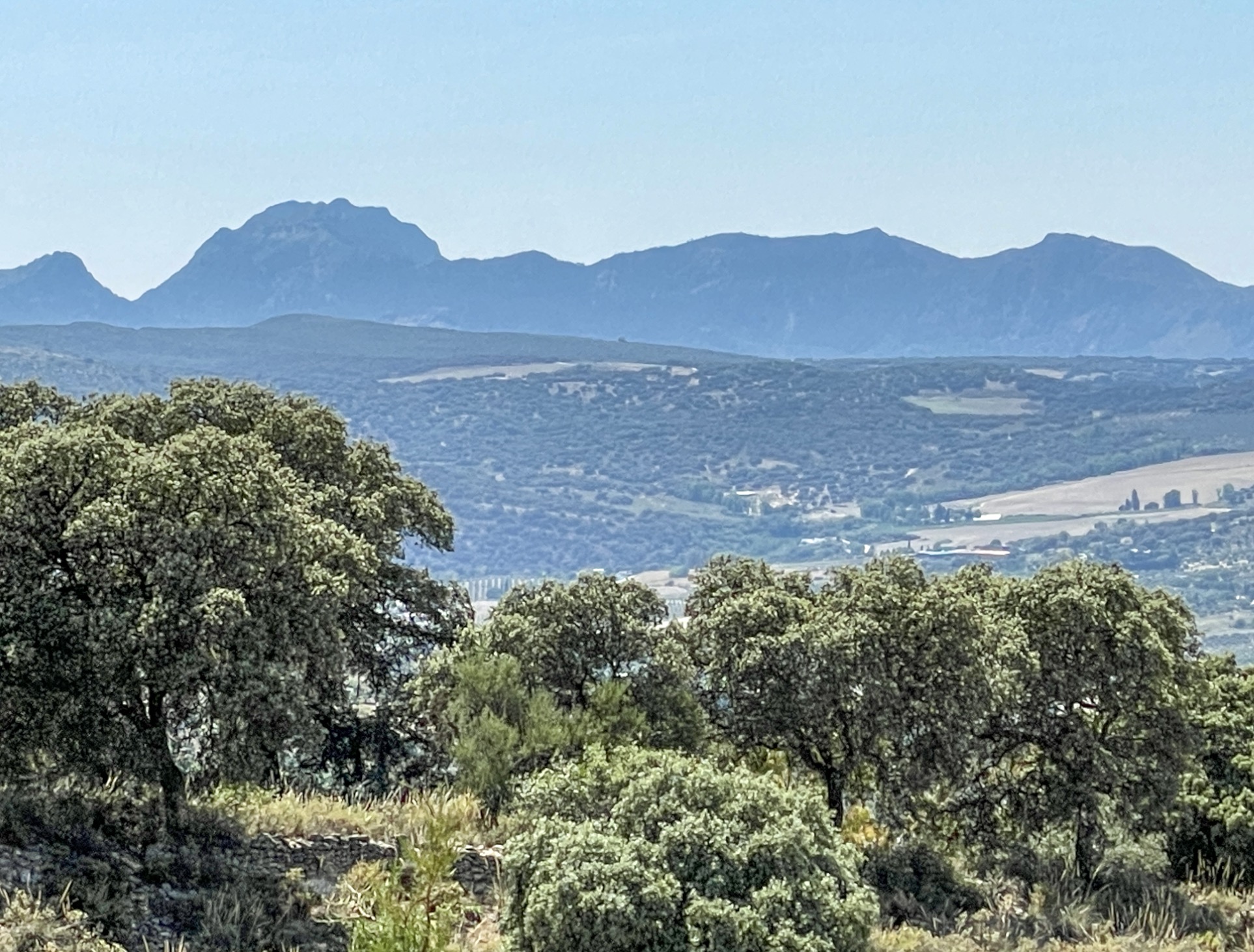 Hundreds of firefighters and soldiers were battling a massive wildfire northeast of Madrid on Tuesday that has been raging since last week. Authorities say the blaze, which broke out on Thursday in Guadalajara province about 100 kilometers (60 miles) north of Spain’s capital, is one of the most difficult they have faced and is considered the most significant wildfire to affect the country this year. “It is the most complex of those that have been tackled in recent years in Spain,” Castilla-La Mancha regional president Emiliano Garcia-Page said. Garcia-Page added that more than 600 firefighters and nearly 50 aircraft and helicopters had “practically stopped” the blaze from spreading toward the provincial capital of Soria, but that it was not yet under control. The blaze has forced some 1,200 people to evacuate from their homes across the region of Castilla-La Mancha, while at least 30,000 hectares (74,000 acres) of land have been burnt, officials said.