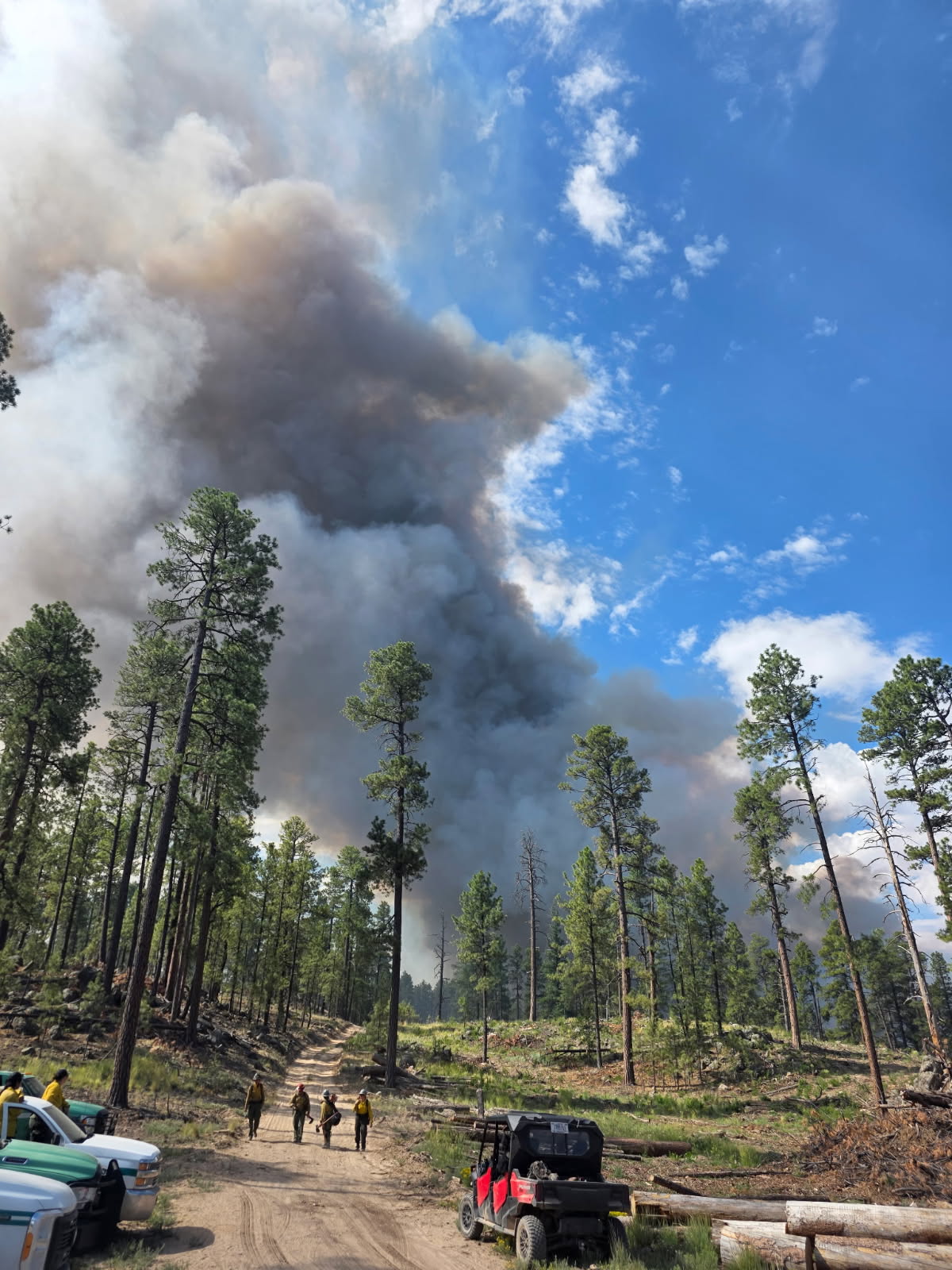
 The US Supreme Court backed Bayer in glyphosate-based Roundup ruling with implications for forestry and pesticide regulation. In other Forestry news: South Carolina has a new state forest; the US Forest Service eyes emergency salvage logging; Roger Sabbadini says the US Fix Our Forest Act is no fix; Laurisa Dohm says BC policy fuels forest dysfunction; Woodlots BC collaborates on tenure pricing; the Forest Enhancement Society of BC highlights new projects; and the Osoyoos Indian Band advances post-wildfire forest restoration.
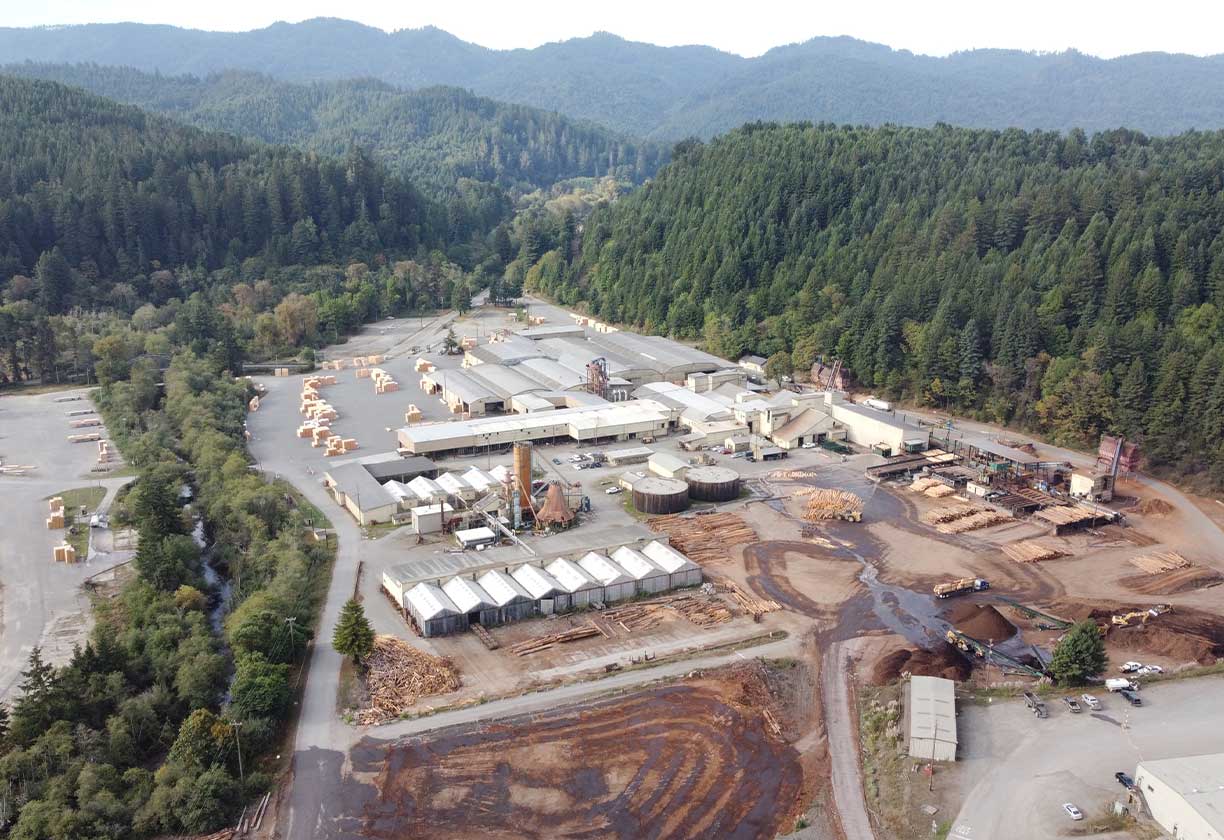
In Business news: Prime Minister Carney says Canada will only accept a ‘real‘ trade deal; US paper workers press Congress to renew USMCA; Domtar releases its 2025 sustainability report; Califoria’s Mad River Mass Timber brings new jobs to Humboldt; and US GDP rose 2.1%, while inflation hit 3-year high. Meanwhile: the Softwood Lumber Board highlights code wins; England’s fire-safety proposal could restrict timber structures; and Canada’s transition to net zero is called an opening for mass timber.
Finally, a Swedish University and IKEA launch a research lab on rainforest restoration.
Kelly McCloskey, Tree Frog News Editor
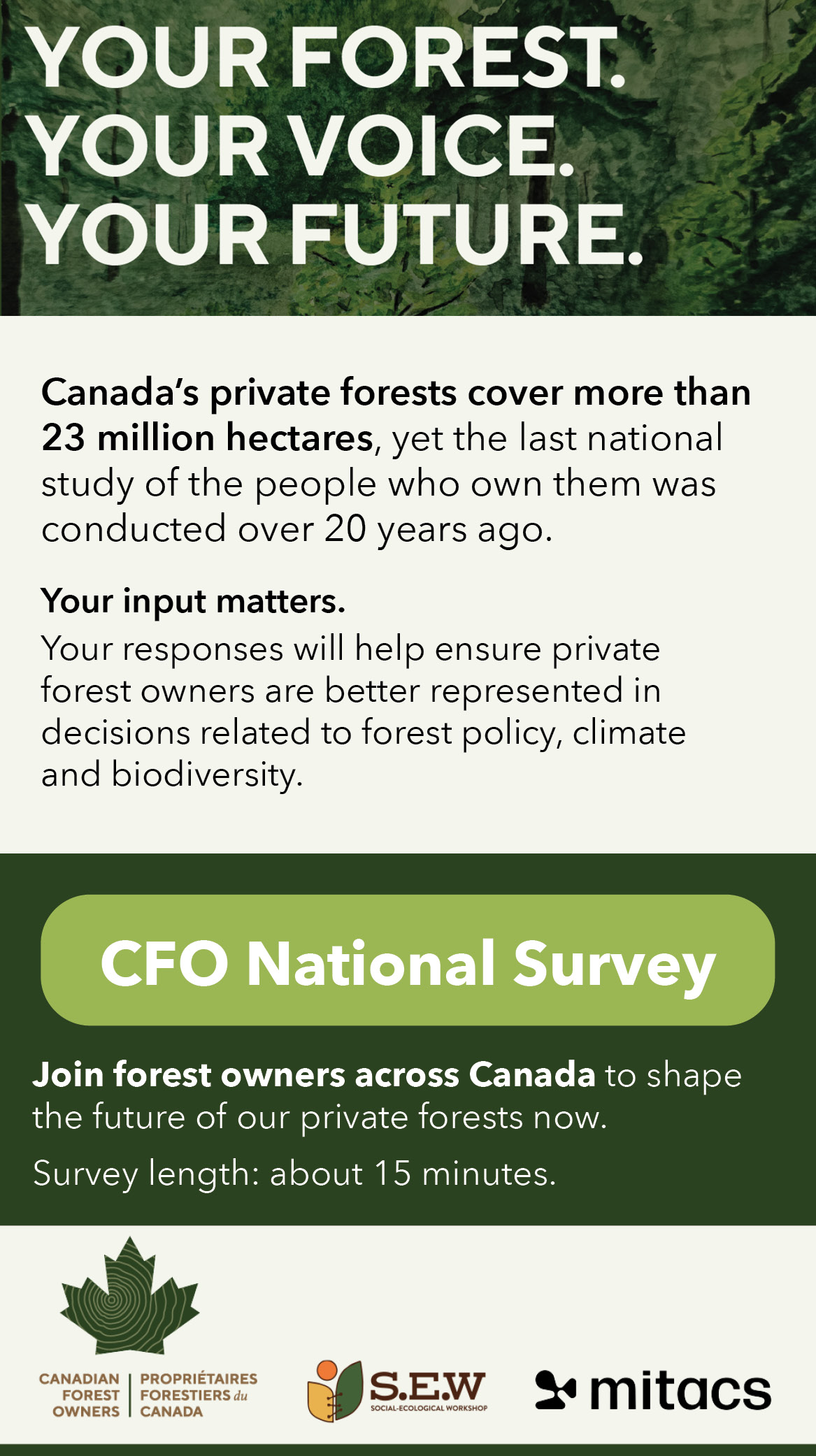 OTTAWA, ON—Researchers at McGill University, in partnership with Canadian Forest Owners (CFO) and with support from MITACS Canada, are launching the first national survey of Canadian private forest owners in more than two decades. The survey aims to build a stronger evidence base to help governments better understand the role private forests play in Canada’s economy, environment and communities. The findings are expected to inform policy development and improve decision-making. CFO and McGill University researchers are working together to advance a national approach to private forest data. The project will gather information on forest area, condition and production potential, as well as insight into who owns and manages these lands, their objectives and their long-term stewardship plans. …Private forests are often managed over multiple generations, offering continuity of stewardship, patient capital and a long-term perspective. …The survey is intended to help close that information gap and improve understanding of Canada’s private forest sector.

 A volatile trade picture in B.C. continued into April as goods exports fell four per cent month-to-month (unadjusted for seasonality) to $4.5 billion, while imports fell by a more rapid clip of 14 per cent to $6.2 billion. That said, exports were still up significantly year-over-year by 6.7 per cent, while imports rose a more modest 2.1 per cent. …Current year-over-year growth has been driven primarily by energy products, which rose 9.7 per cent (+$128 million), along with metal ores and non-metallic minerals… In contrast, the beleaguered forestry sector declined nine per cent (-$81 million) to $823 million, although April marked the highest monthly export value for the sector in nine months. Forestry continues to face headwinds from elevated U.S. softwood lumber duties, broader trade measures (including Section 232 tariffs), timber supply constraints and softer demand conditions. Year-to-date … forestry exports fell 24.8 per cent (-$1 billion)… In B.C., building permit activity receded sharply in April…
 As part of ongoing work to diversify trade, Premier David Eby is leading a trade mission to China to strengthen commercial ties with the province’s second-largest trading partner and explore new opportunities to support good-paying jobs for people in British Columbia’s forestry, energy, tourism and agriculture sectors. … “China is the world’s second-largest economy and is our second-largest export market for B.C. goods and services. Encouraging tourism while selling more B.C. wood, agricultural products and energy will mean more money for families and more money to pay for the services British Columbians deserve,” said Premier Eby. …British Columbia and China share a longstanding partnership with collaboration across a range of areas from sustainable forest management to wood construction innovation and clean energy.
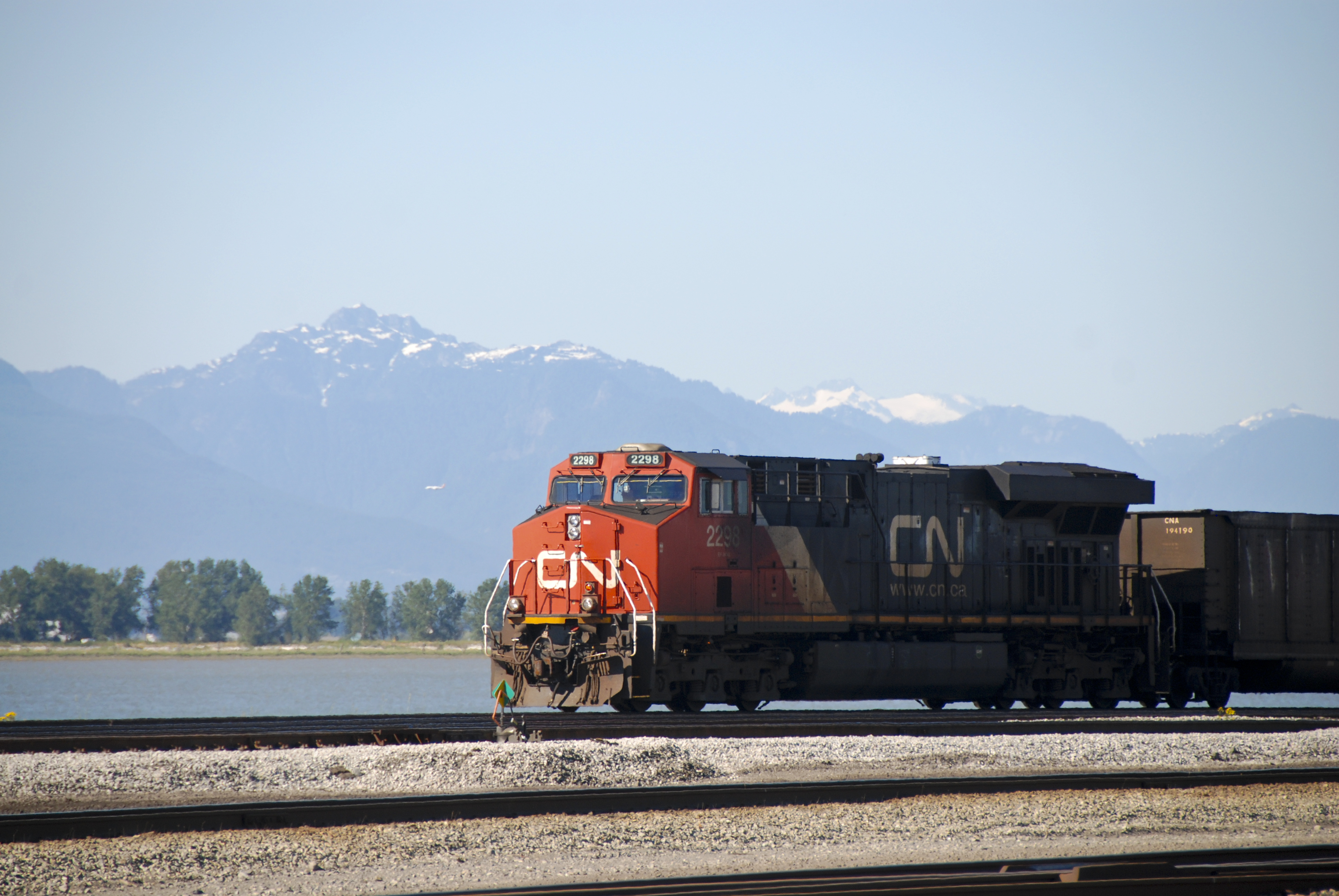 CN Rail has been fined $435,000, having been found responsible for causing a wildfire near Spences Bridge a year after the nearby town of Lytton was devastated by a catastrophic wildfire. According to a June 17 BC Forest Appeals Commission decision, CN Rail was found to have caused a wildfire that burned outside of Spencers Bridge in September 2022. Last year, the BC government issued a $435,371 fine to the company. Broken down, the fine covered $60,000 for damaged or destroyed mature Crown timber, $27,000 for damaging or destroying forest and grassland resources, and a further $348,000 to cover the cost of controlling wildfire K72249. “During their investigations, Natural Resource Officer Service staff collected field information and photographs and obtained recorded statements from several eyewitnesses. As a result of their investigation, the Natural Resource Officer Service alleged that CN Rail had contravened… BC Wildfire Regulation(s),” the decision reads.
 Forestry Innovation Investment’s 2025/26 Year in Review is now available. It is a compilation of market development activities completed by FII and our many industry, association, government, academic and research partners over the past year. We are committed to a collaborative delivery approach, building on the strengths and shared resources that other organizations bring to this important work. The forest sector continues to face challenging market conditions and ongoing trade uncertainty. As we adapt to these pressures, diversification remains central to strengthening the sector. By expanding markets and making the most of B.C.’s forest resources, FII and its partners are supporting long-term resilience. This includes advancing wood use in B.C., supporting growth in mass timber and prefabricated construction, and pursuing opportunities across international markets. The report includes the range of work underway, and the milestones achieved over the past year.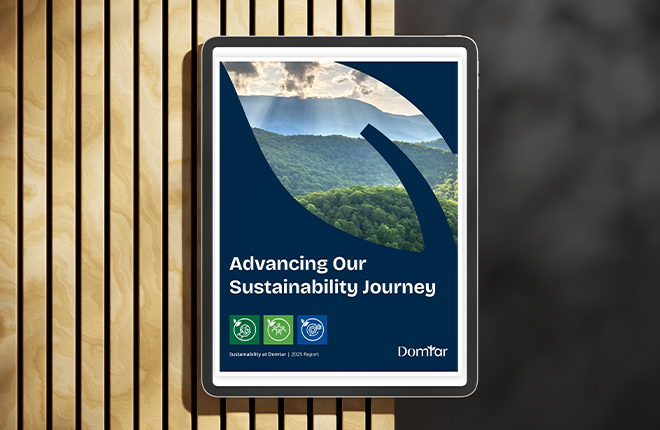

 Mass Timber+


 Humans have an innate desire to connect with nature, yet we spend nearly 90 percent of our lives indoors. In academic settings, where students learn, live and socialize, this disconnect can have real consequences for focus, mental health and well-being. Mass timber construction offers a powerful way to bring the warmth, texture and psychological benefits of nature indoors, while also advancing sustainability goals and, in many cases, matching or outperforming traditional steel construction on cost. A growing body of research shows that biophilic design, the integration of natural elements, particularly wood, into the built environment can improve cognitive performance, creativity and mood while reducing stress and fatigue. Spaces that incorporate visible wood elements are consistently perceived as warmer and more welcoming, fostering social interaction and a stronger sense of belonging. For higher education institutions focused on student wellness and community-building, these qualities are increasingly viewed as essential.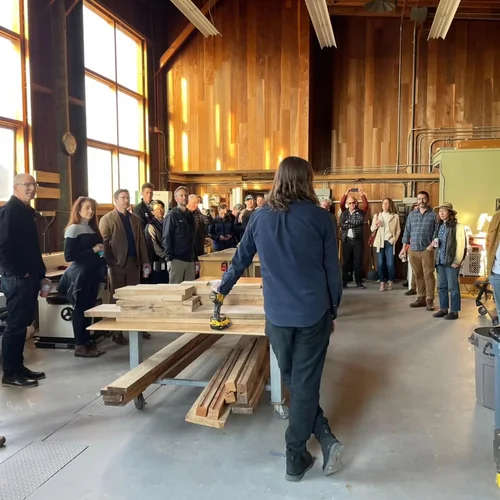




 The Forest Enhancement Society of BC (FESBC) is highlighting the growing impact of community forestry across the province, recognizing projects that reduce wildfire risk, improve wildlife habitat and strengthen local economies. At the BC Community Forest Association’s 2026 Conference, FESBC presented its inaugural Community Forest Project of the Year Award to the Kaslo & District Community Forest Society for its “Jimi Crack Corn” project. The latest FESBC newsletter also features updates on fuel reduction work with Nazko First Nation, new federal funding aimed at reducing wood waste and supporting forest resilience, and a safety message from the BC Forest Safety Council encouraging supervisors to recognize early warning signs before serious incidents occur. Minister of Forests Ravi Parmar notes that more than 60 new FESBC-supported projects will build on last year’s wildfire mitigation and fibre utilization efforts, helping create safer, healthier forests and supporting jobs in rural British Columbia.
 The Wood Pellet Association of Canada (WPAC) recently highlighted the Indigenous-led efforts of the Central Chilcotin Rehabilitation Ltd. (CCR) at the Palmer Lake forest fire site. Through an article and video, WPAC described CCR’s work and how it treats fire-affected stands by removing dead and damaged material, reducing fuel loading, and spacing young lodgepole pine to support forest recovery. It is also demonstrated how the CCR uses recovered fibre to be put to productive use rather than leaving it at the site. “It’s such a good news story,” wrote Gord Murray, WPAC executive director. “CCR is turning what might otherwise be seen as waste into jobs, economic development, community pride, and contributions to the biomass industry.”
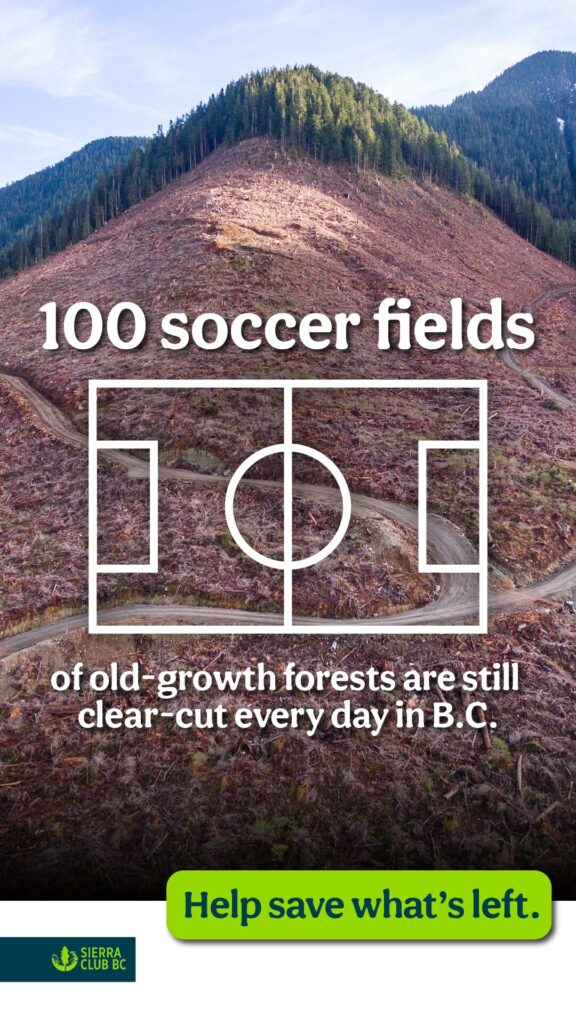
 The Syilx Okanagan Nation is petitioning the federal government to act swiftly to protect a prized and threatened caribou species that continues to fall off the map near Revelstoke and Nakusp. On May 28, the Nation announced it had filed for an emergency order under Section 80 of Canada’s Species at Risk Act to press Environment and Climate Change Canada to conserve federally threatened southern mountain caribou. The Nation says continued logging of critical old-growth habitat falls out of line with its forestry principles and standards, and jeopardizes the future of the three caribou herds that remain on Syilx territory. The Frisby-Boulder herd west of Revelstoke is already functionally extinct with just eight caribou, while the Central Selkirk herd … sits at around 27 caribou. The Columbia North herd, roughly 185 caribou strong in the Monashee Mountains north of Revelstoke, has the greatest likelihood of survival, though the Nation says long-term forest habitat recovery remains a challenge.
 Local forest advocates gathered in Nelson on Monday to call on Premier David Eby’s government to increase protections for old-growth forests. Eby was in the region this week, visiting and touring local facilities. More than 140 people attended a demonstration outside Kootenay Central MLA Brittny Anderson’s office… Organizer Rita Corcoran said protesters relocated to Taghum Hall after learning Eby was expected to attend an event there. …“We were hoping to talk to him directly and give him that same message directly in person about what we want and that we feel disappointed in the leadership,” said Corcoran. “But he didn’t arrive.” …“I’ve seen the premier meet with protesters across the province, and I know he would have been happy to meet with them here in Nelson as well,” Anderson said. “The RCMP made a security assessment, and we have to respect the decision that they made.”
 In his 2025 book, The Genius Bat, Yossi Yovel, an Israeli ecologist, describes experiments he conducted with six Egyptian fruit bats, including an exercise in which he trained them to land on a target and wait for him to approach with a reward — a slice of banana. …Many readers will find the image of bats as trainable, friendly and possessing intelligence, distinct personalities and perhaps even a sense of humour to be quite jarring. But this effect is exactly what Yovel is striving to achieve. His goal with the book is to dispel the many myths surrounding bats and to convey what remarkable and endlessly fascinating creatures they actually are. …Due to misinformation many people are unaware of the benefits bats provide by eating massive amounts of harmful insects, producing guano, which is an important natural fertilizer, and pollinating plants and spreading seeds. Without bats, humans would be in deep trouble.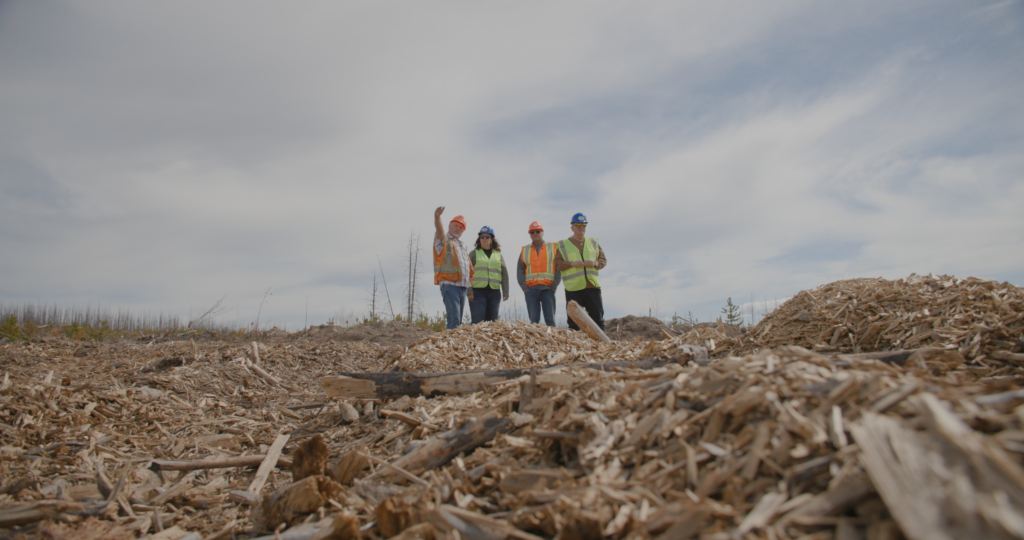

:quality(65))
 The Bureau of Indian Affairs (BIA) announced Monday a 10-year extension of the Indian Trust Asset Reform Act (ITARA) Demonstration Project, a program that allows participating tribes to exercise greater authority over the management of forest trust lands and surface leasing activities. The extension … continues a federal initiative designed to give tribes more control over the management of their trust assets while reducing federal oversight and bureaucracy. Under the program, tribes engaged in forest land management or surface leasing on trust lands may develop an Indian Trust Asset Management Plan. Approved plans allow tribes to establish their own forestry and surface leasing regulations and assume certain approval authorities that would otherwise remain with the Department of the Interior. …Officials said the extension reflects the department’s continued support for tribal self-governance and recognition of tribal expertise in managing forest trust assets.
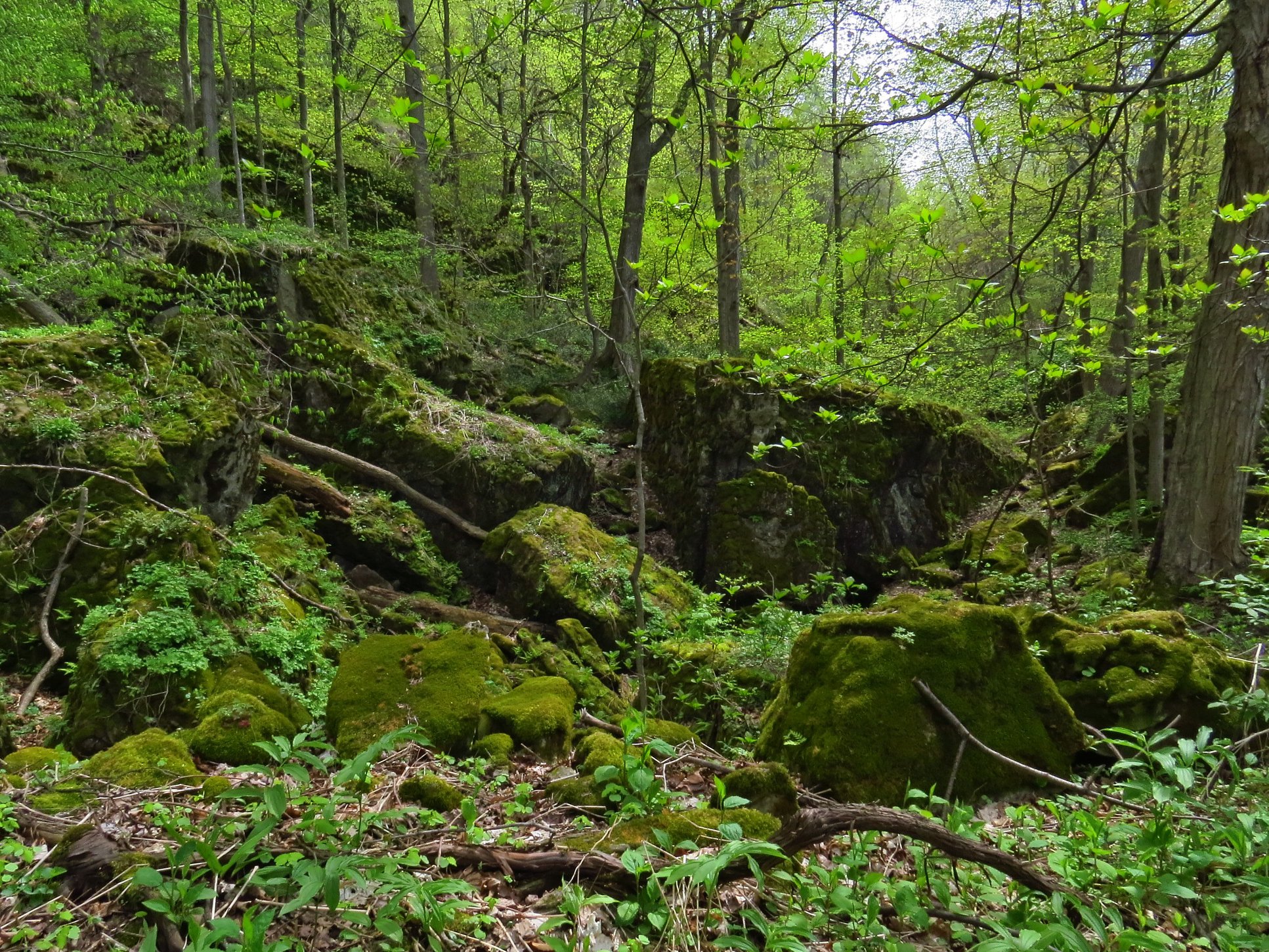
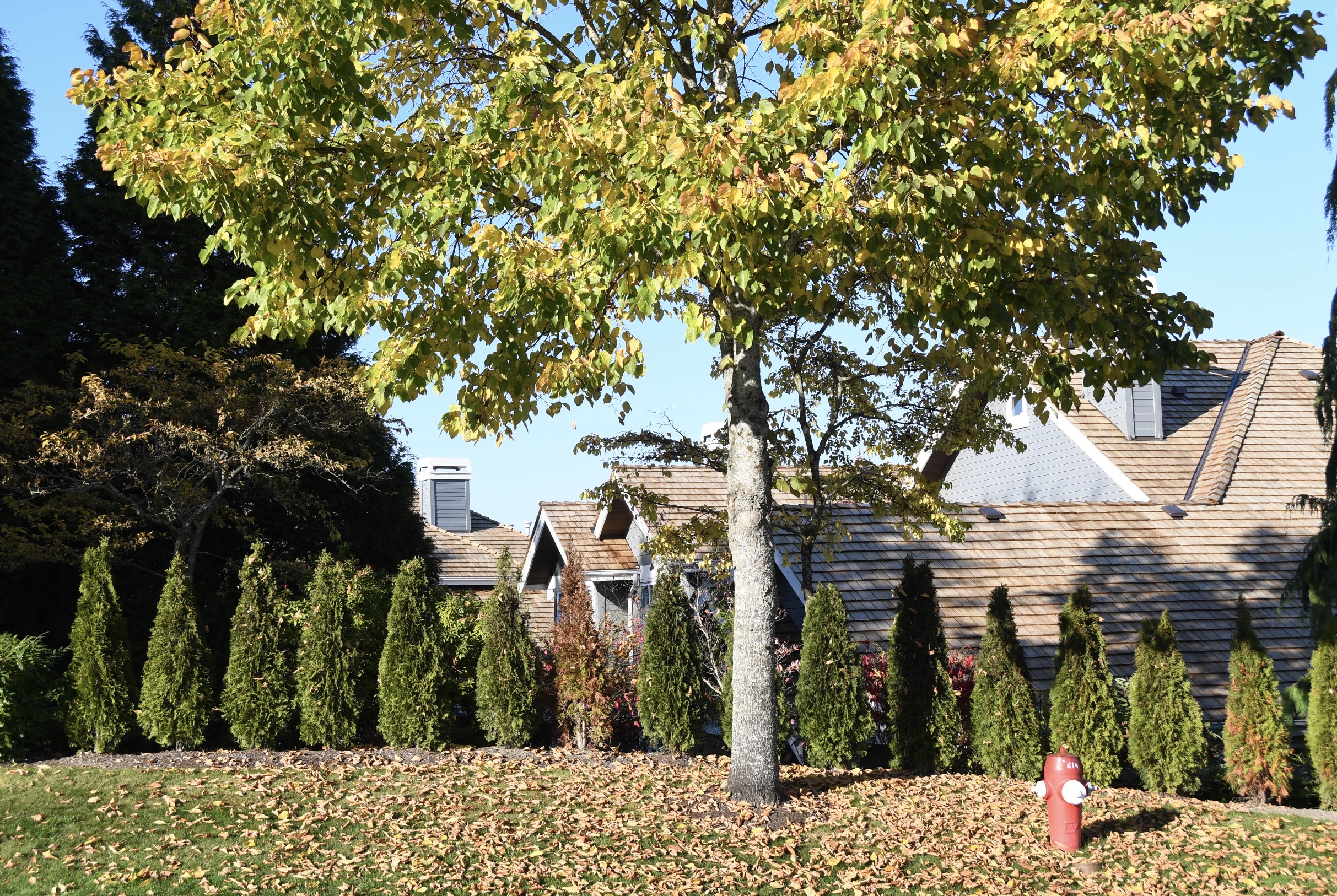 The U.S. Forest Service published the results of a six-city study delving into consumers’ participation in urban wood systems and their interest in urban wood products. According to the Forest Service, for the past 20 years, approximately twice as many trees were removed annually from urban areas in the United States as has been harvested annually from the U.S. National Forest System. Yet, most of this urban wood is treated as waste instead of as a valuable resource to generate economic growth and sustainable cities. The waste and underutilization of this neighborhood resource has been countered by a growing movement to divert urban wood from the waste stream and utilize this significant resource in an array of wood products, from high-end furniture to construction grade lumber to wood chips. Using removed wood for valuable products both avoids substantial waste disposal fees and can be a foundation of profitable businesses and markets.
 PHOENIX — New technology is coming to Arizona to predict flooding and prevent wildfires. Moisture sensors are going in the ground to gauge just how dry the land is. Soil that is too dry cannot absorb water, which creates a higher risk for flooding and wildfires. This advancement should help predict wildfires and flooding across Arizona. Salt River Project (SRP) officials say plant moisture, in both dead and alive plants, is one of the most important indicators of wildfire danger. However, taking field samples by hand is tough, so this new technology will do the heavy lifting. SRP crews in the Tonto National Forest are planting tiny pieces of technology in the ground to provide data. …These moisture measurements should provide important clues, like the risk of a wildfire at a given location, how likely it is to spread, how big it might get, and predicting floods.
 Forest fires now burn ten times more acreage annually than in 1985, while wildfire severity has gotten even worse. In California, 30 times more acreage burned from high-severity, forest-killing fires, according to new UCLA research. In the 1980s and 1990s, California’s forest fires burned mostly at low or moderate severity, generally benefiting ecosystems. But as fires have grown in size, severe fires causing widespread tree death have overtaken beneficial fire as the most common fire type in California’s forests. Changes are tied to the increasingly warm and arid environment. These aridity-driven changes were also stronger in more densely forested areas, said senior author Park Williams. …The two main causes for the increase in fire severity are fuel density [and] environmental dryness. …The researcher’s conclusions show that the state can make some headway in protecting California’s forests with changes in forest management, such as doing more manual clearing of underbrush and conducting more prescribed burns.
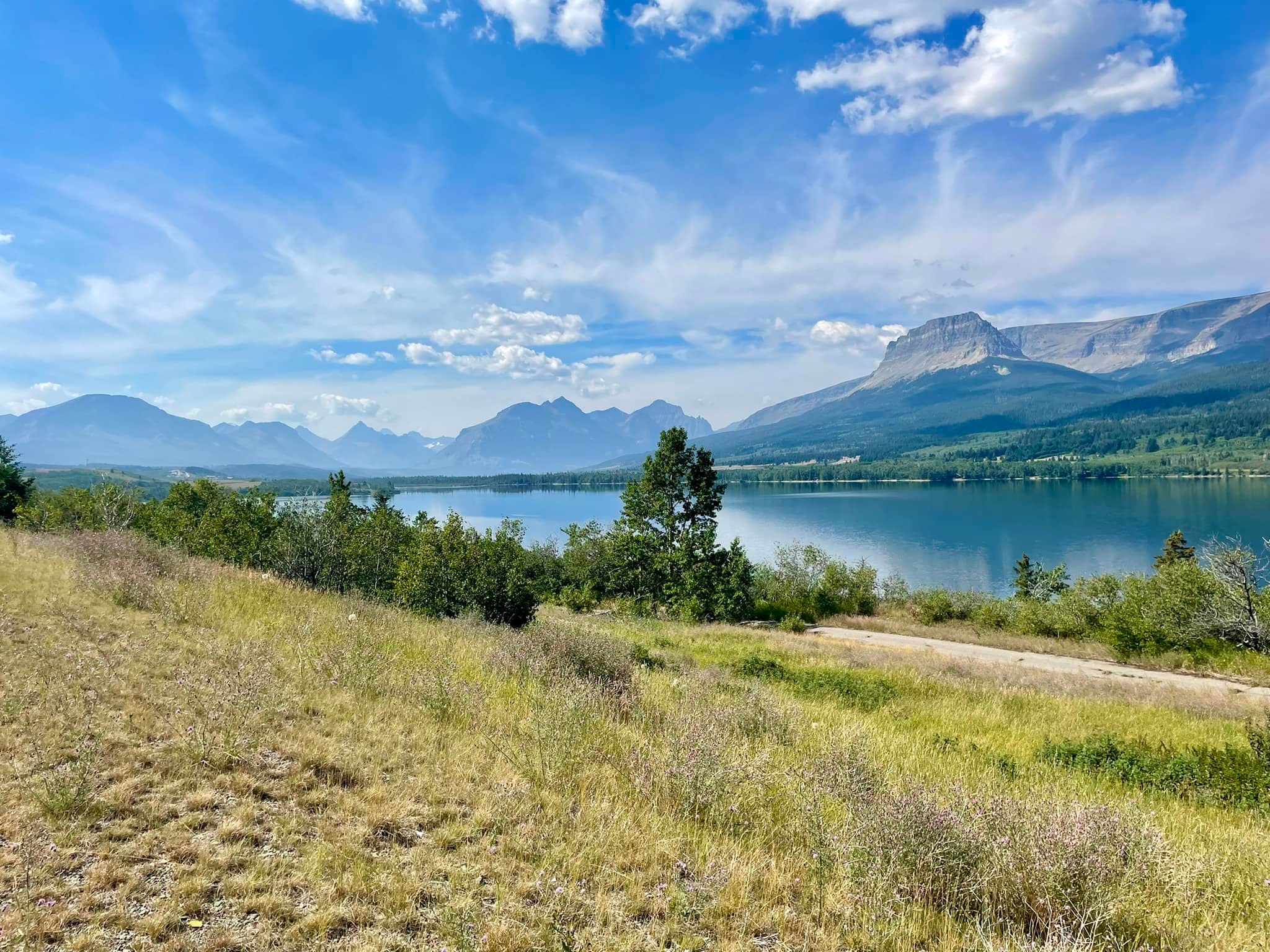 MONTANA — More than 190,000 acres of recommended wilderness in the Flathead National Forest could be opened up to off-road vehicles (ORVs), according to a U.S. Department of Agriculture secretarial memorandum that leaked earlier this month. The memo, which laid out federal officials’ plans to unwind protections that have been in place in northwest Montana since 2018, prompted local and national advocacy groups to rush to action. Following four years of interagency collaboration, environmental analysis and an extensive public participation process, the Flathead National Forest’s Revised Land Management Plan was officially adopted in 2018, designating 193,403 acres of land as recommended wilderness… The New York Times earlier this month reported that a leaked memo directed the use of ORVs on 5 million acres in Montana and Idaho, 193,403 acres of which are within recommended wilderness areas on the Flathead National Forest. Local stakeholders say the directive would unwind years of collaborative work if it comes to fruition.
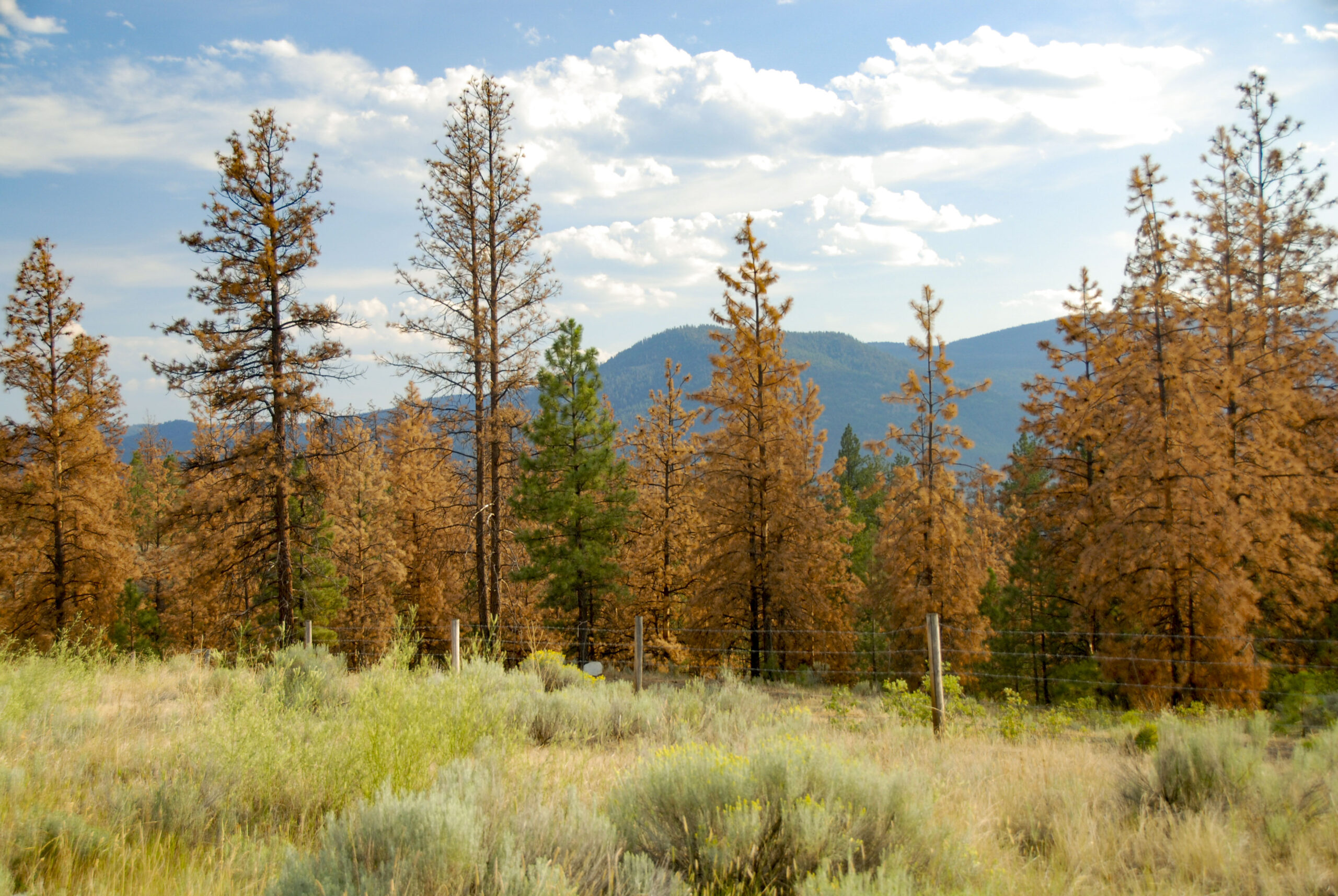 Colorado nonprofit, the
  RONALD, Wash. — The sound of wildfire prevention isn’t a fire engine siren. It’s chainsaws, wood chippers and heavy machinery chewing through brush. Across Kittitas County, crews are removing smaller trees, trimming limbs and clearing brush in an effort to reshape forests before the next wildfire season arrives. But the work underway here is also challenging one of the most deeply held ideas many people have about forests: That more trees always means a healthier forest. “Green is good,” said Katie Zander, the North Service Forestry coordinator for the Washington Department of Natural Resources (DNR) Southeast Region. “But out here historically we did not have this dense of forest stands.” According to Zander, eastern Washington forests evolved with regular low-intensity fires that naturally cleared out brush and smaller trees. But decades of aggressive wildfire suppression changed that pattern.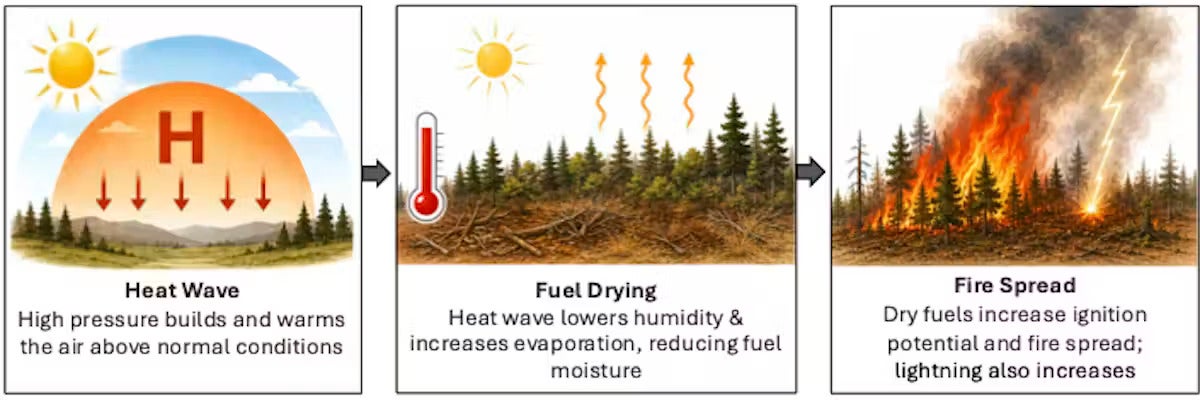








 As summer temperatures rise across British Columbia, WorkSafeBC is urging employers to take proactive steps to protect workers from heat stress. Simple measures such as providing shade, cool-down areas, drinking water, and adjusting work schedules can significantly reduce the risk of heat-related illness. WorkSafeBC has also updated its Preventing Heat Stress at Work guide and released a new incident investigation video examining an explosion caused by a key fob left in a service vehicle. WorkSafeBC is drawing attention to another serious hazard: contact with power lines. New data shows that 74% of power-line-related injuries involve non-electrical workers, particularly those in construction, painting, and heavy equipment operations. Additional updates include consultations on proposed safety rule changes for shotcrete work, upcoming 2027 assessment rate information sessions, and a free June 24 webinar on road safety for small businesses. New incident investigation report summaries are available to help employers and workers understand the factors that contribute to workplace incidents so similar incidents can be prevented from happening in the future.