
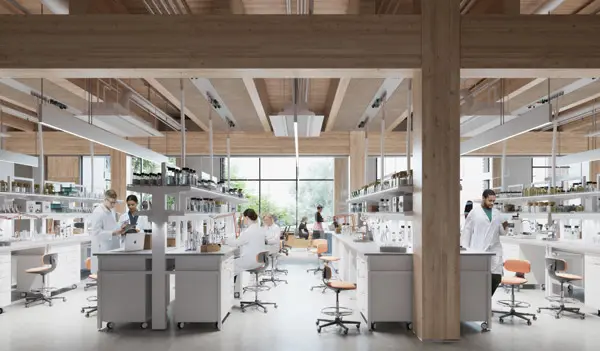
The European Parliament approved legislation implementing last year’s US-EU tariff agreement, while the Canada-US-Mexico trade deadline nears. In other Business news: West Fraser’s Quesnel sawmill was fined for an accidental death in 2025; Timber Invest Group acquires eastern US timberlands; and New Zealand’s PF Olsen merges with Forest360. Meanwhile: UBC researchers advance AI-driven modular construction; a mass timber hospital in Ontario earns international recognition; and FSC Canada’s June newsletter is out.
In Forestry news: the Osoyoos Indian Band launched a new tree nursery; a new study says prescribed burning may reduce California’s wildfire smoke pollution; CAL FIRE announced $4.5M for forest health research; and Connecticut launched $1.2M in Community Forestry Grants. Meanwhile: BC urges wildfire caution as drought risks rise; Oregon’s Governor declared an emergency due to state-wide wildfire threat; and fire updates from Princeton and West Kelowna, BC; Timmins, Ontario; and South Georgia.
Finally, a Nature commentary says forest management must shift from profit to prevention.
Kelly McCloskey, Tree Frog News Editor
 OTTAWA, ON – The Canadian Wood Council (CWC) announces that Rick Jeffery will retire from his role as President and Chief Executive Officer of the CWC effective June 30, 2026, following a distinguished career of leadership and service to Canada’s wood products industry.
 Ottawa, ON – The Canadian Wood Council (CWC) is pleased to announce that Philippe Clune was appointed to the role of Board Chair at the organization’s Annual General Meeting today. Clune succeeds Kevin Pankratz, who has completed his term as Chair after providing dedicated service to the organization and Canada’s wood products sector. “On behalf of the CWC, I would like to thank Kevin for his leadership and valuable contributions during his tenure as Chair,” said Derek Nighbor, President and CEO of the CWC. …Nighbor also welcomed Clune to the role. “As Vice President of Sales & Marketing at Domtar, Philippe brings extensive industry knowledge, strategic insight, and a commitment to advancing the use of wood in the built environment,” said Nighbor. “I look forward to working with him as we continue strengthening CWC’s role as a national voice for the wood products industry and delivering value for our members and partners.”

 MILDMAY — The Ontario government is investing $1.6 million in Bernie McGlynn Lumber Ltd. to support a major expansion and modernization project at the company’s sawmill in Mildmay. The investment will more than double the company’s production space, increase output by 47 per cent, create five new good-paying jobs and support 13 existing positions. As part of its plan to protect Ontario forestry workers and businesses, the province is making strategic investments to help the forest sector adapt, compete and grow in the face of U.S. tariffs. …The government’s investment through the Forest Sector Investment and Innovation Program will support Bernie McGlynn Lumber’s $5.3 million project to construct a new 30,000-square-foot facility and install upgraded equipment, including a first-in-Ontario thermal-treating kiln system and a double-bladed bandsaw.
  The U.S. Endowment for Forestry and Communities today launched a Request for Proposals (RFP) to assess the feasibility of repurposing closed wood products manufacturing facilities, including pulp and paper mills, for bioenergy. The initiative will make available up to $500,000 in pre-development funding to support one or two facilities across the United States. Across the country, idled wood products facilities have left behind industrial infrastructure, utility connections and skilled workforce capacity at a time when forest-dependent regions are urgently seeking new economic anchors. Since 2015, more than 40 U.S. pulp and paper mills have closed, removing roughly 60 million green tons of annual wood demand from rural communities. The Endowment’s market initiative seeks to determine whether these sites can be reactivated as biopower generation or biofuel production facilities, creating new markets for low-value wood fiber and supplying renewable energy to a growing economy.
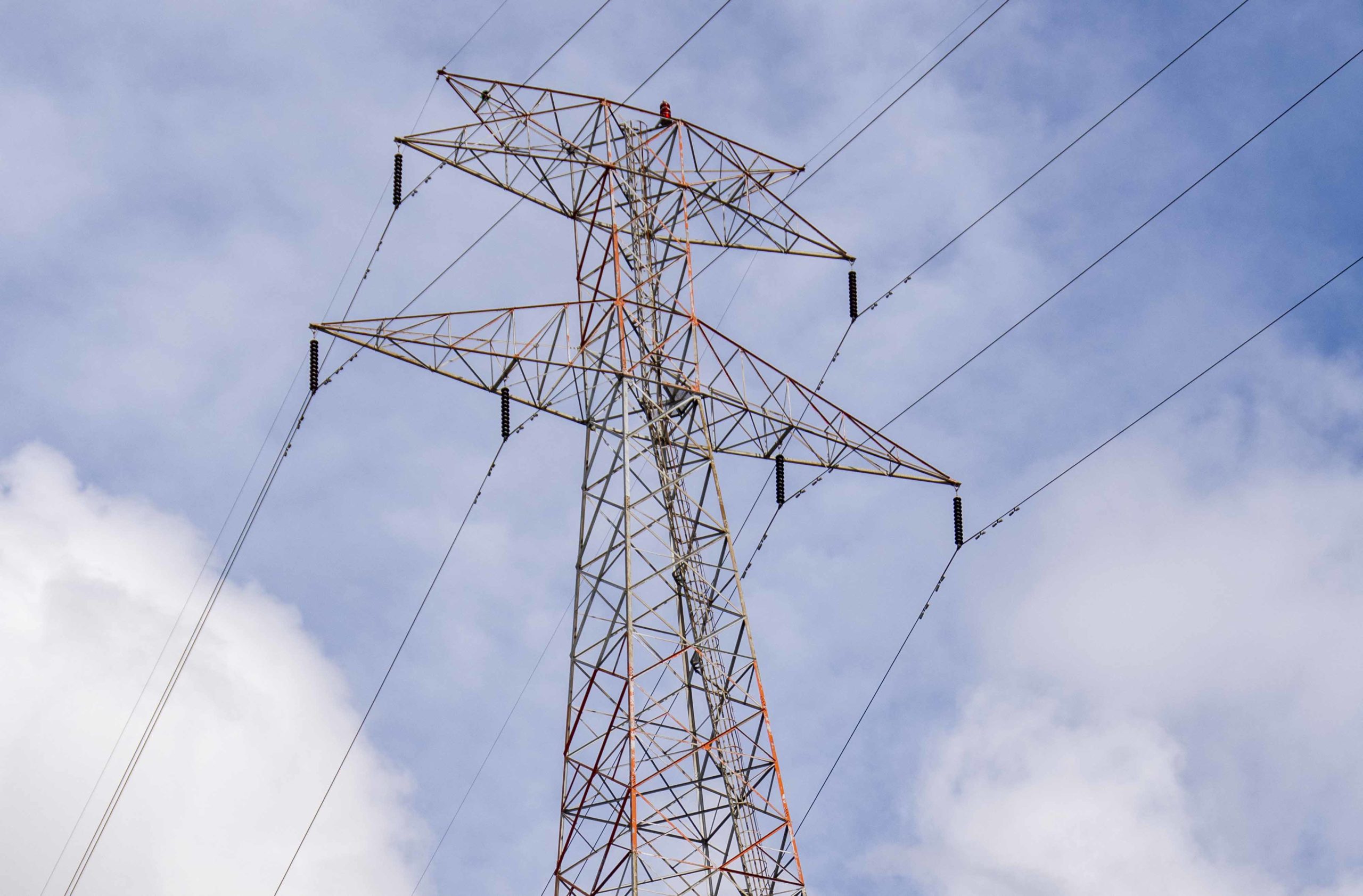 Federal law allows utilities operating on national forest land to remove hazardous trees only within 10 feet of a power line. In Western forests, where trees routinely reach 100 feet tall and a single ignition can drive hundreds of thousands of acres of destruction, 10 feet is not a safety standard — it is a disaster waiting to happen. The Fix Our Forests Act would extend that authority to 150 feet, alongside streamlined federal permitting for wildfire mitigation work and tighter judicial review timelines on fuel-reduction projects… The bill has cleared the House by a 279-141 vote and passed the Senate Agriculture Committee by a vote of 18 to 5 … Utility operators across the West are calling for it. But it does not have the support of Sens. Ron Wyden and Jeff Merkley (D-Ore.). …The community-owned utilities I represent … don’t have a stake in what gets logged. But they do have a stake in whether the lines stay up when fire moves through…
 Wood Connections Summary: BC Wood is gearing up for a busy fall season, with registration now open for the 2026 Global Buyers Mission in Whistler and a slate of market development opportunities stretching from Vancouver to Mexico. The annual GBM returns September 10–12, bringing together international buyers, architects, designers, manufacturers, distributors, and wood industry professionals for business matchmaking, networking, educational sessions, and WoodTALKS™ programming. The association has also announced the first round of GBM sponsorship winners and is encouraging companies to act quickly as exhibit space and hotel accommodations are filling fast. Beyond Whistler, BC Wood is recruiting participants for the Interior Design Show in Vancouver, Tecno Mueble in Guadalajara, and is exploring a coordinated presence at California’s Pacific Coast Builders Conference. Meanwhile, TWIG’s Wood-First-Wednesday program continues to expand its reach, with a new partnership extending networking and knowledge-sharing opportunities into the Robson and North Thompson region.


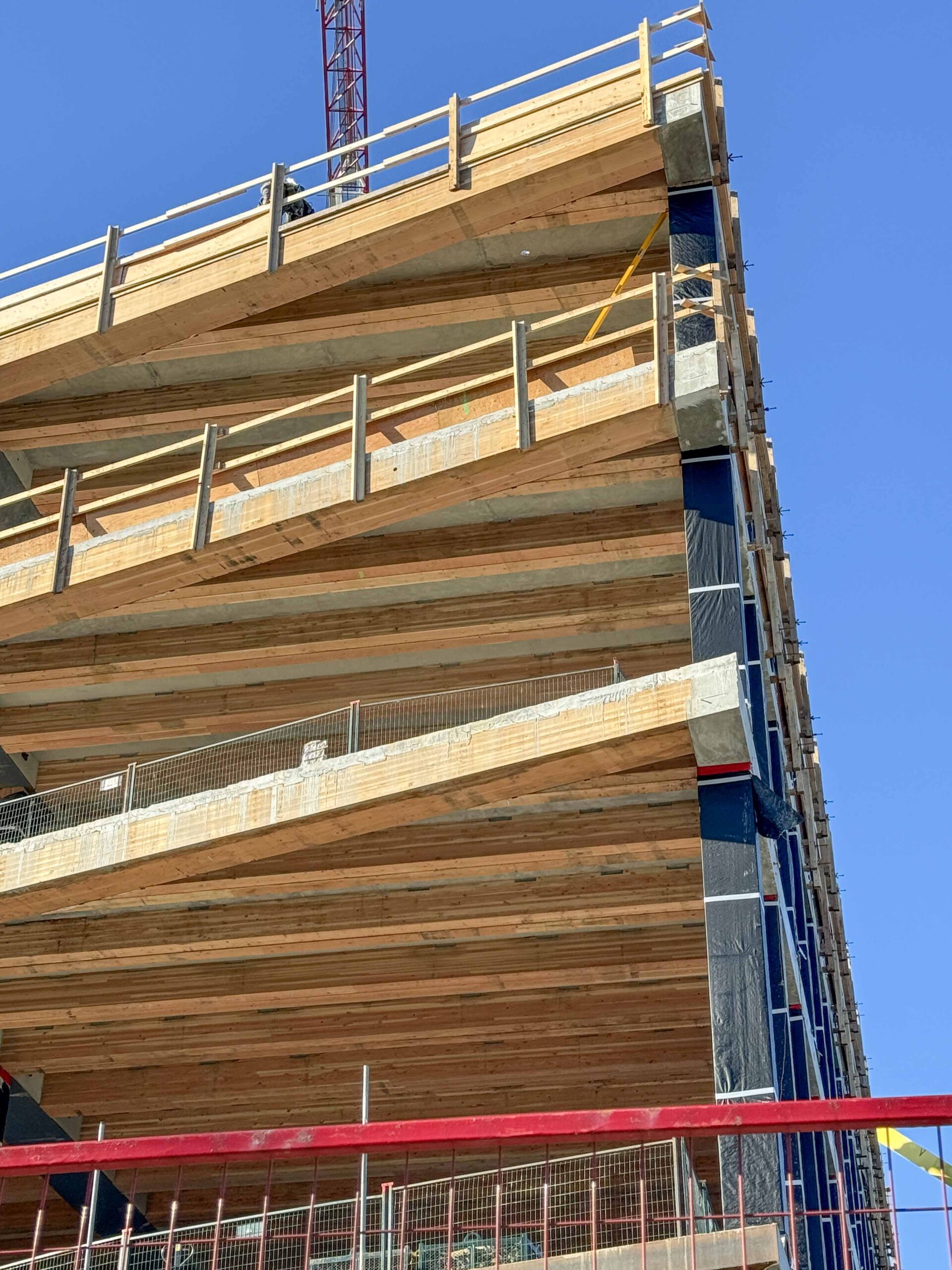 WASHINGTON, D.C. – U.S. Representatives Glenn “GT” Thompson (R-PA) and Andrea Salinas (D-OR) introduced the Mass Timber Federal Buildings Act. This bipartisan legislation provides incentives for the use of mass timber building materials in federal contracting, giving timber and other forest products companies the ability to compete for construction, renovation, or acquisition of public buildings, and for military construction. The bill creates a two-tier contracting preference for mass timber and other innovative wood projects. The first-tier preference applies to mass timber that is made within the U.S. and responsibly sourced from state, federal, private, and Tribal forestlands. The optional second tier applies to mass timber products that are sourced from restoration practices, fire mitigation projects, and forest owners. Additionally, this bill contains a reporting requirement for a whole building lifecycle assessment. The results of this assessment will help provide additional evidence of the environmental benefits of the use of timber and forest products in buildings.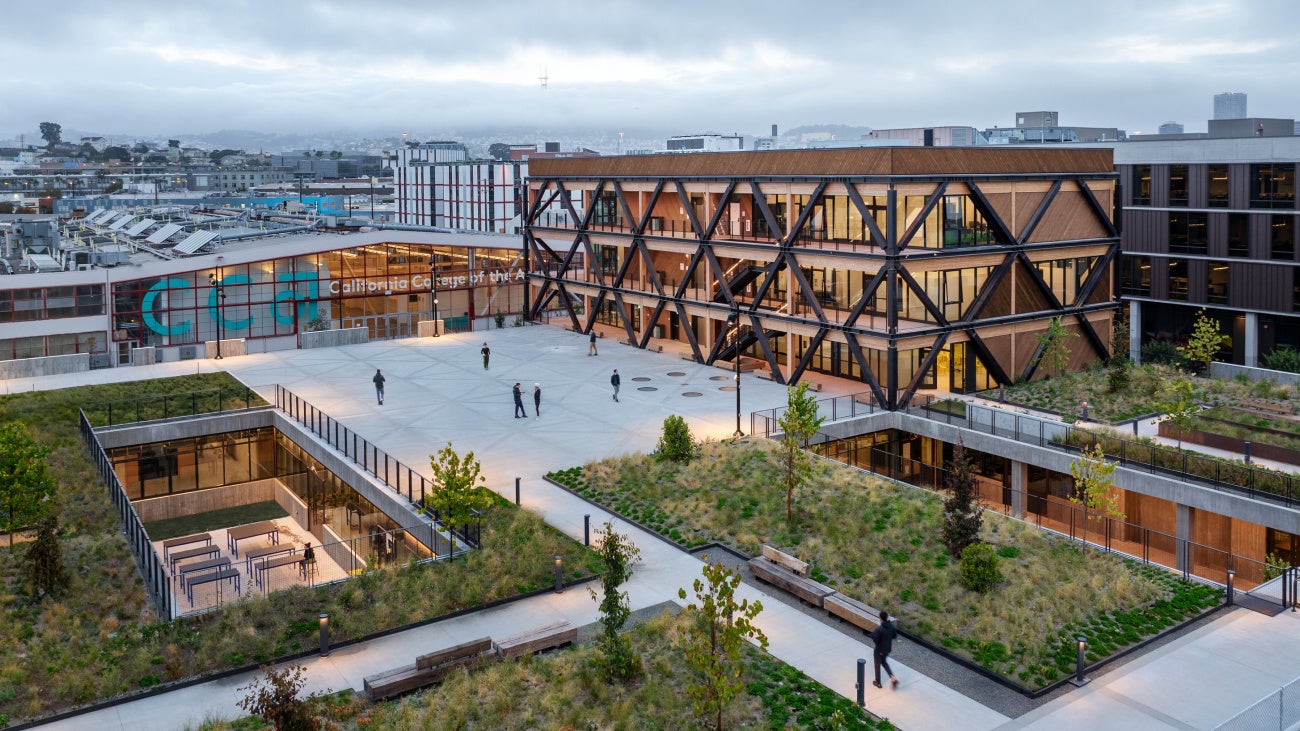


 Japanese domestic 2×4 production rose 33.9% in 2025 to 112,610 m³, while more housing companies are specifying domestic dimension lumber. For Canadian exporters, the message is clear: competition is no longer only imported lumber from Europe or Russia. Domestic Japanese producers are also gaining ground, especially in Sugi-based 2×4 applications. Japan’s domestic 2×4 segment is still relatively small compared with the country’s total structural wood market, but the latest survey results show a market moving decisively in favour of local supply. That matters for Canadian producers because Japan remains one of the world’s most important premium wood markets, and 2×4 construction has historically been a core outlet for Canadian dimension lumber. The Association to Promote the Use of Domestic Wood in 2×4 Construction recently released the results of its annual survey of domestic 2×4 production and usage trends. …The survey results indicate a significant increase in Japanese domestic dimension lumber production and consumption.
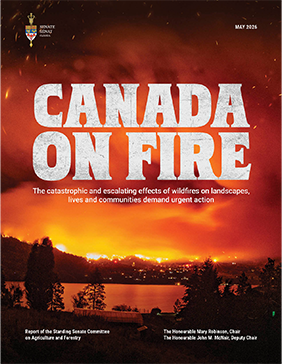
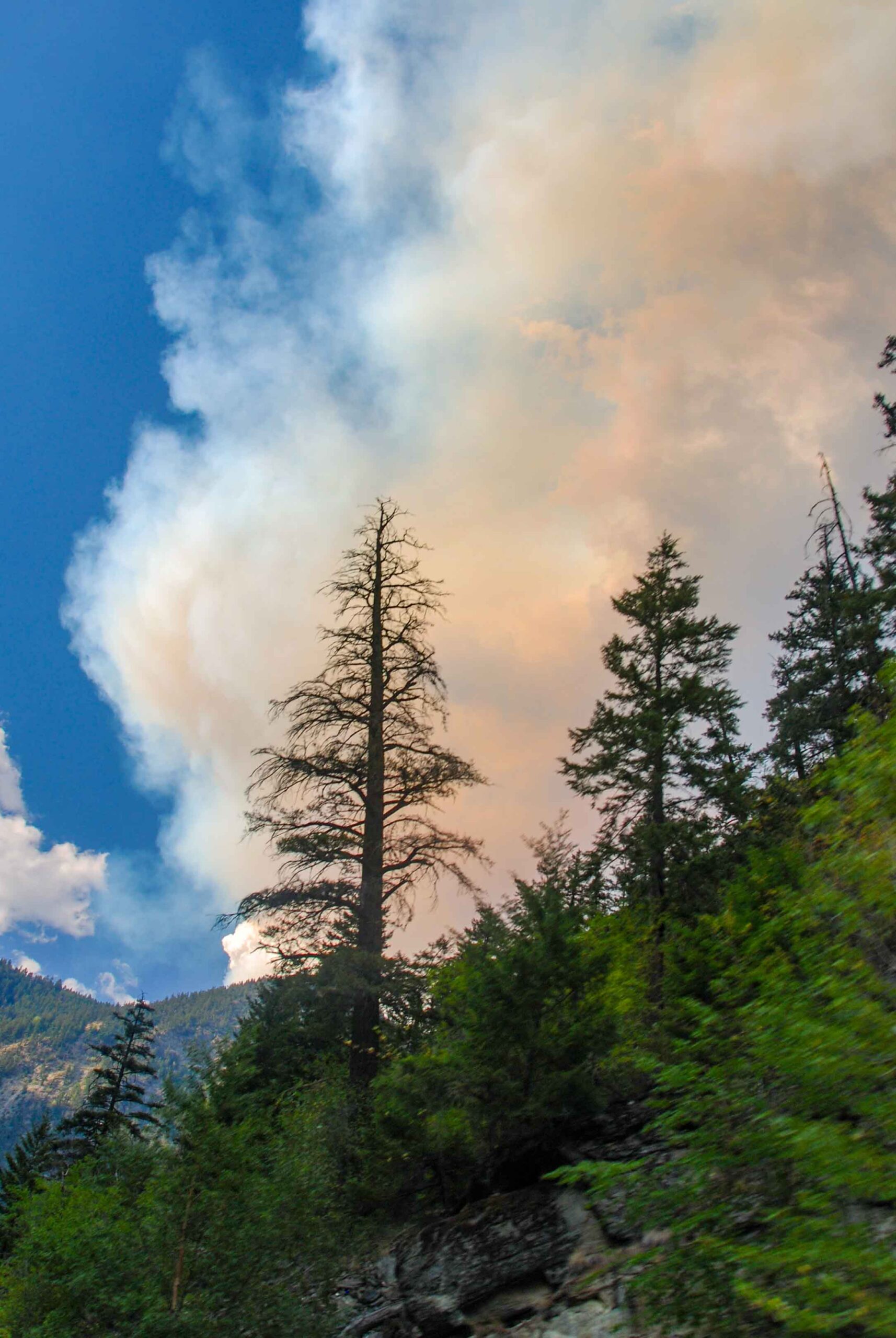 Canada’s forest disturbance costs have been rising quickly. We propose that silviculture must be reframed as a risk mitigation tool under an ‘avoided costs’ framework as proactive investments become essential to prevent far greater damage to society and ecosystems. Increasing forest disturbances…are profoundly disrupting forest ecosystems and the viability of the forest sector across the globe. Unprecedented disturbance levels in the past decades have caused immense losses … causing a surge in economic costs for disturbance control and significant infrastructure damage. Critically, some disturbances like wildfires incur devastating, irreparable consequences, from irreversible biodiversity loss to severe impacts on human health and life. …We argue that existing adaptive silviculture knowledge and technologies can stabilize forest resources and reduce the risk of catastrophic losses. Leveraging Canadian silvicultural investment data, we illustrate the need to move beyond the traditional cost-benefit paradigm—generally analyzed from the perspective of the forest products industry—to one that explicitly incorporates avoided costs for society.
 Did you know that BC has nearly 600 native bee species? This is among the highest diversity in Canada. The Southern Interior alone has around 400 species. The forest provides both forage opportunities and nesting habitat for bees. Many bee species live in trees, specifically cracks, bark sloughs and small crevices. So snags! We knew they were good for something. Over the decomposition of a standing tree it provides different types of standing habitat. As the tree rots, the bark begins to slough. Sloughing Bark on a snag is an important old forest attribute. While we can’t maintain everything in a block, keeping snags provides habitat for a variety of bees and other insects.
 People and communities in B.C. will be safer and better informed about flood hazards as the first phase of new floodplain maps is completed. The Province, in partnership with Natural Resources Canada and the Fraser Basin Council, has released new floodplain maps, covering five waterways and 58 communities, under the Government of Canada’s Flood Hazard Identification Mapping Program. …“Floodplain maps do more than chart where water may go, they reveal where risk lives, reflect how our world is changing and shape how we prepare for the future,” said Randene Neill, B.C.’s Minister of Water, Land and Resource Stewardship. “Updating these maps through the mapping program is one more step in implementing the B.C. Flood Strategy. They help turn insight into action and can go a long way in helping communities make informed choices, plan ahead and act quickly if the time comes.”
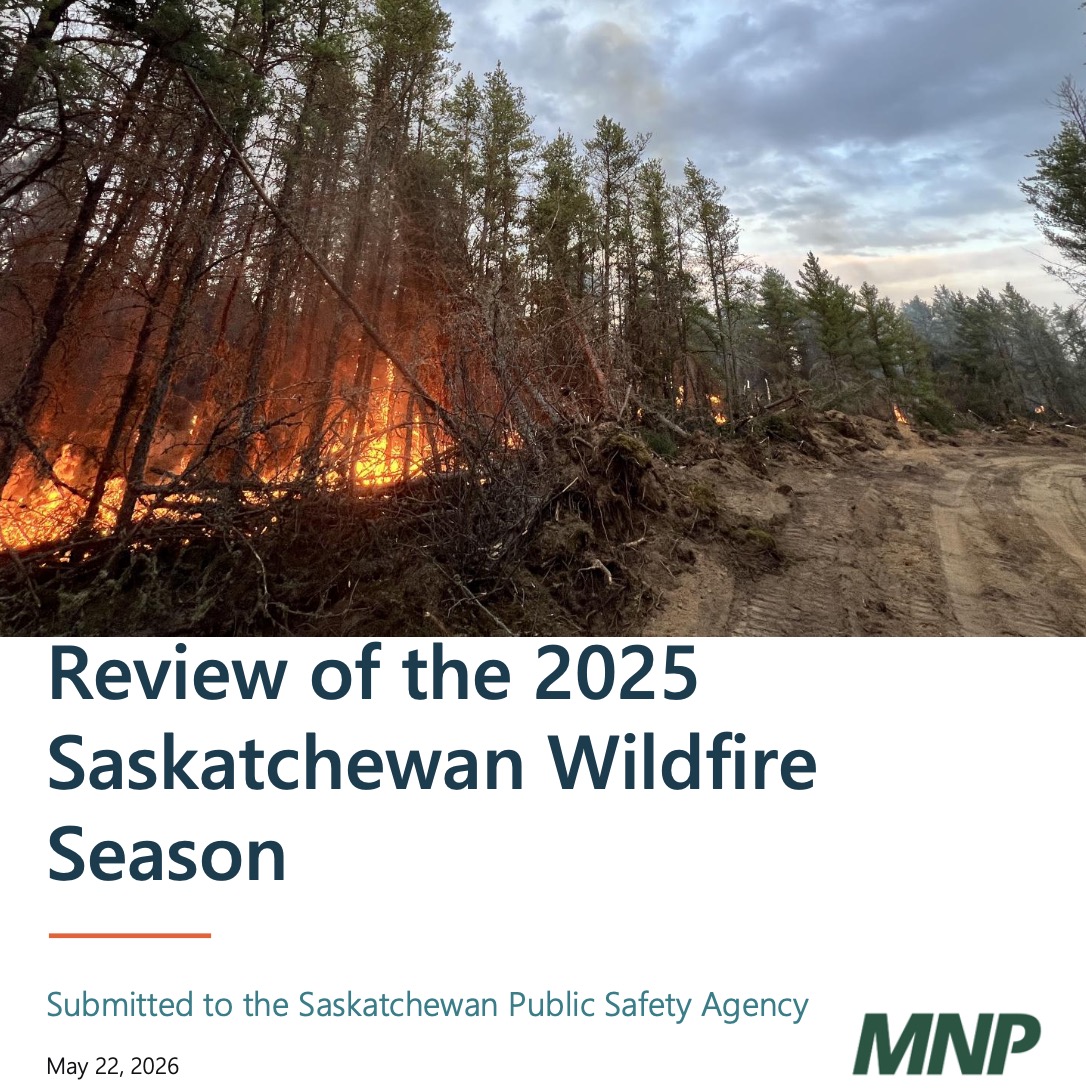 The Government of Saskatchewan announced immediate actions to strengthen the province’s wildfire strategy in response to MNP’s independent review of the 2025 wildfire season. In October 2025, the Government of Saskatchewan commissioned MNP to conduct an independent review of the 2025 wildfire season. MNP was responsible for evaluating the Saskatchewan Public Safety Agency’s (SPSA) wildfire and emergency prevention, preparedness, response, evacuation, and recovery strategy. Participants in the review included members of affected communities, emergency responders, Indigenous organizations, representatives from the SPSA, provincial ministries, municipal and regional partners. …The Government of Saskatchewan’s response to the recommendations includes 11 actions the SPSA has been directed to implement immediately. The Future Preparedness and Implementation Unit has been established within the SPSA to advance and monitor the implementation of the 11 actions directed by the Government of Saskatchewan.
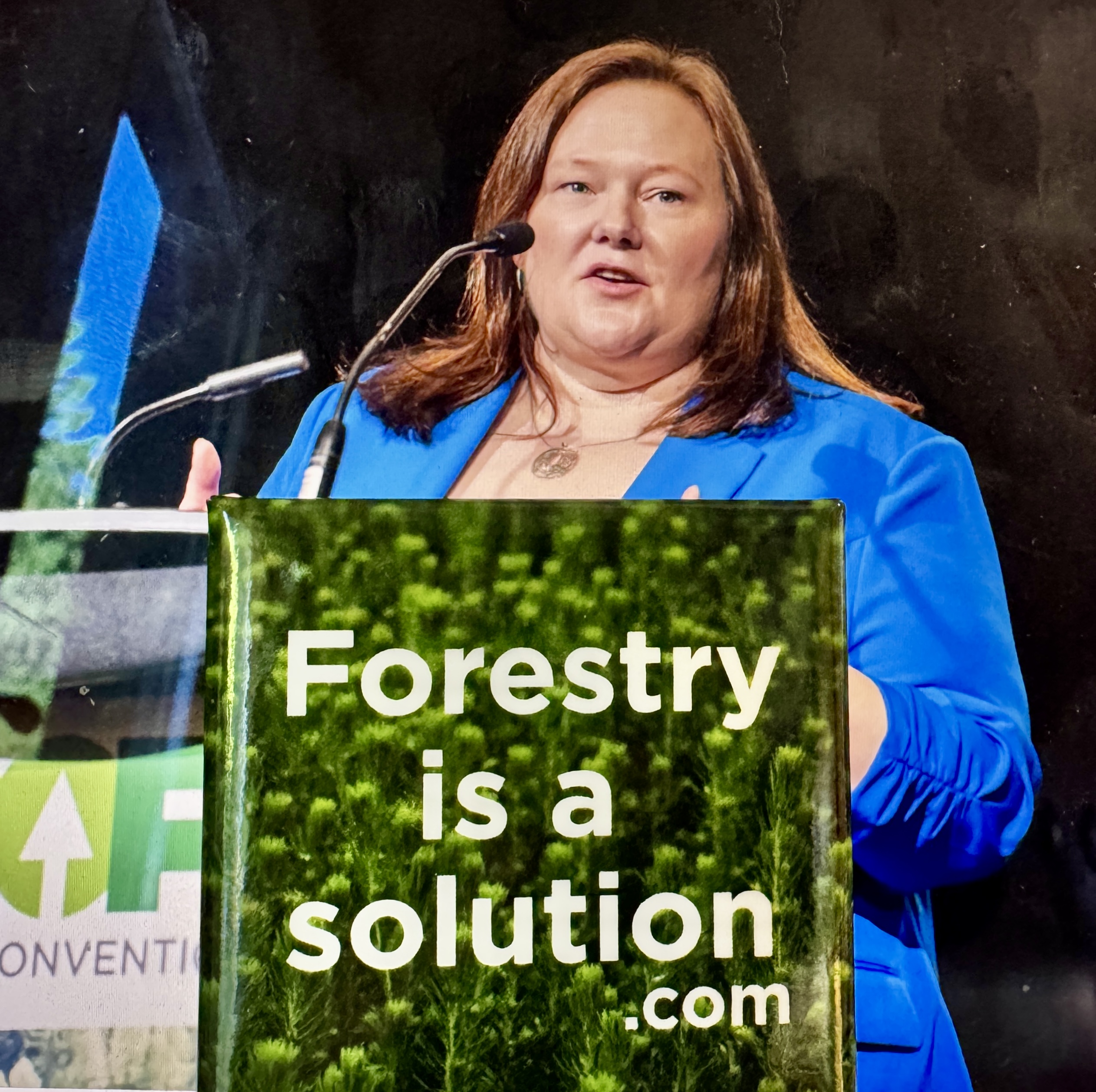 Kim Haakstad is stepping into a familiar debate with renewed urgency. As president and CEO of the Council of Forest Industries (COFI), she is helping lead a province-wide campaign to rebuild public support for forestry. COFI represents British Columbia’s forest industry, advocating for policy, sustainability and economic growth across the sector. Haakstad says their new campaign is about reframing forestry’s role in a changing province. “
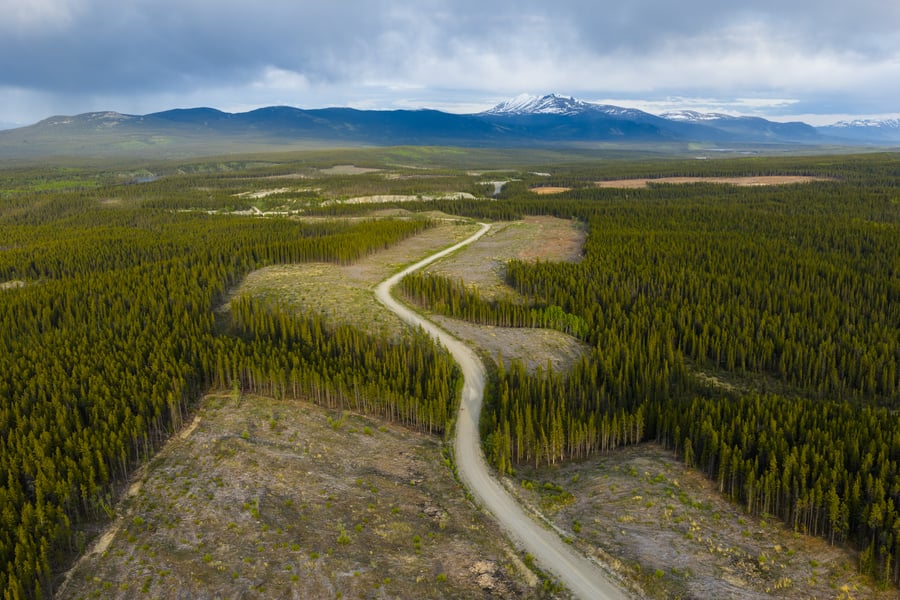
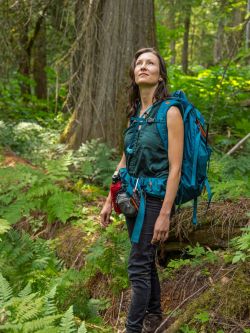


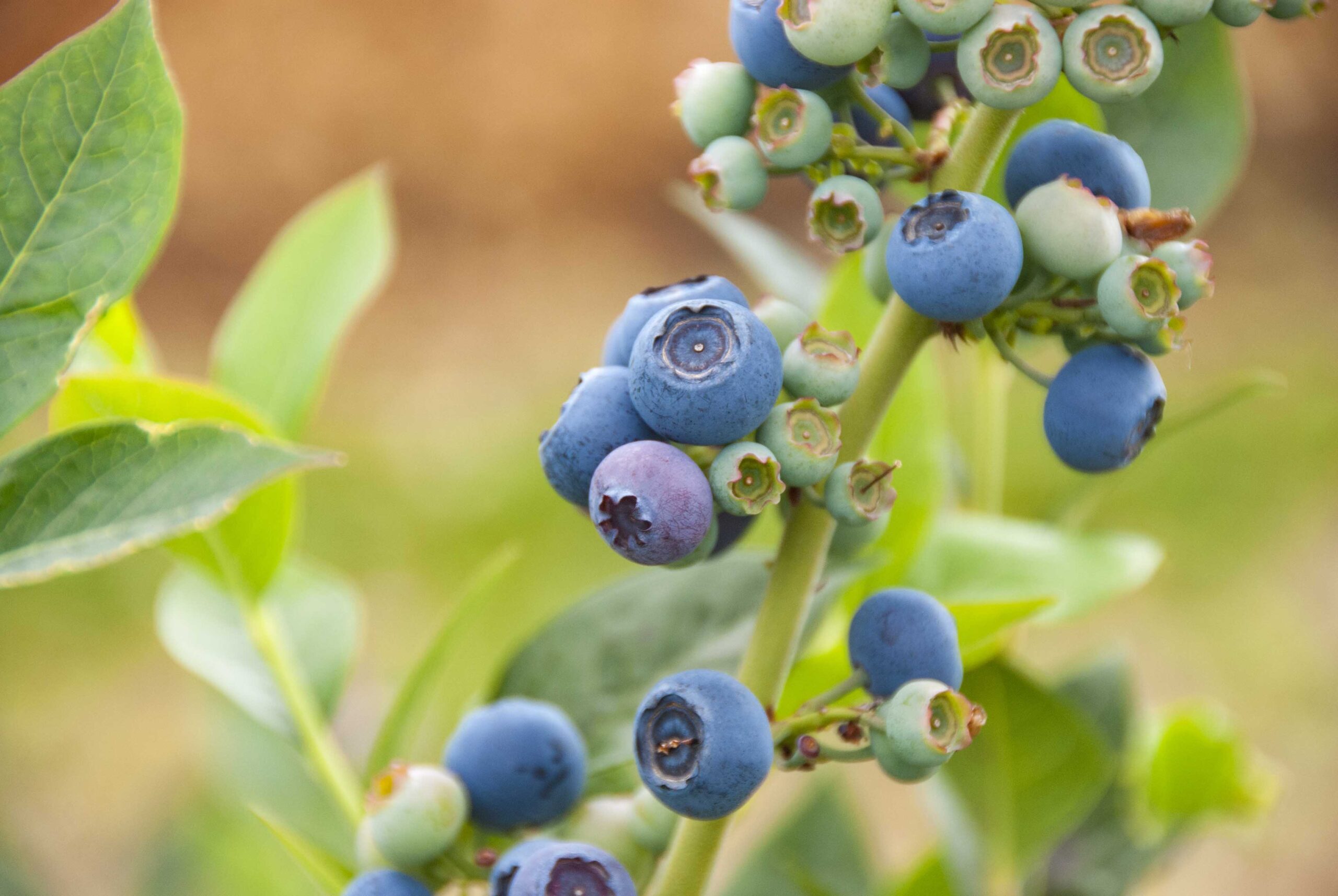 A forestry group that was granted an interlocutory injunction halting a blockade by a family from Matachewan First Nation (MFN) so it could complete tree-harvesting work in northern Ontario will sit down in a listening circle with them later this month in a case that may see further court action. The Timiskaming Forest Alliance Inc. (TFAI) is a consortium of forestry companies and First Nations, including MFN. It has a licence from Ontario’s Ministry of Natural Resources (MNR) to harvest 101 hectares, referred to as Cairo 173… The family involved includes Dorothy Larkman, who said she decided to take action after seeing machines tearing out blueberry bushes on Cairo 173, which is about 60 kilometres west of Kirkland Lake and south of the Ojibway First Nation. …Listening circles are rooted in Indigenous traditions. …Michael Swinwood, Larkman’s lawyer, said the MNR will also have representation at the listening circle.


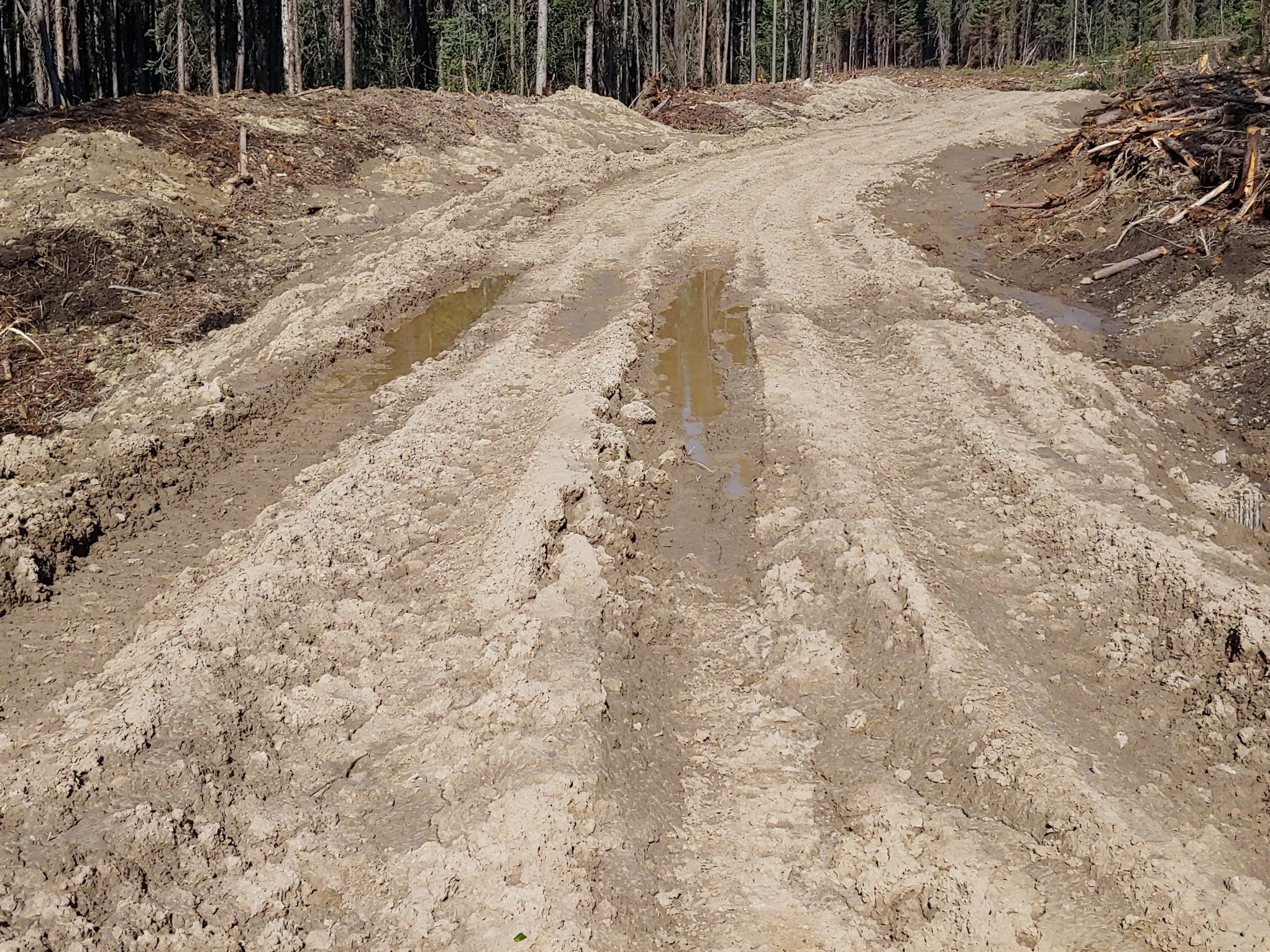 More than 4.2 million miles of public roads crisscross the lower 48 states… This vast network of roads leaves only about 5% as an inventoried roadless area or wilderness. Now, some of those last remaining lands free of roads are under threat from the Trump administration’s proposed rollback of the 2001 Roadless Rule. That includes southeast Alaska’s Tongass National Forest, where eagles, bears, salmon and many other species thrive in old-growth coastal forest along the Inside Passage. …The Trump administration’s proposed rollback, expected to be formalized in 2026, would open these last wild places to development, fragmenting habitats that can never be restored. …The American public spoke loudly in 2001 when they supported the Roadless Rule. Two decades later, the public comments submitted on the recission notice overwhelming opposed rolling back the rules, a Center for Western Priorities review found, reaffirming that U.S. roadless forests remain as vital and valued as ever.
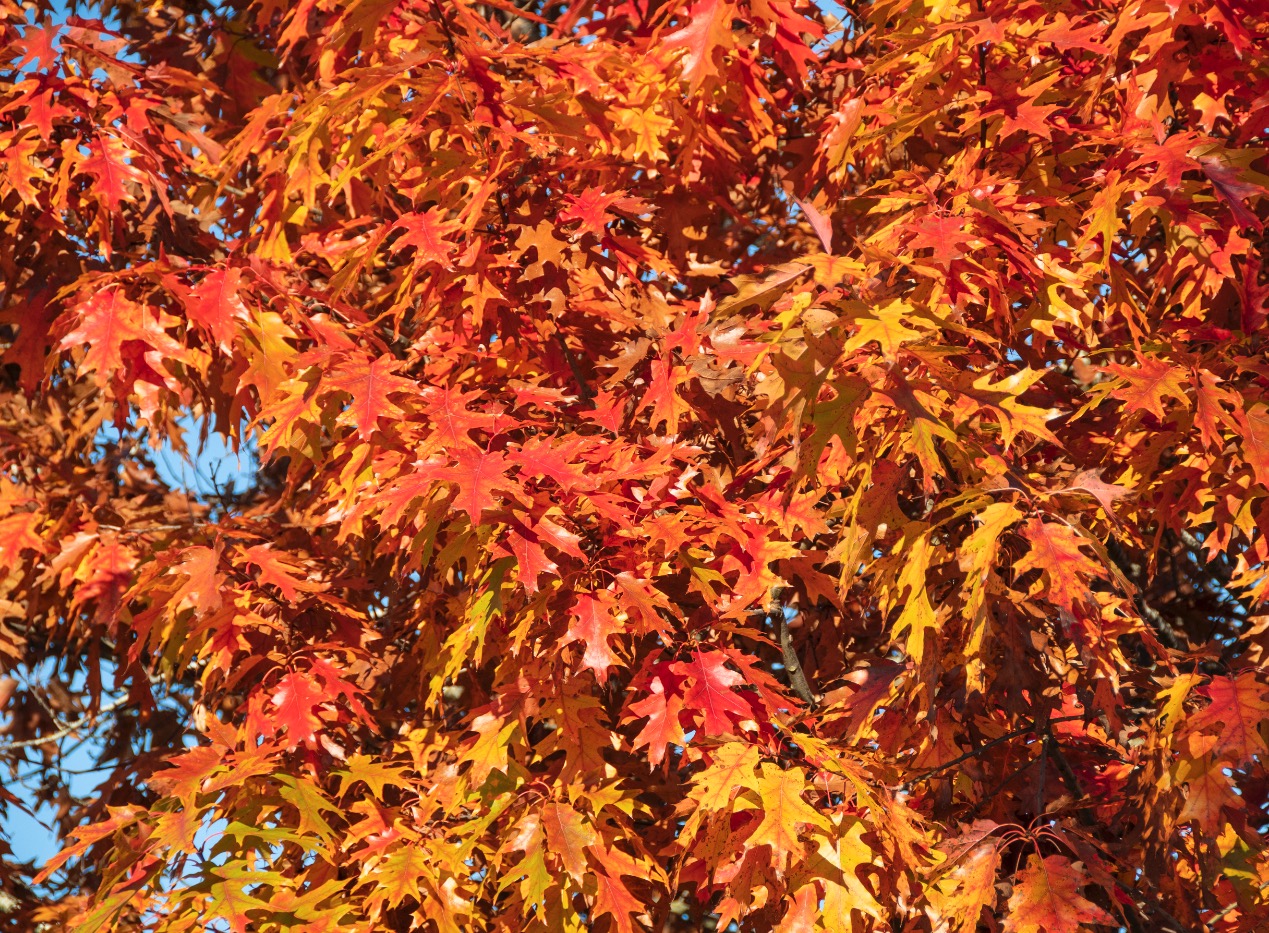 A photosynthesizing tree is not necessarily growing — a new study of oak trees, published in the journal
  SEATTLE — Few public universities get more federal research funding than the University of Washington. So as President Trump has already cancelled or suspended about a quarter of all funding for the National Science Foundation and National Institutes for Health, the atmosphere on this leafy Seattle campus is tense. The anxiety is even trickling down to lower profile places once considered safe from White House politics, like UW’s School of Environmental and Forest Sciences. Here, newly proposed U.S. Forest Service funding cuts and a larger reorganization of the agency would have immediate consequences as the West looks poised for an epic summer of wildfires and smoke. “We have a wildfire crisis in the West [and] in the United States,” says Ernesto Alvarado, a fire ecologist and associate professor at the school. …But the Seattle smoke lab is now on a list of 56 out of 90 research stations identified for closure.
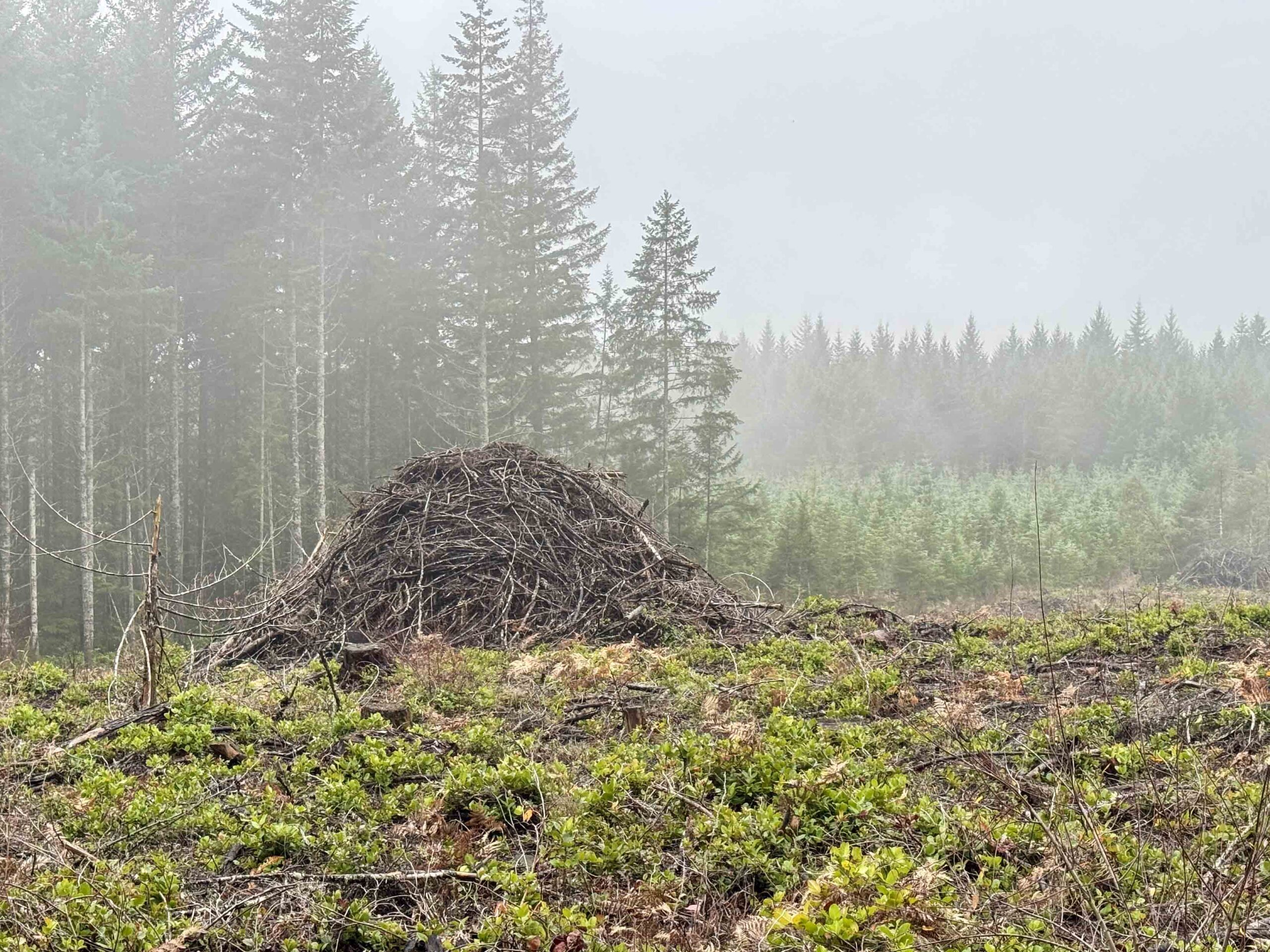 The U.S. Forest Service has faced budget and staffing cuts under the Trump administration, and a new analysis shows those cuts are impacting how much land the agency is able to treat to prevent wildfires. The Forest Service treated 35 percent fewer acres for wildfire mitigation in 2025, compared with the previous year. Mitigation efforts include tree thinning, brush clearing, and prescribed burning. That’s according to Forest Service data assessed by the public lands advocacy group, Center for Western Priorities. That means nearly one and a half million fewer acres were treated overall. These treatments lower wildfire risks, and make fires easier to fight, which better protects communities and keeps firefighters safe. In a state-by-state breakdown, the Center’s analysis found 63% less acres of Forest Service land in Montana were treated for wildfire risk. The Trump administration has proposed further cuts to the U.S. Forest Service’s budget, staff, and local support – including closing regional offices nationwide.
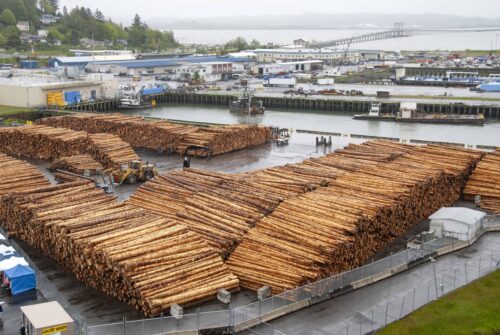 The Trump administration is about to propose an overhaul of how it manages nearly 5 million acres in northeastern Oregon and southeastern Washington. Logging could triple in the Umatilla, Malheur and Wallowa-Whitman national forests, which comprise the U.S. Forest Service’s Blue Mountains region. The agency’s proposal would eliminate regulations that protect large trees and sensitive habitats. It would also boost timber sale goals from 106 million board feet to 364 million over a decade. That’s raising hopes in a region where timber jobs have declined and lumber mills have closed. But others doubt the timber goals. And environmental groups have called the plan a raid on one of the wildest places in the United States. …Mark Webb, executive director of Blue Mountains Forest Partners — which coordinates between environmental and timber interests to find common ground — doubts whether the forest service can reach the ambitious logging goals it sets forth in its draft proposal.


 Fire season has begun in Oregon. Hot and dry conditions have forest managers across the state on edge as the season officially started June 15, bringing with it restrictions meant to prevent wildfires. The main restriction is a prohibition on debris and backyard burning on state, county and private lands, although official rules are set by local fire districts. Debris burning is the most frequent human cause of wildfires that spread in populated areas. “With it being this hot and dry, one little bit of wind could spread an ember and start a fire. It’s the perfect time to cover your pile and wait until fall,” Oregon Department of Forestry spokeswoman Jessica Neujahr said.
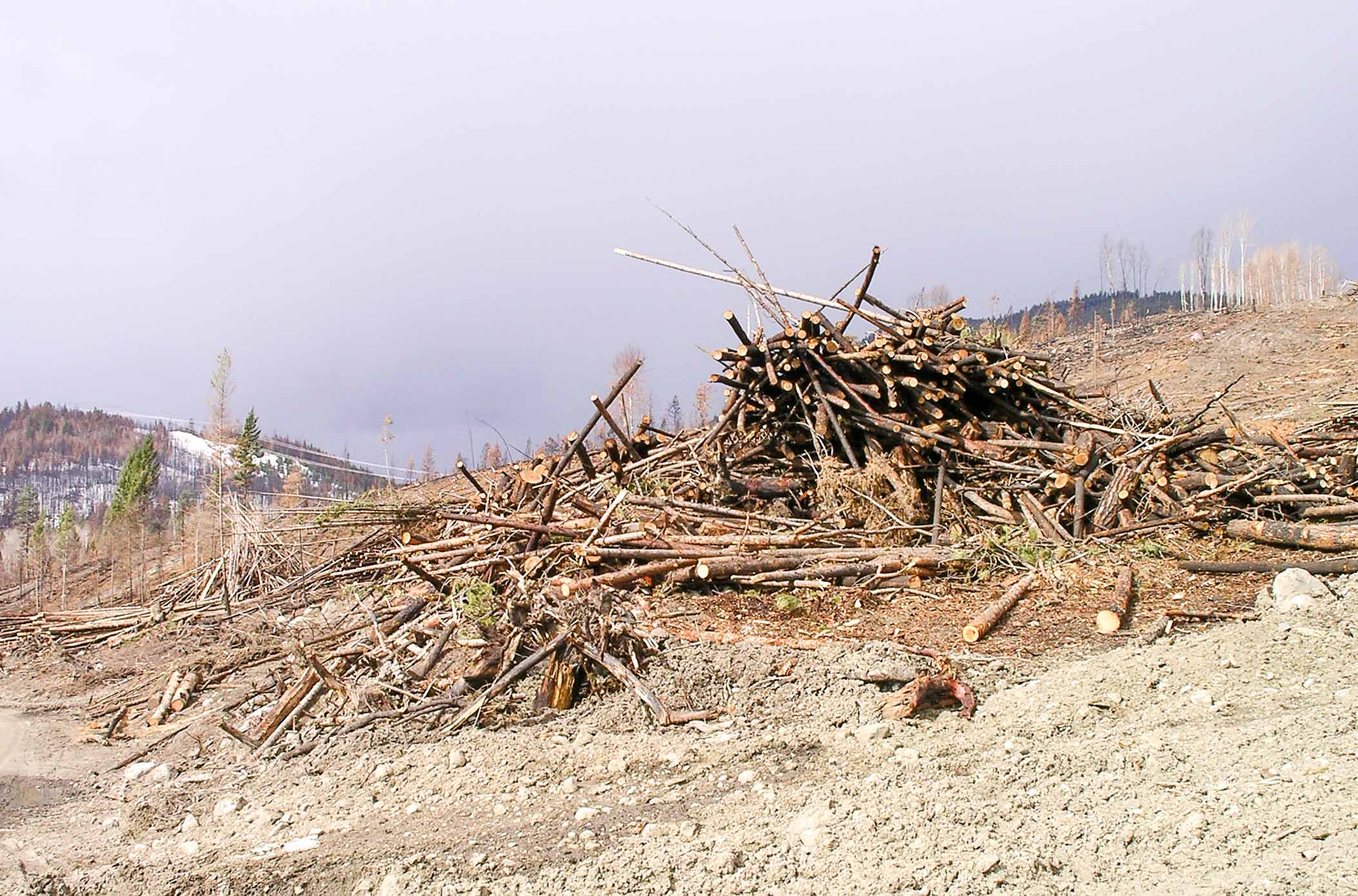 …Decades of fire suppression have left many dry pine forests overcrowded with small trees and dense brush. …Foresters largely agree on the solution: restore forests through thinning and prescribed fire. The problem is that restoration work is expensive, especially when it involves removing small-diameter trees that have little commercial value. …Taxpayers shoulder most of the burden while hazardous fuels continue accumulating across millions of acres. …Oregon is well positioned to tackle this problem. New wood products such as mass timber can create markets for the very material that restoration projects remove. Instead of treating small trees as waste, we can turn them into building materials… The goal is to keep large fire-resistant trees while removing smaller fuels that make forests more vulnerable to extreme fires. …Oregon already has the tools and workforce to address this problem. The question is whether we are willing to act before the next historic fire season arrives.
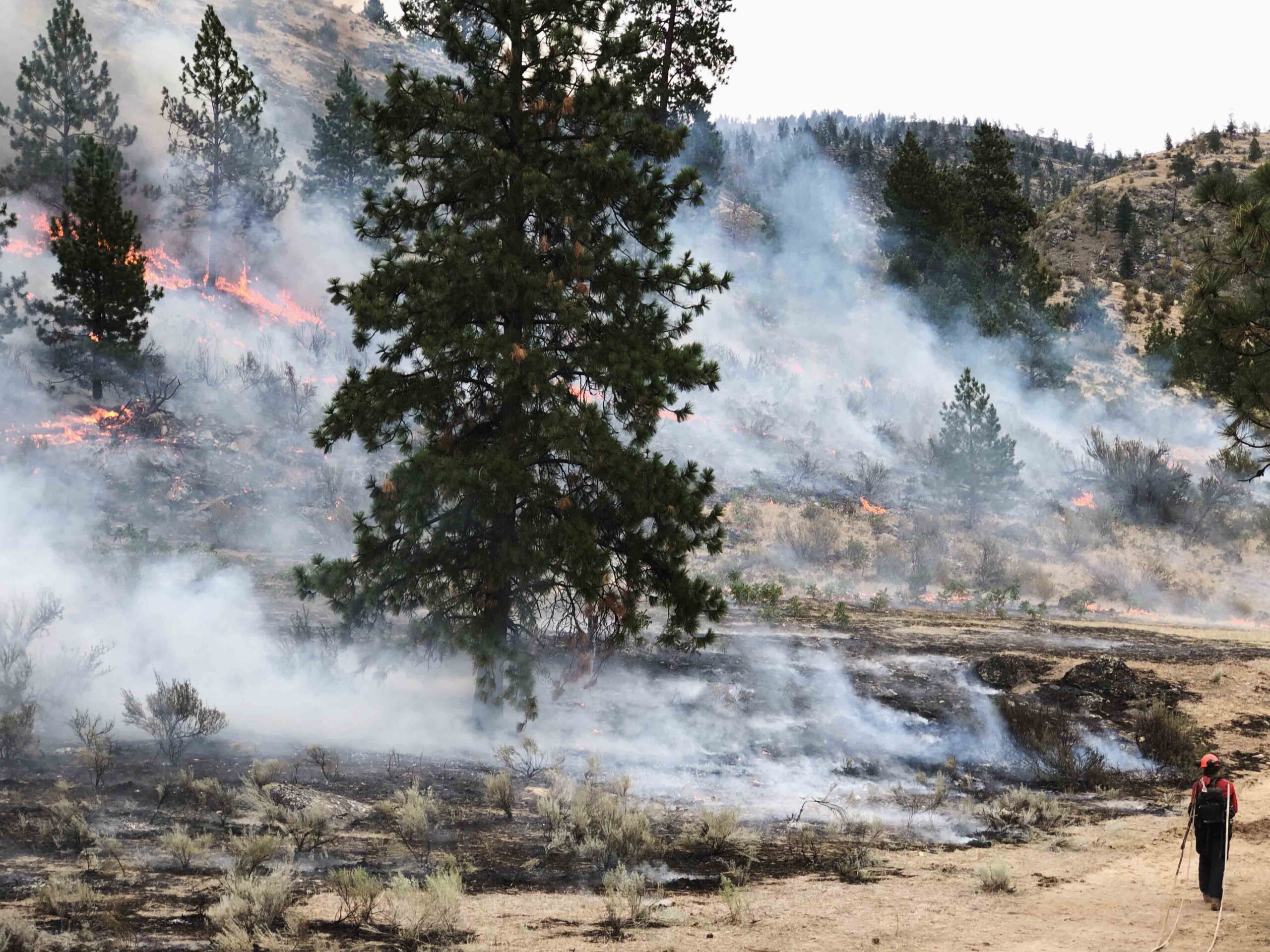 Wildfires are reversing decades of air quality improvements across much of the US. Expanded use of prescribed fire is a primary proposed solution, but air quality trade-offs—more initial smoke for less smoke later—remain poorly quantified. Using two decades of satellite-derived measurements of fire severity and smoke particulate matter across California, we assessed the causal effect of low-severity wildfire, a proxy for prescribed burning, on subsequent wildfire activity and air quality. We found that low-severity fire reduced the probability of very-high-severity wildfire by 92%, with reductions lasting a decade and extending 5 kilometers from treated locations. Reduced future smoke far outweighed the smoke produced during treatment, with benefit-cost ratios exceeding five after a decade. Sustained treatment of 500,000 acres annually would reduce cumulative smoke fine particulate matter (PM2.5) by about 10% after a decade.
 Deming, Washington — Leroy Sande was pioneering a road with his excavator in Southeast Alaska when stumps, rocks, everything else — including his rig — started to pitch down the hillside. As if reaching out with his own arm, the logger instinctively grabbed at the slick sandstone beneath 10 feet of soil with the excavator’s bucket. “Well, you ain’t grabbing sandstone,” Sande, now 83, recalled. “…There was nothing to grab onto that wasn’t going down the hill.” About 400 yards down slope, the excavator tipped over and came to a stop. It was the only time in his 50-plus-year career in the woods that Sande put an excavator on its side, and even then, he emerged from the machine unscathed. Logging is the most deadly occupation in the nation… Injuries that aren’t fatal can put someone out of work for weeks, months, years or the rest of their life. The annual
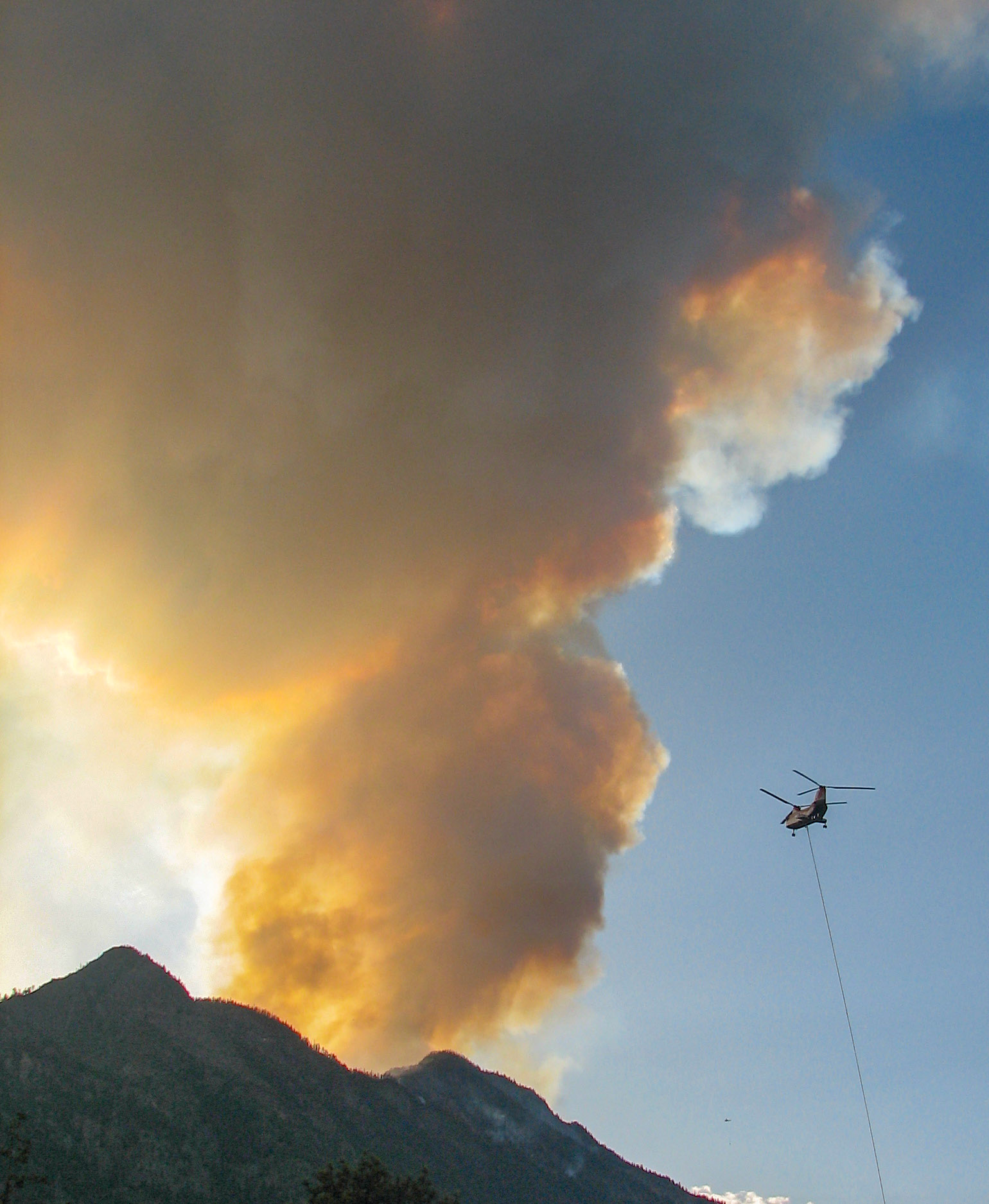 GEORGIA — Amid drought conditions and larger fires, Georgia Forestry Commission Director Johnny Sabo told lawmakers the cost to put out the blazes in south Georgia cost more than half of his annual department budget. “We’re looking about $35 million between these two fires,” Sabo said about the cost of putting out the Pineland Road and Highway 82 fires in south Georgia. “To put that in perspective, my annual budget is $52 million.” Those figures don’t include the costs of helping communities recover from the damage and losses afterward. …Sabo said Georgia has experienced a more active fire season than in previous years, with the number of fires up 88%. It was made more dangerous by drier conditions. …The data from Sabo showed the yearly average acreage of fires was 5.6 acres in previous years. The size of the fires made it so smoke was even visible to residents in the metro Atlanta area.
 In fall, hoards of winter ticks latch on to New Hampshire’s moose — sometimes upward of 50,000 per adult animal. Over the course of the winter, the ticks drink their fill of blood, weakening adult moose and sometimes killing calves. …a team of New Hampshire researchers has a new hypothesis: Could the way forests are logged make moose more or less likely to encounter parasites? …Winter ticks are the driving force behind years of decline in Northeastern moose populations. …In recent decades, parasitism of moose by winter ticks has boomed… major driver was a boom in the local moose population… The sheer abundance of hosts helped tick populations in the region reach the high levels they remain at today. …One option is raising hunting quotas to reduce the number of moose… Another line of attack is the use of pesticides. …But there’s another idea … that has not been extensively studied: managing their habitat.
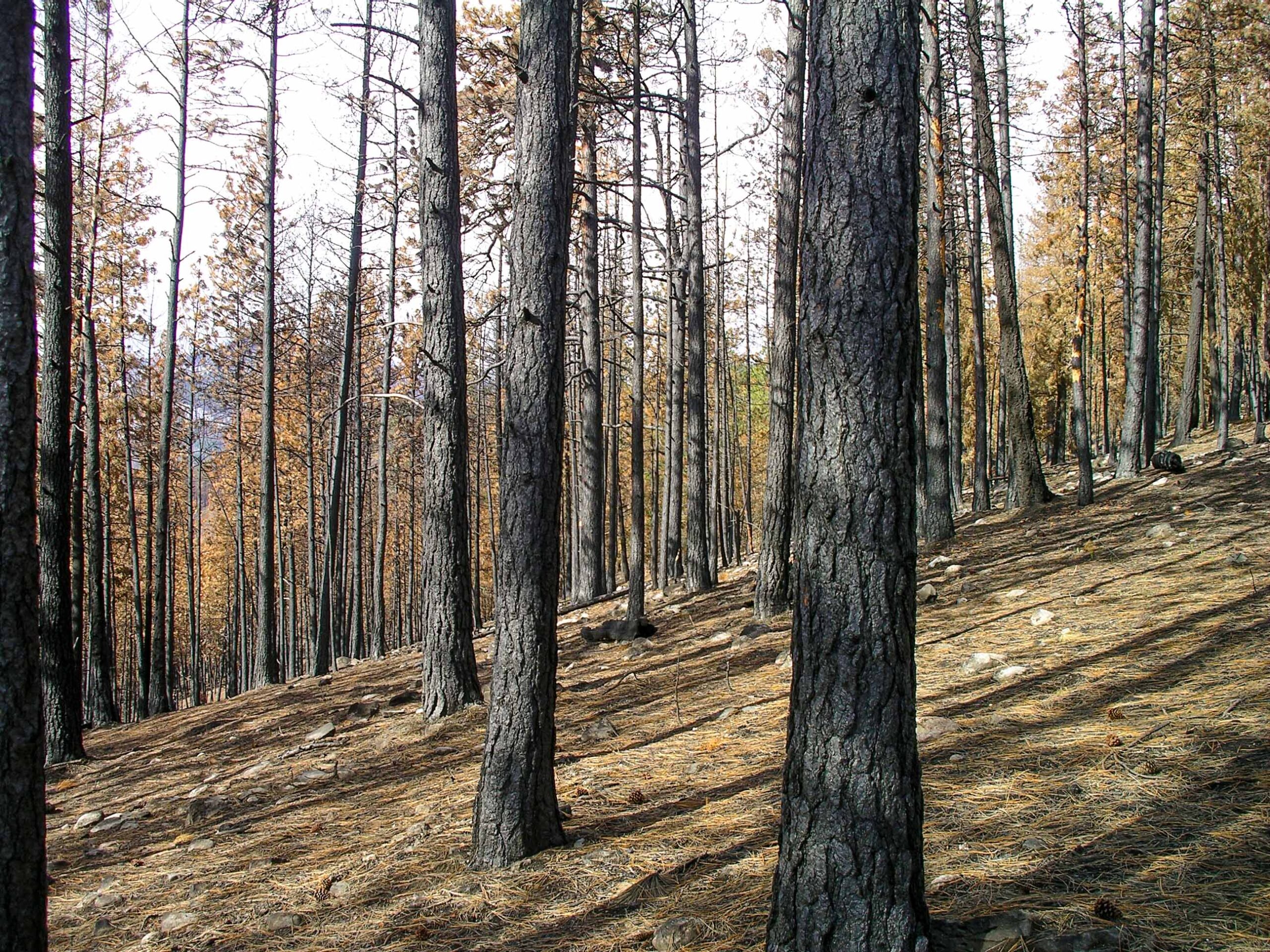 OFUNATO, Iwate — An industry organization aimed at promoting the use of fire-damaged timber has been launched in this northeastern Japan city, in response to a forest fire that broke out here in February 2025 burning approximately 3,370 hectares. The organization, named “TEAM Shinrin Saisei Ofunato” … aims to address challenges surrounding the harvesting of damaged trees and expand distribution channels for related wood products. Trees can still be utilized for parts that were not burned or if the damage was limited to the bark, but they must be cut down promptly before moisture loss makes them difficult to use. By strengthening cooperation among the logging, lumber processing, and construction sectors, which are currently divided into separate segments of the wood industry, the organization hopes to make better use of the damaged timber and encourage forest owners to proceed with logging and reforestation.

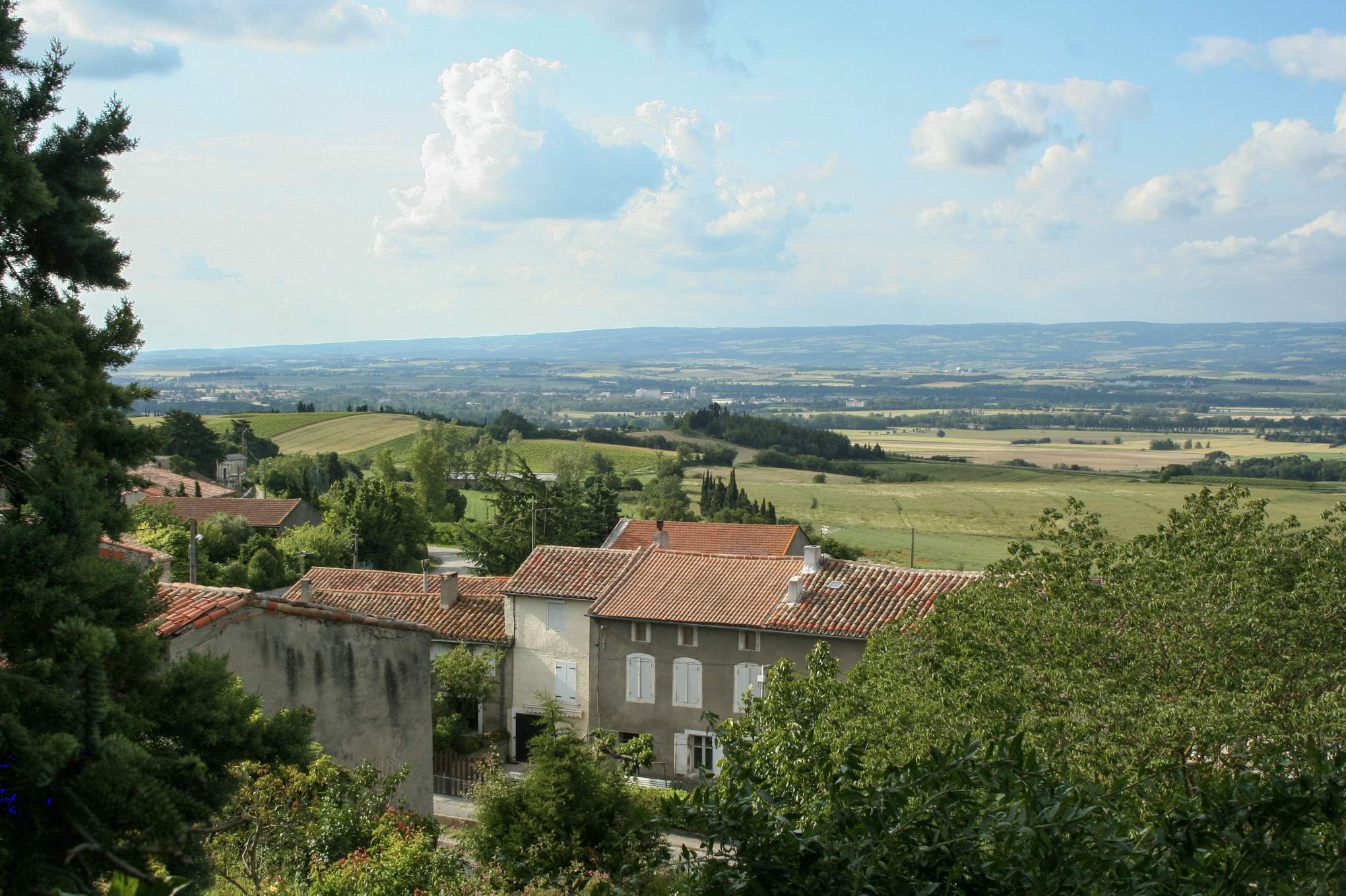 From the rainforests of French Guiana to ancient woodlands in eastern France, thousands of hectares of forest are gaining new protections. On 9 June, France said it has created seven new biological reserves and expanded two existing ones. Together, they safeguard an additional 157,000 hectares of forest as it works toward placing 10 per cent of its land under ‘strong protection’ by 2030. “This translates into less pressure on natural environments and stronger protection for species and habitats,” says Monique Barbut, France’s minister for ecological transition, biodiversity and international climate and nature negotiations. However, the vast majority of that land – around 99.5 per cent – lies in a single reserve in French Guiana, France’s overseas territory in South America. The new reserves in metropolitan France collectively cover under 1,000 hectares. …The remaining eight reserves, spread across metropolitan France, range from the mountain forests of Bannes-Ravines in the Vosges to the Mediterranean woodlands of Pas de la Lauze in Hérault.
 Here’s the latest news concerning climate change and biodiversity loss in B.C. and around the world, from the steps leaders are taking to address the problems, to all the up-to-date science. Human activities like burning fossil fuels and farming livestock are the main drivers of climate change, according to the UN’s intergovernmental panel on climate change. The panel, which is made up of scientists from around the world, including researchers from B.C., has … issued a code red for humanity and warns the window to limit warming to 1.5 C above pre-industrial times is closing. …El Niño — a climate cycle that causes unusually warm ocean surface temperatures in the equatorial Pacific, altering global weather patterns — has begun and is expected to grow to historical strength, the U.S. National Oceanic and Atmospheric Administration
  Attend WPAC’s annual conference, September 22-23, 2026! This year’s theme, Building Canada Stronger: Navigating the Global Wood Pellet Transition, covers securing supply, resilient energy and next-gen bioenergy. Day 1, Tuesday, September 22, 2026, focuses on the global outlook, policy and supply foundations. …There are still sponsorship spots available for the conference—Canada’s largest gathering of our industry. This event brings together key decision-makers from across Canada and global markets, offering a unique opportunity to increase your visibility, connect with partners, and strengthen your position in the sector. It’s also an opportunity to support WPAC’s advocacy, safety initiatives and industry-wide technical leadership in Canada and around the world.


 As South Georgia continues recovering from a destructive spring wildfire season, Gov. Brian Kemp has signed an executive order intended to help landowners and the forestry industry reduce economic losses caused by fire-damaged timber. The order temporarily increases allowable truck weights in 17 wildfire-impacted counties, giving landowners and timber operators more flexibility to move salvageable timber before it loses market value. State officials said timber damaged by wildfire can only be harvested and sold within a limited timeframe, making transportation a critical part of recovery efforts. The temporary weight allowance is designed to help speed the removal and transport of timber from wildfire-affected properties. The order comes as two of Georgia’s most significant wildfire incidents this year have finally reached 100% containment…