 Canfor is expanding its value-added business with the acquisition of Calgary-based PinkWood. In related news: US Trade Rep Greer blames Canada for lack of trade progress; columnist Matthew Lau is skeptical of Canada’s new forest plan; Domtar appoints John Graves general manager of its Sanford, Florida mill; the Bank of Canada held interest rates steady; and US inflation climbed above 4%.
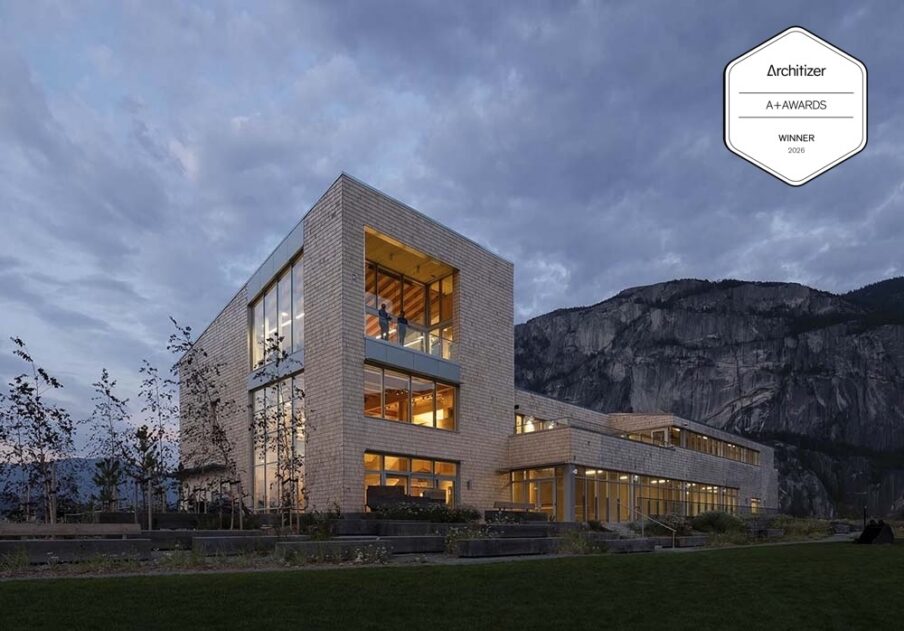
In Wood Product news: Ontario sees jump in mid-rise wood construction, a BC study explores biophilic design and employee wellbeing; Ireland looks to increase timber use; and new wood showcases via Vancouver’s amphitheater, and the University of Tasmania’s The Forest.
In Forestry news: a Senate committee report highlights Canada’s wildfire crisis; Ontario’s NDP released a forestry strategy focused on jobs, BC ENGOs push for less logging; California ENGOs say ending the roadless rule would be bad; and inside the chaos at Vermont’s Forest Service offices.
Finally, 30 years after Canadian wolves returned to Yellowstone, scientists debate their impact.
Kelly McCloskey, Tree Frog News Editor
 VICTORIA, BC
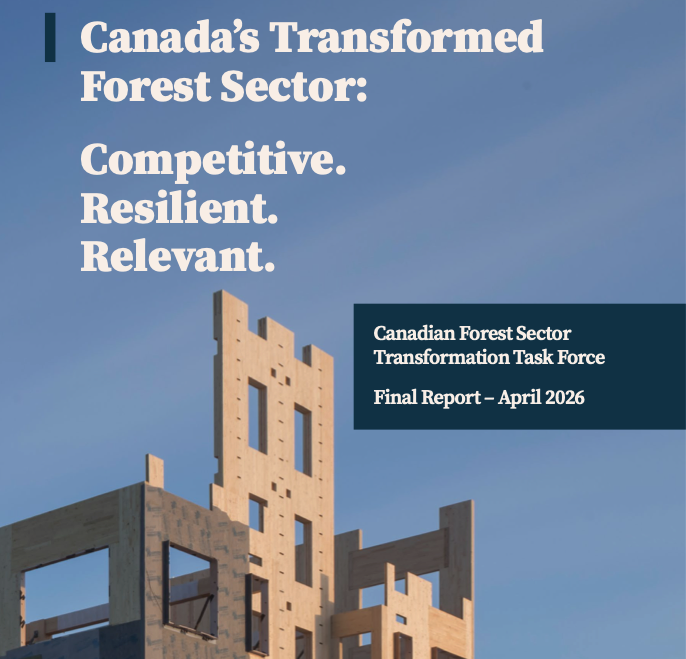
 OTTAWA, ON—Canadian Forest Owners (CFO) congratulates the Honourable Tim Hodgson, Minister of Energy and Natural Resources, and members of the Forestry Transformation Task Force on the release of their report, which recognizes the important contribution of Canada’s private forests in building a competitive, sustainable, and resilient forest sector. Representing approximately 480,000 private forest owners across the country, CFO’s members manage 25 million hectares of privately owned forest land from coast to coast. Together, they account for approximately 10 per cent of Canada’s forest land base and 20 per cent of national forest production. As the report notes, “Canada has a proud tradition of private forest ownership.” Private forests contribute an estimated $14.5 billion annually to Canada’s economy and support nearly 40,000 direct jobs in silviculture, harvesting, transportation, and forest products manufacturing. …For CFO, the report’s recognition of private forests is an important step forward. However, the organization believes that recognition must now be accompanied by policy action.
 Vancouver, BC — Canfor Corporation announced today that it has entered into an agreement with PinkWood Ltd. to purchase its I-joist business for $68.0 million, including working capital. Founded in 2009, PinkWood is the largest Ijoist facility in Western Canada, producing engineered wood joists for residential, multi-family, and commercial construction. Located in Calgary, AB, PinkWood has 120 employees, with production capacity of 46 million linear feet. The purchase price represents a 5 times EBITDA multiple based on current production levels and earnings, including identified synergies. … “PinkWood is a leading manufacturer of high-quality I-joists with a strong management team and stable returns,” said Susan Yurkovich, President and CEO of Canfor. “Canfor’s acquisition of PinkWood complements our operations in Western Canada by enhancing product diversification and supporting the continued expansion of our value-added manufacturing capabilities.
 VANCOUVER, BC






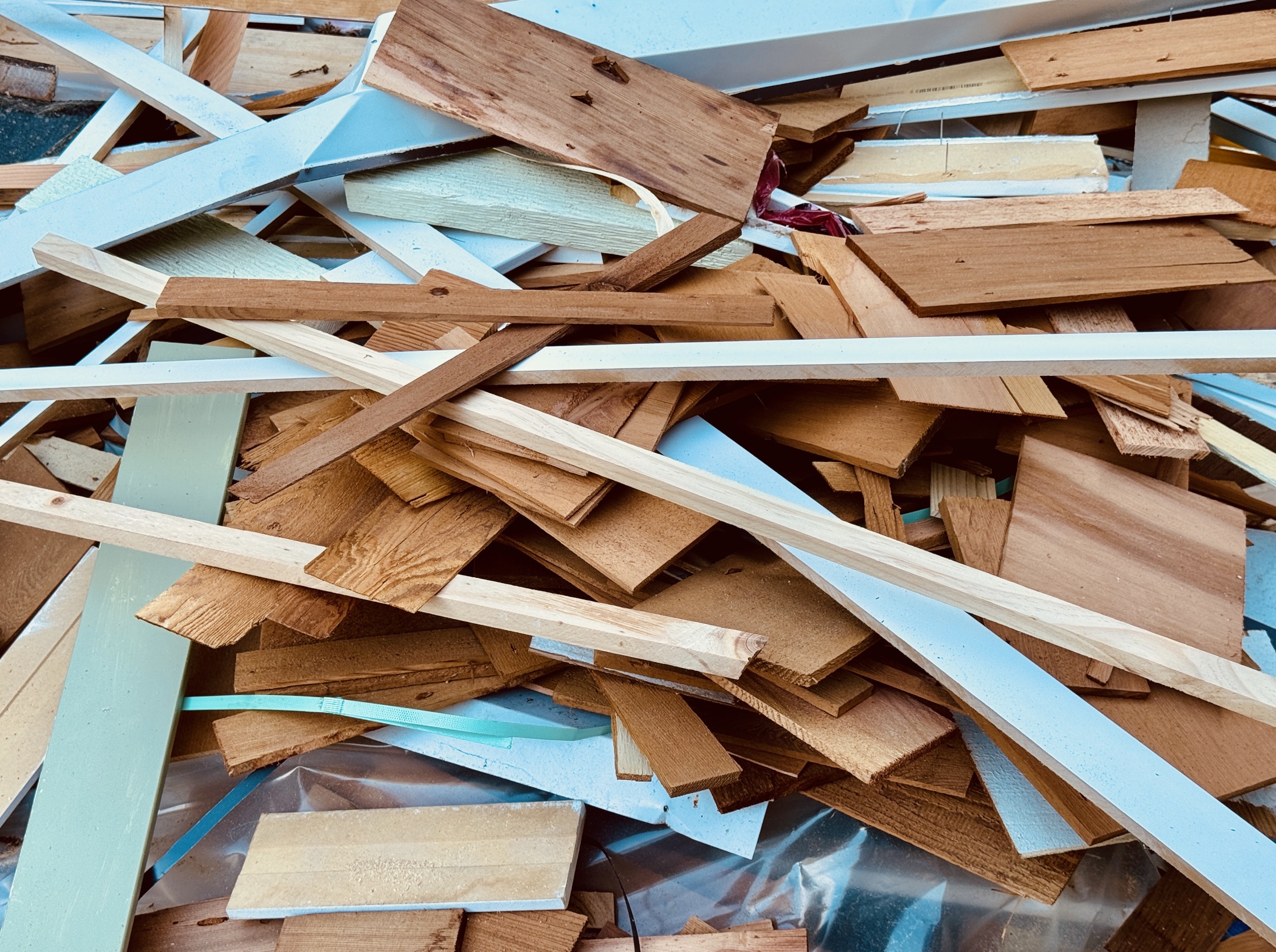 Mississauga city staff are reviewing a proposal for a “wood recovery facility” and an associated office building near Winston Churchill Boulevard and Lakeshore Road near the Oakville border. Applications have been submitted to amend the official plan and zoning to permit the facility, which would recover wood material to be used as a fuel source, according to the city. …local councillor, Alvin Tedjo said the cement plant provides roughly a third of all the cement for the province but still uses coal, adding the proposed wood recovery plant would provide low-carbon fuels. “The idea is that this plant would then create and process the materials in order to be used in the cement process which would then significantly reduce the use of coal and actually is part of removing coal completely from the (cement) plant so that we can be fully coal-free in Mississauga,” Tedjo said in a June 4 interview.
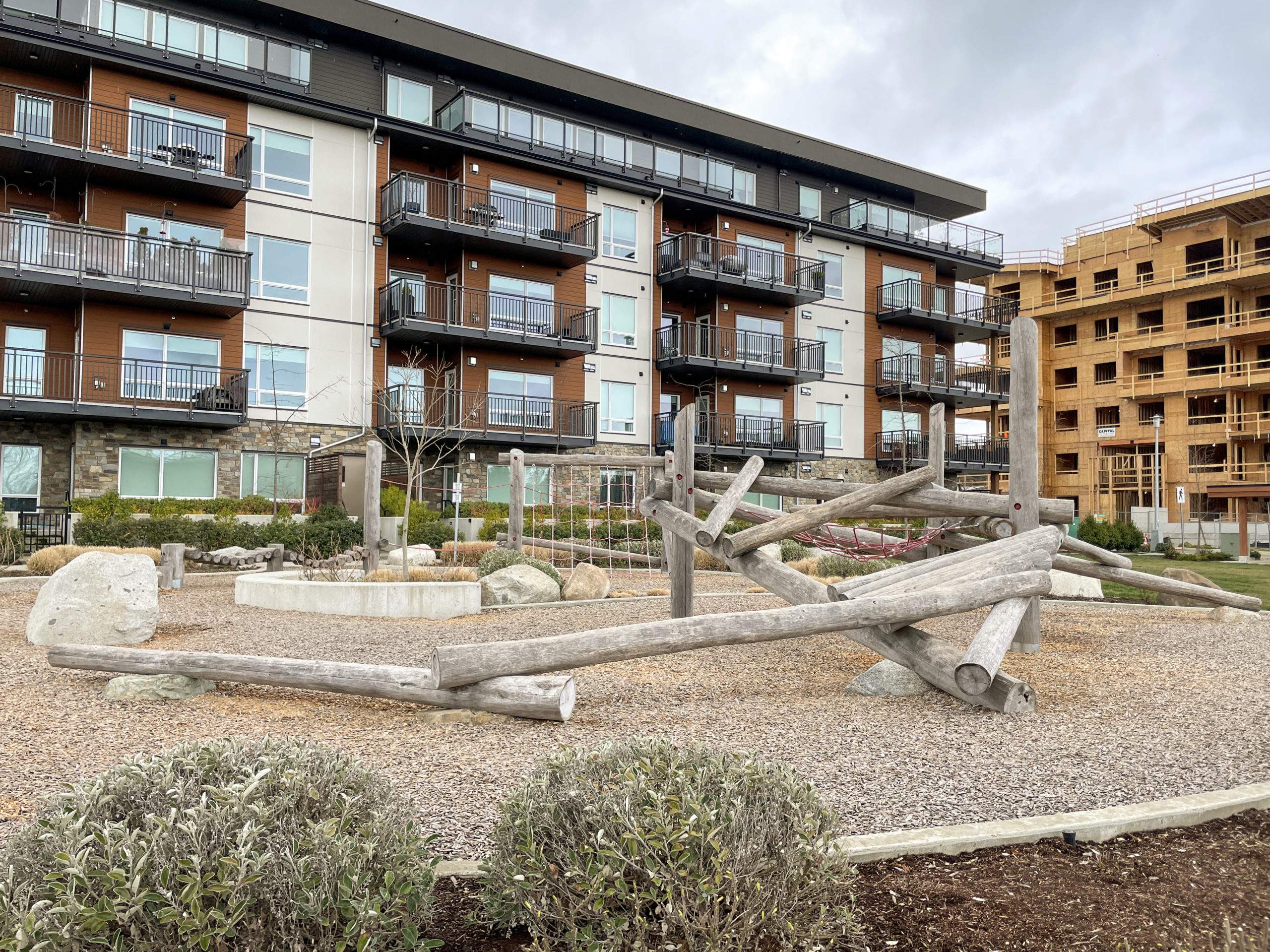 Three years ago, the Ontario Building Code required that any developer taking on a mid-rise wood-frame building had to construct stairwells out of non-combustible material. That was expensive. It made construction challenging, and, according to the
 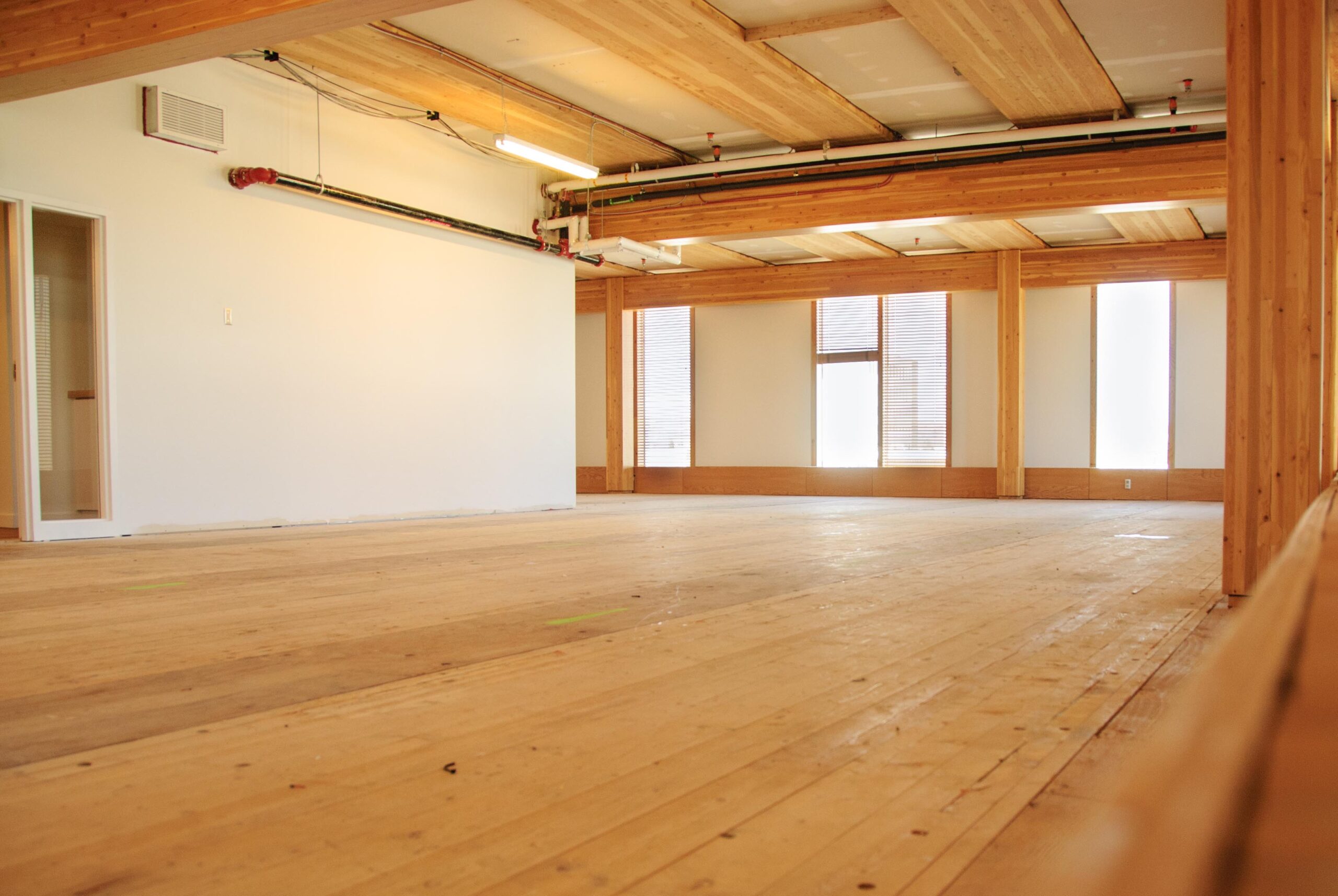 WASHINGTON, D.C. — U.S. Representatives Glenn Thompson (R-PA) and Andrea Salinas (D-OR) introduced the Mass Timber Federal Buildings Act. This marks the third consecutive year that legislation promoting mass timber for federal contracts has been introduced. This bipartisan legislation provides incentives for the use of mass timber building materials in federal contracting, giving timber and other forest products companies the ability to compete for construction, renovation, or acquisition of public buildings, and for military construction. The bill creates a two-tier contracting preference for mass timber and other innovative wood projects. The first-tier preference applies to mass timber that is made within the U.S. and responsibly sourced from state, federal, private, and Tribal forestlands. The optional second tier applies to mass timber products that are sourced from restoration practices, fire mitigation projects, and forest owners. Additionally, this bill contains a reporting requirement for a whole building lifecycle assessment.
  New York’s Packaging Reduction and Recycling Infrastructure Act (PRRIA) has not reached the finish line. The state legislature adjourned without voting on

 In this edition of Market Insights, you’ll find:
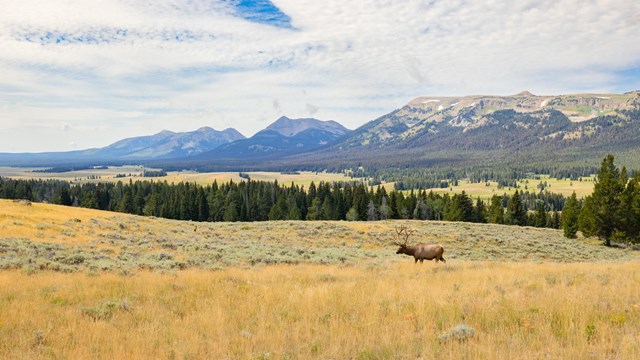
 The first eight wolves arrived through the Roosevelt Arch on the morning of 12 January 1995, in a horse trailer escorted by two park service patrol cars. The wolves had been live-trapped in three different packs in Jasper National Park and the surrounding wilderness of Alberta, Canada, weighed, fitted with radio collars, and flown south. Wyoming Farm Bureau Federation lawyers had obtained a stay from a federal appeals court before the plane landed, and the wolves spent the next several hours confined in their transport crates while the legal status of the project was resolved. The stay was lifted just after midnight. …What happened in the thirty years after 1995 has become one of the most-cited and most-contested case studies in contemporary ecology.
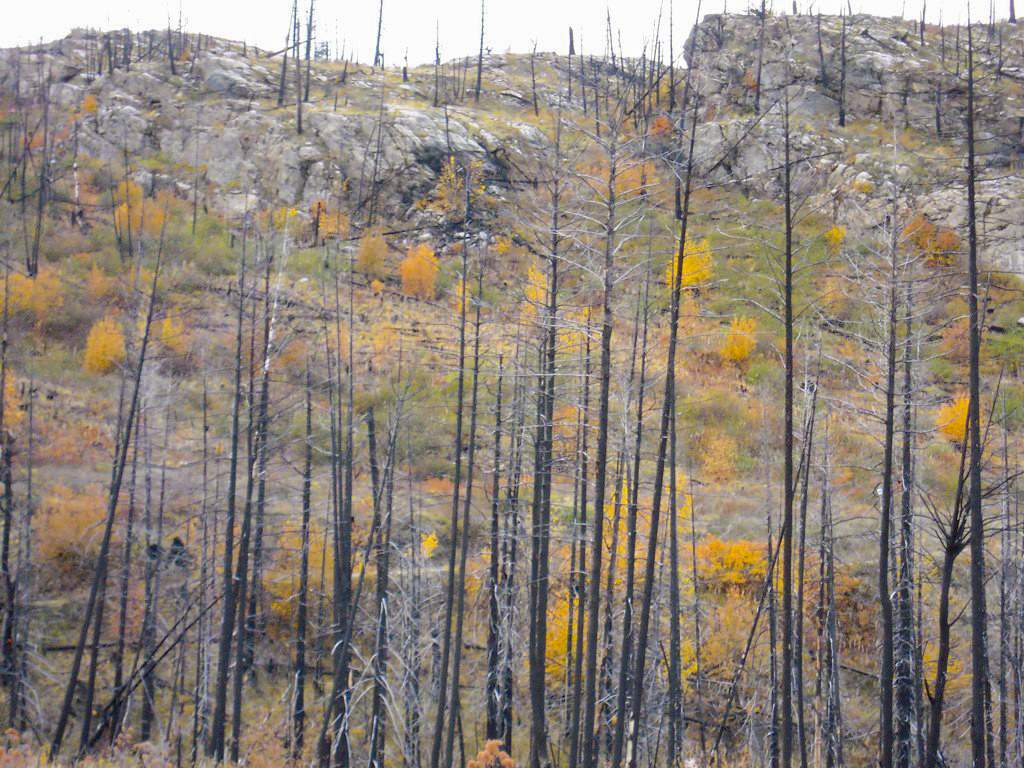 The natural cooling effect of snow in northern forests following forest fires is rapidly diminishing. As a result, a fragile climate equilibrium threatens to disappear, potentially leading to additional warming in one of the most climate-sensitive regions on Earth. This is the conclusion of new research by Vrije Universiteit Amsterdam. …After a forest fire, the landscape in northern regions often remains open and covered with snow for a long time. This snow reflects a great deal of sunlight and makes the Earth’s surface brighter—an effect known as snow albedo. For years, this compensated for part of the warming caused by CO2 emissions from forest fires. [The study found] that the cooling effect of snow has decreased by nearly 30 percent since the 1960s. Whereas in the past almost half of Canadian forest fires eventually reached natural climate equilibrium …this now applies to only about one in four or five fires.
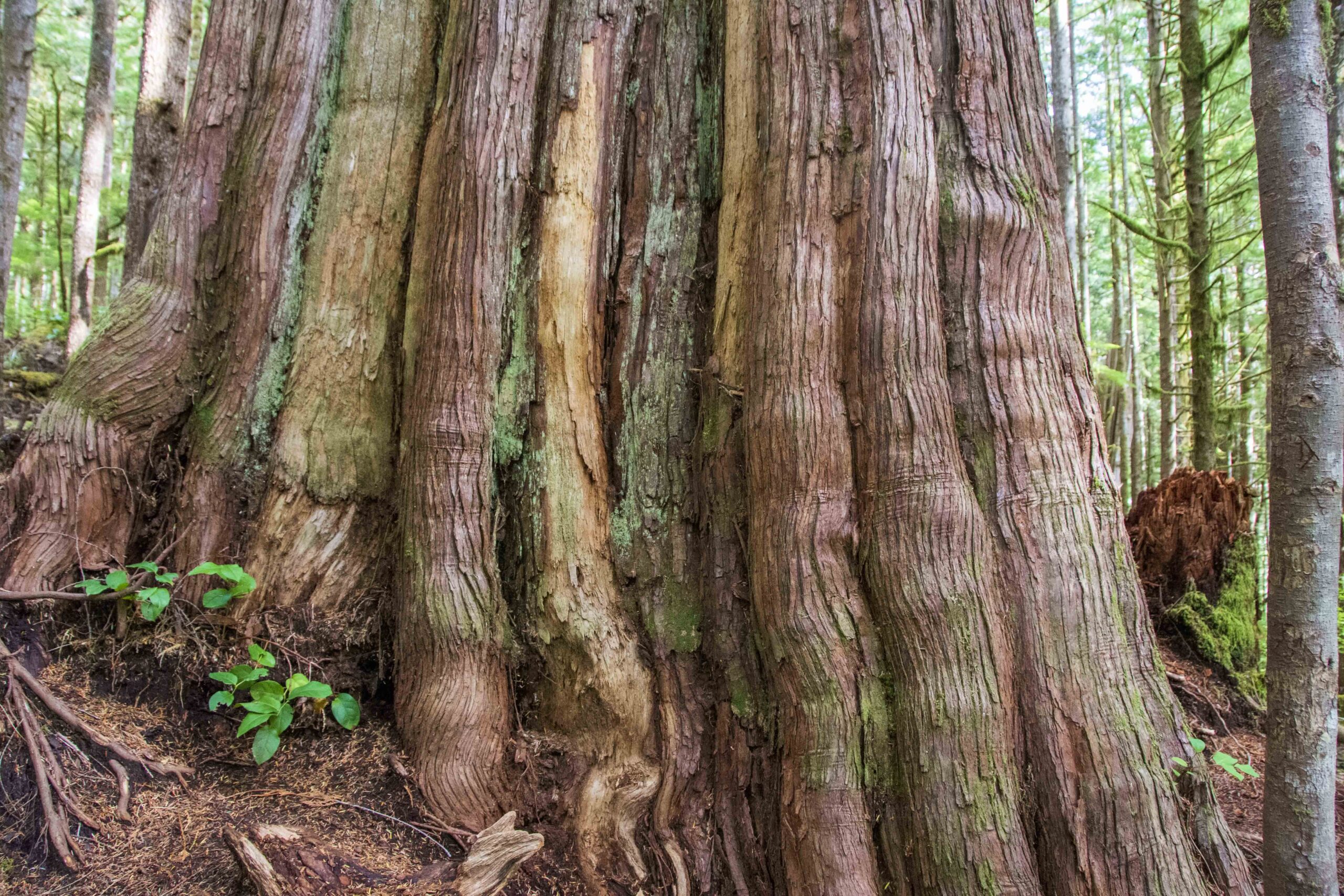 Mature and old-growth forests are vital for biodiversity, carbon storage, cultural traditions and economic activity. But in Alaska and British Columbia, these rich resources haven’t been reliably mapped, leaving much unknown about what land is protected. Now, University of Oregon researchers are leading a comprehensive mapping effort that sheds light on the location, makeup and conservation status of old-growth forests across the region. Their data show that more than 40% of mature and old growth forests in the study area are in places that lack permanent legislative protection. These forests also store the most carbon in the study area. …Old-growth forests in Alaska and British Columbia are protected through a range of land classifications, including national parks, national monuments and wilderness areas. But by far the greatest area of old-growth forest was found in “Inventoried Roadless Areas” in Alaska.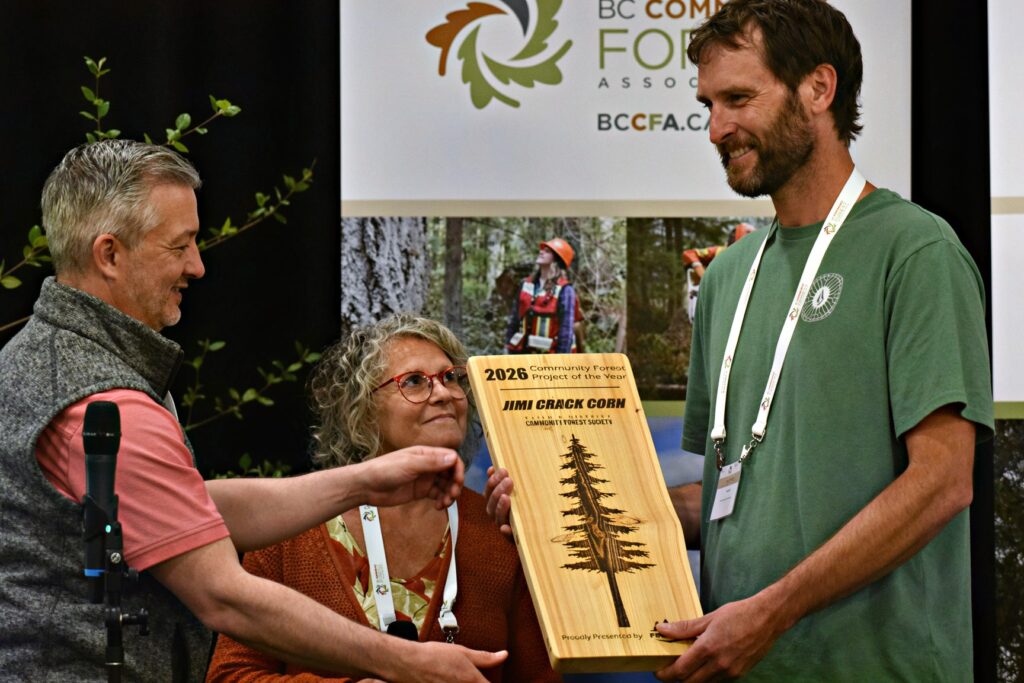

 When BC’s community forestry leaders gather each year, one of the sector’s highest honours is the Robin Hood Memorial Award for Excellence in Community Forestry. Established in 2016, the award recognizes the community forest that best exemplifies the values of British Columbia’s community forestry program—leadership, innovation, local economic opportunity, stewardship, and a passion for community forestry. The award is presented jointly by the
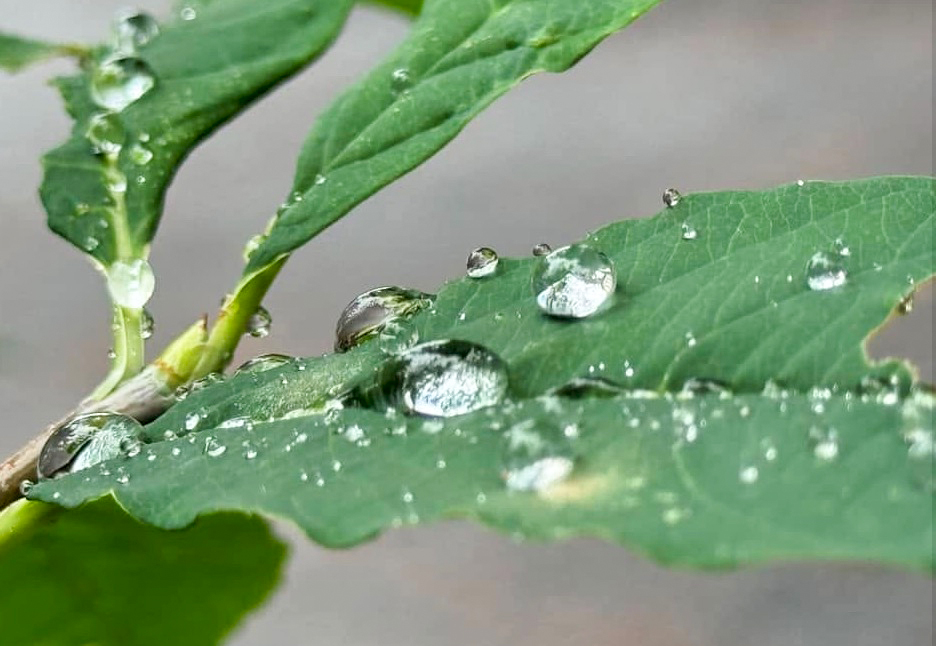 The rain this weekend … has certainly reduced the fire danger rating in B.C. The precipitation, even though it varied in different regions, was widespread throughout the province. According to Taylor Colman, fire information officer at the BC Wildfire Service, the rain lowered the fire rating from high and extreme to moderate in Chilcotin, the Peace Region, the South Thompson, and the Fraser Canyon. “The rain rehydrated those lighter forest fuels such as grasses, needles, brush, anything on the surface layer of the forest floor and then the duration and the amount was enough to penetrate into the deeper layers of the forest floor as well,” Colman explained. “… so that reduced the fire danger rating in those areas of concern.” …There are currently 16 active wildfires in B.C.

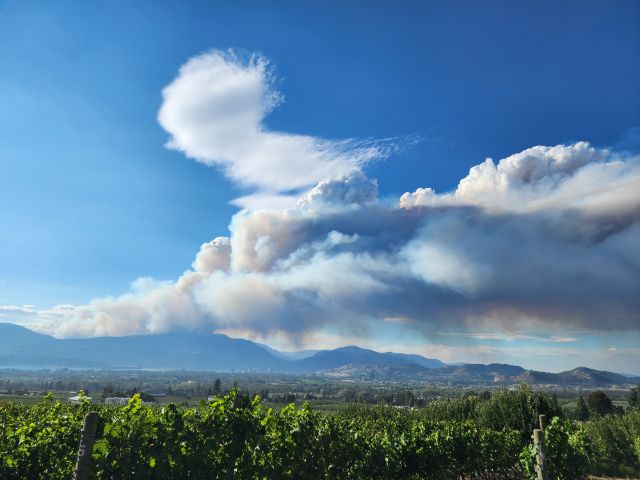 Kelowna has topped the list of Canadian cities most at risk from wildfires in 2026, according to a report from a Toronto-based online insurance company. Using data from Natural Resources Canada’s recently upgraded Canadian Wildland Fire Information System, MyChoice said Kelowna has a wildfire Risk Index score of 6.8/10. It was the only city to get a “very high” rating on the MyChoice Canada’s 2026 wildfire risk map. “While Prairie cities recorded more severe forecast fire weather conditions, Kelowna’s extremely high community exposure, driven by dense wildland-urban interface development, surrounding forest fuel, and historical wildfire activity, pushed it to the top overall,” said MyChoice in its annual wildfire study. To calculate the wildfire risk index, MYChoice gave equal weight to two factors: Forecast fire weather severity and community exposure.


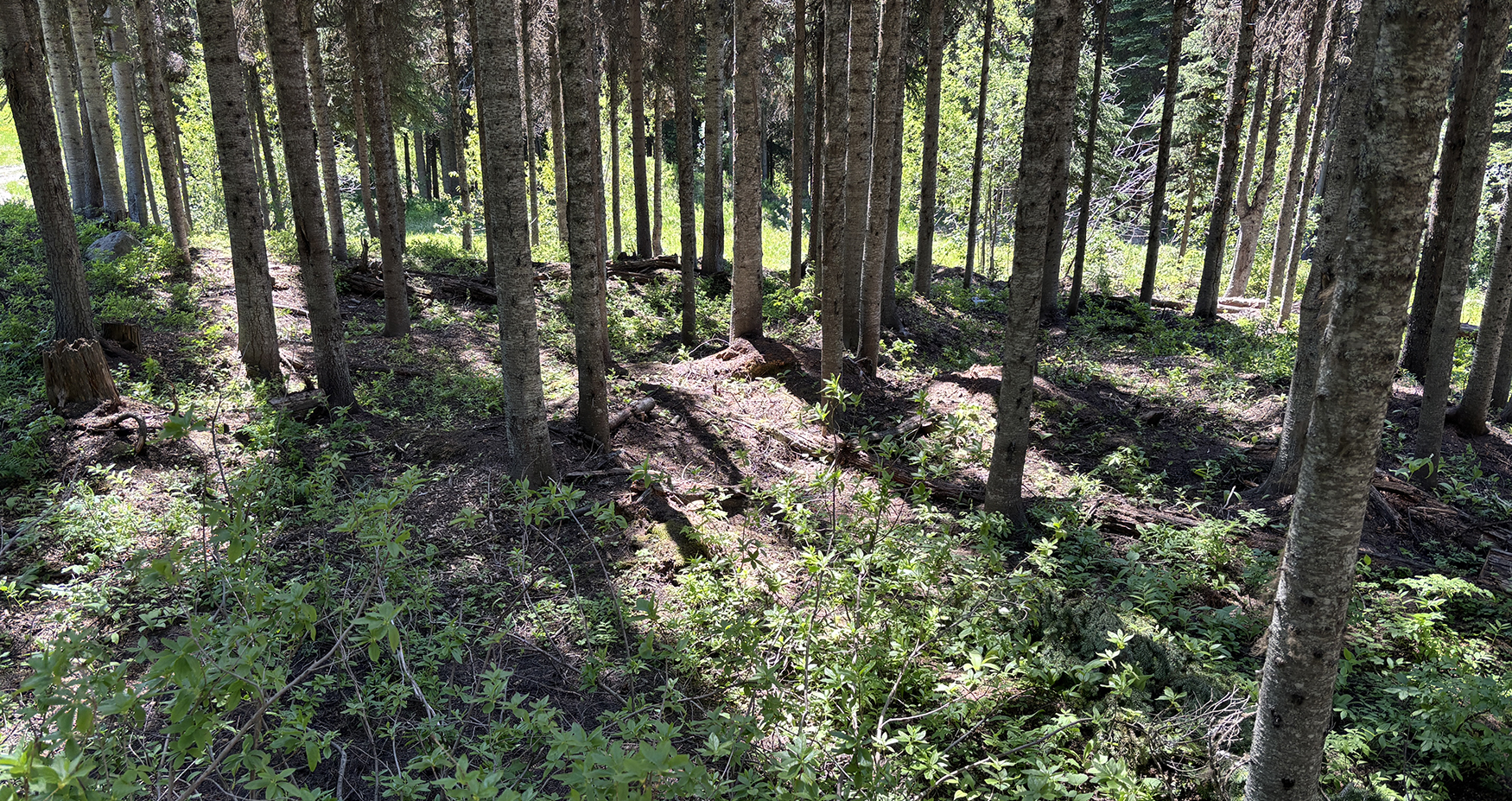


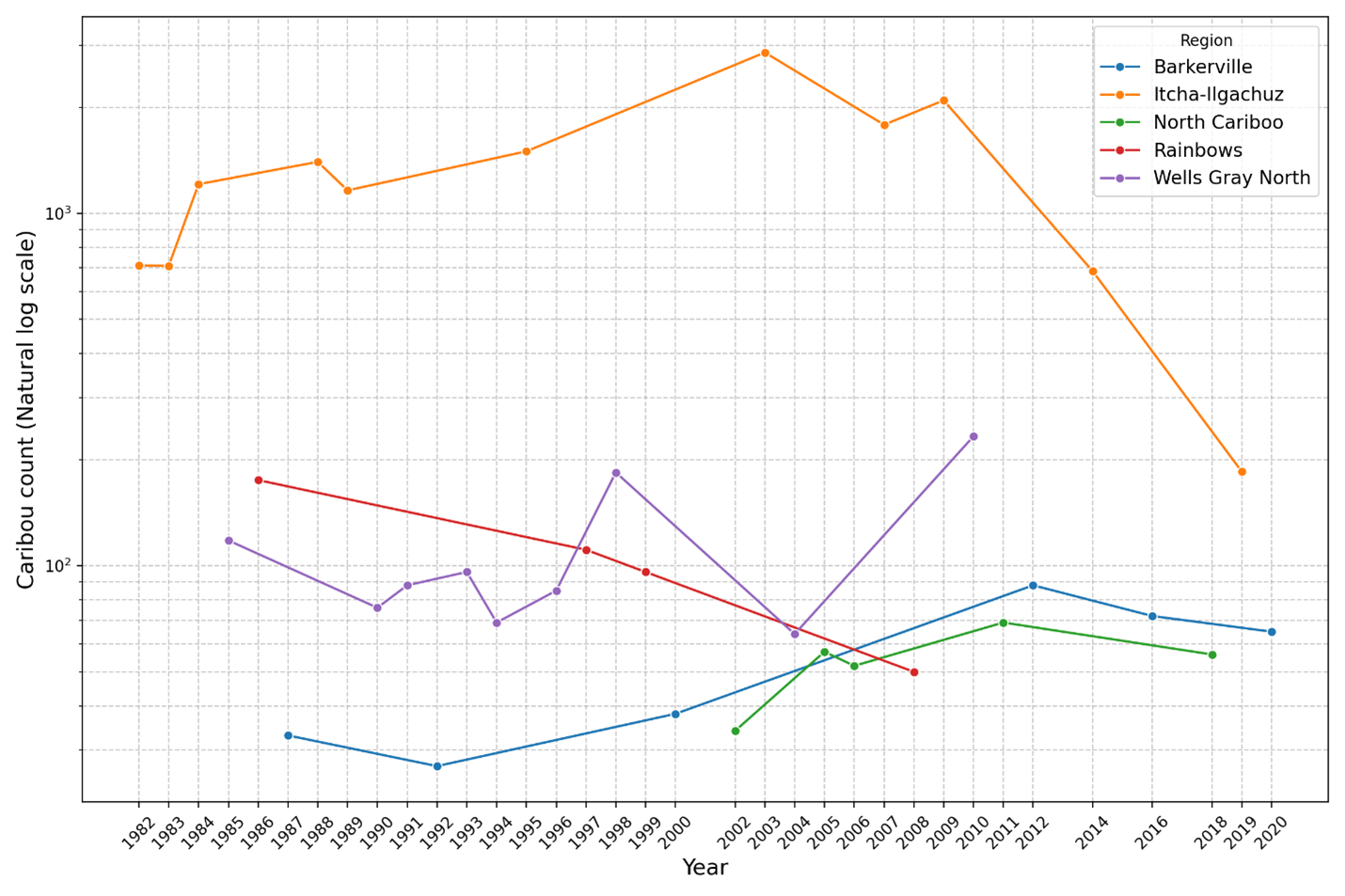
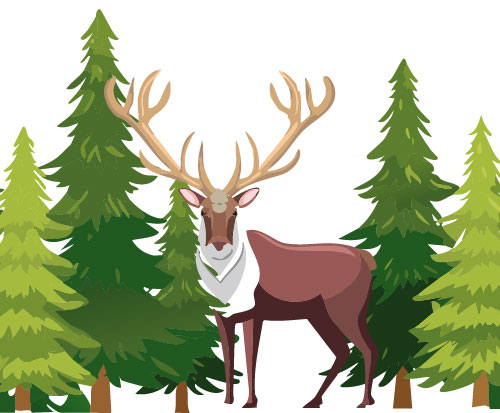 The Syilx Okanagan Nation is calling on the federal government to issue an emergency order protecting critical habitat for Southern Mountain Caribou. In a filing under Section 80 of the federal Species at Risk Act, the Syilx Okanagan Nation is calling for immediate and enforceable protections for habitat used by the Columbia North, Frisby-Boulder and Central Selkirk herds, which occupy areas within Syilx Okanagan territory in southern British Columbia. “The current provincial and federal recovery measures have failed to address ongoing habitat destruction and cumulative effects across caribou ranges,” Chief Dan Wilson of the Okanagan Indian Band said in a media release. … “The continued logging of critical caribou habitat is inconsistent with Syilx Forestry Principles and Standards, yet the province continues to authorize logging in these core areas,” Coun. Jordan Coble, chair of the Syilx Nation Natural Resource Committee said in a media release.
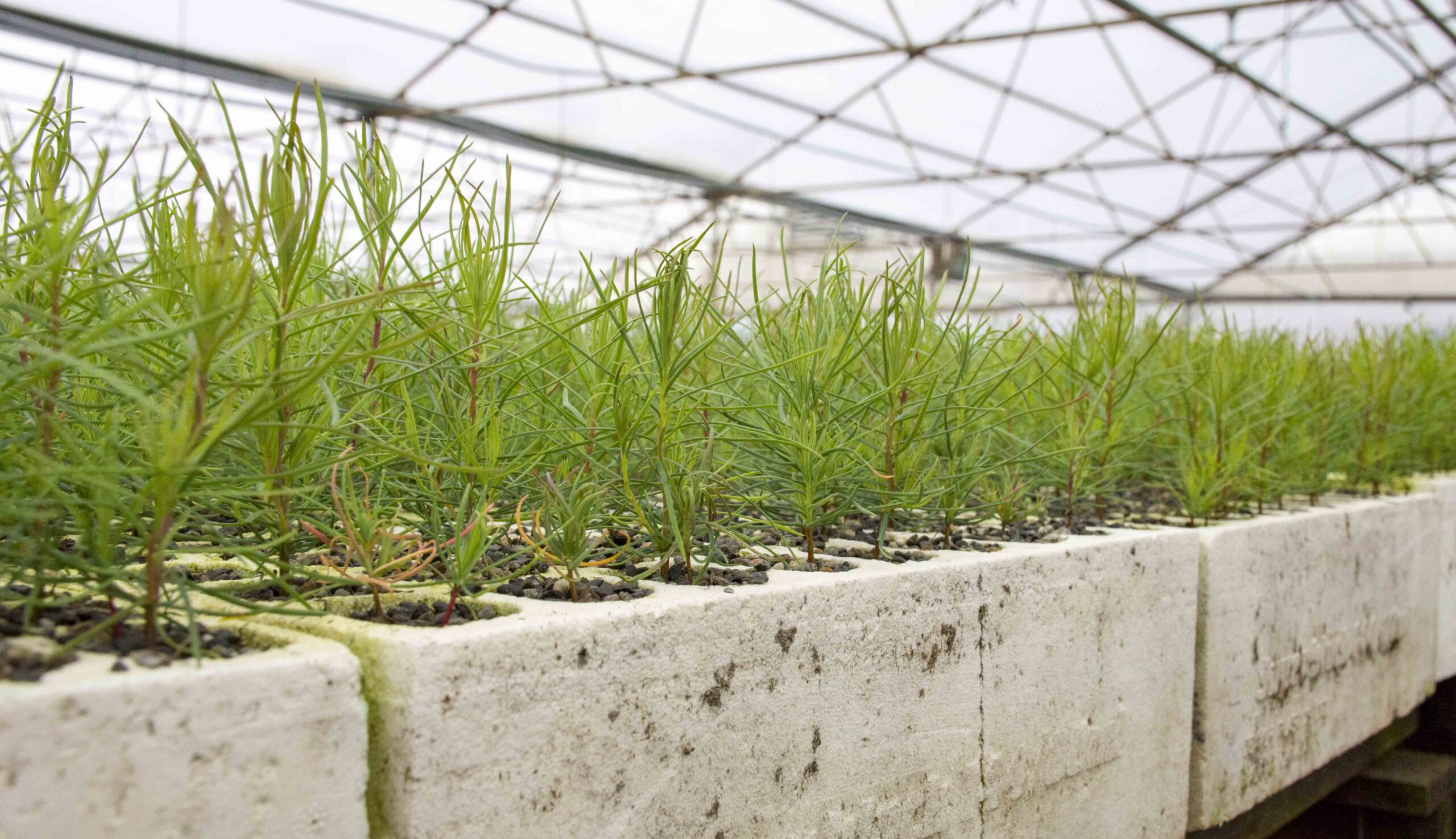 Funding for replanting harvested Crown forests in Ontario depends heavily on how much wood is cut, foresters say, creating challenges for renewal efforts during market downturns and reduced harvest levels. Back Roads Bill explores regreening efforts and issues surrounding it. …The forest sector has been a lifeline for communities across the country and an important pillar of Canada’s economy. In the face of unjust U.S. trade measures and climate goals, Canada’s forest industry is pivoting from traditional lumber toward a bioeconomy. It was on February 26 of this year that the federal government took decisive action with a massive $500-million transformation fund. This will support the forest sector, protect workers and their jobs, and give companies the stability they need to weather short-term shocks and retool for a stronger, more diversified future. …A couple of other things though. Our forests are well managed. And we need trees and therefore tree planting.

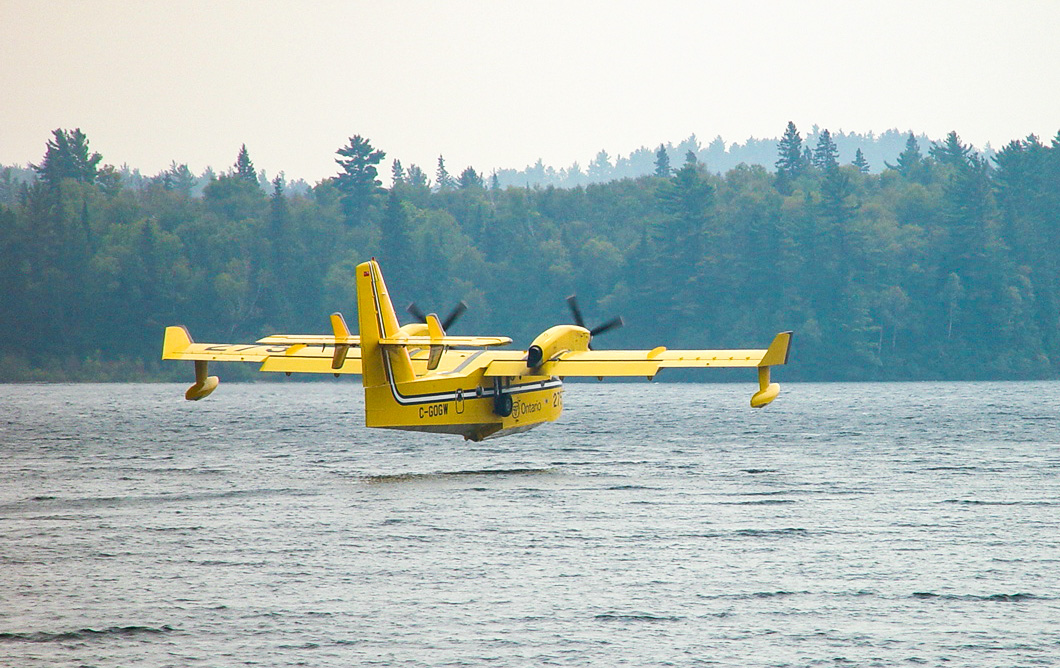 In 2025’s budget, Ontario allotted $135 million for its Emergency Forest Firefighting fund, which Firefighter Noah Freedman describes as money that “keeps the lights on.” The province ended up spending double that: $271 million, according to this year’s budget. But that same document penciled in just $150 million again for this year. The province did not respond to requests from Canada’s National Observer asking why the budget hasn’t been increased. Not allotting adequate funds translates to real impacts on the frontlines, said Freedman, who is also vice president of Ontario Public Service Employees Union Local 703. He said last season was “riddled with logistical problems” due to a lack of available funding: not having crews and helicopters where they were needed, and scrambling to request more… “None of that is because of our leadership in our agency. It’s a result of not getting anywhere near the funding that we need to truly be decision-makers,” Freedman said.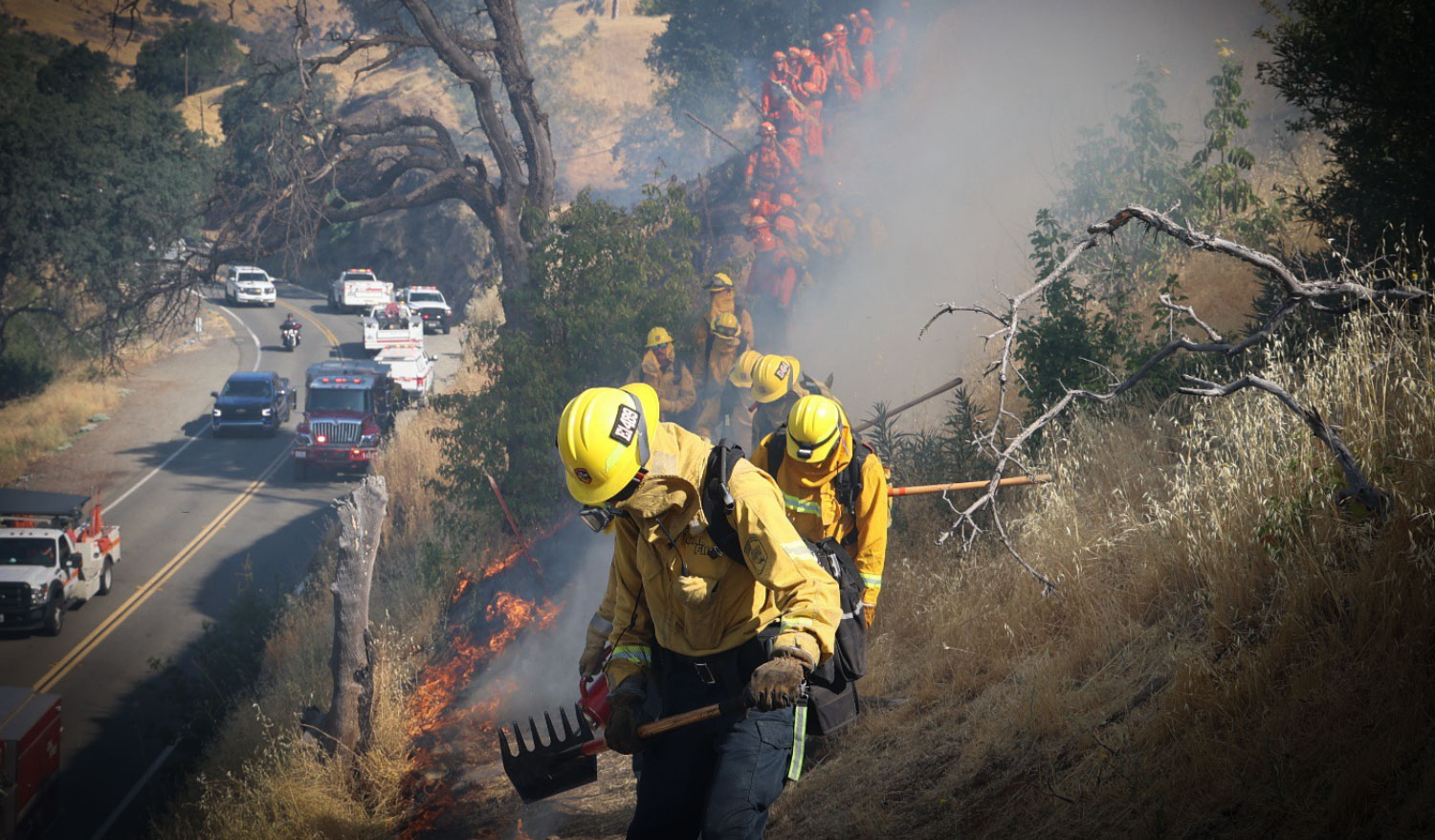
 Barred owls …are now officially under attack themselves. Theoretically, they’ve been in danger since the U.S. Department of Fish and Wildlife released its barred owl management plan in 2024, announcing its intention to kill tens of thousands of barred owls per year for up to 30 years to protect the northern spotted owl and California spotted owl populations. The federal government and some environmentalist groups agree that protecting the endangered owl is necessary, but others argue it is inhumane and exists only to aid the timber industry. It’s been two years since the plan’s announcement, but only since November has a group in Washington officially begun killing barred owls… The Yakama Nation Tribe in South Central Washington has initiated barred owl management on reservation lands and is actively killing the once-protected species. They are the first and currently the only group in Washington to do so.
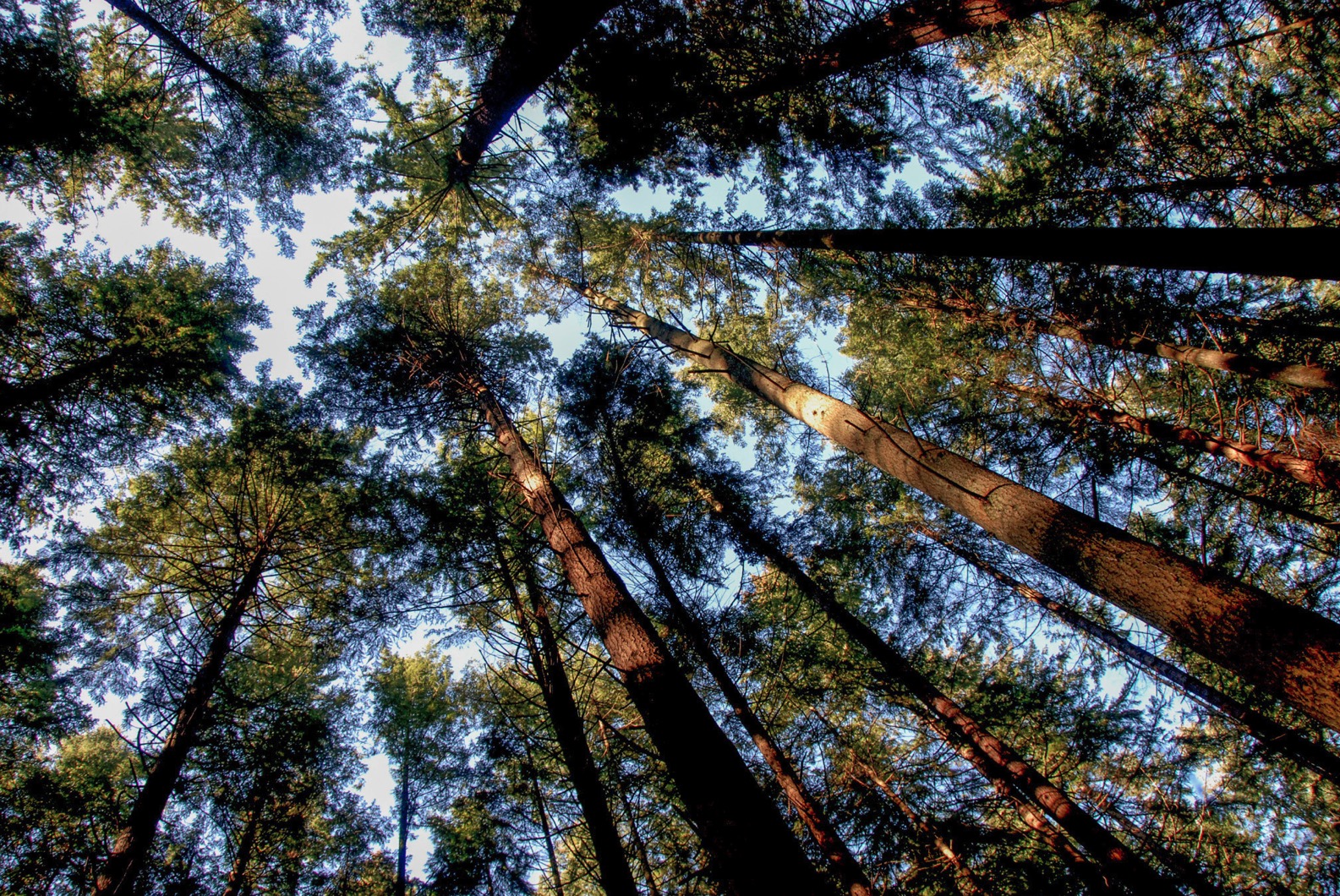
 Wildfire season is upon us in Northern Arizona. Although our fire-adapted ponderosa pine forest could experience a wildfire at any time, May and June are typically the driest and most fire-prone months for large, destructive wildfires, following spring’s gusting winds that strip moisture from grasses and downed logs. National Weather Service (NWS) officials say this year, especially, we need to be particularly vigilant as winter’s snowpack was far below normal. Although last fall’s warm storms bumped up precipitation for the year with 0.93 inches above-normal rainfall, winter snowfall fell short. Just 26.9 inches of snow landed in Flagstaff for the 2025-’26 winter season, far below the 90-inch annual average. Thus, Flagstaff is entering summer with a snowpack deficit that ranked this winter season as the fourth-lowest snowfall in Flagstaff’s recorded weather history, dating to 1899.
 Three environmental groups are suing to block the logging of nearly 400 acres of state forestland in Washington’s Elwha Watershed. Filed Monday, the lawsuit against the state’s Department of Natural Resources argues the agency failed to adequately assess the environmental harm of two timber sales, known as “Parched” and “Tree Well.” Logging would pose a “direct threat” to Port Angeles’ drinking water, which is sourced solely from the Elwha River, the lawsuit contends. “There’s only about 800 acres of structurally complex forests left in the watershed. And nearly half of those are these two timber sales that we appealed,” said Elizabeth Dunne, an attorney with Earth Law Center… Under the Department of Natural Resources’ standards, only trees that predate 1850 are considered old growth and set aside for conservation. The oldest stands proposed for harvest in the Parched sale are around 140 years old, dating back only to the 1880s.


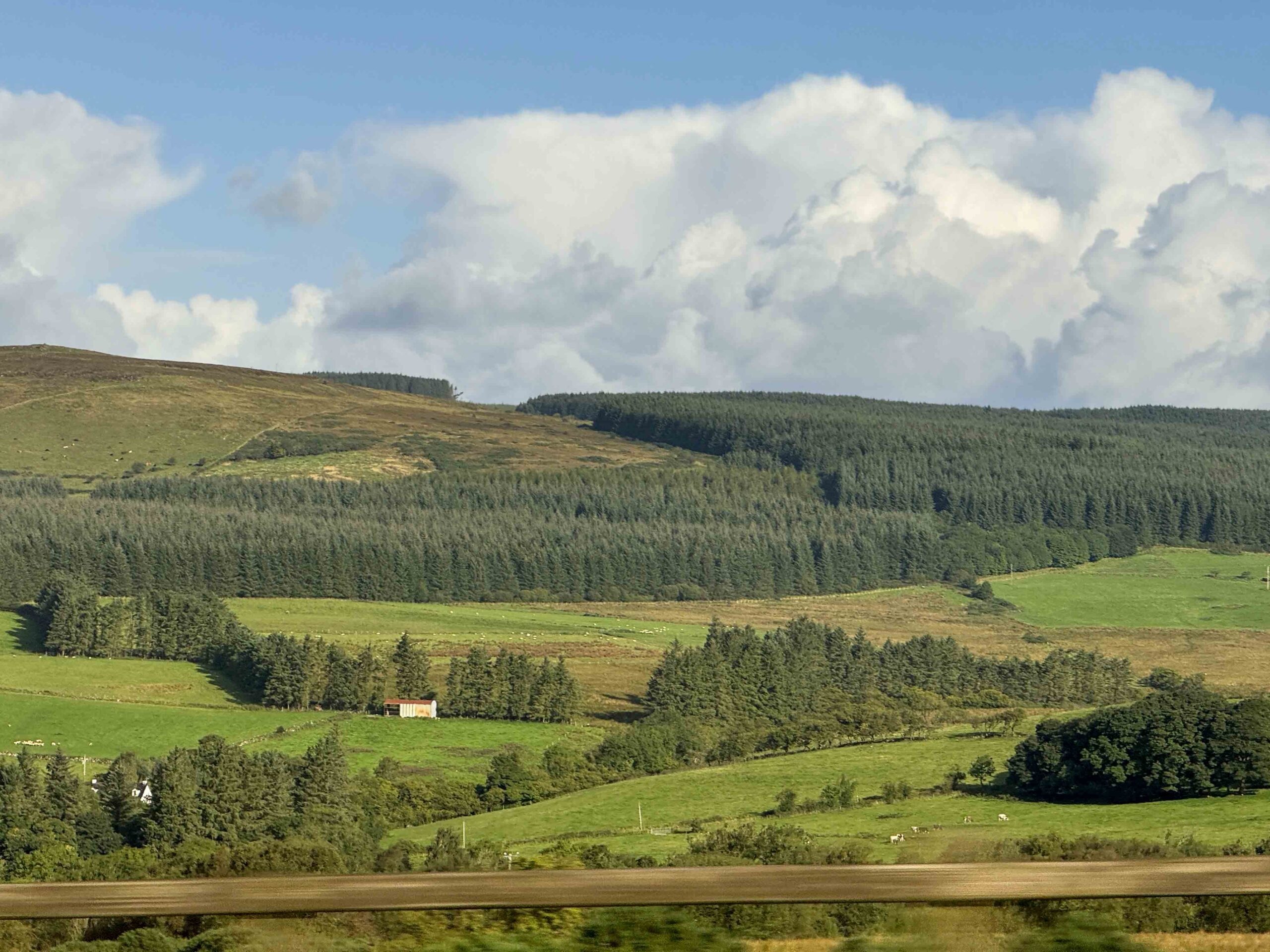 THE HOT DRY spell at the end of May was welcome sunshine after a particularly wet and miserable winter. However, the flip side of the nice weather is the near inevitability with which it is accompanied by large fires on the hills. A blaze engulfed the south Dublin Mountains as well as areas of Wicklow. National Parks and Wildlife Service described as “lit intentionally, destroying hundreds of hectares of habitat and all associated animals, insects and plants within it”. …Shocking and disruptive as these fires are, they are nothing new. According to the
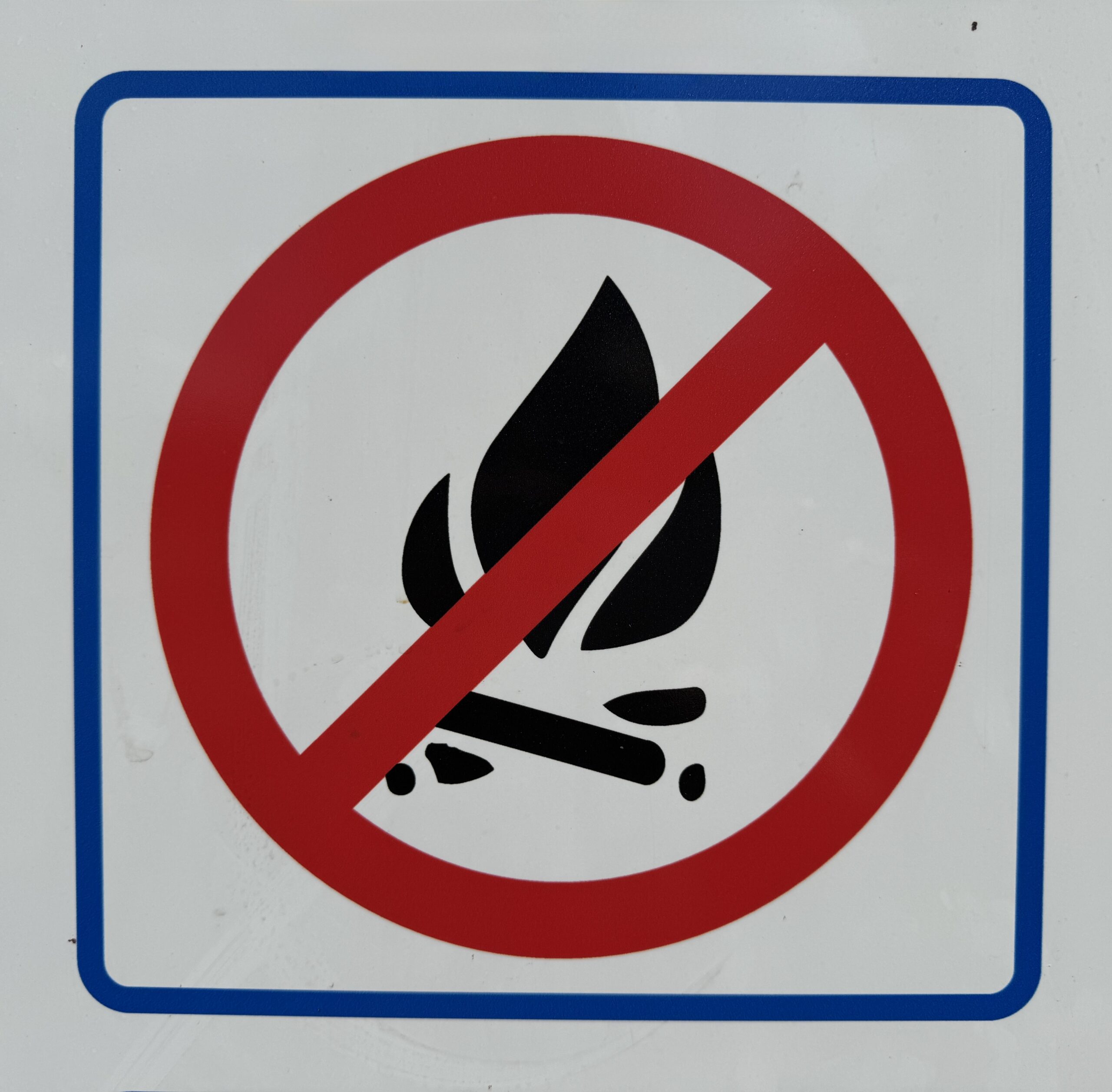
 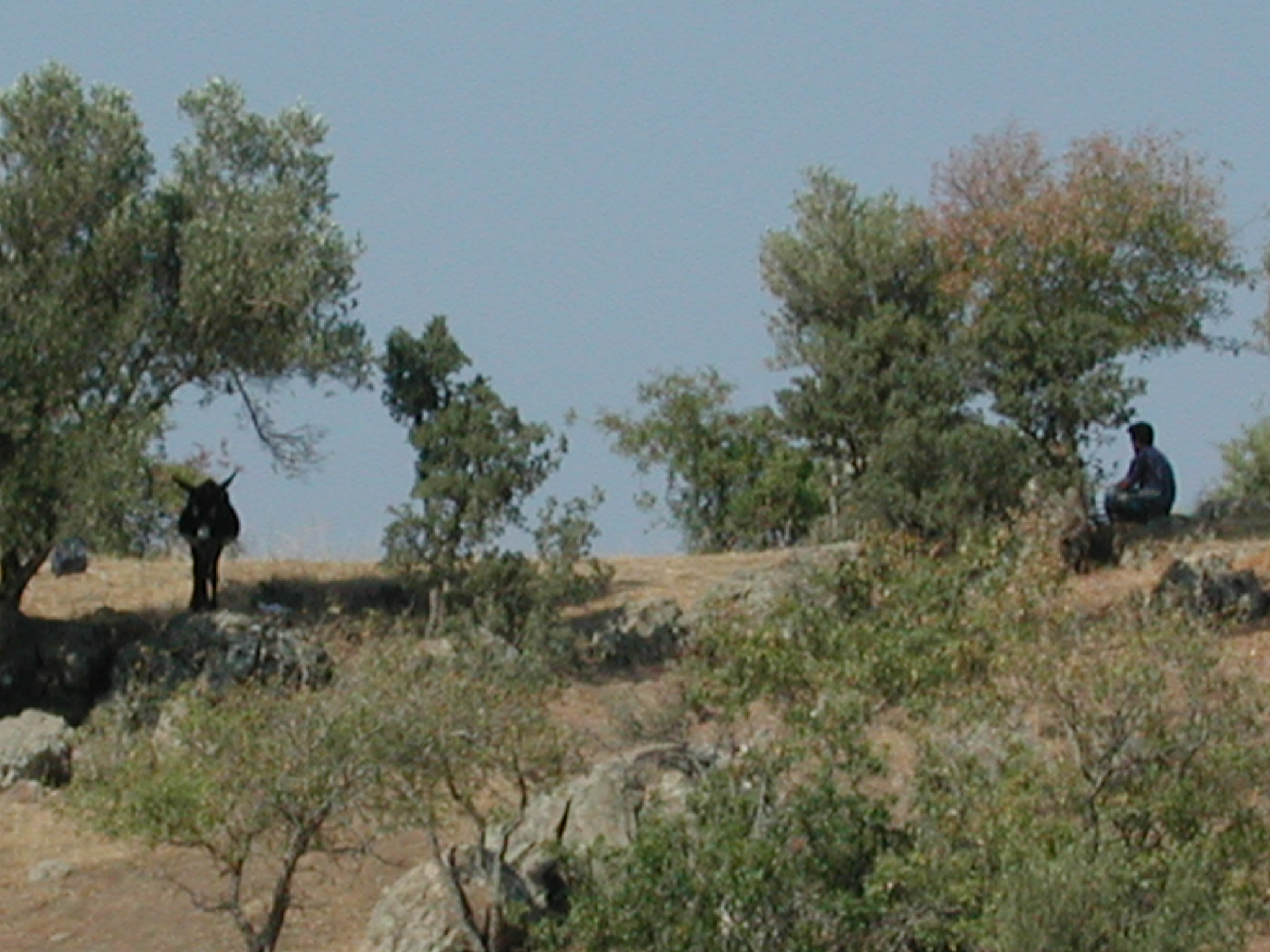 TURKEY — The Istanbul Governor’s Office announced that access to forested areas across the city, as well as lighting fires for barbecues, gas stoves, hookahs and similar purposes, will be prohibited between June 8 and Oct. 15. In a statement the governor’s office said the increase in human and vehicle activity in forest areas during the summer months raises the risk of wildfires. To prevent risks that may arise intentionally or through negligence, authorities decided to implement a series of measures. The restrictions also prohibit the burning of stubble, trees, branches and all types of vegetation for purposes such as cleaning vineyards, gardens, olive groves and agricultural fields in villages and neighborhoods, including those located within, adjacent to or otherwise connected to forest areas. There are no restrictions on picnics, sports, walking or similar activities in designated picnic and recreation areas, groves, parks, nature parks and ecotourism sites within Istanbul.
 The world is losing its forests faster than it can save them, with severe consequences for the climate, biodiversity and over one billion people who depend on forests for their livelihoods, according to the United Nations’ latest Global Forest Goals Report 2026. Although many countries have expanded forest restoration efforts, strengthened governance frameworks, and improved monitoring systems, progress remains critically insufficient to halt deforestation, lift forest-dependent communities out of poverty, and meet the UN Sustainable Development Goals (SDGs) by 2030. “We know what to do. We need to act on the information and knowledge we have. But do we have the will to act?” said Éliane Ubalijoro, chief executive officer of Landscape Alliance, the new operating name of the Center for International Forestry Research and World Agroforestry (CIFOR & ICRAF). That question runs through the report, which finds that existing tools, policies and institutions have yet to deliver change at the scale required.

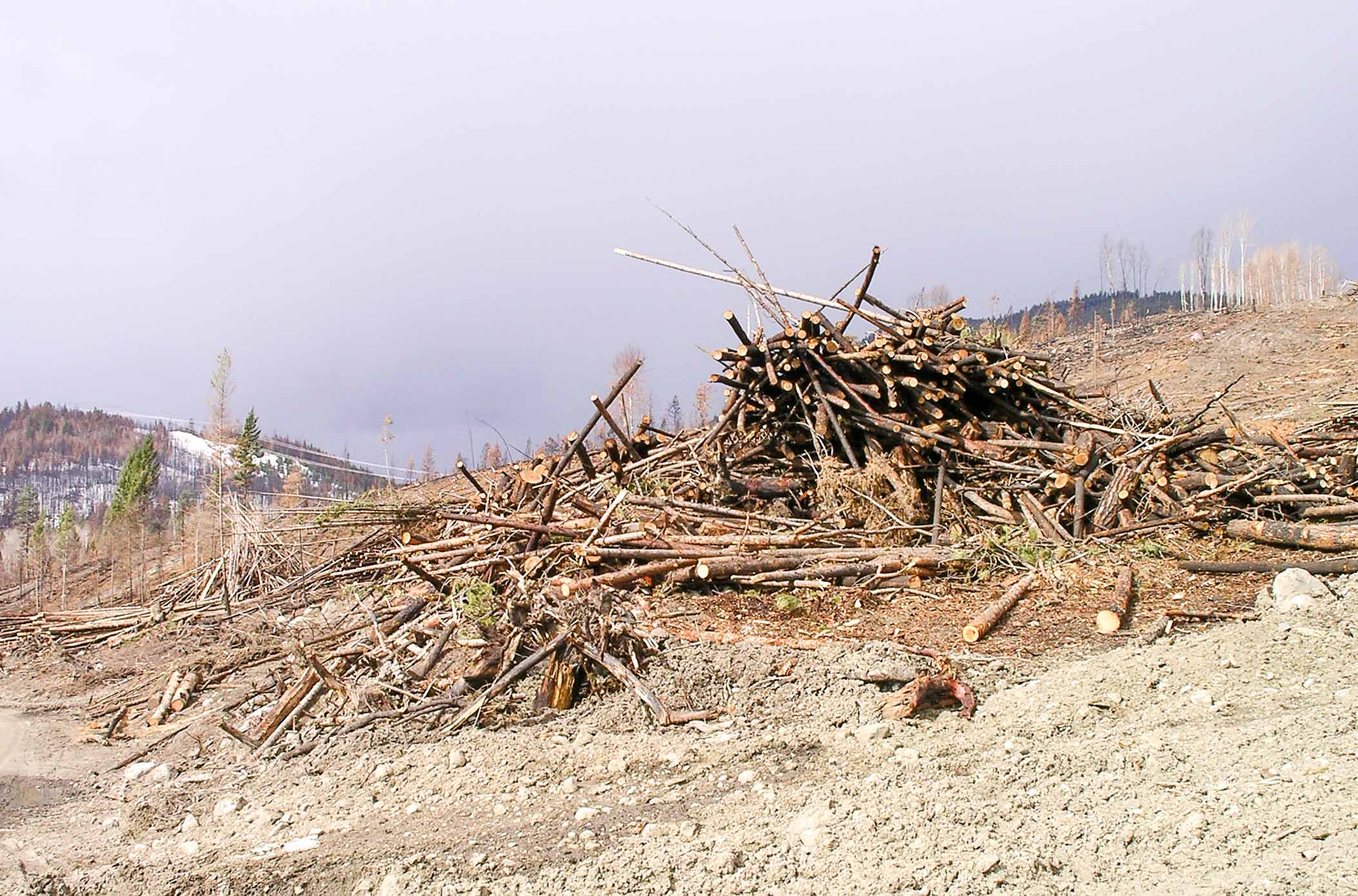 A bill aimed at making Louisiana more enticing to the wood pellet industry has sailed through the state Legislature. House Bill 670 won unanimous approval in the Louisiana House and Senate and was granted final passage on Wednesday (May 27). It would ease regulations for pellet manufacturers while directing state support toward workforce development, financial incentives and infrastructure improvements designed to meet the industry’s needs. The industry has come under fire for repeatedly breaking air pollution rules in Louisiana and Mississippi and contributing to greenhouse gas emissions in the United Kingdom, where most of the pellets are burned to produce energy marketed as “sustainable biomass.” The bill’s supporters admitted they knew little about the industry but backed the measure in hopes of reviving the state’s struggling logging sector. …“This bill uses taxpayer money to support a foreign industry and makes it easier for them to pollute Louisianians’ air and water,” said the Dogwood Alliance.

 A massive fire near Gogama has doubled in size again overnight. This morning (June 4), the Ministry of Natural Resources mapping has the fire at 2,945 hectares. That’s more than double what it was last night, when it was reported as 1,100 hectares. Here’s what you need to know about the situation today: