Ottawa launched Canada’s first-ever national reserve of firefighting aircraft to boost provincial wildfire response capacity. In related news: Alberta utilities plan for wildfire power-shutoffs; Oregon questions the US Forest Service’s wildfire readiness; and Ukraine tallies its forest fire damage due to the war. Meanwhile: Canada Wood secures recognition of Hem-fir (N) in Japan; and Finland’s industry urges government to boosts its wood use.
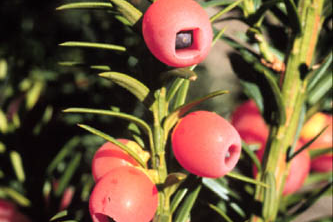
In other Forestry news: the BC Forest Practices Board will audit BC Timber Sales near Hazelton; Washington state’s Pacific yew helped produce a breakthrough cancer drug; and restoring Virginia’s longleaf pines and New England’s elm—one seed at a time. In other news: San Group is fined and sanctioned for hiring migrant workers; Stora Enso is closing a softwood pulp line in Sweden; and the latest NAHB data on multifamily, custom home and single-family housing starts.
Finally, on Day 2 of Forest Safety Week: how supervisor training, wildlife awareness, and employer-led investigations can prevent future incidents.
Kelly McCloskey, Tree Frog News Editor
 Effective supervision is one of the strongest predictors of a safe and productive forestry operation. Supervisors set the tone for safety culture, guide risk management, support worker development and ensure the work is done correctly. To help build these essential skills, the BC Forest Safety Council (BCFSC) offers several courses, both in-person and online, that are intended for new and experienced forest supervisors. These courses provide practical, industry‑specific knowledge to help supervisors meet their responsibilities, strengthen communication and make informed decisions in varied work environments. …BCFSC’s classroom and field‑based supervisor courses are instructor‑led, hands‑on courses designed to build leadership capacity through real world forestry examples. …BCFSC’s online supervisor training options are ideal for workers who are unable to attend in person, need flexible self-paced learning or want a refresher after previous training.
 OTTAWA — The Canadian Truck Dealers Association says it needs Ottawa to quickly fix a paperwork problem that will prevent dealers from importing new models from the United States next year, warning it will cause further economic pain if the issue isn’t solved. “If Canada faces a shortage of heavy trucks, the impact will extend far beyond our industry,” said Kevin Disher, the head of the association, at a press conference on Parliament Hill on Thursday. “This issue affects every major sector of the Canadian economy. Shipping, infrastructure, construction, forestry, mining, agricultural. If trucks become more difficult or more expensive to access, those costs move throughout the supply chain and ultimately impact Canadian businesses and households.” The truck dealers said manufacturers have been flagging the issue to the federal government for a year, with little progress. Disher said the problem arose after the United States changed how it certifies emissions standards for trucks built there.

 A group of Democratic senators will issue a set of demands to U.S. Trade Representative Jamieson Greer ahead of a mandatory joint review of the U.S.-Mexico-Canada Agreement this summer. In a letter led by Sen. Tammy Baldwin, D-Wis., 15 Democrats wrote to Greer to “insist that any revised agreement must deliver meaningful and measurable gains for American workers.” The USMCA, struck during President Donald Trump’s first term, is up for review on July 1. While initially touted by Trump as “the fairest, most balanced, and beneficial trade agreement we have ever signed into law,” the president has soured on the pact lately — slapping Mexico and Canada with tariffs during his second term. Greer has also, in testimony to Congress in December, said that “a rubber stamp of the Agreement is not in the national interest,” meaning that significant changes may be required to reapprove the agreement or disapprove and enter into a cycle of yearly reviews.

 Canada Wood Japan has helped secure an important market-access outcome for Canadian Hem-Fir (N) dimension lumber in Japan. In collaboration with the National Lumber Grades Authority and the Canadian Lumber Standards Accreditation Board, Canada Wood Japan worked with Japan’s Ministry of Land, Infrastructure, Transport and Tourism to obtain recognition of the revised standard design values for Hem-Fir (N) dimension lumber graded under NLGA standards. For builders, designers and structural engineers in Japan, design values are essential. They provide the basis for structural calculations and help determine where and how lumber can be used in code-compliant buildings. When grading rules or design values are revised in Canada, those changes must also be properly understood and accepted by Japanese regulatory authorities to ensure continued market access. …Canada Wood Japan demonstrated that the revised Hem-Fir (N) design values would continue to meet Japan’s structural safety requirements and would not compromise the performance of conventional wooden buildings.



 U.S. Senator Cindy Hyde-Smith (R-Miss.) encouraged the U.S. Department of Housing and Urban Development to tackle the nation’s housing affordability crisis by helping make mass timber a more mainstream building material. Mass timber usage was one issue discussed at a Senate Transportation, Housing and Urban Development (THUD) Appropriations Subcommittee hearing chaired by Hyde-Smith to review the FY2027 HUD budget request. …Hyde-Smith sought HUD Secretary Scott Turner’s commitment to engage with the U.S. Forest Service, state forest commissions, research universities, and builders to incorporate mass timber in home construction as one means to tackle housing affordability. …”Mass timber multifamily housing is demonstrating an ability to lower construction costs and reduce the time it takes to build, which makes it an ideal approach for helping increase affordable housing production,” Hyde-Smith said.
 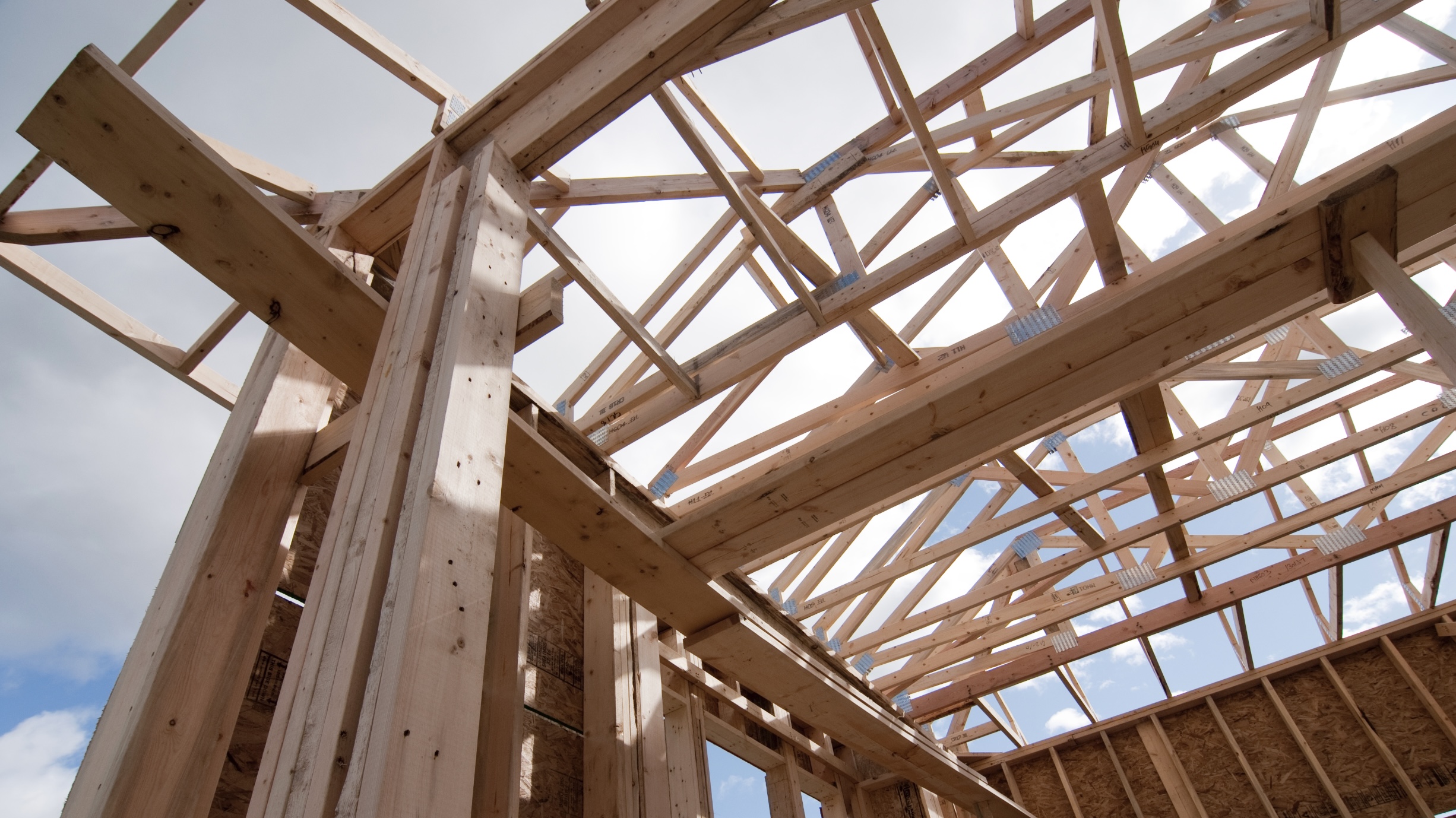 Wood is in most buildings you enter. But how do you know it’s safe? “The work we do at the Forest Products Laboratory is important for everybody’s everyday lives in terms of the buildings we live in, work in, and play in,” said Forest Products Laboratory materials research engineer Laura Hasburgh. Wood may be present in the structural part of the building, such as the wall or ceiling framing. Wood is also used for interior finishes, like trim, doors, furniture and cabinetry. That’s why the safety and durability of wood products are important for everyone—from the businesses making the products to the people using them. However, testing wood materials for durability and resistance to moisture, weight, and fire is largely unaffordable for industry and universities. The Forest Service’s
 WASHINGTON, D.C. and OTTAWA, ON — The Sustainable Forestry Initiative (SFI), along with others worldwide, shares the commitment to ensuring the health and resilience of forests. The European Union has identified the
  TORONTO – Since 2023, communities across Canada and around the world have been experiencing record-breaking wildfires and working to help restore forested landscapes in their aftermath – but the best practices behind forest recovery in the wake of extreme wildfires are evolving. To better understand the decisions and approaches for post-wildfire forest restoration in Canada, Forests Canada surveyed and interviewed forest managers and tree planting practitioners and is presenting the findings in a report titled Forest Restoration After Wildfire: Knowledge Gaps and Future Needs Analysis. “The aim of the report is to identify how decision-making processes for post-fire recovery are changing in the wake of the increasing intensity and severity of wildfires,” Jess Kaknevicius, CEO, Forests Canada, says. “How are practices changing to maximize the successful establishment of forests…? We know the vast majority of Canadians believe that forests are a vital part of our national identity, so these questions are very important.”

 HAZELTON – The Forest Practices Board will audit the forest planning and practices of BC Timber Sales (BCTS) and timber sale licence holders in the Kispiox Timber Supply Area (TSA) portion of the Skeena Business Area, starting Monday, June 1, 2026. The audit will examine harvesting, roads, silviculture, protection activities and associated planning. These activities will be assessed for compliance under the Forest and Range Practices Act and the Wildfire Act. BCTS operates throughout the Kispiox TSA, within the Skeena Stikine Natural Resource District. Activities in the audit area are administered from the Hazelton Field Office. The audit area overlaps the territories of the Gitxsan, Wet’suwet’en, Gitanyow, Nisga’a, Lake Babine Nation, Kitselas, and Tsetsaut Skii km Lax Ha First Nations. …The area includes mountainous terrain, rivers and lakes that support recreation, wildlife habitat and important fish populations, including several salmon species, bull trout, Dolly Varden and lake trout.


 Local residents are being invited to help shape the next decade of local forestry management at an upcoming public open house in Coldstream. The provincial government, in partnership with local First Nations groups, are hosting a joint engagement session on Monday, June 8, to gather community feedback on the development of the tmíxʷ naqscn Forest Landscape Plan (FLP). …The new FLP framework is a legal mechanism designed to replace older Forest Stewardship Plans. Once established by the chief forester, the 10-year plan will govern all timber harvesting, road layout and silviculture activities for BC Timber Sales and local forest licensees across the region’s watersheds. …The finalized FLP will shift the focus toward long-term ecosystem health, addressing critical modern challenges such as wildfire risk reduction, climate change adaptation, old-growth protection, and biodiversity, while maintaining a predictable and sustainable timber supply


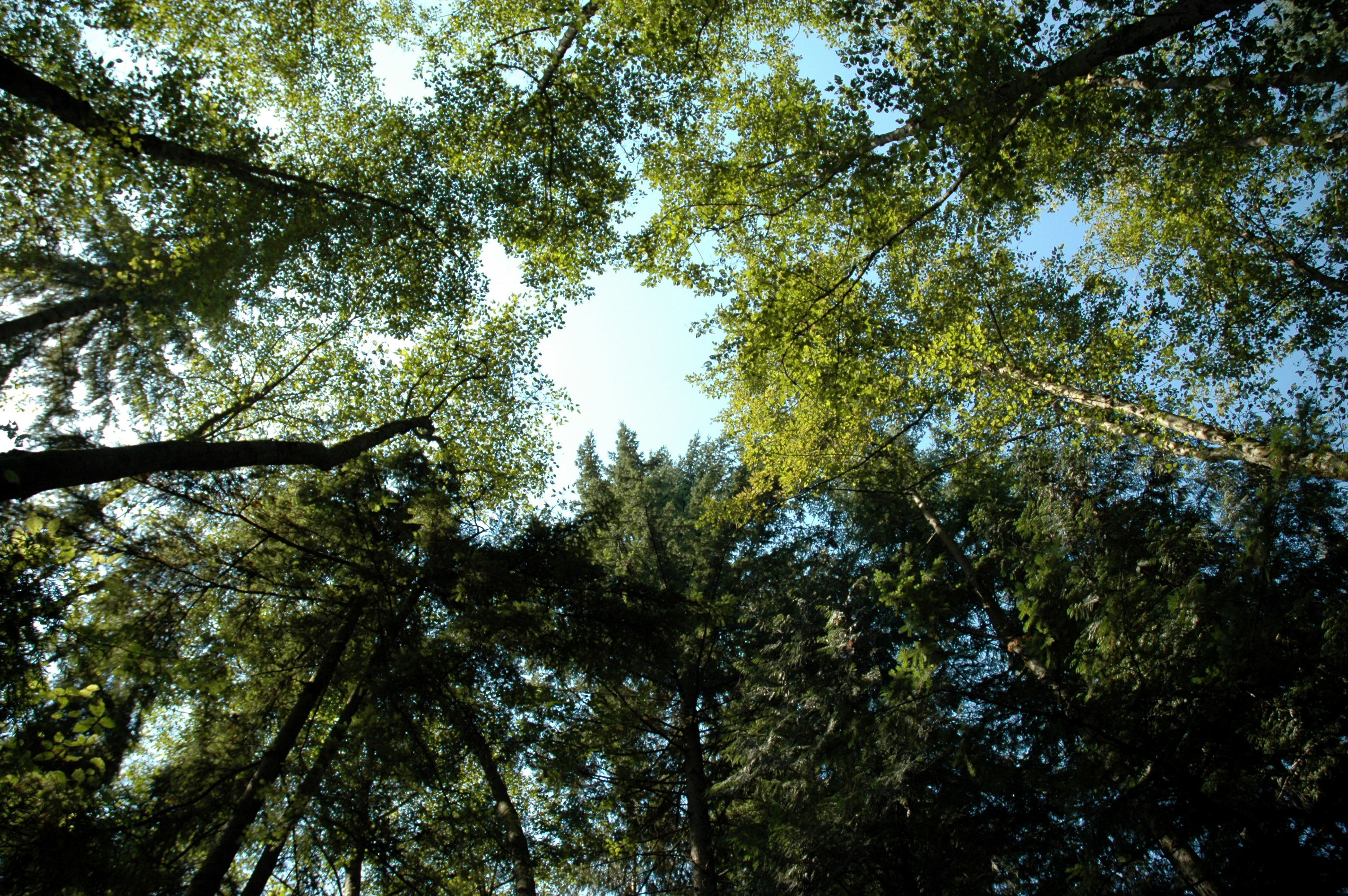 ALBERTA — West Fraser says its proposed Mount Tecumseh Harvest Plan would cover 474 hectares and is scheduled to begin in 2026, with the company stating the work is part of a broader approach to sustainable forest management and wildfire risk reduction near communities. In an emailed response to the Crowsnest Pass Herald, Joyce Wagenaar, director of communications for West Fraser, said harvest planning is a key part of the company’s work and allows it to source timber for renewable wood products used in home construction and other purposes. “Harvesting plans are a key component of our work at West Fraser enabling us to responsibly source timber to produce renewable wood products to support home construction and other uses,” Wagenaar said. She said West Fraser views sustainable forest management as an approach that balances environmental, social and economic values over multiple generations. …Wagenaar said questions specifically about the provincial program would be best answered by the Government of Alberta.
 …forests absorb roughly 7.6 billion metric tonnes of carbon dioxide every year—double what they emit. That number hides some worrying trends. In Canada, logging and wildfires flipped Canadian forests from a net carbon reservoir to a net source about 25 years ago, according to the federal government. British Columbia responded by launching one of the world’s first large-scale projects designed to generate revenue for local communities by not logging old-growth forests. The model, which began in the Great Bear Rainforest in 2009 … created market value by putting a price on carbon locked in and absorbed by trees. …Cheakamus Community Forest forest raised $600,000 in forest carbon offsets in a single sale to a mining company… But while Cheakamus celebrates rising demand and higher prices, Gary Bull, a professor emeritus of forestry at the University of British Columbia, said B.C.’s decision to regulate the carbon market has made it nearly impossible for others to take part.
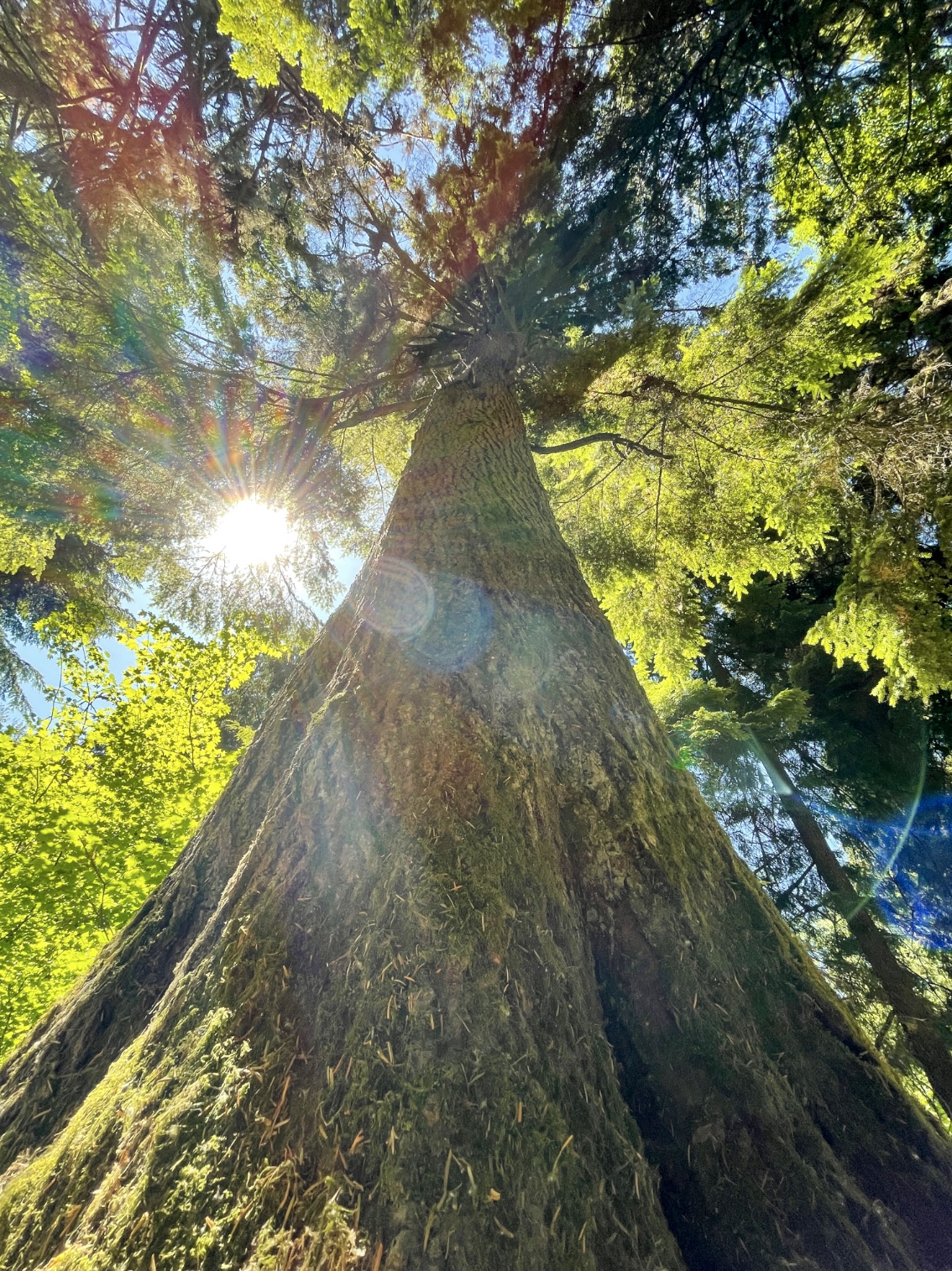 The biggest comprehensive literature review to date has confirmed that Indigenous stewardship bolsters conservation goals. The literature review was published recently in People and Nature and found “a clear, positive relationship” between conservation and Indigenous stewardship, said lead author William Nikolakis, associate professor at the University of British Columbia faculty of forestry and environmental stewardship. “The evidence is clear that Indigenous Peoples’ lands do deliver conservation outcomes that are superior to, or at least equal to, state-run protected areas,” he told The Tyee. This is despite Indigenous lands largely not being protected by or formally recognized by their country, and Indigenous Peoples around the world largely not being paid for their stewardship by the state, Nikolakis said. In Canada, the federal government helps fund Indigenous Guardians who steward their traditional lands. Indigenous stewardship has a “value to humankind globally,” he said, and there’s an opportunity to boost it even further.
 Sooke residents are being urged to prepare for an elevated wildfire season as dry conditions, low snowpack and an early campfire ban raise concerns across Vancouver Island. A campfire ban was implemented May 7 across the Coastal Fire Centre region, prohibiting all open burning and campfires until Oct. 31 or conditions improve. Officials say human-caused fires remain the leading cause of wildfires in British Columbia. At the same time, forestry company Mosaic Forest Management says it is expanding wildfire detection and mitigation efforts across its Vancouver Island land base, including areas around Sooke. According to the company, Vancouver Island entered the 2026 wildfire season under “precarious conditions,” with snowpack levels at 44 per cent of normal and forecasts calling for warmer and drier weather through June. Mosaic also noted that there is a 62 per cent chance of a strong El Niño developing later this summer, increasing the likelihood of prolonged heat and drought.

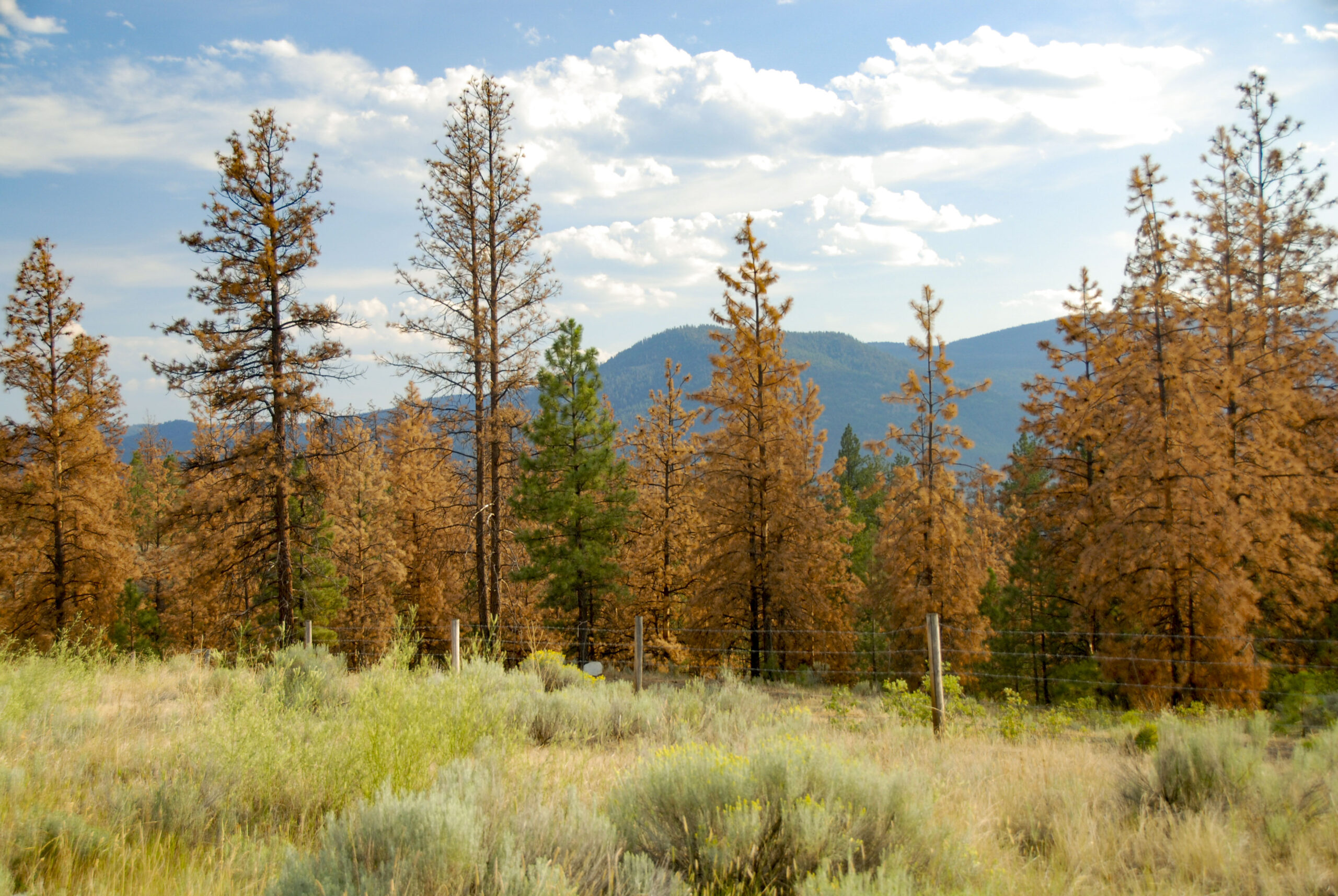 Colorado’s top forest health concern is a mountain pine beetle outbreak on the Front Range that has expanded by nearly 150% from 2024 to 2025, according to a Colorado State Forest Service report. The report shows the continued spread of mountain pine beetles and other forest insects during the second consecutive year of above-average temperatures and below-average precipitation. Trees in forests across Colorado are stressed following a record warm winter and low snowpack, and infestations of bark beetles and western spruce budworm are expected to intensify and expand. “Heat and drought are stressing our forests, turning many areas into tinderboxes and making it harder for trees to fight off bark beetles and other insects,” said Matt McCombs, state forester and director of the CSFS. …Trees killed by drought, insects or disease can potentially alter wildfire behavior should there be ignition from lightning or other sources.
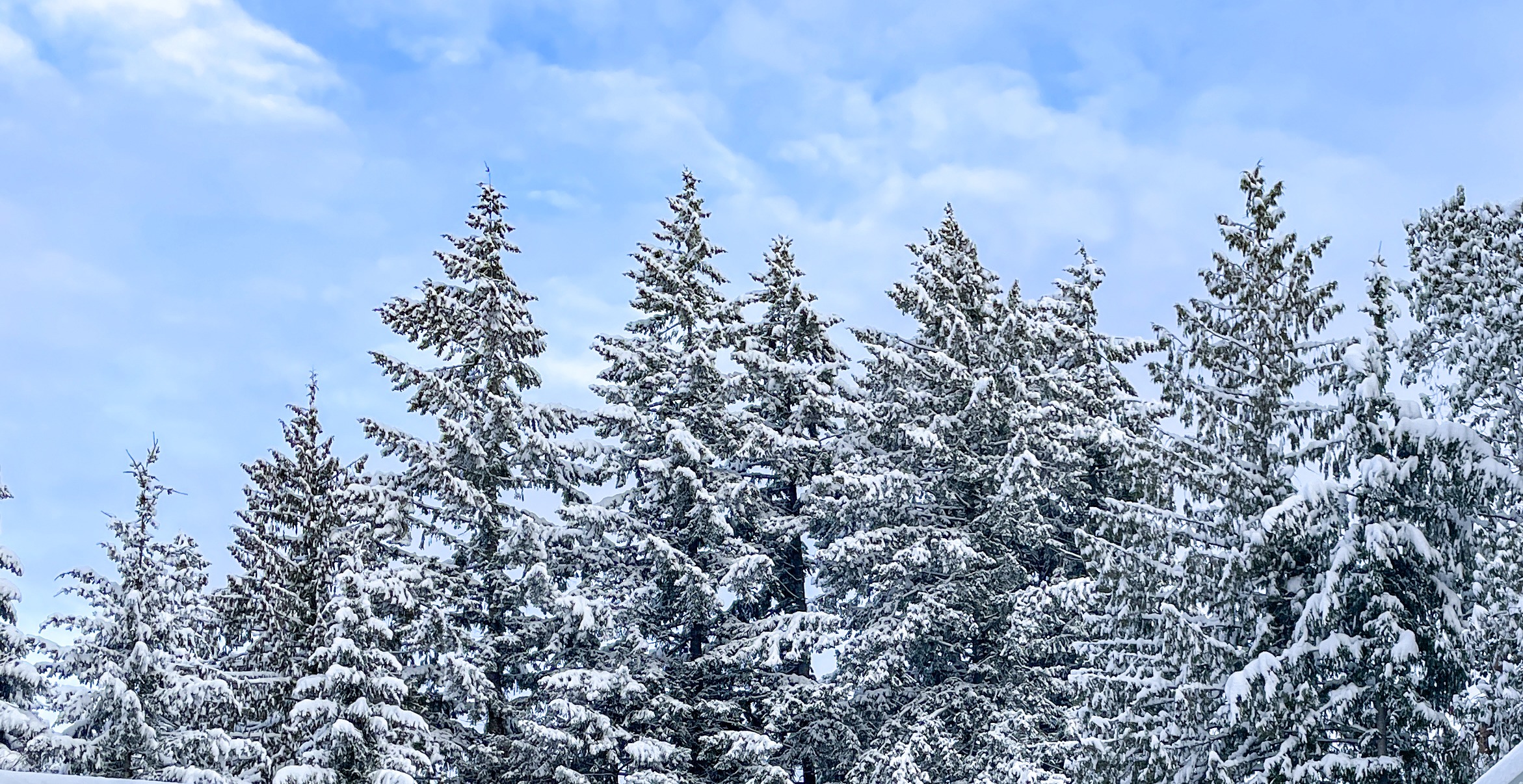 …The mild temperatures through the winter and now into spring have resulted in the invasive emerald ash borer maturing faster and emerging weeks earlier than usual, the Oregon Department of Forestry says. Wyatt Williams, an invasive species specialist with the department, confirmed he found one in early May in King City in southeast Washington County, a news release states. …So far there’s no cure for a tree infested with the bugs – they’re a death sentence, the Extension Service says. It can take up to six years for an infested tree to die. …Ash borers normally start emerging from inside tree trunks in early June and into July, Oregon forestry officials say. But that’s changing along with the climate. This past winter was tied with 1934 as the warmest on record in western Oregon, followed by record-breaking or near record-breaking high temperatures this spring, the state said in a statement.
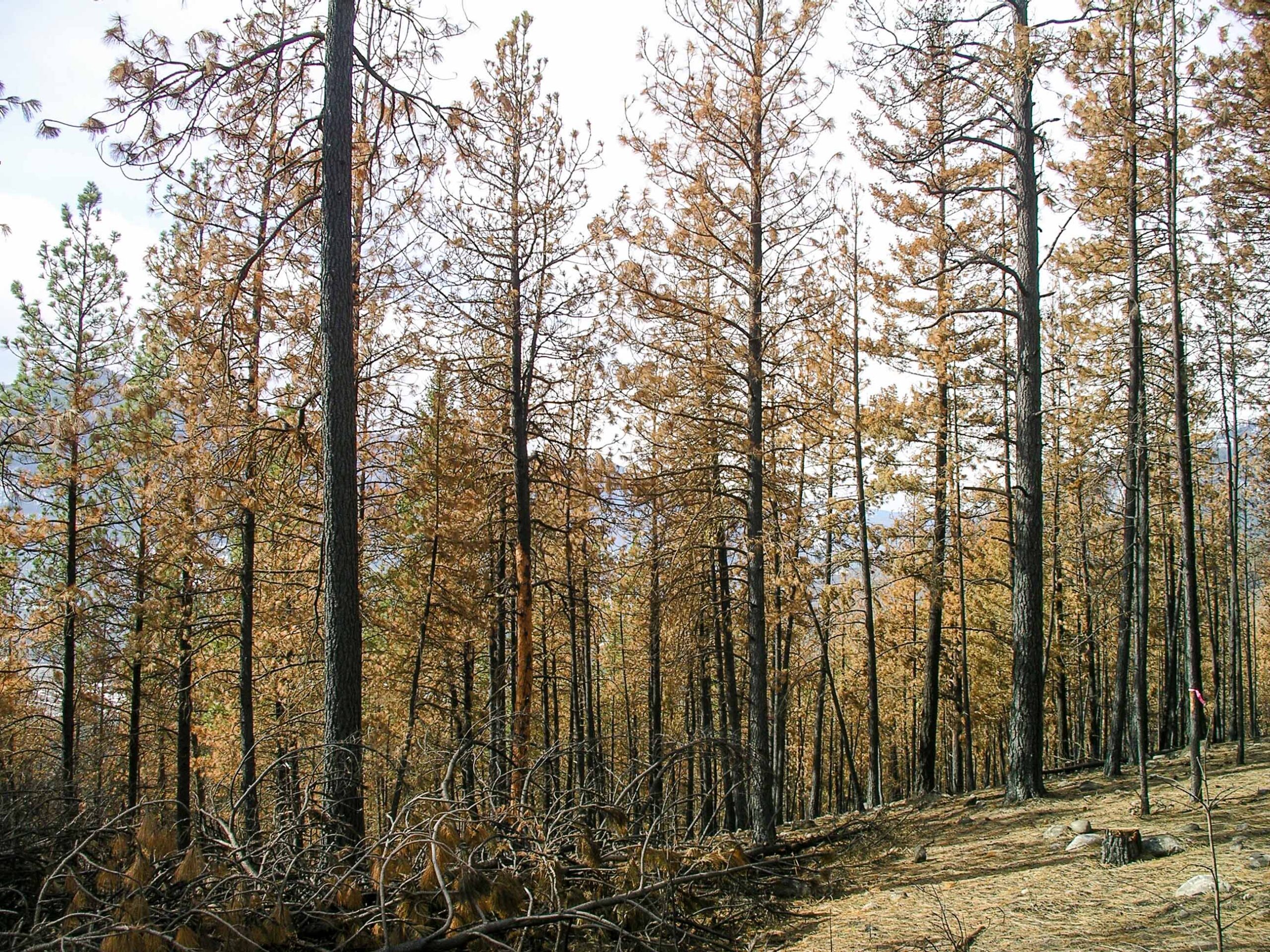 More than 400 mostly small communities throughout the Northwest, including Cave Junction, Glendale and La Pine in southern and central Oregon, are at greater risk of suffering from wildfires and their impacts than previously thought when socioeconomic conditions are factored into risk assessments, new research finds. Researchers from Oregon State University and The Nature Conservancy, with funding from the U.S. Forest Service, conducted a review of wildfire risks in more than 1,000 communities in the region, and applied a social vulnerability index to also account for factors such as household demographics, neighborhood structural density, housing types and local transportation. Nearly half the communities, 459, were shown to be at greater wildfire risk than previously thought. For 541 communities, risk levels declined when socioeconomic factors were considered, indicating public dollars might be better served assisting low-income communities with wildfire prevention than more affluent ones, the researchers suggested.
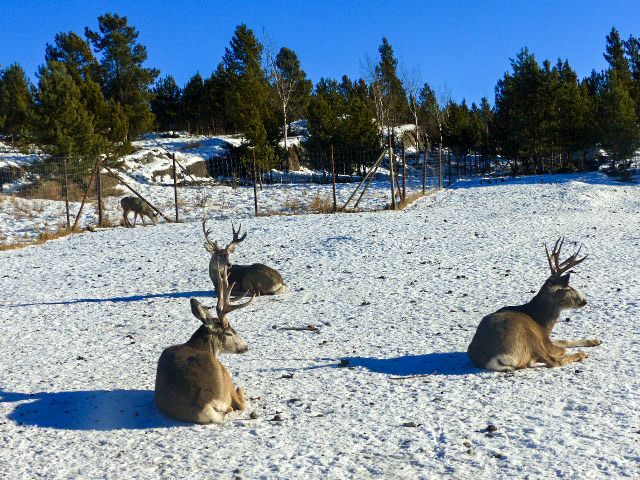 The Trump administration is drastically cutting the budget, and reorganizing the U.S. Forest Service, moving its headquarters and research facilities to western states. In Pennsylvania, four research sites are on the chopping block. As forest ecologist Richard Bowden walks through an old growth section of the Allegheny National Forest, he points toward the ground. It’s barren of young trees. “There’s nothing,” said Bowden, a professor of environmental science and sustainability at nearby Allegheny College. “And that’s because of deer.” Deer overpopulated this area, called Heart’s Content, and much of the Allegheny Plateau, for decades; they eat whatever vegetation they can reach. …While the ideas behind this deer management demonstration might seem simple, it’s taken decades of research to understand the problem, and do the work to actually keep the deer population in balance with the forest.
 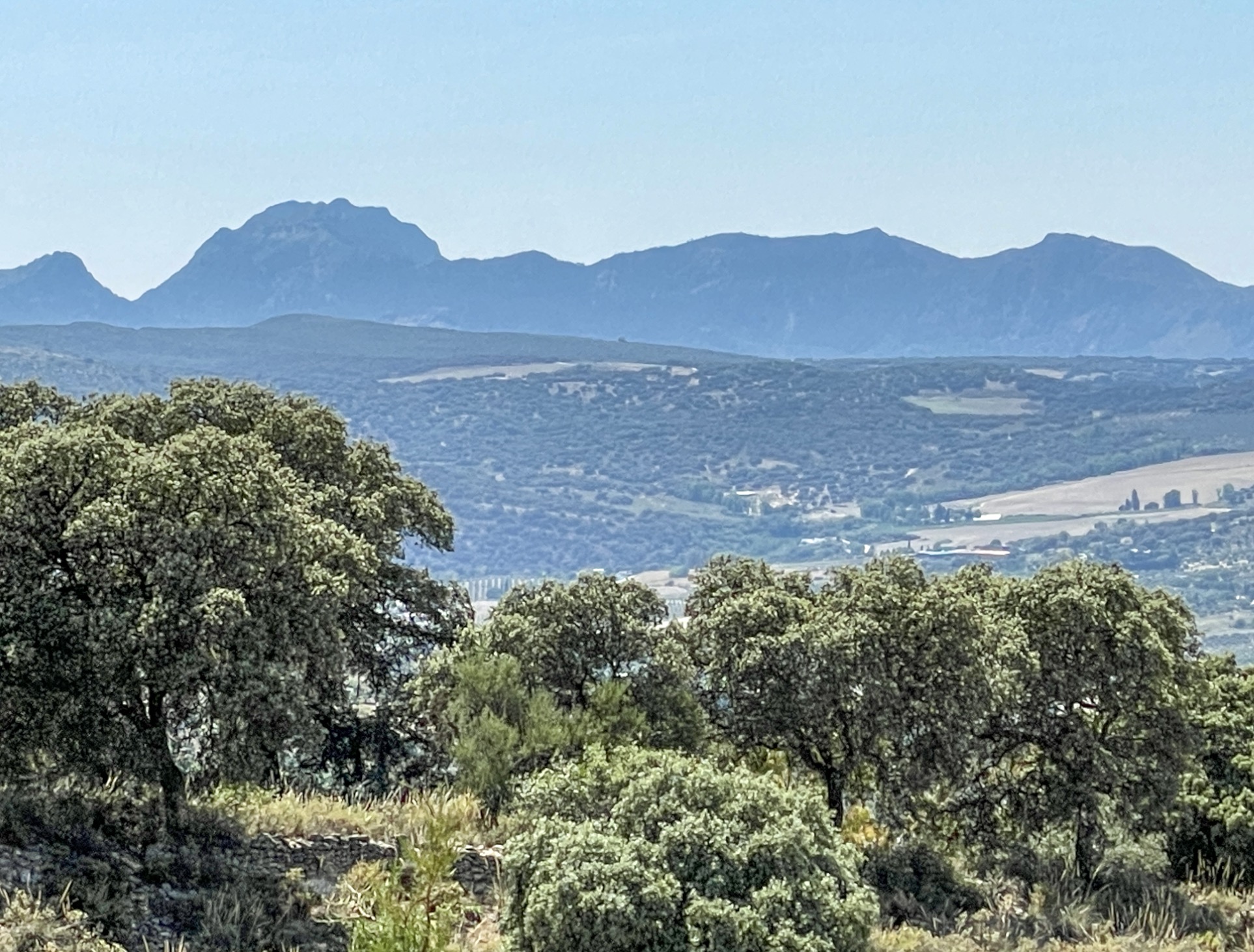 Spain is one of the southern European countries on the front line of climate change as higher average temperatures stoke heatwaves, droughts and forest fires. Prime Minister Pedro Sánchez presented what he called Spain’s biggest-ever campaign against forest fires on Thursday after deadly blazes devoured a record amount of land last year. Spain is one of the southern European countries on the front line of climate change as higher average temperatures stoke heatwaves, droughts and forest fires. The country sweltered through its hottest summer on record in 2025, when almost 4,000 square kilometres of land went up in smoke, the highest figure registered by the European Forest Fire Information System. “We will put in place all the resources” available to the government “to mitigate this emergency situation as much as possible and to prevent it happening again on this scale,” Sánchez said at the Torrejón airbase outside Madrid.
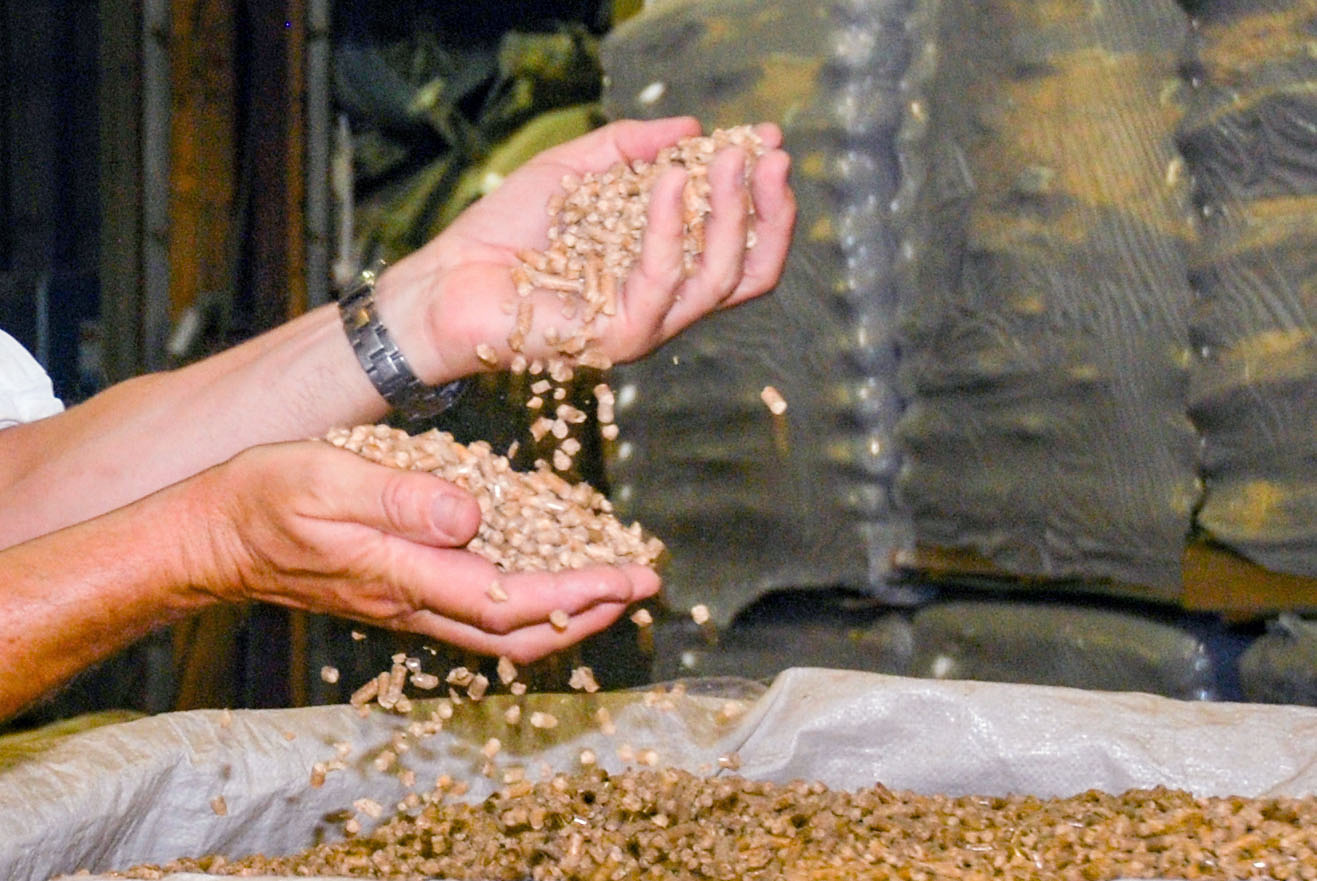 The Nova Scotia government has issued a tender to convert five public buildings to wood heat systems — a move one member of the forestry sector says will have widespread benefits. The tender targets heating infrastructure at the Nova Scotia Community College’s Kingstec campus, Roseway Hospital in Shelburne, Digby General Hospital, Soldiers Memorial Hospital in Middleton, and St. Martha’s Regional Hospital in Antigonish. …Successful bidders will also be responsible for procuring the wood fuel. The province stated in the tender documents that it “expects the focus of wood procurement to be from small private woodlots,” stipulating that 100 per cent of the lower-grade primary wood fuel must be harvested within Nova Scotia. …Marcus Zwicker, Forest Nova Scotia, added that requiring boilers to be fed with Nova Scotia product opens up new markets for local forestry contractors and woodlot owners while ensuring cheaper wood cannot be brought in from outside jurisdictions.
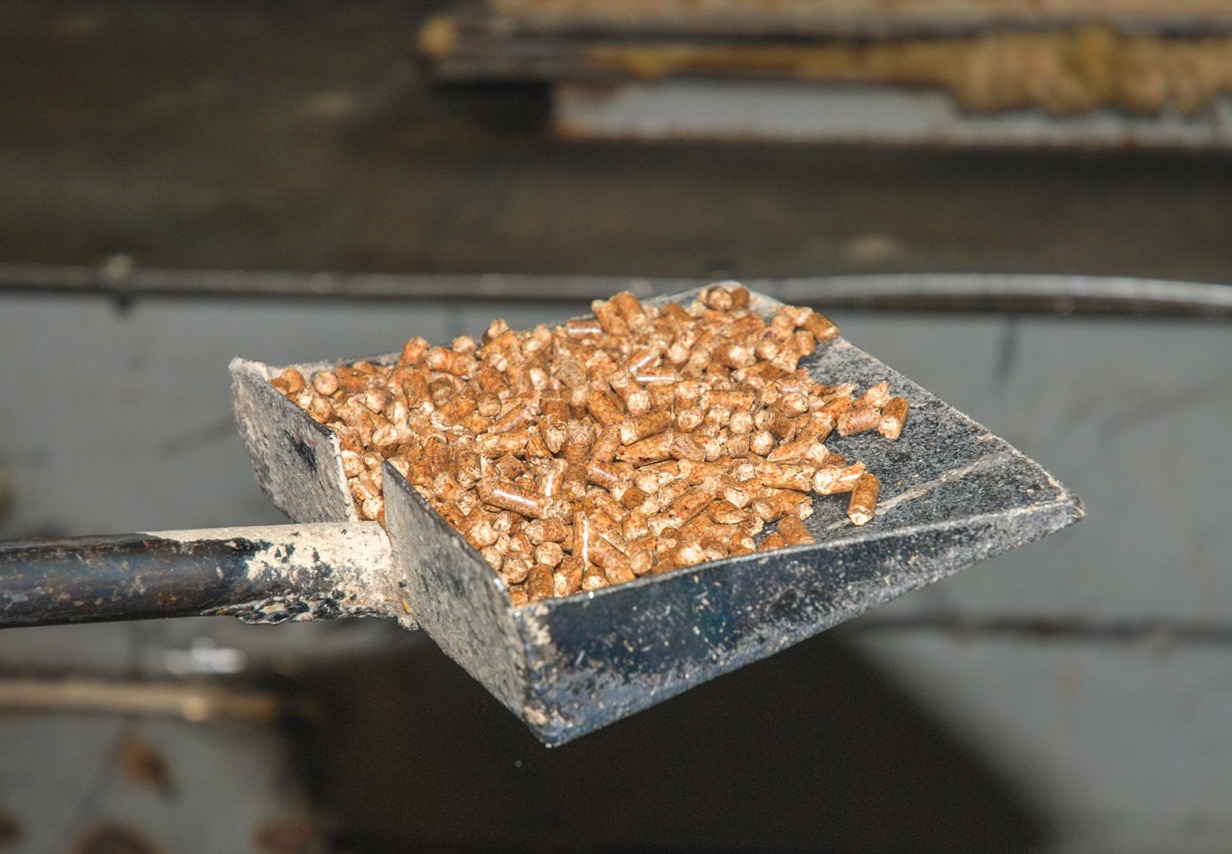 According to a new report from Allied Market Research, the global biomass market size was valued at $59.0 billion in 2023 and is projected to reach $121.0 billion by 2033, growing at a CAGR of 7.5% from 2024 to 2033. The rapid shift toward renewable energy sources, growing environmental concerns, and supportive government policies are significantly contributing to the expansion of the biomass market across the globe. The increasing focus on reducing greenhouse gas emissions and improving energy security is encouraging governments and industries to invest heavily in biomass energy technologies. Unlike fossil fuels, biomass is considered carbon-neutral because the carbon dioxide released during energy generation is offset by the carbon absorbed during the growth of biomass feedstocks. This advantage is making the biomass market increasingly attractive for sustainable energy development. The growing demand for renewable energy is one of the major factors fueling biomass market growth. … Biomass energy provides a reliable and stable source of renewable power…
 The Forest Stewardship Council (FSC) and Verra are pleased to announce a collaboration that will bring greater transparency and credibility to the voluntary carbon market. Under this new arrangement, Verified Carbon Units (VCUs) issued through Verra’s Verified Carbon Standard (VCS) Program can now carry an FSC label when they are generated from forests that hold valid FSC Forest Management (FM) certification. This means that buyers and stakeholders can readily identify carbon credits that come from responsibly managed, FSC-certified forestlands. This means projects that are dual registered under both the VCS Program and FSC FM certification will be eligible to apply the FSC label to their VCUs in the Verra Registry. To qualify, projects must demonstrate full spatial and temporal overlap between the VCS project area and the FSC-certified forest, and must hold a valid FSC FM certificate for the entire verification period.

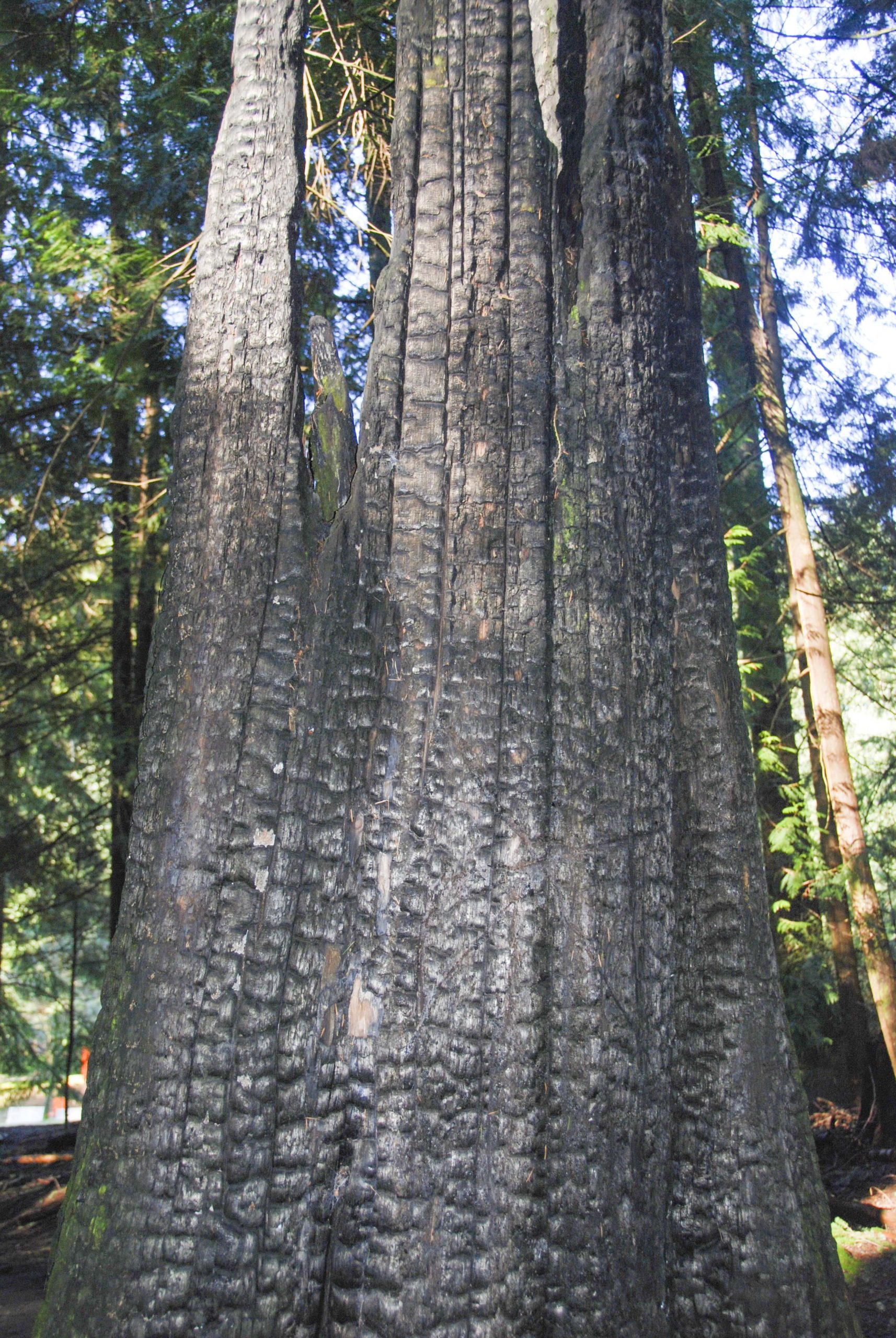 The government says it is fighting three fires in the Northwest Territories, and it says humans caused two of the fires. It says one human-caused wildfire in the South Slave region is under control. It says the fire measuring about 0.0001 square kilometres, or roughly the size of a large house, began on Monday. The Environment and Climate Change website describes the blaze as a “camp fire escaped.” The government says it is also fighting an out-of-control overwintering fire, scorching about 0.05 square kilometres in the South Slave region that began on May 9. An overwinter fire is one that remains dormant or undetected for a considerable amount of time after it starts. The government says the overwinter fire was found using infrared scanning along the perimeter of the Fort Providence wildfire last year. It says firefighters will attack hotspots found by scanning and get rid of the “remaining heat” using heavy equipment.
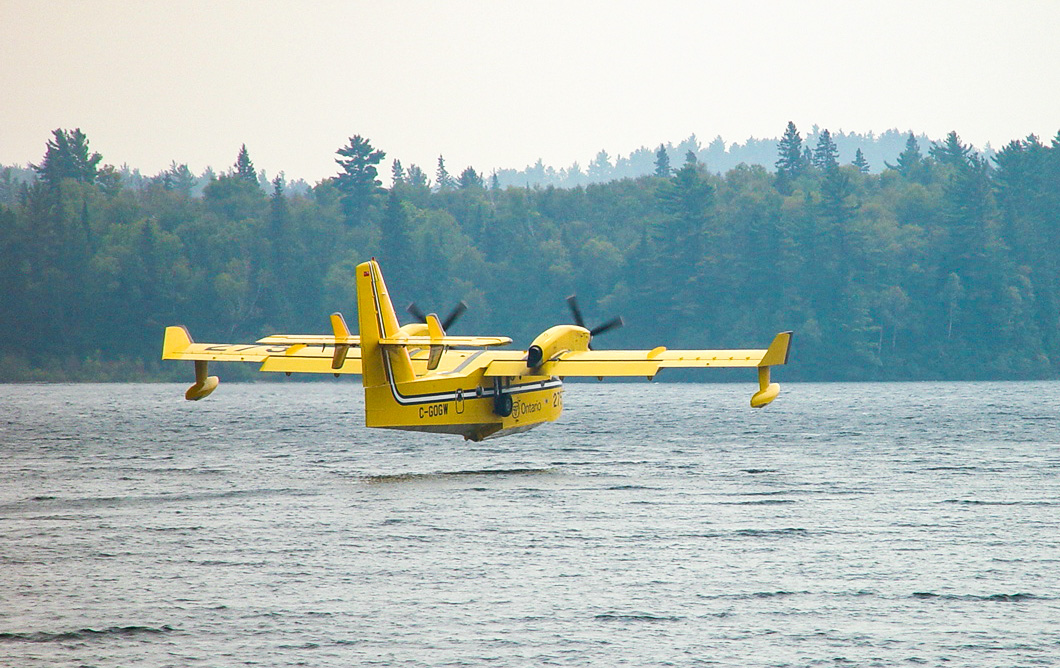 Cooler temperatures and recent rainfall are helping wildfire crews contain fires across northwestern Ontario after a stretch of hot, windy conditions sparked multiple new blazes late last week. As of late Monday afternoon, there were five active fires in the northwest region, according to Ontario’s fire map. One fire near Dryden is not under control, at about 150 hectares. Five fires are being held, and three are under control. “Recent wet weather is really helping to moderate conditions following multiple new fire starts that happened late last week in the northwest region amid some high winds and some warm temperatures,” said fire information officer Chris Marchand. Marchand said overnight rainfall has already helped crews make progress, particularly in the Fort Frances fire management area.
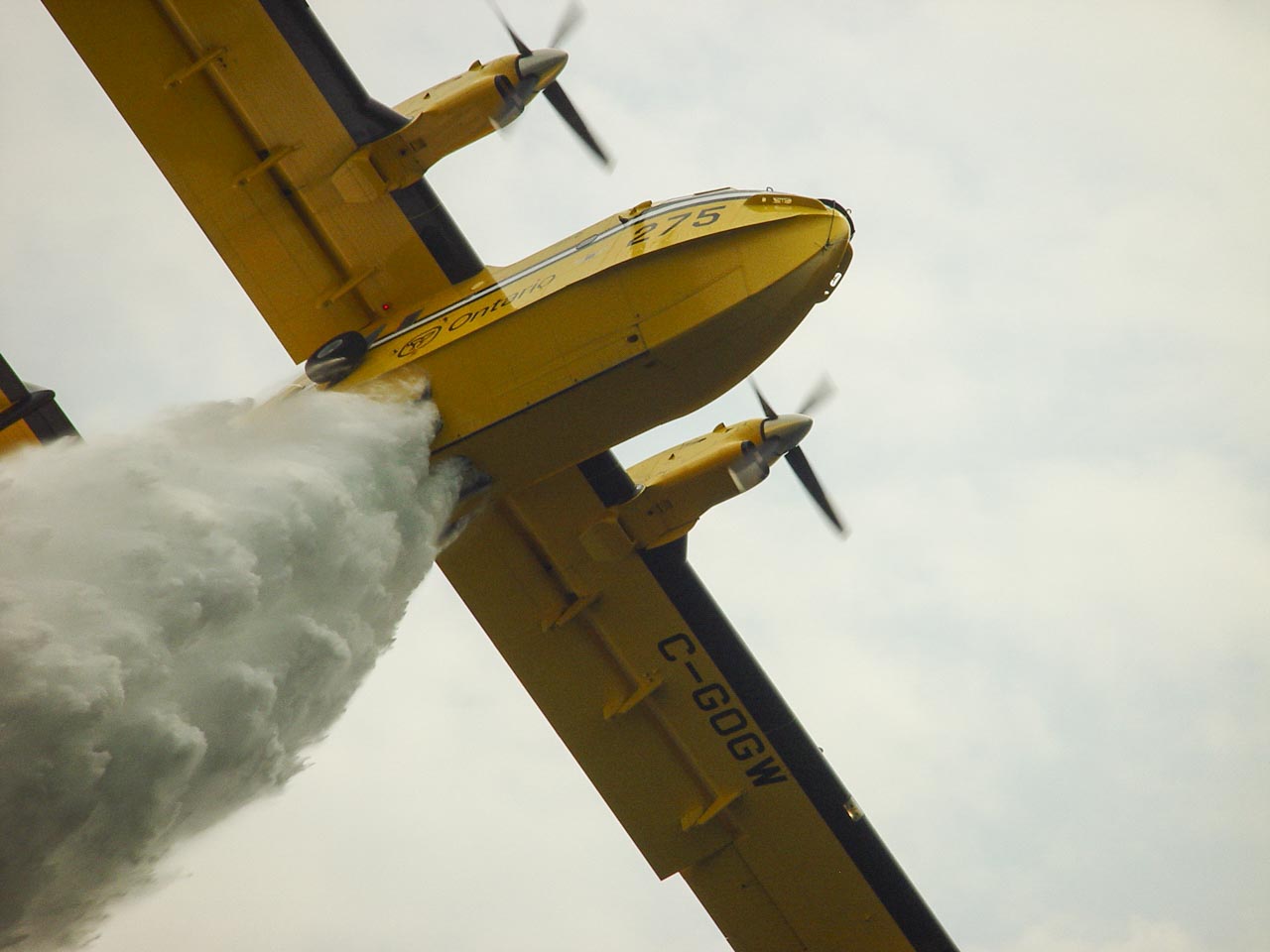 As cooler, rainier weather has eased wildfire risks in northwestern Ontario, a number of travel restrictions have been lifted in the region. An implementation order was first issued Saturday near a wildfire known as Fort Frances 5 in the Dryden, Fort Frances and Atikokan district, limiting travel and certain activities. On Sunday, a second implementation order was put in place due to a fire called Fort Frances 4 in the same district “to ensure public safety and/or to ensure effective fire suppression.” Both orders were lifted Tuesday evening. “All travel and the use of roads and lakes in the areas previously identified are available and residents may return to their properties. Wildland fire suppression activities are ongoing on Fort Frances 4 and Fort Frances 5, but public safety relating to these fires is no longer a concern,” according to the province’s

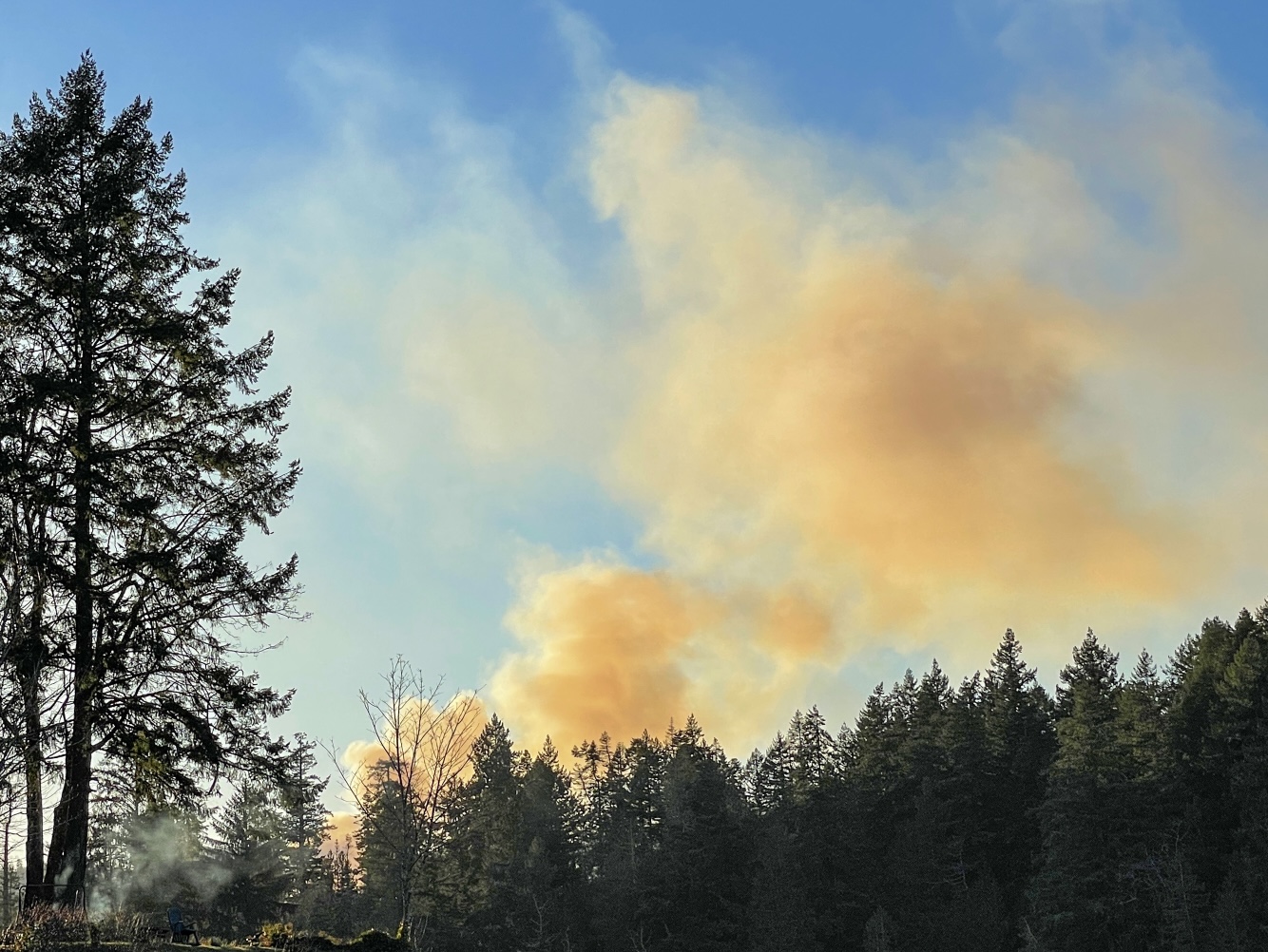 ALBUQUERQUE, N.M. — A fast-growing wildfire sparked by the fatal crash of a small medical plane outside Ruidoso, New Mexico, has triggered evacuations for a rural area north of the Capitan Mountains and closures in the Lincoln National Forest, officials said Monday. The plane was en route from Roswell Air Center to Sierra Blanca Regional Airport when it crashed before dawn Thursday, killing the four people aboard. They were identified as pilots Keelan Clark and Ali Kawsara with the company Generation Jets and flight nurses Jamie Novick and Sarah Clark with Trans Aero MedEvac. …The wildfire grew rapidly over the weekend amid dry and windy conditions, nearly doubling in size between Sunday and Monday morning to more than 19 square miles (50 square kilometers). It was burning out of control in a sparsely populated area despite the efforts of more than 600 firefighters from the U.S. Forest Service, the Bureau of Land Management and several interagency Hotshot crews.
 In this latest installment of his memoirs from the seed collection camps of northern BC, veteran cone collector Don Pigott recounts an unforgettable 1984 expedition through the Dease Lake and Cassiar region in search of lodgepole pine cones destined for Sweden’s forestry program. What begins as a straightforward collection job quickly becomes a vivid portrait of life in the north — from remote campsites, mining towns and ghost settlements to colourful characters, First Nations communities, and the ingenious habits of squirrels whose cone caches supplied much of the harvest.