 North American manufacturers push for CUSMA stability, as Canada challenges US softwood lumber dumping methodology. In other Business news: Canada and Alberta partner to support tariff-impacted workers; Europe sees downside in US-China trade agreement; a lumber mill reopens in Georgia, Washington; and Australia’s hardwood industry wants loopholes closed on Russian imports. Meanwhile: the latest news from the US Endowment; and a proposed pod hotel for Vancouver.
In Forestry/Wildfire news: US Forest Chief Schultz bows to Congress on state and local grants; Nova Scotia contracts additional water bombers for wildfire season; BC forest fertilizer inadvertently kills cows; and Oregon trains adults in custody for wildfire readiness. Meanwhile: why forest certification matters in Canada; a new study says rainfall aridity is getting worse; El Niño is coming faster than expected; and Brazil records lowest deforestation level in 40 years.
Finally, Tree Frog’s International Pulp Week coverage continues today with stories examining fibre furnish optimization, market pulp’s outlook, China and Asia’s evolving role, and shifting tissue and end-use trends — with a full wrap-up of the event coming tomorrow.
Kelly McCloskey, Tree Frog News Editor
 BC is funding its first
  Students at Thompson Rivers University (TRU) have completed the first year of Canada’s first university-level diploma in wildfire studies, marking a key milestone in a program designed to meet the growing and evolving demands of the wildfire sector.
 Wildfire activity is not simply a disruption to forestry work in British Columbia–it has the potential to be a significant occupational hazard. Wildfire smoke and ash can cause respiratory problems, trees impacted by fire can fall unexpectedly and crews could become entrapped by fast moving flame fronts. In recent years, BC has experienced some of the most severe wildfire seasons in Canada. One season alone saw approximately 2.8 million hectares burned, which was more than double previous records and caused widespread evacuations, area closures, and heavy smoke. BC’s forestry sector was significantly impacted, particularly in remote locations that were dangerously exposed to rapidly changing fire conditions.
 As wildfires in Canada grow larger, faster and more unpredictable, the challenge facing emergency responders is no longer just putting water on flames, it is understanding what the fire is doing, where it is heading, and how quickly conditions are changing —drones are a critical tool in meeting that challenge.
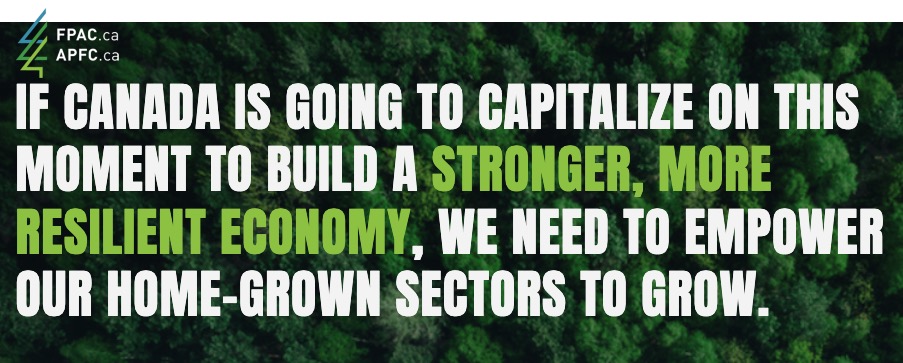 Building Canada Strong with Canadian Forestry. If Canada is going to capitalize on this moment to build a stronger, more resilient economy, we need to ACT NOW, controlling what we can control and empowering the Canadian sectors that will allow us to shape our own economic destiny. …And as a globally-recognized leader in how we manage our forests, we have a lot to offer the world. But we’re currently weathering a perfect storm — a 45% wall of U.S. tariffs on top of duplicative regulatory inefficiencies here at home. While we have no control over the former, we can control the latter. And government can help. They’ve already identified the known friction points in their “Comprehensive Red Tape Review”. Now we need them to act. By fixing these Made-In Canada Barriers, they can empower sectors like forestry to fortify and diversify our country’s economy while maintaining the high environmental standards that help keep our forests as forests forever. You can EMAIL YOUR MP and call on them to ensure the findings of their Red Tape Review are actioned.
  Forest Products Association of Canada (FPAC) welcomes the Government of Canada’s announcement today on addressing long‑standing, structural challenges across the country’s transportation supply chains. Reliable, efficient, and cost‑effective transportation networks are essential to the forest sector’s ability to support domestic manufacturing, reach global markets, and sustain jobs in hundreds of rural and Indigenous communities across Canada. “Canada’s transportation system continues to face three fundamental challenges—cost pressures driven by limited competition, infrastructure bottlenecks across key trade corridors, and ongoing labour instability,” said Derek Nighbor, FPAC President and CEO. “Addressing these issues together is essential to reducing costs for shippers, improving system reliability, and supporting long‑term economic growth and jobs across hundreds of forest-dependent communities.” Currently, the forest sector must absorb billions of dollars in freight costs annually, the vast majority of these accruing from rail transportation – representing more than 15% of the sector’s annual GDP contribution and up to 25% of a shipper’s delivered product costs.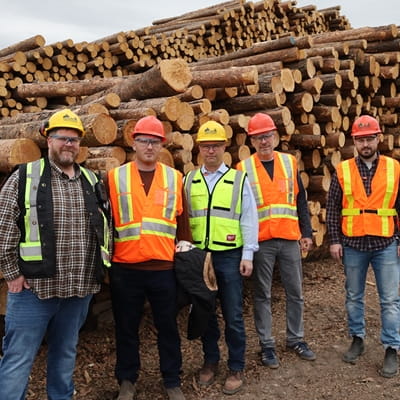
 On Friday, Energy and Resources Minister Chris Beaudry visited Dunkley Lumber’s Carrot River sawmill, a key facility in Saskatchewan’s forestry industry. Minister Beaudry held discussions with senior officials from the company. “Saskatchewan’s forestry industry is a cornerstone of economic activity in the north, generating thousands of jobs and contributing to strong, vibrant communities,” Energy and Resources Minister Chris Beaudry said. “The Government of Saskatchewan is committed to working with industry partners to strengthen the forestry industry and grow the responsible development of our natural resources.” Dunkley’s Carrot River facility is the largest sawmill in the province, with the company employing more than 400 people combined… In 2024, Dunkley completed a $220 million expansion to the Carrot River sawmill, which increased the facility’s capacity by 75 per cent. “Saskatchewan continues to distinguish itself as one of the most attractive jurisdictions in North America for lumber manufacturing,” Dunkley Lumber Fibre and Sustainability Vice President Dyon Armstrong said.
 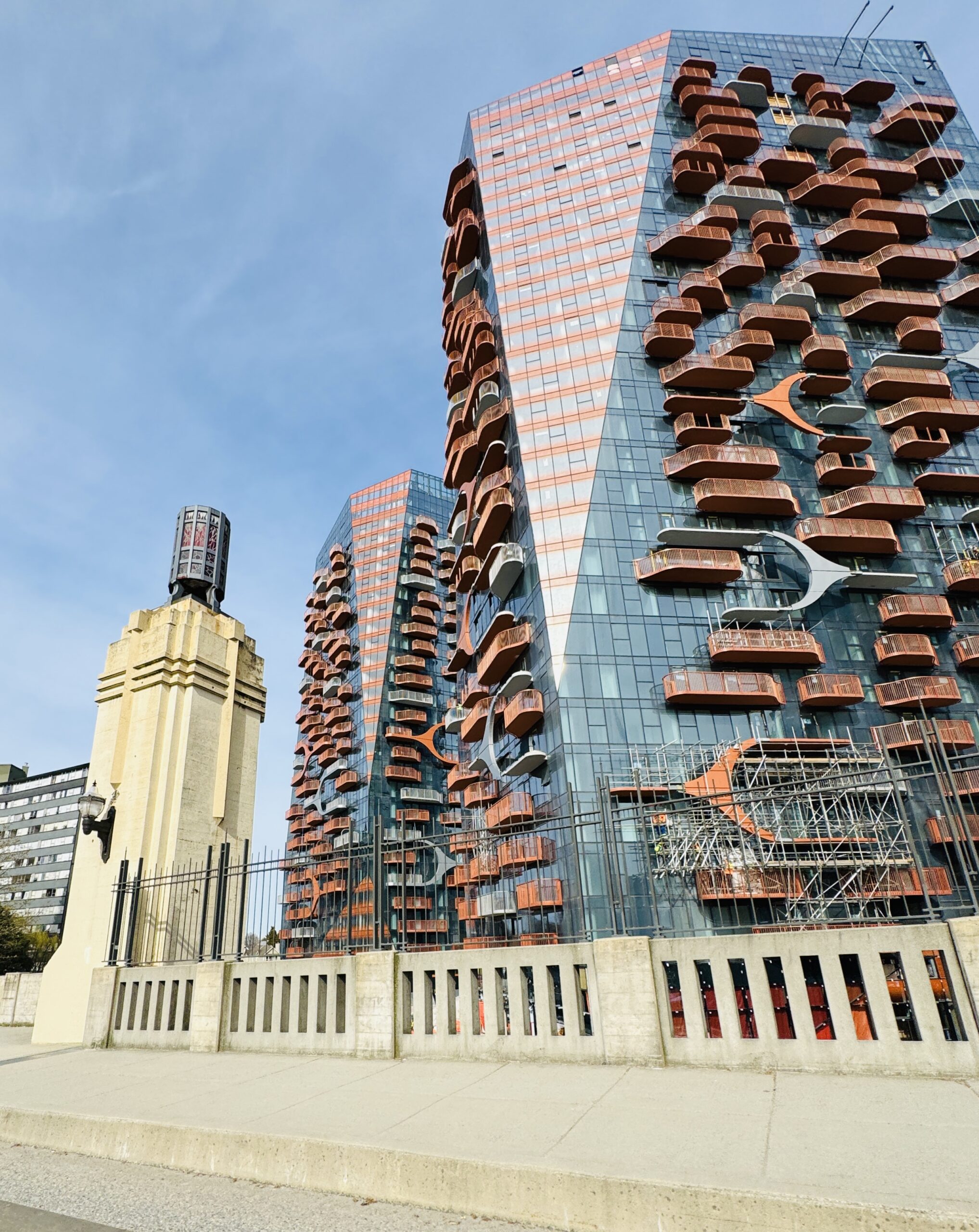 In 2008, the B.C. government agreed to provide the Musqueam First Nation with land and money to settle a dispute over the prospective sale of the University of B.C. golf course lands. …As part of a deal valued at $250 million, which involved several parcels of land, including the golf course, and cash, the Musqueam received nearly 14 hectares adjacent to their community south of Marine Drive along the north arm of the Fraser River. …The Musqueam have been in discussions with the province about adding more land, possibly from Pacific Spirit Regional Park, show communications disclosed through a freedom of information request. …Many First Nations in the Metro Vancouver-Fraser Valley-Squamish-Sunshine Coast region are using their existing and newly obtained land holdings for economic development, which can also provide economic benefits outside their communities. …The Squamish Nation has plans for 11 towers and 6,000 units on the portion of lands returned from those taken away from them at False Creek in 1913,
 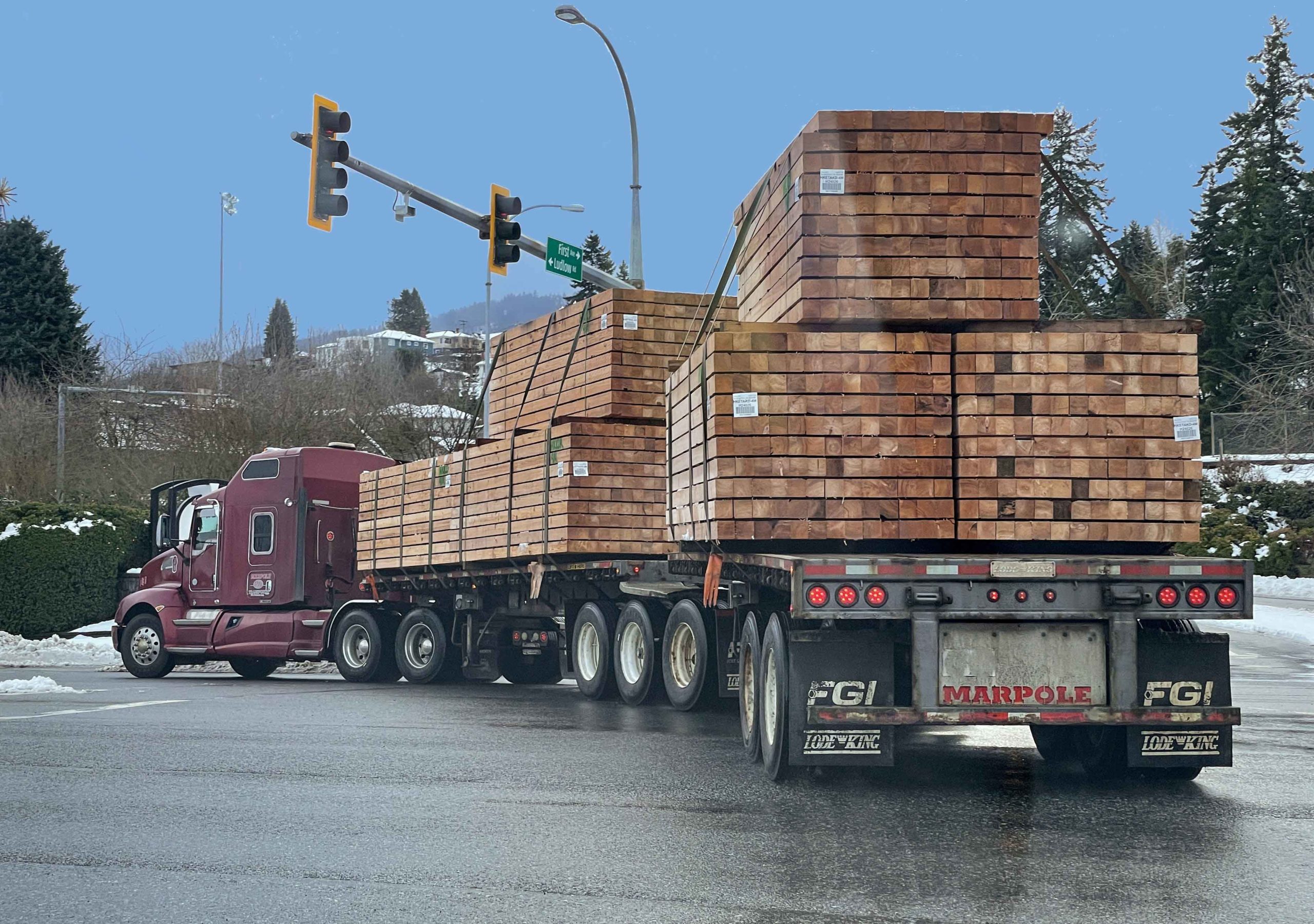 Statistics Canada says B.C. lost more than 40,000 jobs over the first four months of the year, and more than 11,000 full-time positions last month alone. Premier David Eby says this comes as little surprise, and the explanation is obvious, with a major pillar of the province’s economy continuing to take a beating from a major trade war with the U.S. “Our softwood lumber sector is under huge pressure,” he said. “The tariffs we face are higher than those faced by Russia and Europe when they import wood to the United States. And as a result, Russia and Europe are exporting more wood to the United States than they ever have.” As well, exports from B.C. to the U.S. are down, which is affecting all provinces, Eby says.
 The May newsletter has these headlines and more:







 Canada’s forests are managed responsibly, as expected by Canadians coast to coast to coast. Our forests support jobs and communities, are home to wildlife and biodiversity and must remain healthy for future generations. Forest management certification plays an important role in meeting those expectations by ensuring harvesting is carried out in a manner that respects and maintains the full range of environmental, social, and economic values across forest landscapes, while providing independent verification that forestry practices meet high standards. Forest management certification is a voluntary, third-party system …The three independent certification programs used in Canada – the Forest Stewardship Council (FSC), the Program for the Endorsement of Forest Certification (PEFC) Canada and the Sustainable Forestry Initiative (SFI) – are applied voluntarily by different companies and groups, and information is often scattered across multiple sources. To make it more transparent and accessible, FPAC has brought this information together in one place through its
  BROMONT, QC

 Two cutblocks proposed for Revelstoke’s Mount MacPherson are prompting Wildsight Revelstoke to engage B.C.’s lumber licensee about minimizing logging in that forest. Following a commenting period last year, BC Timber Sales (BCTS) is putting the two cutblocks, No. 52065 and No. 52066, up for sale… Combined, they cover 19.4 hectares of old- and second-growth forest. BCTS is currently welcoming applications for timber sales licences to harvest forest in these lots, as well as applications for road permits… Wildsight Revelstoke will meet a local BCTS representative this month to discuss the two proposed cutblocks, part of a larger conversation about several logging operations pitched by industry for north of town. …Ahead of its meeting with BCTS, Wildsight has been visiting Cutblocks 52065 and 52066 to appraise the towering cedar-hemlock trees and moisture-rich riparian habitats there. Black Press Media visited one of them with Wildsight Revelstoke board members Arnoul Mateo and Fabien Stocco.



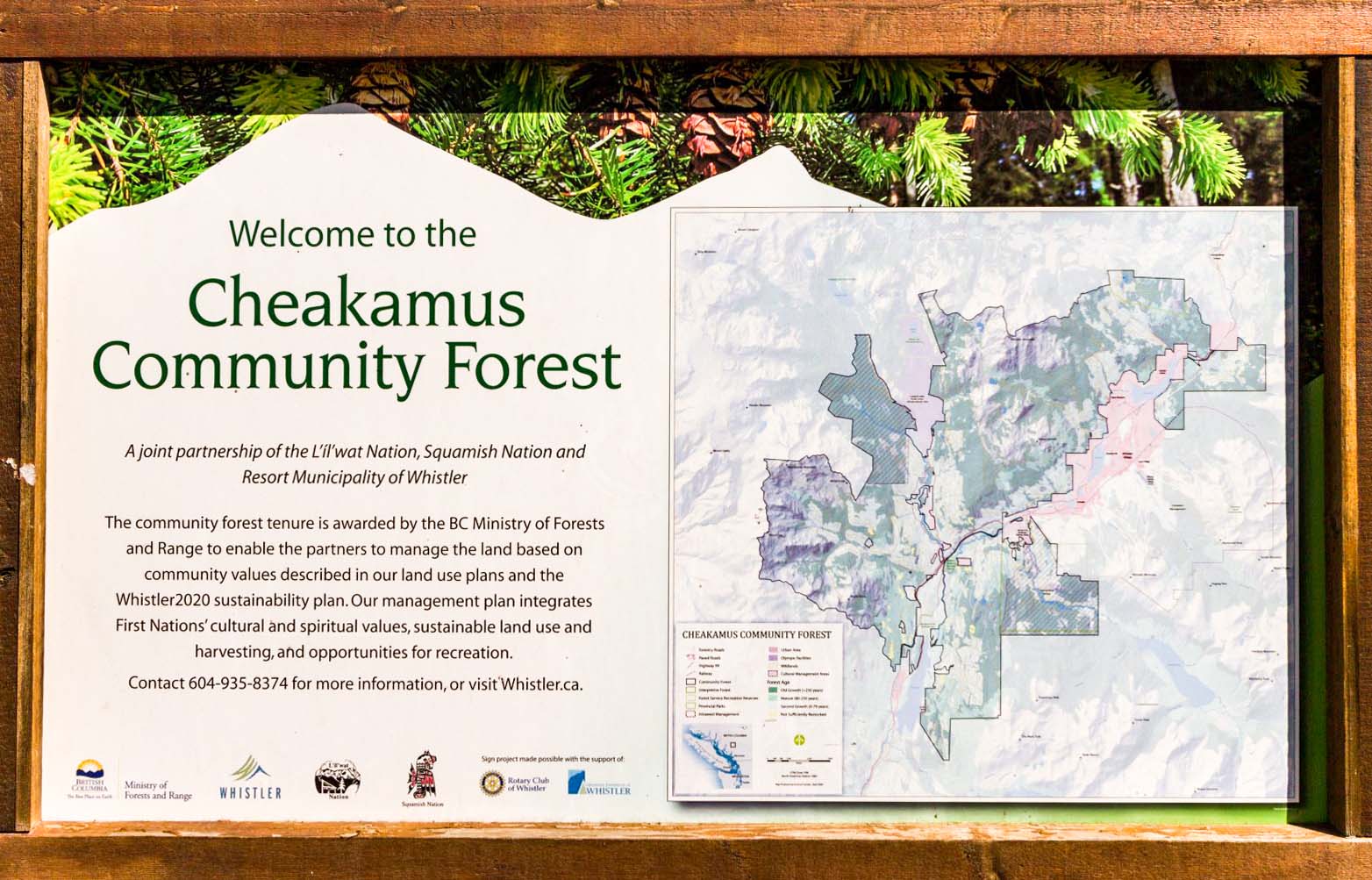 …In 2009, the Lil’wat and Squamish nations entered into a formal 25-year agreement with the Resort Municipality of Whistler to create the Cheakamus Community Forest—a more than 33,000-hectare patchwork of forested Crown land… Today, the



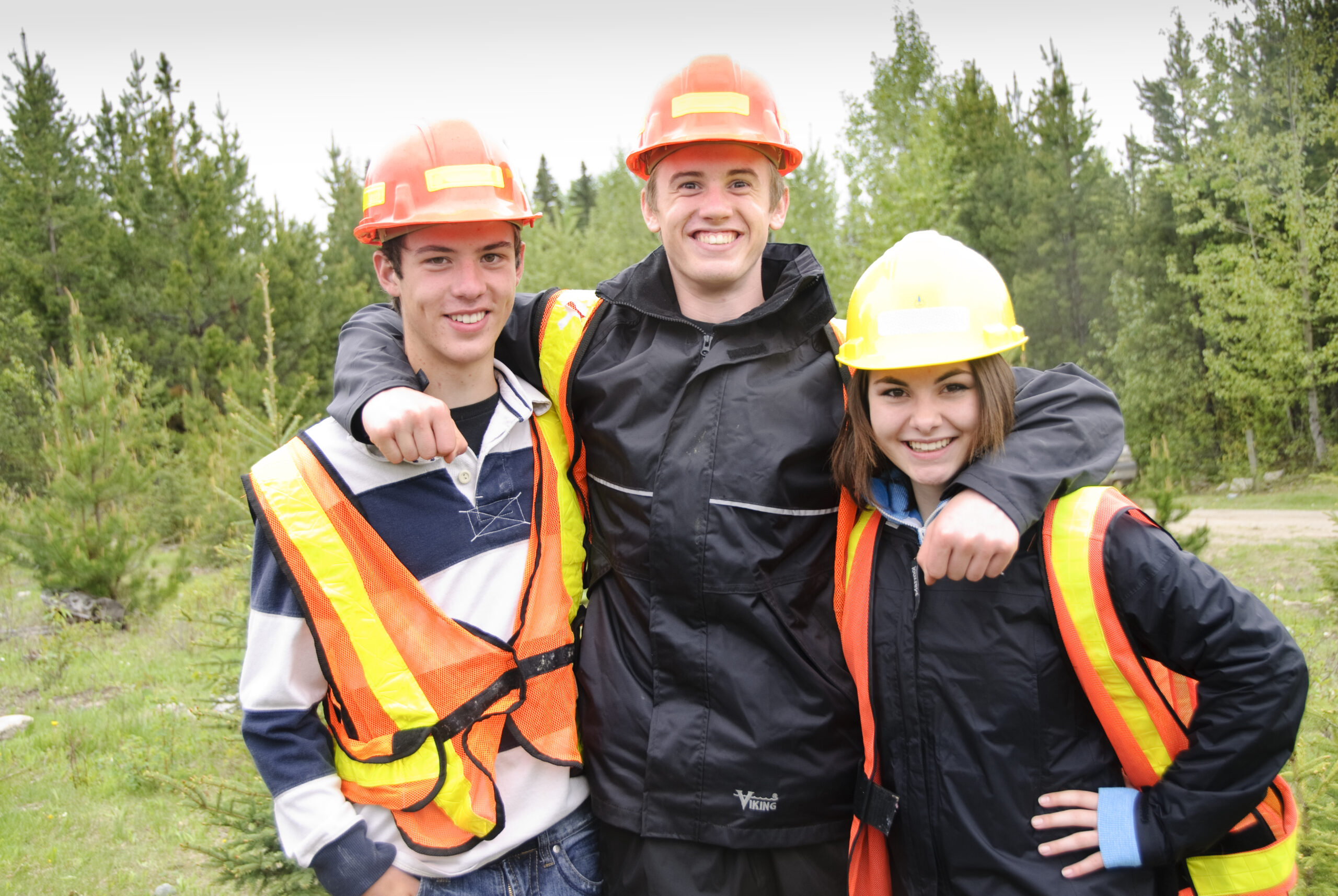 Delivered in partnership with COFI member companies, Indigenous organizations, school districts, training providers, and community partners, these initiatives are designed to increase awareness of the many career opportunities available in today’s forest sector. Through guided mill tours, classroom presentations, field tours, and career fairs, participants will gain direct exposure to local forestry operations and the technologies driving the industry, including advanced manufacturing, automation, and digital systems.
  Alberta Forest Week is just behind us – one of those natural moments throughout the year where I take time to pause and reflect on the challenges behind us, the opportunities that lie ahead, and all of the people who make that work possible. This year, I find myself thinking about what it truly means to be part of a forest community. Because at its core, this sector isn’t just about trees — it’s about people. The ones who show up early, stay late, and take pride in work that often goes unseen. The ones who build their lives around the forests, who care deeply about the land, and who understand that what they do today matters for generations to come. …So however you choose to celebrate Alberta Forest Week — whether it’s a walk in the woods, taking a closer look at the products we rely on every day, or simply learning something new — please take a moment to recognize the people behind it all.
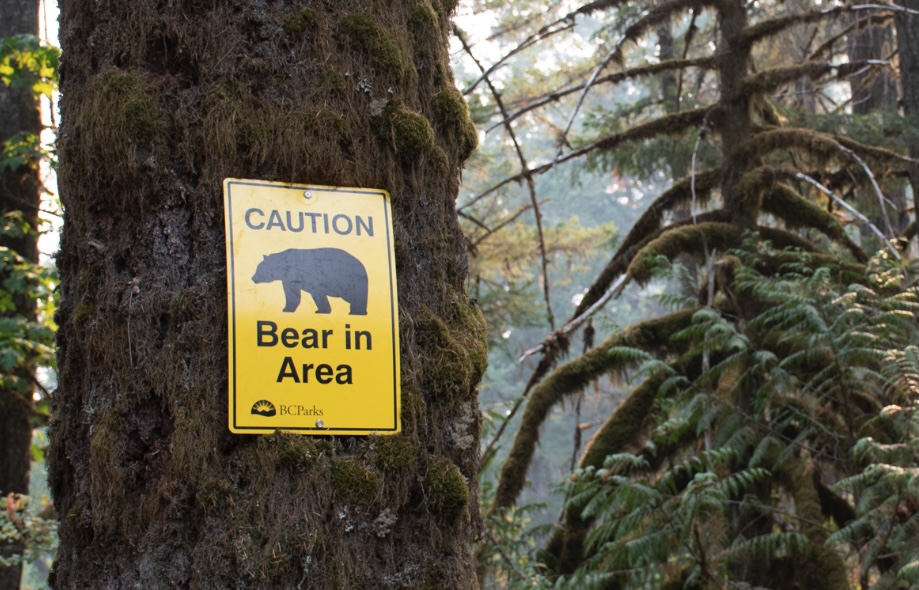 In a public alert, the Village of Sayward — located just over 300 kilometres north of Victoria, B.C. — issued a warning to its residents after the grizzly was spotted within the village on May 4. Residents had been seeing the bear in the area around the village in the days leading up to it officially entering the village’s boundary. …While it’s the first sighting of a grizzly on the Island for the year, sightings are becoming more common. …Historically, the Island has not been considered a year-round habitat for grizzlies, says Nick Scapillati, executive director with the Grizzly Bear Foundation. But sightings of the mom and her cubs goes back to 2024 and Scapillati says that due to the small size of the cubs, they wouldn’t have been able to swim over. He believes it could be evidence of the first ever grizzly cubs to be born on Vancouver Island — a sign that grizzlies could be wintering on the Island.
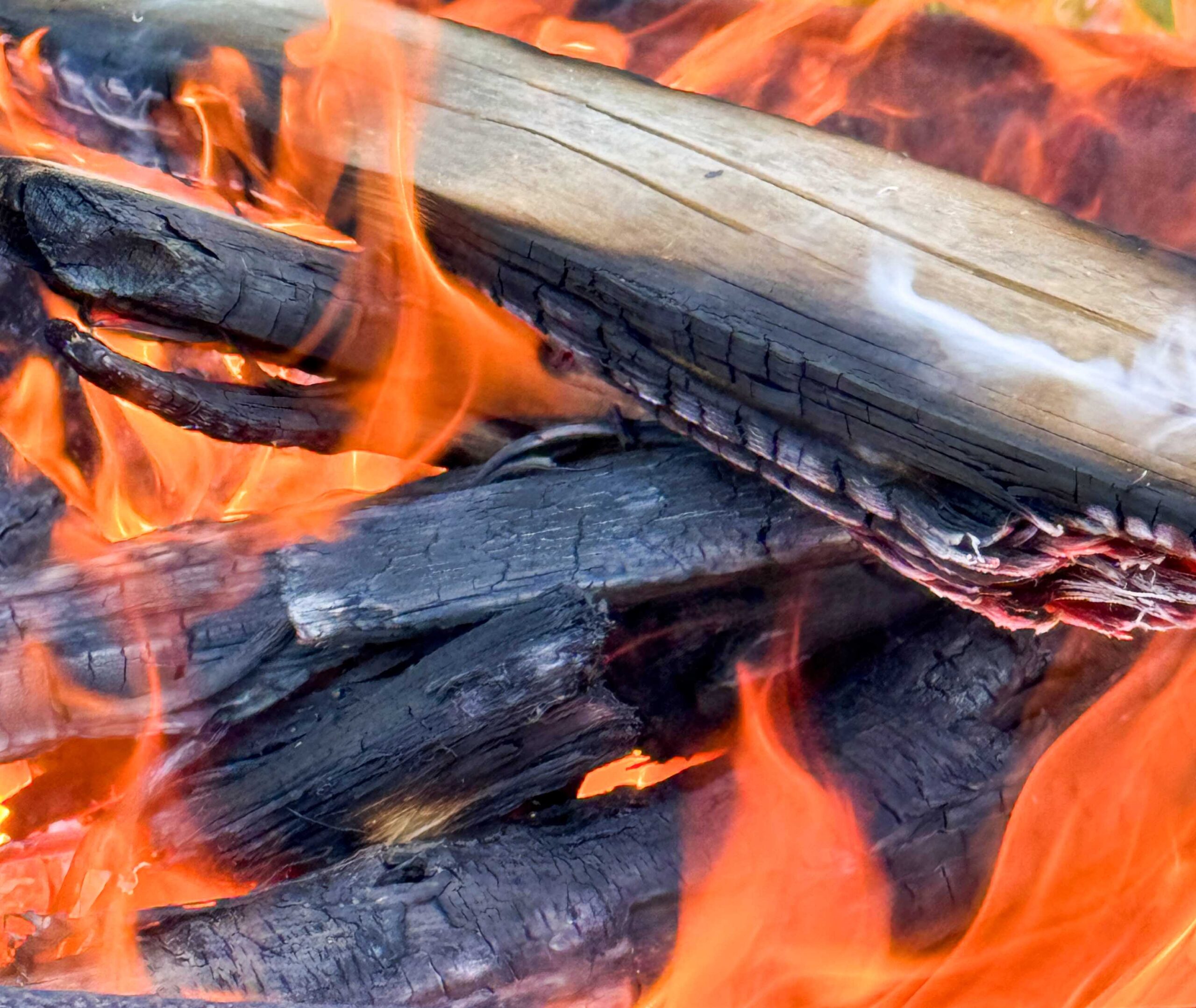 While Ontario has seen a much slower start to the wildfire season compared to last year, officials are warning people heading into the May long weekend that conditions can quickly change. There have been 22 wildfires confirmed in the province since the season began April 1, compared to 68 fires this time last year, said Alison Bezubiak, a fire information officer with Aviation, Forest Fire and Emergency Services in the northwest region. “The 10-year average for this date is 56, so we are below last year and the 10-year average in terms of total number of fires confirmed,” she told CBC News Thursday morning. One small fire, measuring 0.1 hectares, is being held in the Kenora district near Grassy Narrows First Nation as of Thursday. However, forest fire danger ratings range throughout the region, with the Fort Frances area seeing extreme hazard levels, according to the province’s interactive forest fire map.

 The Bureau of Land Management has repealed the Conservation and Landscape Health Rule, commonly referred to as the Public Lands Rule, which put conservation on equal footing with mining, logging, and grazing of public lands. The rule required science-based decision-making, conservation considerations within multiple land uses and a focus on sustaining public lands for the long-term benefit of wildlife and the American people. “Today’s repeal of the Public Lands Rule abandons progress at the same moment climate change, chronic drought and accelerating habitat loss demand better stewardship from BLM,” said Maddy Munson, senior planning and policy specialist for federal lands at Defenders of Wildlife. …“This fits a pattern of brazen attempts to sell off and sell out our shared public lands at the expense of public access and conservation,” added Beau Kiklis, associate director of energy and landscape conservation at the National Parks Conservation Association.
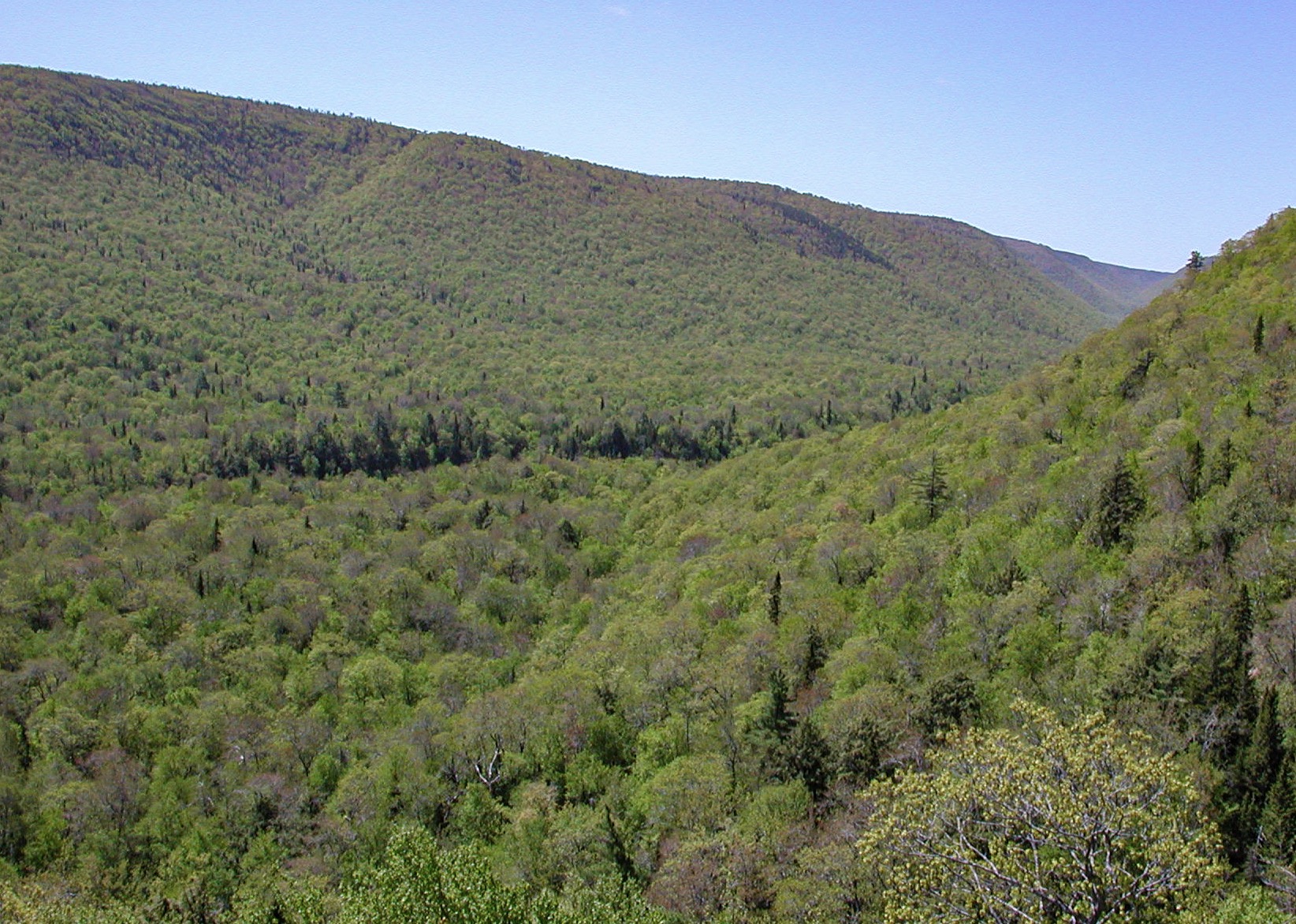 The Washington State Department of Natural Resources released its annual Forest Health Highlights report on Monday following a 2025 survey season defined by a period of unprecedented structural and administrative challenges. The joint aerial detection survey (ADS) flown by DNR and USDA Forest Service (USFS) staff covered 16.5 million acres of forested land across Washington, accounting for roughly 75% of the 22 million forested acres in the state and the first time since 2021 that a full survey was not completed. …The 2025 ADS recorded some level of tree mortality, defoliation, crown damage, or foliar disease on approximately 391,000 acres – a decrease of more than 150,000 acres from 2024, but certain to be an undercount given limitations of the 2025 survey.
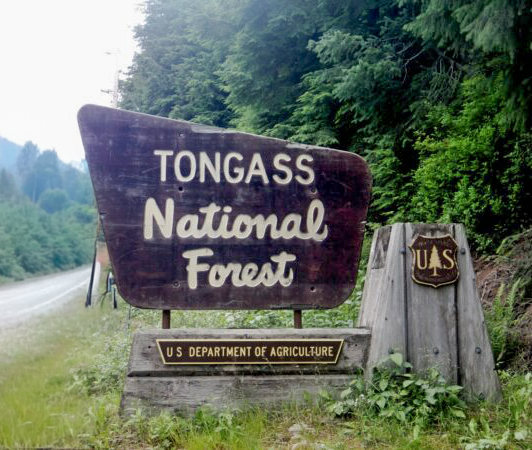
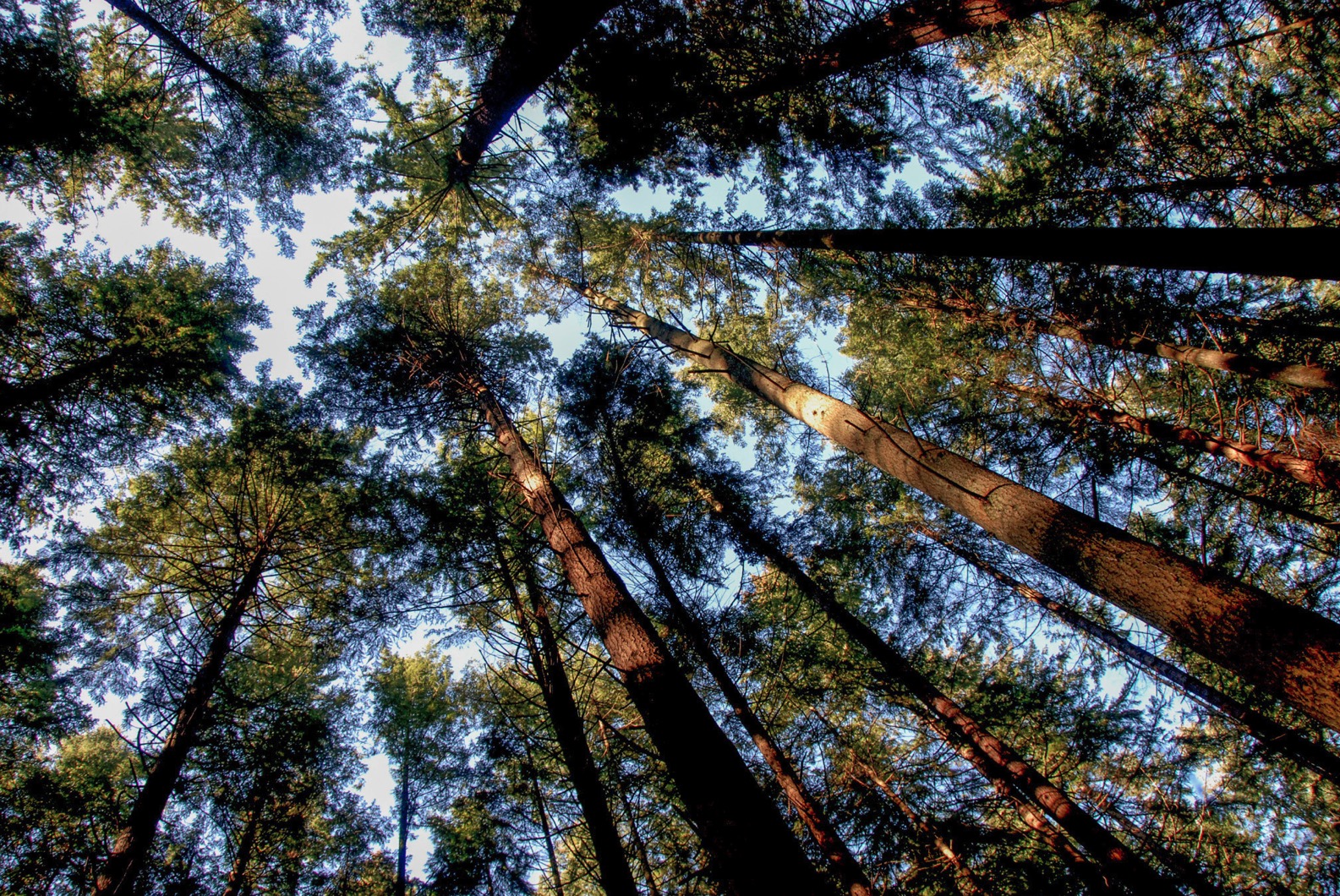 A new direction in the Tongass management plan gathered more than 300 comments from Southeast Alaskans, who asked the U.S. Forest Service to manage timber and mining, along with recreation, in the forest they call home. The Coeur Alaska Kensington Mine said the revised plan should recognize the Tongass National Forest as a mining district, not solely as a timber or conservation reserve. “The revised Forest Plan should affirm that responsible mineral exploration and development are fully compatible with ecological stewardship, subsistence values, and multiple use when properly planned and regulated,” wrote Steve Ball, general manager of the mine. He also wrote Forest Service’s Roadless Area Conservation Rule prohibitions should not be applied to mining operations. Others criticized the Trump administration and made a plea to protect old-growth forests and the wildlife that live there. Some criticized the Forest Service itself for a rushed process.
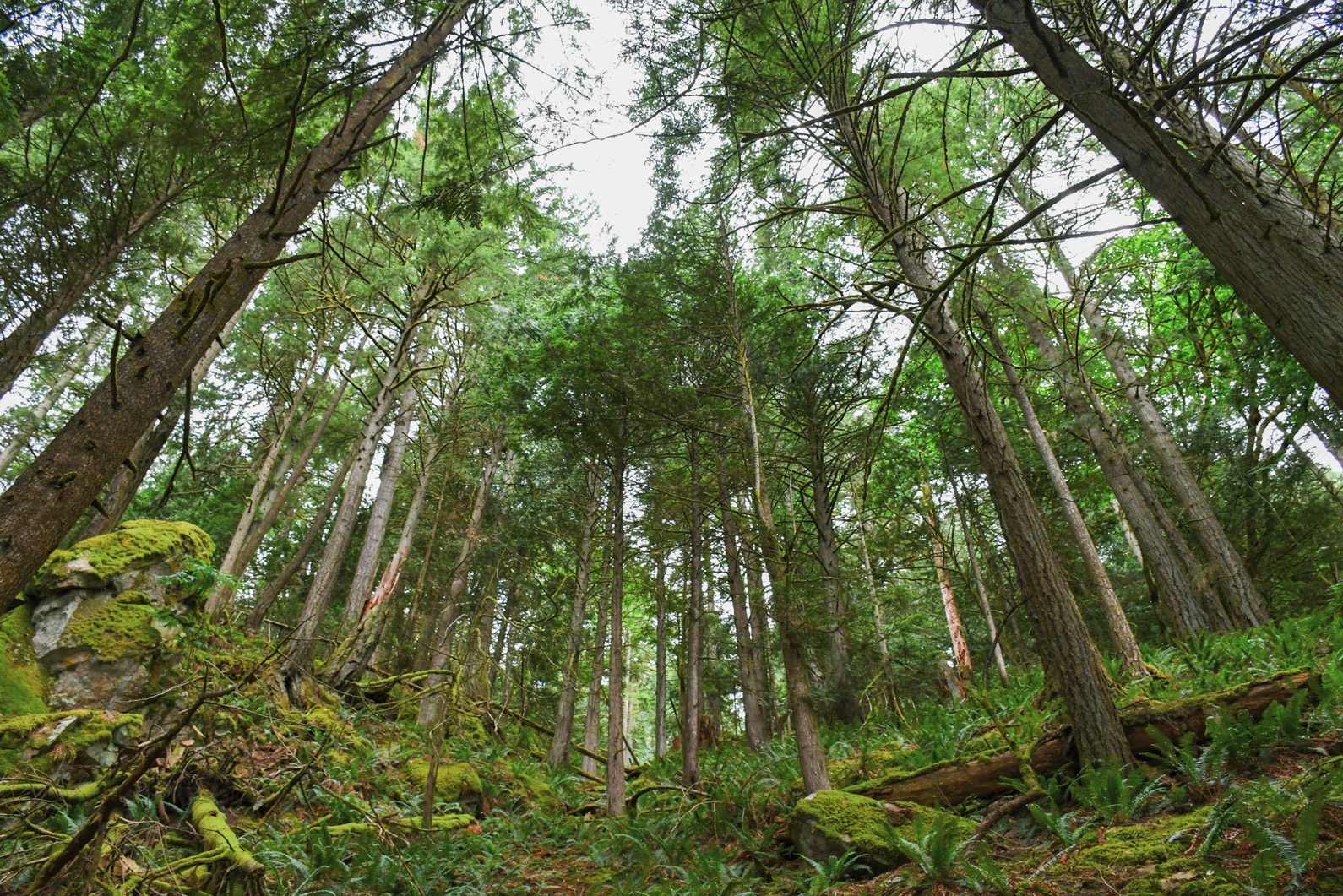 EUGENE Ore. – The Bureau of Land Management has proposed increasing timber harvest on 2.4 million acres of federal forest land in Oregon, sparking a renewed debate over logging, wildfire risk and the future of old growth forests. The plan would return harvest levels to 1 billion board feet annually on O&C Lands (Oregon and California Railroad Revested Lands), about four times last year’s yield. Supporters say it would restore jobs and reduce fire danger. Environmental groups warn it could undo decades of protections and say they will challenge the plan in federal court. The O&C Lands are checkerboarded across western Oregon. Once owned by railroad barons, the government reclaimed the land over 100 years ago and opened it up to logging. After new environmental protections were implemented in the 1990s, logging levels plummeted. Last year those same lands yielded about a quarter of the proposed target.
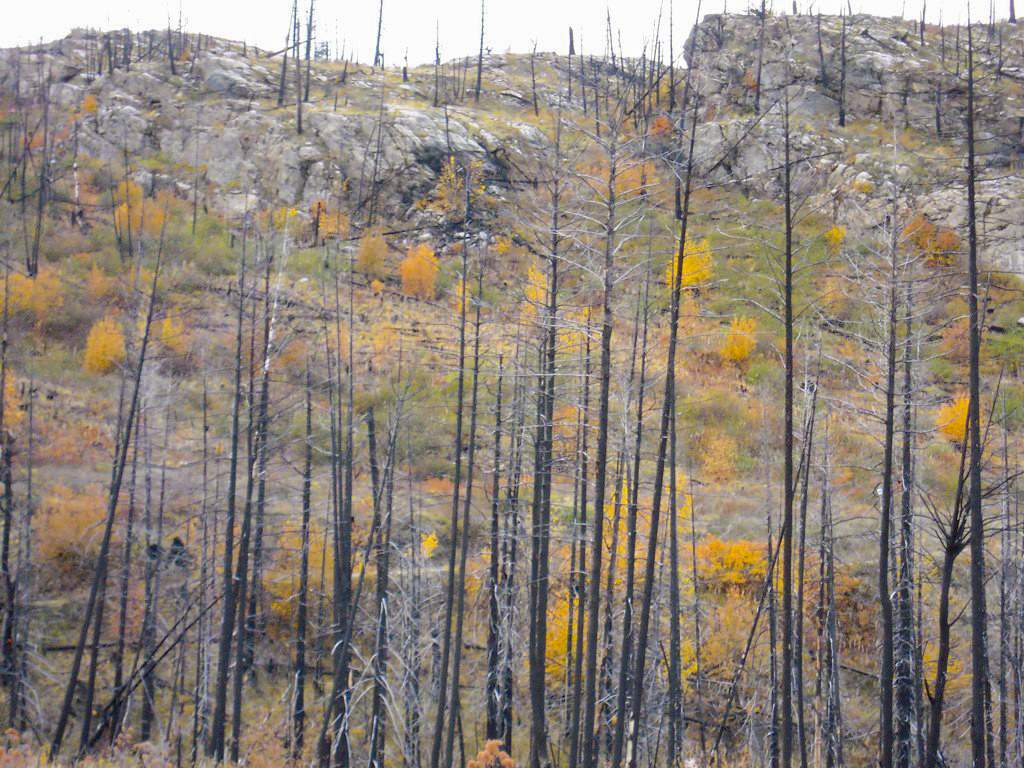 LAKE TAHOE BASIN, Calif. – A yearlong investigation by Mother Jones is casting new scrutiny on the use of glyphosate in California forests at the same time the U.S. Forest Service Lake Tahoe Basin Management Unit plans to use the controversial herbicide across thousands of acres in the Lake Tahoe Basin. Glyphosate, commonly sold under the brand name Roundup, is widely used to kill shrubs and hardwood vegetation that compete with replanted conifers after fires and logging operations. However, the herbicide has long been controversial. In 2015, the cancer research arm of the World Health Organization classified glyphosate as a “probable carcinogen,” and manufacturer Bayer has paid more than $12 billion in settlements tied to lawsuits alleging the herbicide caused cancer.
 The American Forest Resource Council warns that Washington’s Department of Natural Resources is headed for deep budget trouble that will result in state worker layoffs and force taxpayers to foot more of the bill to keep the agency running. Counties that rely on logging revenue from land the agency manages could be at financial risk, too. While it’s become common for the group to clash with the department, they’re not the only ones complaining. Foresters inside the agency are pointing to Public Lands Commissioner Dave Upthegrove’s decision to pause some timber sales for eight months as a reason for the looming deficit in a key operating account, which covers many of the department’s expenses for managing timberland. …Upthegrove and other agency leadership say … it has less to do with recent timber sale activity on state land and more to do with the timing of when logging revenue reaches the agency.
  Oregon’s congressional Democrats on Wednesday warned that federal agencies tasked with helping prevent and fight fires in the Northwest could be understaffed and underprepared going into the 2026 fire season. Oregon’s U.S. Sens. Ron Wyden, Jeff Merkley, and Portland and Willamette Valley-area U.S. Reps. Suzanne Bonamici and Andrea Salinas left a Wednesday wildfire season briefing at the Northwest Interagency Coordination Center in Portland with “deep concerns” about federal agencies’ capacity to respond to what’s expected to be a long and severe fire season in the region. The center is the headquarters for a wildfire prevention and response network that includes nine state and federal agencies across the West. The lawmakers said budget cuts and the loss of staff at federal science and land management agencies — especially at the U.S. Forest Service, tasked with the largest share of federal wildland fire prevention and response — have created needless uncertainty and chaos.

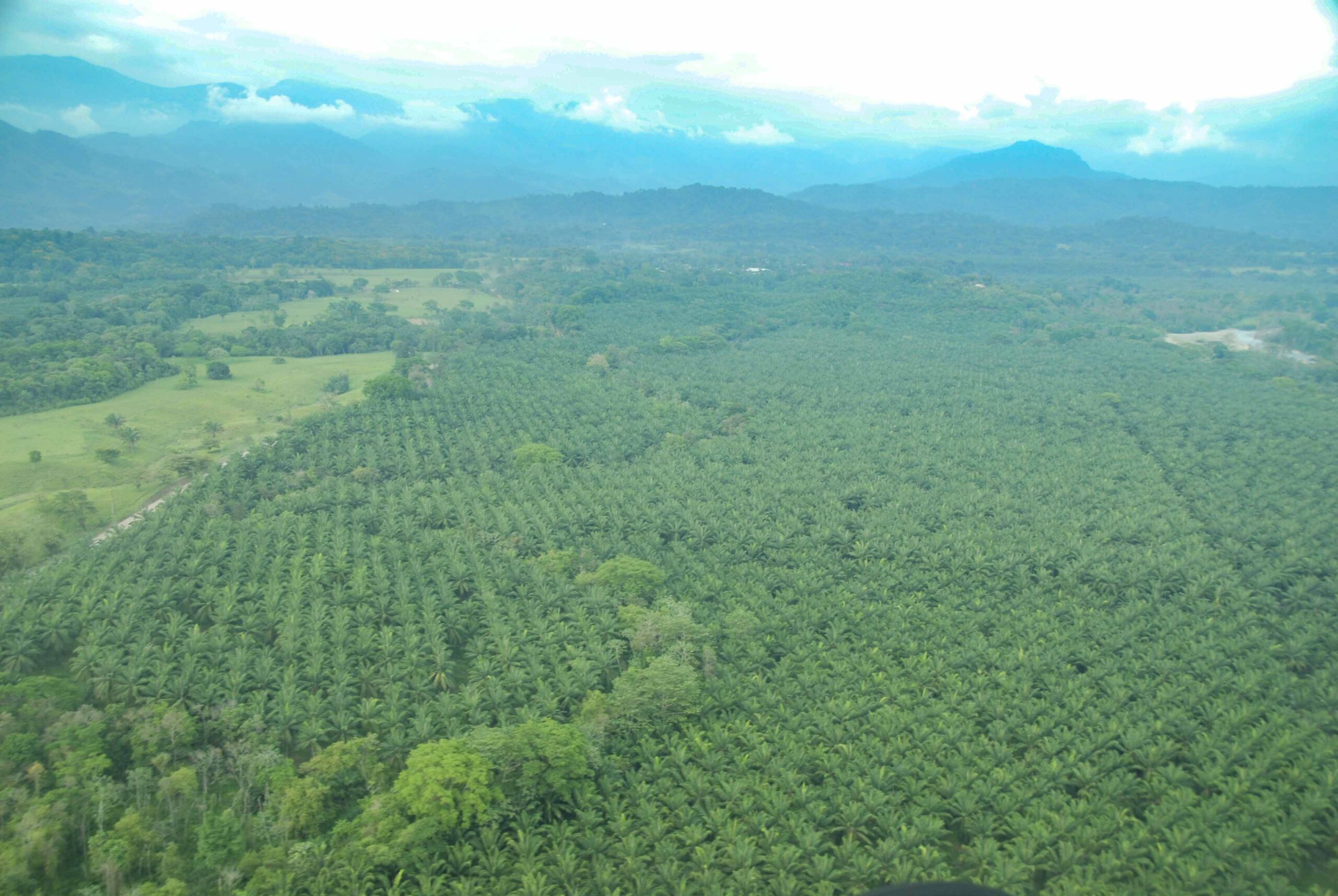 Brazil’s Atlantic forest, the country’s most threatened biome, last year recorded its lowest level of deforestation since monitoring began 40 years ago, a new report shows. The forest is Brazil’s most populous biome, and home to 80% of the population and major cities such as Rio de Janeiro and São Paulo. In 2025 it recorded 8,658 hectares of deforestation, marking the first time it has fallen below 10,000 hectares since 1985. Environmentalists have welcomed the results, which they say could even lead to “zero deforestation” in the Atlantic forest within just a few years, but warned of potential risks that could reverse the downward trend of recent years. One is the recent approval of the so-called “devastation bill” in Brazil’s congress that drastically weakens environmental law. The other is the prospect of a far-right government, opposed to environmental protection policies, returning to power in the October presidential election…
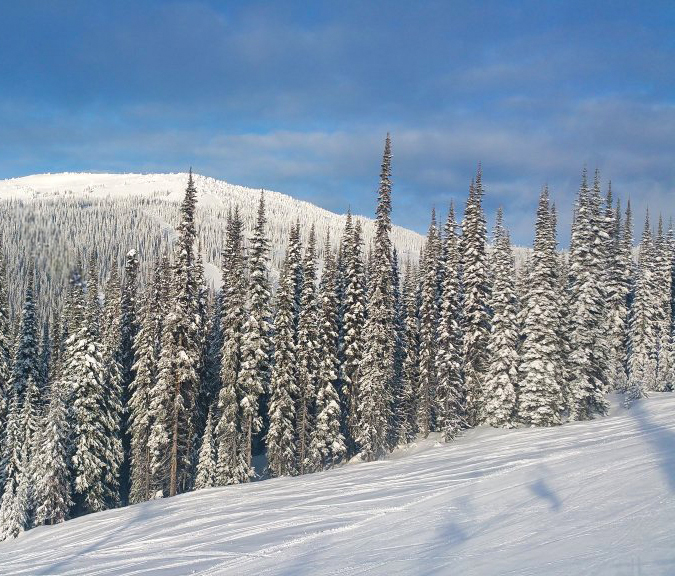 For the last few decades, the working assumption in European fire management was geographic: the real threat lives at lower elevations. In countries like Greece, Portugal, and Spain, the threat was tied to parched lowlands, flammable scrub, and summer drought. The Alps, Pyrenees, and Carpathians sat above the areas at risk, written off as too cold and wet to carry serious fires. A 25-year satellite record now challenges that assumption. Tracking fires across eight European mountain ranges, researchers found flames climbing the slopes at a steady rate — and the pace has picked up sharply since 2015. A team led by Dr. Mirela Beloiu, an ecologist at the Swiss Federal Institute of Technology Zurich (ETH Zurich), tracked wildfires across eight European mountain regions from 2000 to 2025. The pattern was hard to miss. Fires are climbing the slopes at roughly 236 feet per decade, finding fuel in stands that almost never burned before.
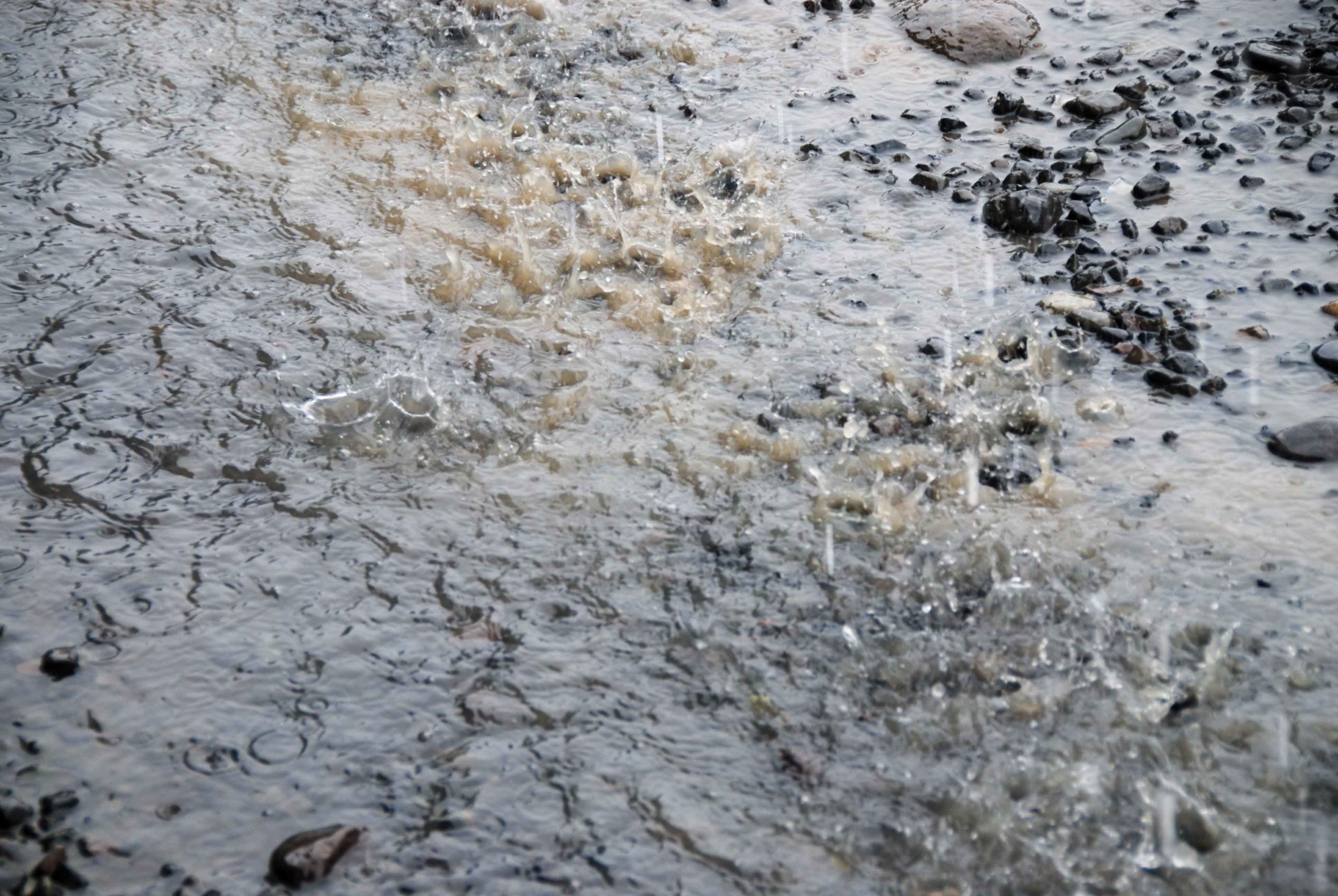 MONTRÉAL – With global warming, rainfall is increasingly falling in short, intense, concentrated bursts separated by longer dry periods, and these changes could have a potentially devastating effect on the planet. These are the conclusions of a new study co‑authored by Corey Lesk, at the Université du Québec à Montréal, and Justin S. Mankin, at Dartmouth College in New Hampshire. … They observed that regardless of the total amount of water received annually, this new rainfall regime alters how precipitation is absorbed by the soil and promotes greater aridity across the Earth’s surface. “Drought is often measured by what is lacking–the total amount of rainfall–but how precipitation falls is just as important,” explains Professor Corey Lesk. “This new type of rainfall regime leads to increased evaporation at the land surface, limiting the soil’s ability to retain moisture, and thus reducing the amount of water available on land for human populations and ecosystems.”
 THUNDER BAY — The Ontario government is investing $5.5 million to help Greenwater Technology produce renewable diesel and sustainable aviation fuel using mill by-products and underused wood. This investment will support new opportunities for made-in-Ontario forest products, create new revenue streams to drive growth in forestry and empower the aviation and transportation industries to adopt sustainable fuels. As part of the government’s plan to protect Ontario, the government is making strategic investments to help forest sector businesses adapt, compete and grow to stay resilient in the face of U.S. tariffs. …After bringing the technology to market, Greenwater plans to integrate biofuel plants at anchor mills, providing an on-site use for forest biomass that would increase productivity, strengthen forestry supply chains and generate new revenue streams.
 Three years ago, two big new wood-pellet manufacturing plants were proposed along the Washington coast — the first of their kind in the Pacific Northwest. The British utility Drax planned a facility in Longview next to the Columbia River. Another company, Pacific Northwest Renewable Energy Project (PNWRE), proposed a similar plant in Hoquiam, Grays Harbor County. These plans are now unraveling. Last year, Drax suspended work on its Longview plant, citing weak demand for wood pellets it planned to export to overseas power plants. The year before, Enviva, Drax’s biggest competitor declared bankruptcy… What we’re learning is the wood pellet industry can’t compete without extensive subsidies. …These adverse economic headwinds should serve as a warning sign… Most likely, the project will fail economically, saddling Grays Harbor with a costly cleanup project instead of providing the promise of new jobs or local revenue. It would be better to cut our losses now — before this doomed project is built. [A Seattle Times subscription is required for full access]
 The Occupational Health and Safety Regulation provides that, except as otherwise determined by WorkSafeBC, an employer must ensure no worker is exposed to a substance exceeding the Threshold Limit Values (TLVs) prescribed by the American Conference of Governmental Industrial Hygienists (ACGIH). Twice a year, the ACGIH publishes a list of substances for which they have set new or revised TLVs. When WorkSafeBC adopts the new or revised ACGIH TLVs as regulatory exposure limits for chemical substances, these exposure limits are referred to as B.C. Exposure Limits (ELs). An EL is the maximum allowed airborne concentration for a chemical substance for which it is believed that nearly all workers may be exposed over a working lifetime and experience no adverse health effects. ELs may be set out as an 8-hour time-weighted average concentration, a 15-minute short-term exposure limit, or a ceiling limit.
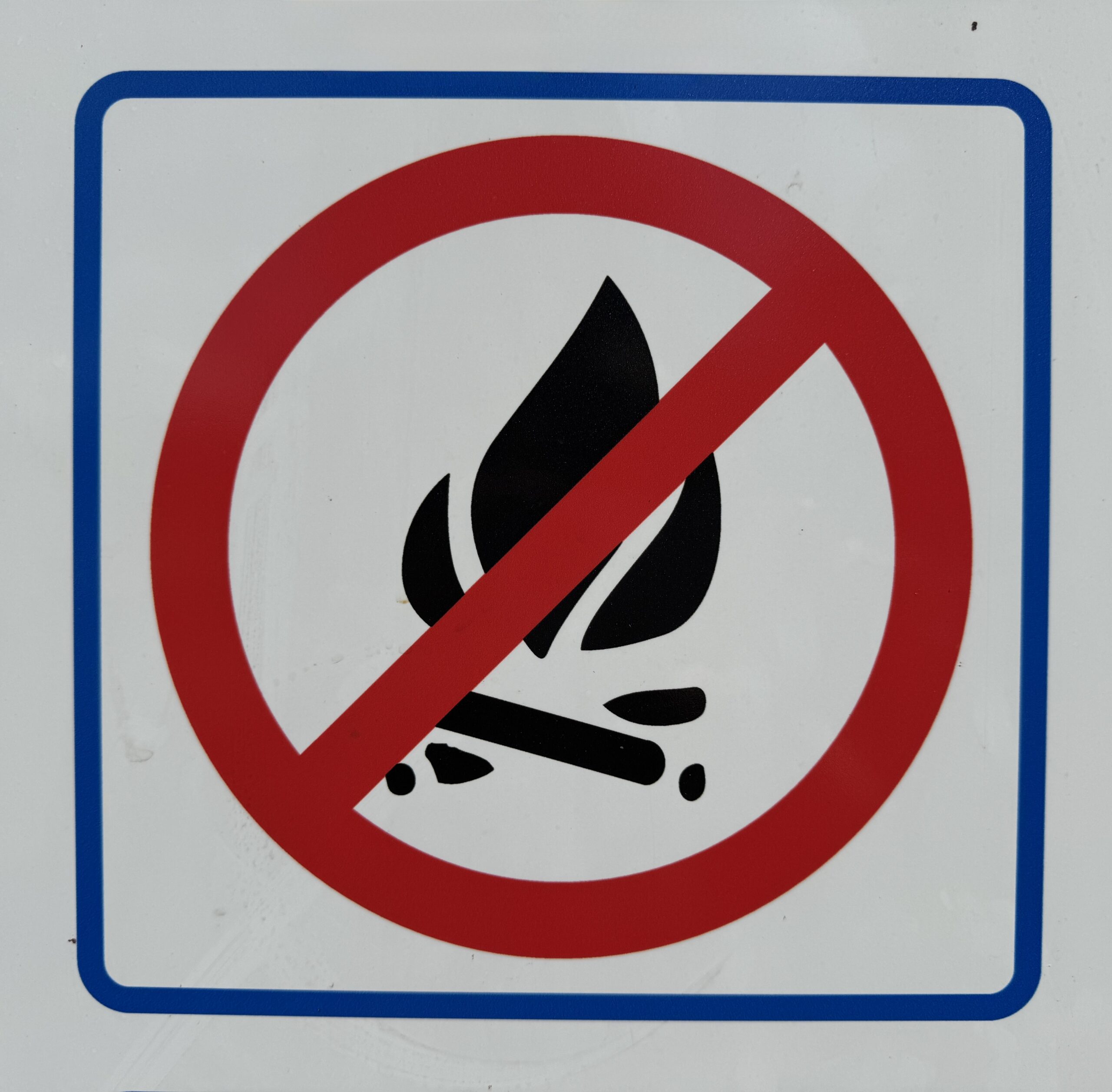 Residents and long-weekend travellers are encouraged to plan, be prepared and stay safe this Victoria Day long weekend as fire prohibitions take effect in parts of B.C. Most new wildfires at this time of year are preventable. People are asked to take precautions with any fire use, stay up to date on current wildfire activity, check for road closures, evacuation alerts and orders, and pay attention to weather conditions. Know the campfire restrictions wherever you are: Category 2 and 3 open fire prohibitions are in place throughout the Cariboo Fire Centre, Coastal Fire Centre, Kamloops Fire Centre and parts of the Prince George Fire Centre and Northwest Fire Centre. Effective Friday, May 15, 2026, noon, the Category 1 campfire prohibition will be rescinded throughout the Coastal Fire Centre.
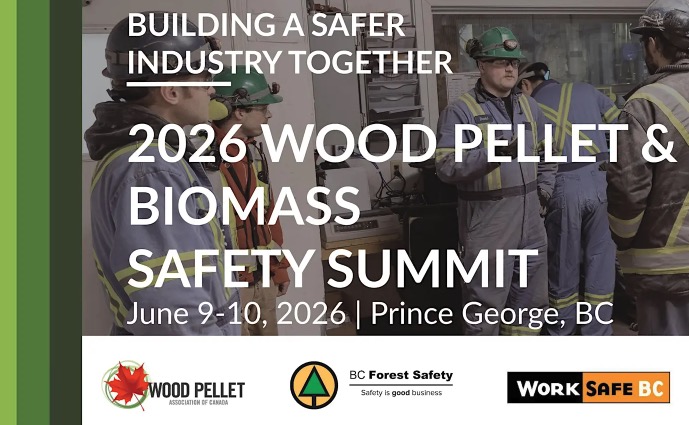 Safety Starts Here: June 9-10, 2026, Prince George, BC | The Wood Pellet Association of Canada’s (WPAC’s) 2026 Wood Pellet and Bioenergy Safety Summit is rapidly approaching. The Summit offers valuable opportunities to learn, share and strengthen safety practices across the industry. Join industry leaders, safety professionals and regulators to discuss rotary drum dryer safety, process safety management (PSM) and emerging safety initiatives. Participate in a hands-on musculoskeletal injury (MSI) workshop and a full-day mental health workshop, giving you tools to support the physical and psychological well-being of yourself and your colleagues. Hosted by WPAC’s Safety Committee, in collaboration with the BC Forest Safety Council, WorkSafe BC and media partner Canadian Biomass, the Summit focuses on practical, real-world safety challenges facing the sector today. Whether your role is in safety leadership, operations, maintenance, or workforce health, the WPAC Safety Summit provides valuable opportunities to learn, connect, and contribute to safer workplaces across the sector.
 Crews fighting to contain a fire threatening homes mere kilometres from the community of Whitecourt are bracing for gusting winds Wednesday that could fan the flames. The wildfire, which now spans across more than 50 hectares of forest in Woodlands County, has forced hundreds of people to evacuate their homes. The wildfire continues to burn near homes in the area of West Ridge. As of Tuesday night, the fire remained approximately 3.5 km southeast of the Town of Whitecourt and less than 1 km south of Highway 43. As the evacuation enters its third day, the forecast could prove critical in how the fire-fight unfolds. Officials said strong wind gusts Wednesday could make conditions more challenging but they hope cooler temperatures and calm winds prevail. …at least one home has been lost to the flames. …As of Tuesday evening, approximately 150 families, 424 individuals and 350 pets had registered (at the evacuation centre).
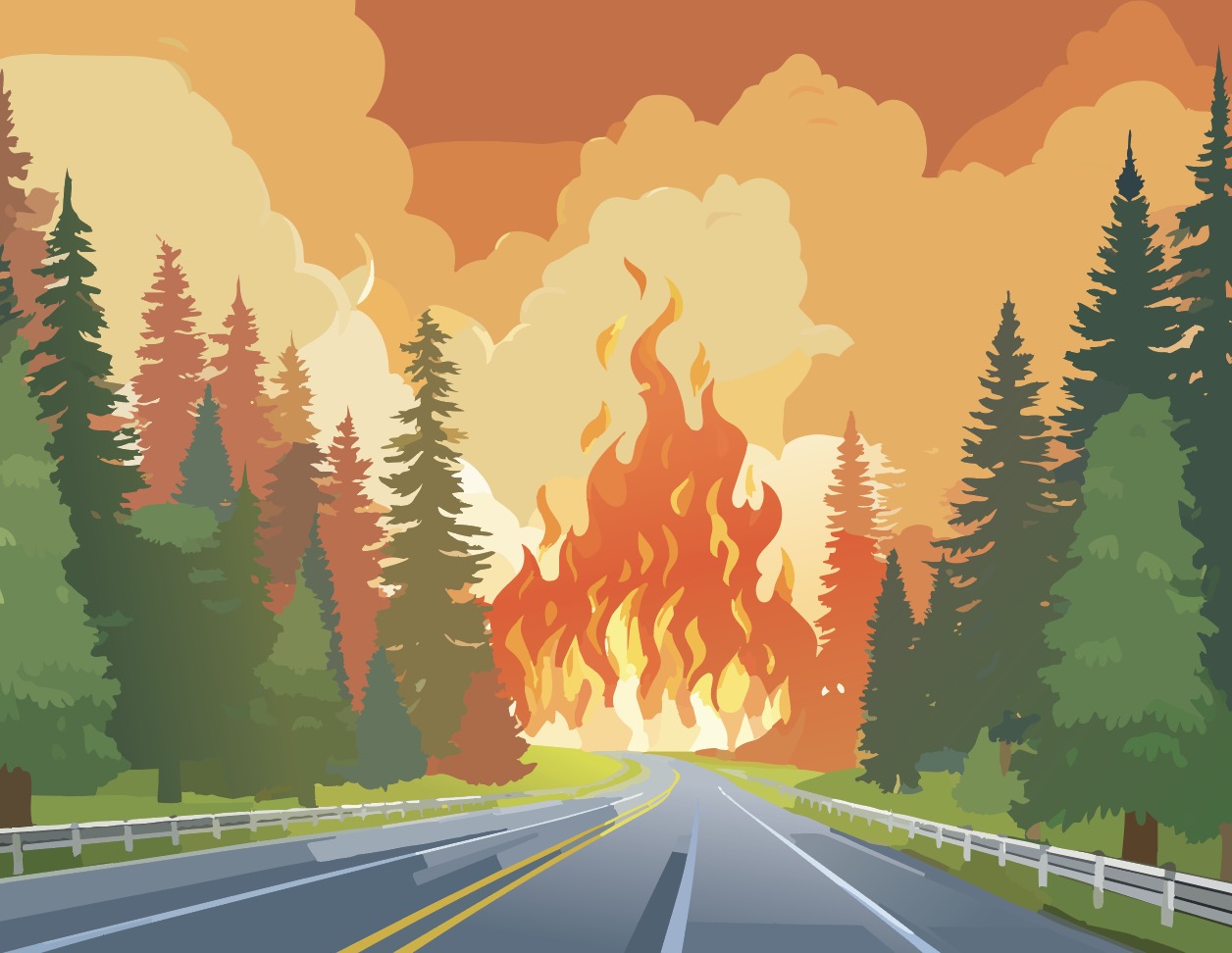 Residents of Woodlands County impacted by a wildfire south of Highway 43, east of