 A Federal court ruled against Trump’s 10% global tariff—imposed after his January loss at the Supreme Court. In related news: Trump walks back ultimatum on EU trade deal, sets July 4 deadline for ratification; CUSMA makes Canada’s trade war less of a crisis; and FPAC’s Derek Nighbor speaks to the importance of Canada’s forest sector. Meanwhile: West Fraser secures tax exemption for Florida mill expansion; Mercer reports Q1 net loss; Stora Enso reports Q1 net income; and Sodra develops a new paper pulp.
In Forestry news: the United Nations urges action on forests; Canada touts its strategy to protect nature; BC invests in lightning reduction tech to reduce wildfires; Oregon lawmakers raise concerns about fed’s wildfire preparedness; and a new study says that every dollar of fuel treatment saves $3.75 in wildfire damages. Meanwhile: FPAC announced award winners for innovation in forestry; and ‘Captain Planet’ Ted Turner died at the age of 87.
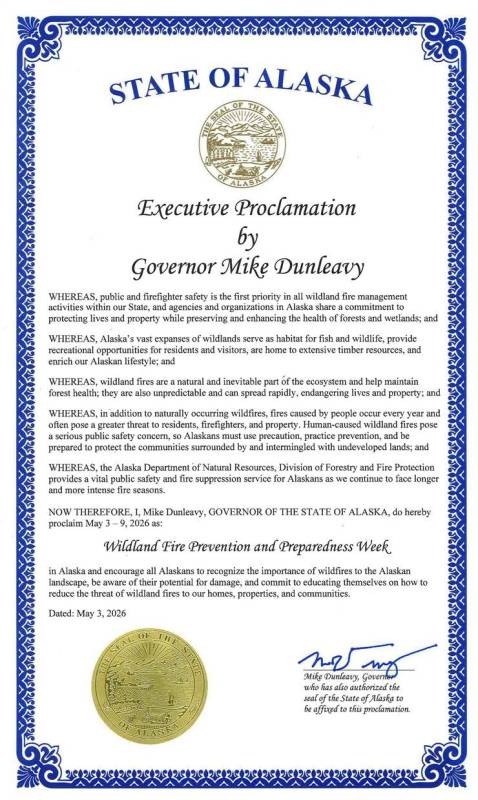
Finally, on the final day of Wildfire Resilience and Awareness Week, Thompson Rivers University boasts Canada’s first wildfire diploma program, the BC Forest Safety Council stresses wildfire readiness for forestry operations, and Strategic Natural Resource Group highlights the expanding role of drones on the wildfire front lines.
Kelly McCloskey, Tree Frog News Editor
 In much of Canada, provincial and territorial fuel classification layers are built on vegetation inventory information that can be many years out of date. The inputs behind those layers are often unvalidated and the conditions they describe may not reflect current reality. …Forests change considerably over time. As an example, past harvest activity has restructured stands, and bark beetle infestations have converted millions of hectares of mature lodgepole pine into standing dead fuel. …Provincial layers typically describe fuel type classifications but say little about the structural attributes of those fuels, and nothing about their current seasonal condition. …In the WUI, the difference between a fuel-free buffer and a continuous shrub corridor can be measured in meters. Legacy maps cannot resolve these issues. The consequences of missing them are not abstract.
 Canada’s wildfire seasons are no longer episodic shocks. They are systemic and growing more costly with every passing year. Leading wildfire experts who are changing how we think about wildfire science, Indigenous fire stewardship, forest management, and emergency preparedness clearly underscored that new reality during a
  Introducing the Wildfire Resilience Consortium of Canada (WRCC): Throughout Canada, people are doing inspiring work to improve our wildfire resilience – from
  Each year, Wildfire Resilience and Awareness Week is a reminder of a reality we are all facing. Wildfires are no longer a distant or a seasonal threat. They are at our doorstep and part of our new normal, impacting communities throughout British Columbia. Since 2017, we have experienced some of the most destructive wildfire seasons in our province’s history. Entire communities have been changed. Through it all, we have seen the extraordinary courage of firefighters and first responders who step forward when others are told to leave. When others must evacuate, they risk their lives so communities can be saved. But we have also learned something very important. Preparation makes a huge difference. If we’re going to meet this moment, we cannot simply react to wildfire, we must get ahead of it. …
 Tree Frog Forestry News is proud to once again partner with the
  Wildfire is no longer a distant or hypothetical concern for communities in British Columbia. Over the past several years, North Cowichan has taken meaningful steps to better understand and reduce its wildfire risk—investing in planning, expertise, and long‑term resilience. …Ours is a classic wildland–urban interface (WUI) community. …North Cowichan has recognized that wildfire must be addressed as an ongoing operational and planning consideration rather than a seasonal concern. A key step in advancing this work was the creation of a dedicated wildfire specialist role. This position reflects an understanding that effective wildfire preparedness and response require focused expertise, long‑range planning, and coordination across multiple municipal functions.
 After more than three decades working in forestry and wildfire risk in British Columbia, I have come to see our wildfire challenge less as a failure of knowledge and more as a question of how we choose to invest wildfire mitigation funding. …much of the risk we face is well understood and well documented. We know where our most vulnerable forests are in relation to values at risk. We know which communities are exposed and we have a growing body of evidence showing what kinds of interventions can change fire behaviour on the ground. What is less clear is whether our investment patterns reflect that understanding in a meaningful way. …Over the past two decades, spending on fire suppression has consistently outpaced investment in prevention and mitigation.
 At a screening of
  Wildfire has become an increasingly visible part of life across Western Canada. Our climate is changing, and wildfire seasons are becoming longer and drier. The best way to tackle wildfire preparedness, prevention, and mitigation is to work together. FireSmart BC is a provincial program dedicated to helping British Columbians understand and reduce their wildfire risk. We serve as the go-to resource for individuals, neighbourhoods, and communities looking to protect themselves and their properties.
  …Built on decades of research, FireSmart BC focuses on how wildfire behaves around structures and how changes on and around a property can influence outcomes during a wildfire. …Wildfire mitigation is a shared responsibility. When renters, landlords, homeowners, businesses, and all levels of government work together, we can collectively reduce the risk and impact of wildfires across British Columbia. …FireSmart BC offers a wide range of resources to support both individuals and organizations.
 Vancouver Island is heading into the 2026 wildfire season under precarious conditions. Island snowpack is below normal, Environment Canada forecasts warmer and drier conditions through June, and there’s a 62 per cent chance of a strong El Niño by late summer — the weather pattern behind the prolonged heat and drought that intensifies wildfire risk. For Mosaic, which manages over 550,000 hectares of private forest land across Vancouver Island and the Sunshine Coast on behalf of two of Canada’s largest pension plans, wildfire preparedness is fundamental to responsible land management. This year, the company is further preparing by expanding its wildfire detection and mitigation capabilities. …This season, Mosaic is set to pilot an integrated detection system in the Nanaimo Lakes drainage, combining cameras, ground-level sensors and low-orbit satellite monitoring to identify ignitions faster and across a wider area. …“Our forests support local economies, local pensions and are cherished recreational spaces,” said Steve Mjaaland, Senior Manager of Forest Protection at Mosaic.

 The Province and seven Treaty 8 First Nations have taken a next step toward creating a thriving and community-centered local economy in northeastern British Columbia. Restoration agreements will restore and protect the environment, provide predictability and stability to existing industries, as well as establish new business opportunities in the region, while ensuring historic Treaty Rights are upheld. “The restoration agreements will build on the strong partnership that we have with the Treaty 8 First Nations, which is a First Nations led approach,” said Adrian Dix, Minister of Energy and Climate Solutions. “This work is guided by the belief that healing the land and healing the people are inseparable. …This partnership approach to land and resource management will help to uphold constitutionally protected Treaty Rights, while supporting a vibrant economy.”


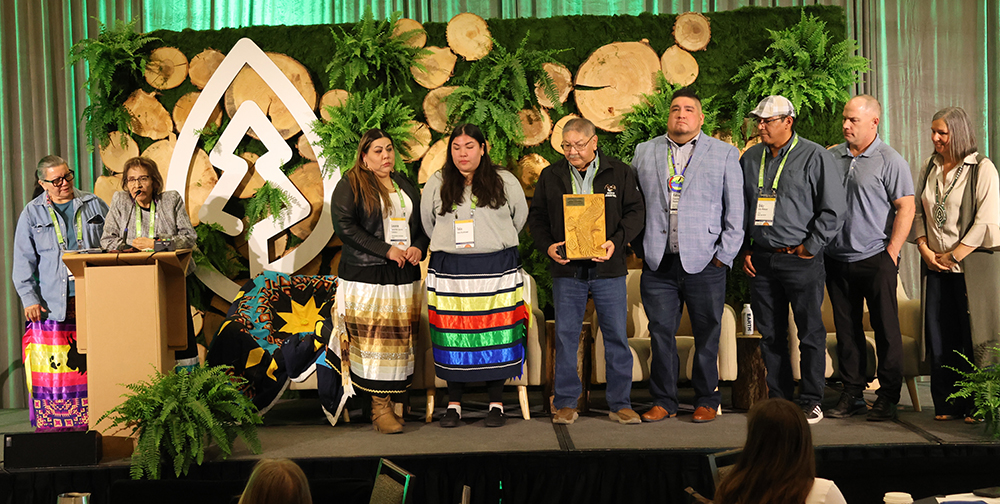
 The U.S. Endowment for Forestry and Communities (the Endowment) has partnered with the USDA Forest Service’s Forest Products Laboratory to highlight innovation, stewardship and economic opportunity in America’s forest products sector through a

 Premier David Eby’s plummeting approval numbers aren’t the only figures the NDP government needs to worry about when it comes to the backlash over Indigenous reconciliation and private property rights. Many B.C. businesses are reporting they plan to scale back operations due to the conflict as well. Almost 74 per cent of B.C. businesses plan to decrease investment due to uncertainty over the Declaration on the Rights of Indigenous Peoples Act, according to a new survey of senior executives Wednesday by the Business Council of B.C. The majority cite increased time, cost, complexity or uncertainty in permitting caused by the court rulings, policy flips and changing landscape around the NDP’s DRIPA. As many as one-third said they plan to reduce hiring. “The desire to work with Indigenous communities to create prosperity for all remains strong but the message from business leaders is clear: DRIPA isn’t working,” said BCBC president Laura Jones.
 Since its launch in 2018, the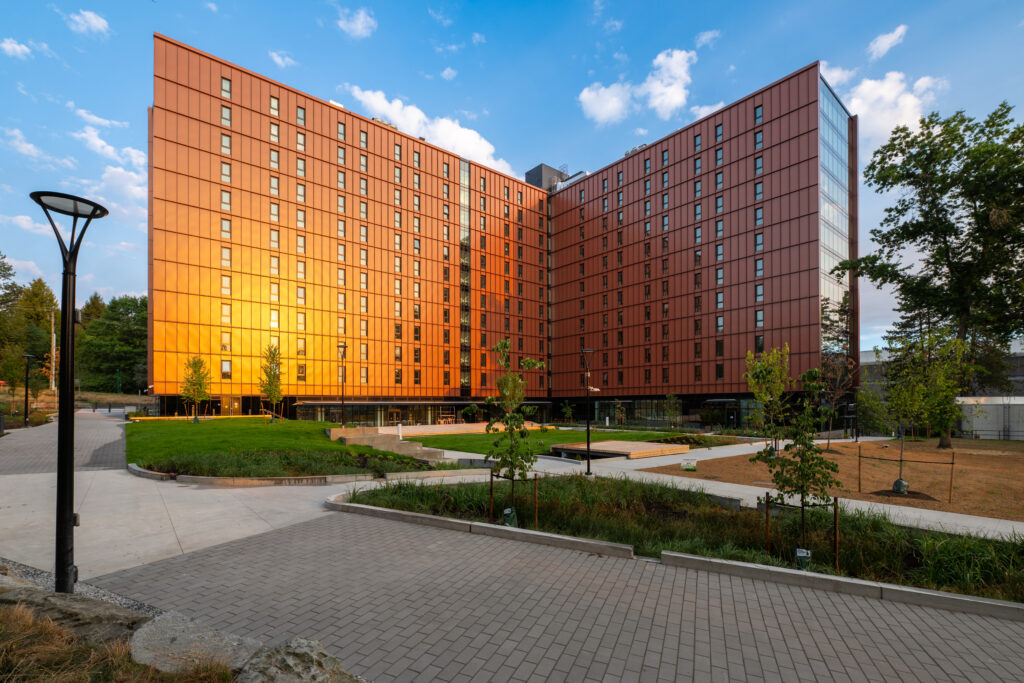


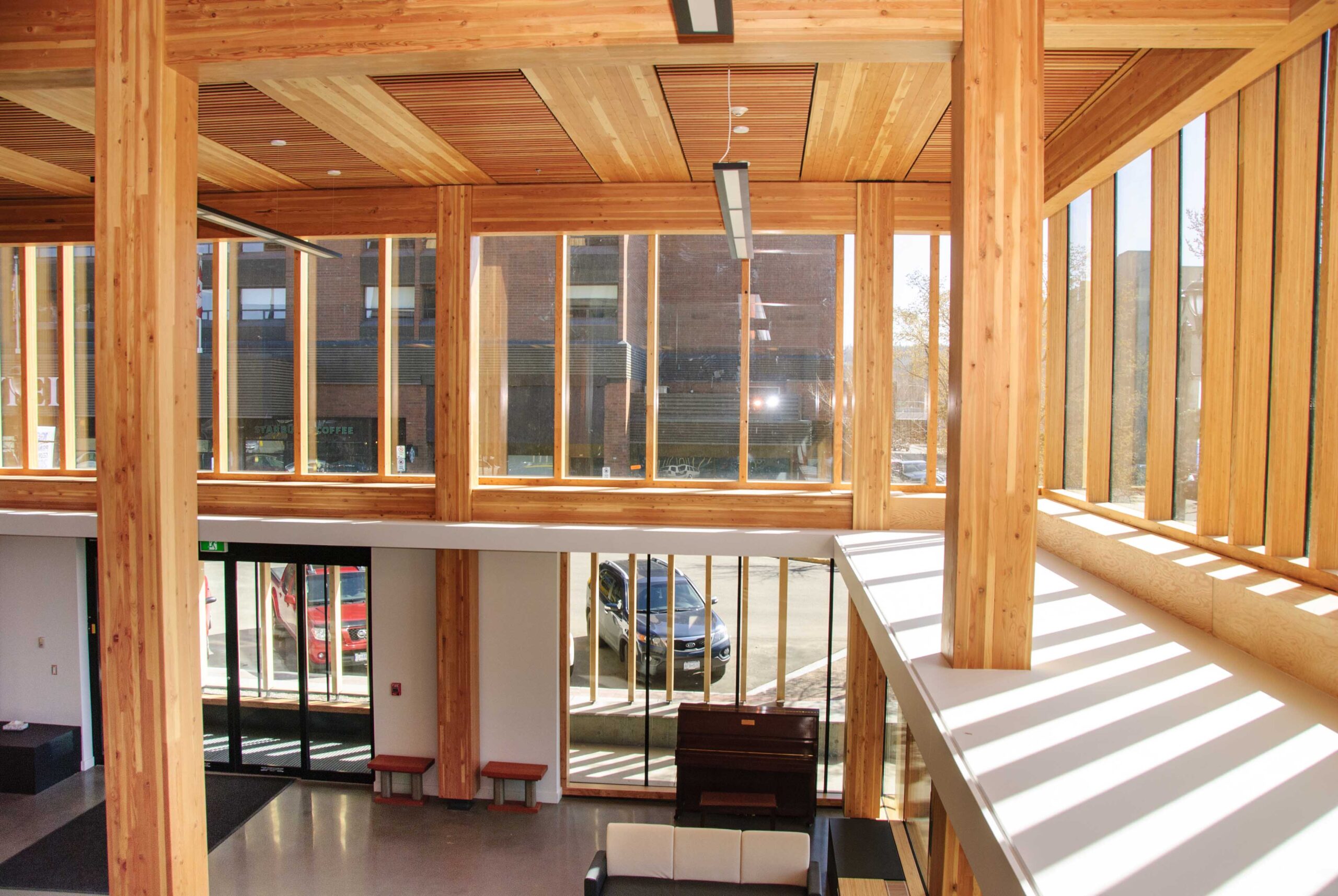 Mass timber is frequently praised for its aesthetic appeal and sustainability benefits. However, what often goes unrecognized are the construction phase advantages it brings to a project—advantages that directly impact schedule certainty, jobsite safety and overall delivery predictability. Beyond appearance and environmental performance, mass timber fundamentally changes how buildings are built. For owners and developers focused on speed to market and reduced risk, these operational benefits deserve just as much attention as design and carbon metrics. Mass timber construction shifts critical decision-making earlier in the project lifecycle. Structural elements such as cross-laminated timber (CLT) panels and glulam beams are fabricated off-site and arrive ready to install. There is no waiting on cure times, no extended periods of formwork or shoring, and fewer weather-related delays during structural erection.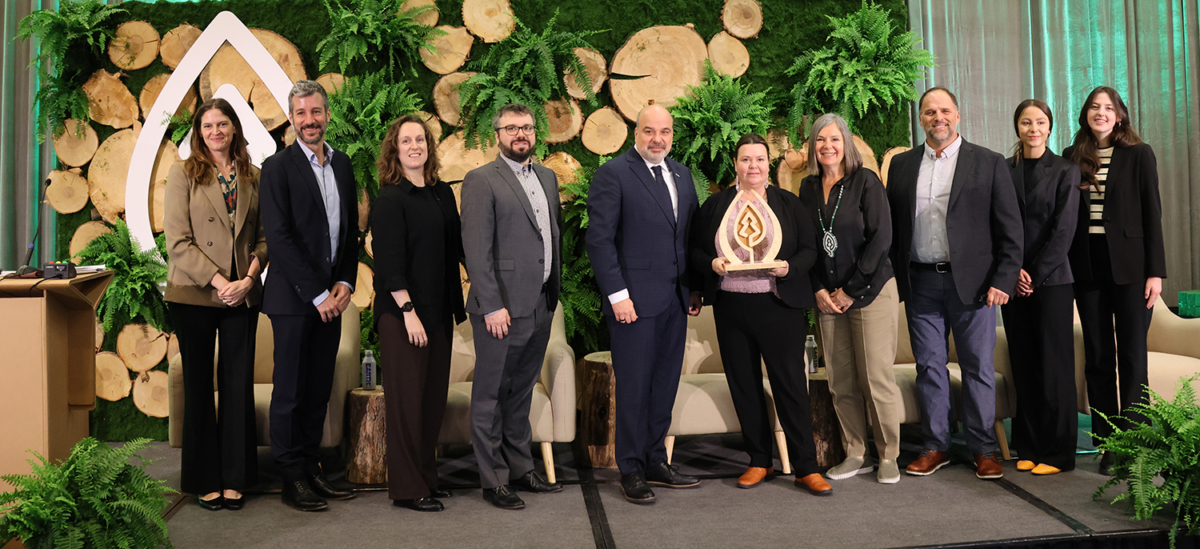

 A new UBC study has found that lands managed by Indigenous Peoples consistently protect forests, biodiversity and carbon stores at levels equal to or greater than government-designated protected areas—yet most of these lands remain inadequately recognized or resourced. The paper analyzed 111 peer-reviewed papers… Three-quarters of those studies found a positive relationship between Indigenous lands and conservation. …The study also highlights a major gap in the research itself: only seven per cent of the 111 papers included Indigenous authors. “This is a significant disconnect,” said Garry Merkel, co-author and director of UBC’s Centre of Indigenous Land Stewardship and a member of Tahltan Nation. “Scientists often find it difficult to accept Indigenous science as legitimate, resulting in academic research that does not fully reflect Indigenous knowledge systems or perspectives. This work will help future research to be more inclusive and respectful in its acknowledgement of Indigenous communities.”
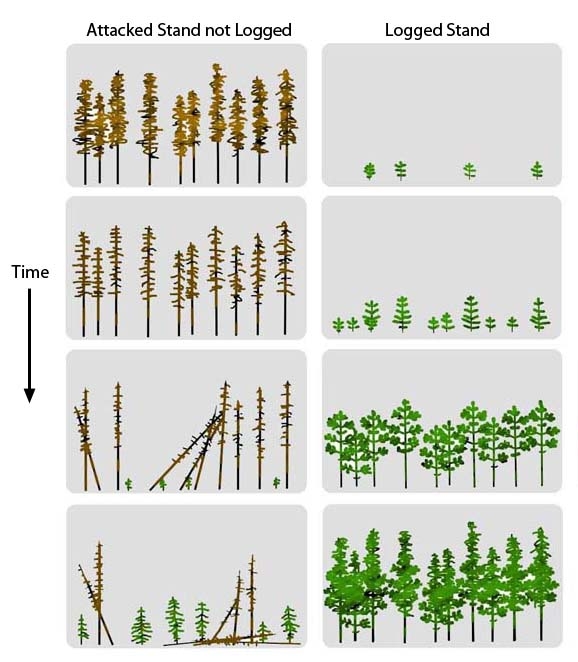
 Parks Canada is scrambling to overhaul its wildfire prevention strategy after internal and federal records tied massive fuel loads of dead timber to the devastation that tore through Jasper in 2024. Appearing before the Senate national finance committee, interim CEO Andrew Campbell said the agency is now shifting toward more aggressive fire mitigation, including controlled burns and clearing dead trees near vulnerable communities. Blacklock’s Reporter said the move comes after widespread criticism that previous management allowed dangerous conditions to persist inside Jasper National Park. …The Canadian Forest Service report, titled Jasper Wildfire Complex 2024 Fire Behaviour Documentation, Reconstruction And Analysis, linked the conditions to a severe mountain pine beetle infestation that peaked years before the blaze. Researchers found the widespread deadwood significantly altered forest conditions, increasing sunlight and wind exposure at ground level, which accelerated drying and made fuels more combustible.




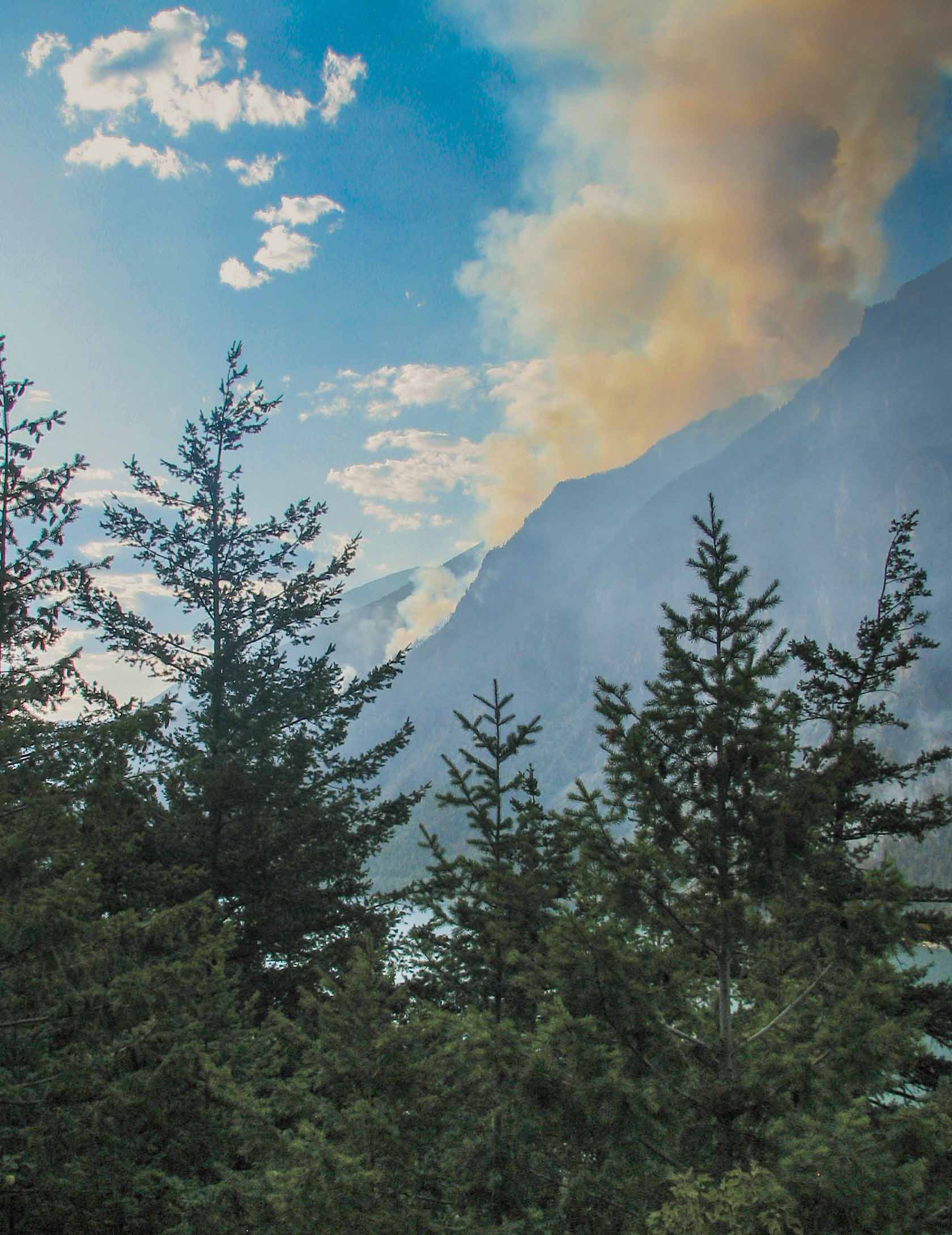 Wildfire investigators found a small cabin, a barbecue, a metal campfire ring and shooting targets near where one of the most destructive wildfires in the Okanagan originated. But while the McDougall Creek wildfire was determined to be human caused, the exact cause of the fire remains “undetermined.” The McDougall Creek was first reported to the BC Wildfire Service on Aug. 15, 2023, putting up a small puff of smoke in the hills above West Kelowna. Two days later, the fire had spread rapidly through a number of Central Okanagan neighbourhoods, destroying nearly 200 homes. This past December, the Ministry of Forests completed its Wildfire Origin and Cause Investigation Report… But despite more than two years of investigation by three wildfire investigators, the cause of the massive fire remains “undetermined.” This is largely due to the fire burning back over the area of origin, destroying any evidence of its ignition.
 Dear North Cowichan mayor and council, and Premier David Eby: It’s not surprising a four-councillor cluster voted against a cogent April 15 motion urging our province to review and strengthen our forest policies, including those governing raw-log exports. The difference this time is right-wing councillors Findlay, Manhas, Caljouw Jr., and Hogg seemingly disregarded valley forest workers, and backed corporate timber firms’ desires for less, not more, public land-harvesting rules and regulations. Coun. Chris Justice’s logical, timely motion aimed to boost wood-fibre supplies for Canadian processing and value-added manufacturing — supporting local and Island forestry jobs — partly through a long-sought raw-log export ban. …Admit the current industry’s end is near. Instead, let’s finally explore making alternative, job-rich building materials in North Cowichan and elsewhere.
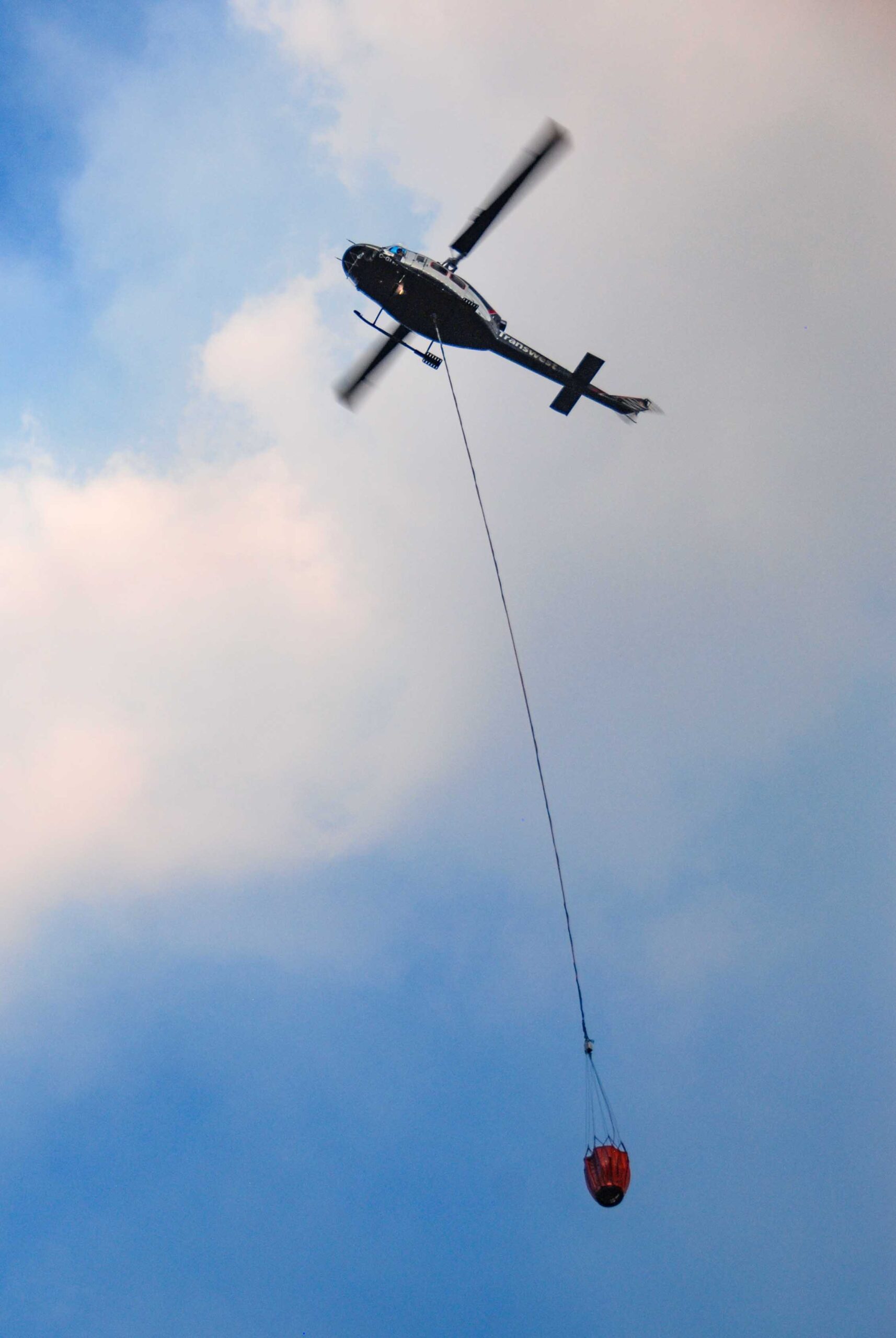
 Air traffic in parts of west-central Alberta has been busier than normal over the last few days as the province prepares for another wildfire season. Newly recruited wildland firefighters are participating in training sessions in Hinton, Alta., about 270 kilometres west of Edmonton. The rookies will learn how to initially attack a fire, a process that includes a helicopter ride. Meanwhile in nearby Edson, Alta., about 90 kilometres to the east, seven planes have been stationed at the Edson Air Tanker Base. The planes, which arrived on Monday, are ready to be deployed in the event a wildfire breaks out in the region, said Derrick Forsythe, an information officer with Alberta Wildfire. The area has seen less snow than other parts of the province.
 Marking its 10th anniversary, the Forest Enhancement Society of BC is highlighting a decade of work advancing forest resilience, fibre utilization, and climate action across the province. Framed by Earth Day reflections, the latest update underscores how thoughtful forest management—from wildfire risk reduction to rehabilitation and better use of low-value fibre—can play a meaningful role in addressing climate change. FESBC continues to support projects that reduce slash burning by turning residual fibre into bioenergy, cutting greenhouse gas emissions while creating economic opportunities for communities. The newsletter also points to the importance of collaboration, including Indigenous leadership, in delivering lasting forest stewardship outcomes. Featured stories include a fuel management project with Kenpesq’t Forestry, reflections from former forests minister Doug Donaldson, and recognition of FESBC’s impact at the BC Legislature. A safety tip from the BC Forest Safety Council rounds out the update, reinforcing the sector’s ongoing focus on worker safety.

 Saint John’s fire department wants the city to adopt a long-term plan to reduce the risk of wildfires and strengthen the ability to fight them. A proposed plan, which includes raising public awareness and improving wildfire training for firefighters, earned the support of the city’s public safety committee at a meeting Wednesday. Recommendations came after a detailed evaluation of wildfire risks based on terrain, weather and climate influences, locations of homes and other factors. Saint John has not experienced large-scale wildfires in recent history, as other areas of New Brunswick have, but the evaluation identified a moderate overall wildfire risk in some areas of the city. Steep hillsides, and extensive forestry, park space and other green areas — particularly near dense neighbourhoods — create risky conditions for the city uncommon in other parts of the province, Deputy Chief Ed Moyer of the Saint John Fire Department told the committee.
 …I recently wrote about how the Trump administration’s efforts to reorganize the US Department of Agriculture (USDA) Forest Service and shutter 57 of its 77 research and development (R&D) facilities isn’t really about efficiency—it’s about hollowing out another science agency whose mission is to protect people, places, and livelihoods. The Forest Service has since updated its website to qualify that these R&D closures are “possible” but not a foregone conclusion. Yet, as details emerge, one thing is painfully clear: this plan would dismantle the world’s premier—and largest—wildfire research agency when wildfire risk, climate impacts, and economic losses are accelerating. Given increasing severity of wildfires, losing this research would diminish our understanding of managing forests under climate change. Trump’s plans to end climate studies, allowing forest fuel loads to build and diseases to spread, leaves our hands tied as we try to prevent wildfires without the benefit of evidence-based science.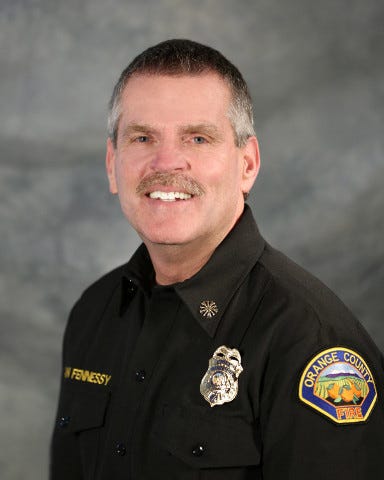
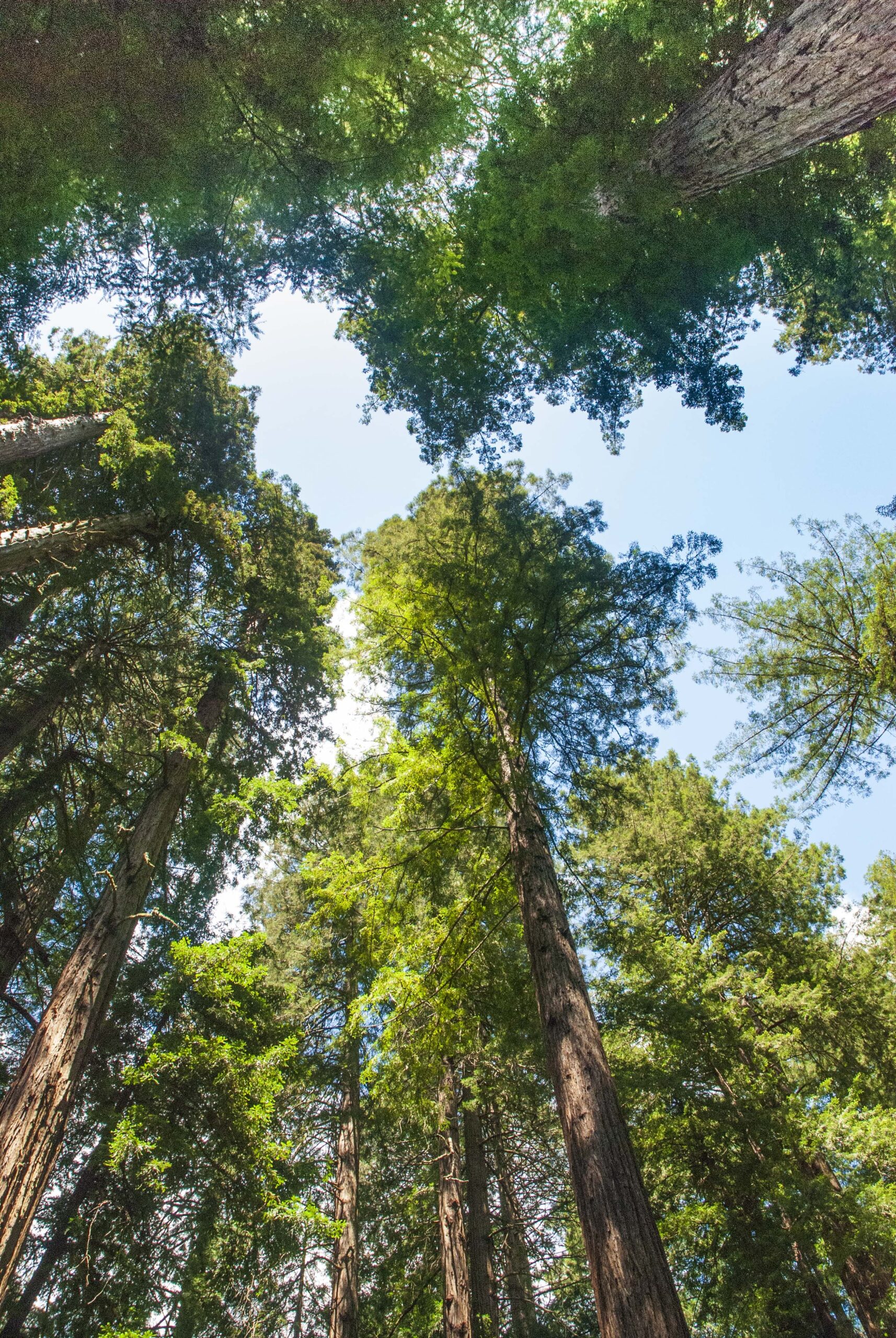 LAKE TAHOE, Calif./Nev. – An annual aerial survey that monitors forest health was significantly reduced in 2025 due to a lack of funding, resulting in many portions of California forests, including the Tahoe area, not being included. Since 2006, the U.S. Forest Service Pacific Southwest Region’s Aerial Survey Program has flown over California forests every year to observe and document tree mortality, defoliation, and other damage. These annual estimates capture tree mortality patterns and trends, which researchers and foresters use to monitor ecosystem disturbances often caused by insects and disease. The information is also important for fire behavior forecasting. Typically covering large swaths of California landscape and a majority of national forests in California, including the Tahoe National Forest and the Lake Tahoe Basin Management Unit, 2025’s survey was limited to Southern California forests and the far southern Sierra Nevada. The report states surveys were conducted in areas where 2025 drought conditions were most severe.
 PORTLAND, Ore. —
  SALEM, Ore. —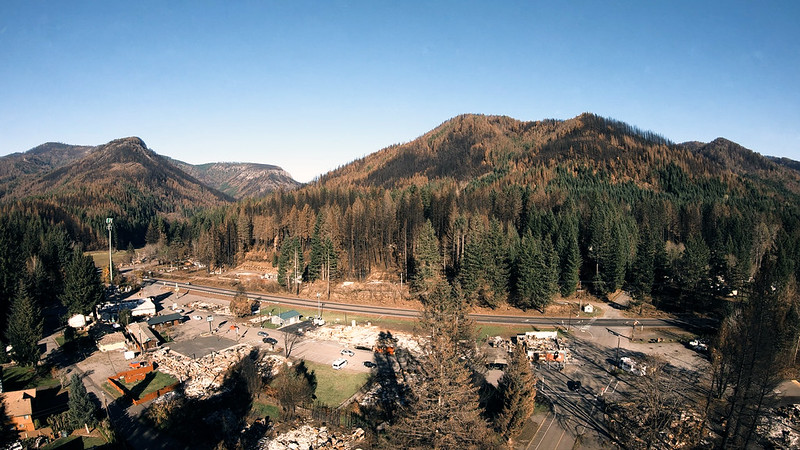
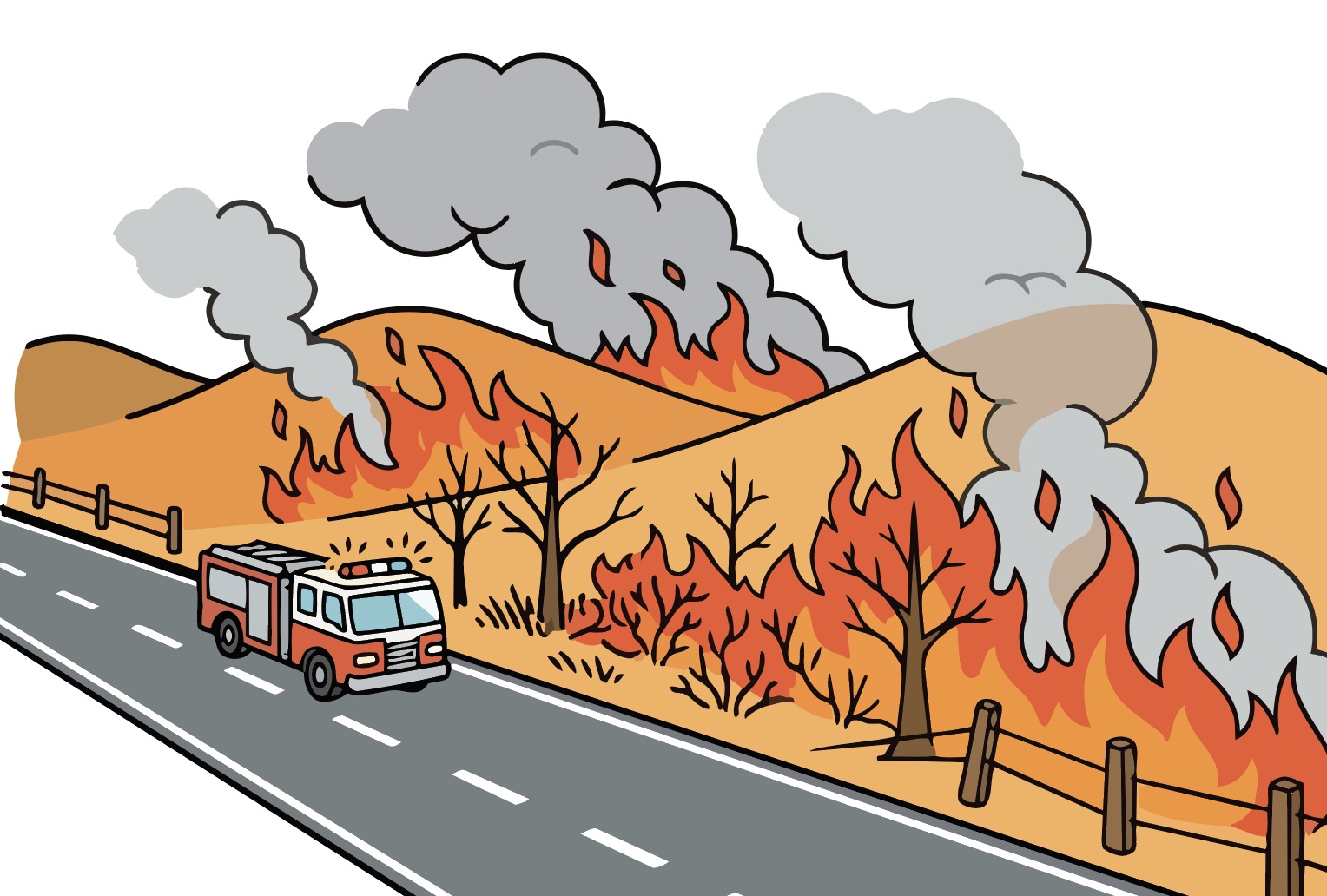 …Wildfires burned more than 1.9 million acres in Oregon in 2024. By the time they finally died down at the end of October, the state had spent more than $350 million fighting them, greatly exceeding the $10 million it had allocated. “By July 21, I had already completely blown through my cash on hand,” said Kyle Williams, Oregon Department of Forestry’s deputy director for fire operations. Contractors weren’t promptly paid for services they’d already provided, from digging fuel breaks to supplying meals, and the state had to hold an emergency legislative session to allocate the money. That summer highlighted the flaws in how the state funds both firefighting and the preventive work that reduces the chances of large, destructive blazes in the first place. This year, as drought and a devastating snowpack stack up across the West, officials are bracing for what could be a challenging fire season. The Idaho Department of Lands has roughly $38 million set aside.
 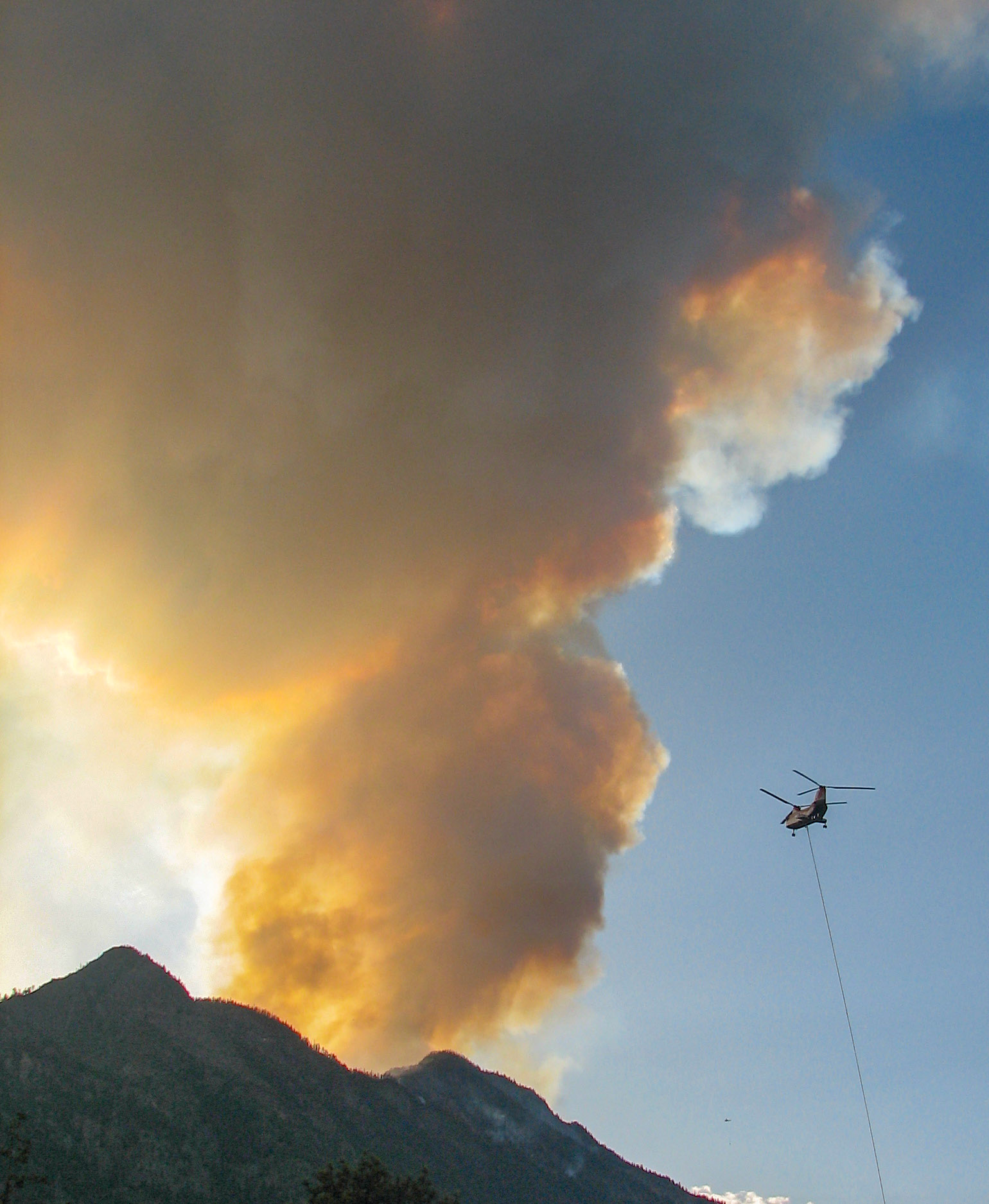 SACRAMENTO, Calif. —The rising cost of jet fuel is putting pressure on airlines and organizations that rely on planes, but Cal Fire says its aerial firefighting operations will not be affected as crews prepare for peak fire season. Cal Fire operates the largest aerial firefighting fleet in the world, with aircraft stationed across California to respond to fires wherever they ignite. Despite the high jet fuel costs, the organization says it remains committed to fighting fires without interruption and that public safety is non-negotiable. One way Cal Fire saves money is by conducting some of its training sessions in flight simulators instead of using planes and helicopters. This approach reduces fuel consumption and minimizes wear and tear on the aircraft, which lowers maintenance costs.
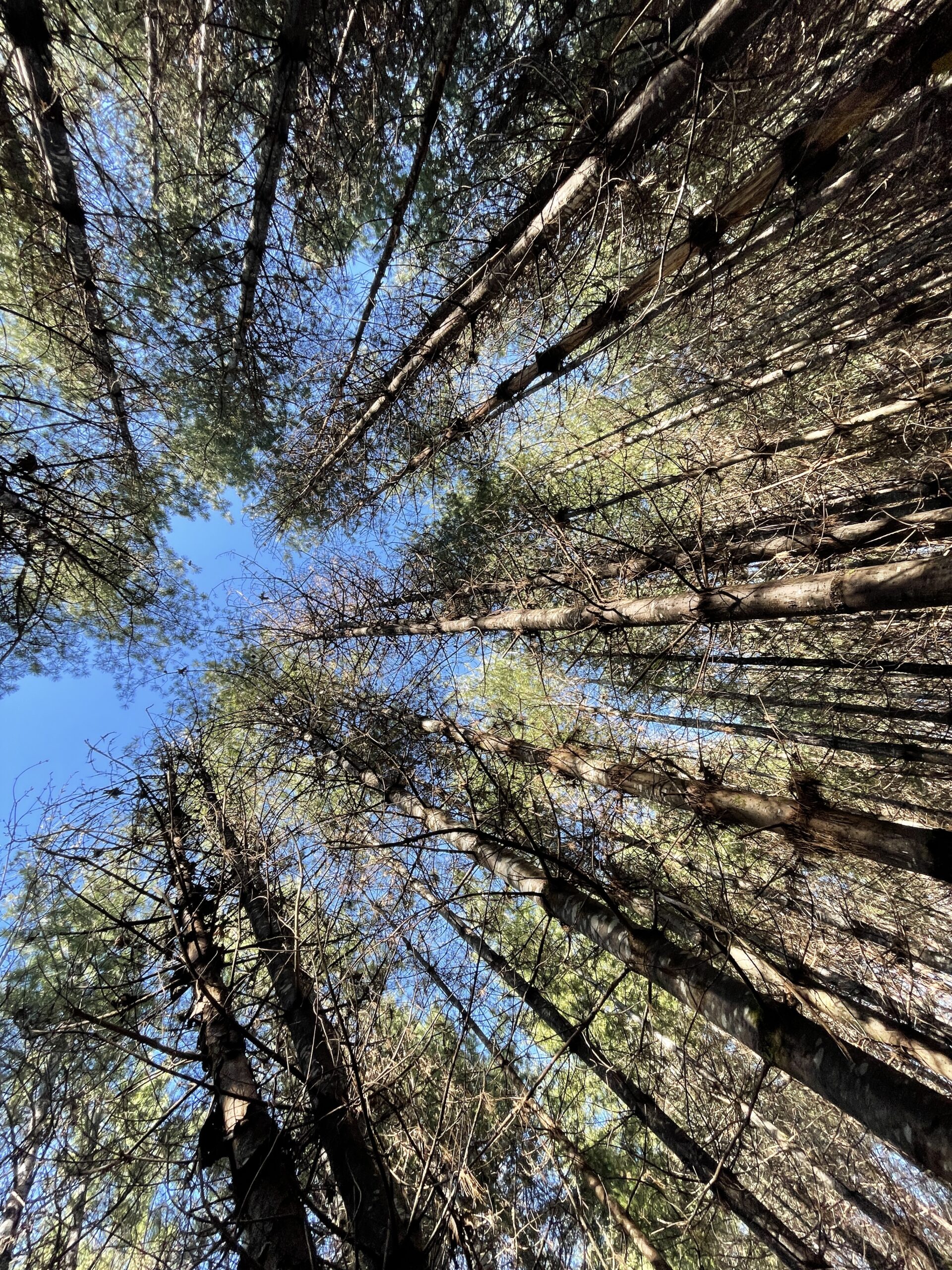 Colorado wildfire leaders are bracing for what could be an especially busy and dangerous summer for wildfires across the West. The Colorado Division of Fire Prevention and Control presented its wildfire preparedness plan to Gov. Jared Polis on Thursday, April 30, during a news conference where state and federal partners affirmed their readiness to respond and called on the public to prepare. “We are facing a very challenging fire year, where our resources will be tested across not only Colorado, but across the West,” said Colorado Division of Fire Prevention and Control Michael Morgan during the briefing at the division’s hangar in Broomfield. Colorado — and most of the West — is heading into summer after some of the worst winter snowpack conditions on record and persisting widespread drought. The latest U.S. Drought Monitor Report shows that 100% of Colorado and roughly 70% of the West are facing some level of drought.