 Weyerhaeuser and International Paper both reported first-quarter profits amid softer markets and ongoing economic uncertainty. In related news: Atlas Engineered reported a net loss; and another Quebec wood furniture business is closing. In other Business news: FPAC’s Derek Nighbor calls on Ottawa to support Canada Wood in Japan; Steelworkers Jeff Bromley applauds BC $21-million grant to help forestry workers; and BC Forest Minister Ravi Parmar expects fed support if lumber issue remains unresolved.
In other news: SFI announced funding awards for Indigenous-led Climate Smart Forestry; the often overlooked construction benefits of mass timber; the USDA’s Brian Bradshaw says the Softwood Lumber Board sets the gold standard for demonstrating ROI; and the latest news from the Southern Forest Products Association. Meanwhile: wildfire preparation updates courtesy of British Columbia, Alberta and New Brunswick.
Finally, the roadmap for recovery for US loggers; and Finland’s bioeconomy-transition challenges.
Kelly McCloskey, Tree Frog News Editor

 The Canadian forest sector is weathering a perfect storm, facing three years of soft markets, protracted geopolitical conflicts and instability in global markets, and combined tariffs and duties averaging 45% on Canadian softwood lumber products entering the US. “While we welcome the measures to improve the speed at which we can build homes, through code and regulatory improvements for modern methods of construction, we still need a clear signal that Canada intends to be a more competitive place for forest sector investment — more responsive regulation, improved transportation supply chain performance, and tax and investment tools that accelerate the use of Canadian wood products here at home while helping companies modernize facilities and keep people working,” said Derek Nighbor, FPAC President and CEO. “We look forward to Minister Hodgson’s release of the Forest Sector Transformation Task Force report, which should provide a much-needed blueprint for enhancing competitiveness and ensuring long-term growth and stability.”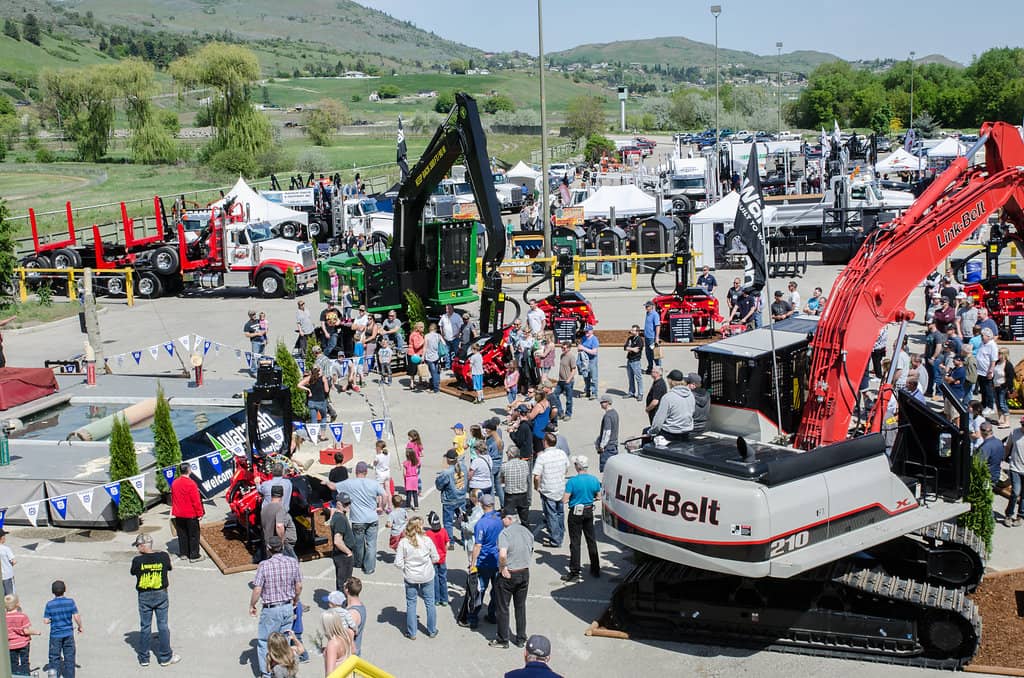

 CALGARY, Alberta — Alberta’s government is investing $6 million over three years to support the next generation of skilled trades workers with the launch of the Alberta Trades Discovery Centre. The industry-led initiative will offer junior high and high school students hands-on exposure to careers in the skilled trades before they graduate. Set to open this fall, the Alberta Trades Discovery Centre will provide a dedicated, professional space where students can explore construction trades, learn directly from experienced tradespeople and discover what they are good at and what they enjoy, helping them make informed choices about high school courses, post-secondary pathways and future careers.
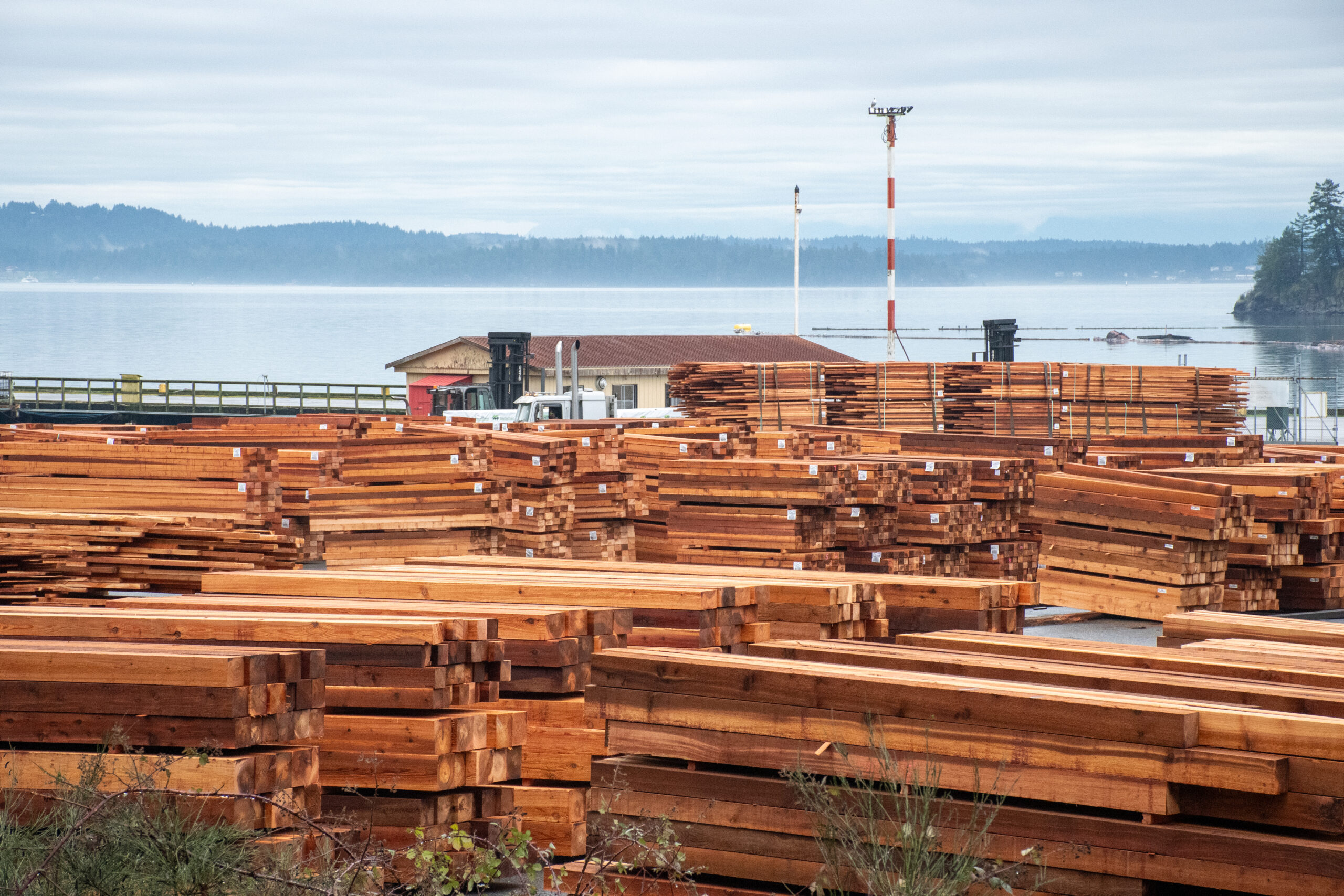 A group of Chemainus sawmill workers facing the prospect of being out of work for at least the rest of this year is calling on the federal government to make good on a promise to provide an extra 20 weeks of employment insurance support. About two dozen employees of the Western Forest Products mill, which the company has said will be shuttered until at least 2027, say they have been excluded by Service Canada from a promised 20 extra weeks of EI. “All I’m asking for is for these 20 to 24 people just to be paid the 20 weeks that was promised to them,” said Brian Bull, who has worked at the Chemainus mill for 34 years. The last day of work at the mill was technically July 15, but the majority of the mill was shut down June 18, putting 120 people out of work, he said.
 The Interior Logging Association is set to welcome members and delegates to Kamloops from April 30 to May 2 for its 68th AGM and Convention—an event that continues to bring the BC forestry community together around shared challenges and opportunities. This year’s theme, “Stronger Together for Forestry’s Future,” speaks to a program that blends business, safety, and good old-fashioned industry camaraderie. The three-day event kicks off with the Interior Safety Conference, followed by a full schedule of indoor and outdoor exhibits at the Powwow Grounds—open to the public and showcasing the latest in equipment, services, and innovation. Familiar favourites return, including the Simulator Tree Falling Competition and the ever-popular Big Truck Show & Shine. The convention offers plenty of opportunities to connect, with a Meet & Greet, breakfast, luncheon, and Friday night Dinner & Dance rounding out the agenda. Now in its 68th year, the convention remains a cornerstone event for the sector—highlighting the people, partnerships, and practical know-how that keep BC’s forestry industry moving forward.
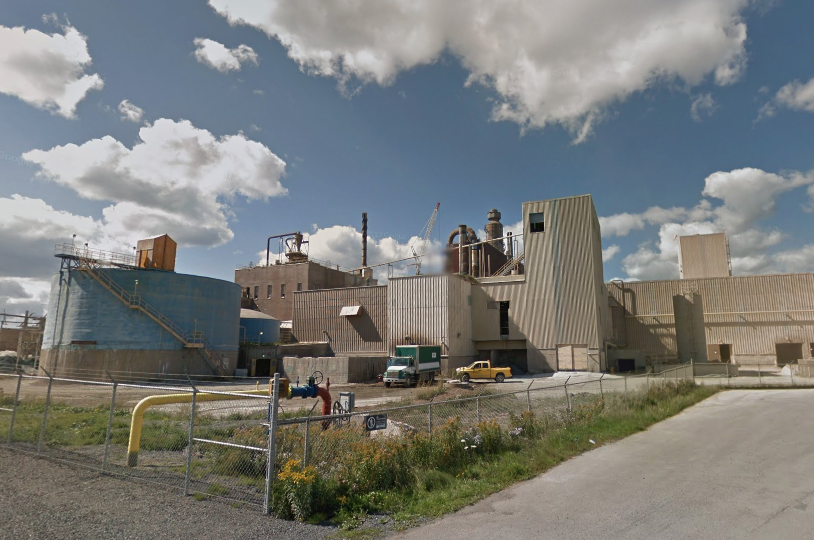 Northern Pulp’s closure plan for its mill site in Abercrombie Point, N.S., is still not complete, but a B.C. court heard Tuesday that the plan could soon begin coming into focus as the company’s creditor protection process continues to play out. …Because the plan is not final, the monitor notes in its report that it’s subject to change. The report says the company will explore options for the mill site and remaining property, which could include trying to market it to sell. Failing that, however, demolition is expected to begin in November. The court also heard Tuesday that the sale of the company’s timberlands to a company owned by billionaire blueberry mogul John Bragg is expected to be complete in the coming days. That sale, worth $235 million, will generate money for the closure plan, the mill’s creditors and to wind up the company pension.
 TORONTO— The Ontario government has launched the


 Canada’s insurance sector is calling for more time and data before it can fully evaluate mass timber as a building material, even as its use spreads rapidly across the country, according to a recent policy brief by the Insurance Bureau of Canada (IBC). …Despite the material’s growing footprint, insurers remain cautious. The IBC brief identified three key gaps in available data: long-term structural performance over several decades, the effects of moisture and water-related incidents, and typical repair and replacement costs following fire or other damage. Reinsurance capacity for mass timber projects, particularly mid- to high-rise developments, has also been constrained, which the brief noted directly affects the availability and terms of primary coverage. Insurance broker Aon has noted that limited long-term loss history makes it more difficult for insurers to model risk with the same level of confidence they apply to more established building materials, according to the IBC.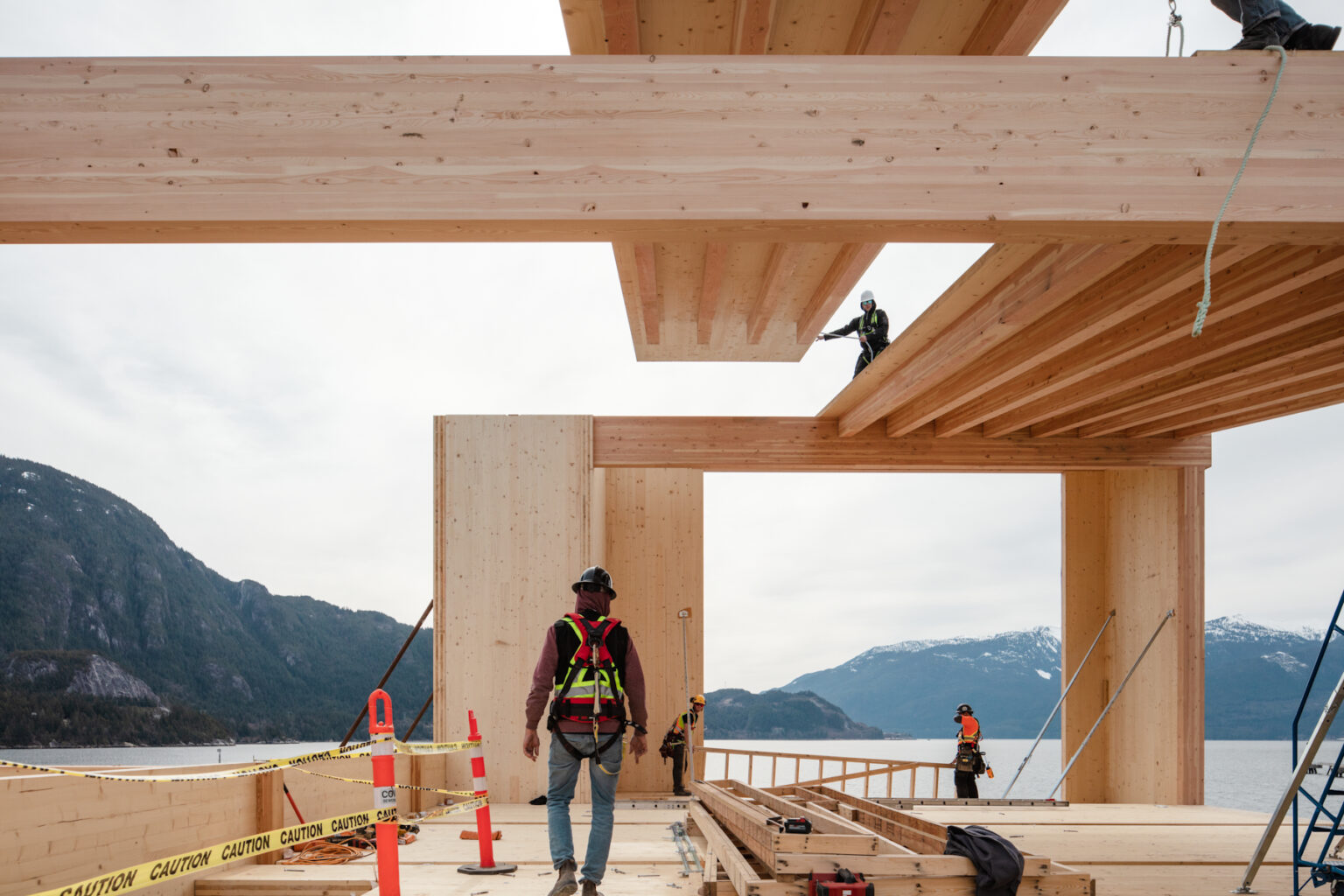



 For Torrance Coste, the associate director of the Wilderness Committee British Columbia.
 FREDERICTON, NB – [Federal ministers] highlighted the Government of Canada’s recent launch of A Force of Nature: Canada’s Strategy to Protect Nature. Nature is foundational to Canadian identity and a key driver as we work to build our economy while integrating biodiversity considerations into infrastructure and resource development. On March 31, 2026, Prime Minister Mark Carney announced the federal government’s new strategy for nature, with an investment of $3.8 billion. A Force of Nature: Canada’s Strategy to Protect Nature is based on three pillars for action to harmonize nature protection and economic growth: Protecting Nature in Canada, Building Canada Well, and Valuing Nature and Mobilizing Capital. Key components of the Strategy include increasing our protected areas network on land and water.
 Extreme weather events in northern Manitoba are challenging to navigate, and the lack of weather radar sites in the northern part of the province only adds to that challenge, experts say. “We experienced that a lot last summer during our forest fire,” said Mike Funk, the emergency co-ordinator for the City of Flin Flon. “We would get reports from Environment Canada, [saying] ‘We’re expecting rainfall,’ and they were great at predicting the time that it would hit [elsewhere]. But by the time it got close to your area, nothing happened.” Last spring, Flin Flon, more than 600 kilometers northwest of Winnipeg, was nearly encircled by wildfires. The city of roughly 5,000 was evacuated for weeks. Funk said a weather radar station in the north would give his community a clearer picture of what type of weather they could expect.
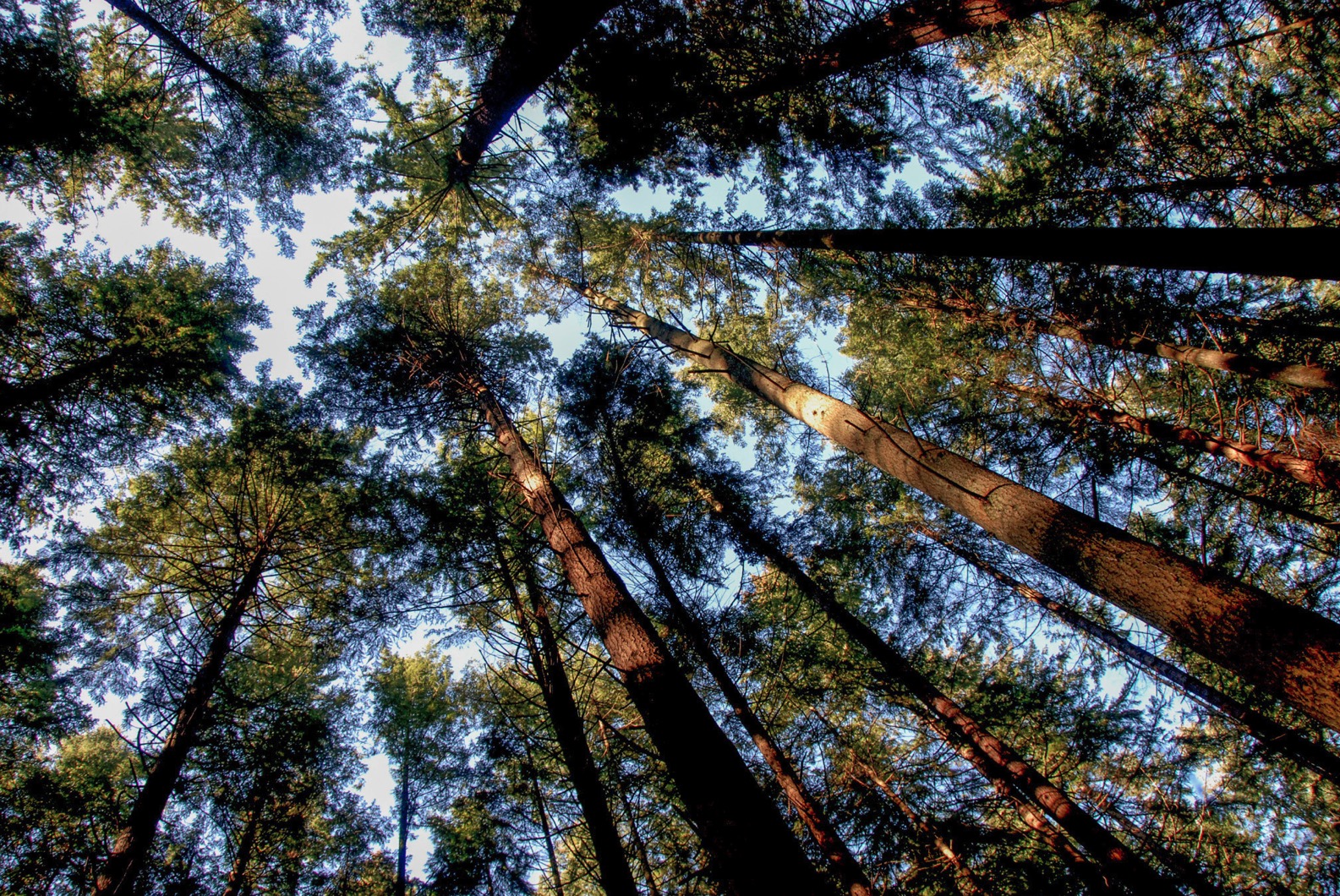 Mother Nature is the expert on growing forests, but sometimes she needs a helping hand. This hand is especially helpful when something disrupts her well-honed process in the first place. Such is the case with the forestry plantations in qax mot and the effort to restore these areas by the Comox Valley Land Trust (CVLT). Located at the Morrison Creek headwaters up Lake Trail Rd., the qax mot Conservation Area consists of 22 hectares of riparian forests and forestry plantations. …About 9 per cent of qax mot consists of forestry plantations. While it might seem like planting trees is always a good idea, the way the Douglas fir plantations were installed prohibit the natural regenerative cycle essential to a healthy forest. The trees were planted too closely, making it nearly impossible for light to break through the canopy, leaving the forest floor virtually barren of the undergrowth species we associate with a thriving West Coast forest.
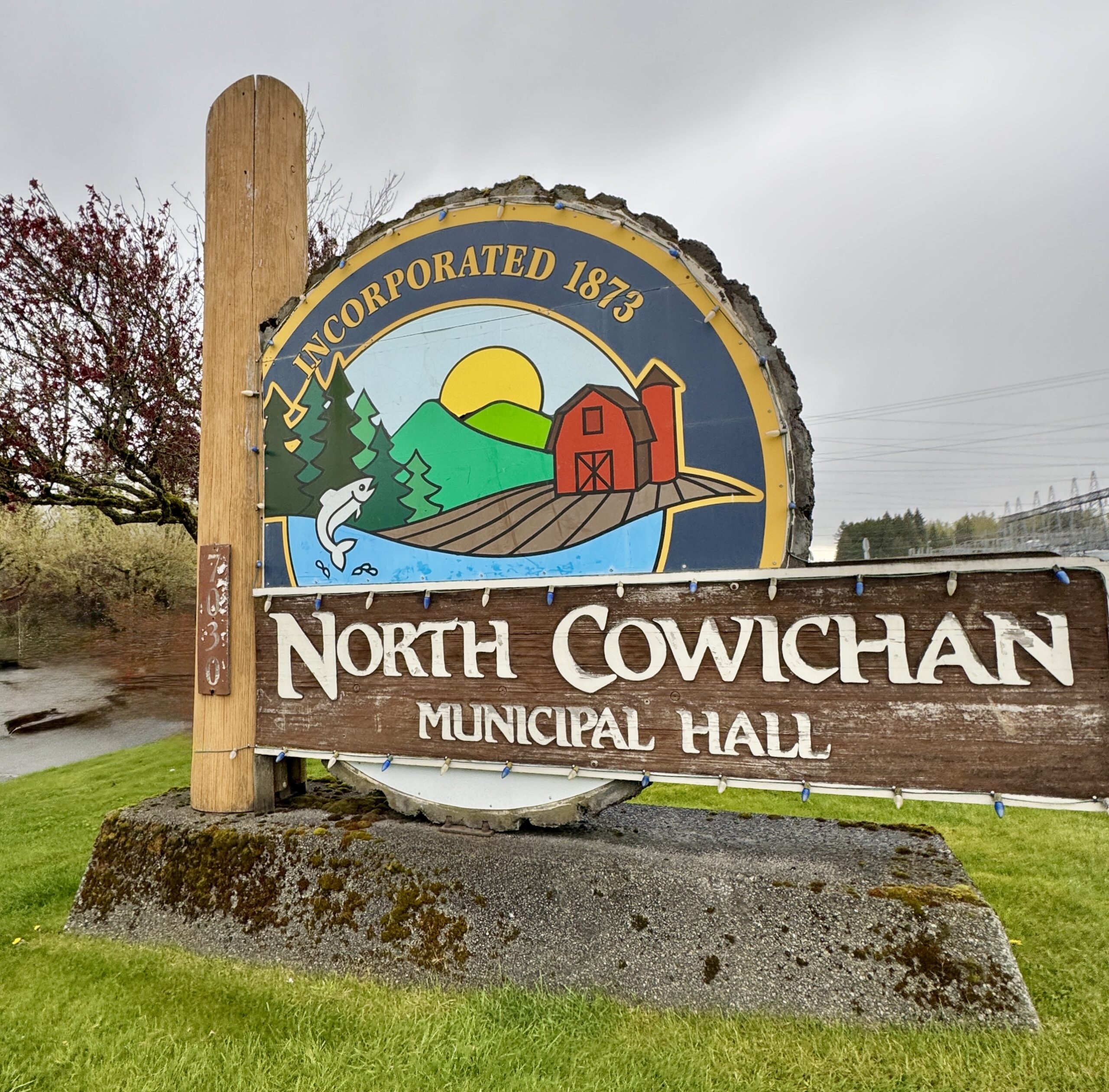 A motion to contact the province and urge it to review and strengthen its forestry policies, including those governing raw-log exports, failed in a 4-3 vote at North Cowichan’s council meeting on April 15. The motion by Coun. Christopher Justice, if it passed, was intended to help improve fibre availability for domestic processing, support value-added wood manufacturing, and sustain forestry employment on Vancouver Island. A number of delegations spoke to council on the issue at the meeting. Arnold Bercov, a former president of the Public and Private Workers of Canada, spoke in favour of council supporting Justice’s motion. …Brian Bull, a long-time worker at the WFP’s curtailed Chemainus sawmill, said if the motion passes, it would create a conversation about the issue at a time when many forest companies and the province don’t want to have that conversation. …Mosaic Forest Management’s Karen Brandt and Nick Broekhuizen also spoke on the issue.

 Two men were arrested Friday after a protest blocked access to a Forest Service road near Nelway, preventing a contractor from reaching a worksite. Salmo RCMP responded on April 24 to a demonstration where a small group of people had obstructed the road in opposition to logging activity in the area. The protest is connected to ongoing efforts by the Rosebud Community Watershed Protection Group, which has been advocating for stronger protections in the Rosebud and Lomond Creek watersheds. …Police said officers attempted to negotiate with the group, but the demonstrators refused to leave. Two men were arrested as a result. During the arrest, an officer was allegedly struck in the face by one of the men. A 75-year-old Nelway man was subsequently arrested for assaulting a police officer with a weapon and obstruction, while a 37-year-old man, also from Nelway, was arrested for mischief and obstruction.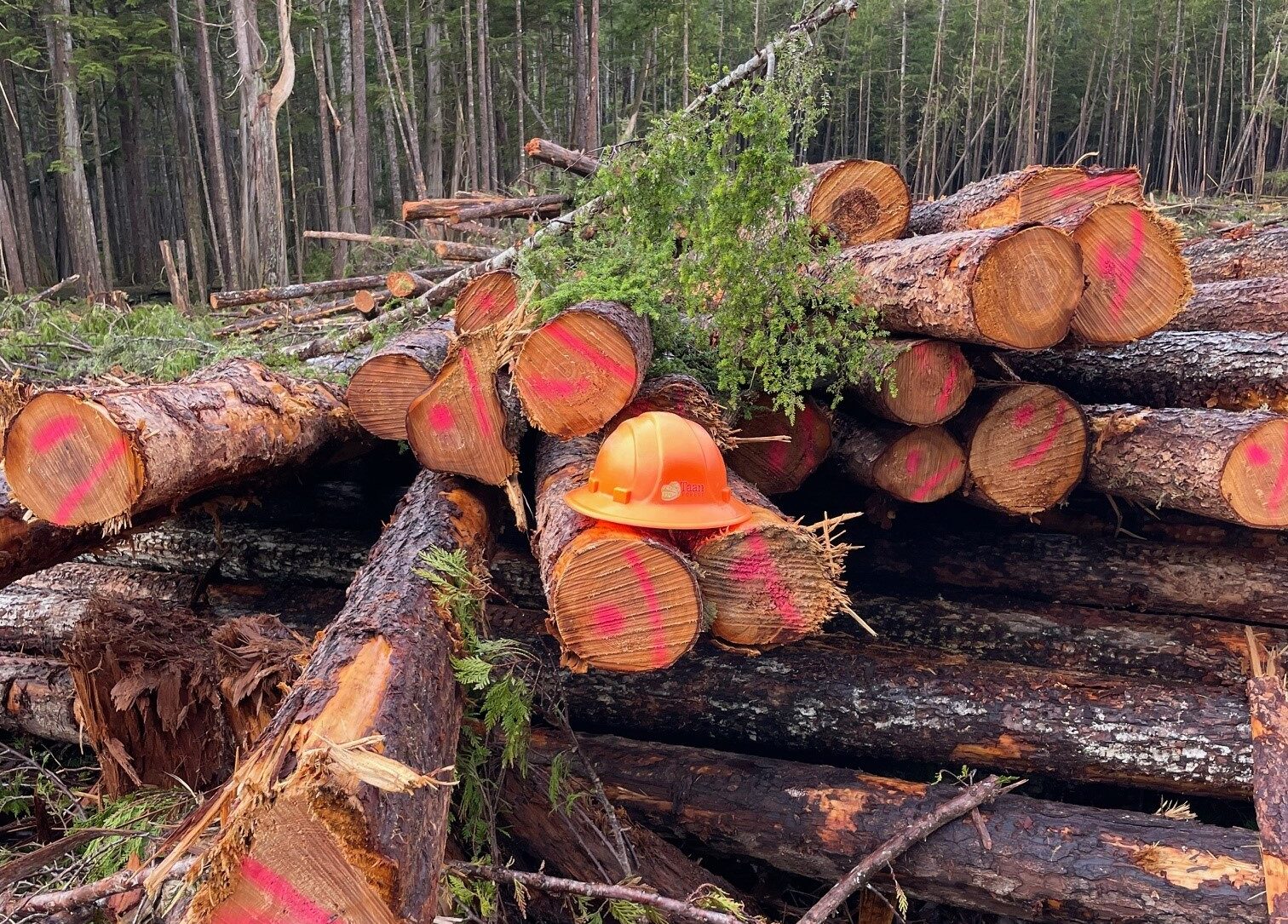
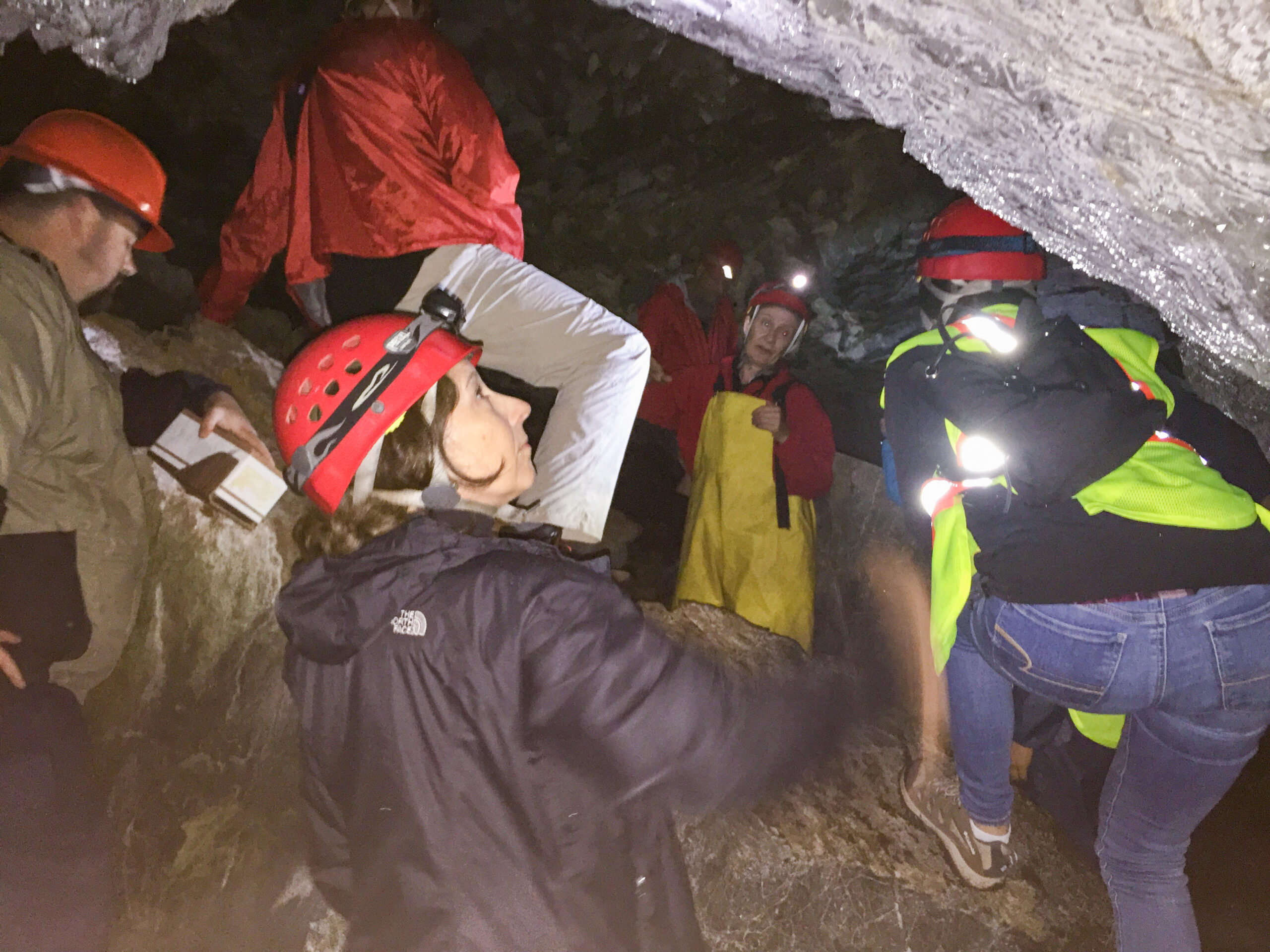 The Island has some of B.C.’s most well-known karst features — such as caves, sinkholes and underground rivers — but they’re threatened by logging. Around five years ago, Mark Worthing — heard a company was planning to log a huge drainage of old-growth forest and watershed 350 kilometres north of Victoria, with the only access point being a single road believed to have a karst cave underneath. Worthing, an old-growth forest campaigner [intended to] prove the cave stretched beneath the road, the destructive heavy logging machinery would not be allowed to pass through, and the old growth and watershed would be saved. …While researcher Jenica Ng-Cornish says B.C. has a comprehensively better karst plan than other jurisdictions, it falls short when put into practice. The forestry guidelines are based on aging documents: the 2002 Forest and Range Practices Act and 2003 Karst Management Handbook. There are also six Government Actions Regulation orders on karst protections.
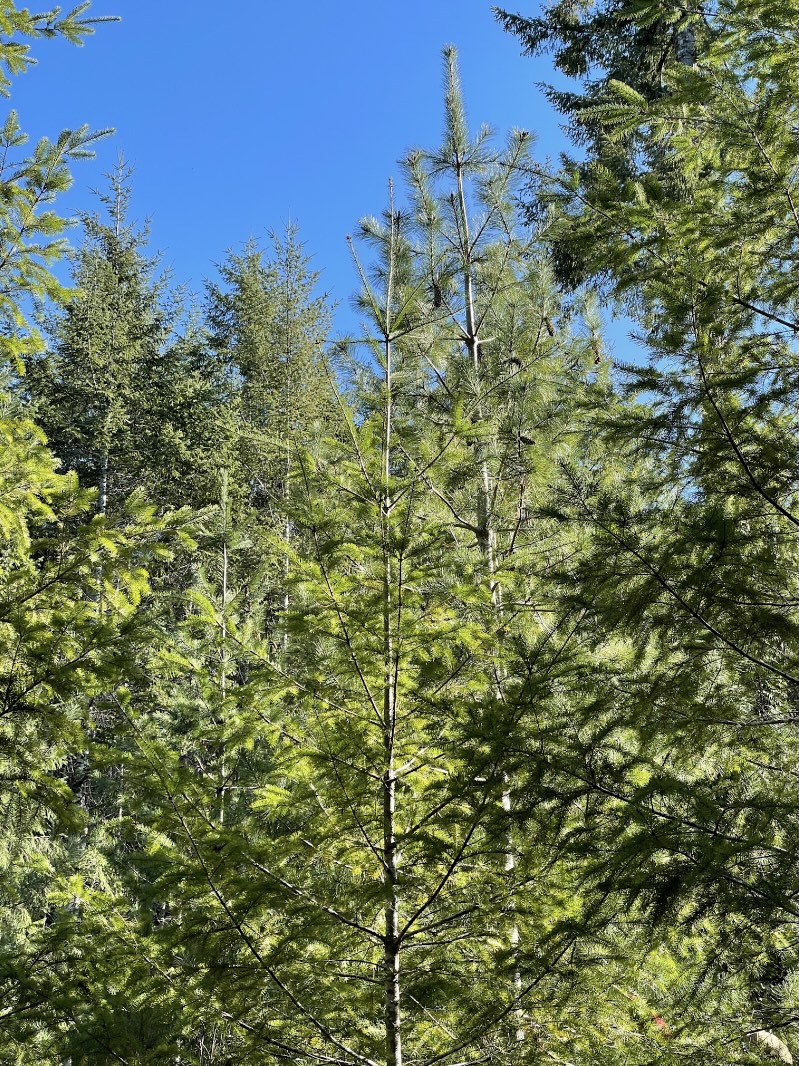 Harrison Hot Springs leaders may be taking their forestry-related concerns right to the provincial government. During Monday’s council meeting, Harrison Hot Springs council voted 1-4 to defeat a motion from Coun. Mark Schweinbenz to direct village staff to speak with a number of entities concerning large-scale, clear-cut forestry and its effects on the community. Schweinbenz was the sole assenting vote. “Every year, we get a letter from (B.C. Timber Sales), and it’s confusing and obfuscates what is really going on,” Schweinbenz said. “I don’t think we have any real input and I think the citizens of Harrison Hot Springs are frustrated by that. I think that should change.” …Instead of engaging with multiple agencies such as the B.C. Timber Sales Chilliwack Forest District, local First Nations leaders and neighbouring communities, council will consider requesting a meeting with the Minister of Forests at the 2026 UBCM Conference at the Vancouver Convention Centre in September.
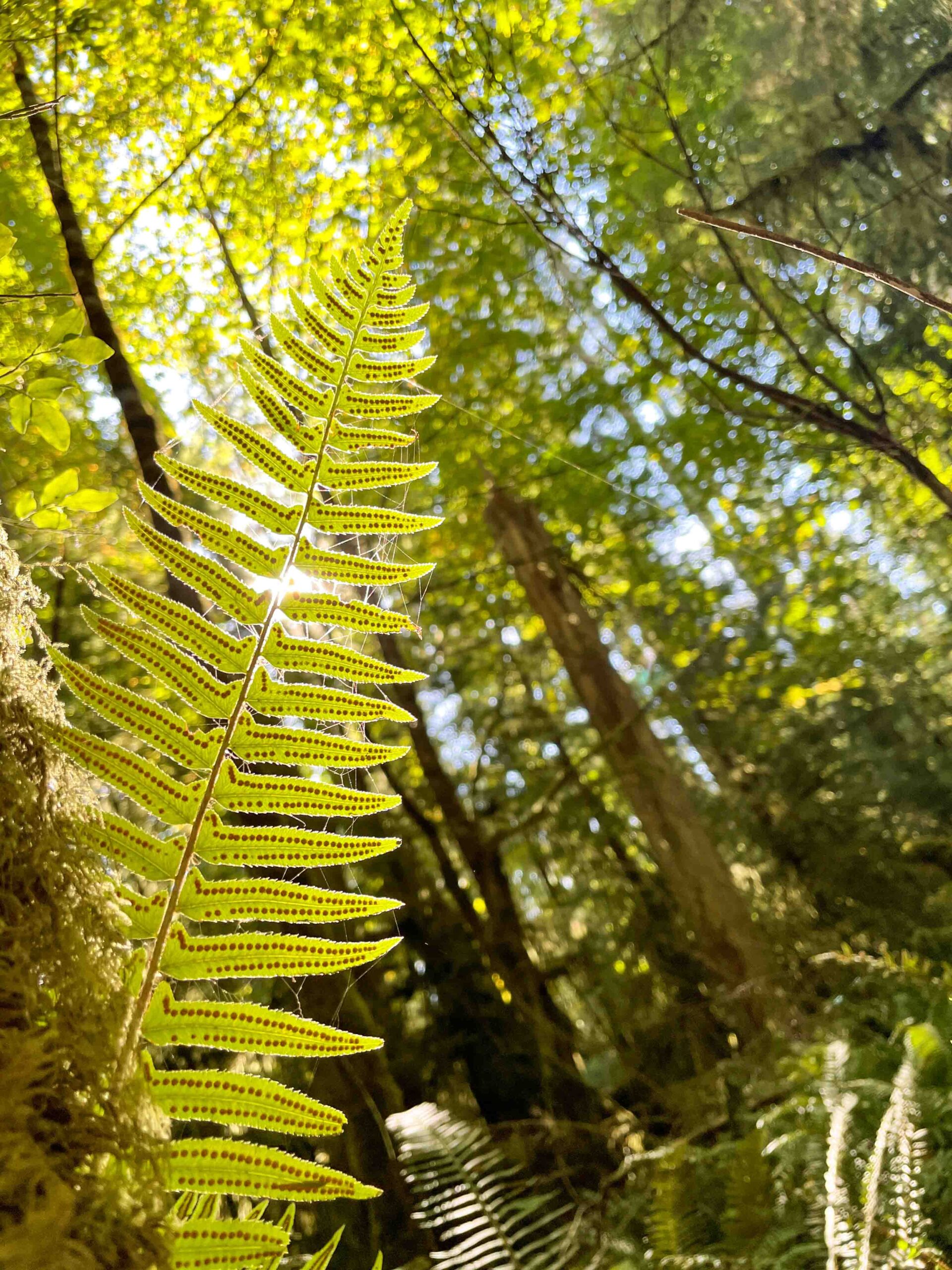
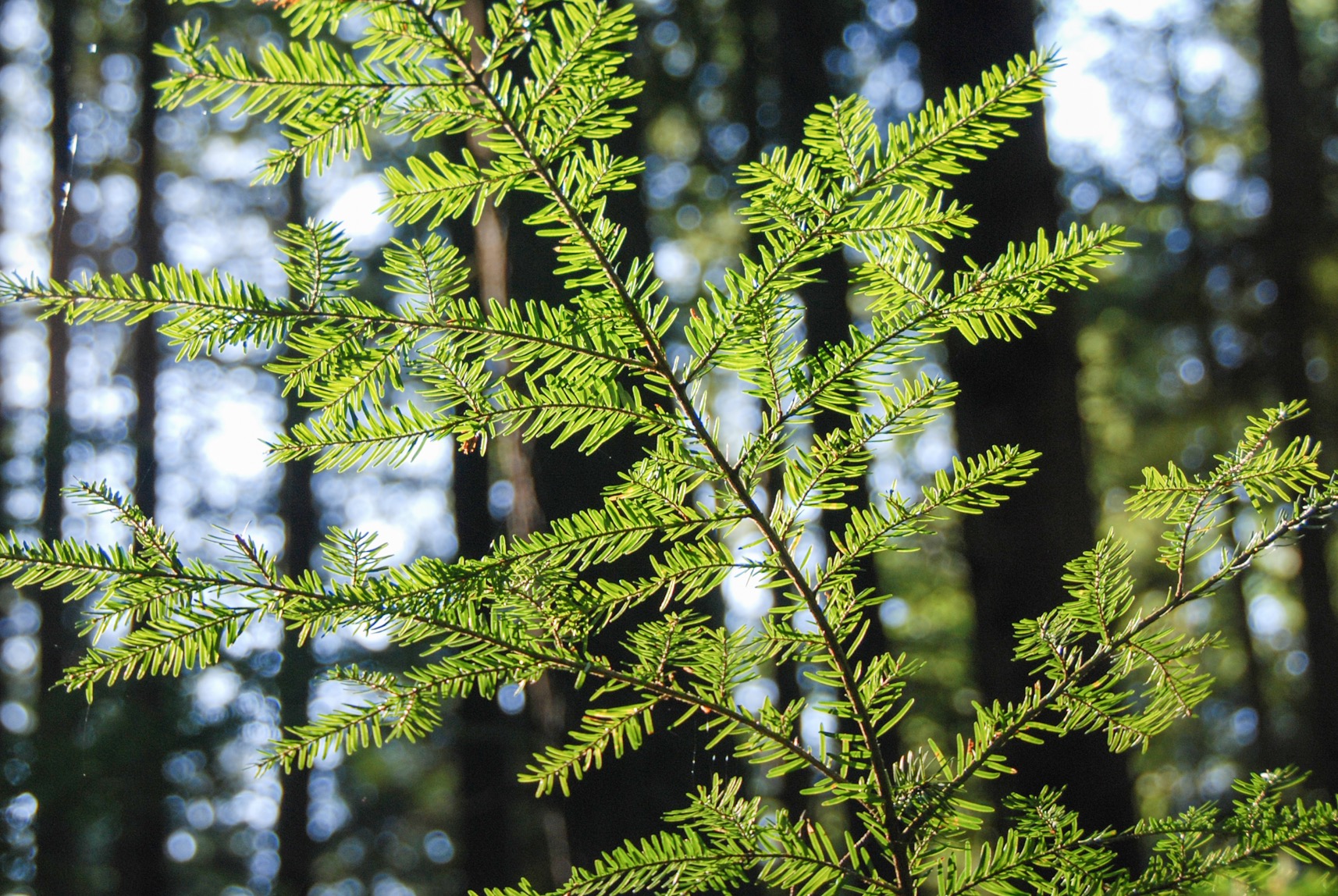 “Surely old-growth logging won’t be happening in five years.” That was my belief in 2020, when I was a 17-year-old activist who — almost by accident — helped initiate the Fairy Creek blockades and the largest act of civil disobedience in Canadian history. …In that moment, it seemed inevitable that the old paradigm of forestry in BC would not last. Today, that old paradigm seems more entrenched than ever, with old-growth deferrals getting canceled across the province and an NDP government more focused on short-term economic development than long-term sustainability. …At this moment, the prospect of true forestry reform in BC seems bleak. But Washington protected its state-owned old-growth forests 20 years ago and maintains a thriving forest products industry today. How did they do it? And what can Washington’s success teach us about BC’s forestry predicament?
 Climate change is making Vancouver Island more prone to wildfires, and the Homalco First Nation is taking proactive steps to prepare. To protect the community during wildfire season, the Nation has started a project designed to reduce wildfire risks in its privately owned forest next to the Homalco community south of Campbell River. Thinning the forest will make it less prone to fire and provide the community with another escape route in case of an emergency, says the Nation. …Ken Dodd, the manager of forest values with the Nation, said the abundance of ladder fuel, coupled with densely packed trees, could lead to a catastrophic forest fire if one were to ignite. …Dodd explained that the thinning technique replicates the qualities of an old-growth forest… Quentin Stefani, with Integrated Operations Group, the company hired to conduct the thinning, said the technology is typically used to thin forests in Europe.
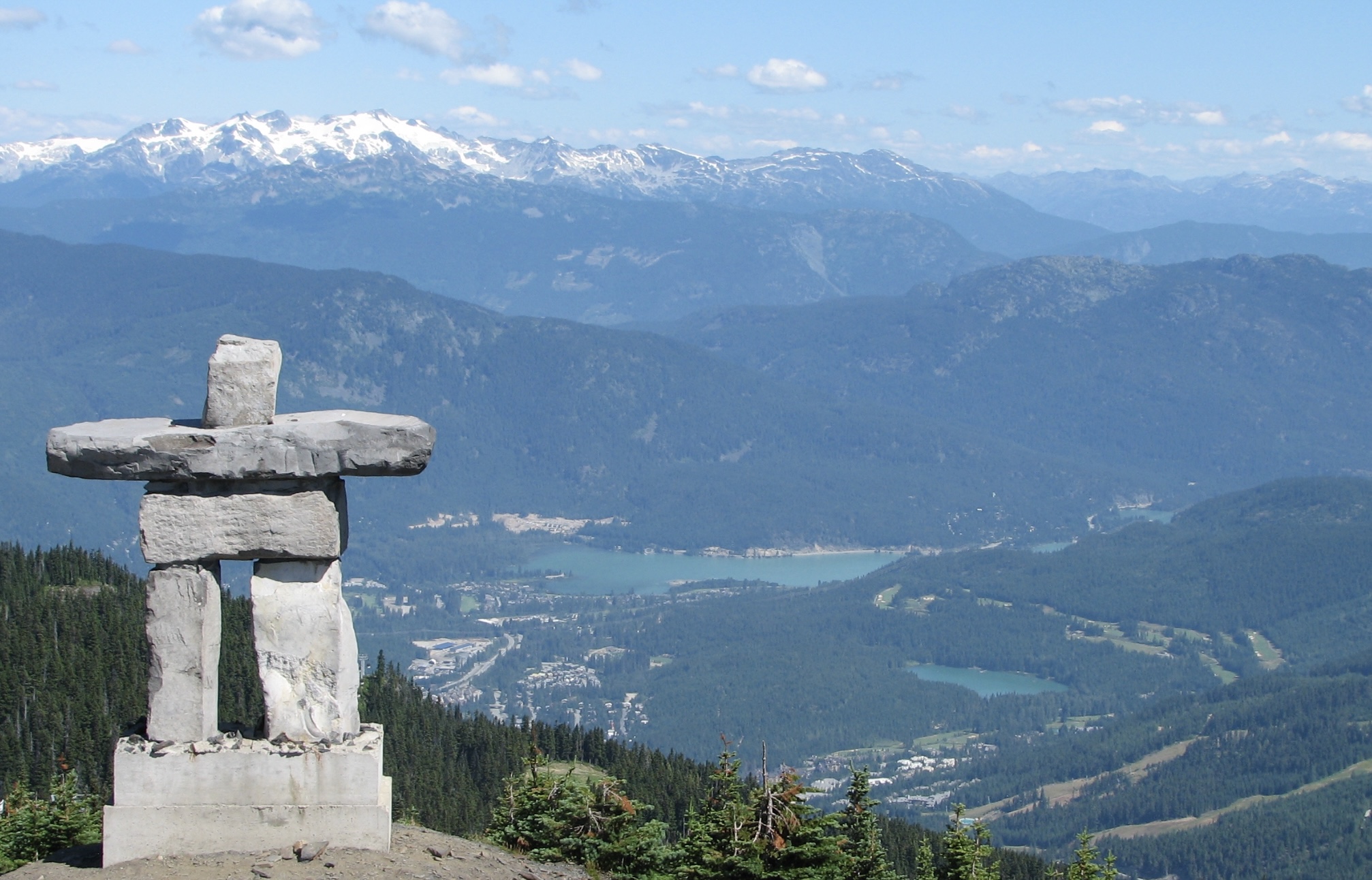 A new UBC-led study into wildfire risk in Whistler finds residents report near-universal concern about wildfire, a level of awareness that is driving high rates of mitigation work on properties—but not the same level of preparedness for an emergency. The research suggests “strong leadership” in local FireSmart programs is contributing to the uptake of mitigation techniques while pointing to a possible trade-off: residents who have reduced risk around their homes may be less focused on planning what to do if a wildfire occurs. “People are very aware of the risk, but we’re not seeing very high level of preparedness,” said study author Adeniyi P. Asiyanbi, an assistant professor at UBC Okanagan. …Drawing on 234 survey responses, the study finds high levels of concern across the community, with 91 per cent reporting they are “concerned” or “very concerned” about wildfires in Whistler, and 80 per cent rating overall risk as “high” or “extreme.”
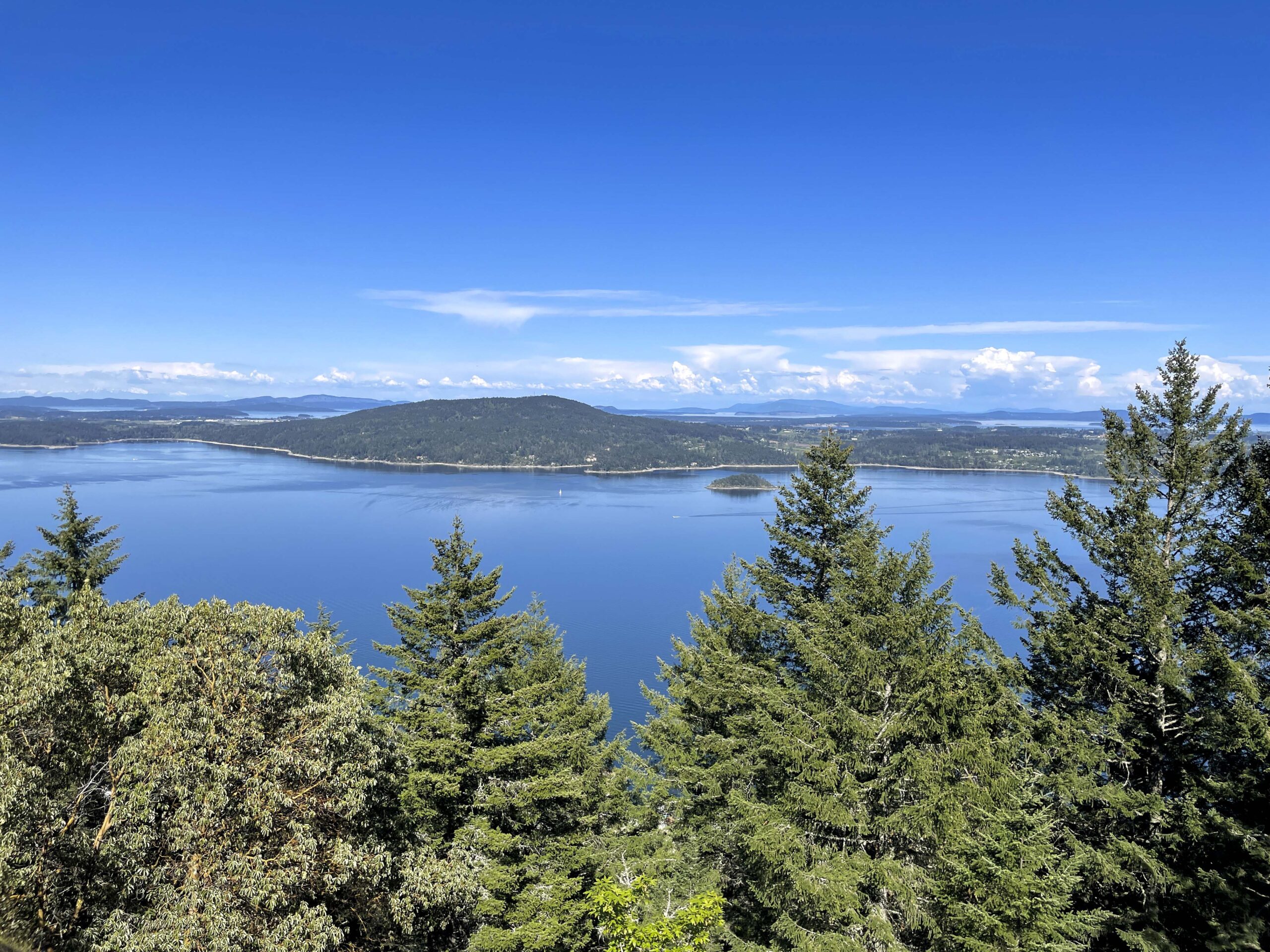 In October 2025, the Regional Parks Committee tasked staff with looking at a potential Strategic Forest Management and FireSmart Plan, including budget. With a report in hand, the committee agreed to embark on a phased approach to develop a forest management plan for regional parks with key considerations including wildfire risk reduction, ecological values, cultural considerations and FireSmart principles in 2027. The first step would include a request for proposal process, with a price tag of up to $75,000 from the 2027 budget, to retain a qualified consultant to assist in developing a Strategic Forest Management Plan framework guiding future wildfire risk reduction and forest resilience efforts, the parks committee agreed during its April 22 meeting.


 THUNDER BAY — The Ontario government is investing $15 million in ongoing annual funding through the Northern Ontario Resource Development Support (NORDS) Fund to help northern municipalities continue to improve local infrastructure and support responsible economic growth in the North. …Resource development operations, such as mining, forestry and agriculture, are an important part of the provincial economy, yet they can also disproportionately impact northern municipal infrastructure. … In 2025-26, 144 municipalities received NORDS funding, including:
 The U.S. Endowment for Forestry and Communities announced a new Request for Proposals (RFP) to accelerate the deployment of innovative technology solutions that improve forest health, strengthen forest management capacity and support the long-term strength of working forests, wood markets and forest-reliant communities. Across the country, forests are facing growing pressure from wildfire, pests and disease, fragmentation, limited active management and shifting market conditions. At the same time, new technology is creating practical opportunities to help landowners, forest managers and partners better monitor forests, make informed decisions and carry out work more effectively at the landscape scale. …The Endowment will provide up to $500,000 through this RFP to support one or more projects. …Proposals are due on June 4, 2026, at 5 p.m. EDT.
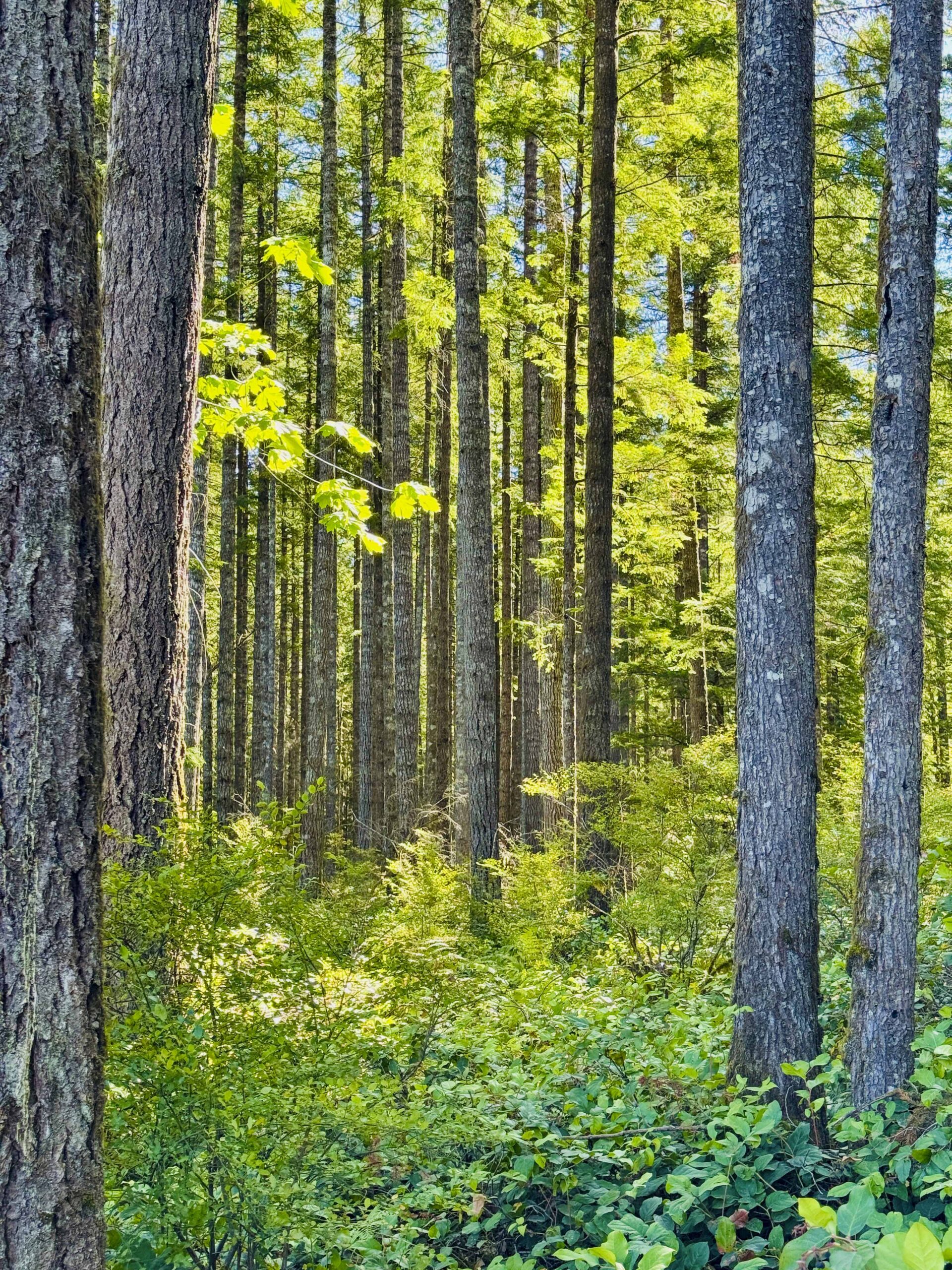 The Gallatin Wildlife Association, Alliance for The Wild Rockies, Native Ecosystems Council, and Council on Wildlife and Fish claim in a new federal lawsuit the United States Forest Service could be logging and using prescribed burns in Montana’s best-known recreational areas without presenting required research that would demonstrate the project isn’t negatively impacting threatened or endangered species. Their attorneys say logging and burning on more than 5,600 acres between Hyalite and South Cottonwood canyons, south of Bozeman in the Gallatin Mountains would mean cutting through old-growth forests, building new roads and negatively impact threatened species ranging from Canada lynx to Northern goshawks to whitebark pine trees. It claims U.S. Forest Service officials have overlooked or ignored a handful of federal laws to fast-track the project which the groups say will be highly visible to recreational enthusiasts. U.S. Forest Service staff have a policy of not commenting on any pending litigation.
  The Montana Department of Fish, Wildlife and Parks (FWP) is laying the preliminary groundwork on a proposal to purchase a conservation easement in Lincoln, Mineral and Sanders counties that would protect 20,854 noncontiguous acres of timberland owned by Stimson Lumber Company. The proposed conservation easement, which last year was awarded a $10.2 million grant through the U.S. Forest Service’s Forest Legacy Program, is part of a broader 230,000-acre effort to conserve Stimson’s entire inland timber base in Washington, Idaho and Montana. If approved, the easements would ensure the land remains in timber production, guaranteeing public access while restricting development rights. “This multi-state effort will ensure that these lands continue to be managed for sustainable forestry and support the viability of regional mills through the 1.5 million board feet of merchantable Sustainable Forestry Initiative-certified timber it produces per year and generates $2.1 million,” according to the project description.

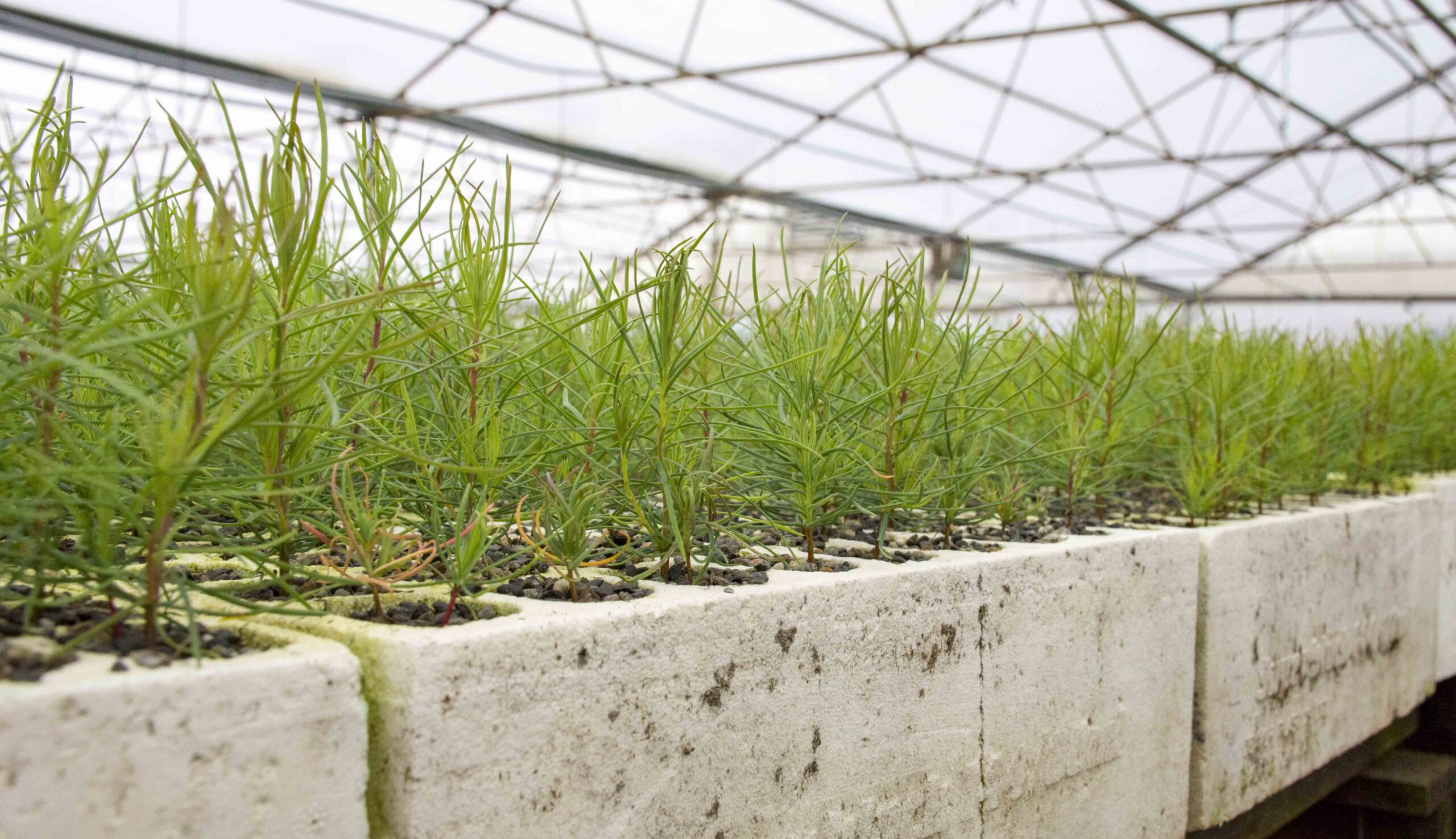 The Minnesota Department of Natural Resources is planting nearly 2 million tree seedlings on DNR-managed forest land across the state this spring. Each year, DNR foresters coordinate tree plantings in state forests, wildlife management areas, state parks, and other DNR-managed lands. This spring, 14 species will be planted on more than 3,000 acres throughout the state, including several varieties of pine, spruce and oak, as well as yellow birch, sugar maple, black walnut and tamarack. These reforestation efforts are led by the DNR’s Silviculture Program. Silviculture is the art and science of growing and tending forests to serve a variety of goals, including clean air and water, recreation opportunities, healthy wildlife habitat, biodiversity and timber productivity. Foresters consider current characteristics, climate resilience and future goals for each site to create a plan for planting and ongoing care.



 Wekweètì’s senior administrative officer is hoping to get a few million dollars from both the territorial and federal governments to support a biomass district heating project in the community. Fred Behrens said he recently found opportunities to apply for money from the territorial government’s GHG Grant Program and the federal government’s Build Communities Strong Fund for the project. It involves setting up a heat plant across from the community government office in Wekweètì, which is 200 kilometres north of Yellowknife and home to about 100 people. The space will store wood chips and contain three 300-kilowatt biomass boilers that’ll pump heat to 44 homes and 11 institutional buildings through a network of underground pipes. Behrens said the system would be fueled using material gathered from forest thinning and wildfire prevention work around the community. The boilers would also be connected to the community’s diesel generators, using their exhaust as a source of heat too.
 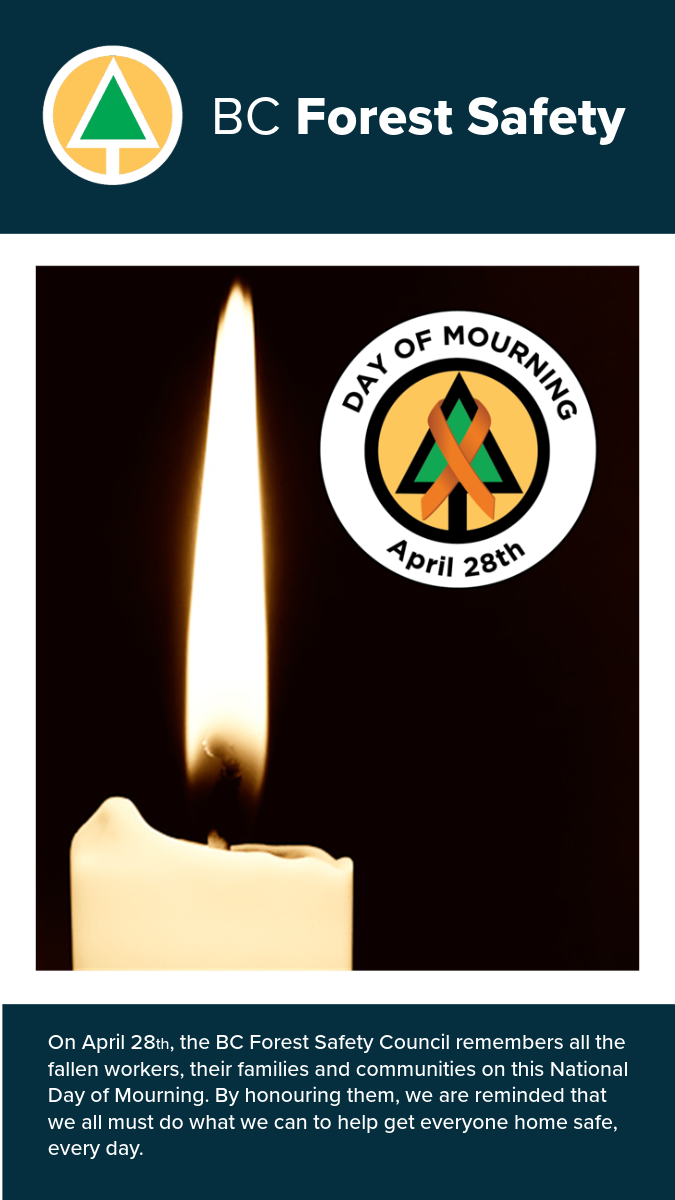 The “
The “ Join industry leaders, safety professionals and regulators at the 2026 Wood Pellet and Bioenergy Safety Summit, taking place June 9-10, 2026, in Prince George, BC. Hosted by the Wood Pellet Association of Canada’s Safety Committee, in collaboration with the BC Forest Safety Council, WorkSafe BC and media partner Canadian Biomass, the Summit focuses on practical, real-world safety challenges facing the sector today. Sessions will cover rotary drum dryer safety, process safety management (PSM) and emerging safety initiatives. Worker well-being is a key focus with a hands-on musculoskeletal injury (MSI) workshop on day one and a full-day mental health workshop on day two—reinforcing the importance of both physical and psychological well-being. Designed for those responsible for safety, operations, and workforce health, this event offers valuable opportunities to learn, share and strengthen safety practices across the industry.


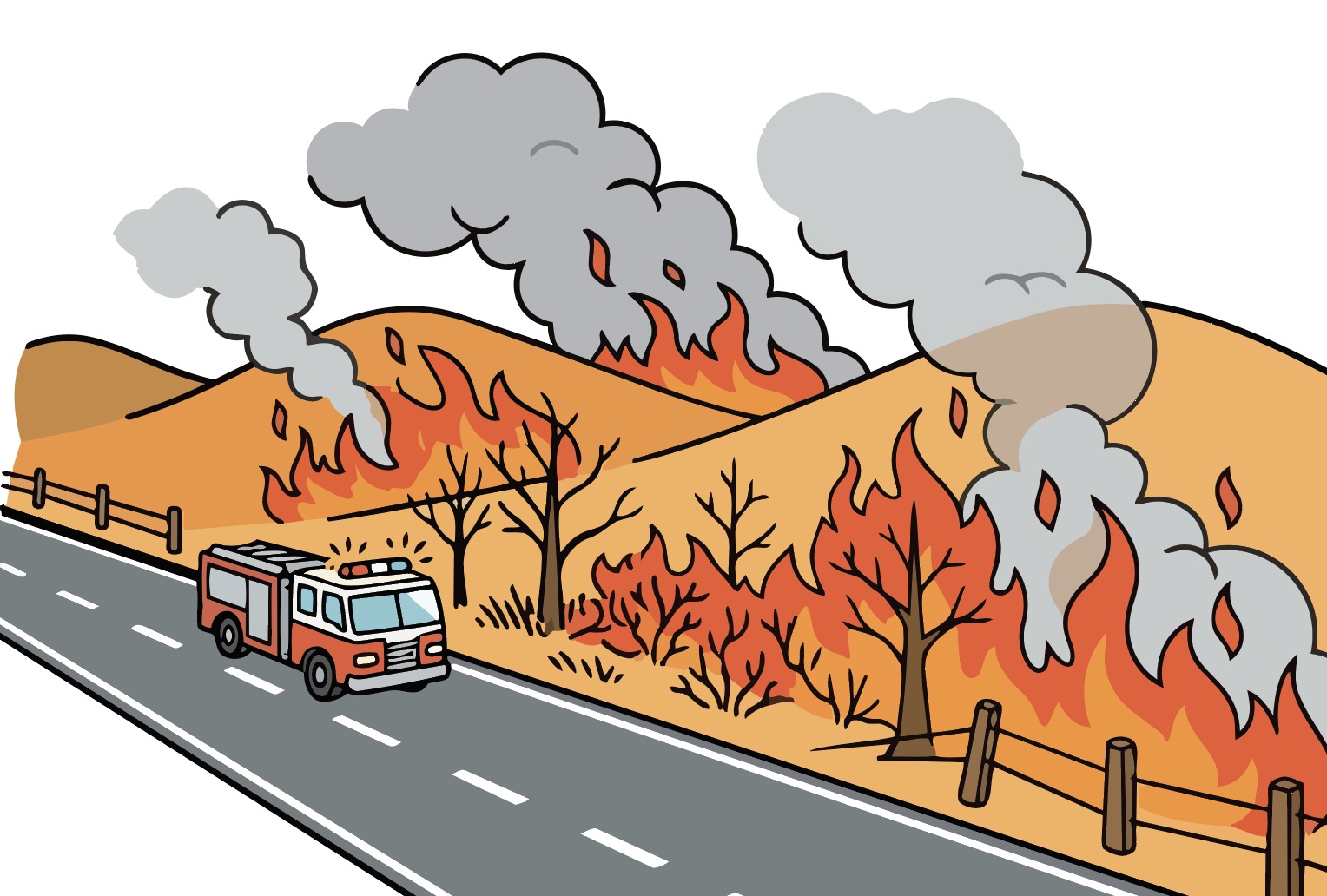 NAHUNTA, Ga. — Heavy rain slowed the progress of two sprawling southern Georgia wildfires over the weekend, allowing crews to make some progress in containing the blazes that have destroyed more than 100 homes. Although the rain helped the firefighting efforts, it wasn’t “nearly enough to put the fires out” and crews responded to 10 new blazes throughout the drought-stricken state Sunday, the Georgia Forestry Commission said Monday. …Georgia’s biggest blaze, the Pineland Road Fire, has scorched more than 50 square miles and at least 35 homes… about 35 miles north of Florida, which is also dealing with wildfires. The area has been full of highly combustible dead trees and other vegetation since Hurricane Helene carved a destructive path northward in September of 2024. About 60 miles to the northeast, the Highway 82 Fire has been burning since April 20. It has destroyed at least 87 homes and torched more than 35 square miles. It is only 6% contained.
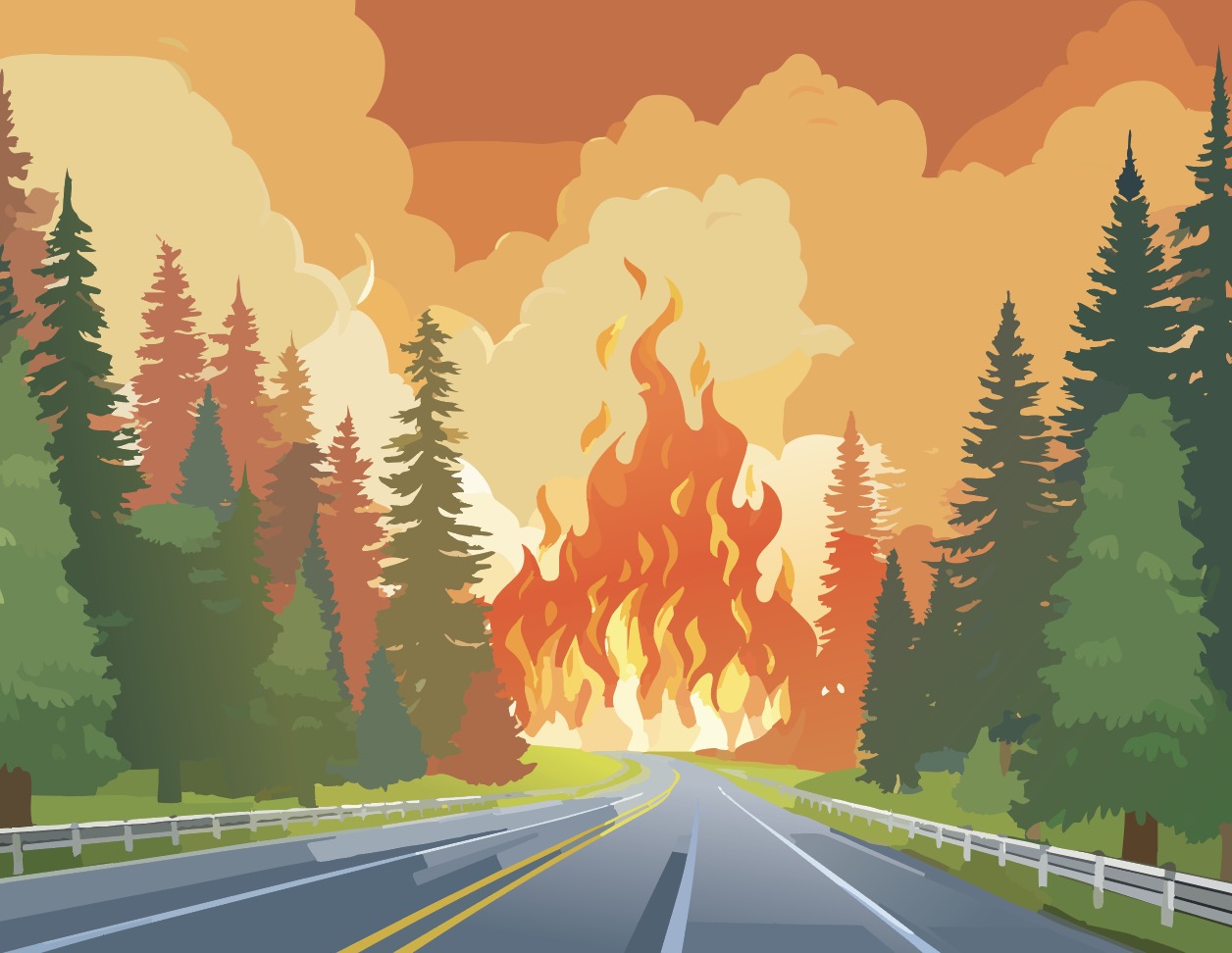 Wildfires tearing through the south have forced hundreds of Georgia residents to flee in minutes, leaving them distraught about the homes and animals they left behind. The fires that spread this week during an extreme drought in Georgia and Florida have blanketed cities hundreds of miles away in smoke, leading to more air quality warnings on Thursday across the south-east. Driven by strong winds and low humidity, the two biggest fires in southern Georgia have spread rapidly over the past two days and destroyed more than 50 homes in rural areas. But the growing threat led to more evacuations and school closings on Wednesday. “I don’t know if I have a house standing or not,” said Denise Stephens, who was forced to evacuate because of the fast-moving Brantley county fire near Georgia’s coast. “I know what it’s taken from other people, but I don’t know what I have left standing.”