 Prime Minister Carney said lifting US liquor ban hinges on the US ending tariffs on steel, autos and lumber. In related news: BC Premier Eby concurs with Carney, BC First Nations file new DRIPA claims; the US seeks comment on softwood subsidies; and the EU debates overhaul to its US trade deal. Meanwhile: Mondi opens a paper bag plant in Pittsburgh; more on Interfor’s sawmill curtailments in Nairn Centre and Gogama; and more on Nanaimo Forest Products’ rezoning proposal.
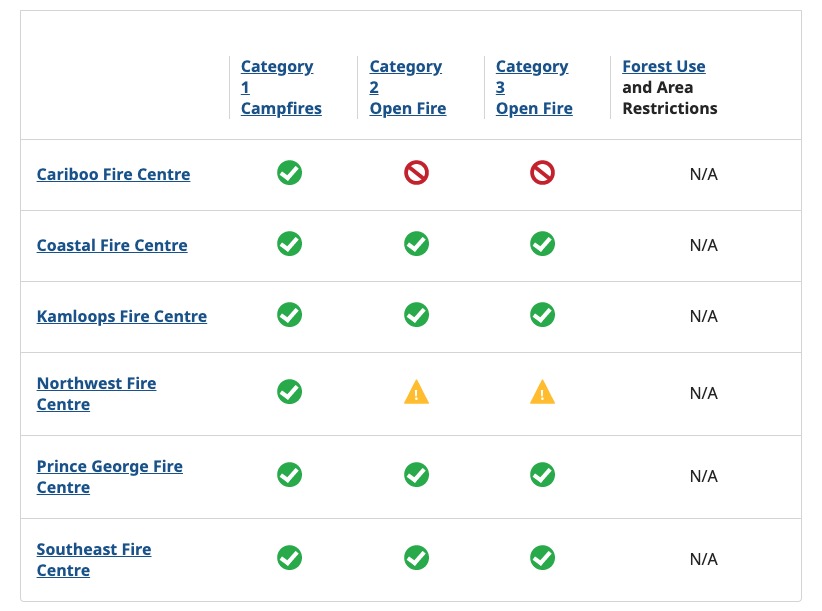
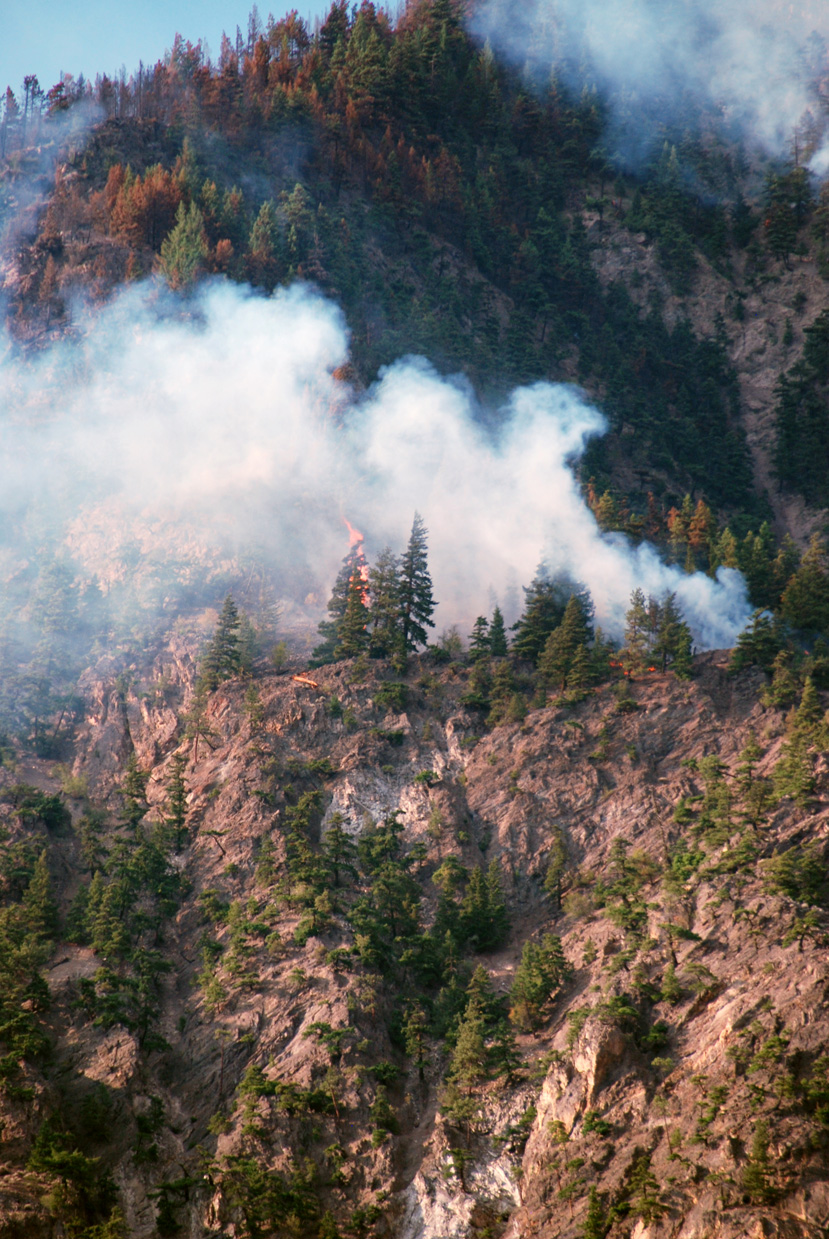
In Forestry/Wildfire news: Canada fleshes out A Force of Nature: Canada’s Strategy to Protect Nature; Canada’s forests are increasingly a carbon-source; Nova Scotia Premier Houston has no regrets over wood’s ban; the US Forest Service says drones are keeping firefighters grounded; Southern US wildfires force residents to flee; and early-season wildfires in prompt warnings, prohibitions from BC Wildfire Service.
Finally, the Interior Logging Association Convention returns to Kamloops, and performance meets decarbonization at International Pulp Week in Vancouver.
Kelly McCloskey, Tree Frog News Editor

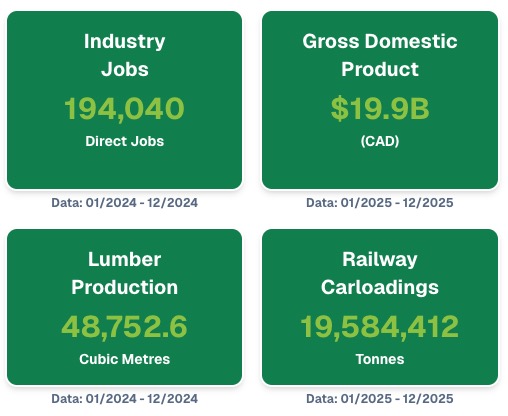 Forest Products Association of Canada (FPAC) has launched a new
  Canada’s new government is forging a new economic and security relationship with the United States. Prime Minister Carney has secured the best deal of any major U.S. trading partner – 85% of our trade with the United States remains tariff-free, the lowest average tariff rate in the world. As Canada approaches the Joint Review of the Canada-United States-Mexico Agreement (CUSMA), our aim is to preserve that unique Canadian advantage and to build on it. To that end, the Prime Minister, Mark Carney, today announced the creation of the new Advisory Committee on Canada-U.S. Economic Relations. The committee will serve as a forum for expertise and strategy on all aspects of the Canada-U.S. economic relationship. The Advisory Committee will include leaders from major sectors of the Canadian economy, representing extensive experience in business, investment, trade, and labour. It will be chaired by the President of the King’s Privy Council for Canada and Minister responsible for Canada-U.S. Trade, Intergovernmental Affairs, Internal Trade and One Canadian Economy, Dominic LeBlanc.
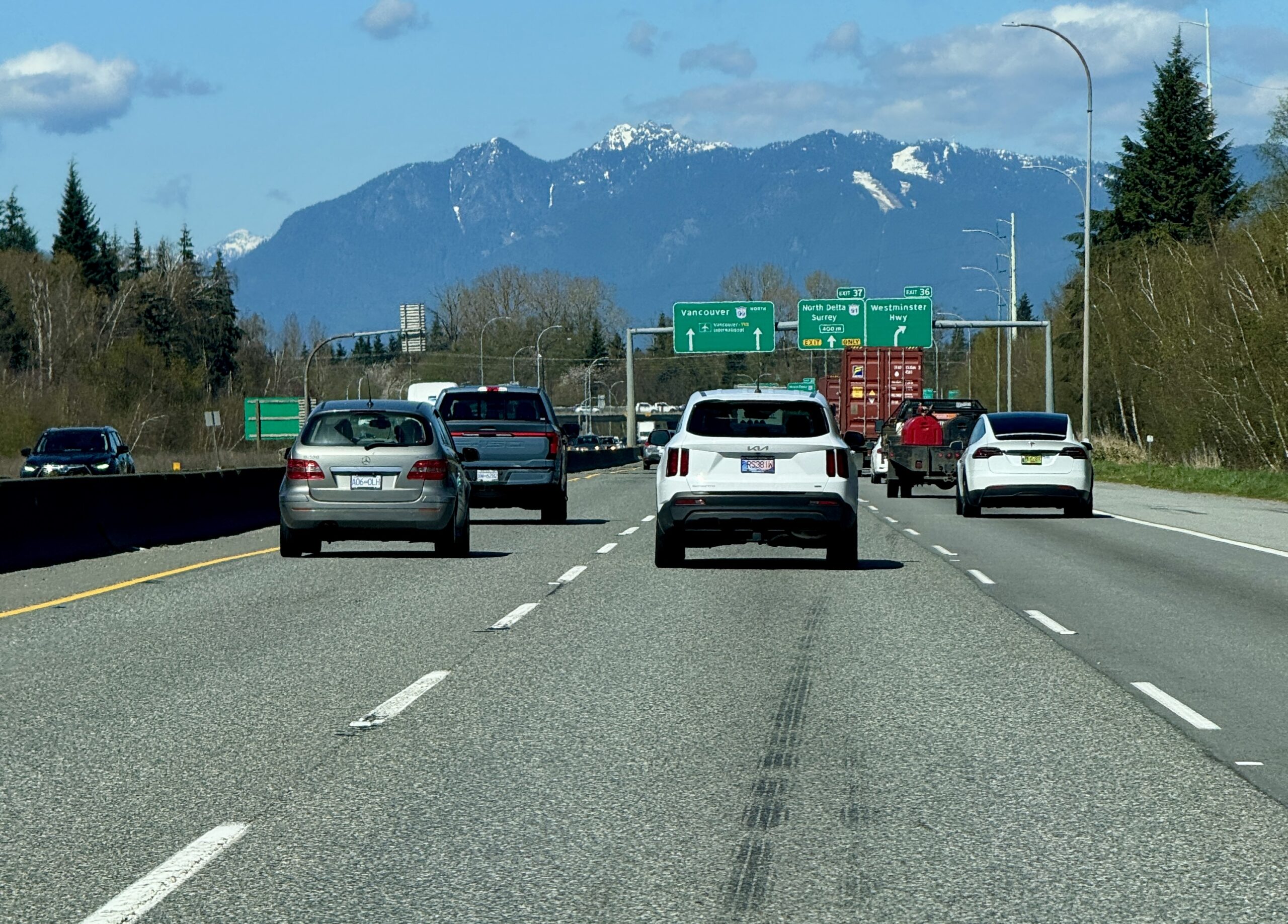 OTTAWA — Ottawa’s temporary suspension of some fuel taxes kicks in today, with Canadians likely to save 10 cents per litre on regular gasoline, and four cents on a litre of diesel. Prime Minister Mark Carney had announced last week a pause on those fuel excise taxes up until Labour Day. The Liberals say this is a prudent way to tame prices at the pumps, at a cost of roughly $2.4 billion. The Conservatives argue this isn’t enough to meet rising energy costs, calling for the pause to extend to the end of the year, as well as an end to clean-fuel standards and the industrial carbon tax. U.S. President Donald Trump’s decision to wage a war against Iran alongside Israel has sent global energy costs surging, with Tehran and later Washington constraining certain shipments in the Strait of Hormuz.





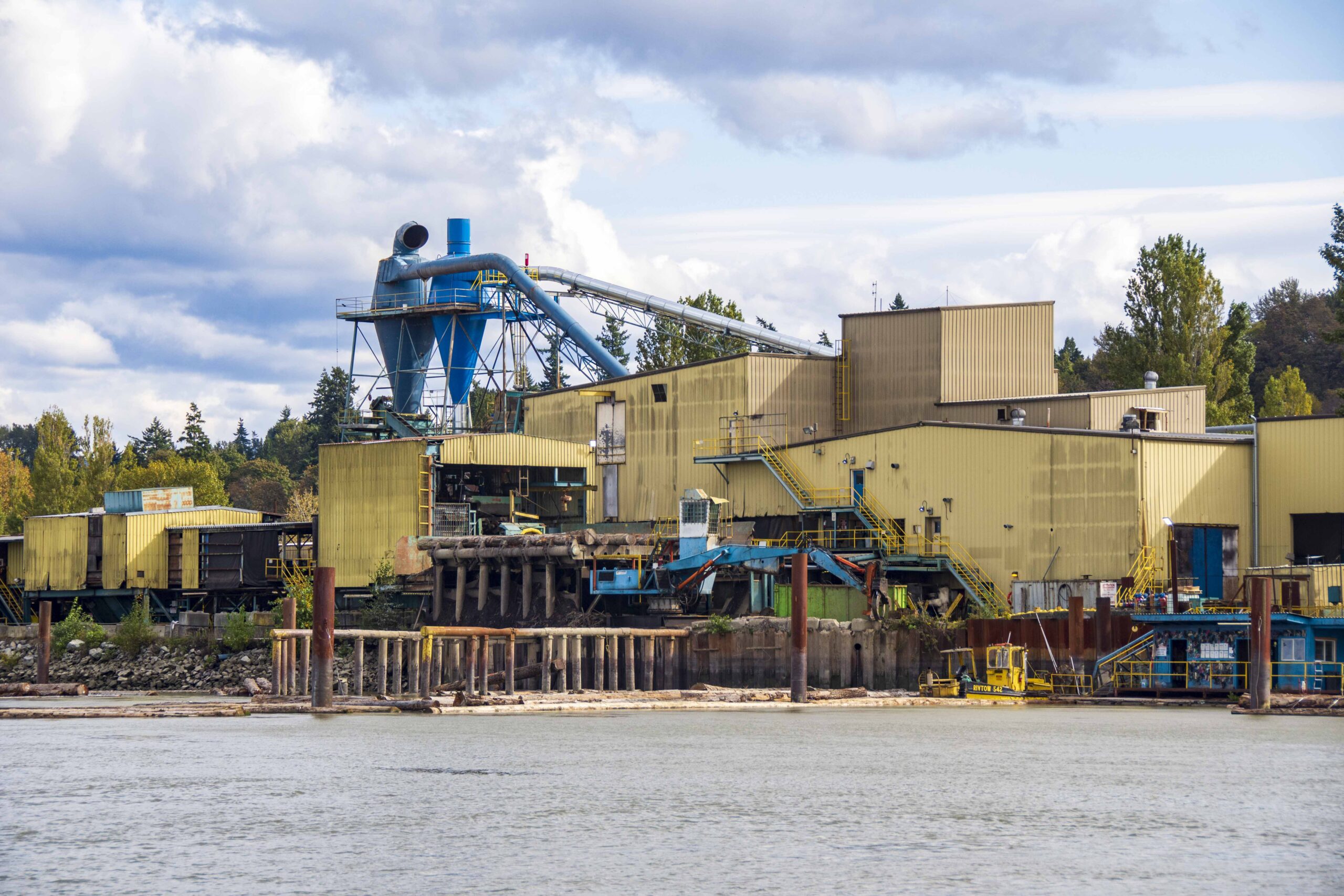 A disputed $31-million fire loss at a Delta, B.C., sawmill has triggered three separate lawsuits involving Lloyd’s Underwriters, Business Development Bank of Canada (BDC) and BFL Canada, with arson allegations now at the center of the coverage battle. The case stems from an April 8, 2024, blaze that gutted Acorn Forest Products’ remanufacturing facility on the Fraser River, burning a 30-meter swath through the plant despite a response from 30 firefighters in seven trucks. Lloyd’s has since voided Acorn’s primary and excess policies, alleging the loss was caused by arson carried out by, or under the guidance of, the company’s “directing minds,” according to a report from Business in Vancouver. In court filings, Acorn and its parent company, the San Group, denied the allegation and said the London market is using arson as a pretext to avoid a nearly $31 million payout. …The Delta fire is not the first large sawmill loss involving the San Group and Lloyd’s.
 Geopolitics, macroeconomics, and specialty markets take centre stage as three global experts open


 Vancouver, BC — DWB Consulting Services Ltd. and Chartwell Resource Group Ltd. today announced they are moving forward under a new unified name: Kintera. This rebrand marks a significant milestone in the merger of the two firms, reflecting their shared vision and the next step in their evolution as a single, integrated organization. For decades, DWB and Chartwell have built strong reputations in British Columbia’s natural resource sector—known for making complex challenges understandable and delivering practical, meaningful solutions. Since merging in August 2025, the combined organization has continued to build on that foundation, strengthening its technical capabilities and expanding its service offering. The transition to Kintera reinforces this momentum, positioning the company to deliver enhanced expertise, greater capacity, and increased value to clients across the sectors it serves. Clients can expect the same high level of service, responsiveness, and trusted relationships that have defined both organizations.



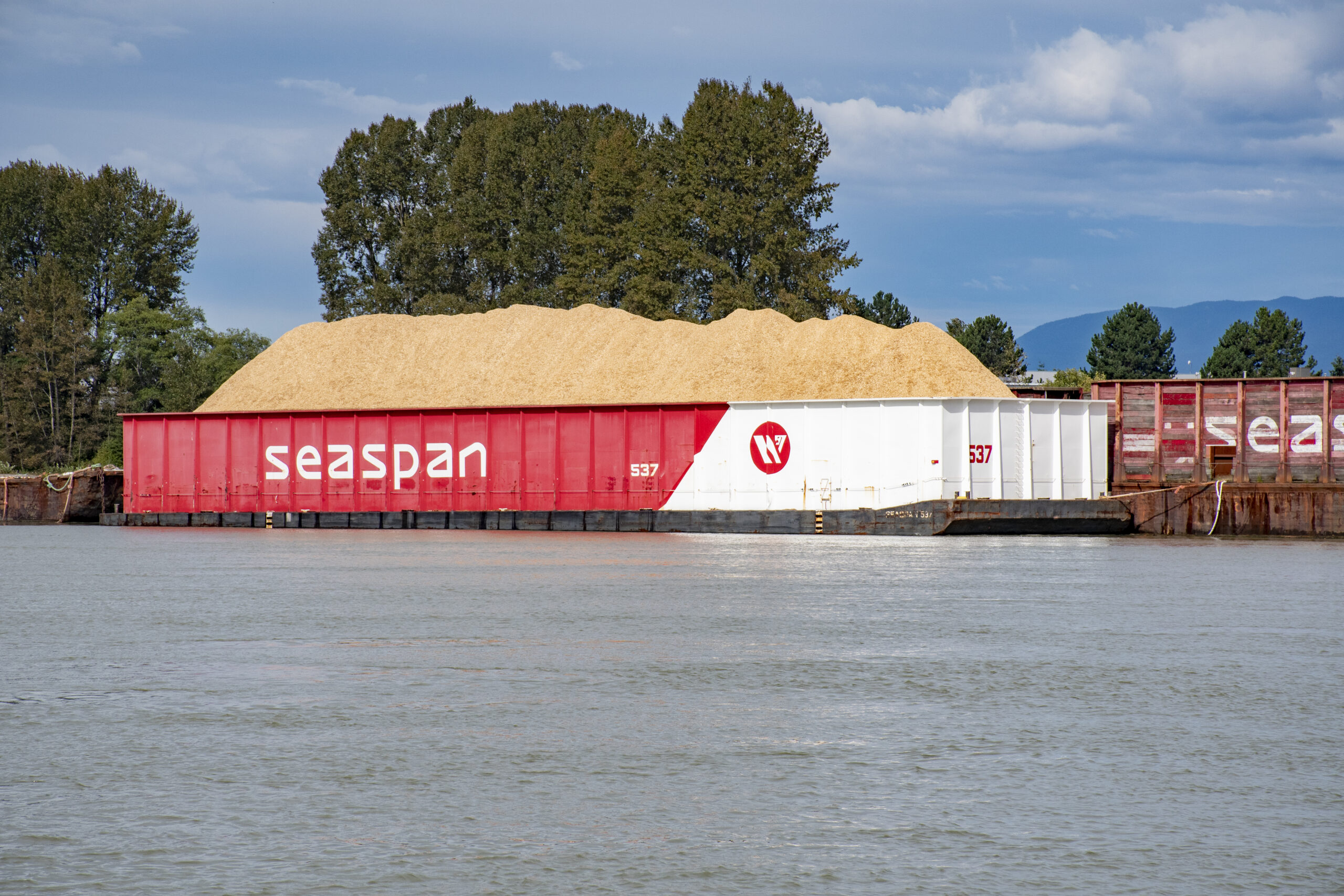 North Vancouver, B.C. — Seaspan Marine announced an agreement with Hodder Tugboat Co. Ltd. to sell its legacy chip and hog fuel barge division, and remaining forestry industry transportation assets, subject to closing conditions. The transaction, which is described as a “turnkey,” is inclusive of the workforce, existing services and related assets, like coastal tugs, river tugs and barges, and associated maintenance facilities — customers who rely on this vital service remain unaffected. Hodder is an established marine towing company based in Richmond with a longstanding focus on the forest industry, including the transportation of logs, timber and related forestry products. The sale aligns with the expert skillsets of the existing Seaspan team and assets in operation. The acquisition of Seaspan’s chip and hog barge division is a natural extension of that expertise, reinforcing Hodder’s commitment to service for its coastal clients.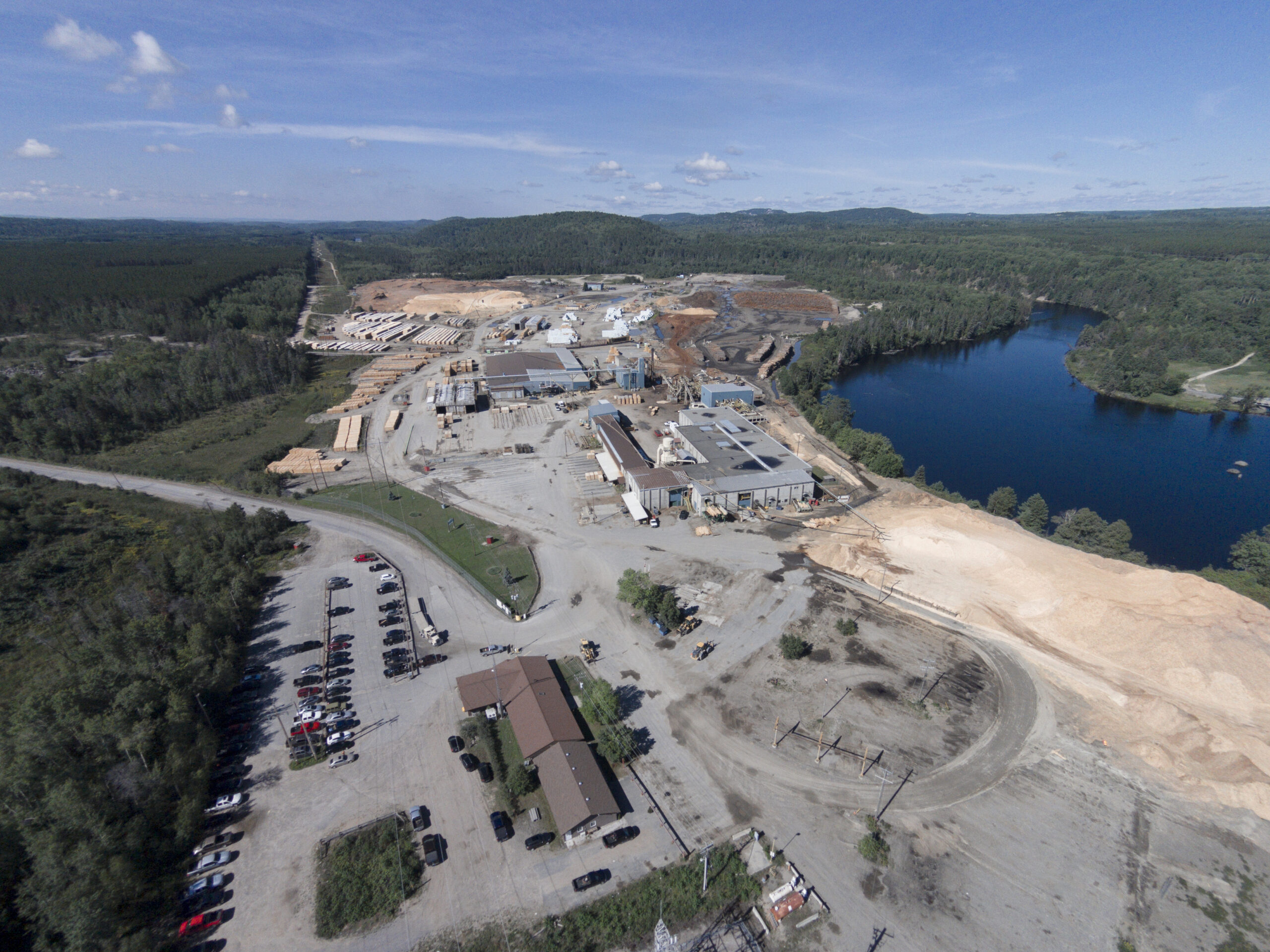
 Kenora, Ont. – The United Steelworkers (USW) are proud to welcome 147 new members following a strong organizing victory at Weyerhaeuser in Kenora, Ont. Workers voted overwhelmingly in favour of joining the union with 97% support. This is a clear demonstration of their desire for a stronger voice at work and a more secure future. “This result speaks volumes,” said Kevon Stewart, USW District 6 Director. “Workers at Weyerhaeuser came together with shared goals – to improve their working conditions, strengthen their rights and build a better future. We are proud to stand with them as they begin this next chapter.” The organizing campaign was driven by workers coming together and building support across the workplace. …This victory reflects a growing trend of workers across the forestry sector choosing to unionize and strengthen their collective voice on the job.





 MISSISSAUGA, ON
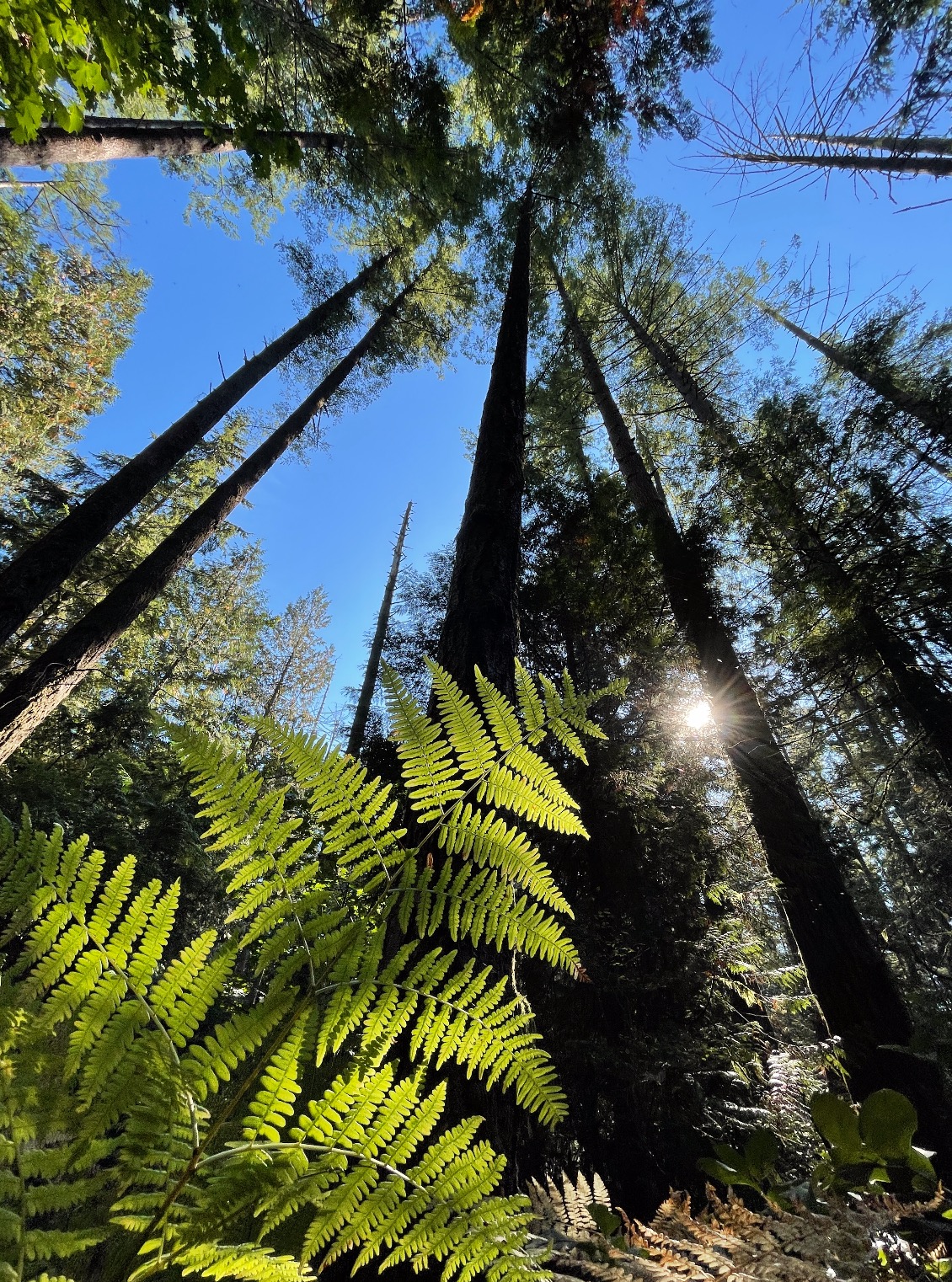 The Sunshine Coast Regional District Board is set to weigh in on 15 new or modified cutblocks BC Timber Sales is proposing over the next five years — and may withhold support for eight of those. On April 30, the SCRD board is slated to consider a large package of local comments responding to
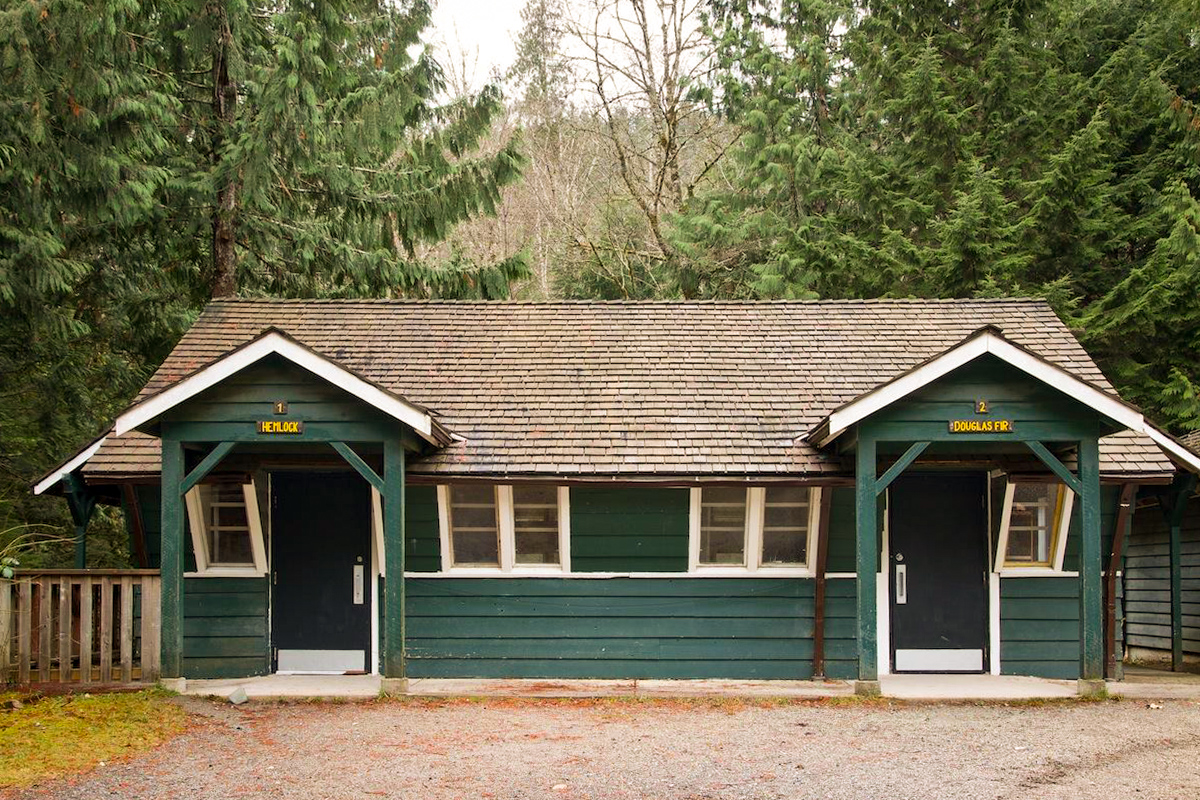 On Saturday, March 28, 2026, a fire at Evans Lake resulted in the loss of two buildings, including four cabins. We are deeply grateful that no campers were on site and all staff are safe—but the loss to our community is significant. We want to sincerely thank Squamish Fire & Rescue, Britannia Beach Volunteer Fire Department, RCMP, Conservation Officers, our team, and a member of our community for their quick and compassionate response. Right now, our focus is on recovery. While we are insured, there are always substantial costs that aren’t fully covered. As we begin to rebuild, many have asked how they can help. Donations made here will directly support urgent recovery needs, replacement of essential spaces, and ongoing operations—helping ensure we can continue to provide meaningful outdoor experiences for thousands of children and families.


 Creston, BC — The Creston Community Forest (CCF) is featured in a new film as part of a province-wide project led by the BC Community Forest Association, showcasing the work and impact of community forests across British Columbia. The film highlights how the CCF is managing its forests to support local priorities, including wildfire risk reduction, recreation, and long-term sustainability. “We’re excited to share this film as a way to show the work that happens on the ground and what this community forest means to the community of Creston,” said Daniel Gratton, Registered Professional Forester and Forest Manager at the CCF. Unlike traditional forestry models focused primarily on timber, the CCF has been taking a broader approach. Its work reflects the needs and values of the residents first, balancing ecological health, economic activity, and public use of the land.
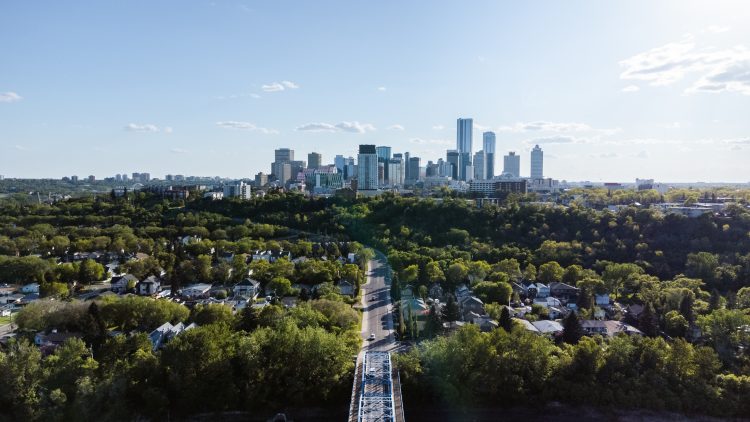
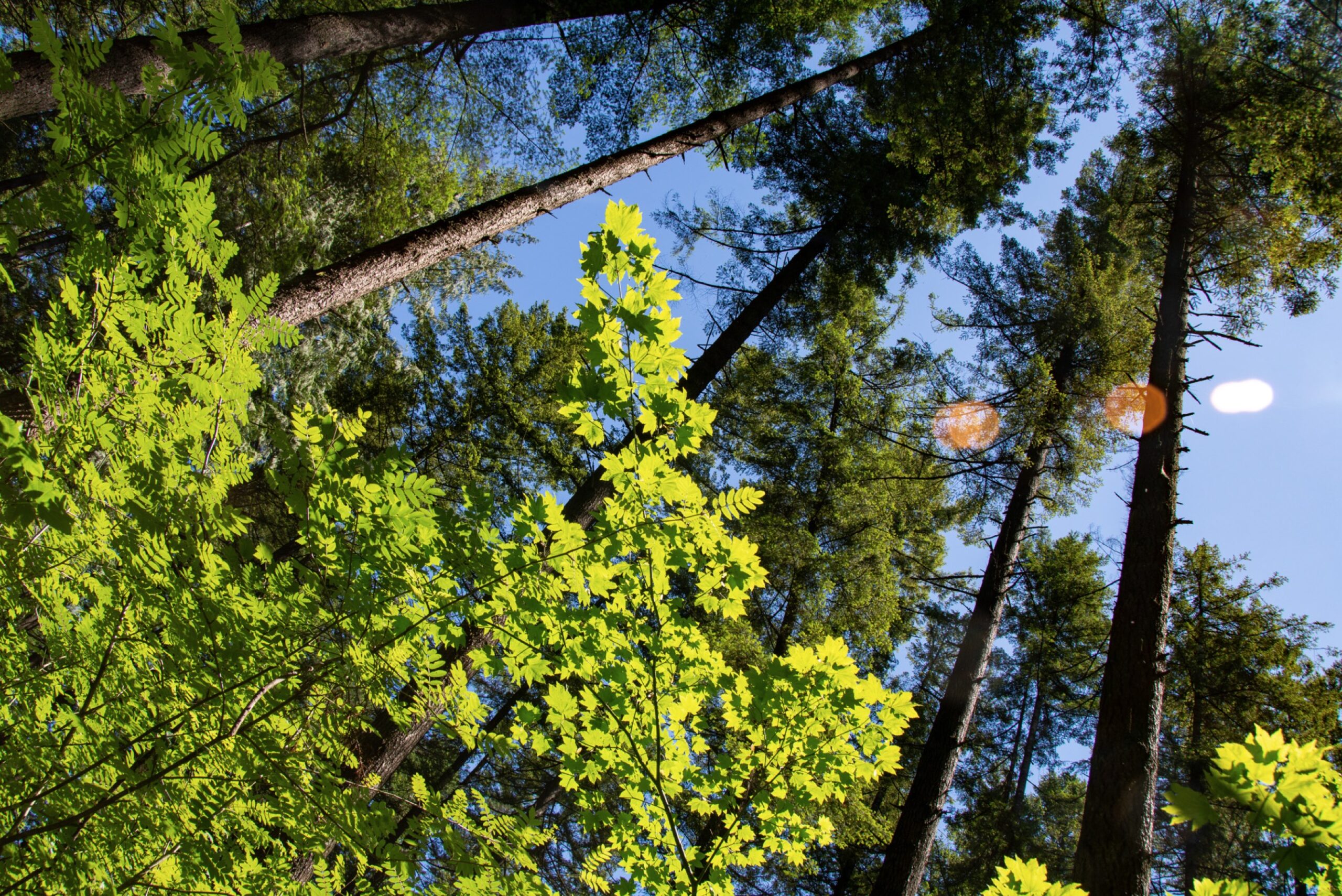 After more than three years of community engagement, expert input and advisory committee work, residents in Coquitlam are left asking a simple question: Why is the city choosing not to include the very measures needed to make its Urban Forest Management Strategy succeed? The draft strategy presents a strong vision and highlights planting programs, volunteerism and monitoring. These are positive steps. But they are not enough. What is missing are the core elements that actually determine whether our urban forest survives and thrives over time. There are no measurable canopy targets to tell us whether we are gaining or losing tree cover. There is no clear alignment with the bylaws that regulate tree removal and development. There is no defined pathway to update the Tree Management Bylaw, which has not been meaningfully revised since 2010. …That is not a plan. It is a deferral. And deferral has consequences.


 The Ancient Forests Alliance (AFA) are concerned that legislation changes in BC could put endangered old-growth forests at risk. The Province’s own logging agency, BC Timber Sales (BCTS), may see an increase in logging rates with the changes brought about by Bill 14, the Forest Statutes Amendment Act. The changes would provide BCTS with a projected increase of at least 700,000 cubic metres in timber for the 2025-26 period. This would be equivalent to approximately 15,500 to 17,700 additional truckloads. Bill 14 was introduced in March, but has not yet been passed. The proposed legislation seeks to modernize the logging industry in BC and is aimed at increasing mill production and sustainability within the forestry sector. It would give BCTS an expanded mandate, streamline salvage and fibre access for mills, change the contract authorization process and encourage future stewardship.
 Join Kelly Greene, Minister of Emergency Management and Climate Readiness, Ravi Parmar, Minister of Forests and other subject matter experts for an update on seasonal hazards in BC. As warming weather raises the risk of climate-related emergencies, the Province is urging people throughout British Columbia to prepare for potential spring flooding, drought and wildfires. “Our government is continuing to strengthen mitigation and emergency response supports for people and communities, but preparedness starts at home,” said Kelly Greene, Minister of Emergency Management and Climate Readiness. …The April 1, 2026, River Forecast snowpack survey shows B.C.’s overall snowpack at 92% of normal, compared to 79% in April 2025. …The BC Wildfire Service forecast indicates the potential for an active spring wildfire season due to persistent drought conditions. This activity is expected to increase if limited precipitation continues over the next several weeks and months.
 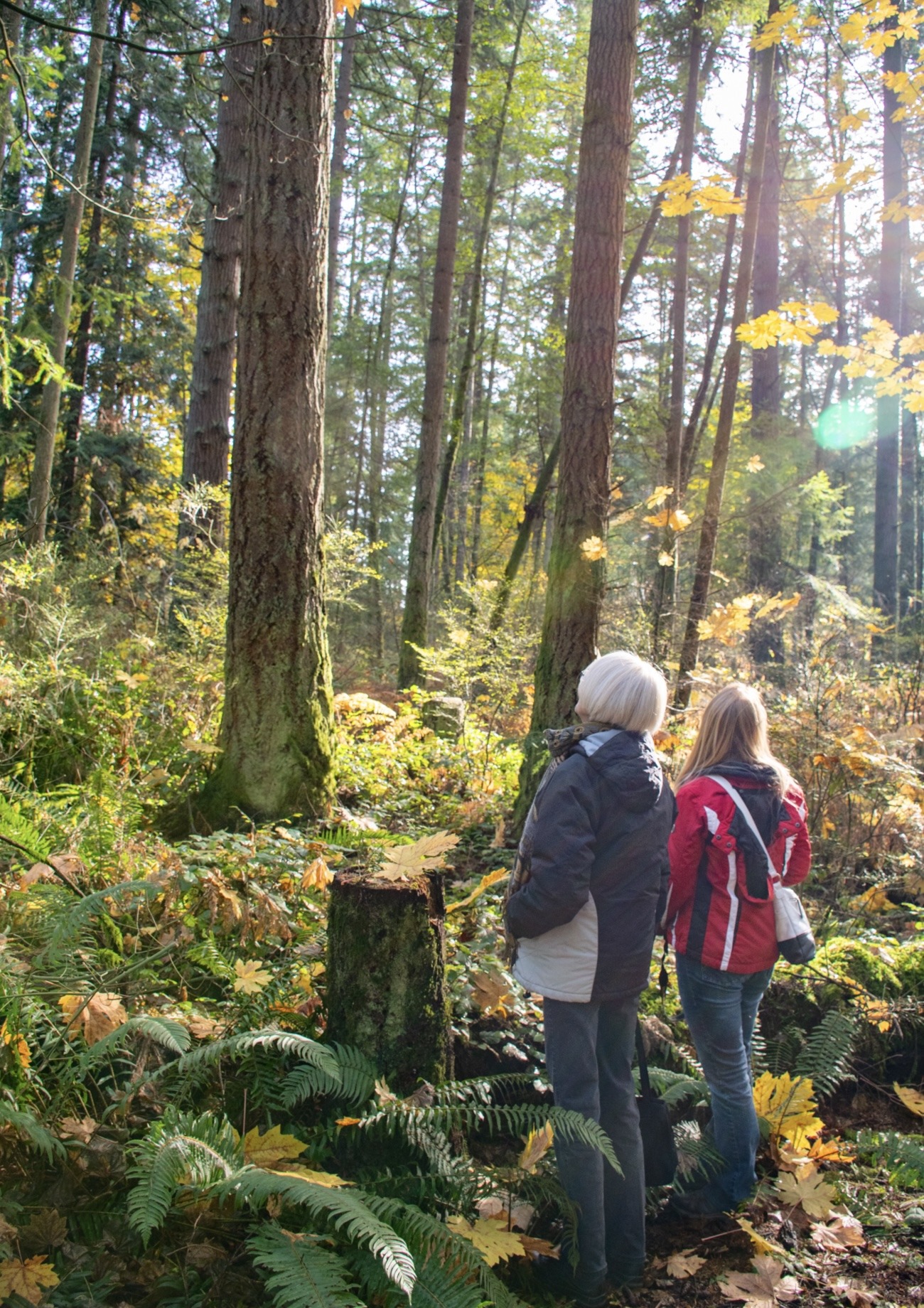 Months after Premier Tim Houston of Nova Scotia locked down the province’s forests, instituting a $25,000 fine on anyone who dared to enter a wooded or boggy area that they did not personally own, he’s received his first review from the courts. It’s poor: the ban on human travel through the “woods,” the Nova Scotia Supreme Court said last Friday, was unreasonable and therefore illegal. The result is a win for common sense. The actual reasoning of the court, less so. …Justice Jamie Campbell declared the ban was unreasonable — because the natural resources minister, back before he banned walks in the woods, didn’t adequately consider how his decision might interact with the Charter rights of those affected. While it wasn’t a constitutional case, the Charter ended up being the deciding factor in a backdoor sort of way.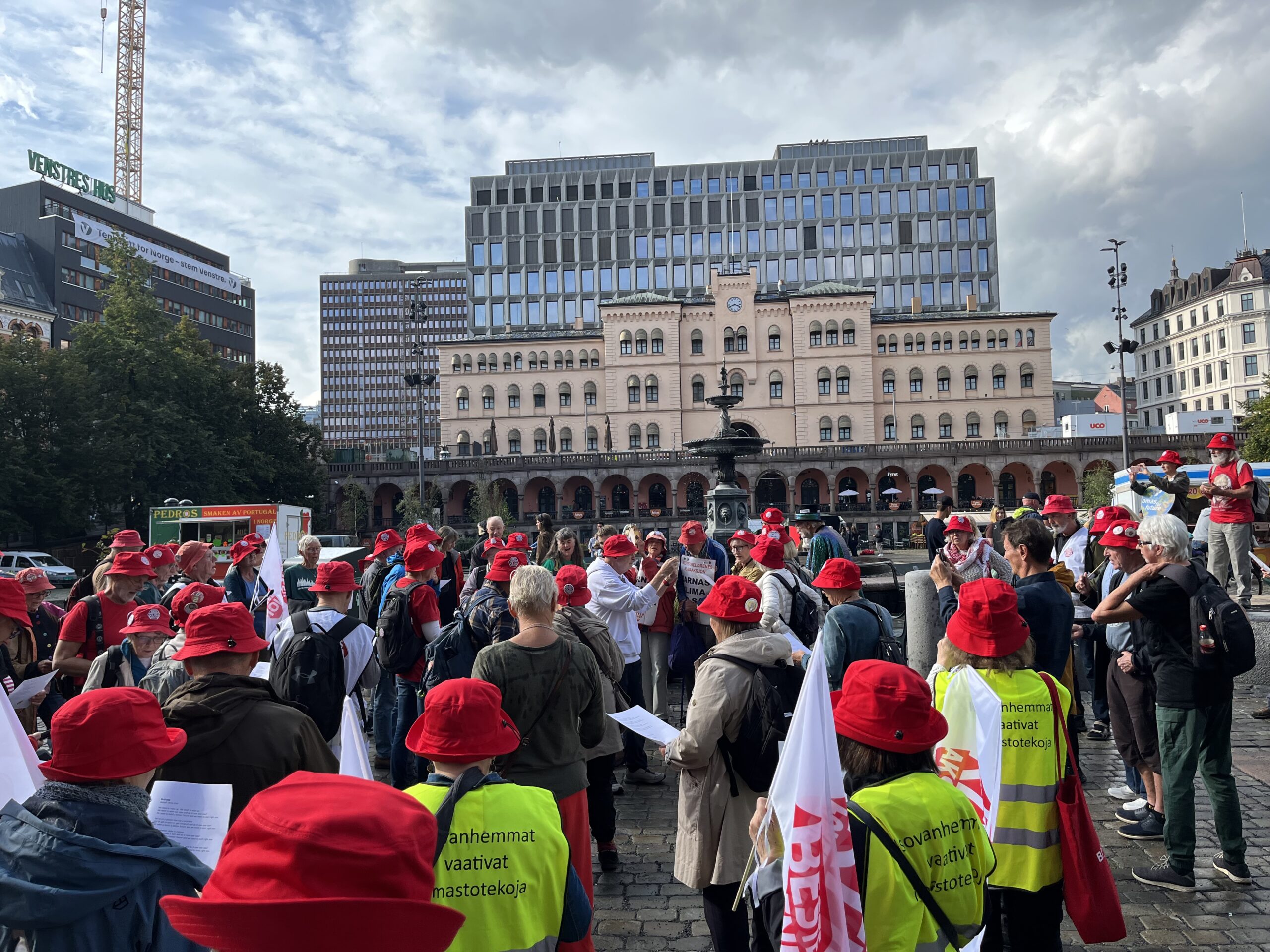
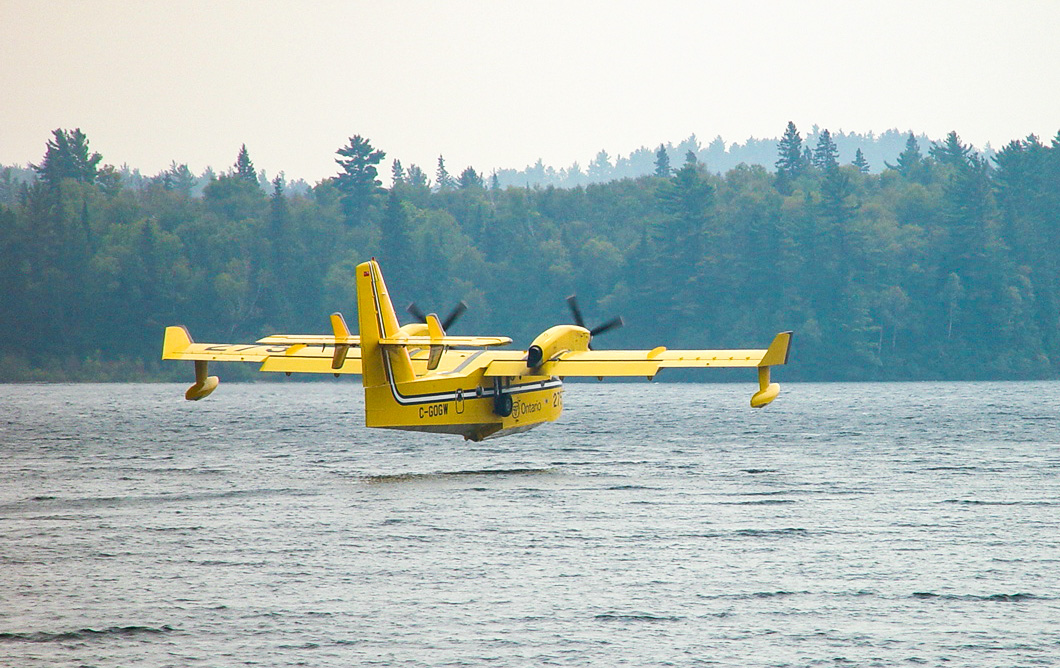 Provincial and municipal officials say they’re focusing on leveraging new resources and applying lessons learned from last year, now that Ontario’s wildfire season is officially underway. A total of 643 wildfires were reported last year in the province, burning nearly 600,000 hectares of land. Northwestern Ontario bore the brunt of wildfire activity in the province, with 11 communities facing restrictions or evacuations related to wildfire activity. “I think the biggest lessons learned obviously was how do we stretch as many resources as we can across the province,” said Mike Harris, Ontario’s Minister of Natural Resources and Forestry. Harris was new to the MNR portfolio last year, and he said he spent a lot of time through the summer meeting with fire crews, supervisors and meteorologists to gain a better understanding of the operations that happen on the ground throughout the season.
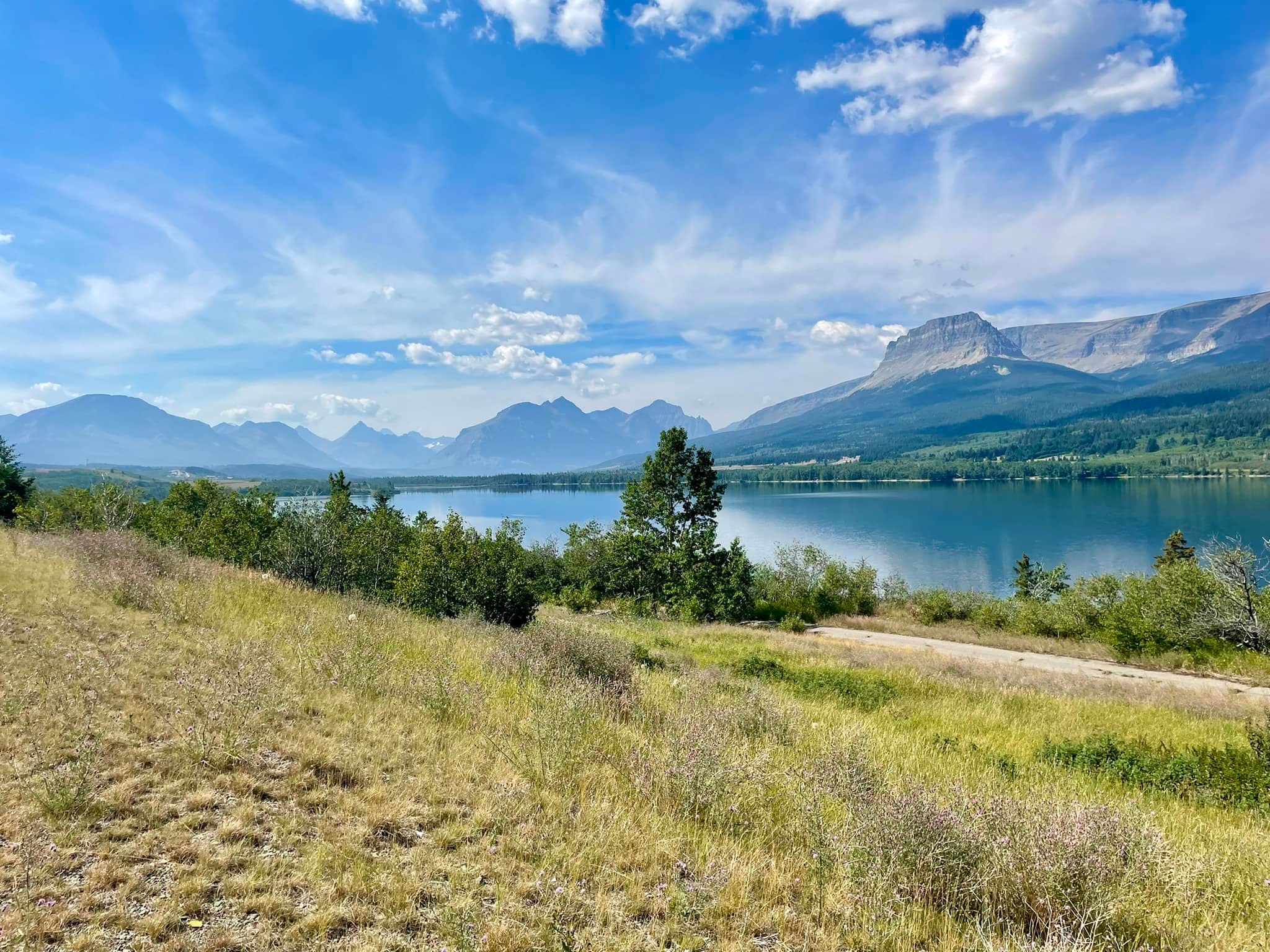 The U.S. Forest Service’s plan to close scores of research stations could threaten the nation’s wildfire readiness, many foresters fear, and erode decades of work to understand timber production, soil health, pests and diseases, watersheds and wildlife. …It’s unclear how many scientists will be affected by the transition, but it comes as part of a larger agency reorganization that is expected to move roughly 5,000 employees to new outposts. …The Forest Service has not said how much money it expects to save by closing the research stations. Many Western leaders are skeptical that the consolidated operation will be able to replicate the work of the existing research stations. …Forest Service veterans say its research program is valued by loggers and tree-huggers alike. “Nobody was asking for this,” said Robert Bonnie, undersecretary of agriculture for natural resources and environment during the Obama administration. “There was no call to do anything like this.”
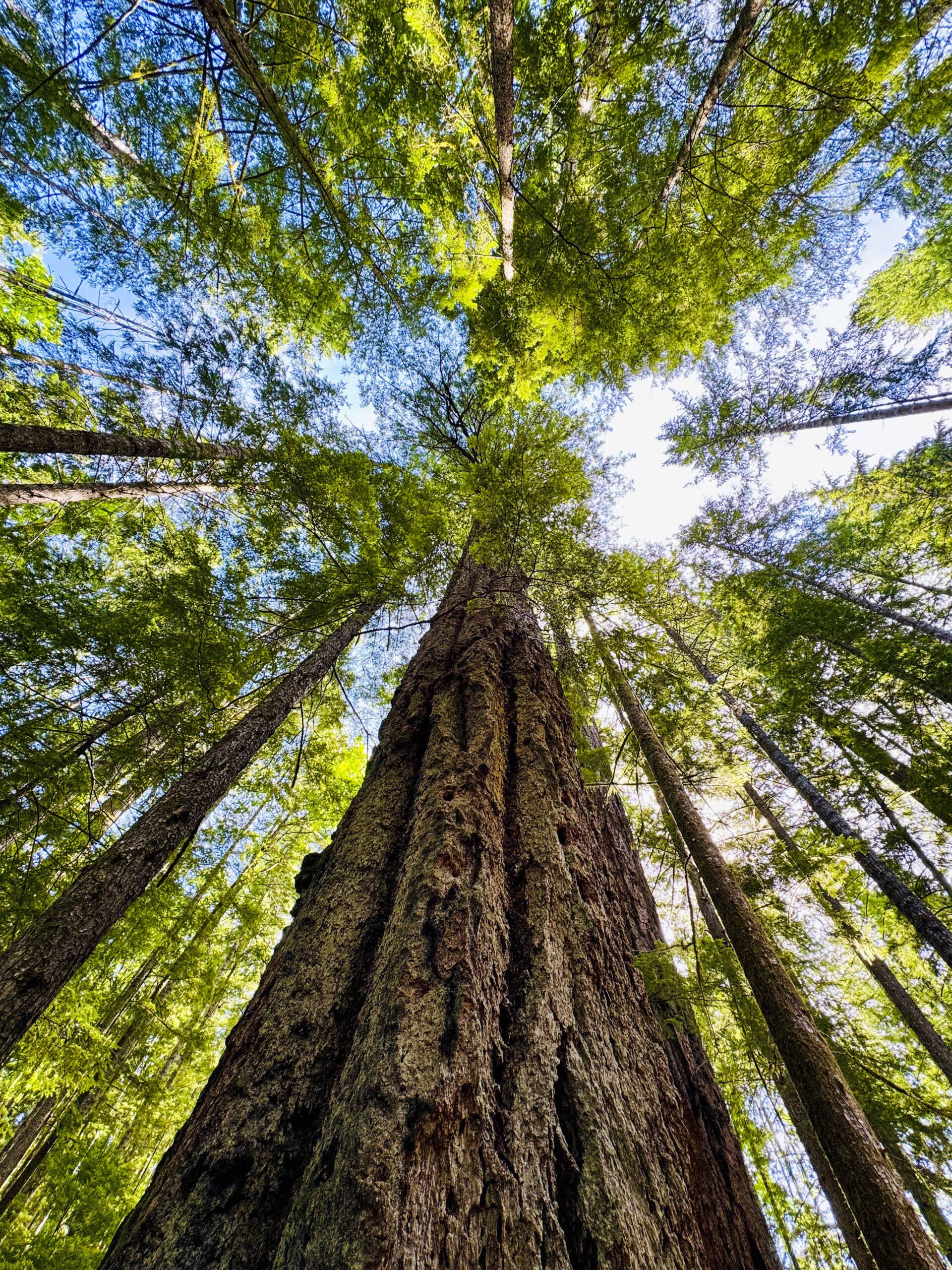 In southern Oregon they call it the “fir-mageddon” – the rapid decline of our largest and most prolific tree in the Pacific Northwest. The Douglas fir … is the most important tree species to the economy on the planet. Their ability to grow to a massive size and live for hundreds of years through all types of weather, makes it the best source for high-grade construction lumber… Douglas fir in Oregon and Washington alone make up one-quarter of the lumber industry in the United States. Since 2000, 635 acres of Douglas fir trees in our region have died — that’s roughly 175,000 trees, a trend that is only accelerating. The decline is not from the lumber industry. It’s global warming. A recent study proves is that Douglas fir trees are resilient to wildfires, but don’t fair well during a drought. During a drought they become vulnerable to a beetle that prays on distressed trees.
 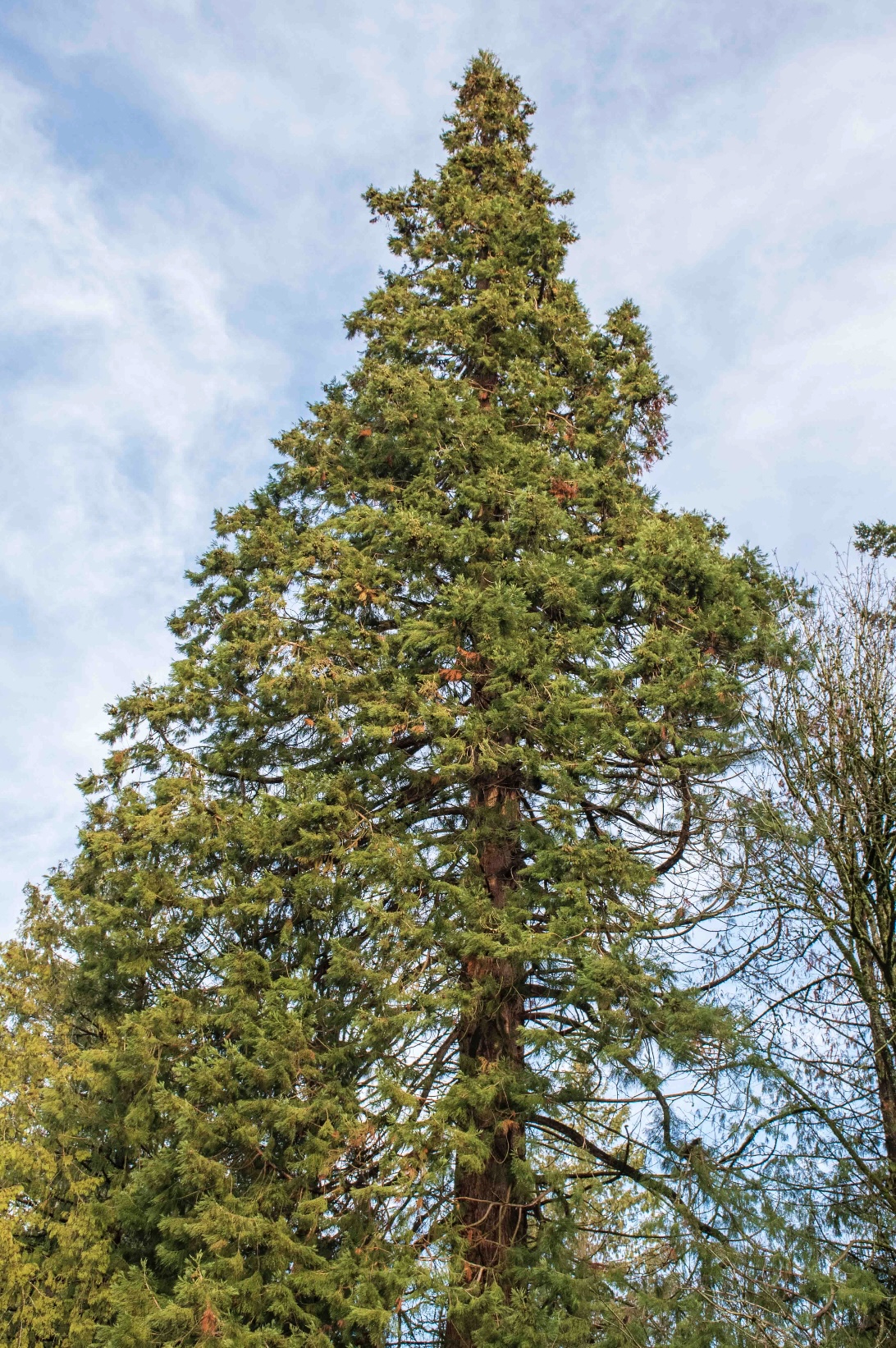 Five years ago, a tragic and depressing environmental story unfolded when thousands of giant sequoia trees, an iconic California species that tower 300 feet high and can live for 3,000 years, were killed during multiple large wildfires that roared across the southern Sierra Nevada. The fires in 2020 and 2021 at Sequoia National Park, Sequoia National Forest and other areas burned with unprecedented intensity, killing nearly 20% of the world’s giant sequoias, and exposing the growing vulnerability of the most massive trees on the earth. …After the fires, stunned scientists, park managers and environmental groups formed a partnership to reduce the chances of similar catastrophic outcomes in the years ahead. Now, with another summer fire season looming, they say they are making encouraging progress. Since their efforts began in 2022, the partnership has thinned the overgrown brush and small trees that provide fuel for fires to burn hotter in 44 of the 94 giant sequoia groves in California.
 A federal judge has refused to halt logging operations on a Southwest Oregon forest project that allows more than 8,000 acres of commercial timber harvest. Though a lawsuit has raised “serious questions” about errors in the environmental analysis of the Last Chance Project, those problems don’t rise to the level of warranting a preliminary injunction, said U.S. District Judge Mustafa Kasubhai. The U.S. Bureau of Land Management has authorized several timber sales to implement the Last Chance Project, which the agency finalized last year to reduce excessive forest stand density and provide a sustained log supply. Three environmental non-profits … filed a complaint alleging the project would harm the threatened spotted owl and the northwestern pond turtle, a sensitive species, contrary to several federal laws. The BLM has acknowledged there’s a discrepancy among its environmental reports about the acreage of spotted owl critical habitat that is slated for treatment.
 A dry winter has forecasters predicting a potentially active fire season in Oregon. Federal agencies are trying to minimize the threats from large wildfires by first clearing fuels near communities. Chainsaws were buzzing along Grants Pass’ Cathedral Hills Trail System this week, part of a 240-acre fuels reduction project meant to reduce the risk of wildfire amid warnings from climatologists. Grayback Forestry cut down small-diameter trees — below 8 inches for hardwoods like oak — and piled the timber to be dried out and burnt in the fall. Sean Hendrix, base manager at Grayback, said that while the trees are too wet to burn now without producing large amounts of smoke, they should be wetter. Oregon is coming off a dry winter and record-low snowpack. “In fire and fuels we talk about fuel moisture,” he said. “Live fuel moisture just three weeks ago, they were 60%. In the middle of May they should be 160% saturated.”
 U.S. House Republicans from Western states laid out a figurative welcome mat for the U.S. Forest Service Thursday as its chief pitched plans to whittle down the agency’s budget, move its headquarters to Salt Lake City and rely more heavily on states to manage millions of acres. “I think it’s very interesting what you’re proposing to do, and I support it,” said Idaho Republican Rep. Mike Simpson, chair of the House Appropriations Subcommittee on the Interior, Environment, and Related Agencies. Democrats on the budget panel grilled Forest Service Chief Tom Schultz about how billions of dollars in cuts to the agency proposed by President Donald Trump could drive up costs for states and stamp out important research. The subcommittee’s ranking Democrat, Rep. Chellie Pingree of Maine, said she’s deeply worried.
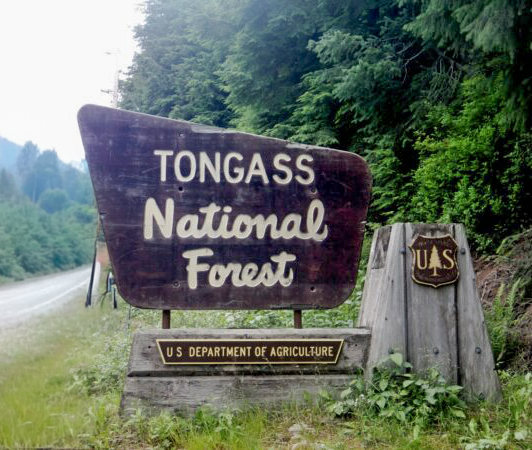 Impacts to Alaska of the announced U.S. Forest Service “restructuring” that would close regional offices and most of the agency’s research facilities remain unclear. … Among the facilities on the closure list were two that are important to Alaska: the Anchorage Forestry Sciences Laboratory and the Oregon-based Pacific Northwest Research Station in Portland. But other impacts on the 17-million-acre Tongass National Forest and the 5.4-million-acre Chugach National Forest were not disclosed. …Sen. Lisa Murkowski, R-Alaska, and her staff are in a “fact-finding” mode and preparing to mount a “defense of the Forest Service in Alaska and make sure the employees are able to continue the good work that they’re currently doing,” said Murkowski spokesperson Joe Plesha. …The Anchorage lab that is scheduled for closure is located in downtown Anchorage. It supports research in the Tongass National Forest, which is the nation’s largest, and the Chugach National Forest, the second largest.
 Despite several strong snowstorms across New Hampshire this winter and some rain in the past week, state officials warn that drought conditions persist statewide — along with an elevated risk of wildfires. The January-March period was the sixth-driest first quarter on record for the state, dating back to when measurements were first recorded in 1895, according to the New Hampshire Forest Protection Bureau. The data comes on the heels of an autumn with wildfire conditions so severe that a burn ban was declared statewide from Sept. 22 through Oct. 8. “Last year, New Hampshire experienced a 27.6% increase in the number of wildfires and a 16.8% increase in the number of acres burned,” said Chief Steven Sherman of the Forest Protection Bureau. “Many homes in New Hampshire are located in the wildland-urban interface — the area where homes and flammable wildland fuels intermix.” The U.S. Drought Monitor reports that 78% of the state is currently experiencing moderate to severe drought.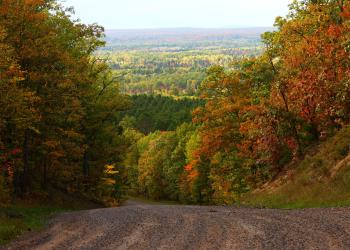


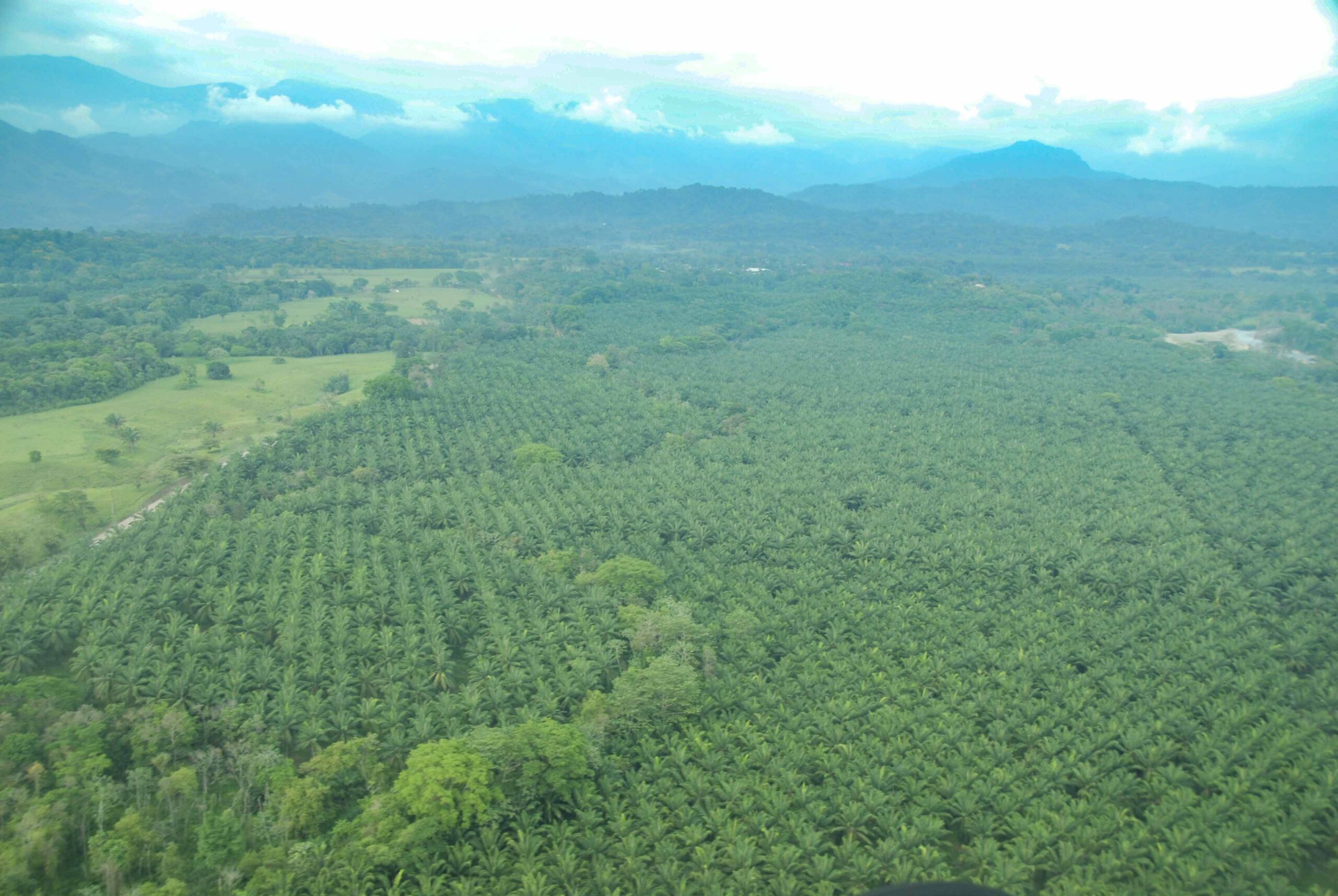 The loss of our forests is one of the biggest environmental challenges of our time. Forests are key to curbing carbon emissions and protecting the plants, animals and humans that call Earth home. However, we’re losing our forests at an alarming rate. Our new study shows we’ve lost roughly 300 million hectares over the past 11 years. However, it’s unclear how much of this forest has since been restored. Either way, we’re losing a significant amount of forest despite efforts to protect it through certification, protection and other conservation schemes. The European Union has introduced policies aimed at eliminating products and supply chains that contribute to forest loss. …Halting forest loss is also a major focus of international declarations, such as the Glasgow Leaders’ Declaration on Forests and Land Use. …Protected areas may also help curb forest loss. …These two strategies should be reducing, or even stopping, forest loss. But they’re failing to do so at a global scale.
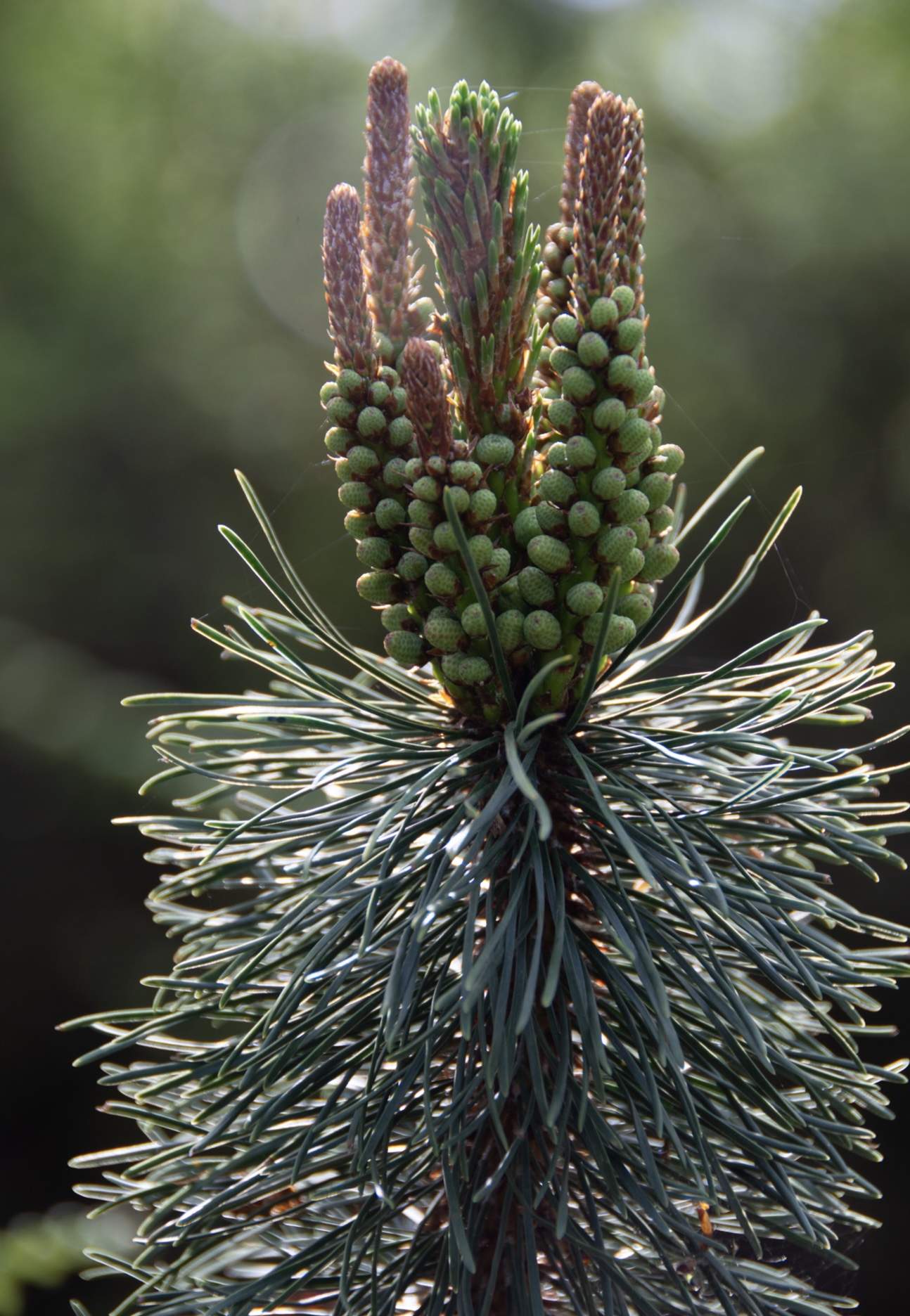 Vancouver and Victoria are the worst places to live in Canada for those with tree pollen allergies, according to a new report. The report from Aerobiology Research Laboratories shows the two B.C. cities are home to some of the most allergenic trees in the country, like birch and maple, and have a longer pollen season. The Ontario-based lab, which monitors airborne pollen with a network of 30 stations across the country, says conditions in the region create what it calls a “perfect storm” for allergy sufferers. “[The two cities] are so close to the coast and you get very mild temperature,” said laboratory director Daniel Coates. “Pollen loves warm weather.” He says allergy season in Vancouver and Victoria has already been intense this year and is expected to worsen in the coming weeks. The West Coast has been facing elevated pollen levels since January, much earlier than the rest of the country…
 WorkSafeBC is holding a virtual public hearing on