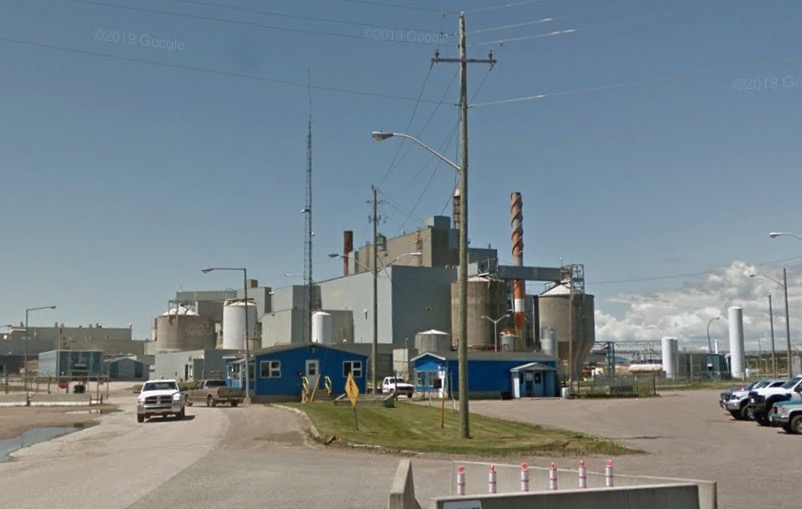
 Economic uncertainty, rising building costs and interest rates resulted in a sharp decline in US builder sentiment. In related news: the Globe & Mail’s Brent Jang says Canadian softwood duties paid have surpassed $8B; FEA’s Paul Janke says Canada’s diversification goal will face stiff competition; and a proposal to buy the AV Terrace Bay Pulp Mill stalls. Meanwhile: Warren Spitz, CEO of Upper Canada Forest Products receives University of BC honour; updates from this week’s Montreal Wood Convention; and submissions are open for CWC’s 2026 Wood Design & Building Awards.
In Forestry/Wildfire news: the US Forest Service is in damage control, as Alaska and Michigan debate office closures, and Montana’s logging-bump is announced; heat waves raise Arizona’s wildfire risk; and a BC First Nation begins landslide mitigation work near Ucluelet, BC. Meanwhile: the US Endowment announced $5M for under-utilized wood fibre use; AF&PA is disappointed with Oregon’s recycling Act; and Drax claims record subsidies for renewable power generation.
Finally, BC Wood is hiring—CEO Brian Hawrysh retires after 20+ years at the helm.
Kelly McCloskey, Tree Frog News Editor

 SALMON ARM, British Columbia — Forsite Consultants Ltd. today announced the launch of

 The Canadian District Supervisor position is a unique and highly sought after opportunity for those intimately involved in the quality control of lumber or manufactured wood products. PLIB’s District Supervisors are responsible for evaluating the quality of lumber, glulam, and wood packaging products. Our inspectors influence a wide range of important issues that impact the wood products industry through participation in the development of quality standards and educating mill personnel. PLIB’s Canadian Division serves a variety of producers across Western Canada. This position requires fully reimbursed travel. Interested candidates that meet the qualification criteria are encouraged to visit the PLIB website for a complete job description and application process.
 Abbotsford, BC — Mirax Group, a privately held, family-owned British Columbia company with deep roots in forestry, lumber manufacturing, value-added wood products, and diversified industrial operations, has acquired the former Errington Cedar Sawmill in Errington, BC. This strategic acquisition reinforces Mirax Group’s commitment to investing in the sustainable growth of British Columbia’s forestry sector, preserving local jobs, and enhancing supply chain resilience for cedar and softwood products destined for global markets. The Errington Cedar Sawmill, long recognized for its legacy in processing premium cedar products for domestic and international customers — faced closure in recent years following industry challenges. With the transaction now complete, Mirax Group will operate the facility as the Vancoast Sawmill division, and position the site as a cornerstone in its expanding coastal operations. …The company also plans to evaluate investments in modernized milling technology and value-added processing to enhance product diversity and competitiveness.

 North Vancouver – The Independent Wood Processors Association (IWPA) says today’s preliminary U.S. softwood lumber duty ruling under Administrative Review 7 (AR7) is further evidence that the softwood lumber dispute has become a broken process that continues to punish businesses and consumers on both sides of the border without bringing either side closer to resolution. The U.S. Department of Commerce has posted a preliminary tariff determination expected to be finalized in August. The preliminary combined duty rate includes a countervailing duty (CVD) of 14.17 per cent and an anti-dumping duty (AD) of 10.66 per cent, for a total combined rate of 24.83 per cent. The current duty rate of 35.16 per cent will remain in effect until a final determination is issued. …The Independent Wood Processors Association says the ongoing dispute continues to unfairly harm companies that should never have been included in the first place. … “This ongoing cycle is creating uncertainty for businesses, workers, and consumers across North America and highlights the urgent need for a negotiated solution,” said Andy Rielly, Chair of the IWPA.
 An employee at a national non-profit is accused of fraud involving more than $6 million in public funds earmarked for Indigenous Guardians programming. The First Nations National Guardians Network, or NGN, provides funding, networking, training and education opportunities that support First Nations-led stewardship and sovereignty. In an email, the non-profit – which administers funds from the federal Department of Environment and Climate Change – told operators of Guardians programs it had found “evidence of a sustained pattern of unauthorized financial transactions that appear to have been made by a member of staff.” An investigation identified suspicious transactions over a period of months… 90 Indigenous Guardians projects were funded through NGN in the 2023-24 fiscal year. In the North Island, they include Campbell River-based Homalco First Nation, which received $100,000, and Nanwakolas Council Society, an alliance headquartered in Campbell River that represents First Nations on the South Central Coast and northern Vancouver Island, which received $150,000.
 PRINCE GEORGE – “Every day I get a phone call from an employer, and the first thing that comes to my mind is, ‘Oh, we’re going to lose another operation.’ And right now we’re probably down to about half the membership we were, a number of years ago.” That’s the sentiment of the president of the United Steelworkers – the union representing forestry workers in northern and central B.C, Brian O’Rourke. And the numbers are startling. Comparing data compiled from 2024 to 2026, the amount of money invested in forestry in British Columbia dropped from $15.8 billion to $14.4 billion, while the number of people employed in the sector dropped by 5,000. First Nations are acutely impacted, with 4,800 directly employed in forestry leading up to 2024. That dropped to 2,600. Meanwhile, the amount of money the industry generates for the provincial coffers dropped dramatically from $17.4 billion to just $12.8 billion. …But the Council of Forest Industries is infinitely optimistic because – in the words of Kim Haakstad – everyone uses forestry is some fashion.
 The U.S. Endowment for Forestry and Communities today announced a $5 million funding opportunity to connect underutilized wood fiber with new buyers, strengthen regional supply chains and keep working forests economically viable. This effort will invest up to $1 million per year over five years in organizations that can develop durable market solutions, helping keep working forests productive and rural economies strong, especially in regions facing reduced processing capacity and shifting market conditions. An additional $500,000 is available for projects in Maine, New Hampshire, New York and Vermont through a partnership with the Northern Border Regional Commission’s Forest Economy Initiative. When local wood markets weaken, the impact ripples across entire communities, affecting landowners, loggers, hauling businesses and manufacturers. Without reliable markets, it becomes harder to keep forests actively managed and economically viable. The Endowment expects to select three to five organizations by June 2026 for five-year agreements focused on practical market-building work.
 On March 31, USDA announced that the U.S. Forest Service will relocate its headquarters from Washington, D.C. to Salt Lake City, bringing roughly 260 positions and the agency’s top leadership to the Intermountain West. For Utah, a state with more than 8 million acres of national forest land and a $12.3 billion outdoor recreation economy, this is a significant development. The relocation does not arrive in a vacuum. In January 2026, Utah finalized a 20-year cooperative agreement with the Forest Service giving the state a substantially larger role in managing its national forests, covering decisions about logging, grazing, recreation, wildlife, and forest restoration. The Forest Service’s Intermountain Regional Office has been based in Ogden for decades. That office will close under the reorganization, but the new national headquarters in Salt Lake City places an even higher level of decision-making authority in the state.
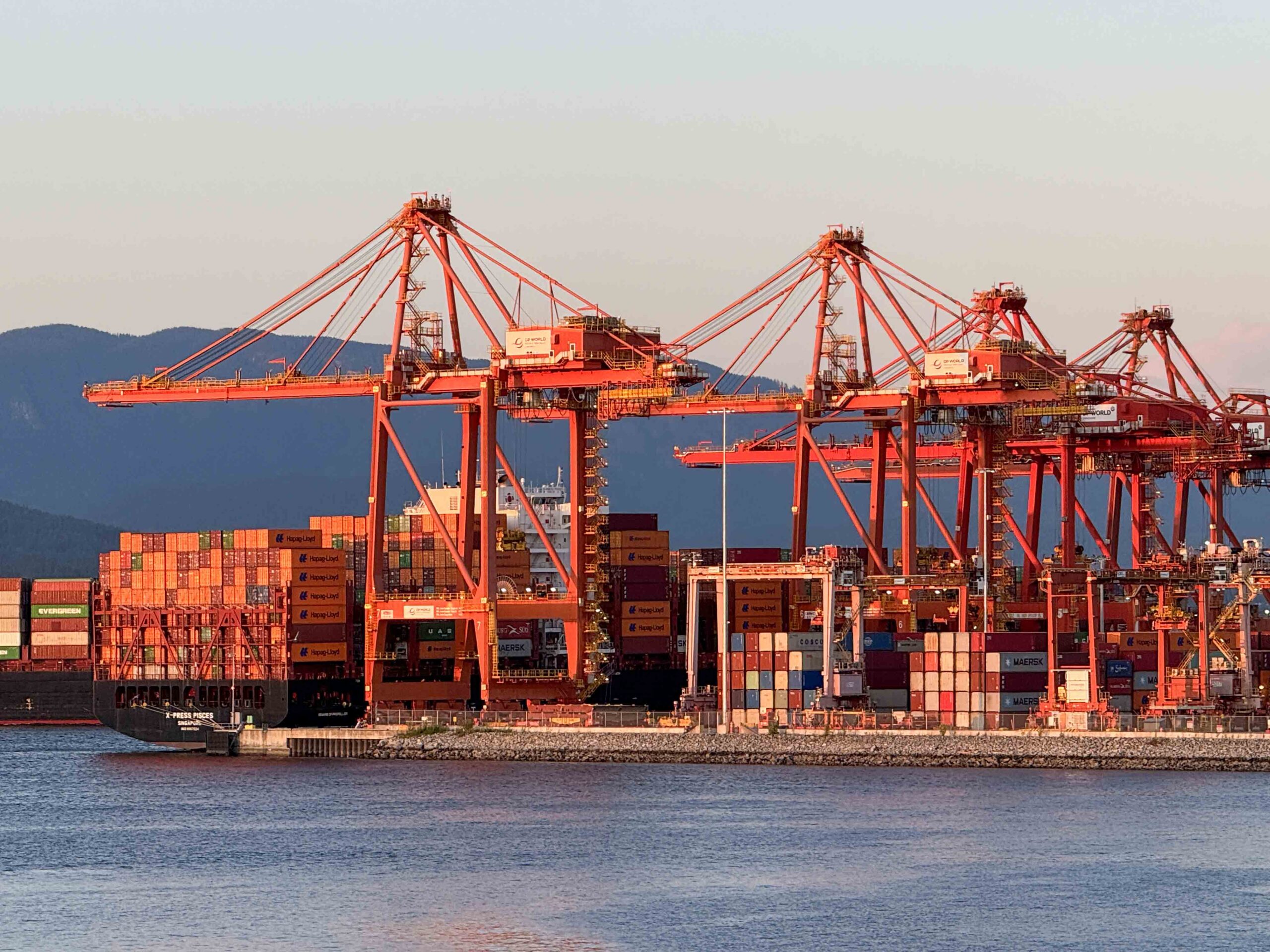 B.C. saw a significant increase in energy and mineral exports in February compared with a year earlier, while wood exports continued to decline. The province exported more than $4.8 billion worth of products in February, a 16.3 per cent monthly increase and a 2.8 per cent year-to-date increase compared with the same period last year. …However, exports in the wood sector continued to decline. About $479 million worth of products were exported in February, an 18.1 per cent decline from January. Lumber saw the sharpest drop, down 27.7 per cent, followed by other panel products (-23.4 per cent) and plywood and veneer (-19.1 per cent). As a result, year-to-date wood exports fell by more than 30 per cent compared with the same period in 2025. Machinery and equipment exports also declined, down 17.9 per cent month-over-month and 27.6 per cent year-to-date.


 American Forest & Paper Association President and CEO Heidi Brock commented following the court’s decision to deny AF&PA’s motion to join the challenge to Oregon’s Recycling Modernization Act: “We are disappointed by the court’s decision denying our motion to join the challenge to Oregon’s Recycling Modernization Act. While we respectfully disagree with the ruling, AF&PA remains fully committed to pursuing all available legal and strategic options to protect our members’ interests. As Oregon’s program moves into implementation, it is becoming clear that the law imposes significant and unnecessary burdens on paper products that are already among the most successfully recycled materials in the United States. …We will continue working closely with partners and counsel to secure meaningful relief for our members and ensure that recycling policies are workable, fact-based and do not increase costs across the supply chain for businesses and consumers alike.”
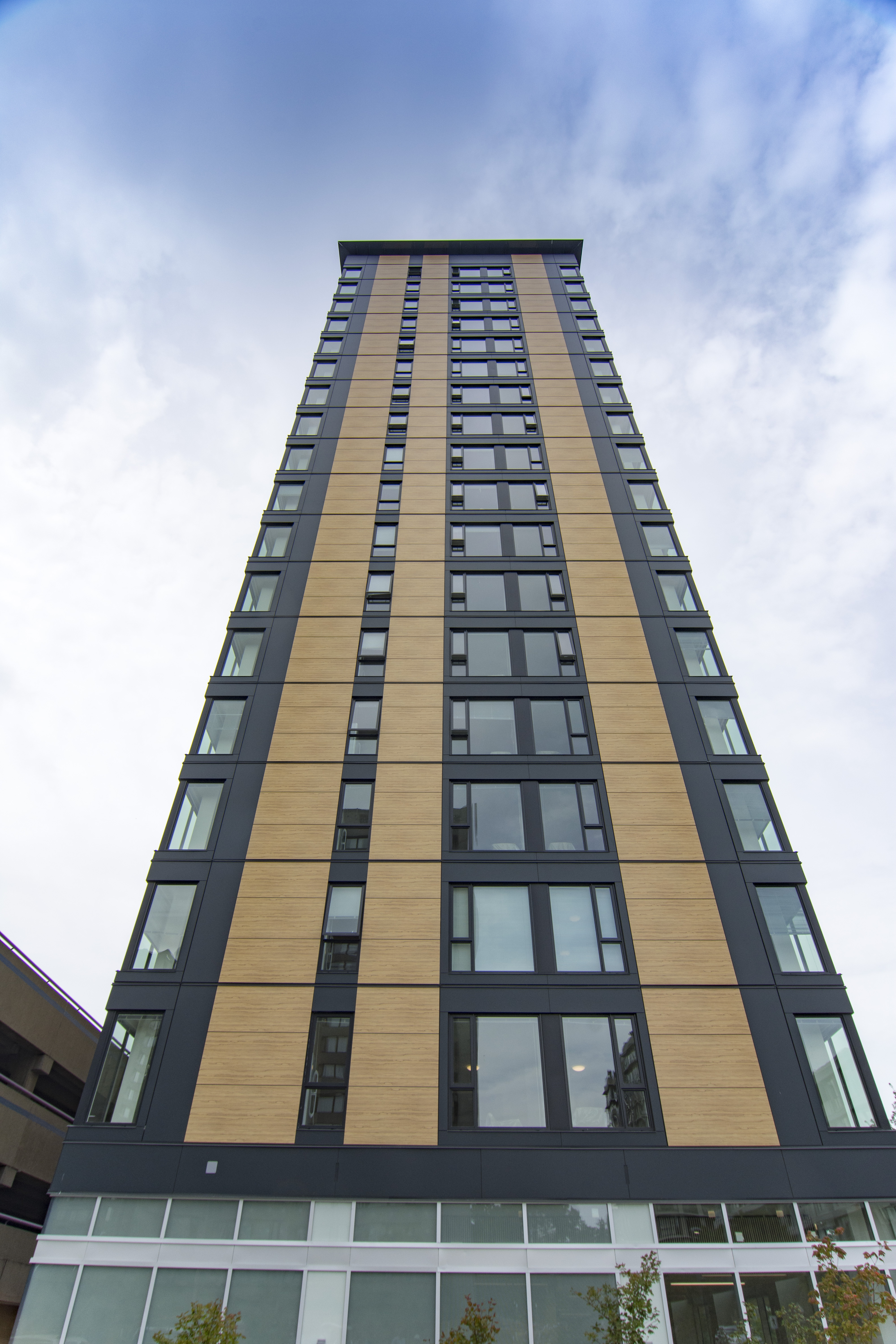 As the world gets hotter and wildfires more intense, architects are turning back to trees for more than inspiration. Engineered materials like cross-laminated and glue-laminated timber, in which layers of wood are glued together, create beams that are tough and somewhat flexible, yet lightweight. They’re so strong, in fact, that designers are crafting wood structures that are 15, 20, even 25 stories high: In 2022, the 284-foot Ascent MKE Building opened in Milwaukee, Wisconsin, becoming the world’s tallest timber building. It’s exactly because the world is getting hotter that architects are pushing the limits of how tall they can build with “mass timber,” as it’s known in the field: As trees grow, they capture planet-warming carbon, which is then permanently incorporated into the edifice. To that end, last month crews completed a 10-story building in Vancouver, called the Hive, which is now North America’s tallest brace-framed, seismic-force-resisting (meaning it shrugs off earthquakes) timber structure.
 The Forest Stewardship Council (FSC) Canada, together with the FSC Canada Indigenous Chamber, the FSC Indigenous Foundation, and Indigenous communities across the country, is proud to announce the launch of the Indigenous Knowledge Networks, a new Indigenous led initiative designed to strengthen community-driven forest stewardship, knowledge sharing, and rights-based governance. The Indigenous Knowledge Networks will serve as a collaborative platform where Indigenous communities can connect, share wise practices, and advance their own stewardship priorities in ways that reflect local governance systems, cultural protocols, and community-defined goals. As part of the launch, Wahkohtowin Development GP has been named the first regional Network, supporting sister Nations across the Northeast Superior Region. Wahkohtowin will lead in-person gatherings, virtual learning opportunities, and community-driven activities that strengthen relationships and build capacity across the region. …The first phase of the Indigenous Knowledge Network will include a visioning process…
 Urban bears in Prince George are dropping clues, and the CNC Research Forest team needs your help scooping them up! Bear poop holds a wealth of information about the bear’s health, diet, and hormones. By analyzing feces samples from across the city, CNC researchers hope to gain insight into the health and behaviour of urban bear populations versus their counterparts that live outside of Prince George. CNC Research Assistant Vanessa Uschenko is co-leading this unique study with Dr. Laura Graham from the CNC Biology department. The research project is done in partnership with the Northern Bear Awareness Society and with support from the B.C. Conservation Officer Service. “Our goal is to better understand what drives bears to enter the city. We can use that data to help inform wildlife management and conservation strategies that mitigate human-bear conflict,” shares Vanessa.
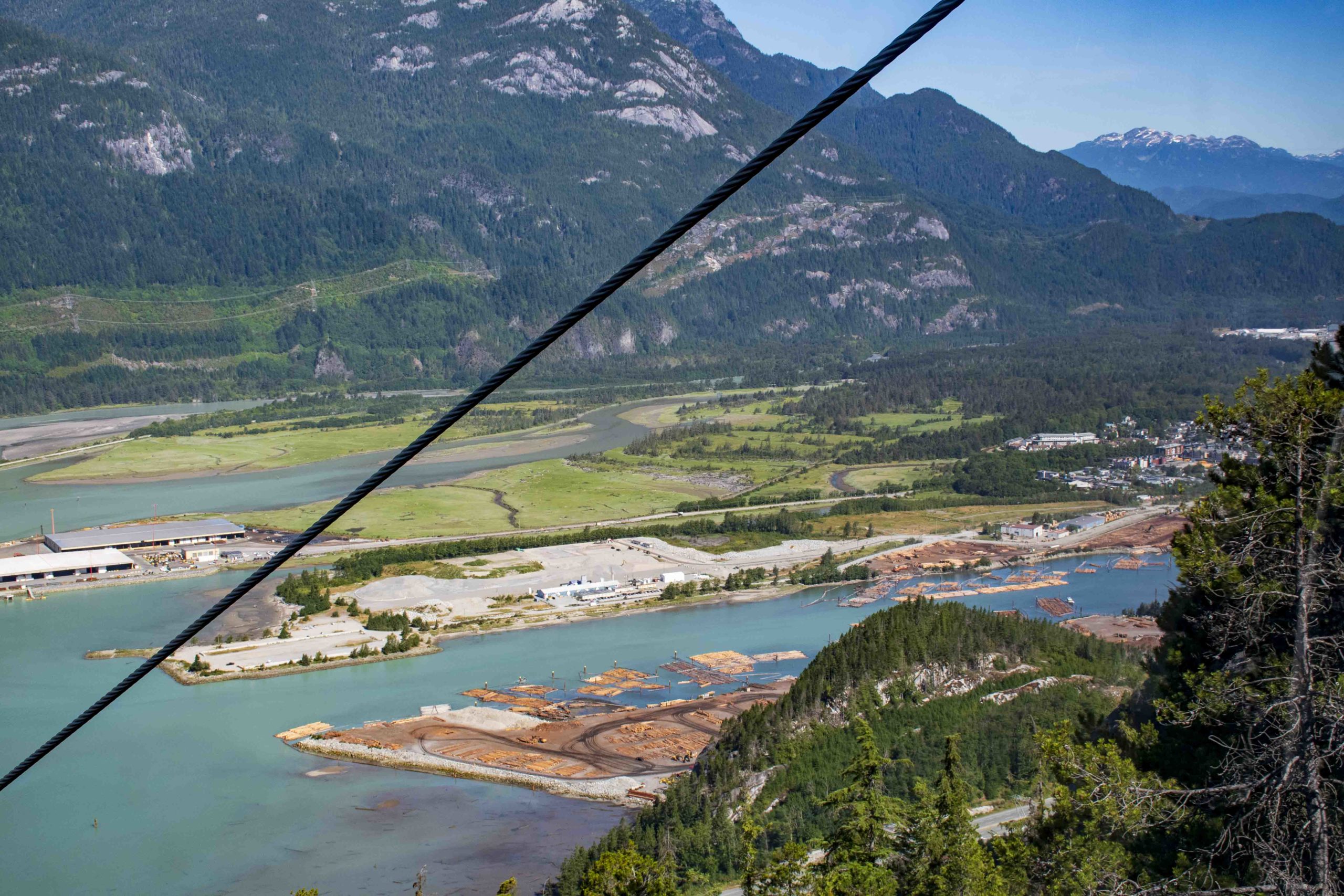 District of Squamish staff are asking Council to endorse a new wildfire strategy with 53 specific actions to protect residents, homes and critical infrastructure. According to staff, the 2026 Community Wildfire Resiliency Plan, prepared by Blackwell Consulting Ltd., must be adopted by April 30 for the District to remain eligible for up to $400,000 in provincial FireSmart grant funding over the next two years. The plan is Squamish’s first major wildfire strategy update since 2017. In the years since, rapid population growth, increased tourism pressure, and new development pushing into forested terrain have changed the risk picture considerably. It was developed in collaboration with Squamish Nation, Squamish Community Forest, BC Wildfire Service, BC Parks, the Ministry of Forests, and the Squamish-Lillooet Regional District. …The plan identifies hiring a full-time FireSmart Coordinator as a high-priority step with a three-month timeline. …The plan also calls on the District to review Squamish Fire Rescue staffing levels…
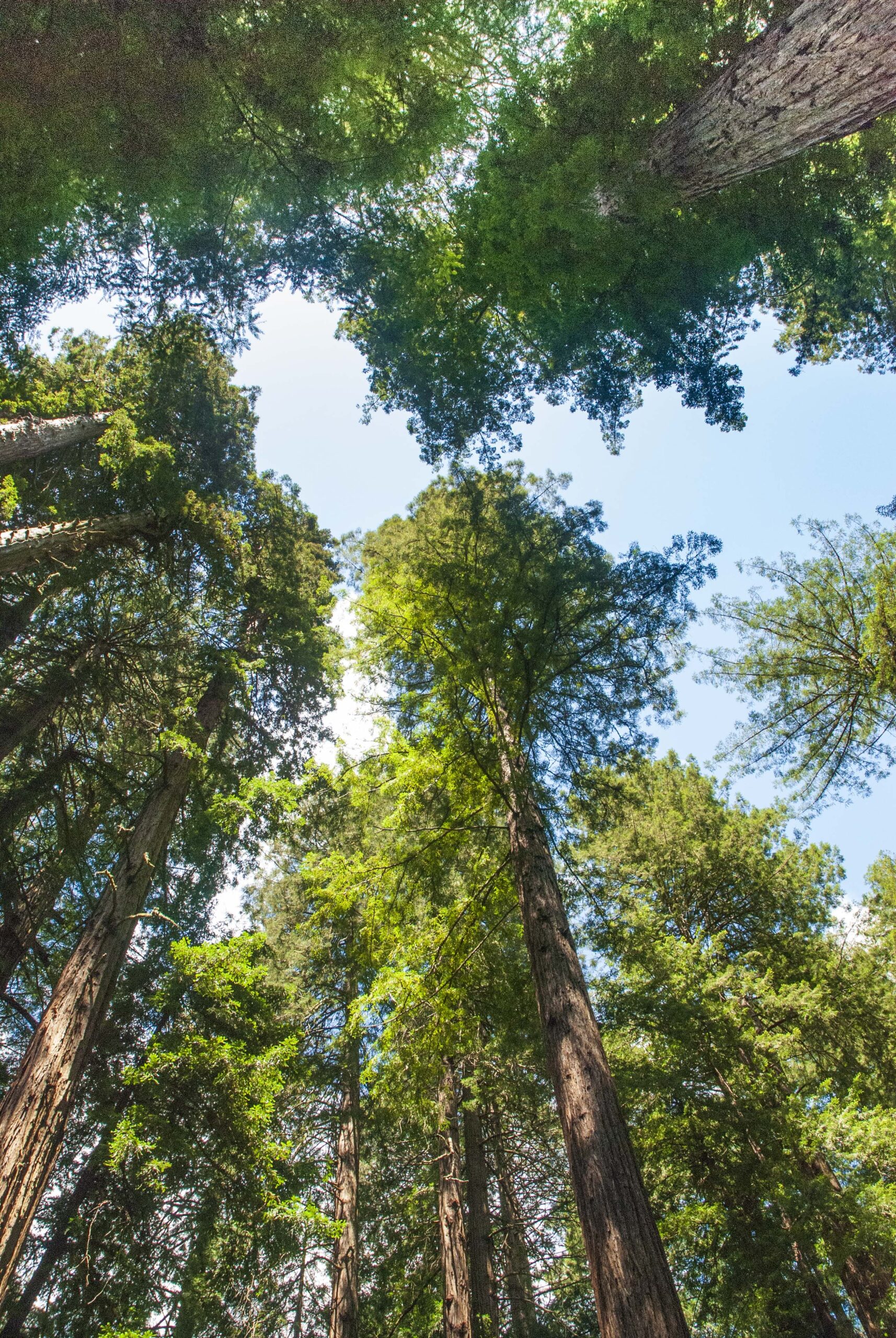 Peachland residents are once again fighting against logging in their watershed. Following the proposal of three new BC Timber Services (BCTS) cutblocks overlapping with Old Growth Deferral zones in the Peachland Community Watershed, the Peachland Watershed Protection Alliance (PWPA) have started a petition to halt old growth logging entirely. The petition, created in late March, calls to stop commercial and partial clear-cut logging in the Peachland watershed’s old growth and primary growth forests. …Taryn Skalbania, one of the founders of the PWPA, has ran the organization for over a decade to fight against logging in her community. She said this isn’t the first time the PWPA has opposed logging in their community, but that this is the “line in the sand.” …ecologist and former member of the old growth TAP Rachel Holt said there is only two per cent of old forest the IDFdk2 forestry zone – which covers the Okanagan area – remaining.
 Local residents are invited to share their input on the development of the Cariboo-Chilcotin forest landscape plan (FLP) to guide long-term forest management decisions in the area. People can share their thoughts through a survey, which will run from Monday, April 13 to May 30, 2026. The Ministry of Forests will also hold two open houses (April 29 and May 2) so the community can learn more about forest landscape planning and ask questions. …FLPs are developed in partnership with First Nations to ensure meaningful participation in forestry planning and long-term decision-making. …Engagement with forest licensees, subject-matter experts and the public is a key part of every FLP. …Through early collaboration with First Nations partners and initial engagement with forest licence holders, key themes have emerged that will be integrated into the survey for public feedback to reflect community priorities. Developing FLPs is a new approach to forest stewardship that establishes clear direction for the management of forest-related values…
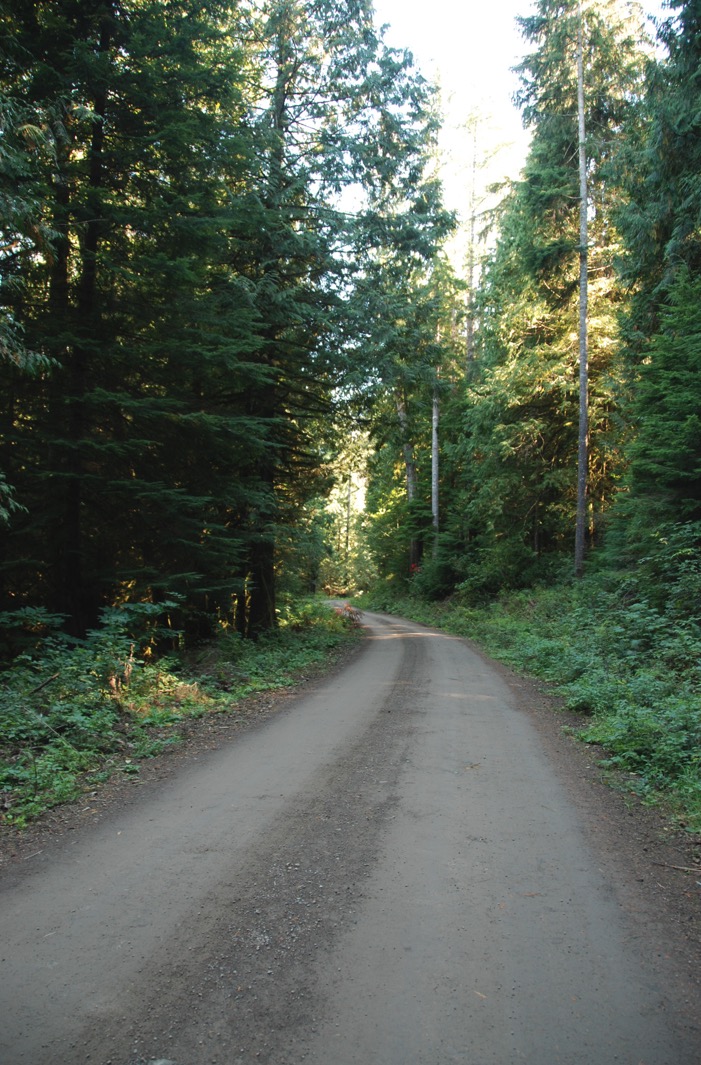 A B.C. logging company has sued the owners of a major oil pipeline for allegedly destroying a key access road and stranding $4 million worth of timber near the Coquihalla Highway. The dispute dates back to 2022, when Western Canadian Timber Products Ltd. and Trans Mountain Pipeline Limited Partnership entered into an agreement around a patch of forest northeast of Hope, B.C. A lawsuit, filed April 2 in B.C. Supreme Court, claims the agreement granted Trans Mountain access to a proposed cutblock in the Portia and Boston Bar Creek area so it could complete construction of a second oil pipeline from Edmonton, Alta., to B.C.’s Lower Mainland. Originally built to transport crude and refined oil from Alberta to the B.C. coast, the Trans Mountain pipeline was recently expanded through a massive “twinning” project that nearly tripled its capacity.

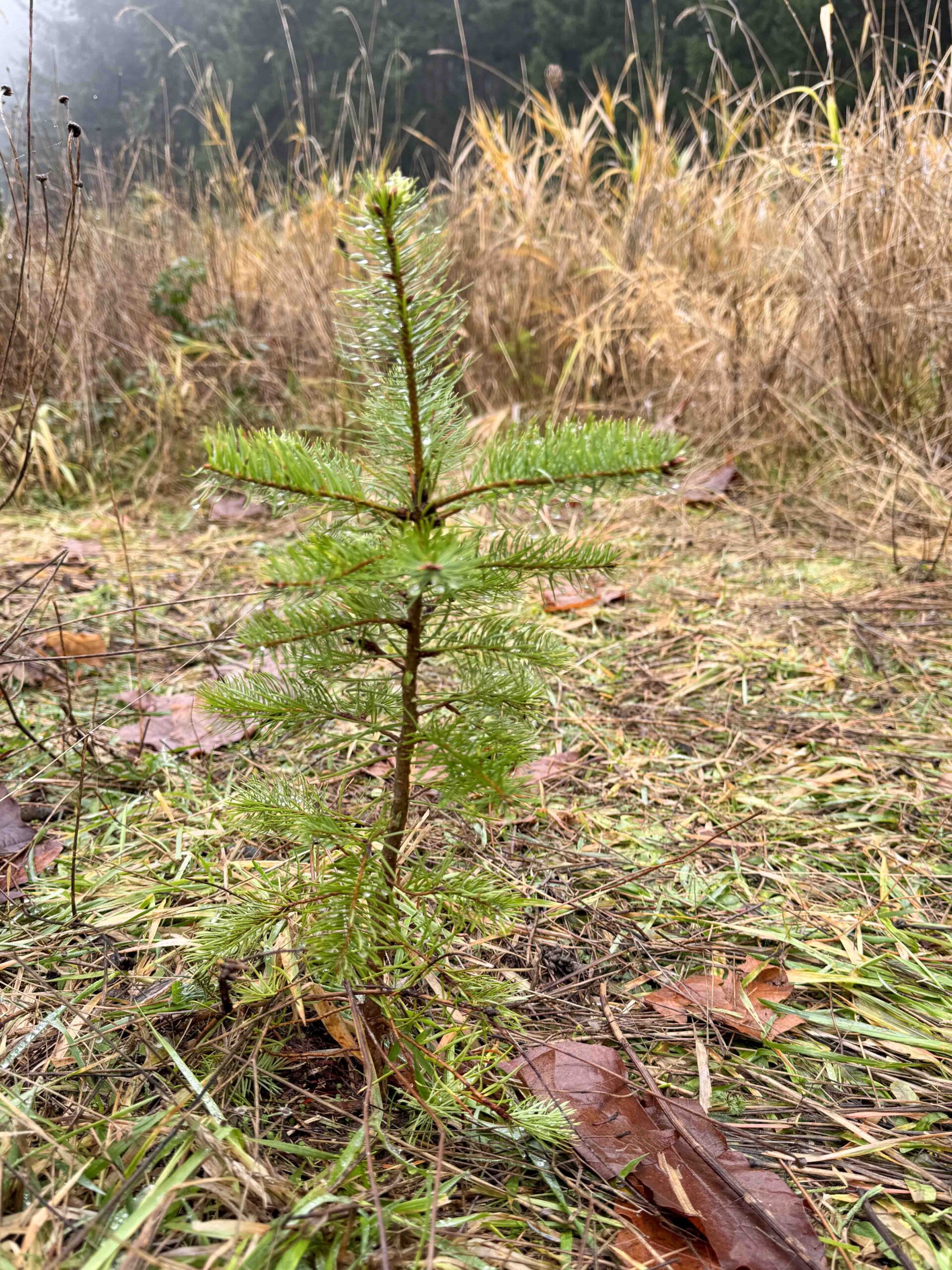 New life is sprouting in Rose Valley Regional Park, where crews and volunteers have begun restoring areas damaged by the devastating McDougall Creek wildfire back in 2023. At a community tree planting event held Saturday, hundreds of new trees were planted to help the park recover. The effort is part of a larger plan led by the Regional District of Central Okanagan to bring the forest back to life. Wayne Darlington, RDCO’s manager of parks capital planning, said the work marks an important turning point. “After 2023 McDougall Creek wildfires, we’re now at a point now where we’re actually putting some more trees back and plants back in the ground,” Darlington said. Volunteers spent the day planting hundreds of trees in some of the hardest-hit areas.
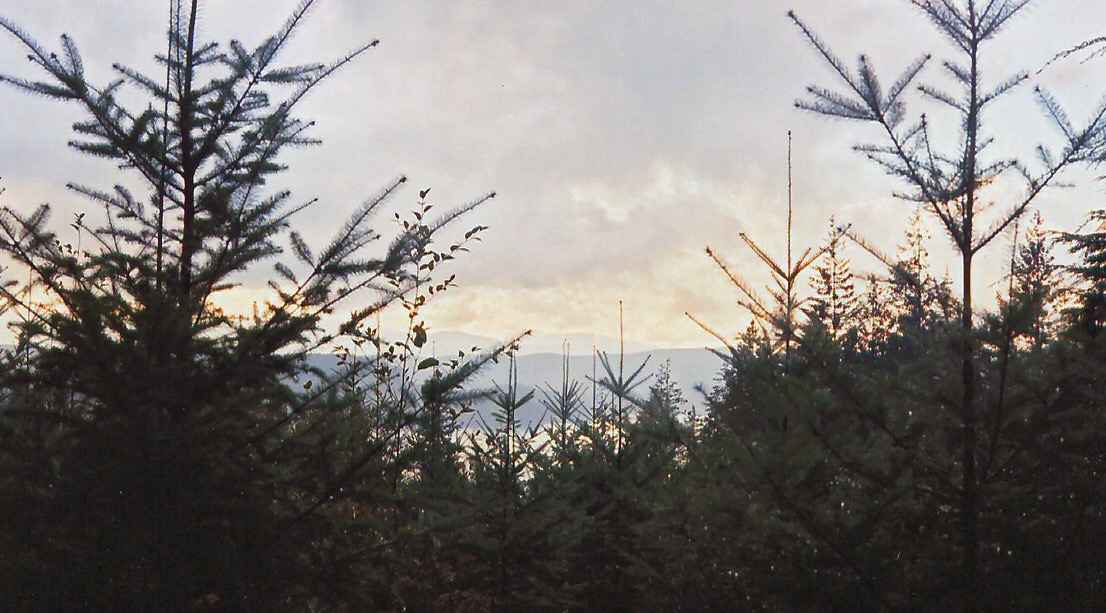 If reviews could save old growth, British Columbia would have the healthiest forests on Earth. Instead, the province has produced a stack of reports as tall as an ancient Douglas fir. Their wording may differ, but their conclusion does not: BC’s forestry system is broken. Fixing it will not be easy or quick, but instead of acting, the government continues to produce new reports to delay tough decisions — especially when those decisions mean standing up to large logging companies that profit most from the status quo. Rather than using the reports to inspire action, the BC government is hiding behind them. …Nearly six years into BC’s OGSR commitment, we now have a sixth report by the Provincial Forest Advisory Council called From Conflict to Care. It again concluded that systemic reform is needed in the province’s forestry regime. Each report acknowledges the same truth: what we’re doing isn’t working.
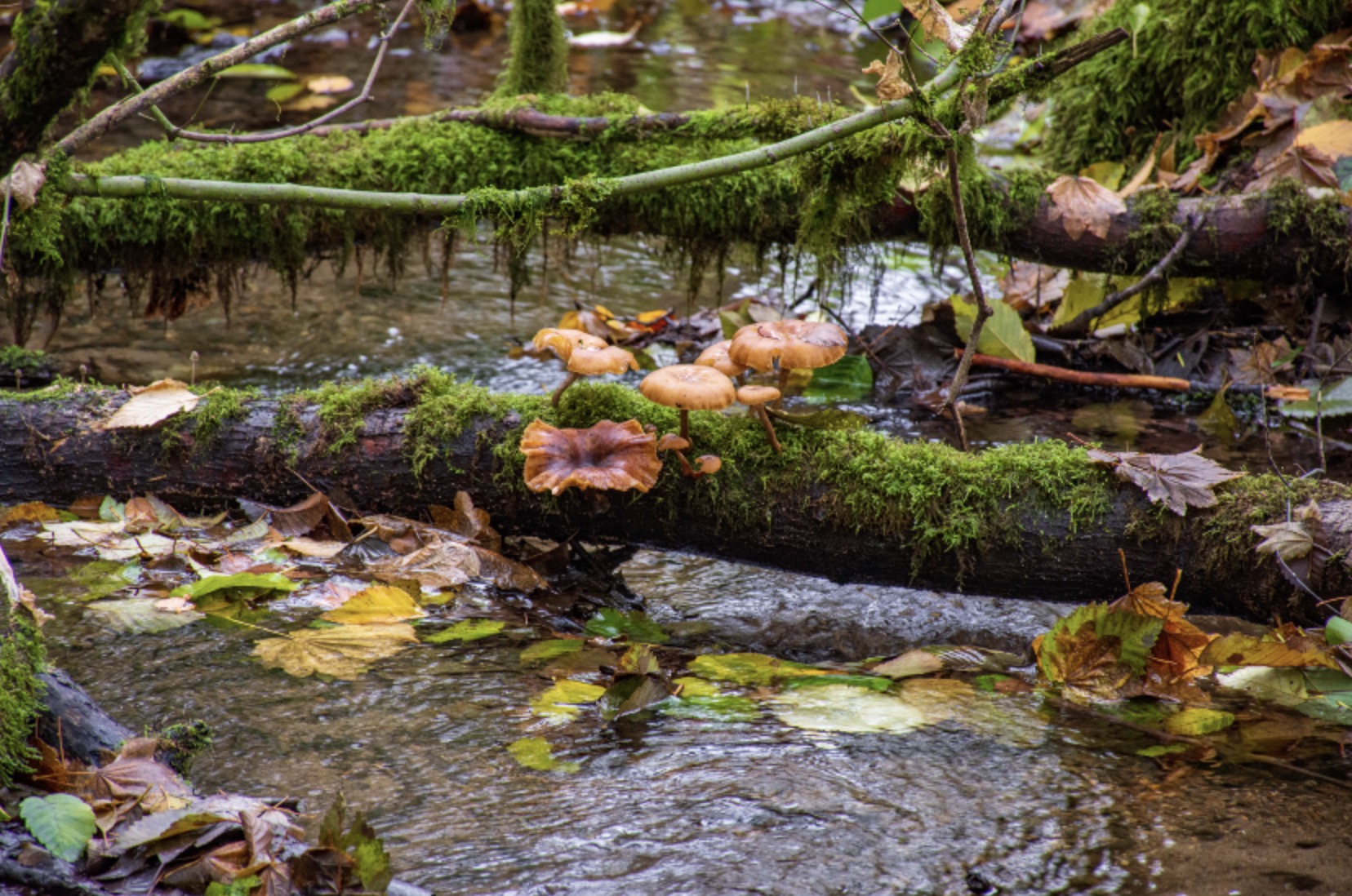 A private company is seeking exclusive rights to part of a coastal park near Victoria, sparking concerns about the B.C. government’s priorities for public wilderness areas. One With Nature Corp. aims to use 72 hectares of East Sooke Regional Park, …for an outdoor education and wilderness survival skills school. Five hectares near a hiking trail would be used for overnight accommodation and would be off limits to the public if approved. …The school would include an archery range, an outbuilding to process animals, a learning centre, a camping area, bathrooms, a boat dock and cabins built with trees the company would cut down in its exclusive use area, according to One With Nature’s application to the B.C. government. …A spokesperson for the B.C. Ministry of Water, Land and Resource Stewardship said the land is available because it was never transferred to the regional district or dedicated as park land when the East Sooke protected area was created in 1970.
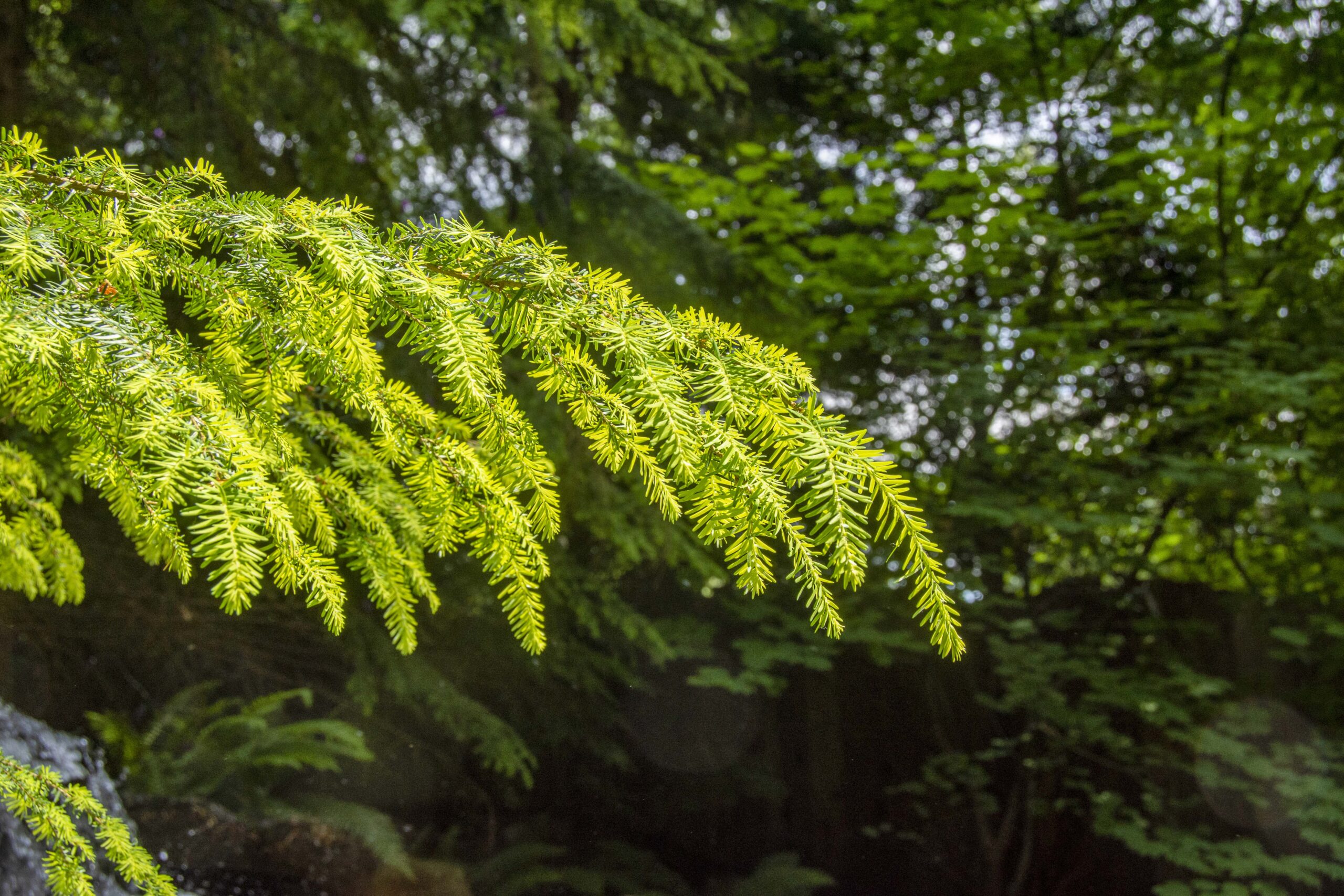 Sarah Wayne Callies, from AMC’s The Walking Dead, has urged her fans to oppose a Nanaimo zoning change west of Cable Bay trail. On April 16, a hearing will be held in Nanaimo, for the possible rezoning of 74.71 hectares of the total 86-hectare property at from rural resource to industrial, with site-specific provisions over its use, allowed density and lot coverage. Included in the application for rezoning is a provision of an average 100-metre buffer zone around Cable Bay trail, about 13 per cent of the property. The zoning application was submitted by Harmac Pacific. During an information session in 2024, the company shared it would like to turn the land into a private industrial park. At the time, a representative with Harmac told the News Bulletin that the process to lease out the land would be phased over many years, and it would be marketed to businesses that “might have synergies” with Harmac’s existing business.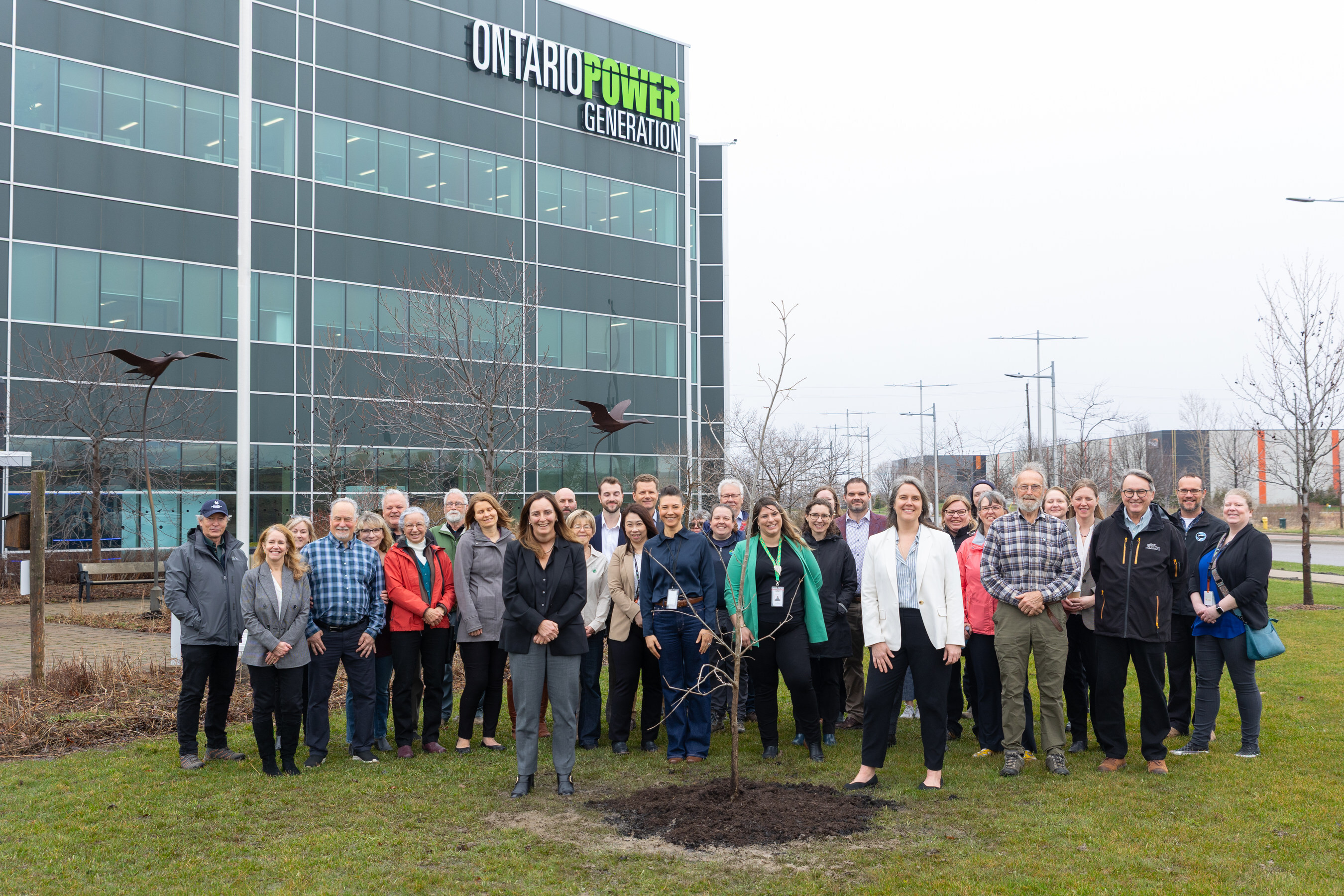



 OTTAWA, ON—Canadian Forest Owners (CFO) is pleased to welcome Forest Nova Scotia to its membership, expanding its national network in Nova Scotia, home to Canada’s largest private forest region. The province has the highest proportion of privately owned forest land in the country, supported by a diverse ownership base and a highly integrated forest sector. “Forest Nova Scotia represents a strong diversity of interests within its membership and is a valuable complement to our existing Nova Scotia members, including the Federation of Nova Scotia Woodland Owners and several large corporate members,” said Andrew de Vries, CEO of Canadian Forest Owners. “Forest Nova Scotia will further strengthen our national policy efforts and help raise awareness of the important role private forests play across Canada.” CFO represents approximately 480,000 private forest owners nationwide. Collectively, they manage 10% of Canada’s forest land base, contribute 20% of forest production, and play a vital role in sustainable forest management across the country.
 A reorganization of the U.S. Forest Service signals that the agency is planning to lean heavily on states to help manage millions of acres of federal land. State officials and timber industry leaders say they’ve been given scant details about the plan to move the agency’s headquarters to Salt Lake City and close scores of research stations in dozens of states. While they wait for the dust to settle, they’re preparing for the Forest Service … to ask more of its partners under the new model. “The Forest Service itself is unable to uphold its mission and cannot alone manage the many challenges on these landscapes,” said Nick Smith, with the American Forest Resource Council. “The transition … is a recognition that partnerships are the future for the Forest Service.” But many forestry veterans fear the shake-up will cause more attrition… [Seeing the move to] Utah — a state whose leaders are often hostile to federal land ownership — as designed to undermine the Forest Service’s management of its lands.
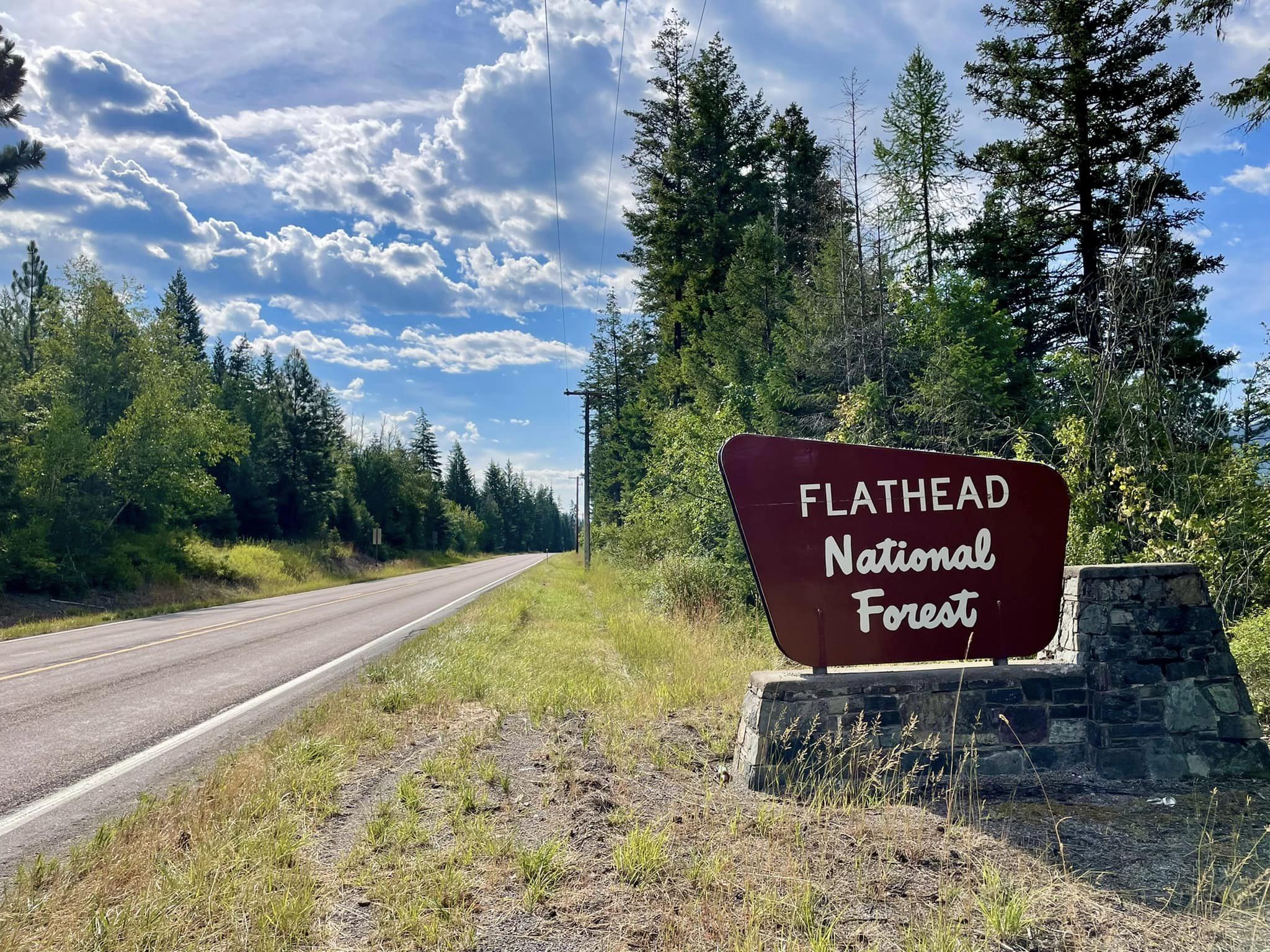 Flathead National Forest officials have authorized an emergency logging and thinning project in the Salish Mountains near Lakeside, three miles west of Blacktail Mountain, with the aim of reducing wildland fire risk and improving forest health. The decision authorizes 2,823 acres of commercial vegetation treatment and construction of approximately 5.6 miles of temporary roads. Crews will use more than 67 miles of existing roads and haul routes. First proposed last October, the West Truman Project advanced quickly through the U.S. Forest Service’s environmental compliance process under a categorical exclusion, receiving final approval on April 14. Implementation of the project could begin “as early as fall 2027,” according to the decision and finding of applicability and no extraordinary circumstances (FANEC) signed by Swan Lake District Ranger Sarah Canepa. …The project would commercially thin 736 acres while using improvement cuts on 939 acres. It would treat 346 acres for shelterwood and 802 acres for seed tree.
 Placerville, Calif., bears all the markers of a community at risk of a wildfire. The city’s rolling hillsides are dense with brush, which dries out during the hot summers. Older homes made of wood, which are more prone to igniting, are dotted throughout. …Local officials are trying to do something about it. The community is one of a handful
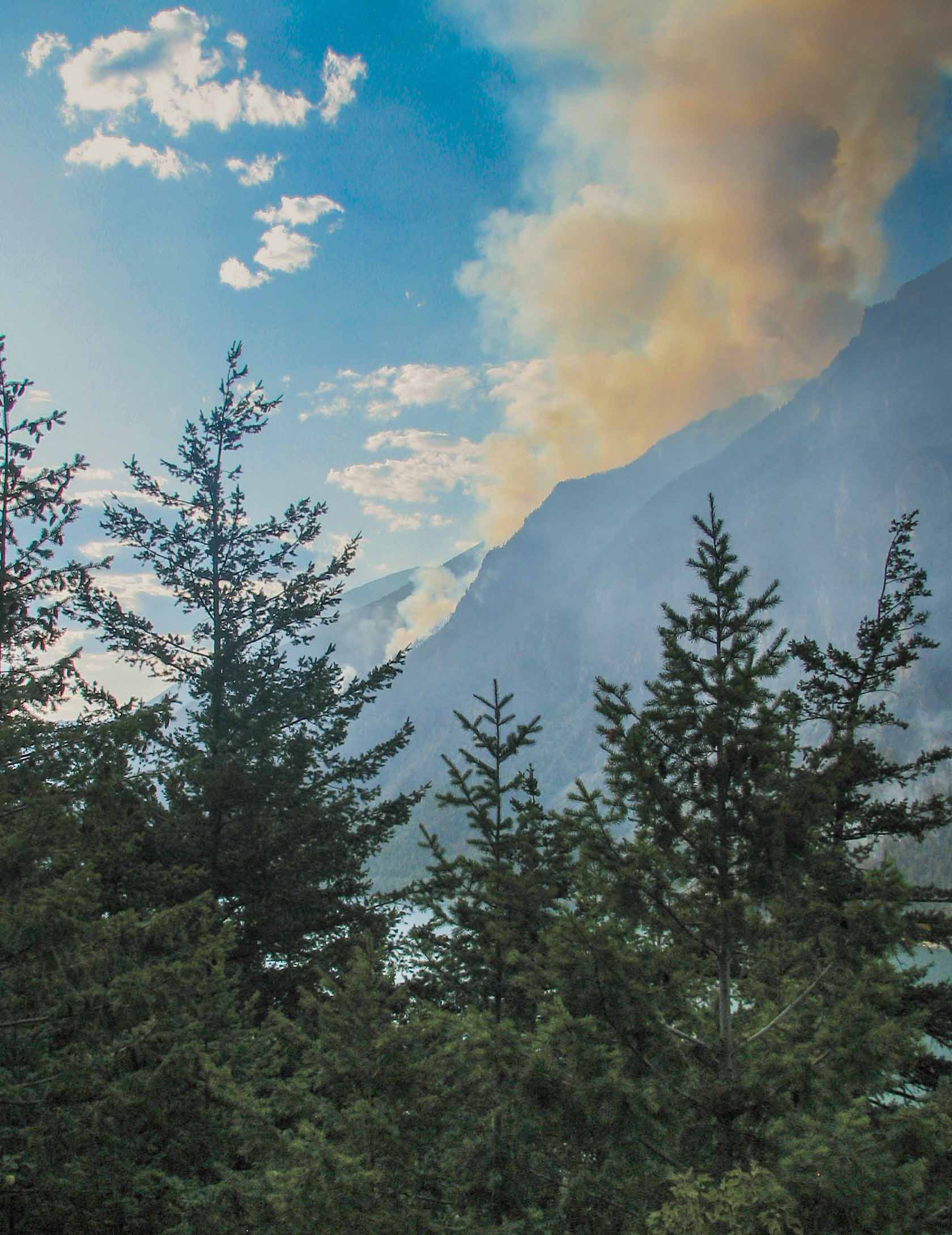 With extreme drought gripping most of Utah and spring heat melting reserves of mountain snow to an all-time low, the state is staring down a tinder dry wildfire season that could come with big changes to its federal funding. Maps of the national wildfire forecast show Utah covered in red by July — and with southern Utah getting there by June. “It has the potential to be a real season,” said State Forester Jamie Barnes, “but we’re going to make it through it, and we’re going to make sure that we do all we can to keep Utah safe.” The Division of Fire, Forestry and State Lands have more money for prevention efforts thanks to a state law passed last year. But they’re also keeping an eye on Washington, D.C. President Donald Trump is proposing budget cuts to forestry programs, along with research and development…
 The U.S. Forest Service is shutting down research stations around the country, including centers in Portland, Seattle, and Wenatchee, Washington. Though much of the stations’ research is long-term, some fire experts say the cuts could hamper firefighting efforts as soon as this summer. …The agency is shutting down 50 of its 70 research stations. More than 200 people work in the Northwest research stations that are closing. …“There is a position for every permanent employee willing to accept reassignment,” Forest Service Chief Thomas Schultz Jr. said in a memo to research branch staff. Schultz Jr., a Trump appointee, was previously a lobbyist for Idaho Forest Group, one of the nation’s largest lumber producers, based in Coeur d’Alene. …Nick Smith, a spokesperson for the American Forest Resource Council, a Western states timber industry group, said he welcomes the Forest Service restructuring.
 In 2001, the Forest Service signed the Roadless Rule. The Trump administration is seeking to rescind the rule. During a brief public comment period, 99% of the respondents opposed the idea. The Roadless Rule affected 58.5 million acres of Forest Service roadless lands and put them off-limits to new road construction, logging, and road reconstruction. As the Forest Service recognized in its original review, these roadless lands “have the greatest likelihood of altering and fragmenting landscapes, resulting in immediate, long-term loss of roadless area values and characteristics.” Abolishing protection from logging and roading provided by the Roadless Rule has major economic consequences, both in direct costs and in avoided costs. For instance, a practical rationale for the rule is the Forest Service’s acknowledgment that the roughly 370,000 miles of existing Forest Service road network could not be maintained. There is already an $11 billion backlog in road maintenance, and creating even more roads would exacerbate this situation.
 As Washington’s current snowpack conditions become worse than last year, a statewide drought emergency has been declared. It’s the fourth drought emergency for the state in as many years. According to Casey Sixkiller, director of the Washington State Department of Ecology, “widespread shortages and challenges across our state” are expected. “Going into April with half of our usual snowpack is alarming,” Sixkiller said. “… Issuing a drought emergency now helps water users prepare for what is likely to be a very difficult summer. This is becoming an all-too-common experience and is another example of how climate change is visibly reshaping our landscape.” The Department of Ecology declared the drought emergency on April 8.


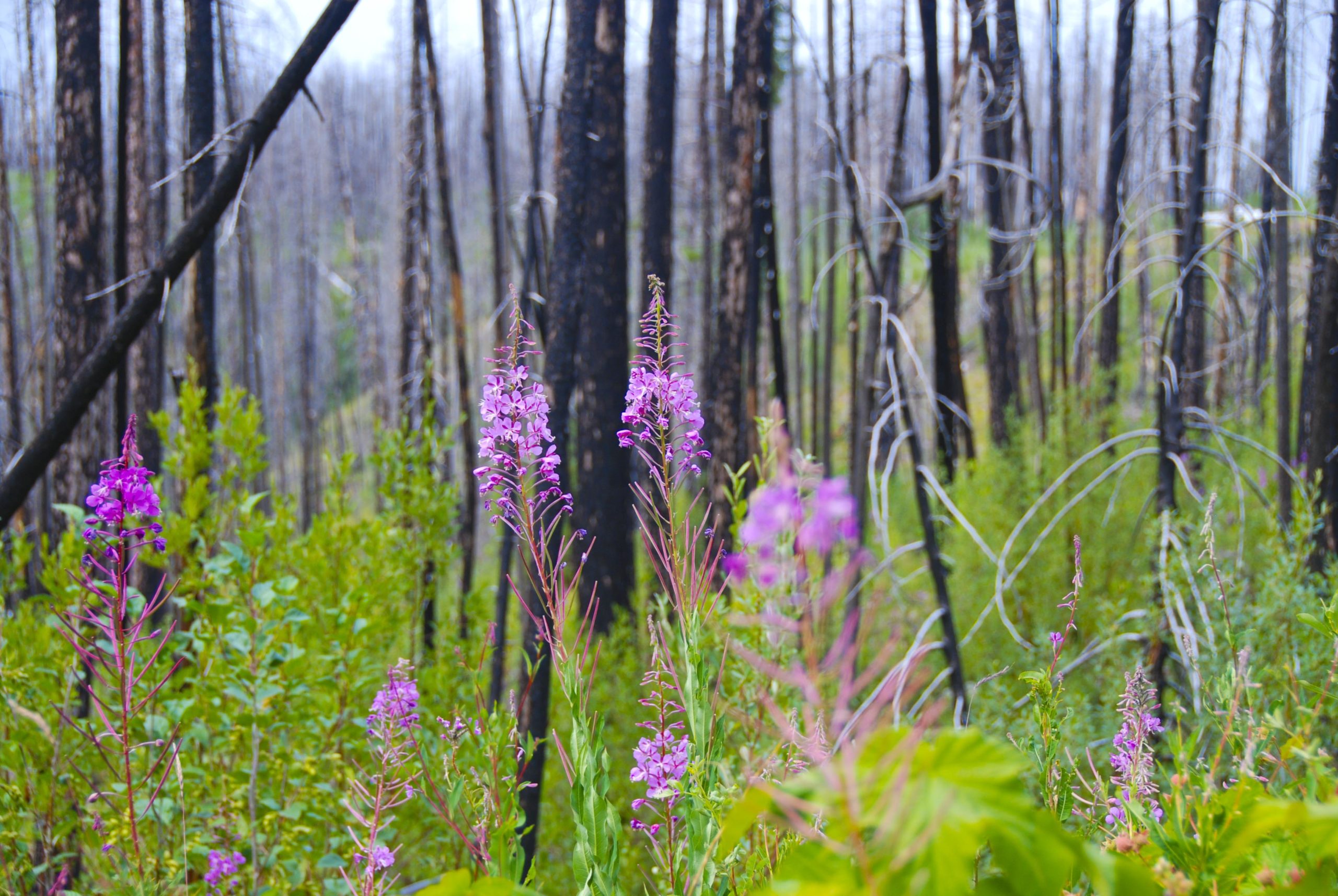 A company building two of Canada’s largest wood pellet mills says it will rely on a steady diet of trees logged in forests recently burned by wildfires. Roughly five million trees will have to come down each year to feed the two northern Alberta mills, which Powerwood Canada Corp. plans to build near the communities of La Crête and High Level. The company claims that wildfires create nightmarish landscapes and that logging such forests as fast as possible is key to restoring their health. But scientists counter that burned forests are important for biodiversity and that aggressively logging them spells disaster for plants and animals that rely on burned landscapes to flourish. Powerwood CEO David Peters said that in addition to northern Alberta the company is eyeing other “brownfield” logging opportunities in British Columbia and in Eastern Canada due to the significant number of wildfires in recent years.
 SEATTLE — Mast Reforestation today announced that less than six weeks after issuance, it has sold 100% of the 4,277 biomass burial carbon removal credits from Mast Wood Preserve MT1, its pioneering post-wildfire restoration project in southern Montana. New buyers include Bain & Company, a global management consulting firm, and BMO, a North American financial institution, joining earlier participants including Royal Bank of Canada (RBC), CNaught, a major corporate buyer advised by SE Advisory Services, Muir AI, and others. The sell-out follows MT1’s January 2026 issuance under the Puro.earth registry, which represented the largest issuance to date under Puro.earth’s Terrestrial Storage of Biomass (TSB) methodology and one of the fastest project development timelines globally for a carbon removal project, at just nine months. “High-integrity carbon removal is an important part of Bain’s strategy to address residual emissions while helping scale the climate solutions the world needs,” said Sam Israelit, Partner and Chief Sustainability Officer, Bain & Company.
 HAYWARD, Wis. – A new refinery planned for Hayward will convert wood into sustainable aviation fuel, using waste wood, such as scrap wood or invasive species. Hayward companies FutureWood and Johnson Timber Corporation will source and process the wood, while Synthec Fuels will handle the fuel refining process. President of FutureWood DJ Aderman says the facility will harness products not currently utilized in the forestry industry. “What’s really cool about this is we’re gonna use a lot of mill residuals. We’re gonna use a lot of products that we’re not currently using right now, unmerchable tops, species that have no or little value,” said Aderman. Last week, Wisconsin Gov. Tony Evers signed the Forestry Revitalization Act, which approved up to $120 million in tax credits for the $1.7 billion project. The legislation aims to bolster the forestry industry, which has seen major downturns due to mill closures in recent years.
 Save the Date: June 9-10, 2026, Prince George, BC. Join industry leaders, safety professionals, and regulators at the 2026 Wood Pellet and Bioenergy Safety Summit, hosted by the Wood Pellet Association of Canada (WPAC) Safety Committee, in partnership with the BC Forest Safety Council, WorkSafeBC, and media partner Canadian Biomass. The Summit gathers experts from the pellet and bioenergy sectors for two days of practical learning, discussion and collaboration focused on enhancing workplace safety.

 …Hawaii Mars is one of two remaining Martin JRM-3 Mars water bombers. It flew cargo between Hawaii and the Pacific Islands during the Second World War and supported the Korean War with medical transport between Hawaii and California before transitioning to cargo operations. They were sold to a consortium of B.C. timber companies in 1958 and converted into the world’s largest water bombers to fight forest fires, carrying 27,000 litres per drop. Coulson Aviation bought them in 2007, marking the start of its fixed-wing air tanker operations for aerial wildfire support. Coulson retired its Mars water bombers in 2015.