 The Canada-United States-Mexico Agreement (CUSMA) is unlikely to be renewed by July 1, as the US signals a shift toward separate protocols for Canada and Mexico. In related news: US homebuilders flag pending budget cuts harmful to housing; US tariffs disrupt European forestry trade flows; the lumber futures fell to 1-month low; and a Kimberly Clark warehouse is destroyed by fire. Meanwhile: a new study says forestry is still a pillar of BC’s economy; BCIT’s industry-driven training shapes the future of sawmilling; and the latest issue of CWC’s Wood Design & Building is out—as is Canada Wood Markets Insights news.
In Forestry news: the US Forest Service overhaul—including the moving or closure of regional research centers, is raising serious concerns; BC Forest Practices Board found wildfire-risk reduction harvesting in the Cariboo compliant; the watchdog report on RCMP actions during the Fairly Creek protest is delayed; wildfire strategy reshapes West Fraser’s logging plans in Bragg Creek, Alberta; and Canada’s latest job creation investment includes monies for Project Learning Tree Canada.
Finally, starting tonight, the Frogs will be reporting live from COFI’s 2026 Convention. Hope to see you there.
Kelly McCloskey, Tree Frog News Editor
 The US says
  Prime Minister Carney launched a $3.8 billion nature strategy to protect
  In the face of significant challenges—from mill closures to tariffs and shifting global markets—one question we hear more than any other from people: “What can I actually do to help?” When the headlines are dominated by uncertainty, it can feel like the hurdles facing the forest industry are too large for any one person to influence. But there is a powerful way to make your voice heard and tell the provincial government it isn’t just an industry priority but a priority for every British Columbian that wants a resilient future.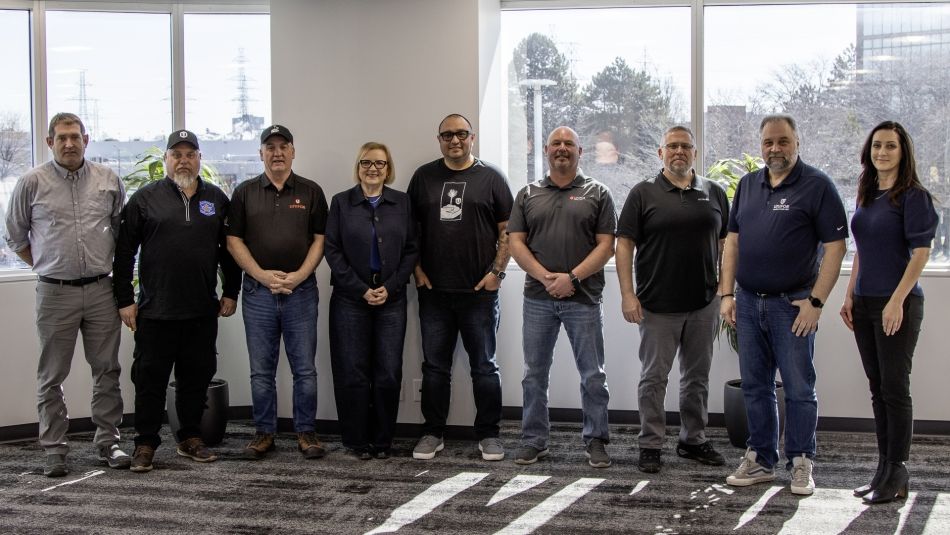
 Finding uses for every part of a harvested tree can create renewable heat and electricity that will help power cleaner communities. Seeing Investment Tax Credits (ITCs) for biomass projects come into effect is a welcome, long-overdue step for Canada’s forest sector. After years of uncertainty, the measure offers a starting point to restore investor confidence. Biomass projects give new life to forest residuals — materials like bark, sawdust, and wood chips — by turning them into reliable, locally sourced heat and electricity. These biomass projects can modernize mill operations, sustain and grow jobs in rural and northern communities, and strengthen Canada’s position as a secure producer of renewable resources. Canada’s forestry industry directly employs almost 200,000 Canadians and supports an additional 200,000 jobs in transportation, maintenance, and manufacturing across the country. Hundreds of rural and northern communities depend on a strong forest sector.
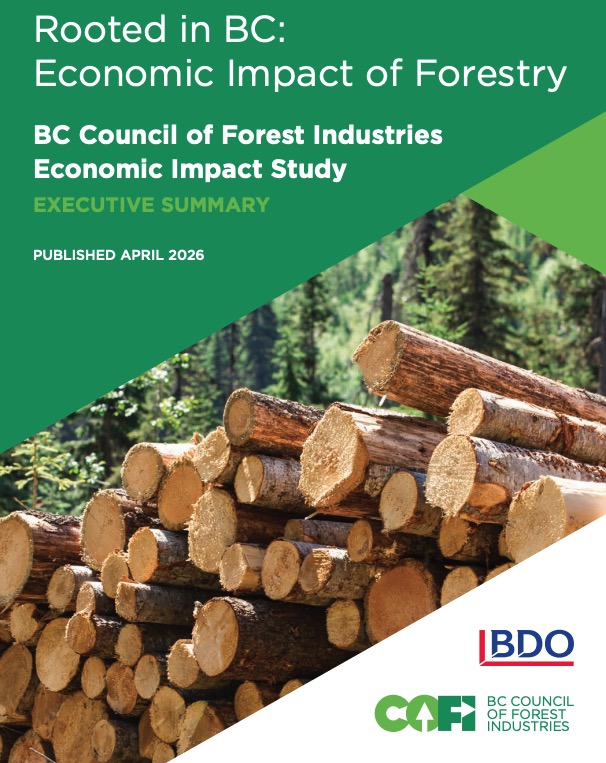 VANCOUVER, BC – The BC Council of Forest Industries (COFI) today released its latest economic impact study, Rooted in BC: Economic Impact of Forestry. The report uses the latest Statistics Canada data up to December 2024 to provide a localized look at the sector’s vital role across all eight of BC’s economic regions. Despite significant global trade volatility and shifting land-use priorities, the findings underscore that the forest sector remains an indispensable pillar of the provincial economy. From sustaining high-wage jobs to funding the essential public services British Columbians rely on, the industry’s footprint remains significant.
 VANCOUVER, BC — This week, the BC Council of Forest Industries (COFI) will convene its Annual Convention, bringing together more than 600 industry delegates, community and First Nations leaders, and government representatives. The gathering comes at a critical turning point as the sector navigates a perfect storm of mill closures, volatile global markets, and ongoing trade disputes. To weather the storm, focus must be on the factors within BC’s control. Action on critical policies has been too slow. As mills close and communities face the impact, the COFI Convention serves as a vital platform to align on practical solutions such as improving timber supply, streamlining regulations, and fixing the business environment to improve global competitiveness. This year’s convention theme, Forestry is a Solution, mirrors a province-wide initiative highlighting the deep-rooted support British Columbians have for the workers and families that depend on a vibrant forest economy. …COFI today released its updated study,
 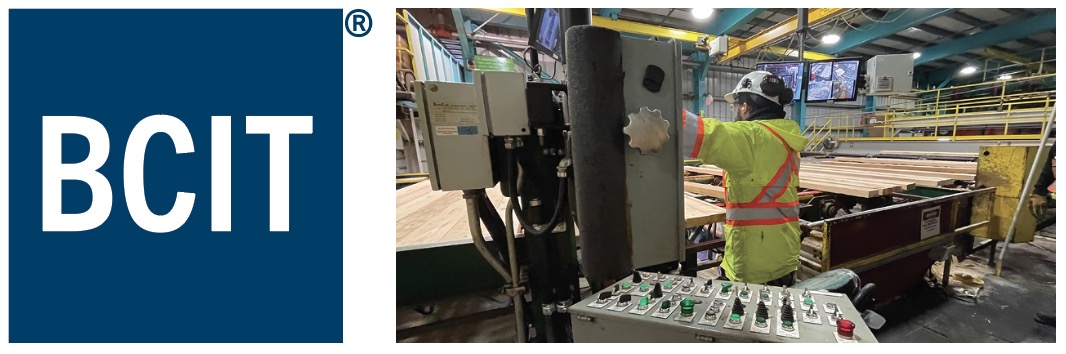 Professionals in the lumber and sawmilling sector who are ready to take the next step in their careers can elevate their business acumen and leadership potential through BCIT’s Associate Certificate in the Business of Sawmilling. Developed with guidance from industry leaders, this flexible, part-time program empowers learners to build the strategic insight, confidence, and applied skills needed to move into supervisory and management roles. Delivered fully online and taught by experts from across North America, the program equips students with a clear understanding of how economic trends, market forces, financial decisions, and operational strategies shape modern sawmill performance. Graduates leave with the practical knowledge and industry-relevant perspective to contribute at a higher level, drive improvements, and make meaningful business decisions within their organizations. What sets this program apart is the calibre of instructors behind it: professionals with decades of combined experience in economics, finance, manufacturing optimization, fibre strategy, and global wood products markets.
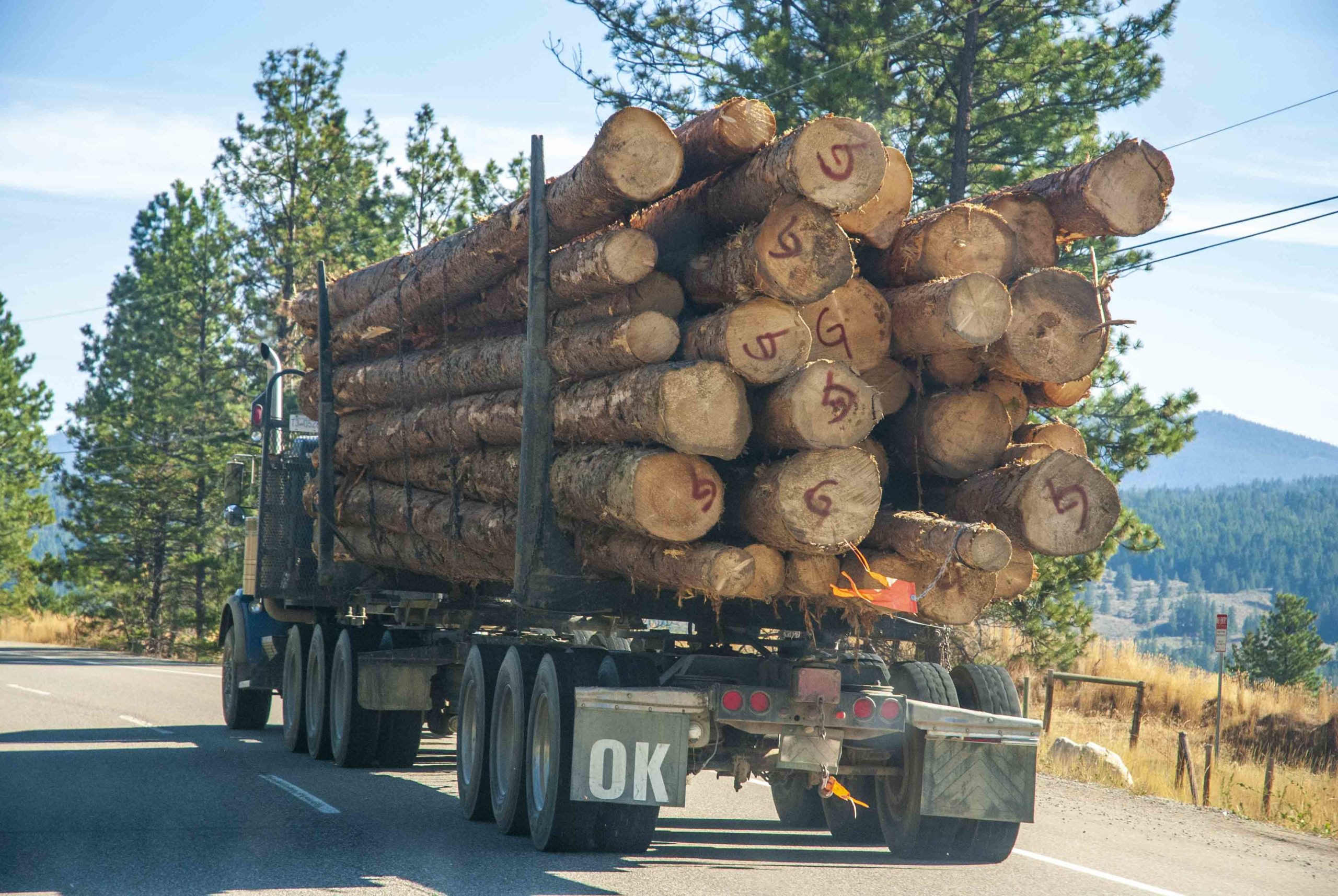 West Kelowna family-owned forestry company – Gorman Group – has completed a $120 million deal to transfer harvesting tenures from Seattle-based Weyerhaeuser, with the move continuing the strategic partnership with the Osoyoos Indian Band’s Nk’Mip Forestry division. …Dan Macmaster, Head of Forestry at Nk’Mip Forestry, told the Times Chronicle that this agreement continues with the transfer of TFL 59 to Gorman and “We meet regularly to review and update all land use activity on the tenure. This agreement was put in motion with Weyerhaeuser last year and has improved and evolved since the transfer of the licence to Gorman.” …Nick Arkle, CEO, Gorman Group added, “We recognize that any Crown tenure transfer comes with important responsibilities and obligations to First Nations, communities and employees who depend on the long-term stewardship of the land and the careful use of the fibre.” …Ravi Parmar, Minister of Forests said: “Gorman Group is investing in the future of forestry…”
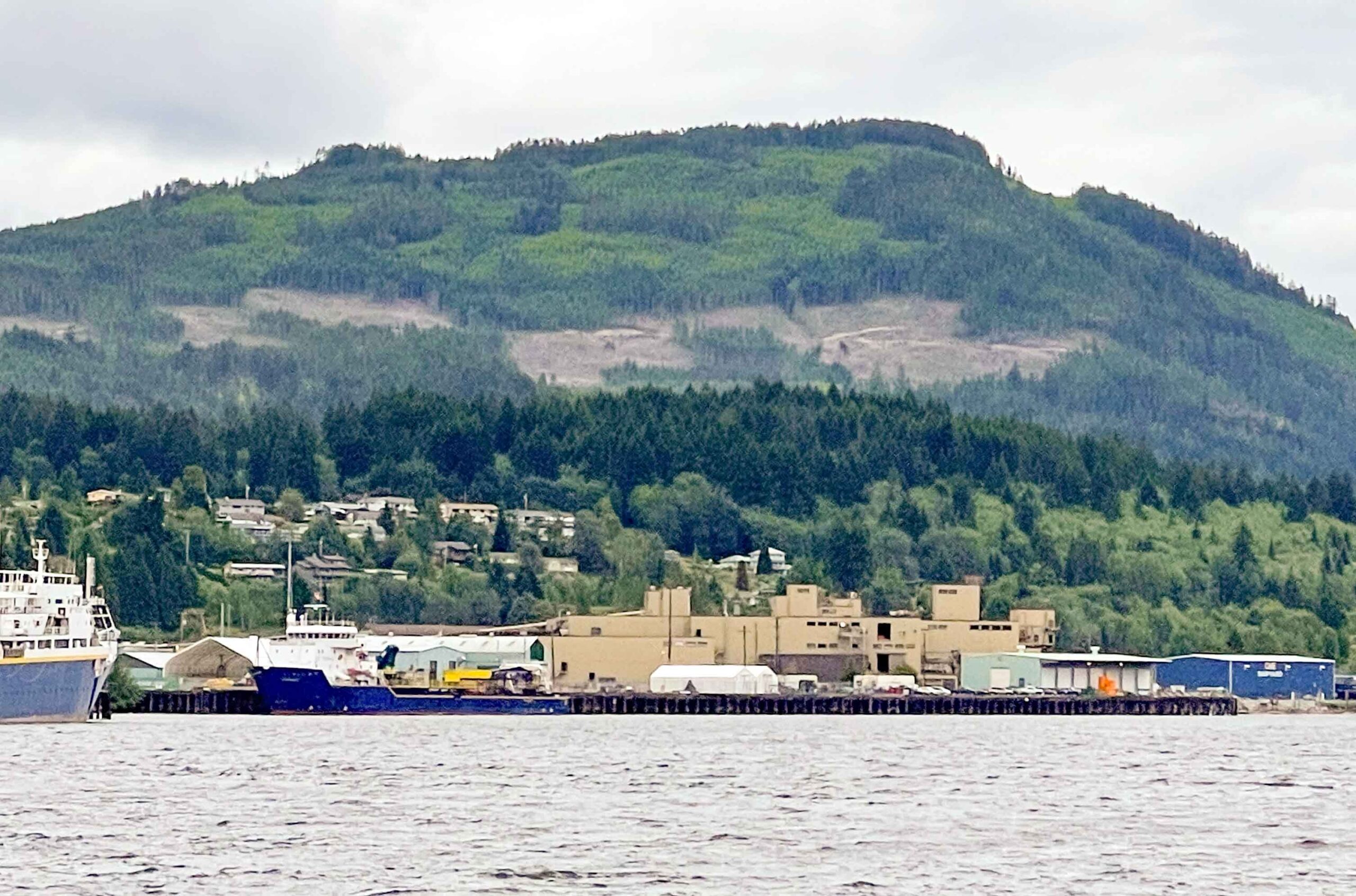 Another suspicious fire has hit the Somass Lands on Port Alberni’s uptown waterfront, this time the remaining mill building. The call came in just before 9 a.m. on Tuesday, March 31. … Locked fire hydrants adjacent to the building presented another challenge, Port Alberni Fire Dept. Chief Mike Owens said. “It’s an old, historic industrial property; there are a number of places where the water main has been compromised,” he added. The city’s water works department arrived promptly and activated the hydrants. …Owens said crews immediately deemed the fire as suspicious because the sawmill is abandoned and there is no electricity run to the building. …The two mill buildings and a pair of silos were left standing after the city purchased the mill from Western Forest Products in 2021… When the city partnered with Matthews West developers, the thought was to possibly incorporate parts of the three buildings into a new master plan for the area.


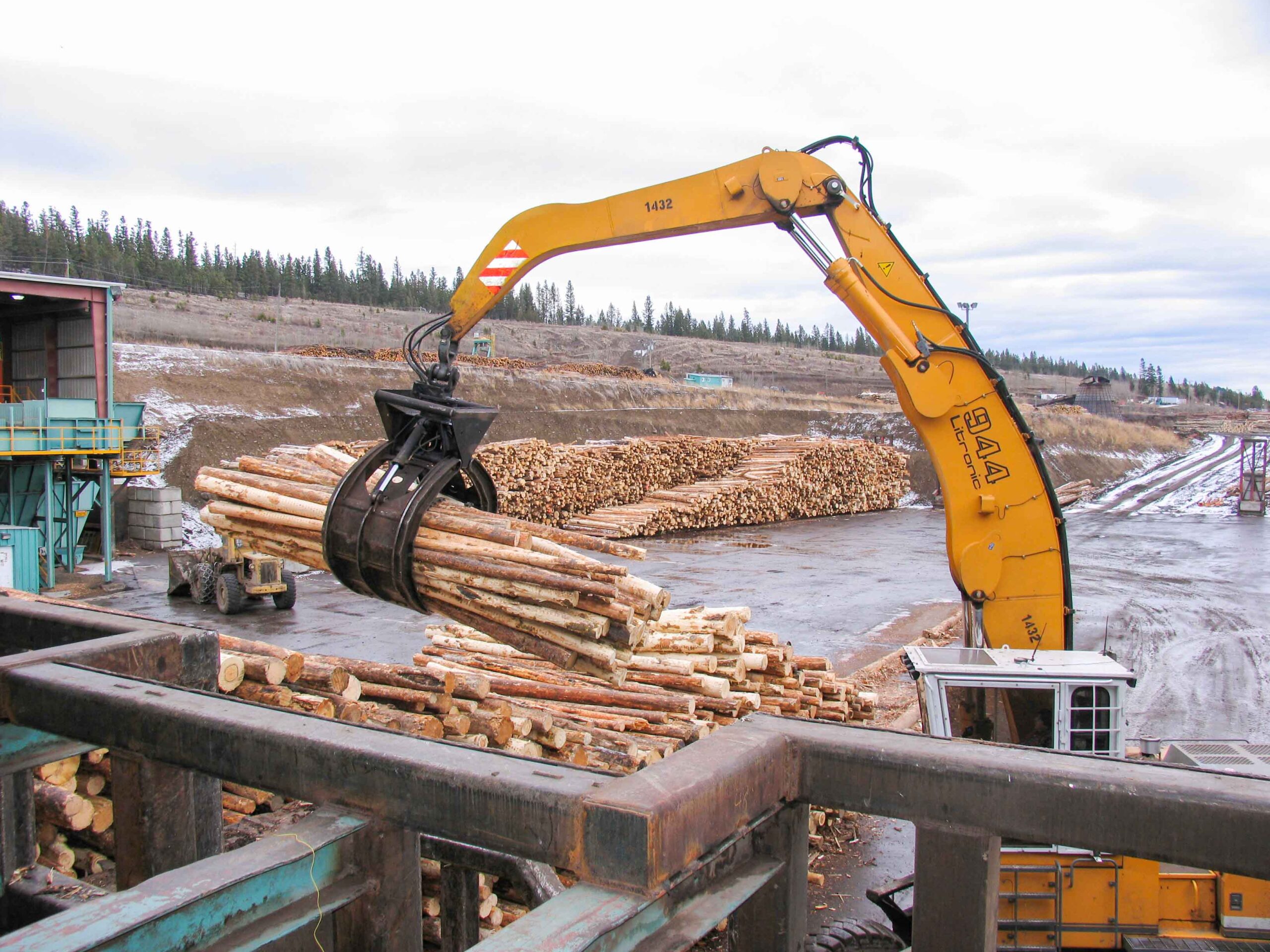 The B.C. government says it’s making legislative changes to bolster access to wood fibre, including timber damaged by wildfires, insects and windstorms. The Forests Ministry says the changes will potentially increase the supply of fibre by as much as 17,700 truckloads and allow B.C. Timber Sales to auction off contracts for forestry thinning, wildfire risk reduction and damaged timber salvage. A statement from the ministry says these “fibre-generating activities” will be available to forestry contractors and value-added mills. …B.C.’s forestry industry has been facing a shortage of fibre as the Wood Pellet Association of Canada said in 2025 that the fibre supply has fallen more than 40 per cent since 2018… Kurt Niquidet with B.C. Council of Forest Industries said in 2024 that local and global demand for wood products to build more affordable housing is growing, but the forestry industry is also facing a “critical shortage” of timber for B.C. mills.

 GREENVILLE, SC — The
 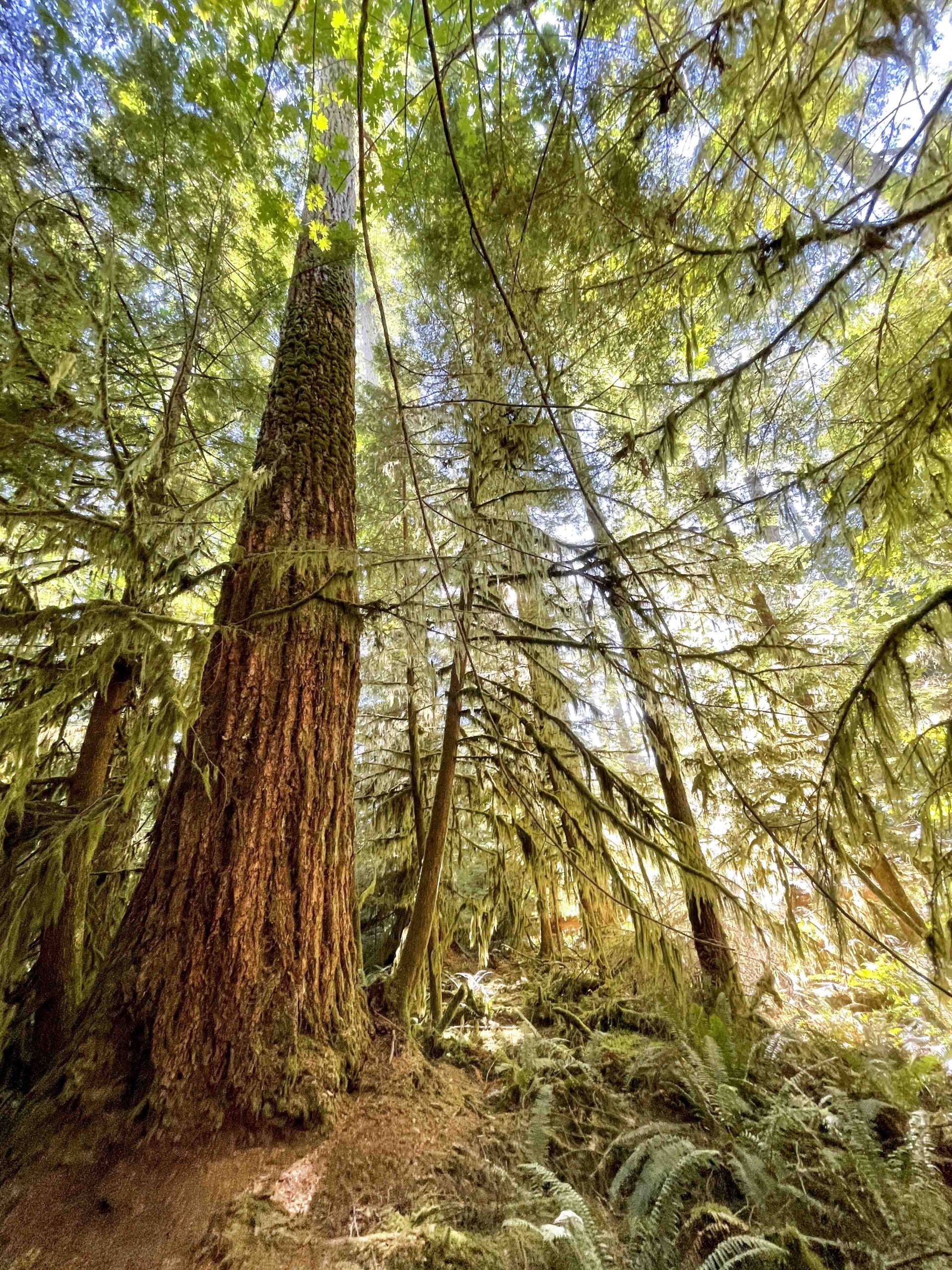 The U.S. Forest Service plans to close a century-old Portland-based forest research station and a regional U.S. Forest Service headquarters but open a new federal office in Salem in a massive restructuring of the federal agency. The movements are part of a broad plan Forest Service officials announced Tuesday to move the agency operations
 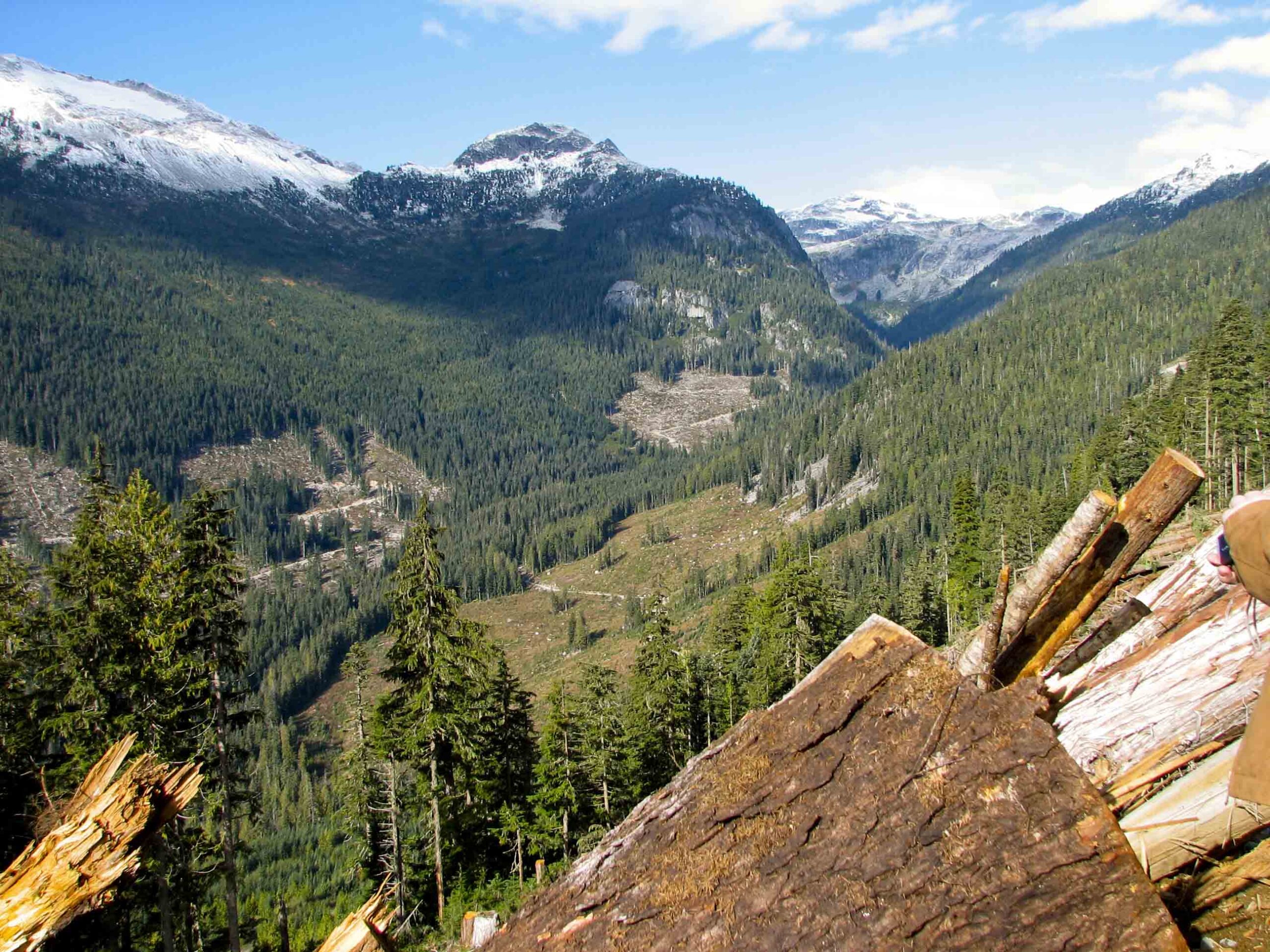 The economic headwinds facing B.C. are expected to have an even greater impact than originally expected, with accounting firm Deloitte Canada downgrading its economic forecast for the province in its most recent update. Originally projecting 1.6 per cent GDP growth in 2026 in its January report, the financial consulting giant now predicts B.C. will have “muted” growth of only 1.2 per cent. Dawn Desjardins, chief economist at Deloitte Canada, said some of the main culprits are the declining forestry sector, which continues to face mill closures and thousands of job losses due to a lack of fibre, as well as crippling U.S. duties, a population decrease, and uncertainty surrounding the future of the Canada-U.S.-Mexico trade agreement.
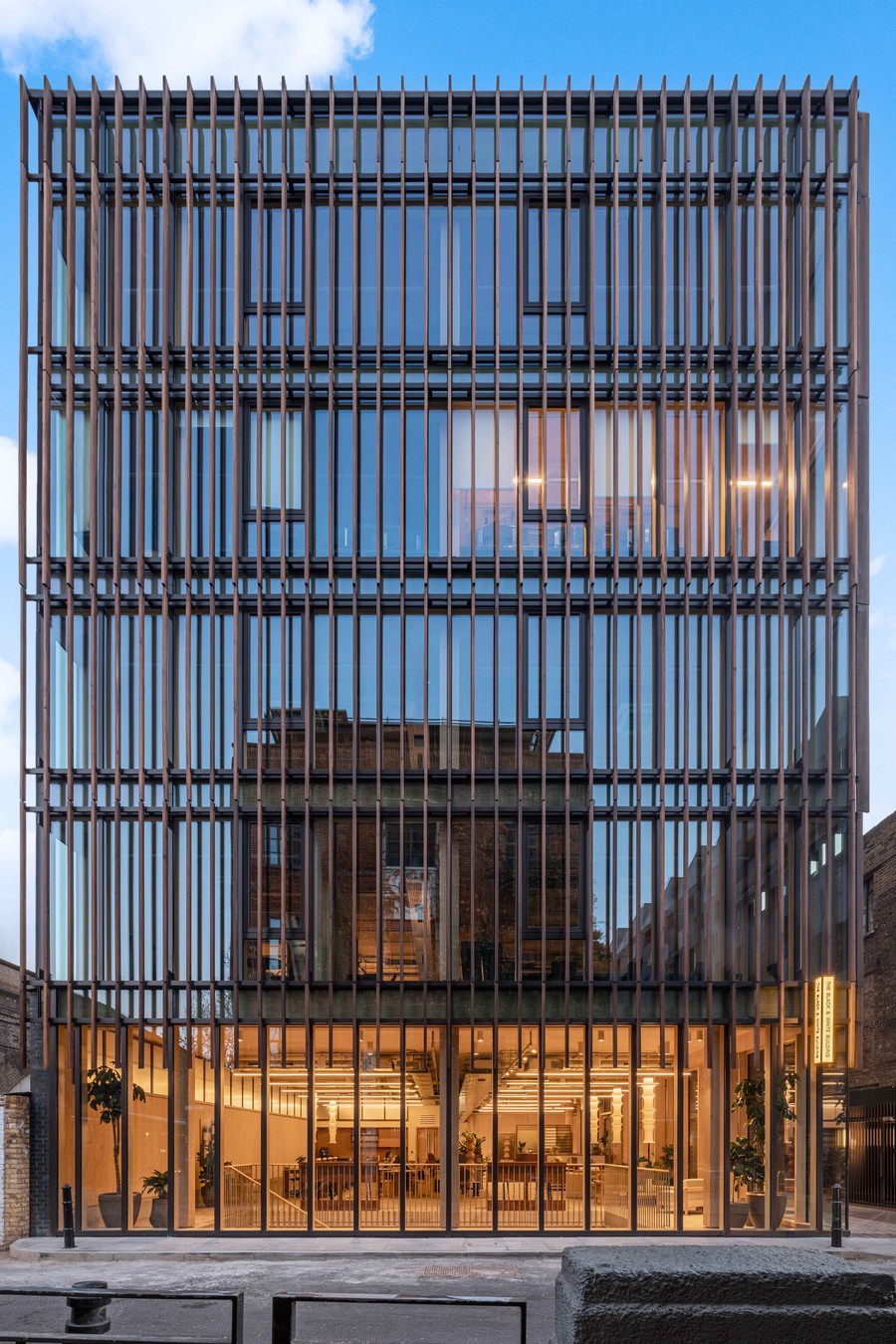
 Canada Wood’s April 2026 Market News highlights how targeted technical work, partnerships, and education are advancing Canadian wood products across Asia. In Korea, fire and acoustic testing is helping pave the way for broader adoption of wood in mid-rise construction. In Japan, efforts to integrate Canadian dimension lumber into traditional post-and-beam systems are opening new hybrid opportunities, while a villa project in Okinawa showcases wood’s performance in demanding climates. At the same time, rising domestic lumber production in Japan signals increasing competition. In China, a technical exchange led by Dr. Steven Craft is supporting dialogue around mass timber fire safety, while education initiatives are shaping the next generation of designers. The newsletter also reflects on Canada–Japan collaboration in post-disaster rebuilding and highlights innovation showcased at Tokyo’s Nikkei Show—together illustrating how Canada Wood continues to expand market access, strengthen relationships, and position wood as a practical, sustainable building solution.
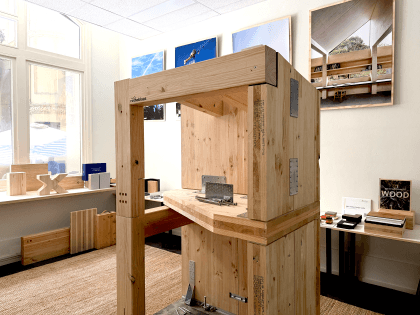
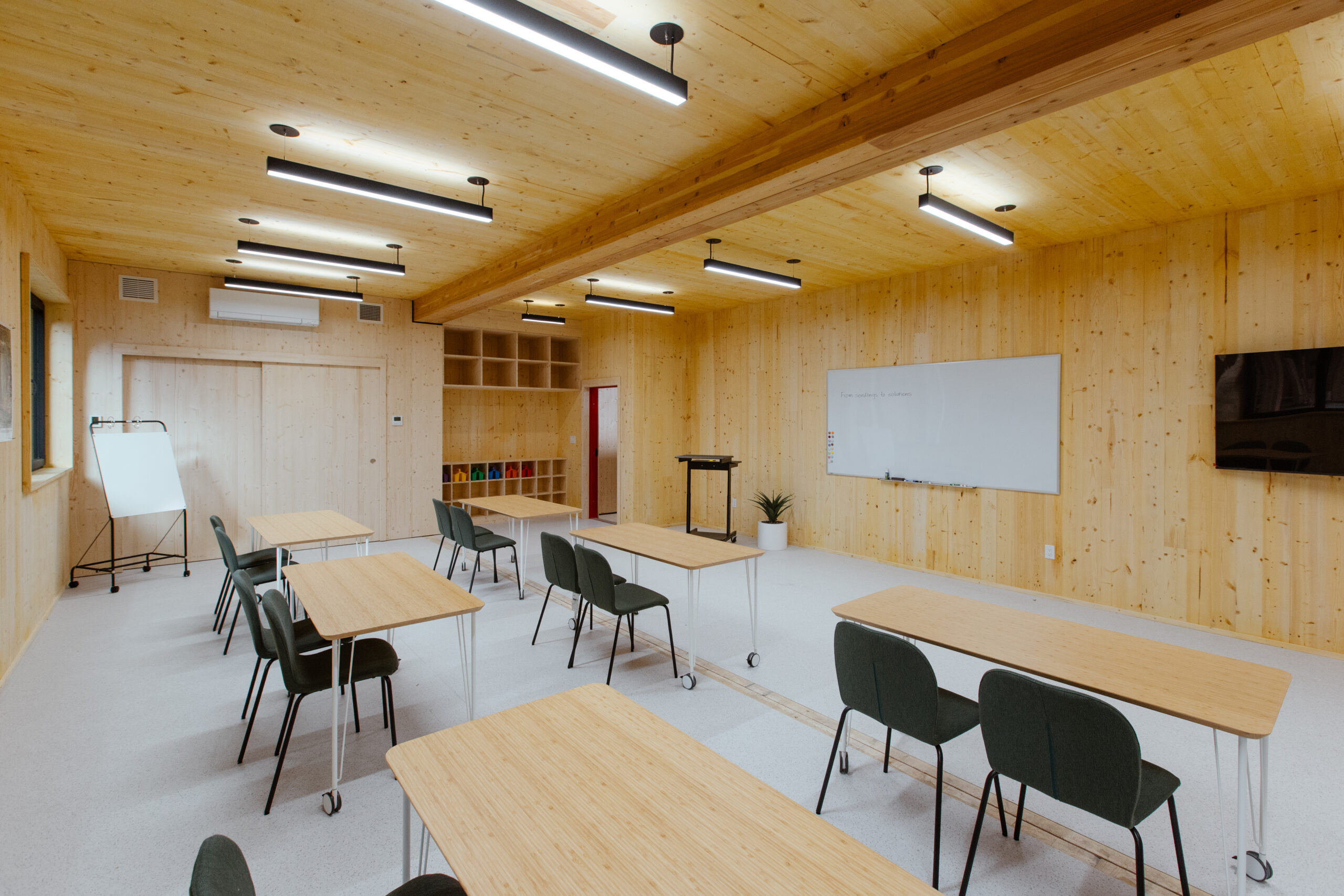 Kalesnikoff Mass Timber is launching a new line of modular timber classrooms today at the world’s largest mass timber conference in Portland, Oregon, showcasing its innovation to thousands of attendees. The company said that the classrooms are designed to address growing pressures on school infrastructure across North America. “Many communities are growing, leaving local schools at capacity,” said Chris Kalesnikoff, President and C.E.O. of Kalesnikoff. “These new modulars can be built and deployed rapidly, are cost effective, and create a warm and exceptional learning environment for students and staff.” The modular classrooms, constructed of cross-laminated timber (CLT) from Kalesnikoff’s mass timber facility in the West Kootenays using high-quality B.C. wood, are highly adaptable. They can function as a single classroom or be combined into larger expansions or entirely new schools. They can also be built in single-storey, or stacked configurations, and arrive with pre-installed heating, plumbing and digital systems.



 WAKEFIELD, QC
 Do you know the Okanagan is home to some of the very last remnants of interior old growth fir and spruce forests, specifically Peachland’s watershed, near Glen Lake? Do you know Glen Lake is a major source of our community drinking water, as it joins Peachland Creek before supplying our brand-new $35M water treatment plant? …Tell your government, Peachland’s trees are not destined for mills, ships to Asia or a flailing forestry industry safety-net. Peachland watershed’s forests are worth more standing, they store 83 per cent more carbon than pine plantations and mono-culture conifer farms. Most importantly we rely on their free infrastructure services and natural ecosystem benefits. …Act now before your back country is compromised. Four ways to make a stand! Write, call, online submissions and a petition…
 The widely discussed West Fraser forest management plan for West Bragg Creek and Moose Mountain has been updated to incorporate a new provincial wildfire mitigation program. West Fraser outlined the changes during its annual spring open house April 1 at the Cochrane RancheHouse, including a new supplementary harvest area in West Bragg Creek and a delayed timeline for Moose Mountain operations. The updates align with Alberta’s Community Hazardous Fuels Reduction (CHFR) program, introduced last year to reduce wildfire risk near vulnerable communities. “Working with forest companies, the program prioritizes the harvest of hazardous fuels within five kilometres of surrounding vulnerable communities,” the province said in an information package. “The CHFR program leverages existing forest tenure holders to adjust harvesting plans to make an immediate impact.” …“They’ve asked us as industry to prioritize our operations in that area,” said Tyler Steneker, woodlands manager for West Fraser Cochrane.
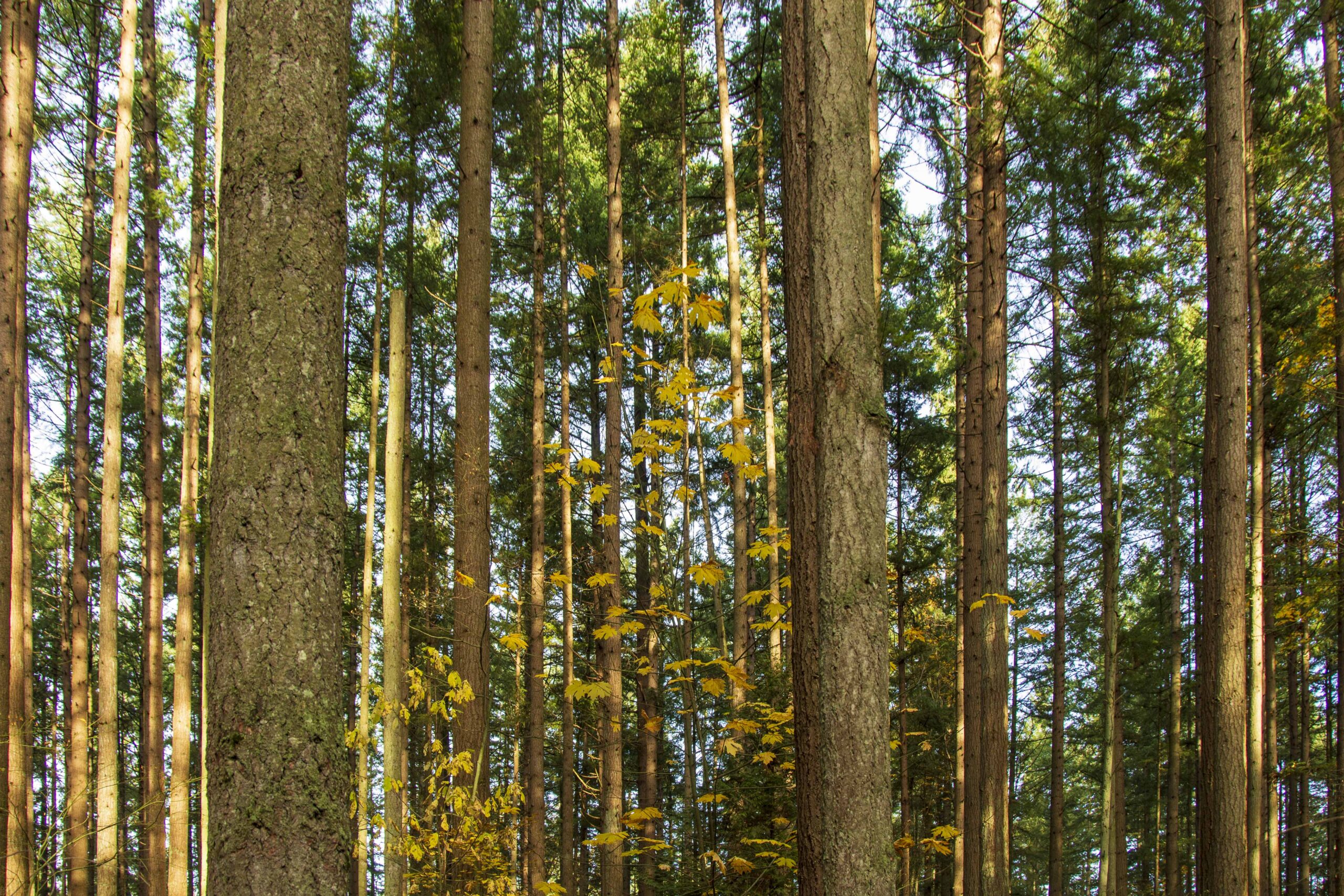 The Ministry of Forests has responded to residents’ concerns about a proposed logging project in the north BX area of Vernon. Area residents launched a petition last month in an effort to halt the 24-hectare logging operation near Hartnell Road and Brookside Creek. “Forestry plans to clear a significant amount of very old cedar and fir trees along the steep Brookside Creek catchment area. It will be highly visible from the many communities in Vernon,” the petition stated. In an email, the MOF said the area will not be clear cut. “BC Timber Sales is in the early stages of developing a wildfire risk-reduction project in the Brookside Creek area to increase forest resiliency against wildfire. Suggestions that the area will be clear cut are incorrect,” the MOF said. …The ministry said wildfire risk reduction projects are guided by a fuel management prescription … typically resulting in relatively high levels of tree retention.
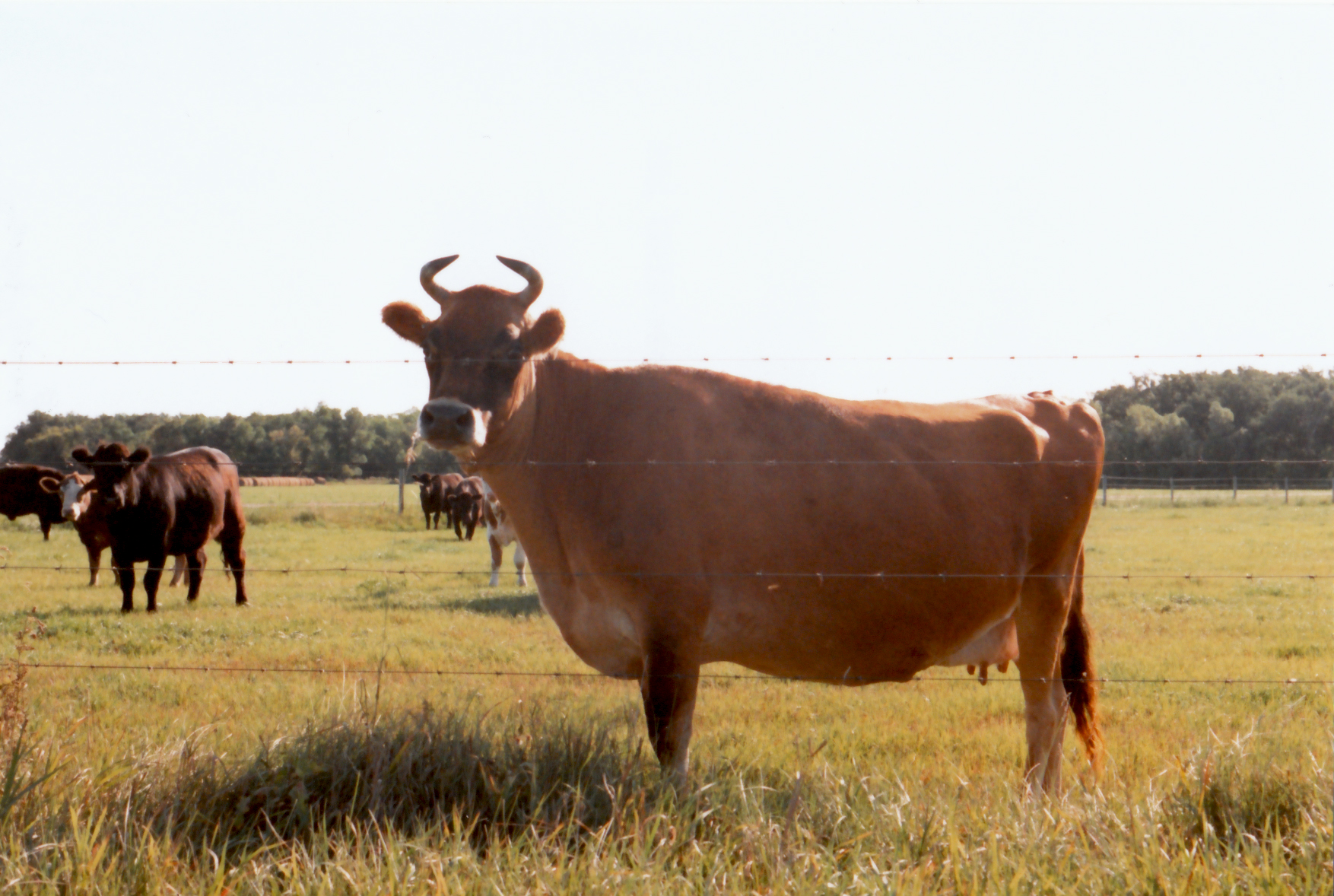 The B.C. government is recommending a fine against those responsible for the deaths of more than a dozen cattle last fall, but the Ministry of Environment and Parks won’t say who, exactly, investigators believe is to blame for poisoning in the Quesnel area. The October incident prompted public outcry… The cattle … were believed to have been poisoned when they consumed nitrogen fertilizer meant to accelerate timber growth. B.C.’s Ministry of Forests said that laboratory analyses of the fertilizer and animal tissues are still being completed. …Meanwhile, the investigation under the Environmental Management Act has concluded with investigators recommending an administrative penalty — a fine imposed on a person or business alleged to have violated a regulatory requirement. …James Steidle, of Stop the Spray BC, worries that the poisonings did not result from a mishap but from standard forestry practices.
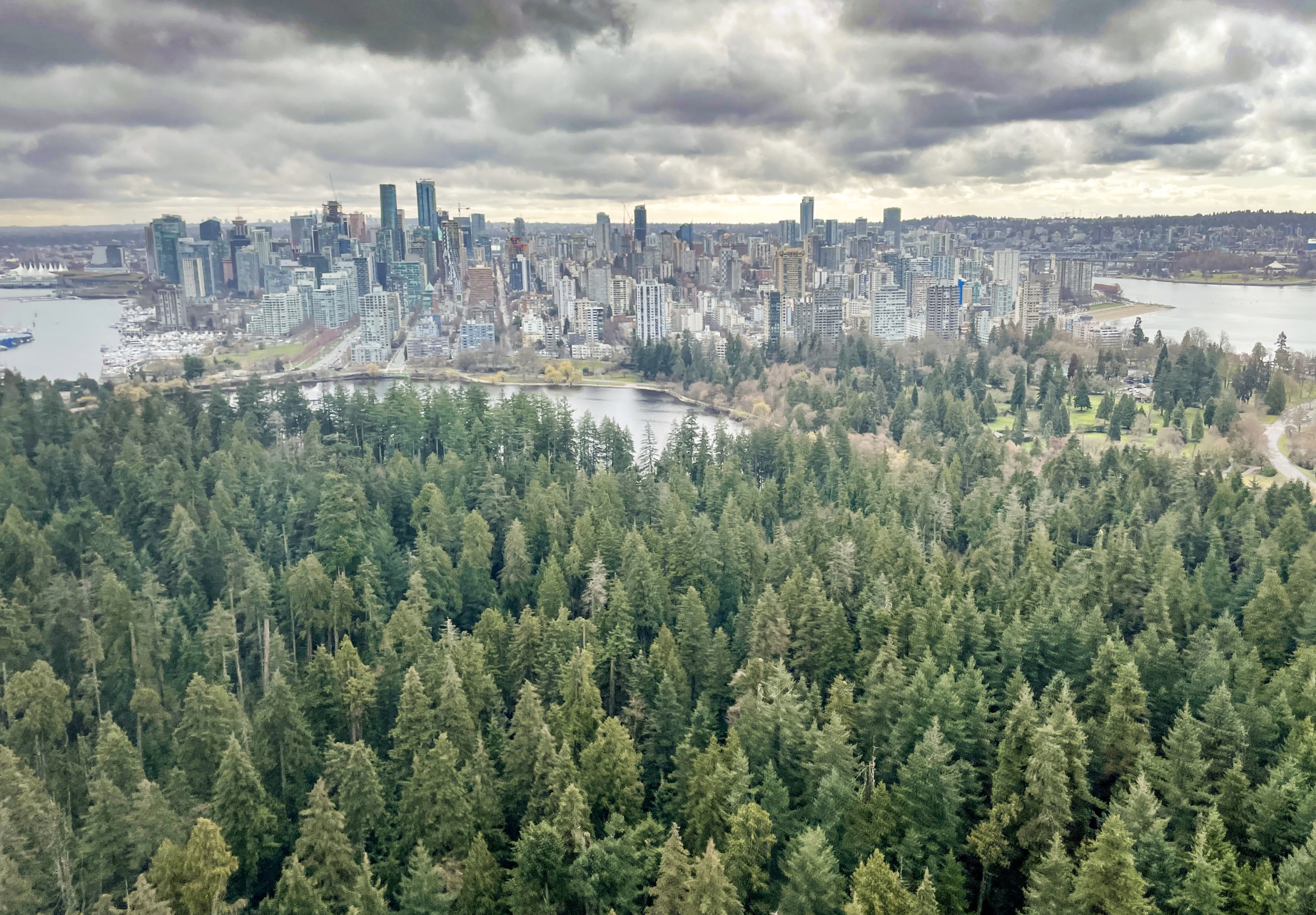 High in a tree in Vancouver’s Stanley Park, an arborist dangles from a climbing harness with a chainsaw… The work is part of a significant – and, to some, distressing – intervention to address the Hemlock looper moth outbreak that killed almost a third of the public park’s 600,000 trees between 2020 and 2023. …what’s happening in the park underscores the broader challenges of managing city green spaces in the era of climate change. …The city says those dead trees pose many risks, and the only way to deal with them is with saws. Joe McLeod, the city’s associate director of urban forestry, called it a “risk mitigation project for public safety.” …To better understand the twin risks of wildfire and falling trees, the city hired veteran wildfire ecologist and forester Bruce Blackwell. …None of this has sat well with Stanley Park Preservation Society founder, Michael Robert Caditz. …But fuel mitigation isn’t about preventing the most common fires; it’s about protecting against the worst possible ones, the kind of fires that occur on the most extreme weather days, when high temperatures, low humidity and strong winds combine to drive the wildfire risk into the red. [A Globe and Mail subscription is required for full story access]
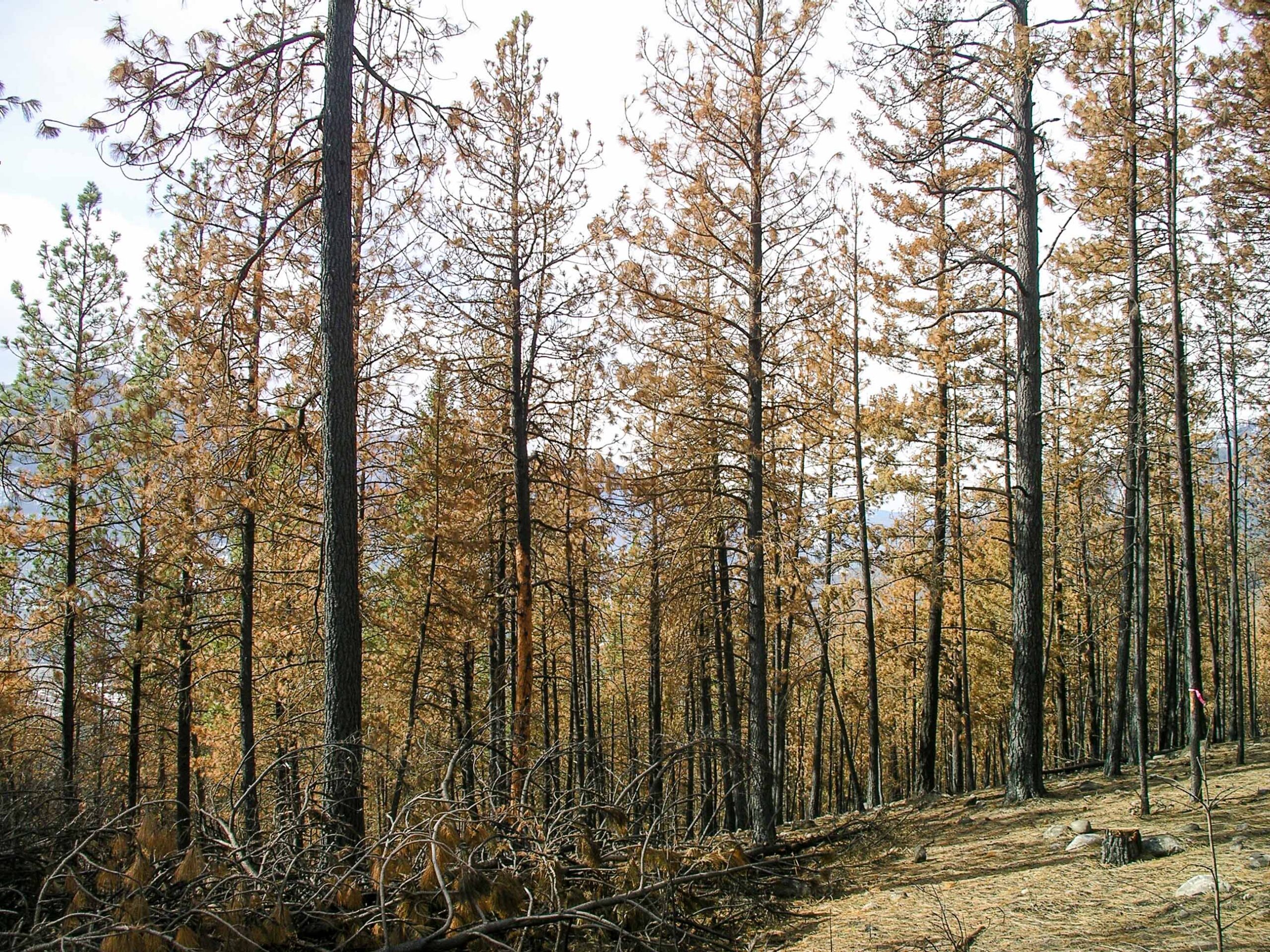 Textbook disaster capitalism. That’s how a forest advocacy group describes the Ministry of Forests’ Forest Statutes Amendment Act, a set of legislative changes to the Forests and Range Practices Act. “As social license for continuing to log primary forests dries up, the Ministry of Forests doubles down, accelerating logging while claiming that BC is a global leader in sustainable forest practices,” said Jenn Matthews, in a Conservation North news release. …The proposed changes would also expand ‘salvage’ logging, a controversial practice where trees are harvested following a natural disturbance. “Salvage logging – especially in forests that have never been logged – damages soils, wildlife habitat, and water flows,” said Conservation North’s director, ecologist Michelle Connolly. “Moreover, when you log after natural disturbance, you’re robbing the forest of key building blocks (including still-living trees) for the forest that will follow. The Ministry’s claim that this is forest stewardship is garbage.”
 After roughly 100 sawmills, pulp mills, and engineered wood plants closed down or cut shifts since 2000, and thousands of loggers lost their jobs, the trade union representing those workers has its hands full. The consensus is: this is do-or-die time to stabilize the forest industry in British Columbia. USW Canada – District 3 represents workers across Western Canada, including BC’s unionized forestry workforce. Recently, District 3 Director Scott Lunny offered a forward-looking view of the industry on a podcast, despite the challenges it faces. Jeff Bromley, the union’s Wood Council Chair, put it this way: “What’s the alternative—giving up on rural communities throughout the province? We accept the responsibility to manage a transition in the best interest of our members.” …The Provincial Forest Advisory Council’s report, From Conflict to Care, has tabled a set of recommendations — and the Steelworkers Union agrees with its main thrust.
 The Government of British Columbia and Tla’amin Nation have signed a memorandum of understanding (MOU) to enhance collaborative stewardship actions in Tla’amin Nation territory, focusing on advancing key treaty commitments through a shared stewardship framework. The MOU, or the yiχmɛtštəm ʔəms gɩǰɛ Territorial Stewardship Action Plan, sets out how the B.C. government and Tla’amin Nation will work together to care for land and water, heritage resources, and Tla’amin wildlife harvesting rights in the region. In the Tla’amin language, yiχmɛtštəm ʔəms gɩǰɛ means “together we are taking care of the land.” “With the signing of this memorandum of understanding, the Province and Tla’amin Nation have taken a significant step forward to implement key commitments of the Tla’amin Treaty,” said Randene Neill, Minister of Water, Land and Resource Stewardship.
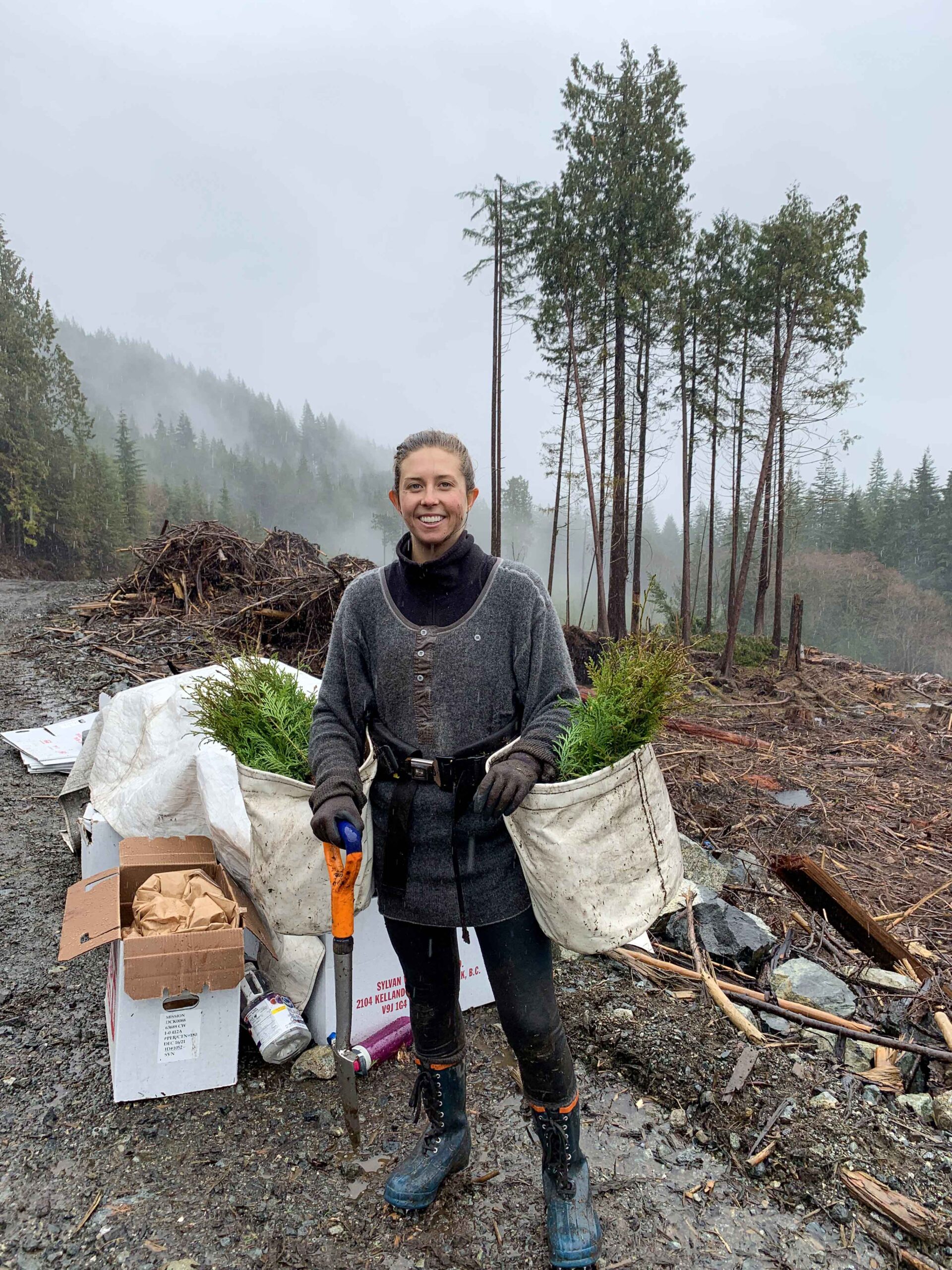 PRINCE GEORGE – Canada’s forests are burning faster than they can be replanted, and the Canadian Tree Nursery Association is calling it a crisis, though not everyone agrees on the scale of the problem. The association says more than 7.3 billion seedlings would be needed just to replant 15 percent of the areas burned in the last three years of record wildfires. In B.C., the situation is worsening: seedling production is expected to decline from 300 million in 2024 to 226 million by 2026. Dr. Phil Burton, Professor Emeritus in Forest Ecology and Management at the University of Northern BC, agrees there’s a genuine problem but says the numbers need context. Millions of hectares that burned in places like the Northwest Territories were never part of the managed forest, he notes, and many forests are capable of recovering on their own. …The central debate isn’t whether any replanting is needed most agree some is. The question is how much, and who pays for it.
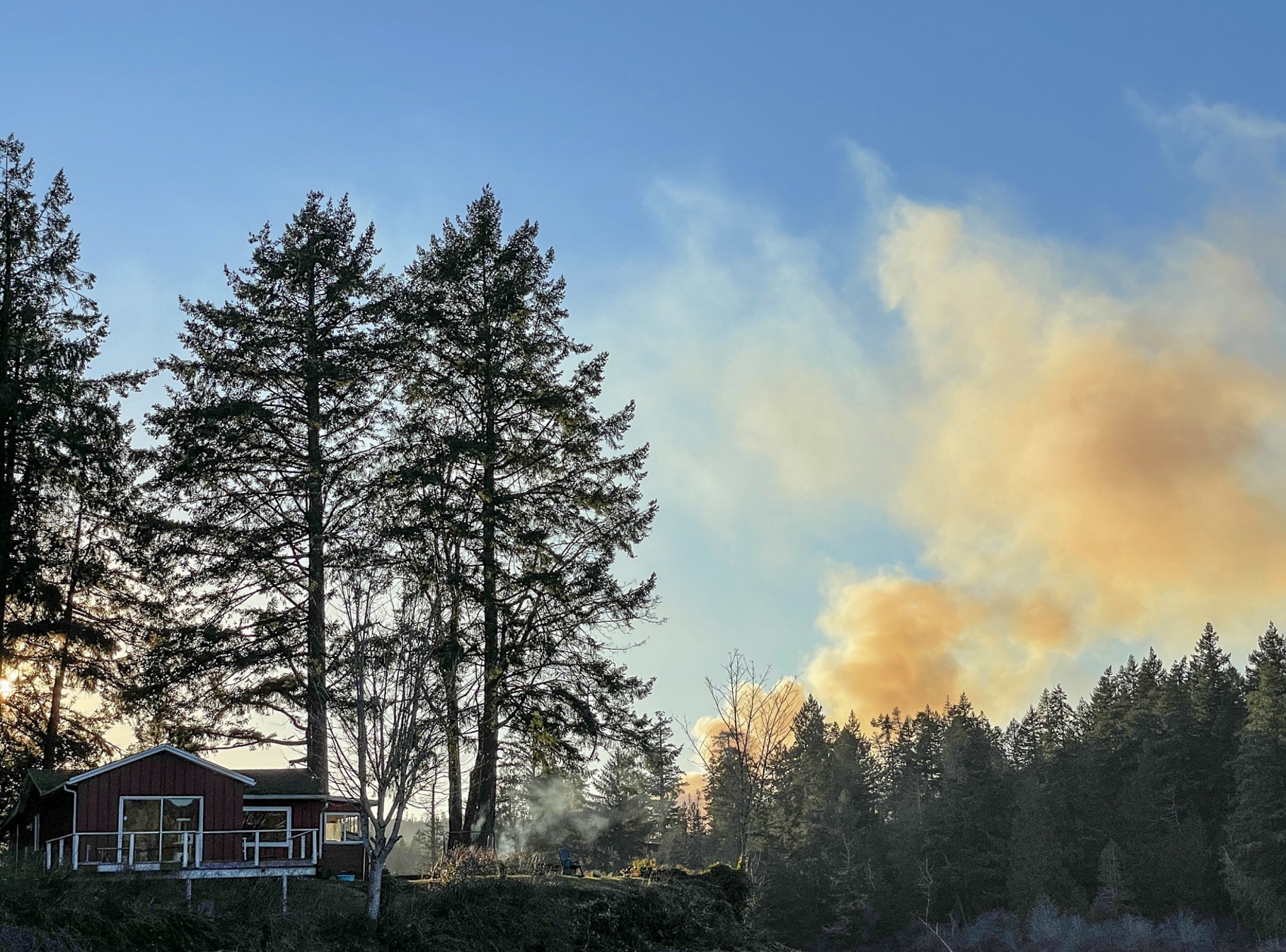 …Wildfires scorched 2.9 million hectares of Saskatchewan forest last year, forcing thousands of people from their homes and destroying more than 450 dwellings across the province, according to the Saskatchewan Public Safety Agency (SPSA). Some experts are warning this year could be just as bad. A relatively dry fall and unusual winter conditions are setting the stage, said Colin Laroque, a professor of environmental science at the University of Saskatchewan. …Finance Minister Jim Reiter called this year’s provincial budget “essentially” the status quo for wildfire preparation and response. The province announced a $20-million increase for the SPSA earlier this month, bringing its total budget to $140 million. The increase includes an additional water bomber. …Eric Lamb, a professor at U of S, said extreme weather conditions are no longer rare and require a different approach focused more on preventative measures, like prescribed burns, before a wildfire season begins.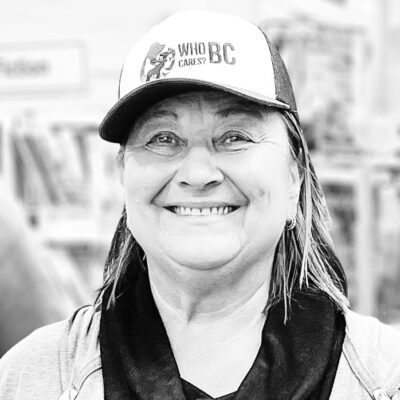


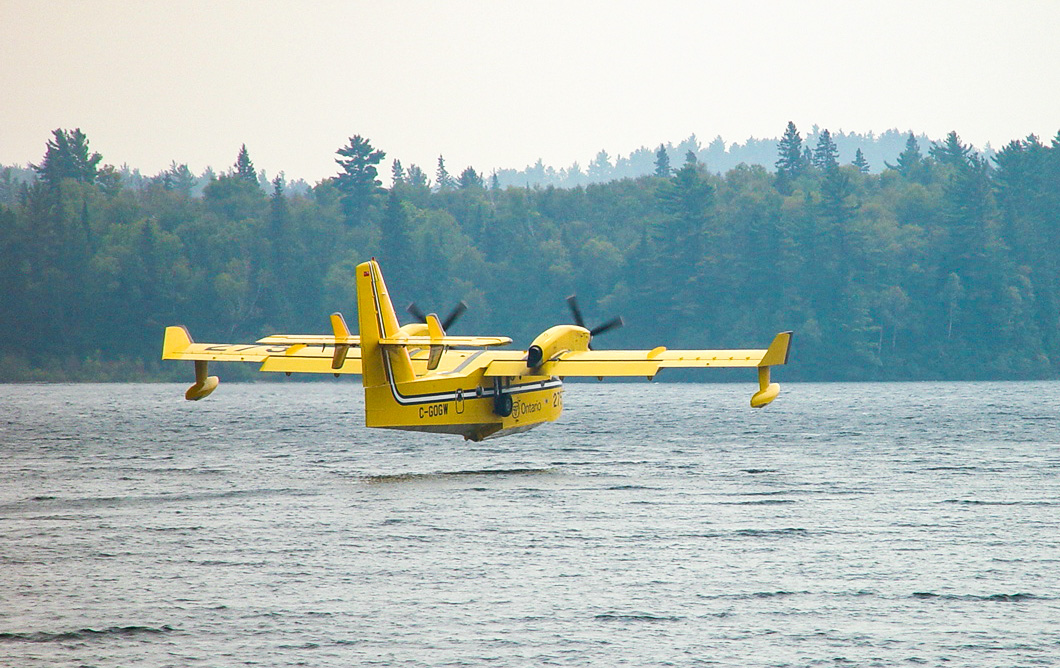 TORONTO — Ontario is ready to protect people and communities this wildland fire season, which lasts from April 1 until October 31. In preparation, the province has added an additional 68 permanent staff and increased compensation for critical staff including wildland firefighters, pilots and aircraft maintenance engineers. …“Our government stands behind the wildland firefighters, pilots and support staff that make up our frontline response and we will ensure they have everything they need for the upcoming fire season,” said Mike Harris, Minister of Natural Resources. In addition to the new staffing measures, Ontario and Canada are investing in projects through the Wildfire Resilient Futures Initiative that will help enhance local training, education and outreach programs. These measures will ensure communities across the province are equipped with the tools and resources to prevent and mitigate wildland fire risks, while advancing science and research projects to reduce wildland fire risk.
 Washington — The U.S. Forest Service is closing 57 of its 77 research facilities in 31 states under a reorganization plan announced this week, threatening science that looked at how wildfires, drought, pests and global warming are putting pressure on forests. The agency plans to consolidate its research division into a centralized office in Fort Collins, Colorado, and move field researchers to locations in nearby states. But employees said they feared the move would lead many scientists to leave instead. The reorganization will also move the agency’s headquarters to Salt Lake City from Washington, affecting 260 employees. …The agency is closing six research and development facilities in California, five in Mississippi, four in Michigan and three in Utah, among others. It will also close all of its nine regional offices, which currently manage 154 national forests. Some states will have their own offices and others will be consolidated. …One senior scientist, speaking anonymously, said that the Forest Service wasn’t clear about whether the scientist’s research work would continue to get funding or where the scientist would be relocated…

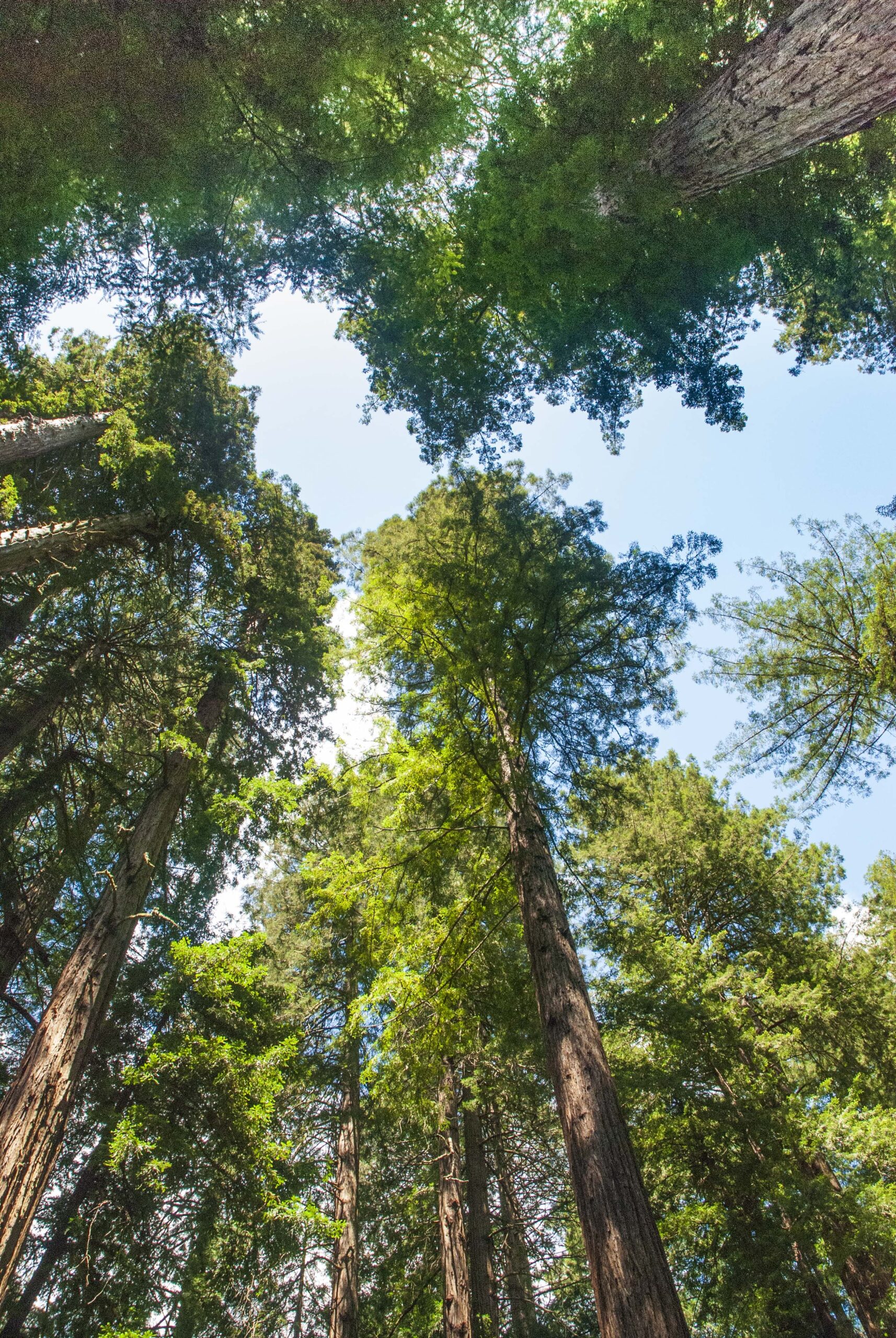 For generations, the Organized Village of Kake and other Southeast Alaska tribes have been stewards of the Tongass National Forest… This is not just land; the forest is our heritage and way of life. …The forest’s old growth trees store more carbon than they release, making the Tongass the nation’s greatest natural climate defense. …Yet this irreplaceable ecosystem faces a threat. The Trump administration is attempting to rescind the 2001 Roadless Area Conservation Rule, a policy that for more than 25 years has safeguarded nearly 58 million acres of national forests. The administration is proposing to strip protections from 44.7 million acres of ancestral homelands, including the Tongass National Forest. This is not just bad policy; it is a direct violation of tribal treaty rights, trust and federal law. The Roadless Rule is simple and effective. It prevents destructive road-building and industrial-scale logging in remote forest areas while preserving access for recreation, subsistence and cultural practices.
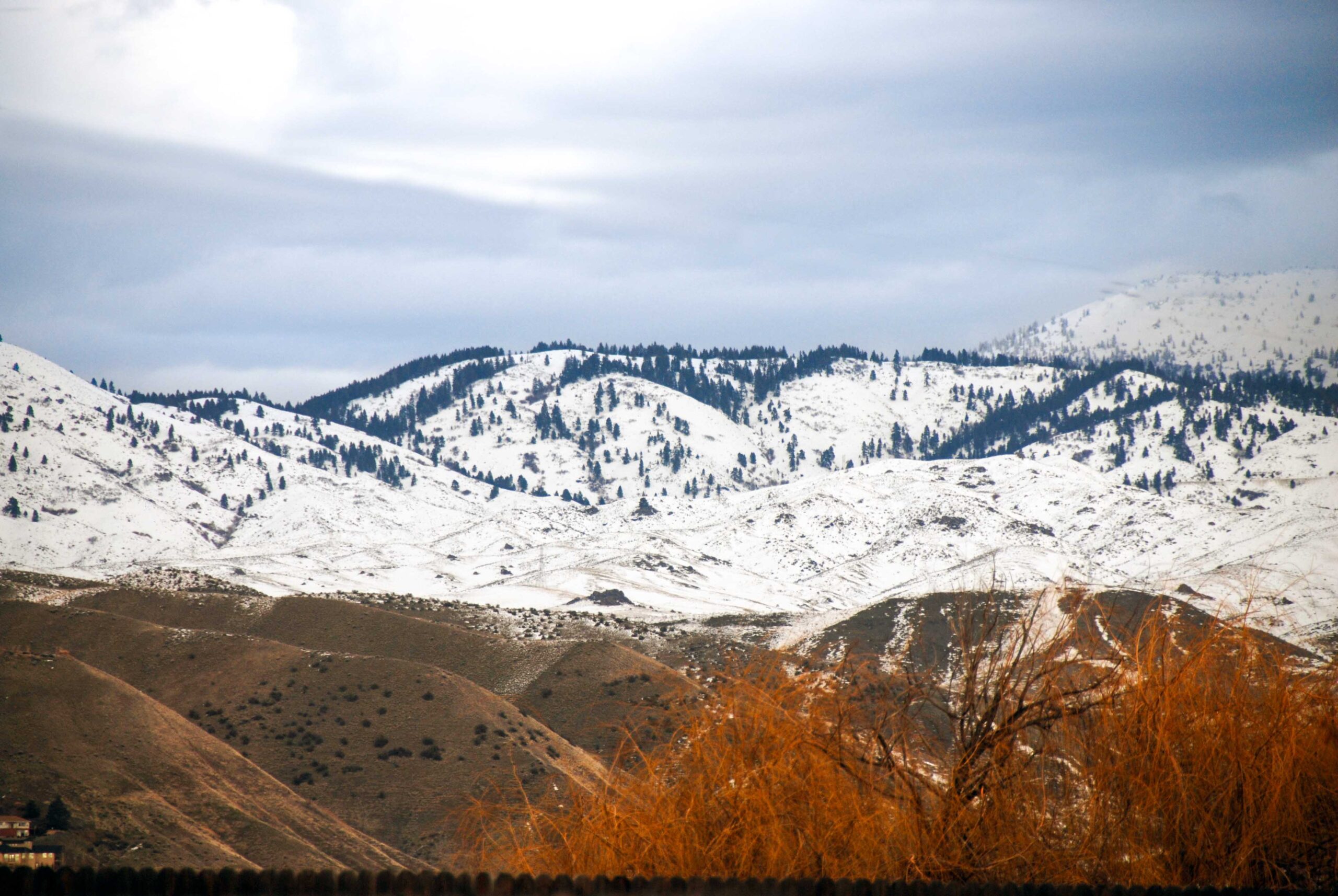 Mountains that normally see their peak snowpack in March are brown this year, thanks to a spring heat dome that baked the western U.S. for much of the second half of March. That’s raising alarm bells for the fire season, which is already ramping up. John Abatzoglu, a professor of climatology at the University of California Merced, said everything is “lining up for a potentially nasty fire season across the west… the warning signs are flashing.” The heat wave eased over the weekend after a sustained run of temperatures 11 to 17 C above normal — with highs in the 30s and 40s in some states. This would be “virtually impossible” without climate change caused by human CO2 pollution, mainly from fossil fuels. Early snow-melt has been linked to a longer fire season, as it dries out the landscape and provides more time and opportunity for fires to ignite and spread
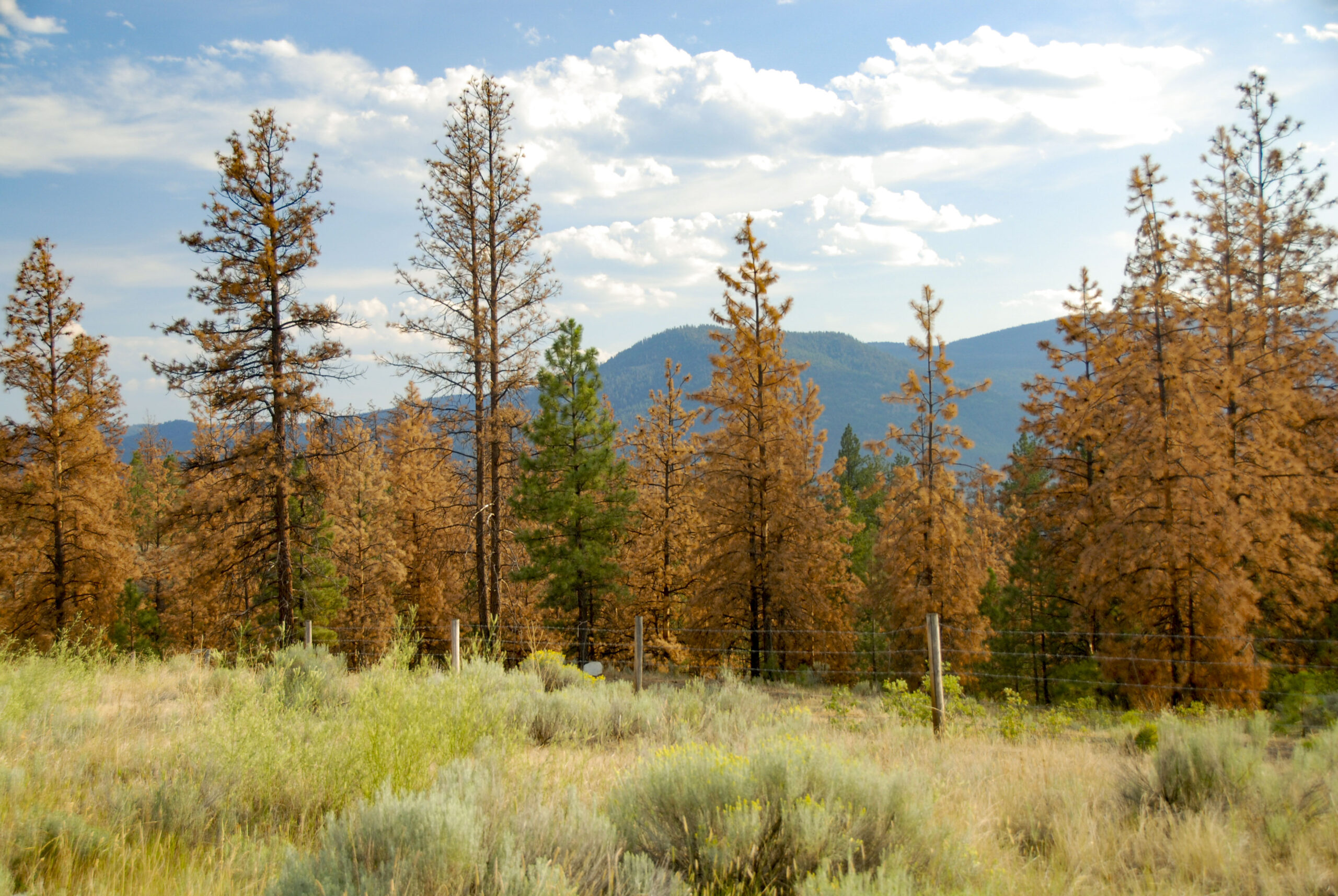
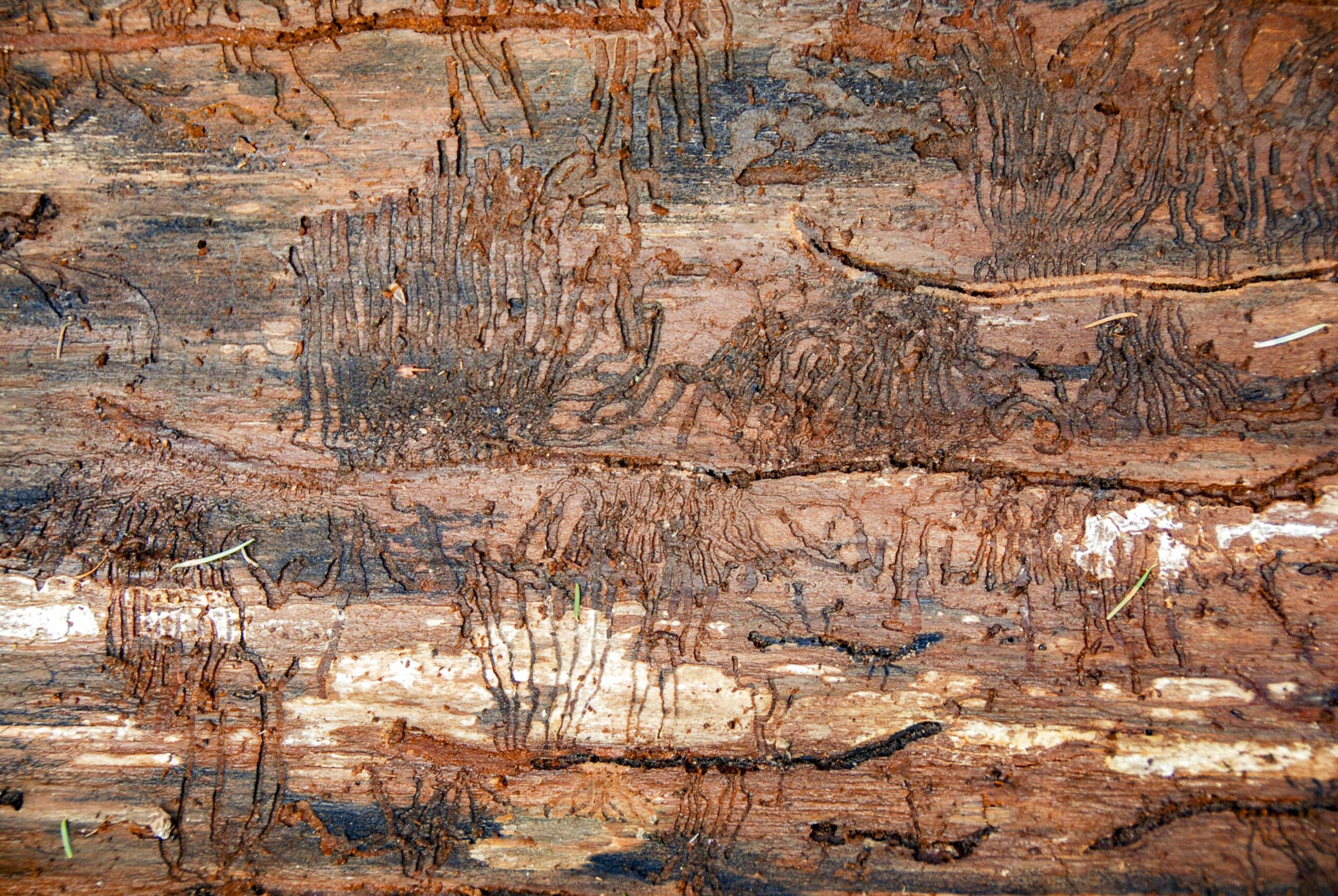 January’s ice storm stressed out trees, making it harder for them to ward off disease and insects. It may have also created an environment where species of pine bark beetles that have been documented for centuries, especially ips and southern pine beetles, can flourish and attack vulnerable evergreens. “You can go from having just a few trees that are damaged or killed by the beetles to having acres damaged or killed by beetles if you’re not really monitoring that,” said Garron Hicks, Assistant Forest Management Chief with the Mississippi Forestry Commission. “Unfortunately, often when landowners notice evidence of the beetle, it’s too late for that tree.” That’s especially true for pine trees whose needles have already begun to turn brown or red. …Hicks urges landowners especially in north Mississippi, the region hit hardest by the winter storm, to look out for signs of beetle damage like pitch tubes.


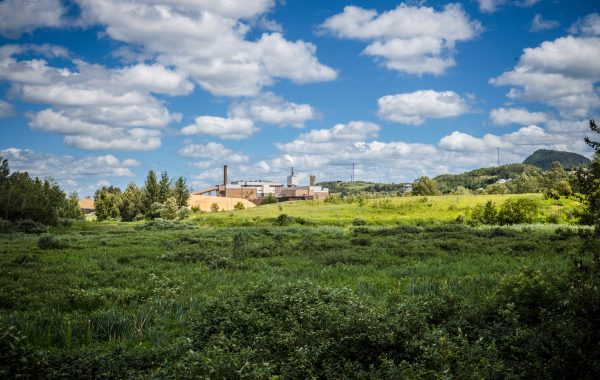

 Ross Hay-Roe left this world on March 24, 2026, with his two children by his side, after three long years of living each day without the love of his life, Lee, as his constant companion. …After graduating high school, Ross studied Aeronautics at Cal Tech in Calgary and moved to Toronto where Ross worked on the Avro Arrow. His career as an Aeronautical Engineer ended abruptly the day the Canadian Government shut down the program in 1957. Ross made his way back to Edmonton where he studied commerce at the University of Alberta, later achieving the CFA (Chartered Financial Analyst) designation. Moving back to Toronto, Ross began working as a sell-side equity analyst focusing on the Forest Products industry. Moving around to various firms, Ross developed a great reputation in the industry… Ross and Lee helped to start an independent investment research shop called Equity Research Associates. Given the level of insight and critical thinking Ross brought to his analysis, his viewpoints were highly sought after. Ross expanded the firm’s forest products coverage and eventually sold the business, which now operates as ERA Forest Products Research.
 Brian Bruce Welch passed away suddenly and unexpectedly on January 5, 2026. His loss is felt by all who knew him, and he will be remembered for his dedication to career, family, and friends. …Brian worked for years as a commercial fisherman… When terra firma called, Brian was welcomed by father Bruce E. Welch to formally join the family business, thus becoming the fourth generation to help carry forward the legacy of Olympic Forest Products Ltd, which operated continuously between 1932 and 2026 and was at one point amongst the top BC coastal forestry industry operators. Brian’s long career in the forest industry reflected both pride in family history and commitment to strengthening business for the future, often despite significant industry wide challenges and hurdles. …In 1988 Bruce Welch appointed Brian President of Olympic Forest Products Ltd, Bruce assuming the role of Chair for what had become a group of companies. Following family tradition, Brian served on the TLA board in 2002 and 2003, chairing the Industrial Committee and serving on the Worker Health & Safety Committee.
 WorkSafeBC is holding a virtual public hearing on proposed amendments to the Occupational Health and Safety Regulation. The virtual public hearing will be streamed live on April 21, 2026, in two sessions. The first will take place from 11 a.m. to 1 p.m. and the second from 3 to 5 p.m. Further information on how to view or participate in the virtual public hearing will be provided closer to the hearing date. These details will be posted on
