 BC is making legislative changes to bolster access to fire, insect, and storm-damaged timber. In related news: Spearhead’s glulam expansion takes shape in Nelson, BC; AV Group New Brunswick secures funds to reduce GHGs at Atholville pulp mill; and Gorman Group celebrates 75 years with new sawmill. Meanwhile: the EU’s new packaging rules were published; Japan’s housing starts dropped; and US kitchen cabinets sales fell.
In Forestry news: the US administration seeks rarely used Endangered Species Act exemption; Saskatchewan is facing a wicked fire season; and a UBC study says forest loss causes watersheds to leak rain. Meanwhile: it’s the last chance to register for the COFI Convention; key takeaways from the Canadian Woodlands Forum meeting in Moncton; and the latest news from Forest Professionals BC and the BC Community Forest Association.
Finally, a new mass timber design hub will open in Melbourne, Australia this April.
Kelly McCloskey, Tree Frog News Editor
 TORONTO — Canadian businesses hit by targeted U.S. tariffs are struggling to respond as the trade war drags into its second year. …industries like metal production, lumber and automobiles continue to face steep duties more than a year after U.S. President Donald Trump upended the global status quo. Companies have cut staff, pulled back on production and pushed for government action as the heavy duties continue to shake the crucial and long-standing trade relationship with the U.S. …“Because of the way that these tariffs are imposed … five to six key manufacturing subsectors are really, really hurting versus the rest of the economy”, said Claire Fan, senior economist at RBC. …The softwood lumber industry was hit by harsh duties back in 2017, which Trump has since added to, resulting in production down over 25 per cent since the first round, she noted. The result is 22 mills closed since 2022 and another 50 with reduced operations…
 The Council of Forest Industries 2026 conventions welcomes veteran strategist
  B.C.’s latest budget confirmed: One of the province’s foundational industries has lost more than half its public revenue base in a single economic cycle. Forestry revenues are projected at $521 million, down from $1.3 billion just a few years ago. …It is a structural failure. For decades, Canada built its forest economy around a single export market and a narrow set of commodity products. That strategy has now been exposed as dangerously fragile. …The issue is not a lack of fibre, skills, infrastructure or industrial heritage. …The issue is the absence of investment-grade data and intelligence that allow global firms to move quickly from site selection to financing and construction. …Canada already has a strong global investment attraction network through Invest in Canada and the trade commissioner service… What is missing is nationally consistent, standardized data sets on forest biomass availability, infrastructure capacity, workforce readiness, and permitting pathways that allow those teams to respond immediately when firms begin evaluating locations.
 Alberta’s government has tabled legislation to ease regulations and barriers to more easily enable the sale of some goods from other provinces. It’s part of a commitment Alberta made with its provincial and federal counterparts in signing an interprovincial free trade pact in November. That trade accord, which is supposed to take effect this summer, would see provinces recognize each other’s regulations for most consumer and capital products to avoid duplicative inspections and requirements. …Government officials told reporters before the bill was tabled that manufacturers in industries such as oil and gas, lumber and logging and fertilizer producers will likely see the most positive impact once the pact takes effect.
 With just 13 days to go, anticipation is building for the
 Arizona — Efforts to scale up forest thinning across northern Arizona are intensifying, as local officials, industry representatives and environmental groups warn that time is running short to reduce wildfire risk and protect critical watersheds. “Everybody is aware now that there is a biomass issue, but very, very, very few people have any real knowledge of the solution,” Eastern Arizona Counties Organization Executive Director Pascal Berlioux said during a recent Natural Resources Working Group meeting. A broad coalition is advocating for construction of a second biomass-burning power plant, arguing it is essential to prevent the collapse of the region’s wood products industry. Without that industry, leaders say, large-scale thinning efforts could stall, increasing the likelihood of severe wildfires threatening forest communities.

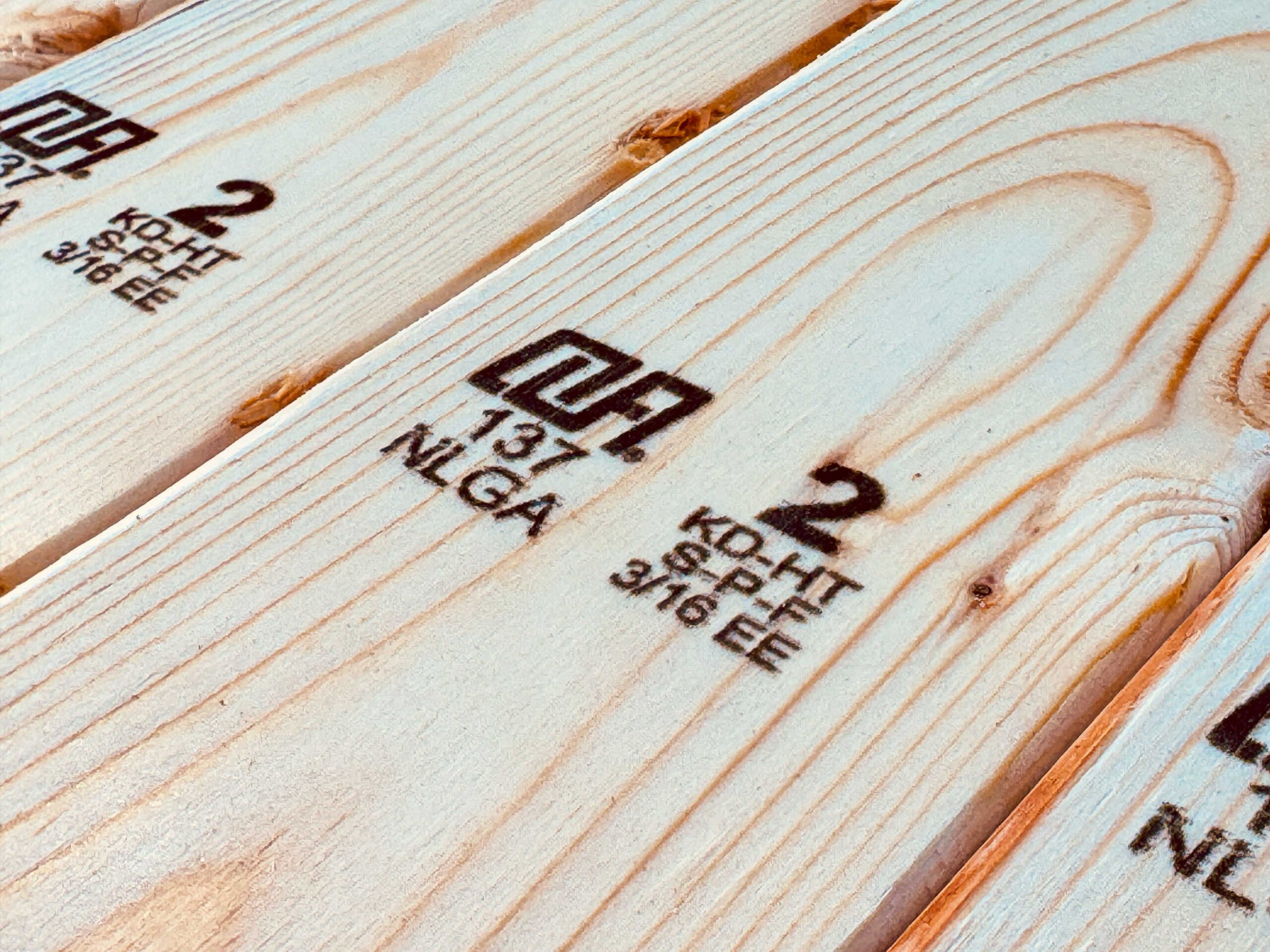 The United States is facing a housing shortage that continues to put upward pressure on home prices and limit access to affordable housing. According to the Up for Growth 2025 Housing Underproduction study, the country remains millions of homes short of meeting current demand – a gap that cannot be closed without increasing the pace and scale of home construction. …In residential construction, two primary lumber species underpin nearly all home building: Spruce-Pine-Fir (SPF) and Southern Yellow Pine (SYP). These are not interchangeable commodities, they are complementary materials with distinct structural properties, regional availability, and performance characteristics. SPF, largely grown in Canada and the Pacific Northwest, is valued for its strength-to-weight ratio, dimensional stability, and ease of use in framing applications. SYP, produced primarily in the U.S. Southeast, offers high density and strength, making it well-suited for other structural and composite uses. Both are essential, and neither alone can meet the needs of the U.S. housing market.
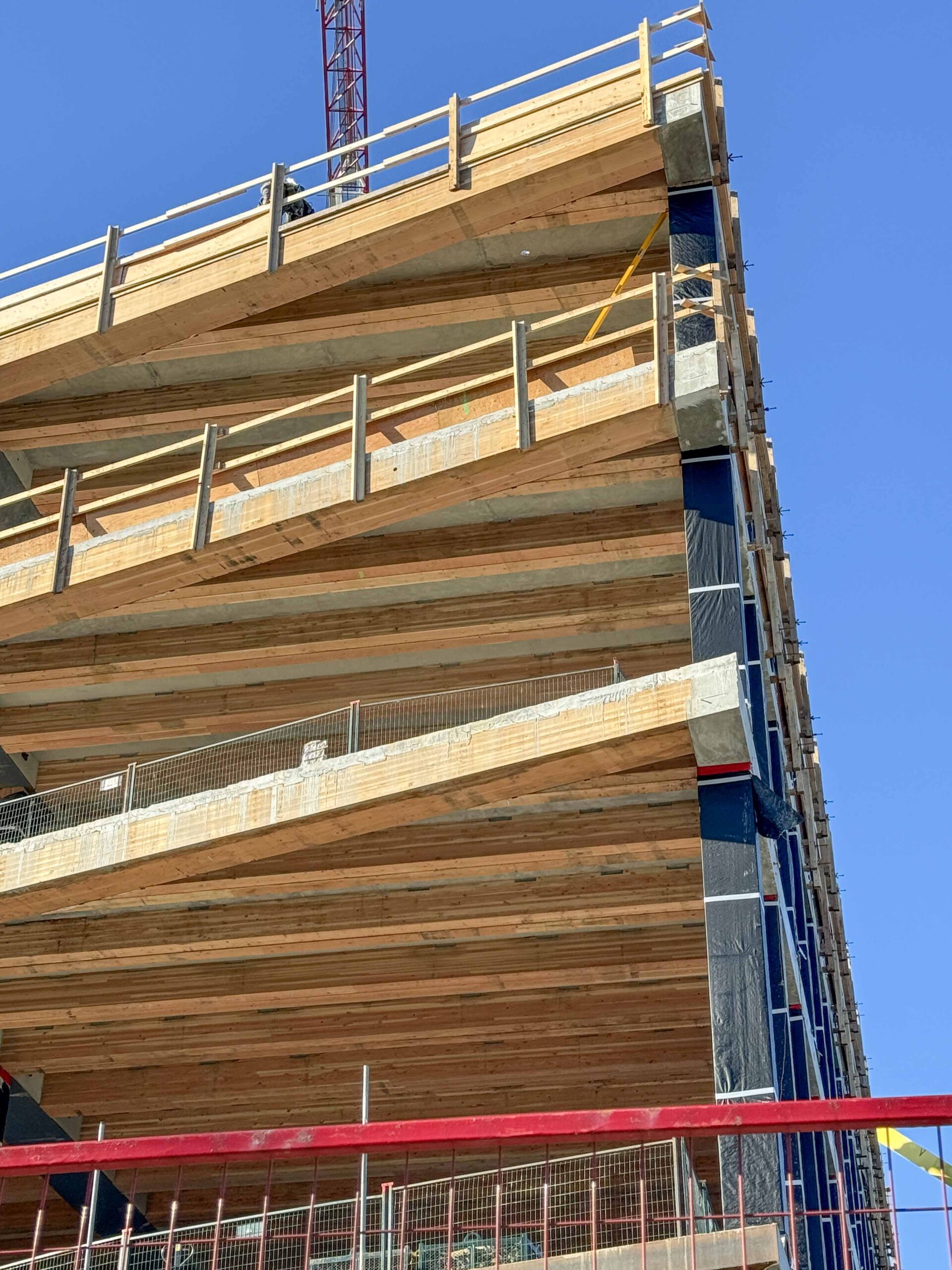
 A 17-storey mass timber-Passive House tower under construction in downtown Vancouver will help push forward clean, tall timber construction techniques, the company building the mixed-use structure at 981 Davie St. says. The builders,

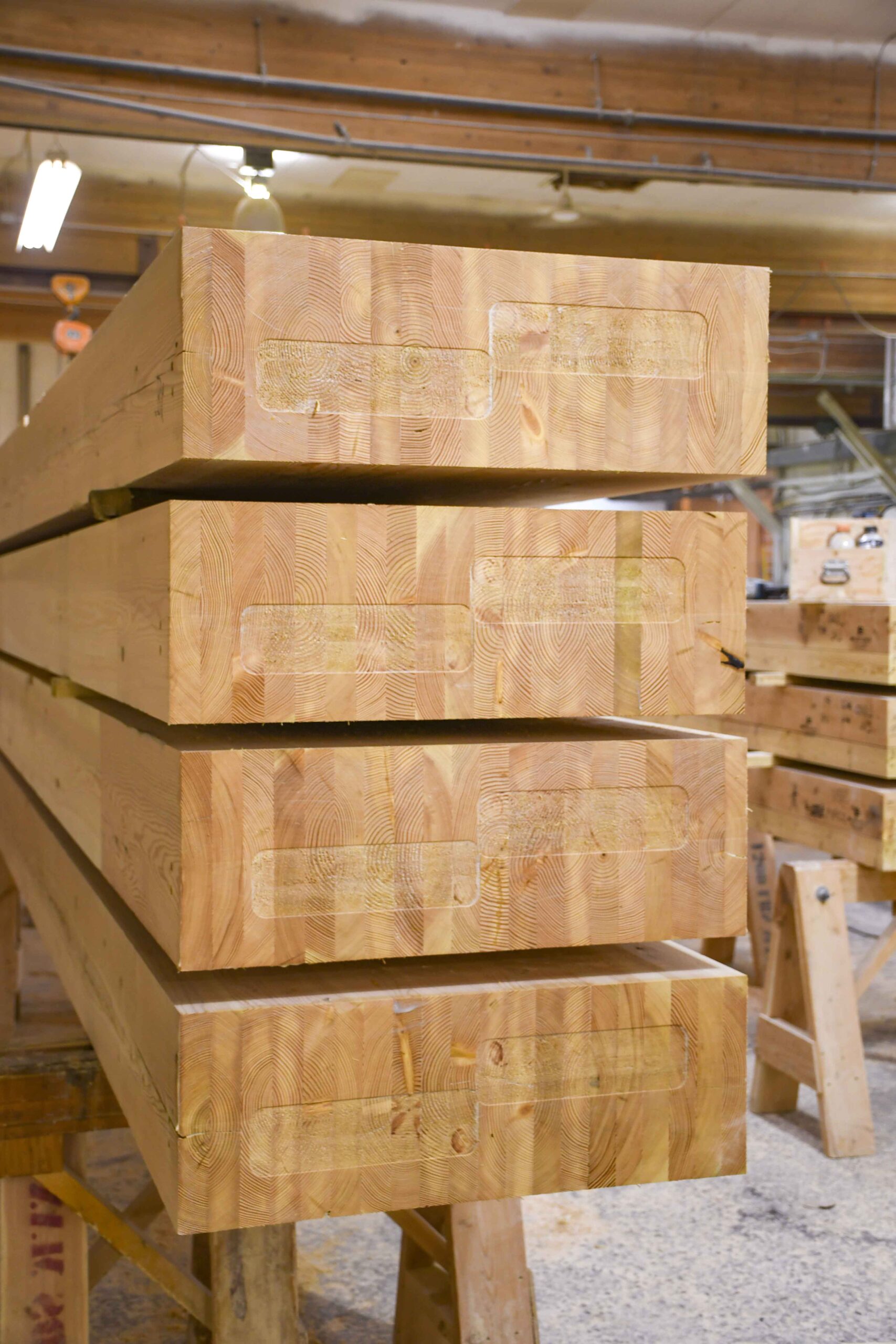 BRIMLEY, MI – The Bay Mills Indian Community will receive $50,000 in state funding to support planning and design of a long-term care facility in Brimley, making it the only Upper Peninsula project selected in the first round of Michigan’s Mass Timber Catalyst Program. The planned facility is among 10 projects statewide sharing $400,000 in grants aimed at expanding the use of mass timber construction in Michigan. The state received six applications from the Upper Peninsula. “We received six applicants for a number of different projects in the Upper Peninsula,” said Patrick Mohney, senior lands program manager with the Michigan Department of Natural Resources’ Office of Public Lands. “This shows that interest in this building technique is growing.” Nine Lower Peninsula projects were also selected, with individual grants ranging from $25,000 to $60,000. Recipients include a woodworking school in Adrian, a municipal building in Grand Rapids, and mixed-use facilities in several locations.

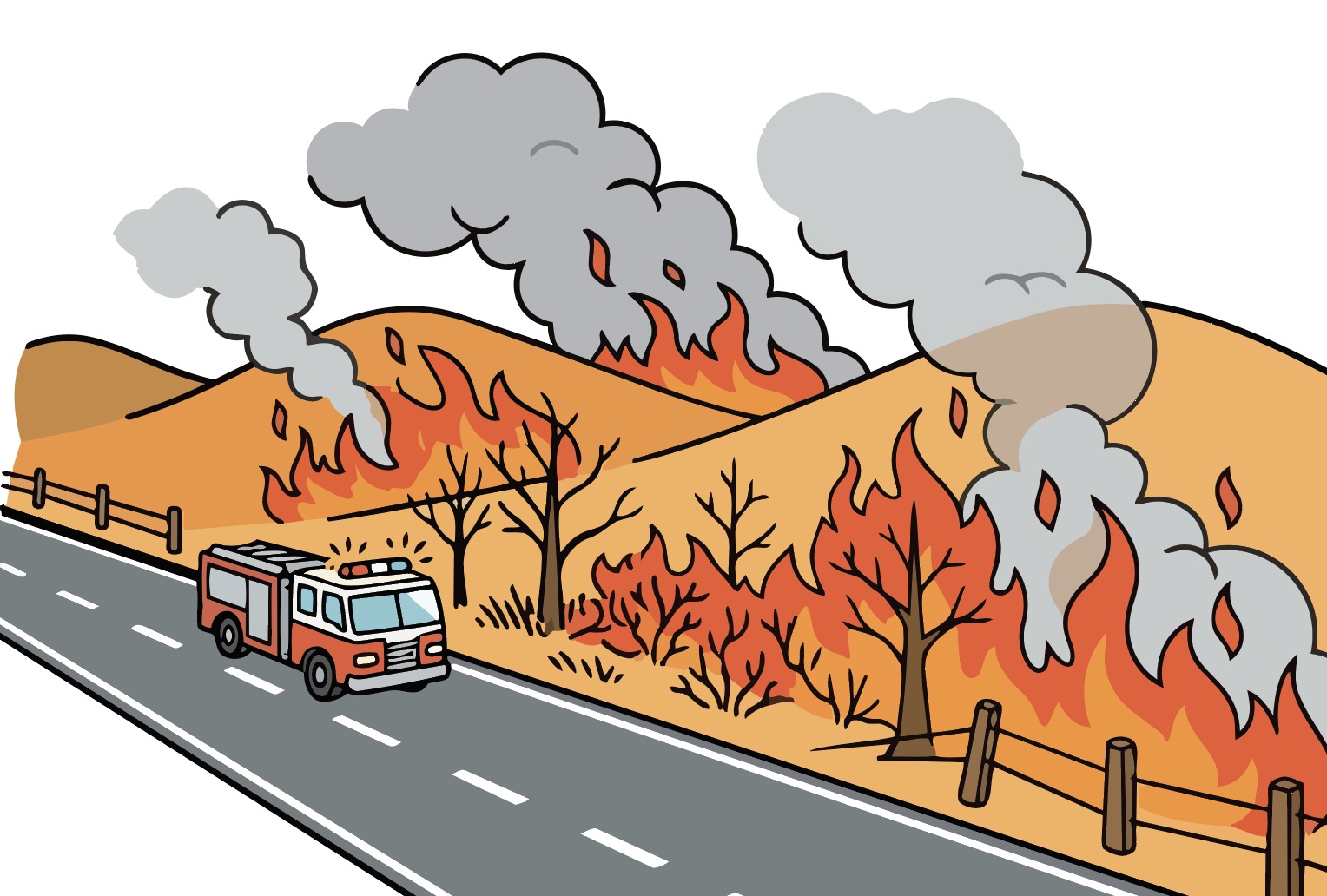 2025 was Canada’s second-worst wildfire season on record. Canada’s air quality was worse than the United States in 2025, thanks to a record-breaking wildfire season last summer, according to a new report by IQAir. Canada doesn’t have the worst air quality in North America: That designation goes to Mexico, which landed at 50 on IQAir’s 2025 list of most polluted countries and regions. Wildfires pushed Canada to 117 in 2025, with the United States taking the 120th spot. These wildfires not only made Canada more polluted than the United States, but they were also large enough to affect air quality in Europe as smoke crossed the Atlantic Ocean. Between May 2025 and November 2025, Canada experienced its second-worst wildfire season ever, with over 6,000 wildfires and 8.3 million hectares burnt across the country. …Health Canada estimates that air pollution contributes to 15,300 premature deaths each year in Canada.
  Canada’s insurance industry is urging Ottawa to take direct control of wildfire management, warning that rising disaster costs and what critics describe as a reactive federal response demand a centralized national agency. Blacklock’s Reporter says in submissions to the House of Commons environment committee, the Insurance Bureau of Canada called on Parliament to create a federal emergency management body similar to the U.S. Federal Emergency Management Agency, arguing current systems are no longer adequate. “The trend is clear,” the Bureau wrote. “Canada has already entered an era of record-breaking natural disasters with no signs of slowing.” The proposal would mark a major shift from the current model, where provinces and territories lead wildfire response efforts through mutual aid agreements coordinated by the Canadian Interagency Forest Fire Centre, established in 1982.
 The Okanagan Screen Awards, a two-day celebration of film, creativity, and community, took place March 28–29, 2026 in the sunny paradise of Kelowna, BC. The Okanagan Screen Awards are proudly presented by the Okanagan Society of Independent Filmmaking (OSIF), a non-profit organization dedicated to supporting, educating, and advocating for independent filmmakers in the Okanagan region. Congratulations to “BC is Burning” for winning 1st Place in the Feature Docs category!


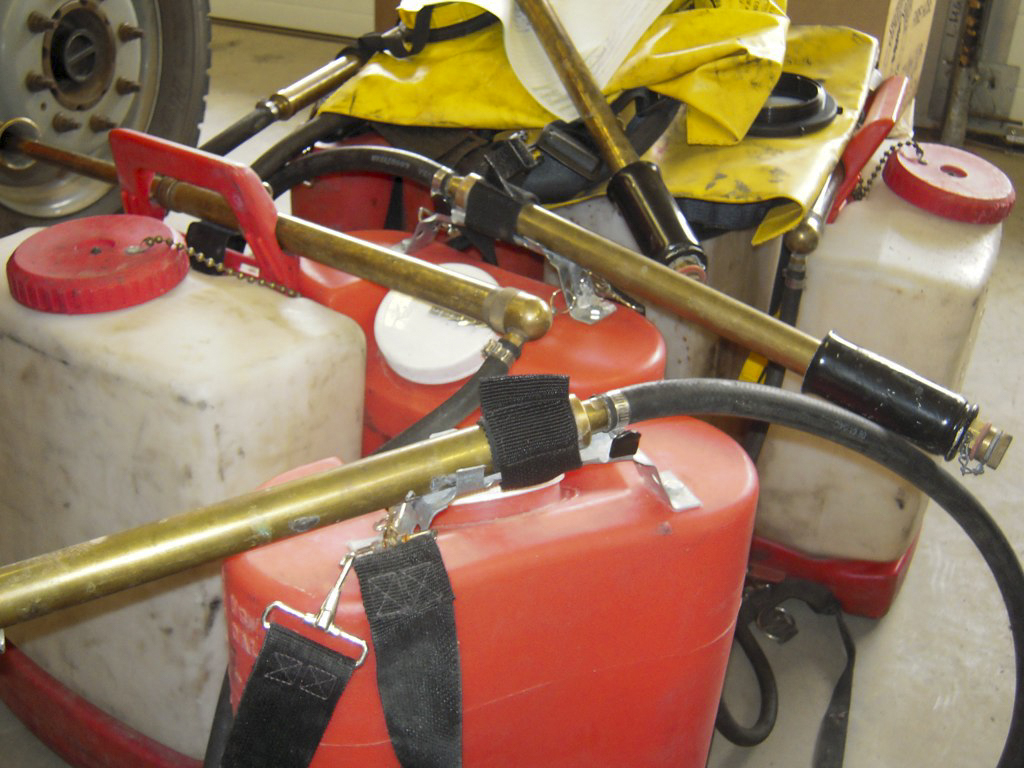 The BC Wildfire Service (BCWS) will be jointly working on two fuel reduction measures near Lytton, one in Botanie Valley and the other near Highway 1 north of the town, and one in the Hat Creek Valley. The Hat Creek cultural burn will cover an area of up to 40 hectares, approximately 15 kilometres west of Cache Creek in the Upper Hat Creek Valley. The project, known as the Harry Lake Grasslands cultural burn, is in partnership with the Thompson Rivers Natural Resource District and Bonaparte First Nation. The burn is part of a multi-year project meant to introduce fire into the Upper Hat Creek Valley. Key goals of the burn include revitalization of cultural burning practices by St’uxwtéws (Bonaparte) First Nation; reintroduction of fire to a fire deficit ecosystem; and ecological maintenance and improvement of grasslands. It is also part of a research initiative being undertaken by the University of British Columbia into prescribed fire in the area.
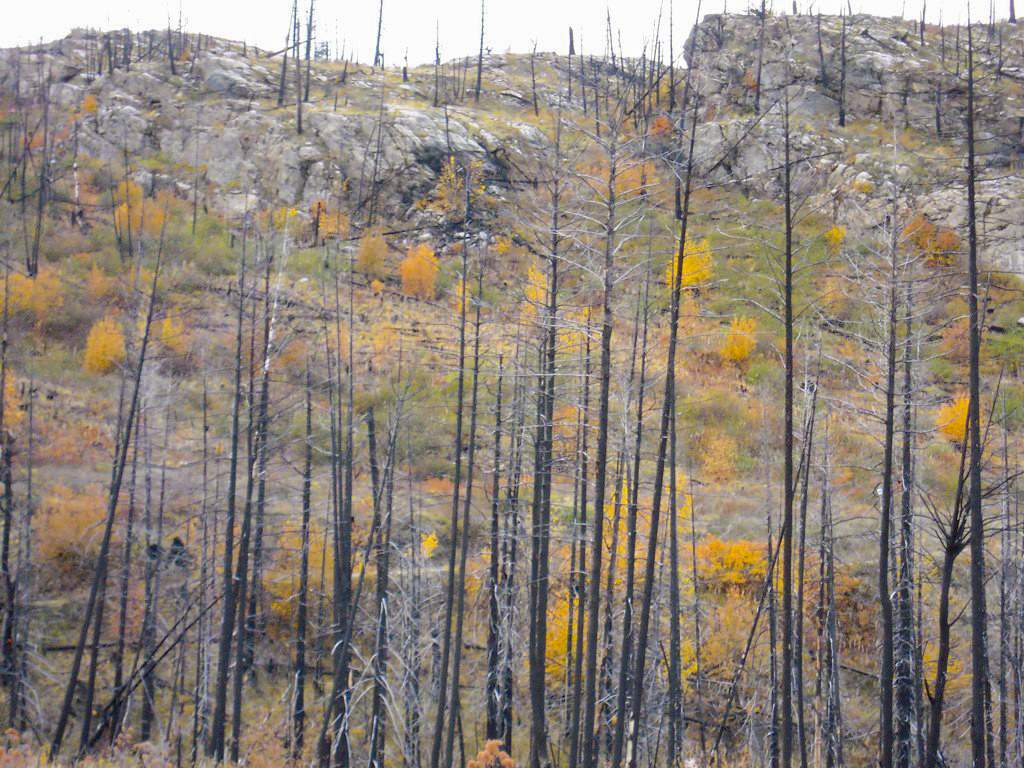 Wildfire fuel mitigation will remain a priority for the city, despite the B.C. government’s plans to stem the flow of FireSmart funding. At its March 23 meeting, city council received a presentation by Assistant Fire Chief Carmen Guidos, who was seeking direction on a couple of matters. One had to do with the Community Wildfire Resiliency Plan (CWRP) currently under development. The other was in regard of fuel mitigation work already planned for Coyote Park, South Canoe, and a small treatment area on Mt. Ida. The connecting thread prompting Guidos’ presentation was recent changes by the BC government to how it funds community FireSmart initiatives. The province introduced the FireSmart Community Funding and Supports (FSCFS) programs in 2018, providing approximately $175 million since then for communities to hire coordinators, conduct education campaigns and pay for fuel management efforts.
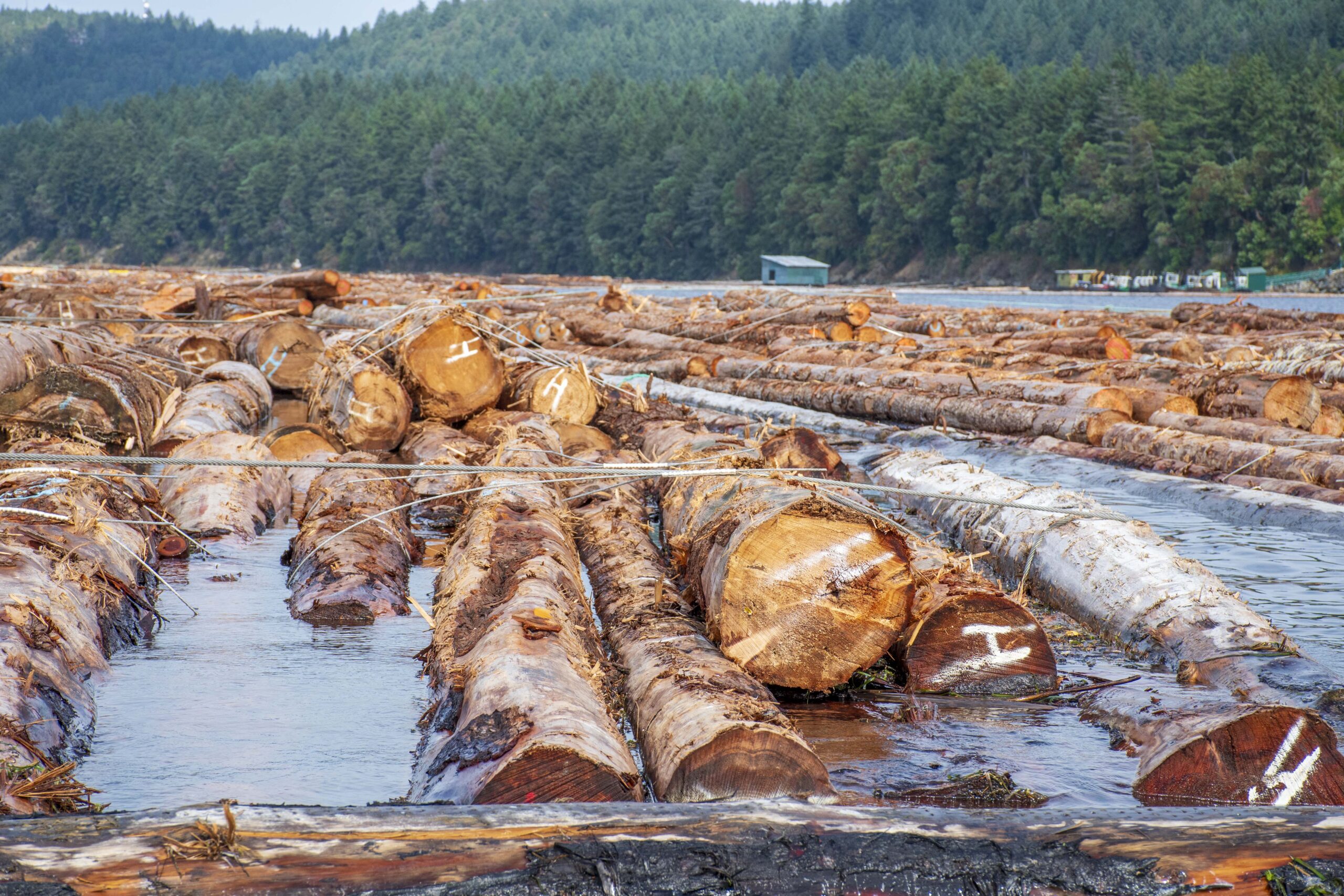 Recovery operations are ongoing after 19 log bundles ended up on beaches in the PQB area after rough weather caused a log boom to break open at Mosaic Forest Management’s Northwest Bay waterfront facility two weekends ago. Mosaic said more than half of the bundles have been retrieved, but crews need favourable tides and calm weather to safely recover the remaining logs. “We’re hoping to have suitable conditions in the next few days to complete the recovery as quickly and safely as possible,” Mosaic told the PQB News on March 24. Mosaic notified the provincial regulator and is in direct contact with Rathtrevor Provincial Park representatives about its plans and timeline. The province has declared the area where the logs went astray as a “closed area in so far as the marine salvage of logs is concerned”. END
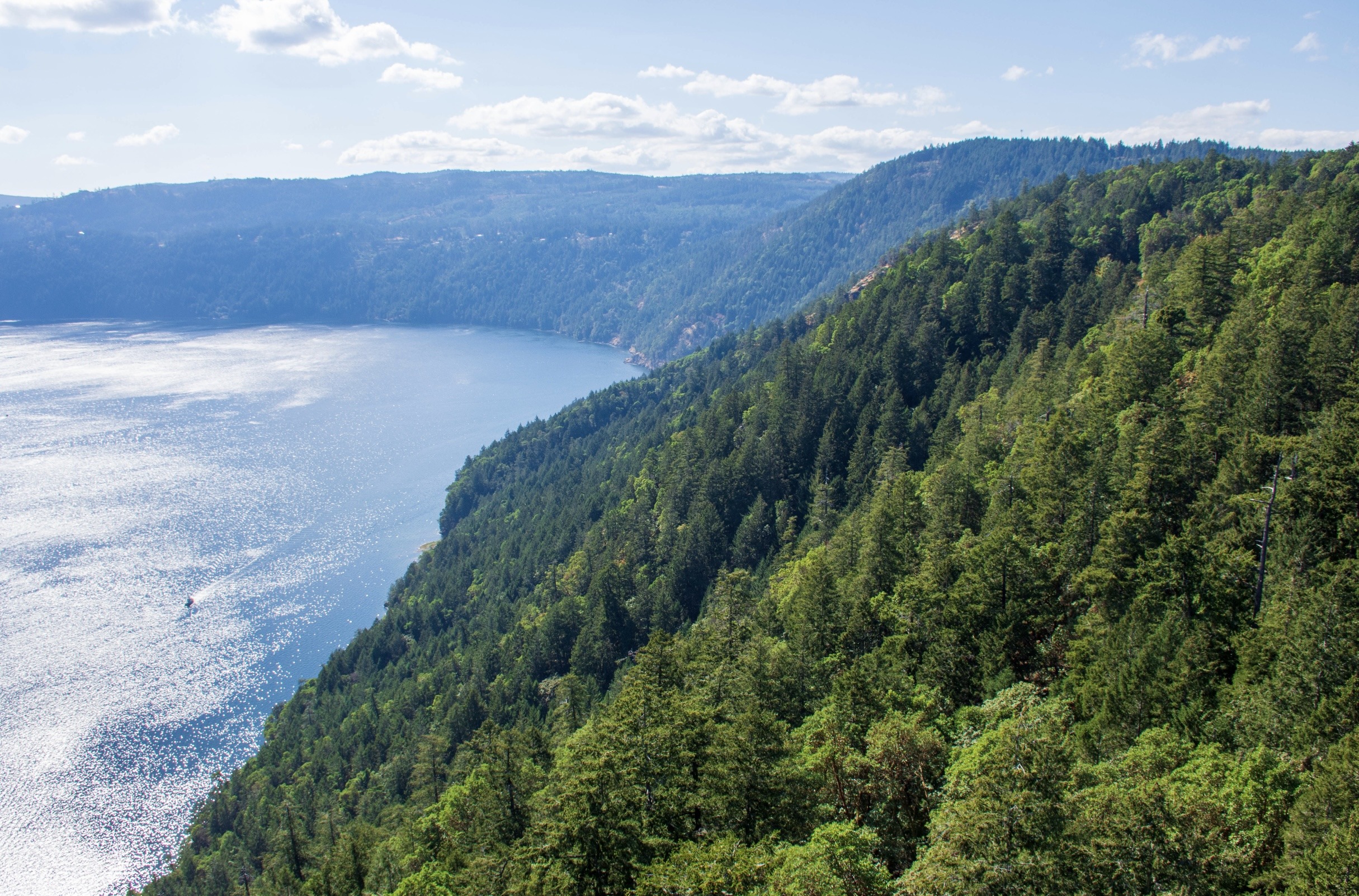 A commentary by two forest ecologists who lead Raincoast Conservation Foundation’s Forest Conservation Program, and Raincoast’s executive director, who is a Southern Gulf Islands resident. The Islands Trust recently invited public input to help update its Trust Policy Statement, a document that guides how land-use decisions are made across the Trust Area in the Salish Sea. While the draft includes some overdue updates, it drifts from its mandate of environmental protection and fails to connect words in a policy document to decisions on the ground. To work properly, the Trust Policy Statement must clearly show how the Islands Trust will carry out its environmental protection mandate. The Islands Trust is a unique form of government. When it was established 50 years ago, its role was clear: to prevent unrestrained growth and development in the Trust Area of the Gulf Islands. The legislation recognized that the islands’ natural environment and rural character were fragile and irreplaceable.
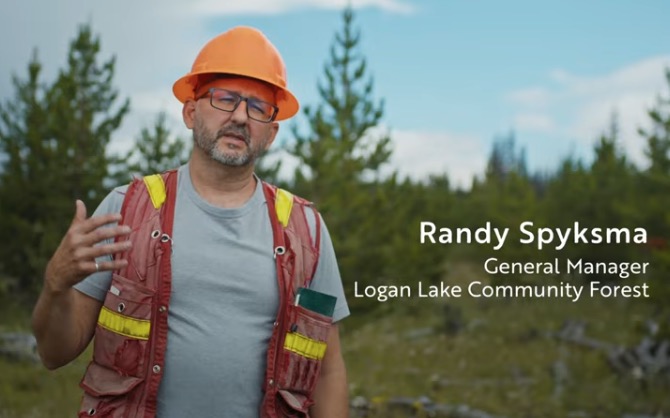 A new website and film showcasing wildfire mitigation efforts have been launched by the Logan Lake Community Forest. New branding has been launched alongside the release of a movie that delves into the community forest and its role in wildfire risk reduction and recreation. In a news release, Randy Spyksma, general manager for Logan Lake Community Forest, said the new, refreshed branding “better reflects who we are today and where we are going.” “It is a visual highlight of our commitment to responsible forest stewardship while supporting the long-term sustainability of our community.” …“Our film speaks to the heart of what we do as a community forest and allows us to share this work through storytelling,” Spyksma said.


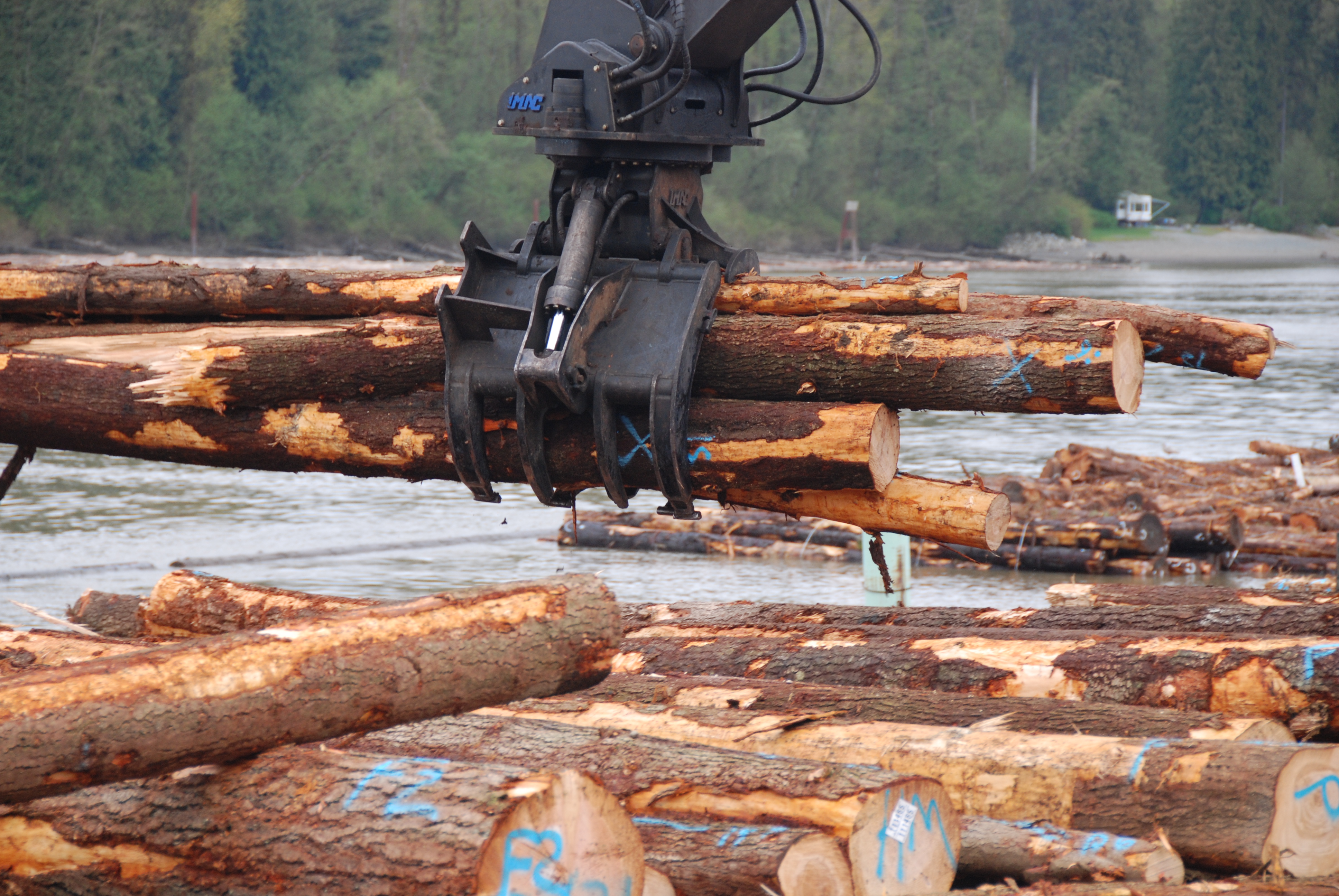 Several log bundles ended up on beaches in the Parksville and Nanoose Bay area after rough weather caused a log boom to break open at Mosaic Forest Management’s Northwest Bay waterfront facility last weekend. … “Shifting high winds pushed the logs into shallow water before crews could safely reach them,” Mosaic told the PQB News. “We responded as soon as we were alerted early Sunday morning, recovering 10 of the 19 bundles.” Mosaic says salvage crews are standing by to recover the remaining nine bundles, but the current weather system has hampered access to the shallow beach areas where they came ashore.
 Daria Mykhailovych, a Sooke resident, has been raising awareness across Greater Victoria about a petition calling on the provincial government to strengthen protections for British Columbia’s remaining old-growth forests in hopes of encouraging more people to support it. …Originally from Ukraine, she said landscapes like those on Vancouver Island are rare elsewhere in the world. …The petition was launched in fall 2025 by two B.C. forest ecologists, Dr. Suzanne Simard, a professor at University of British Columbia, and independent ecologist Dr. Rachel Holt. Originally, the petition was started with a goal of getting 10,000 signatures. As of March, 16, the petition has received support from about 4,070 people. …“Our concern is that we’ve been cutting these forests at an unsustainable rate,” Simard said. “We wanted to raise awareness and encourage people to question whether the path we’re on is good for the people of British Columbia and for the forests themselves.”


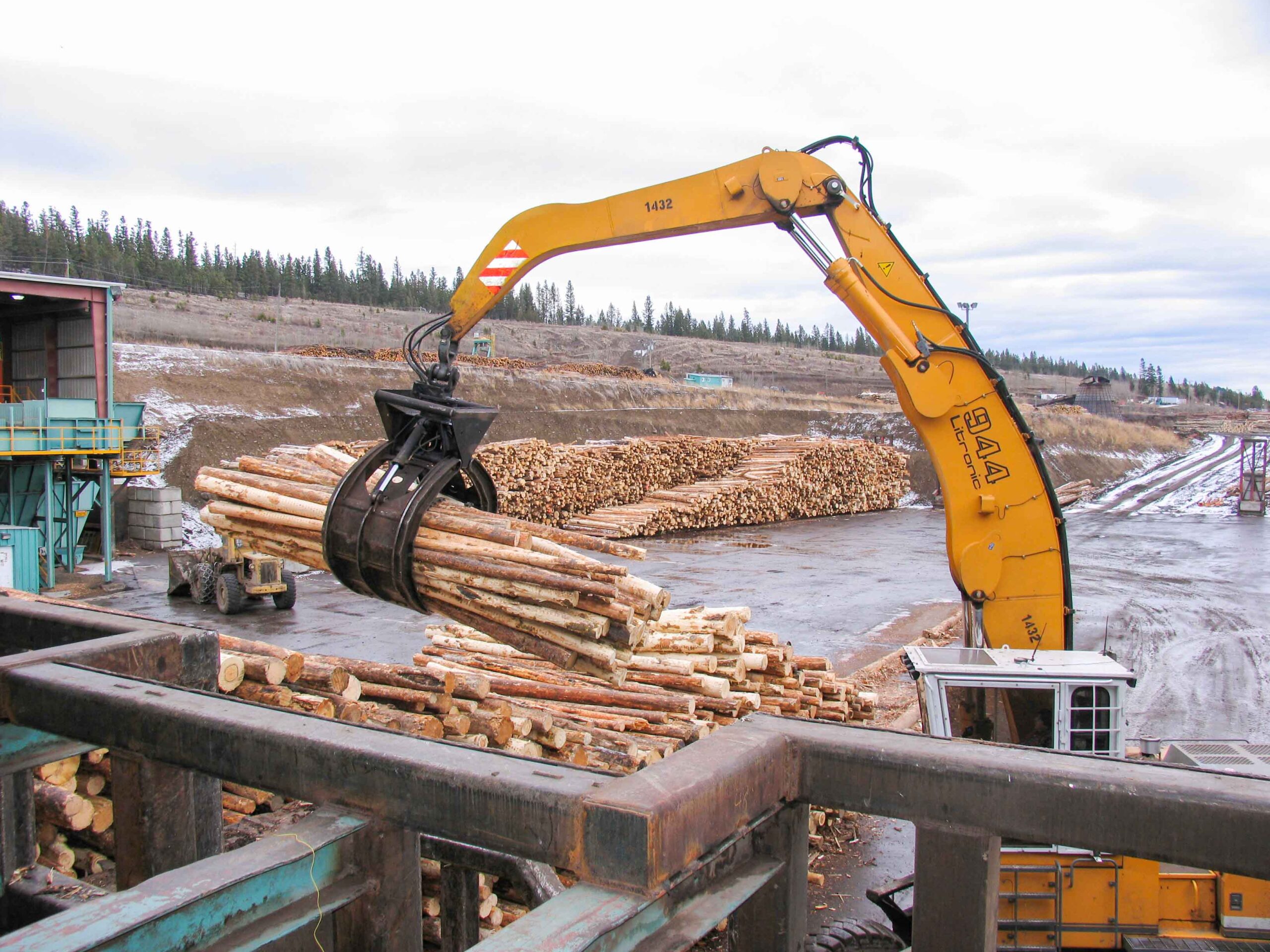 Oregon’s congressional Democrats are asking federal officials to give the public more time to learn about and comment on new plans that would open up millions of acres of federal forests in Oregon to logging activity not seen since the 1960s. The Bureau of Land Management in late February announced it would change the Western Oregon Resource Management Plans that have governed logging and conservation in Oregon counties for decades. The stated goals were “maximum” timber production to “advance Trump administration priorities,” including logging in areas that are home to federally protected, vulnerable species. The announcement kicked off a month-long public comment period that ended March 23, but the agency did not hold any public meetings. Officials said in the announcement they would not hold any meetings before releasing a draft proposal for new logging. Oregon’s U.S. Sens. Jeff Merkley and Ron Wyden and [others], all Democrats, said such generational change in logging practices deserves far more public scrutiny.
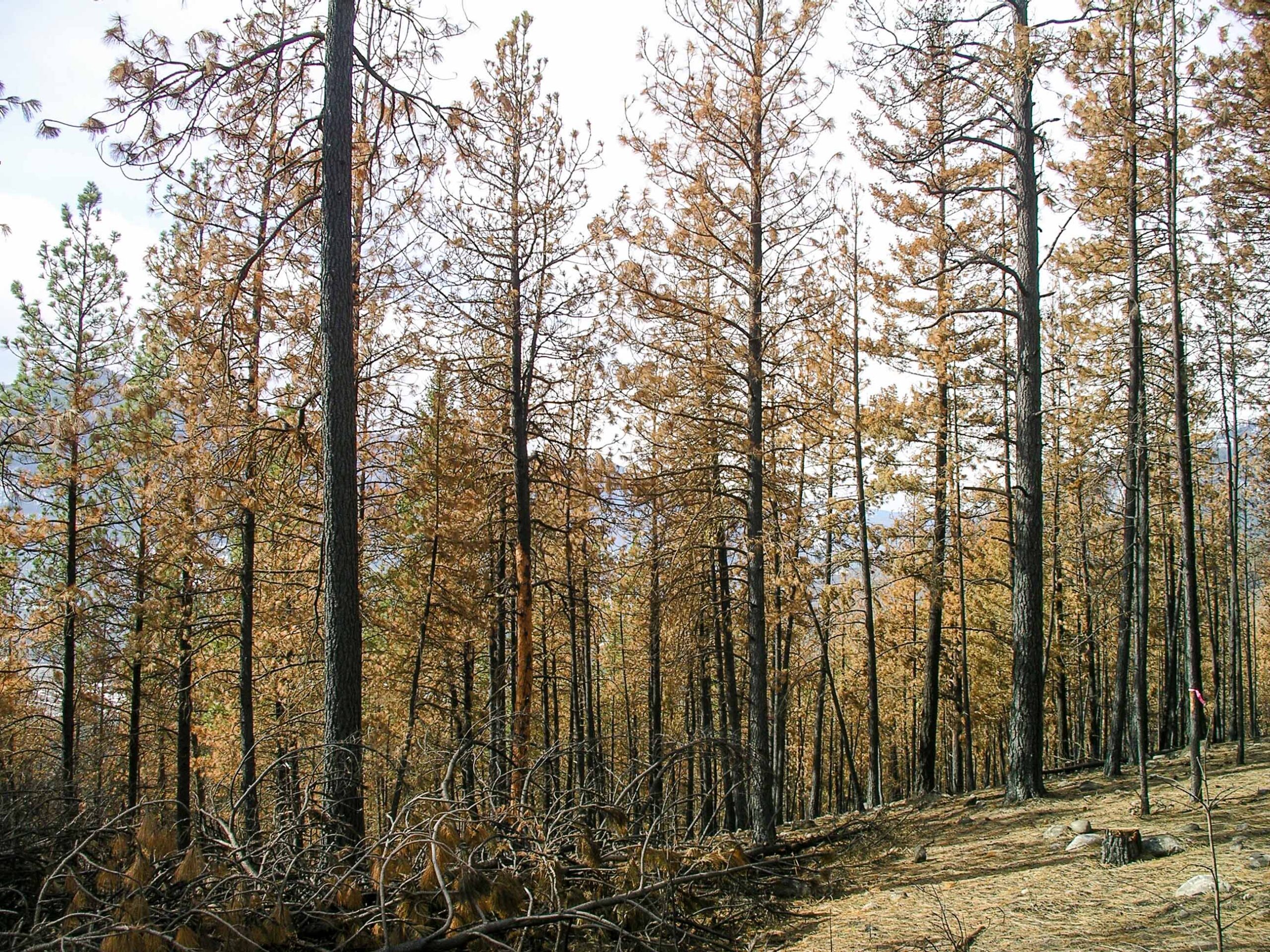 A new satellite-based study indicates widespread drought stress and insect damage across the Apache-Sitgreaves National Forests, with significant implications for wildfire risk, forest management and long-term ecosystem change. Researchers found roughly one in four ponderosa pines are experiencing moderate to high levels of drought and insect damage. More than half show signs of “fading,” a condition tied to prolonged moisture loss, though the severity varies by ranger district. The study analyzed tree “greenness” across the forest, a key indicator of health derived from satellite imagery. The Apache-Sitgreaves spans roughly 6 million acres in northern Arizona, including the White Mountains, among the state’s wetter regions. Despite that reputation, the findings reinforce a growing body of research showing that decades of drought, increasingly severe wildfires and bark beetle infestations are reshaping these forests. In some areas, ponderosa pine stands have failed to recover following high-intensity fires, particularly where drought stress was already severe.
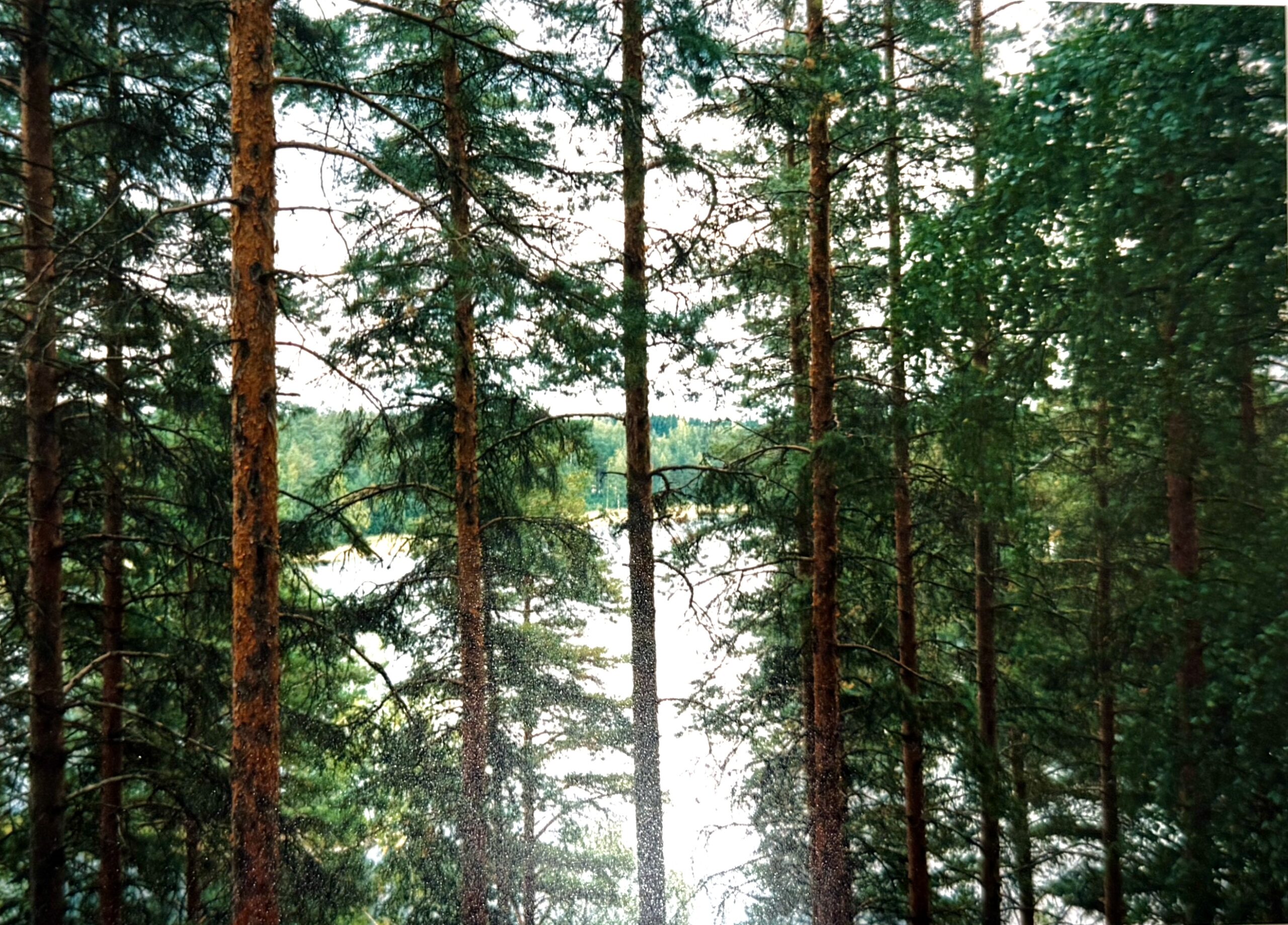 A large chunk of private forest land near Mount Spokane is now permanently protected from development. The Idaho Department of Lands announced Wednesday that more than 22,000 acres of Inland Empire Paper Co. is now protected under a conservation easement. Inland Empire is owned by the Cowles Co., which also owns The Spokesman-Review. The property is between Mount Spokane and Spirit Lake in Bonner and Kootenai counties. …It includes habitat for a variety of wildlife, such as elk, deer and westslope cutthroat trout, according to a Department of Lands news release. It also covers part of the Spokane Valley-Rathdrum Prairie Aquifer, which provides drinking water for people in Spokane and Kootenai counties. The deal locks in public access for the property, which has long been used by hunters, hikers, berry pickers and other recreationists.
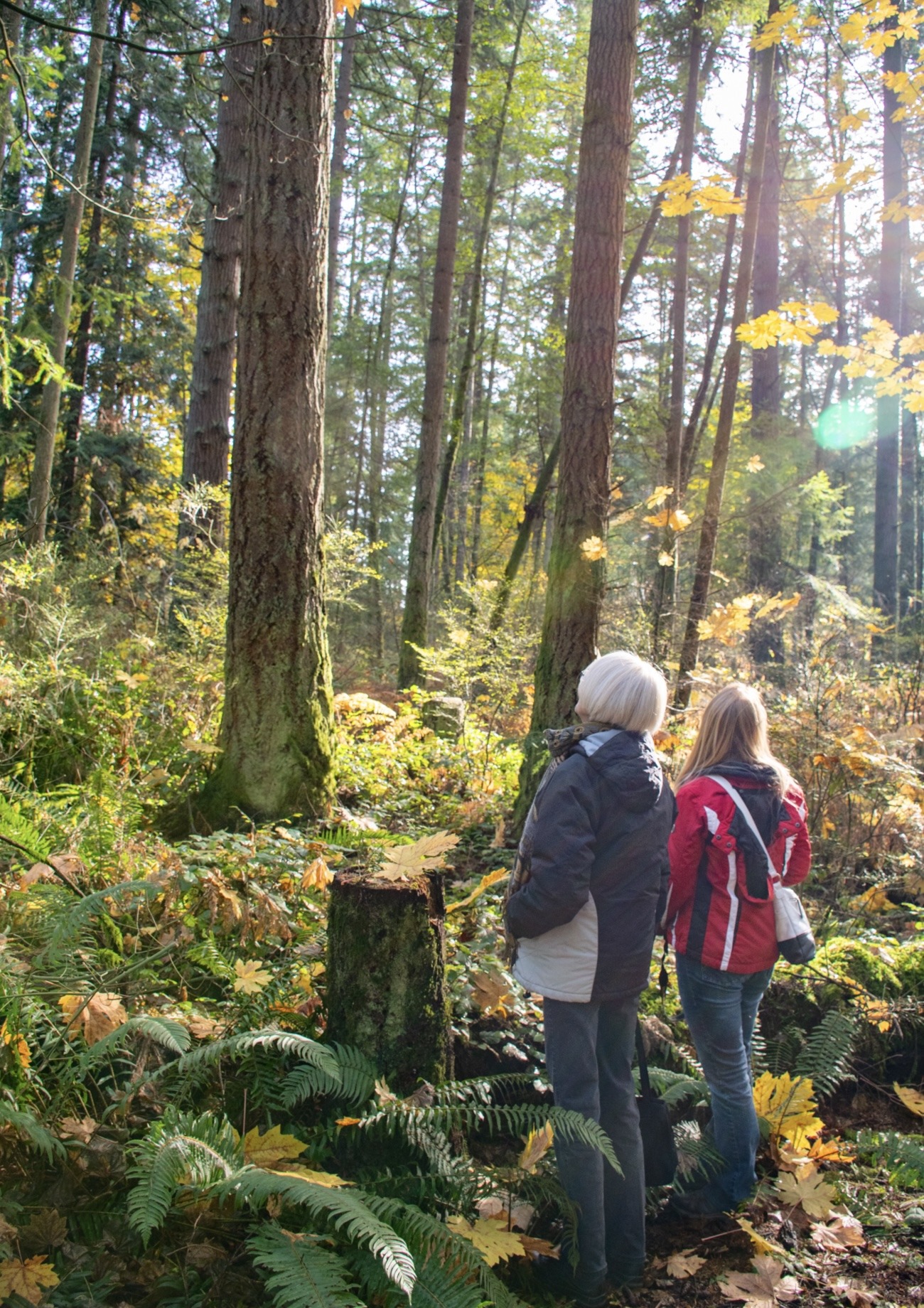 After firing about 3,400 employees nationwide and instituting a seasonal hiring freeze last year, the U.S. Forest Service is planning to hire 2,000 seasonal workers this year. A Colorado lawmaker wants more information about the U.S. Forest Service’s plans to hire seasonal staff again this summer, after the agency cut thousands of positions and did not employ seasonal help last year. U.S. Rep. Joe Neguse, whose district includes Eagle, Grand, Jackson, Routt and Summit counties, penned a letter to Forest Service Chief Tom Schultz earlier this month describing the impact that massive cuts to staffing have had on the agency and the importance of seasonal workers. Rep. Jared Huffman, D-California, also joined the letter. “As you know, seasonal employees play a critical role in the maintenance and stewardship of some of our most treasured public lands and national forests,” Neguse wrote, noting that more than 130 million people visit the country’s national forests annually.
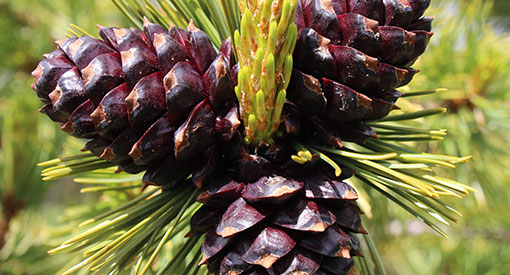
 At a commercial tree nursery near Evans, western Louisiana, pine seedlings are sprayed with a liquid extract teeming with hundreds of species of wild soil fungi. Brad Ouseman, the nursery manager, is confident he will see results from this fungal inoculation, which is intended to improve yields and reduce the need for artificial fertilisers. Colin Averill, the founder of Funga, the startup company that supplied the spray, likens the treatment to a faecal microbiome transplant for young pine trees. Funga treats young pine trees with wild microbes derived from the soils of thriving pine forests. “We’re taking the whole soil community,” Averill says. “As a result, we get all the complexity and all the interactions that come with it.” The goal: trees that grow fast, drawing down more carbon dioxide, with less reliance on artificial fertilisers. …“Our next big target is Douglas fir in the Pacific north-west,” says Averill.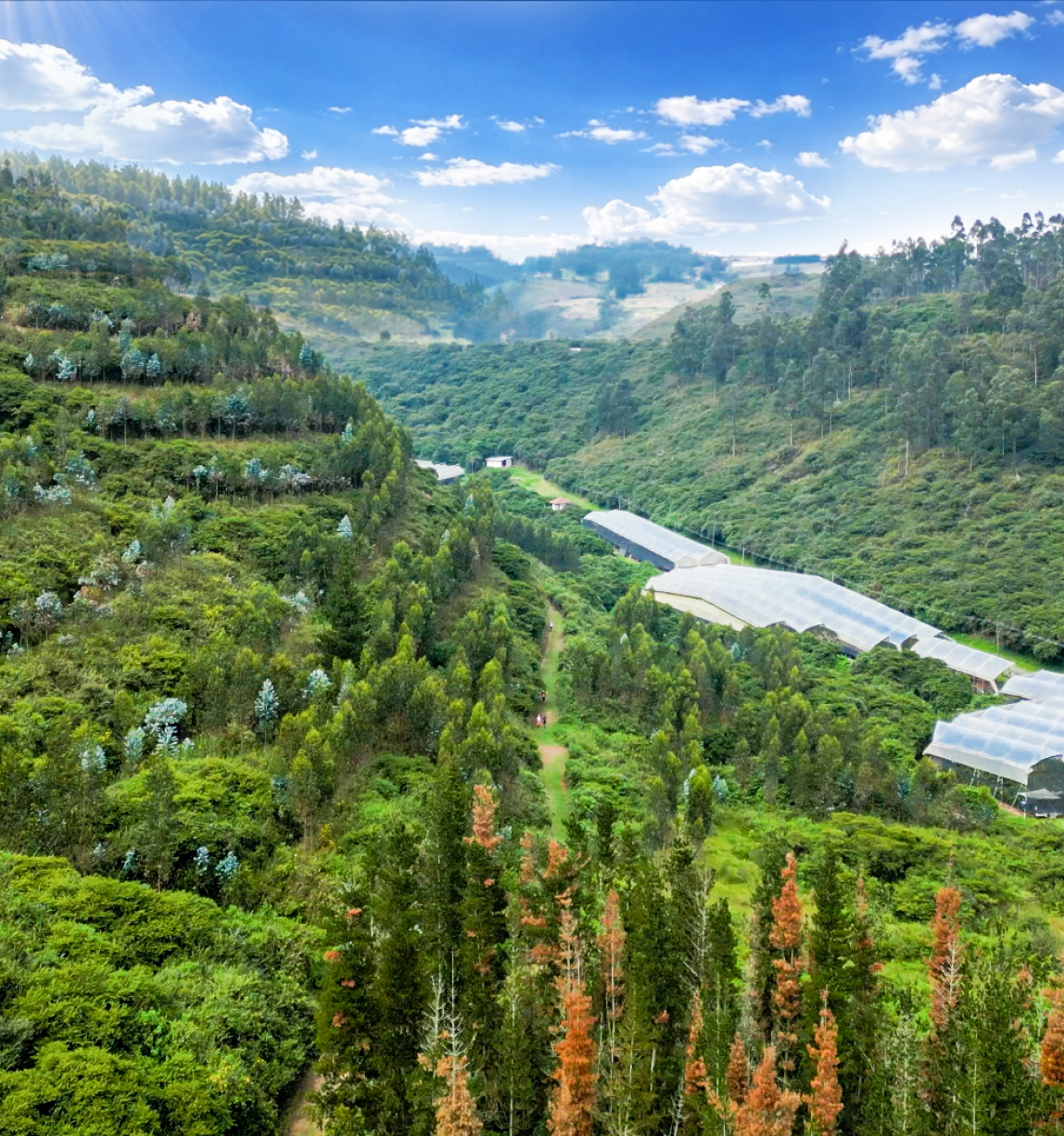

 For more than a decade scientists have documented how Antarctic sea ice has been retreating because of human-caused climate change. Now a team of Canadian and Chilean scientists is returning to Punta Arenas, Chile from a 14-day expedition on an icebreaker with data that will contribute to understanding how the continent’s ice, oceans and ecosystems are changing and how much glacier melt is accelerating. …Understanding climate change in Antarctica is important because it holds about 90 per cent of the world’s glacier ice, so what happens here will have major effects on the rest of the world, said B.C. scientist Thomas James. He’s the chief scientist of the expedition with the Geological Survey of Canada. …With this data, scientists can begin to understand how much human-caused global warming is changing the environment over time.
 A European energy giant Octopus Energy Generation Ltd. will spend as much as $6 billion to build and operate a renewable energy park in Nova Scotia. Octopus plans to use biomass …from forest-based industries to produce sustainable aviation fuel (SAF) it will sell to European customers. The processing for Nova Sustainable Fuels, as the Canadian subsidiary is known, will be done at a to-be-constructed renewable energy park in Goldboro, N.S. The site, estimated to cost between $4 billion and $6 billion, is expected to take about three years to build and have a 50-year lifespan. …With airlines seeking to decarbonize, the World Economic Forum reported in 2025 that the global demand for SAF is projected to grow exponentially, reaching 17 million tonnes annually by 2030. That represents four to five per cent of total jet fuel consumption. Parsons said the foundation of the project is based on supplying SAF to European markets.


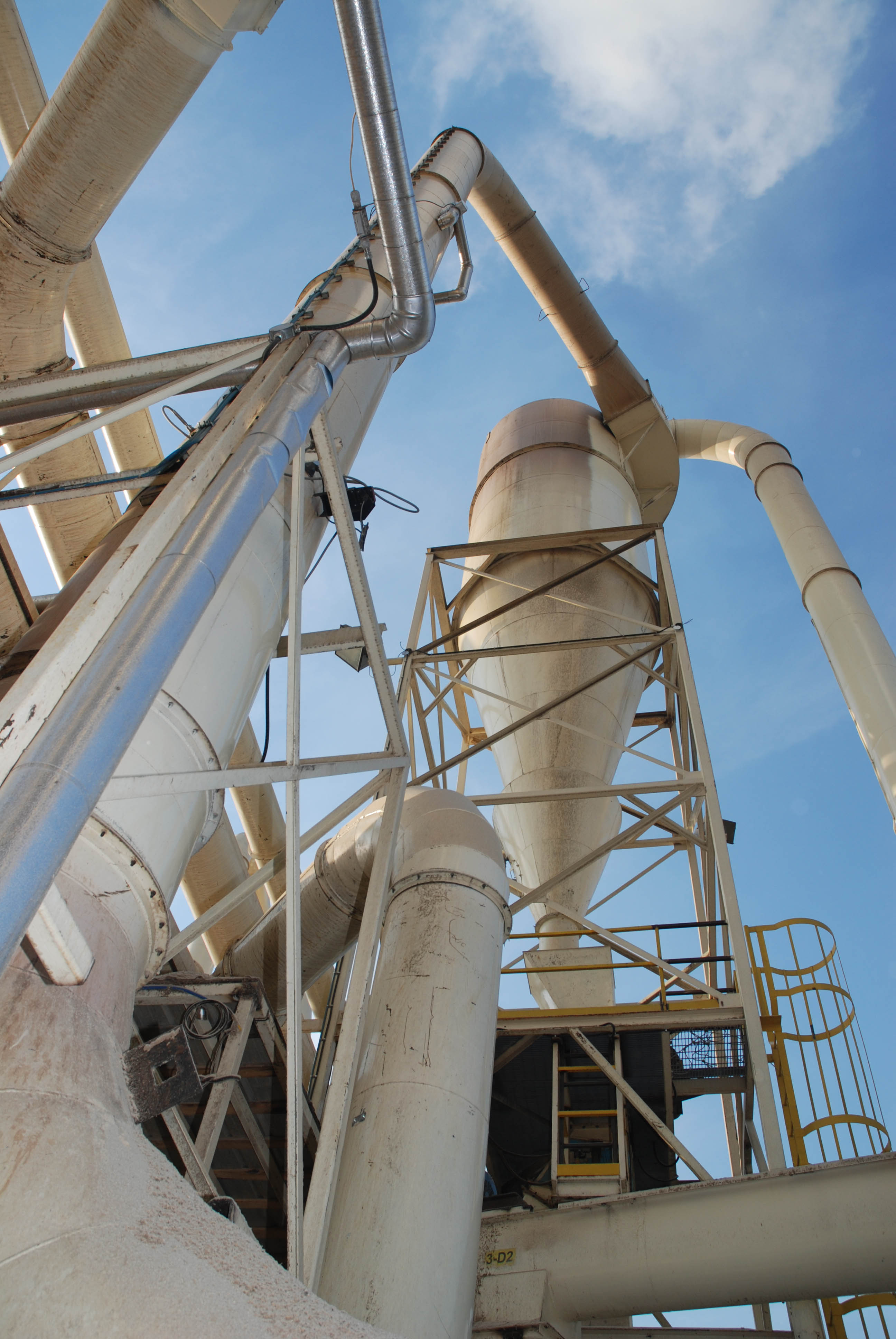
 HOLMES COUNTY, Ohio — Six people were injured following a dust explosion and fire at a moulding facility in Holmes County on Tuesday, according to local emergency officials. According to a Facebook post reporting the incident, East Holmes Fire & EMS responded at 12:43 p.m. at Holmes Custom Moulding, where crews reported a structure fire accompanied by an explosion. First units arrived within one minute and requested additional ambulances after identifying multiple burn victims. …Six patients were treated at the scene and transported to area hospitals… Preliminary information indicates the explosion was caused by sparks from a malfunctioning belt sander entering a sawdust collection system. The ignition of wood dust led to an explosion that caused extensive damage to the building, including the dust collection system and sawdust silos.
 New research has found that burning “smokeless” or low-smoke fuels may be causing new air pollution hazards on streets and in homes. Sold as alternatives to burning coal, wood and peat at home, tests reveal their smoke contains large quantities of tiny ultrafine particles, that can deposit themselves deep in our lungs. The findings were an accidental discovery while researchers were testing fuels in traditional and modern eco design stoves. As expected, burning alternative fuels, both smokeless coal ovoids and briquettes made from olive stones, produced less particle pollution compared with wood or coal. …For each kilogram burned, the low-smoke fuels produced between two and three times more ultrafine particles than wood or coal. …The size of the ultrafine particles means that they are deposited deep in the lungs, multiplying the health impact. In Dublin, the low smoke fuels accounted for more than half of ultrafine particles that can deposit in people’s lungs.
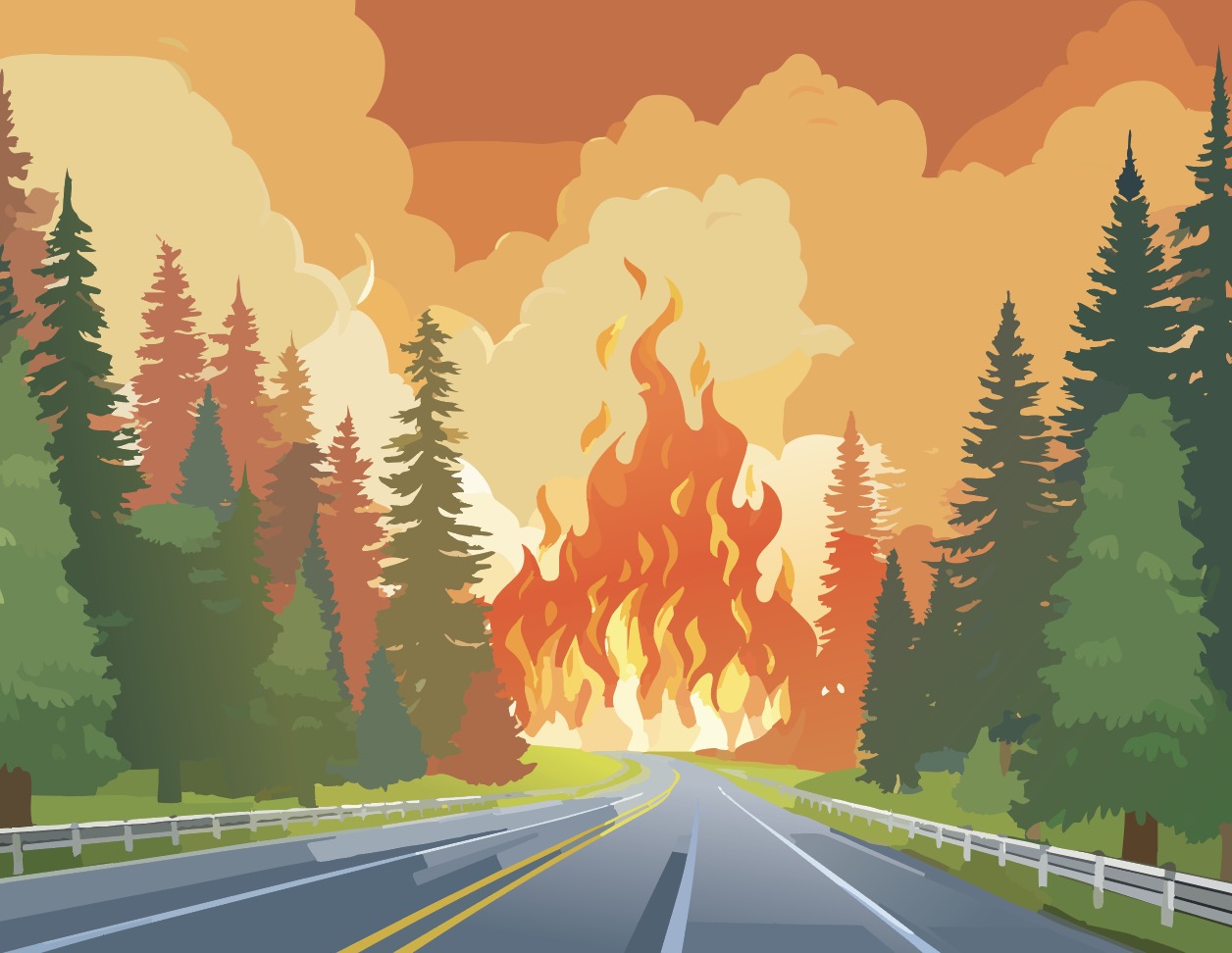 The wildfire burning south of Colorado Springs has grown to more than 7,300 acres and officials said the state highway on the west side of Fort Carson will likely remain closed through Friday. The 24 fire started Wednesday and currently there is no containment, but in an update Monday morning officials said overnight “fire crews were successfully able to tie in all control lines, boxing in the fire. As of this morning, control lines remain strong.” The fire started near mile marker 24 on Colorado 115, which connects Colorado Springs to Penrose. The road will be closed at least through Friday, but will be reevaluated daily, officials said Monday. The cause of the fire remains under investigation but started off the highway, not on the Army base, officials said last week. The fire was mapped at 7,385 acres early Monday morning, up from 4,900 acres Sunday morning.