 Sector-specific trade agreements give way to broader negotiations, as Canada and US prepare for mid-January free-trade talks. In related news: Canada invests in Sault Ste. Marie’s port; BC invests to support wood product diversification; Western Forest secures government support for its Chemainus mill; Maine firms get access to $32M in federal grants; Domtar receives air permit in North Carolina; Mercer pursues carbon capture in Alberta; and Suzano expands fluff pulp production Brazil. Meanwhile: US lumber capacity remains flat; and the Softwood Lumber Board generates incremental demand.
In Forestry news: the Rainforest Action Network resigns from Forest Steward Council; a BC judge rules on Stanley Park logging approvals; Alberta considers lifting hunting ban on grizzlies; a US lawsuit challenges change to environmental reviews on public land; and US West leaders express concern over Trump’s wildfire mitigation cuts.
Finally, biologists find a new species of pumpkin toadlet in Brazil’s cloud forests. And Monday is our last news day before the Xmas break.
Kelly McCloskey, Tree Frog News Editor

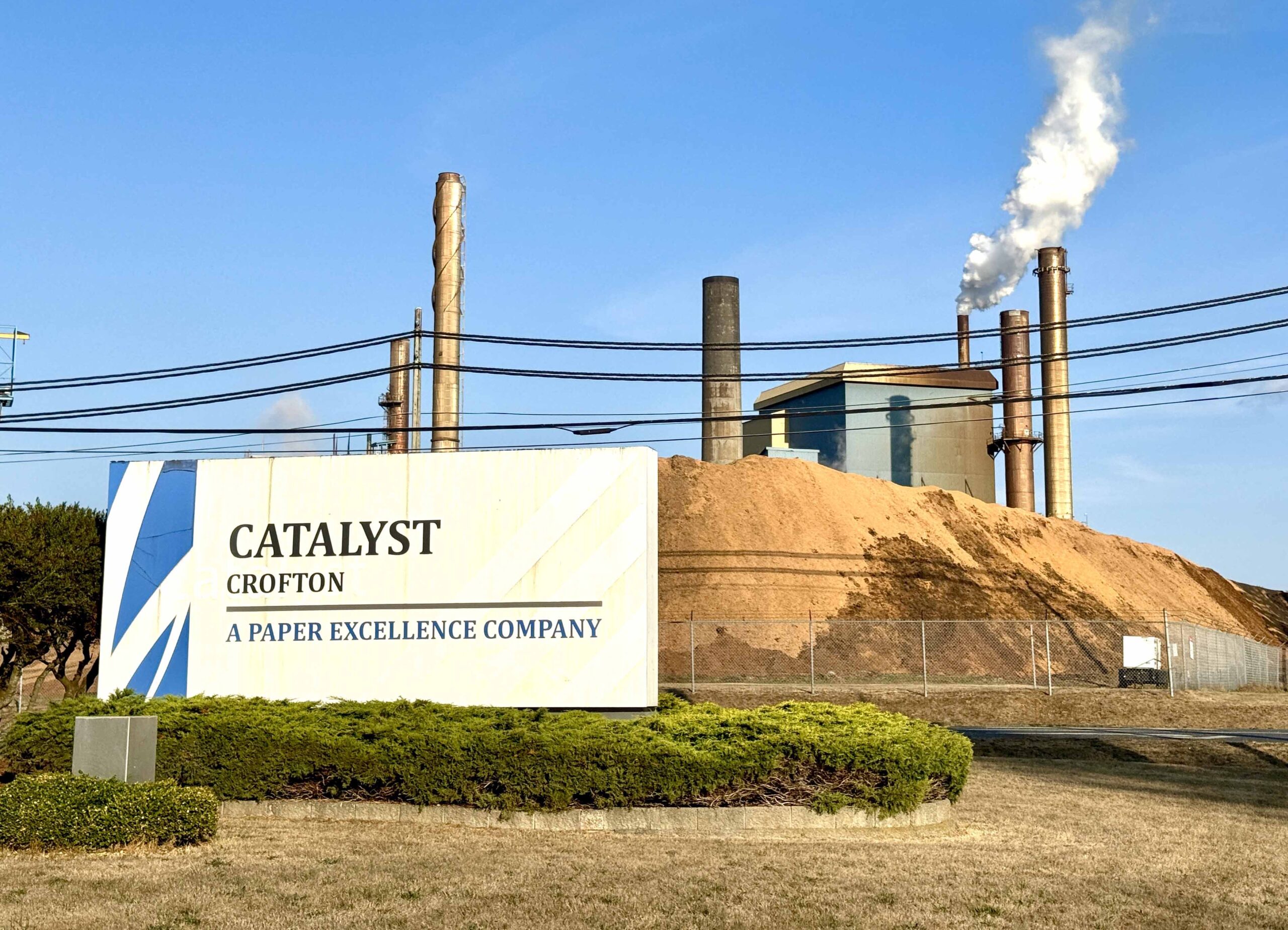 The province has retained an external consultant with expertise in the pulp and paper sector to assess options for the Crofton mill site, B.C.’s Forest Minister Ravi Parmar told North Cowichan’s council during a meeting on Dec. 10. Parmar also discussed the possibility of a new owner acquiring the property to resume pulp and paper production, or repurposing the property for another industrial use, the municipality said in a statement. “Given the significant implications for our community, we have requested that North Cowichan be actively involved at all stages of this work and in any discussions or decisions related to the future of the site,” North Cowichan said. North Cowichan Mayor Rob Douglas said they are continuing to work with the provincial and federal governments to secure transition funding and support for the mill workers.
 Forest Minister Ravi Parmar says proposed new zoning regulations in Nanaimo for heavy industries could have “extreme” consequences for a local pulp and power producer. …A motion by Nanaimo Coun. Paul Manly at a Nov. 17 meeting targets emission-intensive industries such as garbage and waste incineration facilities and chemical, petroleum and LNG plants. …“This is not anti-Harmac,” Manly said in an interview on Friday. …In a letter to Nanaimo’s mayor and council this week, Parmar said the motion sends the wrong signal at a time when the B.C. forest manufacturing industry is in a downward spiral. “This move could result in lost investment, confidence and assuredness in the local forest sector,” said Parmar, noting Harmac Pacific is a key driver of the local forest sector and a major employer in Nanaimo’s economy. “We need to be supporting our forestry operators, not punishing them. This motion is closer to the latter.”
 Join industry, government, First Nations, and community leaders at the 2026 COFI Convention as we focus on rebuilding competitiveness and shaping a more resilient future for BC’s forest sector. British Columbia’s forest sector is at a crossroads — facing tough challenges, but also leading the way in solutions that matter most to our province: housing, wildfire resilience, reconciliation, and building a resilient provincial economy. At the 2026 COFI Convention, themed Forestry is a Solution, leaders from industry, government, First Nations, local government will come together to advance competitiveness and chart a strong, sustainable future for BC’s forest sector. Discounted hotel rates are nearly sold out, book now to secure conference pricing and guarantee your stay. April 8 – 10, 2026 | JW Marriott Parq in Vancouver

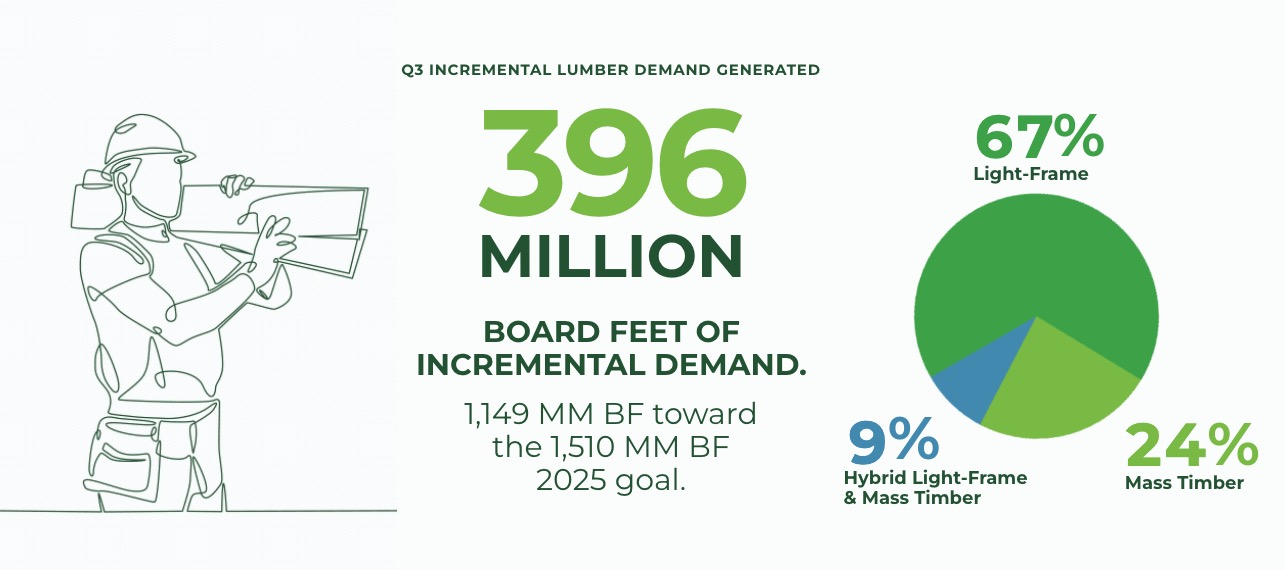 The Softwood Lumber Board has released its Q3 2025 Report, highlighting significant progress tied to its new strategic plan. This quarter, SLB-funded programs advanced a coordinated strategy centered on high-opportunity sectors—1-8 story multifamily, commercial, K-12 education, and the fast-growing industrial segment—while accelerating project conversions, strengthening building code support, scaling post-secondary education, and expanding outreach in key cities.

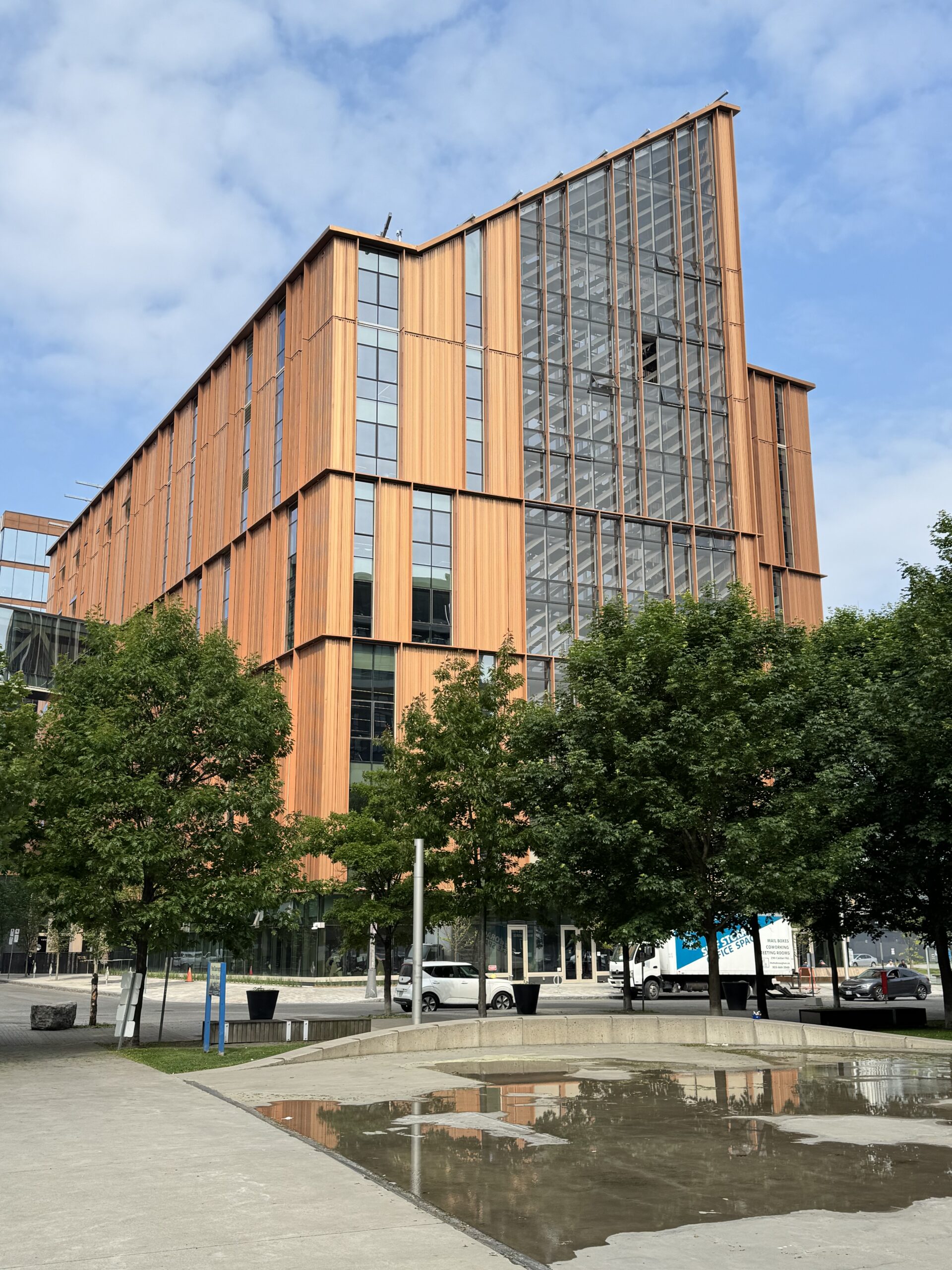 EDMONTON, AB – Celebrated for its pioneering mass timber design and construction, commitment to safety and collaborative excellence, Limberlost Place has been named the Global Best Project of the Year by Engineering News-Record (ENR). In addition to PCL Construction and partners taking home the top honour, PCL was also awarded ENR’s Global Best Projects Award for Limberlost Place in the Education/Research category. …Ontario’s first institutional building of its kind, George Brown Polytechnic’s Limberlost Place has set a new precedent for mass timber construction as a model for sustainable, green building innovation. Located in Toronto, Ontario, the 10-story mass timber, net-zero educational facility integrates first-of-its-kind solutions including: Groundbreaking slab band structural system that advances the use of mass timber in multi-storey buildings; North America’s largest mass timber columns soaring three stories tall; and a striking mass timber feature stair, spanning levels three to five as a centerpiece of architectural design.


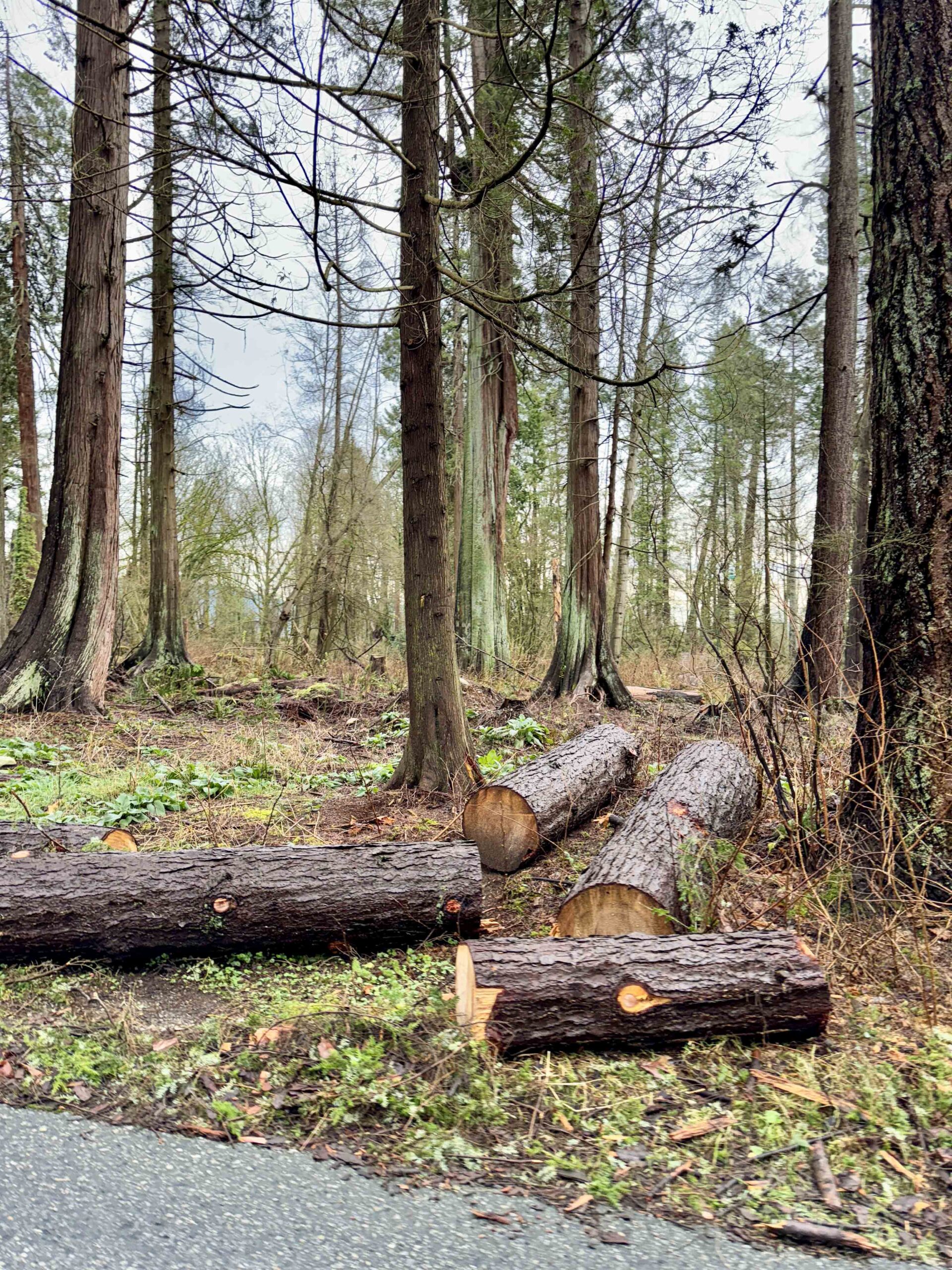 A B.C. court has issued a rebuke to the City of Vancouver, declaring it overstepped its authority when it authorized the cutting down of thousands of trees in Stanley Park without approval from the park board. Handed down Dec. 17, the decision from B.C. Supreme Court Justice Jasvinder Basran analyzed a multi-stage approval to cut down thousands of trees in Vancouver’s largest park. In 2023, the city entered into an $1.9-million supply agreement with B.A. Blackwell and Associates to remove an initial 7,000 trees over six months [due to] a hemlock looper moth infestation… According to Basran’s judicial review, the initial decision to cut down trees in Stanley Park … was made without the proper authority. …The judge found the city circumvented the park board’s authority in the first phase of the tree removal, but that it went through the proper channels to approve the second and third stages of the work.
 A First Nation is suing the B.C. government alleging it advanced a secret land claim policy to give away rights to its traditional territory, surrender control over lucrative carbon credits, and prevent it from safeguarding threatened caribou. The allegations, made in a Dec. 12 lawsuit filed by Chief Johnny Pierre on behalf of the Tsay Keh Dene First Nation, target the B.C. government’s handling of overlapping land claims—specifically, a policy that allows First Nations to switch between multiple identities to give them the best chance of claiming traditional territory. Tsay Keh Dene says it learned of the alleged government policy in October 2025 after the province confirmed the nation would see a sharp drop in the amount of money it received from a previously negotiated agreement to share revenue from forestry activities. In 2023, the province had quietly started negotiating with the neighbouring Kwadacha Nation to develop a similar agreement, the lawsuit claims.
 The RCMP made more arrests over the weekend for allegedly breaching the court-ordered injunction at a blockade near a forestry operation in the Carmanah Valley, near Lake Cowichan. A police statement said that on the evening of Dec. 12, while patrolling the injunction area around the Walbran Forest Service Road, police located a cantilever structure across a bridge and a tripod structure in the middle of the roadway a short distance away. The two structures blocked both directions in and out of the cut block where the Tsawak-qin Forestry Limited Partnership and Tsawak-qin Forestry Inc. forest companies were conducting work.



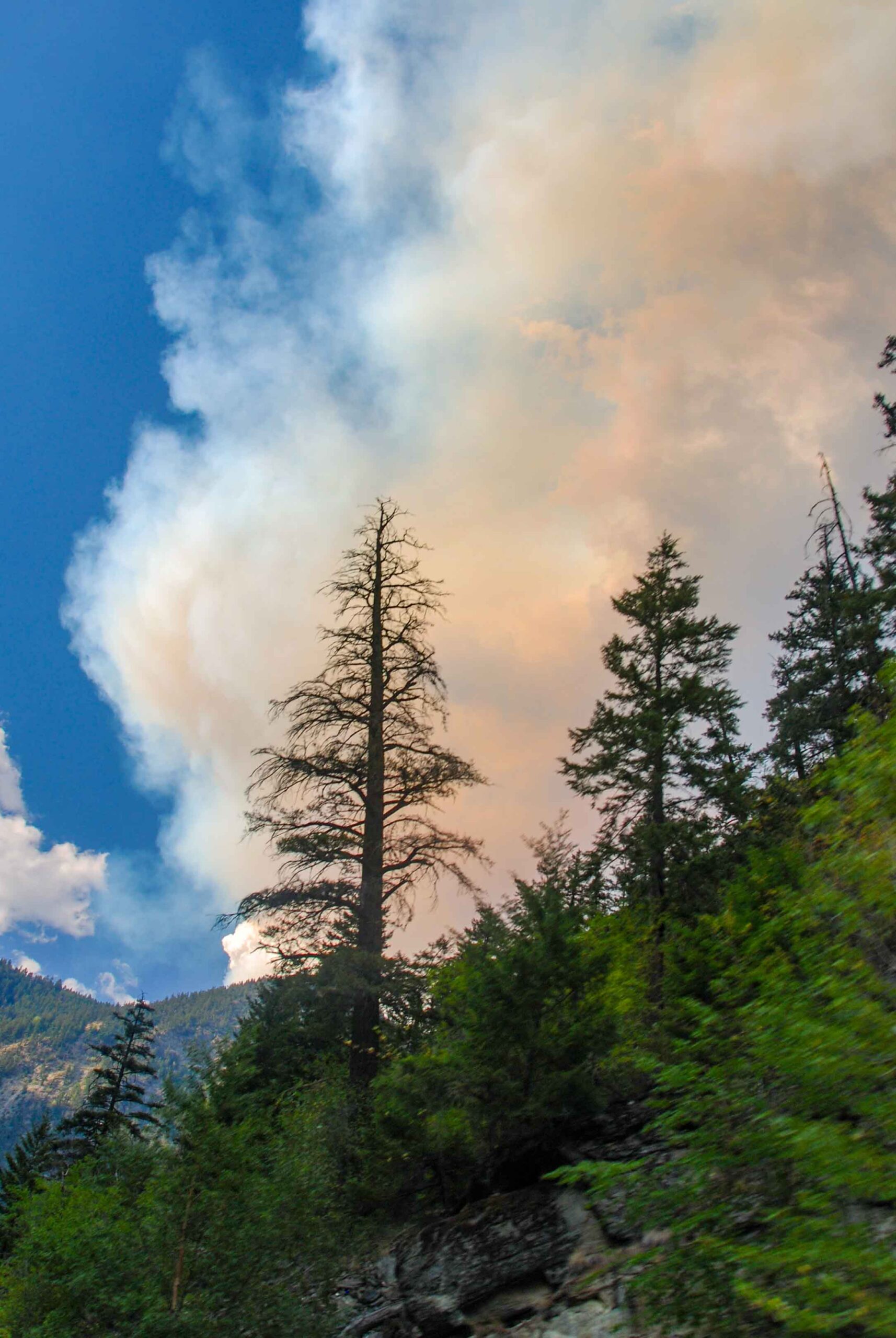 One of the most profound shifts in how the United States manages wildland fire is underway. Federal wildland fire forces are spread across several agencies, closely collaborating but each tackling prevention and protection somewhat differently. Now, the Trump administration is creating an entirely new “U.S. Wildland Fire Service” to combine as much of that under one headquarters roof as it can. A firefighter with decades of federal and local experience says he has been tapped to head that agency, news that heartened much of the wildfire community when it broke just over a week ago. …But the muddled rollout of these plans—along with widespread layoffs at agencies that fight wildfires and a crackdown on efforts to combat the climate change that’s fueling the flames—have sowed concerns that this is not the right administration to carry out such a significant transformation.

 Cutting red tape and streamlining project work have been marching orders for the U.S. Forest Service throughout the first year of the second Trump administration. Last week, a federal court ruling on a Greater Yellowstone landscape project showed how far those directives can backfire. …Initially proposed in 2020, it received a decision notice in 2023. Opponents referred to it by its acronym, SPLAT, and promptly sued to block it. In his December 11 opinion, U.S. District Judge Donald Molloy wrote that South Plateau failed to meet requirements of the National Environmental Policy Act, National Forest Management Act and Endangered Species Act. But he added the “primary challenge concerns the project’s conditions-based management approach.” Molloy generally agreed with the plaintiffs’ concern. “This approach,” he said, “conflates a promise of future statutory compliance with actual compliance.”
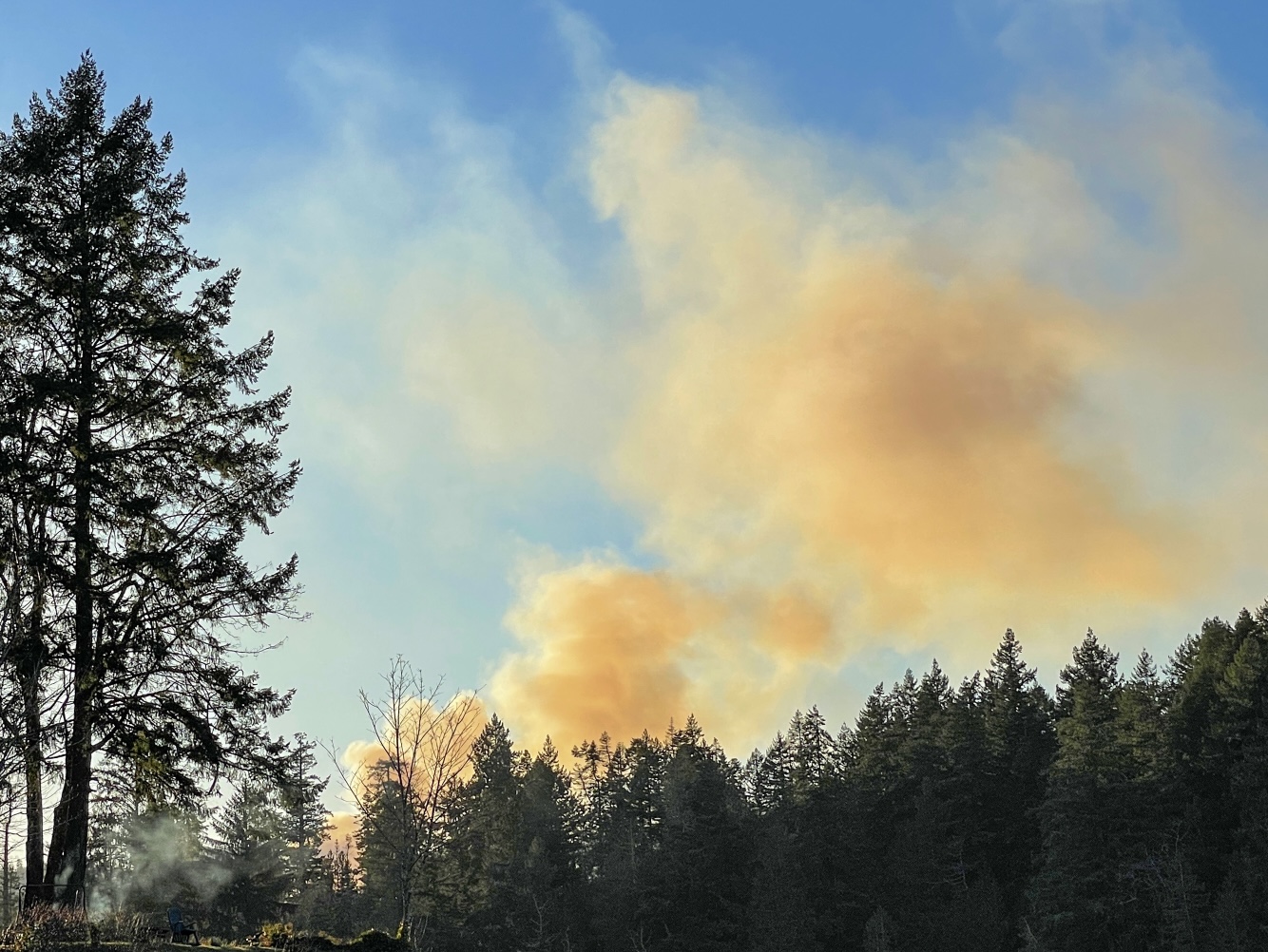 Wildfires are not always purely destructive. In many forests, fire can clear out built up dead material, return nutrients to the soil, and help ecosystems reset. For more than 100 years, the United States has spent billions of dollars on fire suppression to protect people, homes, and sensitive environments. But putting out too many fires can also prevent landscapes from getting the burns they need, allowing extra fuel to accumulate and raising the risk of larger fires later. New research … reports that nearly 38 million hectares of land in the western United States are historically behind on burning. The researchers describe these areas as being in a “fire deficit.” …”Conditions are getting so warm and dry that it’s causing huge amounts of fire compared to the historical record,” said Winslow Hansen, director of the Western Fire and Forest Resilience Collaborative and scientist at Cary Institute of Ecosystem Studies.
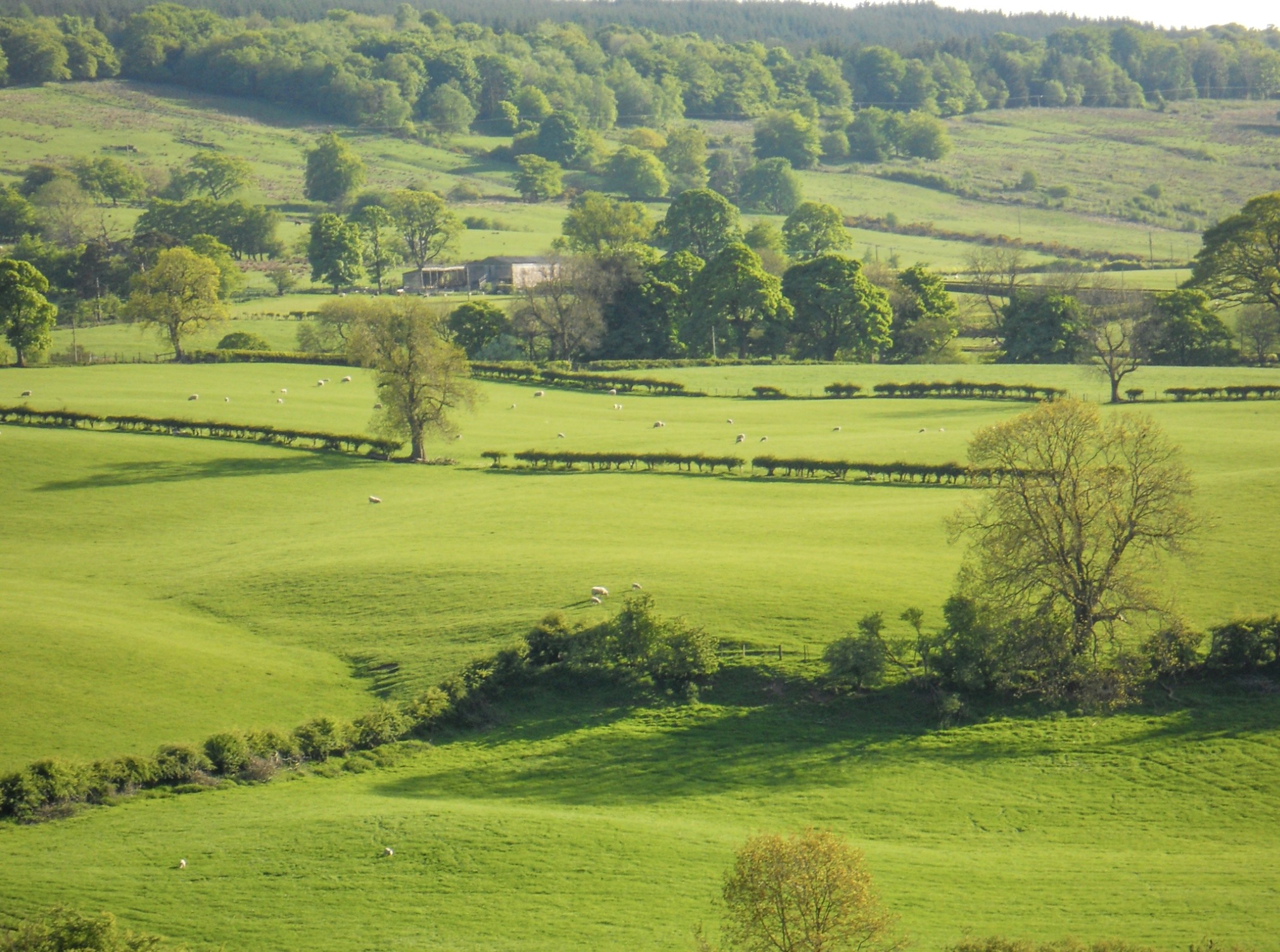 Forestry leaders have warned Scotland will fail to meet its planting targets for yet another year amid concern investment is going elsewhere. Since annual targets for woodland expansion were set, the Scottish Government has missed the goal every year apart from 2018, when it was met for the first time. In recent years, planting rates have often fallen significantly short of the set targets, with the year from 2022 to 2023 seeing only 8,190 hectares of a 15,000 target planted. Jon Lambert, of Goldcrest Land & Forestry Group, an independent UK firm of chartered surveyors and foresters based in Edinburgh, warned the figures are down because of the lengthy and clunky grant application process. “The amount of planting in Scotland is way down than it should be,” said Mr Lambert.
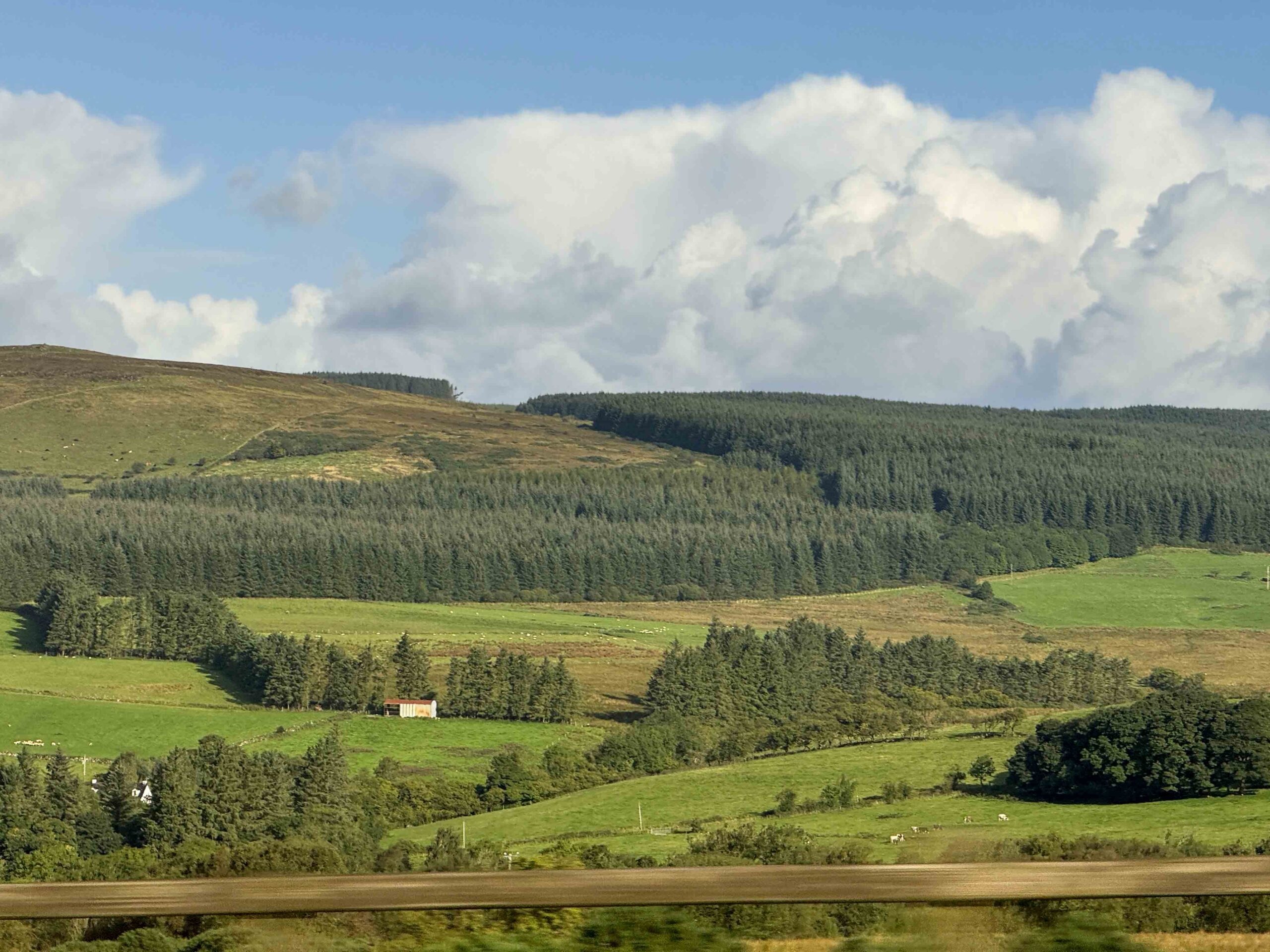 IFA Farm Forestry Chair Padraig Stapleton has acknowledged the establishment of the Group Forest Certification Ireland Board as a positive development for the Irish forestry sector. This follows the inaugural meeting of the Board which was held this week. IFA Forestry Policy Executive Amy Mulchrone has been appointed as a member of the Board by Minister Michael Healy-Rae. “The establishment of the Group Forest Certification Ireland board is a positive initiative by the Minister. The increased focus on voluntary certification of privately-owned forests that this Board will now hopefully bring should significantly scale up the area certified. To date, only 8% are certified, substantially lower than Coillte plantations, which have dual certification from both the Forest Stewardship Council (FSC) and the Programme of Forest Certification (PEFC).”
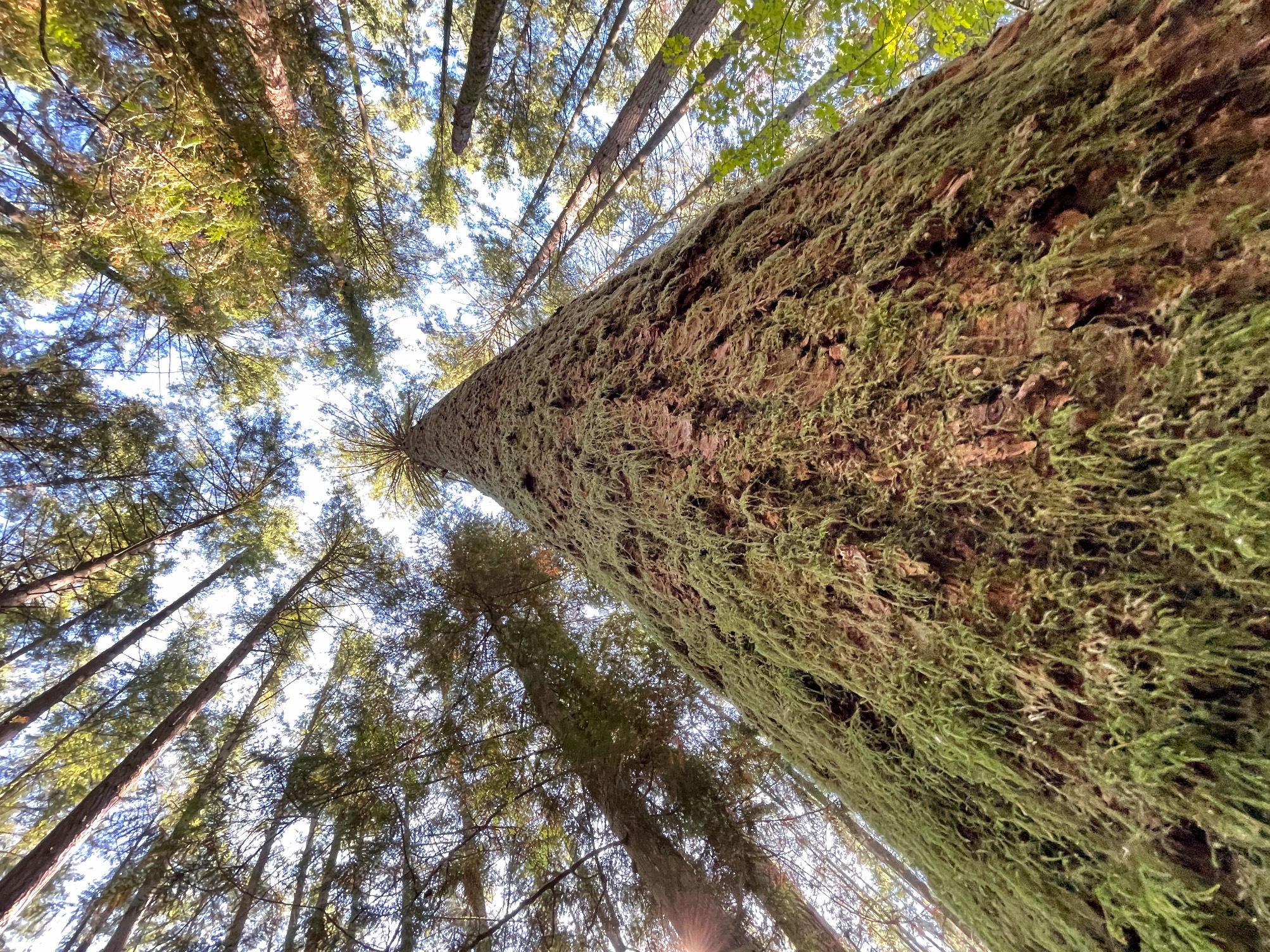 Douglas-fir may prove to be a productive alternative to Sitka spruce for the UK’s commercial forestry sector. That is one of the early conclusions from ongoing research to test the suitability of 17 tree species as potential options for future timber production. Taking place across a network of nine large-scale experiments (in locations such as the Newcastleton, Cowal, and the Black Isle), the Forest Research-led investigation also found Douglas fir had the promise for further use in the south and east of the country, where the climate is forecast to become significantly hotter and drier than today. While already considered by many as a serious option, the species only makes up around 4 per cent of the UK’s total commercial forest.

 At its November 2025 meeting, WorkSafeBC’s Board of Directors approved amendments to the Occupational Health and Safety Regulation and the Prevention Manual. The amendments relate to