 In another hit to Canada’s forest industry, West Fraser Timber is indefinitely curtailing its High Level, Alberta, OSB mill; and Brink Forest Products is temporarily closing its value-added mills in northern BC. In related news: BC leaders are hopeful new buyers will continue operating the Crofton pulp mill; and Tolko’s Williams Lake mill remains down after fire. Meanwhile, Boise Cascade’s Jeff Strom succeeds Nate Jorgensen as CEO; and West Fraser’s Sean McLaren is elected American Wood Council Board Chair.
In Forestry news: Health Canada is unmoved by retraction of glyphosate study; Ben Parfitt opines on what’s behind the Crofton mill closure; Alice Palmer is unsettled by the lack of empathy in BC’s forestry debate; and Arizona research on the cost and value of Wildland-Urban Interface building requirements. Meanwhile: a UK firm secures financing for fungi-based tree health pellets; and New Zealanders have fire safety worries about IKEA’s pine plantations.
Finally, US tariffs on Chinese fake Christmas trees could drive business to live tree lots.
Kelly McCloskey, Tree Frog News Editor
 OTTAWA, ON
 Montréal, Quebec – Domtar Wood Products announced today a curtailment in its lumber production. Due to challenging market conditions and ongoing economic uncertainty, Domtar will temporarily reduce its lumber production by 100 million board feet for the fourth quarter of 2025, including additional curtailments for the holiday season, at its facilities in Quebec, Ontario, and the United States. “Demand for lumber continues to stagnate in North America, exacerbating an already difficult market,” said Luc Thériault, President of Domtar Wood Products. Domtar will continue to monitor market conditions and adjust its production plans accordingly. [END]
 VANCOUVER, BC
 More than 100 unionized North Island forestry workers on strike rallied in Campbell River on Wednesday. They’ve been without a contract for more than six months. They warned their employer that they are united and will succeed in their demands… The United Steelworkers marched to the Campbell River offices of Western Forest Products… The company owns a controlling 55 per cent share of La-kwa sa muqw Forestry (LKSM). On Oct. 20, the union filed a common-employer application with the Labour Relations Board. “…we’re challenging the fact that LKSM is actually a separate company. …We believe our members deserve the same collective agreement that all WFP members have,” said Brian Butler, president of United Steelworkers Local 1-1937 …“What this issue is really about is the union’s demand that it wants all contractors, new contractors, working for us, including First Nation contractors, to be mandatorily certified with the union,” said Greg DeMille, Operations Manager of La-kwa sa muqw Forestry.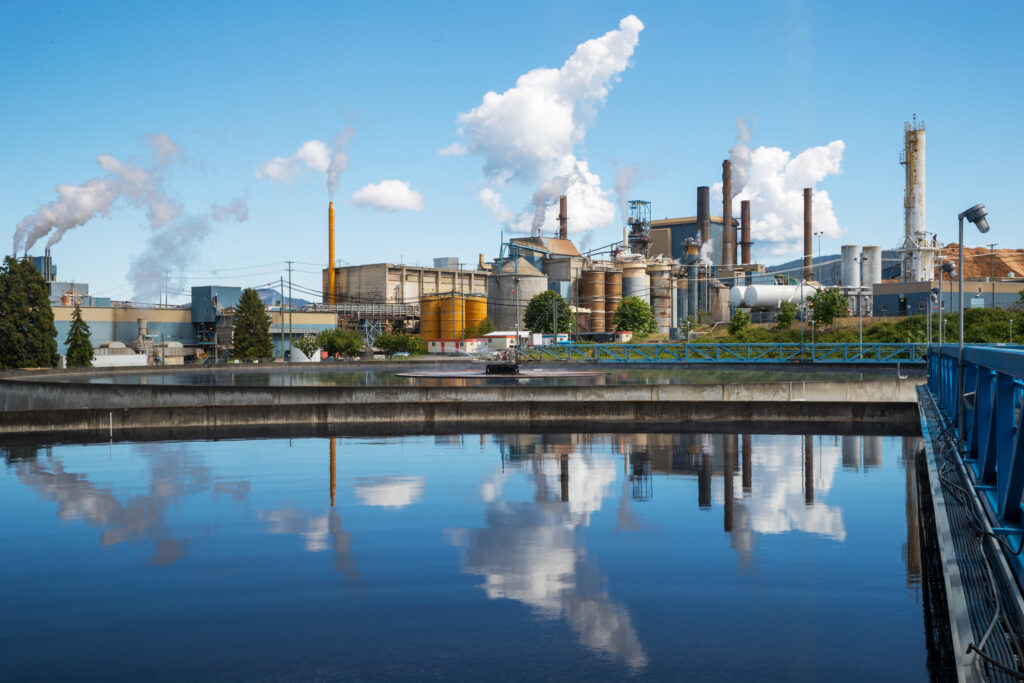
 Domtar’s announcement of its Crofton pulp and paper mill closure was a major and far-reaching loss for its workers, the North Cowichan community, and the broader forest-industry supply chain across the BC Coast. It is especially difficult knowing that this closure was preventable. Industry, labour and municipal governments have been warning the BC government about the risk of mill closures for many months. The government was given numerous recommendations, solutions, and opportunities that could have helped avoid this outcome, but has largely failed to act with the urgency that was required. …This closure underscores the many challenges facing BC’s coastal forest sector: ongoing constraints on access to economically viable fibre, an uncompetitive business cost structure, and regulatory uncertainty. For TLA members, these pressures threaten the stability of their operations and the forestry-dependent communities they support. The TLA remains committed to working with government and industry partners to stabilize the sector…


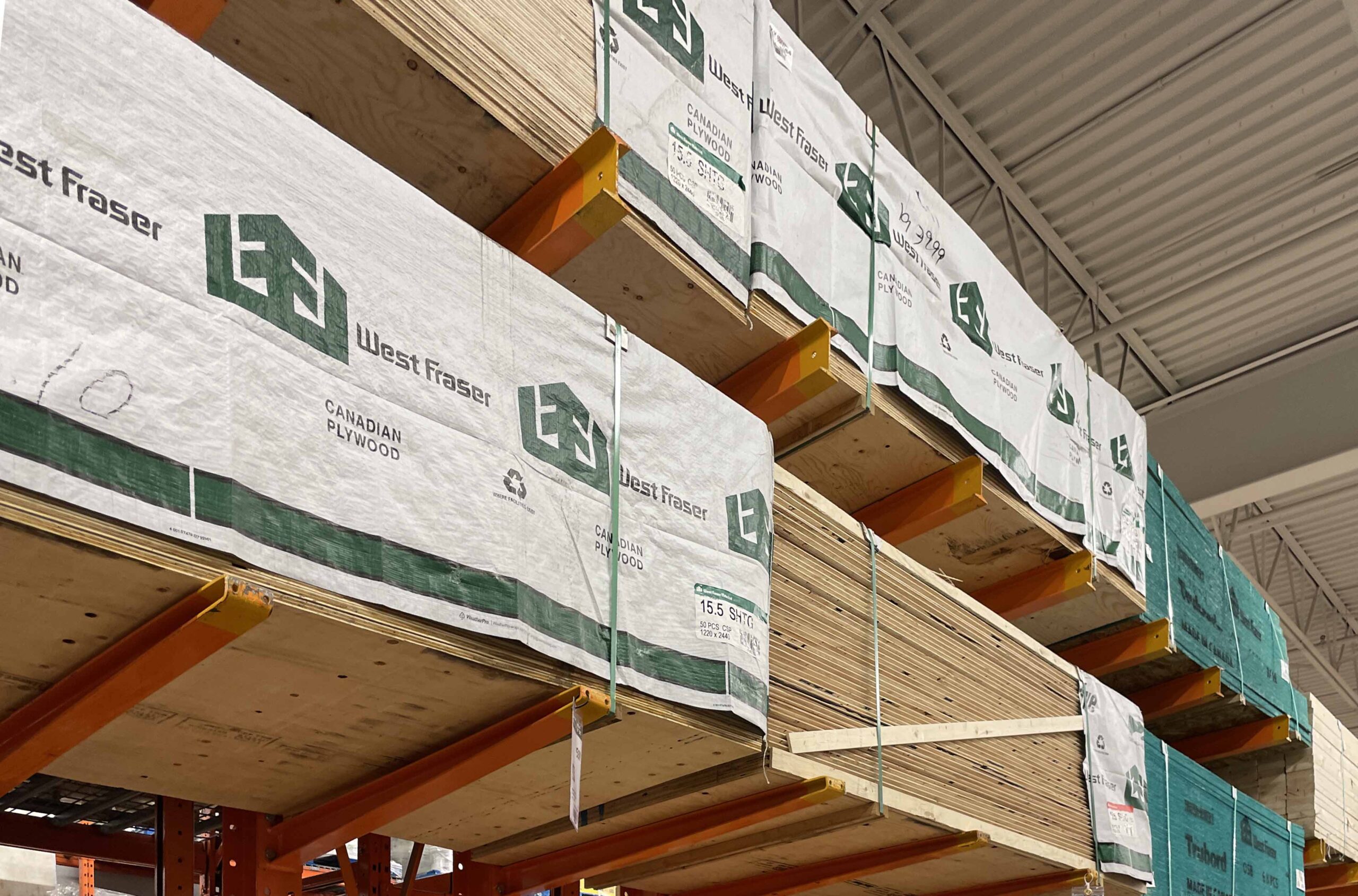 The District of 100 Mile House’s mayor and one of its councillors went to Victoria for meetings with provincial government officials over the impending West Fraser Mill closures on Monday, Nov. 24. During the Mayor’s Report at the Nov. 25 District of 100 Mile House Council meeting, Mayor Maureen Pinkney and Coun. Donna Barnett both revealed details about a visit to Victoria regarding issues surrounding 100 Mile, including the impending permanent closure of the 100 Mile West Fraser mill, as well as frequent closures of the emergency department at the 100 Mile Hospital. On Nov. 6, West Fraser Lumber announced in a release that it would be closing its 100 Mile House lumber mill following a two-month wind-down.


 Vancouver, BC – Canfor Corporation and Canfor Pulp Products Inc. announced today that they have entered into an arrangement agreement pursuant to which Canfor Corp will acquire all of Canfor Pulp’s issued and outstanding common shares not already owned by Canfor Corp and its affiliates pursuant to a court-approved plan of arrangement under the Business Corporations Act. Under the terms of the Arrangement Agreement, the shareholders of Canfor Pulp, other than Canfor Corp and its affiliates, will have the option to receive, for each Canfor Pulp Share held: 0.0425 of a common share of Canfor Corp, or $0.50 in cash. ….Canfor Corp currently owns approximately 54.8% of the issued and outstanding Canfor Pulp Shares. The $0.50 per Canfor Pulp Share represents a premium of 25% to Canfor Pulp’s closing share price on December 2, 2025, on the Toronto Stock Exchange and a premium of 38% based on the 10-day volume-weighted average share price of Canfor Pulp as of December 2, 2025, on the TSX.
 B.C.’s largest-ever forestry trade mission to Asia
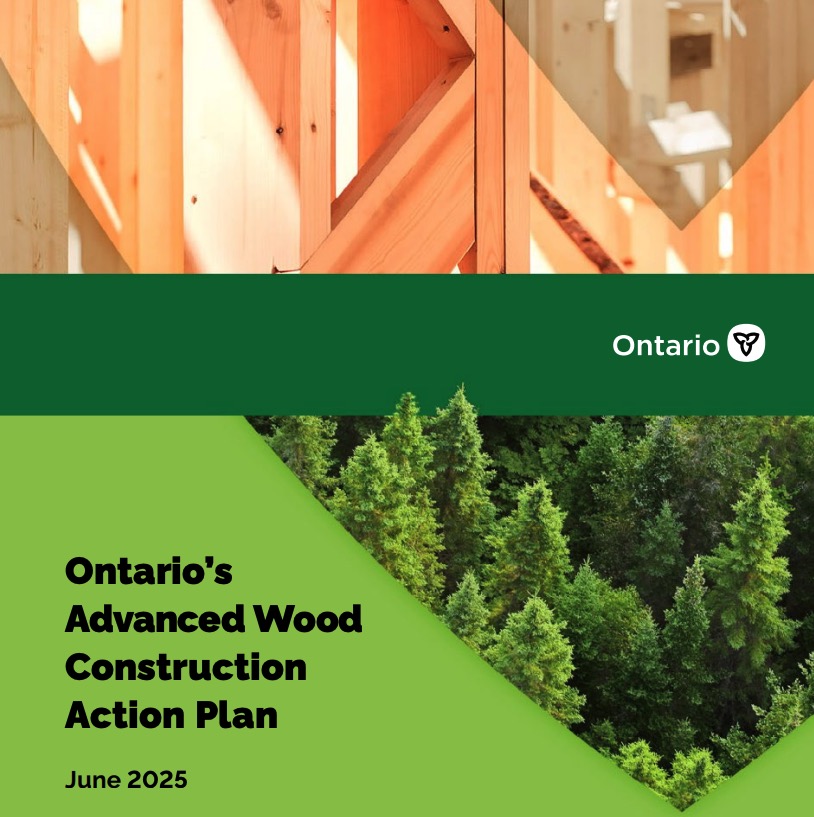 TORONTO — The Ontario government has launched a new working group to guide the implementation of the


 The December edition — issued by FSC Canada — includes several major updates: the Canadian home-improvement and construction retailer RONA has become the first such retailer in Canada to use DoorDash for distribution; there’s news that Chantiers Chibougamau reaffirmed its commitment to FSC certification; Esri donated $1.65 million worth of geospatial technology to FSC; and there are recap highlights from the 2025 General Assembly in Panama. The newsletter also announces the launch of a new registry for certificate holders (ES Registry), publishes a new “Advice Note” on Indicator 55 of the Risk Assessment Framework, and opens two major consultations — one on Indigenous Cultural Landscapes and another to revise FSC’s Chain-of-Custody standards.
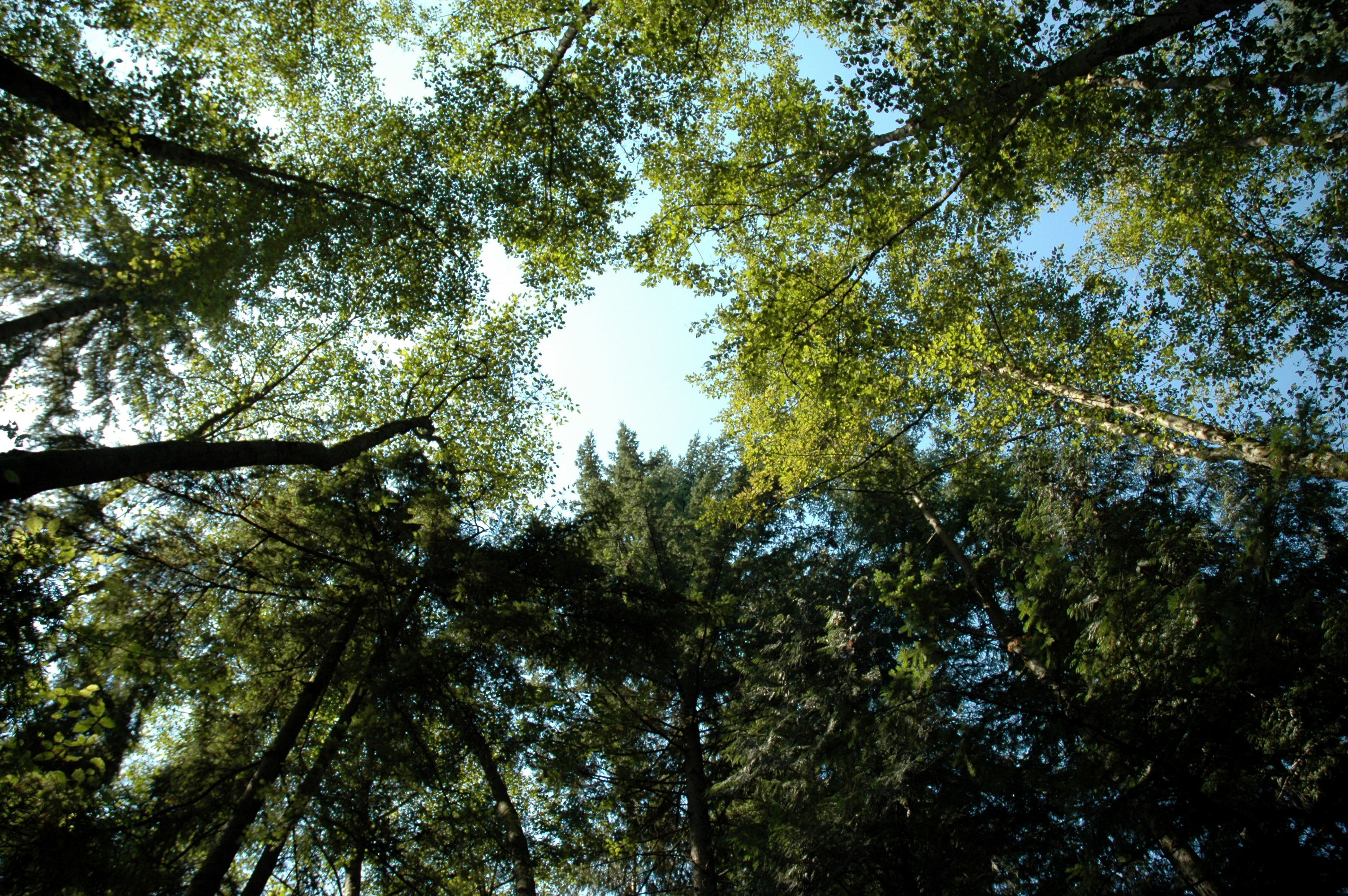 Joshua Wright says a yellow cedar tree he photographed last year was the largest he’d ever seen in a decade of hiking around Vancouver Island. …Wright measured the cedar’s diameter at 2.79 metres, a size that should have ensured protection for the tree, along with a one-hectare buffer under provincial law. But when he returned to the area south of Gold River in June, Wright says the tree had been felled as part of a logging operation approved by the province. …the area where Wright documented the yellow cedar overlaps significantly with a category of old-growth representing the largest trees left standing. …Yet the deferrals required support from First Nations to go ahead, and at the time, there was no significant funding to help communities offset foregone revenues. …the yellow cedar was felled in an area where Matchlee Ltd. Partnership, majority owned by Mowachaht/Muchalaht First Nation, holds a non-renewable forest licence.
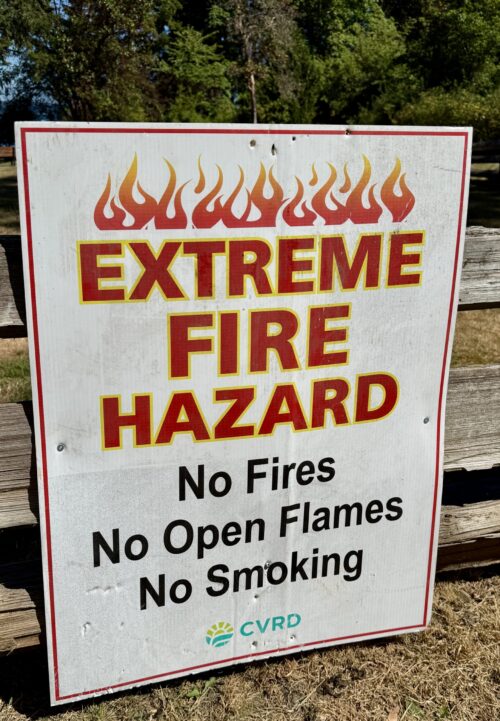 FORT ST. JOHN, B.C. — The B.C. Ministry of Forests is encouraged that the Government of Canada has taken a huge step to amp up aerial firefighting capacity. Anthony Housefather, parliamentary secretary to Eleanor Olszewski, federal minister of emergency management and community resilience and minister responsible for Prairies economic development, recently highlighted a new multi-million-dollar investment of over $257.6 million for four years to Natural Resources Canada. The funds will be used to lease firefighting aircrafts, which can include waterbombers or other aircrafts to deliver water or fire retardant drops in hard-to-reach areas. …The Ministry of Forests will be hosting a


 The total forest area in the world is 4.1 billion hectares, or 32 per cent of Earth’s total surface area. The tropics are home to the majority of the world’s forests – 45 per cent – while the rest is mainly found in boreal, temperate and subtropical zones. Since 1990, 489 million hectares of forest have been lost to deforestation… While the rate of deforestation is actually slowing, so is the rate of forest expansion, dropping from 9.88 million hectares per year from 2000-2015 to 6.78 million hectares per year in the decade to 2025. Below are the top five countries with the biggest forests as of 2025, according to forest area:
 Illinois — Four-legged reinforcements may be enlisted to help battle invasive buckthorn in Lake County forest preserves. The idea is in the formative stage, but forest district commissioners appear amenable to launching a pilot program to determine if grazing goats or sheep can help manage the pesky invaders. Buckthorn and other woody invasive species are considered among the greatest threats to natural areas across the region, and in Lake County comprise more than 52% of all trees, according to the Lake County Forest Preserve District. …“While grazing is not anticipated to fully replace herbicides or other invasive control practices, it could provide a potential alternative to accomplish objectives in a cost-effective manner,” according to information being presented this week to forest board committees. The pilot agreement likely would allow six to eight sheep or goats to graze on two or three acres of district land for up to four years.
  The Province has released the 2025 Climate Change Accountability Report, reaffirming its commitment to climate action and affordability while highlighting progress in cutting emissions and advancing clean energy throughout B.C. The report shows that CleanBC is working. British Columbia is making progress in many areas… In spring 2025, the 2024 Climate Change Accountability Report indicated that B.C. was not on track to meet its 2030 emissions targets. The recently released CleanBC review provides independent advice to strengthen the climate plan and keep delivering results. Government is reviewing the recommendations to guide the next phase of action, with a focus on expanding clean energy, supporting cleaner industry and making low-carbon choices more accessible for people and communities.
 Britain’s reliance on burning wood to generate electricity has reached record highs, even as the government moves to curb the controversial use of biomass power. The latest figures supplied by the owner of the giant Drax biomass plant in North Yorkshire have revealed that power generated from burning biomass wood pellets provided 9% of the UK’s electricity in July, its largest ever monthly share. Weeks later, biomass provided almost a fifth (17%) of the UK’s electricity for the first time during one morning in September when renewable energy resources were particularly low. Britain’s record reliance on biomass generation has reached new heights as the government set out its plans to dramatically reduce the controversial energy source under a new subsidy agreement with the FTSE 250 owner of the Drax power plant.