 Raymond James upgraded the shares of West Fraser, Canfor and Interfor as ‘lumber conditions begin to improve’. In related news: US building material prices rose in November; and US remodelling strengthened in Q4. In other headlines: CPKC announced 16 union agreements; Kruger, Kamloops conducted emergency dredging; and more on the Domtar’s Ignace sawmill curtailment. Meanwhile: Prime Minister Carney re-ups agreements with Chinese on energy and lumber; registration opens for International Pulp Week 2026; and researchers make progress in the search for a better biodegradable plastic.
In Forestry/Climate news: the Fraser Institute contrasts preventing climate change versus adapting to it; the USDA invests to reduce wildfire risk in Colorado; Western Washington has a new forest health plan; a judge blocks logging in Oregon; and a new study on deciduous tree dominance and wildfire carbon losses.
Finally, the 81st Annual Truck Loggers Association Convention kicked off yesterday with panels on forest product markets and the economy; closing the gap on fibre supply; inside BC politics; BC government initiatives update; and improving workplace safety.
Kelly McCloskey, Tree Frog News Editor

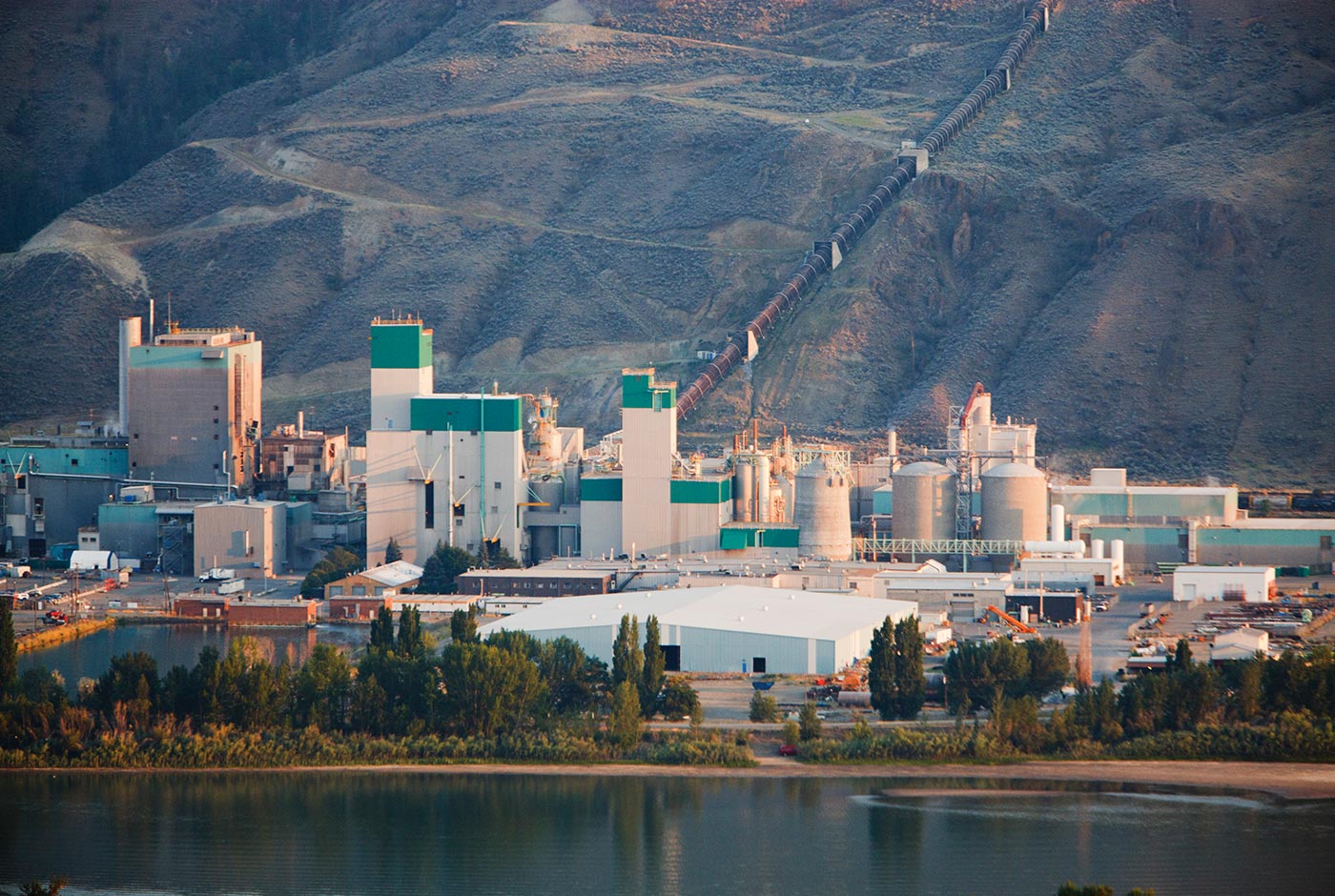
 Nathanson, Schachter & Thompson LLP is again ranked as a Tier 1 firm in Dispute Resolution in British Columbia by The Legal 500. We are included as one of four firms in British Columbia ranked as Tier 1. We are also the only firm in Tier 1 that received a Client Satisfaction accolade. Partners Irwin Nathanson, K.C. and Stephen Schachter, K.C. are included in the Hall of Fame category once again. They are the only two partners from the same firm included in this category. Partner Karen Carteri continues to be recognized as a Leading Partner, particularly for her work in complex shareholder and partnership disputes. Clients describe NST as a firm that “whole-heartedly embraces and delivers a hands-on and effective approach” while offering particular praise for partners Karen Carteri, Emily Hansen, Julia Lockhart and Kayla Strong.

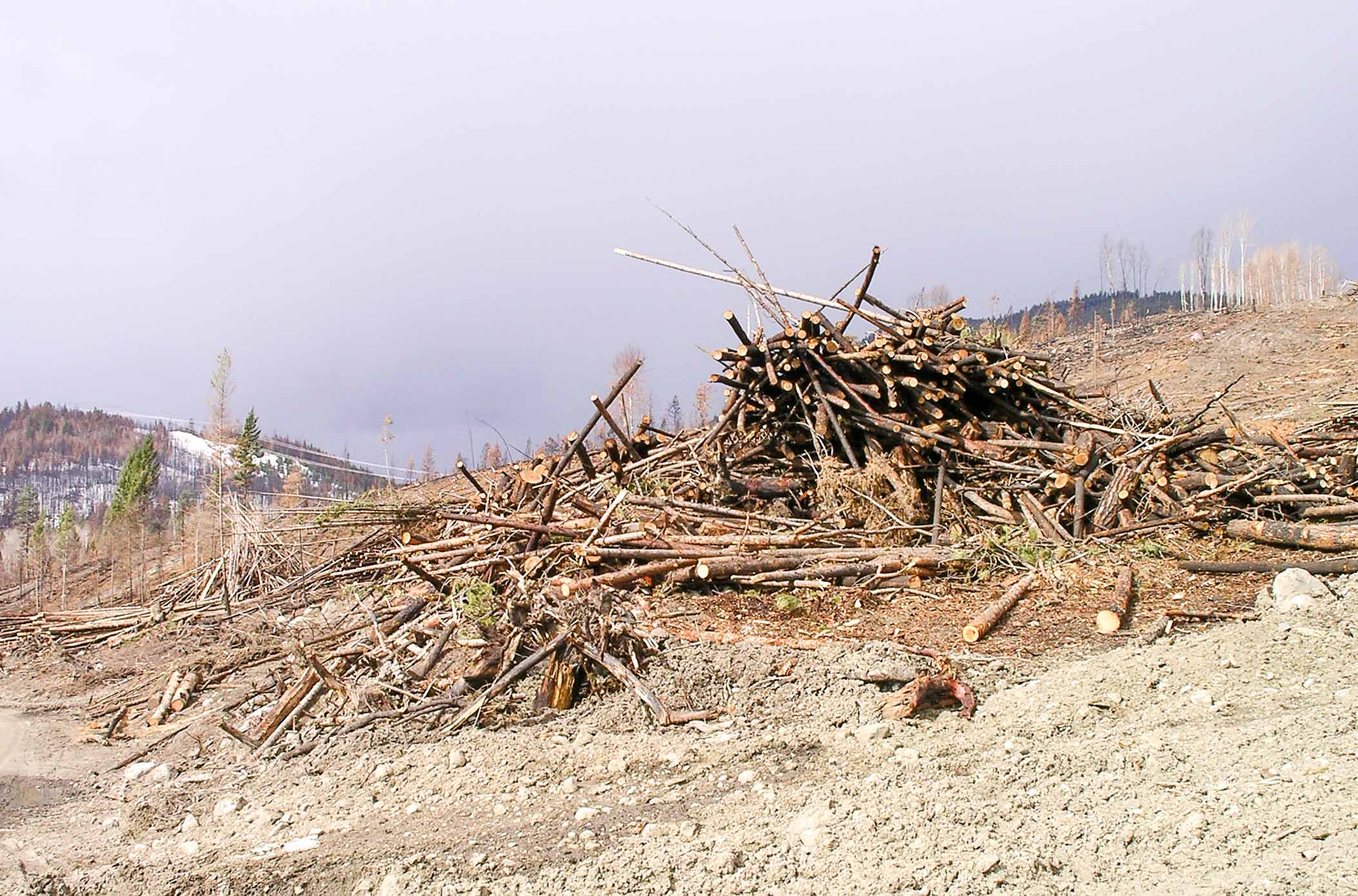 For a town still feeling the loss of its paper mill more than a decade ago, the promise of new industry is tantalizing; 50 or more new jobs, a much-needed boost to the local economy, perhaps a stepping stone to attract new business or help those already here expand. …the plan to build a new $210-million biofuel plant in Fort Frances is coming close to fruition and it could be a game-changer for the region – if it breaks ground this fall as anticipated. After an exhaustive search, the team has settled on the former Resolute mill site for its pilot project, a refinery that can turn the byproducts of logging … into synthetic gas, diesel and aviation fuel. The town is close to an abundant feedstock source, in the heart of a small labour market, owns its own affordable power production and is not far from colleges primed to provide essential training.
 The U.S. Endowment for Forestry and Communities has announced a new collaboration with the Georgia Institute of Technology to address the far-reaching social, economic and environmental impacts of pulp and paper mill closures across the United States, particularly in the rural South, where these mills have long served as economic anchors. The Endowment and Georgia Tech are developing an integrated decision-making dashboard to help policymakers, community leaders and industry stakeholders quantify the effects of mill closures and identify data-driven pathways to offset them through the sustainable use of forestry residues… Over the past decade, nearly 50 paper mills have shut down nationwide … resulting in the loss of thousands of jobs and disrupted local supply chains that once connected family forest owners, loggers, sawmills and manufacturers… As markets for timber and forestry byproducts contract, landowners face reduced incentives for active management – conditions that can increase the risk of wildfire, invasive species and forest conversion to other uses.
 WASHINGTON — U.S. President Donald Trump said Tuesday the Canada-United States-Mexico Agreement on trade is “irrelevant” to him and Americans don’t need Canadian products. “It expires very shortly and we could have it or not,” Trump said while touring a Ford plant in Michigan. “It wouldn’t matter to me. I think they want it. I don’t really care about it.” Trump statements have rattled Canada and Mexico ahead of a mandatory review this year of the future of the continental trade pact, known as CUSMA. The president told reporters that “Canada wants it” but the United States doesn’t need anything from its northern neighbour. The three countries have started domestic consultations on the review and Dominic LeBlanc, the minister in charge of Canada-U.S. relations, is set to meet with U.S. counterparts in mid-January to launch formal CUSMA talks. The trade pact has shielded Canada and Mexico from the worst impacts of Trump’s tariffs.


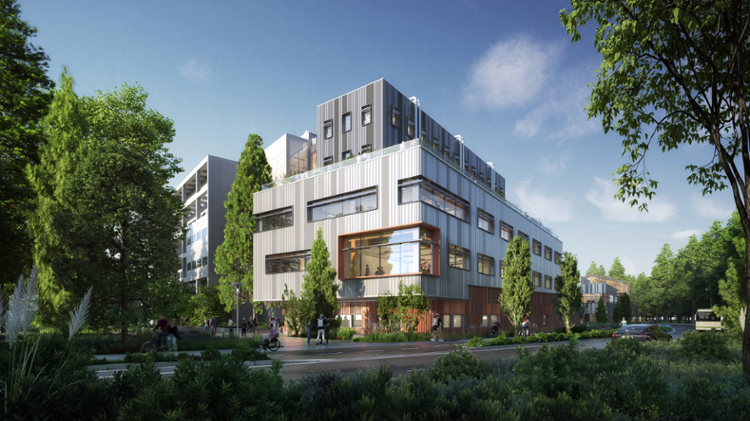

 Toilet paper…is typically made with trees, energy-intensive manufacturing processes and chemicals that can pollute the environment. Experts say more consumers are seeking toilet paper made from recycled content or sustainable materials, but it can be hard to know what to look for. Sustainable toilet paper often costs more, but can have significant environmental benefits. According to the Environmental Paper Network, a coalition of nonprofits, more than 1 billion gallons of water and 1.6 million trees could be saved if every American used one roll of toilet paper made from recycled content instead of a roll made from forest fibres. Increasingly, manufacturers are making toilet paper from recycled paper products … using chlorine-free bleaching techniques. …Looking for recycled content is a good place for environmentally conscious consumers to start, said Gary Bull, at the University of British Columbia. Preconsumer materials include scrap materials from manufacturing or unsold paper. Postconsumer materials come from used paper products.
 …Biophilia — a concept that’s been introduced in the pages of Health & Home before — is a term coined by the sociologist Erich Fromm and later adopted by biologist Edward O. Wilson in a 1984 book of the same name. Bill Browning, co-founder of the New York City-based sustainability consulting firm Terrapin Bright Green and chair of the Biophilic Institute, defines it as the “innate affiliation of humans to other living organisms and lifelike processes.” …Browning’s firm published a paper in 2022 titled “The Nature of Wood,” which distilled the available research on why people tend to gravitate to wood as a natural material. …Browning’s company has summarized some of biophilia’s high-level takeaways in a paper called “14 Patterns of Biophilic Design: Improving Health & Well-Being in the Built Environment.” In it, they outline how light, water, airflow and even a very primal sense of safety can positively affect cognitive performance as well as our mind-body relationship.
 Bamboo tissue’s green image fades once you factor in coal-powered manufacturing. Bamboo tissue paper produced in China has become a popular option for shoppers looking to reduce their environmental impact. Despite its green reputation, new research suggests these products may not deliver the climate advantages many consumers expect. In some cases, bamboo tissue may even have a greater environmental footprint than tissue made in the United States. A recent
  Japan-based materials experts have made impressive progress in the search for a better biodegradable plastic. The breakthrough starts with an abundant material: cellulose from wood pulp. Takuzo Aida, RIKEN Center for Emergent Matter Science research lead, said in a news release that “about one trillion tons” are naturally produced annually. Using it successfully as part of a new plastic could have a widespread impact, because most types of the material take decades to hundreds of years to break down. “This technology will help protect the Earth from plastic pollution,” Aida said in the RIKEN report. …Unlike other biodegradable plastics, RIKEN’s innovation also eliminates harmful microplastics, tiny particles that have saturated our world — found in soil, oceans, and even our bodies.








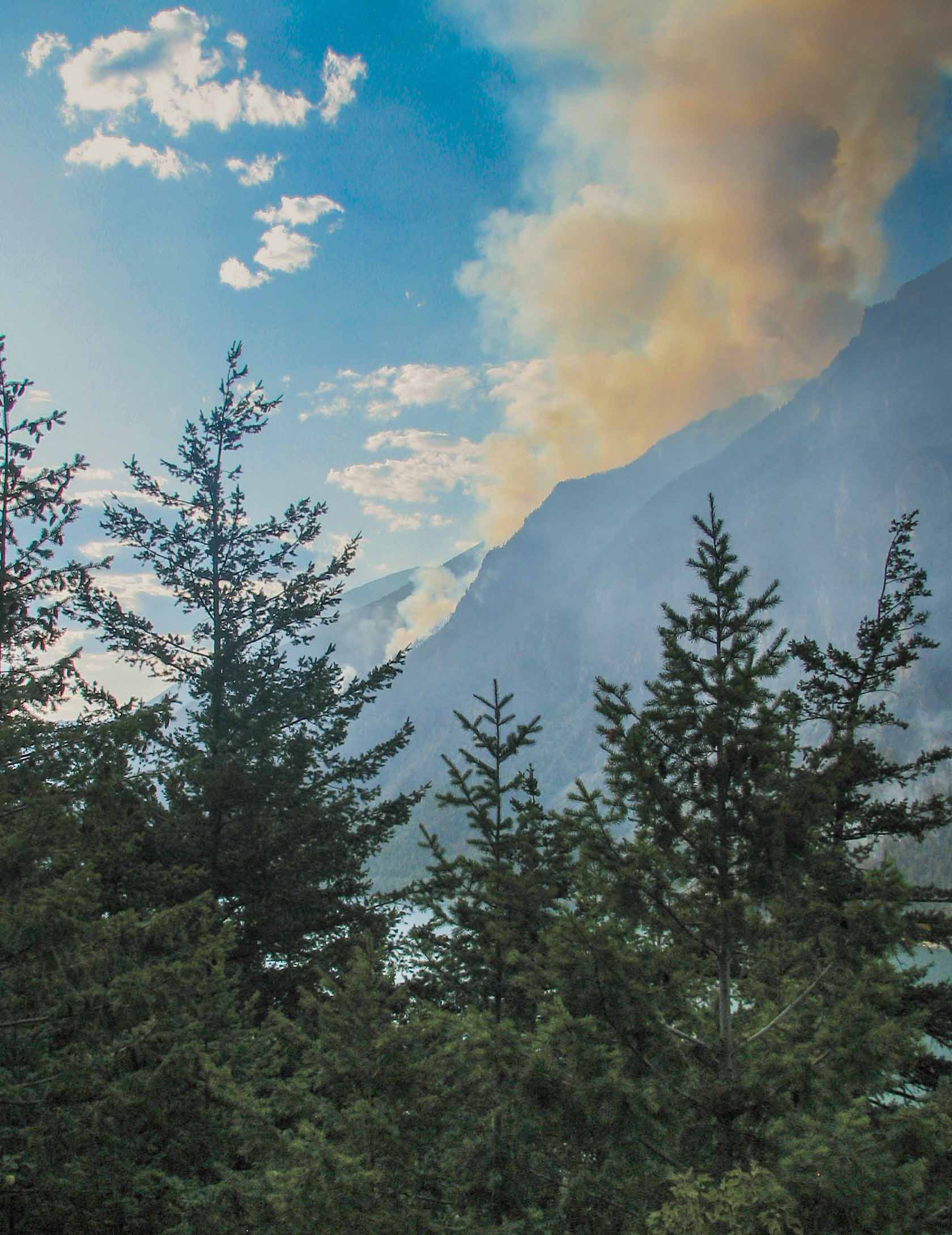 FORT ST. JOHN, B.C.— In the 2025 wildfire season, 199 wildfires were fought in Fort St. John, Fort Nelson and Dawson Creek areas in the “second-worst wildfire season in Canadian history.” The Ministry of Forests said in a news release on December 29th, 2025, the province has experienced over 1,350 wildfires burning an estimated 886,360 hectares of land since April 1st that year. In the news release, Ravi Parmar, minister of forests, said: “We’re coming off our second-worst wildfire season in Canadian history.” The Prince George Fire Centre specifically – the branch of the BC Wildfire Service (BCWS) covering northeast B.C. – recorded 354 fires in the 2025 wildfire season. …For the 2026 wildfire season, the province says it will continue to look at new technology and opportunities for better prevention and response.
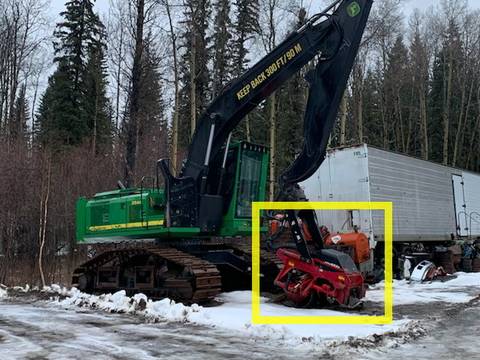
 Three pieces of logging equipment owned by Fraser Valley Timber were torched overnight Jan. 1 into the morning of Jan. 2, putting multiple employees immediately out of work and potentially costing the company hundreds of thousands of dollars in replacement costs. …While a company spokesperson suggested to television media that the fire may be linked to nearby anti-logging protests, members of the Ada’itsx/Fairy Creek blockade denied any involvement. RCMP said investigators have not made any connection between the fire and the protest. Blockade members posted on Facebook that to assign blame to them before the facts are known “serves to vilify old-growth forest protectors without grounds.” …the Office of the Fire Commissioner brought an accelerant detection dog to the scene as part of the investigation. “…the Office of the Fire Commissioner is assisting in determining the circumstances, origin, and cause of the fires,” according to the Ministry of Public Safety and Solicitor General.
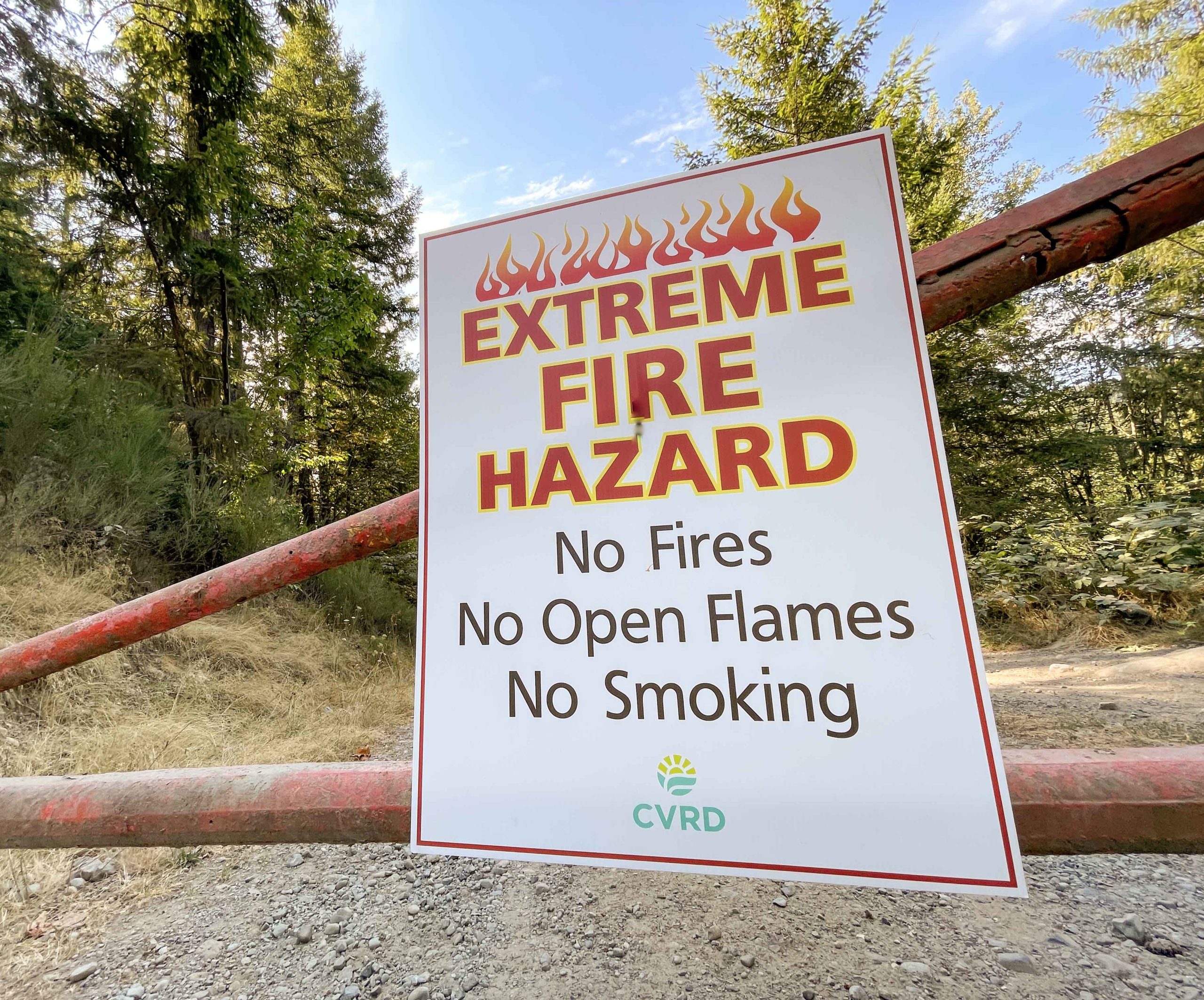 North Cowichan will hire a wildfire specialist to support wildfire-protection planning in the municipality. At its meeting on Dec. 3, council voted to allocate $95,000 in North Cowichan’s budget for 2026 for the position from the Climate Action and Energy Plan’s reserve funds, and funding for the wildfire specialist will come from general taxation in following years. As well, council decided to allocate $115,000 in the 2026 budget for the creation of a Strategic North Cowichan Wildfire Plan, with the funding also coming from CAEP reserve funds. Council adopted a resolution establishing wildfire preparedness as a strategic priority in September, and the key actions identified and recommended by staff since then include strengthening the fire department’s wildfire-response capabilities, vegetation management, FireSmart education, evacuation planning, infrastructure standards, and community volunteer initiatives.
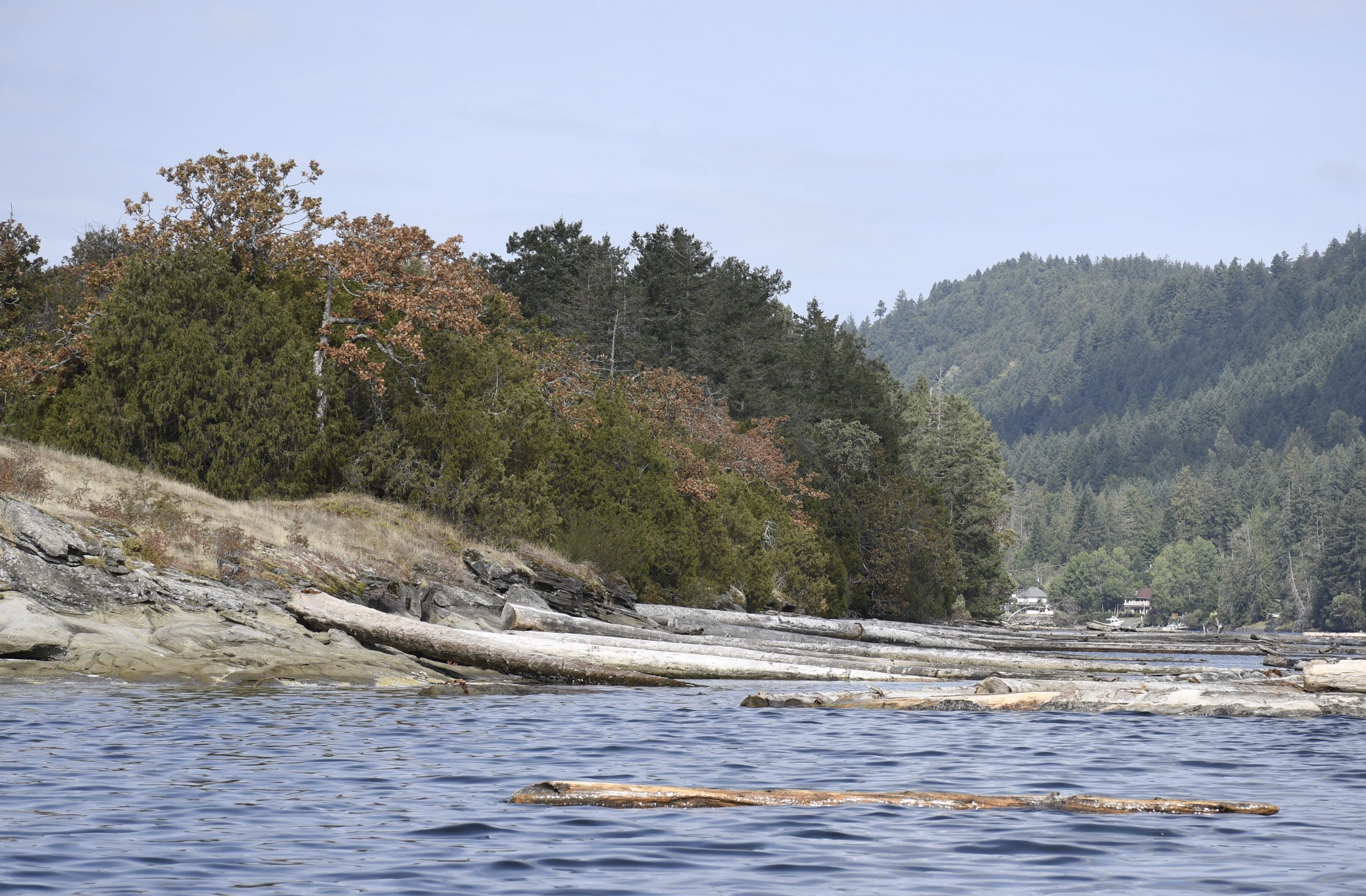 If we’ve reached the point where we’re fretting over barnacles being knocked off by drift logs, perhaps we’ve run out of real crises. A recent University of Victoria study warns that wandering logs — nature’s most passive travellers — are scraping B.C.’s intertidal ecosystems into oblivion. …I mean no disrespect to my academic descendants at UVic — my alma mater — but I can’t help recalling a time when a scientist would distinguish between data and drama. Anyone raised on this coast knows those “thundering” drift logs are as much a fixture of our marine landscape as kelp, rockweed, and yes, barnacles themselves. …Here lies the problem with this kind of “drive-by ecology.” A barnacle count taken on a single day, at a single beach, photographed from orbit, becomes a sweeping “coast-wide phenomenon.” Probability alone tells us that the fraction of shoreline simultaneously blanketed and agitated by free logs — especially those resting on sand — is marginal.
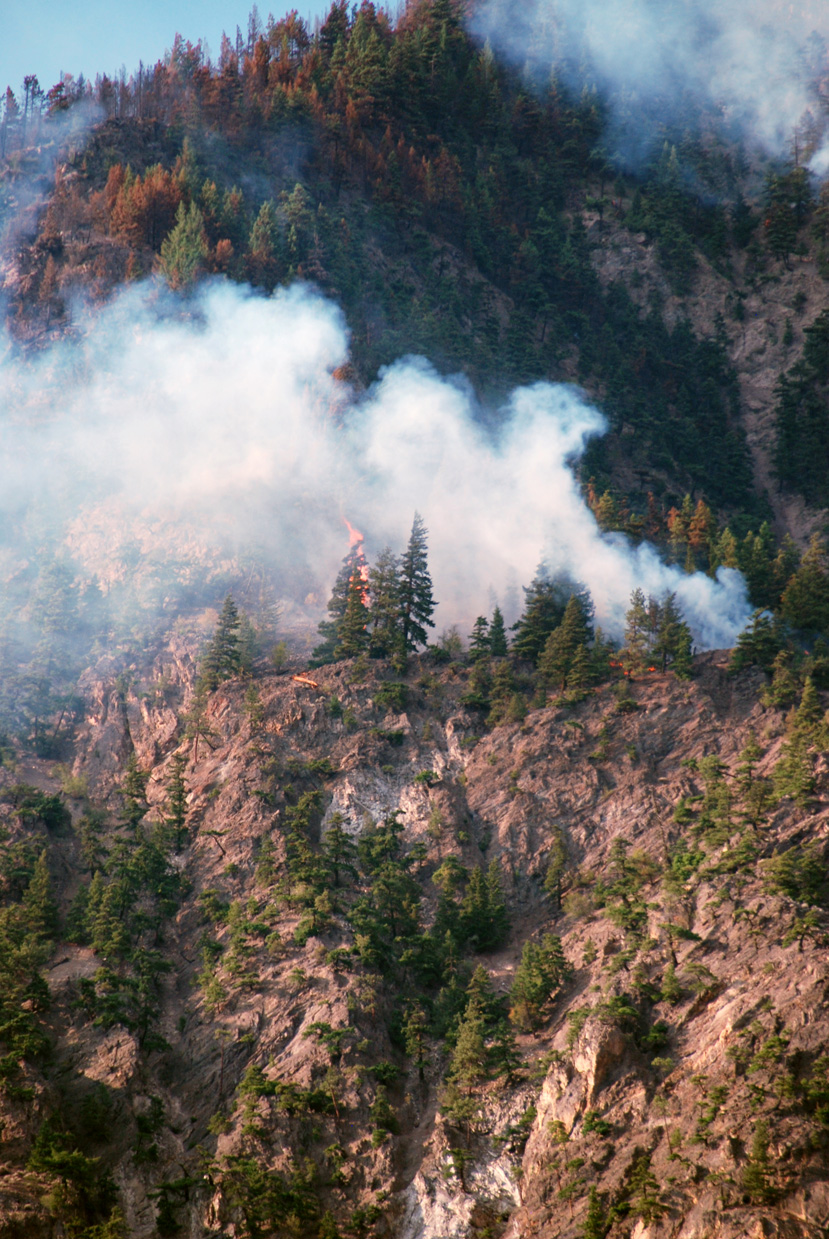 The intense 2025 wildfire season in B.C. means firefighters will face challenges in 2026 because of overwintering wildfires, also called holdover or zombie fires, that smoulder deep underground through the colder season. As they spread below the forest floor in the dried-out peat, the fires can ignite in spring, sparking new life into last season’s devastating blazes. Canada’s 2025 wildfire season was the second-worst on record after 2023, with more than 6,000 fires burning more than 83,000 square kilometres across Canada, according to the Canadian Interagency Forest Fire Centre. In B.C., the season started early because of several zombie fires in the northeast region of the province, where fire officials say overwintering fires and underlying drought combined to create challenging conditions in April and May. …Scientists say climate change is making B.C.’s wildfire season longer and more intense as drought dries out the forest floor and heat waves become stronger.
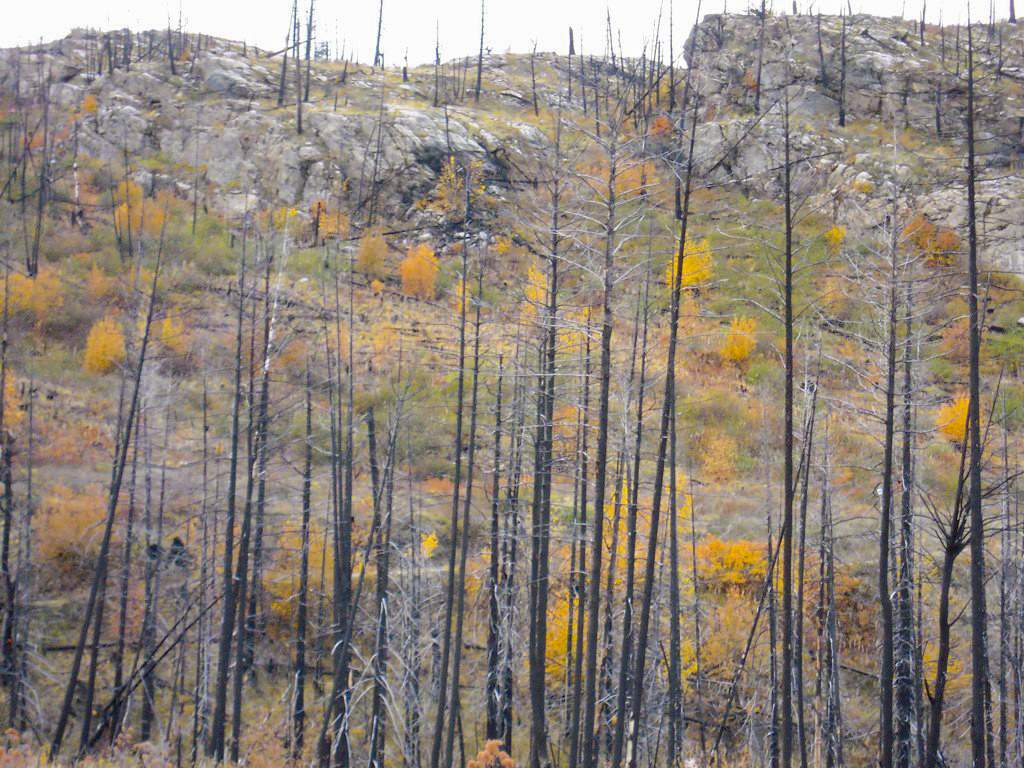 The in-creek infrastructure for the Peachland water treatment plant is at risk of a landslide in the aftermath of the summer’s Munro Lake wildfire. The
  …council was about to vote to log our protected community forest. At the last moment, a chief saved the day. But we are now forewarned — our forest isn’t protected. …a new council could throw down the gauntlet. So, once again we’re asking ourselves, as a community how do we protect the Six Mountains? Now that we know our North Cowichan council can ignore our public consultation, and our vote for conservation, what can we legally do? In the next election, vote in a pro-conservation council? This is our intention, but there are no guarantees. …an extraordinary solution [exists to] protect ecosystems from human destruction. It’s called the Rights of Nature movement (RoN). …founded on indigenous ancestral reverence for nature, as sacred and sacrosanct, beyond human control and ownership… it’s the perfect solution for our Valley where we, N. Cowichan and Quw’utsun, “own” the legal right to protect the ecosystem surrounding our home.
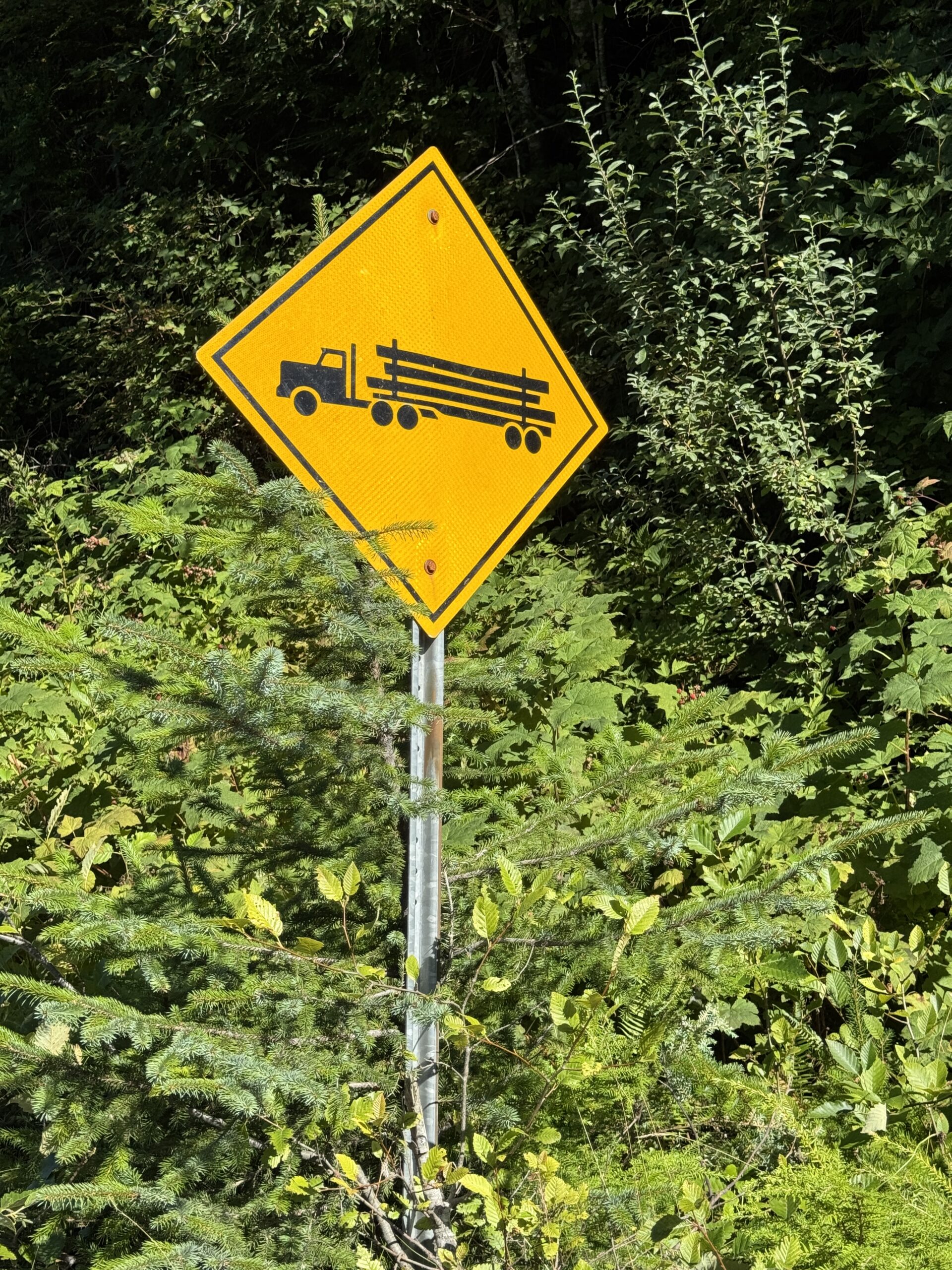 A group protesting old-growth logging on Vancouver Island is hitting out at an “insinuation” they were involved in the suspected arson of logging equipment last week. Sgt. Kevin Mack with Lake Cowichan RCMP says officers responded to the scene of the suspected arson at a site operated by Fraser Valley Timber on Jan. 2, and they are keeping an “open eye to all possibilities.” Two grapple yarders and a log loader reportedly sustained more than $530,000 in damage in the fires… The company did not immediately respond to a request for comment, but media reports quoted a spokesman suggesting that the proximity of the protest camp wasn’t a coincidence. But the Walbran Valley Blockade protest camp says its code “explicitly prohibits violence and the damage or destruction of property.” It says it supports a full and transparent investigation and that “assigning blame before the facts are known serves to vilify forest protectors.”
 In late August 2025, FREED (Field Research in Ecology and Evolution Diversified) at their University of Toronto (UofT) chapter hosted their fourth annual weeklong event in Algonquin Park. FREED, created in 2020, was founded to provide accessible, barrier-free outdoor and fieldwork opportunities for Indigenous, Black, and/or Racialized (BIPOC) undergraduates. Experiencing the outdoors and nature can be formative in building a connection to the land and pursuing a career in a related field but these experiences are often inaccessible to underrepresented communities due to financial, societal, cultural, or other potential barriers. …At the Algonquin Wildlife Research Station (AWRS), we welcomed a wonderful group of fifteen BIPOC undergraduate students bringing bright, inquisitive energy, teeming with excitement for the week to begin. The 7-day program was filled with activities to help students build skills and confidence in the outdoors and field work, as well as to build community and relationships amongst their peers and with the Land.

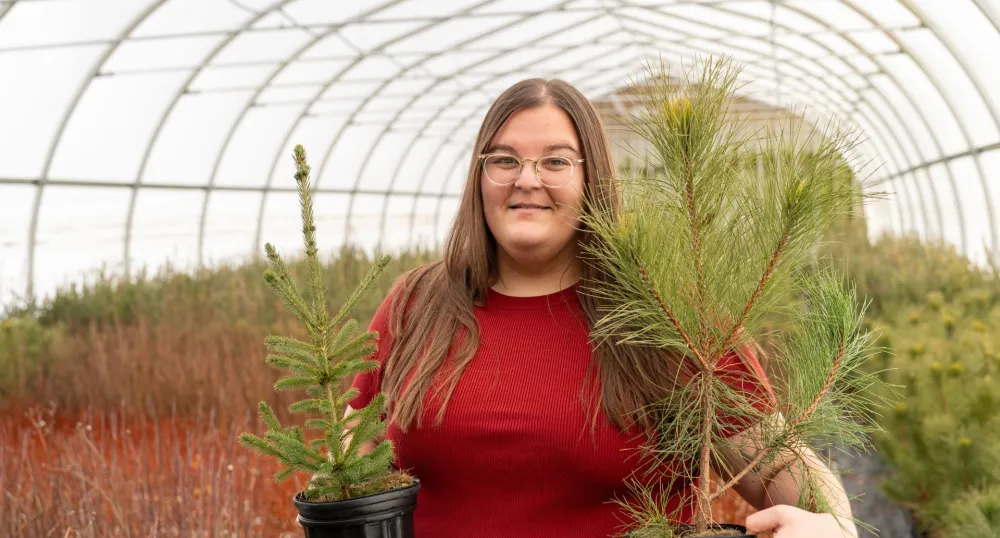





 VALLEJO, Calif. — The USDA Forest Service Pacific Southwest Region and CAL FIRE have renewed their commitment to battling wildfires across California. This renewal extends the California Fire Master Agreement for another five years. The agreement, signed by Pacific Southwest interim Regional Forester Jacque Buchanan and CAL FIRE Chief Joe Tyler on Dec. 12, allows for a cooperative approach to wildfire response. According to the USDA Forest Service, this collaboration enables firefighters to share resources and respond across jurisdictional lines during emergencies. “This complex operating environment within California and the challenges we face year-round require this collaborative approach,” Jaime Gamboa, fire director for the Forest Service’s Pacific Southwest Region, said. The agreement emphasizes a united front in wildfire emergencies, prioritizing the closest available resources to protect lives and property. It also covers hazardous fuels reduction and streamlines training and equipment sharing.
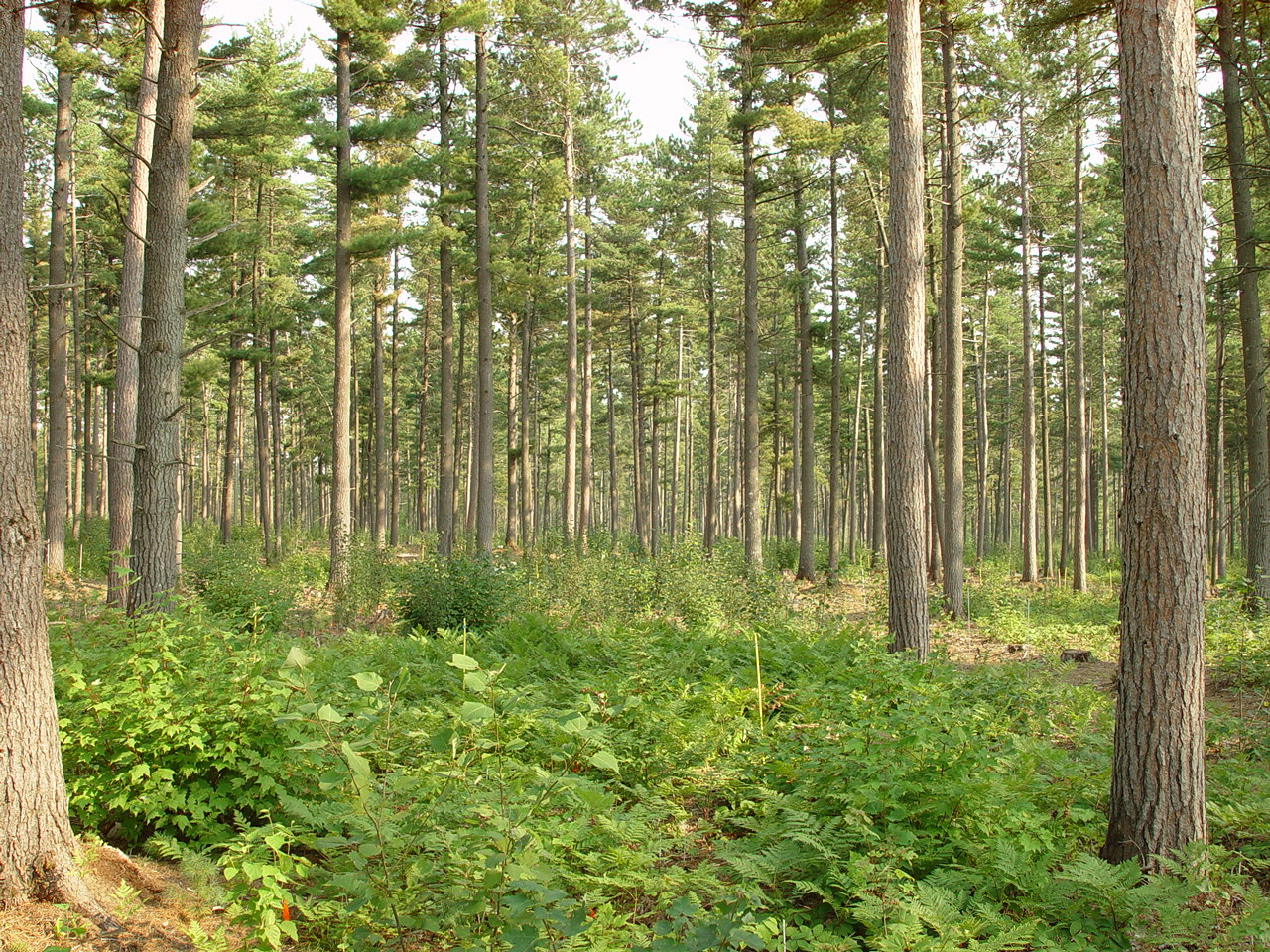 President Donald Trump’s administration has set in motion efforts to repeal the Roadless Rule, a 2001 administrative mandate that put 45 million acres of the least developed forest land under protection from logging and construction of roads. As the nation observes the rule’s 25th anniversary, Virginia’s federal lawmakers and advocates are calling for its preservation and say hundreds of thousands of acres of forests could be at stake if it is axed. The federal government has framed the proposed repeal as necessary for forest management against wildfires. …Environmental advocates have said since last summer that repealing the rule will lead to land degradation, sediment pollution, and create risks to clean water sources. It would also open up large swaths of the 400,000 acres of the protected forestland in Virginia to logging and potential new roads.

 The world is losing forests to fire at an unsustainable rate, experts have warned. …in recent decades [wildfire] scale, frequency and intensity in carbon-rich forests have surged. Research from the World Resources Institute (WRI) shows that fires now destroy more than twice as much tree cover as they did two decades ago. In 2024 alone, 135,000km² of forest burned – the most extreme wildfire year on record. Yet fires in other landscapes have not risen in the same way, according to research from the University of Tasmania. While the total area burned globally has fallen for decades as farms have expanded across Africa and slowed the spread of blazes – forests have become a new hotspot. …Four of the five worst years on record have occurred since 2020. Research from the WRI shows that 2024 was the first time that major fires raged across tropical, hot and humid forests such as the Amazon, and boreal forests, such as those spanning Canada’s vast coniferous regions.
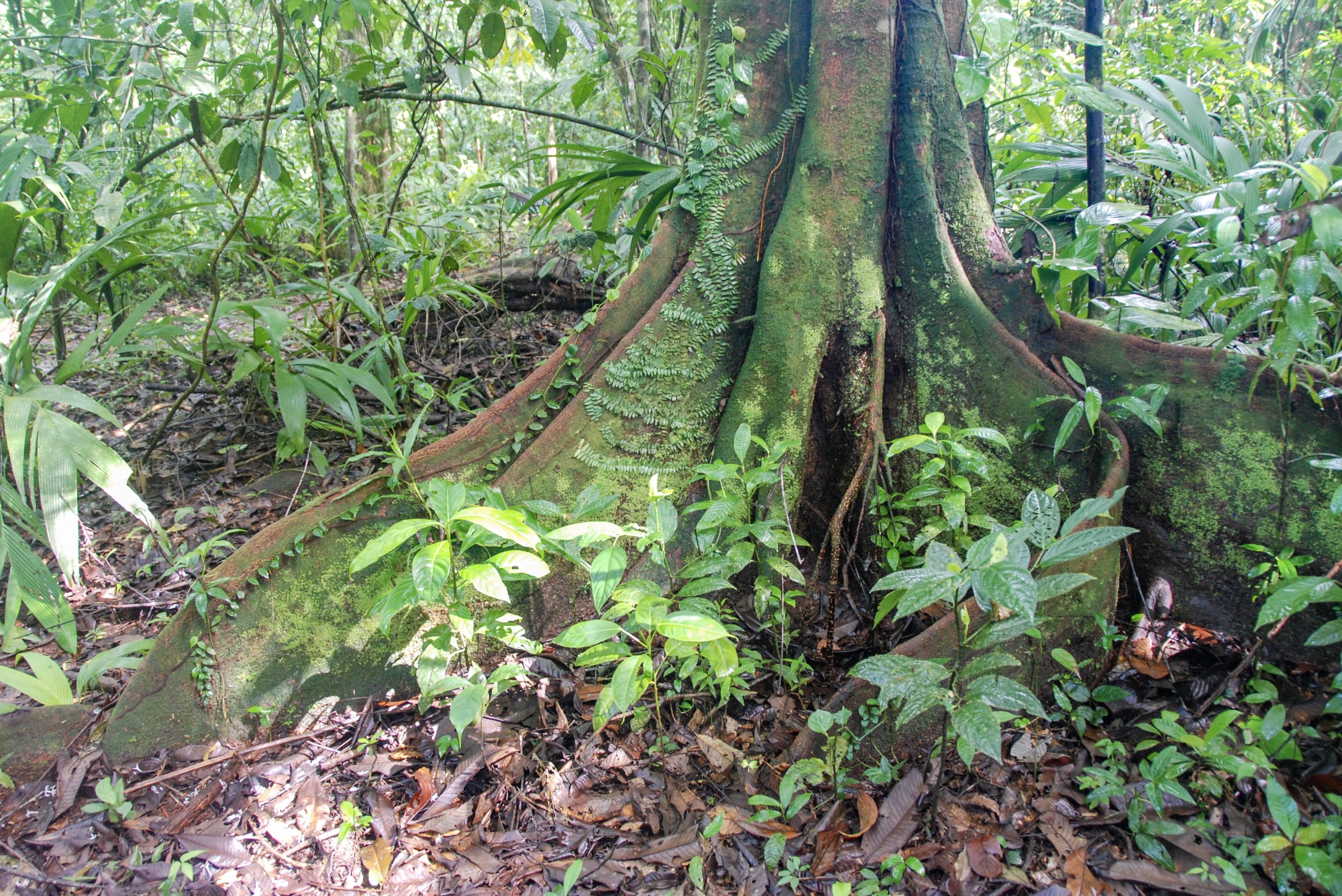 Young tropical forests play a crucial role in slowing climate change. …But, according to a new study, CO2 absorption may be slowed down by the lack of a crucial element that trees need to grow: nitrogen. Published in Nature Communications … the study estimates that if
 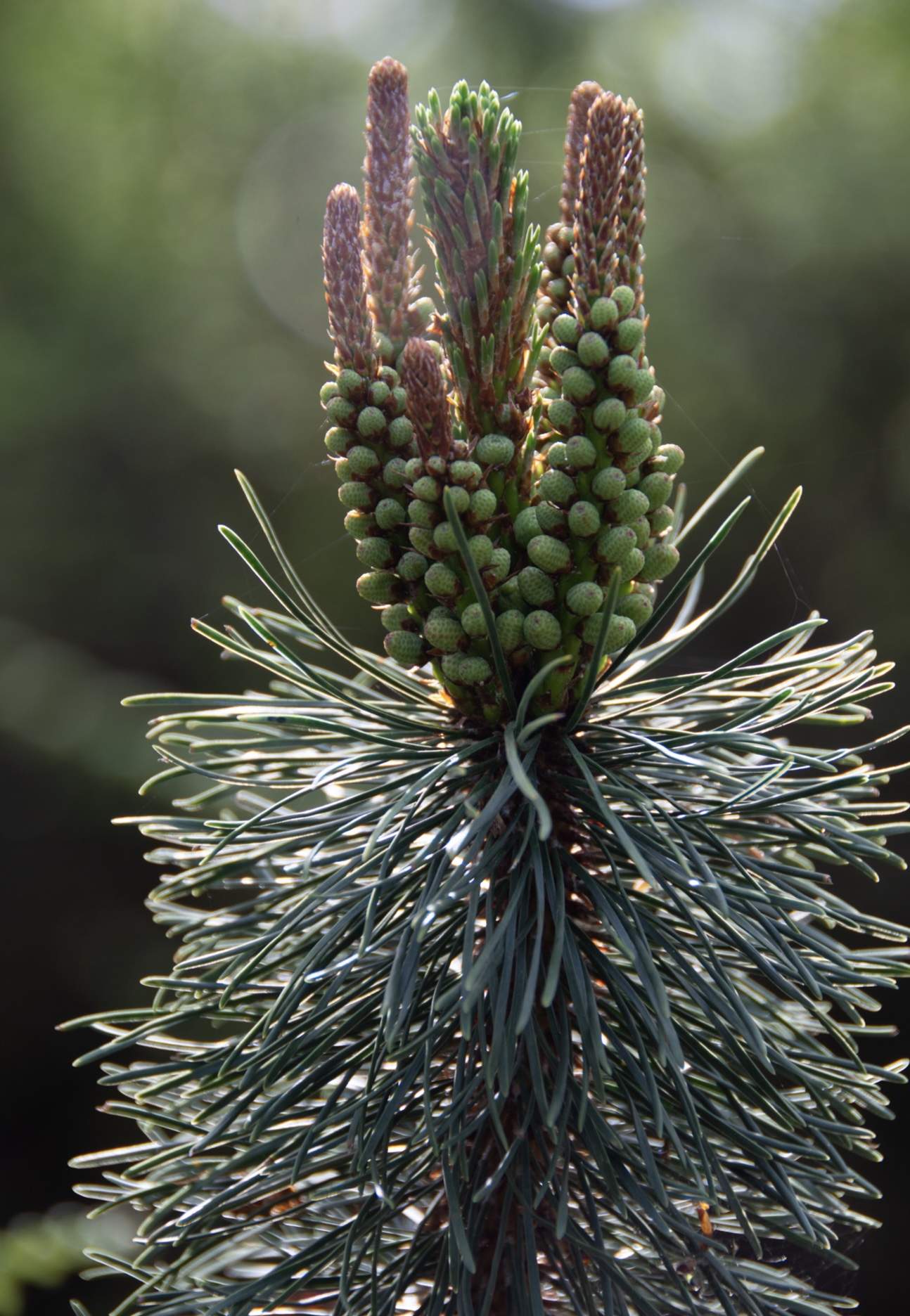 Scots Pines once dominated the landscape of Scotland, part of the vast Caledonian Forest which began to spread some 10,000 years ago after the end of the last ice age. Now only one per cent of the original forest remains in more than 80 pockets scattered mainly across the Highlands. Conservationists say there is an urgent need to improve the protection of these forests as climate change and threats from disease intensify. A new study from the James Hutton Institute in Aberdeen has revealed the environmental importance of preserving native woodlands. The research suggests the Scots pine alone supports nearly 1,600 separate species, including 227 that rely on it entirely. “Very few other tree species will support that range of biodiversity,” said Dr Ruth Mitchell, who led the study. “Species that use Scots pine include birds, mosses, lichens, fungi and invertebrates.”
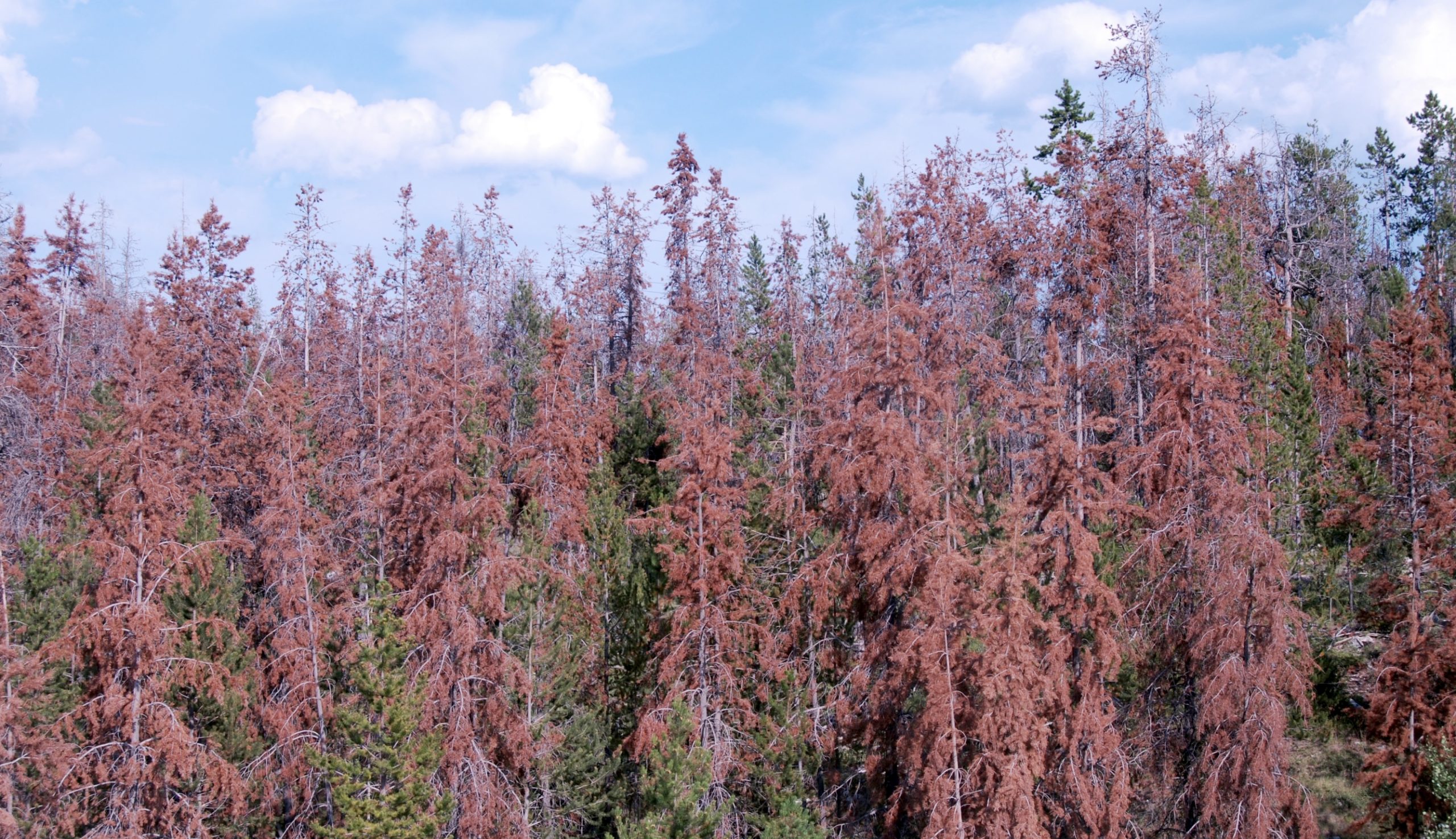 The intense green of spring cannot mask the dead trees in the Harz mountains. Standing upright across northern Germany, thousands of skeletal trunks mark the remnants of a once great spruce forest. Since 2018, the region has been ravaged by a bark beetle outbreak, made possible by successive droughts and heatwaves. …The loss has sparked a reckoning with the modern forestry methods pioneered by Germany that often rely on expanses of monoculture plantations. The ferocity of the beetle outbreak means there is no going back to the old way of doing things: replacing the dead spruce with saplings from the same species would probably guarantee catastrophe once again. Instead, foresters have been experimenting with a different approach: pockets of beech, firs and sycamore have been planted around the surviving spruce to make sure the returning forest is more biodiverse.
  Washington state officials admitted Jan. 6 they overstated by more than 80% how much projects funded by cap-and-trade taxes have reduced greenhouse gases. The Department of Commerce blamed data entry errors for inflating the benefits of eight grants that helped low- and moderate income households buy energy-efficient electric appliances. The state reported in November the eight grants will cut emissions by 7.5 million metric tons and accounted for 86% of all reductions over two years. The actual reduction was only 78,000 tons, according to Commerce. Commerce’s correction confirmed calculations by Washington Policy Center vice president for research Todd Myers. Earlier in the day, Myers posted online that 86% of the purported reductions were “probably fake.” …The Department of Ecology compiled and issued the faulty report. The report was a comprehensive accounting of how 37 state agencies and universities spent $1.5 billion in cap-and-trade taxes during the 2023-25 biennium, Ecology said.
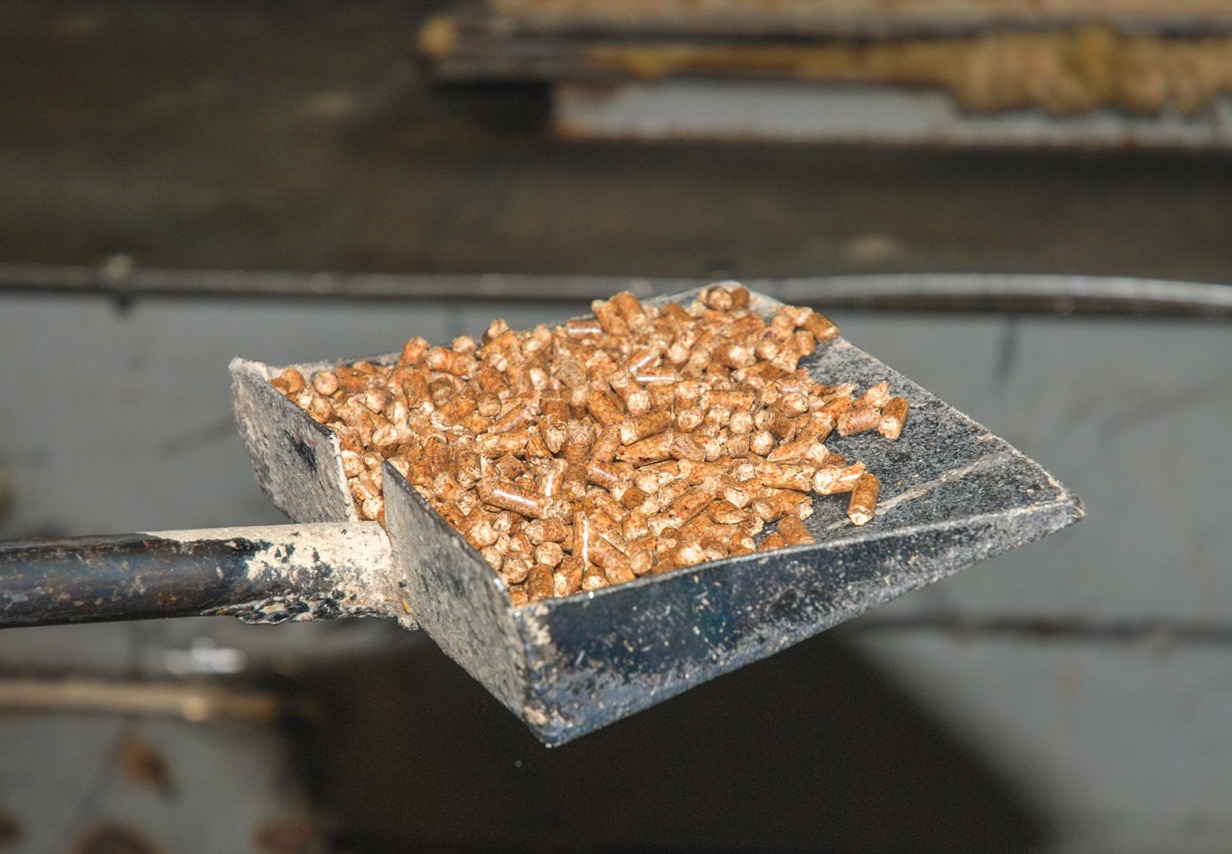 A community-led survey coordinated by the Southern Environmental Law Center across parts of the southern United States has documented concerns about pollution linked to wood pellet manufacturing facilities. The survey focused on areas where residents live near large biomass plants, including a facility in Northampton County, North Carolina. Wood pellet plants process pellets that are exported overseas…where they are burned to generate electricity. While often described as a renewable energy source, the manufacturing process produces dust and emissions that residents say affect air quality and daily life. …[Survey] participants visited households near pellet plants to gather information about health concerns, environmental conditions and quality-of-life impacts associated with nearby industrial activity. According to the survey findings, residents reported respiratory problems, persistent dust, noise and increased industrial traffic. These concerns were most frequently recorded in rural communities and in areas with lower-than-average household incomes.

 That fading receipt in your wallet might be more of a problem than you think. For decades, the thermal paper industry, a market valued at around $2 billion, has relied on a chemical cocktail that includes Bisphenol A (BPA). Yes, that is the same BPA that parents worry about in baby bottles and water jugs. It mimics estrogen, messing with our hormones in ways we are only just beginning to understand. While regulators in the EU have cracked down on BPA, manufacturers can pivot to “alternatives” like Bisphenol S (BPS). It sounds different, but chemically, it is the same wolf in sheep’s clothing, exhibiting toxicological properties eerily similar to the villain it replaced. Now, in a new study, researchers have developed a safer, sustainable alternative to BPA-laden thermal paper using “washed” lignin from wood and sugar derivatives. The result is a receipt that prints clearly without disrupting your hormones.