 GreenFirst entered into a $30M term loan under Canada’s softwood lumber transformation program. In related news: the mayor of Ignace, Ontario is surprised by Domtar mill curtailment; JD Irving reorganizes its chip plant jobs in New Brunswick; BC Premier Eby says market diversifying will help but it will take time; Forest Minister Parmar promotes modular home building; and COFI’s Kim Haakstad says permit delays are hurting the sector. Meanwhile: wildfires contributed to the rise in Canada’s 2025 insured losses; Canfor Pulp reported progress on share acquisition agreement; and Boise Cascade announced leadership changes.
In Forestry/Carbon news: a Federal report says mismanagement fuelled the 2024 Jasper wildfire; a BC First Nations-owned company is granted court protection at the Walbran Valley logging blockade; ‘Forestry is a Solution ‘ campaign launches in Prince George; an Ohio study says US forests are storing more carbon; and a UK report says cardboard biomass is effective for power generation.
Finally, Steelworkers welcome combustable dust safety reforms on anniversary of Babine mill explosion.
Kelly McCloskey, Tree Frog News Editor



 Facing growing backlash over the unintended consequences of its reconciliation policies, the B.C. NDP government has hit pause on controversial changes to the Heritage Conservation Act…Forests Minister Ravi Parmar announced the move Monday, saying he’d “heard loud and clear” that municipalities, business groups, the real estate sector and …the public needed more time to understand the changes. “It was very clear to me that I was not in a position to bring forward amendments this spring,” he said. …It’s the opposite approach to where the NDP started on the file just four months ago, charging forward with the changes so aggressively that their passage—following secret negotiations with First Nations and non-disclosure agreements slapped on everyone else—seemed like a fait accompli. …The NDP say they are in listening mode now, on the Heritage Conservation Act. The question is whether the government truly understands that changes built without public trust are simply no longer viable.
 Interim opposition leader Trevor Halford told logging contractors Friday that the province’s forestry downturn is being driven by a system that is “not functioning at the pace this sector requires.” Halford, the interim leader of the B.C. Conservatives spoke at the Truck Loggers Association’s convention in Vancouver. “This crisis is not about forests disappearing. It is not about fibre not existing. It is about permits not moving, decisions not being made, and systems that do not function at the pace this sector requires,” Halford said. Halford opened by citing a Vancouver Sun story that described the B.C. forest industry as “on the edge of collapse,” and quoting TLA executive director Peter Lister, who told the convention he had “never seen it as bad” in more than 35 years in the sector. …Halford said the industry has heard “explanations” from the government, but needs measurable results. “Accountability matters. Transparency matters. Results matter,” he said.
 North Cowichan’s mayor wants the federal government to extend its temporary Employment Insurance program to include workers at the Crofton pulp mill who will be working until mid-April. In letters to Minister of Jobs and Families Patty Hajdu and Jeff Kibble, MP for Cowichan-Malahat-Langford, Rob Douglas said the temporary EI measures that Ottawa introduced last summer in response to major economic conditions across the country, including mill closures, are set to expire on April 11. That’s just three days before approximately 60 workers, who are being maintained at the Crofton mill for operational considerations beyond its closure in early February, will receive their layoff notices on April 14. …Douglas said that, on behalf of the community, he is requesting that the federal government extend the temporary EI measures or implement an exemption mechanism to ensure that all Crofton mill workers affected by the closure are treated equitably.
 British Columbia’s Forests Ministry has entered into a memorandum of understanding with China on modern wood construction, a development that the province hopes will bolster the provincial lumber sector as it seeks alternatives to the U.S. market. The five-year, non-binding agreement with the Chinese government also involves the Canadian federal Department of Natural Resources and is among the first reached with Beijing after the arrival of Prime Minister Mark Carney in China this week. On the other side is China’s housing and development ministry, with the memo agreeing on co-operation on the integration of modern wood construction into China’s urban renewal and rural revitalization strategies and exploring “practical approaches” for green developments. University of British Columbia political ecologist and China scholar Juliet Lu said the MOU is “relatively low-hanging fruit” in Carney’s attempt to rebuild trade momentum with Beijing…
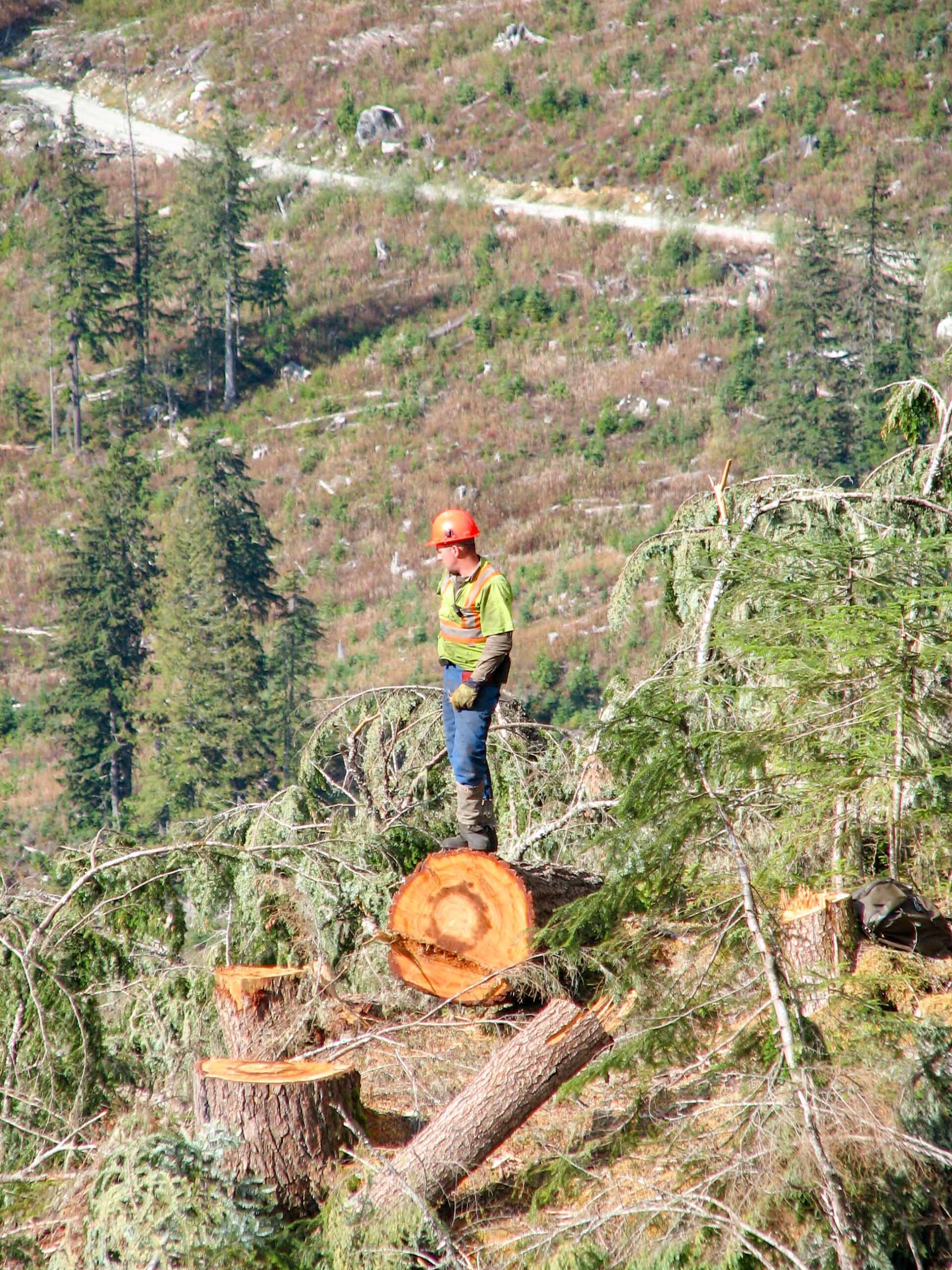 Logging contractor Ron MacFarlane feels fortunate to have work for his eight-person crew, cutting mostly second-growth Douglas fir on a cut block …on B.C.’s Sunshine Coast, while business in his industry is otherwise “flatlined.” “We’re busy until March, and then we’ll see from there,” MacFarlane said at the Truck Loggers Association annual convention. …Difficulties in getting the province to speed up permits to cut more of that timber has put the industry “in a state of crisis,” said Peter Lister, executive director of the Truck Loggers Association. “I’ve never seen it as bad. …it is really on the edge of collapse.” …For forest-management executive John Mohammed, however, Parmar is still missing a connection to short-term actions the industry desperately needs to free up some of the cutting permits companies have sitting on the shelf because they are uneconomic. …Mohammed said Parmar could take the risk of lowering [coastal] stumpage rates … to help economics.
 With Canadian lumber producers facing crippling American duties and tariffs, Canadian sawmills that want to stay in business may have to develop markets outside the U.S. Since North America is the only major lumber market that still uses imperial measurements for lumber, this would require retooling logging and sawmill operations to metric. Some B.C. mills are already partway there. With Japan and China becoming saturated, Canadian lumber exporters will need to develop–or redevelop–markets beyond the Indo-Pacific. “We did this before,” said Rick Doman, chairman of Forest Innovation Investment (FII). In the 1990s and early 2000s, Canadian sawmills produced lumber for those markets, he said, but eventually lost them. “The North American market got so strong that we left those markets, and really the Nordic countries took over those markets,” Doman said. But the U.S. has since erected trade barriers in the form of duties and tariffs.


 ATLANTA — A proposed amendment to the Georgia Constitution would end sales taxes on timber, a major industry battered by mill closings and storms. House Majority Leader Chuck Efstration said a bipartisan group of legislators want to help protect “a cornerstone of the state’s rural economy.” “The timber tax cut is necessary because Georgia timber farmers are facing severe economic hardship following the closure of multiple sawmills in Georgia and significant losses in the aftermath of Hurricane Helene,” said Efstration, R-Mulberry, the sponsor of House Resolution 1000. “Georgia is a national leader in forestry, and I want to help this state’s rural economy and the livelihood of many Georgians.” Georgia’s forestry industry was the largest in the nation in 2021 based on harvest volume and product export values of nearly $4 billion, according to a report by the Georgia Forestry Association. But timber producers have suffered in recent years.

 HÀ NỘI — Despite unprecedented challenges from global markets and the growing impacts of climate change, 2025 marked a historic milestone for Việt Nam’s wood industry, as export turnover of timber and wood products surpassed US$17 billion for the first time. According to data from Việt Nam Customs, exports of timber and wood products reached nearly $1.7 billion in December 2025 alone, bringing total export value for the year to $17.2 billion – an increase of nearly 6 per cent compared with 2024. In 2025, exports of timber and wood products to the US totalled $9.46 billion, up 4.4 per cent year on year and accounting for approximately 55 per cent of the industry’s total export turnover. Việt Nam continued to maintain its position as the largest supplier of wooden furniture to the US market. …Việt Nam’s market share of wooden furniture in the US increased significantly, rising from 40.5 per cent in the first eight months of 2024 to 45.3 per cent in the same period of 2025.
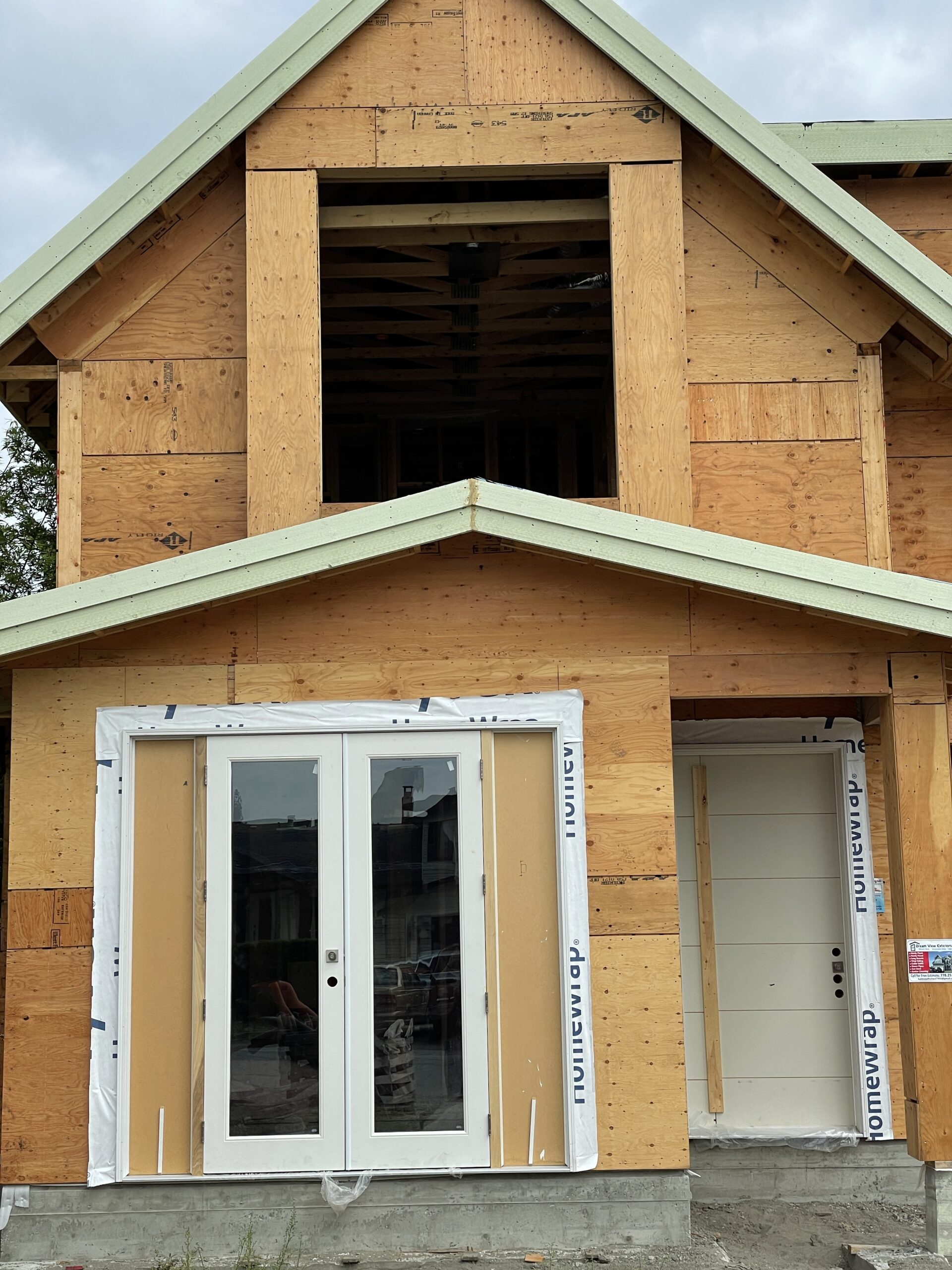 The federal government is looking for a hub to build modular homes for the Arctic. Prince George, with its forestry infrastructure, industrial base and transportation networks, is being considered as a possible site for that industry. Mayor Simon Yu [said] the city has everything it needs to create a new industry for the region. “We have to seize the moment,” said Yu. “For housing developments up in the Arctic, Prince George will be the centre of action. …This is a key to solve our lumber problem. We’ve got the wood, we’ve got the technology, we have a university here, we have a research program, we have CNC here, we have the workers and we will get this modular home factory going. We need to add value to wood products to create jobs right here and build houses for our overseas markets as well as for Canada.”


 In this naturally:wood newsletter you’ll find the following stories:
 International Pulp Week (IPW) is the premier annual gathering of the global market pulp industry, hosted by the Pulp and Paper Products Council. As the leading event dedicated exclusively to the market pulp sector, IPW provides a unique platform for producers, end-users, and key stakeholders to exchange insights, strengthen relationships, and explore the trends shaping the industry’s future.



 TIANJIN, CHINA — The global movement against single-use plastics has triggered a significant transformation in the disposable tableware industry, with wood cutlery emerging as a leading alternative. As regulations tighten and consumer preferences shift toward eco-friendly options, manufacturers of disposable wooden utensils are experiencing unprecedented growth and facing new challenges in scaling production, ensuring sustainability, and meeting diverse international standards. Market analysts observe that regulatory pressure represents the primary driver for this sector’s expansion. The European Union’s Single-Use Plastics Directive, along with similar legislation in Canada, Australia, and numerous U.S. states, has created a substantial and sustained demand for compliant alternatives. Within this regulatory framework, wood, particularly from fast-growing, sustainably managed sources like birch and bamboo, has gained favor for its natural composition, biodegradability, and perceived premium feel compared to other alternatives.

 Each year, the event brings together leading voices from across the global pulp value chain to examine emerging trends, innovations, and the market forces shaping the industry. The 2026 program will feature dynamic discussions on strategy, markets, technology, sustainability, supply chains, and the broader role of pulp-based materials. Speakers have the opportunity to share their insights with a highly engaged international audience. We encourage proposals and topic ideas that can deepen insight and spark meaningful dialogue. Registration for the 21st edition of IPW is now open, and you can benefit from the Early Bird rate until February 16. More details are available on the registration page.
 Recent studies suggest that paper-based advertising may hold a more sustainable footprint than its digital counterpart. This revelation challenges the widely held assumption that ‘going paperless’ automatically equates to environmental responsibility. New data indicates that the full lifecycle impact of digital advertising – encompassing data centers, device manufacturing, and network infrastructure – generates a significantly larger carbon footprint than traditional print methods. The findings, originating from research conducted by the Öko-Institut in Germany and corroborated by analyses from The Telegraph, Emerce, and RetailTrends, highlight the often-overlooked environmental costs associated with the digital world. While paper production undeniably carries its own environmental burdens, advancements in sustainable forestry practices and paper recycling are mitigating these impacts. …Their findings consistently showed that paper-based advertising, particularly when utilizing recycled paper and responsible forestry practices, generated fewer greenhouse gas emissions than comparable digital campaigns.
  A broad coalition of forestry workers, community leaders and industry representatives has organized a petition asking the public to support their push for the provincial government to take immediate action to address the current challenges faced by an ailing forest industry. The group has launched a new province-wide platform called Forestry Is a Solution to ask British Columbians to show their support for forestry workers and their families. …The campaign has identified as its top priority that the provincial government expedite permits and project approvals to speed up access to economic fibre. It also seeks to improve the competitiveness of BC’s forest industry by reducing administrative barriers and regulatory burdens. The coalition says it’s time to fix BC Timber Sales and its policies to ensure a reliable and competitive supply of logs for mills and secondary manufacturing.
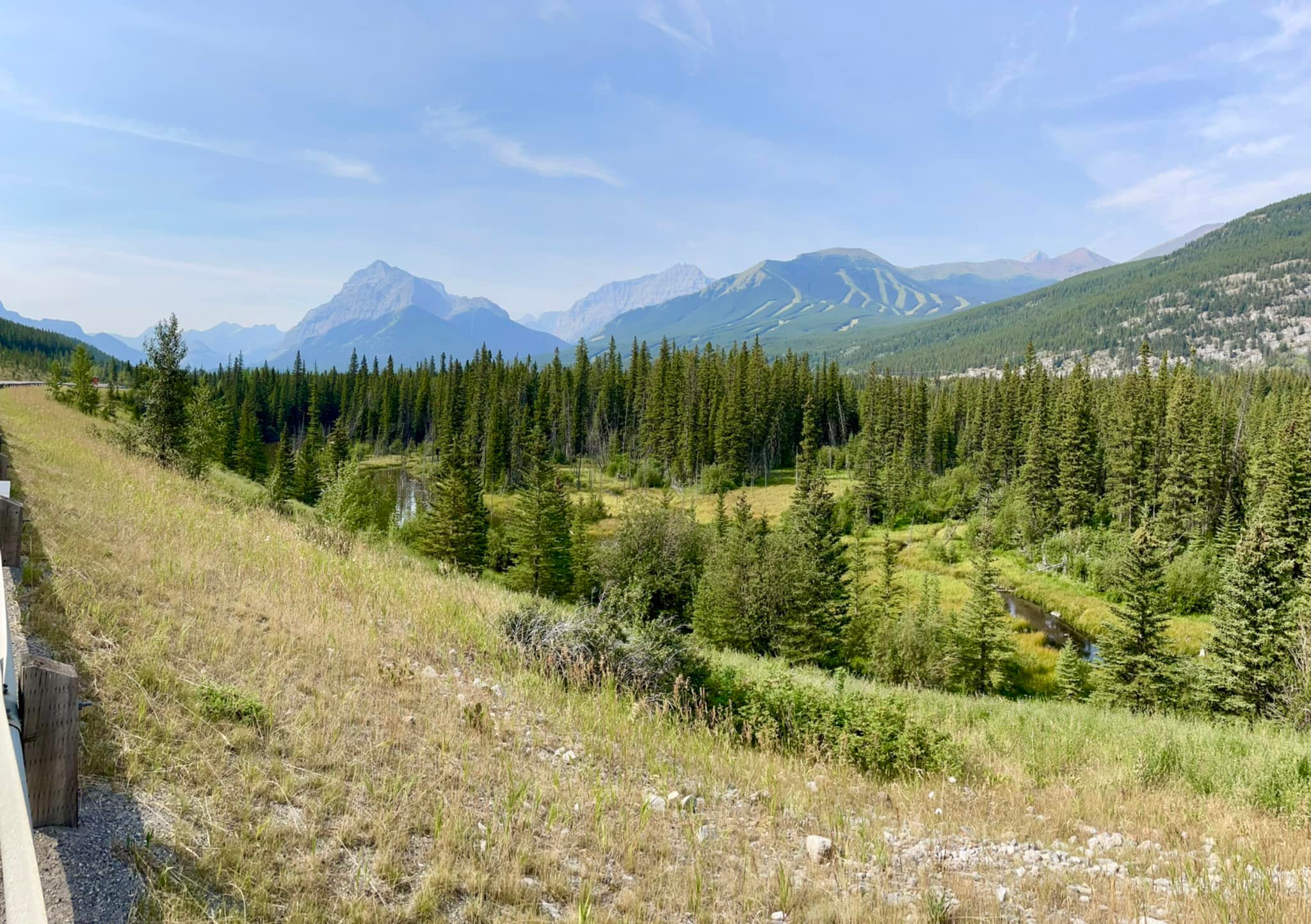 Federal forest managers left vast stretches of beetle-killed pine standing in Jasper National Park, a failure that became a key driver of the catastrophic 2024 wildfire that destroyed roughly a third of the town, according to a Canadian Forest Service report that contradicts cabinet’s climate-change narrative. The analysis says a severe Mountain Pine Beetle infestation peaked about seven years before the fire, leaving behind extensive dead lodgepole pine that dramatically worsened fire behavior. …Blacklock’s Reporter says the Forest Service document, Jasper wildfire complex 2024 fire behaviour documentation, reconstruction and analysis, concludes that dead pine from beetle mortality formed a major part of the fuel load. Tree death altered forest structure, accelerated the drying of surface fuels, and created an abundance of dry, woody material that sharply increased fuel consumption and fire intensity. Internal reports and Access to Information records show Parks Canada was slow for years to remove dead pine through cutting or prescribed burns.
 “British Columbia has the forests, the workers, and the expertise to lead the world, yet the sector currently faces significant headwinds from global competition, challenging operating conditions, and damaging U.S. trade actions,” the coalition stated. “This campaign is about homegrown solutions that use our resources to solve our most urgent challenges—from building affordable housing to reducing wildfire risks in our backyard”. The initiative centers on a new digital hub,
  Government is postponing the introduction of proposed amendments to the Heritage Conservation Act that had originally been anticipated for spring 2026. This decision reflects the need to continue engagement to gather and incorporate additional feedback from industry, local governments and First Nations. Input received to date has confirmed the importance of streamlining the permitting for major projects on Crown land and private residential projects, ensuring quicker community rebuilds following a disaster, and better protecting heritage and significant First Nations cultural sites. The Ministry of Forests will continue to engage with industry, project proponents, First Nations, local governments and other interested parties. Specifically, the Province will be inviting industry partners to a cross-sector meeting in the coming weeks to discuss the permitting process, and will continue to welcome feedback as the work progresses.
 In this Woodlots Weekly you’ll find:

 We are thrilled to introduce you to our new brand as we aim to inspire a new generation of leaders in Alberta’s forest sector! We’re here to flip perceptions: forestry is about more than just trees — it’s about futures. Our forest industry already aligns with young Albertans’ values; they just don’t know it yet. Our new brand enthusiastically explores the breadth of opportunities in forestry and celebrates the people, the environmental leadership, and the innovation that make Alberta’s forest sector a great place for young people to grow. The new iconography takes the two bold Ws from “Work Wild” to form a tree — symbolizing growth, sustainability, and connection. We are bringing Work Wild into a new era. Work Wild was built on research informed by youth values, career interests, and motivations from over 10 years ago. It was time for a change.
 Students and instructors at North Island College (NIC) say they’re disappointed following the institution’s recommendation to suspend 15 programs from its three main campuses on mid and north Vancouver Island. The recommendations were made as part of the college’s expedited program impact assessment that began last fall, and will go to the board of governors for approval on Feb. 5. …The suspensions are not permanent cuts, but create “opportunities to re-imagine how and what programs are delivered.” …NIC faculty president Jen Wrye says many of the programs have strong enrollment and offer good job opportunities for students at the Comox Valley, Campbell River and Port Alberni campuses — regions without other college-based post-secondary opportunities. The programs facing suspension include:
 For generations, caribou have sustained Cree families, their culture and their way of life. Now, that relationship is at a critical moment, as the Leaf River herd population continues to decline. The Cree Nation Government (CNG) have issued a territory-wide call to pause caribou hunting, urging Cree not to harvest across Eeyou Istchee, the traditional territory of the Cree of northern Quebec. “We’re going to have a hard time blaming somebody else for this issue because it is only First Nations that are hunting right now. We need to step up and be proactive,” said Paul John Murdoch, who is the grand chief of Eeyou Istchee. This decision was based on consultation from land users and study results from the Quebec government, said Murdoch. Leaf River herd consisted of approximately 136,000 caribou in 2025, down from 175,000 in 2024, according to wildlife studies. In 2000, the herd’s population was 600,000. That’s more than a 75 per cent decline in 25 years.
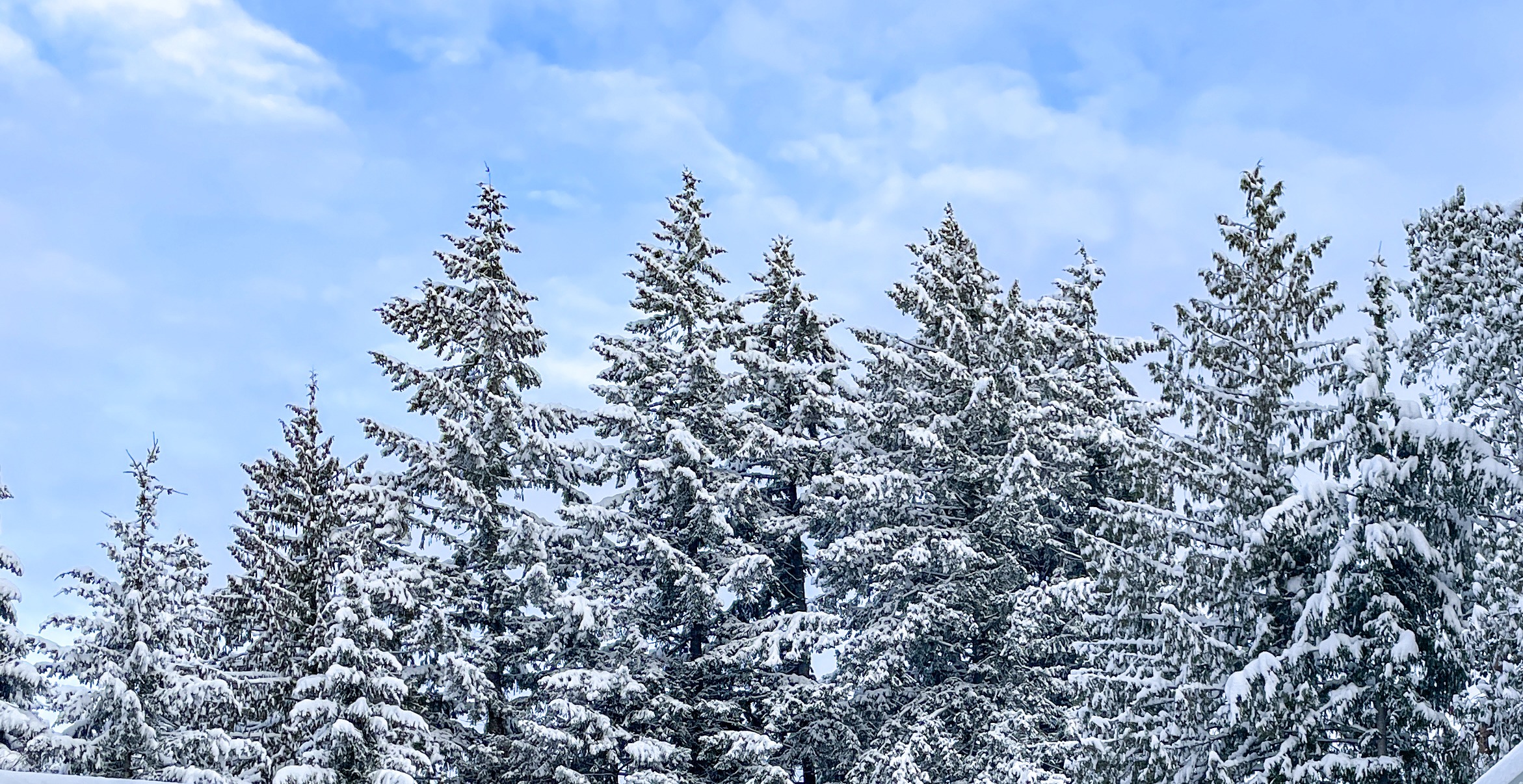 NDP MPP Lise Vaugeois (Thunder Bay – Superior North) and MPP Guy Bourgouin (Mushkegowuk – James Bay) released the following joint statement following reports of the indefinite shutdown of the Ignace sawmill, leaving another group of forestry workers without jobs, and further eroding the fabric of our Northern Ontario communities. “Communities like Ear Falls, and now Ignace, deserve better than uncertainty and silence.” said Vaugeois. “The government must work directly with the company, and the company must work in good faith with the government and the union, to find solutions that protect workers, families, and good forestry jobs. Mills across the province are shrinking or shutting down; workers are being laid off at alarming rates, and infrastructure isn’t being replaced. Neglect is not a plan, and New Democrats urge collaboration between the government and the company as a responsible path forward for Ignace and northern Ontario.”
 U.S. forests have stored more carbon in the past two decades than at any time in the last century, an increase attributable to a mix of natural factors and human activity. To unravel the cause behind this spike, researchers used nationwide forest data to examine how six environmental factors may have contributed to the increase in carbon sequestered by forests. They found that natural forces such as increasing temperatures, shifting precipitation, and carbon fertilization are among the largest contributors to carbon gains, but human drivers, like letting forests get older and planting trees, are also becoming bigger factors. …this new analysis aims to help researchers better separate what portion of carbon held by forests is related to human action and which portion isn’t. …This work highlights the vast difference in the amount of carbon forests can absorb naturally versus when they are actively managed.
  One of the least visible workforce developments of 2025 — the departure of more than 20,000 employees from the U.S. Department of Agriculture — became public just before the week between Christmas and New Year’s, a period that typically draws limited public attention. According to payroll data reviewed by USDA’s Office of Inspector General, 20,300 employees left the department between mid-January and mid-June, reducing total staffing from roughly 110,300 employees. The departures occurred as USDA prepares to administer an estimated $234 billion in farm, food, nutrition, conservation, and rural development programs in fiscal year 2026. …Two agencies recorded the largest number of departures in absolute terms. The U.S. Forest Service and the Natural Resources and Conservation Service experienced the highest staffing losses across USDA agencies. The Forest Service, “which oversees millions of acres of federal land,” reported Politico, “lost 5,860 workers,” while NRCS lost 2,673 employees.
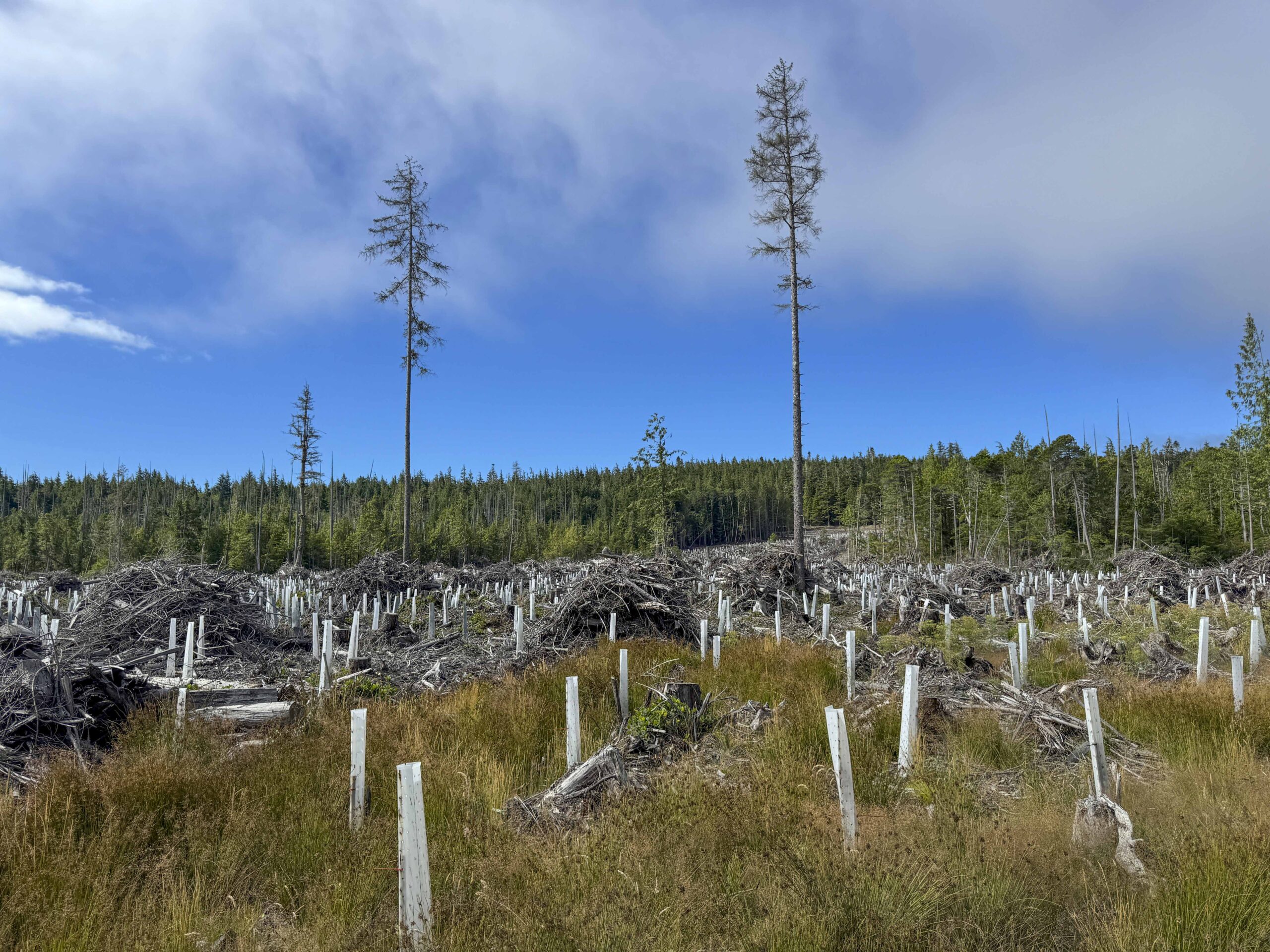
 A recent federal court ruling tossing out a streamlined environmental review for three Oregon timber projects will point the way for conservation groups to challenge the Trump administration’s nationwide logging agenda, natural resources attorneys say. Judge Michael McShane of the US District Court for the District of Oregon in his Jan. 13 ruling set aside a categorical exclusion under the National Environmental Policy Act called “CE-6.” The 1992 exclusion allowed for quick approval of logging projects designed to thin forests to reduce wildfire hazards. Fast-tracking an expansion of logging on federal land is among President Donald Trump’s top priorities in order to cut lumber imports and grow domestic timber industry jobs. The administration is loosening public notice and environmental review requirements for logging and other projects under NEPA, and it’s rolling back protections for roadless areas in national forests in order to open them to possible logging projects.
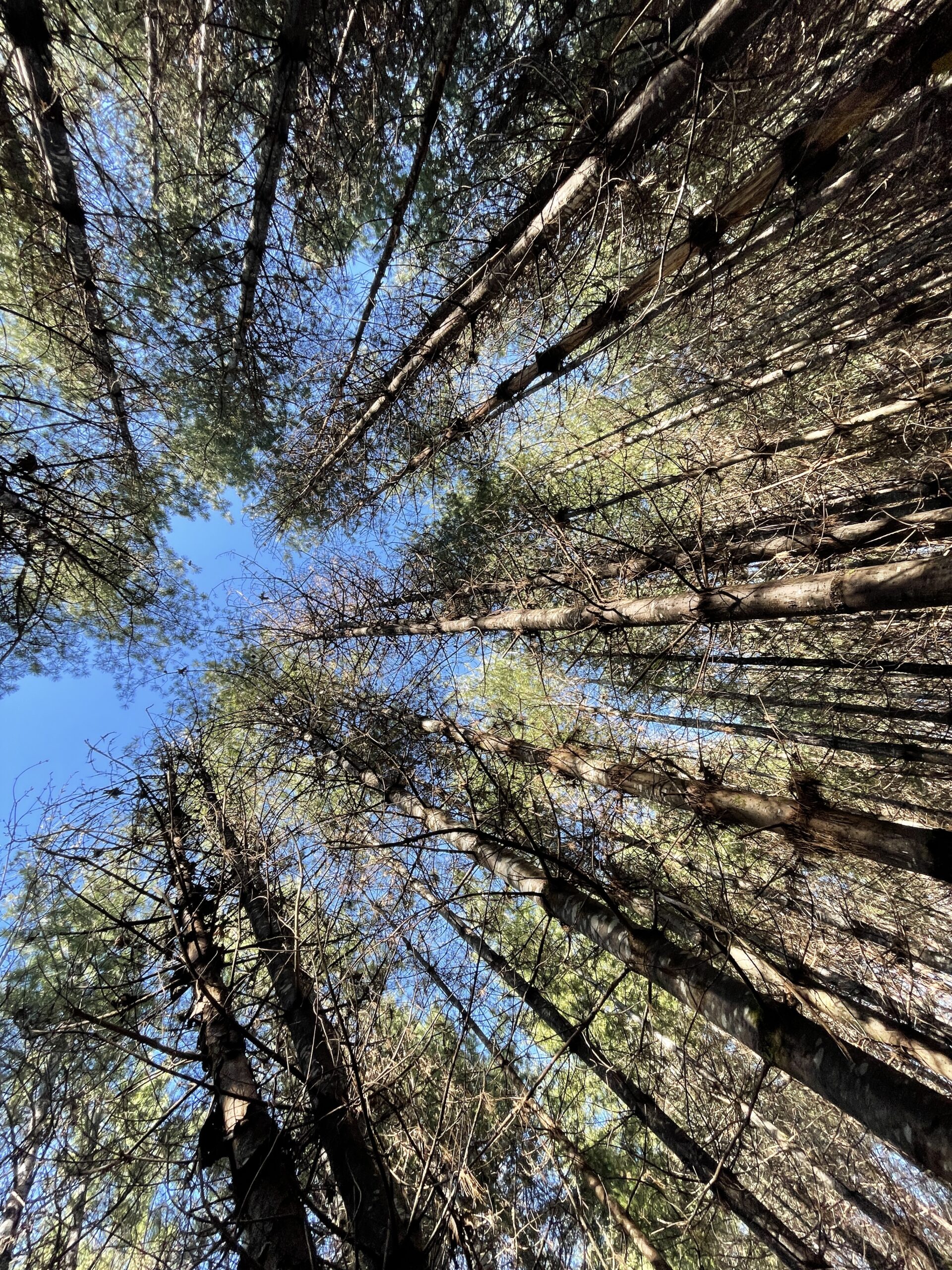 New Mexico’s Forestry Division is concerned after thousands of trees died last year due to warm temperatures, drought conditions, and native insects. Victor Lucero, the forest health program coordinator, said in 2024, about 67,000 acres of trees died. Last year, that jumped to about 209,000 acres. Most of the damage is south of I-40, including parts of the Lincoln National Forest near Ruidoso and areas west of Socorro in the Gila National Forest. The main culprit is native bark beetles. Lucero explained that when it’s warm and dry, trees get stressed and weakened, giving off chemicals that attract the beetles. Once the beetles get under the bark, they tunnel in, cut off the tree’s ability to move water and nutrients, and bring in fungi, leading to the tree’s death over time.
 In 1980, Washington State’s Mount St Helens erupted…causing an ecological nightmare as the volcano spewed lava, ash, and debris over the surrounding landscape that was followed by mudflows and pyroclastic flows, leaving the vegetation covered in mud and detritus as far as 27 kilometers from the volcano. …But one team of scientists had an unconventional idea to help jumpstart the process: send a few gophers on a one-day mission to the mountain. “Gophers are known as ‘hole diggers’,” says a 2024 paper assessing the long-term effects of the rodents at Mount St Helens, adding, “a single gopher can move 227 kg [500 pounds] of soil per month”. Digging is a useful quality in restoring an area devastated by volcanic eruption. Plant life was struggling to return… But while the top layers of soil were destroyed by the eruption and lava flows, the soil underneath could still have been rich in bacteria and fungi.
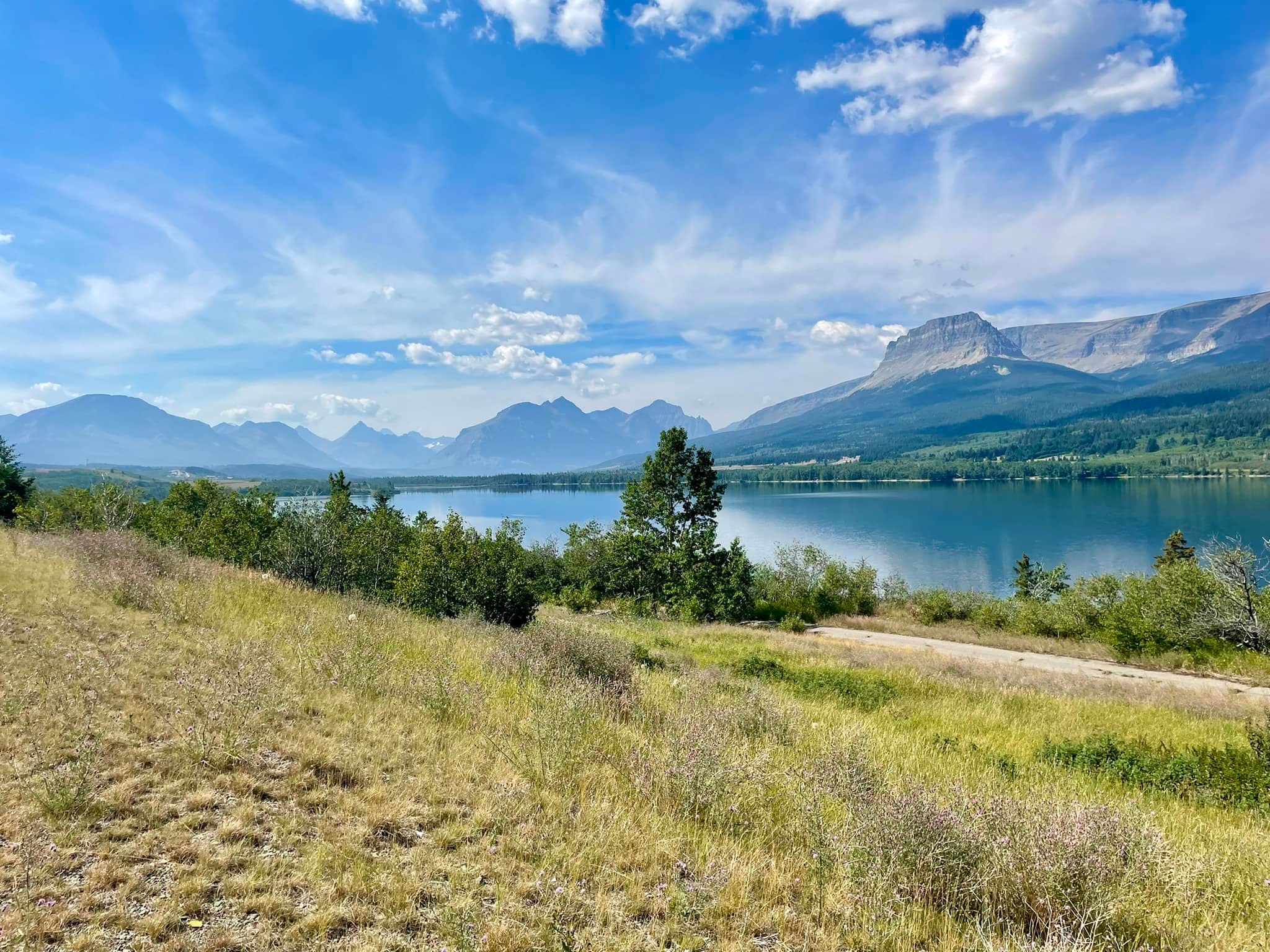 A major logging project has been proposed on the southern border of Glacier National Park, prompting concern from conservationists… “This is the heart of some of our wildest, most intact landscapes left in the U.S., anywhere south of Alaska,” said Peter Metcalf, the executive director of the Glacier-Two Medicine Alliance, a conservation organization in East Glacier Park, Montana. “We are really concerned that this kind of logging proposal would be slated for this landscape.” U.S. Forest Service district ranger Robert Davies said he plans to use the emergency authority authorized by an April 2025 executive order to expedite the project. The order calls for increasing timber production and reducing wildfire risk in areas of national forest considered to have very high or high wildfire risk. Roughly half the proposed project qualifies, but the entire project is subject to the streamlined timeline, which cuts out the majority of opportunities for public participation.
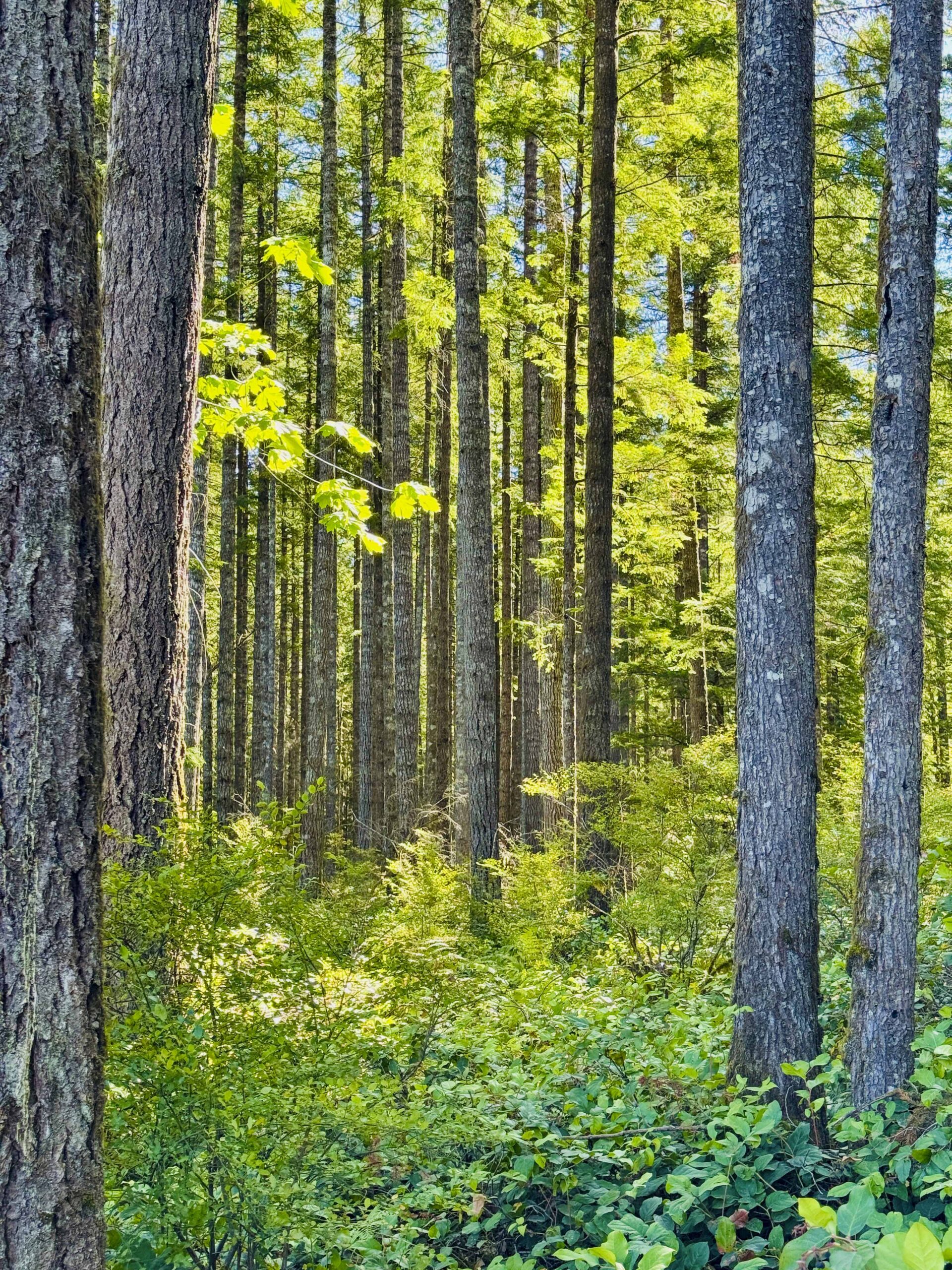 As climate change drives more frequent and severe wildfires across boreal forests in Alaska and northwestern Canada, scientists are asking a critical question: Will these ecosystems continue to store carbon or become a growing source of carbon emissions? New research published shows that when forests shift from coniferous—consisting mostly of pines, spruces and larches—to deciduous—consisting mostly of birches and aspens—they could release substantially less carbon when they burn. The study, led by researchers from the Center for Ecosystem Science and Society (ECOSS) at Northern Arizona University and published in Nature Climate Change, found that boreal forests dominated by deciduous species lose less than half as much carbon per unit area burned compared to historically dominant black spruce forests. Even under severe fire weather conditions, carbon losses in deciduous stands were consistently lower than those in conifer forests.
 PUEBLO, Colo. — The Pike-San Isabel National Forests & Cimarron and Comanche National Grasslands began a 10-year partnership and $7.3 million investment to implement forest health treatments as part of the War Department’s Readiness and Environmental Protection Integration (REPI) program. The partners will use $3 million in REPI funds, along with $4.3 million in partner contributions, to treat 2,000 acres of National Forest System land and nonfederal lands near the U.S. Air Force Academy and Cheyenne Mountain Space Force Station. The REPI program preserves military missions by avoiding land use conflicts near military installations, addressing environmental restrictions that limit military activities and increasing military installation resilience.
 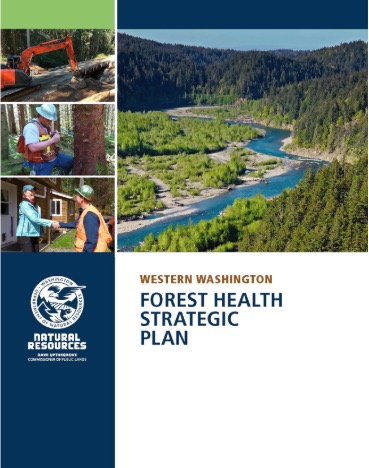 Western Washington forests are vital to the identity, economy, and quality of life vital to the region. From the Puget Sound to the Olympic Peninsula and Columbia Gorge, healthy forests provide clean air and water, sustain fish and wildlife habitat, store carbon, and support local jobs in forestry, recreation, and tourism. …The Western Washington Forest Health Strategic Plan is the result of an holistic and collaborative effort by the Washington State Department of Natural Resources to bring partners representing all lands and stakeholder groups together to identify priorities and strategies for how to steward and manage western Washington forests at a landscape scale. This plan builds on lessons learned from the development and implementation of the
 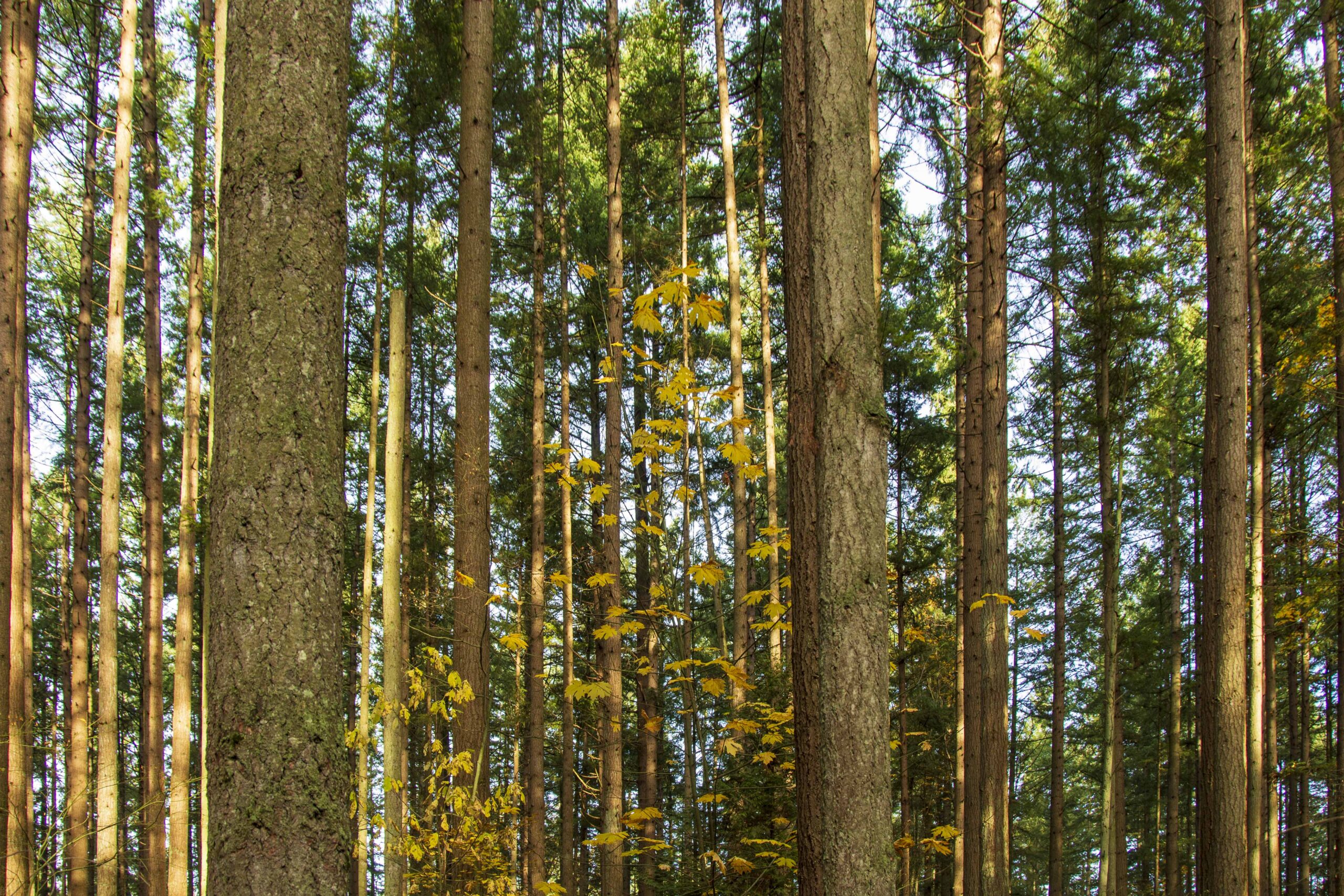 PORTLAND, Ore. — In a win for conservation groups, a federal judge

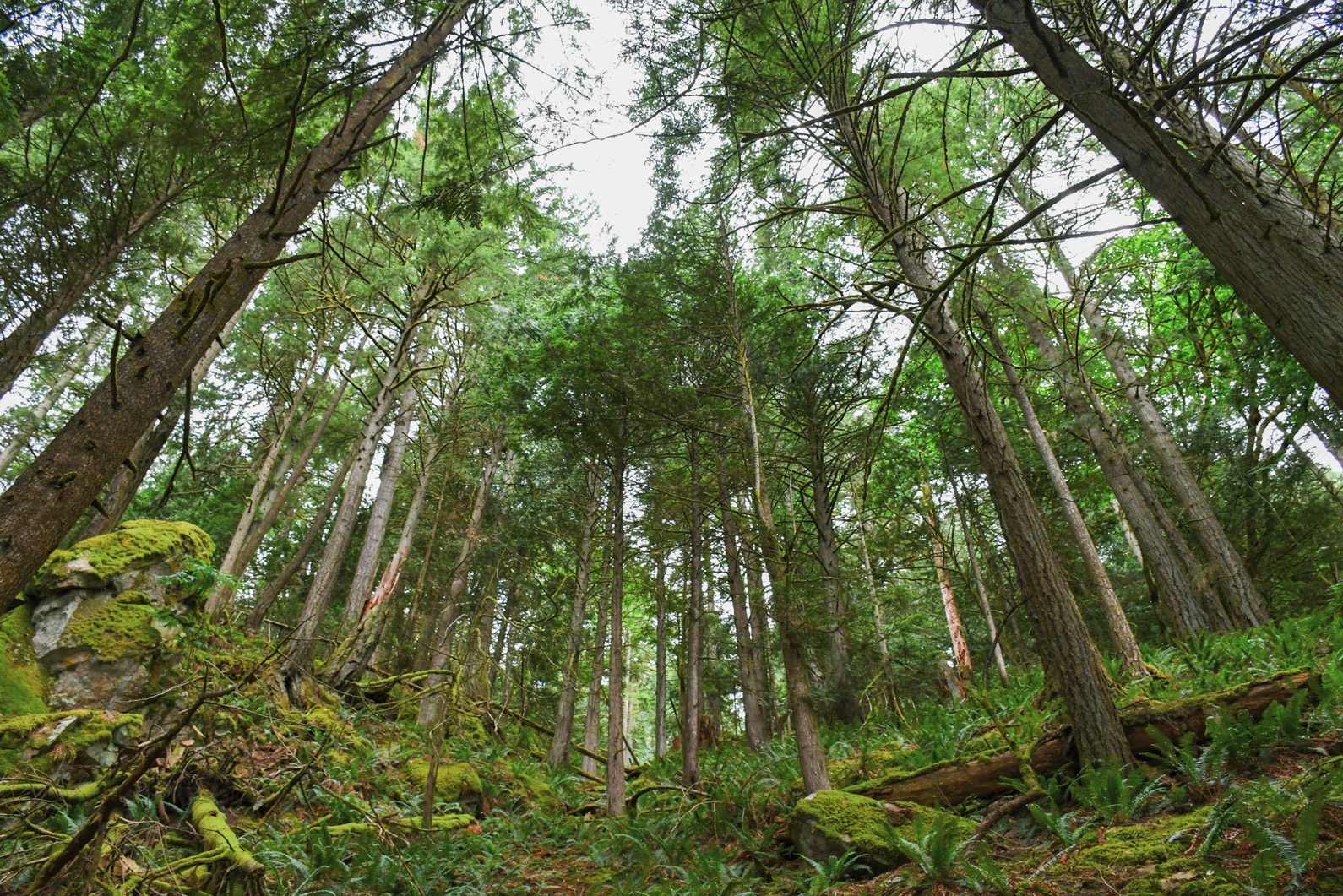 Canopy and Finance Earth outline strategic pathways for brands and investors to reduce virgin wood exposure and strengthen supply chain resilience. A new research brief released during the World Economic Forum warns that global wood-dependent supply chains face mounting commercial and ecological risk as rising demand, climate impacts, and regulatory pressure push forests toward ecological limits. The brief, produced by environmental non-profit Canopy with Finance Earth, argues that business-as-usual sourcing of virgin wood exposes brands and investors to higher costs, supply volatility, and growing reputational and legal risk over the decade ahead.The analysis comes as Canopy works with more than 1,000 consumer brands representing over $1.2 trillion in combined annual revenue to reduce deforestation and accelerate the adoption of circular and low-impact alternatives across sectors where wood is a primary input, including textiles and packaging.
 OTTAWA, ON
 THUNDER BAY — The source of the bad smell detected across a broad section of the city last week remains unconfirmed. Residents of various neighbourhoods contacted the fire department and Enbridge gas the morning of Jan. 7 to report an unpleasant odour in the air. A spokesperson for the ministry of the environment, conservation and parks says it investigated after a complaint was filed with the Spills Action Centre. “No incidents or spills were reported to the ministry (that were) linked to the odour,” he told Newswatch, adding that the ministry would follow up if it received any new information. The spokesperson also said Thunder Bay Pulp & Paper confirmed it was operating normally at the time the bad smell occurred.
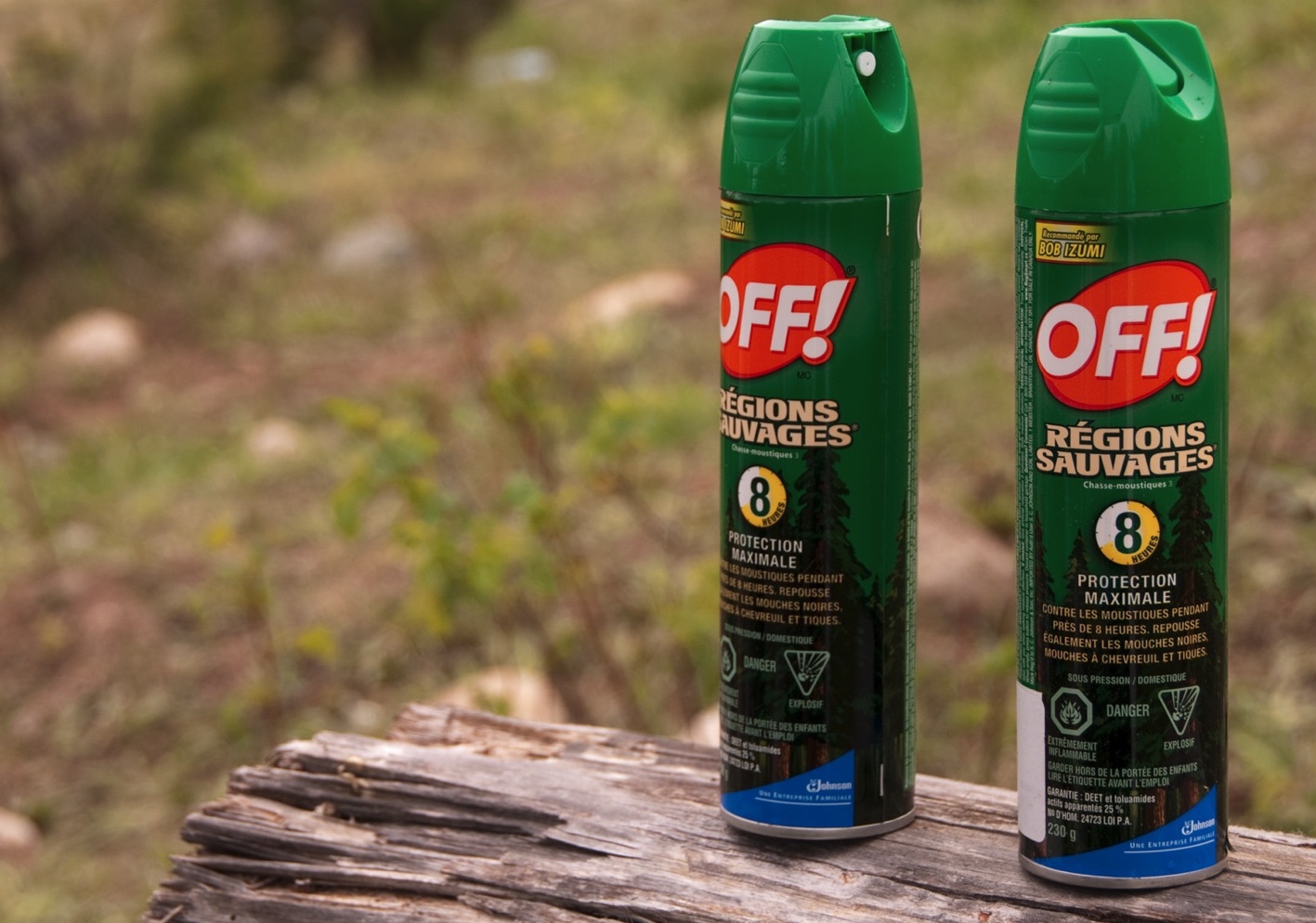 Running along Brazil’s coastline, the Atlantic Forest supports an extraordinary range of life, including hundreds of species of birds, amphibians, reptiles, mammals, and fishes. Much of that richness has been lost. Human development has reduced the forest to roughly one third of its original size. As people move deeper into once intact habitats, wildlife is pushed out, and mosquitoes that once fed on many different animals appear to be shifting their attention toward humans, according to a study published in Frontiers in Ecology and Evolution. …Scientists extracted DNA from the blood inside the mosquitoes and sequenced a specific gene that works like a biological barcode. …Mosquito bites are not just a nuisance. In the regions studied, mosquitoes spread viruses such as Yellow Fever, dengue, Zika, Mayaro, Sabiá, and Chikungunya.
 Chilean President Gabriel Boric has declared a state of catastrophe in two regions where deadly wildfires have left at least 18 people dead. More than 50,000 people have also been evacuated in the Ñuble and Biobío regions, about 500km (300 miles) south of the capital Santiago. Boric said the death toll was expected to increase. The most dangerous fire has swept through dry forests bordering the coastal city of Concepción. About 250 homes have been destroyed, disaster officials said. Local media have shown pictures of charred cars in the streets. Chile’s forestry agency, Conaf, said firefighters were battling 24 fires across the country on Sunday. The most threatening, it added, were in Ñuble and Biobío. The fires have burnt through 8,500 hectares (21,000 acres) in the two regions so far.