 The US Lumber Coalition calls for USMCA dispute panels to be scrapped in upcoming trade review. In related news: an iPolitics story on Canada’s market diversification problem; praise for BC Premier Eby’s reconciliation efforts; and another call for banning of raw log exports in BC. Meanwhile: International Paper splits into two companies; Louisiana Pacific has a new Board chair; and Woodland Pulp reports accidental death of a University of Maine student.
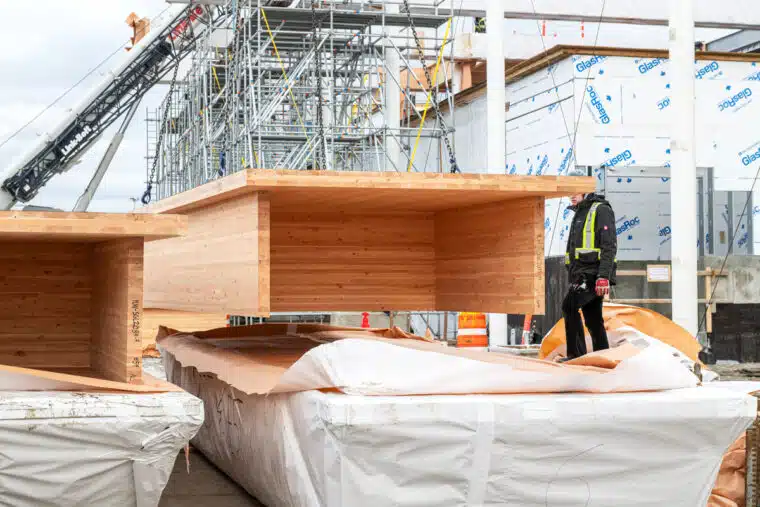
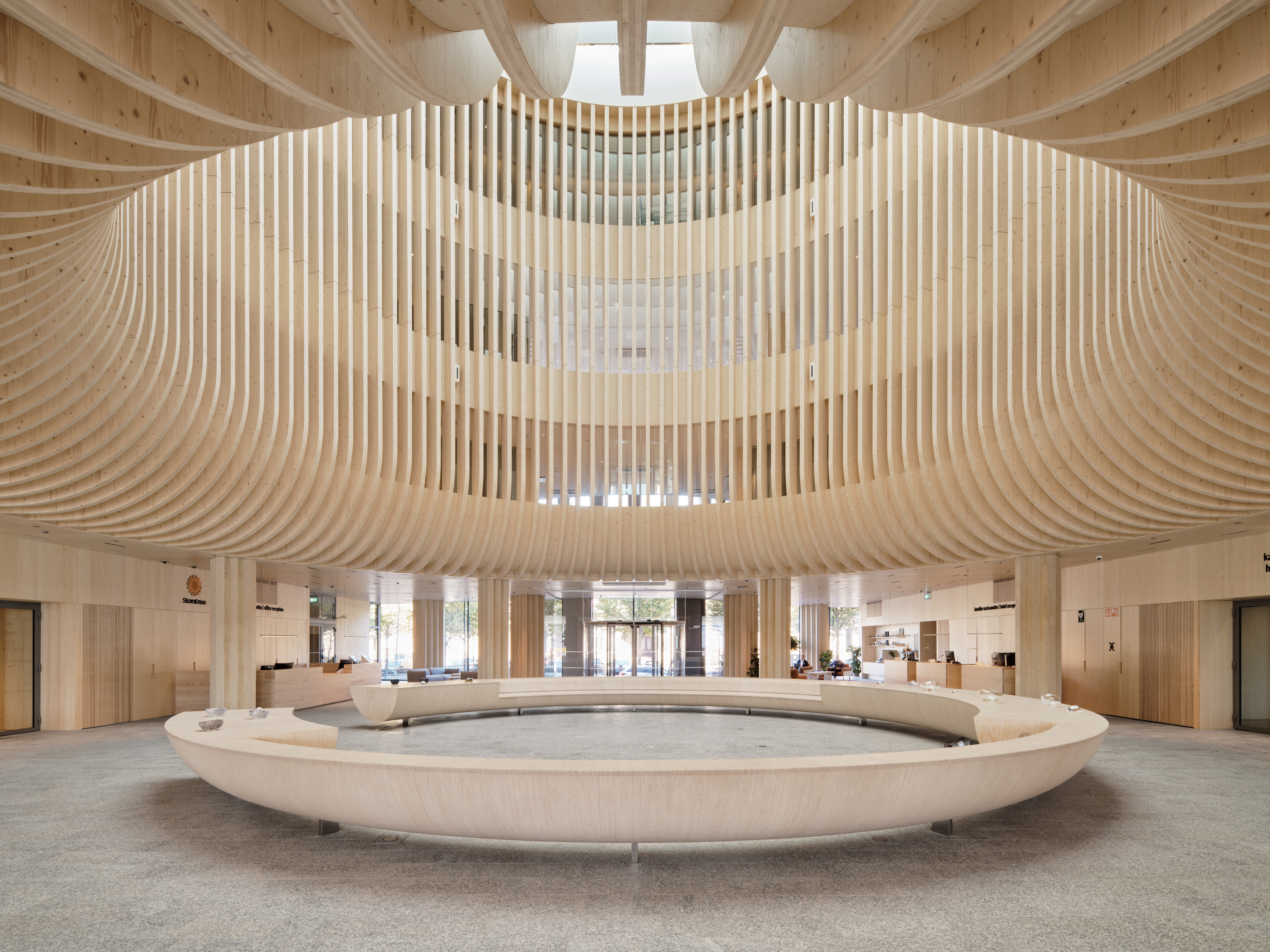
In Forestry/Wildfire news: mass timber construction is going mainstream; PEFC Canada partners in support Indigenous-led certification; ENGOs sue US over public comment requirements; Washington’s industry fears timber harvest cuts; and the US Intertribal Timber Council speaks to downsides of EU’s deforestation regulation. Meanwhile: BC’s FireSmart program needs more funding; and Corner Brook, Newfoundland pilots national wildfire resiliency template.
Finally, Anthony Robinson interviews Bruce Blackwell on the Stanley Park logging project.
Kelly McCloskey, Tree Frog News Editor
 Nick Arkle, BSF’84, and Louise Arkle, BA’82, MA’85
 John Mohammed, BSc(ForSci)’91


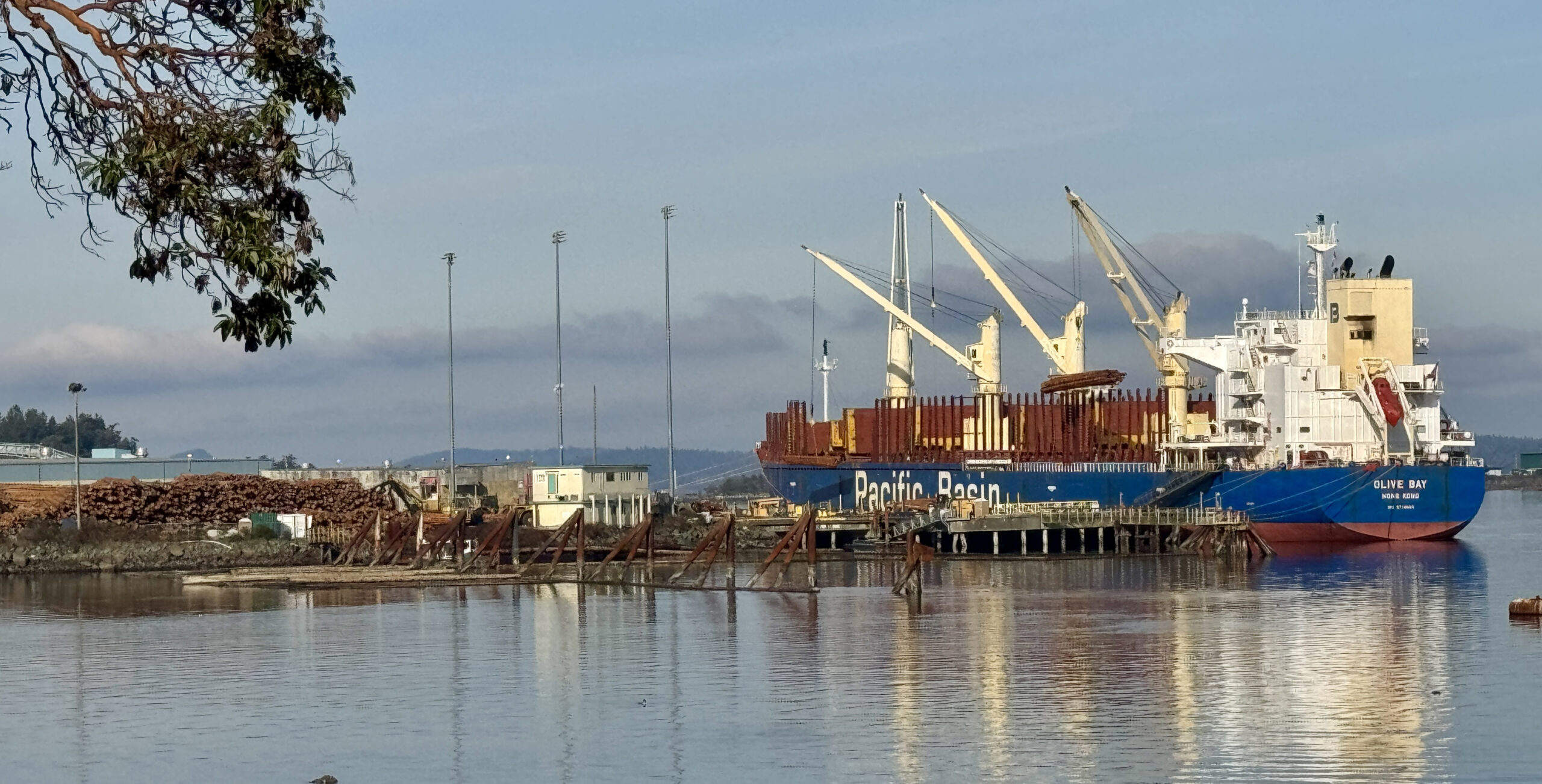 The Regional District of Nanaimo board will plead with fellow municipalities to pressure the B.C. and Canadian governments to prohibit raw log exports. At the Jan. 27 RDN board meeting, Paul Manly, City of Nanaimo director, proposed a resolution for the upcoming Association of Vancouver Island and Coastal Communities conference, asking B.C. local governments to call on senior government to “ban the export of raw logs and lumber cants from B.C. to ensure that forests harvested [on] Crown land and private-managed forest lands are processed in B.C.…” The resolution passed and will be brought before AVICC. Should it pass there, it would be forwarded to the Union of B.C. Municipalities. Manly …pointed to recent mill closures on the Island, with a key factor being “lack of accessible and affordable fibre”. …Leanne Salter, Coombs area director, said she thought the resolution needed to be tweaked.
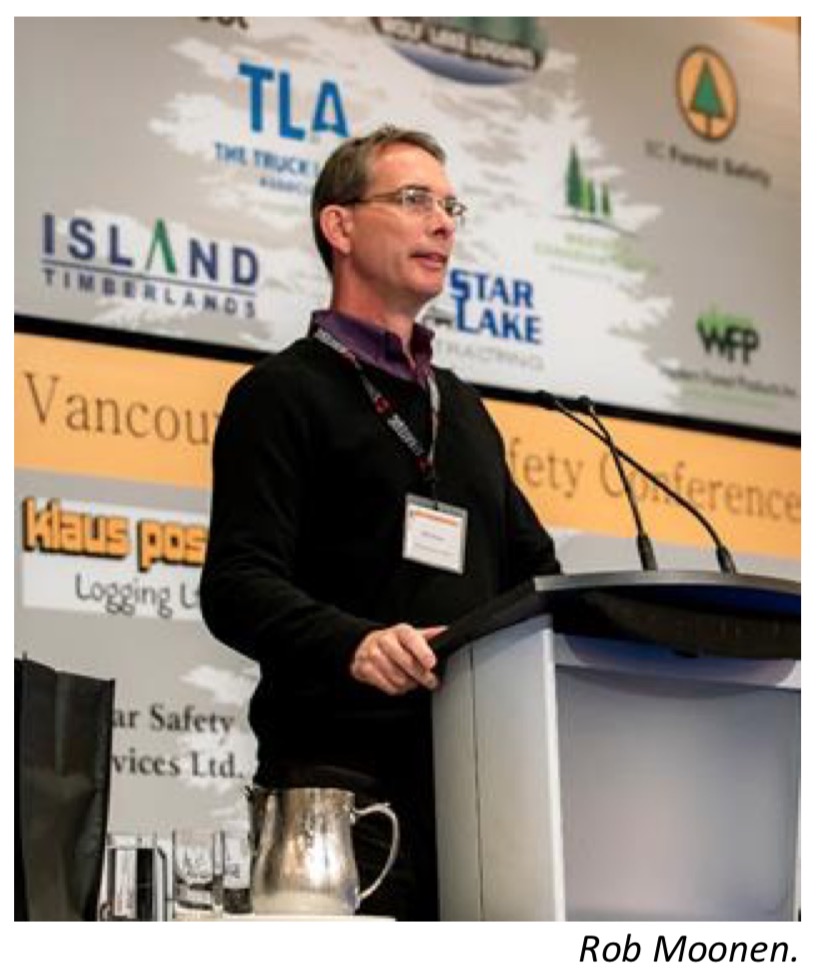 Cherie Whelan has been named the new chief executive officer of the B.C. Forest Safety Council. She takes over on April 1 from Rob Moonen, who announced his retirement in October. Whelan served as CEO of the Newfoundland & Labrador Construction Safety Association for two years and previously held the position of director of SAFE Companies at B.C. Forest Safety Council. The Nanaimo-based council delivers safety training and advisory services to British Columbia’s forest industry.
 Make an impact with our Forestry Program Management Consulting Team as a Consultant and program lead. Our diverse team of professionals deliver program administration for a large forestry grant funding organization. As a trusted advisor, you’ll collaborate with the team in the delivery of forestry-related projects within the funding programs. Our team is based in Edmonton and works in our downtown office, this is an in-person, on-site position. The forestry Consultant supports the delivery and administration of forestry funding programs, working with government, industry, Indigenous groups, academics, and other stakeholders. The role involves managing and assessing projects such as silviculture, habitat restoration, wildfire mitigation, and forest health, including tracking activities, reviewing deliverables and expenses, and preparing reports. Responsibilities also include proposal review support, developing Requests for Proposals, limited GIS use, occasional field assessments, and providing advice to senior management and boards, while contributing to the growth of MNP’s forestry consulting practice.
 VICTORIA — The president of the Tahltan Central Government, Kerry Carlick, said British Columbia shouldn’t change its Declaration on the Rights of Indigenous Peoples Act, just as the First Nation and the provincial government celebrate a landmark agreement based on the legislation. Carlick said it is not a “good idea to take anything away from DRIPA,” adding that “if anything, it should be strengthened.” Carlick was speaking at an event with deputy premier Niki Sharma where they co-signed an agreement to share mineral tax revenue from the Eskay Creek mine. The ceremony came after the provincial government issued an environmental assessment certificate to Eskay Creek Mining Ltd. to restart gold and silver mining after a first-of-its kind collaborative assessment process with the First Nation under DRIPA. The provincial government has said it plans to revise the act after a series of court rulings around Aboriginal title, responding specifically to those decisions.
 The Municipality of North Cowichan says it is preparing for the possibility of another mill closure in Chemainus, while hoping it can be avoided. Western Forest Products announced Friday it is extending curtailment at the Chemainus sawmill, affecting about 150 workers. Mayor Rob Douglas said the priority is protecting jobs and preparing for potential financial impacts. “We’re going to be looking at impacts on our tax base, especially with the municipality already seeing the effects of the Crofton mill closure this year,” Douglas said. “We’ll prepare for the potential closure of the Chemainus mill in 2027.” Douglas said a permanent closure in Chemainus would affect future finances, but not to the same extent as the Crofton mill shutdown. “Western Forest Products has three sites, and with two of them operating that will continue to provide a significant portion of our industrial tax revenue,” he said.
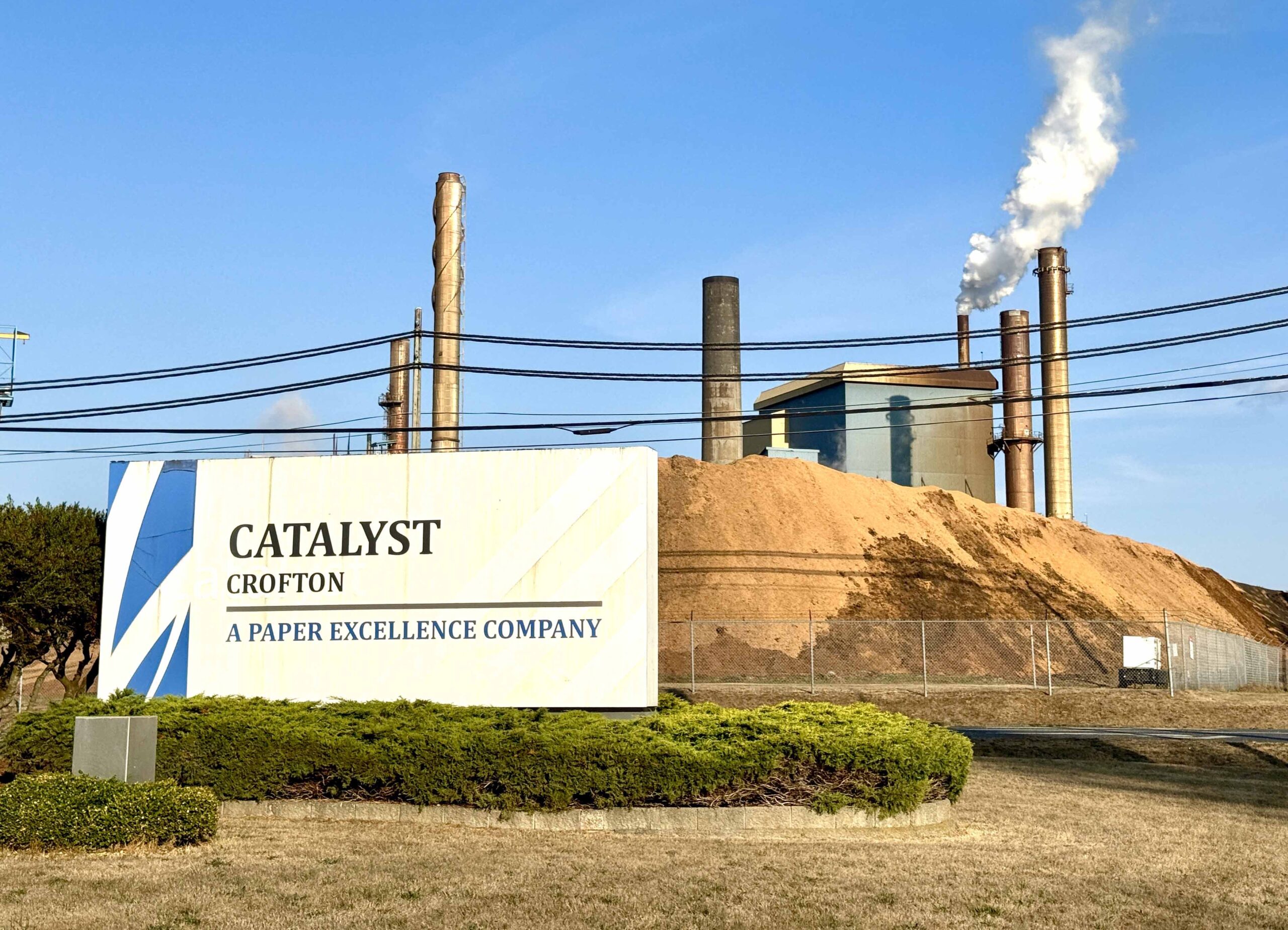 It appears that some investors have been kicking the tires at the soon to be closed Crofton pulp mill. A statement from the Municipality of North Cowichan said Mayor Rob Douglas and senior staff have recently met with several investors interested in potentially acquiring the Crofton mill site for continued forestry-related operations, or alternative industrial uses. “The municipality is facilitating connections between interested parties, Domtar (the mill’s owner), and the provincial government where appropriate, and remains hopeful that any future use of the site will generate employment opportunities and a stable tax base for the community,” the statement said. …North Cowichan provided no further information on who is interested in taking over the mill site.
 KENORA — Ontario New Democrats and union leaders say government should find ways to keep mills in Ear Falls, Ignace and elsewhere open, but with more worker involvement. “The bottom line is that when things are run on the corporate bottom lines only, communities get left behind, workers lose jobs, profits go out and the problems stay in the community,” said Luke Hildebrand, president of the NDP’s Kenora–Rainy River constituency association. “So the only long-term solution is workers having a stake in the future and not just a paycheque.” Hildebrand noted a petition calling on governments to “take immediate action to reopen the Ear Falls sawmill and stop the shutdown of Ignace sawmill” has gathered about 300 signatures. It also calls for establishment of a “forestry job protection task force,” development of “a unified provincial–federal strategy to ensure that Canadian lumber is used in Canadian homes” and support for worker equity in mills.
 ALEXANDRIA, Va.



.png)





 TIANJIN, CHINA — The global movement against single-use plastics has triggered a significant transformation in the disposable tableware industry, with wood cutlery emerging as a leading alternative. As regulations tighten and consumer preferences shift toward eco-friendly options, manufacturers of disposable wooden utensils are experiencing unprecedented growth and facing new challenges in scaling production, ensuring sustainability, and meeting diverse international standards. Market analysts observe that regulatory pressure represents the primary driver for this sector’s expansion. The European Union’s Single-Use Plastics Directive, along with similar legislation in Canada, Australia, and numerous U.S. states, has created a substantial and sustained demand for compliant alternatives. Within this regulatory framework, wood, particularly from fast-growing, sustainably managed sources like birch and bamboo, has gained favor for its natural composition, biodegradability, and perceived premium feel compared to other alternatives.

 Canada’s wildfire seasons are growing longer, larger and more destructive, according to a six-decade analysis of fire records by the federal government’s Canadian Forest Service. The study shows the trend isn’t being driven by more frequent fires but by a smaller number of increasingly large wildfires that are burning more land than in the past, reinforcing a trend federal scientists first identified years ago. In 2019, fire scientists with Natural Resources Canada published a study that suggested wildfire activity across the country had
  The BC Truck Loggers Association sent a letter to the North Island College regarding the potential discontinuation of two forestry programs. This would mean a significant loss of forestry education for the forest industry, and we’re asking for your support by copying and pasting our letter into an email and sending it to the college Board of Governors at bog@nic.bc.ca …The North Island College forestry programs are an essential contributor to education and economic opportunity for students in Campbell River and the north Island and provides an important stream of new graduates for forestry businesses. The program has strong backing from local industry, government and First Nations, and it would be regrettable to see the program discontinued at a time when sustained investment in forestry education is vital to British Columbia’s future.

 We are pleased to announce the upcoming
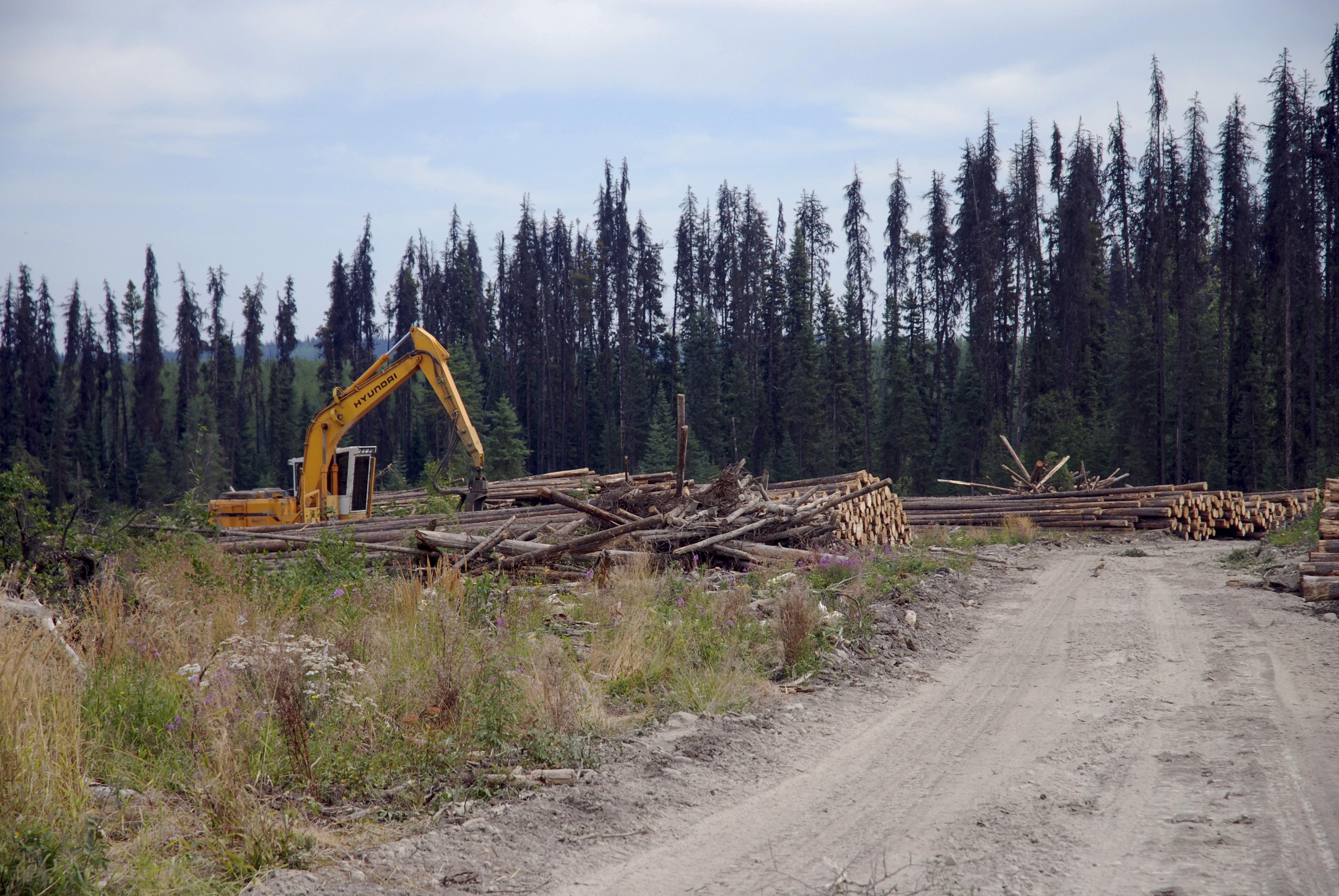 It’s pretty bold to make the theme of this year’s BC Natural Resources Forum “momentum for continued growth.” What growth are we continuing? We’ve lost a bunch more mills here in the north and the industry is on the ropes with Donald Trump’s tariffs. If anything the momentum has been in the opposite direction. The momentum is heading towards catastrophic decline. At least with forestry. And we can’t let that happen. We need the pulp mills in Prince George and we need our forest industry. …We need to rethink what we are doing and find a way to do things better — and cheaper. …One direction we can move in is we start thinning the plantations close to town. …Unfortunately, BC Timber Sales is not committed to this idea. …As far as anyone can tell, they believe thinning will reduce the Annual Allowable Cut.





 STRATHCONA COUNTY, AB – Project Forest has partnered with Keyera and Strathcona County to establish the Keyera Legacy Forest. This forest restoration initiative is focused on restoring wildfire-impacted land and supporting community biodiversity in Alberta’s industrial Heartland. Located in Strathcona County, northeast of Fort Saskatchewan, the project will restore over 95 acres of ecologically degraded land. Strathcona County will use a Conservation Easement to ensure permanence and create a “green island” within Alberta’s Industrial Heartland. …The Keyera Legacy Forest is a unique example demonstrating how restoration and industry can coexist, delivering long-term community and ecological benefits. This is a rare, once-in-a-lifetime opportunity to responsibly restore designated industrial land. This project represents a voluntary commitment by Keyera to invest in long-term environmental stewardship, guided by values rather than obligation.


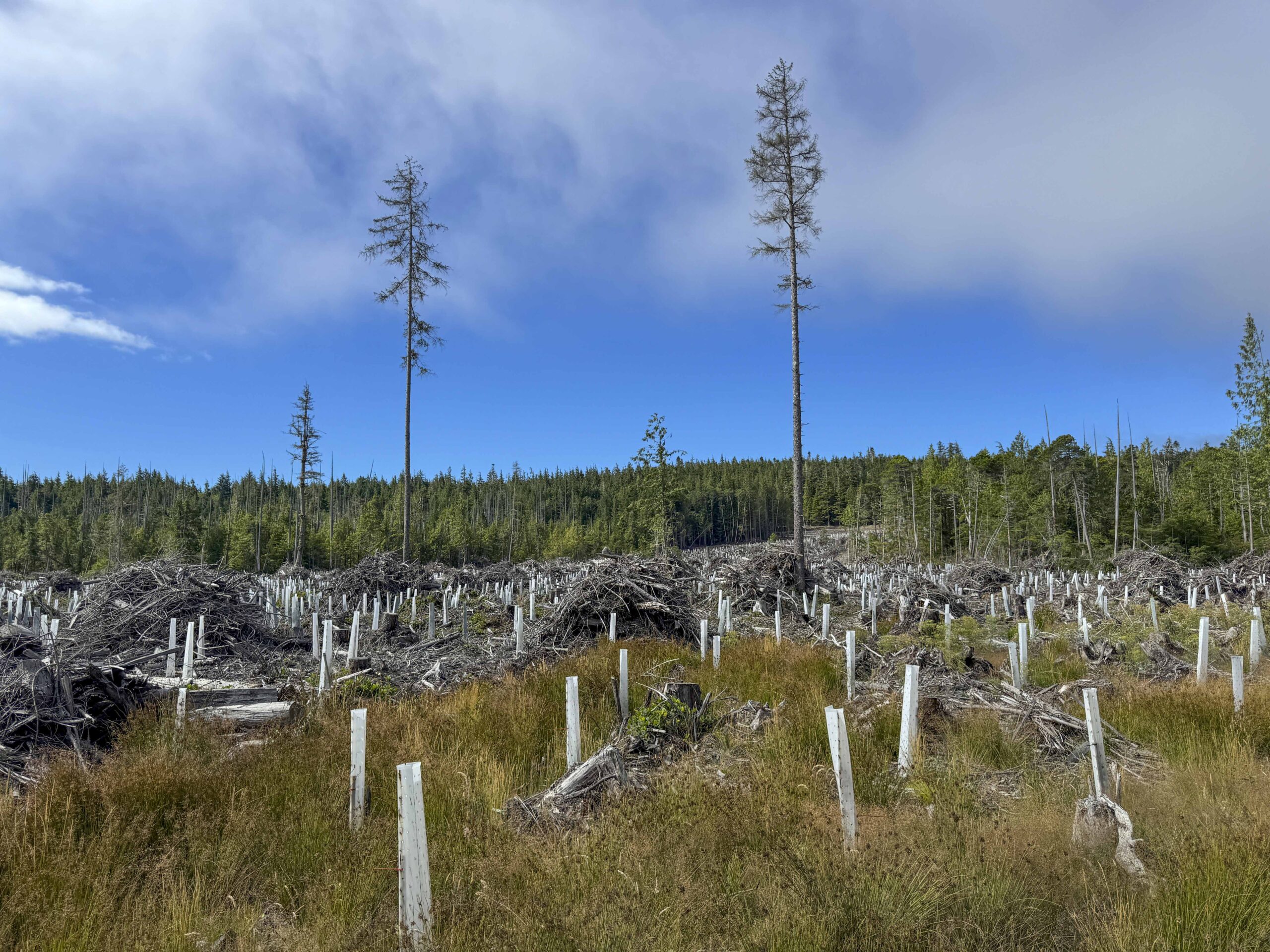 U.S. forests have stored more carbon in the past two decades than at any time in the last century, an increase attributable to a mix of natural factors and human activity. To unravel the cause behind this spike, researchers used nationwide forest data to examine how six environmental factors may have contributed to the increase in carbon sequestered by forests. They found that natural forces such as increasing temperatures, shifting precipitation, and carbon fertilization are among the largest contributors to carbon gains, but human drivers, like letting forests get older and planting trees, are also becoming bigger factors. …this new analysis aims to help researchers better separate what portion of carbon held by forests is related to human action and which portion isn’t. …This work highlights the vast difference in the amount of carbon forests can absorb naturally versus when they are actively managed.
 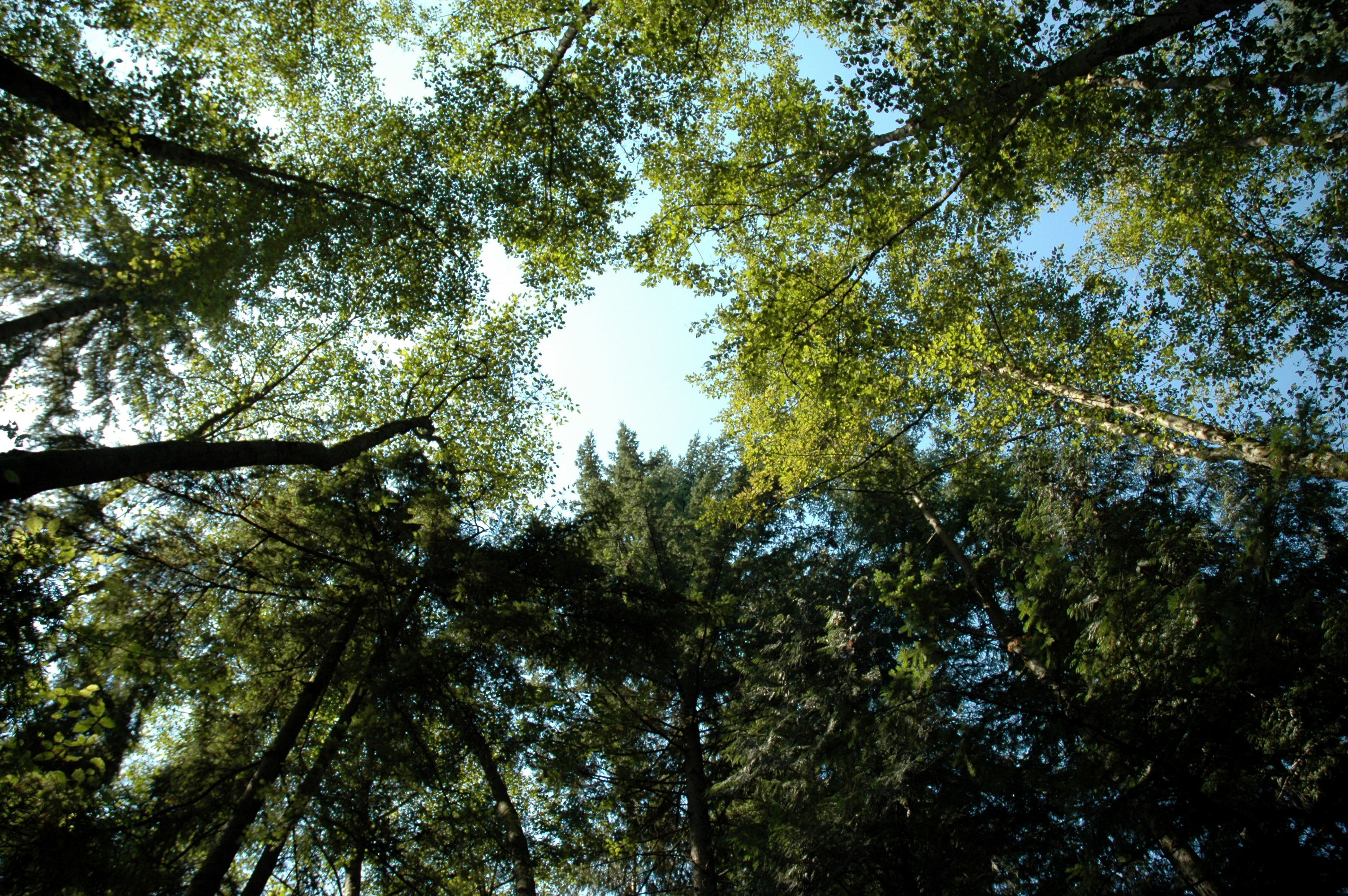 A 34-year-old rule exempting some commercial logging projects on federal lands from environmental review is unlawful, a federal judge recently ruled. Judge Michael McShane in the U.S. District Court in Medford earlier this month struck down the exemption, and with it, reversed recent approvals for three commercial logging projects covering tens of thousands of acres in Fremont-Winema National Forest in southern Oregon. The decision is the result of a 2022 lawsuit brought against the U.S. Forest Service by regional conservation groups Oregon Wild, WildEarth Guardians and GO Alliance. Since 1992, the U.S. Forest Service has been able to bypass environmental reviews required by federal law for logging projects on federal land, if the logging is meant to “improve forest stand conditions,” habitat or prevent wildfires, without “significant effect” on the human environment.
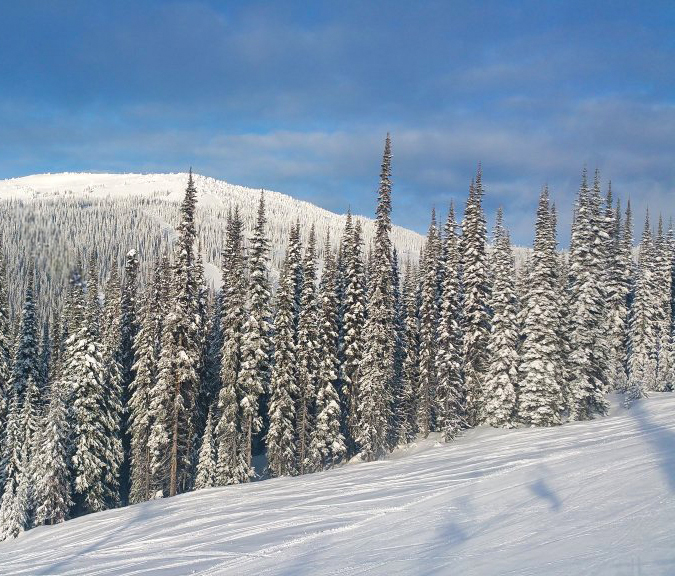 Over the past year, a wave of high-profile development proposals — from oil fields and mining roads to timber projects — has reshaped a fast-moving debate, propelling Alaska into the center of the national conversation over how to balance energy production with conservation. These projects have revived long-running tensions over what the state’s public lands are for, and who they ultimately benefit. The federal government has long viewed Alaska as resource-rich, a posture that’s intensified under the Trump administration. After meeting Trump in 2018, Gov. Mike Dunleavy called Alaska “America’s natural resource warehouse.” But the last time Alaska figured this prominently in national energy and conservation debates was in the late 1970s, said Philip Wight, at the University of Alaska Fairbanks. What makes today’s landscape different, Wight said, is a unified federal government pushing multiple contentious development proposals at once, with fewer moderate Republicans willing to oppose them ….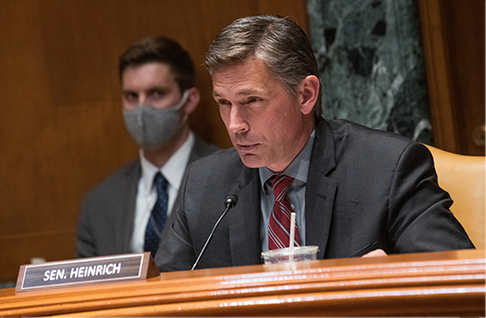



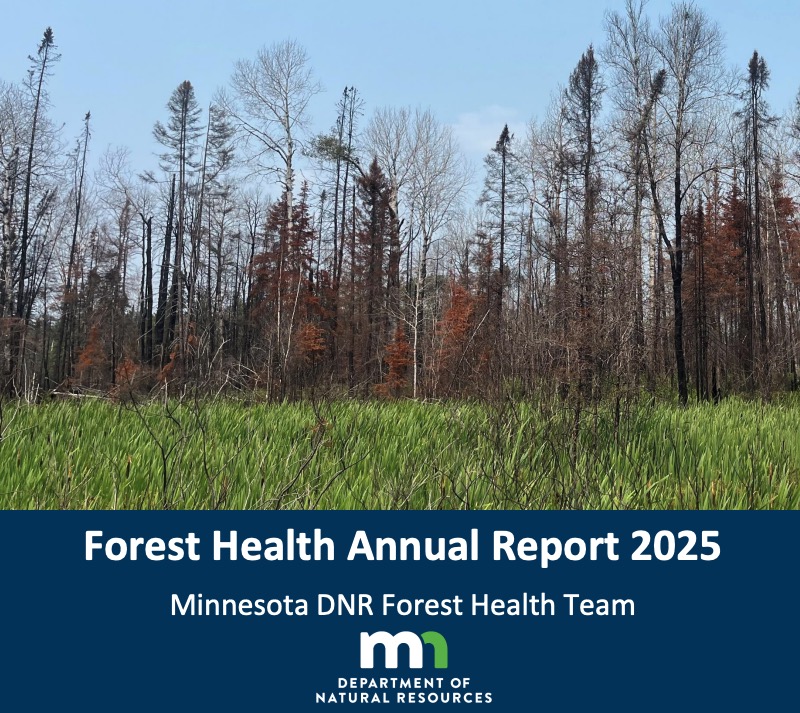 The Minnesota Department of Natural Resources aerially surveyed more than 13.5 million acres last year, checking for forest damage across the state’s forestland. Its findings are included in the recently released 2025 Forest Health Annual Report. Brian Schwingle, forest health program coordinator, said the annual survey and report is important because it tracks trends and reveals what is impacting trees, allowing the managers to make decisions for healthier, more resilient forests. “The two biggest tree health stories in 2025 in Minnesota were the derecho, the big blowdown in Bemidji, and the three big wildfires in northeast Minnesota in May,” he said, noting prior spruce budworm damage helped fuel the fires. In July, a derecho damaged 11,600 acres in and around Bemidji. Derecho, a Spanish word for straight, is a widespread, straight-line windstorm associated with a band of fast-moving thunderstorms. They can leave serious damage in their wake.
 Mexico’s National Forestry Commission has issued the 2026 Rules of Operation for its Sustainable Forestry Development for Wellbeing Program, establishing requirements to access federal funding. The rules guidelines governing the allocation of public resources to strengthen sustainable forest development across Mexico. The program is structured around six support components: community forest management and sustainable value chains; commercial and agroforestry plantations; forest restoration; environmental services; forest protection; and capacity building and local development. Through these components, financial support will be provided to ejidos, Indigenous and Afro-Mexican communities, women-led forestry enterprises, and landowners of forested and preferentially forested land. Eligible projects include sustainable forest management, forest and agroforestry plantations, ecosystem restoration, conservation of environmental services, and protection against wildfires, pests, and diseases. Support also covers training and research activities, with a cross-cutting gender approach designed to strengthen women’s participation—particularly Indigenous and Afro-Mexican women—in decision-making and forestry value chains.

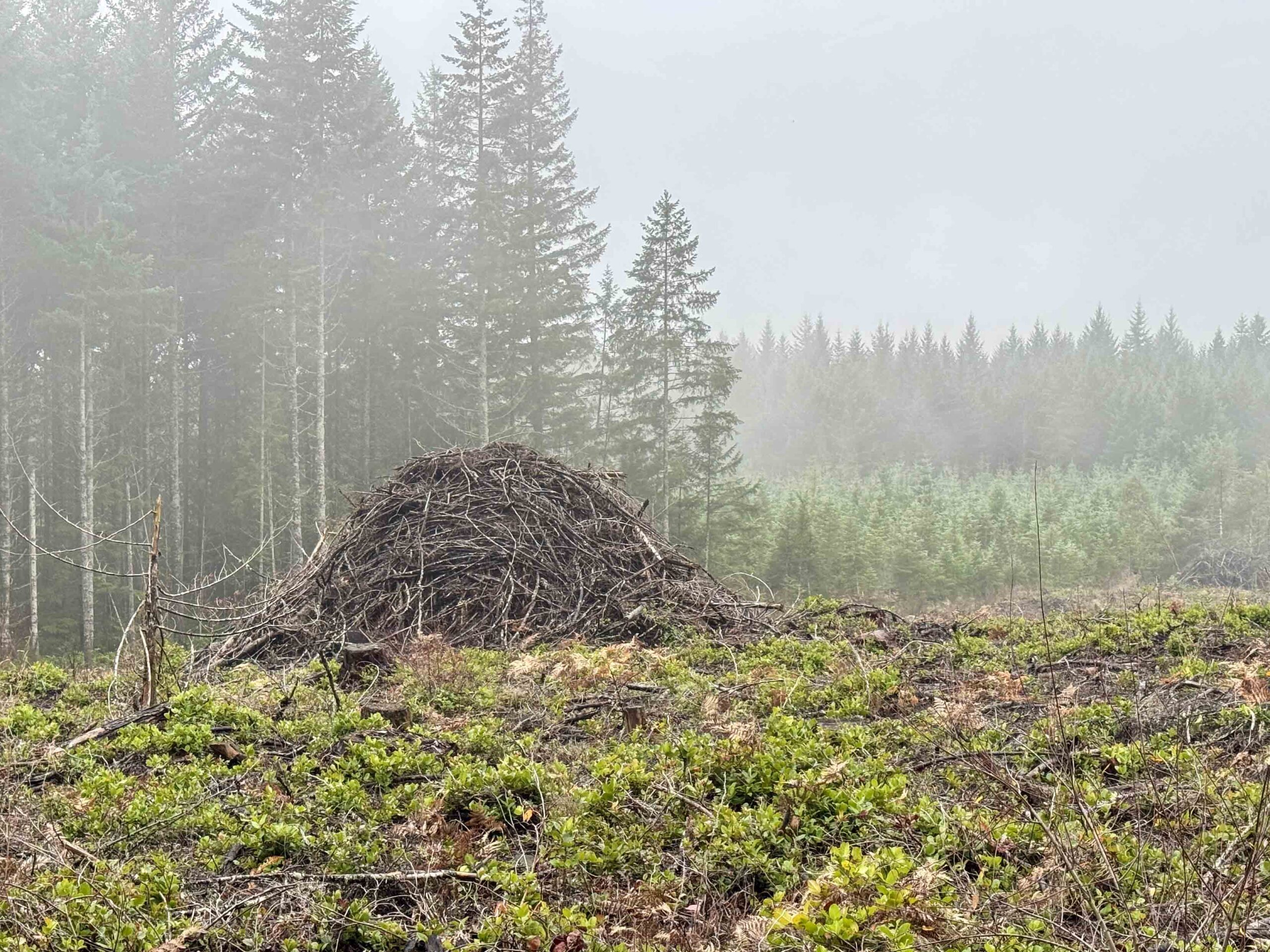 Record forest fires, under-utilized agricultural residues like straw and husks and struggling sawmills have left Canada with an abundance of undervalued biomass. If carefully and strategically managed, this resource could become a powerful ally in the fight against climate change. Canada’s biomass sectors are facing significant uncertainty because of political and natural disruptions. The forestry sector was hit last year by new American tariffs announced by the Donald Trump administration on Canadian forest products, bringing the total duties imposed on Canadian lumber to 45 per cent. The agricultural and agri-food sector is also particularly vulnerable, since it exports more than 70 per cent of its main crops. In addition to facing these political uncertainties, biomass sectors are increasingly experiencing the effects of climate disasters.
  The Arctic Bioenergy Summit and Tour: Sustainable Bioenergy for Northern Communities: Reliable. Affordable. Local. starts today in Yellowknife and runs until January 28. Hosted by the Arctic Energy Alliance and the Wood Pellet Association of Canada, this in-person event replaces the 2026 edition of the Northwest Territories Biomass Week and brings together energy leaders, policymakers, and practitioners from across Canada to explore sustainable bioenergy solutions for northern and remote communities. The Summit begins with a full-day tour of local biomass installations, including bioheat and district heat systems, followed by a two-day conference at Chateau Nova. …For those involved in biomass boiler operations, the Arctic Energy Alliance will also host a two-day NWT Biomass Boiler and Heating Plant Training Session, January 29 and 30, 2026.
 NEW YORK
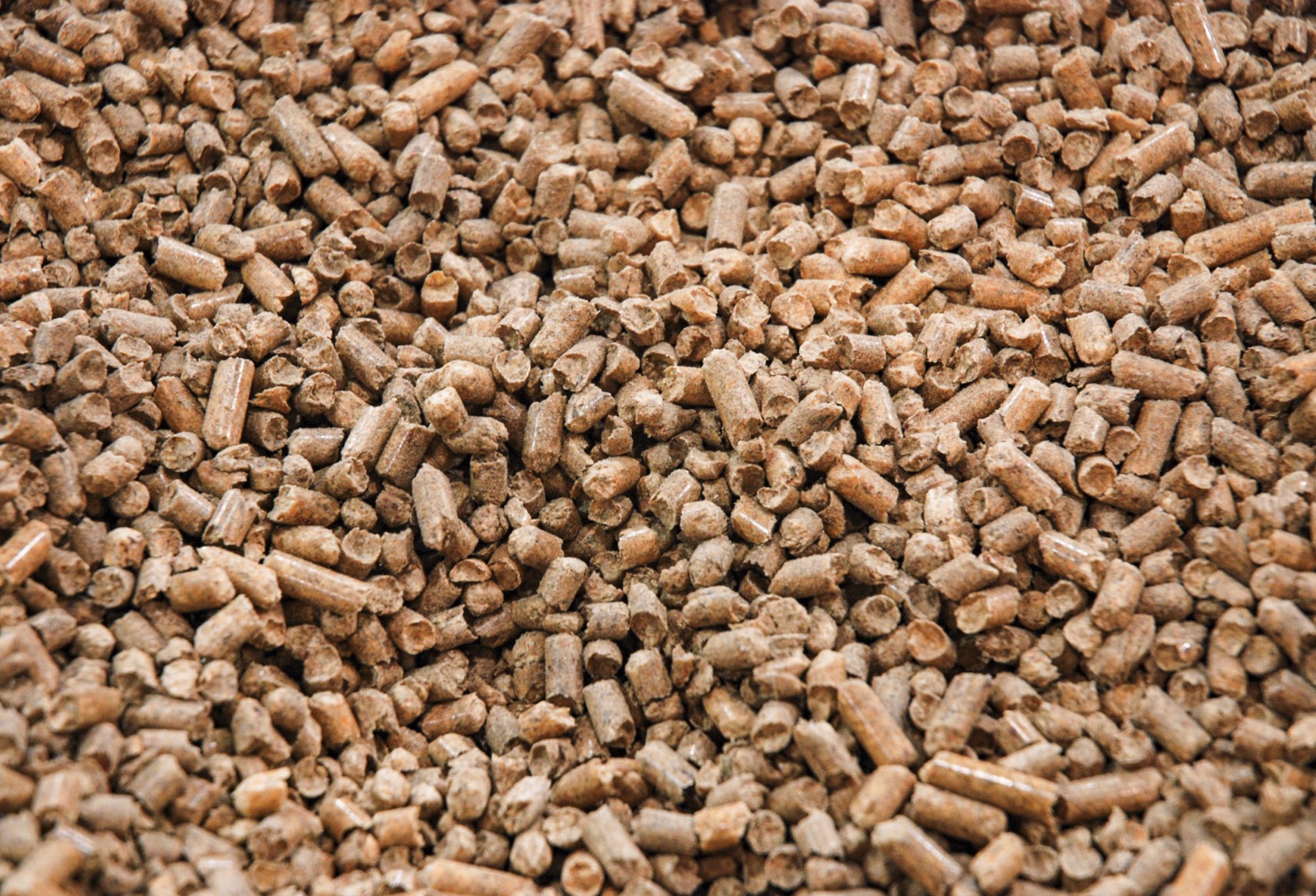 The energy industry initially sold wood pellets as a way to clean up coal. And governments bought into that assumption. But now policymakers are questioning that position and even reversing course. At the center of this debate is a UK-based power company called Drax, which converted Europe’s largest coal plant into a biomass facility—one fueled by wood pellets that it imported from southern states in the United States. The debate raises a multitude of questions, namely those centered on pollution and costs. That is, if the additive creates more pollution than either wind or solar energy, why bother, especially since it comes from a power source that depends on subsidies? Merry Dickinson, campaign director for the Dogwood Alliance, told me that Drax now operates entirely on woody biomass… “The amount of wood required … is beyond what is available as waste wood,” Dickinson says. “…much of the supply consists of whole trees.” [Forbes allows 4 free articles per month]
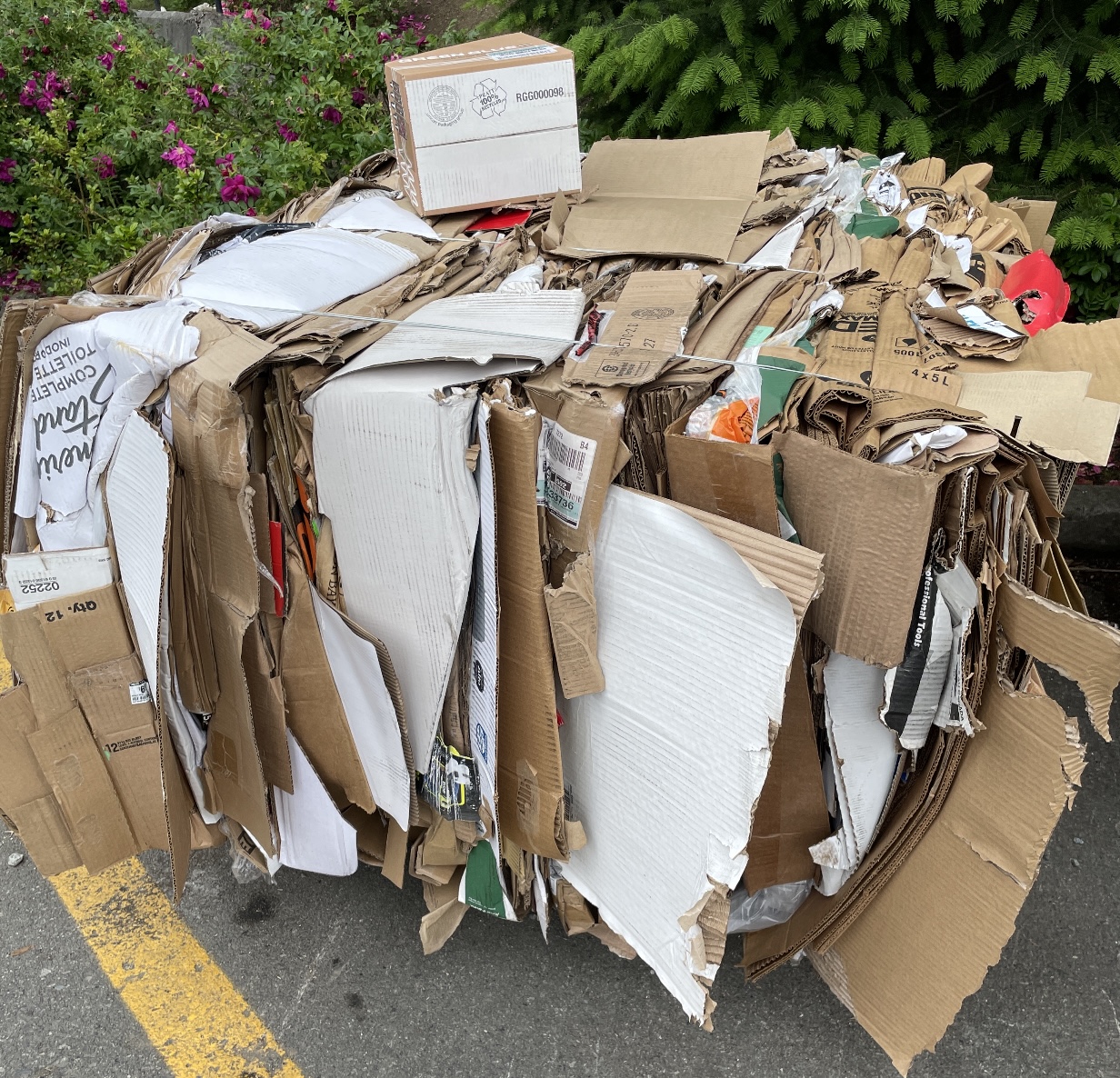 A new study has shown for the first time that waste cardboard can be used as an effective source of biomass fuel for large-scale power generation, offering a potential new domestic resource to support the UK’s renewable energy sector. Engineers from the University of Nottingham have carried out the first comprehensive characterisation of cardboard as a fuel source and developed a new method to assess its composition. The research … provides a practical tool for evaluating different grades of cardboard for use in energy production. The study found that cardboard displays distinct physical and chemical properties compared with traditional biomass fuels. These include lower carbon content, a reduced heating value and a high level of calcium carbonate fillers, particularly in printed grades. Calcium carbonate is commonly added to cardboard to improve stiffness and optical qualities, but during combustion it forms ash that can reduce boiler performance.
 The Winter 2025 issue of WorkSafe Magazine is now available, featuring practical guidance and real-world examples to help employers and workers build safer, healthier workplaces. Learn how retailers are preventing common musculoskeletal injuries (MSIs) through smarter layouts, ergonomic tools, and proactive training. Go behind the scenes of WorkSafeBC’s Student Safety Video Contest and discover what makes a safety message resonate. Get expert tips on assessing and supporting crane operators to improve safety, skills. See how early communication and collaborative return-to-work planning help injured workers recover while staying connected to the workplace. And don’t miss the Western Conference on Safety 2025 — Vancouver, April 20 & 21