 The 2026 Olympics kicks offs in Italy with PEFC-certified forests at the heart of its sustainability aims. In related news: Canada presents bill to support Build Canada Program; UC Berkeley’s mass timber research is decarbonizing construction; wildfire home insurance is under fire in Southern California; New Brunswick minister says no to JD Irving’s land swap idea; and University of BC researchers say wolf reduction boosts caribou survival in rugged terrain areas.
In Business news: New Brunswick’s Susan Holt says no end is in sight for softwood lumber dispute; Canada Wood Group’s Bruce St. John opines on BC’s race to find alternative markets; Cascades exits honeycomb packaging and partition business; Remsoft acquires INFLOR forest management systems; and Metsa Group reports Q4, 2025 net loss. Meanwhile, the USDA firefighting-agency merger is proceeding without Congress’ approval.
Finally, a new study ties wildfire smoke to 24,100 US deaths per year.
Kelly McCloskey, Tree Frog News Editor


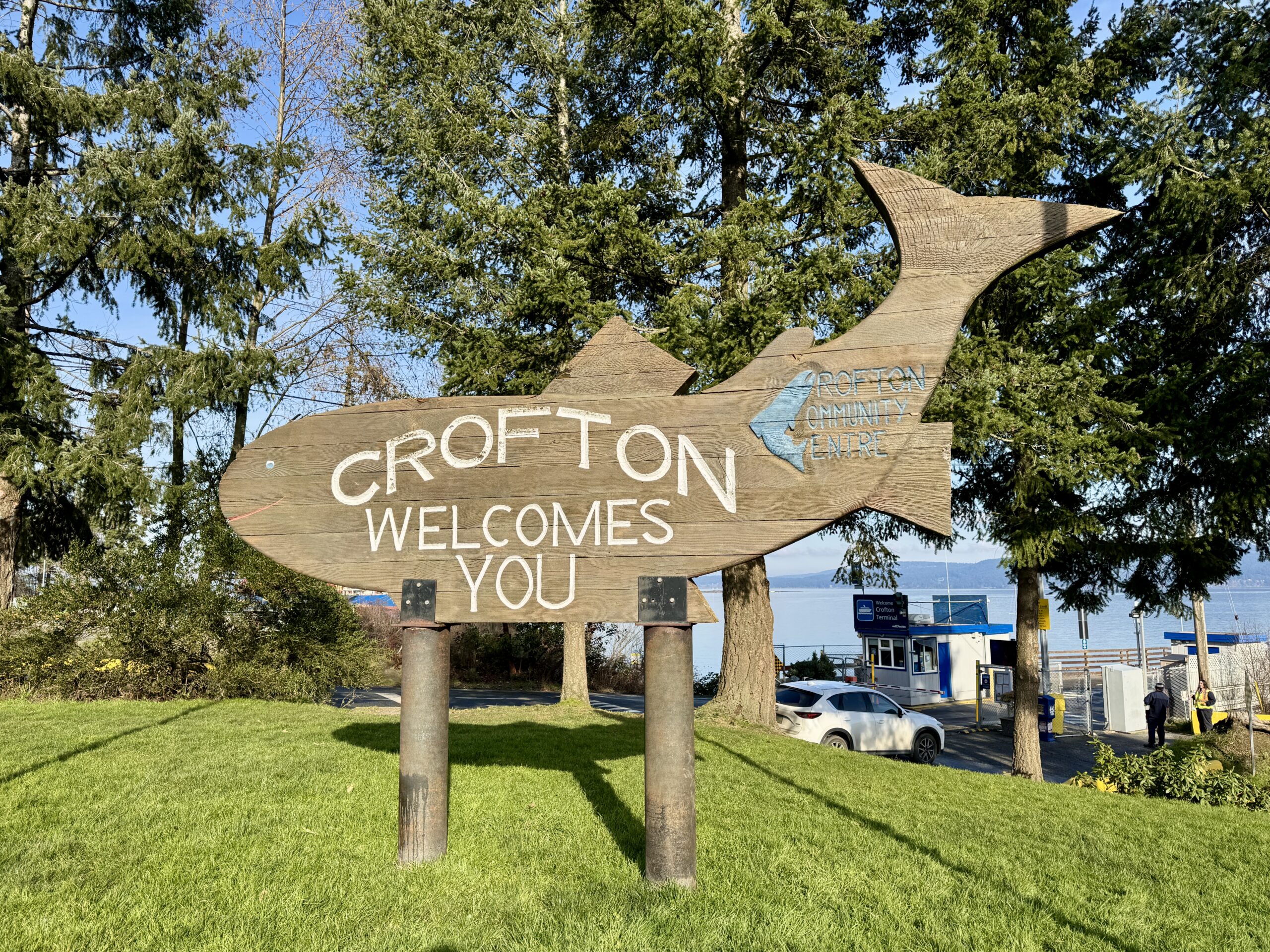 The national head of the union representing workers at the Crofton pulp mill is not in favour of efforts to have a special task force formed locally to investigate the reasons for the troubles in the forest industry. Geoff Dawe is the president of the Public and Private Workers of Canada which represents more than 400 workers at the Crofton pulp mill, which will soon close permanently. He spoke to North Cowichan’s council at its meeting on Jan. 21 about a proposed motion by Coun. Tek Manhas for the municipality to set up the special task force that, if approved, would undertake an investigation into the reasons for the closure of the Crofton mill and the ongoing curtailment of the Chemainus sawmill, impacting another approximately 150 workers. …Dawe said his concern is that a task force that is not working collaboratively with his union and its workers may get into some finger pointing at government…
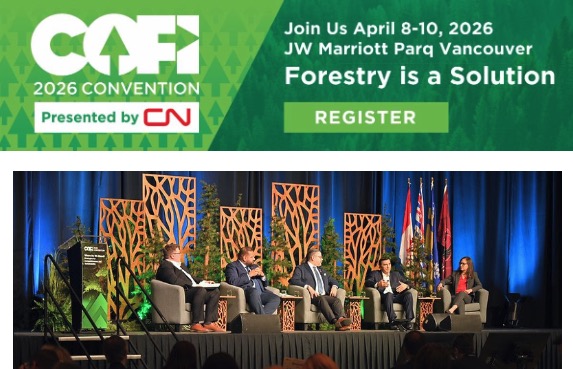 COFI 2026 CEO Panel to Tackle the Forest Sector’s Future: The
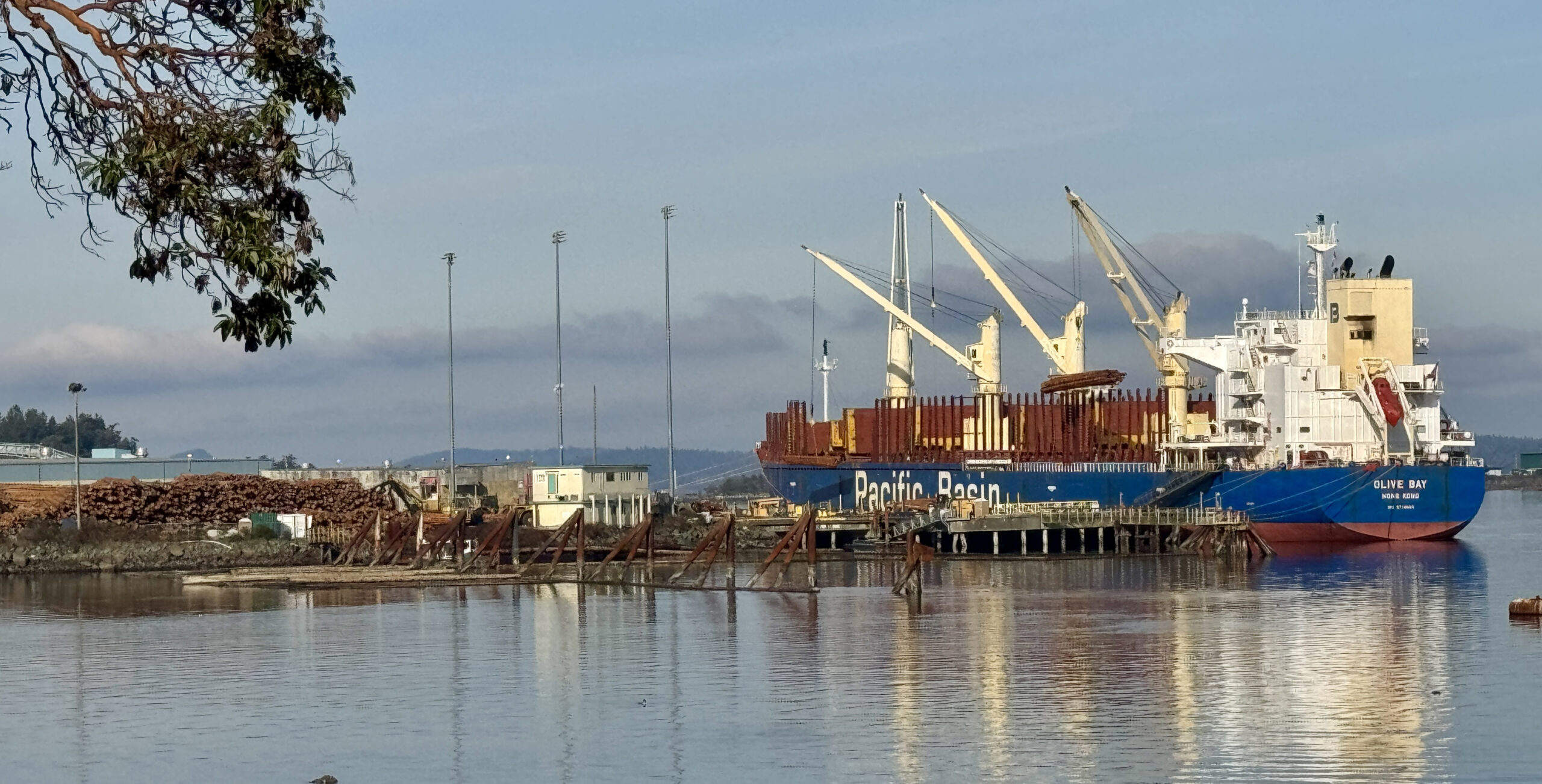 The Regional District of Nanaimo board will plead with fellow municipalities to pressure the B.C. and Canadian governments to prohibit raw log exports. At the Jan. 27 RDN board meeting, Paul Manly, City of Nanaimo director, proposed a resolution for the upcoming Association of Vancouver Island and Coastal Communities conference, asking B.C. local governments to call on senior government to “ban the export of raw logs and lumber cants from B.C. to ensure that forests harvested [on] Crown land and private-managed forest lands are processed in B.C.…” The resolution passed and will be brought before AVICC. Should it pass there, it would be forwarded to the Union of B.C. Municipalities. Manly …pointed to recent mill closures on the Island, with a key factor being “lack of accessible and affordable fibre”. …Leanne Salter, Coombs area director, said she thought the resolution needed to be tweaked.
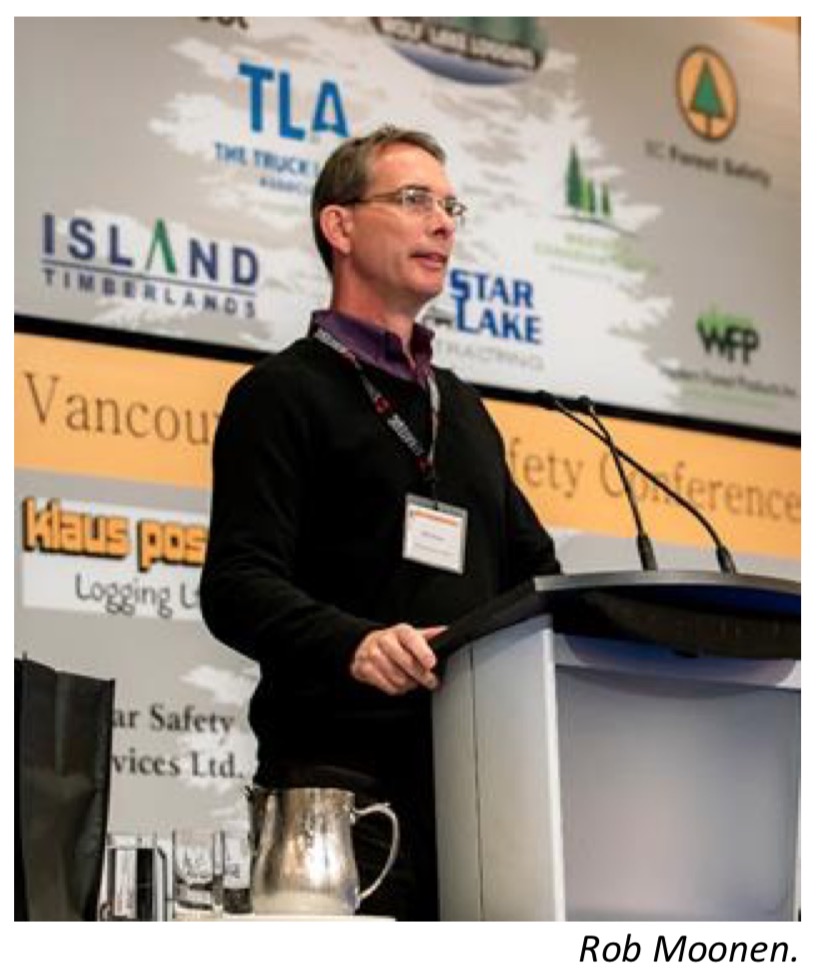 Cherie Whelan has been named the new chief executive officer of the B.C. Forest Safety Council. She takes over on April 1 from Rob Moonen, who announced his retirement in October. Whelan served as CEO of the Newfoundland & Labrador Construction Safety Association for two years and previously held the position of director of SAFE Companies at B.C. Forest Safety Council. The Nanaimo-based council delivers safety training and advisory services to British Columbia’s forest industry.





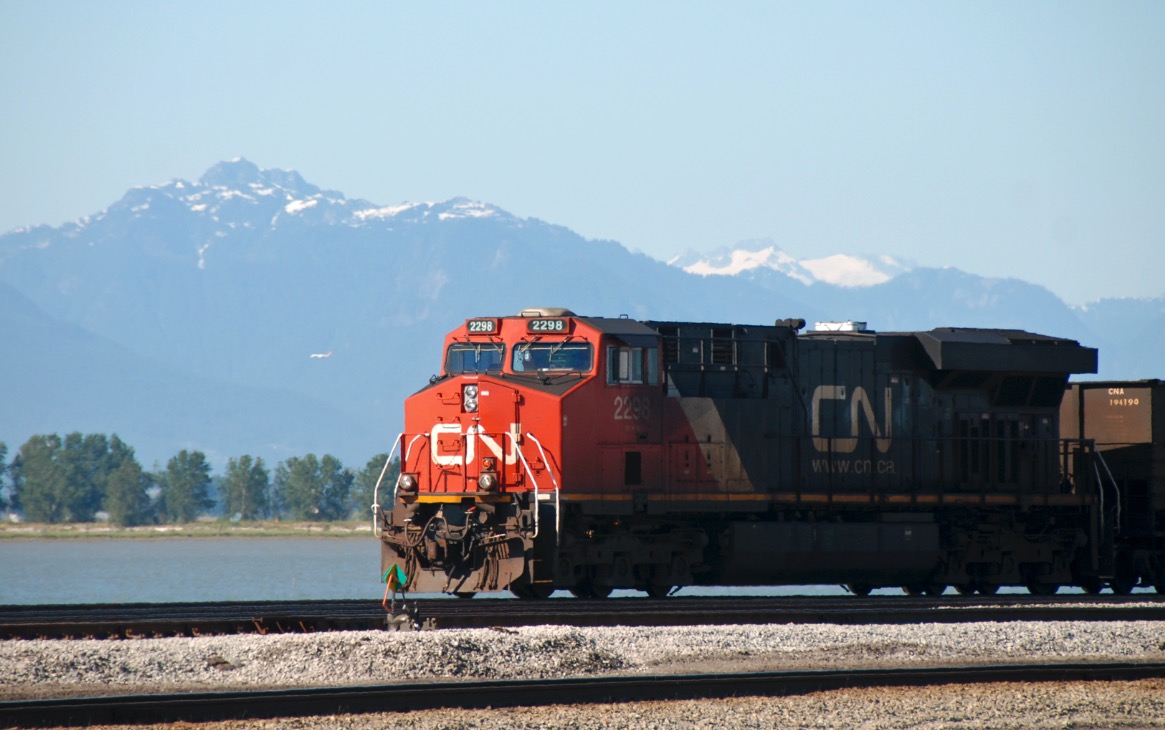 MONTREAL — Tariffs and economic angst delivered a significant blow to Canadian National Railway Co. last year, as the question mark hanging over North American free trade continues to threaten profits in 2026. “Tariffs, trade uncertainty and volatility impacted our full-year 2025 revenues by over $350 million,” chief commercial officer Janet Drysdale told analysts on a conference call Friday. Forest products and metals took the biggest bruising, she said, with the two segments seeing a year-over-year revenue drop of eight and four per cent, respectively, in the latest quarter. …On top of trade uncertainty, a less publicized source of angst has rippled through the rail industry since last summer. Union Pacific Corp., the second-largest railway operator in the United States, announced in July it wants to buy Norfolk Southern Corp. in a US$85-billion deal that would create that country’s first transcontinental railway, and potentially trigger a final wave of rail mergers across North America.
 35 Countries. 300+ Voices. One Room. Be a part of the conversation. Join us in Vancouver May 10-12, 2026. Each year, International Pulp Week brings together leading voices from across the global pulp value chain to examine emerging trends, innovations, and the market forces shaping the industry. The 2026 program will feature dynamic discussions on strategy, markets, technology, sustainability, supply chains, and the broader role of pulp-based materials. Registration for the 21st edition of IPW is now open, and you can benefit from the Early Bird rate until February 16. More details are available on the registration page.




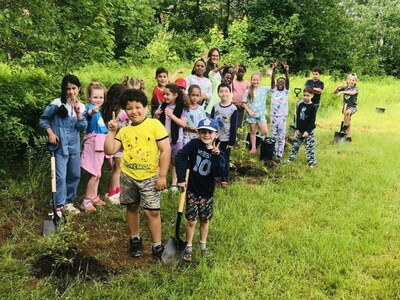
 Don’t miss the FSC Canada, February Update: Canada’s Taan Forest is now the first FSC Verified Impact Forest, recognizing protection of Indigenous cultural values and biodiversity. FSC Canada is inviting input via a social metrics survey open until March 16, 2026. The edition also highlights two new job opportunities, an updated trademark policy for certificate holders, newly welcomed Canadian promotional licence holders, a new guide on integrating FSC certification into impact investing, and details on where FSC will be present at events in 2026.





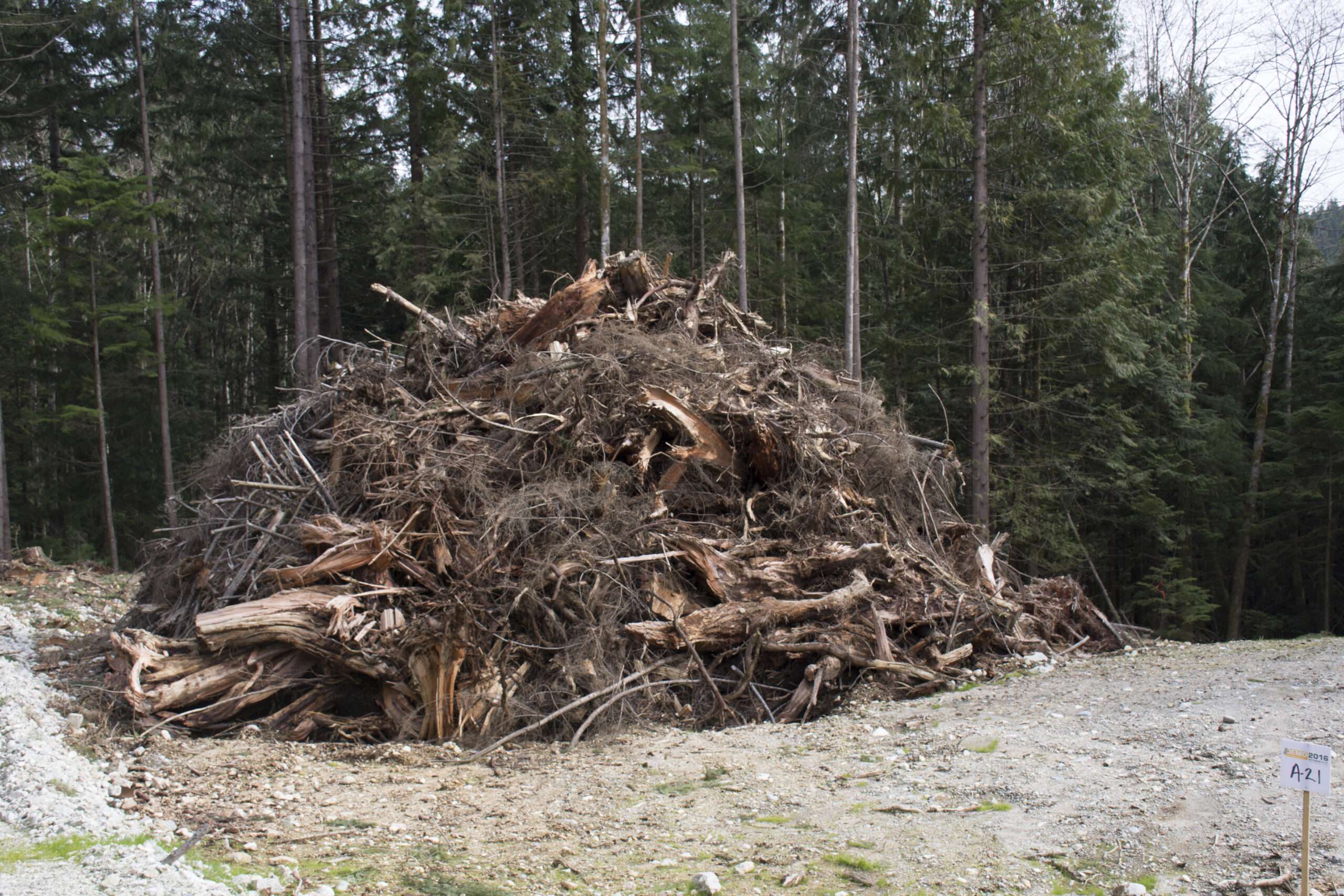 A First Nations-owned company west of Williams Lake says continued funding is essential for projects that use fire-killed wood instead of burning it in slash piles or leaving it to decay. Percy Guichon and Daniel Persson with Central Chilcotin Rehabilitation Ltd. (CCR) attended a Jan. 27 regular city council meeting in Williams Lake to provide an update on the Palmer Project, a multi-year Indigenous-led stewardship initiative which aims to reduce wildfire risk and improve public safety and forest health through spacing treatments that remove hazardous fuels. To date, the project located along Palmer Lake Road, about one and a half hour west of Williams Lake, has treated more than 1,500 hectares with recovered fibre utilized by Atlantic Power for biomass and Cariboo Pulp & Paper for pulp. Fibre was also previously utilized by Drax, which closed in Williams Lake by the end of 2025, into fibre pellets for bioenergy.
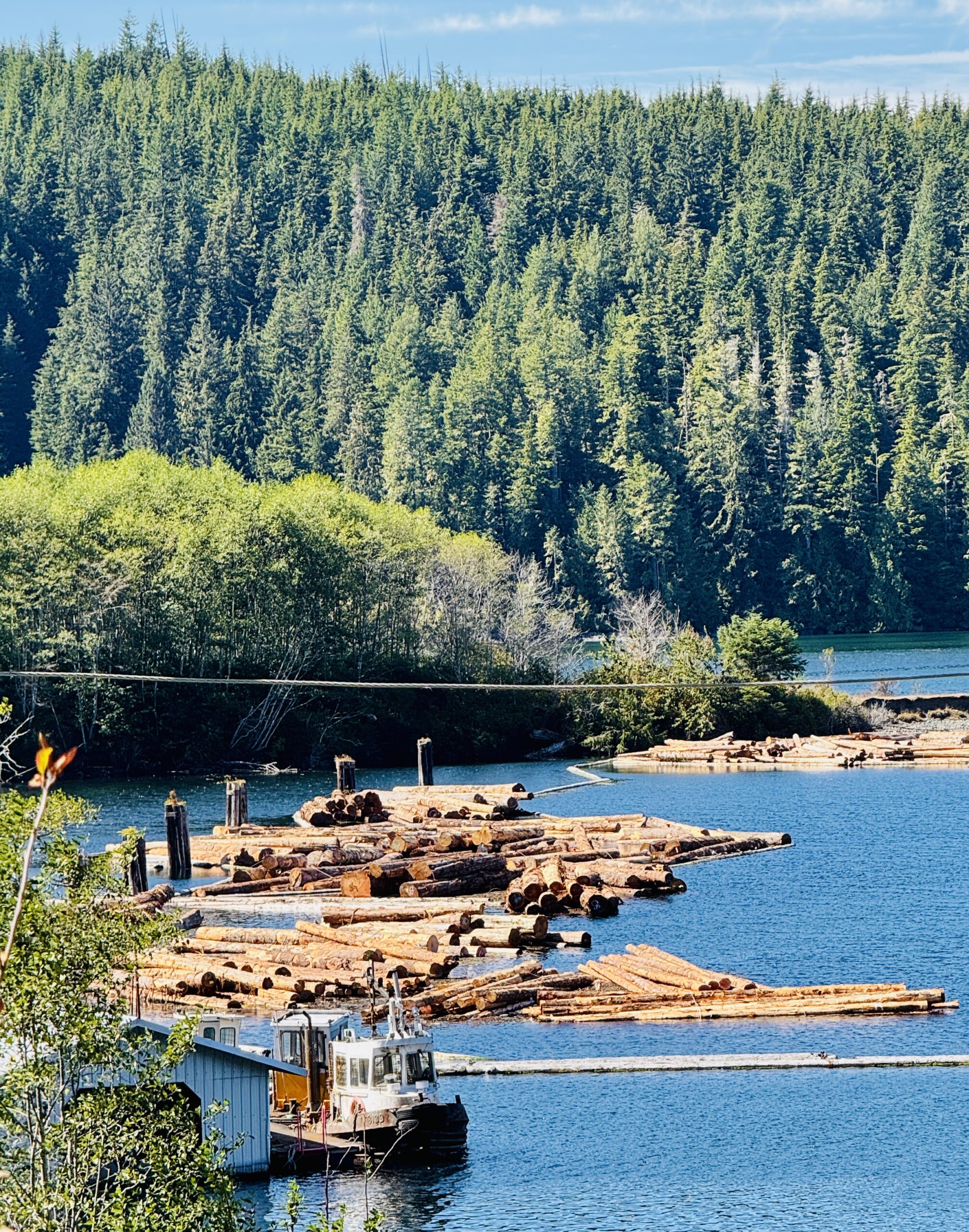 VANCOUVER — A government-commissioned review of forestry in British Columbia is calling for the system to be razed and rebuilt with a focus on trust and transparency about the state of the province’s forests, shifting away “from managing harvest volumes to managing lands.” …The authors of the report, including industry representatives and academics, pitch a model that would change who makes decisions about lumber allotment, taking that power away from the provincial government and shifting it to regional bodies that manage defined areas. …Shannon Janzen a co-chair of the advisory council, and former chief forester, said the use of area-based land management is not a new idea and is already in use in places like Ontario and Alberta. …Forest Minister Ravi Parmar would not commit to implementing the report’s recommendations, telling reporters that he has to consult with other ministries. …A statement from the BC Council of Forest Industries said it would be reviewing the recommendations with its members. …Brian Menzies, the executive director of the Independent Wood Processors Association of B.C., said there’s little detail in the report about how its members would access more fibre.
 Victoria, B.C. – A new independent report from the Provincial Forestry Advisory Council (PFAC) finds that British Columbia’s current forest management system is failing to meet a range needs, including communities, First Nations, businesses and the environment. The report concludes that small, incremental reforms are not enough to address the scale of challenges facing the sector. Titled
 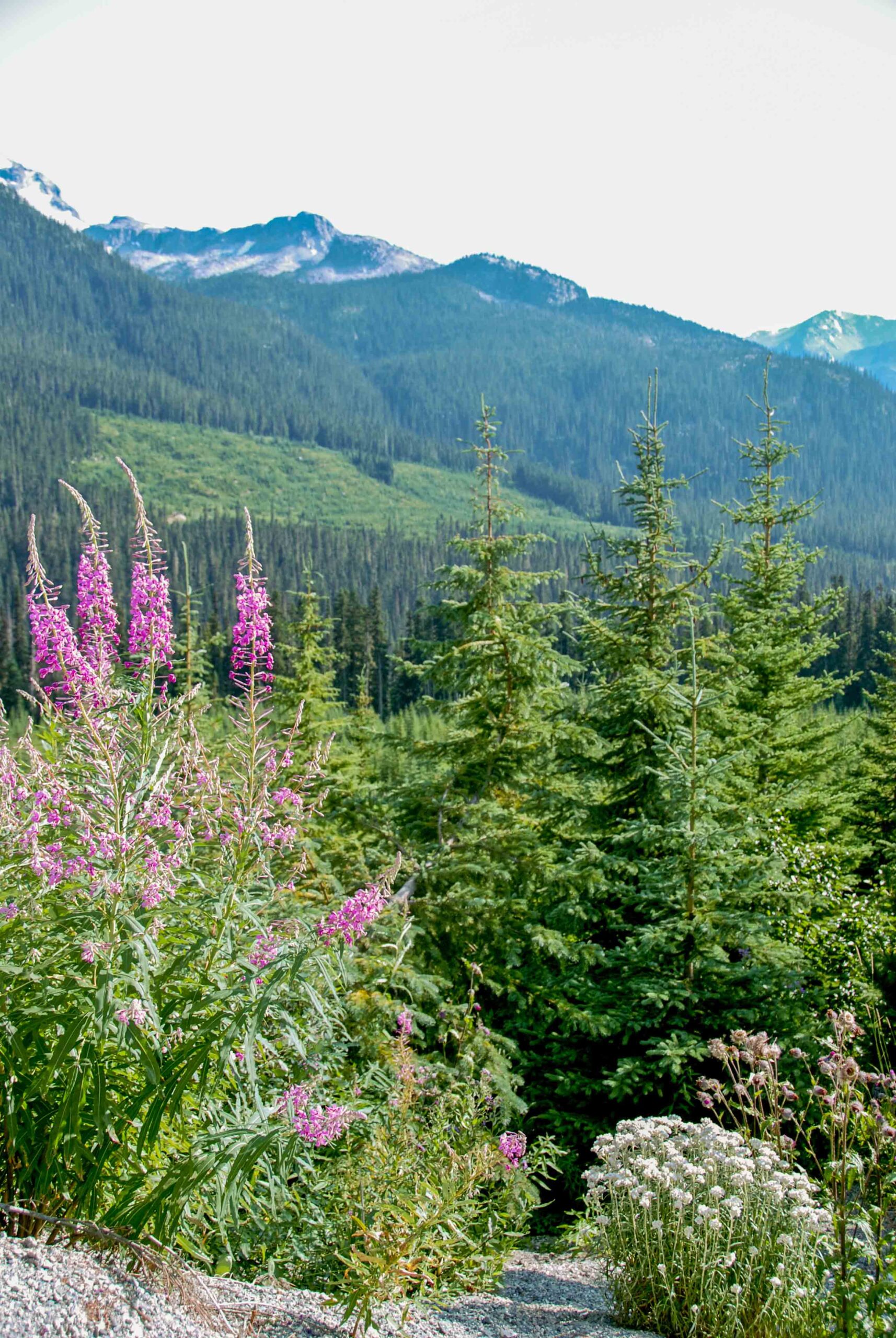 Residents of a Bonnington, 18 km west of Nelson, hope they can rely on B.C. Timber Sales’ assurances that logging in their watershed will reduce wildfire risk and won’t threaten their water supply. For nearly a year, BCTS has engaged in an elaborate communication process with the residents of Bonnington about its plans for the Falls Creek watershed. The agency has a timber license on Crown land in the watershed, which provides drinking water to the rural community of about 600 people. …BCTS plans and designs logging operations, builds logging roads, then sells the timber to the highest bidder. The B.C. government added wildfire mitigation to the BCTS mandate last year. In the spring of 2025, the province hired Cathy Scott-May, a communications consultant, to steer a communication process along with BCTS professional forester Mark Tallman of Nelson. …Tallman said this consultation process is different from anything BCTS has done in the past…

 The latest newsletter from the Forest Enhancement Society of BC reflects on ongoing forestry challenges and emphasizes the value of collaboration, proactive planning, and shared solutions to strengthen forest health and resilience across British Columbia. It highlights a safety tip from the BC Forest Safety Council focused on mental health support for forestry workers, offering a free, confidential service to help industry professionals navigate stress. The newsletter also announces a new Extension Specialist position through a partnership with the Silviculture Innovation Program (SIP) aimed at translating technical and field knowledge into practical forestry resources. There’s a Faces of Forestry feature on Jennifer Grenz, plus links to a range of recent FESBC-funded project stories — from wildfire rehabilitation to biomass utilization — showcasing work being done by partners and communities province-wide.
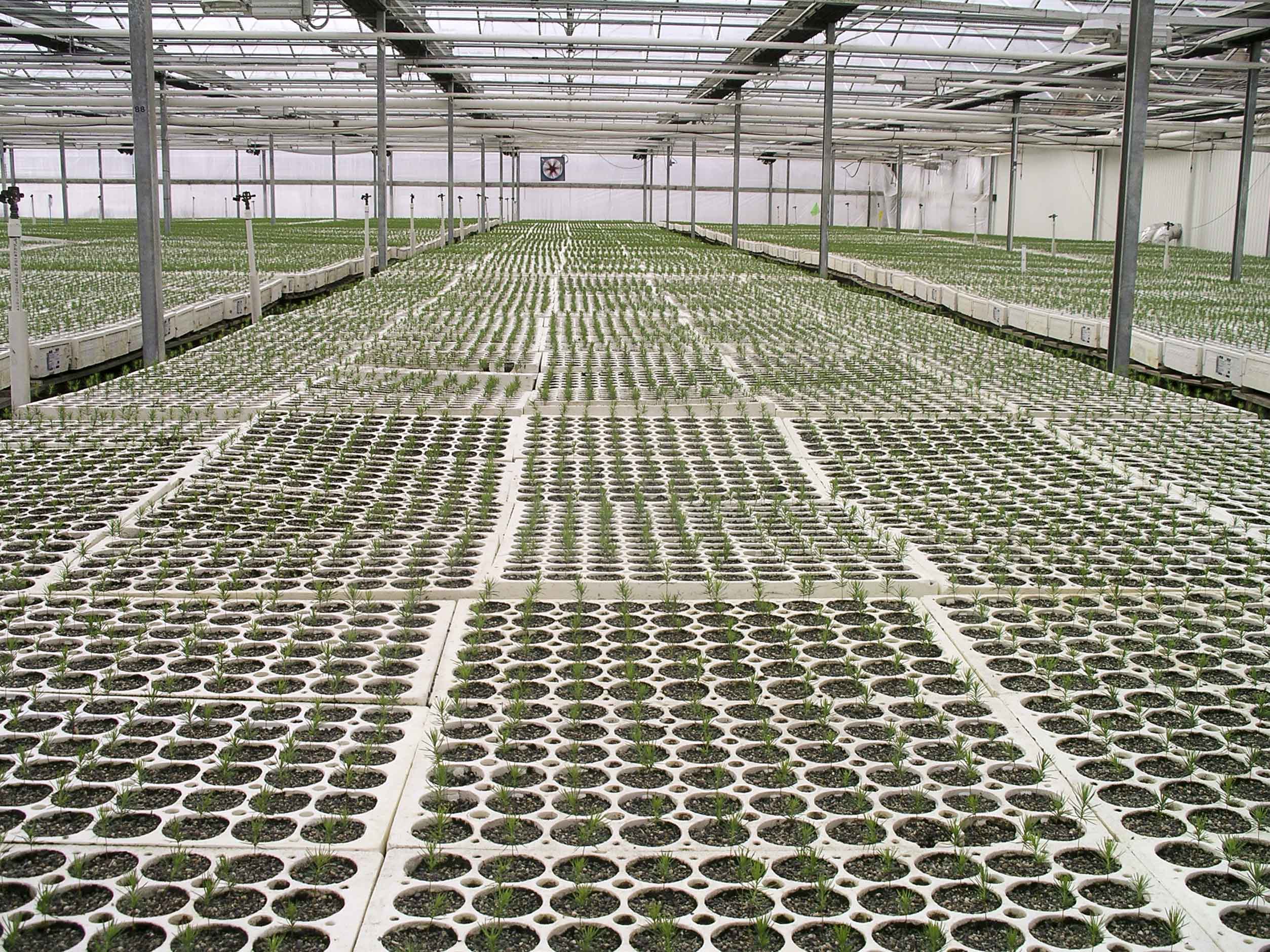 Another dire warning is coming from B.C.’s forest industry, but this time from the tree-planting side, with those working in reforestation saying funding is running out as record wildfires took out huge sections of the province’s forests. A Western Forest Products greenhouse in Saanichton produces hundreds of thousands of tree seedlings. Many will be planted on Vancouver Island, according to Christina Lavoie, nursery supervisor, Western Forest Products, Saanich Forestry Centre. B.C. logging companies are legally required to restore the trees they harvest, but as the industry shrinks, fewer trees are being planted. Add to that the loss of trees due to years of record forest fires. …At the Western Forestry Contractors’ Association annual conference, there is concern about just how many trees are being lost to forest fires, and pests on public lands. …Forests Minister Ravi Parmar says he’s working with industry on solutions.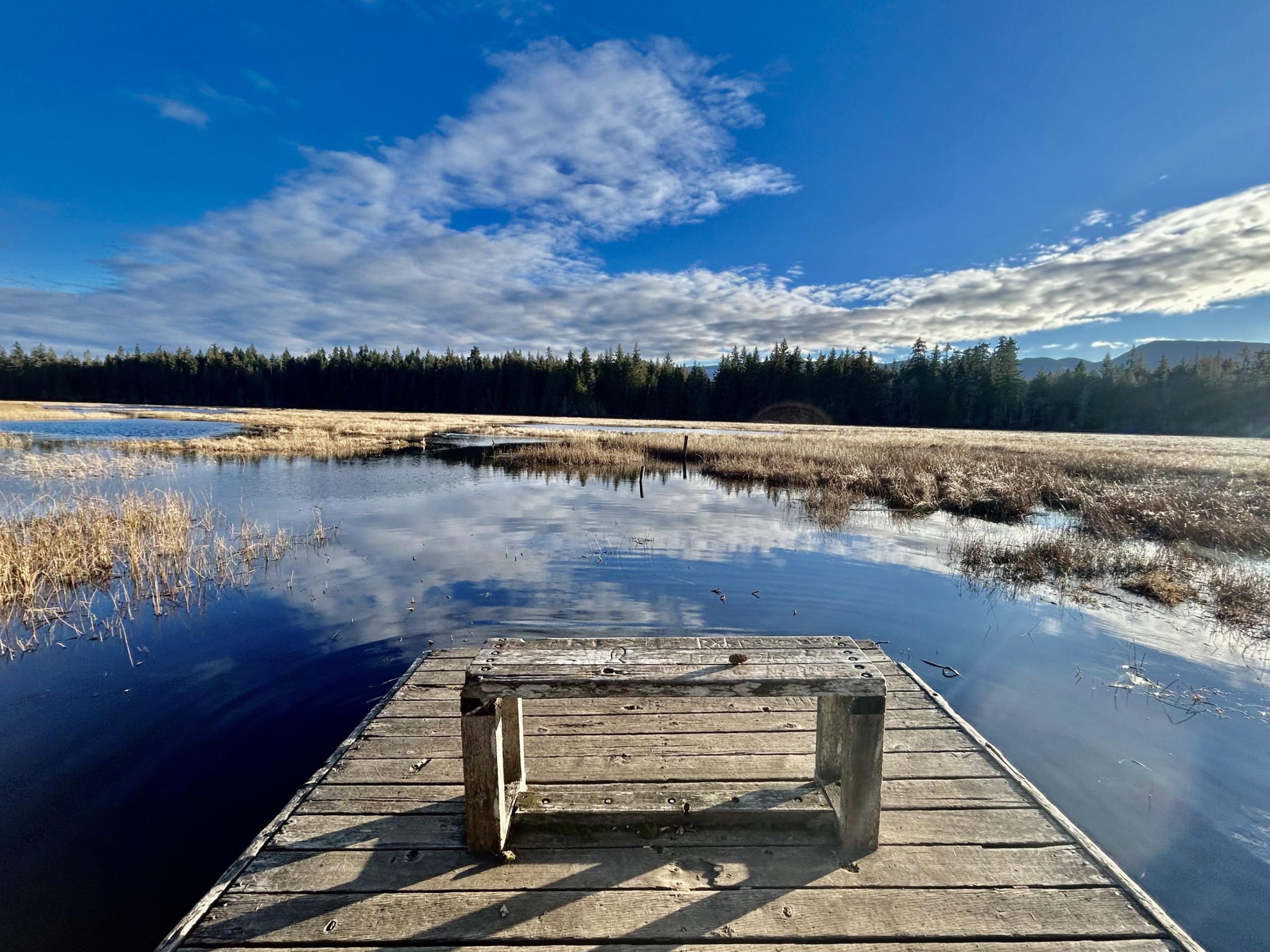


 The BC Truck Loggers Association sent a letter to the North Island College regarding the potential discontinuation of two forestry programs. This would mean a significant loss of forestry education for the forest industry, and we’re asking for your support by copying and pasting our letter into an email and sending it to the college Board of Governors at bog@nic.bc.ca …The North Island College forestry programs are an essential contributor to education and economic opportunity for students in Campbell River and the north Island and provides an important stream of new graduates for forestry businesses. The program has strong backing from local industry, government and First Nations, and it would be regrettable to see the program discontinued at a time when sustained investment in forestry education is vital to British Columbia’s future.


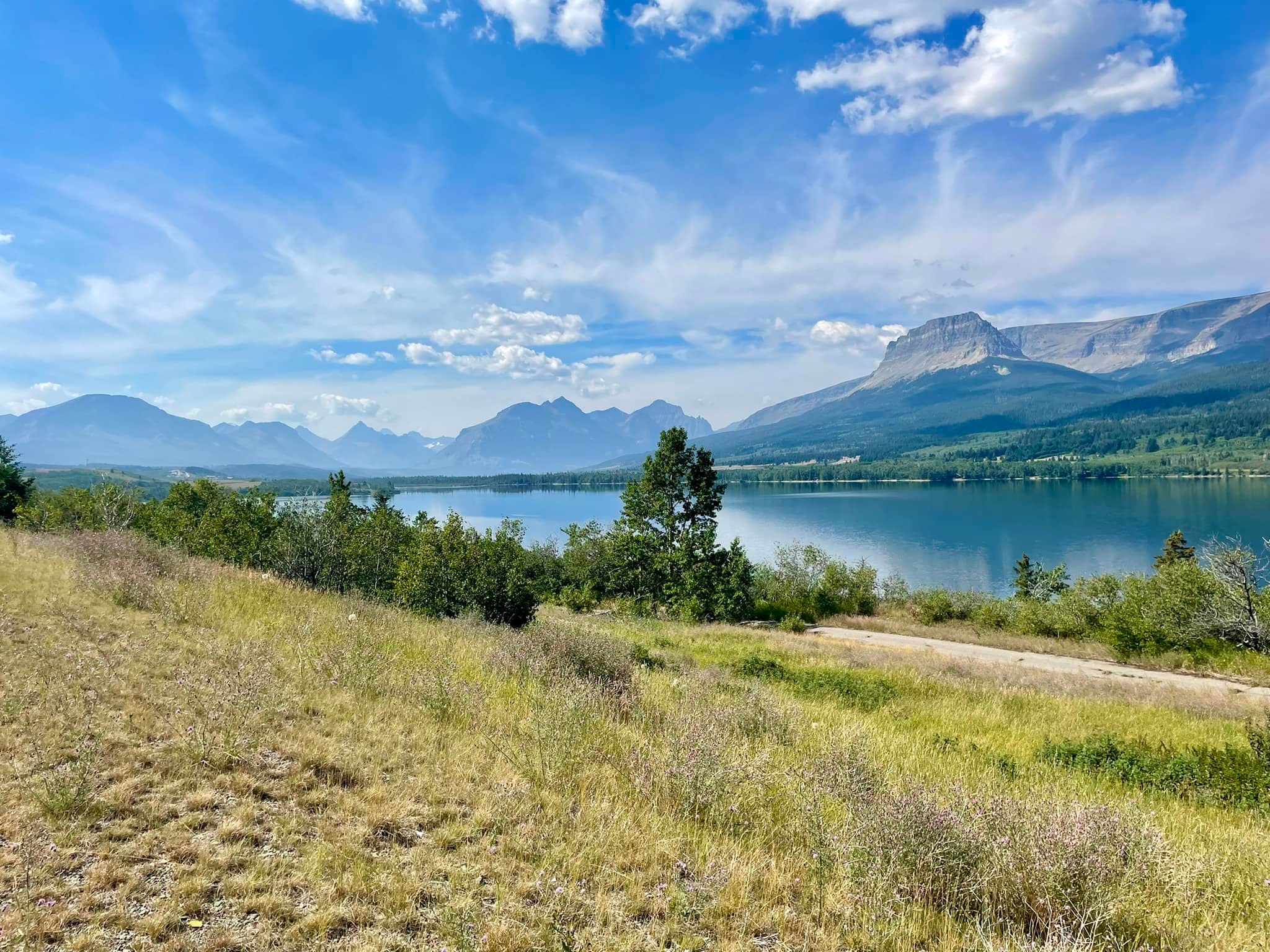 Two conservation groups are suing the Trump administration, challenging a U.S. Department of Agriculture rule that strips public comment requirements from most national forest projects. In a federal
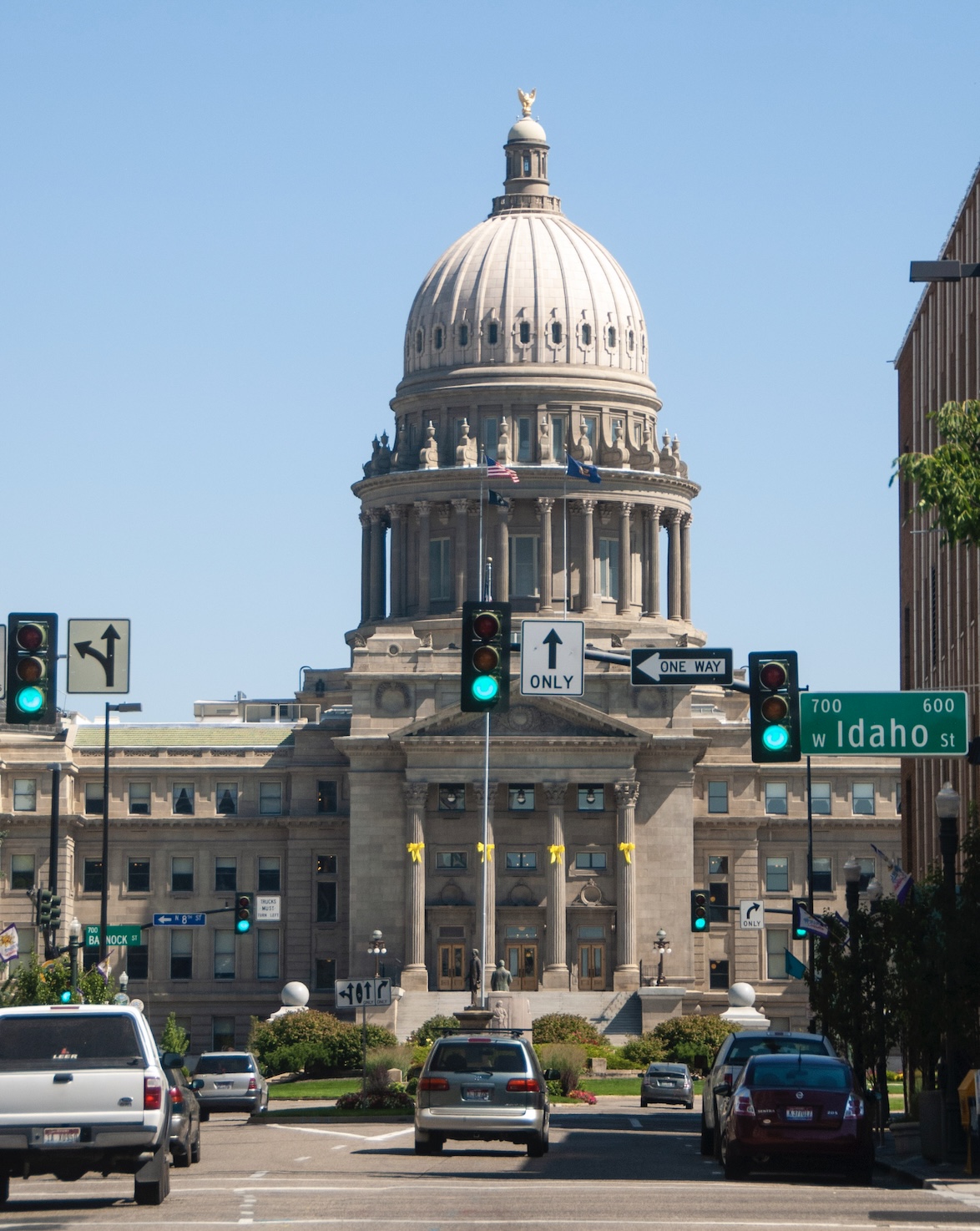 Anytime someone talks about shifting management of federal lands to Idaho, know that they have a bigger goal in mind. In a recent interview on The Ranch Podcast, Rep. Jordan Redman, R-Coeur d’Alene, was frank about his goals for public lands in Idaho. He said his father, former Rep. Eric Redman, dreamed of Idaho taking ownership of federal lands, and his goal is the same. The first step is for Idaho to manage public lands for a bit, then the state takes ownership of them. “How do we get that federal land back in ownership for the state?” Rep. Jordan Redman said. Back? It should be said that Idaho has never owned federal land. Redman should try reading the Constitution he swore to uphold: “… the people of the state of Idaho do agree and declare that we forever disclaim all right and title to the unappropriated public lands lying within the boundaries thereof … .” You can’t get back what you never owned; you can only take it. In service of the goal of taking federal land, Redman made a familiar argument.

 The Washington wood-products industry says timber harvests will spiral downward if lawmakers pass a bill championed by Lands Commissioner Dave Upthegrove. At Upthegrove’s request, legislators are considering authorizing the Department of Natural Resources to sell “ecosystem services,” possibly by delaying or canceling timber harvests. DNR officials say ecosystem services could be a new source of revenue as businesses buy carbon credits to “offset” their emissions. Carbon credits could add to the money rural counties and schools receive from timber sales, according to DNR. The timber industry, backed by the Washington State Association of Counties, argues its more likely ecosystem services would replace timber sales. Rural public services would get less money, Paul Jewell, the counties’ policy director, said. More importantly, rural counties will lose timber jobs, he said. “Sales of ecosystem services can’t replace those economic benefits,” he told the House Agriculture and Natural Resources Committee on Jan. 28.
 STARKVILLE, Miss. — Carbon dioxide is the most commonly produced greenhouse gas, the substances that trap heat in the atmosphere keeping the planet warm enough for life. Carbon is stored in high amounts in timber, of which Mississippi has an abundance. The state ranks in the top 10 nationally in timber production, with close to 20 million acres of timberland. The U.S. Geological Survey says that carbon sequestration is the process of capturing and storing atmospheric carbon dioxide. Removing carbon dioxide from the atmosphere reduces the potential for global climate change. Since timber stores carbon efficiently, a tremendous amount of the greenhouse gas carbon dioxide is stored in Mississippi’s forests. This makes timber a valuable resource in efforts to limit the amount of carbon available as a greenhouse gas. Carbon credits and the carbon offset market have made an impact on Mississippi’s economy to a degree for about 20 years.

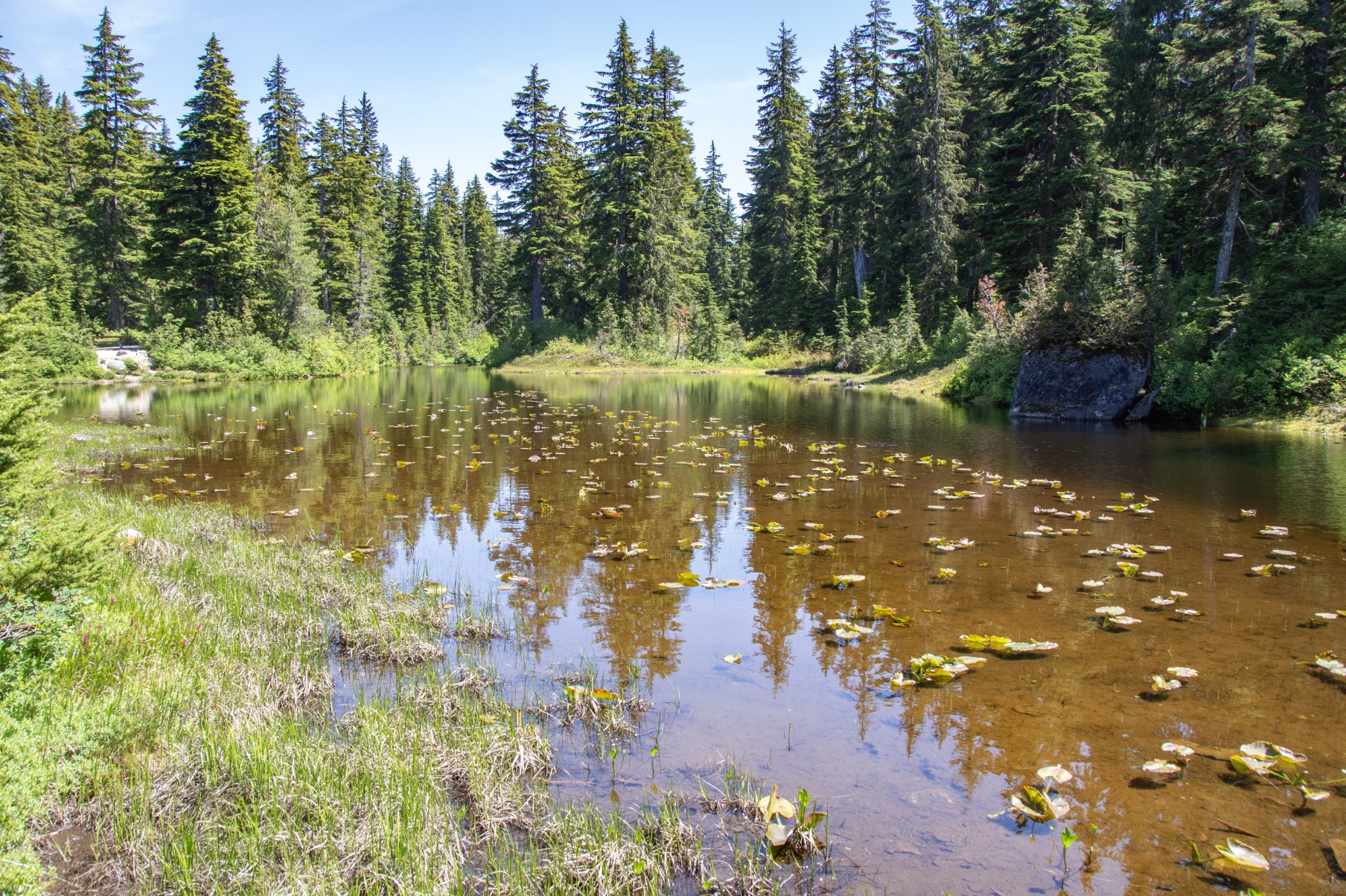 Observed annually on February 2, World Wetlands Day marks the adoption of the Ramsar Convention in 1971 and provides an international framework for recognizing the role of wetlands in environmental protection and sustainable development. The 2026 edition is held under the theme “Wetlands and traditional knowledge: Celebrating cultural heritage,” drawing attention to the long-standing relationships between wetland ecosystems and the cultural practices, knowledge systems, and governance structures developed by communities over centuries. The theme highlights how inherited ecological knowledge, often embedded in rituals, seasonal calendars, land-use practices, and spatial organization, has shaped resilient interactions between human settlements and water-based landscapes. …World Wetlands Day 2026 emphasizes the need to reconsider prevailing development models by integrating traditional knowledge with scientific research and planning strategies in efforts toward conservation, restoration, and long-term environmental stewardship.
 HCM CITY — Proactive compliance with legal timber sourcing and sustainability standards is essential not only for business survival, but also for repositioning Việt Nam’s wood industry towards greater transparency, responsibility, and higher value creation in global supply chains, speakers said at a seminar in HCM City on January 29. Speaking at the Forest Talk & Link seminar themed “Wood Consumption, Climate Change and Deforestation-Free Requirements”, Võ Quang Hà, Chairman of the HCM City Structure Architecture Wood Association (SAWA), said Việt Nam exported more than US$17 billion worth of wood and wood products in 2025, ranking among the world’s leading furniture exporters. However, an estimated $4–5 billion in export revenue still derives from low-value wood chips and pellets, underscoring the sector’s significant untapped potential for value-added growth. Developing large-timber plantations was identified as a key solution.
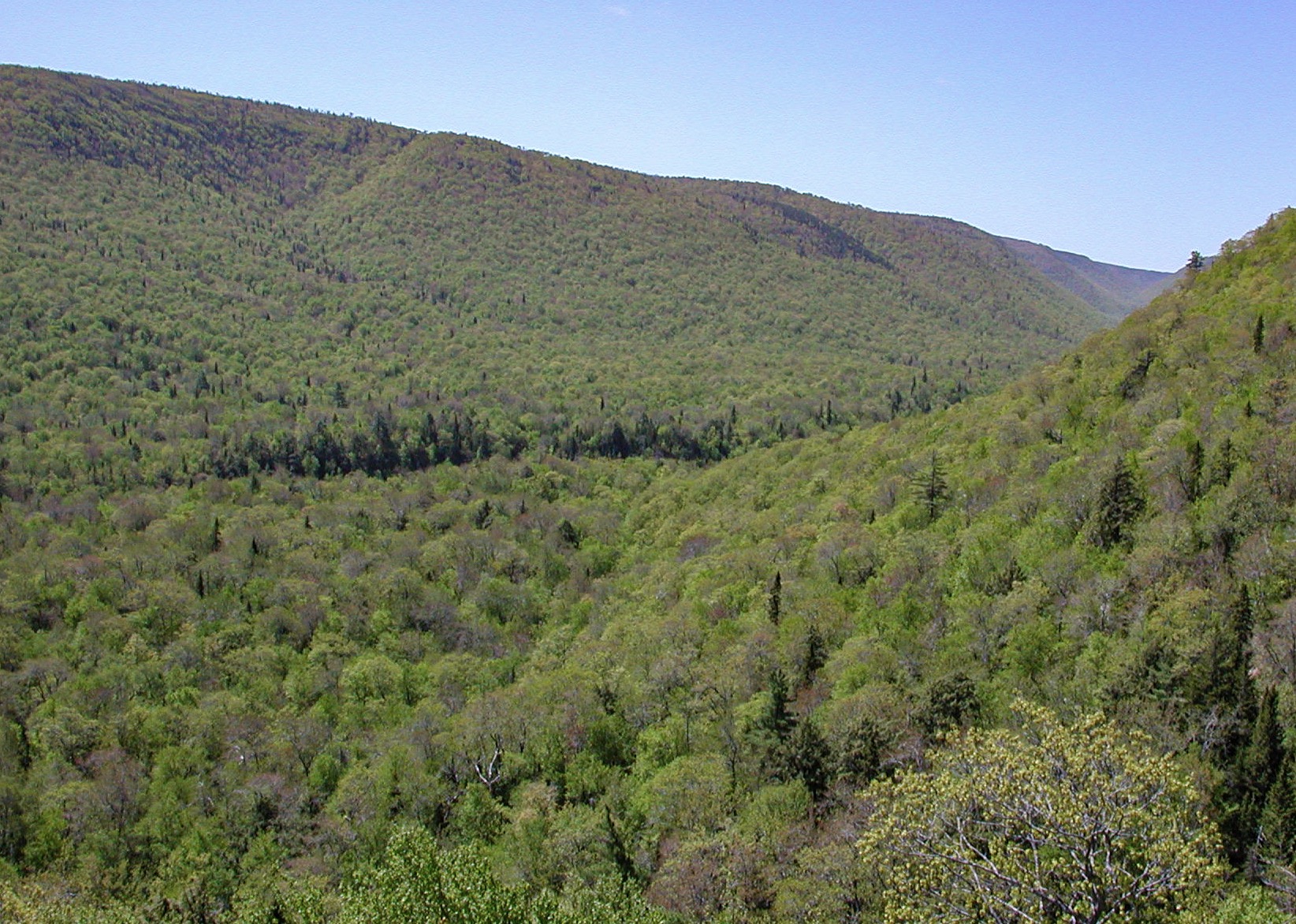 A new study finds that Canada could remove at least five times its annual carbon emissions with strategic planting of more than six million trees along the northern edge of the boreal forest. The
  What do northern communities need to make bioenergy projects successful? That was a key question addressed during the Arctic Bioenergy Summit and Tour in Yellowknife earlier this week. Hosted by the Arctic Energy Alliance and Wood Pellet Association of Canada, the event began with a day-long tour of buildings in Yellowknife that use biomass heating systems followed by a two-day conference at the Chateau Nova Hotel. “We’re the lead jurisdiction in Canada in terms of adoption of biomass for space heating and wood pellets,” Mark Heyck, executive director of the Arctic Energy Alliance, told Cabin Radio. “We want to continue that conversation, see where the future of that fuel source is going here in the Northwest Territories, but also learn from other jurisdictions in Canada and around the circumpolar world about what they’re working on.” …Following the conference, the Arctic Energy Alliance hosted a biomass boiler operator training course.
 …Timber prices have been low for a long time; they never really recovered from the 2008 housing crash. Nearly a dozen paper mills closed across the South in recent years, and Hurricane Helene tore down trees in much of Georgia and the Carolinas. It’s left many in Georgia, one of the leading states for forestry, with a dilemma: what do you do when your income relies on a forest but nobody wants to buy your trees? A group of researchers and industry leaders thinks paying landowners for carbon storage could help. “We may see a decline in the number of acres that are kept in forests and the quality of the land that is forested,” said David Eady with Georgia Tech’s business school. Losing those trees would shrink the industry and be devastating for the environment. …So Eady and others asked: why not use that carbon storage to keep foresters in business?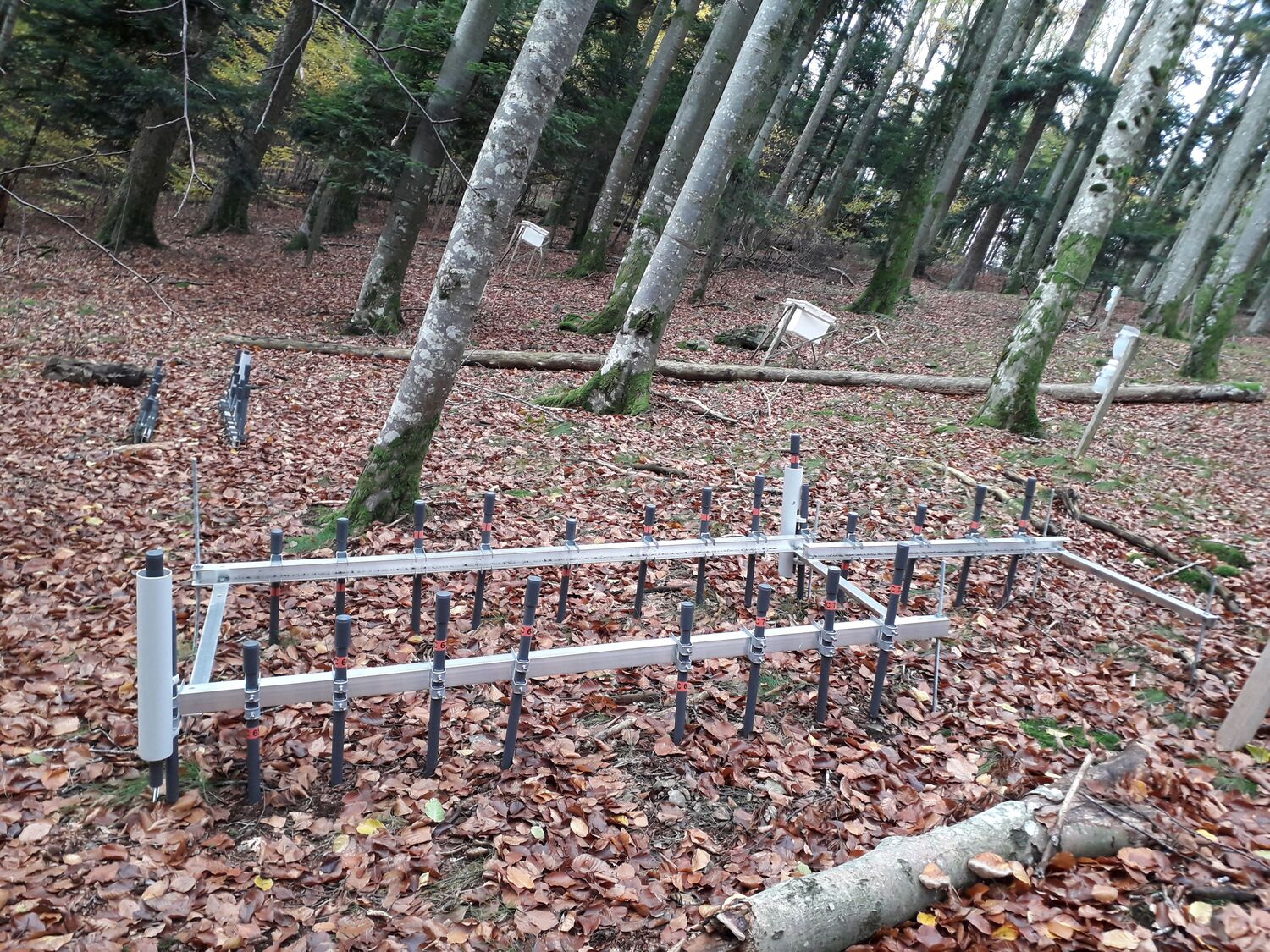
 A door company in Ireland says it holds the key to turning wood dust into electricity to help power its factory. It’s part of a new multimillion-pound investment by O&S Doors. The company says the onsite renewable heat and energy technology is “a first on the island of Ireland”. Currently the company takes wood dust left over from the manufacturing process and ships it to England where it is used as animal bedding or sent to landfill. But the company – located just outside Benburb in County Tyrone – has revealed new details of its plans to install a biomass-fuelled combined heat and power system. It will turn the dust into millions of units of electricity that can reused to power parts of the factory. …O&S Doors says its biomass-fuelled combined heat and power system will harness MDF dust.