 The housing outlook weakened in Canada and US as affordability and uncertainty dampened activity. In related news: US builder sentiment ticked lower; and Canada’s inflation rate edged down. In Business news: Canada announced its new CUSMA trade negotiator; Bell Lumber & Pole is expanding in Arkansas; Metsä created a lignin demo plant in Finland; and factory-built housing makes headway in Ontario and California.
In Forestry news: Tree Canada launched an urban forestry platform; the University of Alberta is creating new growth and yield models; activists spiked trees in Quebec’s Maurice region; a BC ENGO says herbicide use has declined but the NDP planned to phase it out; the mountain pine beetle outbreak intensified in Colorado; Vermont’s forests need management not mandates; and Georgia announced its Forestry for Wildlife award winners.
Finally, why Richmond Plywood refuses to shut down even when demand tanks.
Kelly McCloskey, Tree Frog News Editor
 Trump’s move to revoke the
  We are gauging interest in a conference for students and young professionals across B.C. in the forestry industry. The goal of this conference is to create a more unified forestry sector throughout the province by bringing together students and young professionals to discuss current and future challenges in forestry, explore innovative solutions, and build relationships that can support us throughout our careers. This is a youth-led initiative and so having your opinions and participation is crucial to determine the topics and speakers for the conference. We have created a short survey (see link) to help determine the topics and timing of this conference. This is a chance for young professionals and students like yourself to build a more connected, informed, and forward-thinking forestry community and empower them to help shape the future of forestry in B.C.
  Vancouver — Forest Professionals British Columbia (FPBC) honoured seven individuals as part of its recognition program in Vancouver on February 5. Forest Professionals BC recognized three Distinguished Forest Professionals, one Forest Professional of the Year, one Jim Rodney Memorial Volunteer of the Year, and two authors for BC Forest Professional Magazine Best Article at the 78th Forest Professionals BC forestry conference recognition banquet.
  …Jeff Fisher (North Vancouver), BSF, RPF, Christopher Vukovic (Qualicum Beach), HBScF, RPF(Ret), and John Walker (Williams Lake), RPF, were honoured as Distinguished Forest Professionals for 2025. This category recognizes significant accomplishments over a career, for providing outstanding service to the profession of forestry and for furthering the principles of Forest Professionals BC. It is the profession’s highest honour for a registrant.
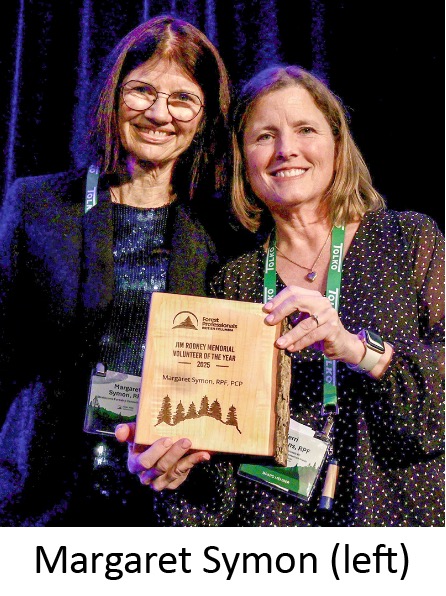 Peter Flett, MSFM, RPF, of Penticton is the 2025 Forest Professional of the Year. Margaret Symon, RPF, PCP, of Duncan is the 2025 Jim Rodney Memorial Volunteer of the Year. Lastly, Vanessa Fetterly, BSc, RPBio, and Carl Pollard, BSc, RPF, collaborated on the 2025 BC Forest Professional Magazine Best Article.
 Municipal leaders are on the front lines of BC’s economy, where the health of the forest sector directly impacts jobs, services, and long-term community stability. This timely panel brings together mayors from across the province for a practical, solutions-focused discussion on what a competitive and resilient forestry future means for families and local economies — and what’s needed to ensure forestry remains a cornerstone industry for generations to come. Featuring mayors Maria McFaddin (Castlegar), Brad West (Port Coquitlam), Leonard Krog (Nanaimo) and Gary Sulz (Revelstoke), the conversation will offer grounded municipal perspectives from communities both large and small. The session will be moderated by Karen Brandt, Senior Vice President, Public Affairs and Partnerships with Mosaic Forest Management. Expect candid insights, local realities, and a forward-looking discussion on strengthening forestry and the communities it supports.


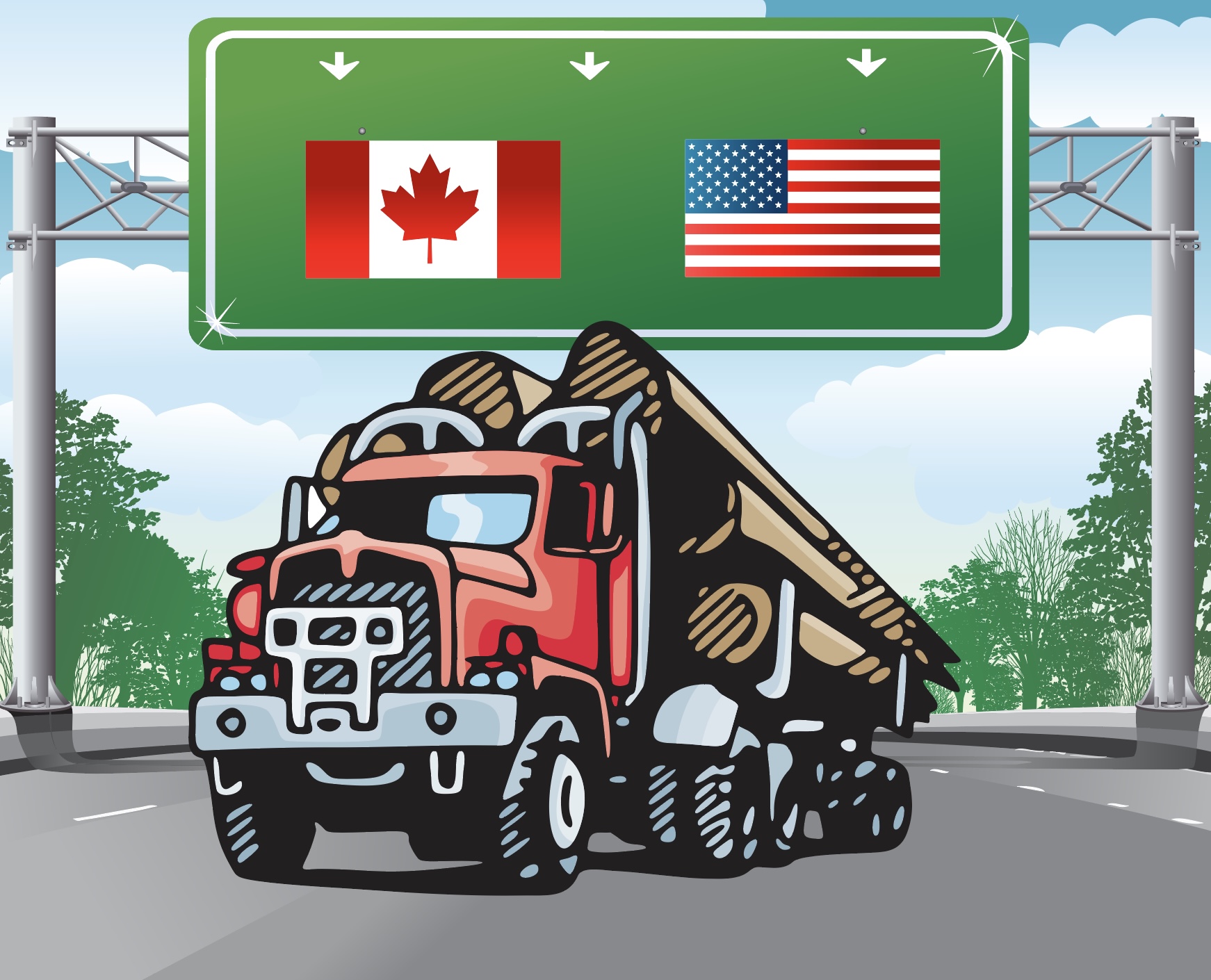 The head of the New Brunswick Forest Products Commission was in front of a legislative committee Thursday, answering MLA’s questions about the state of the industry. The commission is a liaison of sorts between the provincial government, saw and pulp mills and wood marketing boards. Tim Fox acknowledged the Commission has been working to try and help the industry through challenging times, but he said everyone has to work together. “There’s obviously our sawmills who are impacted by the tariff situation and that has spilled over into the private woodlot sector as well,” he said after the meeting. …Private producers have recently expressed frustration over how little support there’s been for woodlot owners to help them through the ongoing U.S. tariff situation. Countervailing and anti-dumping duties on softwood are almost a decade old, but U.S. President Donald Trump added another 10 per cent in the fall, bringing tariff totals to 45 per cent.


 PORTLAND, Ore. – Layoffs are expected at the beginning of April for Roseburg Forest Products Co.’s Riddle Plywood facility, according to a WARN notice filed this week. The notice, filed Feb. 4, says the company expects to permanently lay off 146 team members at the Riddle By-Pass Road location, though the facility will remain open. These layoffs are expected to take place after a 60-day WARN period. The company said April 5 “will be the last day of work for a majority of the affected team members before the layoff and that the remaining affected team members, if any, will be within 14 days of that date.” Impacted positions span a number of job titles, though the majority consist of Layup WAT Operators, Finish End WAT Operators, and Common Laborers.
 B.C.’s export performance moved against the national pattern in November. Domestic exports to international markets rose 7.6 per cent year over year to $4.59 billion, whereas exports nationally declined by about four per cent on a customs basis. This contrast partly reflects differences in the types of goods each region exports. Nevertheless, provincial export trends remain soft, reflecting U.S. tariffs on key products like lumber, and end of de minimis treatment of low value exports. Year-to-date, B.C. exports slipped a mild 0.1 per cent from same-period 2024, which was slightly stronger than the national reading. …That said, a declining trend continued in the battered forestry sector (-13.7 per cent year over year), where tariffs have compounded weakness from timber supply constraints and other duties already imposed by the U.S.

 Canada Wood’s January market news highlights the continued expansion of Canadian wood products into key international markets, with a strong focus on mass timber, technical innovation, and long-term partnerships. Articles explore new opportunities for Canadian species in China’s growing glulam sector, including efforts to diversify beyond Douglas fir into Hem-Fir, SPF, and yellow cedar. Other features examine rising interest in mass timber construction in South Korea, driven by carbon-reduction goals and modern architectural demand. The January updates also showcase how long-standing Canadian demonstration projects in southern China are building confidence in wood’s durability in challenging climates, helping pave the way for larger, more complex structures. Rounding out the month is news of renewed Canada–China cooperation on wood construction, reinforcing shared commitments to low-carbon building and sustainable urban development. Together, these stories offer a timely snapshot of how Canadian wood expertise is shaping construction practices abroad.
 International Pulp Week (IPW) is the premier annual gathering for the global market pulp sector, organized by the Pulp and Paper Products Council (PPPC). Set for May 10–12, 2026 at the Sutton Place Hotel in Vancouver, BC, the three-day conference brings together producers, customers, logistics providers, analysts and other key stakeholders from around the world to share market intelligence, expert insights and strategic dialogue on trends shaping the future of pulp markets. Through keynote presentations, expert panels and extensive networking opportunities, IPW offers decision-makers high-value analysis, opportunities for business development, and collaboration across the pulp supply chain. The event has become a must-attend forum for those involved in international pulp production, trade and investment, with participants from more than 40 countries expected to attend.
 Modern Methods of Construction Education (MMC Edu) is a national platform that connects education and industry to advance construction training in Canada. It is a key outcome of the Mass Timber Training Network: Advancing Trades for a Sustainable Future (MTAT) project, which brings together a national network to advance wood as a low-carbon building material by addressing major barriers to mass timber adoption across the country. Led by the British Columbia Institute of Technology (BCIT) in partnership with Natural Resources Canada (NRCan) through the Green Construction Through Wood Program (GC Wood), the MTAT project focuses on education and training as a key vehicle for reducing barriers and preparing the next generation of the workforce. MMC Edu serves as a shared platform where network members, industry partners, and educators can exchange knowledge and access resources that support innovation, sustainability, and workforce readiness across Canada.


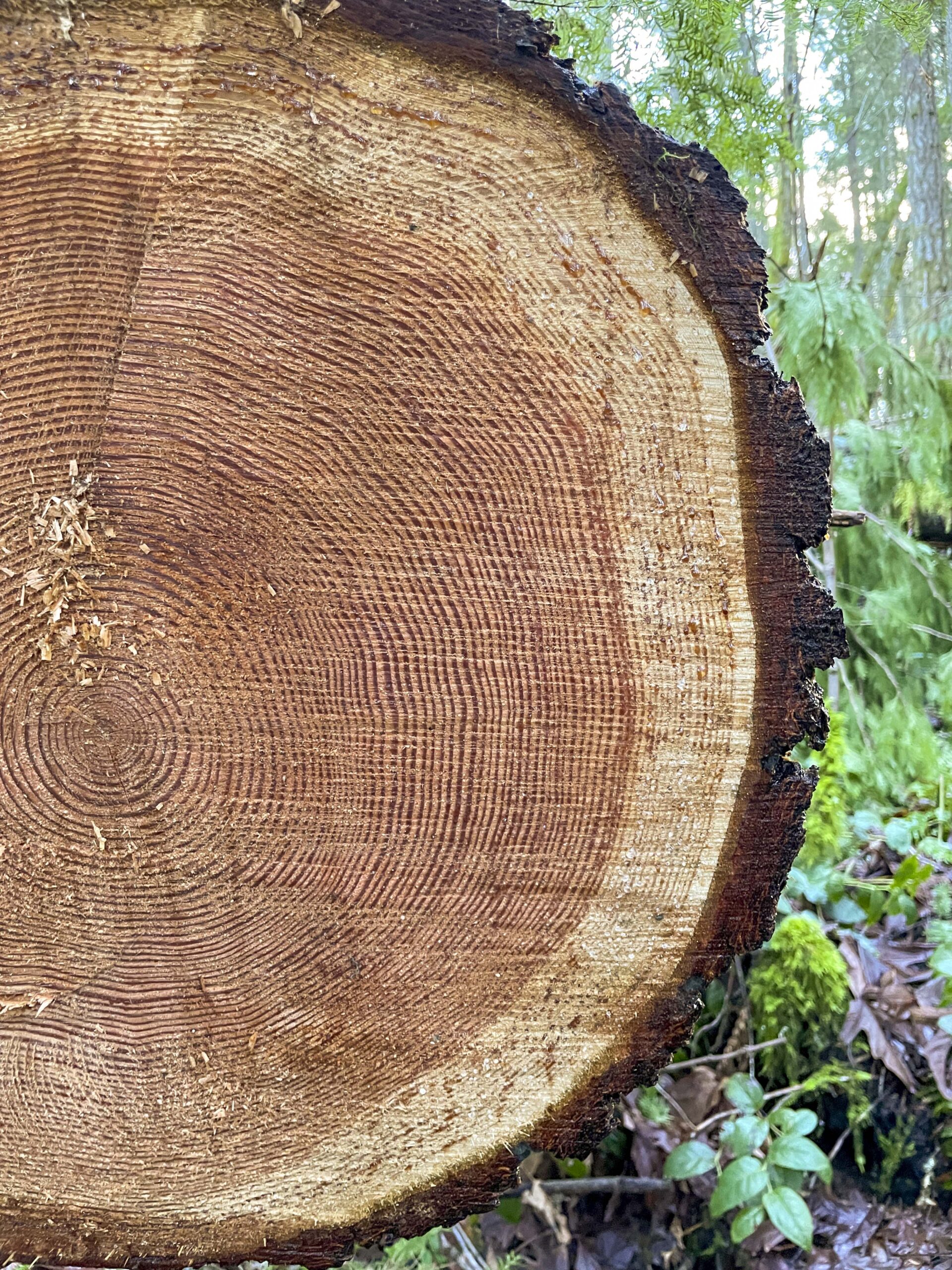 The Berkeley Wood Lab’s research on mass timber production has the potential to improve California’s sustainability by sourcing from local forests. The lab is collaborating with Northern Californian lumber company Mad River Mass Timber, or MRMT. The company will use Californian trees that otherwise would have either been turned into woodchips or burned in a forest fire to build panels that can be used in new housing and commercial buildings. This is the first time these types of panels will be produced locally in California instead of being shipped in from other countries. The technology to create dowel-laminated timber, or DLT, has existed for decades, but the Berkeley Wood Lab adapted it for use in Californian forests. Through the process of making DLT, glue is not required, which enables the timber to be recycled in the future and turned into new material.
 BHUBANESWAR: India should explore inclusion of wood-based construction and buildings into the national building code to achieve optimal outcomes for climate change and the economy, opined experts at the 14th National Workshop of Japan International Cooperation Agency Assisted Forestry Projects. The three-day workshop is organised by the Odisha Forestry Sector Development Project focuses on strengthening sustainable wood supply systems, promoting forest certification and expanding agroforestry to meet both domestic and global demands. Odisha Forestry Sector Development Society officials said while the National Building Code of India advocates bamboo for use in construction … international experts at the workshop opined that production and use of wood-based and other natural construction materials can also be explored to reduce dependence on carbon-intensive materials further and encourage sustainable forestry.
 There are two types of suncream: chemical and physical. Chemical suncreams absorb the UV rays into heat … physical sunblocks scatter and reflect the UV rays on top of the skin. While they offer a broader spectrum of protection, their photo-catalytic nature and small particle size carry a potential risk. The synthetic compounds have adverse side effects on humans and the environment. …Wood is a material that is very effective at scattering light as a result of its cellular structure, absorbing light through one of its components, lignin. The compound is an organic polymer in the cells of many plants which makes them rigid and woody. It also offers sun protection factors (SPFs) that exceed 180. Lignin has a natural phenolic network that forms a shield against ultraviolet light, offering protection against the sun without the need for petroleum-based filters.The use of lignin as sun protection for skin is promising, particularly as a renewable and waste-free resource.


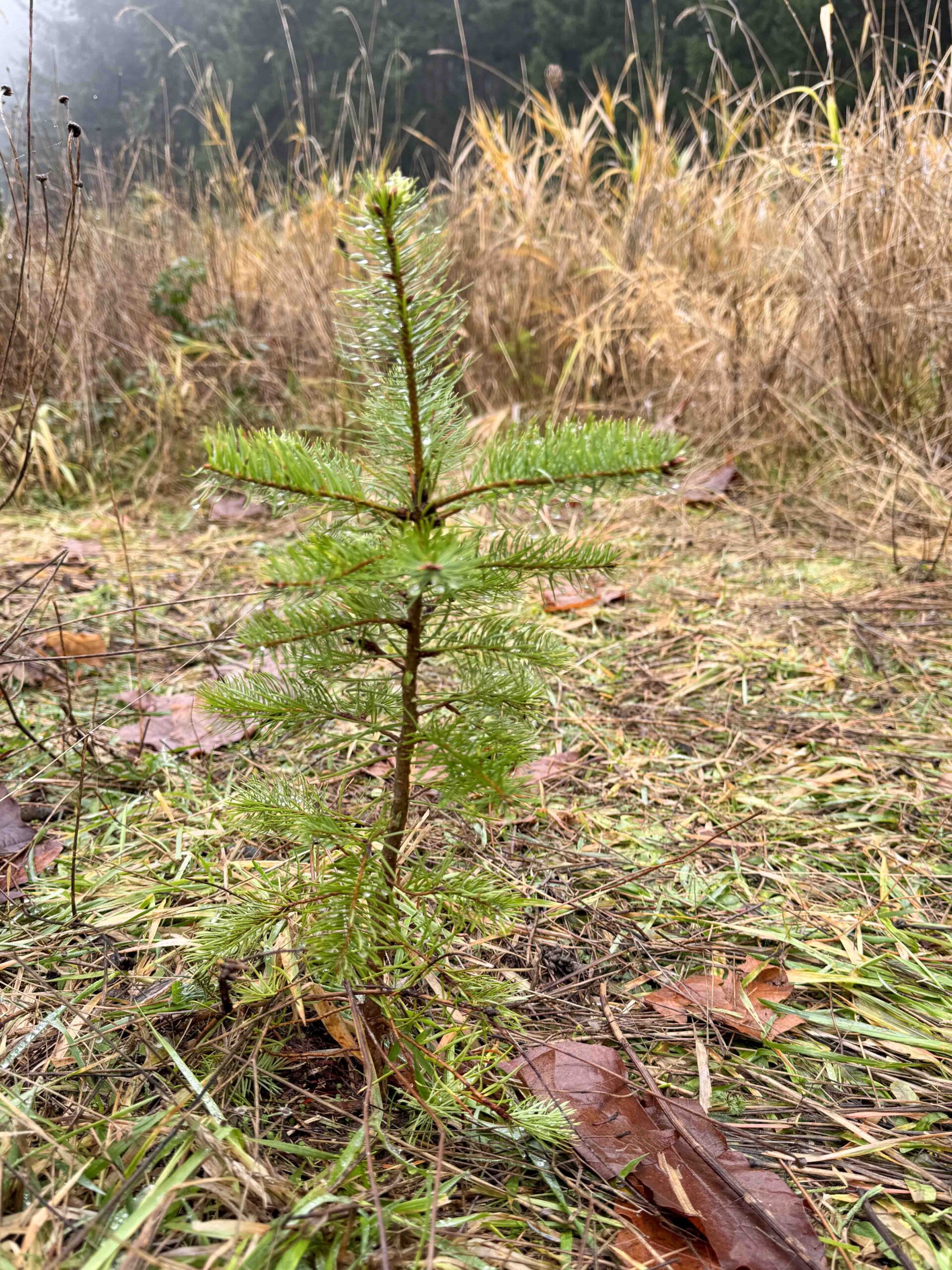 A national horticultural association is sounding the alarm after new data shows a “staggering gap” in Canada’s post-wildfire forest restoration efforts. The Canadian Tree Nursery Association (CTNA) says current programs are restoring only a small fraction of forests lost to recent wildfires and is calling for “immediate and substantive action” from provincial and federal governments to dramatically increase commitments to restoring wildfire-impacted forests. Speaking at the Western Forest Contractors Association Annual General Meeting and Conference in Victoria from Jan. 28-30, Rob Keen, RPF, Executive Director of the CTNA warned that more than 7.3 billion seedlings are required to restore just 15 per cent of the forests destroyed by wildfires between 2023 and 2025 – more than 10 times Canada’s current annual seedling production capacity. “The crisis is compounded by a troubling biological trend – the declining ability of forests to regenerate naturally after more frequent and higher-intensity wildfires,” said Keen.



 The Forest History Association of British Columbia is pleased to launch its 2026 Speaker Series with Jennifer Houghton, Campaign Director for the New Forest Act project with the Boundary Forest Watershed Stewardship Society, on Tuesday, February 17, 2026 via Zoom. Jennifer’s talk, “Same System, Same Results: A Century of BC Forestry Without Structural Change,” takes a long-view look at the history of forest management in British Columbia. Over decades of reviews and tweaks to policy, tenure, and allowable cut levels, outcomes on the ground have remained largely unchanged. Jennifer will explore how volume-driven, tenure-based systems became entrenched and why those repeated cycles of reform have fallen short. Drawing on her work co-authoring the legislative framework for the New Forest Act, she will also introduce this grassroots proposal as a way to rethink and strengthen forestry law so that it serves both ecosystems and communities more effectively. All are welcome to register for the free Zoom event.
 …the IISAAK OLAM Foundation, which promotes the establishment of Indigenous protected conservation areas … hosted the Estuary to Old Growth Gathering in Parksville, bringing together representatives from Nuu-chah-nulth, Coast Salish, Kwakwaka’wakw and Haida nations. …Concurrently, the B.C. Natural Resources Forum launched its “Forestry is a Solution” campaign in Prince George on Jan. 20. This push seeks support for the logging and manufacturing sector, stressing the need to “speed up access to economic wood by expediting permits and approvals”. Many of the industry’s leading associations are backing this campaign. “The coalition is asking British Columbians to voice their support for the workers and families that depend on forestry,” stated the B.C. Council of Forest Industries. …Not surprisingly, a Feb. 2 report from the Provincial Forestry Advisory Council stated that the days of “abundant access to low-cost fibre” are over. The report was presented as “a call to fundamentally reimagine our relationship with the land.”
 Forest harvesting events will be analyzed at an upcoming event at Maple Ridge’s UBC Research Forest. The event titled “Not-So-Clear-Cut: Rethinking How We Harvest Forests” is coming up on Feb. 21, in two sessions from 10 a.m. to 3 p.m. at the Malcolm Knapp Research Forest. Participants are invited to join Dr. Suzanne Simard, a professor and the author of Finding the Mother Tree, and Hélène Marcoux, director and forester at the Malcolm Knapp Research Forest, for a two-hour guided walk along hiking trails through the forest. As part of ongoing research exploring alternatives to clear-cuts, attendees can discover how tree retention forestry supports soil carbon and ecosystem resilience – all while exploring the challenges and trade-offs of logging in a living ecosystem.
 Reducing wolves to protect endangered caribou doesn’t always deliver the expected results—and the shape of the land may be the deciding factor. That’s according to
 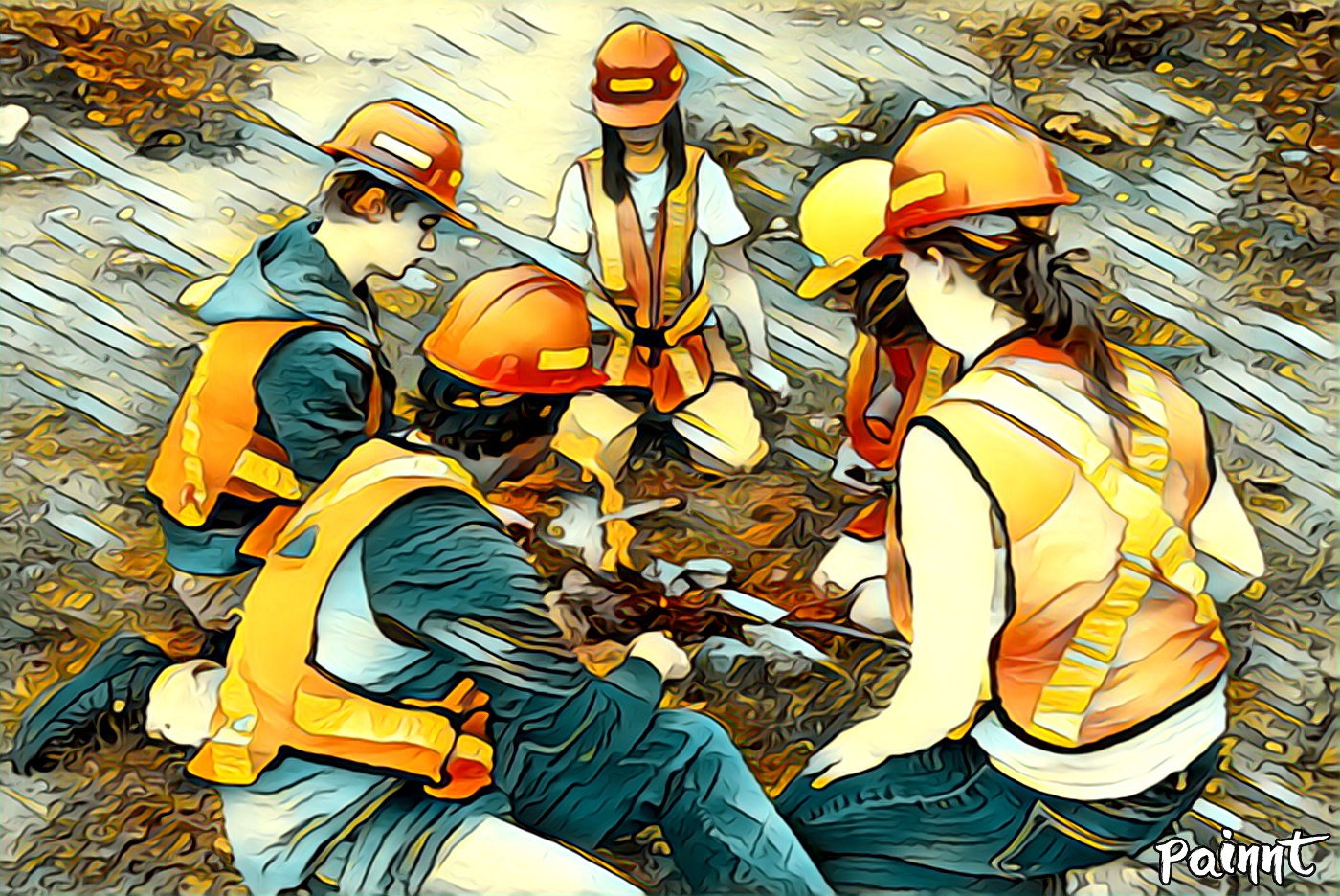 Several programs have been suspended at North Island College, but before the decision came down, students and alumni made their displeasure known outside Koumox Hall in two different rallies. …The Ministry of Post Secondary Education sent out a provincial mandate for schools to review all programs last June after federal policy changes regarding the reduction of international student visas issued. The ministry projected it could lead to a province-wide negative annual revenue impact of a $300 million deficit. 15 programs are being considered for suspension including Coastal Forestry Certificate, Coastal Forestry Diploma, and Furniture Design and Joinery Certificate.

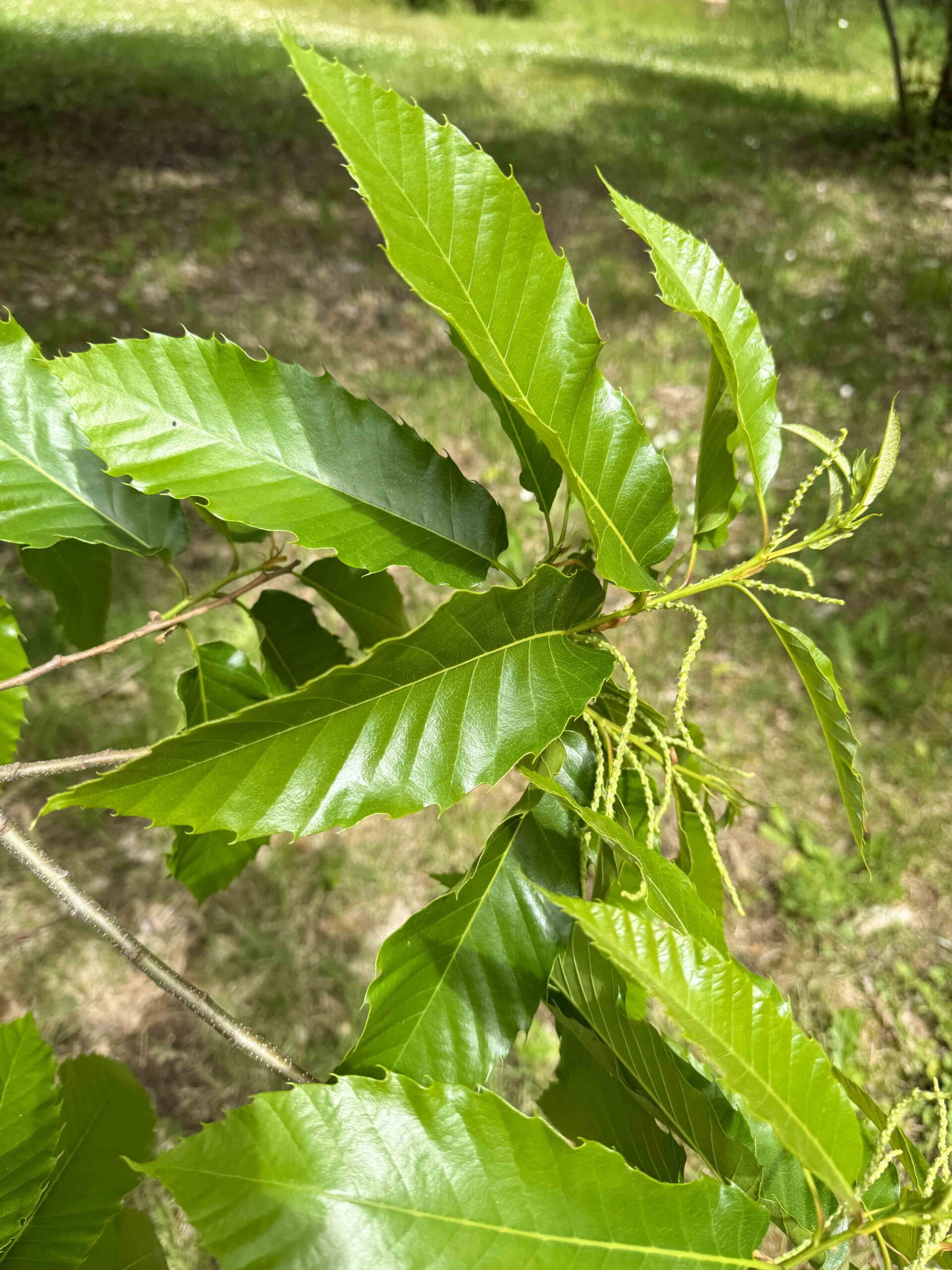 WASHINGTON — Billions of American chestnut trees once covered the eastern United States. …But by the 1950s, this venerable tree went functionally extinct, culled by a deadly airborne fungal blight and lethal root rot. A new study provides hope for its revitalization, finding that the genetic testing of individual trees can reveal which are most likely to resist disease and grow tall, thus shortening how long it takes to plant the next, more robust, generation. …The American chestnut … had little defense against foreign-introduced blight and root rot. Another type of chestnut, however, had evolved alongside those diseases. The Chinese chestnut had been introduced for its valuable nuts and it could resist diseases. …So, the authors want a tree with the characteristics of the American chestnut and the disease resistance of the Chinese chestnut. …Breed for disease resistance alone and the trees get shorter, less competitive.
 The Interior Department is blazing ahead with a reorganization plan that will bring all of its wildland firefighting operations into a single agency. Starting next week, all the department’s wildland fire employees and programs will be moved into a new Wildland Fire Service. Congress did not approve funds for this consolidation of federal firefighting programs into one agency. The Wildland Fire Service also stops short of merging wildland fire personnel or programs from the USDA’s Forest Service with those same resources at the Interior Department. An internal memo sent to staff on Monday states the Wildland Fire Service “will unify wildland fire management within DOI only.” According to the memo, obtained by Federal News Network, the Wildland Fire Service will “align operations” with USDA through shared procurement, predictive services, research, and policy reforms.
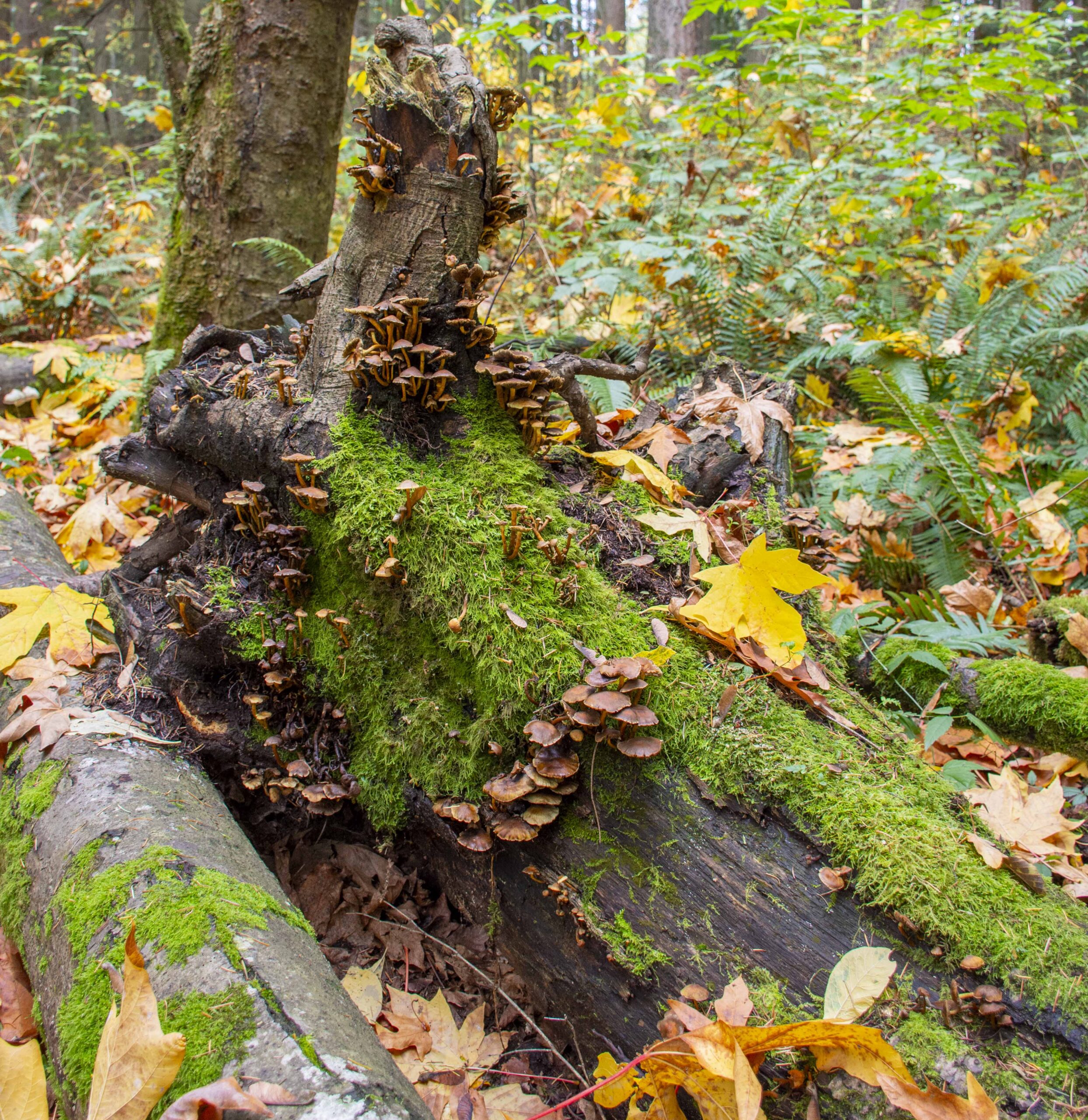 Biological legacies (i.e., materials that persist following disturbance; “legacies”) shape ecosystem functioning and feedbacks to future disturbances, yet how legacies are driven by pre-disturbance ecosystem state and disturbance severity is poorly understood—especially in ecosystems influenced by infrequent and severe disturbances. Focusing on wet temperate forests as an archetype of these ecosystems, we characterized live and dead aboveground biomass 2–5 years post-fire in western Washington and northwestern Oregon, USA, to ask: How do pre-fire stand age and burn severity drive variability in initial post-fire legacies, specifically aboveground biomass carbon and fuel profiles? …Our findings demonstrate the importance of pre-disturbance ecosystem state in dictating many aspects of initial post-disturbance structure and function, with important implications for managing post-fire recovery trajectories in some of Earth’s most productive and high-biomass forests.

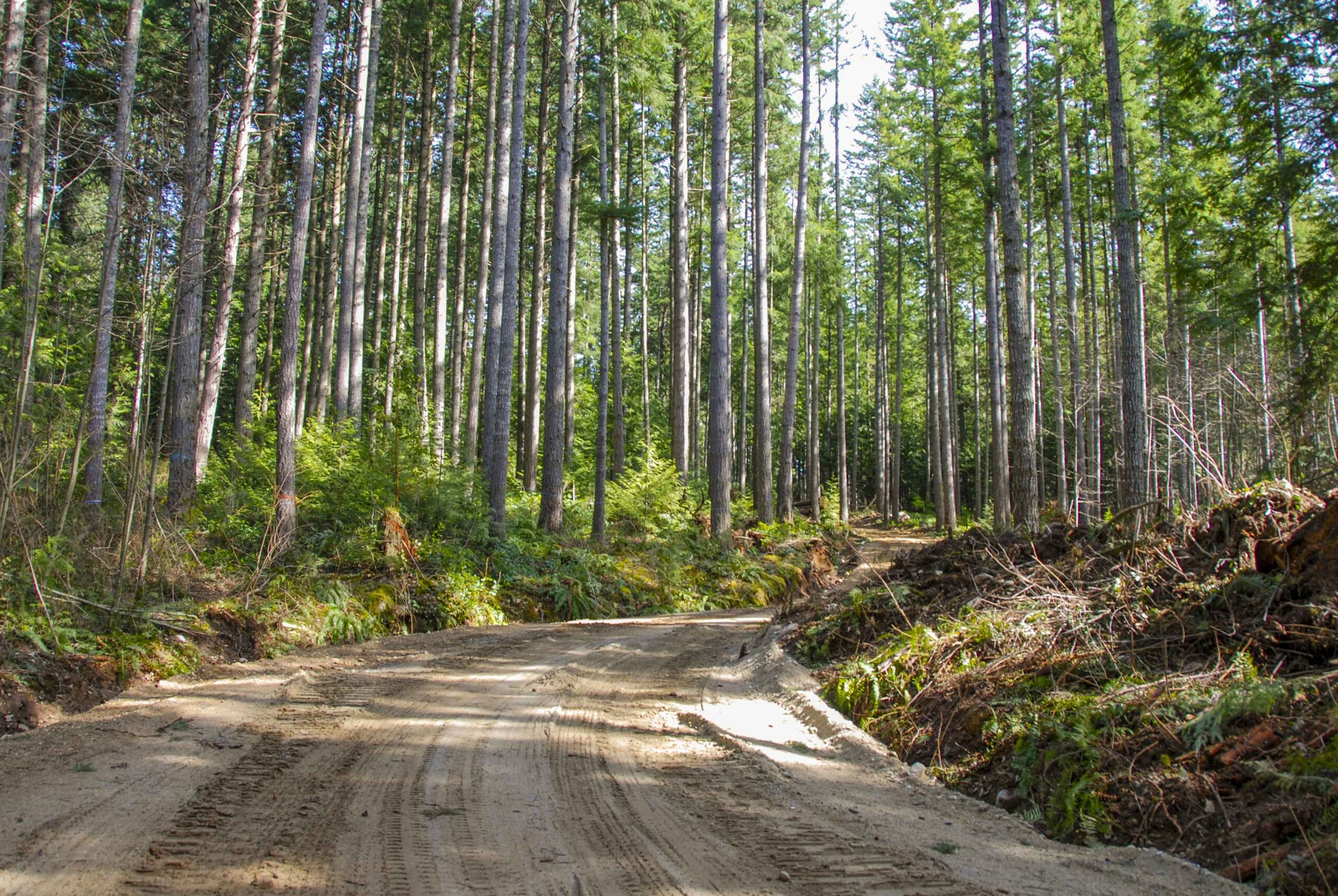 COLORADO — The U.S. Forest Service is proposing logging southwest of Glenwood Springs, involving about 2,600 acres in what’s known as the Fourmile area along the borders of Pitkin, Mesa and Garfield counties. The White River National Forest’s proposal includes acreage in all three counties. It involves selective thinning and vegetation clearing in two treatment areas and along several roads to improve forest health, reduce wildfire risk and provide timber, the Forest Service said in a news release. “The timber treatments would improve the forest’s ability to withstand and recover from drought and insect outbreaks by creating more diversity in the size and ages of trees. Additionally, work along roads will strengthen predetermined areas where firefighters could more effectively engage wildfires,” the Forest Service said in its release. …“Active forest management is an important tool for maintaining healthy forests,” Acting Aspen-Sopris District Ranger Jennifer Schuller said in the release.
  OLYMPIA, WA – Two Washington tribal leaders could soon sit on the state’s Board of Natural Resources, which guides logging sales and other management decisions on public land. Sen. Claudia Kauffman, a Democrat and first Native American woman to serve in the state Senate, proposed Senate Bill 5838. On Monday, it was voted out of the Senate Committee on Agriculture and Natural Resources. The bill originally called for only one tribal representative, but it was changed to two members as it moved through the committee process. The proposal is backed by Public Lands Commissioner Dave Upthegrove, who chairs the board and leads the Department of Natural Resources. The department requested the legislation. If enacted, the governor would appoint a tribal representative from each side of the Cascades… Eligible tribal members must hold an elected position in a federally recognized tribe whose reservation or treaty-ceded lands are in Washington.
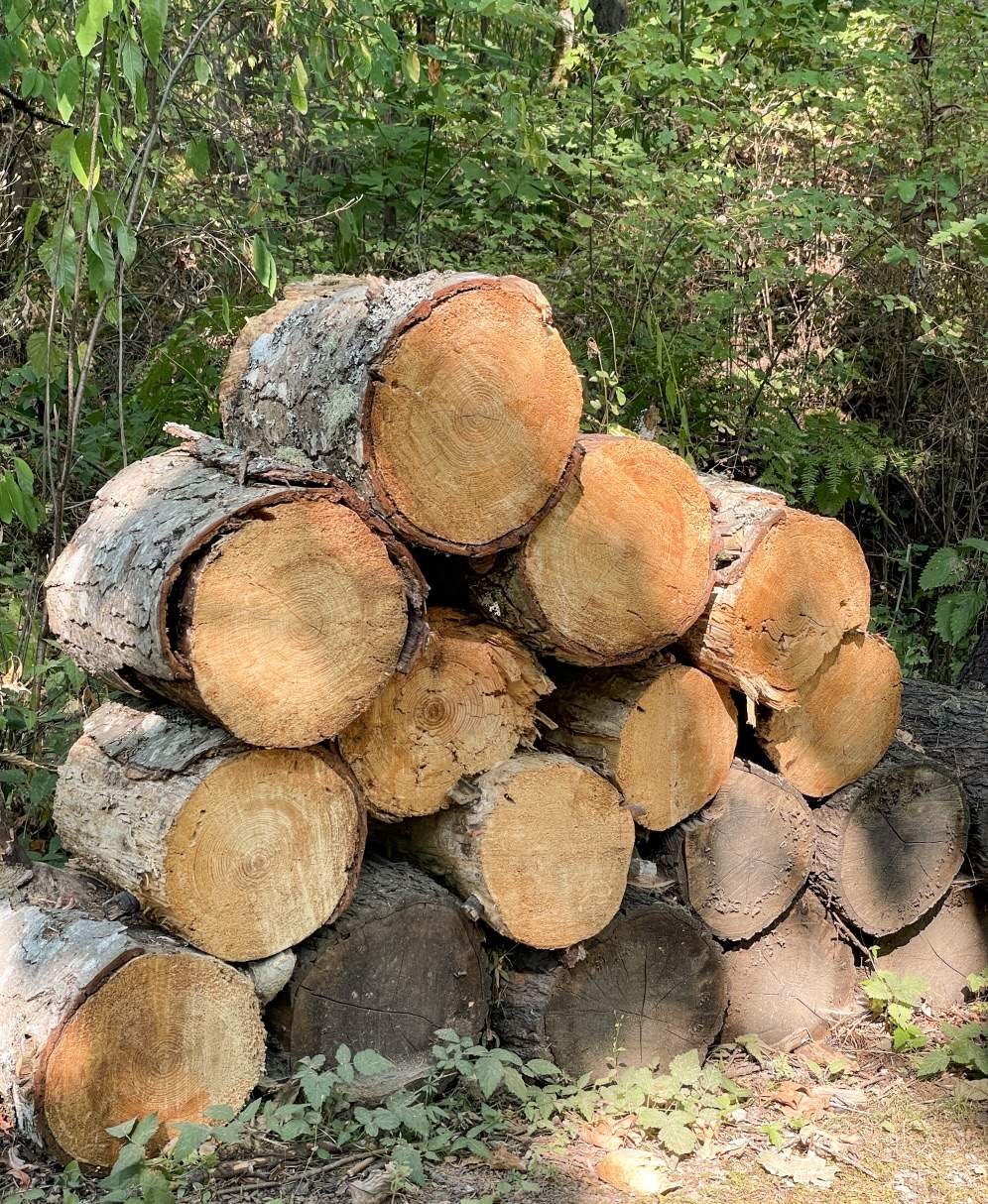 Baker City, Oregon — Baker County Commissioner Christina Witham lauded the Wallowa-Whitman National Forest for cutting and piling trees southwest of Baker City, the start of a project that will continue for several years with a goal of reducing the risk of a wildfire in the city’s watershed. “It’s looking really nice,” Witham said during commissioners’ meeting Wednesday morning, Feb. 4. Witham, whose focus areas as a commissioner include natural resources, said she recently toured some of the work areas with Forest Service officials. …According to the Wallowa-Whitman, the project, which totals about 23,000 acres, is designed not only to reduce the fire risk within the watershed, but also to curb the threat of a fire spreading into the watershed, particularly from the south, a path that summer lightning storms often follow.
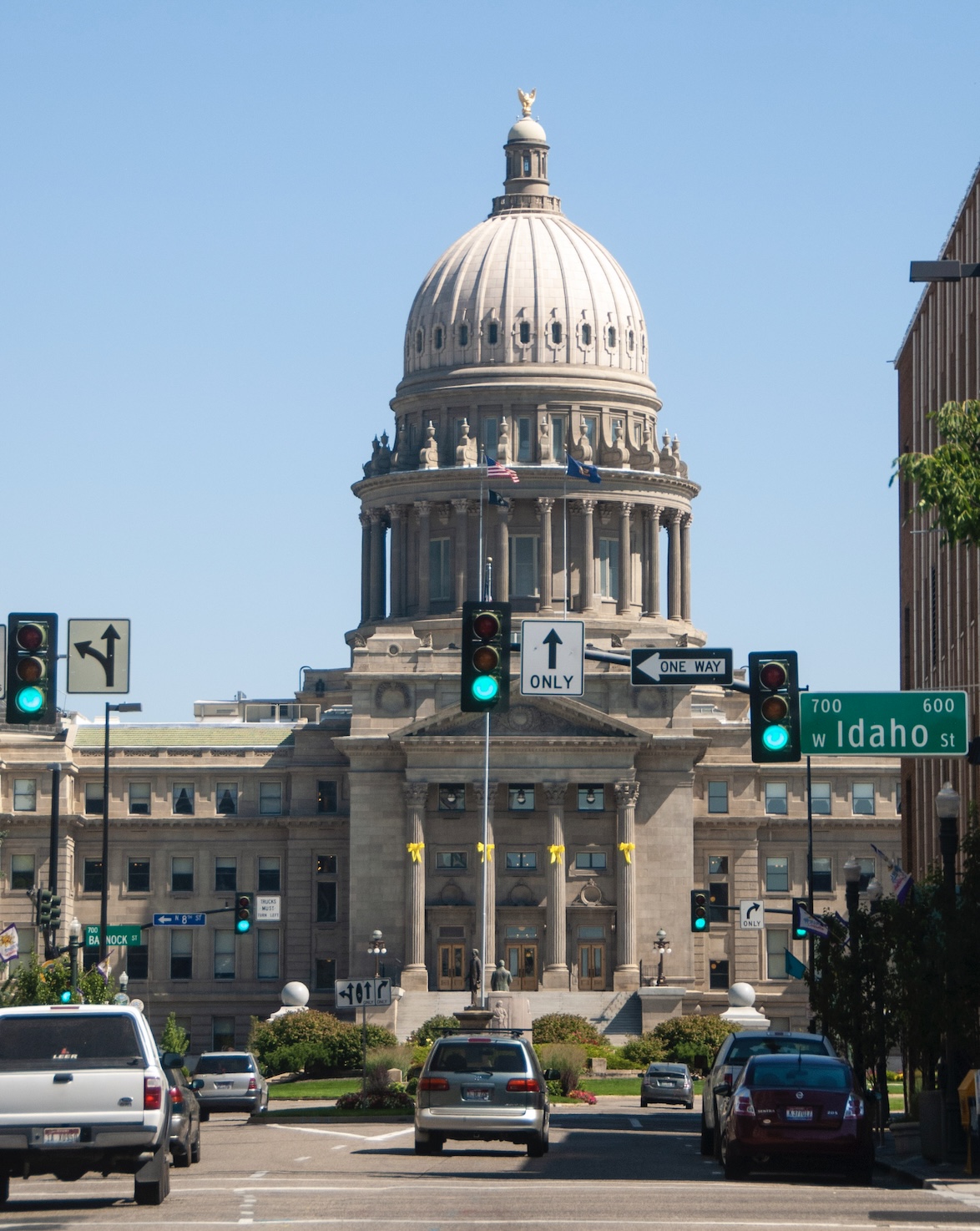 Anytime someone talks about shifting management of federal lands to Idaho, know that they have a bigger goal in mind. In a recent interview on The Ranch Podcast, Rep. Jordan Redman, R-Coeur d’Alene, was frank about his goals for public lands in Idaho. He said his father, former Rep. Eric Redman, dreamed of Idaho taking ownership of federal lands, and his goal is the same. The first step is for Idaho to manage public lands for a bit, then the state takes ownership of them. “How do we get that federal land back in ownership for the state?” Rep. Jordan Redman said. Back? It should be said that Idaho has never owned federal land. Redman should try reading the Constitution he swore to uphold: “… the people of the state of Idaho do agree and declare that we forever disclaim all right and title to the unappropriated public lands lying within the boundaries thereof … .” You can’t get back what you never owned; you can only take it. In service of the goal of taking federal land, Redman made a familiar argument.
 Environmental activists have forced the shutdown of a timber mill in north-west Tasmania. Two women were arrested on trespass charges at the Ta Ann veneer mill in Smithton on Tuesday, as a week-long campaign against native forest logging escalates. …The Bob Brown Foundation said 20 “forest defenders” had occupied the site, with at least one person locking themselves to infrastructure. …The foundation said the protest marked day two of a planned week of action, with participants travelling from across Australia to take part. …In response, Ta Ann Tasmania’s General Manager Robert Yong described the actions as a disruption to a “fully complying lawful business that adds value to sustainable supplies of hardwood logs”. “Their attack on Ta Ann puts the employment and health and safety of employees going about their business at risk,” Yong said.
 In a controversial study published in April last year, researchers described an astonishing phenomenon: a forest of Norway spruce trees (Picea abies) appeared to ‘sync’ their electrical signaling ahead of a partial solar eclipse. Now there’s a new theory about what was actually going on. Having examined the data, ecologists Ariel Novoplansky and Hezi Yizhaq from Ben-Gurion University of the Negev in Israel propose an explanation that’s not quite as sensational. Novoplansky and Yizhaq suggest that the electrical activity seen in the trees was caused by a temperature drop, a passing thunderstorm, and several local lightning strikes; factors that previous research has shown can trigger similar signaling responses in plants.
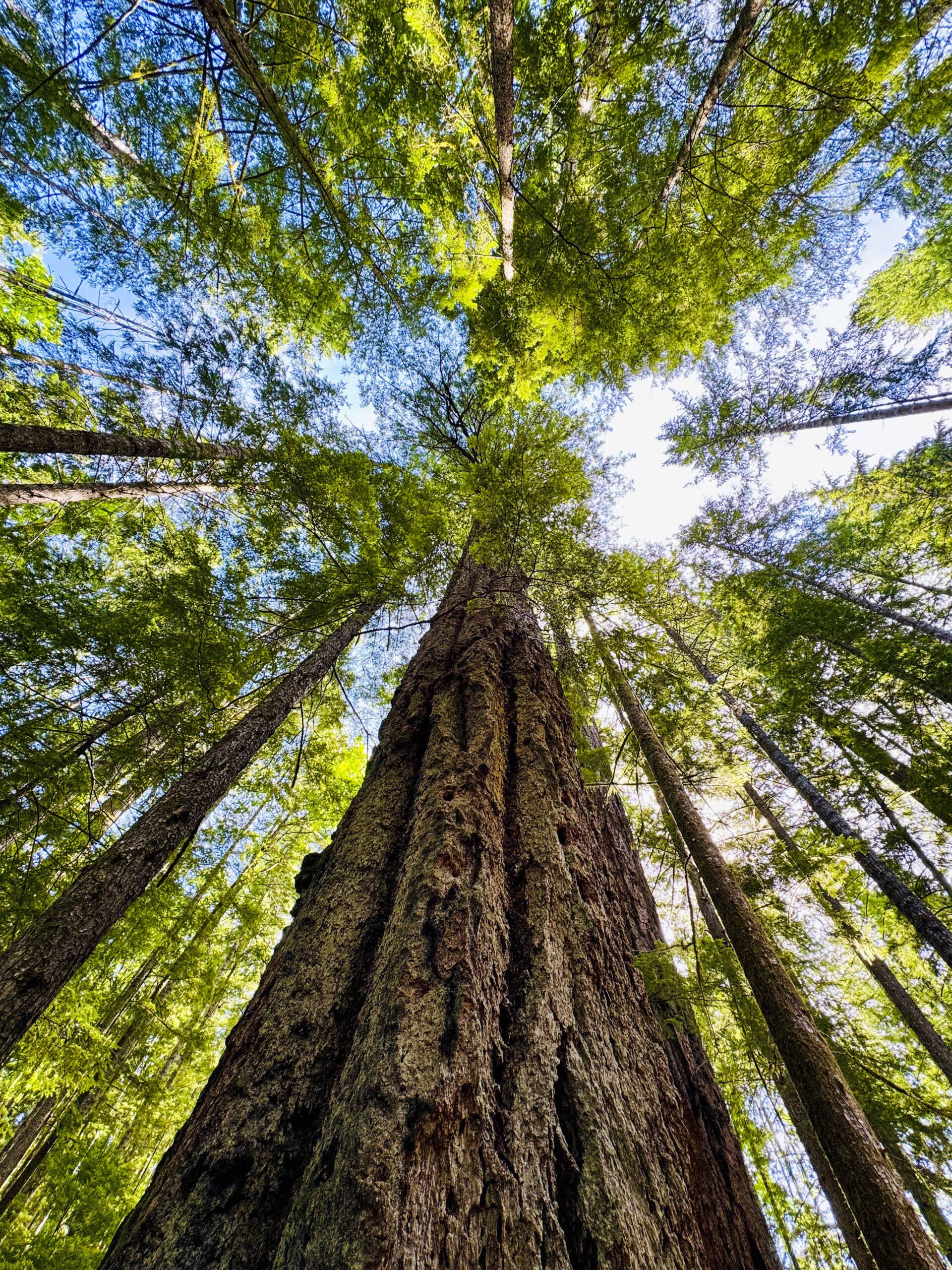 Forests around the world are quietly transforming, and not for the better. A massive global analysis of more than 31,000 tree species reveals that forests are becoming more uniform, increasingly dominated by fast-growing “sprinter” trees, while slow-growing, long-lived species are disappearing. These slower species act as the backbone of forest ecosystems, storing carbon, stabilizing environments, and supporting rich webs of life—especially in tropical regions where biodiversity is highest. …The research also highlights the growing role of naturalized tree species, meaning trees that originated elsewhere but now grow wild in new regions. Nearly 41 percent of these species share traits like rapid growth and small leaves, which help them survive in disturbed environments. …The study shows that tropical and subtropical regions are likely to experience the most severe impacts from forest homogenization. …According to the researchers, human actions are the main force behind these changes in forest composition. …This makes protecting slow-growing tree species increasingly urgent.
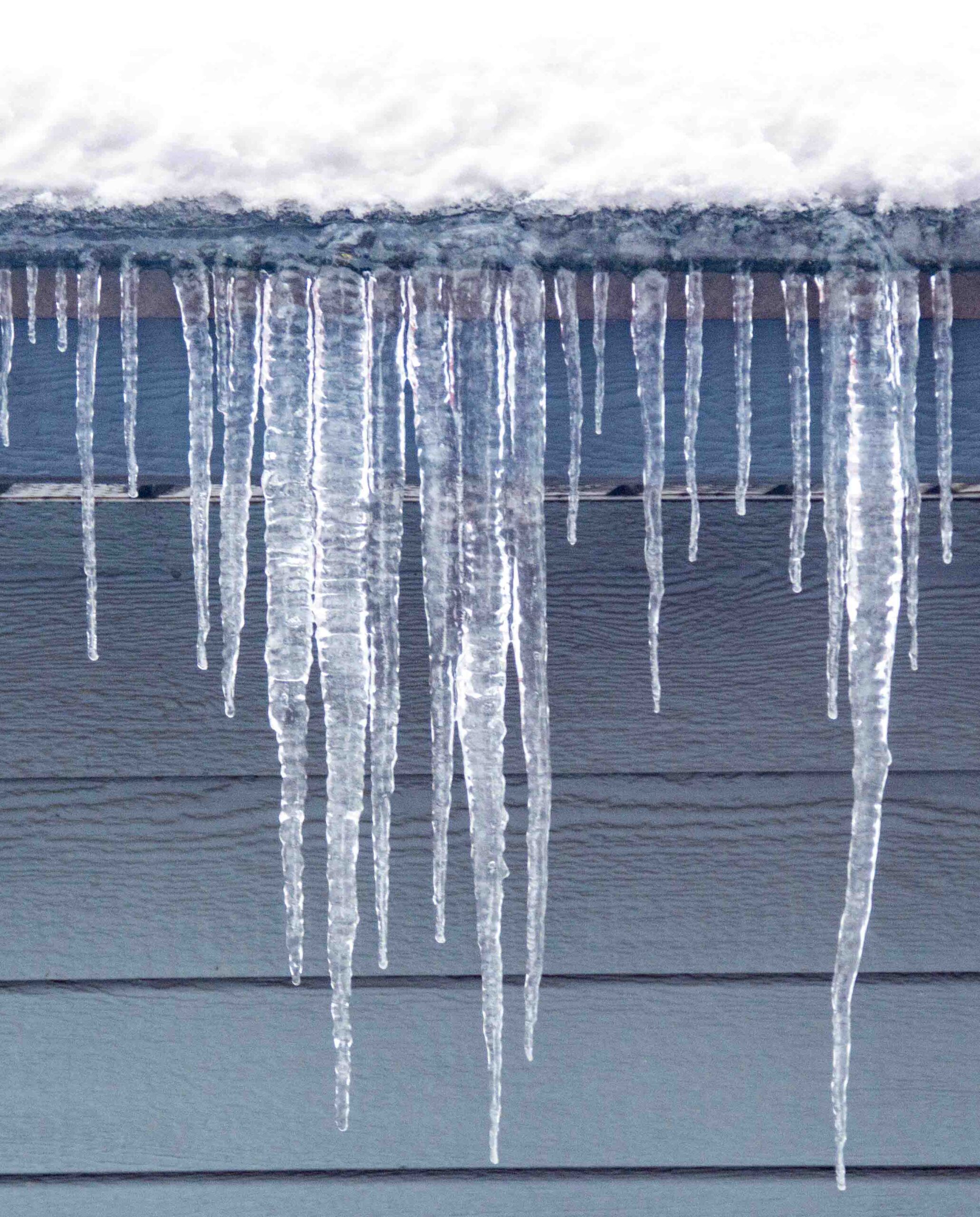 With global temperature rising and extreme weather becoming the new normal, ballooning insurance premiums and shrinking coverage are hitting Canadians hard. Basement floods and severe winter storms have brought the financial fallout of climate change home—it is no longer a hypothetical. …“The fact that every insurance company has climate scientists on staff and insurance companies are all pricing in climate risk; there is no financial incentive for them to do that if it wasn’t real,” said Dr. Kate Marvel, a NASA climate scientist. If climate change were a hoax, insurers would simply undercut one another, offering cheaper coverage and dismissing long-term risk, Marvel explained. Instead, they are doing the opposite; quietly rewriting the rules of risk as extreme weather becomes more frequent, more destructive and more expensive. …The question is whether governments will act quickly enough to adapt to a warming climate and confront who pays for the damage when they don’t.
 The 2026 Arctic Bioenergy Summit and Tour brought together over 125 northern energy leaders, policymakers, and bioenergy experts in Yellowknife from January 26–28 to explore sustainable heating solutions for remote and Arctic communities. The event, hosted by the Arctic Energy Alliance and the Wood Pellet Association of Canada, showcased the theme Sustainable Bioenergy for Northern Communities: Reliable. Affordable. Local. Sessions emphasized that bioenergy continues to offer meaningful economic, environmental, and energy‑security benefits for northern and remote communities—especially when paired with strong local leadership and practical, scalable project design. The event also provided valuable networking opportunities, connecting community representatives, government officials, and industry innovators.
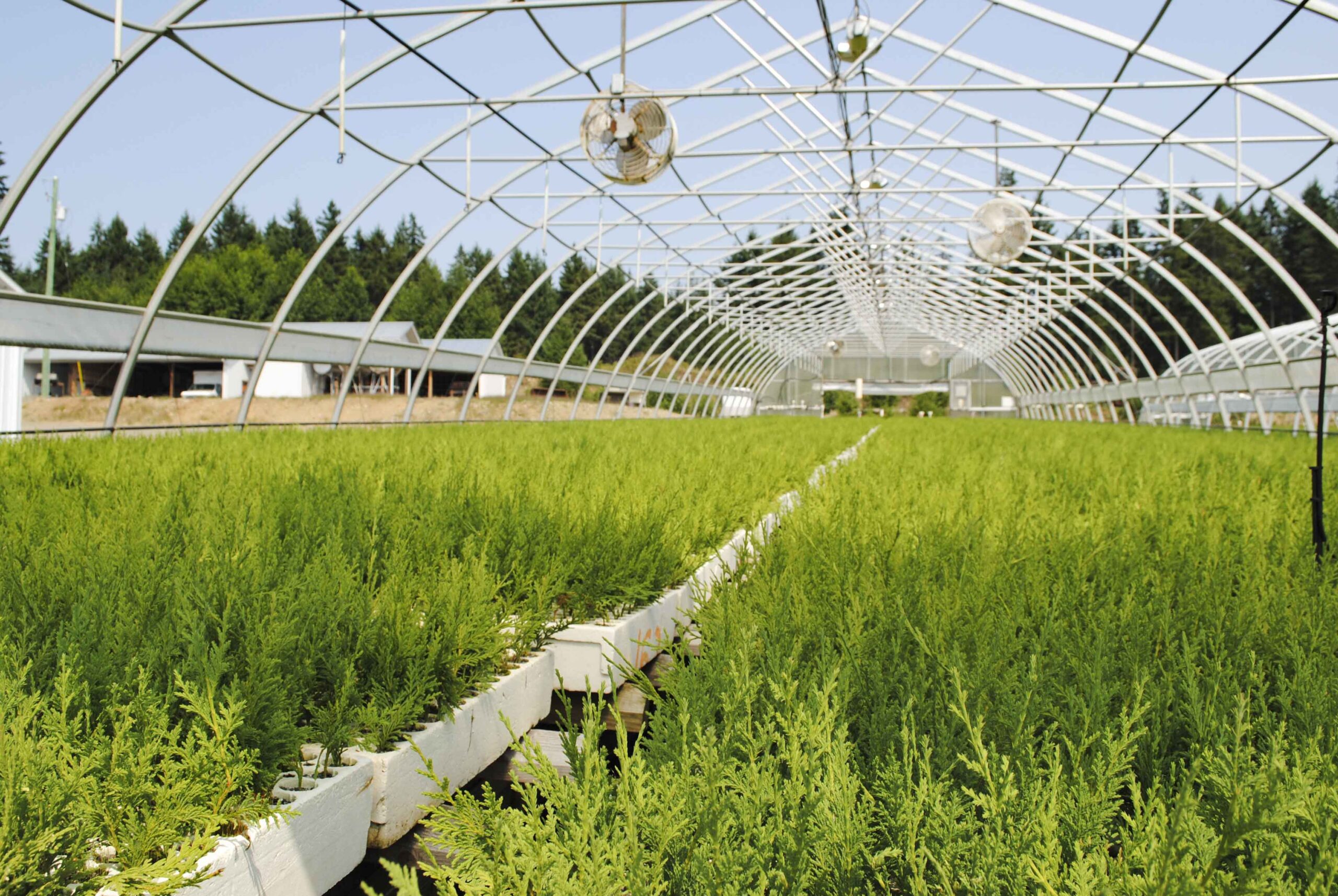 Strategically planting trees along the northern edge of Canada’s boreal forest could remove multiple gigatonnes of carbon dioxide from the atmosphere by the end of the century, according to a new study led by researchers at the University of Waterloo. The research, published in
 CORVALLIS, Ore. – Scientists say multiple Earth system components appear closer to destabilization than previously believed, putting the planet at increased risk of a “hothouse” trajectory driven by feedback loops that can amplify the consequences of global warming. “The risk of a hothouse Earth
  When the time is right, a good love song can make all the difference. A study from the University of California, Davis, found that temperature affects the sound and quality of male frogs’ mating calls. In the colder, early weeks of spring, their songs start off sluggishly. In warmer weather, their songs pick up the pace, and female frogs take note. Better songs make the males more attractive mates and suggest to females that conditions are suitable for reproduction. …The results carry implications for conservation amid climate change. …Understanding when frogs breed, how that may shift as the climate warms, and what is driving those shifts is critical to their conservation. …females do not necessarily come to the pond just because the males are calling. The time has to be right for her eggs to survive. That clue lies in the quality of the male’s song, which is more attractive once it’s warmer.
 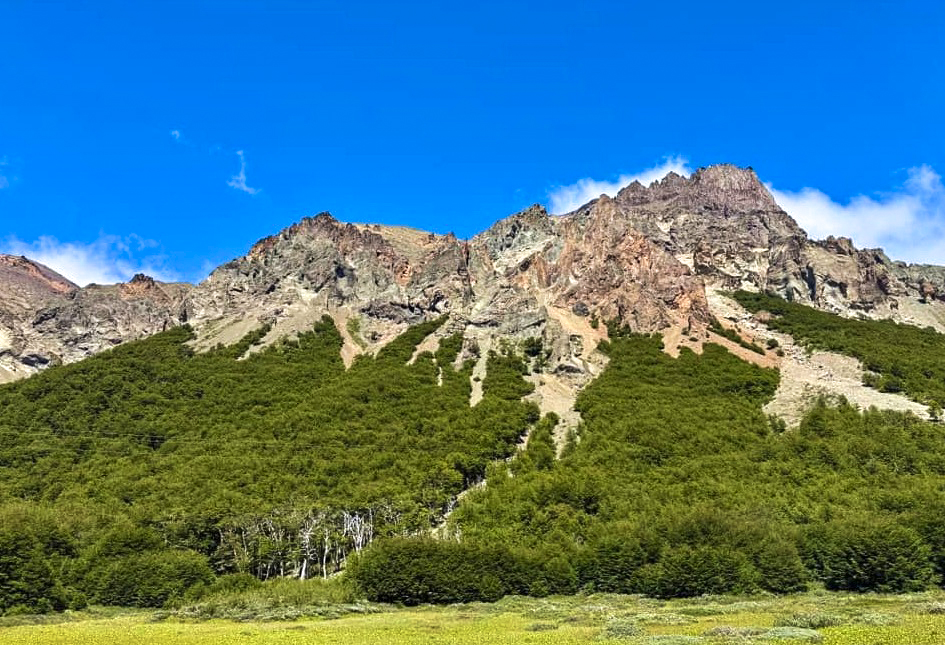 BUENOS AIRES, Argentina — Human-caused climate change had an important impact on the recent ferocious wildfires that engulfed parts of Chile and Argentina’s Patagonia region, making the extremely high-risk conditions that led to widespread burning up to three times more likely than in a world without global warming, a team of researchers warned on Wednesday. The hot, dry and gusty weather that fed last month’s deadly wildfires in central and southern Chile was made around 200% more likely by human-made greenhouse gas emissions while the high-fire-risk conditions that fueled the blazes still racing through southern Argentina were made 150% more likely, according to World Weather Attribution, a scientific initiative that investigates extreme weather events soon after they happen. That probability will only increase, the experts added, as humans continue to blanket the planet with heat-trapping gases.
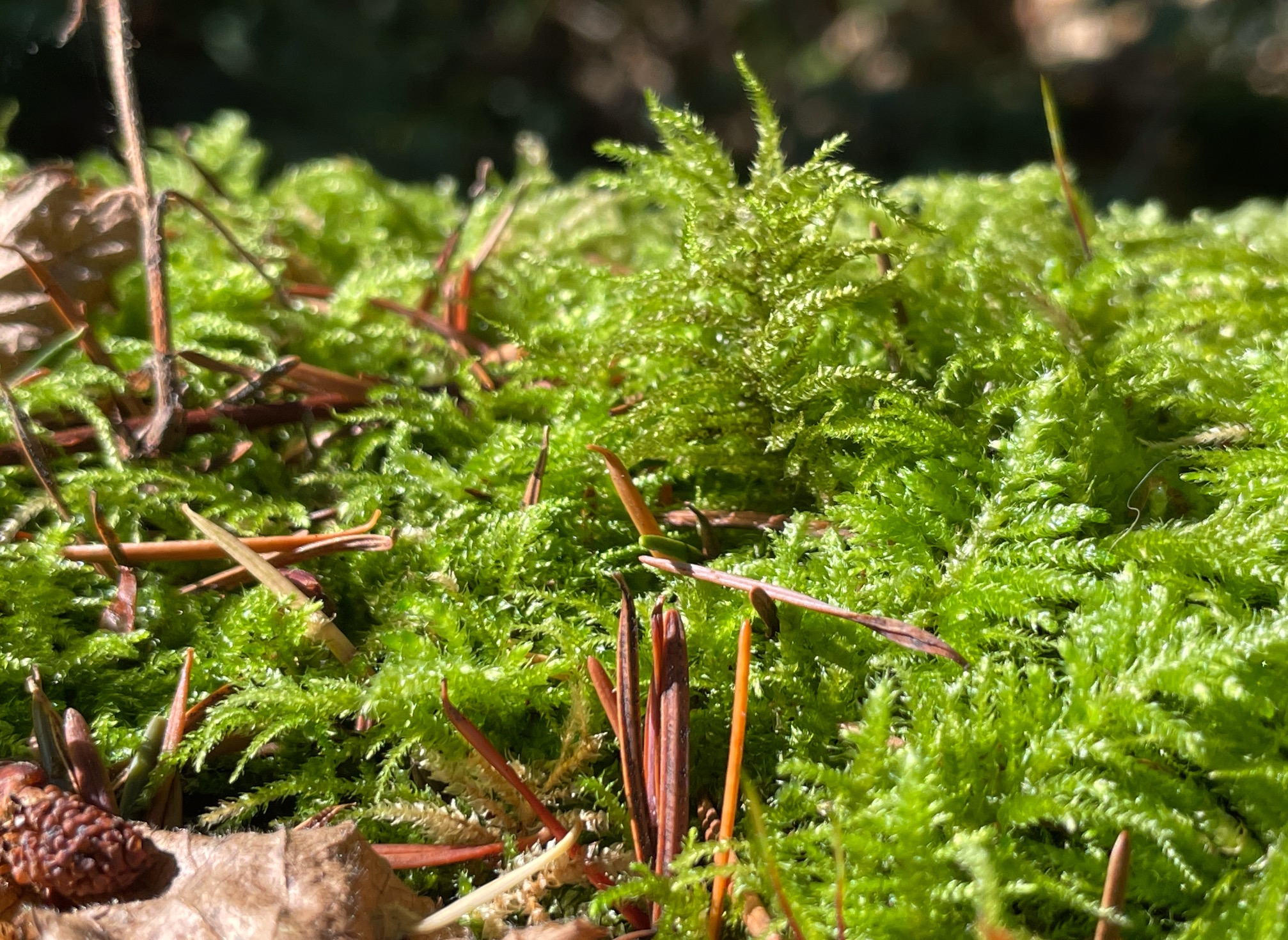 Boreal ecosystems store twice as much carbon as the atmosphere and warm faster than the global average. The current paradigm based on boreal forests and tundra considers that warming will accelerate boreal carbon loss. However, the warming response of Sphagnum peatlands, storing ~40% of boreal carbon stocks, remains under-investigated. …investigations into two long-term warming experiments in Finnish peatlands, we demonstrate that warming enhances soil carbon accumulation in boreal Sphagnum peatlands. This result sharply contrasts with warming-induced carbon loss from boreal forests and tundra, owing to the unique metabolic response of Sphagnum… Our estimates suggest that warming-induced increase of soil carbon in boreal Sphagnum peatlands (assuming no hydrological changes or plant species shifts) may offset nearly half the boreal forest carbon-sink decline or heterotrophic respiration increases in Arctic tundra under warming. These findings highlight the vital but overlooked role of Sphagnum peatlands in counteracting boreal carbon loss under future warming.
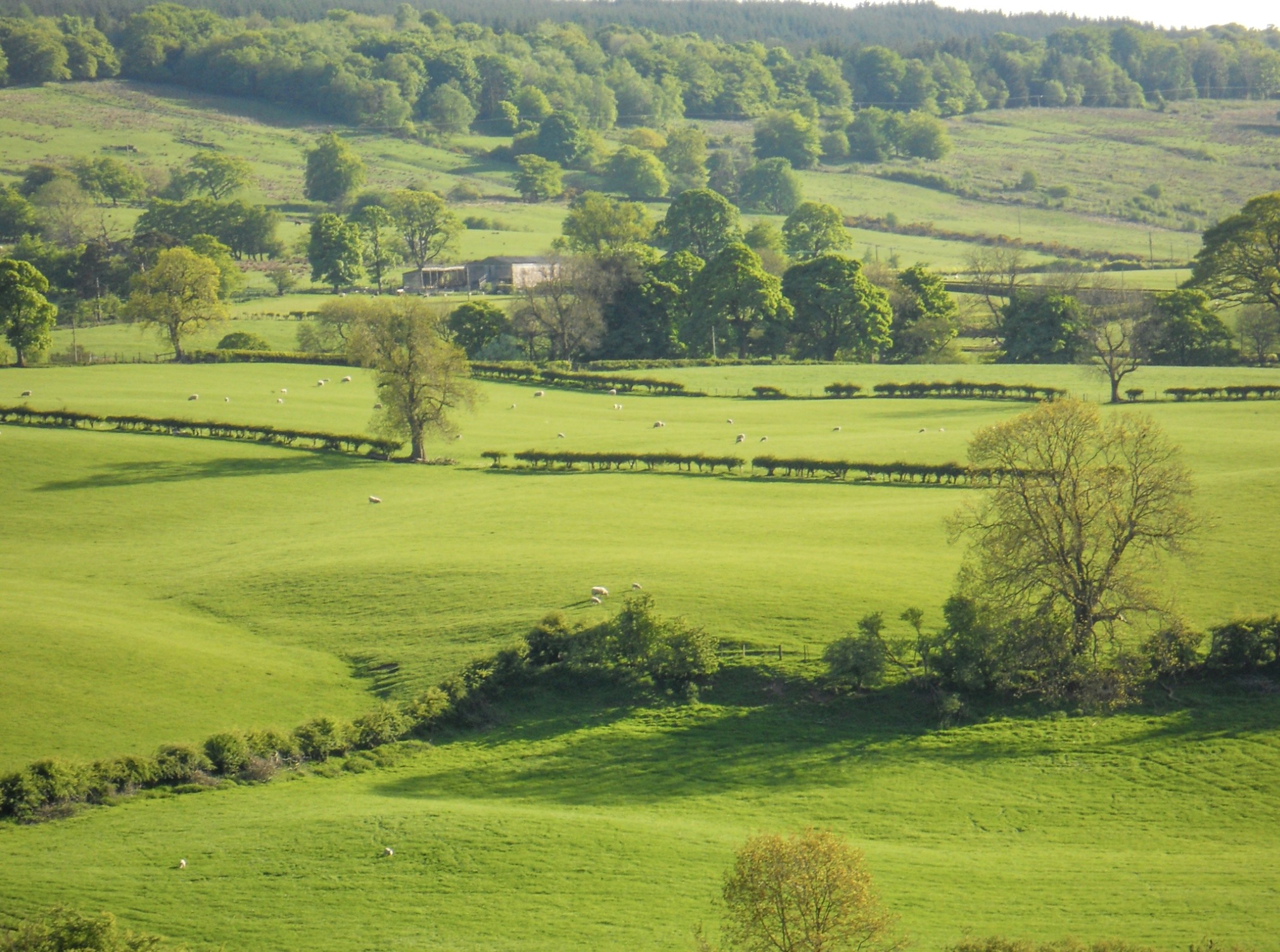 Scotland would have to plant several hundred thousand hectares of new woodland to achieve net-zero carbon emissions in the livestock sector by 2050 through afforestation alone, a new study has shown. The study by The James Hutton Institute, which was recently published in the journal Science of The Total Environment, investigated how multi-functional afforestation and livestock reduction could contribute to helping Scotland achieve net-zero emissions in the livestock sector by 2050. This goal aligns with the Paris Agreement on climate change. Researchers have simulated a scenario in which approximately 30,000ha per year of new woodland and agroforestry were planted in Scotland between 2020 and 2025. …It is often assumed such planting can only occur at the expense of grazing area, so the researchers coupled this planting effort with a linear decrease in livestock, with an estimated total reduction of approximately 50% of the present herd numbers.
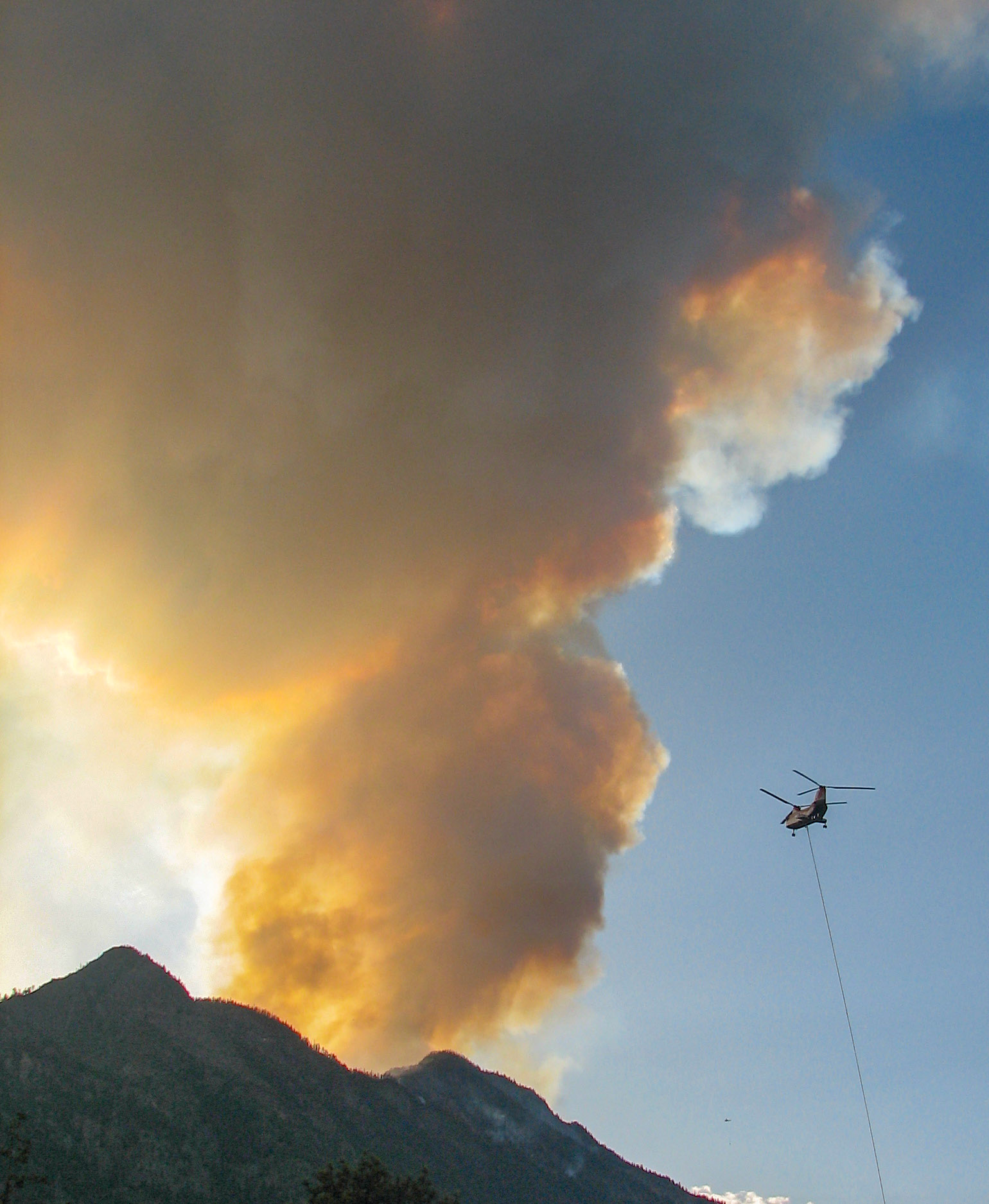 Chronic exposure to pollution from wildfires has been linked to tens of thousands of deaths annually in the United States, according to a new study. The paper found that from 2006 to 2020, long-term exposure to tiny particulates from wildfire smoke contributed to an average of 24,100 deaths a year in the lower 48 states. “Our message is: Wildfire smoke is very dangerous. It is an increasing threat to human health,” said Yaguang Wei, a study author and assistant professor in the department of environmental medicine at Icahn School of Medicine at Mount Sinai. …“It’s only if we’re doing multiple studies with many different designs that we gain scientific confidence of our outcomes,” said Michael Jerrett, professor of environmental health science at the University of California, Los Angeles. The paper’s researchers focused on deaths linked to chronic exposure to fine particulate matter, or PM2.5 — the main concern from wildfire smoke.