 Fallout from the US Supreme Court tariff ruling has Europe preparing to retaliate; US homebuilders and building material dealers calling for cost relief; Canada worrying about the tariffs still in place; and FEA explaining the 15% Section 122 duty implications for wood products. Meanwhile: Prime Minister Carney heads to Asia for trade relief; and President Trump prepares for his State of the Union address.
In other news: Quebec First Nations file lawsuit to curb logging; BC mayor renews call for EI benefits for laid-off workers; BC looks to expand Indigenous-led forestry businesses; Newfoundland forestry assumes responsibility for emergency services; Oregon proposes logging ramp-up on public lands; North Carolina warns of spring wildfire risks; and Arkansas deploys urban forestry personal to neighbouring states.
Finally, Record-breaking storms brings snow-pack relief to both West and East coast mountains.
Kelly McCloskey, Tree Frog News Editor
 Delaware – President Trump’s announcement of a 15% tariff following last week’s Supreme Court ruling has created uncertainty in financial markets. While some retailers and consumer companies may benefit from reduced trade barriers, domestic lumber and packaging firms face increased competition from cheaper imports. …On Monday, domestic lumber companies saw their stock prices drop amid concerns that cheaper foreign imports could undercut their pricing power. The court’s tariff decision threatens to erode the competitive advantage that domestic packaging and lumber businesses previously held against lower-cost foreign competitors, industry analysts warn. RBC analysts identified potential negative consequences for companies including Clearwater Paper, Rayonier, Sylvamo, and Smurfit WestRock. A recent industry survey revealed that most U.S. purchasers reported declining containerboard prices in February, as increased European imports expanded supply and created additional pricing pressures. Monday trading saw Smurfit and domestic competitor International Paper decline by 7% and 6%, respectively.
 OTTAWA — The Supreme Court of Canada will help decide the appropriate means of reviewing a company’s complaint about the service provided by a railway. In November 2023, the Canadian Transportation Agency ruled that Canadian National Railway Co. failed to meet the level of service it owed to Alberta Pacific Forest Industries Inc. The agency is a federal regulator and quasi-judicial tribunal and, under section 41 of the Canadian Transportation Act, its decisions may be appealed to the Federal Court of Appeal on questions of law or jurisdiction. CN wanted to contest factual findings so it pursued an appeal under a provision of the Federal Courts Act, not under section 41.
 Prime Minister Mark Carney has chosen former Privy Council clerk Janice Charette to head Canada’s trade negotiations as it prepares for a review of the North American trade pact. Charette’s title is chief trade negotiator to the United States, according to a Monday news release from the Prime Minister’s Office (PMO). She’ll be a senior adviser to Carney and Canada-U.S. Trade Minister Dominic LeBlanc. “Charette brings extraordinary leadership, expertise and a deep commitment to advancing Canada’s interests,” Carney said in the release. “She will advance Canadian interests and a strengthened trade and investment relationship that benefits workers and industries in both Canada and the United States.” The announcement comes as the federal government prepares for a scheduled review of the Canada-U.S.-Mexico Agreement (CUSMA) this year. It also comes a day after Mark Wiseman, a global investment banker and pension fund manager, took the reins as Canada’s next ambassador to Washington.
 Snuneymuxw First Nation is calling on other levels of government to act to protect its waters following an oil spill and long-standing discharge of “toxic sawmill effluent” at Duke Point near Nanaimo. The nation is calling for a full environmental investigation following the incidents it says are caused by Environmental 360 and Western Forest Products. The nation has sent letters to the federal, provincial and municipal governments calling on them to act. This comes after an












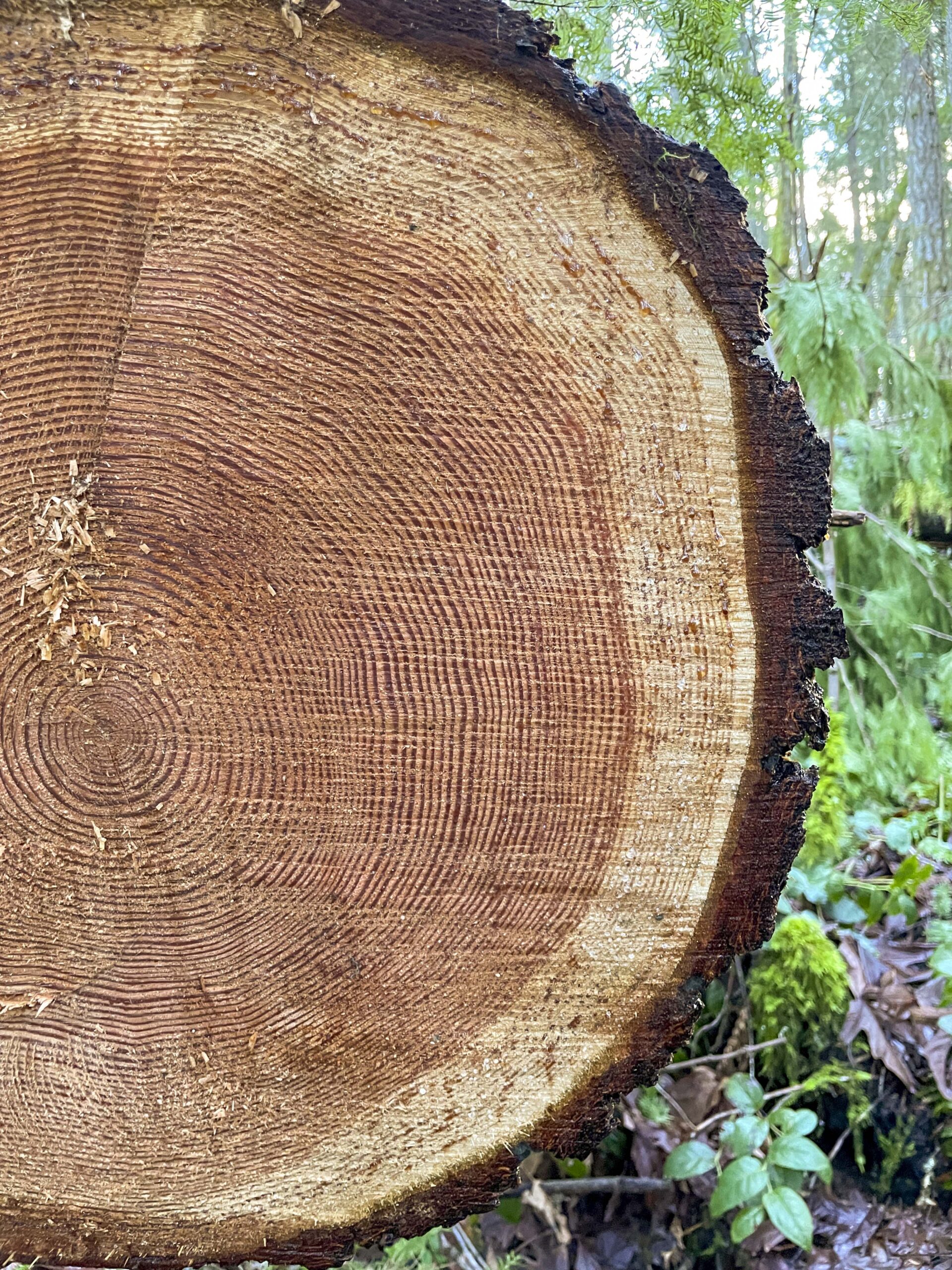 FINLAND — Metsä Group’s demo plant for a new lignin product has started up in Äänekoski, Finland. The plant uses lignin extracted from the bioproduct mill’s production process as its raw material and it has a nameplate capacity of two tons of a new type of lignin product per day. The plant was built in cooperation with the equipment supplier ANDRITZ. Dow, a leading materials science company, is a key partner. Metsä Group’s new lignin products are called Metsä LigO™. According to Ismo Nousiainen, CEO of Metsä Fibre, part of Metsä Group, the company aims to use the wood raw material, including side streams of pulp production, as efficiently as possible to generate the greatest possible added value. …”The purpose of the new demo plant is to ensure the functionality of the lignin product’s production process, as well as the product’s characteristics and suitability for the market.”



 The Wood Innovations Funding Opportunity supports the growth and expansion of U.S. wood products and wood energy markets, advancing sustainable forest management and the long-term stewardship of National Forest System (NFS) lands and other forested areas. …The Wood Innovations Funding Opportunity provides a strategic platform for public, private, and non-profit entities to expand wood markets, promote sustainable forest management, and advance wood energy and mass timber technologies across the United States. By funding projects that create tangible economic and environmental impact, the program strengthens domestic wood product industries while supporting the responsible management of forest resources. Deadline is April 22, 2026

.jpg)

 FPInnovations’ latest newsletter pulls articles from their blog that feature several developments of interest to Canada’s forest sector. An update to its
  Applications Now Open For FPAC’s 2026

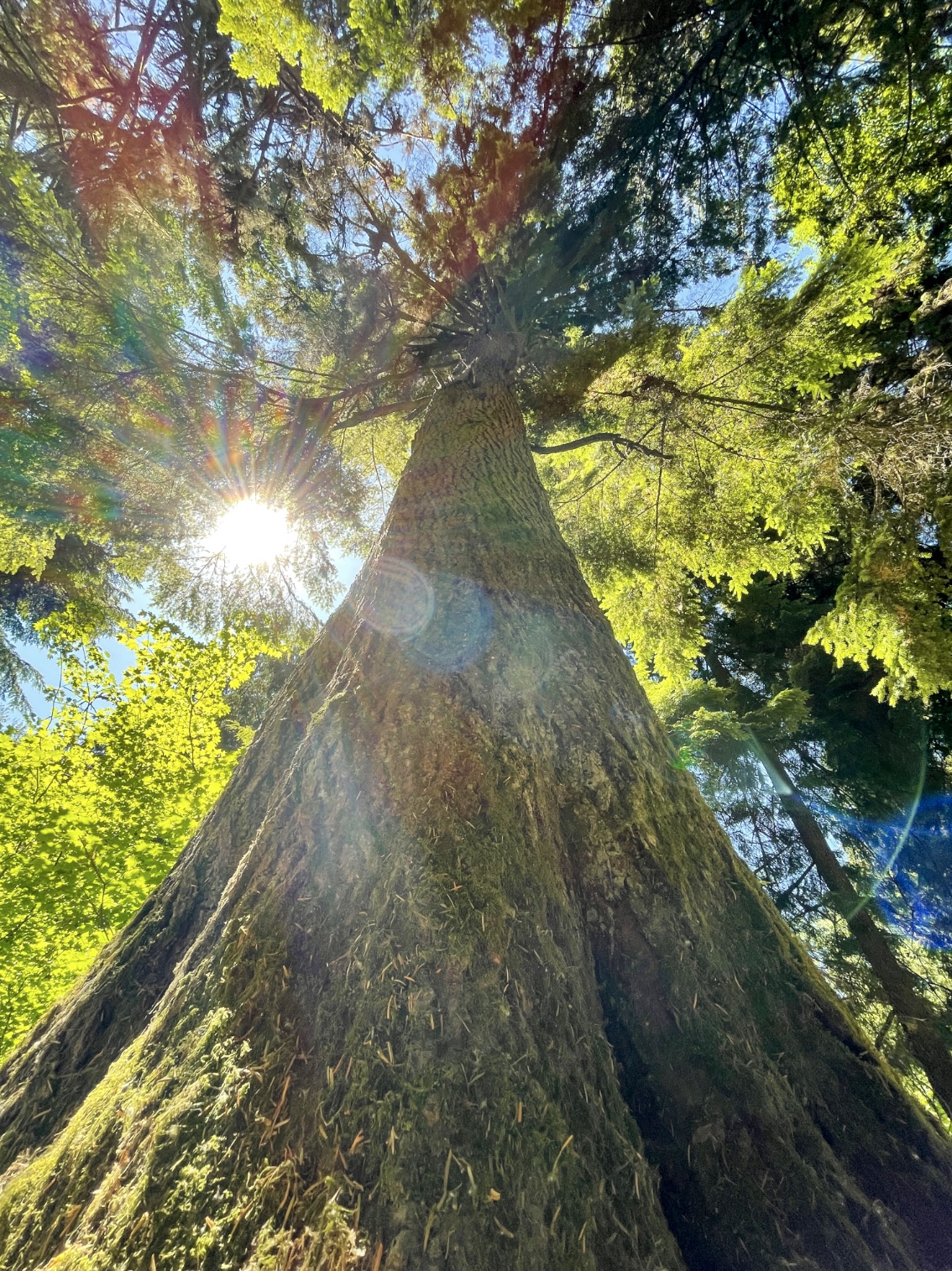 FRASER CANYON — The Nature-Based Solutions Foundation in Vancouver says it has recently acquired two clusters of private land inholdings totaling just over 55 hectares within the traditional territory of the Kanaka Bar Band in the Fraser Canyon for conservation purposes. According to a news release from the conservation organization, the 55 hectares of land are inside the boundaries of Kanaka Bar’s proposed Indigenous Protected & Conserved Area (IPCA). The foundation says the acquisitions will safeguard exceptionally diverse old-growth forests, including habitat that features Canada’s largest documented Rocky Mountain juniper, and they build on NBSF’s earlier purchase of the “Old Man Jack’s” parcel in 2022, thereby bringing the total to three private properties to be returned to Kanaka Bar through Indigenous-led conservation, title-registered legal protection, and long-term stewardship funding.
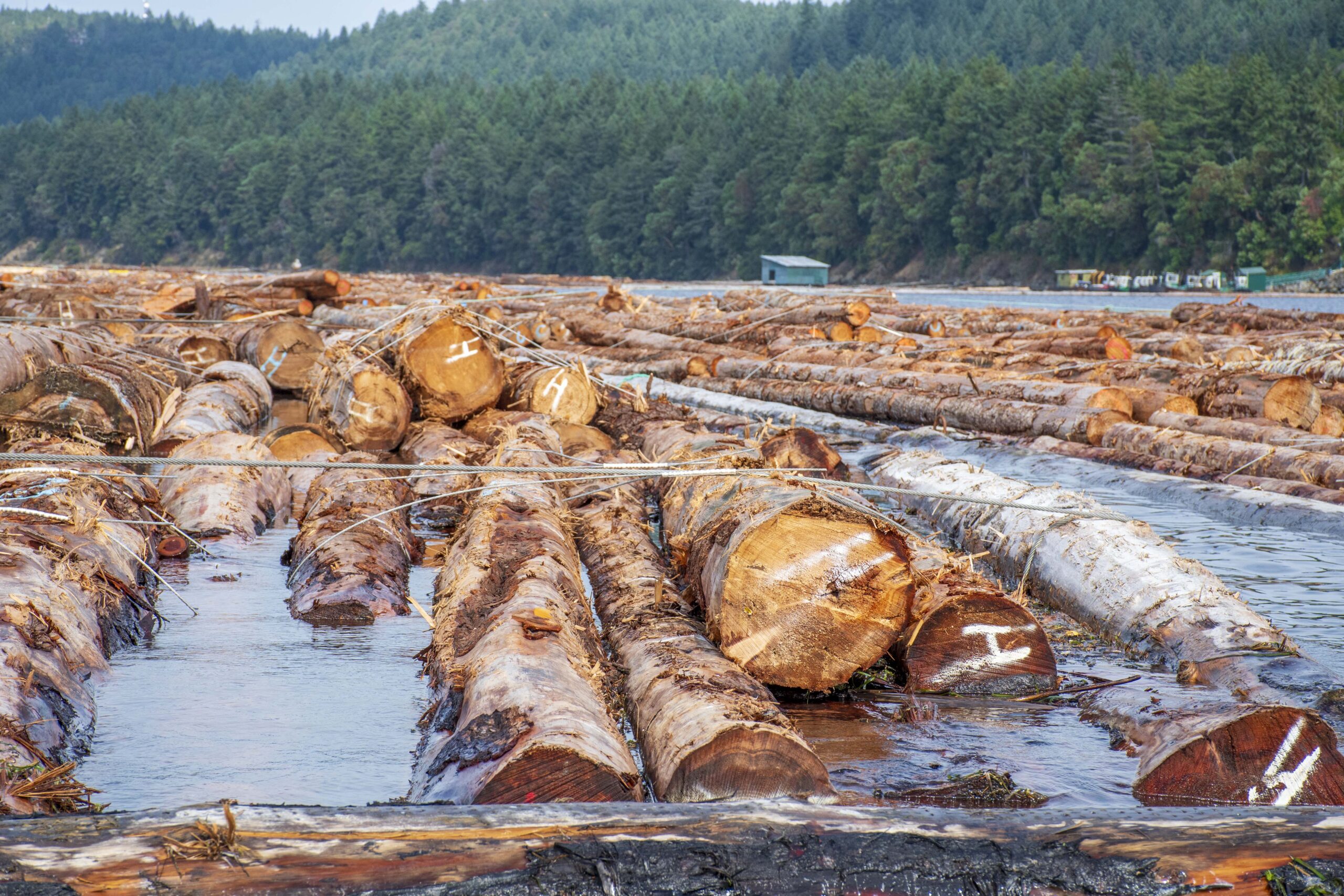 By the time a so-called “raw log” is loaded onto a truck — or in a small minority of cases, onto a ship — it has already travelled through a dense web of economic activity that is anything but raw. It has been identified and cruised through professional forest planning. Roads have been engineered and constructed. Heavy equipment has been purchased, financed and maintained. Logging crews have mobilized. Mechanics and welders have serviced machinery. Truck drivers have hauled. Fuel suppliers have delivered. Silviculture obligations have been funded or secured. Stumpage has been paid to the Crown on public lands. In many instances, Indigenous partnerships and benefit agreements structure access and revenue sharing. Every log carries embedded value long before it ever approaches a mill gate or tidewater. Industry analyst David Elstone has noted that it can take more than 100 distinct job functions to sustainably plan, harvest and deliver timber from forest to primary manufacturing.
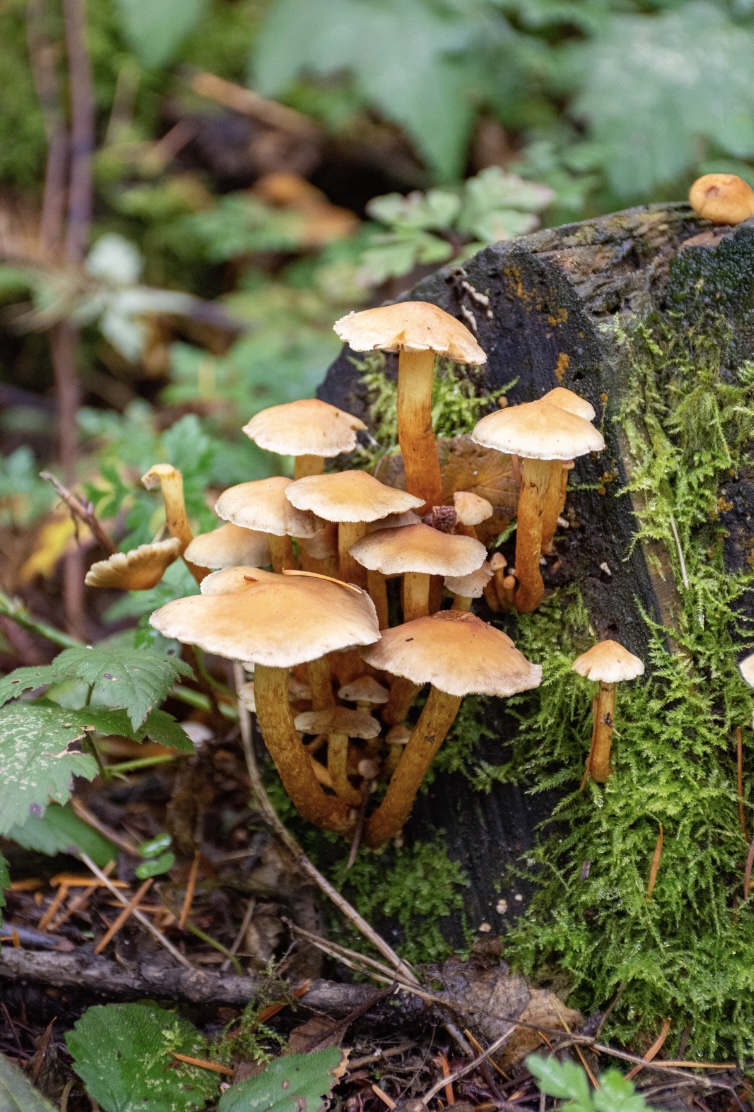 A community science initiative is uncovering previously unrecorded fungi across Greater Victoria, highlighting the region’s rich and still largely unknown biodiversity. Some discoveries may even represent species new to science. The project, MycoMap BC, invites the public to photograph, collect and submit mushroom and slime mould samples for DNA sequencing. Since launching last fall, nearly 14,000 collections have been submitted across British Columbia, including about 2,500 from Greater Victoria. “We’re building baseline data on fungal biodiversity that simply doesn’t exist yet,” said Elora Adamson, project coordinator at the University of Victoria biodiversity lab. As of mid-February, roughly 350 DNA sequencing results have been processed. Adamson said 11 collections represent species recorded for the first time in British Columbia. … Of those results, six newly recorded fungi were found in Greater Victoria, four in Sooke and two in Victoria.
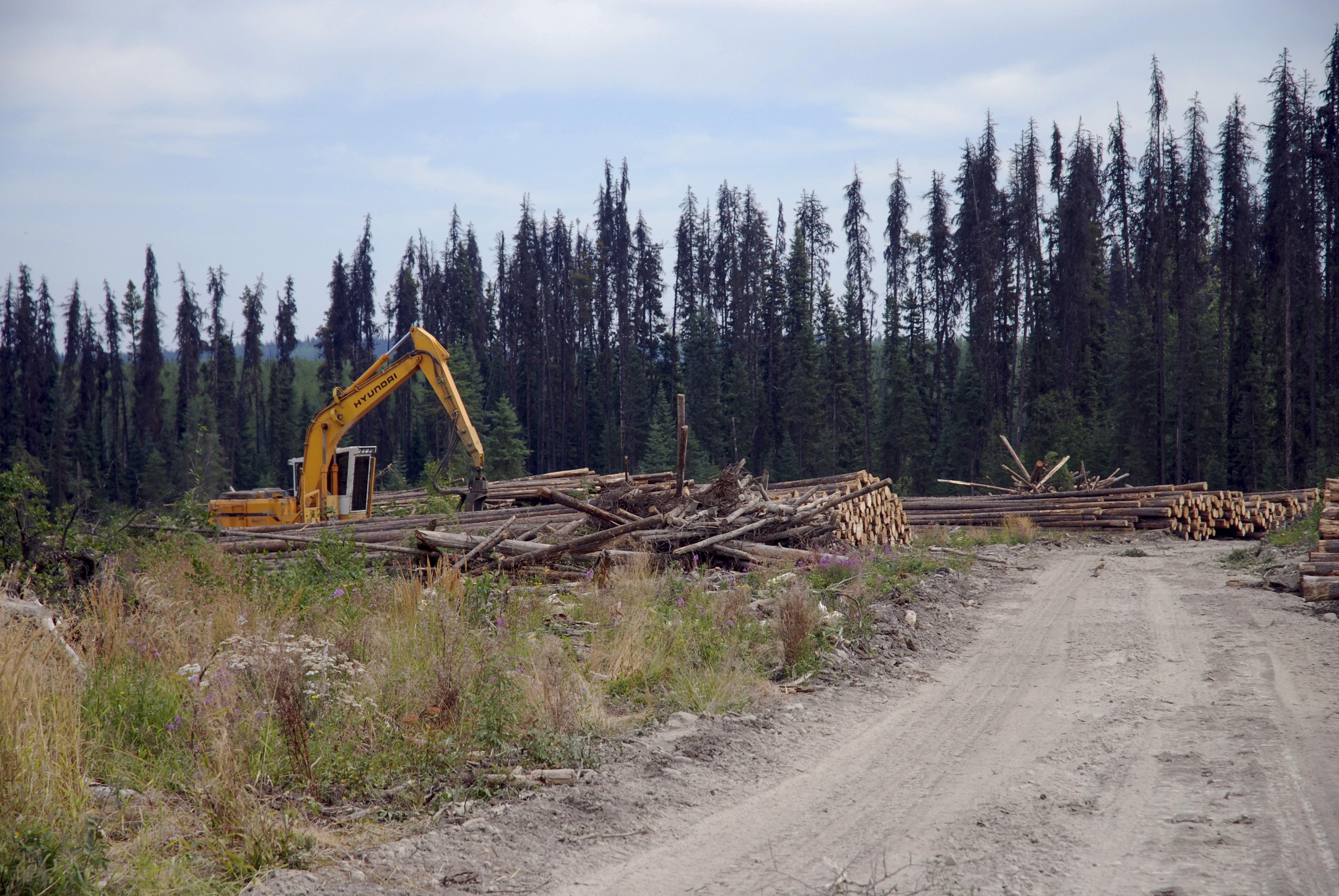 PRINCE GEORGE – [Local forester and forestry advocate Michelle Connolly says what’s being suggested in a recent report, titled “From Conflict to Care: BC’s Forest Future,” is off the mark.] “One of the core beliefs is that people are better at managing nature, than nature is, even though forests have been self-organizing and self-managing for millennia,” says Connolly. “The lack of self-awareness right up front in that report is troubling, because it means that they’re not aware of their own biases and belief systems that are guiding the things they’re putting in this report.” Kiel Giddens, Conservative MLA for Prince George-Mackenzie, says the report overlooks a lot of industry concerns. …Giddens says, while the report misses the mark overall, he agrees with Objective Number 2 around regional decision making. …But Connolly says where the report truly hits the mark is over what is seen as a lack of transparency in the decision-making processes.
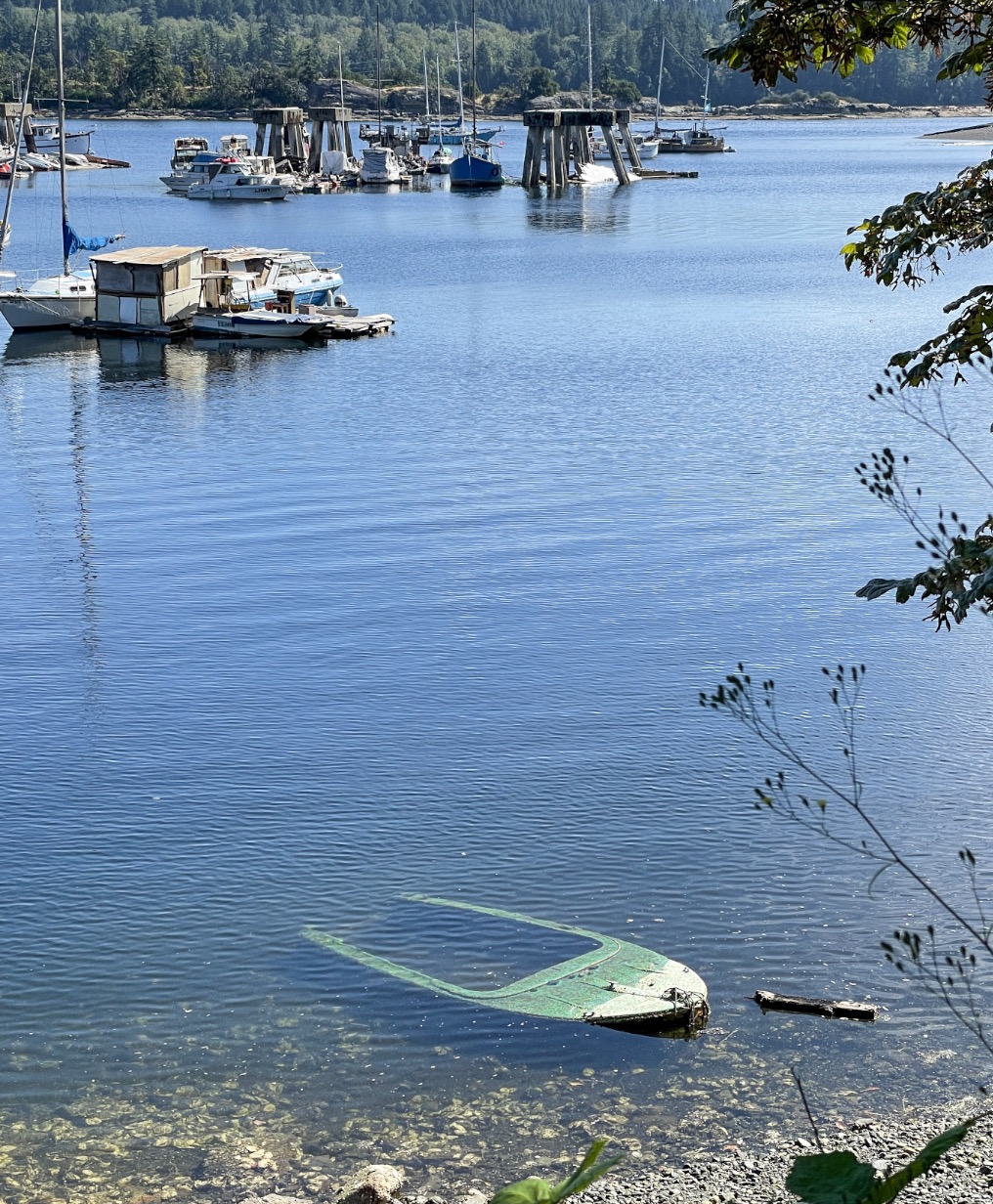 North Cowichan wants something done about the growing amount of fibreglass pollution in the Cowichan estuary. Council passed a motion at its meeting on Feb. 4 that the municipality write a letter to senior levels of government and the appropriate regulatory authorities asking that they raise awareness of the issue and take action to deal with the problem. Coun. Christopher Justice, who made the motion, said that the issue of derelict and deteriorating fibreglass boats is something that is becoming more acute in local harbours and waterways. …North Cowichan Mayor Rob Douglas said the municipality must signal its support for the continued operation of the Western Forest Products sawmill, which operates in that area. He said he spoke to officials at the mill before the council meeting. “They advised me that they are not aware of any fibreglass contamination coming from the mill site,” Douglas said.
 A Williams Lake man was of three people to be recognized by Forest Professional British Columbia (FPBC). At the 78th annual forestry conference on February 5, John Walker was honored as a Distinguished Forest Professional. …“John is a respected collaborator and mentor across BC, particularly in the Cariboo region, where he builds strong connections between forestry practices, First Nations stewardship and research,” Forest Professionals BC Board Chair Dave Clarke said. “I’ve been in Williams Lake since 1996 starting in consulting making decisions on a block by block level. Now working with Williams Lake First Nation it’s more landscape level working towards different policies and then also being operational. A lot of the Fire Mitigation work around town we’ve been a part of and helped push for,” Walker said. He has also collaborated with the BC Wildfire Service to develop thinning methods for prescribed burns, reducing wildfire risk, restoring culturally important plants, and enhancing operational efficiency.
 Whistler is fortunate to be surrounded by temperate rainforest, which is essential to the resort’s appeal as a tourist destination. Forests have also proven to be highly beneficial for human mental and physical health. …Old-growth forests, defined as undisturbed for at least 250 years, are vital to addressing the interconnected biodiversity and climate crises. …On the climate side, old-growth forests store vast amounts of carbon in living trees, dead wood, and undisturbed soil. …Since the early 1900s, Whistler’s forests have been logged extensively, and low-elevation old-growth forests that once covered the valley are now found only in limited areas. Commercial logging and thinning have continued by the Cheakamus Community Forest (CCF) since 2009, though old-growth logging was deferred in 2021. …Given that old-growth forests thrive on stability, attempting to manage them doesn’t make ecological sense, especially since they are already among the most climate-resilient ecosystems on Earth.
 Montreal — An activist group calling itself Les Robins des ruelles has followed its recent Robin Hood-style grocery store heists in Montreal with a claim to have sabotaged planned logging operations in a forest in the Mauricie region. …Translated as the Robins of the Alleyways, the group’s name is intended to evoke the legendary English folk hero who robbed from the rich to give to the poor. The group says on social media that although it delivered the booty to community kitchens and low-cost housing complexes, the grocery heists were political statements against the current economic order. …The latest such move by the group seems to be an action intended to discourage logging in some old-growth forests of Mékinac, in the Mauricie region. In a statement … the Robins say they have “armed the forest by driving steel bars through the trees on the site.” …The president of Forex Langlois Inc., said he is taking the sabotage claims “very seriously”
  President Donald Trump on Wednesday issued an executive order invoking the Defense Production Act to promote the domestic production of phosphorus and the weedkiller glyphosate, which he said is critical to both defense and food security. Glyphosate is often targeted by supporters of the Make America Healthy Again movement as a harmful chemical. Trump aligned with the MAHA movement after Secretary of Health and Human Services Robert F. Kennedy Jr. dropped out of the 2024 election. “I find that ensuring robust domestic elemental phosphorus mining and United States-based production of glyphosate-based herbicides is central to American economic and national security,” Trump said in the order. “Without immediate Federal action, the United States remains inadequately equipped and vulnerable.” Glyphosate … has been the subject of controversy over alleged links to cancer. Bayer, the company that makes the glyphosate-based weedkiller Roundup, recently proposed paying $7.25 billion to settle lawsuits claiming the chemical causes cancer.


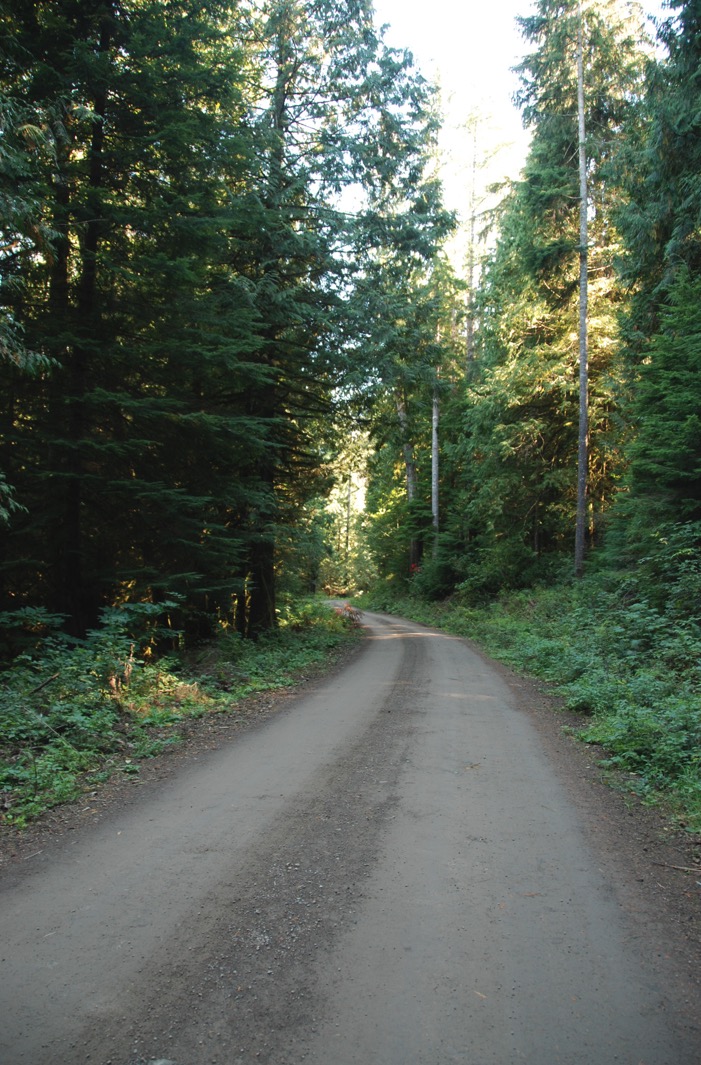 Montana — Punch more roads through the forest, and you’ll get more people starting fires, fewer bull trout and an even heftier maintenance bill. Keep the 2001 Roadless Rule in place, and you’ll ensure elk have a healthy habitat, and you’ll still be able to reduce wildfire risk. Those were some of the arguments former U.S. Forest Service employees made Friday at the edge of the Silver King Inventoried Roadless Area east of Missoula. Montana Trout Unlimited and the Montana Chapter of Backcountry Hunters and Anglers hosted the event as the Trump administration takes steps to repeal the 2001 Roadless Rule. The rule prohibits building roads and harvesting timber on 30% of Forest Service land in the country, or 60 million acres. In Montana, that’s 6.4 million acres, or 37% of Forest Service land in the state.
 SALEM — A bill meant to reward Oregon landowners for wildfire risk mitigation with more affordable insurance rates will survive until the end of the 2026 legislative session. However, supporters of Senate Bill 1540 haven’t yet reached complete agreement with the insurance industry on the proposal, which could threaten its passage given this year’s time constraints. “It is a challenge to get this done in a 35-day session,” said Kenton Brine, president of the NW Insurance Council, which represents the regional industry. In broad terms, SB 1540 will require insurance companies to consider wildfire mitigation actions in their models for assessing risk, which inform pricing and policy decisions. Insurers will have to submit these models for verification with Oregon’s Department of Consumer and Business Services, but if they don’t, they will still have to offer discounts to landowners who undertake wildfire mitigation steps.
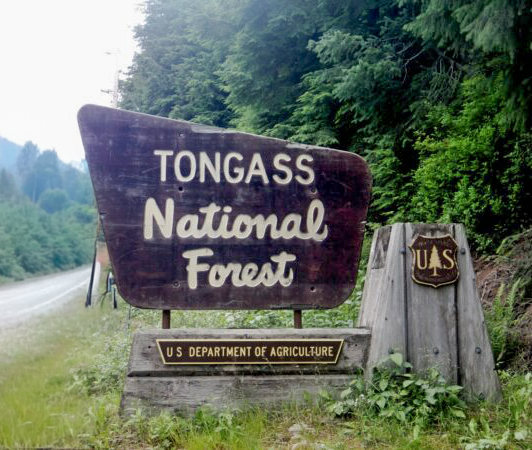 A plan to revise the Tongass National Forest Land and Resource Management plan, with a new emphasis on timber and other resource industries as mandated by President Donald Trump, is set to begin a 30-day public comment period. … The 1979 plan for the 16.7-million-acre forest has been revised three times, most recently in 2016, and the agency hopes to publish a new draft plan by this fall. A forest service press release spells out the past and new parameters that will be considered in the revised draft. “Public comments will help identify changes that are needed to the current plan, adopted in 1997, to align with best available science, as well as laws and regulations, including Presidents Trump’s Executive Order 14225 – Immediate Expansion of American Timber Production to support American economies and improve forest health and Executive Order 14153 Unleash Alaska’s Extraordinary Resource Potential, benefitting the Nation and the American citizens who call Alaska home.”
 Oregon entities funded by timber sales want to ensure revenue. For the third consecutive legislative session, a group of Oregon county governments hope to pass a bill requiring more predictable timber harvests in state forests. Similarly to past proposals, House Bill 4105 would require the Oregon Department of Forestry to annually log enough trees to comply with a 10-year “sustainable harvest level” adopted by the agency. If fewer trees are logged than required by the sustainable harvest level, that amount of timber would be added to the next 10-year plan, unless the reduction was due to wildfire, disease or storm damage. …Environmental groups are opposed to HB 4105, similarly to previous versions of the proposal that failed to pass in 2025 and 2024, because they say the ODF already does a good job of estimating logging levels.
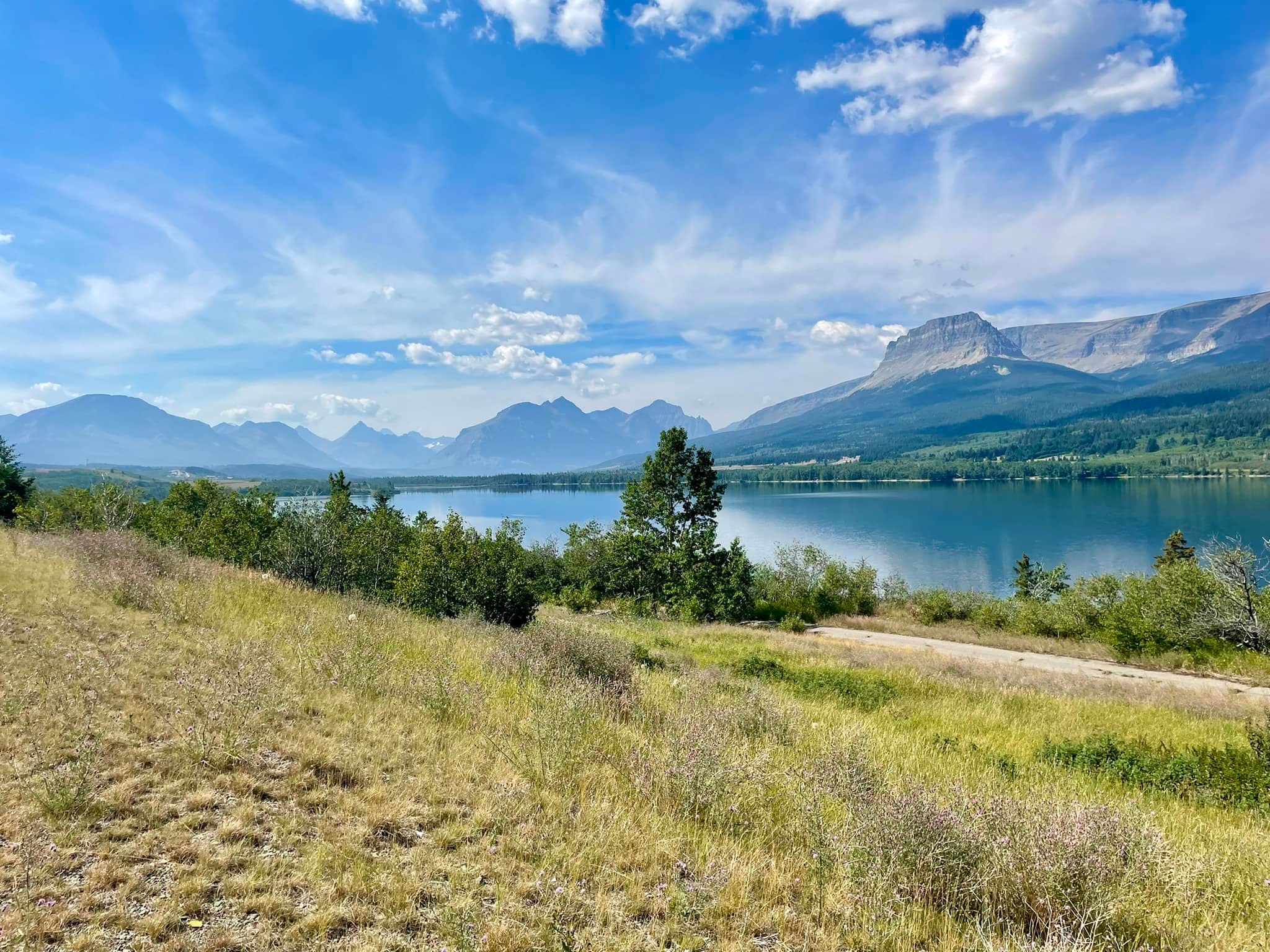 Senator Steve Daines received federal agency backing on Thursday for his bill to downgrade three remote Montana landscapes from potential wilderness to regular public forest. Officials from the U.S. Forest Service and Bureau of Land Management told the Senate Subcommittee on Public Lands, Forests and Mining they supported Daines’ S.3527, the Montana Sportsmen Conservation Act. Chris French, associate chief for the Forest Service, told the subcommittee the Trump administration didn’t support creating new wildernesses or wilderness study designations. BLM state official John Raby added that his agency was intent on fulfilling the president’s agenda supporting “fire management, recreation, access … and domestic mineral production to the maximum practical extent.” Wilderness status is the highest level of protection for public lands. …Outside the hearing, several environmental organizations criticized Daines’ bill. Barb Cestero, The Wilderness Society’s Montana state director, called it “deeply flawed.”
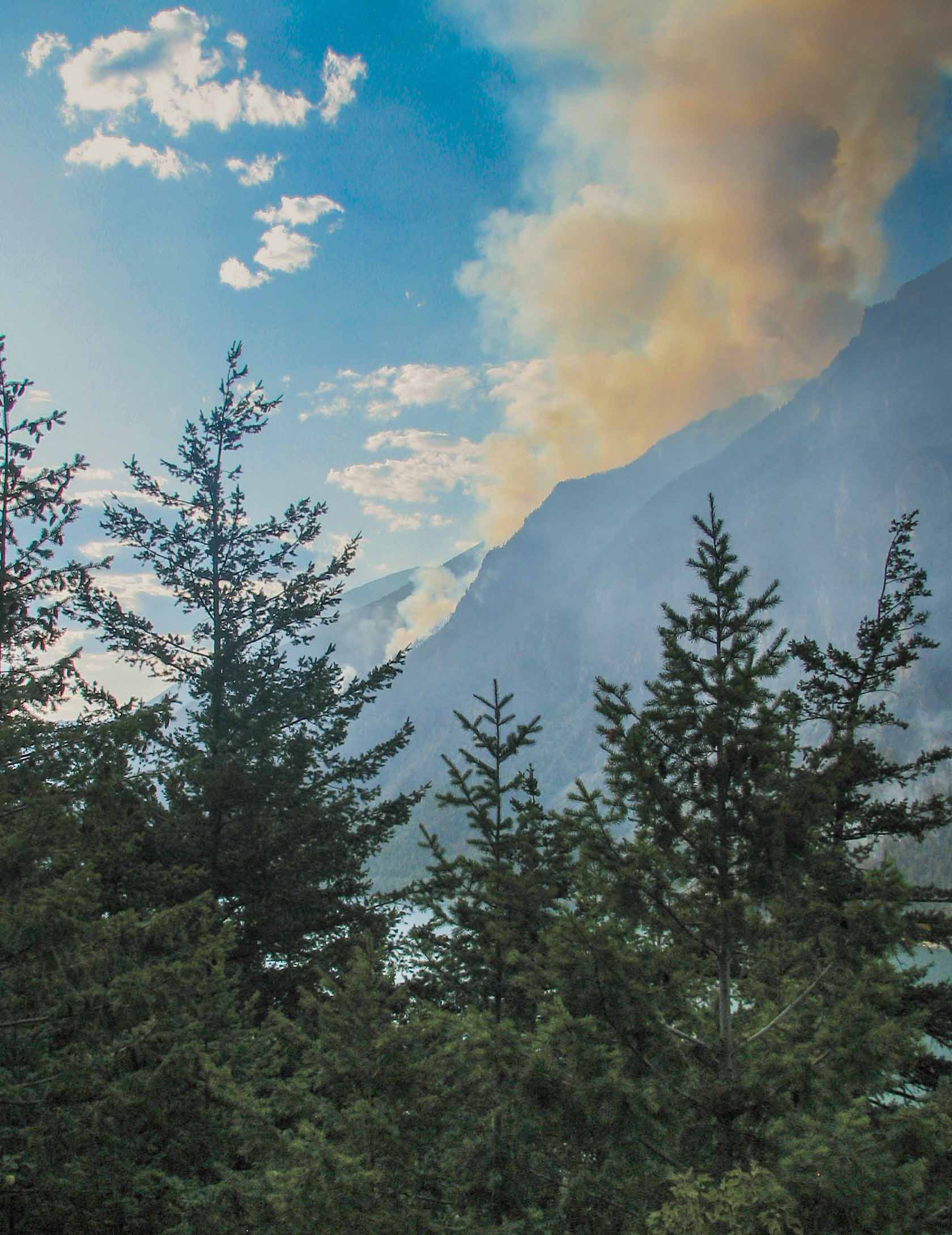 CHEYENNE—A $5.1 million investment that would create the first two ground-based professional wildland firefighting teams in Wyoming history is gaining momentum in the statehouse. On Monday, the Wyoming House of Representatives passed House Bill 36, “Forestry division wildland fire modules.” The bill included an earmark of $2.7 million for one team of firefighters going into the day, but Buffalo Republican Rep. Marilyn Connolly brought an amendment that doubled the funding, providing enough to finance two crews — one each in the eastern and western sides of the state. The former Johnson County emergency management coordinator spoke about her experience being on the ground while wildfires were spreading and resources were lacking. “We need some strike teams, we need engines — and they’re not available,” Connolly said on the House floor.
  WILMINGTON, N.C. – The N.C. Forest Service (NCFS) is reminding the public to use best practices and common sense with outdoor fires ahead of the state’s spring wildfire season. NCFS officials say escaped yard debris burns are the leading cause of wildfires across the state, often due to carelessness. 99% of wildfires are caused by human activity, officials said, often when people work in their yards in spring and burn yard debris. Other causes of human-caused wildfires include machine and vehicle use, such as dragging tow chains, arson and escaped campfires. “With the recent rainfall combined with multiple winter storms earlier this year, some folks may not realize that most of North Carolina is still experiencing very dry conditions,” said Agriculture Commissioner Steve Troxler. “Our state’s gradual descent into drought and prolonged dry conditions are going to lead to wildfires igniting more easily, burning more intensely and spreading quicker.”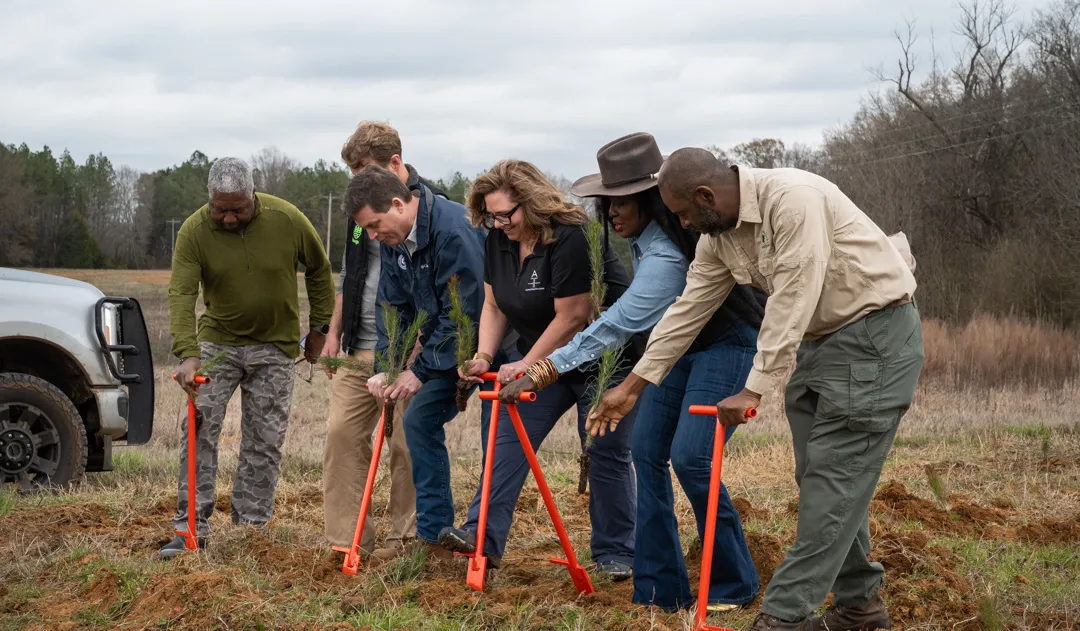
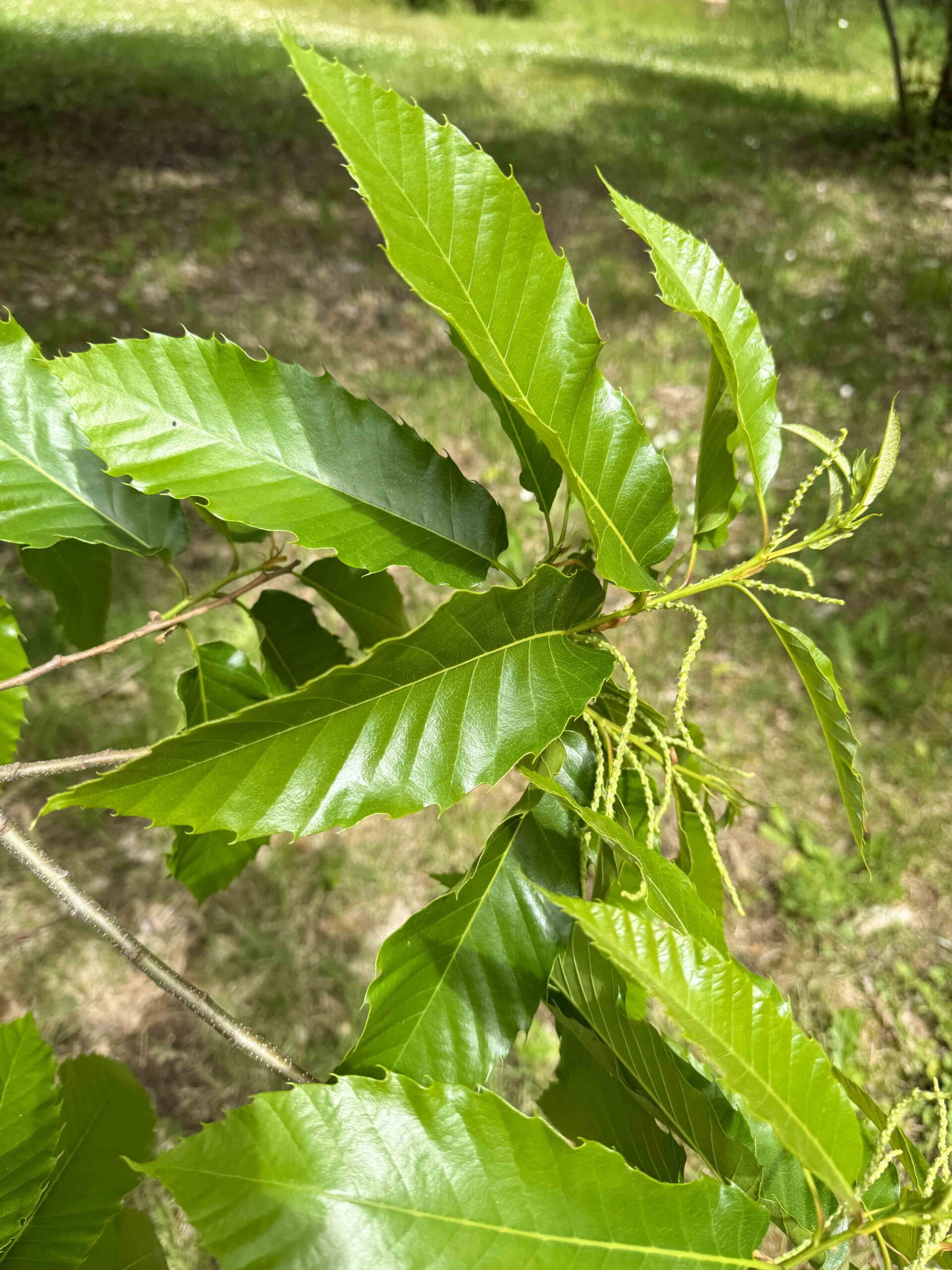 CHARLOTTESVILLE, Va. — Virginia’s forestry leaders are working to address mounting pressures that could undermine the long-term viability of forest management throughout the state. The newly formed Virginia Wood Council convened its inaugural meeting in September, bringing together representatives from various industry groups and government agencies. Participants included the Virginia Farm Bureau, Virginia Forestry Association, Virginia Loggers Association, Virginia Forest Products Association, Virginia Department of Agriculture and Consumer Services, the Virginia Economic Development Partnership, along with loggers, mill operators and manufacturers. “The plan is to understand all the emerging forest product industry issues, and figure out what’s causing them,” said Sabina Dhungana, utilization and marketing program manager for the Virginia Department of Forestry. …The industry operates through collaboration between forest property owners, forestry professionals, loggers, timber purchasers and other specialists who work to maintain a consistent supply of renewable timber resources used for lumber production, paper manufacturing, energy generation and other purposes.



 Canada should ensure its ‘project of national interest’ designation is helping build competitive clean industries, starting with four key focus areas, according to a new report from the
 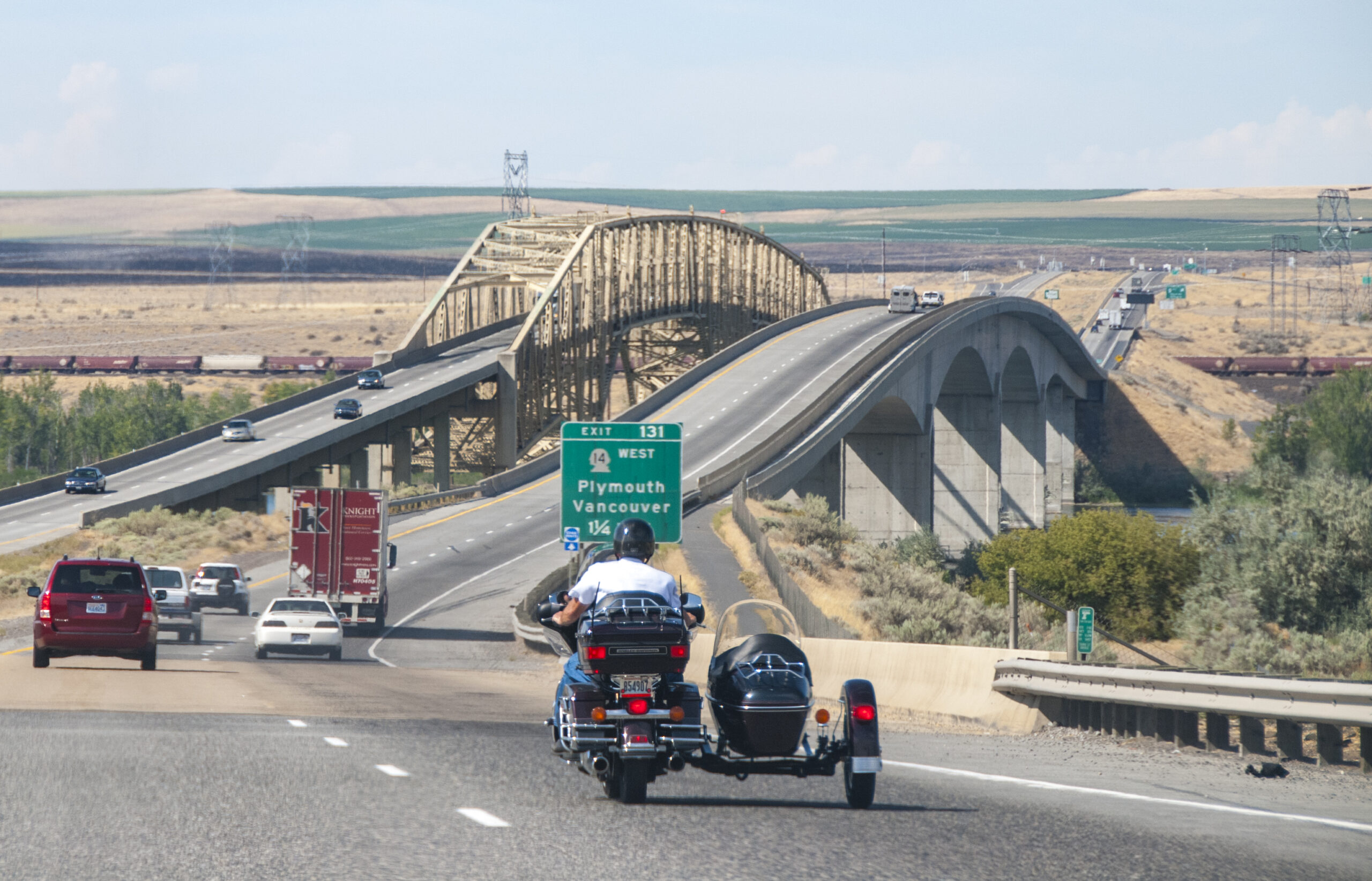 A coalition of health and environmental groups sued the Environmental Protection Agency (EPA) on Wednesday, challenging the rescinding of a scientific finding that has been the central basis for U.S. action to regulate greenhouse gas emissions and fight climate change. A rule finalized by the EPA last week revoked

 Warm, dry and windy weather in Oklahoma has fueled multiple wildfires and prompted authorities to urge nearly one-third of the residents of the small city of Woodward to flee. Matt Lehenbauer, director of emergency management for Woodward and its nearly 12,000 inhabitants, said the evacuation recommendation covers roughly 4,000 people. It is voluntary, he said, because Oklahoma prohibits mandatory evacuations. The wildfire in Woodward, about 140 miles northwest of Oklahoma City, is approaching a “worst-case scenario,” Lehenbauer said, but it hasn’t moved into the most populated area of the city. A blaze in Beaver County at the base of the Oklahoma Panhandle, about 217 miles northwest of Oklahoma City, has consumed an estimated 15,000 acres alone, Oklahoma Forestry Services said.