 February mill closures across North America hit pulp, paper and packaging workers hard. In related news: Metsä Fibre halts its Joutseno pulp mill (again); federal politician hosts town hall on Cowichan, BC mill closures; no word on the future of Ear Falls, Ontario sawmill; and a fire destroys the Neopit, Wisconsin wood mill. Meanwhile: a new bill could prevent tariffs from driving up US housing costs; and builder sentiment on housing remains cautious.
In Forestry news: ENGOs say Drax’s pellet announcement won’t impact BC forests; the Reforestation, Nurseries, and Genetic Resources (RNGR) Support Act of 2026 is introduced in Washington D.C.; and Scotland considers its future productive tree species list. Meanwhile: SFI released tools for forest climate risk identification; Project Learning Tree Canada is helping job seekers; and FSC Canada’s latests news on its forest management initiatives.
Finally, the Musqueam Indian Band chief says only federal lands are in play in rights agreement with Canada.
Kelly McCloskey, Tree Frog News Editor


 Trade negotiations used to be underpinned by an unspoken assumption: that trade barriers were lose-lose propositions. All sides could gain something if they mutually disarmed. …[They] were always about how much tariffs and other walls would go down, not how much they would go up. …United States Trade Representative Jamieson Greer sums up the Trump administration’s break with the postwar trade consensus, saying the administration is “focused on reshoring supply chains related to automotive, steel, aluminum … If Canada wants to come in and participate in this type of reshoring we’re trying to do, we’re happy to have those discussions.” …The U.S. wants higher tariffs at home, and lower tariffs abroad. The old give-and-take is now take-and-take. …”We want to have production here. We don’t necessarily want to be dependent on China, Canada or anybody else for things like cars.” [This article is only available to subscribers to the Globe and Mail]
 The Forest Products Association of Canada responded to the federal government’s announcement to support and retool our forest sector to ensure it remains a pillar of national strength and prosperity. The Minister of Energy and Natural Resources, launched a national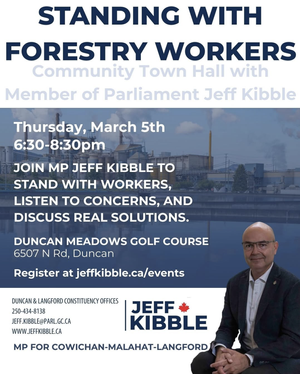
 The head of B.C.’s Declaration Act Secretariat has left government on the eve of Premier David Eby’s move to change the landmark law to address court rulings that threaten private property rights. Jessica Wood, the province’s first Indigenous deputy minister, announced late last week she was departing the secretariat. “The Declaration Act was the first legislation in Canada to require consideration and alignment of provincial law with the United Nations Declaration on the Rights of Indigenous Peoples in consultation and cooperation with Indigenous Peoples,” Wood said in a post on
 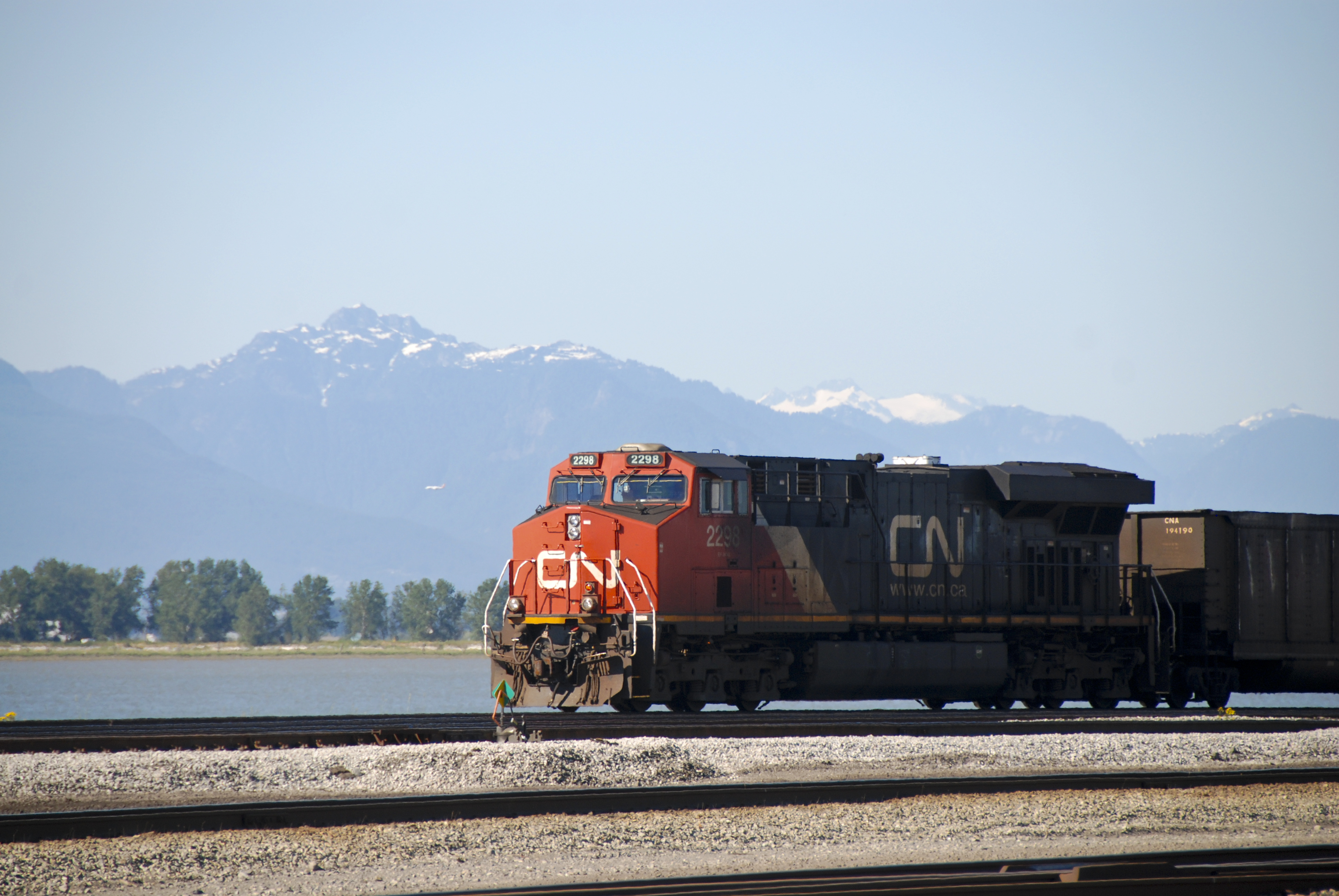 The mayors of Squamish and 100 Mile House, B.C., want to see the railway linking their two communities preserved. CN Rail is responsible for the maintenance and upkeep of a portion of B.C.’s rail network between Squamish and Exeter, just northwest of 100 Mile House. In July 2025, the national rail operator said it provided notice of its intent to discontinue those operations. 100 Mile House Mayor Maureen Pinkney says her town is working with several other municipalities to make a business case for the railway, and have hired a consultant to research the details. The rail line goes through an industrial park in 100 Mile House, explained Pinkney, connecting industries like forestry. The town’s oriented strand board plant shut down in 2019 and West Fraser closed its lumber mill at the end of last year, but Pinkney said there’s still fibre that can be utilized for other wood products.
 Join Bryan Yu, Chief Economist at Central 1 Credit Union, for a clear-eyed keynote on the economic forces shaping the year ahead. In his presentation, 2026 Macroeconomic Outlook he will examine trade uncertainty, global competition, and pressure at home. What’s ahead for BC and Canada’s economy? Hear what the outlook means for BC’s forest sector and the strategic decisions leaders will face in a rapidly changing economy. Mark your calendar for April 8 – 10, and register before March 6 to take advantage of Early Bird discounts.

 The Ontario Forest Industries Association is looking forward to welcoming you to our 83rd Annual Convention at One King West Hotel & Residence in Toronto, April 28 – 29, 2026. We are planning another high-impact event, and we want to ensure your visit is as smooth and enjoyable as possible. If you have not registered for the event, do so as soon as possible as limited spots remain. If you haven’t yet secured accommodations, we encourage you to do so as soon as possible. There are options at the One King West Hotel as well as several hotels within a short walking distance of One King West. The OFIA is a trade association representing Ontario’s sustainable forest industry and serves as a unified voice for forest products companies across the province — from timber producers to wood manufacturers — advocating on policy, market access, sustainability, and economic development issues. The Annual Convention is our flagship event, intended to bring together industry leaders, members, and stakeholders for networking, education, discussion, and celebration.
 The Quebec government says it will hold a “mini-reform” of the province’s forest regime to provide relief for sawmills and other businesses pressured by cumulative U.S. tariffs. Jean-François Simard, Quebec’s minister of natural resources and forests, said that the changes aim to prevent plant closures and job losses which have surged in recent months. Simard said in a statement on Tuesday that 60,000 jobs are at risk. Quebec’s forestry and logging industry is the second largest in Canada in terms of employment, according to Statistics Canada. The forest regime dictates how Quebec’s forests are managed and harvested. The announcement comes days after a group of Indigenous land guardians and First Nations hereditary chiefs filed a lawsuit seeking formal recognition of their rights over a vast stretch of Quebec. Their legal challenge aims to curb industrial logging and ensure the protection of their traditional way of life.
 An Oregon jury has awarded $305 million to 16 wildfire survivors harmed by the Santiam Canyon wildfire that burned across hundreds of thousands of acres in 2020. This is the largest jury verdict issued in relation to the James v. PacifiCorp class-action lawsuit, pushing PacifiCorp’s total liability past $1 billion. PacifiCorp — the parent company of Pacific Power, Oregon’s second-largest electric utility — kept its lines charged over the 2020 Labor Day weekend, despite fire officials’ warnings about hot, windy weather. Five people died in the Santiam Canyon fire, and more than 400,000 acres burned across four counties. In 2023, a jury found PacifiCorp was reckless and acted in “gross negligence” in relation to multiple wildfires, including the Santiam fire. In addition to the 17 plaintiffs who sued the company in that case, the jury found a broader class of thousands of people can bring additional claims against PacifiCorp for those wildfires.
 RHINELANDER, Wisconsin — Logging has been a major part of the Northwoods for centuries. In recent years, though, several economic factors may have the industry in jeopardy. Logging has a major economic impact in the Northwoods. But a trend is beginning to start with Wisconsin-based paper mills ceasing certain operations, meaning many logging companies are slowing lumber output. James Wilson, Master logger and owner of Wilson Forestry in Athens, has had his business for over 12 years, but after Ahlstrom announced it will close two paper machines and a pulp mill in Mosinee, options are running thin for where they can sell the wood to. Not only will it cost 200 mill workers their jobs, it will be a major blow to local loggers. Wilson was a supplier of the recently closed Mosinee pulp mill, and has his concerns about the future of the industry.
 WASHINGTON — The widening conflict in the Middle East following joint U.S.-Israeli strikes against Iran is introducing fresh uncertainty into global markets, with potential downstream effects for furniture importers, who despite relying more heavily on Asia-based sourcing than directly in the region are still exposed to volatility across the global supply chain. Analysts told Reuters that a broader regional conflict could disrupt global trade routes, supply chains and commodity prices, all of which have implications downstream for furniture importers by heaping pressure on both costs and capacity. Three potential effects of the ongoing unrest in the Middle East that could spill over for furniture companies include higher fuel costs and landed container prices, container capacity pressures, and risks and longer-term supply chain strains. Over the longer term, the conflict underscores the need to reassess geographic concentration risk.
 Logging and forest trucking industry added an estimated $1.3 billion to the Northeast region in 2024, with Maine contributing $534 million of that amount, according to a study released this week. Maine’s figure included $283 million in total labor earnings and an estimated $23 million in state tax revenues. The Pine Tree State numbers represented 2,744 direct logging and trucking jobs, along with an additional 1,715 indirect jobs, for a total of about 4,460 jobs statewide. The Augusta-based Professional Logging Contractors of the Northeast released the results of its first-ever regional study on Wednesday, conducted by Wallace Economic Advisers LLC. It showed that in 2024, logging and forest trucking supported around 6,930 jobs in the region, generated $393 million in labor income, pumped an estimated $61 million into state and local tax coffers, and remained critical to a range of industries and communities.
 Drax Group Plc’s profit declined last year but exceeded analyst estimates, helping lift the shares to their highest level in almost two decades despite significant impairment charges. Adjusted earnings before interest, taxes, depreciation and amortization totaled £947 million ($1.3 billion), beating analyst estimates for £913.7 million. Citigroup Inc. analyst Jenny Ping cited lower pellet costs and record generation at its main biomass plant as supporting the result. The figure was still 11% lower than a year earlier, which Drax attributed to weaker power prices. The company’s share price rose as much as 6.2% to the highest since October 2006 before paring gains. …Drax reaffirmed its target of £600 million to £700 million of annual adjusted EBITDA after 2027 and said it expects 2026 earnings to align with analyst forecasts of about £662 million. The company also expects to return £1 billion to shareholders through dividends and share buybacks from 2025 until 2031, with £2 billion invested in growth areas.
 Visit Canada Wood’s Market News for these stories and more:
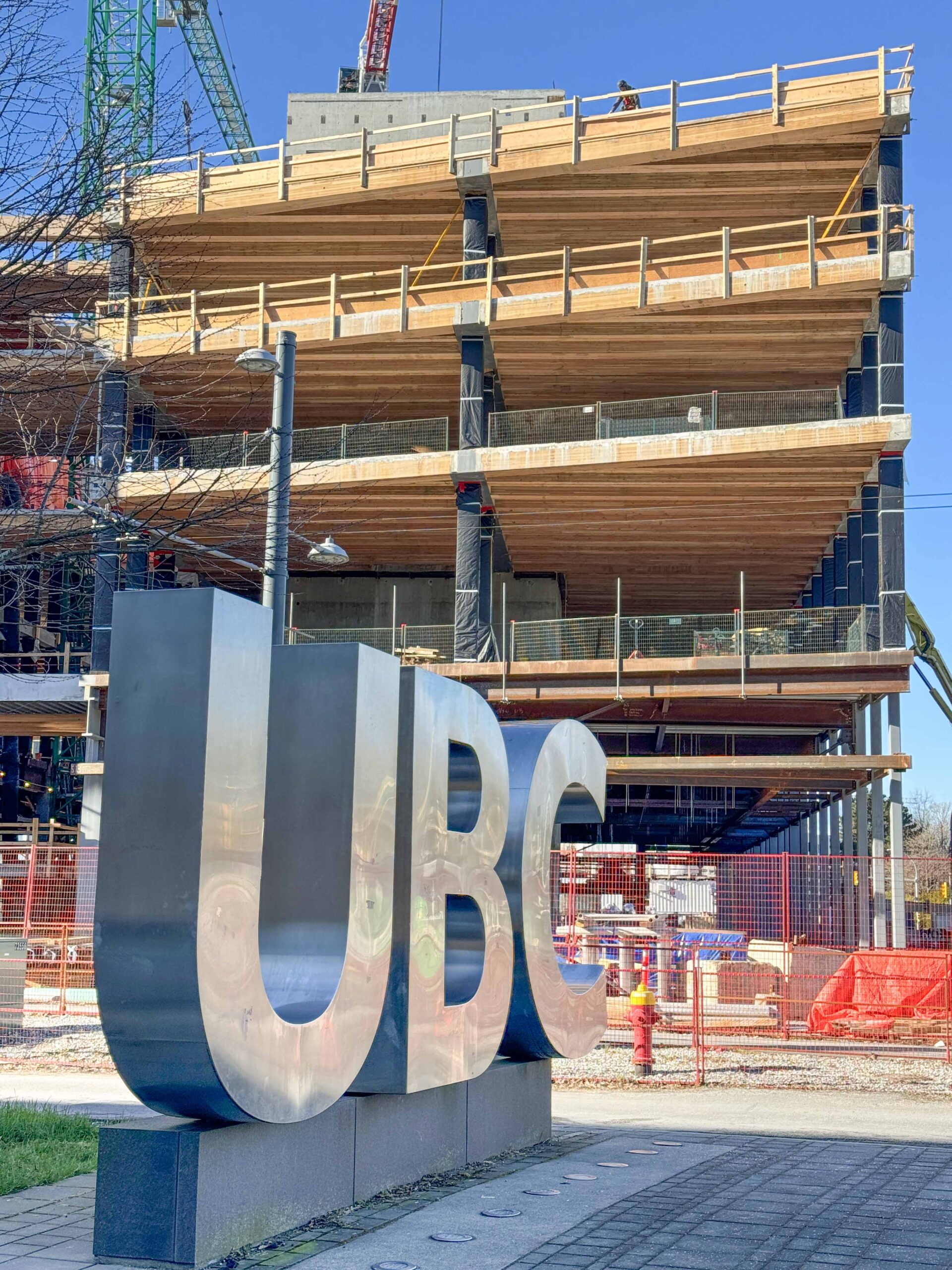 VANCOUVER — UBC’s newest building, Gateway Health, is opening as a hub for student health, interdisciplinary teaching and collaborative research. The 270,550-square-foot building gives a purpose-built home to the school of nursing, consolidates kinesiology programs from eight campus locations, and centralizes student health and wellbeing services for the first time. …


 MESA COUNTY, Colorado. – Mesa County commissioners have passed a wildfire resiliency code that will affect the construction of new houses and projects on current structures, including re-roofing. The code, required by state legislation, applies only to buildings in the Wildland Urban Interface — a designated area marking locations close to potential wildfires. It mandates that projects in those areas use more fire-resistant materials and regulates where new structures can be built. “It’s not going to keep houses from burning down…,” Davis said. “What it’s designed to do is to keep it from burning as quick and as violently so that people can get out and get to safety.” Davis said the new code could make building in affected areas slower and more expensive. “To make things fire resistant, it costs money. The cheapest siding out there is wood-based and more affordable, but it’s also going to be more flammable,” Davis said.





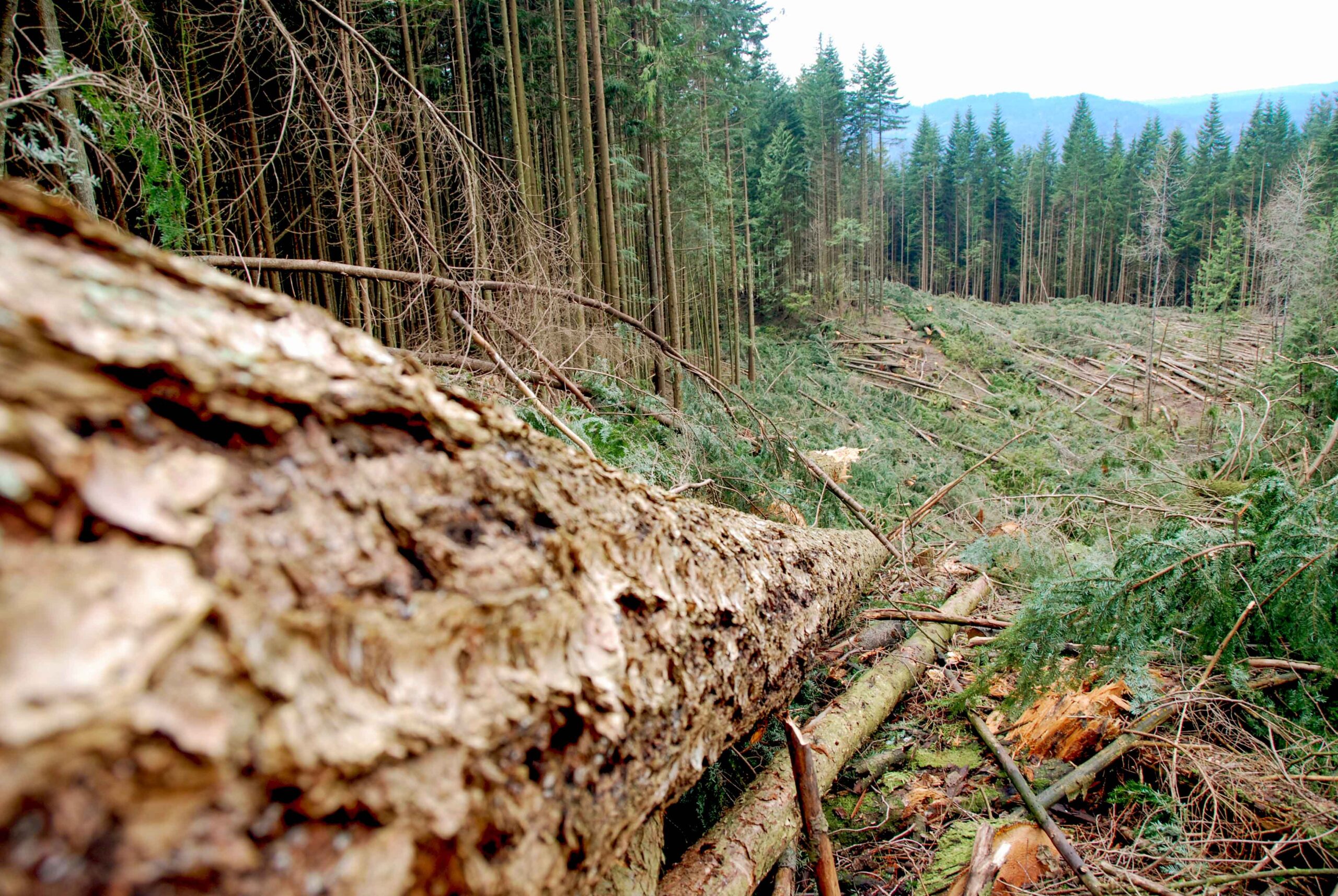 MISSION — Hundreds of Mission residents are hoping to stop a logging project at its root before the first branch breaks. The Hatzic Valley Community Association recently issued an advisory regarding plans to log between Eng and Kussman Roads, with construction set to begin this summer if Forest Service Road Proposal 2801 is permitted. Residents were then advised to share their thoughts about terrain stability, historical flooding and landslide events, or watershed concerns in the area before March 6 with the Chilliwack District Tenures Team. As of Thursday, February 26, a petition was started to stop the project, citing the watershed’s 44-year history of repeated debris flows, landslides and destructive flooding that have once damaged 45 homes in a single storm and relocated entire creek channels through residential areas.
 In this newsletter you will find:
 The February 2026 FGC eNewsletter highlights several key developments in forest genetics across British Columbia and beyond. It introduces Dan Nadir, RPF, as the new Executive Secretariat for FGC, succeeding Brian Barber, and outlines his forestry background and experience. The newsletter promotes an upcoming BC Seed Orchard Association webinar on March 12, featuring presentations on seed extraction and orchard management from Quebec and New Brunswick. Recent events where forest genetics featured prominently are covered, including presentations on seed planning in a changing climate at the Western Forestry Contractors’ Association conference and FGC’s participation at the Forest Professionals BC conference. The update also highlights a new national report identifying challenges and solutions for improving Canada’s tree seed supply chain. Finally, it lists upcoming meetings and conferences in 2026, such as tree improvement workshops and international seed orchard conferences, encouraging engagement and continued professional development.
 Four regulatory amendments will make it easier and more efficient for people and businesses to get the natural-resource permits needed to rebuild homes from wildfire, begin new home construction and restore ecosystems. “We are making it easier and faster to start important projects, from rebuilding homes after disasters to restoring wetland habitat and industrial sites,” said Randene Neill, Minister of Water, Land and Resource Stewardship. “Shorter timelines mean projects get started faster, more jobs are created, and we all benefit from a stronger economy.” Changes to the Water Sustainability Regulation and the Riparian Areas Protection Regulation focus on improving clarity and supporting people and businesses to reduce project timelines. Flexibility has been added for developments in low-risk riparian areas, including after a wildfire or for utility maintenance, to proceed following a streamlined process. …Local governments, First Nations and Crown corporations will be able to conduct stream-restoration activities more easily.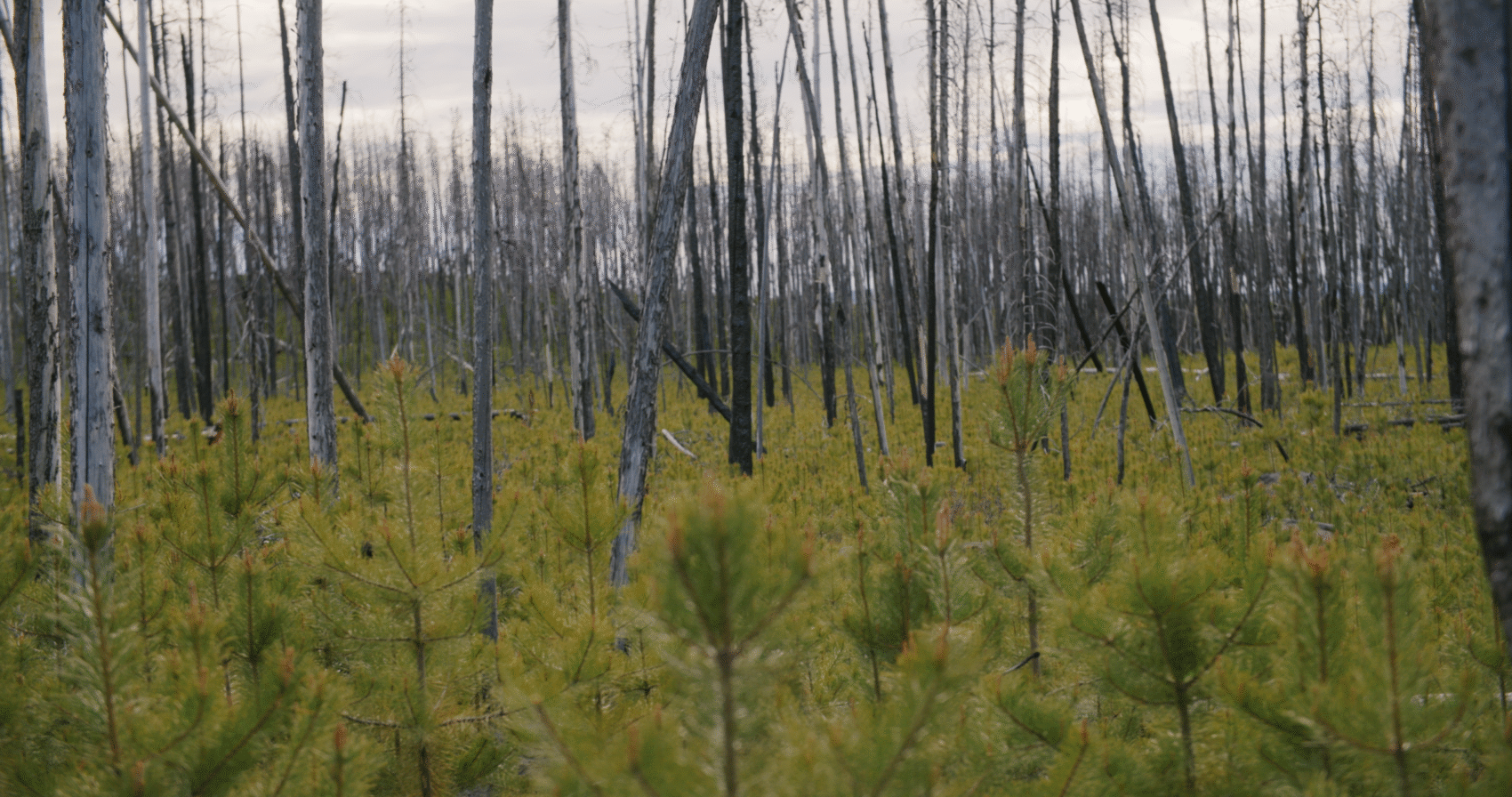

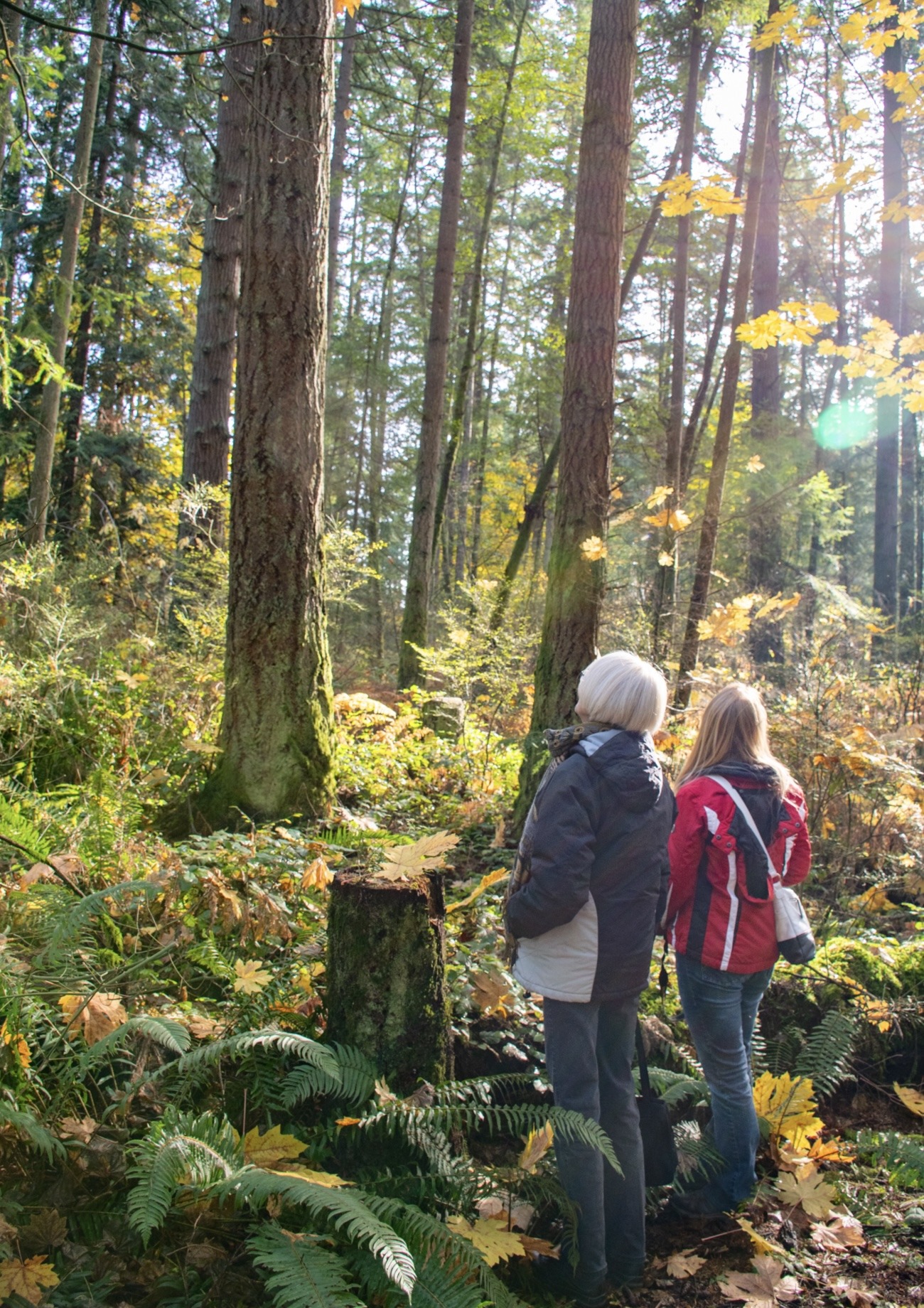 Many people in British Columbia, including those living in remote First Nations communities, still rely on forestry revenue to keep the lights on. But as the forestry industry continues to wade through economic uncertainty, outdated forest legislation and – in some regions – a declining fibre supply, one can’t help but wonder: Could shifting gears to tourism pay the bills? “We watched the fishing industry decline …Now we’re watching the forestry decline. We are in a place where we need to look at other options…. I think tourism is a great option for that story,” said Paula Amos, Indigenous Tourism BC (ITBC). The harvest tenure for TFL 61 is held by Pacheedaht Andersen Timber Holdings (PATH) and managed by Angus Hope. … “There are a lot of challenges,” Hope says. From the “glacial pace” of government to the high cost of getting the logs to market, Hope says the status quo just doesn’t make sense anymore.
 The newsletter highlights the ongoing work of the Forest Enhancement Society of BC (FESBC) as it enters its tenth year of operations, showcasing the positive impact of FESBC-funded partners on forests across British Columbia. It opens with a safety tip from the BC Forest Safety Council aimed at improving workplace orientations and on-the-ground safety. FESBC also invites readers to participate in its Decade in Review, asking for stories about memorable, locally meaningful projects that have strengthened forests or communities. The newsletter introduces FESBC’s new Administrative Assistant, Jen Kulchar, and celebrates community forestry by linking to the BC Community Forest Association’s new film, Rooted Together. It also features a Faces of Forestry profile on Hengda Liu and shares additional news on FESBC-related forestry developments and partnerships. Throughout, the focus remains on collaboration, forest resilience, and the people driving meaningful forestry work province-wide.
 Results from a targeted deer hunt in the Cranbrook area show no new detections of chronic wasting disease (CWD), supporting ongoing efforts to contain and manage the disease in southeastern B.C. From Jan. 5-31, 2026, a general open-season deer hunt was implemented in a defined area near Cranbrook to bolster sampling efforts and reduce the risk of CWD spreading to surrounding deer and elk populations. A total of 228 deer were harvested during the hunt. All samples submitted for testing were negative for CWD. Of the deer harvested and tested, 79% were white-tailed deer and 21% were mule deer. Although no animals tested positive, targeted hunts within the established management zone aim to reduce deer population and density, providing fewer opportunities for close contact between animals and limiting the risk of CWD spread.
 It could take anywhere from six months to a year before a coalition of area First Nations can start logging following a timber acquisition deal made with the provincial government in January during a natural resources forum in Prince George. The wood, amounting to 1 million cubic metres, comes from a licence held by Canfor and was timber that the company was not logging itself. Called an ‘undercut’ because it amounts to less than what Canfor could cut, the timber will now be converted into a licence held by a coalition of Wet’suwet’en Hereditary Chiefs, the Witset First Nation, the Lake Babine Nation, and the Wet’suwet’en First Nation. When logging does start, the new licence will call for logging of 200,000 cubic metres a year for five years. Through regulations, an undercut can be transferred by the forests ministry from one entity to another.
 DUNCAN, BC — Mosaic Forest Management is launching a multi-year pilot on its private lands in the Koksilah watershed on Vancouver Island to demonstrate how working forests can deliver both economic performance and environmental resilience by integrating watershed services, carbon programs, renewable energy, recreation and real estate activities alongside timber production. This pilot supports the historic government-to-government agreement signed by Cowichan Tribes and the Province in May 2023 to develop BC’s first water sustainability plan in the Koksilah River which has experienced critically low summer flows in recent years. As part of the planning process, Mosaic sits on the Community Collaborative Advisory Table for the Xwulqw’selu / Koksilah Watershed and Water Sustainability Plan (XWWSP). “This pilot is about figuring out what works by combining sustainable forestry with watershed stewardship and other land solutions,” said Duncan Davies, President and CEO of Mosaic. “We’re committed to building the business model that makes this approach viable and scalable where the right conditions exist.”
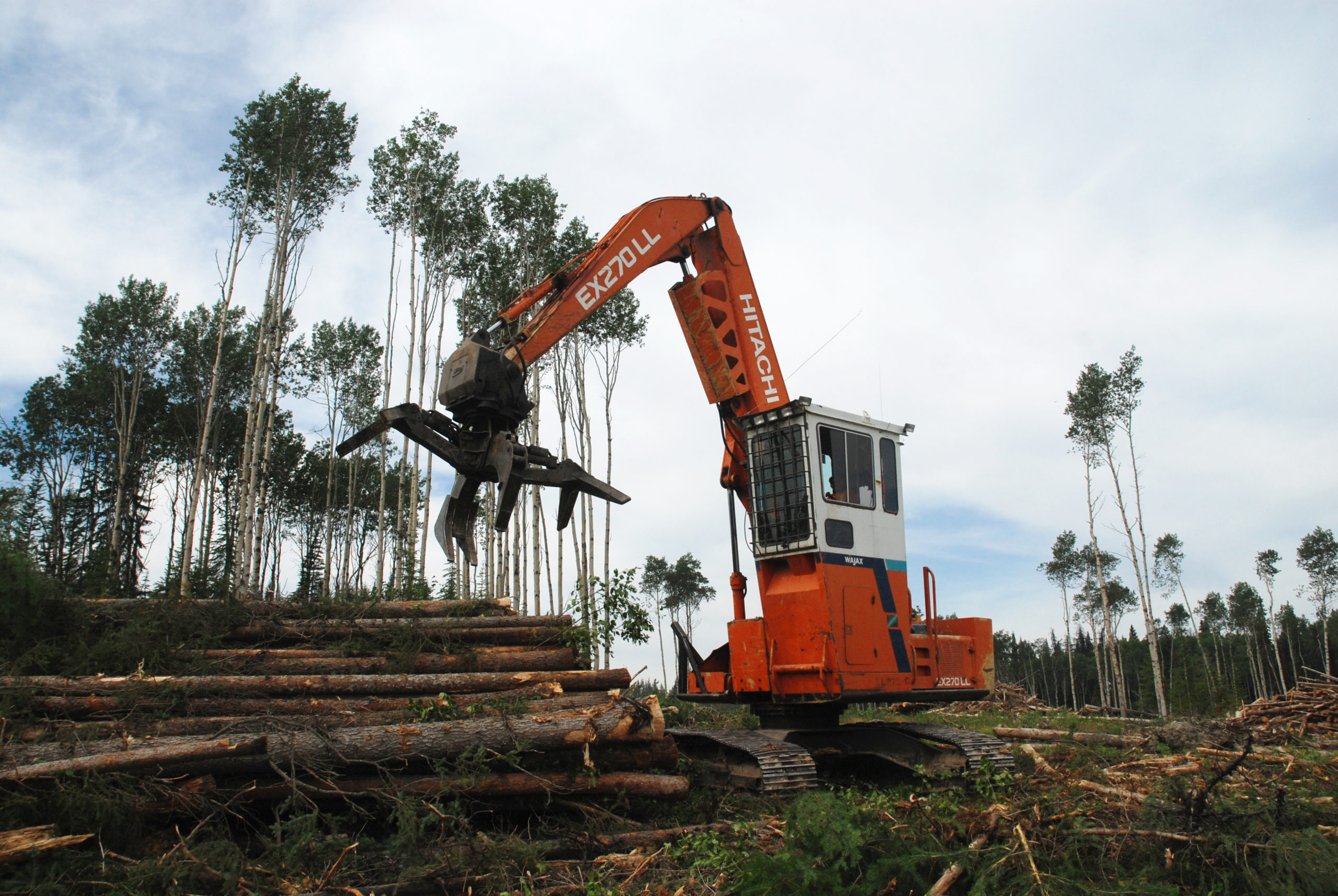 PRINCE GEORGE – British Columbia’s Forests Minister Ravi Parmar has announced that changes to BC Timber Sales are beginning to yield positive results, particularly in the Prince George area. The province aims to boost job creation, support local mills, and enhance forest health through this updated approach. Following a 2021 review of BC Timber Sales, several recommendations were made, and since then, the province has reported an increase in timber sales across British Columbia. This includes the recent auction of two new commercial thinning sales in the Prince George area, marking a significant achievement for the region.
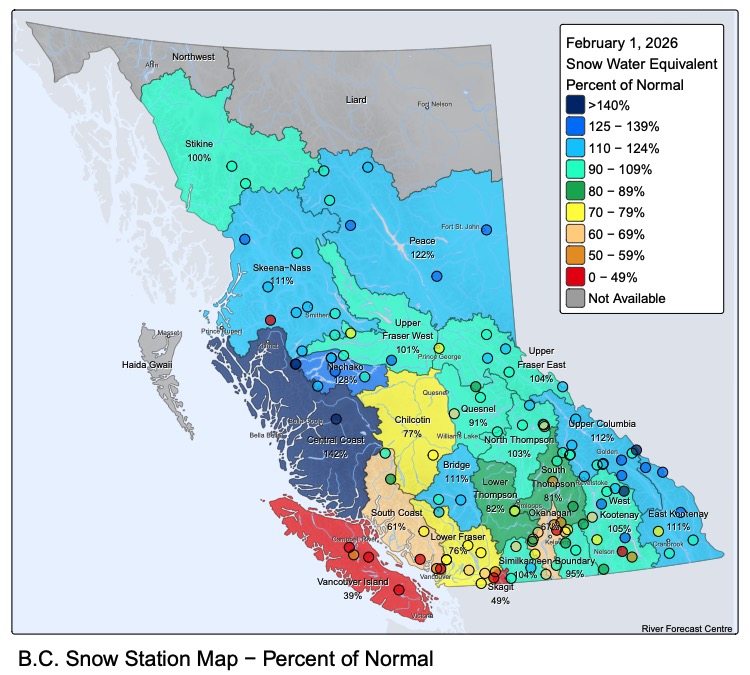 The mood was jubilant at Mount Washington Alpine Resort on Vancouver Island after a weekend storm saw 108 centimetres of snow blanket the resort. The snow was a welcome reprieve from the warm and wet weather that started the season… A
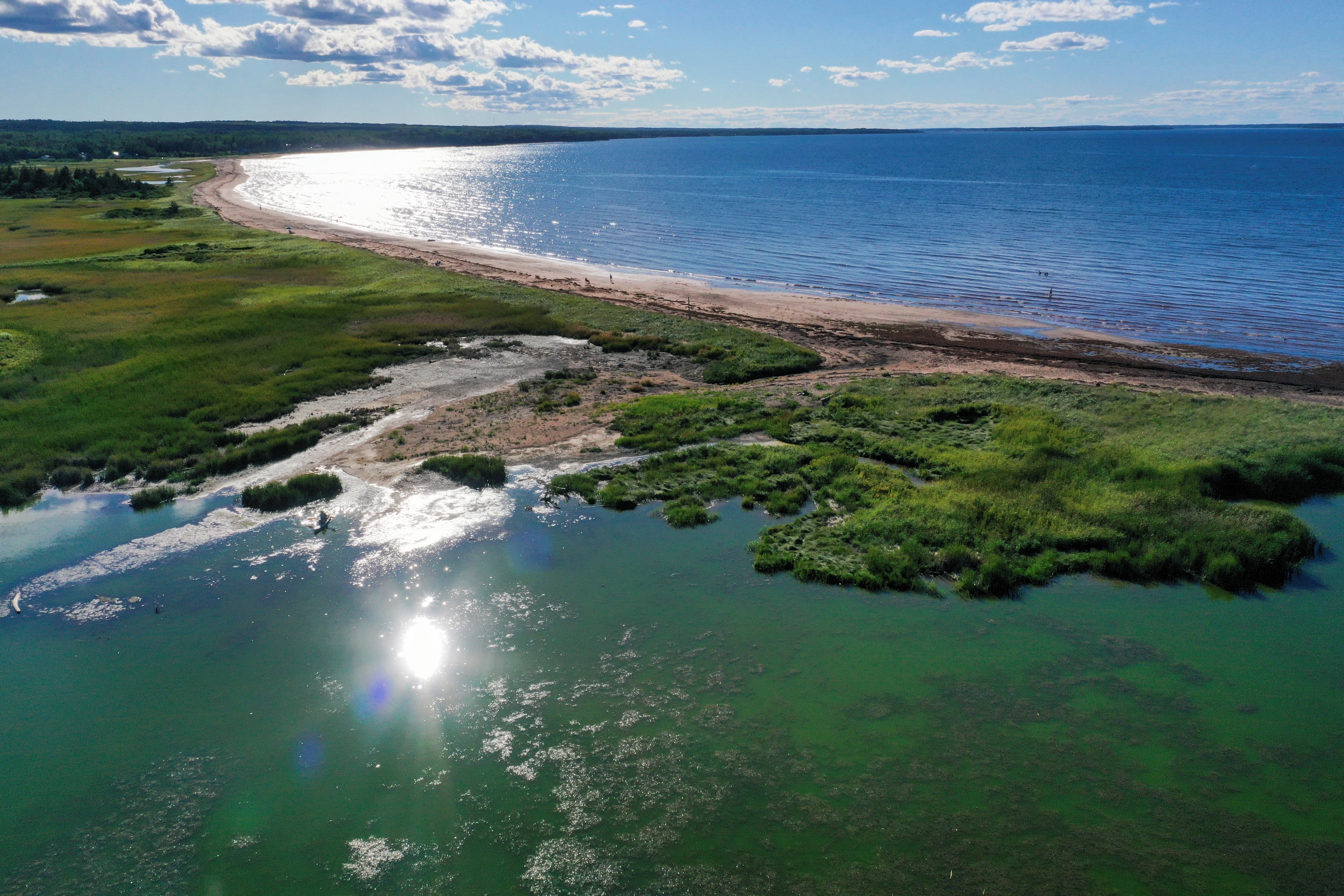

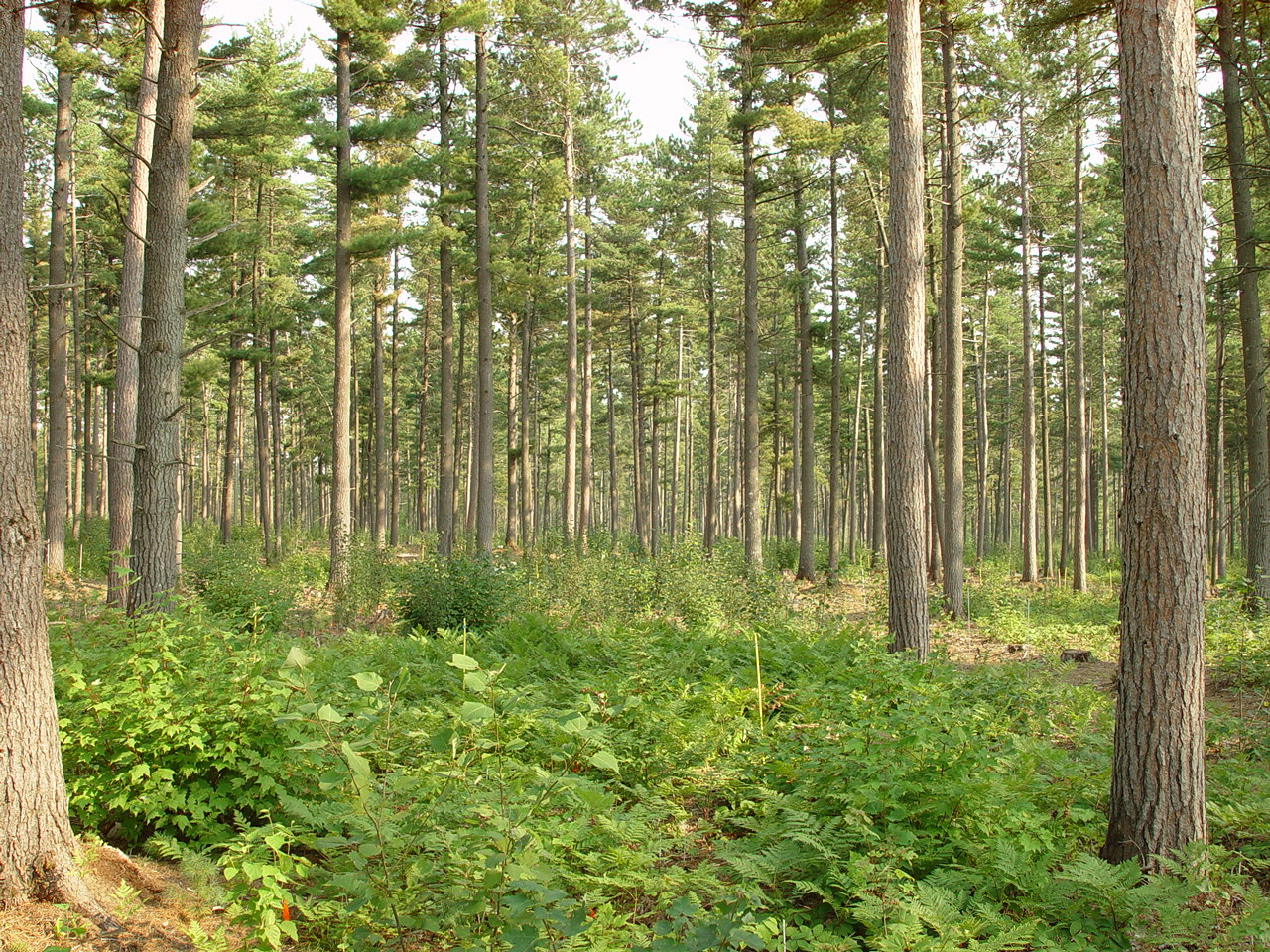 The head of an Indigenous-owned forestry company in New Brunswick says that provincial government statements about consultation with Indigenous communities over forestry policy are “hollow” without efforts to increase self-determination. Annie Simoneau, owner of L’Puk’Tuwis Forestry — which is based in Natoaganeg, also called Eel Ground First Nation — says that most small Indigenous communities currently lack the capacity to cut and manage their own timber. “Many are forced to rely on large forestry companies or urban-based contractors to do the harvesting for them. Those companies decide the methods — and too often that means clear-cutting, followed by herbicide spraying,” she told the NB Media Co-op. “That’s not self-determination,” she continued. “That’s dependency created by decades of policy that withheld equipment, training, and access from First Nations, then turned around and said, ‘You were consulted.’”

 Nearly 40 Indigenous land guardians, alongside hereditary and traditional chiefs, have filed a lawsuit seeking formal recognition of their rights over a vast stretch of Quebec. Their legal challenge aims to curb industrial logging and ensure the protection of their traditional way of life. The application, filed in Quebec Superior Court last week, covers a territory spanning between the St. Lawrence River, the Saint-Maurice River valley and the forested areas of northern Mauricie, according to the document. The plaintiffs are specifically asking the court to declare all supply guarantees and intervention permits granted to forestry companies null and void. This legal move follows a summer of tensions marked by numerous blockades across the ancestral lands of several Indigenous nations. These actions were spearheaded by MAMU First Nation — a collective of land guardians from the Atikamekw and Innu nations — to protest a proposed overhaul of the province’s forestry regime.
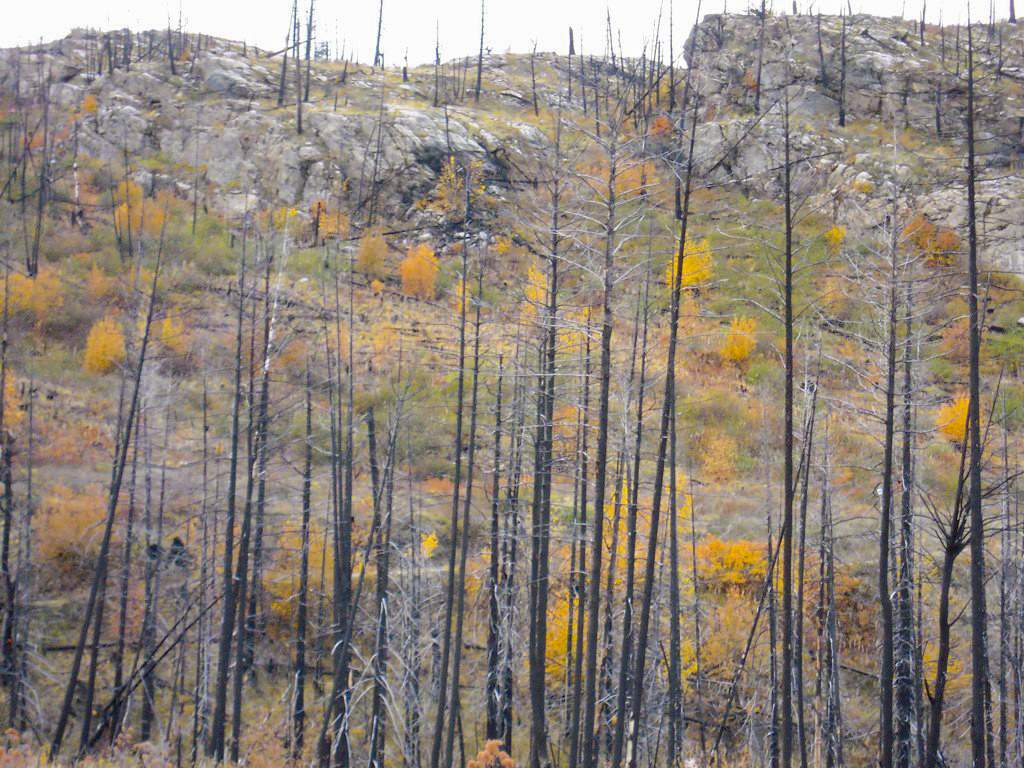 Wildfires in the northern boreal forests of Alaska, Canada, Scandinavia and Russia may be more damaging to the climate than previously thought, a new UC Berkeley-led study suggests. That’s because these fires don’t just burn through trees; they can also penetrate deep into the carbon-rich layers of soil underneath many boreal forests, releasing carbon that has been accumulating for hundreds or even thousands of years. These carbon-rich soils, also known as peat, are primarily found in the far north, where the cold, wet climate prevents vegetation from fully decomposing and leads to a buildup of partially decayed organic matter over time. The study found that major models of wildfire carbon emissions — which are largely based on data from fires at lower latitudes, and use satellite images of visible flames to guide their estimates — are not properly accounting for the impact of fire on these underground carbon stores.
 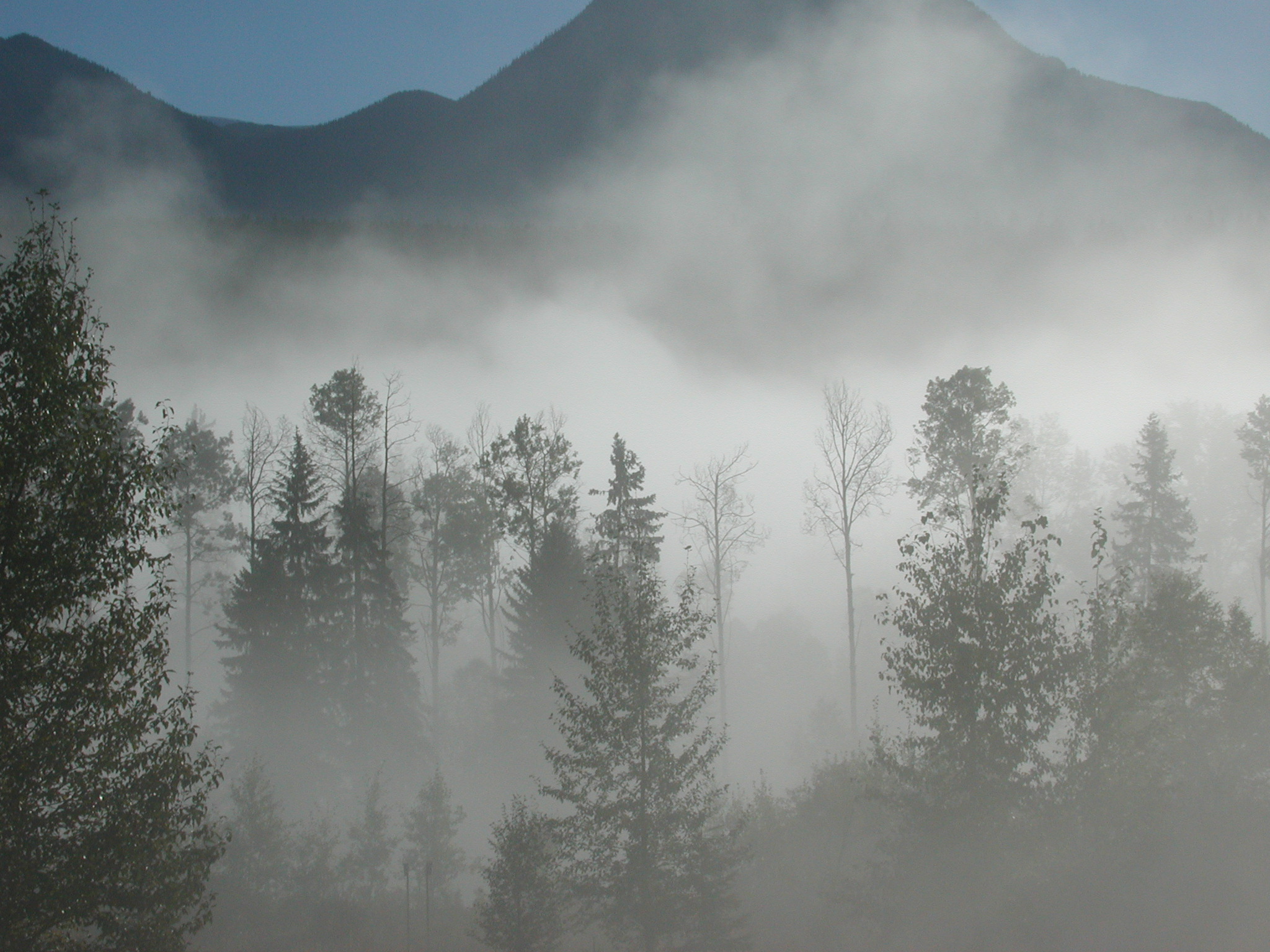 More than 110 million acres of land across the U.S. are protected in 806 federally designated wilderness areas – together an area slightly larger than the state of California. For the most part, these places have been left alone for decades, in keeping with the 1964 Wilderness Act’s directive that they be “untrammeled by man.” But in a time when lands are experiencing the effects of climate change and people are renewing their understanding of Indigenous knowledge and stewardship practices, protecting these places may require action, not inaction. …First, the American ideal that wildlands flourish best in the absence of human management – conflicts with the growing understanding that many wilderness areas are part of the ancestral homelands of Indigenous peoples, who tended those lands for thousands of years. …And second, as climate change and ecological stressors affect wilderness, human intervention could help sustain the very ecological qualities that are protected.
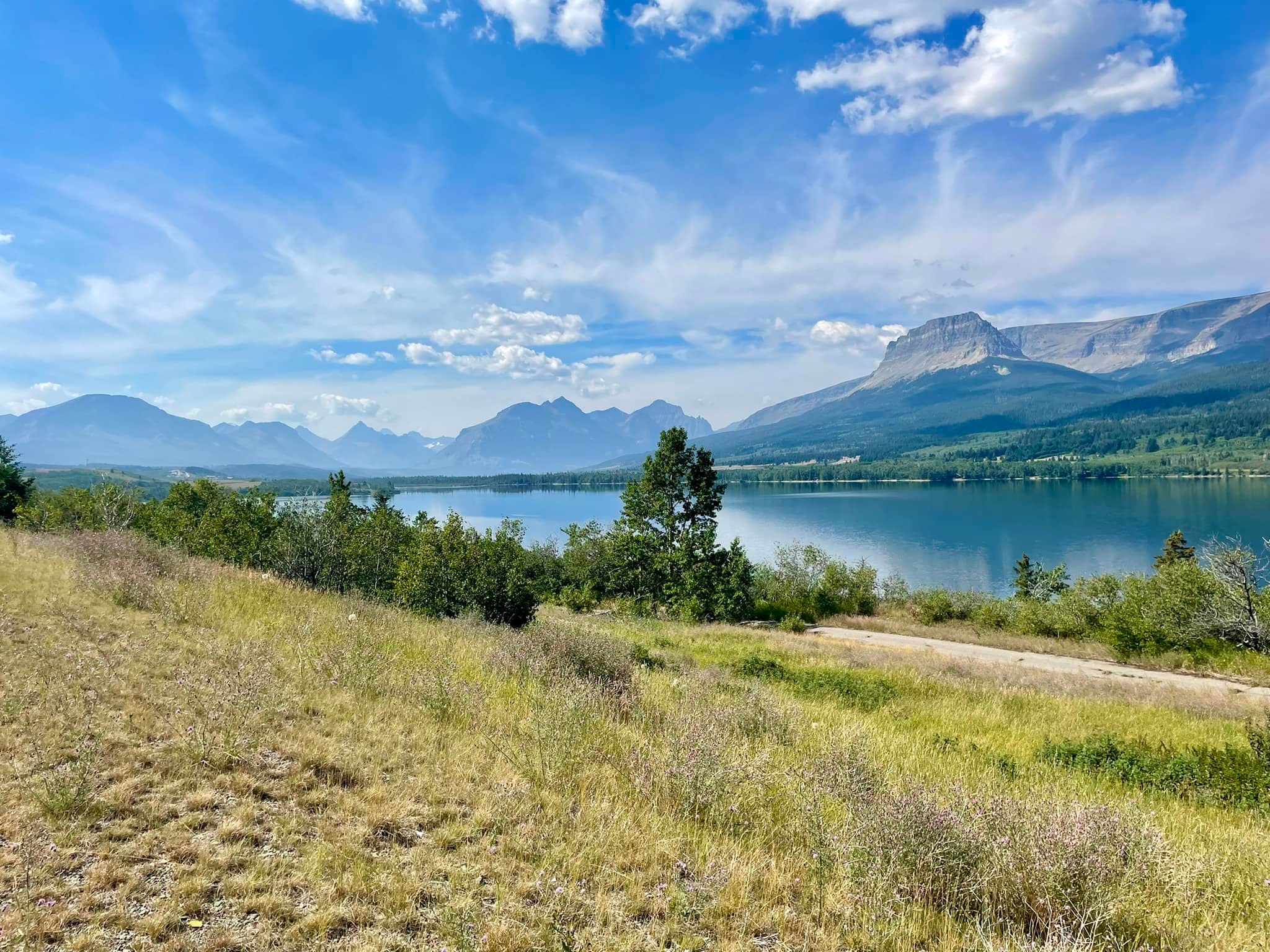 Large, bipartisan majorities of voters across eight Western states remain concerned about the impacts of climate change and opposed to efforts by the Trump administration to weaken environmental rules and public lands protections. Eighty-four percent of Western voters say “rollbacks of laws that protect our land, water and wildlife” are a serious problem, up from 68% eight years ago, according to a poll released by Colorado College’s State of the Rockies project. The annual Conservation in the West poll has measured Western voters’ views of environmental and energy issues since 2011. The 2026 survey is based on interviews conducted in January with 3,419 voters in Arizona, Colorado, Idaho, Montana, New Mexico, Nevada, Utah and Wyoming. “After 16 years, it’s become a rare longitudinal data set that lets us track how public attitudes have shifted over time throughout the West,” said Ian Johnson, Colorado College’s director of strategic initiatives and sustainability.
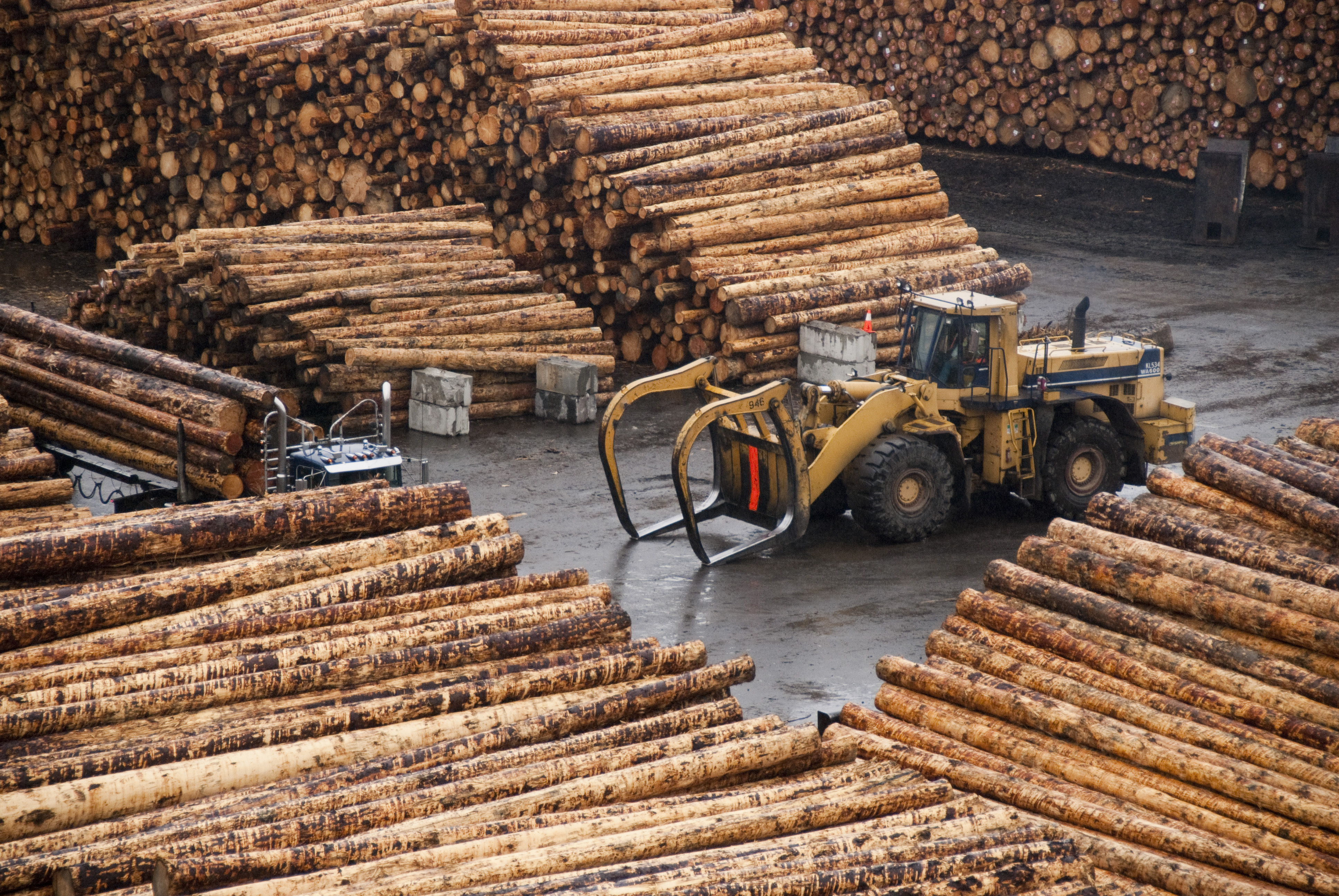 Federal officials are proposing to ramp up logging on 2.5 million acres of western Oregon forests as part of a Trump administration priority to expand domestic timber production. The Bureau of Land Management is asking for public comment on its plan through March 23. The federal agency said last week it would update the Western Oregon Resource Management Plan that governs logging on the state’s checkerboard “O&C forests” located in 18 Oregon counties. Known as O&C lands for having once belonged to the Oregon and California Railroad, the forests produced more than 1 billion board feet of timber annually from 1960 and 1989. …BLM’s latest proposal, issued Feb. 19 … could mean a timber harvest that returns to 1 billion board feet. …Oregon’s timber industry celebrated the latest news… Environmental groups strongly opposed the decision…
 The US Forest Service is proposing a massive project in a national forest in Michigan that would log land roughly the size of Detroit, expand gravel mining and build roads. The Silver Branch Vegetation Management Project would span about 40 miles from north to south on the eastern edge of the Ottawa National Forest. The area includes habitat for the endangered northern long-eared bat, one of several reasons environmental groups have raised alarms. The proposal includes a wild rice seeding project, improvements to campgrounds and lake access and attempts to bolster habitat for the protected Kirtland’s warbler. The whole thing is projected to last around 30 years, with periodic reviews. …national forests serve multiple purposes [including] recreation, wildlife habitat and timber. Ottawa National Forest officials say the Silver Branch project is not primarily about logging, it’s about getting the right tree mix for forest maintenance and health. However, the project has drawn concerns from a wide range of groups.
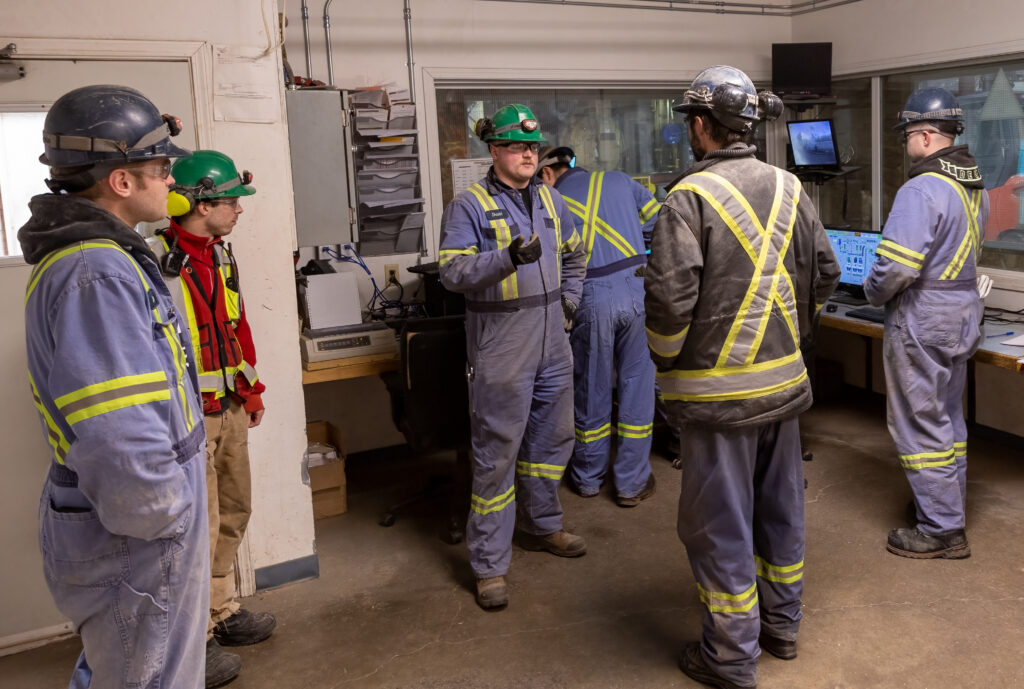
 Transport truck drivers have the most injury claims for work-related crashes of any occupation in BC over the last 10 years. And driver fatigue is a contributing factor in many crashes. Developing a strategy for reducing driver fatigue is smart business. It can help save lives and reduce the risk of injuries. It can also help you meet your legal responsibilities. Use Road Safety at Work’s no-cost resources to create or enhance your fatigue management strategy. Transport truck drivers account for nearly one-quarter of all injury claims from work-related vehicle crashes in our province, according to WorkSafeBC. …A successful fatigue management strategy depends on an effective safety culture and employee engagement. Encourage drivers to report fatigue and to pull over for a short rest when they feel it. Discuss it at safety meetings. Make fatigue part of your fit for duty assessments. Emphasize the importance of adequate sleep.
 The March 2026 issue of Forest Safety News is out now — and it’s packed with important updates for everyone in the forest sector! From mental health resources to leadership changes and upcoming safety events, this edition focuses on building safer workplaces across British Columbia. This month’s lead story highlights the Connection to Care program, a FREE and confidential support service for forestry workers navigating stress, job pressures, or life challenges — because mental wellness is now a core part of workplace safety. We also mark a leadership moment as long-time CEO Rob Moonen retires after 16 years, and Cherie Whelan steps in as the new CEO, bringing deep experience in safety and industry engagement. Plus, don’t miss the Interior Safety Conference in Kamloops — a full day of sessions and networking for professionals across harvesting, silviculture, transportation, and manufacturing. There’s much more inside including safety alerts, training updates, and industry links you’ll want to see. Read the full issue for all the details!
 Supporters of the “Make America Healthy Again” strategy have long railed against pesticides, making opposition to them a pillar of the movement. But an executive order issued by U.S. President Donald Trump last week collides with that long-held stance. The order states that glyphosate … is “central to American economic and national security” and calls for an adequate domestic supply. Glyphosate inhibits protein synthesis in plants and microorganisms, leading to their death. Scientists can genetically modify field crops — choosing which survive after glyphosate treatment. US Health and Human Services Secretary Robert F. Kennedy Jr., a key figure in the MAHA movement, has long opposed glyphosate-based pesticides. …He reiterated last month on Katie Miller’s podcast that “I believe glyphosate causes cancer.” But Kennedy sounded a different tone. “Donald Trump’s executive order puts America first where it matters most — our defense readiness and our food supply,” said Kennedy.