 Canada’s housing agency forecasts a multiyear slump in housing starts amid weaker demand and rising costs, while the US economy shows resilience with stable layoffs and mixed housing signals. In related news: the US launched a process to rebuild tariff pressure on 16 countries; the Iran war may accelerate changes in EU lumber flows; and economist Jock Finlayson says US tariffs aren’t BC forestry’s biggest problem.
In Forestry news: ENGO’s worry that Mark Carney’s new nature strategy will lack funding; Alberta’s drought conditions create wildfire concerns; Taan Forest is Canada’s first FSC verified impact forest; and a US Forest Service video on reducing roadside ignitions. Meanwhile: COFI’s convention includes a State of the Forest Economy panel; Canadian Woodlands Forum’s Spring Meeting is in Moncton; Ontario’s Professional Foresters gather in Pembrook in April; and the BC is Burning video comes to Nanaimo March 25.
Finally, new data for timber products weighs up the carbon impacts of material choices.
Kelly McCloskey, Tree Frog News Editor
 The Honourable Patty Hajdu, Minister of Jobs and Families and Minister responsible for the Federal Economic Development Agency for Northern Ontario announced an investment of up to $94.5 million over five years through the Sectoral Workforce Solutions Program (SWSP). This investment will produce consistent, foundational labour market information (LMI) across key sectors, providing the information needed to help better coordinate the supply and demand of skilled labour while supporting a stronger economy. Through this initiative, 14 organizations will develop a range of informational products and employer toolkits to help workers and businesses adapt to current labour market challenges. The investment will support organizations in key sectors, including construction, trucking, advanced manufacturing, aerospace, tourism, forestry, agriculture, mining, energy, information and communications technology, the environment, and the bio-economy.
 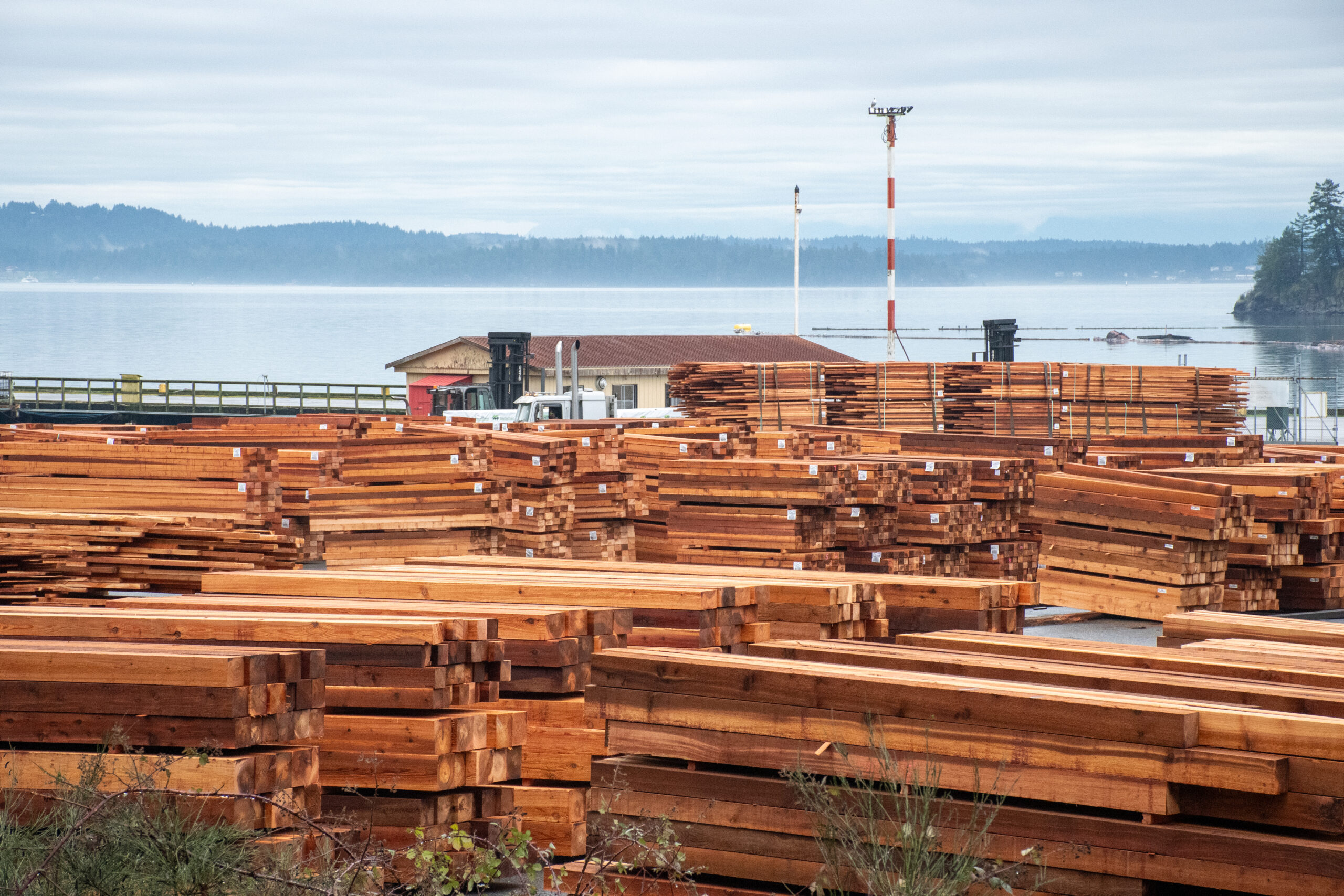 Federal help is being called on to assist laid-off workers at the curtailed Chemainus sawmill to access Employment Insurance benefits. Brian Butler, president of United Steelworkers Local 1-1937, which represents workers at the mill, Jennifer Foster, senior vice president of human resources at Western Forest Products, which owns the mill, and North Cowichan Mayor Rob Douglas recently sent a letter to Minister of Jobs and Families Patty Hajdu on the issue. “We write to you as representatives of labour, industry, and local government to request urgent federal intervention to address barriers that prevent Chemainus sawmill workers from accessing the full range of Employment Insurance supports available to them,” the letter said. …They pointed said that the workers are not facing a short-term layoff. “They have been formally advised that there will be no return to work this year, yet many are now being told their Employment Insurance benefits will soon expire,” their letter said.
.png)

 STURGEON COUNTY, AB — Corey Hogan, Parliamentary Secretary to the Minister of Energy and Natural Resources, announced a federal investment of over $4.4 million for ten projects that will strengthen the forest sector in Alberta, Manitoba and Saskatchewan. These projects will advance manufacturing and processing, diversify Canada’s forest products and their export markets and support First Nation and Métis groups and forestry businesses. Among the projects funded, Western Archrib Enterprises Ltd. is receiving $2.3 million through the Investments in Forest Industry Transformation program to commission a 160,000-square-foot mass timber plant in Sturgeon County, Alberta. The facility represents a total capital investment of over $80 million and will transform Western Archrib’s operations to a fully automated manufacturing line, increasing production capacity from 12 million to 30–35 million board feet annually. This investment will strengthen Alberta’s supply chain for advanced wood-based building material, such as mass timber panels, which directly support the construction industry and housing supply.
 March 19, 2026 | 6:30-9 PM | UBC Robson Square Theatre — Experts from the Allard School of Law (Ljiljana Biuković), Vancouver School of Economics (Torsten Jaccard), Faculty of Forestry & Environmental Stewardship (Harry Nelson), and Political Science (Stewart Prest) will explore the evolving Canada–U.S. economic relationship and what it means for Canada’s future. As the 2026 joint review of the Canada–United States–Mexico Agreement (CUSMA) approaches, Canada faces significant shifts in its most important trading relationship. From tariffs on steel to ongoing tensions in British Columbia’s forestry sector, long-standing trade dynamics are being tested and the era of predictable trade and stable multilateral rules may be coming to an end. Policymakers, industry leaders, and people interested in understanding the structural changes shaping Canada’s economic future are encouraged to attend. Panelists will examine emerging geopolitical realities and their implications for Canada, highlighting BC forestry as a case study on how international trade pressures are affecting local industries, workers, and communities.
 Portland based Hampton Lumber, one of the nation’s largest lumber manufacturers, confirmed on Thursday that it has parted ways with CEO Randy Schillinger. Steve Zika, vice chair of the Hampton board and its chief executive for 20 years before Schillinger was named to the position in June 2023 has served in an interim capacity since early December, the company said in an emailed statement. [A Portland Business Journal subscription is required to access this full story]
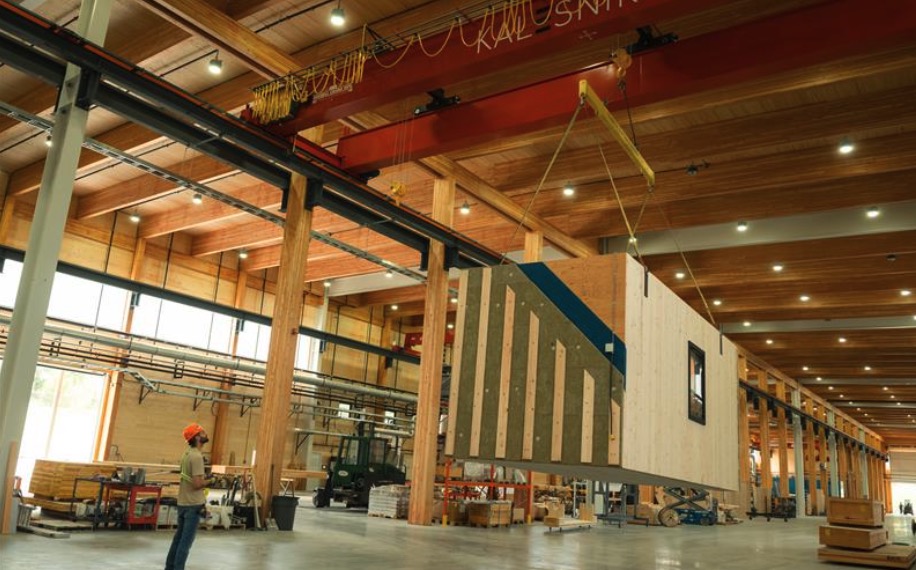 A large B.C.-based mass timber company is receiving $5.5 million in federal funding to expand its production capacity, the government’s latest support for prefabrication as a means to boost housing supply. Castlegar-based Kalesnikoff Mass Timber Inc. is receiving the funding from Pacific Economic Development Canada’s Regional Tariff Response Initiative. The initiative is investing more than $13 million in 10 projects across B.C.’s southern Interior, helping businesses impacted by tariffs, said a March 2 press release. Kalesnikoff is receiving a repayable investment of $5.5 million to help purchase new equipment to make prefabricated housing components used in multi-family housing, schools, daycares and commercial buildings, said the release. Kalesnikoff’s new mass timber facility in Castlegar, which went into operation last year, is ramping up production, said Andrew Stiffman, the company’s vice-president of construction services.
 As mass timber construction continues to build momentum, critical lessons learned on jobsites are emerging to ensure successful project outcomes. The aesthetics and many benefits of mass timber are well known, but bringing these projects to life involves significant technical and logistical challenges. Common issues that need careful consideration include moisture management, lack of experience, site logistics, safety and more. “The single most important time in any mass timber project – and where most mistakes are made – is early involvement,” said Scott Comfort, president of Seagate Mass Timber who was a speaker at Buildex Vancouver. “You can never talk about mass timber too early in your project. Always have an engineer lifting and bracing plan in place – absolutely critical for the safety of the job and for it to do well.” …To help the industry with moisture management, best practices are being explored by the Canadian Wood Council and FPInnovations.


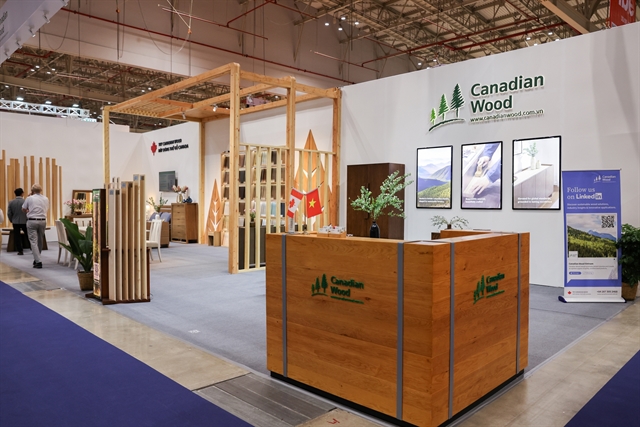 HCM CITY — Canadian Wood Vietnam, part of Forestry Innovation Investment (FII) – a provincial agency of the Government of British Columbia (B.C.), Canada, has recently reaffirmed its commitment to the Vietnamese wood industry by maintaining a consistent presence across key industry platforms. Canadian Wood Vietnam is dedicated to enhancing networking activities, sharing information, and fostering professional exchanges within Việt Nam’s wood and furniture industry. In addition to promoting trade, Canadian Wood Vietnam works closely with manufacturers in Việt Nam by offering technical support, training programmes, and facilitating market development initiatives that link businesses with reputable Canadian softwood suppliers and provide valuable insights into softwood species from British Columbia (B.C.), Canada. These ongoing efforts aim to assist Vietnamese manufacturers in strengthening their product development capabilities, refining design applications, and enhancing value creation.
 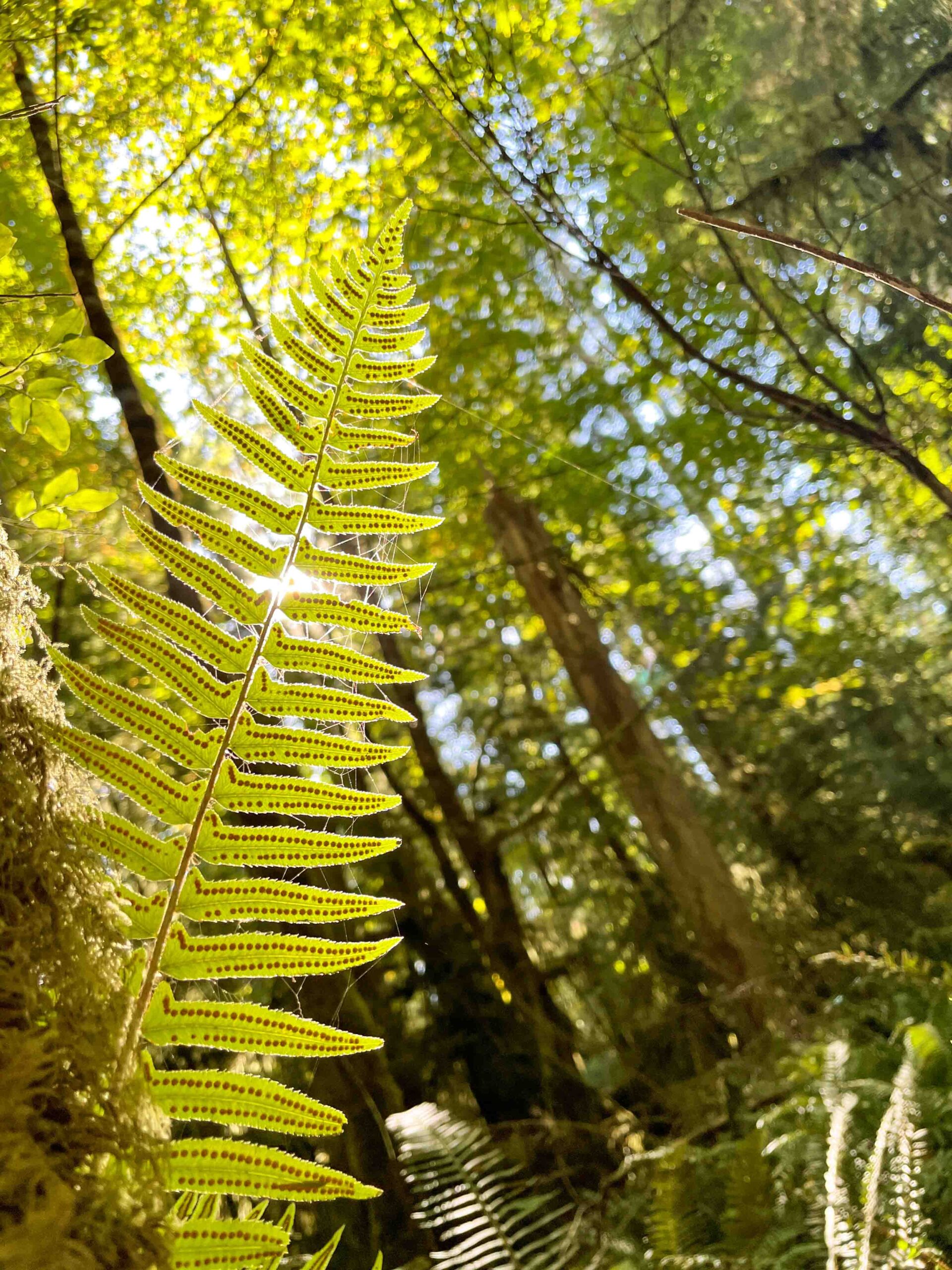 The Carney government’s strategy to protect nature is expected to be released in the coming weeks — and some nature advocacy groups worry it won’t come with any new funding. Billions of federal dollars earmarked for conservation are set to expire at the end of March. If they aren’t renewed, the groups say Canada will not meet its 2030 targets. …national nature groups have been sounding the alarm that previous investments in biodiversity projects are in jeopardy, [saying] they haven’t received any assurances that long-term funding would be extended. …Funding for projects meant to halt and reverse species loss is set to soon expire. The enhanced nature legacy program earmarked $2.3 billion over five years, ending March 31. As
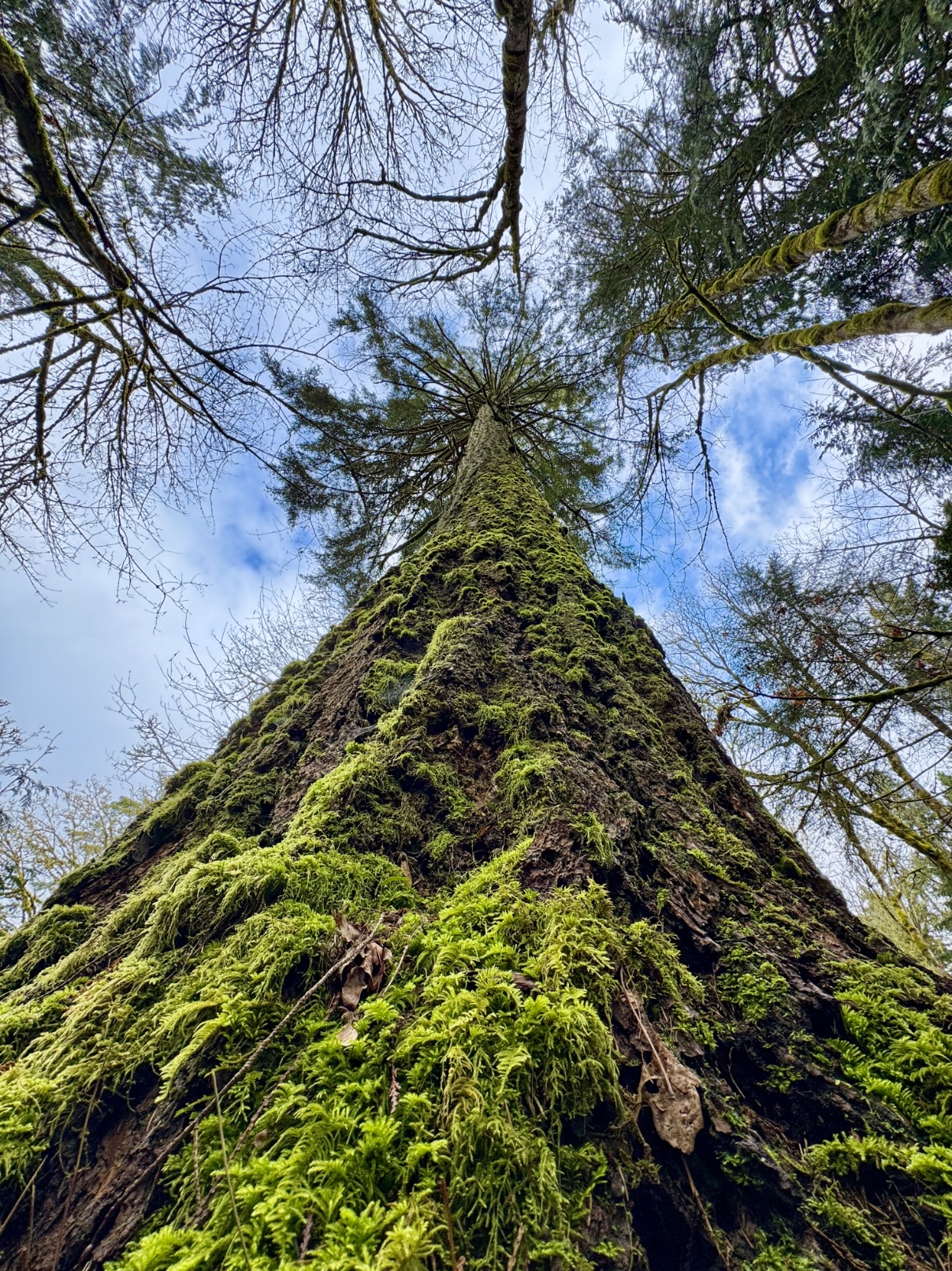 The Rainbow, Jordan and Frisby valleys in British Columbia’s rare inland temperate rainforest are home to endangered species and ancient trees. Two logging companies hold licences to log in the old-growth valleys, while the government agency BC Timber Sales has operating areas there. A 2019 proposal to permanently protect 10,500 hectares in the three valleys as a provincial park has gained renewed interest as Revelstoke city council announced in February that it supports increased conservation of the critically endangered inland temperate rainforest.


 Taan Forest, the forest management enterprise owned by the Council of the Haïda Nation, is leading the way under the Forest Stewardship Council Verified Impact program. This milestone marks the first Verified Impact project in Canada and one of the first globally to be verified for enhancing Indigenous cultural values, showcasing how FSC certification can credibly demonstrate positive outcomes for biodiversity, cultural heritage, and community-led stewardship.
 Whistler’s forests are home to one of the region’s most elusive birds of prey: the northern goshawk. Bob Brett, a local biologist and co-founder of the Whistler Naturalists, says Whistler is almost uniquely positioned among southern B.C. communities to support the at-risk forest hawk because of the remaining old-growth forests scattered along the valley’s lower slopes. “[Goshawks] hunt inside the forest, so they need wide-spaced trees, they need big branches to nest on and they need access to the forest floor for hunting,” Brett said. “They’re in big trouble on the coast of British Columbia because of all the logging and the lack of old-growth suitable habitat,” he added. “…And our challenge is to make sure that Whistler continues to have habitat for them.” Brett said that challenge extends to the protection of connected ecosystems—particularly the Rainbow Wildlife Corridor, identified as the 21-Mile Creek corridor.
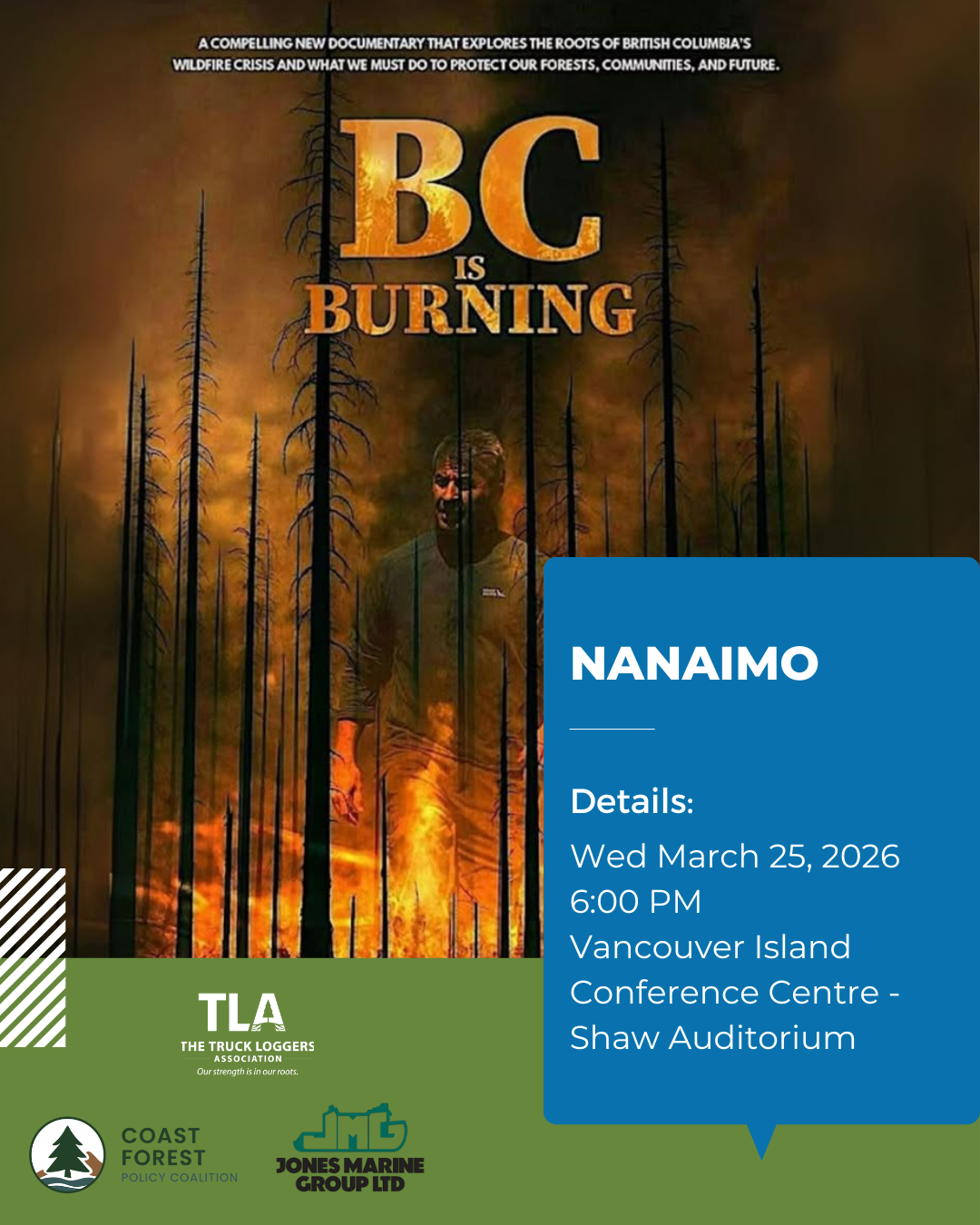 Join us in Nanaimo, March 25 at the Shaw Auditorium, for an exclusive screening of this urgent and impactful documentary, exploring the roots of British Columbia’s wildfire crisis and what we must do to protect our forests, communities, and future. This powerful documentary addresses British Columbia’s escalating wildfire crisis and the urgent need for solutions. … But within this crisis lies opportunity. The film explores how proactive forest management and policy reforms can reduce fire risk. A fact-finding journey to California highlights innovative strategies from its Wildfire and Forest Resilience Action Plan. BC is Burning is more than a documentary—it’s a call to action to rethink how we manage our forests, protect our communities, and secure a sustainable future for British Columbia.
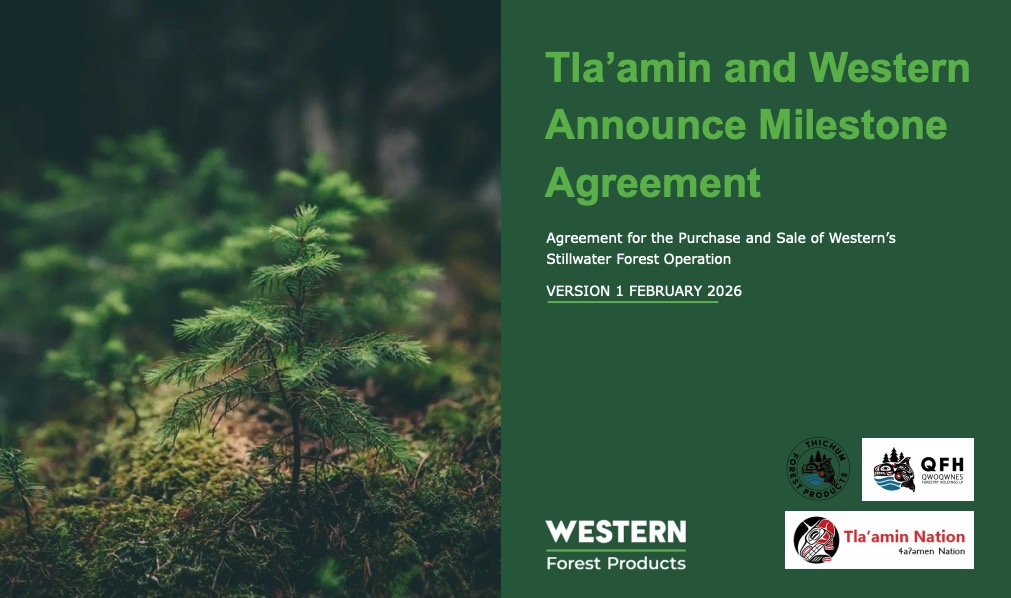 City of Powell River councillors were provided an overview on March 5 of Tla’amin Nation’s negotiations to repatriate access to forest lands currently held by Western Forest Products (WFP). Adam Culos, general manager of Thichum Forest Products, said that Tla’amin had announced a milestone agreement, where Thichum Forest Products, through Tla’amin, is working on an agreement with WFP to acquire Tree Farm Licence 39 block one. Seanna McConnell, Western Forest Products vice-president, Indigenous partnerships, said Qwoqwnes Forestry Holdings Limited Partnership, wholly owned by Tla’amin, will be purchasing 100 per cent ownership of WFP’s Stillwater forest operation for $80 million. …Culos said the acquisition … supports Thichum’s long-term success through investment in their business and the future of the community, [adding] that almost all the wood supplies domestic mills, so there are three fibre supply agreements. One will be WFP, supporting the company’s five coastal mills, along with Mosaic Forest Management and Domtar.
 Quesnel City Council has endorsed the “Forestry is a Solution” campaign. Erin Robinson, Forestry Initiatives Manager at the City, talked about the “Forestry is a Solution” campaign at the most recent Council meeting. “It was launched in January at the BC Natural Resources Forum in Prince George. The “Forestry is a Solution” campaign is led by a coalition of forest sector organizations, community leaders, workers, and industry advocates to demonstrate strong public support for British Columbia’s forest sector. The initiative highlights forestry’s role in: supporting affordable housing, reducing wildfire risk through active forest management, sustaining family-supporting jobs, generating public revenues, and contributing to lower carbon construction.” Robinson said it is in line with Council’s concerns over the current state of the industry.



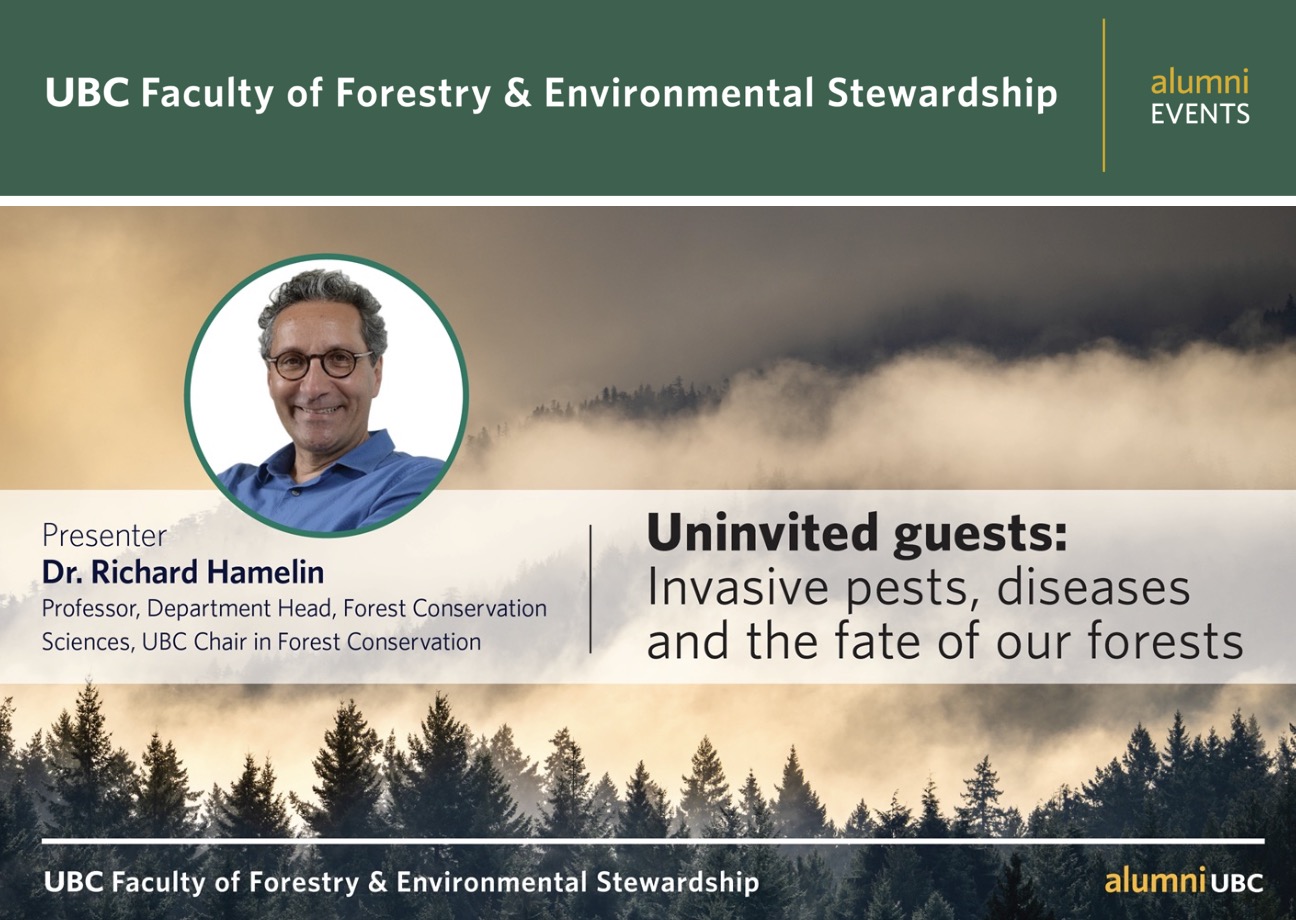 Webinar: March 24, 2026 | Invasive species are an unintended consequence of globalization and one that is wreaking havoc on forest ecosystems. From the blister rust fungus that decimated BC’s white pines to more recent invasions of Dutch elm disease and the emerald ash borer beetle, invasive pests and pathogens are a real and present danger that are reshaping forest and urban ecosystems in lasting ways. Join Dr. Richard Hamelin, a forest pathologist specializing in forest health and the application of genomics to disease management, for a timely and engaging look at the scope of the problem and the scientific tools being used to respond, including the application of genomics and tree breeding. Increasingly, citizen scientists play a critical role in detecting emerging threats, helping enable early intervention and improved forest protection.
 The Alberta government has released a new wildfire mitigation strategy aimed at reducing wildfire risk and protecting communities, forests and critical infrastructure across the province. The Alberta Wildfire Mitigation Strategy outlines measures to improve preparedness and strengthen prevention efforts as wildfire seasons become more frequent and severe. Forestry and Parks Minister Todd Loewen said the strategy is intended to help communities better prepare for wildfire and reduce potential damage. …The strategy outlines six focus areas: improving knowledge of wildfire risks, strengthening community and Indigenous partnerships, reviewing legislation and policy, expanding the use of technology and innovation, integrating wildfire mitigation into landscape planning and prioritizing hazardous fuels management.
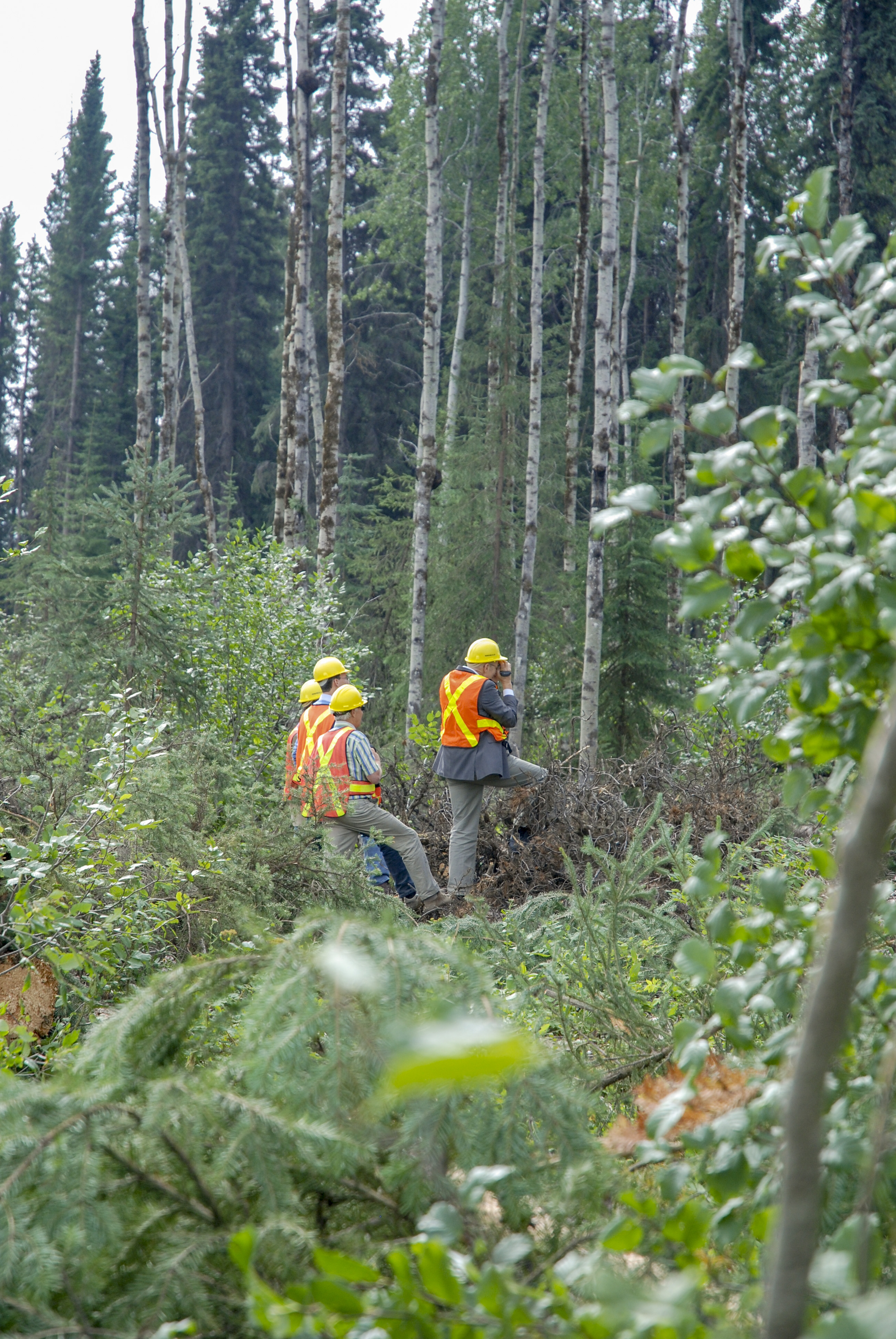 Prince George is once again surpassing expectations with the sale of two commercial thinning areas in the region, says BC’s forests minister. The sales were made to Freya Logging, a contractor based in Prince George. The total volume between the two sales is 14,005 cubic metres in the West Lake and Greg Creek area. Freya Logging will undertake commercial thinning, a forest management process that removes a portion of trees in a 35-year-old or older stand to create space and provide more light and nutrients for younger trees in the area, while older trees are cut down and sold. The process is also known to decrease the risk of forest fires by reducing fuel loads and increasing forest resilience against pests. BC Forest Minister Ravi Parmar has been a strong advocate for commercial thinning in the province and considers these two sales a milestone for forestry in BC.
 More local governments, contractors and First Nations will take on wildfire-risk-mitigation roles in and around their communities thanks to a $30-million investment in training, equipment and FireSmart programs. “Through powerful partnerships with local communities, we’re doing the work to get ahead of wildfire season,” said Ravi Parmar, Minister of Forests. “We’re investing in local governments, contractors and First Nations to mitigate the risks of wildfire, protecting people and community. This is how we create jobs, support workers and build more resilient forests, restoring confidence in our sector.” The FireSmart Community Funding and Supports program is receiving an additional $15 million to continue prioritizing core FireSmart activities to protect the most vulnerable communities in B.C. The program is part of B.C.’s Community Resiliency Investment (CRI) program. Along with the Crown Land Wildfire Risk Reduction program, it reduces wildfire risk by funding planning, education, co-ordination and fuel-management activities on publicly owned and Crown land.
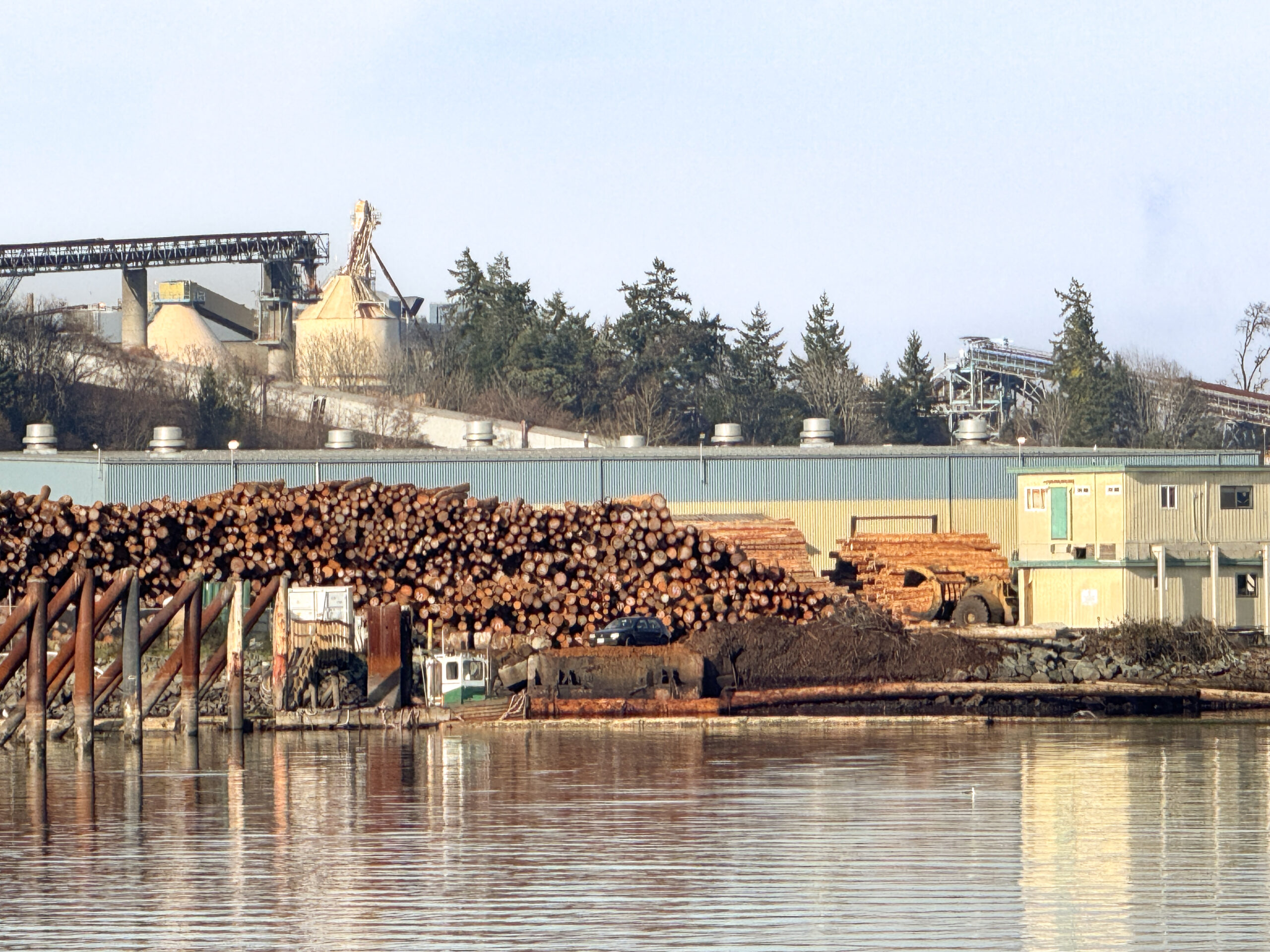 The lack of significant snowfall in the mountains around Cowichan Lake could be a problem for water levels during the upcoming dry season, according to Brain Houle, the environment manager at the now closed Domtar pulp mill in Crofton. While Domtar shut the mill down earlier this year, the forest company agreed to continue operations at the weir until the end of 2026. Houle said that while there is still time to accumulate more snow before the winter ends, it is possible that the weather will not bring more snow to the mountains before warm weather begins the annual snow melt. “With the Crofton mill now shut down and water withdrawals from the river significantly reduced, it is even more important to avoid the need to use pumps this year,” …Houle said that a stakeholder meeting was recently held … to discuss water issues related to the Cowichan watershed in 2026, including weir operations.
 Canada’s drinking water can remain at risk long after wildfires burn out, according to a

 North Cowichan wants the province to expedite increases to water licences for the Cowichan and Chemainus aquifers. Council authorized Mayor Rob Douglas to write a letter to Randene Neill, B.C.’s Minister of Water, Land, and Resource Stewardship, asking the government to accelerate the licence process at its meeting on Feb. 18. The request came after a presentation by North Cowichan’s engineering director Clay Reitsma on key infrastructure constraints in the municipality. Reitsma said that increased growth and development demands, provincial housing targets, and the recent closure of the Crofton pulp mill have combined to create significant constraints and impacts on North Cowichan’s limited water and sewer servicing, and water-licensing limits. He pointed out that most of Crofton’s water currently comes from the now closed Domtar mill… Domtar has committed to keep the water flowing from the mill’s water systems to Crofton until the end of 2026, but no promises have been made beyond that.
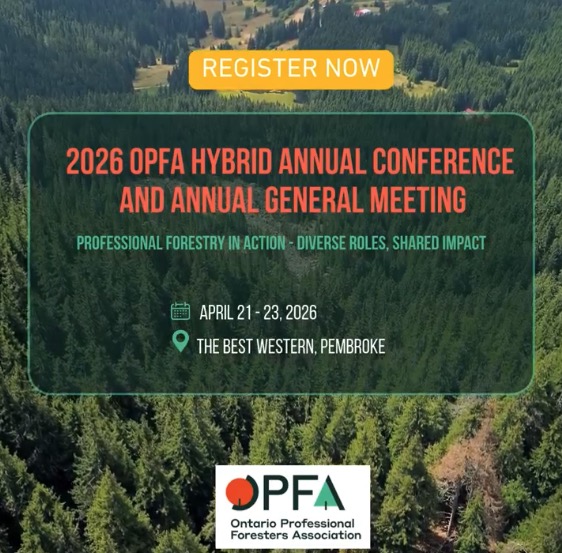 The Ontario Professional Foresters Association will host its 2026 Annual Conference and AGM in Pembroke, Ontario, April 21–23, bringing together forestry professionals, government representatives and industry leaders under the theme “Professional Forestry in Action: Diverse Roles, Shared Impact.” The conference opens with an optional field tour through the Ottawa Valley, where participants will visit forest management sites and hear directly from field practitioners about harvesting, regeneration and forest renewal practices. The program also features a series of technical sessions and plenaries examining key issues facing the profession. Among the highlights is a presentation by Derek Nighbor, President and CEO of the Forest Products Association of Canada, who will discuss how evolving Canada–US relations are affecting the forestry sector and what may lie ahead. The three-day event also includes networking opportunities and the Association’s Annual General Meeting, with both in-person and virtual attendance options available.
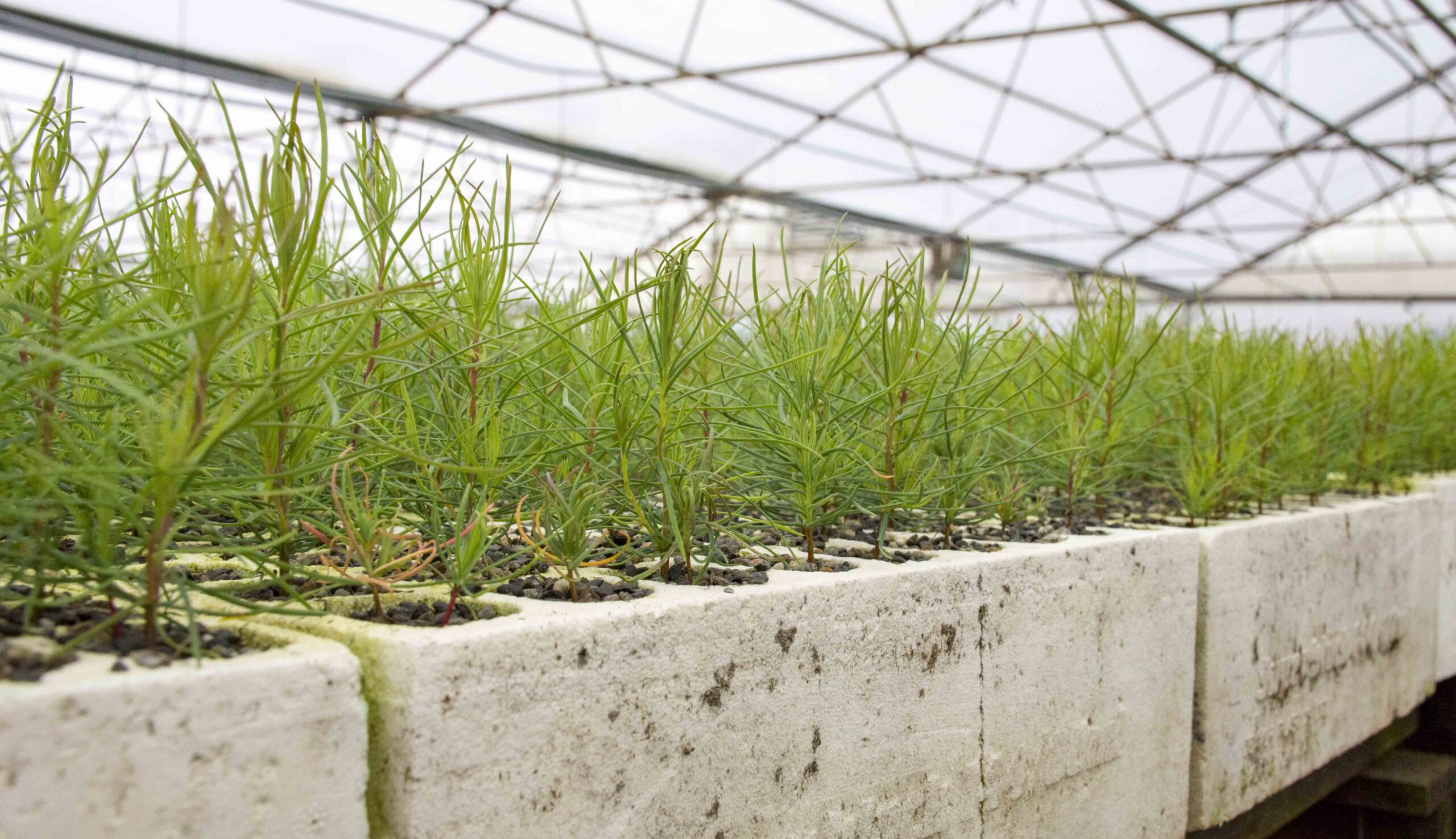 The City of Ottawa says program cuts at Algonquin College could make it harder to recruit workers. An internal city analysis reviewed roughly 30 programs the college was thinking of suspending and ultimately did cancel after a unanimous board of governors vote on Monday. The city found that the elimination of nine programs would affect its ability to hire staff in the future. The programs flagged include: Nursery Operator – Forestry Services, Public Works and Nursery Worker – Forestry Services, Public Works. …The forestry services branch within the city’s public works department relies on graduates from Algonquin’s horticultural industries program to fill nursery operator and nursery worker roles. It also depends on design foundations program graduates for its traffic services branch, which hires sign designers, fabricators and supervisors.
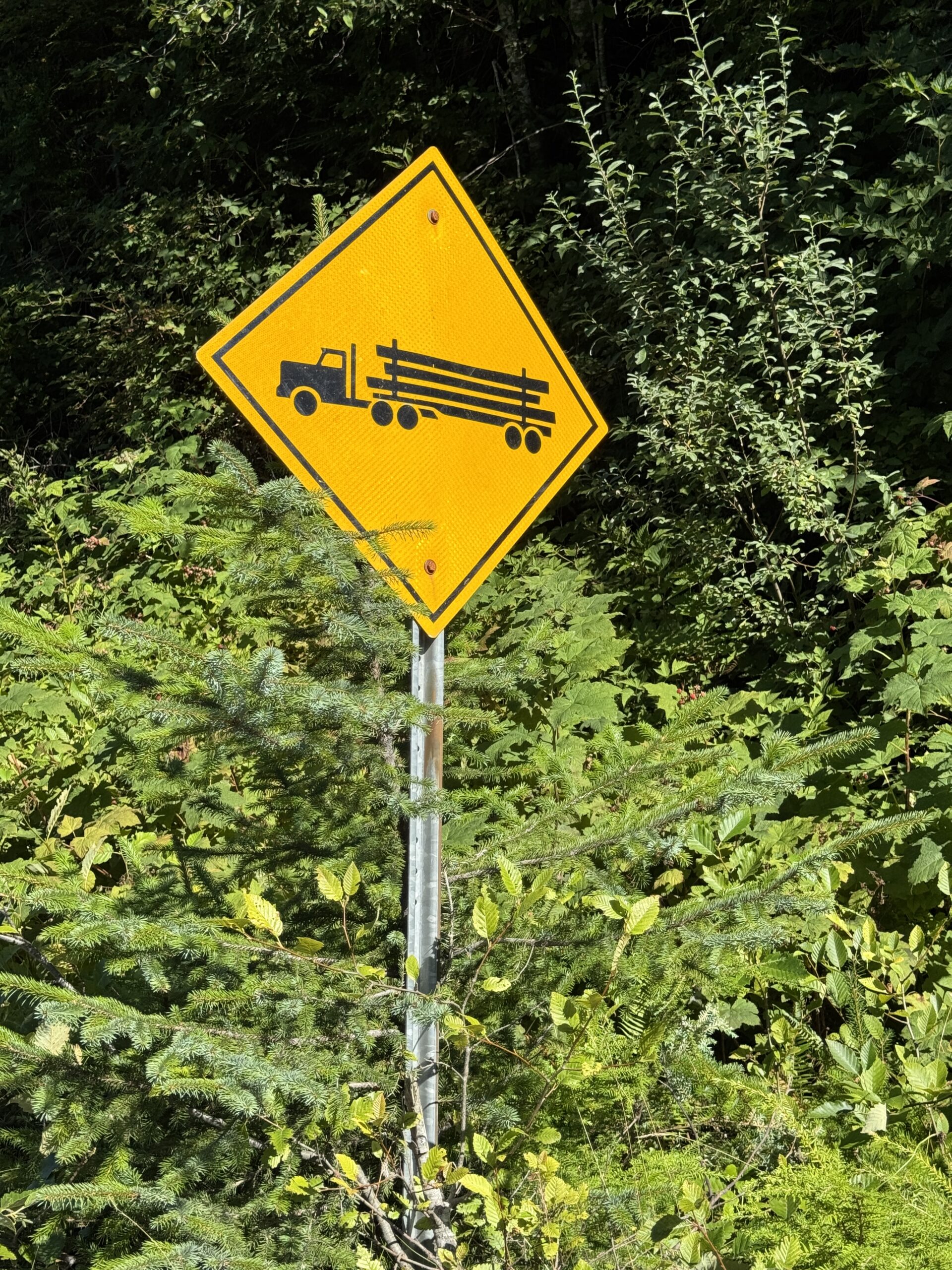 The president of a logging company says anti-logging activists are fuelling a “social crisis” in the Mauricie region by sabotaging his company’s legal and government-authorized forestry projects and he called on the Quebec government to take action to protect workers and restore order. Antoine Langlois, president and founder of Forex Langlois Inc., contacted The Gazette this week to denounce what he and police believe was an intentionally set fire in Lac-aux-Sables last month that destroyed two machines owned by his company. …Sgt. Valérie Beauchamp of the Sûreté du Québec said police believe the fire was set intentionally sometime during the previous night…. Anonymous activists did take responsibility for sabotaging a forest in the same region on Jan. 26. In a statement posted on the Instagram account of a collective called Soulèvements du fleuve, an “anonymous group” said they had inserted metal spikes in trees in the Mékinac forest north of Ste-Thècle.
 ELOCHOMAN RIVER VALLEY, Washington — Investment companies have whittled away the land hunters can use in Wahkiakum and Pacific counties. Access to tens of thousands of acres of longtime hunting grounds is now blocked because a new generation of private landowners won’t offer access. The landowners are often investment companies, not based in the region or even the country. Not only is hunting off limits on their lands, they also often block access to adjacent properties that are state-owned — and therefore should be public — or adjacent privately owned property that still allows free hunting. Steve Ogden, an assistant manager for land operations at Washington Department of Natural Resources, said the agency’s hands are tied — private landowners can’t be forced to allow people on their land. The companies’ land restrictions have begun to erase generations-old family traditions, especially among the working class, and reduce access to affordable foods, like elk, in Washington’s second-poorest county.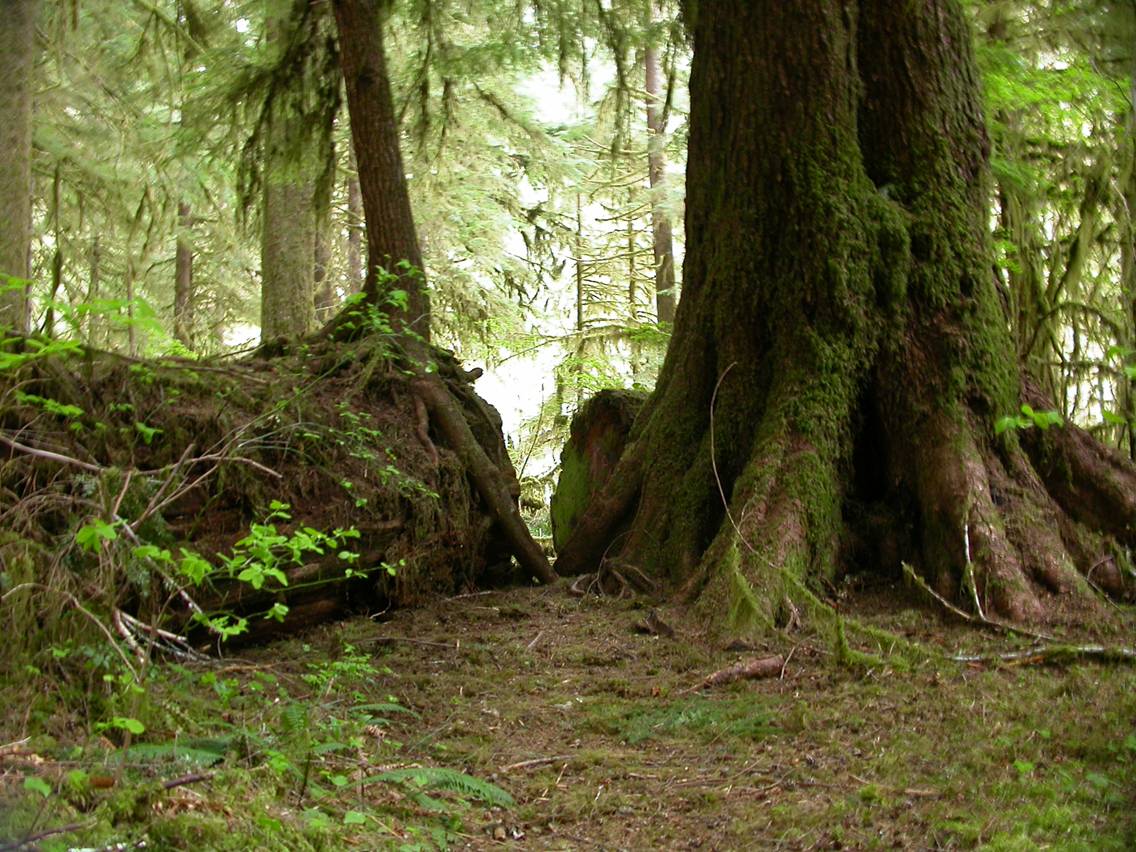
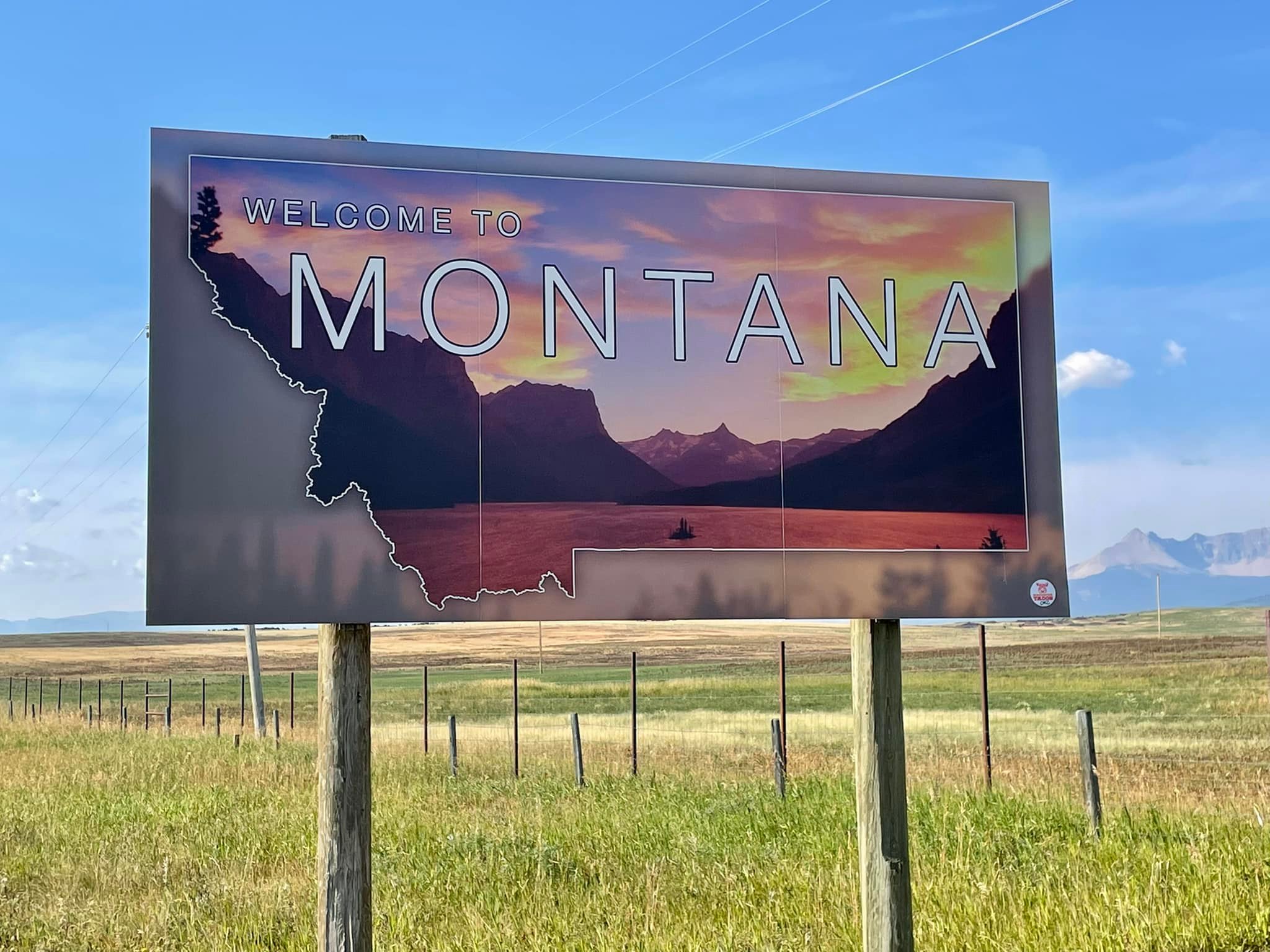 Four Montana-based Conservation Groups — Alliance for the Wild Rockies, Gallatin Wildlife Association, Native Ecosystems Council, and Council on Fish & Wildlife — sued the U.S. Fish & Wildlife Service and U.S. Forest Service for removing wildlife protections on 1.1 million acres of the Beaverhead-Deerlodge National Forest in Montana. The federal government agencies issued a “Forest Plan Amendment” in 2025 to remove protections on 1.1 million acres of habitat that was formerly mapped and protected as “lynx habitat” for the Canada lynx, a threatened species listed under the Endangered Species Act. …The lynx population in the Greater Yellowstone Area is currently at risk of extinction, but if managed properly, the Beaverhead-Deerlodge National Forest could aid the recovery of the imperiled Greater Yellowstone lynx population by serving as a connectivity corridor with the healthier lynx populations in Northern Montana.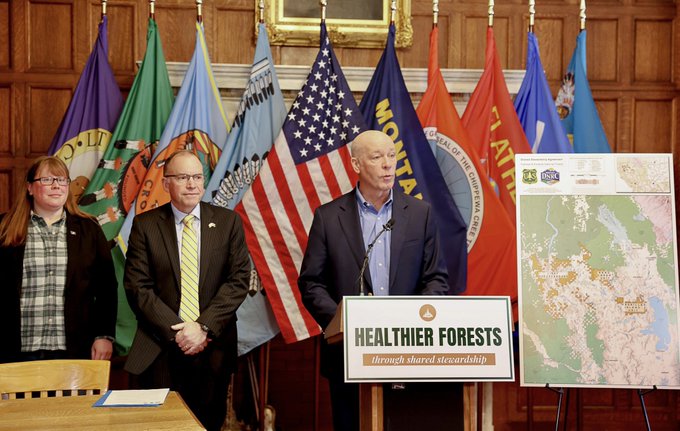
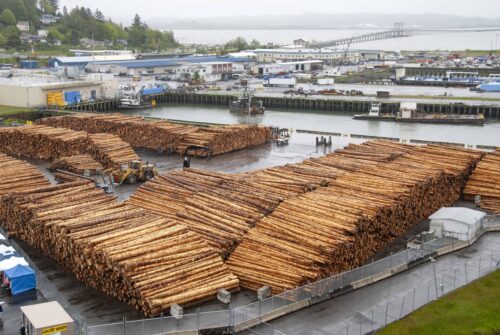 In western Oregon, public forests that once fueled rural prosperity – and later came under strict habitat protections that sharply reduced logging and local revenues – are again at the center of a political and economic storm. The Trump administration is proposing to quadruple logging in Oregon, raising timber harvests to levels not seen since before spotted owl protections in the 1990s. The plan has stirred a mix of hope and dread across the state. In cash-hungry rural counties hollowed out by decades of dwindling timber receipts … the proposal looks like a long‑awaited lifeline that could stabilize county budgets and create new jobs. … But in forested watersheds and old growth reserves, a sweeping expansion of logging would undermine hard-won conservation protections and threaten the recovery of the northern spotted owls, marbled murrelets and coho salmon…
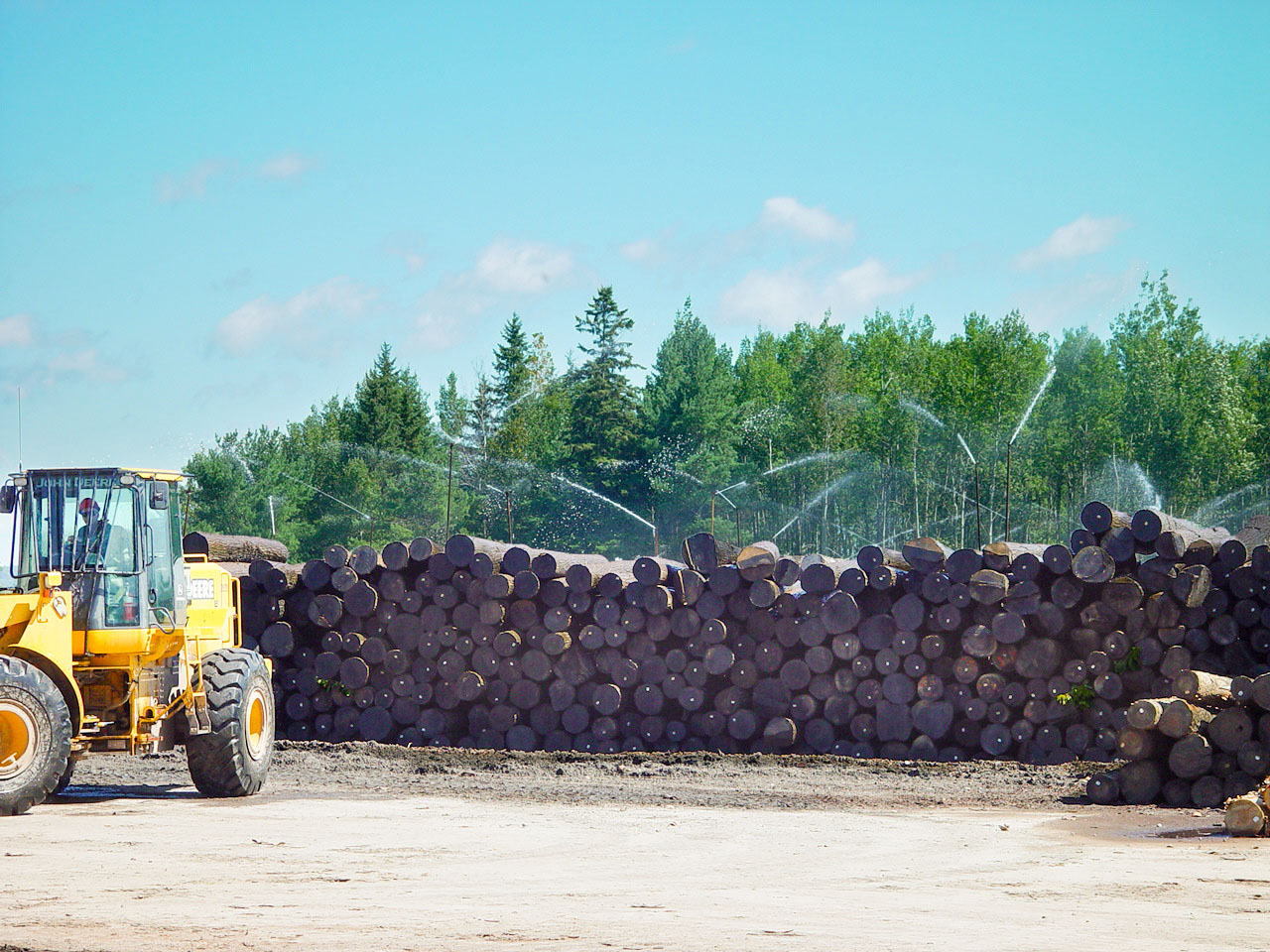 The Bureau of Land Management sold 27.6 million board feet of timber across 1,255 public acres in Oregon, for a total of $8,327,275, and indicates a strong demand in American lumber manufacturing by exceeding total appraised values by over $3 million. This timber will feed local mills and support jobs in local communities. The Coos Bay District sold the Eckley Empanada timber tract (1.8 million board feet, 105 public acres) to Harveys’ Selective Logging, Inc., of Creswell, Ore., for $$142,228. The Medford District sold the Thom Bone timber tract (6 million board feet, 585 public acres) to Estremado Logging Inc. of Gold Hill, Ore., for $458,766. The Northwest Oregon District sold the Gopher Broke timber tract (7 million board feet, 223 public acres) to Boise Cascade Wood Products of Willamina, Ore., for $2,499,716; and the John Boy timber tract (8 million board feet, 167 public acres) to Rosboro Company, LLC, of Springfield, Ore., for $3,913,070.
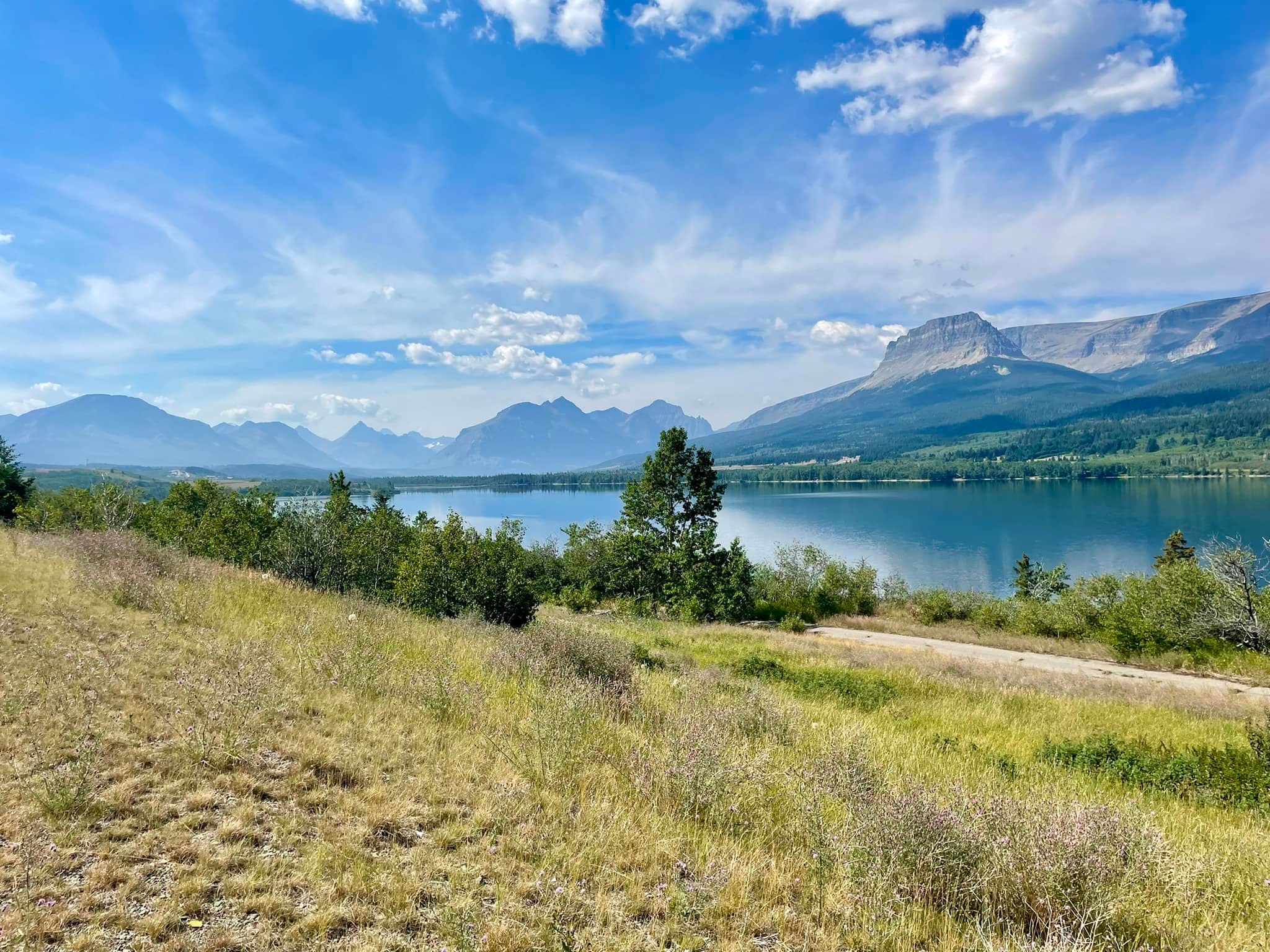 As retired Forest Service leaders who had the privilege of managing millions of acres of national forests across the West, we understand the importance of stewarding these lands for the benefit of local communities and the nation. Full repeal of the Roadless Area Conservation Rule would undermine trust in agency managers, hinder collaborative agreements, adversely affect resources the public cares about and ultimately restrict efficient land management. Repealing the rule is favored by many of those who opposed it from the beginning or perceive that it undermines effective forest management. …after over two decades of implementation and learning, forest managers and partners know there could be thoughtful improvements to the Roadless Rule. …Rather than seeking to repeal the rule, the Forest Service should meaningfully engage stakeholders to update the rule and improve implementation based on what has been learned over the past 25 years. This will allow future land managers to benefit local communities and the nation.
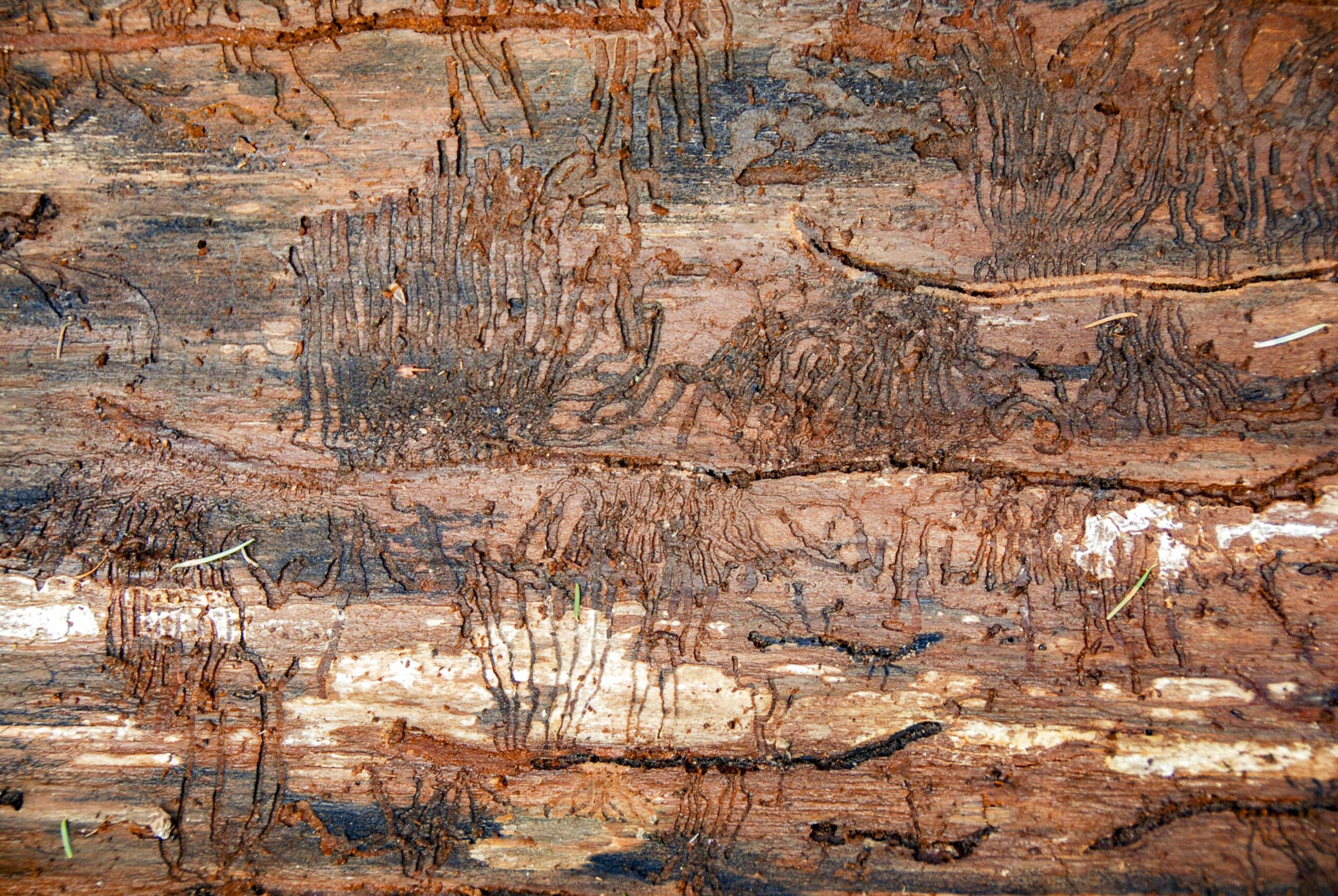 Across the Front Range, century-old, iconic ponderosa pines span thousands of acres …But over the past three years, that landscape has noticeably shifted. More hillsides are now marked by … signs of a growing pine beetle outbreak, according to the state’s Forest Service lead entomologist, Dan West. “The ability for these small, little insects to work in concert to all attack one tree all at the same time and to overcome the tree’s defenses that have been there for a century is truly staggering,” West said. It only took a few years for these tiny insects, no bigger than a grain of rice, to explode across the Front Range and impact more than 7,000 acres of forested land. Now, Gov. Jared Polis has launched an aggressive response. …Whether the state’s new task force can slow the outbreak remains to be seen.
 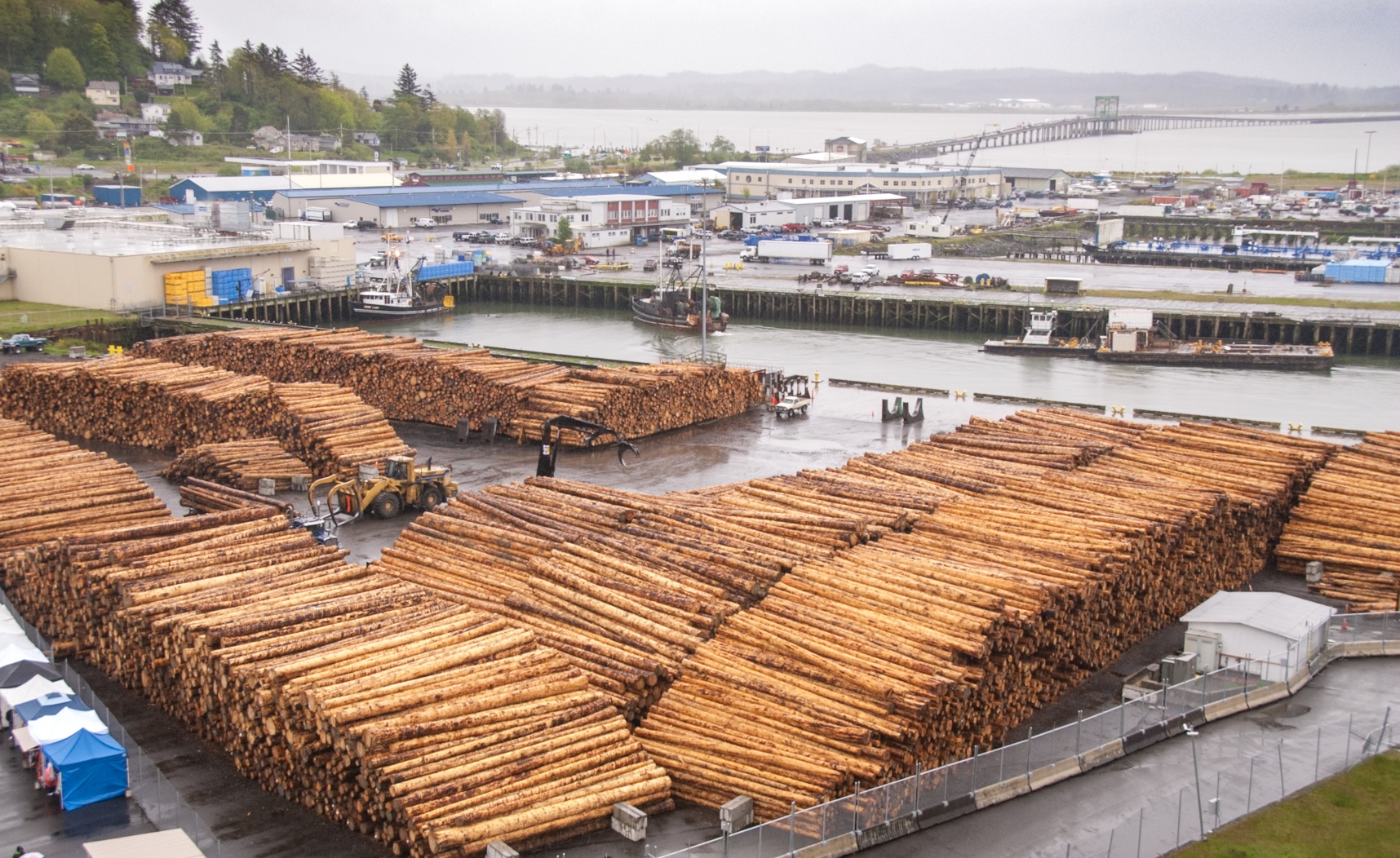 The Trump administration is turning to rarely used laws to circumvent environmental restrictions and expand logging in certain Pacific Northwest forests, legal analysts and advocates say. In plans announced in February to expand logging in Alaska’s Tongass National Forest and on federal land in western Oregon … administration is using the 1990 Tongass Timber Reform Act to prioritize logging in the largest national forest in the US, and BLM is citing a 1937 law, the Oregon and California Revested Railroad Lands Act, to do so on its land in western Oregon. Both apply only to specific forests and envision logging as a primary use of those lands. The agencies are using federal laws that “privilege timber harvesting and will use that argument to short circuit environmental protections,” especially at the expense of endangered species, said Andrew Mergen, a Harvard Law School professor who was previously a lawyer at the Justice Department’s Environment & Natural Resources Division.
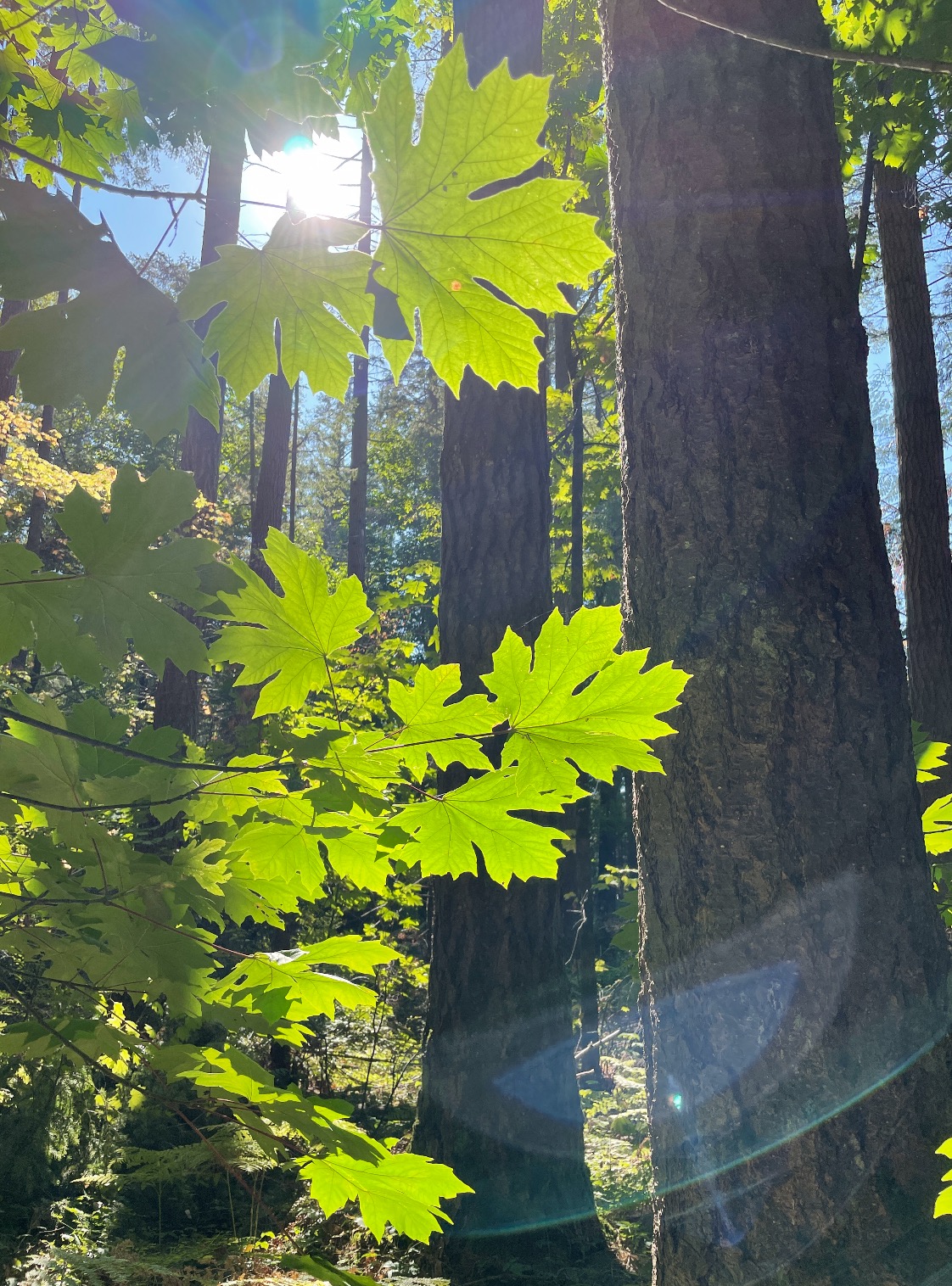 OREGON — The Pacific Northwest isn’t known as maple syrup country, but a burgeoning syrup industry in Oregon and Washington is trying to change that perception, one gallon of sap at a time. The Northwest’s more temperate climate and more watery maple sap make it harder to make syrup at a commercial scale. Producers can invest in technology, much of it developed in Canada, to improve their harvests, but that means steeper initial investments for farmers, and it doesn’t solve the fact that making bigleaf maple syrup still requires long, grueling hours that producers say can be a barrier to entry. Because of that, the Northwest maple syrup industry has required more effort to get off the ground. But those passionate about local syrup say the delicious, boutique product is well worth the trouble.
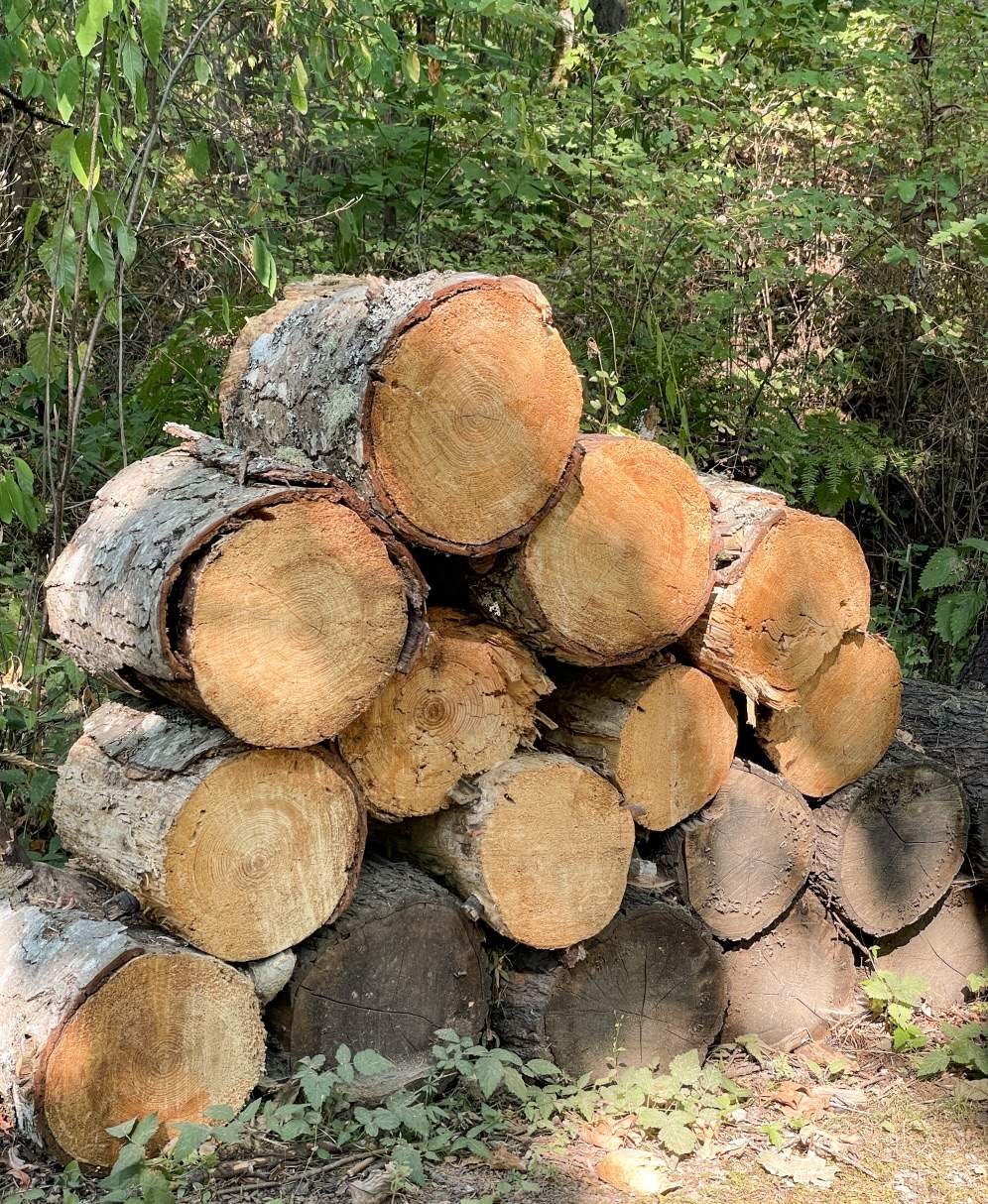 RHNELANDER, Wisconsin — Wisconsin’s Forest Industry Roadmap and Strategies for Tomorrow, or Wisconsin Forests FIRST is a statewide initiative made for developing a plan and roadmap to ensure Wisconsin’s forests remain healthy and productive, while strengthening the timber industry. Wisconsin’s timber industry is one of the leading economic factors in the state, especially in the Northwoods. The new roadmap being developed by Wisconsin Forests FIRST Initiative aims to identify challenges within the industry to ensure long-term success. Wisconsin Council on Forestry chair, Tom Hittle, explains what the roadmap will consist of. …The research for the roadmap will last two years and seek out data-driven insights to support forest health in collaboration with local and statewide experts. The Great Lakes Timber Professionals and the Paper Council received a $1 million grant from the state to pursue the project with the Wisconsin Council on Forestry.
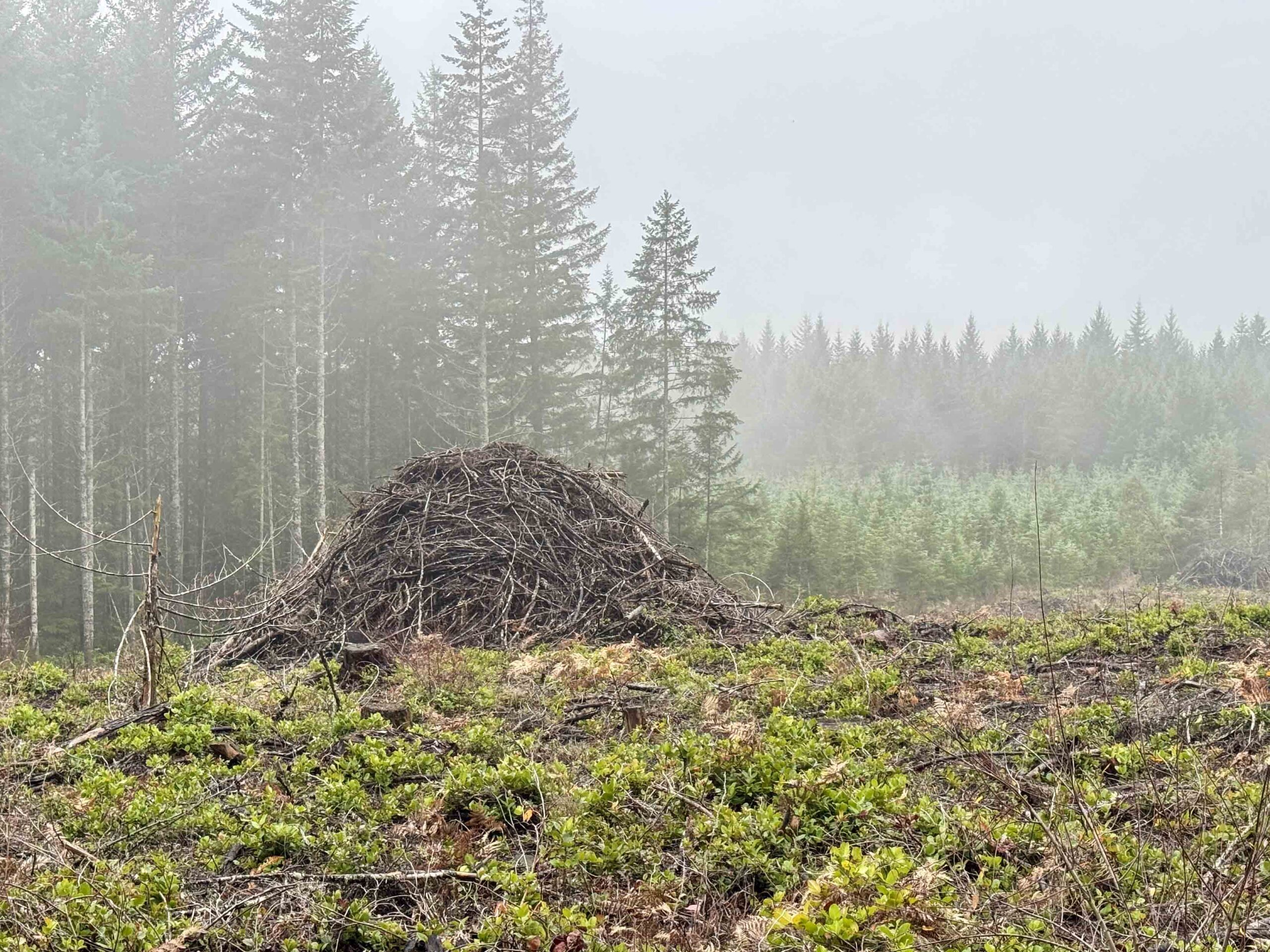 In November 2025, the Department of Environmental Protection (DEP) approved a
  As the EU’s Deforestation Regulation (EUDR) nears implementation this year, furniture giant IKEA may need stronger traceability systems to prove its timber isn’t linked to post-2020 deforestation. Although nearly all IKEA wood is FSC-certified or recycled, past investigations show this voluntary scheme can miss illegal or unsustainable logging. The EUDR requires geolocation data and stricter due diligence than existing certifications or regulations, but repeated delays and possible rule changes have created uncertainty for companies like IKEA preparing to comply. Industry watchdogs say high-profile companies like IKEA can “do more” to champion the landmark regulation and implement leading wood traceability systems, rather than relying solely on existing — voluntary— certification schemes.
 Welcome to the Wood Pellet Association of Canada’s Spring 2026 newsletter. We hope you enjoy reading it, and we welcome your feedback.