 The US ambassador to Canada says a softwood solution is desirable but will be very, very difficult. In related news: Canada’s lumber industry braces for trade war; both BC and Ontario support their value-added wood manufacturers; and Section 232 duties may derail a home construction comeback. In other Business news: unions join Quebec First Nations against Bill 97; the explosion at Fiberon’s South Carolina facility was likely from wood dust; cardboard-box demand is slumping; lumber futures tick down; and wood-pulp-based fibres hold steady.
In Forestry/Wildfire news: COFI and TLA say forestry is the solution for BC; Canada’s Supreme Court won’t hear Green Party deputy leader’s appeal over Fairly Creek protests; logging protesters in BC’s Walbran Valley brace for possible arrest; Vernon climate activists call for forestry reform; Yukon completes a wildfire protection plan; Oregon senators announce funding to reduce wildfire risk; and Virginia’s governor launches funding for hurricane Helene recovery.
Finally, Alberta’s Minister of Forest is early out-of-the-gate on National Forest Week.
Kelly McCloskey, Tree Frog News Editor
 Campbell River, British Columbia: La-kwa sa muqw Forestry Limited Partnership (LKSM) has been working to bring closure to the strike, which began on June 6, 2025, in a way that supports strong, positive, and enduring relationships between First Nations and other participants in the forestry sector in their territories and allows everyone to move forward together. Despite LKSM’s repeated efforts to achieve a negotiated resolution—including multiple applications for mediation and requests for special government intervention, the USW has continued to refuse both direct bargaining and third-party mediation. This now leaves legal action as the only available recourse to advance the interests of all parties and communities affected by the dispute. …This situation has left LKSM with no other option than to pursue a legal remedy that will remove this impediment to progress and enable resumption of negotiations.
 TORONTO – The Ontario government is investing over $3.5 million through the
 WASHINGTON
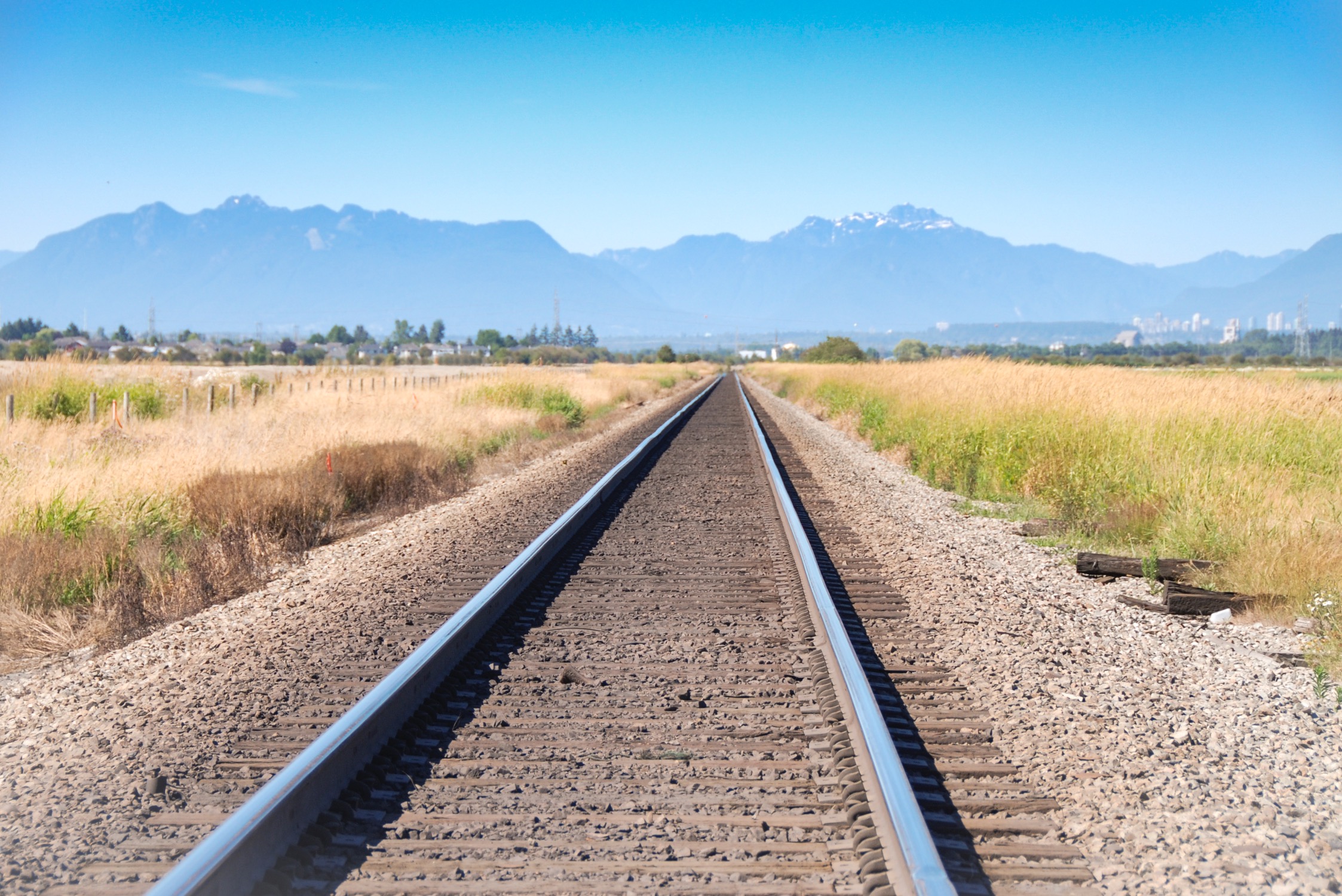 Trade associations representing various industries issued a letter Tuesday expressing “serious concerns” about a proposed merger between major rail companies Norfolk Southern and Union Pacific. “We write to express our serious concerns and reservations about the proposed merger between Union Pacific and Norfolk Southern,” said the letter, which came from trade associations representing manufacturing, chemical, energy and agriculture firms. “Past rail mergers have shown what happens when consolidation goes unchecked: service suffers, costs increase, and jobs disappear,” the trade groups wrote to the U.S. Surface Transportation Board. …The railroad companies, however, have argued that the merger will be a benefit to the country, improving efficiency and allowing for more routes. …In addition to the American Chemistry Council, signatories of the letter include the American Petroleum Institute, International Dairy Foods Association and the American Forest and Paper Association.
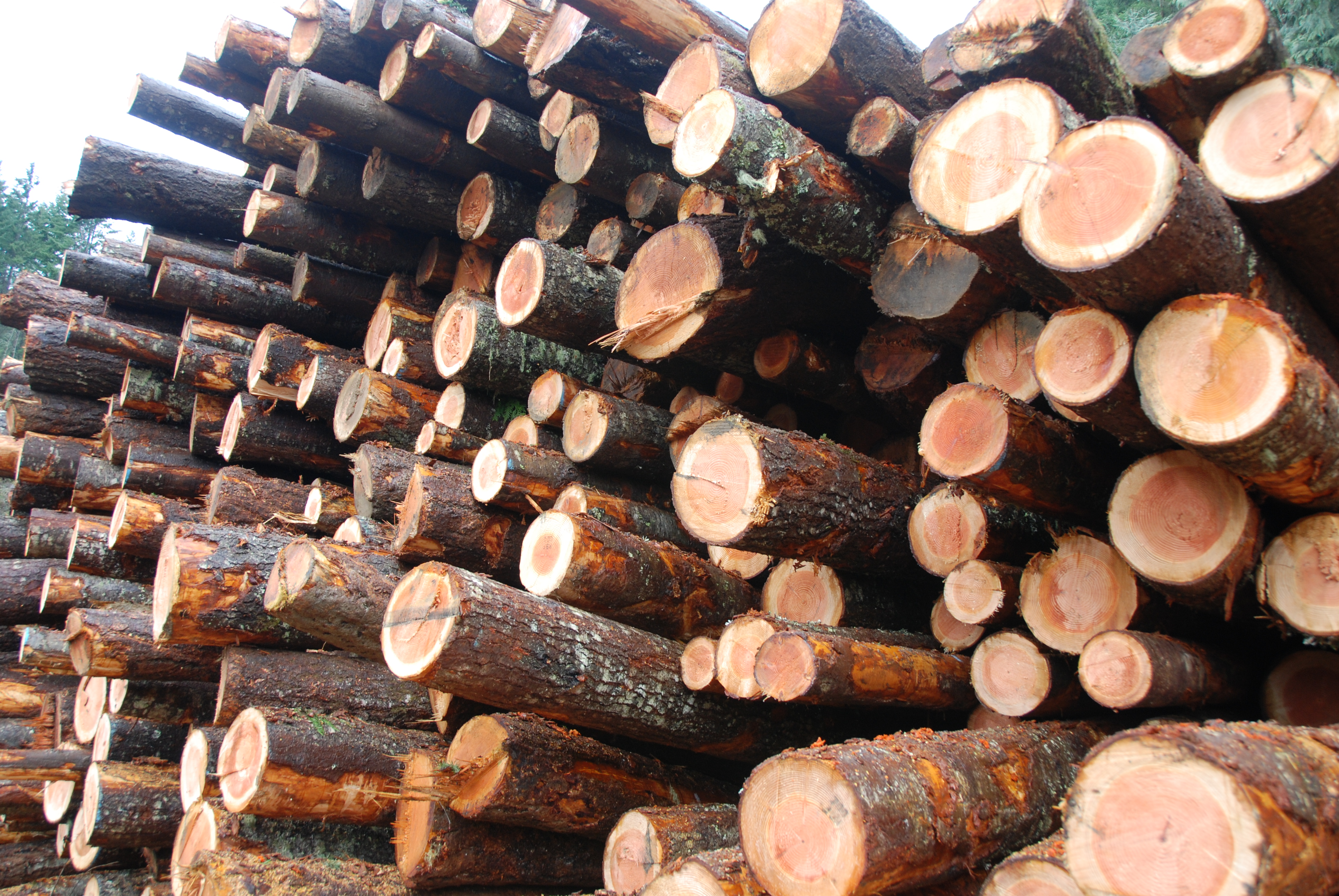 HORRY COUNTY, S.C. — A family-owned sawmill plans to create 18 jobs by opening a multi-million facility in northern Horry County amid high-profile shutdowns of other sites across the region. “This facility will support area businesses impacted by recent closures, and we’re proud to expand our services and give back to the region that has supported us,” Matthew Johnson, founder of Galivants Ferry Sawmill, said in a news release shared on Facebook by the Myrtle Beach Regional Economic Development Corporation. In August, Canfor closed its Darlington and Estill plants — eliminating 290 jobs in a move it blamed on “an extended period of consistently weak market conditions.” And in December, Georgetown County’s International Paper ended operations, cutting 674 jobs. The Galivants Ferry facility on McCracken Road will support the local timber industry and help fill the gap left by those closures
 New Zealand — Up to 119 jobs could go at Carter Holt Harvey’s Tokoroa factory, with locals calling the move devastating for the town. A union representing workers at Carter Holt Harvey’s Tokoroa plywood manufacturing plant says its closure will be devastating for the town. The company has begun consultation with staff on closing the plant and importing ply from overseas, with the loss of up to 119 full-time jobs. The proposed closure follows OJI Fibre Solutions cutting 130 jobs and closing the country’s last paper-making machine at nearby Kinleith in June this year. Red Middlemiss has been a union spokesperson at the ply plant for 23 years. He said Carter Holt Harvey can now make and import plywood from overseas for around 60 percent of what it costs to manufacture it locally.

 The BCIT School of Construction and the Environment offers two Associate Certificate programs designed to support workforce development in the North American lumber and sawmill sector: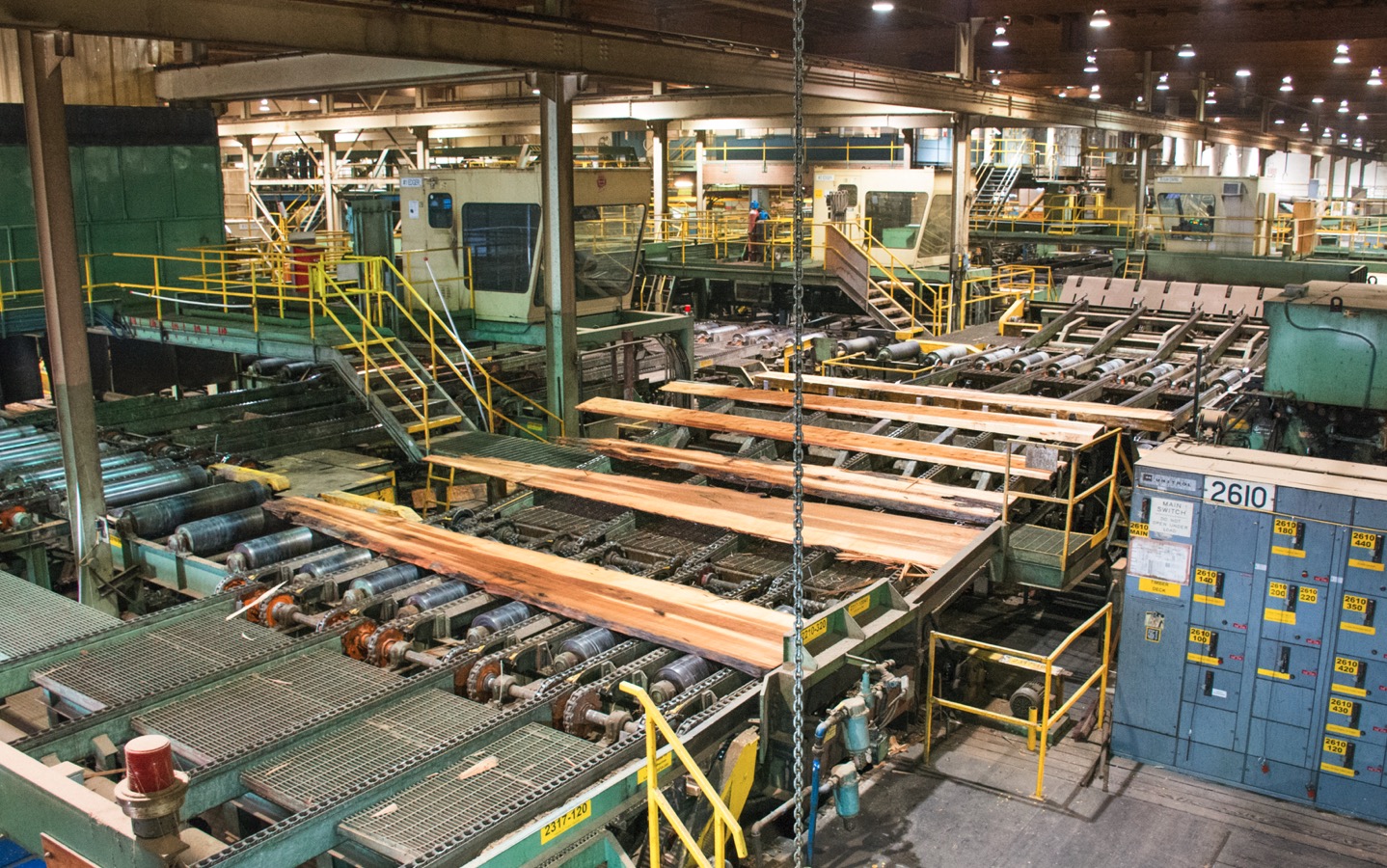


 In this newsletter you’ll find these stories and more:
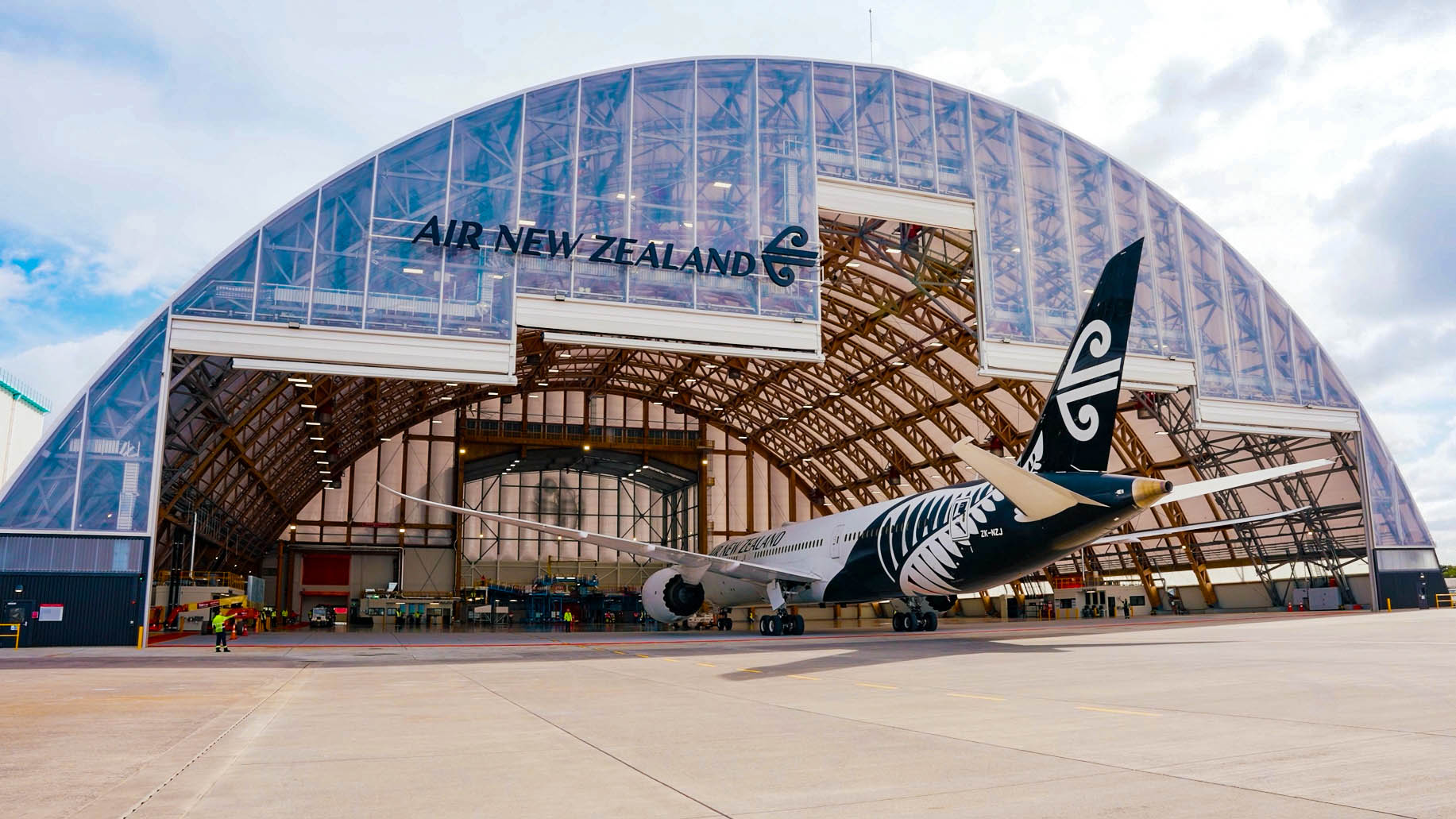 Air New Zealand has unveiled Hangar 4, a state-of-the-art aircraft maintenance facility that represents one of the airline’s most significant infrastructure investments. …Designed to serve the next 50 years of aviation, the new facility positions Air New Zealand at the forefront of modern fleet maintenance as it prepares for the arrival of next-generation aircraft. At 10,000 square metres, 35 metres high and 98 metres wide, Hangar 4’s scale allows Air New Zealand engineers to service a Boeing 787-9 Dreamliner and two Airbus A320/A321s simultaneously, supported by an additional 5000 square metres of specialist workshops and engineering spaces. Hangar 4 … is the largest single-span timber arch aircraft hangar in the southern hemisphere. Timber was chosen for its lighter weight, ability to be sourced sustainably – from plantations in Nelson and Wodonga – and for its performance in a coastal environment. …Prefabricated trusses, each weighing 38 tonnes, were built in 25-metre sections, assembled on site and lifted into place…

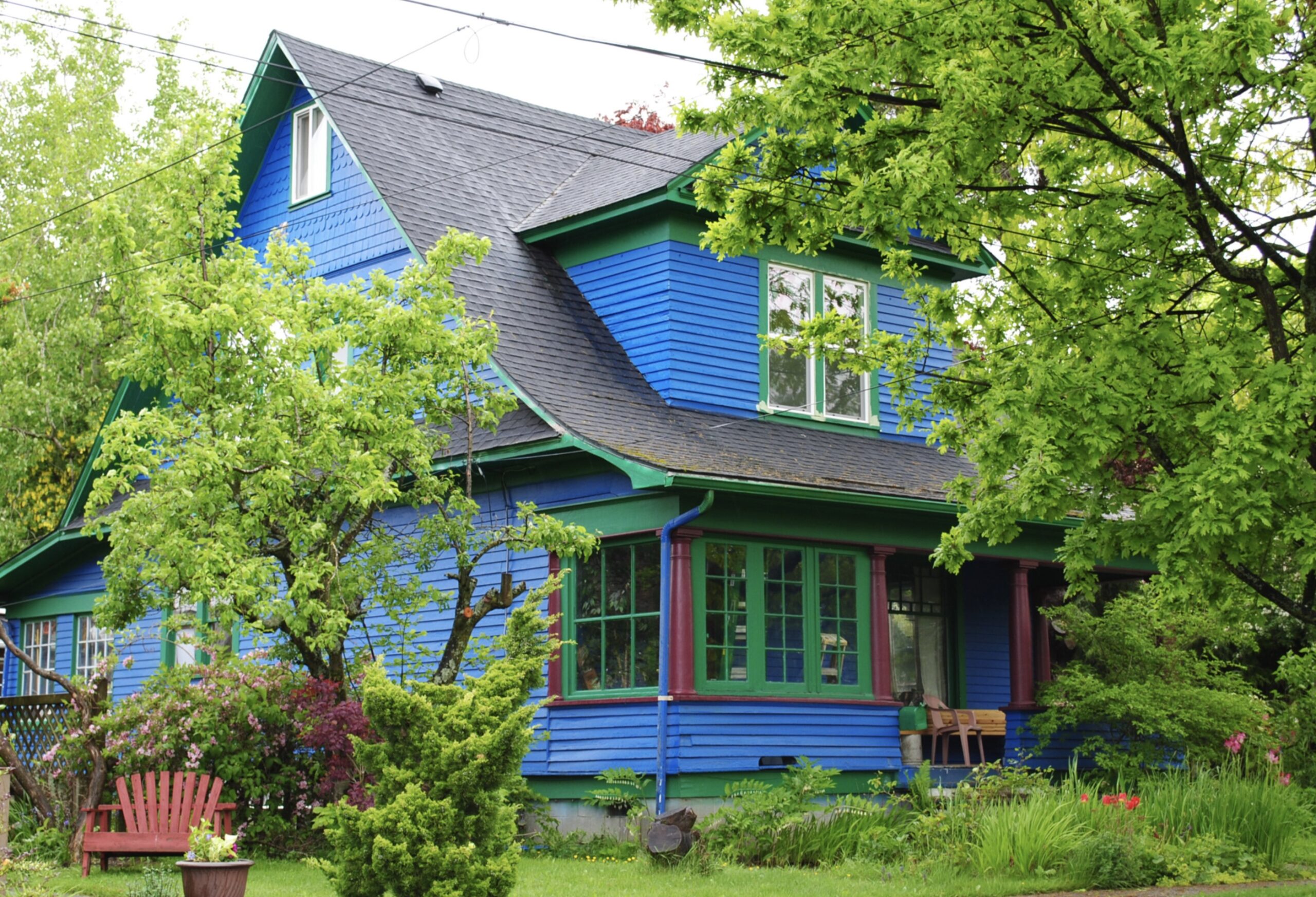 … Fires in Canada’s Wildland Urban Interface (WUI) are becoming more common as cities continue to sprawl, increasing the risk to structures. Regions across the country are grappling with the competing pressures of building housing and expanding industry, while climate change… continues to create hot, dry conditions that make wildfires more intense and frequent. A
 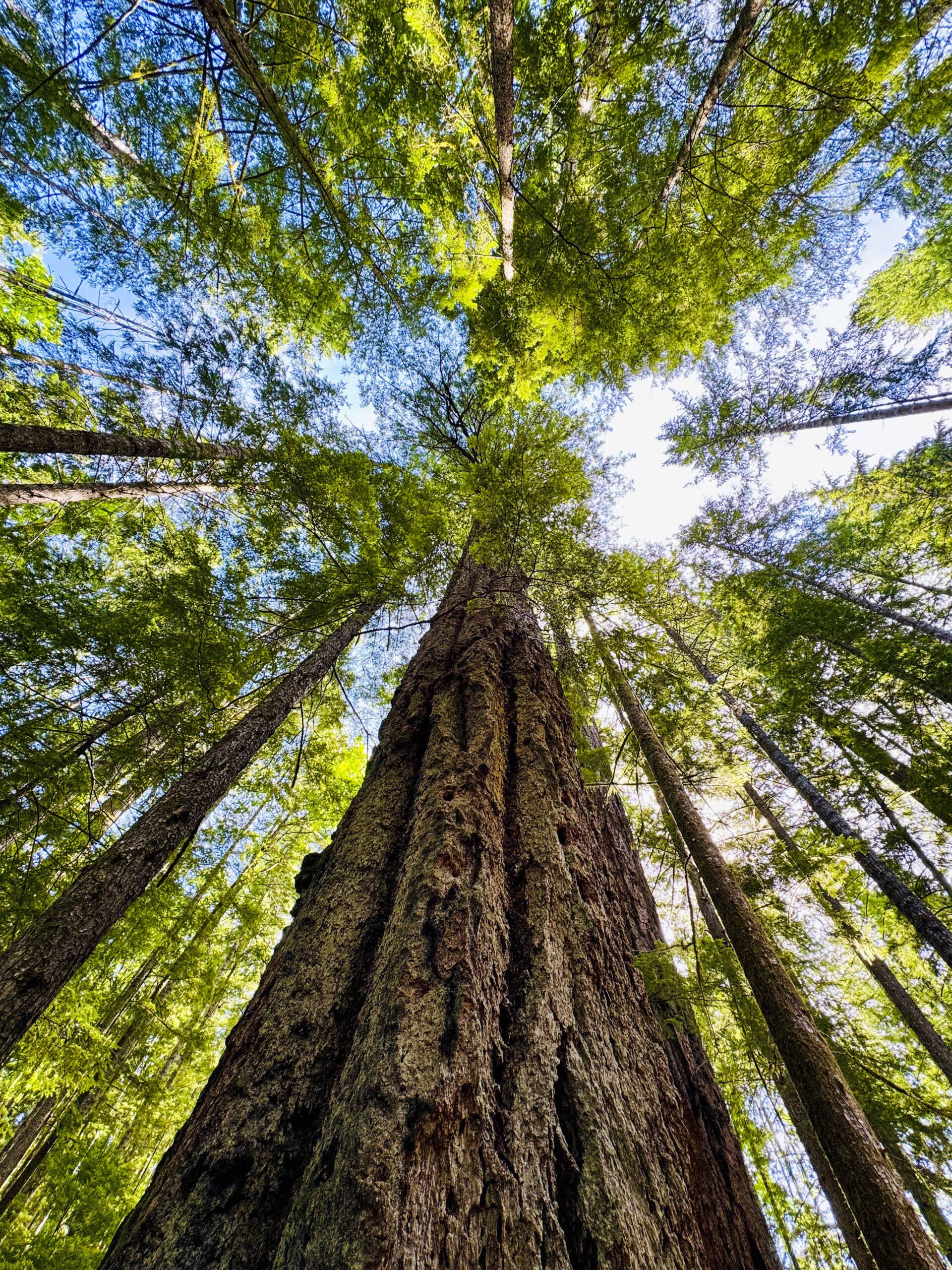 A group of people staged a rally outside the Museum and Archives of Vernon Saturday, calling for climate action and raising awareness about human activities they say are a net negative when it comes to human health. … Climate activist Jane Weixl, said one climate-related issue on her mind is the need for forestry reform. She said the five-year mark has just passed from when the provincial government said it would implement 14 forestry recommendations from a strategic review. “We need to stop clear-cut logging. We have a lot of different excuses for clear-cut logging, that it’ll help with forest fires — well, we know it causes flooding. We know it makes forest fires worse because the whole top layer dries up when there are no trees sheltering it. We are really in serious need of forestry reform,” she added.
 Lil’wat Forestry Ventures (LFV), working in partnership with the Líl̓wat Nation and with support from the BC Wildfire Service (BCWS), is set to carry out a cultural burn this fall adjacent to the Xetó̓lacw community in Mount Currie. The burn—located approximately 16 kilometres northeast of Pemberton—aims to reduce wildfire risk, restore ecosystems, and reintroduce culturally important plants like berries and mushrooms. “We’re proud to support this cultural burn, which combines traditional Indigenous knowledge with modern fire management practices,” said Fire Chief Marshall Ritchie in a release. “It will help protect our community from future wildfires while also restoring the landscape, bringing back berries and mushrooms over the next two to five years. That renewal will benefit not just us, but also local wildlife like deer and bears.”
 The B.C. government says two partnerships with the federal government are being expanded to help workers and communities affected by U.S. tariffs. The first is Build Your Own Future. A program originally focused on forestry, it is being expanded to support workers across all industries affected by U.S. President Donald Trump’s trade policy, says a release from the Social Development and Poverty Reduction Ministry Sept. 19. It’s funded through the Northern Innovation Network as a three-year initiative to develop and deliver entrepreneurship training tailored to skilled trades people and technicians. The ministry says the program offers five-day business boot camps, with one-on-one coaching and mentorship to “help displaced workers transition into entrepreneurship.” Those who complete the program are eligible for a $5,000 grant to help cover startup costs, the release adds.
 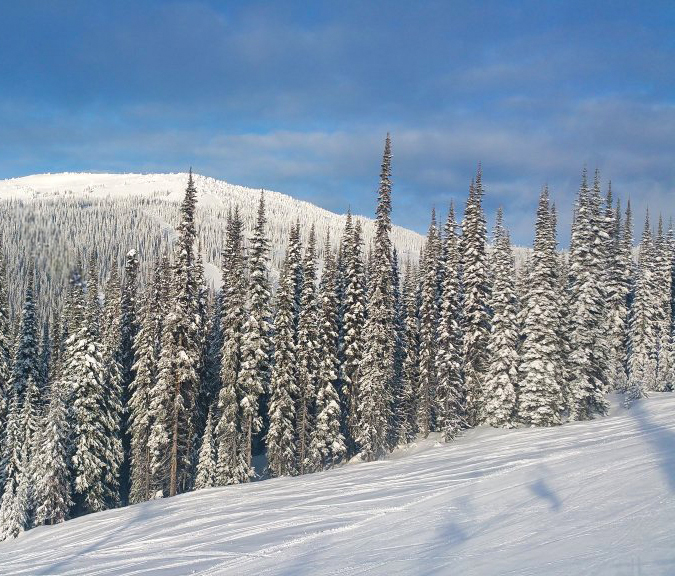 After a successful 2025 event, Quesnel council has approved $20,000 to advance the 2027 Future of Forestry Think Tank (FFTT) Summit. On May 21 and 22, the fourth FFTT took place at the North Cariboo Community Campus where 54 delegates from various orders of government, academia, industry, and funding organizations from across Canada attended. B.C.’s Minister of Forests, Ravi Parmar, opened the event with a pre-recorded message to the attendees addressing the importance of a positive, proactive, innovative, and local approach to the significant challenges confronting the province’s forest sector. This year’s theme was ‘Accelerating Change’ and in total,
 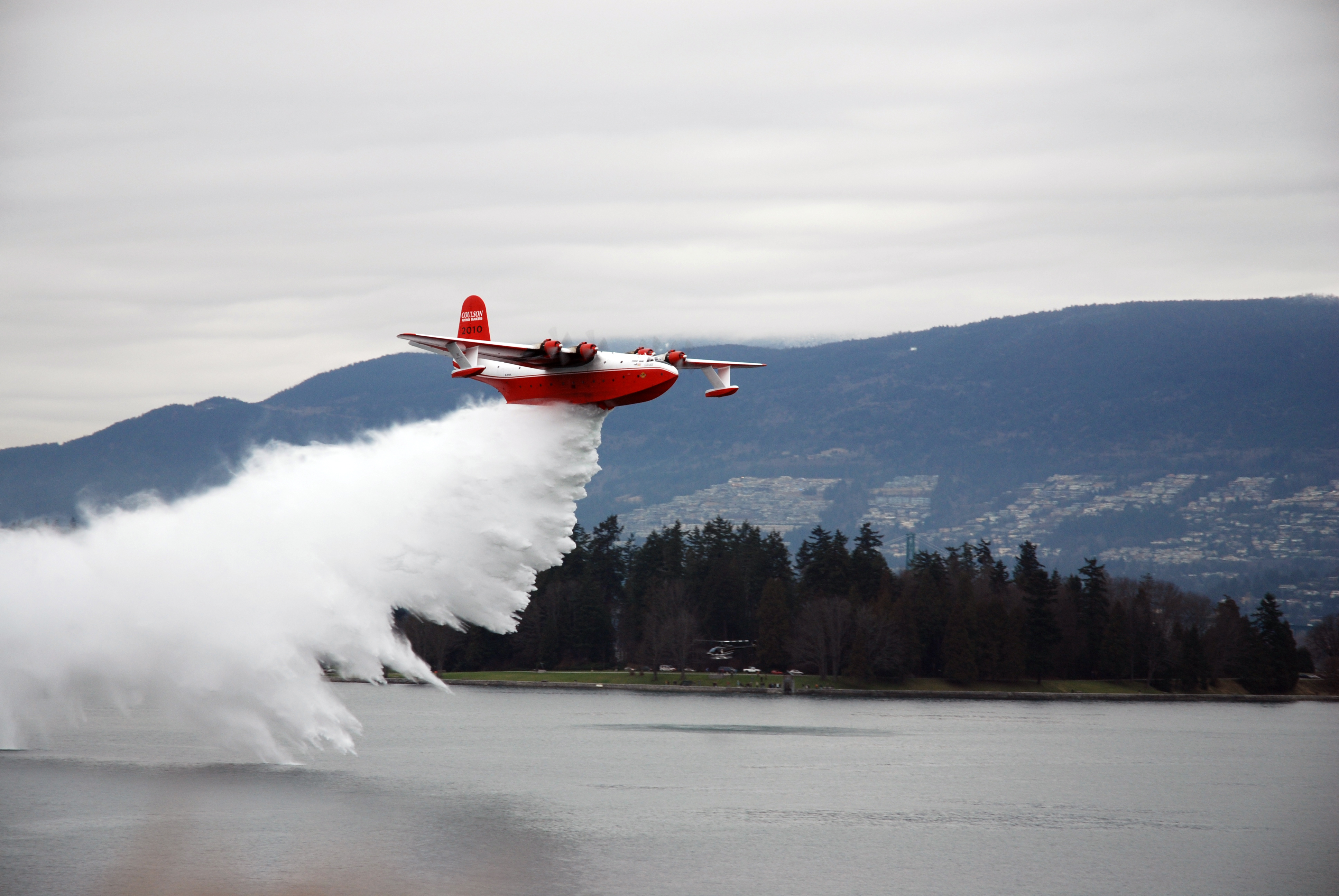 People should continue to use caution and take steps to be prepared by staying up to date on current conditions, following fire prohibitions and being Firesmart, as the risk of wildfire is expected to continue into fall. The BC Wildfire Service’s fall seasonal outlook forecasts ongoing wildfire risk for much of the province, especially in the Cariboo and southwestern Interior. Convective thunderstorms typically decrease as fall approaches; however, despite a lower likelihood of wildfires due to lightning, human-caused wildfires remain a risk. Until the southern coast shifts to a stormier fall-like pattern and the Prince George and Kamloops fire centres receive substantial rainfall, the wildfire danger ratings will continue to be elevated. As a result of the late summer’s record-breaking heat wave, combined with ongoing drought, people in B.C. are encouraged to be prepared for the risk of wildfire this fall.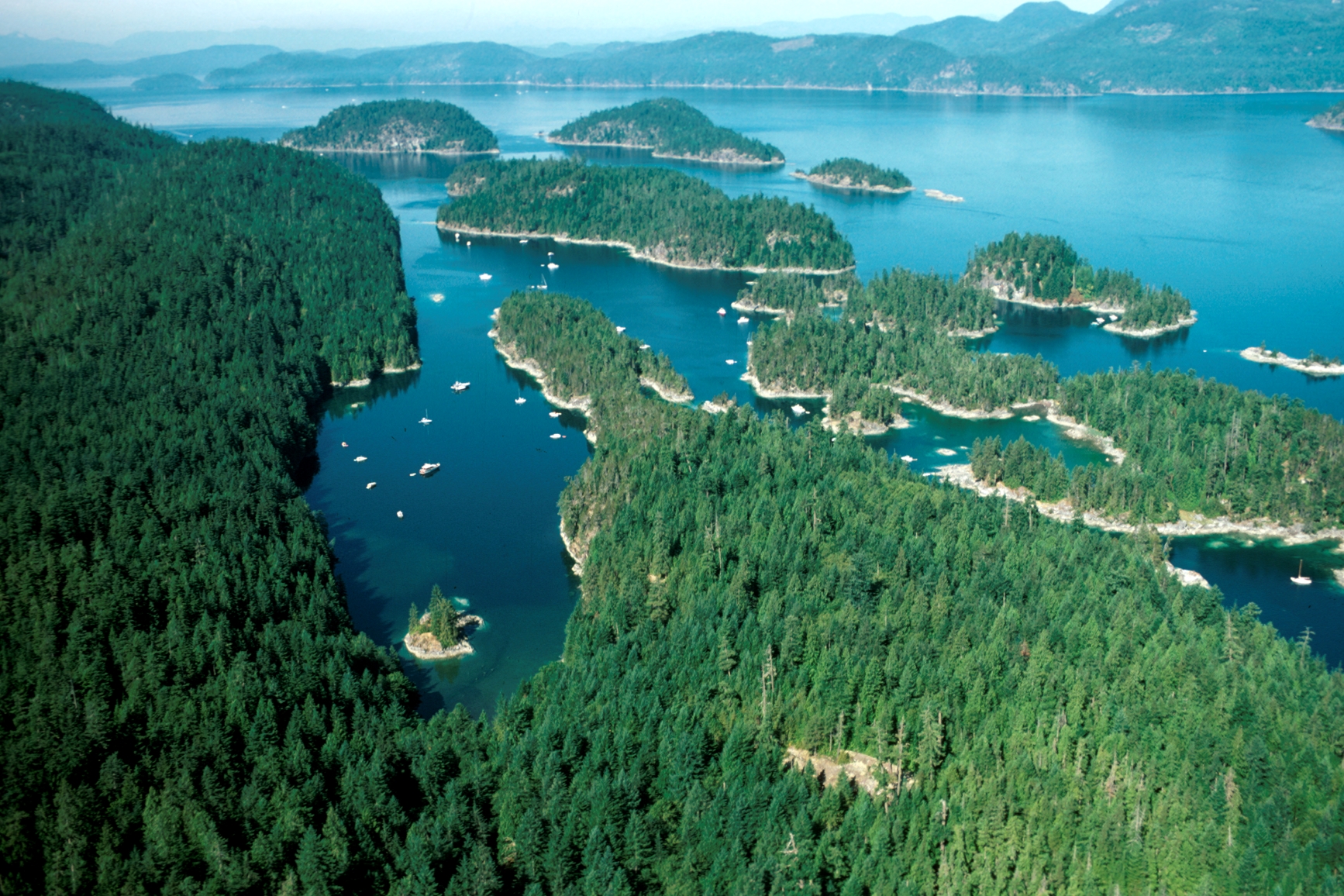
 The Osoyoos Indian Band is kicking off its first commercial thinning silviculture treatment via Siya Forestry. In the project 28 kilometres northeast of Oliver, select trees will be harvested while the strongest will remain left to grow in the OIB First Nations woodland licence area. …Siya Forestry, the OIB-owned new company, said it aims to care for the land through stewardship, balance, and responsibility. “This is a great pilot project and hopefully it will lead to a bigger program within the Osoyoos Indian Band’s traditional territory,” said Luke Robertson, Siya Forestry, operations supervisor, in the press release.
 Drought and wildfire have become the rule rather than the exception and that is bad news for wildlife, for fish, and for British Columbians who rely on healthy watersheds. …over the past couple of decades we drained wetlands, straightened streams, logged forests, built highways, and ripped millions of beavers from the landscape. The result is dry forests, destructive fire seasons, and choking smoke … every summer. Dry riverbeds are unable to support salmon populations, or any wildlife for that matter. A dewatered landscape is a towering forest of matchsticks waiting to burn. … So, how do we get from here to there? Fortunately, some of the answers are simple, natural, and inexpensive. …Prescribed and cultural burning helps restore native grassland and shrub-steppe ecosystems providing improved forage for large mammals. …BCWF’s 10,000 Wetlands Project has recently installed more than 100 beaver dam analogues and dozens of post-assisted log structures…
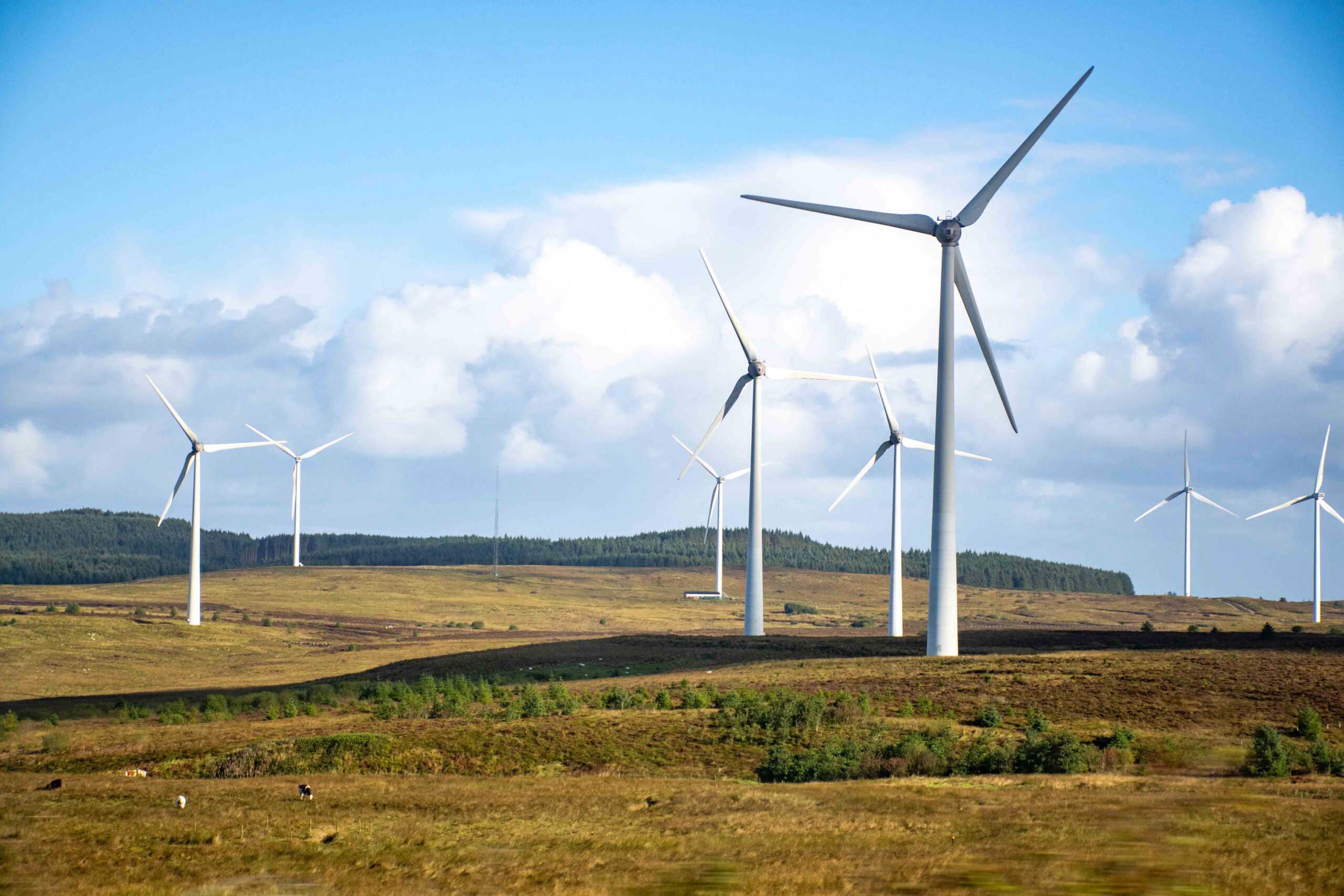 The District of 100 Mile House is refusing a proposed project that could see solar and wind farms built in the South Cariboo. During the Sept. 9 District of 100 Mile House Council meeting, around 50 people showed up to council to hear them deliberate about the Cariboo Wind and Solar Projects, which are a collection of wind and solar projects that are being proposed by MK Ince and Associates Ltd. …In a letter to the district, Tyrell Law, who is the current manager of the 100 Mile Community Forest, said that the project significantly overlaps with the Community Forest areas. The 100 Mile Community Forest is around 18,000 hectares in size and is managed by the 100 Mile Development Corporation. The proposal comprises around 730 hectares of the community forest. Law said that while Ince is partially correct to say that the area had been recently harvested and was in a plantation, it is more complicated than that.
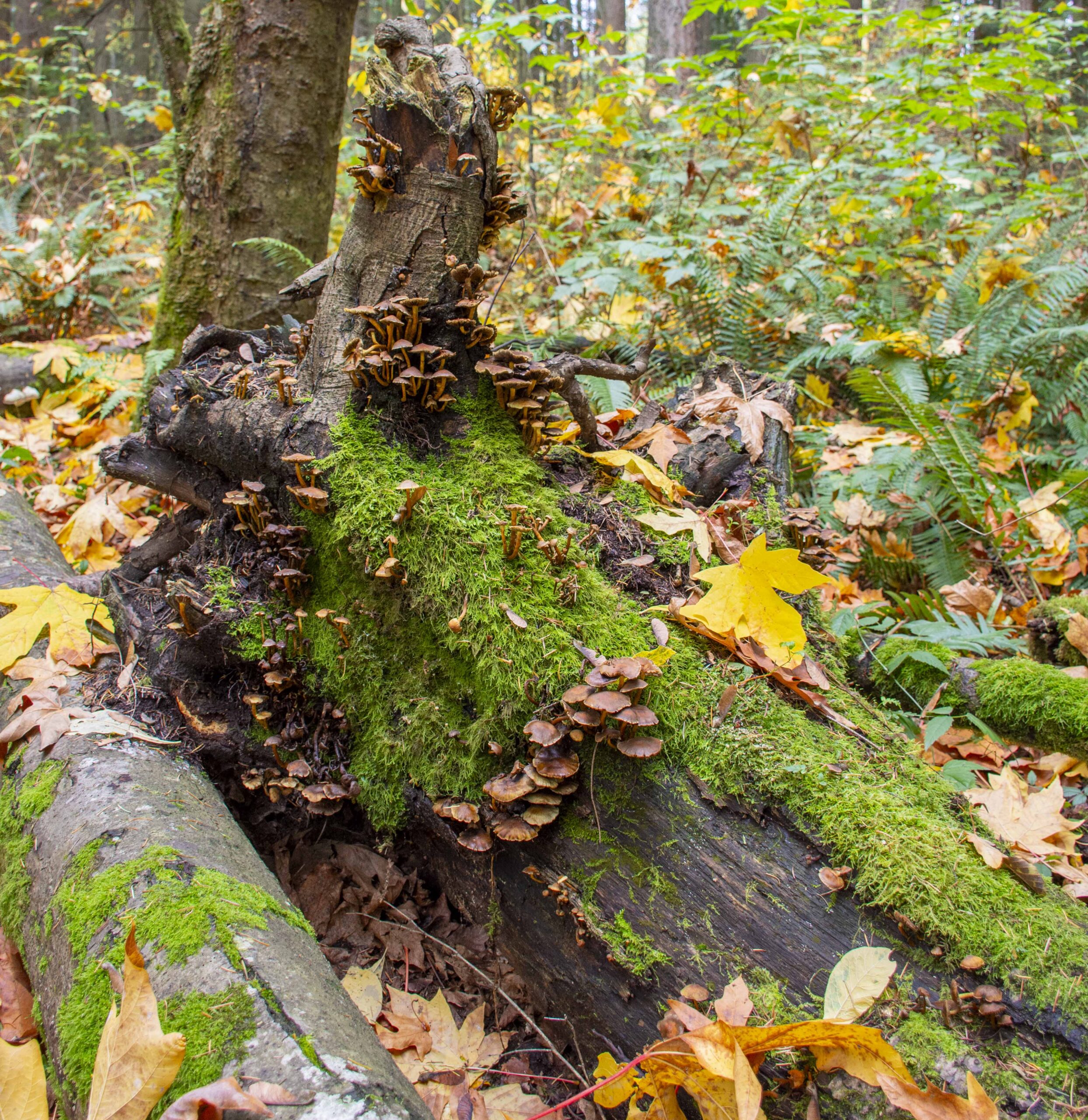 One of the great challenges of ecology is to understand the factors that maintain, or undermine, diversity in ecosystems, researchers write in a

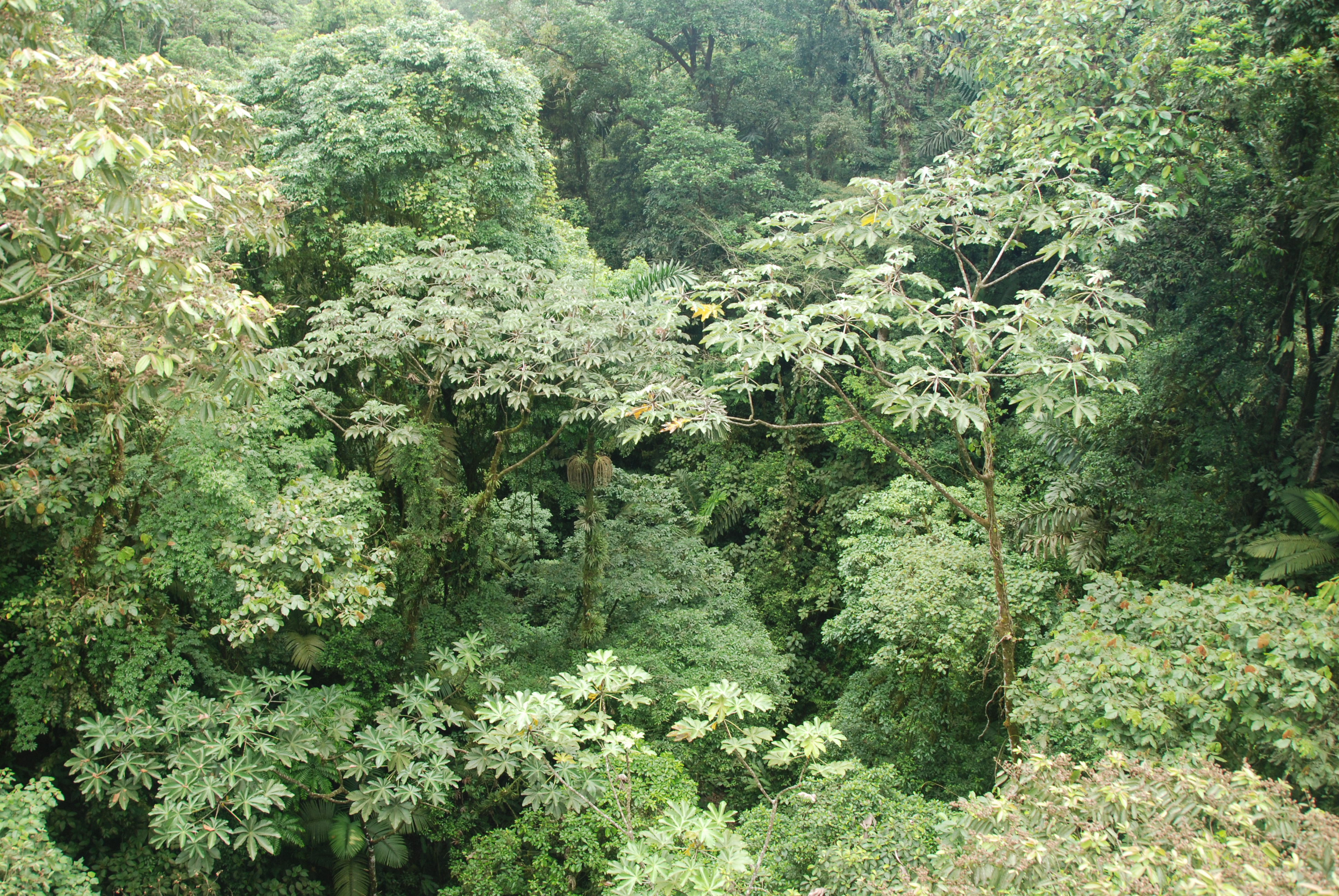 Increasing tree species diversity is widely suggested as a way to help forests withstand climate change – especially prolonged droughts. But a new international study led by the University of Freiburg, published in Global Change Biology, shows that simply mixing more tree species does not always boost forests’ resilience to drought. In fact, the effects of diversity on tree growth can shift from beneficial to negative as droughts drag on. Drawing on tree ring data from the world’s largest network of tree diversity experiments, researchers found that diverse forests can initially support better tree growth during single-year droughts. However, as droughts persist longer within a year or extend over consecutive years, these positive effects can turn negative depending on local conditions. In some cases, mixing tree species strengthened forest resilience; in others, it increased stress and competition for water. …Building resilient forests will thus require not just more species, but carefully selected combinations and adaptive management.
  OTTAWA, ON – Canada’s emissions progress flatlined in 2024, according to the latest Early Estimate of National Emissions (EENE) from 440 Megatonnes, a project of the Canadian Climate Institute. With emissions essentially unchanged from 2023, at 694 megatonnes of carbon dioxide-equivalent (Mt), the new data shows that previous years’ improvements have stalled. Further, emissions trends indicate Canada’s 2030 emissions reduction target is now out of reach given weakening policy momentum across the country. That’s despite years of disruptive and costly wildfires, extreme weather and other climate-related disasters that increasingly threaten Canadians’ security and drive up the cost of living. …While some sectors—including electricity and buildings—continued to cut emissions in 2024, progress was modest and more than countered by rising emissions from oil and gas, particularly oil sands production.
 Four people were taken to hospital in the US on 12 September after an explosion at the Fiberon site in Stanly County, North Carolina. Initial inspections of the facility, which manufactures composite decking and railing products, suggest the incident was a result of a dust explosion, officials said. …Several people received treatment at the site for minor injuries with four Fiberon employees taken to a local hospital. Fire crews managed to bring a small fire under control and extinguished it within a couple of hours. In a statement, the Stanly County Fire Marshal’s Office said an investigation was already underway involving several agencies… According to local media, the explosion wasn’t the first fire-related incident at the site. In 2020, several silos and a dust collector caught fire which resulted in a number of small explosions. No employees were injured, however two firefighters were hurt while attempting to extinguish a fire the following day.