 Citing timber supply challenges and soft lumber markets—West Fraser Timber is permanently closing both its 100 Mile House, BC, and Augusta, Georgia, sawmills. In related news: Maine’s Woodland Pulp pauses until January; Interfor (-$216M); Mercer (-81M); and Suzano ($115M) report their Q3 net earnings; Oregon’s Chinook Forest Partners acquires South Coast Lumber; and Appalachian Wood Pellets responds to a fire in West Virginia.
In Wood Product news: Alberta looks to grow the Asian market; BC and Michigan seek to advance mass timber’s prospects; and the UK addresses timber’s fire safety and construction standards. In Forestry/Climate news: Canada’s private land forests demand recognition; Oregon State researchers say wildfire risk is reducing timberland values; the loss of the Roadless Rule could trigger new timber wars; and Brazil’s new forest fund gets a $5B start at COP30.
Finally, Rigged by design? How method and policy keep US lumber duties high.
Kelly McCloskey, Tree Frog News Editor
 Canada’s lumber industry is warning of a crisis as BC and Ottawa prepare for
 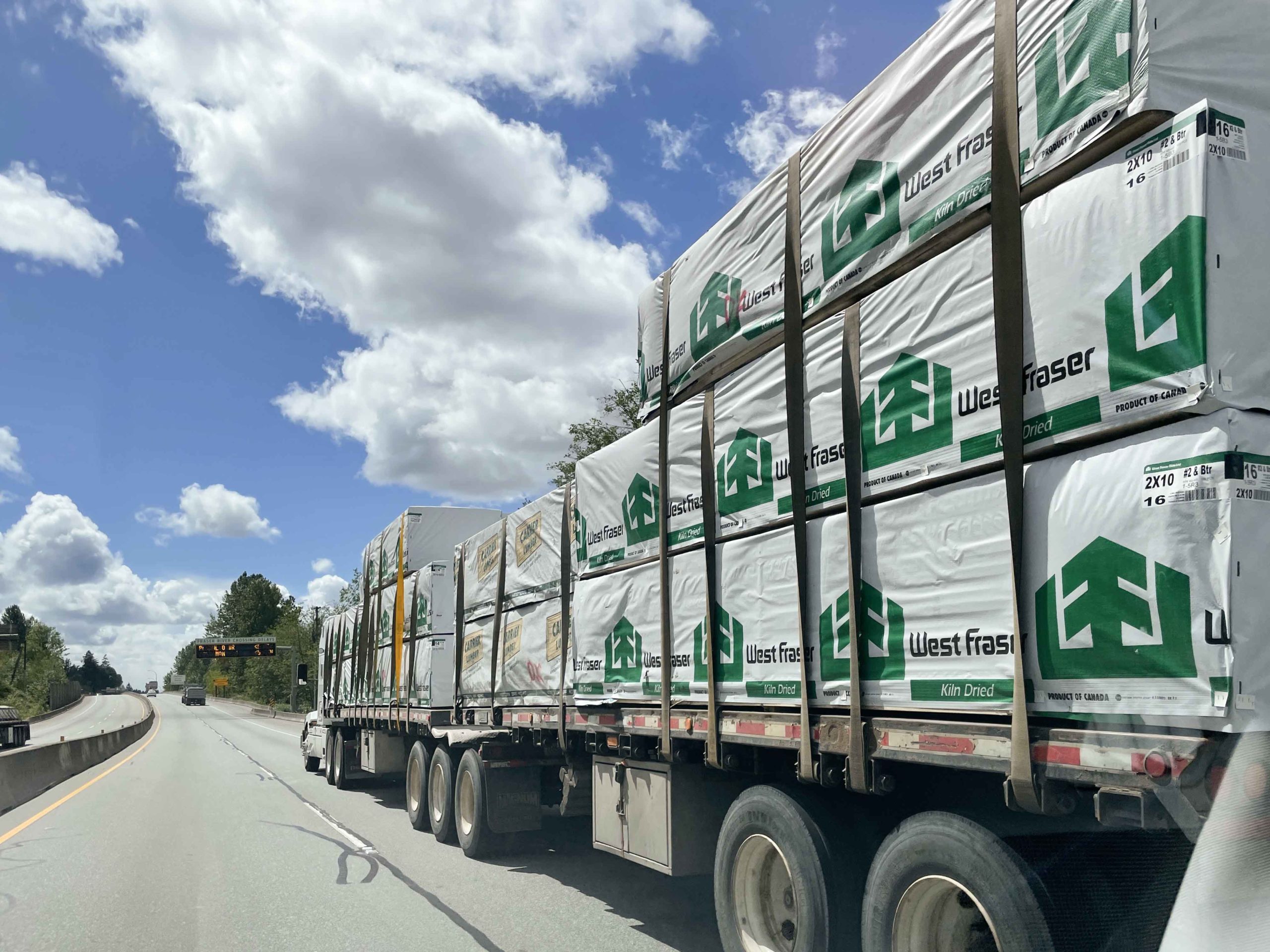 The softwood timber tariffs levied by the U.S. have begun to hit the lumber industry hard. Citing a drooping softwood lumber demand, compounded by higher duties and additional tariffs that have reached 45 per cent for U.S. markets, West Fraser Timber announced Thursday its plans to permanently shutter both its Augusta, Ga., and 100 Mile House lumber mills by the end of 2025. Approximately 165 employees at the 100 Mile House mill will be laid off, as the company says it can’t secure an adequate volume of economically viable timber. The closing of the mill drops West Fraser’s capacity by 160 million board feet. …The closure of the Augusta lumber mill is a result of challenging lumber demand, and the loss of economically viable residual outlets, which combined has compromised the mill’s long-term viability. Around 130 employees will be laid off there, and further reduce West Fraser’s capacity by 140 million board feet.
 OTTAWA, ON – Canadian Forest Owners (CFO) appeared before the House of Commons Standing Committee on Natural Resources today as part of its study on the forest industry, which is being severely affected by the ongoing softwood lumber dispute. Andrew de Vries, Chief Executive Officer of CFO, and Vincent Miville, Vice-Chair of CFO and Executive Director of the Quebec Federation of Forest Producers, presented recommendations aimed at better recognizing the strategic role of forest owners and the importance of private forests in Canada. CFO represents 480,000 forest owners who collectively own about 10% of Canada’s forested land, but account for 20% of the country’s timber production. These owners supply wood to the forest industry, contribute to regional economies, and provide essential environmental services to rural communities. “The lack of understanding of private forests is a blind spot in Canada’s forest and trade policy, and as a result, support programs for the sector often overlook their essential contribution,” said de Vries.
 TORONTO – United Steelworkers union (USW) National Director Marty Warren issued the following statement on the federal Budget 2025: This budget recognizes something workers have been saying for years. Canada needs to build more at home and expand its industrial capacity. The commitments on Buy-Canadian procurement, industrial strategy and trade enforcement are important steps forward and reflect priorities Steelworkers have been advocating for across the country. There are meaningful investments in steel, forestry, critical minerals and manufacturing – sectors that support thousands of good union jobs and anchor regional economies and communities. We welcome tools that can help stabilize supply chains and strengthen domestic production. …Buy-Canadian rules must be enforced, industrial dollars must translate into real jobs and production on the ground, and forestry and industrial communities need long-term certainty, not temporary relief. We see steps in the right direction. Now it’s about follow-through.
 Forest Products Association of Canada put forward 19 practical recommendations for Budget 2025 focusing on three areas where immediate federal action can make a tangible difference: Smarter regulation to improve competitiveness; Clear signals to improve investment confidence; and Stronger trade and market access measures to protect Canadian jobs. …Hundreds of rural and northern communities depend on a strong forest sector. The Government of Canada’s $1.25 billion softwood package is welcome support for the immediate term, but finding a path to a more certain trading arrangement with the United States remains the Canadian forest sector’s top priority. …The inclusion of Investment Tax Credits (ITCs) for biomass projects in Budget 2025 is a welcome, long-overdue step for Canada’s forest sector. …With the right tax measures in place, these projects can modernize mill operations, sustain and grow jobs in rural and northern communities, and strengthen Canada’s position as a secure producer of renewable energy.

 Campbell River, BC — La-kwa sa muqw Forestry Limited Partnership (LKSM) is ready to sit down at the bargaining table with the USW at any time, and has been ready throughout this strike, which it has made clear many times to the USW. However the USW has repeatedly refused to do so, as recently as October 24. Despite repeated invitations from LKSM, the USW has also declined both meaningful negotiations and mediation to assist the bargaining process, unnecessarily prolonging this months-long strike. “LKSM’s First Nations shareholders are dismayed and extremely frustrated by the provincial government’s failure to help both parties to make progress through the appointment of a mediator, especially given the hardships the forestry industry is facing right now,” says Nanwakolas Council President Dallas Smith. “Mediation is an opportunity to bring the parties together …and yet BC still has failed to appoint a mediator after all this time.”
 Was Premier David Eby ever really serious about running anti-American softwood lumber ads? Maybe, briefly, back when nobody cared about $100,000 worth of sponsored content promoting B.C. wood products. But after Ontario’s ads blew up Canada-U.S. trade talks, Eby seemed to realize the true value of his campaign — namely, in not running it at all. On Monday, Eby all but admitted his tough talk over the past 10 days about the urgent need to educate Americans on B.C.’s softwood sector was just leverage to score a meeting with federal cabinet ministers. …The premier had spent several weeks loudly proclaiming that these softwood ads were essential, and that they would go forward regardless of what the federal government thought. …In exchange for backing off his threat, Eby hyped up a “softwood summit” on Monday his government called the “turning point in our fight for forestry workers.”
 VANCOUVER — British Columbia Premier David Eby says the province is walking back plans to run anti-tariff advertisements in the United States after a meeting with federal officials about the province’s beleaguered forestry sector. Eby said Monday that B.C. won’t be running the ads “by ourselves,” in favour of aligning with the federal government in its dealings with the U.S. government under President Donald Trump. “The unfair and unjustified tariffs imposed by the White House on this sector directly threatens thousands of jobs right across the country,” Eby said at a news conference after a forestry summit meeting with federal officials and others. …”Minister LeBlanc didn’t have to ask,” Eby answered Monday when a reporter asked LeBlanc if he requested that the B.C. government hold off on its anti-tariff advertising campaign. “I knew that it was a source of anxiety for many people, including potentially the federal government.”
 Following today’s BC Forestry Summit, the TLA was pleased to hear the encouraging remarks from Premier Eby and the Honourable Dominic LeBlanc, Federal Minister of Intergovernmental Affairs, Infrastructure and Communities. Their commitment to … addressing softwood lumber tariffs is an important step toward ensuring the long-term stability and competitiveness of Canada’s forest sector. As the backbone of most BC communities, the TLA appreciates today’s much needed recognition that forestry remains critical to both BC and Canada’s economies. The TLA emphasizes the importance of ensuring that a portion of the federal government’s $700 million in funding directly supports forestry’s timber harvesting contractors. …this support can strengthen a sustainable and more certain forest industry. BC was once the lowest cost lumber producer in North America and is now amongst the highest… There is an urgent need to improve certainty by diversifying markets, enhancing access to fibre, and reducing costs to ensure the industry’s long-term viability and global competitiveness.



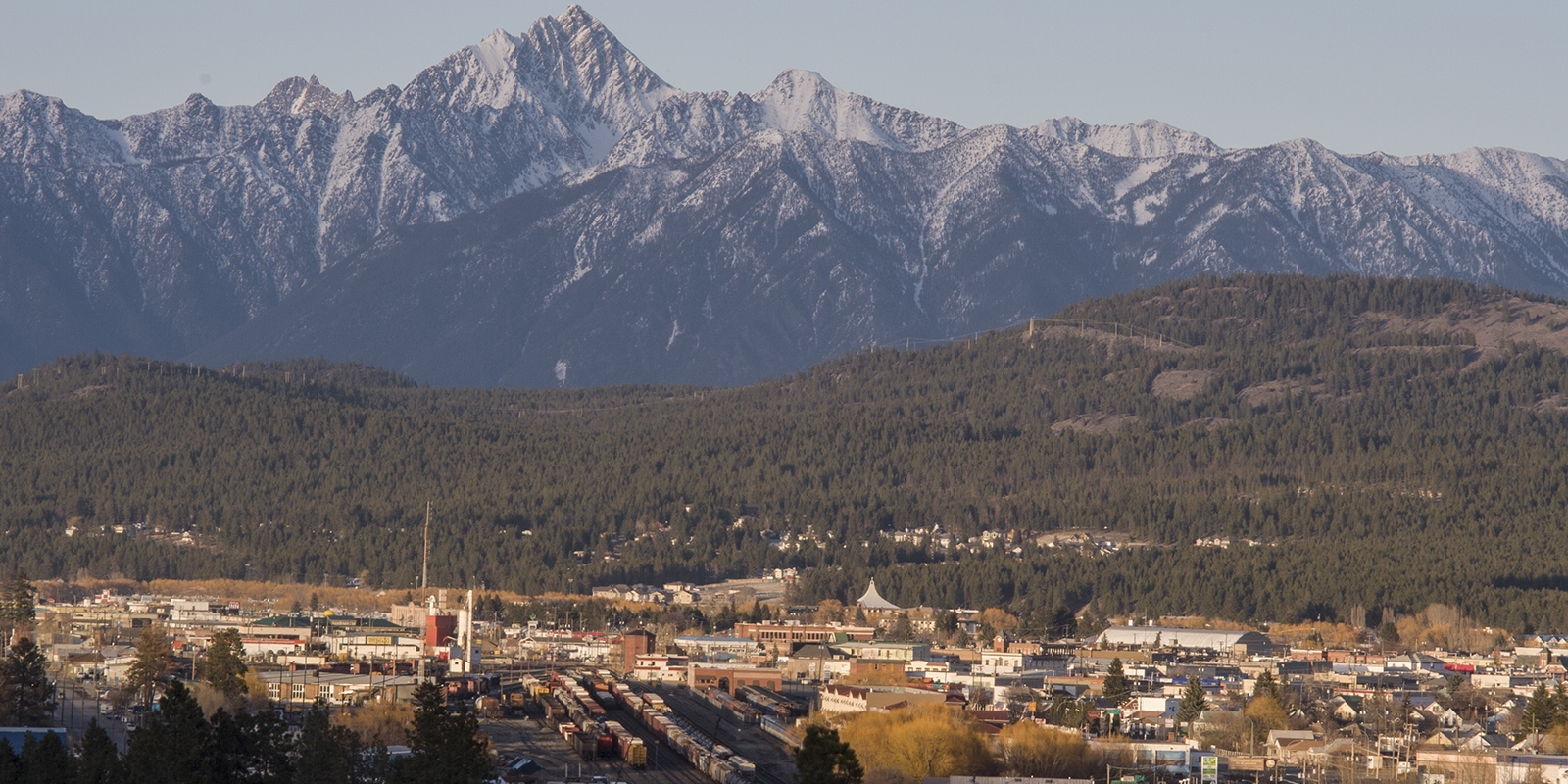


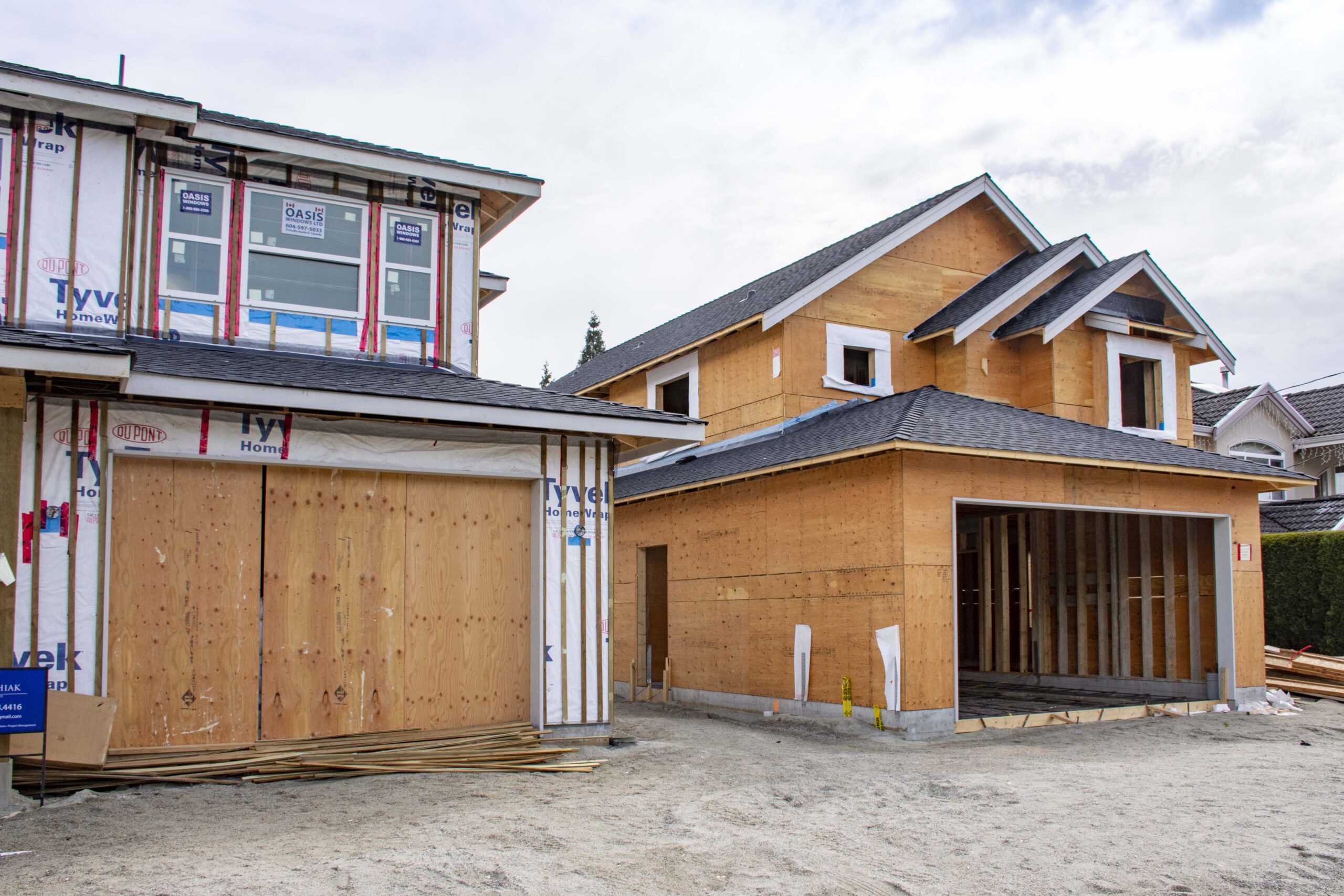 The federal government says its housing agenda can “drive transformation” in the forestry sector as it continues to feel the squeeze of U.S. President Donald Trump’s trade war. That was among the messages relayed by Natural Resources Canada assistant deputy minister Glenn Hargrove to the House natural resources committee on Wednesday. Hargrove touted a $1.25 billion aid package for the sector unveiled by Prime Minister Mark Carney in August, noting $700 million of that, which will flow in loan guarantees through the Business Development Bank of Canada, will start to roll out this week. While there have been many pulp, paper, and sawmill closures across the country in recent years, Hargrove said the department sees a “huge opportunity” to “divert” Canadian products away from the U.S. and into the feds’ efforts to boost homebuilding.
 Weyerhaeuser will use $102 million of proceeds from a municipal bond sale to help finance the construction of solid waste disposal facilities at its engineered wood plant in Arkansas. The Resource Recovery Revenue Bonds Series 2025 will be sold by the Arkansas Development Finance Authority, which will then lend the money to the timber and forest products company. …The bonds are special and limited revenue obligations of the issuer. Weyerhaeuser will use the money to help finance a portion of the costs of the acquisition, construction, equipping and installation of solid waste disposal facilities at its TimberStrand plant under construction near the city of Monticello in Drew County. Proceeds will also be used to pay the costs of bond issuance. TimberStrand is a brand name for a type of engineered wood product called laminated strand lumber and is manufactured by Weyerhaeuser.
  Vancouver, BC — Western Forest Products Inc. reported Adjusted EBITDA of negative $65.9 million in the third quarter of 2025, which included a non-cash export duty expense of $59.5 million related to the determination of final duty rates from the sixth Administrative Review. In comparison, the Company reported Adjusted EBITDA of negative $10.7 million in the third quarter of 2024, which included a $1.0 million export duty recovery related to the determination of final duty rates from the fifth AR, and Adjusted EBITDA of $0.5 million in the second quarter of 2025. Net loss was $61.3 million in the third quarter of 2025, as compared to a net loss of $19.6 million in the third quarter of 2024, and net loss of $17.4 million in the second quarter of 2025.


 A technique used for the long-term preservation of human and animal remains is now being tested on Western red cedar. Plastination, originally designed to embalm the dead, is now being used to improve the functionality and durability of advanced composite materials. A team from UBC Okanagan’s School of Engineering has been experimenting with the technique and published a study that examined the


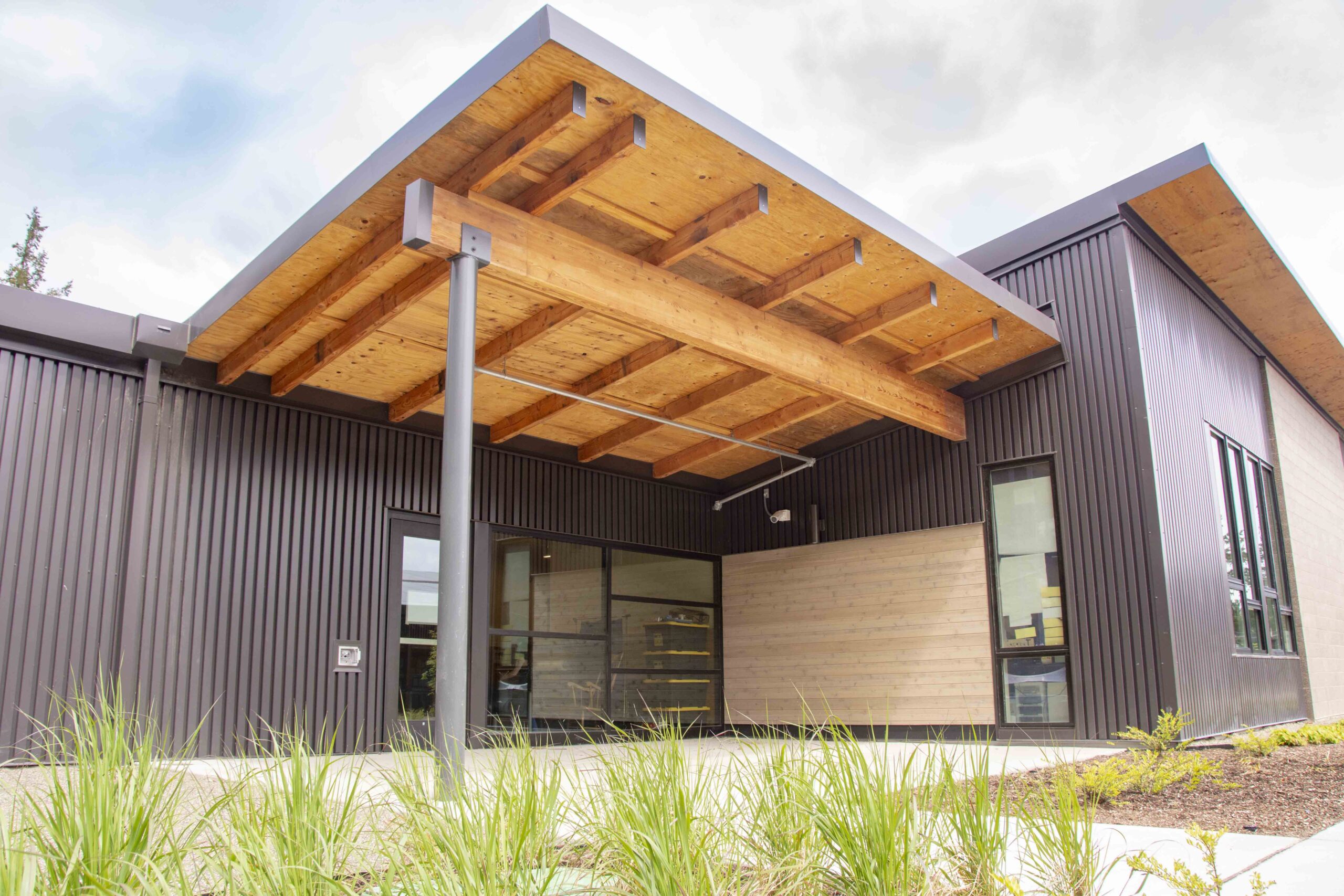 Michigan is the latest state to launch an initiative aimed at accelerating mass timber construction. The new Michigan Mass Timber Catalyst Program will provide cash awards ranging from $25,000 to $75,000, along with technical assistance and peer-learning opportunities, to encourage the use of engineered wood in new buildings. Although mass timber products are not yet manufactured in Michigan, interest in the material is growing rapidly. …The Catalyst program, produced collaboratively by the Michigan DNR, MassTimber@MSU, the Michigan Green Building Collaborative, and WoodWorks, will support early-stage projects that use mass timber as a primary structural or architectural material. …Awarded teams will join a cohort led by MassTimber@MSU and Woodworks to work through design, procurement, cost estimation, and code approval challenges. …In New York City, the NYCEDC’s Mass Timber Studio offers $25,000 Grants and technical support for early-stage projects…. In the Southeast, the Georgia Mass Timber Accelerator… provides funding and technical assistance to teams exploring timber-based design solutions.
 Chinese tissue paper made from bamboo has emerged as a trendy choice for eco-friendly shoppers. However, new research suggests these bamboo paper products may not offer significant climate benefits over tissue produced in the United States and, in some cases, may be more detrimental to the environment. North Carolina State University researchers compared the carbon footprint of bamboo tissue paper manufactured in China with that of conventional tissue paper manufactured in the U.S. and Canada. They found that… the fossil fuel-heavy power grid in China led to significant increases in emissions compared with cleaner fuel sources used in North America. “As far as emissions go, the technology used to create hygiene tissue paper is far more important than the type of fiber it’s made from,” said Naycari Forfora, lead author of the study…. “Because the Chinese power grid is so reliant on coal for power, emissions … are higher than the wood-based option.”
 The Liberal government is dropping its goal to plant two billion trees by 2031 as part of Tuesday’s budget, according to sources familiar with the matter. The government currently has contracts that they intend to fulfil to plant one billion trees, one source said. The news was first reported by the Globe and Mail. Prime Minister Mark Carney said last month that the budget will include a “climate competitiveness strategy.” But this is another key Trudeau-era climate policy that Carney has dropped since becoming leader, after ending the consumer carbon tax and pushing back the electric-vehicle sales mandate. …The government has struggled to keep up with the commitment, missing its annual planting targets in the past two years. Over 228 million trees have been planted so far, according to Natural Resources Canada’s latest update — leaving more than 1.7 billion in order to reach the target by 2030-31.



 Local governments are frustrated after receiving a long-awaited answer to when legislative changes are coming to the law governing how some forest lands are managed in B.C. The answer: with the trade war targeting B.C. lumber, the priority is protecting forestry jobs. …The 2003 Private Managed Forest Land (PMFL) Act puts no limit on the volume of timber that can be harvested, contrary to logging on Crown land. It’s administered by the Private Managed Forest Council, two of the five members of which have active vested interest in PMFLs. …The ministry maintains modernization to the act is being considered. In July… CBC reported the ministry is “working to modernize the act following the 2019 review.” When asked what changed between July and August, the ministry repeated it “continues to work with the Private Forest Landowners Association and the Managed Forest Council to modernize the Private Managed Forest Land Program.”
 NANAIMO, BC: Following Vancouver Island’s devastating wildfire season, Mosaic is focusing on ways it can help reduce the chances of fires starting or limit their damage. Mosaic responded to 34 wildfires in 2025—a 19% increase over the previous year’s 26 fires. This year, all five of the most significant blazes were human-caused. The first concerning fire ignited near Campbell River in early May, making 2025 one of the earliest wildfire starts for the company. The Mount Underwood wildfire near Port Alberni burned almost 2,400 hectares of Mosaic lands—roughly the size of the city of Duncan—destroying new forests and conserved old growth while causing community evacuations and road closures. Throughout the season, Mosaic’s fire crews worked with BC Wildfire Service, contractors, First Nations and emergency responders to protect communities and forests.
  Campbell River council has given the green light to the fire department to apply for a $419,000 grant through the Union of British Columbia Municipalities. This funding will help mitigate wildfire risks within the city over the next five years. Fire Chief Kelly Bellefleur and Assistant Fire Chief Stephanie Bremer told council the grant will be used to develop a new Community Wildfire Resiliency Plan (CWRP) with a more comprehensive, science-based framework. It will assess current wildfire risks in the city, identify priority treatment zones, and establish a five-year framework for wildfire mitigation and community preparedness. The grant will also help the city upgrade the fire department’s capacity to fight wildfires by purchasing a Type 2 Structure Protection Unit, a mobile trailer equipped with pumps, hoses and sprinklers designed to protect multiple structures during a wildfire, among other priorities.
 Local governments on Vancouver Island are frustrated after finally receiving a long-awaited answer to when legislative changes are coming to the law governing how some forest lands are managed in BC. The answer … after years of fighting, change is not coming. The 2003 Private Managed Forest Land (PMFL) Act puts no limit on the volume of timber that can be harvested, contrary to logging on Crown land. …“What they’re looking for is the same standards that apply on Crown land to apply on private property,” BC’s Minister of Forests, Ravi Parmar said. “…we have a number of private licensees that do really good work in BC, and I would highlight Mosaic being the largest.” Parmar added he has recently spoken to Mosaic … and feels the company is taking steps to address local government concerns that don’t require legislative changes.

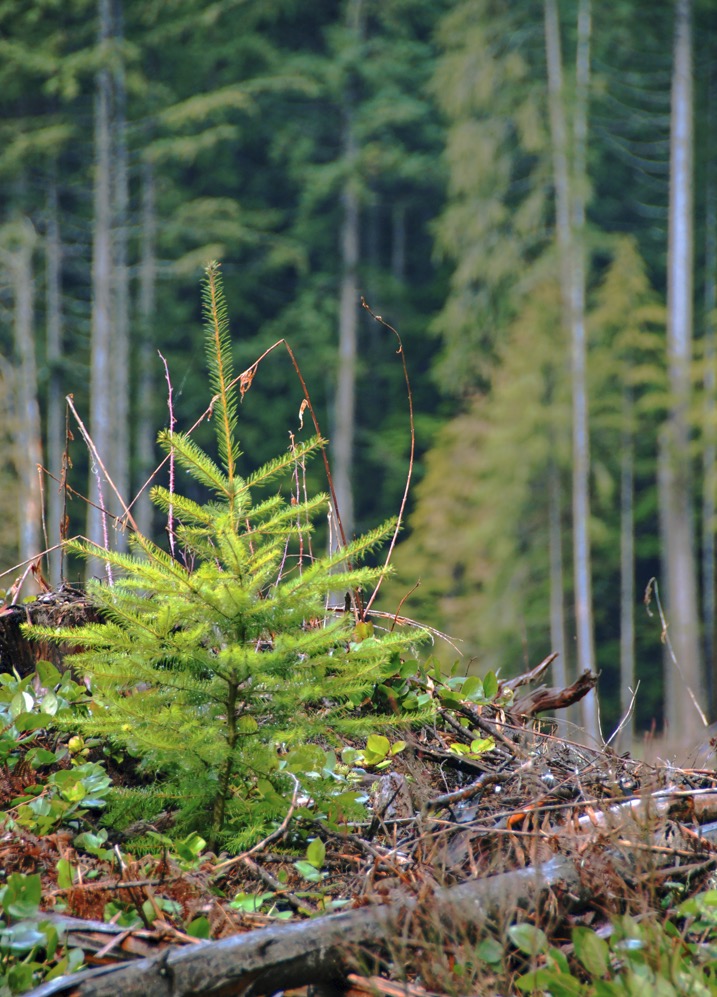 As wildfires continue to devastate communities across North America, it’s time we confront a hard truth: neglecting the forests that surround our towns is no longer an option. …Silviculture — the science of managing forest growth, composition, and health — is not just a tool for local timber production. It’s a vital strategy for climate resilience and community safety. Through practices like selective harvesting, thinning, and replanting, silviculture reduces fuel loads, promotes biodiversity, and maintains the ecological balance necessary to prevent catastrophic fires. Critics often question the ethics of cutting trees in the age of climate change. But when done responsibly, harvesting followed by replanting can actually enhance carbon sequestration. …Moreover, strong forest management isn’t just about trees — it’s about people. …Let’s stop treating forest management as a luxury or a controversial topic. It’s a necessity. Investing in silviculture is investing in the safety, sustainability, and future of our communities.
 Since its inception almost 10 years ago, the Forest Enhancement Society of BC (FESBC) has been guided by a simple but powerful principle: collaboration drives impact. …Partnering with First Nations organizations has also deepened our understanding of how traditional knowledge can guide projects with a generational focus. This approach has helped foster greater Indigenous participation and leadership within forestry, contributing to a more inclusive and sustainable future. …Together, we are investing in projects that help create healthier, more productive and resilient forests for the future, and we are also strengthening the relationships that help make it all possible.
  On Friday, October 17, the Ministry of Forests, through the Value-Added Accelerators, in partnership with the BC First Nations Forestry Council, the Council of Forest Industries, and the BC Value-Added Wood Coalition, hosted the Coastal Currents Regional Fibre Flow Forum in Richmond. Coastal Currents was designed to bring together stakeholders from across the coastal region to share insights, discuss fibre flow challenges and opportunities, and foster connections that support business development. Modeled after successful regional forums such as Roots in the Koots (Nelson), the Robson North Thompson Forestry Coalition, and the Northwest Fibre Symposium (Terrace), this event focused on collaboration within a specific geographic area to strengthen the value-added wood sector. The response was overwhelming, the session sold out, welcoming over 70 participants with strong representation from both the value-added and primary sectors.
 The Ministry of Natural Resources says nearly 6,000 square kilometres burned in Ontario this wildfire season, much more than last year and well above the province’s 10-year average. The ministry says 643 wildfires were recorded between April and October, with 597,654 hectares — or just over 5,976 square kilometres — burned. The province says 480 fires burned nearly 900 square kilometres in 2024, and the 10-year average for Ontario is 712 fires and about 2,100 square kilometres burned. Figures released by the Canadian Interagency Forest Fire Centre in August showed that Canada’s 2025 wildfire season was the second-worst on record. Those figures suggested the fires tore through 72,000 square kilometres, an area roughly the size of New Brunswick. Scientists say that climate change, driven by the burning of fossil fuels, has made Canada’s fire seasons longer and more intense.

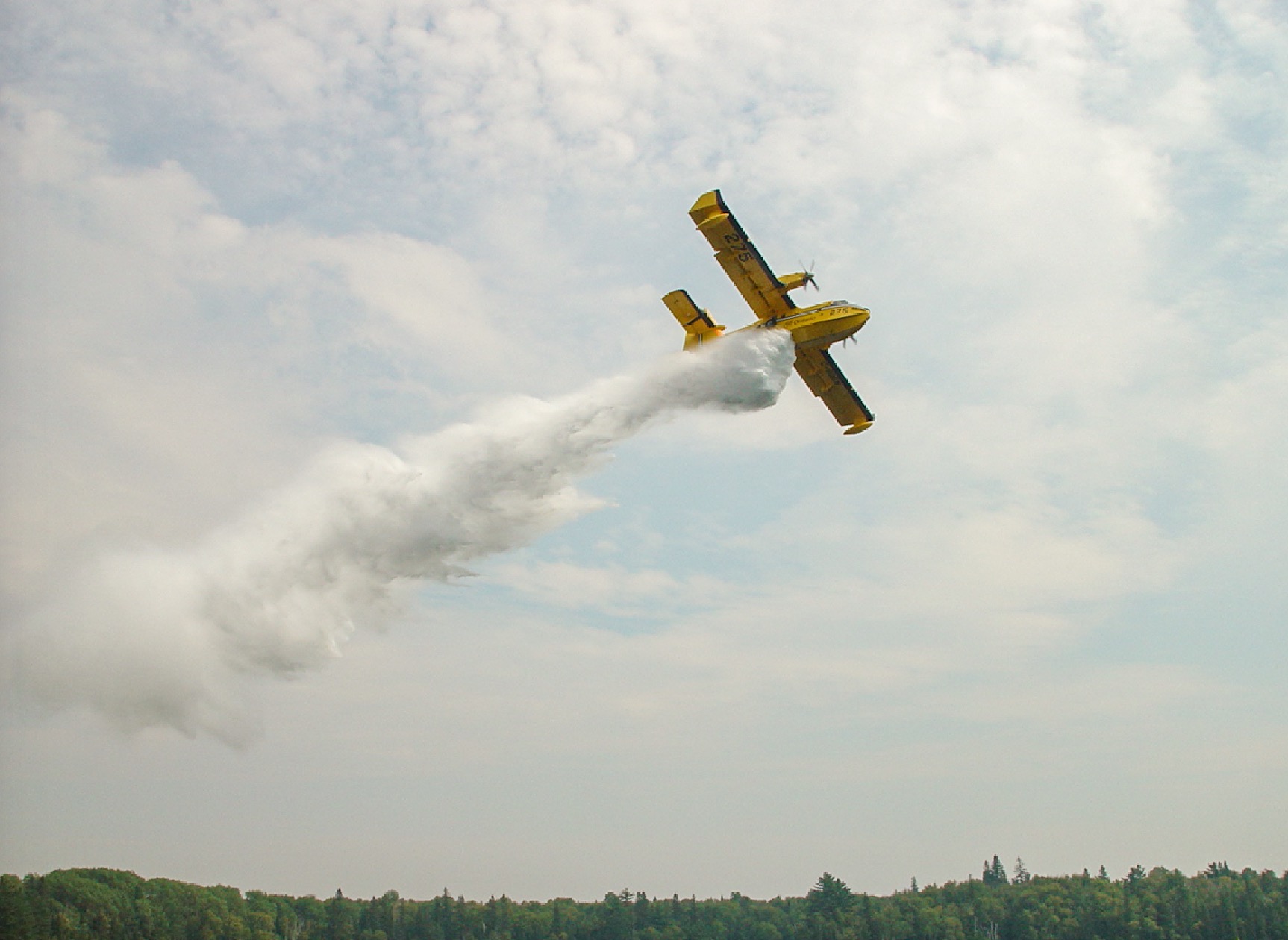 DRYDEN — Wildland fire crews were kept “very busy” throughout the 2025 forest fire season as Northwestern Ontario saw over 560,000 hectares go up in flames. “It would be fair to call the 2025 wildland fire season a very busy one in the Northwest,” said Chris Marchand, a fire information officer with the Ministry of Natural Resources’s regional fire management centre in Dryden. “Often in the spring, you hear us speak of the volatility of spring fire hazard conditions,” he continued. “And this year, from about the second week of May, it really provided a good demonstration of how a few weeks of dry weather combined with high winds and low humidity can really produce extreme fire behaviour in forests that haven’t greened up yet.” Those early conditions were the spark for a season that saw 560,234.9 hectares burned by 435 fires in the Northwest region alone. Comparatively, the Northwest’s relatively slow 2024 season saw 69,938.3 hectares burned in 218 fires.

 A federal judge has halted a logging project in the Kootenai National Forest, saying the federal government failed to correctly analyze the impacts to grizzly bears. The Knotty Pine Project, a 10-year project that would have authorized 7,465 acres of prescribed burning and 2,593 acres of commercial harvest in the Cabinet-Yaak Mountains, has been in litigation since 2022. The Center for Biological Diversity led a coalition of environmental groups …in suing the U.S. Forest Service and U.S. Fish and Wildlife Service, saying it could devastate the small group of grizzly bears that lives in the region due to increased roadwork. U.S. District Court Judge Dana Christensen granted a preliminary junction the following year, but issued his final ruling last week. …“High road densities in low elevation habitats may result in grizzly bear avoidance or displacement from important spring habitat and high mortality risks,” Christensen wrote.
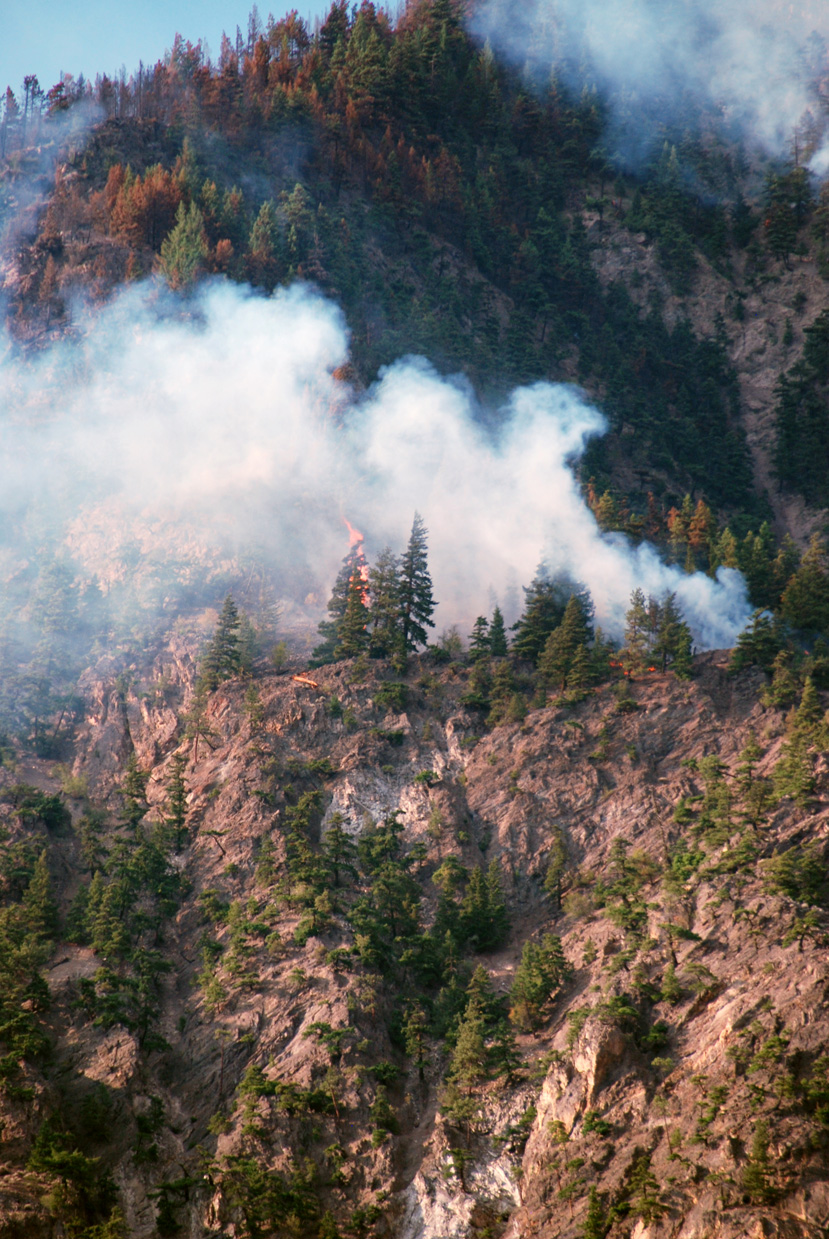 For more than 15 years, Scott Fitzwilliams led … the “crown jewel” of U.S. federal land — 2.2 million acres in Colorado that includes world class ski resorts… and sees a lot of wildfire. So when he was told in February to fire more than a dozen U.S. Forest Service employees from White River National Forest, one of his main concerns was: Will enough people be around to make sure the next big blaze doesn’t get out of control? …Fitzwilliams resigned in protest over the cuts, part of the Trump administration’s efforts to reduce the federal workforce… Eight months later, a new report confirms some of Fitzwilliams’s fears. A data analysis shared with The Washington Post found that as of the end of September, Forest Service work to reduce fire-fueling debris was down nearly 40 percent on this date compared with where it has been on average over the previous four years… [A subscription to the Washington Post is required for full story access]
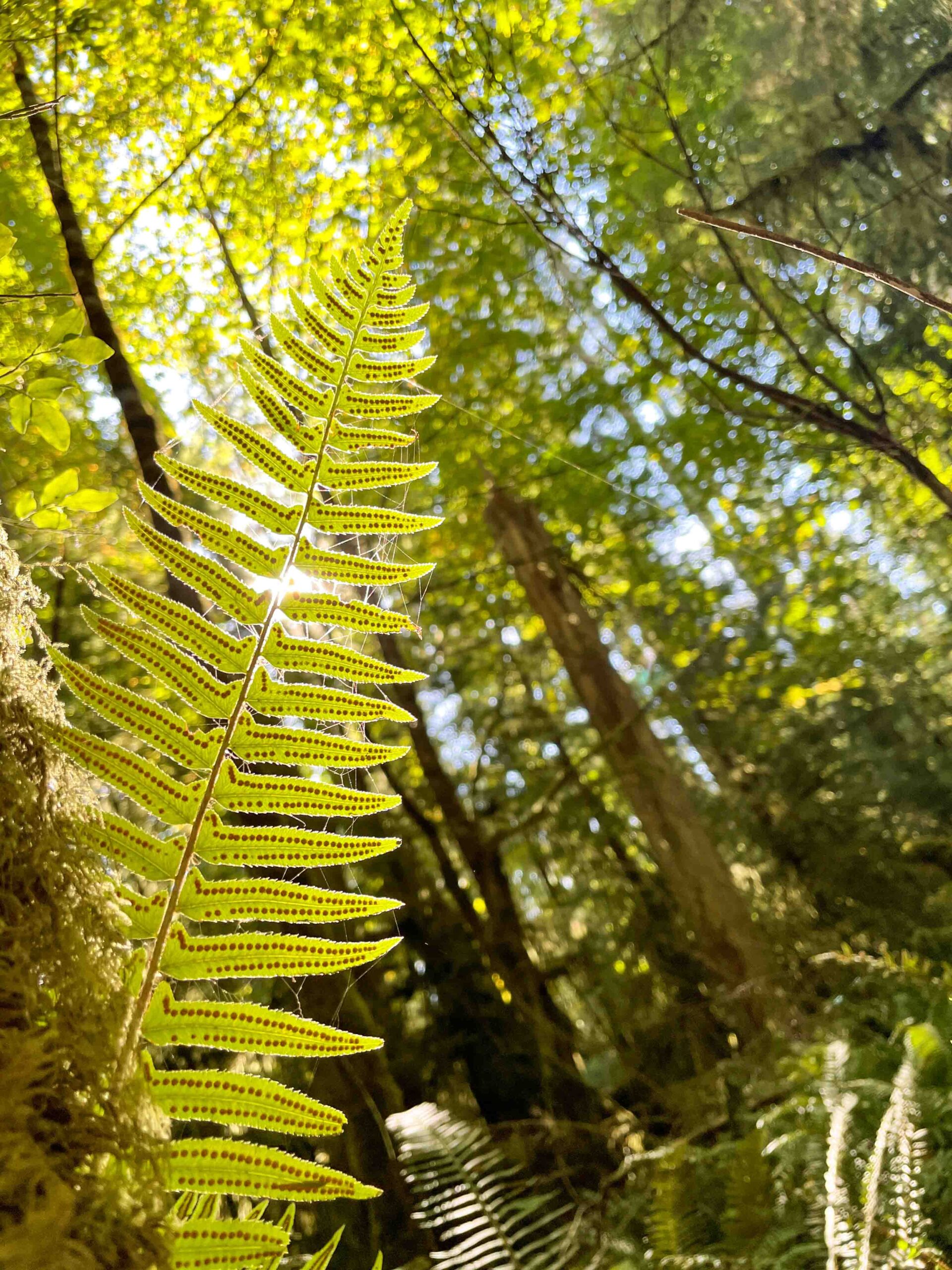 A new bill poised to pass the Senate after clearing the House will govern how the federal government thins, burns and otherwise manages nearly 200 million acres of the nation’s forests. The Fix Our Forests Act, sponsored by U.S. Sens. John Hickenlooper, D-Colo., John Curtis, R-Utah, Tim Sheehy, R-Mont., and Alex Padilla, D-Calif., passed out of Senate committee recently in a rare show of bipartisan support, with 18 senators in favor and only five opposed. “There is a wildfire crisis across much of the country — our communities need action now,” said Hickenlooper in a news release. “Wildfires won’t wait.” The proposed legislation — the first major congressional effort to fight wildfires in recent history — includes provisions that promote prescribed burning and forest thinning in fire-prone areas along with working with communities to create defensible space around vulnerable homes. The bill formally recognizes wetlands as buffers against wildfires and encourages cross-boundary programs among counties, states and tribes.
 SEATTLE — …Of Washington’s 22 million forested acres, the Department of Natural Resources manages about 3 million acres of state land. Of those, 545,000 acres are now dead or dying — the equivalent of more than 500,000 football fields. …Washington’s severe drought has weakened trees across the state. Then came powerful storms—including last November’s bomb cyclone and February’s windstorm—that battered already-stressed trees to their breaking point. …As droughts intensify and insects thrive in warming forests, trees are dying of thirst while being eaten alive. It’s a double assault turning once-green mountainsides into graveyards of standing dead timber—impacting both eastern and western Washington. “We’re concerned this trend could continue as our climate continues to warm,” Commissioner Upthegrove said. One solution is to remove dead or dying trees and replant more resilient species like hemlock or cedar. However, according to the DNR, the funding needed to address these issues has vanished.
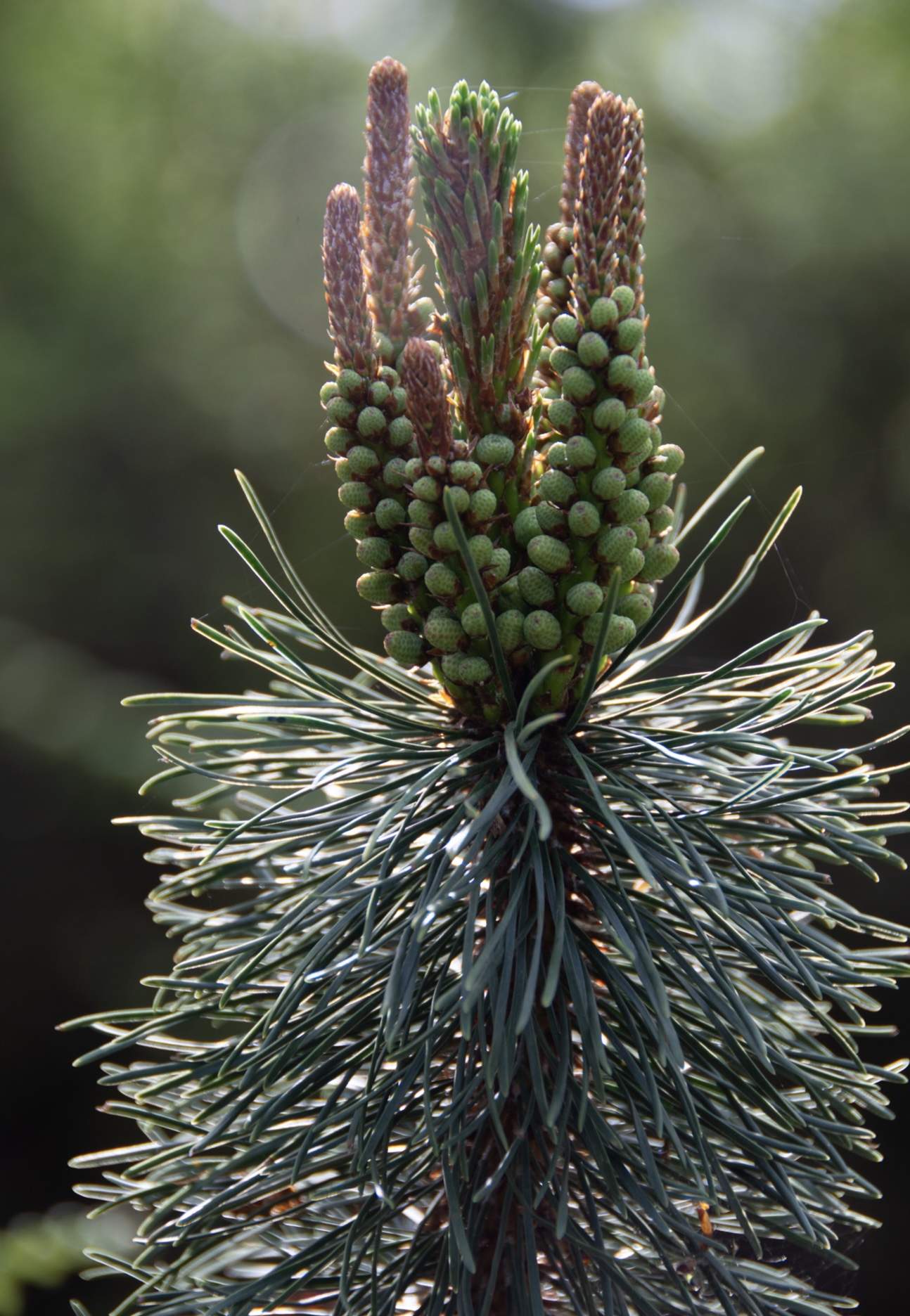 In the southeastern United States, pine plantations serve as critical components of the forestry economy, predominantly managed through intensive site preparation techniques designed to enhance tree growth and accelerate harvest cycles. These plantations often employ soil bed construction to improve drainage and the application of herbicides to mitigate competition from weeds and woody shrubs. While earlier studies have documented that such interventions yield promising early growth in pine species such as slash pine (Pinus elliottii) and loblolly pine (Pinus taeda), the long-term efficacy of these practices remains ambiguous, necessitating comprehensive longitudinal research to unravel their sustained impact on forest productivity. Addressing this knowledge gap, a recent extensive study conducted in the Lower Coastal Plain of North Florida monitored pine plantations for up to 27 years, offering unprecedented insights into how various site preparation strategies influence extended growth trajectories and timber yield.

 Wildfire experts from around the globe convened at Istanbul Forest Innovation Week (IFIW) to evaluate Türkiye’s approach to forest fire management, unanimously acknowledging the country’s advanced capacity in both fire detection and intervention. Experts emphasized the integration of cutting-edge technologies, such as unmanned aerial vehicles (drones), as a critical factor in Türkiye’s rising prominence in global wildfire resilience. Tiago Oliveira, chairperson of the Portuguese Agency for Integrated Rural Fire Management, highlighted the multifaceted challenges climate change poses to forests worldwide. He underscored that warming trends are prolonging fire seasons and increasing the number of days with severe fire conditions. Oliveira also stressed the indispensable role of local communities living near forests. … Warning about extreme fire scenarios, Oliveira noted, “When difficult conditions triggered by climate change occur, very intense fires begin, making firefighting extremely challenging because water can become ineffective.”
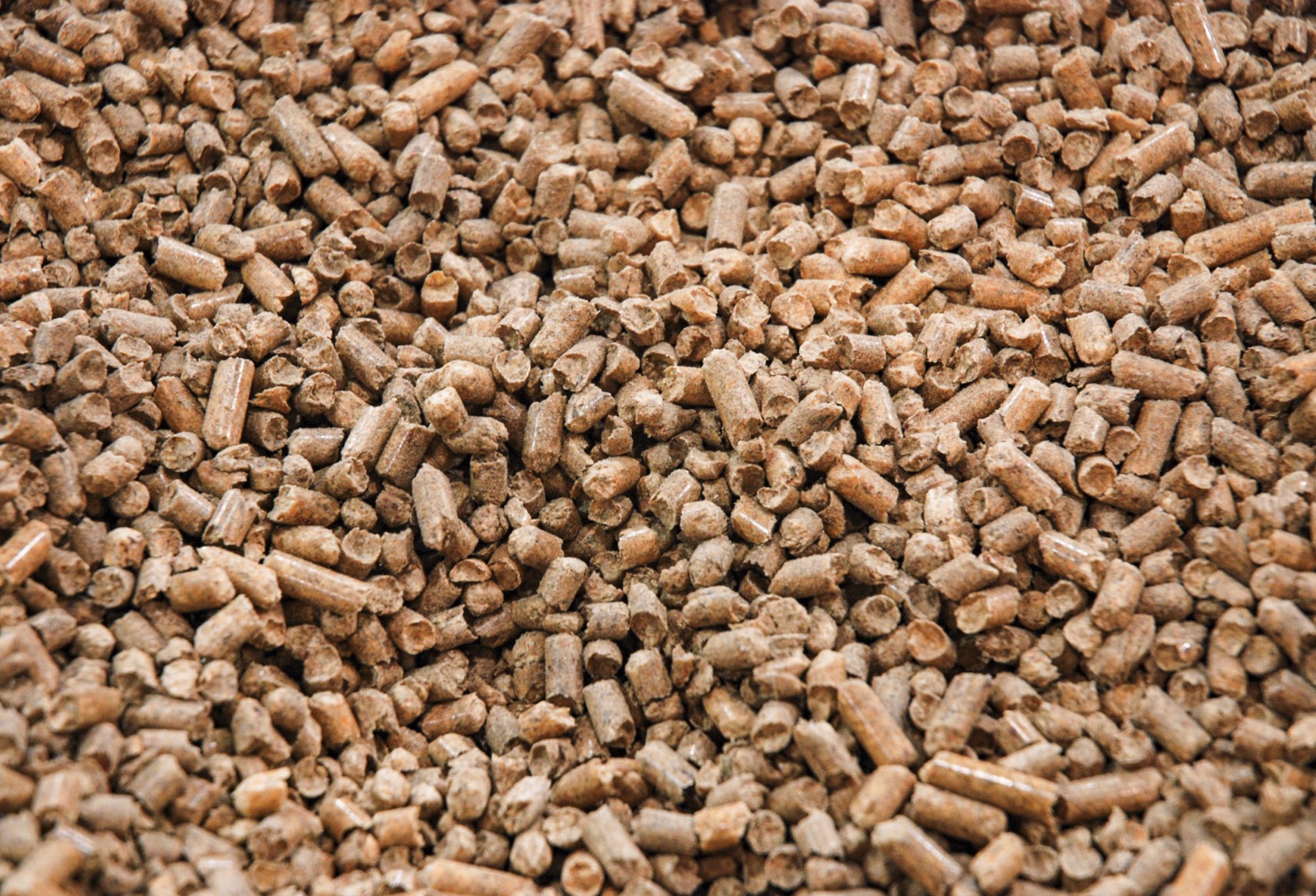 Britain’s biggest power plant will continue to earn more than £1m a day from burning wood pellets under a new government subsidy contract designed to halve its financial support, according to analysts. The Drax power plant in North Yorkshire is in line to earn £458.6m a year between 2027 and 2031 after the government agreed to extend its subsidies beyond 2026, according to analysts at Ember, a climate thinktank. The earnings are well below the £869m in subsidies handed to the Drax power plant last year for generating about 5% of the UK’s electricity from burning biomass after the government promised to curb the use of biomass in Britain’s power system. Under the contract, Drax will be paid to run just over a quarter of the time, down sharply from almost two-thirds of time currently. But the price it will earn for each unit of electricity generated will rise.
 Panama – Unveiled today at its General Assembly, the Forest Stewardship Council (FSC) reports a sharp slide in public concern for climate change, even after the hottest year on record. The 2025 Global Consumer Awareness Survey – conducted with Ipsos across 50 countries and 40,000+ respondents – find war and conflict (52%) now dominate public worries while climate change trails at 31%. That is a 21-point gap in the 2025 snapshot. Looking only at the 32 countries surveyed in both 2022 and 2025, the concern gap has widened from 12 points in 2022 – where economic hardship was on top position – to 16 points in 2025. …While ‘climate change’ may rank lower as an abstract global issue in the 50-country snapshot, across the forestry module markets, the impacts felt through forests –wildfires, droughts, floods, and biodiversity loss – rank among the top concerns within the forestry sector.