 International Paper is closing two packaging plants (in California and Kentucky) amid weak demand. In related news: Ontario’s Kap Paper seeks to reinvent itself; BMI ends plans to re-open the long-shuttered Prince Alberta pulp mill; BC hopes to attract private sector investment; and a new federal softwood support package is in the works. Meanwhile: Canada’s inflation rates eases as housing starts fall; and mass timber is featured in Toronto and Delta, Alabama.
In Forestry news: Parks Canada is planting endangered whitebark pine in Alberta; a BC First Nation turns forest waste into biochar; an ENGO group kicks off a BC-wide protest; South Carolina conserves 62,000 acres of forest; and firefighters respond to wildfire in Mark Twain National Forest.
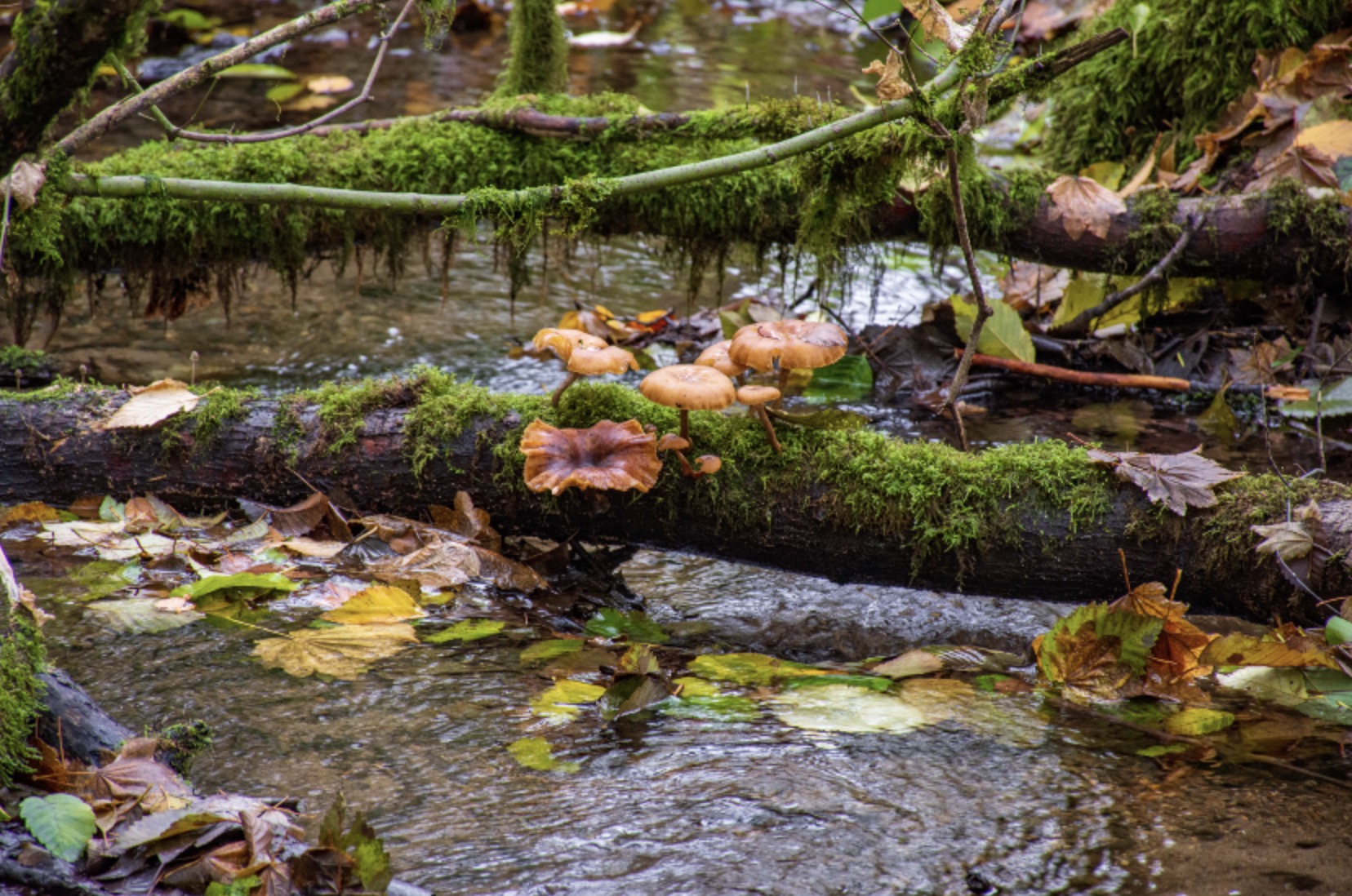
Finally, University of BC researchers launch a mushroom-powered, waterless toilet.
Kelly McCloskey, Tree Frog News Editor


 CASTLEGAR, BC
 This is a rare opportunity to lead highly respected, independent oversight in one of the province’s most important and visible sectors. The Chair plays a pivotal role in strengthening public confidence in forest and range practices across BC. Ideal candidates bring strong governance experience, a background in forestry, and a commitment to transparent oversight. The Chair is a flexible, full-time role leading BC’s independent watchdog for forest and range practices. The Chair plays a key role in strengthening public trust in how the province’s forests and rangelands are managed. The Chair provides strategic leadership, oversees audits and investigations, approves reports, and represents the Board in engagements with Indigenous governments, provincial agencies, stakeholders, and the media. The role is well suited for someone with strong governance experience, sound judgment, and a balanced understanding of BC’s natural resource sector. Appointed by Order-in-Council for an initial term of 3 to 5 years the position may be re-appointed for additional terms of up to 5 years. Closing Date: December 11, 2025


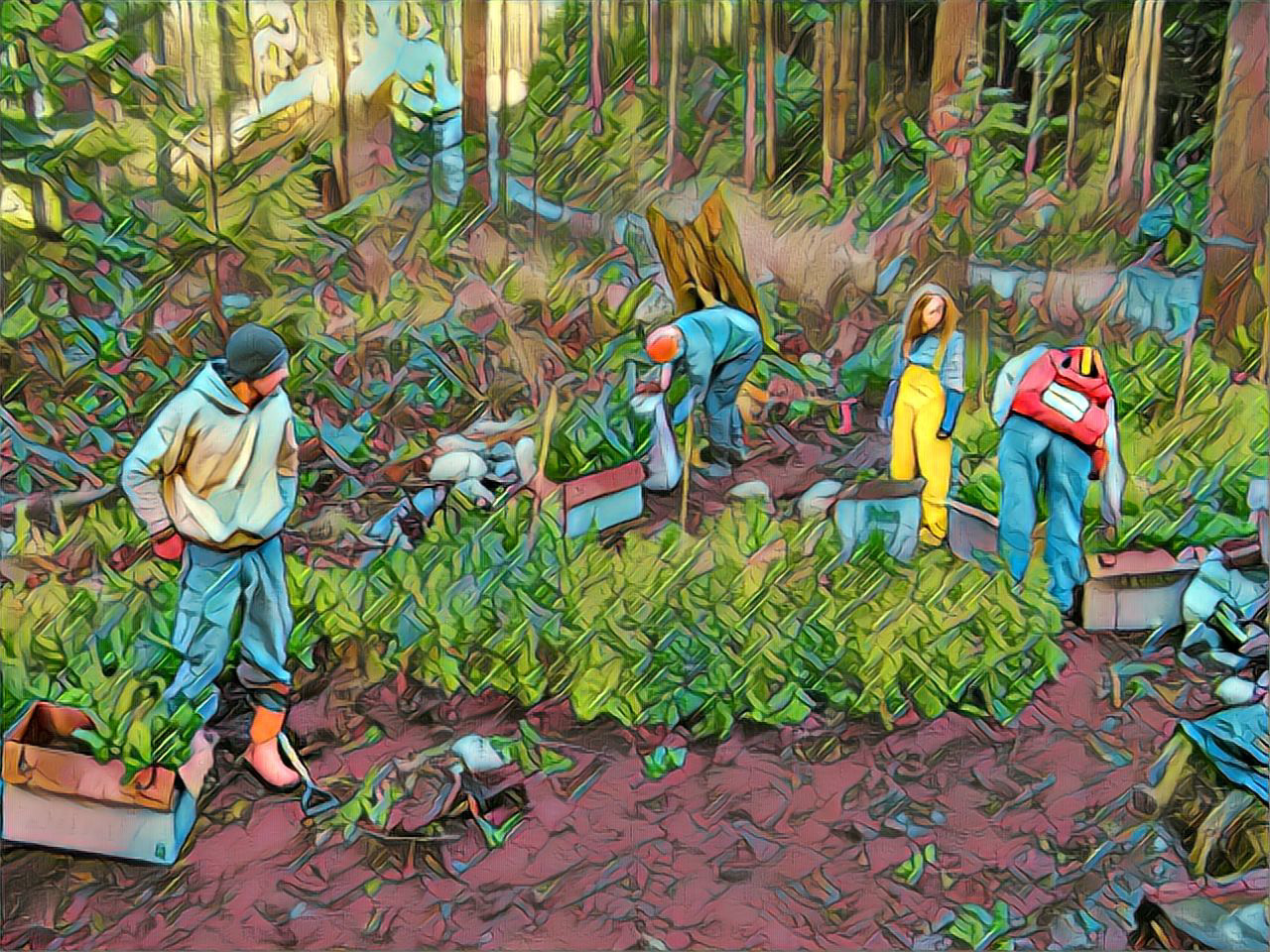 A decision to cut a tree-planting in the federal budget was met with disappointment by seedling producers. The Canadian Tree Nursery Association represents more than 95 per cent of Canada’s forest restoration seedling producers. The federal government decided to cut short the Two Billion Trees (2BT) Program, saving an estimated $200 million over four years. CTNA executive director Rob Keen said the decision would threaten the long-term environmental recovery of Canada’s forests and jeopardize the forest restoration sector. “I think the whole program was just starting to get some good momentum,” Keen said. …Keen said about 600 million trees are planted each year by the forestry industry. “So, really there was a very significant increase in overall tree planting in Canada,” he said. “And then, I guess in the budget … the government decided, ‘OK, we’re done.’ ”
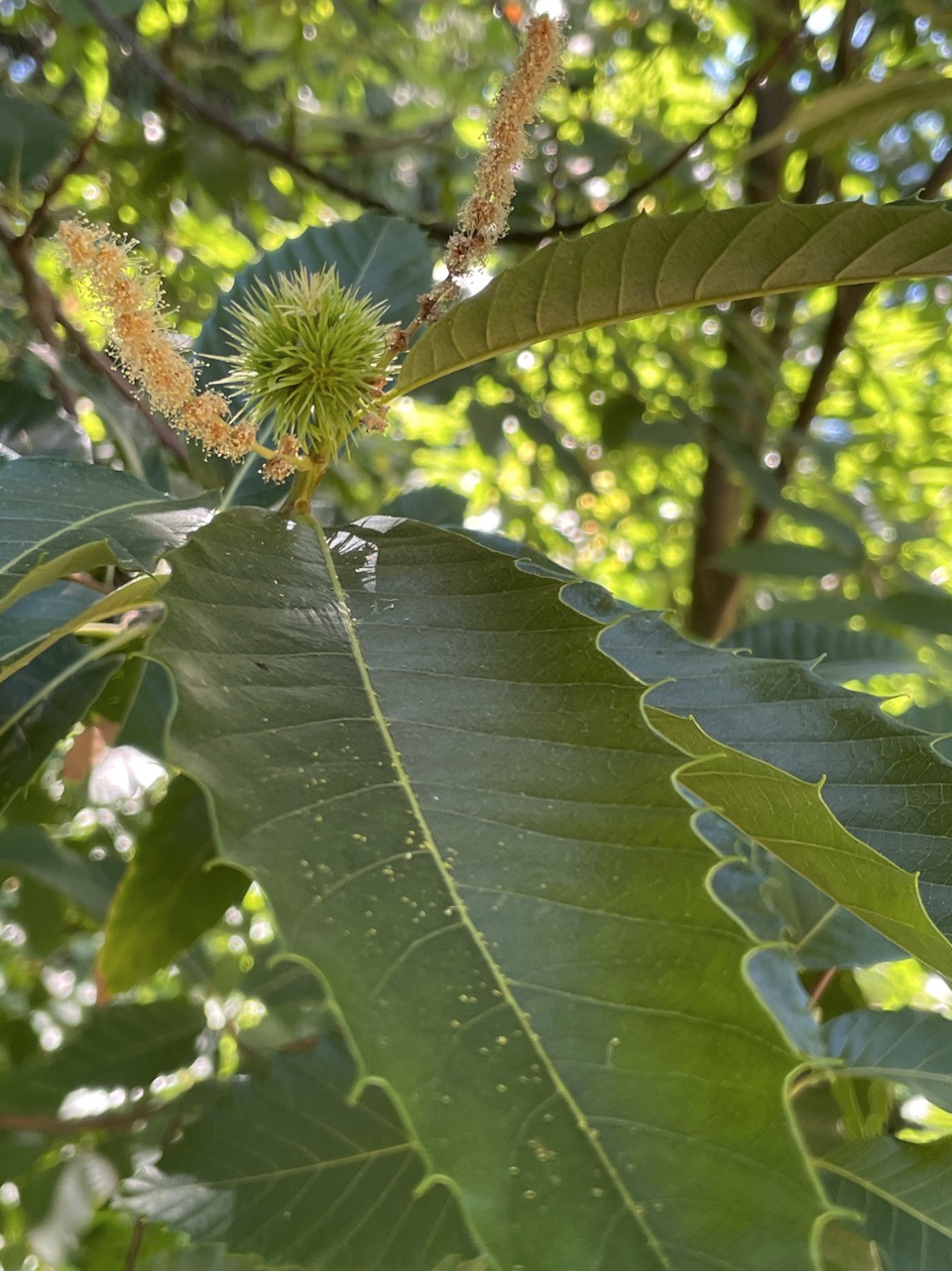 Nearly 40 Tennessee hardwood companies are among hundreds of U.S. hardwood industry operators calling for federal relief from tariff-induced economic hardship. Tennessee’s forestry products industry supports an estimated 85,000 jobs, according to the
 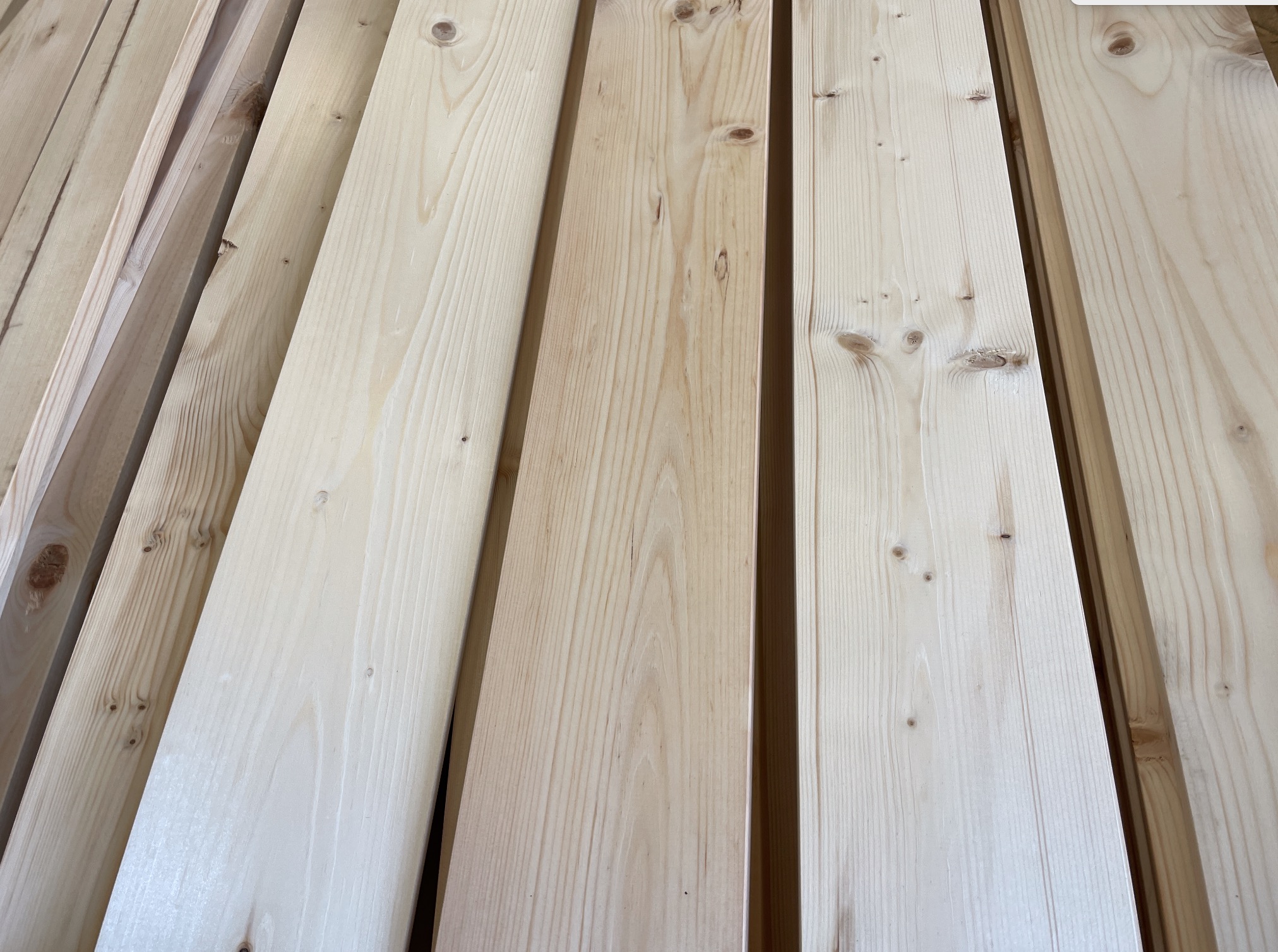 After four major paper and pulp mills closed in Georgia this fall, the phone at the South Georgia Sawmill began ringing nonstop. …woodsmen from Georgia were begging owner Adam Williams to buy at least some of their logs… Williams had to say no. The scene here in Georgia is being replicated in other timber markets, raising larger questions about what measures the United States could take to become more self-reliant and preserve its foundational industries. While most of the U.S. wood supply has historically been homegrown, imports have surged, particularly from Canada. … Republican Gov. Brian Kemp has assembled a task force to suss out new opportunities for Georgia wood. Georgia Tech University, for one, is at the forefront of technology that might one day refine new types of aviation fuel from trees. The state is also pioneering the use of so-called “mass timber” – cross-laminated panels of two-by-sixes that replace concrete and steel.
 KINGWOOD, W.Va. — Multiple volunteer fire departments and emergency medical services responded Wednesday night to a fire at Appalachian Wood Pellets that affected multiple buildings. Officials reported the blaze has been contained, and no injuries were reported. Preston County Office of Emergency Management Director Justin Wolfe said initial reports of the blaze at 383 Mill Road were received at 11:33 p.m. Wednesday. …Initial reports noted that crews mounted an attack against the blaze, with additional fire departments being requested for assistance. Based on reports, the fire affected structures outside the main plant, including an open trailer with material, an open roofed storage structure and a belt-to-silo apparatus, and encroached on a maintenance building.
 Stora Enso is initiating a strategic review of its Central European sawmills and building solutions operations. The 2026 review will cover one business unit of Wood Products business area, including seven sawmills in Austria, Czechia, Poland, and Lithuania, and further processing units with three cross-laminated-timber (CLT) mills, as well as wood procurement, and international sales and distribution operations. Whilst the business in scope has a strong position in an attractive market, it does not bring strategic or operational synergies for Stora Enso’s core renewable packaging operations. …different scenarios will be assessed for the business and assets in scope, including the possibility to divest the business, to strengthen Stora Enso’s strategic focus on renewable materials and packaging. The synergetic sawmills in Northern Europe, including further processing operations, in Sweden, Finland, Estonia and Latvia are not part of the assessment, and this part of the business remains strategically important to Stora Enso going forward.

 Zoom Seminar | November 18| 11:30am – 1:00pm| This seminar helps leaders and teams learn to use artificial intelligence to enhance productivity, communication, and operational efficiency. Rather than replacing people, AI can act as a digital teammate, handling routine or repetitive work so humans can focus on creativity, decision-making, and critical thinking. Participants will explore practical ways to use AI tools like ChatGPT, Copilot, and others to streamline workflows in areas such as administration, project management, customer service, and content creation. You will learn: How AI tools like ChatGPT and Copilot work; common misconceptions; How to give clear, effective instructions to AI. Examples of strong vs. weak prompts; Examples of AI applications for administrative tasks, writing, and increasing productivity; and What to include in an internal AI-use framework: approved tools, privacy, and accountability. Safe and unsafe examples. $29 per person (you do not need to be a BC Wood member to participate – Limited to participants from Canada only)


 REDDING, Calif. – A groundbreaking effort is underway in Redding where




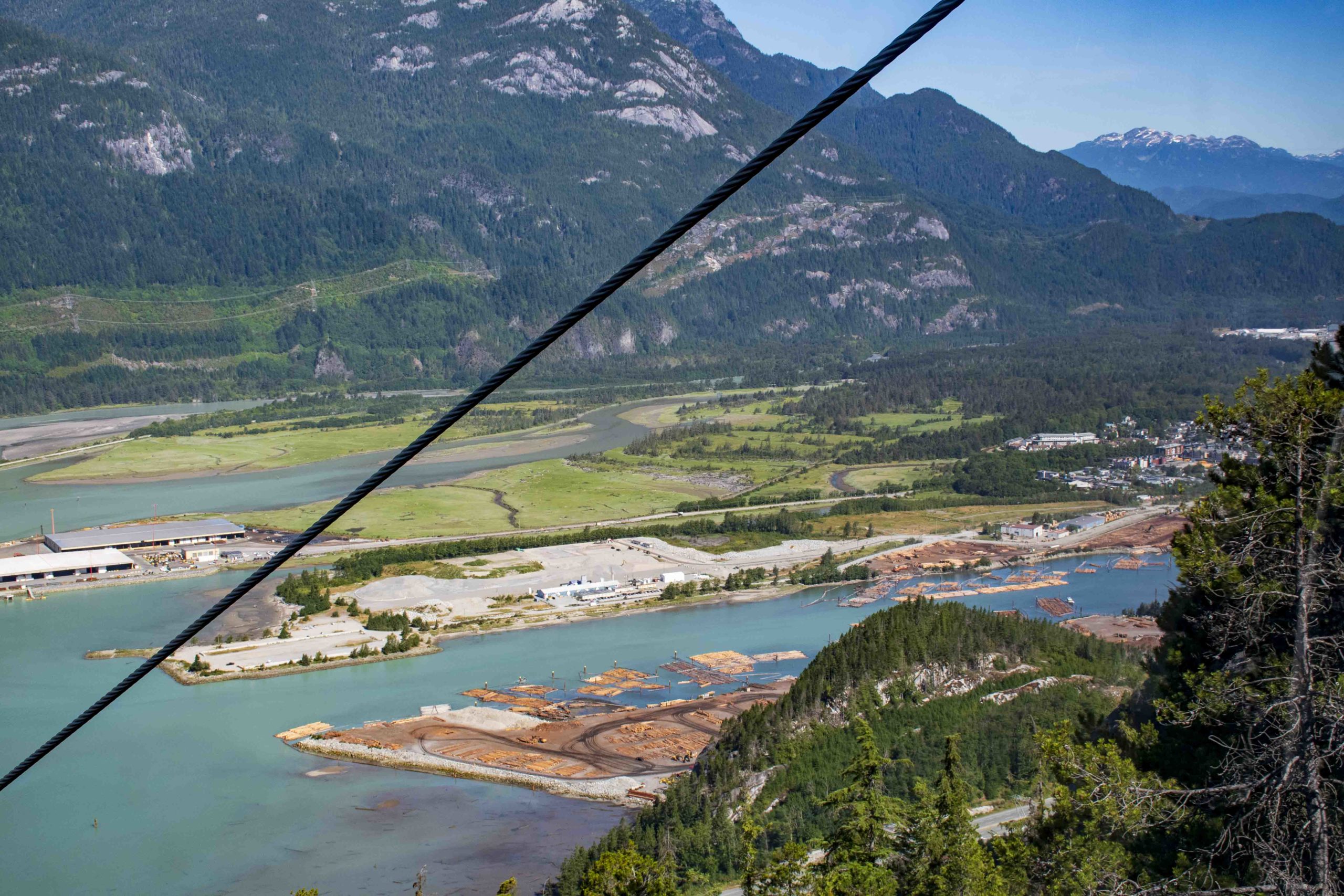 At a recent public open house, the Squamish Community Forest unveiled its vision for sustainable land use, cultural preservation, and wildfire mitigation over the next five years. The Squamish Community Forest functions on a Community Forest Agreement (CFA) and equal shareholding between Skwxwú7mesh Úxwumixw (Squamish Nation) and District of Squamish. This was their first ever partnership, as Squamish mayor and Community Forest chair Armand Hurford confirmed. The discussion that followed was centred around the sustainability and balance of cultural and environmental values. This year, the Community Forest has been given a $40,000 grant from the Silviculture Innovation Program (SIP) to implement silviculture in collaboration with the Nation’s Rights and Title and Cultural teams—a part of the Community Forest’s imminent five-year plan.
 Vernon, Revelstoke and Penticton will be included in a province-wide protest demanding a halt to old-growth logging on Tuesday. In Vernon, it’s being dubbed a “showdown at BC Timber Sales,” and the local organizers, which include the Peachland Watershed Protection Alliance and the Interior Watershed Task Force, are driving that adversarial image home by encouraging protesters to don western garb when they rally outside the Ministry of Forests office from 11 a.m. to 2 p.m. Nov. 18. Similar rallies are being held in Victoria, Nelson, Revelstoke, Smithers, Courtenay, Parksville, Prince George, Grand Forks, Penticton, Port Coquitlam, and Powell River. …Protest organizers took aim at Forestry Minister Ravi Parmar, saying seven B.C. mills have closed during his eight-month tenure. “Meanwhile he is off in Asia promising wood we do (not) have and opening trade offices … promising trees we do not grow,” the press release states. …A website,


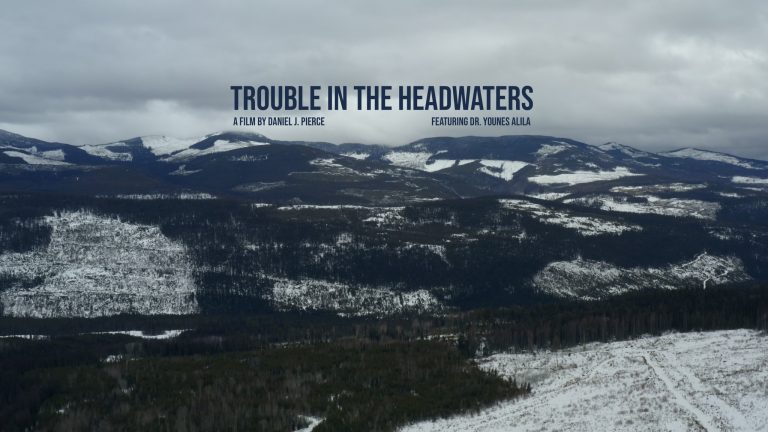 Trouble in the Headwaters, a 25-minute documentary by Daniel J. Pierce, is coming to Golden! This film sheds light on the disastrous 2018 flood event in Grand Forks, BC, and features UBC forest hydrology and watershed management Professor Dr. Younes Alila. Both Daniel and Younes will be present to introduce the film and answer questions afterwards as part of a panel discussion with local experts and Wildsight’s forestry team. Join us to explore the complex connection between clearcut logging and the increasing frequency of floods, landslides and droughts across our province.
  Local residents are invited to share their input on the development of the Mackenzie forest landscape plan (FLP), which will guide long-term forest management in the area. “This is an opportunity for Mackenzie residents to share what matters most about your forests,” said Ravi Parmar, Minister of Forests. “Forests are part of who we are and your voices guide how they’re managed.” People can share their thoughts through a survey, open from Monday, Nov. 10 until Dec. 22, 2025. …FLPs are intended to be developed in partnership with First Nations to ensure meaningful participation in forestry planning and decision-making. Tsay Keh Dene Nation has partnered with the Province on the Mackenzie FLP. Engagement with other First Nations in the area continues. Community engagement is also a key part of every FLP, ensuring everyone in the area has an opportunity to be heard.
  Murray Wilson believes active forest management is crucial to reducing greenhouse emissions. The connection between the two is wildfires. “If you can reduce wildfires, just on carbon alone – your CO2 emissions – you’re doing a good thing,” said the retired Vernon forester… For the past year, Wilson has been sharing this message, about the need for active forest management, with residents and politicians through his new and first film, the documentary B.C. is Burning. …The Shuswap Climate Action Society, Forsite Consultants Ltd. and Canoe Forest Products will present the film in Salmon Arm on Nov. 26, with a Q&A moderated by Salmon Arm Mayor Alan Harrison. …Wilson will be screening the documentary at the B.C. Legislature. He said government officials, including B.C. Wildfire assistant deputy minister Rob Schweitzer, featured in the film, have taken part in past screenings and question periods. He views this as a sign the documentary is resonating with the Province.
 Biologist Amber Peters and the Valhalla Wilderness Society (VWS) screened their highly-anticipated film, Safe Haven: The Rainbow-Jordan Wilderness, about the biodiverse and nearly-untouched inland temperate rainforest just north of Revelstoke. “This is the best example of a fully-intact inland temperate rainforest,” Peters said. … The Rainbow-Jordan is likely “the largest pocket of intact temperate rainforest in the region” around Revelstoke, Wildsight Revelstoke branch manager Reanne Harvey said. “The forest itself has been in that space for over a thousand years.” … The 30-minute film, produced in collaboration with Damien Gillis, advocates for the B.C. government to protect these expanses of hard-to-access and undisturbed old-growth from logging as a Class A provincial park. Unlike an old-growth protected area or Indigenous Protected and Conserved Area, park status would ensure legislated protection for the Rainbow-Jordan, Peters told some 200 attendees at the screening.
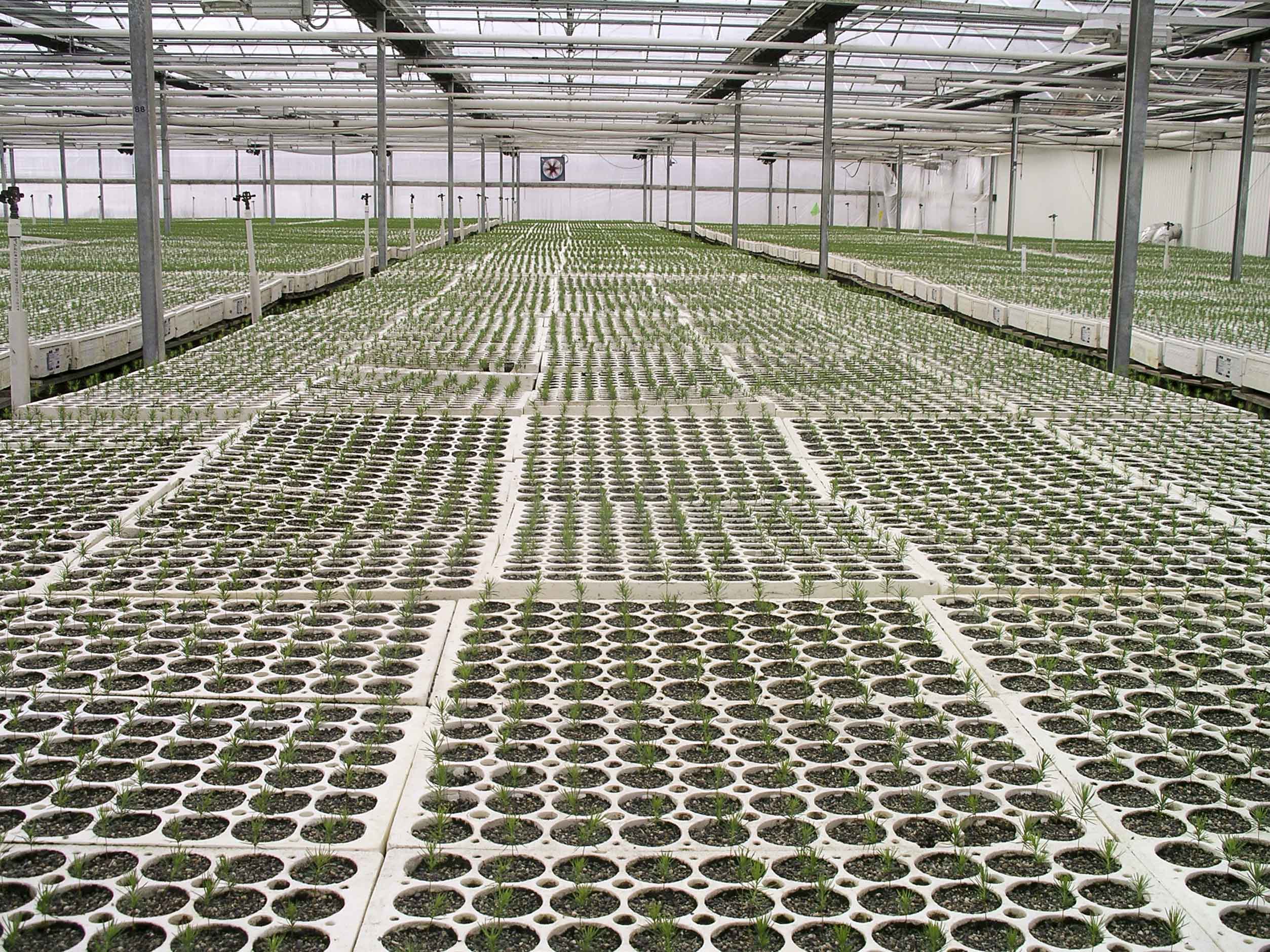 The PRT tree seedling nursery …with locations in Canada and the United States is North America’s largest producer of container-grown forest seedlings. …But at time when the forestry sector is facing hurdles such as softwood lumber duties and new American tariffs, the 2 Billion Trees program will be scrapped in the proposed federal 2025 budget. …a billion trees would have been grown from seed in nurseries like PRT and then planted across Canada. …Brinkman Reforestation is the largest tree planting company in Canada and says the industry is facing enough hurdles without having the 2 Billion Trees program cancelled. …In Black Creek, three generations of the same family have been growing tree seedlings at Sylvan Vale Nurseries. …manager Siriol Paquet says extra programs like 2 Billion Trees are important at at time when logging is declining, because if trees aren’t being cut, then they don’t need to be replaced with new ones.
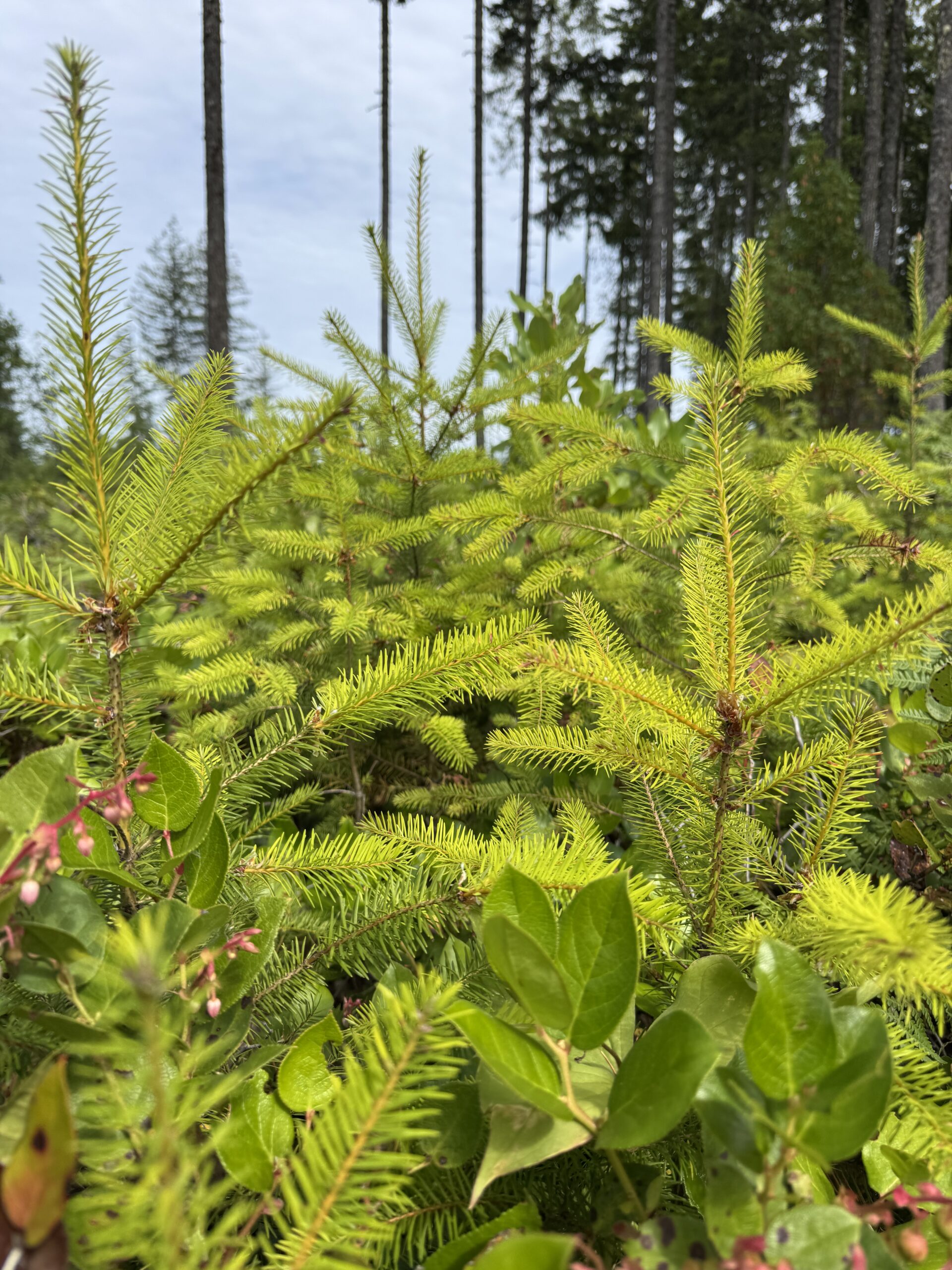 The best time to plant a tree is 10 years ago. Or 20. That’s what I was told by the two retired foresters who put 2,000 one-year-old seedlings in the ground on my farm back in 2017. I had signed on with what was then called the 50 Million Tree program run by Forests Ontario, which subsidized plantings for private landowners. …the Forests Ontario program made tree planting easy. At 40 cents a stem, those trees cost me $800. While 2,000 trees seems like a lot, they cover just under one hectare. We got the seedlings in the ground a couple years before Doug Ford nixed the initiative in 2019. But then, Justin Trudeau created the
  The provincial government has awarded a pair of contracts to build firebreaks in areas of the Avalon Peninsula ravaged by this summer’s historic wildfire season — fires that forced hundreds of people from their homes and destroyed more than 200 structures. A firebreak is an intentionally created gap where burnable material, like vegetation and trees, are cleared in an effort to stop a fire from spreading further by removing flammable materials that could feed it. It was employed as a firefighting tactic against the Kingston, Martin Lake and Paddy’s Pond fires. According to a list of recently disclosed provincial government procurement contracts, Conception Bay South-based Platinum Construction Company Limited was awarded a $51,600 contract. Another contract, valued at $419,983.35, was awarded to Jerseyside-based Tier 1 Capital Corporation to build firebreaks in Burnt Point and Salmon Cove. Both contracts were awarded shortly after the PC party won a majority government on Oct. 14.

 OLYMPIA — The Washington Forest Practices Board took 200,000 acres of timberland out of production, voting 7-5 to require loggers to stay farther back from streams without fish. The close vote Nov. 12 capped a contentious debate over the environmental and economic consequences of widening and lengthening riparian buffers to shade streams. Forest landowners will lose $2.8 billion in harvestable timber because of the new buffers, according to a University of Washington analysis. Ten state representatives, five Democrats and five Republicans, questioned whether the board had thoroughly examined the social costs. And the Environmental Protection Agency said the bigger buffers are not needed to meet the Clean Water Act. But the Department of Ecology championed wider and longer buffers. The buffers will keep timber harvests from warming water temperatures in most cases, according to Ecology. “Not taking action is not an option,” said Ecology Director Casey Sixkiller, a member of the forest board.
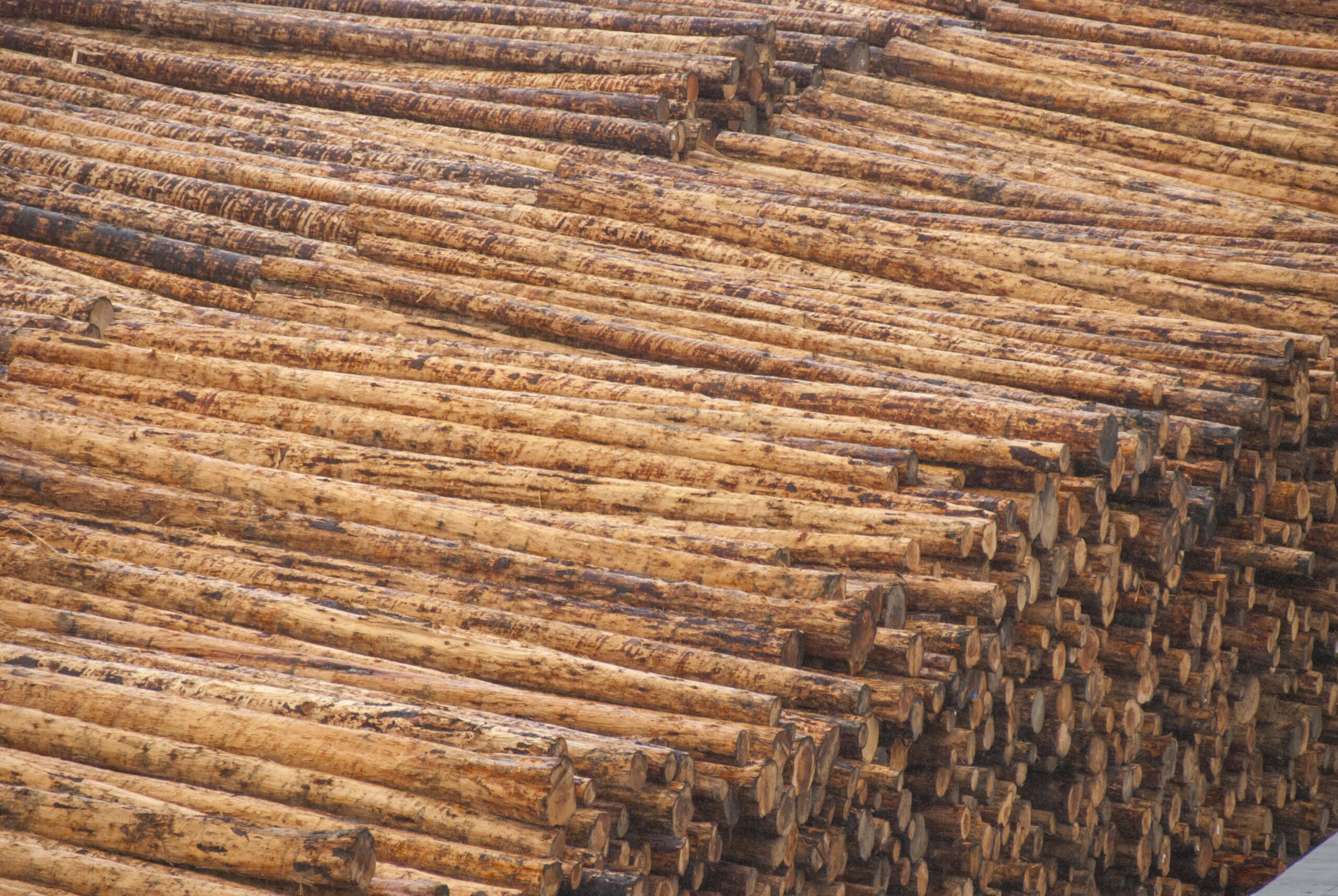 On Oct. 17 … the Flathead National Forest’s district ranger in Swan Lake proposed an emergency logging and thinning project west of Blacktail Mountain called the West Truman Project. The project proposal … was published to the Flathead National Forest’s projects website, signaling a departure from the agency’s usual strategy of notifying members of the public about planning projects by email and issuing press releases. It also came with a caveat: The West Truman Project is being analyzed under the USDA’s newly established Emergency Action Determination and, as such, is exempt from the usual layers of permitting compliance — including public comment. …Keith Hammer, leader of the Swan View Coalition, said he wasn’t surprised to see the Flathead National Forest propose a logging project with the stated purpose of reducing wildfire risk; however, he was surprised by the covert way in which they proposed it.
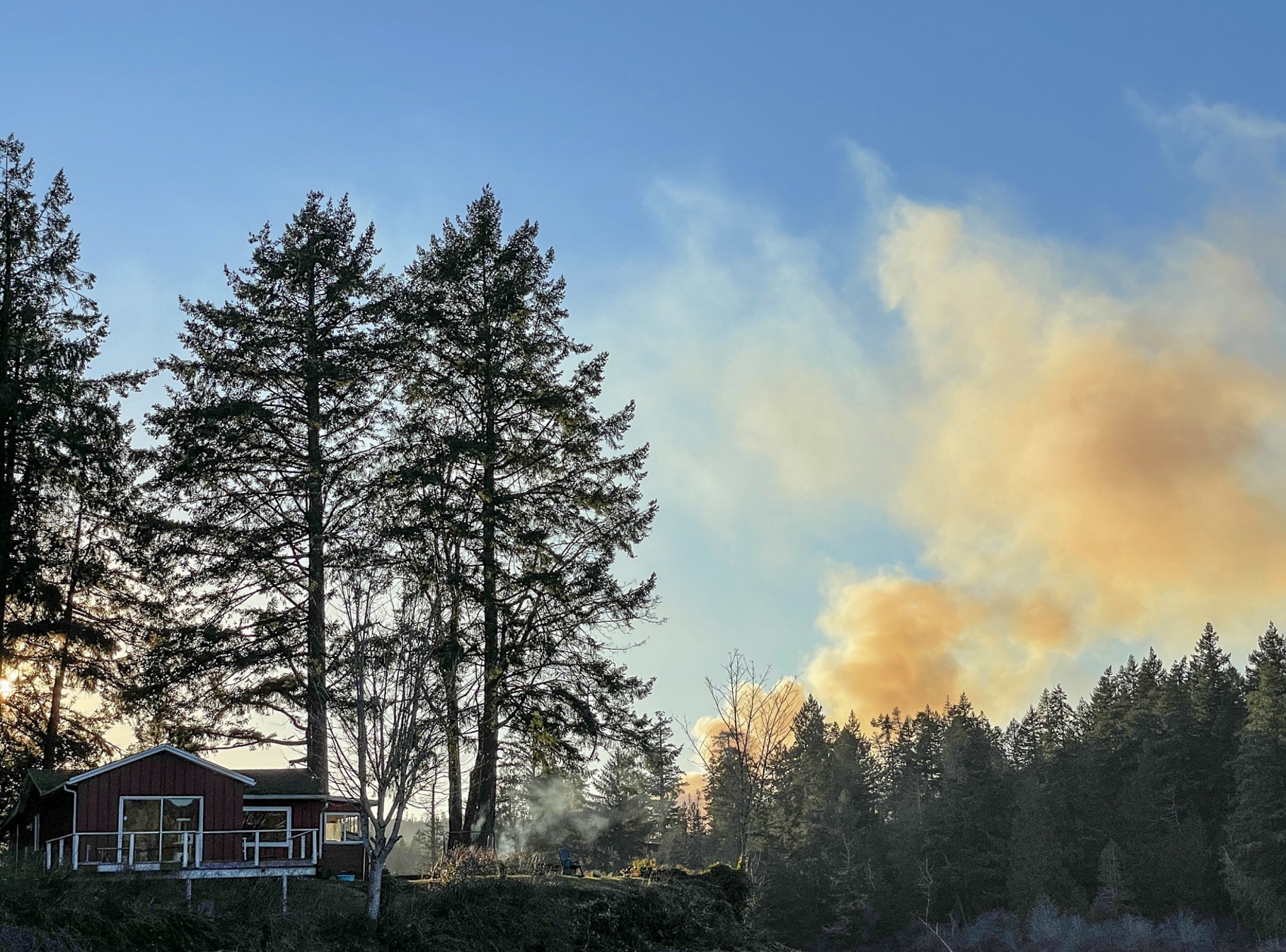 Policies by the Trump administration are putting communities at increased risk for wildfire because federal funding for fuels treatment work is becoming more difficult to obtain. That is the opinion of a group of policymakers and politicians who convened in Bend last week to discuss how best to manage local forests. Bend Mayor Melanie Kebler, Deschutes County Commissioner Phil Chang and State Senator Anthony Broadman — all Democrats — were among those in attendance… Members of the group said there is a lack of clarity over future treatments in the Deschutes National Forest following years of mitigation work that cleared the forest floor of fuels and thinned areas to prevent a fast-moving crown fire. …Chang said he is especially concerned with the Trump administration’s Fix our Forest Act … The bill relies mostly on logging and cattle grazing to clear fuels that cause catastrophic wildfire, but funding for prescribed burning isn’t part of the legislation.
  Rising wildfire risk in the Pacific Northwest combined with volatile timber pricing may lower forestland values by as much as 50% and persuade property owners to harvest Douglas fir trees much earlier than planned, according to a new analysis. The optimal age to harvest Douglas fir trees — absent fire risk — would be 65 years. The study, from Oregon State University researchers, suggests that harvesting trees at 24 years would make the most economic sense under the worst-case scenarios. “Basically, under high wildfire risk that rises with stand age, every year you wait to harvest you’re rolling the dice,” said Mindy Crandall, an associate professor in the OSU College of Forestry. Co-author Andres Susaeta, an OSU forestry assistant professor, said the study was a simulation, but researchers are confident in the direction of results. Susaeta said earlier harvesting reduces both long-term timber revenue and impacts wood quality.
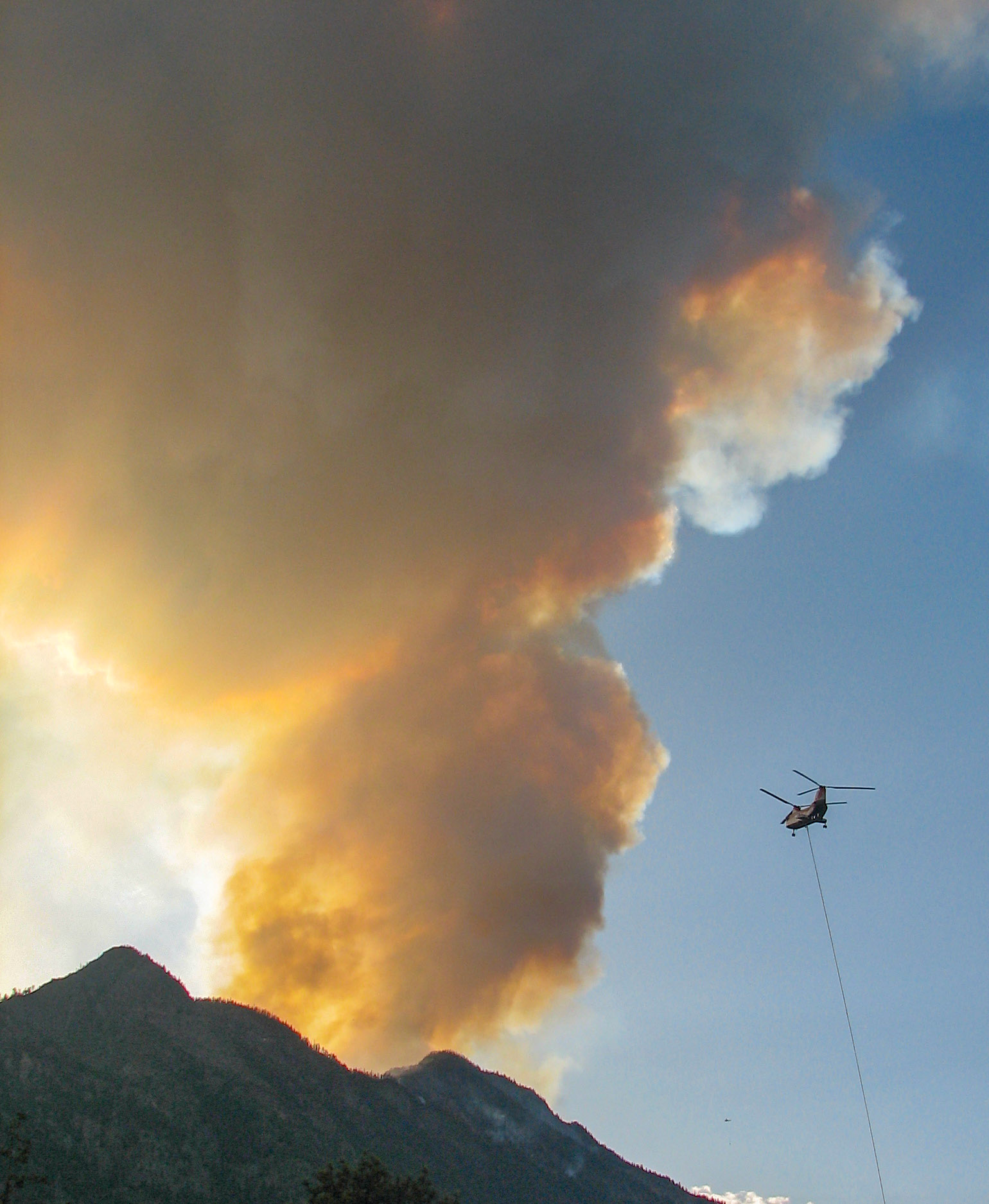 Albuquerque, NM — A new report by Grassroots Wildland Firefighters reveals a troubling decline in wildfire prevention work across the nation. According to the report, hazardous fuel reduction efforts on U.S. Forest Service land are down 38% since January 2025 compared to recent years, following significant federal budget cuts to staffing and resources. Hazardous fuel treatments are critical in preventing catastrophic wildfires. These projects include thinning overgrown forests, clearing brush, and conducting prescribed burns to reduce the vegetation that feeds wildfires. The group’s findings directly contradict recent public assurances from administration officials that land management agencies remain adequately funded and staffed. …The analysis shows mitigation work has fallen especially low in Idaho and Montana, where fewer than 30% of acres have been treated this year compared to previous averages. …Grassroots Wildland Firefighters warn that unless funding is restored, the nation’s wildfire season will grow increasingly severe and dangerous in the years ahead.
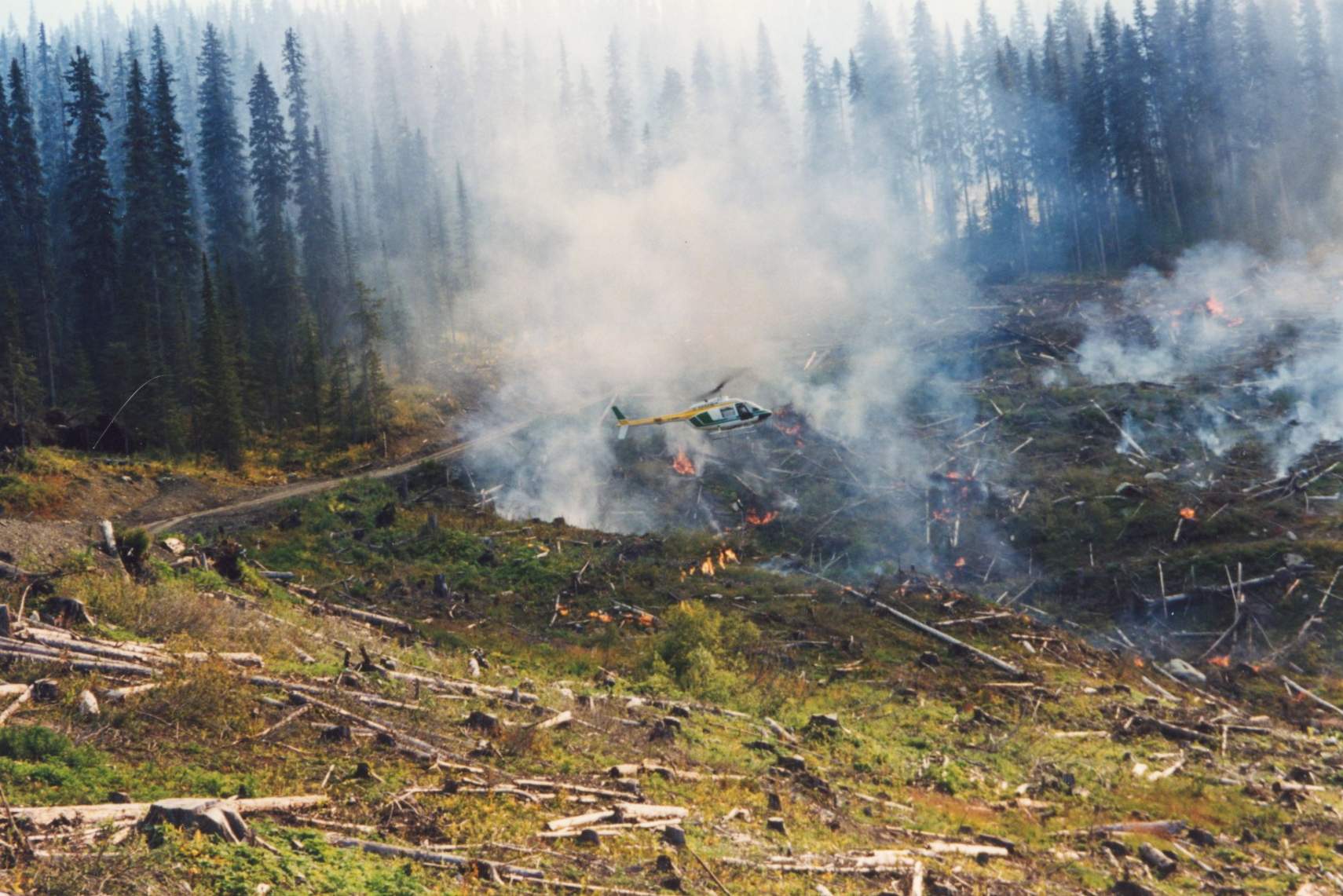 A bipartisan piece of legislation that could have big impacts on the nation’s forest land continues to move quickly through Congress, pushing through a Senate committee last month. The Fix Our Forests Act was introduced in the U.S. Senate in April and co-sponsored by Sen. Tim Sheehy, along with Senators from California, Utah and Colorado. The legislation seeks to promote prescribed burns, expand the state-federal Good Neighbor Authority program, increase collaboration among fire agencies and improve reforestation efforts after fires. It also makes some rule changes that could impact how areas designated as high fire danger are managed and how projects in those areas proceed. …The legislation has received some support from environmental and outdoor advocacy groups… But there has also been some concern with it, namely around how it could change the process of forest projects, especially those in a declared “emergency fireshed management” area.
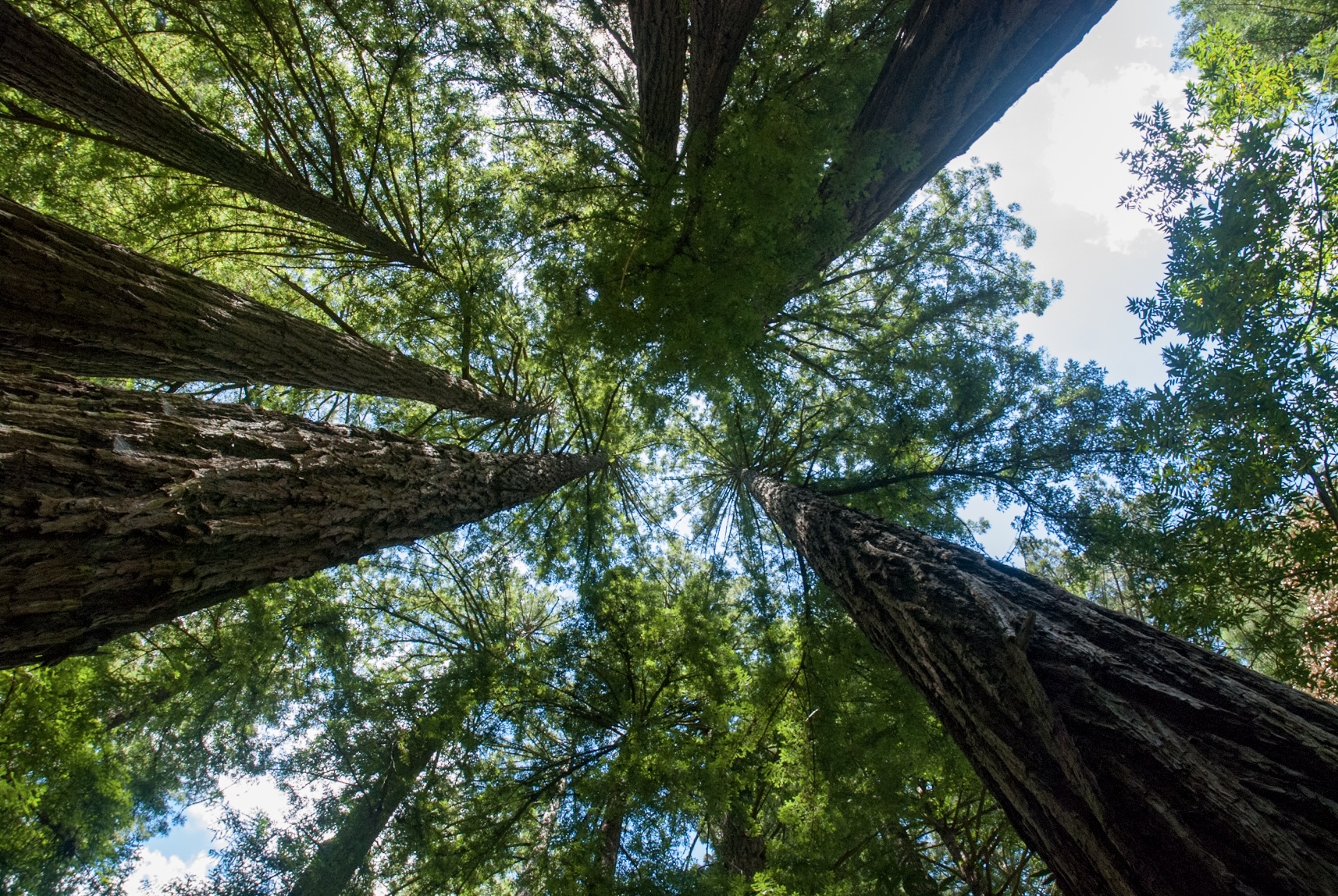 Cal Poly Humboldt study in partnership with Save the Redwoods League reveals how second-growth forests respond to modern wildfires and what managers can do to protect them. California’s coast redwoods have stood for centuries, weathering a changing climate, logging, and time itself. But in an era of hotter, more frequent wildfires, their future resilience depends on how we care for them, according to new research published in Forest Ecology and Management. The study sought to understand the effects of wildfire on coast redwoods—the tallest trees in the world. Results revealed that redwoods in second-growth forests largely survived extreme wildfires in 2020 and quickly resprouted from their trunks and bases. Researchers also discovered that forest structure—how dense the trees are and which species are present—strongly influences fire severity, highlighting the importance of management efforts such as thinning, reducing fuel loads, and encouraging fire-resistant species.
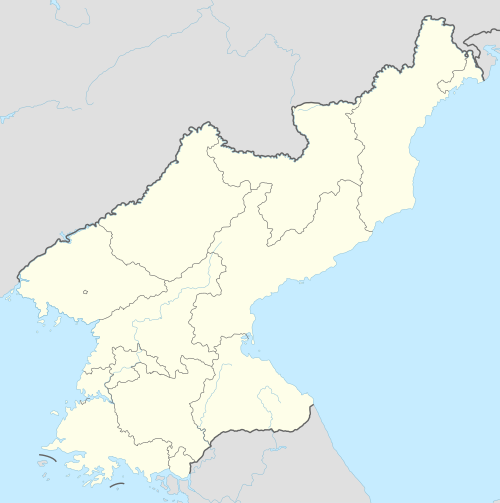
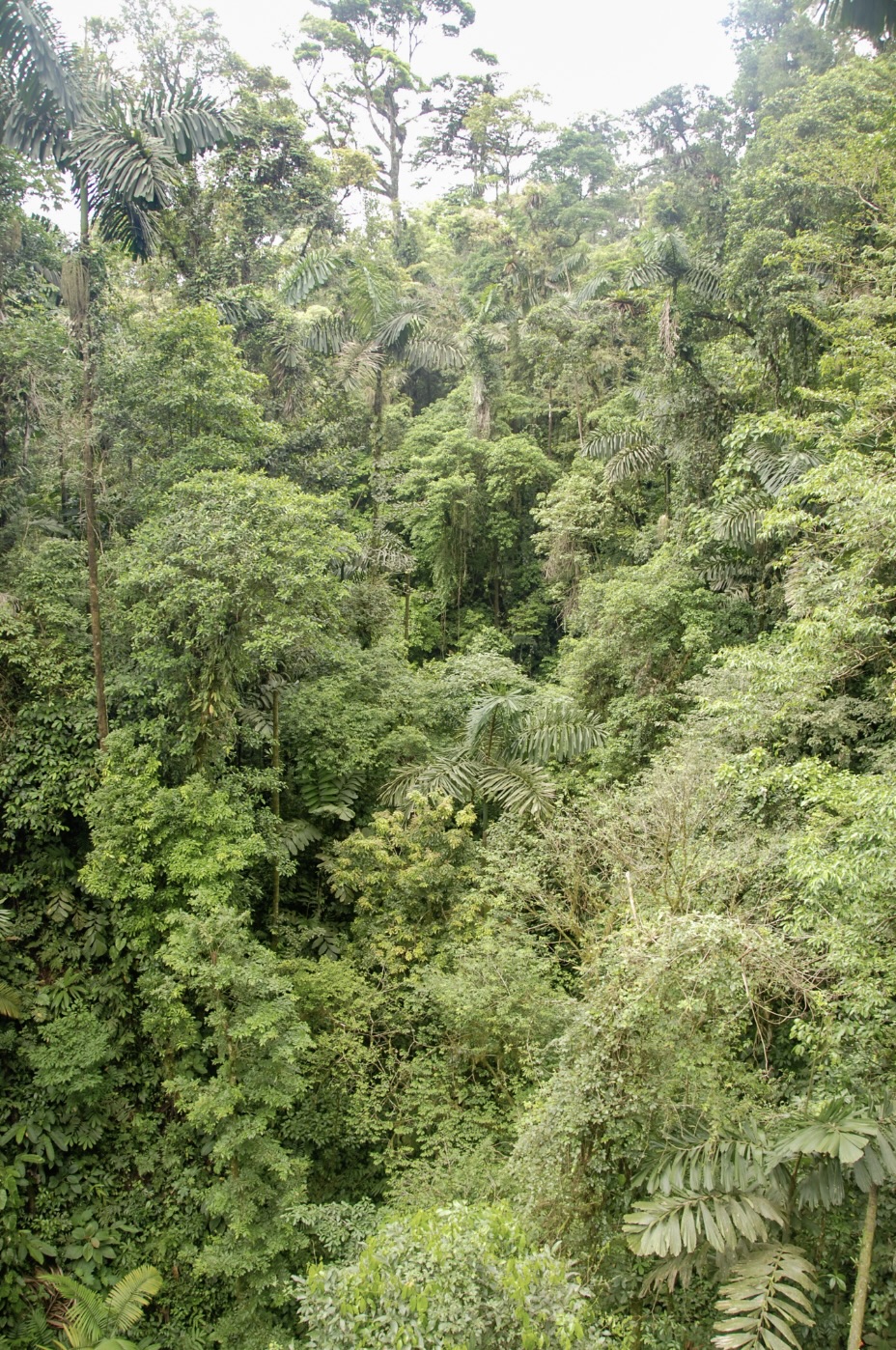 By 2015, the dense 1,385 hectares Kandowa Forest once filled acacia and mahogany … had vanished entirely. The disappearance of forests like Kandowa reflects a broader environmental catastrophe unfolding across South Darfur, where more than 70 percent of tree cover has been lost over the past decade… The violence that erupted between Sudan’s army and the Rapid Support Forces in April 2023 has only accelerated the destruction, pushing desperate families deeper into what remains of the forests. With gas supplies cut off and charcoal prices soaring fivefold, survival itself now depends on felling trees. …Salim outlined a more comprehensive approach: making alternative energy sources like gas and solar power affordable, launching large-scale reforestation…, and enforcing stronger laws to combat illegal logging and timber smuggling. …”If people have no peace, no jobs, no energy, they will keep cutting trees,” said Khaldi Fathi Salim, with South Darfur’s Ministry of Agriculture.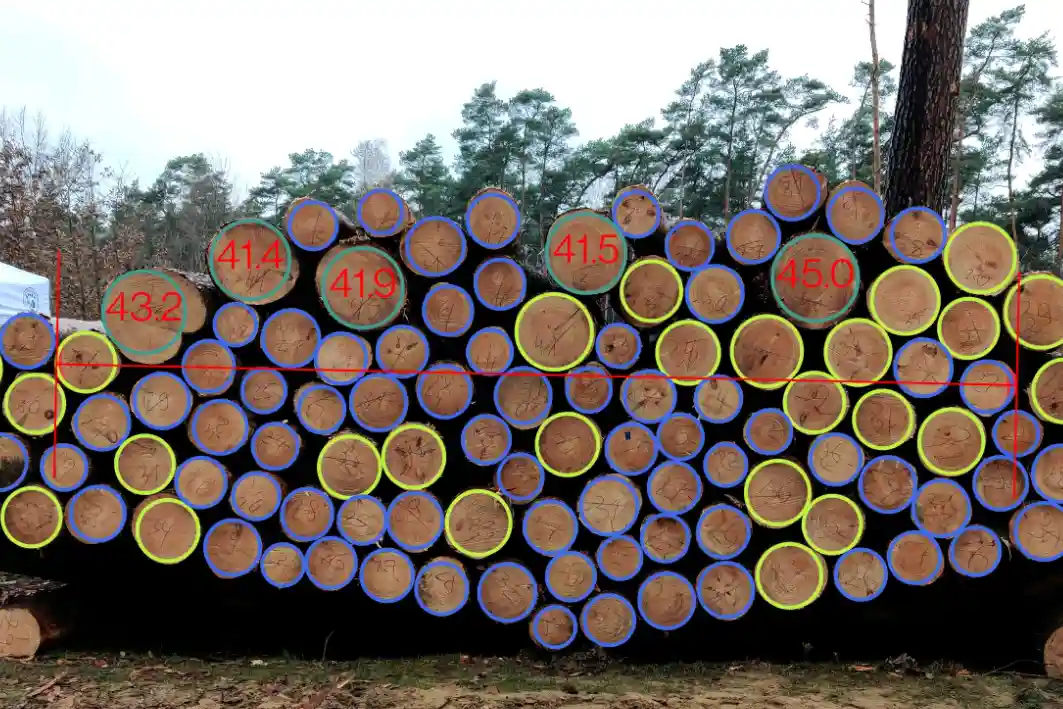

 The Ministry of Family and Social Services and the Ministry of Agriculture and Forestry have launched the “Every Family One Sapling Our Green Homeland” campaign, a joint initiative that plants a sapling in the name of every newborn baby and newlywed couple across Türkiye. The project aims to support environmental sustainability while promoting demographic growth and family values. Announced within the framework of the “November 11 National Forestation Day,” declared by President Recep Tayyip Erdoğan, the campaign reflects Türkiye’s commitment to both population development and ecological preservation. The initiative is designed to strengthen the country’s ongoing “Green Homeland Mobilization” by encouraging citizens to contribute to afforestation efforts starting from birth or marriage. As part of the campaign’s official launch, Family and Social Services Minister Mahinur Özdemir Göktaş and Agriculture and Forestry Minister Ibrahim Yumaklı visited Ankara Bilkent City Hospital to meet with newborn babies and their families.
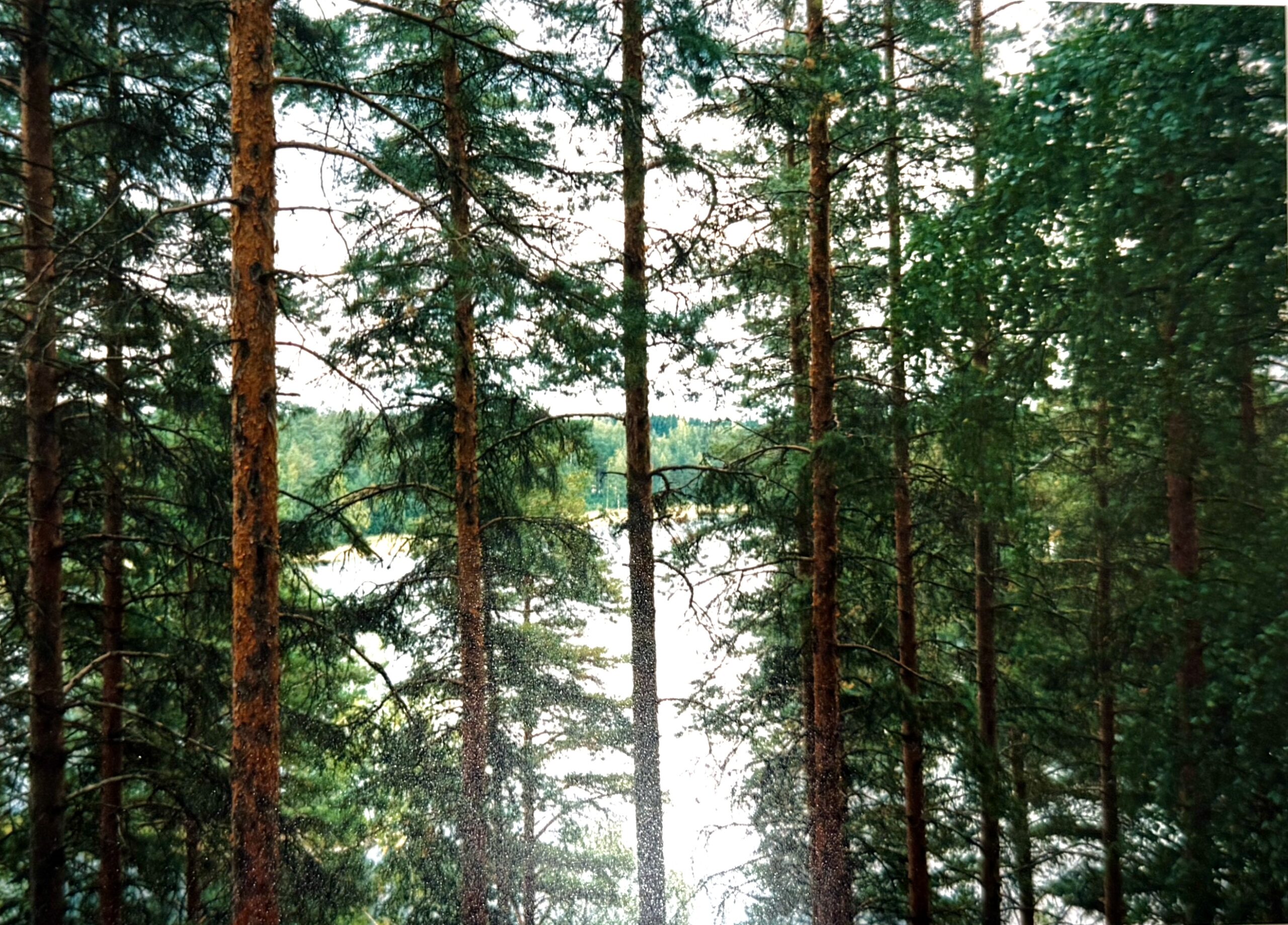 Sweden is one of the world’s largest exporters of forest-based products… Decisions made in Sweden about how forests are managed ripple outward far beyond the kingdom’s borders. That is why the Swedish government’s recent forestry inquiry should matter not just to those living in Sweden, but to anyone concerned about the global climate crisis. The inquiry’s central message is clear: increase forest growth, harvest more biomass, and thereby contribute to the green transition. This might sound promising. More trees mean more carbon absorbed, more wood products to replace unsustainable products. But the plan overlooks the most important part of the forest: the soil. …The government’s proposal even encourages fertilization with nitrogen to speed up tree growth. This can work in the short term, but after a decade, the effect largely disappears. …If Sweden does not get this right, what happens in Sweden’s forests will not stay in Sweden’s forests.

 BELÉM, Brazil
 WASHINGTON – The U.S. Department of Agriculture directed its staff to identify grants for possible termination in the early months of the second Trump administration by searching for more than two dozen specific words and phrases related to diversity and climate change, according to documents seen by Reuters. The effort was undertaken as part of a broad campaign across federal agencies to comply with President Donald Trump’s directives to end diversity, equity and inclusion efforts and climate regulation in the federal government. Trump … has called climate change a “con job.” The documents, obtained by legal advocacy group FarmSTAND … show the breadth of that effort… The topics and terms included “climate modeling,” “climate and emission analysis,” …”carbon pricing and market mechanics,” “renewable energy modernization that does not directly benefit farmers,” “climate adaption (sic) and resilience planning” and “biodiversity and ecosystem resilience related to climate change”.
 Each year, the BC Forest Safety Council honours individuals who go above and beyond to make forestry safer for everyone. Since 2008, the Leadership in Safety Awards have recognised outstanding contributions in three key areas: harvesting, manufacturing and lifetime achievement. These awards honour people who lead by example—those who bring fresh ideas, foster a strong safety culture and consistently put the well-being of others first. …Congratulations to all of this year’s award recipients! Your leadership, care and commitment continue to make BC’s forestry industry safer and stronger. Nominations for the 2026 Leadership in Safety Awards open on January 12, 2026.
 Smoke from wildfires causes a cascade of changes in the proteins in the blood of firefighters, according to a groundbreaking study by researchers from the University of Arizona School of Public Health. The researchers found 60 different changes in blood proteins in samples taken from 42 firefighters who battled the Los Angeles wildfires that charred 23,000 acres and forced 10,000 people to flee their homes. Those changes in serum proteome are associated with a potential increased risk of cancer, abnormal cell growth, immune system dysfunction and inflammatory response. …The findings are the latest to highlight the health risks facing wildland firefighters, who for decades have actually been barred from wearing protective masks on the fire lines for fear it would limit their work and lead to overheating. The Forest Service recently shifted its policy to allow firefighters to wear masks if they choose.