 The Softwood Lumber Board and USDA drive a mass timber revolution in sustainable school design. In related news: Kalesnikoff Mass Timber wins gold for Oceanfront Squamish, BC building; and Lyocell cellulose fibre trumps cotton for sustainability. In Business news: the US Senate votes—symbolically—to nullify tariffs on Canada; more background and fallout from Trump’s decision to halt trade discussions due to the Reagan ad; and Vancouver Island’s economic report is called a warning. Meanwhile: Acadian Timber reports Q3 earnings; Domtar celebrates one-year under united brand; and BCIT launches programs to support workforce development.
In Forestry news: WWF Canada creates a fund to accelerate nature restoration; a First Nation files lawsuit for land title in western Quebec; Tribal leaders applaud the US Senate’s move on barred owl management; Washington’s Farm Forestry Association rejects new forestry rule; and Arizona says biomass power is needed to support forest thinning efforts.
Finally, the Port of Everett restores and reopens historic Weyerhaeuser Building.
Kelly McCloskey, Tree Frog News Editor



 The BCIT School of Construction and the Environment offers two Associate Certificate programs designed to support workforce development in the North American lumber and sawmill sector:





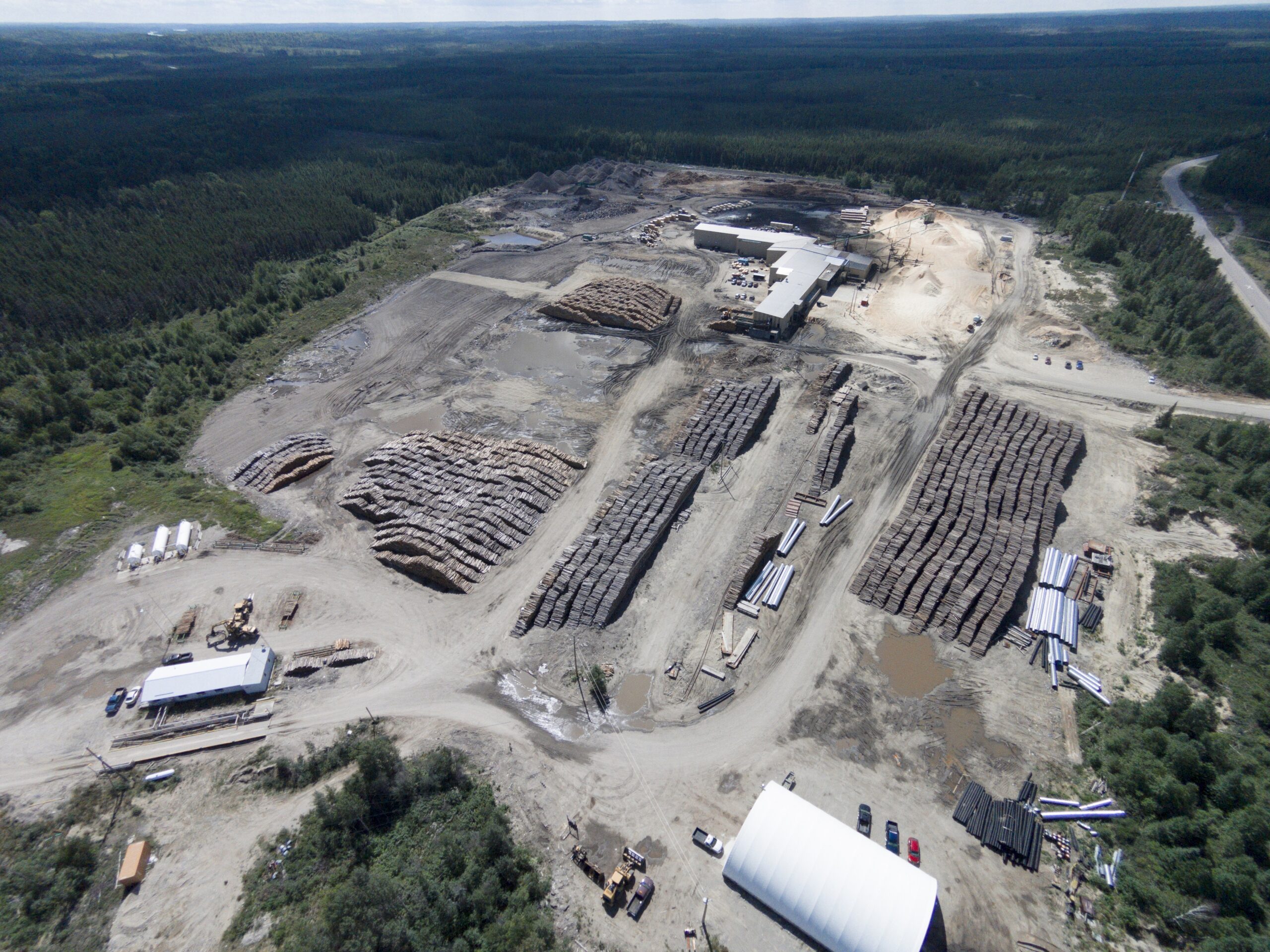
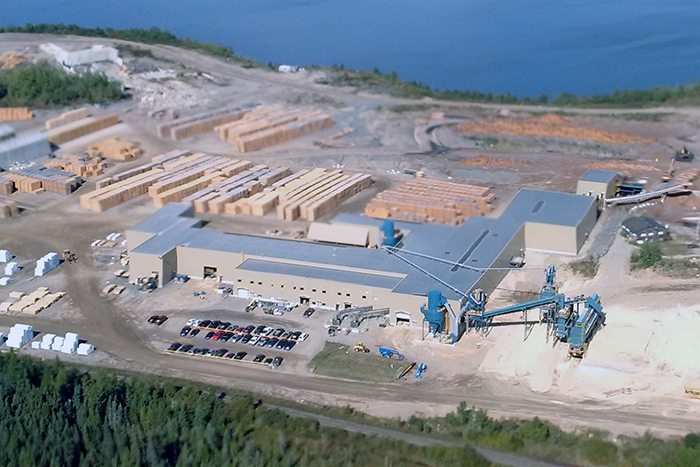

 Kapuskasing Mayor Dave Plourde says after receiving good news on Friday, Kap Paper is slowly getting up and running again. Plourde said the facility was idle for about six weeks after the board ran out of funds to pay employees. Now the community is relieved that the federal and provincial governments have stepped up with close to $29 million to get around 300 people back on the payroll. Plourde said work is underway to plan for the operation’s future. “We started yesterday on the commencement of that,” he said. “It had already been in the works prior to that, but we’re having regular updates and we’re going to make sure that we have something in front of government very soon.” Plourde, who is also chair of the Federation of Northern Ontario Municipalities, said the support is appreciated, but overall, northern Ontario’s forestry sector requires urgent and coordinated action to ensure long-term stability.
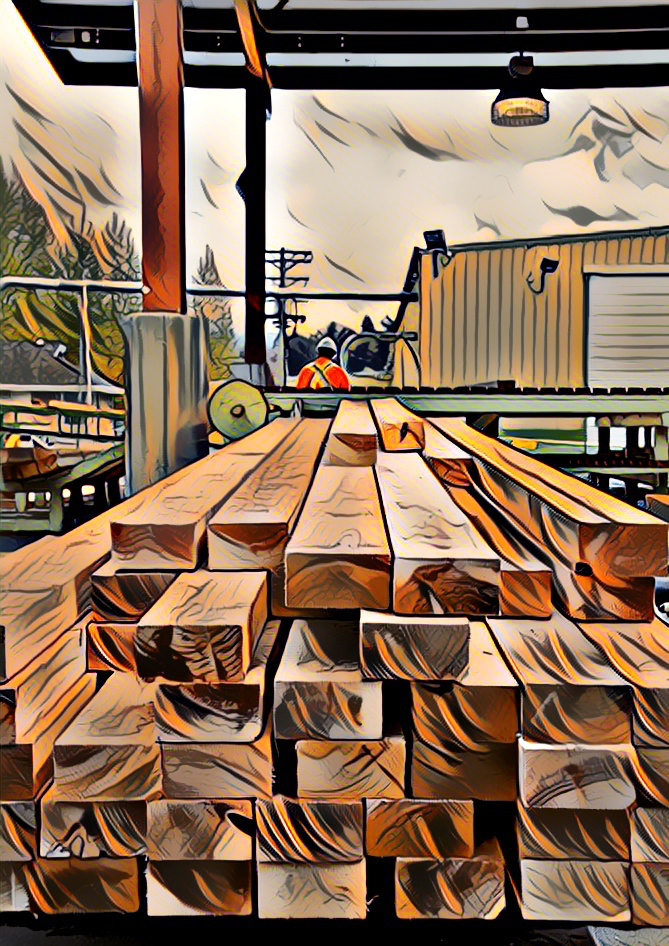 …Arkansas’ forestry industry is feeling the weight of a slowing housing market, a declining demand for many of its products and trade disputes and regulations that have closed off foreign markets. In recent years, several mills in Arkansas have closed — evidence of economic struggles for the industry. In September, Domtar’s sawmill in Glenwood announced a temporary shut down, affecting 150 workers. Shields Wood Products also shut down. Arkansas House Speaker Brian Evans signed on to a letter … calling on Congress to step in and help expand the export market for their states’ foresters. …the Arkansas Economic Development Commission said the state exported $6.45 billion in forestry products in 2023, the largest destinations being Canada, Mexico and Japan. The letter from the state house speakers to Congress makes specific mention of the Chinese market, which cut off the import of logs from the U.S. in March as part of retaliation for American tariffs, Reuters reported. [Access to the full story may require a subscription to the Gazette]
 TILLEDA, Wis. – A groundbreaking moment in Tilleda, with the introduction of the first chip mill in the United States purchased by a logger co-op, marking the start of a new chapter for the industry. “Because it’s the first of its kind in the country there were a lot of hoops that we had to go through first to figure out what it all looked like legally and logistically,” said Dennis Schoeneck, president of Timber Professionals Cooperation Enterprises. Founded five years ago, Timber Professionals Cooperation Enterprises aims to sustain and grow the timber industry. The co-op is made up of loggers and truckers, and it was those groups who helped raise the $418,000 that went towards the purchase of the mill. They don’t want to stop here, the co-op has big plans for the future.










 Forest Products Association of Canada (FPAC) President and CEO Derek Nighbor released the following statement following yesterday’s EU Commission proposal related to the implementation of the EU Deforestation-free Product Regulation (EUDR). “This proposal does not address real concerns with an EU Information Technology (IT) system that is still not fit for purpose and does not address concerns raised by micro- and small businesses part of the integrated supply chain for larger organizations. “We would like to see practical simplification of the EUDR, that appropriately recognizes low-risk third countries such as Canada, as well as EU Member States. We are committed to work quickly with global partners to find an improved proposal, that will both meet the intent of the Regulation, while also enabling strong and vibrant trading relationships, as committed to in the June 2025 strategic partnership between the European Union and Canada.

 NASHVILLE, Tenn.– LP Building Solutions (LP) announced the continuation of its partnership with the [US based] Forest Workforce Training Institute’s ForestryWorks® program and a new collaboration with the [British Columbia, Canada] First Nations Forestry Council. Both initiatives aim to develop the next generation of forestry professionals and advance sustainable forest management across North America. …“Programs like ForestryWorks and First Nations Forestry Council help ensure forests remain healthy and productive while supporting the future of sustainable forestry,” said LP Chair and CEO Brad Southern. “By investing in tomorrow’s workforce, we’re also investing in the continued success of renewable, high-performance building solutions.” …“We’re pleased to welcome LP Building Solutions as a program partner in advancing Indigenous participation in forestry through the Indigenous Forestry Scholarship Program,” said BC First Nations Forestry Council CEO Lennard (Suxʷsxʷwels) Joe.
  In response to the article, “
 The Province is making 187 amendments to 38 regulations across 10 ministries to reduce red tape, improve permitting timelines and make government services more efficient and accessible. This work is part of Better Regulations for British Columbians (BR4BC) amendment package… This year’s focus is on expediting permitting and approval timelines for people and businesses in British Columbia. By streamlining approval processes, such as removing construction permit requirements for very small private water systems, simplifying the level of authority needed for special-use forestry permits, and eliminating outdated provisions related to soil relocation and open burning activities, the Province is making it easier to do business in B.C.
 The TLA commends the Provincial Forest Advisory Council (PFAC) for its ongoing work to develop a long-term vision for BC’s forest sector, and
 Backgrounder: On October 24, 2025, the Honourable Rebecca Chartrand, Minister of Northern and Arctic Affairs, on behalf of the Honourable Tim Hodgson, Minister of Energy and Natural Resources,


 VANCOUVER, BC – NorthX Climate Tech (NorthX), a BC-based innovation catalyst backing the builders of Canadian climate hard tech, today launched a funding opportunity for Canadian wildfire technologies. Through the 2025 Wildfire Tech Call for Innovation, NorthX will provide up to $3 million in non-dilutive investments to Canadian companies developing advanced technologies that prevent mega wildfires, enhance firefighting response, and support faster recovery. “With each passing year, wildfires are posing an ever-growing threat to communities across Canada,” said Sarah Goodman, President & CEO of NorthX. “In response, NorthX led the way with Canada’s first wildfire innovation call in 2024. This new round builds on that success, backing Canadian innovators developing the tools to fight fires, cut emissions, and protect lives.” …Founded in 2021 with an initial investment from the Government of Canada, the BC Government, and Shell Canada, NorthX Climate Tech (NorthX) is a catalyst for climate action…
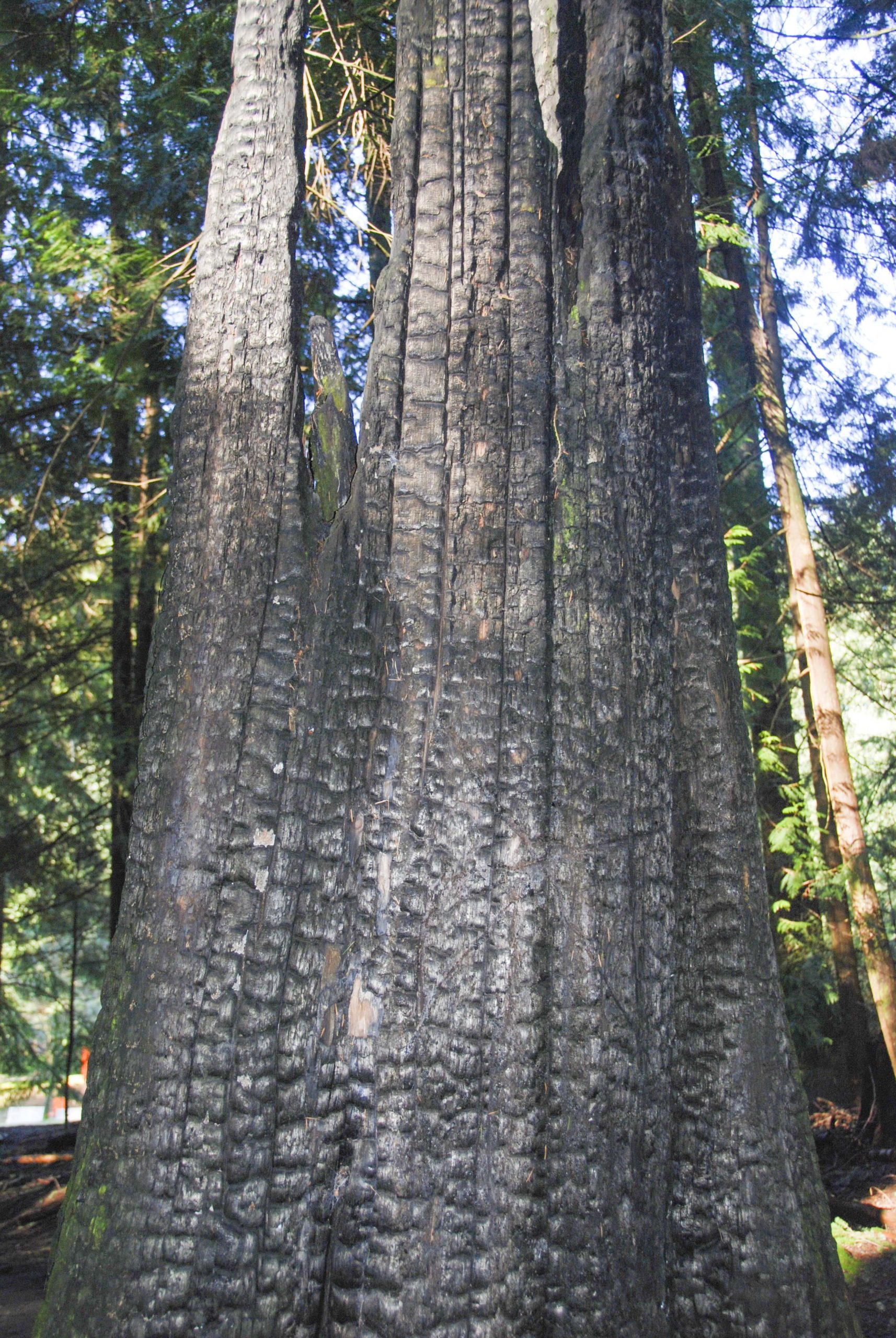 Two new reports on the July 2024 devastating wildfire in Jasper, Alta., confirm the blaze was caused by lightning and accelerated by “tornado-force fire-generated” winds and dry conditions. The fire — three separate blazes that merged into one — destroyed a third of the community’s structures. It forced 25,000 residents and displaced an estimated 2,000 people. The reports, commissioned by Parks Canada, say efforts to reduce fuel for wildfires, including prescribed burns, helped mitigate the blaze. But one of the reports, which looks at how the fire formed and developed, says more burns and other attempts to reduce fuel would have been beneficial, since the fire began in an area south of town that had not burned or been treated in over a century. …The reports come after the town published its own fire report earlier this year, leading to controversy with the province as it said Premier Danielle Smith’s government caused command challenges in the fire response.



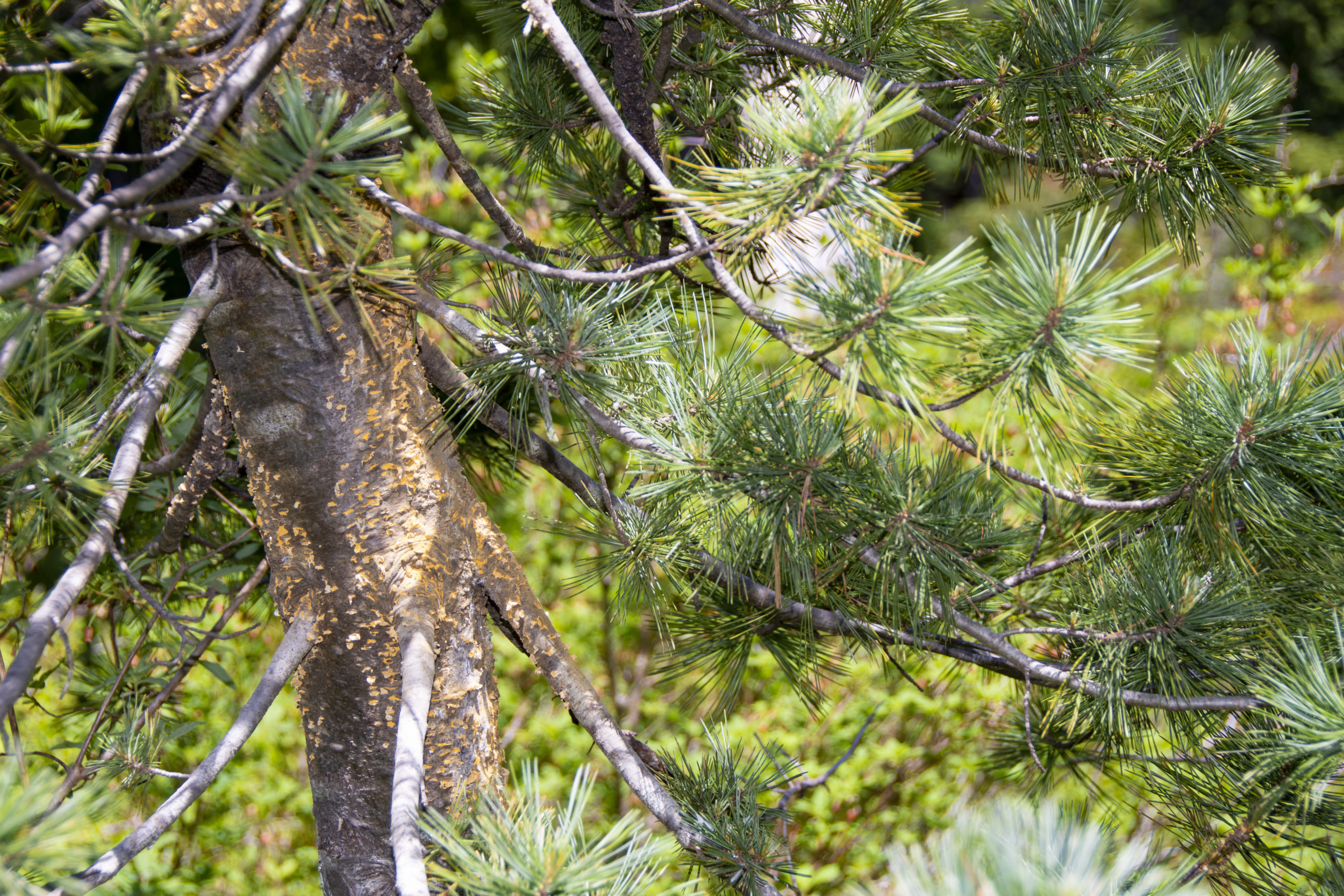 Ecological stoichiometry can help clarify how symbionts and other co-occurring organisms mediate nutrient deficiencies for hosts. We used ecological stoichiometry (comparisons of elemental compositions in food vs consumer) to investigate whether obligate mutualist fungi (Grosmannia clavigera, Ophiostoma montium) of the tree-killing bark beetle Dendroctonus ponderosae (mountain pine beetle) and the invasive tree pathogenic fungus, Cronartium ribicola (causal agent of the disease white pine blister rust) influenced availability of carbon, nitrogen, and phosphorus to the beetle in Pinus albicaulis (whitebark pine), as well as how these elements varied among three populations of the tree.
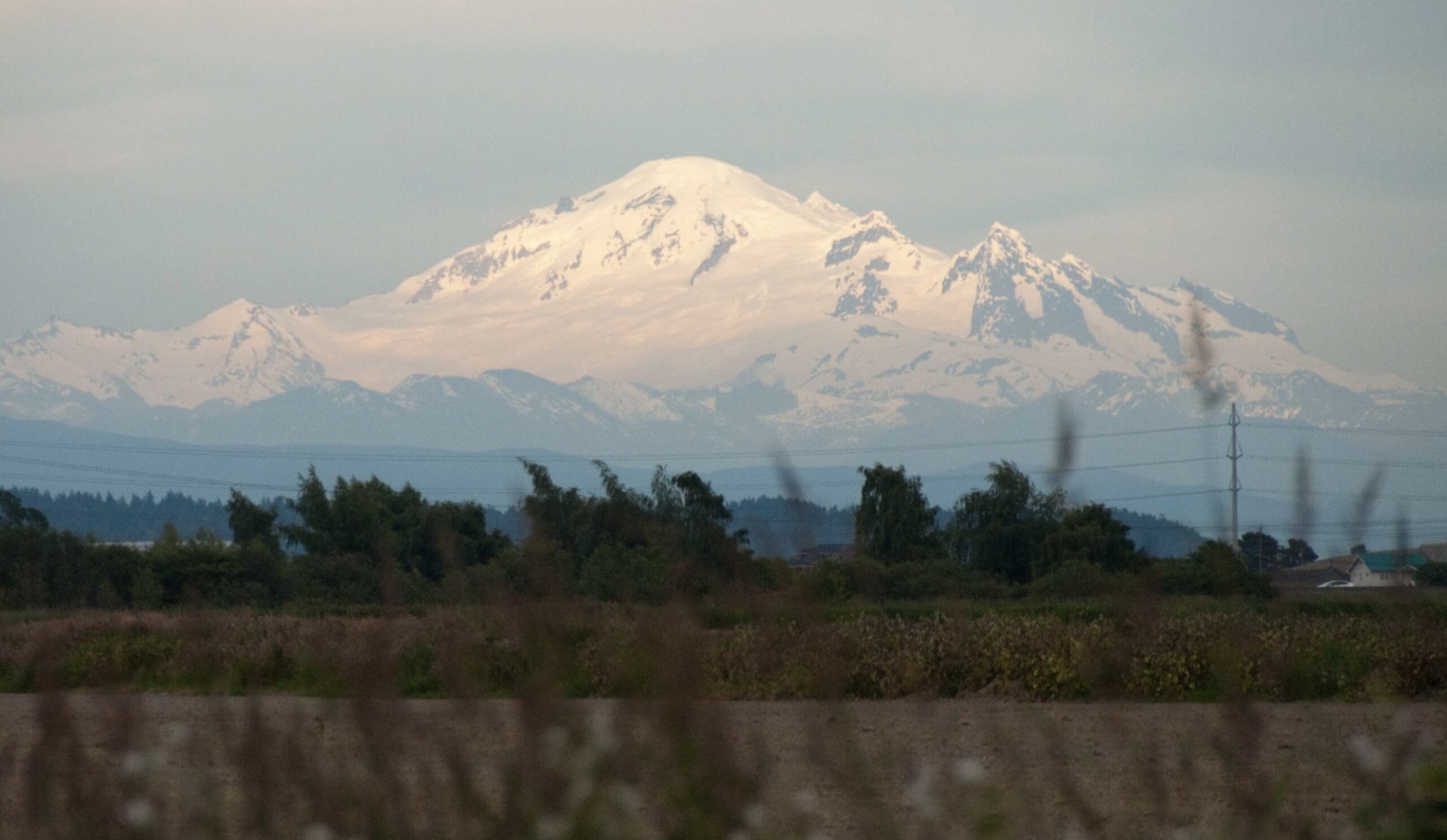 Washington’s lands commissioner, Dave Upthegrove, is on a mission to secure $60 million of additional wildfire funding in next year’s legislative session, despite a tightening budget outlook. On Monday, he and a leading Democratic House lawmaker indicated that they want to tap revenue from the state’s cap-and-trade program for at least some of that money. The maneuver would mean turning to a steady-flowing stream of cash at a time when the state’s operating budget is squeezed. “Climate Commitment Act dollars are going to be on the table,” said state Rep. Larry Springer, D-Kirkland, who is deputy House majority leader. Lawmakers this year already started dedicating some of the climate dollars to the wildfire programs in question. At issue is funding provided under a 2021 law known as House Bill 1168, which passed with broad bipartisan support. With that legislation, lawmakers committed to direct $500 million over eight years to wildfire programs.
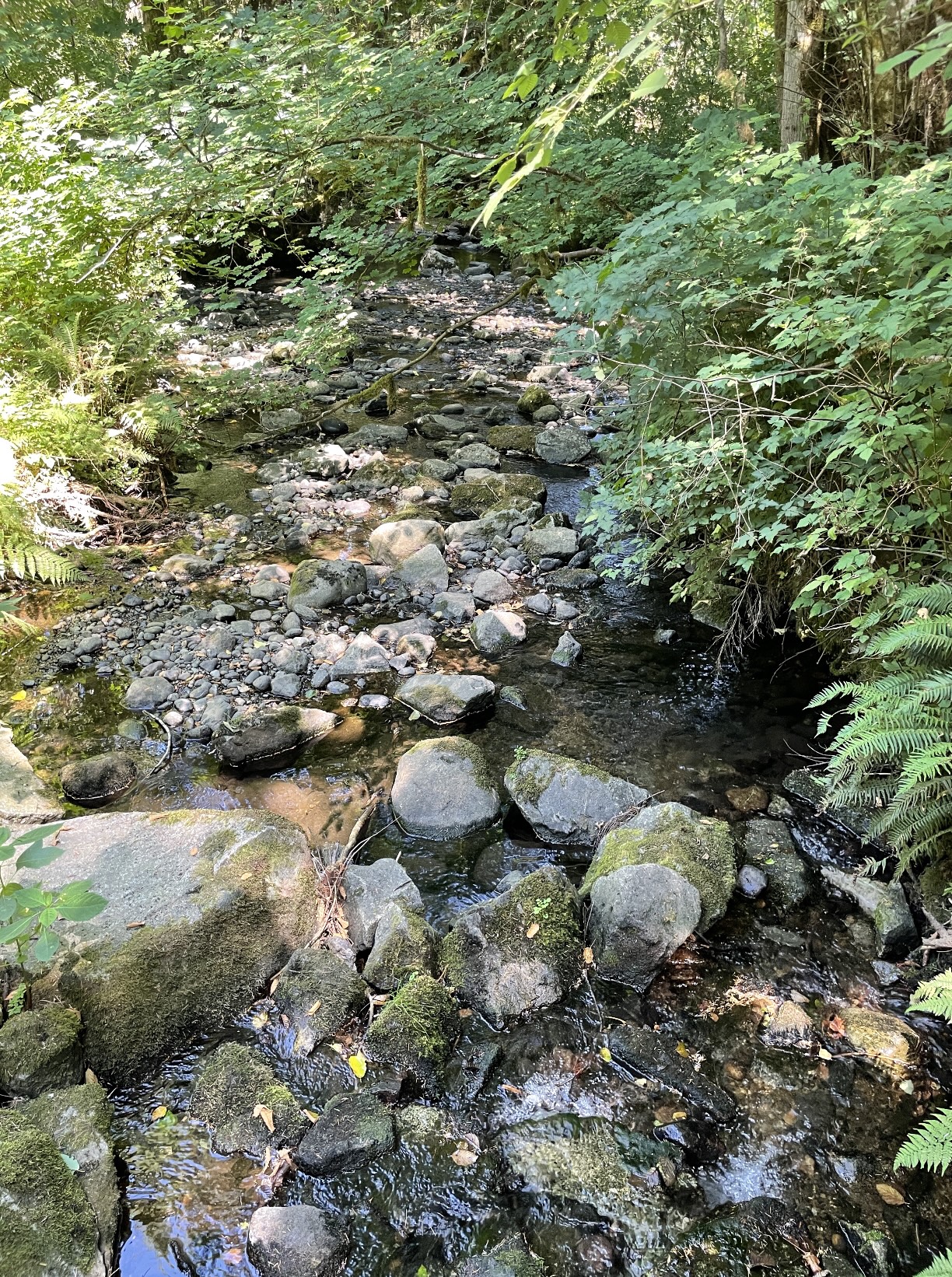 SOUTH BEND, Washington — Pacific County Commissioners Jerry Doyle, Lisa Olsen and David Tobin sent a scathing letter on Oct. 20 to the Washington Forest Practices Board (FPB) regarding a proposed increase in timber-harvest buffer zones along streams. Rural counties and forestry groups are mounting a vigorous push against bigger setbacks away from small non-salmon-bearing streams, arguing that over the course of time the loss of timber acreage will add up to billions in lost local economic activity and millions less taxes that currently support government services. Washington state established the Forest Practices Act and the FPB in 1974. It is tasked with establishing laws to “protect salmon, clean water, and the working forest economy.”
 A Montana logging project in grizzly habitat in the Kootenai National Forest will remain on hold until federal officials reassess how road use — particularly illegal road use — impacts the bears, a federal judge ruled on Monday. “This court has repeatedly held that it is arbitrary and capricious to not include illegal motorized use that it knows to occur into calculations, regardless of whether the use is chronic and site specific,” U.S. District Judge Dana Christensen wrote in the 40-page opinion. The Center for Biological Diversity led environmental groups in suing the U.S. Forest Service and U.S. Fish and Wildlife Service in 2022, seeking to block the Knotty Pine Project, and Christensen granted the environmentalists’ motion for a preliminary injunction the following year. …Christensen found the Forest Service violated the National Environmental Policy Act by failing to take a hard look at the impact of unauthorized road use on grizzly bears.
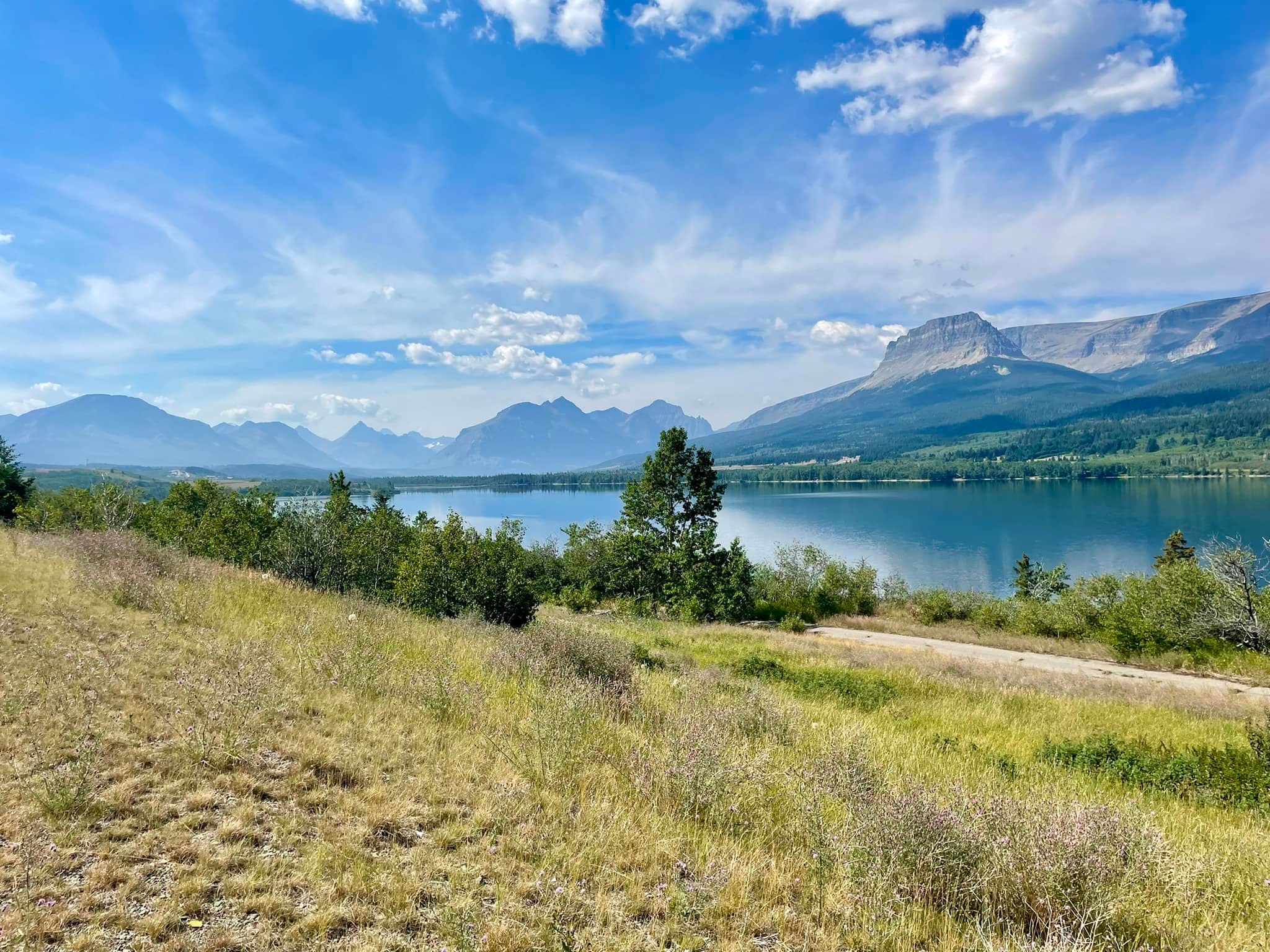 The Fix Our Forests Act passed out of a Senate committee Tuesday, and now heads to a full vote. Some environmental groups are warning that a federal bill intended to prevent major wildfires could effectively increase logging, cattle grazing and mining on federal lands — which make up half of Oregon’s land base. The bipartisan Fix Our Forests Act passed out of the U.S. Senate Agriculture Committee on Tuesday and now heads to the Senate floor for a final vote. It could overhaul how the nation prepares its land for wildfires, while also scaling back environmental oversight of land management projects. The bill has conservationists divided. On one side, some advocates say it would bring long-needed changes by fast-tracking prescribed fires. …On the other side, environmental groups say the bill significantly weakens environmental protections and public oversight.
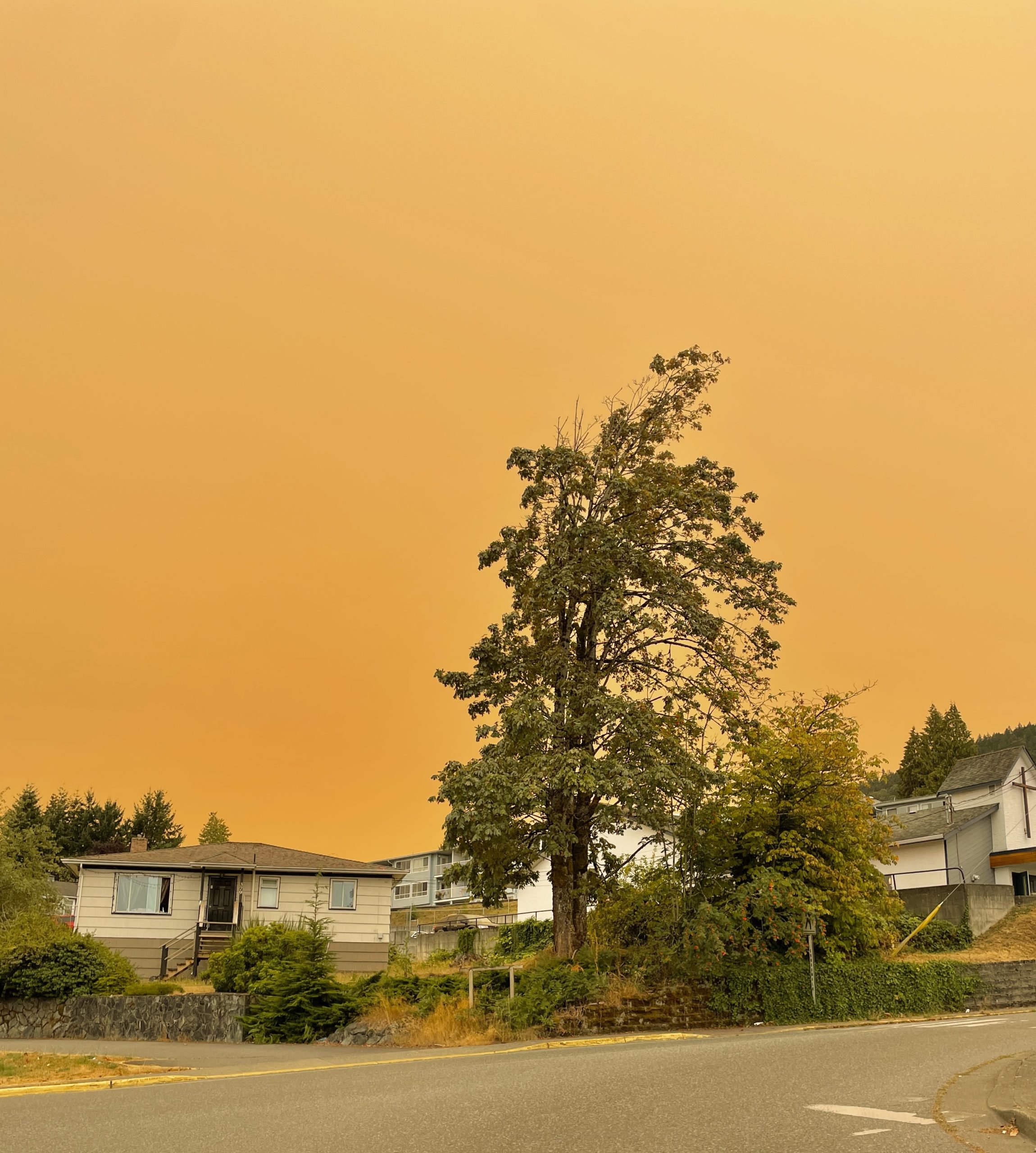 Oregon’s 2025 fire season officially wrapped up Friday with significantly fewer acres burned — and at a lower cost to the state — than in previous years. But fires this year got much closer to communities, burning 200 homes and structures. …And humans caused most of this year’s fires. Oregon experienced more than 1,100 fires from early June to mid-October. They burned roughly 350,000 acres, far less than the 1.9 million acres that burned in 2024. Fires this year also cost the state less to fight. …The U.S. Forest Service has had a target for nearly a century of keeping at least 90% of wildfires from growing larger than 10 acres. But it has come under scrutiny by some indigenous wildfire and ecology experts and scientists, as well as Forest Service scientists. They argue that some wildfires must be allowed to burn more acres to help regenerate plants that support animal habitats, reduce pest infestation and invasive species and keep ecosystems healthy.
 …An ice storm
  Ash trees are an important part of the basket weaving tradition, which has long played a significant cultural, spiritual and practical role in the lives of tribal citizens across the country, including John Daigle, a citizen member of the Penobscot Nation in Maine. But the emergence of the emerald ash borer beetle …has posed challenges for Indigenous basket makers. A grant awarded to Daigle, a professor of forest recreation management at the University of Maine, could help preserve and advance the craft. It’s part of the Indigenous Forest Knowledge Fund, a program run by the Northeastern States Research Cooperative to support projects related to tribal homelands or ancestral territories of the Northern Forest region… Daigle’s project was one of three winners this year. His team will also develop technologies to support the processing and storage of ash splints before widespread ash mortality, which could help sustain basket-making supplies.
 …The World Resources Institute calculates that forests are burning at twice the rate they were two decades ago. In Canada … the frequency and severity of forest fires have quadrupled over the last half century. …the global wildfire defence market is projecting annual growth rates that range from 8.4% to 12.6%, much of it driven by public funding. For example, the United States’ budget for wildland fire management was $1.9 billion in 2025, a 10% increase from the previous year. …On October 22, a consortium of national organizations in Canada published an open letter to the federal government asking for a five-year investment of $4.1 billion in wildfire defence. …Coupled with U.S. auto tariffs, the wildfires prompted South Korea’s government to quickly assemble a US$8.6-billion supplementary budget, of which nearly a billion was earmarked for wildfire recovery. …The bushfire crisis of 2019/2020 in Australia caused AUD$2.4 billion of insured loss. …in 2025, Brazil allocated the equivalent of USD$95 million for firefighting efforts.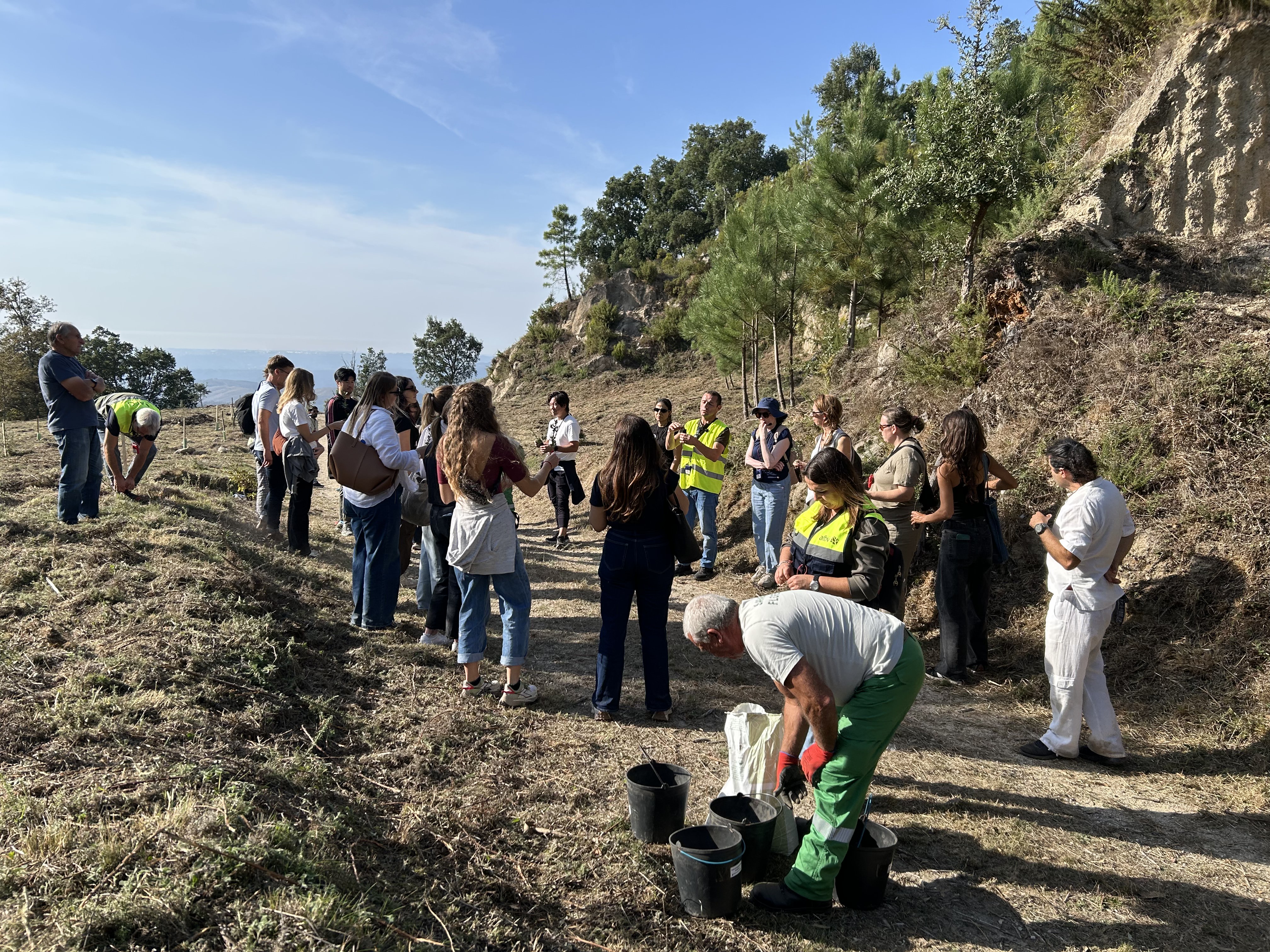
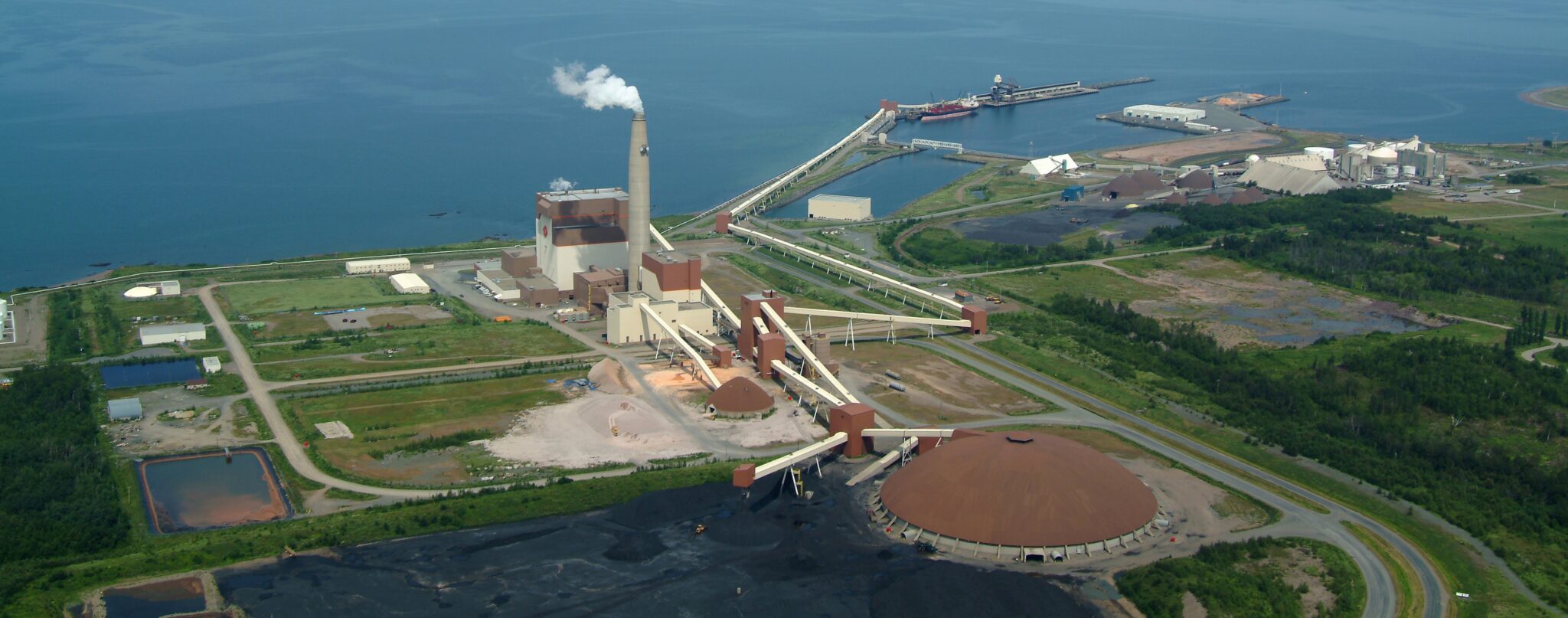

 The Earth’s forests, soil and oceans are reaching their critical limits to naturally store carbon, as decades of climate change take their toll, according to a new analysis. The
  See these stories and more in the October newsletter: As we mark Manufacturing Month and Ergonomics Month, we’re highlighting ways employers can help keep workers safe.
 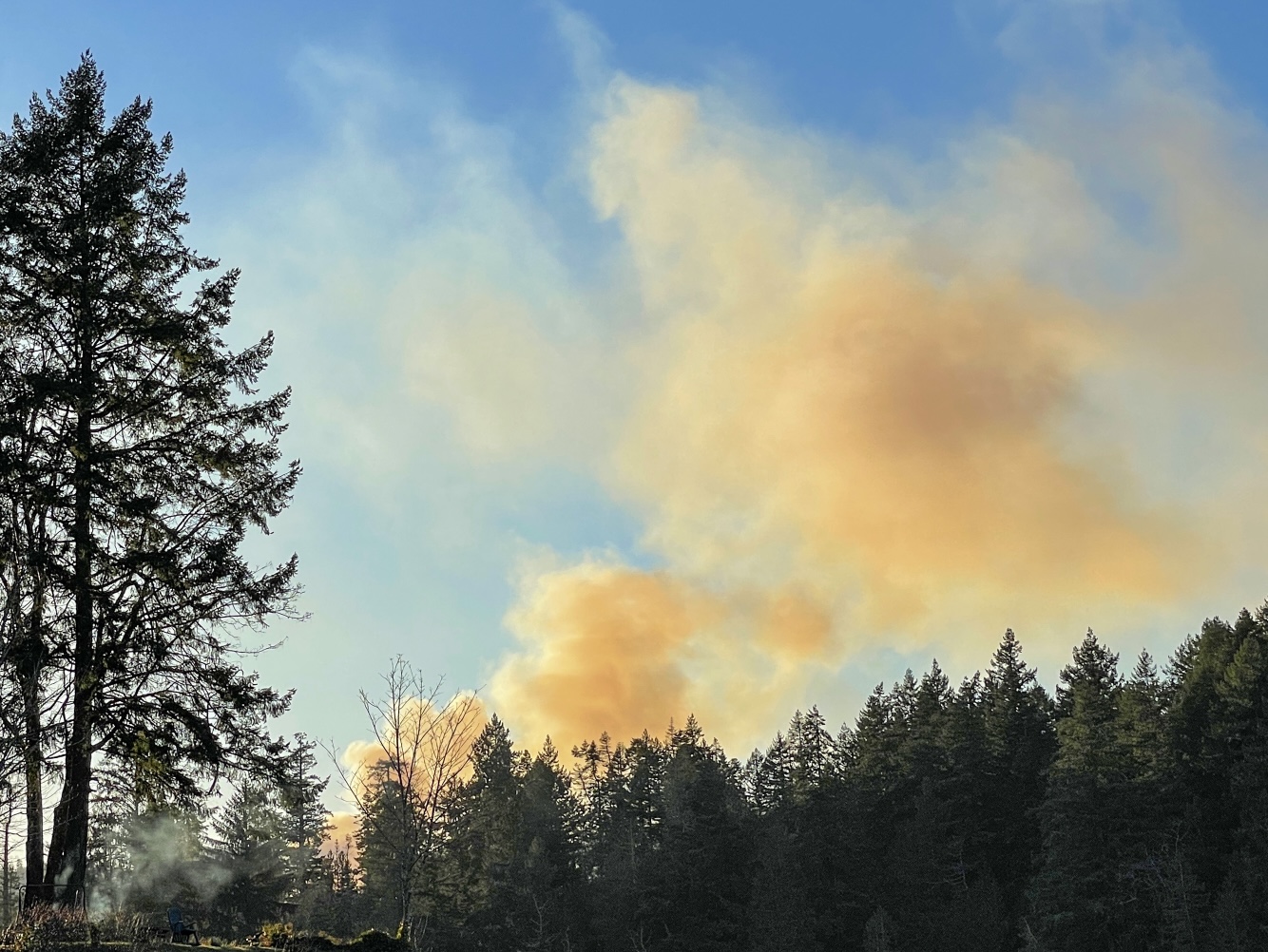 There’s been a cool edge to the air the last week or so. You may have noticed something else in the air, too — smoke. Unfortunately for those with health conditions like respiratory problems and heart disease, and for those who don’t want to develop them, two jurisdictions in the Cowichan Valley still allow at least some backyard burning, and wood burning appliances are still common everywhere in the Cowichan Valley Regional District. The Town of Ladysmith, City of Duncan and Town of Lake Cowichan have completely banned backyard burning. The Municipality of North Cowichan has cut back on what it allows, but there are still large swaths of territory within its boundaries where lighting up a burn pile is still allowed. … Cowichan’s transfer stations accept yard waste free of charge, so people can take their debris there instead of lighting it up. So consider your alternatives, and the people around you before you burn. Smoke travels.
 Quebec’s workers’ safety board (CNESST) concluded that driving a forestry vehicle that had no seat belt or complete door contributed to the death of a worker in Saint-Côme-Linière, in the Chaudière-Appalaches region. The forestry worker died in a workplace accident on Jan. 6 while reversing a vehicle known as a skidder, according to the Commission des normes, de l’équité, de la santé et de la sécurité du travail (CNESST). During the maneuver, the vehicle backed up onto the stump of a felled tree, causing vibrations that ejected the worker from the cab. The man was crushed by the front wheel of the skidder. In its report, the CNESST concluded that “operating a skidder that is not equipped with seat belts or full doors violates section 21 of the Regulation respecting occupational health and safety in forest development work.”
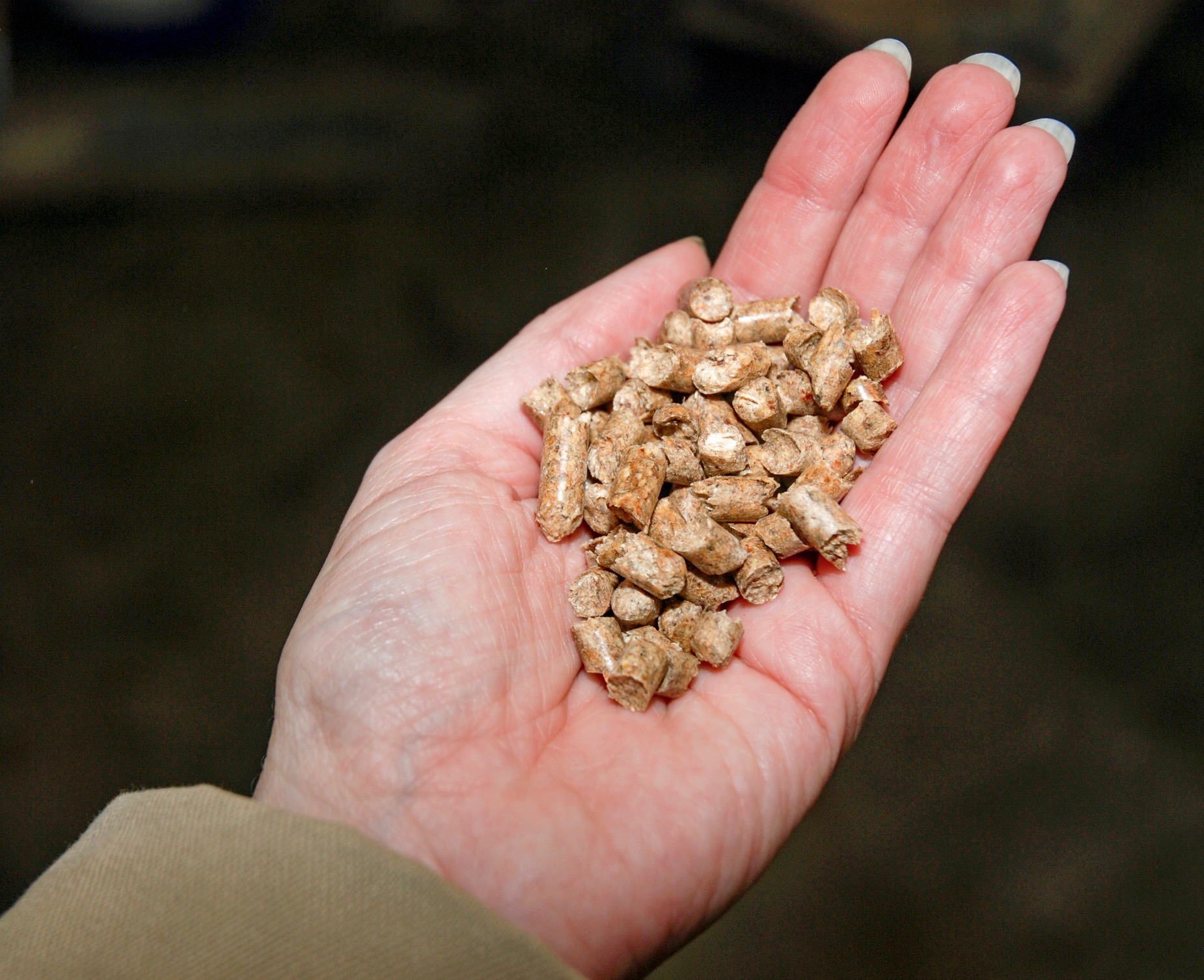 Ten lawsuits have been filed against Drax after diagnoses of asthma allegedly linked to its wood pellet fuel, it has been revealed. Current and former workers at the UK’s largest power station claim they have not been adequately protected against sustained exposure to wood dust, which can cause serious health problems including asthma, dermatitis and nasal cancer. Six compensation claims were settled out of court and four have trial dates in 2026, an investigation by Land and Climate Review found. A class action lawsuit was also filed against the company this month over health concerns in the US, representing 700 people who live near one of Drax’s wood pellet mills in Mississippi. The company is also being investigated by the UK Financial Conduct Authority over “historical statements” made about its wood pellet fuel.
