 The US Fed is still expected to cut interest rates next week despite a jump in inflation. In other Business news: the scope of pollution from Washington’s defunct Cosmopolis pulp mill is unknown; Russia’s Segezha Group cuts 350 jobs at its Novoeniseysk sawmill; and EU wood pellet consumption is set to rebound. Meanwhile: FSC US announced its 2025 Leadership Awards, while SFI Canada highlighted funding for Indigenous-led Climate Smart projects.
In BC Forestry news: more on the Pacheedaht First Nation effort to end the Walbran Valley blockade; Williams Lake is hosting a ‘contemplative forestry‘ workshop; Prince George protesters call for an end to glyphosate spraying; and UBC forestry prof Shannon Hagerman on environmental social science in forestry. Elsewhere: Nova Scotia funds projects to save hemlock trees; Ontario clears storm-felled timber from Samuel de Champlain Park; Coulson says Saskatchewan paid too much for its new firefighting planes; the UK opened a new seed bank; and the US decision to issue smoke masks to firefighters doesn’t apply to arduous work.
Finally: a NASA image of an Idaho’s forest chessboard reflects 19th century forest management.
Kelly McCloskey, Tree Frog News Editor

 WENDAKE, QC

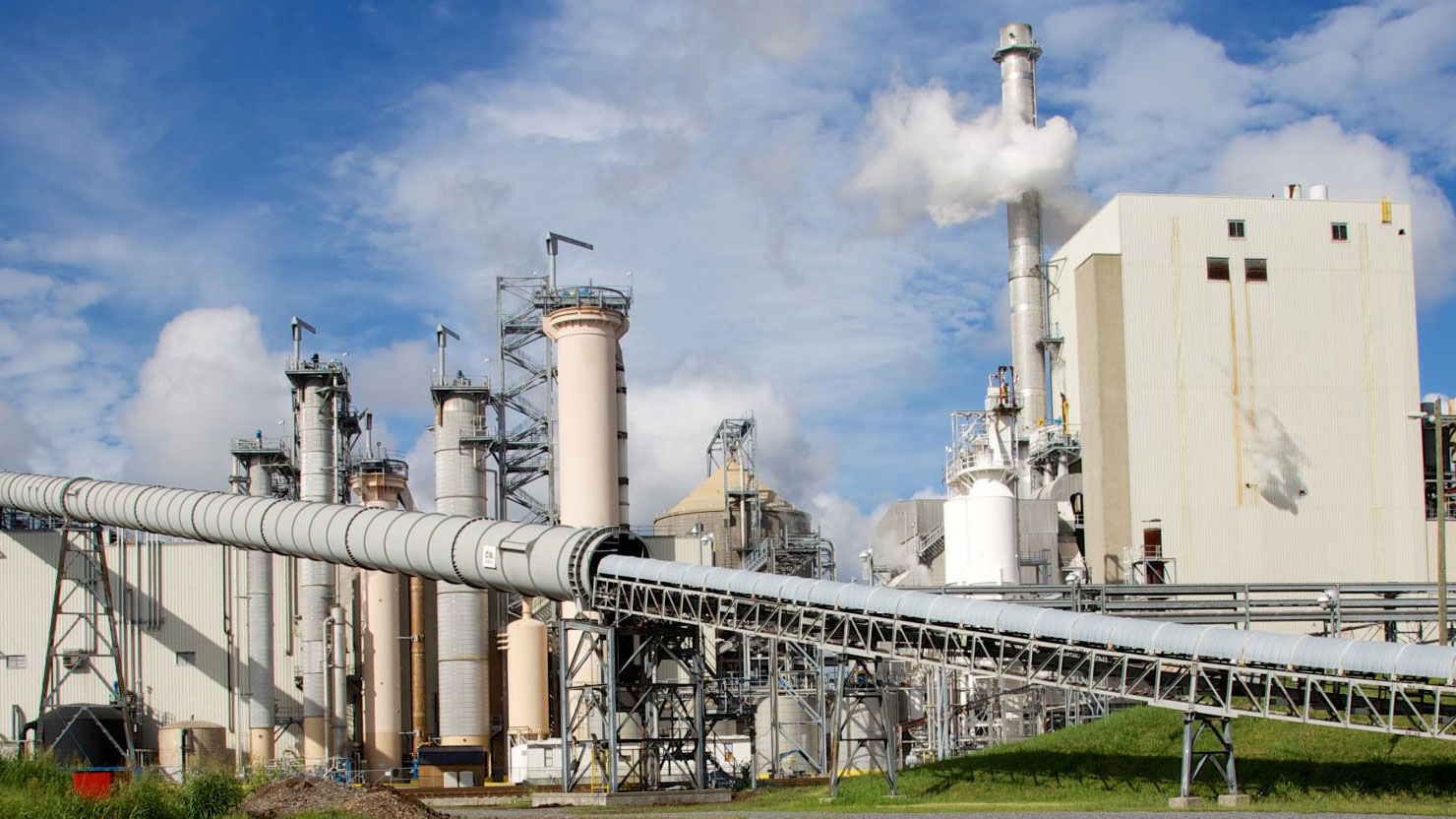
 LEBANON COUNTY, Pa. — A large fire at Weaber Lumber comes just over a month after the company filed for bankruptcy. Weaber, Inc. filed for Chapter 11 bankruptcy on Aug. 1, according to online records. The company also filed a WARN notice in July at its distribution center on 25 Keystone Drive. In that notice, the company said 145 people would be laid off from July 26 through Sept. 9 of this year. The fire broke out Monday night around 10 p.m. at the company’s headquarters at 1231 Mt. Wilson Road, and it took firefighters until Tuesday morning to bring the blaze under control over eight hours later.
 SOUTH ANNVILLE TOWNSHIP, Pa. — A three-alarm fire ripped through Weaber Lumber in Lebanon County. Crews responded to the fire in South Annville Township around 10 p.m. on Monday. Flames could be seen leaping from the burning building. The blaze was upgraded to the third alarm, prompting a large firefighter response. According to Lawn Fire Company Chief Dillon Wilson, approximately 1.1 million gallons of water have been used from the on-site hydrant system to combat the fire. Tankers also brought in additional water to the scene. Chief Wilson said most of the building was engulfed in flames when crews arrived. “It got ahead of us,” Wilson said. The chief believes this building might have the most combustible materials under one roof in the state. Weaber Lumber has experienced multiple fires over the years. …For 80 years, Weaber has been proudly committed to the lumber industry and is one of the nation’s leading hardwood manufacturers.

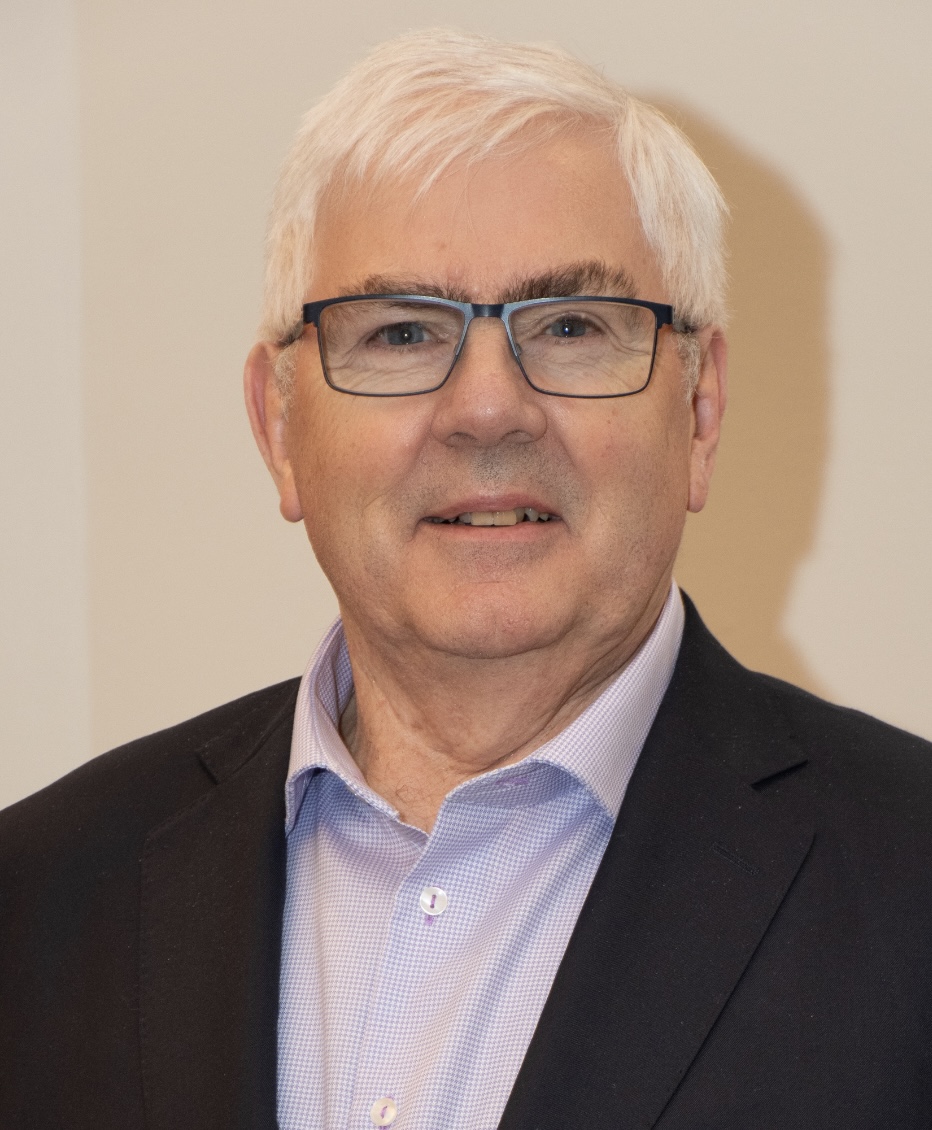


 As summer winds down, I’m pleased to welcome you to this special edition of the Forest Practices Board’s newsletter. This season marks a significant milestone for us—our 30th anniversary. For three decades, the Board has worked diligently to provide independent oversight of forest and range practices in British Columbia, helping to ensure that our natural resources are managed sustainably and in the public interest. …This issue highlights some of the conversations, initiatives, audits, investigations and special reports the Board is involved in as we embark on this anniversary year.
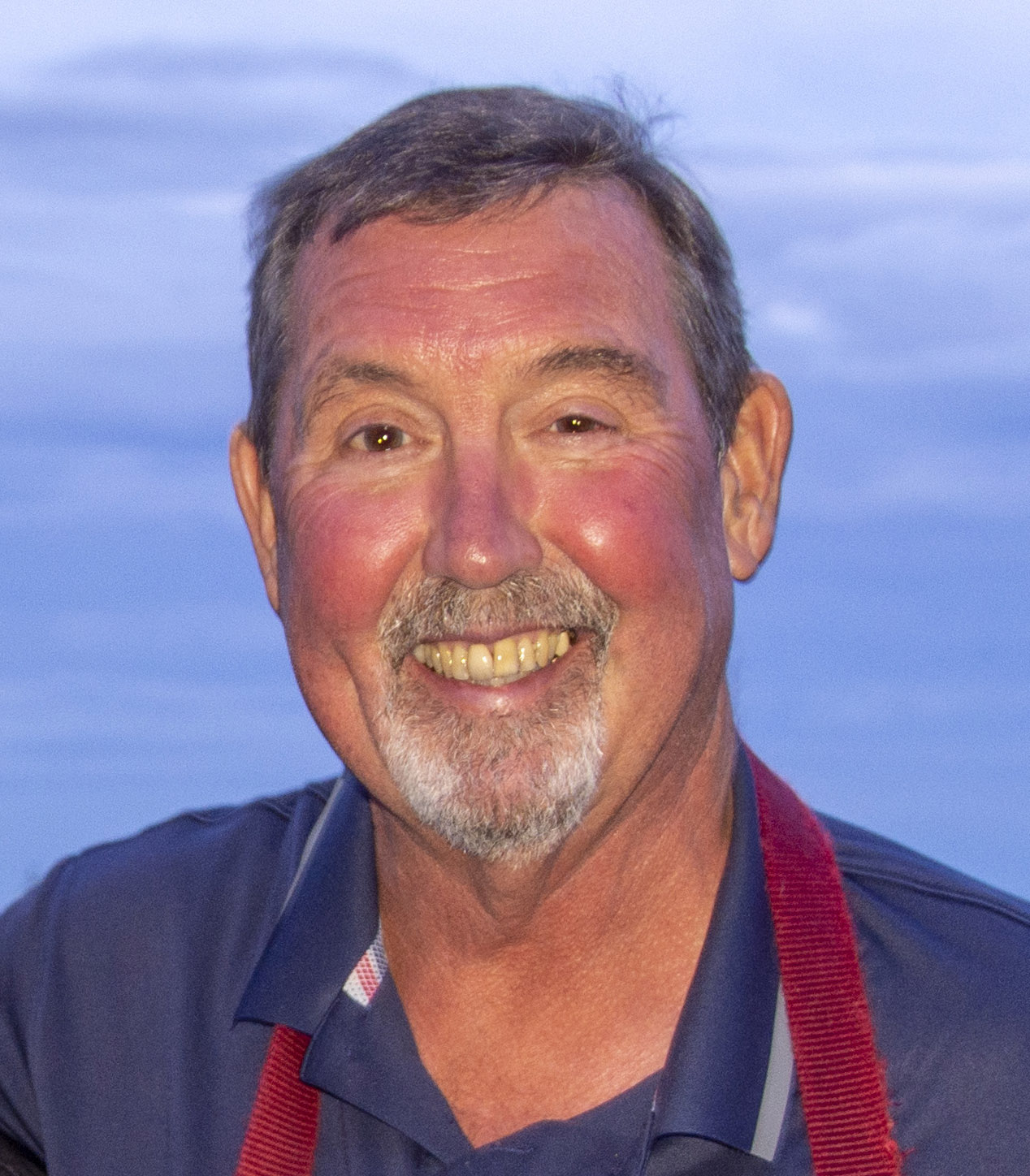
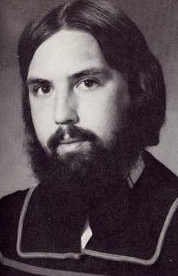 Zoom Presentation, September 16th, 7:00 pm. The BC Forest History Association is honoured to host Larry Pedersen as the first speaker for the 2025 Speaker Series. Larry Pedersen was BC Provincial Chief Forester from 1994 to 2004. A graduate from UBC with a Bachelor of Science in Forestry in 1975, he became a registered Professional Forester in 1977. During his career, he advanced through a number of positions in the Forest Service and he also worked in the private sector. In his presentation titled Reflections from British Columbia’s 14th Chief Forester, Larry will discuss some important historical events that helped shape forestry in the province, explain how he ended up in the job, discuss some of the challenges that he faced, and will tell some stories about things that were said and done during his tenure. The presentation is intended to highlight just a few of the many important events that have shaped forestry in the province. To register for this Zoom presentation use this
 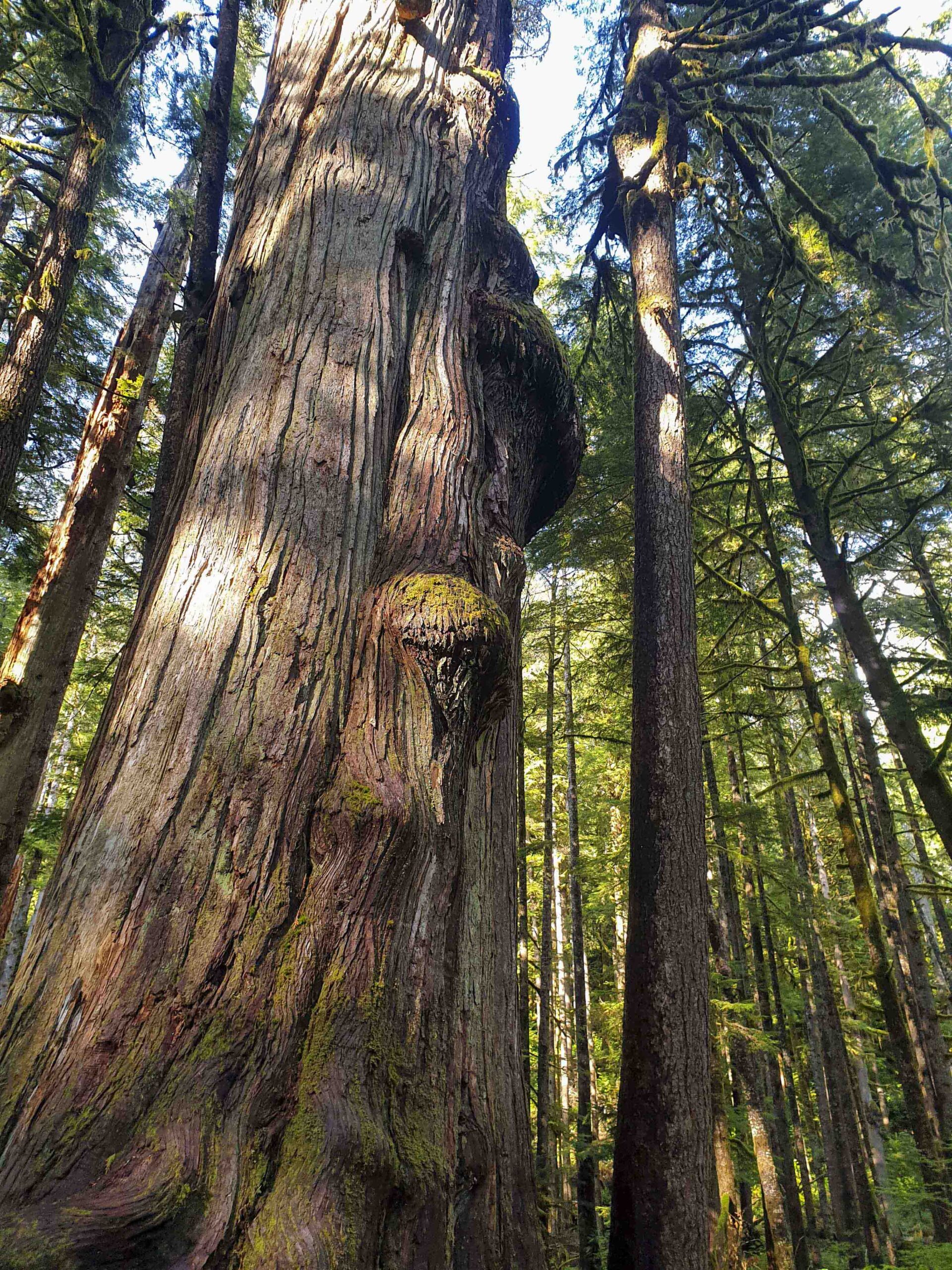 …Paul George, co-founder of the Western Canada Wilderness Committee …hit on popularizing the fight to protect old growth with a poster depicting a young woman gazing up the towering trunk of a massive, moss-covered Sitka spruce tree [in the] Carmanah Valley. The poster’s tag line — “Big Trees Not Big Stumps” — was a model of economy. …like five wasp stings to the hide of MacMillan Bloedel, the company that wanted to cut that tree and every other one like it down. Today we’d say it went viral. But not in the sense of a social media post that explodes with millions of views today only to be forgotten tomorrow … it would prove to have the lasting power of long COVID. …The poster came to mind [when a] small group of protesters planted themselves on a logging road leading into… the upper Walbran Valley, which borders the Carmanah on Vancouver Island’s southwest coast.
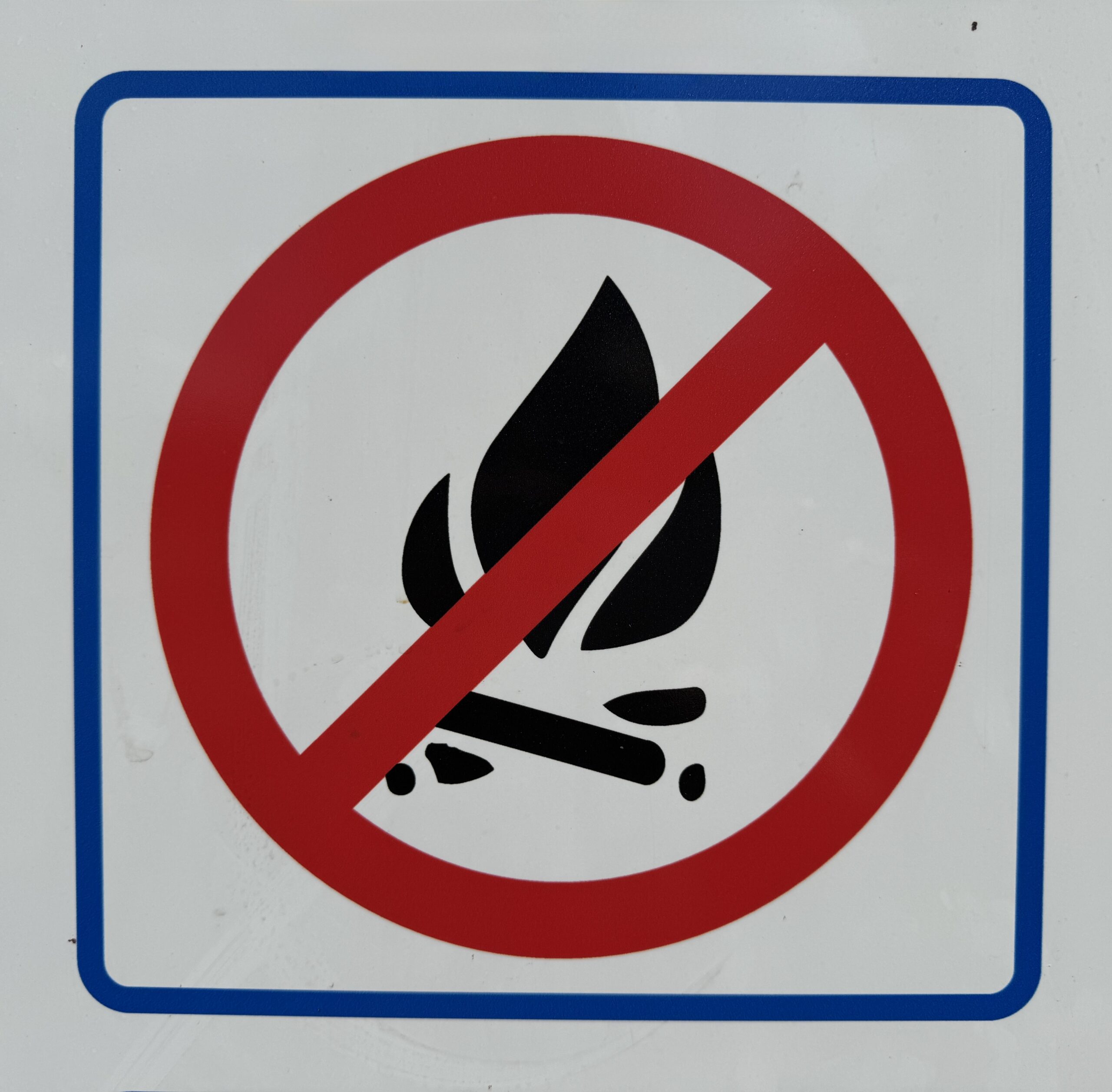 The existing Category 1 campfire prohibition for the Cariboo Fire Centre and Tsilhqot’in (Xeni Gwet’in) Declared Title area will be extended. It will go in effect at noon tomorrow (September 11) and will remain in effect until September 30 or until the order is rescinded. A Category 1 campfire is defined as any fire smaller than 0.5 metres high by 0.5 metres wide. The Cariboo Fire Centre said this prohibition applies to all areas in the Fire Centre that are outside of municipal boundaries. In addition, it also applies to these land types within municipal boundaries: Parks, conservancies and recreation areas; Recreation sites, recreation trails, interpretive forest sites and trail-based recreation areas; Ecological reserves; and Wildlife management areas and private managed forest land.

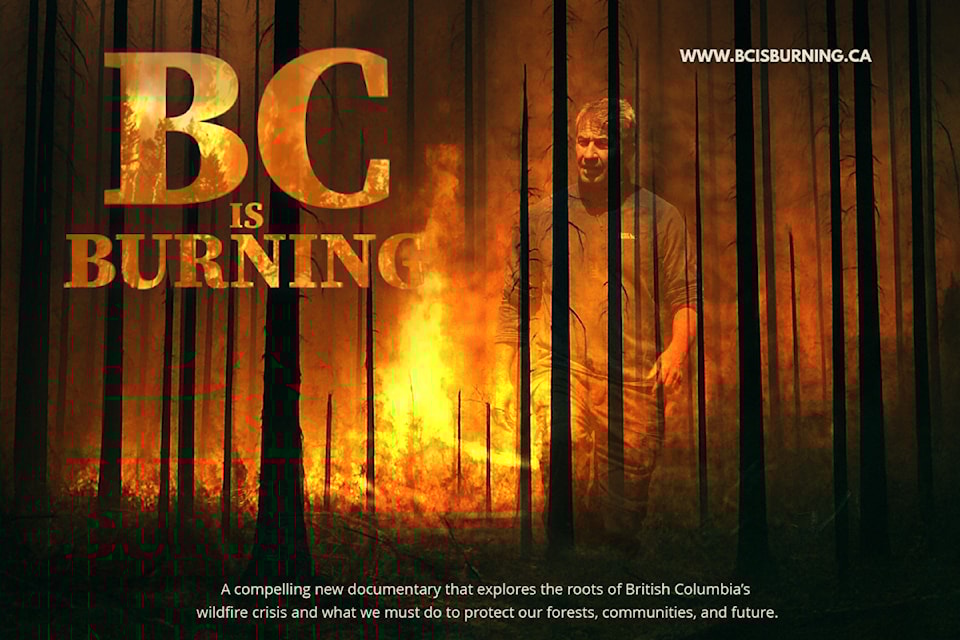 A documentary addressing British Columbia’s escalating wildfire crisis and the urgent need for solutions is playing in Castlegar on Sept. 11. The film was produced by former Castlegar resident Murray Wilson. Wilson graduated from Selkirk College’s Forest Technology program in 1981 and then worked in Salmo and Nakusp before spending more than three decades in forestry across British Columbia. “My early forestry work in the Kootenays showed me the wildfire risks communities face and the solutions we need, which is at the heart of B.C. is Burning,” said Wilson.
 As severe drought conditions continue to affect river levels in the Thompson Okanagan region, fish-population protection orders will protect endangered chinook salmon in the Salmon River and Bessette Creek by temporarily restricting water use for forage crops and identified industrial purposes. The Salmon River and Bessette Creek have seen persistent low streamflows that are threatening the survival of spawning chinook populations. The fish-population protection orders will help restore water-flow levels and protect the salmon run. Effective Monday, Sept. 8, 2025, 490 surface-water and groundwater licences and transitioning groundwater users in the Salmon River and Bessette Creek watersheds within the assessed curtailment area are affected by the orders to stop using water for forage crops, which include grass for hay, alfalfa and forage corn. Irrigation of forage crops is one of the most water-intensive agricultural water uses.


 Amid calls from some First Nations and municipalities in northeastern Ontario to stop glyphosate spraying on Crown land, environmental groups are raising concerns over the herbicide’s effect on biodiversity. …Wildland fire ecologist Bob Gray said leafy deciduous trees, like aspen, are more resilient to wildfires than softwood conifers like pine and spruce. “Softwoods are highly resinous,” he said. “The foliage and bark is highly flammable. When you’ve got large contiguous areas of conifer forest, you can have large continuous forest fires.” If a timber company’s goal is to promote the growth of softwoods for harvest, at the expense of hardwoods, it can make that area more prone to wildfires. …Jocelyne Laflamme is a Ph.D. candidate at the University of British Columbia found that aspen becomes more flammable in the fall, when they lose their leaves. …In August, forest company Interfor cancelled plans to spray herbicides on trees along the north shore of Lake Huron.



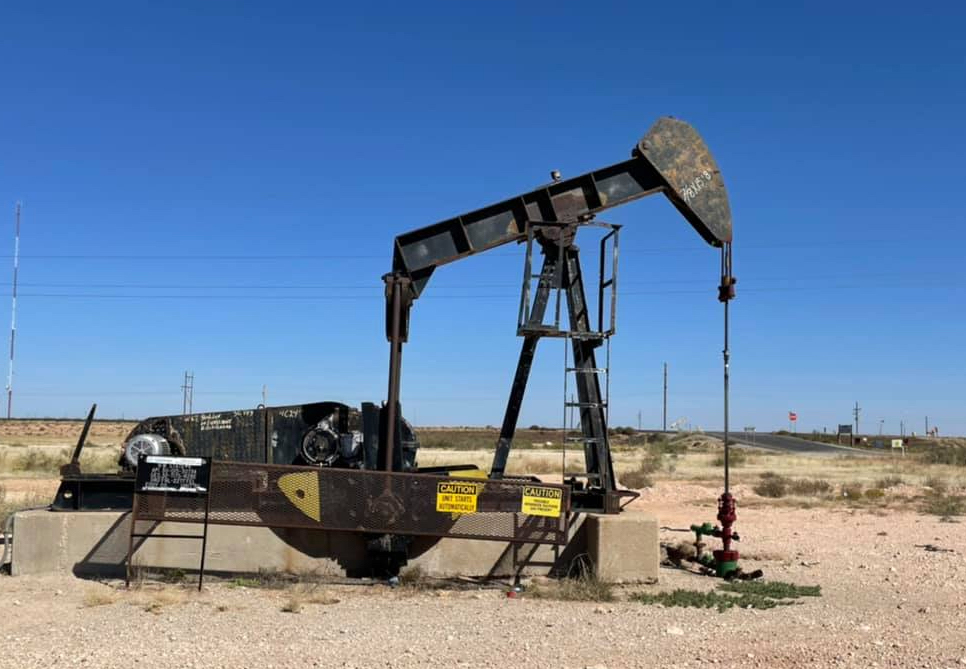 Planet-warming emissions from a group of the world’s largest fossil fuel producers have significantly ramped up the intensity of heat waves, a new study suggests, one of the first peer-reviewed papers to link dozens of climate-fuelled weather events to specific companies. The study led by a group of Swiss-based climate scientists says about one-quarter of the 213 recent heat waves they studied, including the 2021 B.C. heat dome, would have been virtually impossible without human-caused climate change. It says emissions from some individual companies, including relatively smaller ones and some of Canada’s oil-and-gas producers, would have been enough to make otherwise impossible heat waves statistically possible. …The researchers linked emissions from the group of cement and fossil-fuel producers to about half the increase in heat wave intensity connected to human-caused climate change.
 WorkSafeBC will be holding a virtual public hearing on