 Kleenex maker Kimberly-Clark announced it will acquire Tylenol maker in $49 billion deal. In other Company news: Kruger’s Corner Brook mill shutdown begins today; and Ontario’s Kap Paper restarts with pivot plan. In other Business news unfolding this week: BC’s forestry summit takes place today as Canadian and US industry reps speak out; FPAC’s Derek Nighbor seeks clear signals in Tuesday’s federal budget; and the US Supreme Court will consider the legality of Trump’s tariffs on Wednesday.
In Forestry/Climate news: wildfires spark disagreement as US pushes Canada to lean into forest management; how Trump’s costs hinder wildfire prevention; and fire-season wrap-ups from BC and Alberta. Meanwhile: a new film marks anniversary of Haida logging blockade; EU ministers consider GHG brake-clause, as their ambassadors seek delay of anti-deforestation laws; and bamboo tissue may not be as eco-friendly as thought.
Finally, why the continuation of the SLB is vital to the future of the lumber industry.
Kelly McCloskey, Tree Frog News Editor
 Canada’s lumber industry is warning of a crisis as BC and Ottawa prepare for


 VANCOUVER — British Columbia Premier David Eby says the province is walking back plans to run anti-tariff advertisements in the United States after a meeting with federal officials about the province’s beleaguered forestry sector. Eby said Monday that B.C. won’t be running the ads “by ourselves,” in favour of aligning with the federal government in its dealings with the U.S. government under President Donald Trump. “The unfair and unjustified tariffs imposed by the White House on this sector directly threatens thousands of jobs right across the country,” Eby said at a news conference after a forestry summit meeting with federal officials and others. …”Minister LeBlanc didn’t have to ask,” Eby answered Monday when a reporter asked LeBlanc if he requested that the B.C. government hold off on its anti-tariff advertising campaign. “I knew that it was a source of anxiety for many people, including potentially the federal government.”

 Was Premier David Eby ever really serious about running anti-American softwood lumber ads? Maybe, briefly, back when nobody cared about $100,000 worth of sponsored content promoting B.C. wood products. But after Ontario’s ads blew up Canada-U.S. trade talks, Eby seemed to realize the true value of his campaign — namely, in not running it at all. On Monday, Eby all but admitted his tough talk over the past 10 days about the urgent need to educate Americans on B.C.’s softwood sector was just leverage to score a meeting with federal cabinet ministers. …The premier had spent several weeks loudly proclaiming that these softwood ads were essential, and that they would go forward regardless of what the federal government thought. …In exchange for backing off his threat, Eby hyped up a “softwood summit” on Monday his government called the “turning point in our fight for forestry workers.”
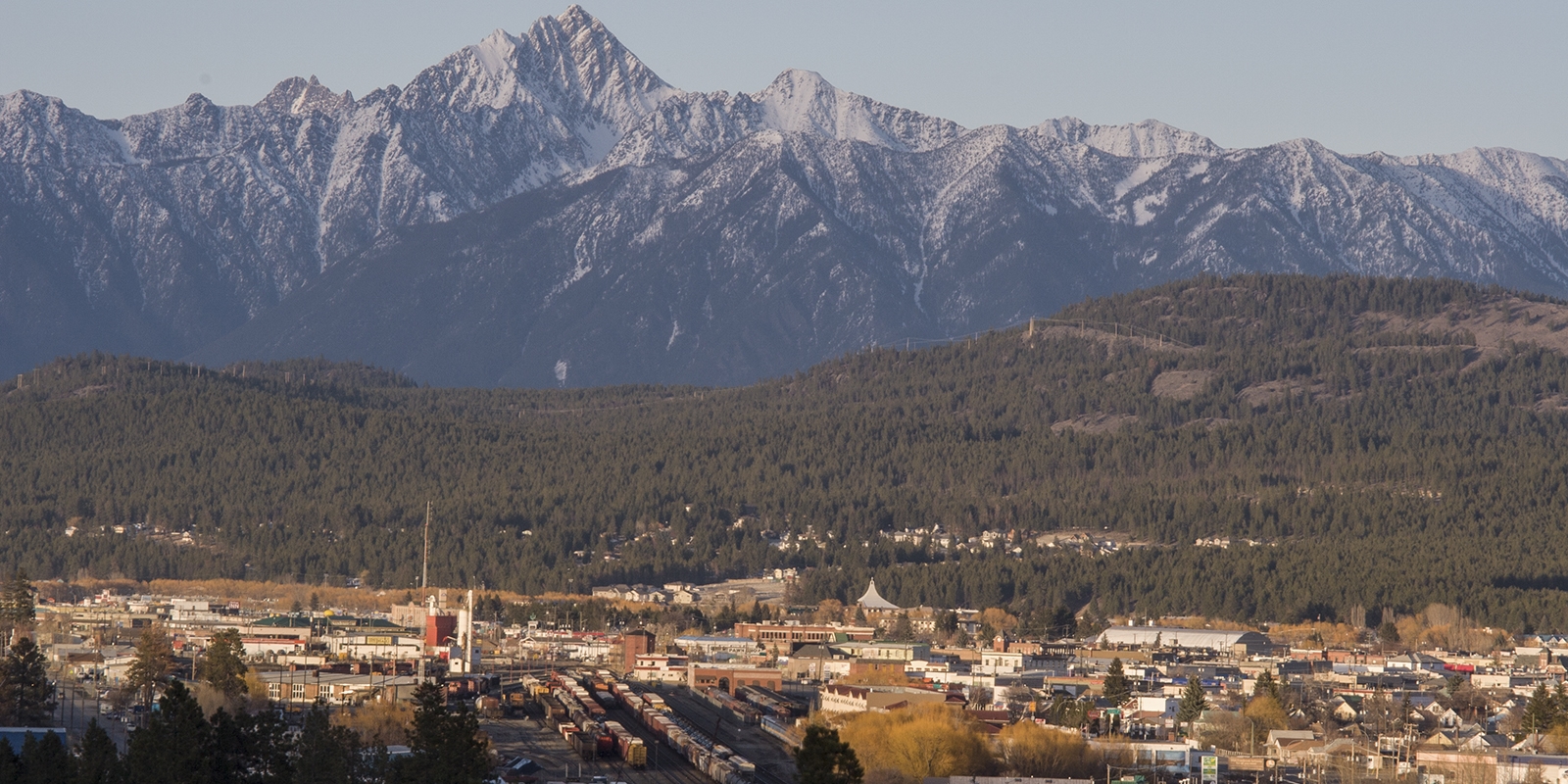

 The BCIT School of Construction and the Environment offers two Associate Certificate programs designed to support workforce development in the North American lumber and sawmill sector:


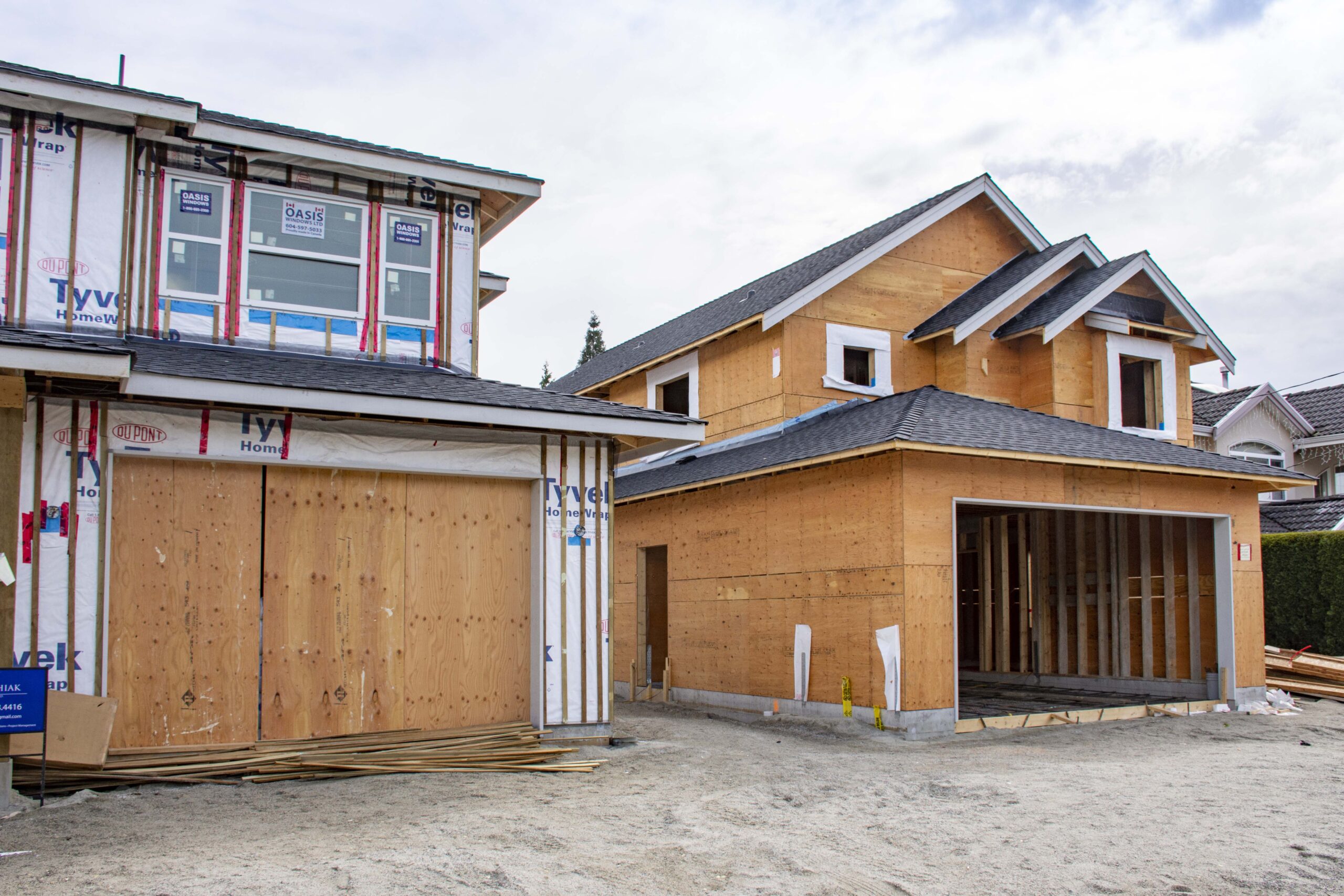 The federal government says its housing agenda can “drive transformation” in the forestry sector as it continues to feel the squeeze of U.S. President Donald Trump’s trade war. That was among the messages relayed by Natural Resources Canada assistant deputy minister Glenn Hargrove to the House natural resources committee on Wednesday. Hargrove touted a $1.25 billion aid package for the sector unveiled by Prime Minister Mark Carney in August, noting $700 million of that, which will flow in loan guarantees through the Business Development Bank of Canada, will start to roll out this week. While there have been many pulp, paper, and sawmill closures across the country in recent years, Hargrove said the department sees a “huge opportunity” to “divert” Canadian products away from the U.S. and into the feds’ efforts to boost homebuilding.


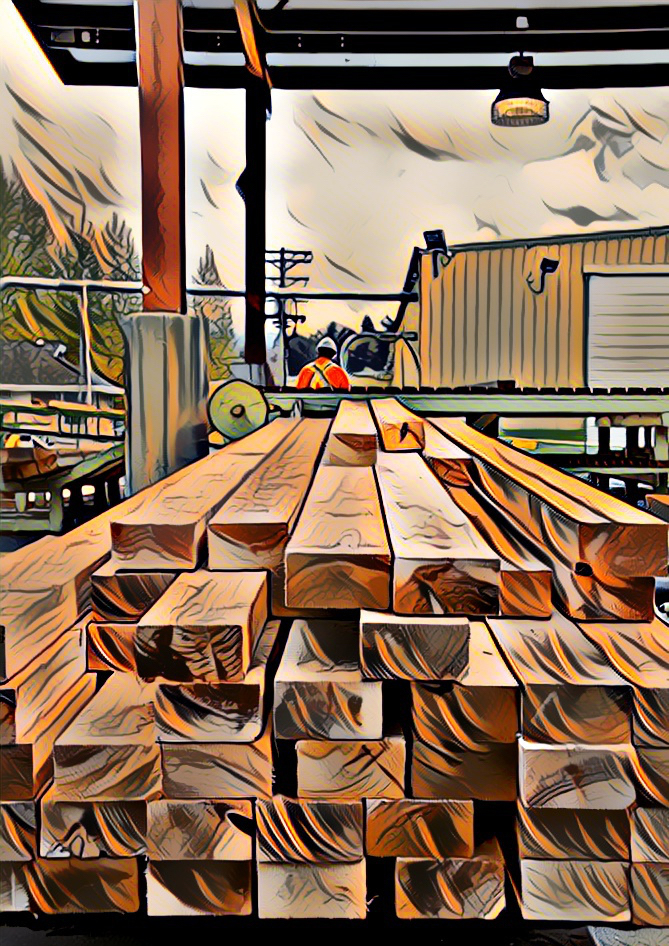 …Arkansas’ forestry industry is feeling the weight of a slowing housing market, a declining demand for many of its products and trade disputes and regulations that have closed off foreign markets. In recent years, several mills in Arkansas have closed — evidence of economic struggles for the industry. In September, Domtar’s sawmill in Glenwood announced a temporary shut down, affecting 150 workers. Shields Wood Products also shut down. Arkansas House Speaker Brian Evans signed on to a letter … calling on Congress to step in and help expand the export market for their states’ foresters. …the Arkansas Economic Development Commission said the state exported $6.45 billion in forestry products in 2023, the largest destinations being Canada, Mexico and Japan. The letter from the state house speakers to Congress makes specific mention of the Chinese market, which cut off the import of logs from the U.S. in March as part of retaliation for American tariffs, Reuters reported. [Access to the full story may require a subscription to the Gazette]



 Chinese tissue paper made from bamboo has emerged as a trendy choice for eco-friendly shoppers. However, new research suggests these bamboo paper products may not offer significant climate benefits over tissue produced in the United States and, in some cases, may be more detrimental to the environment. North Carolina State University researchers compared the carbon footprint of bamboo tissue paper manufactured in China with that of conventional tissue paper manufactured in the U.S. and Canada. They found that… the fossil fuel-heavy power grid in China led to significant increases in emissions compared with cleaner fuel sources used in North America. “As far as emissions go, the technology used to create hygiene tissue paper is far more important than the type of fiber it’s made from,” said Naycari Forfora, lead author of the study…. “Because the Chinese power grid is so reliant on coal for power, emissions … are higher than the wood-based option.”



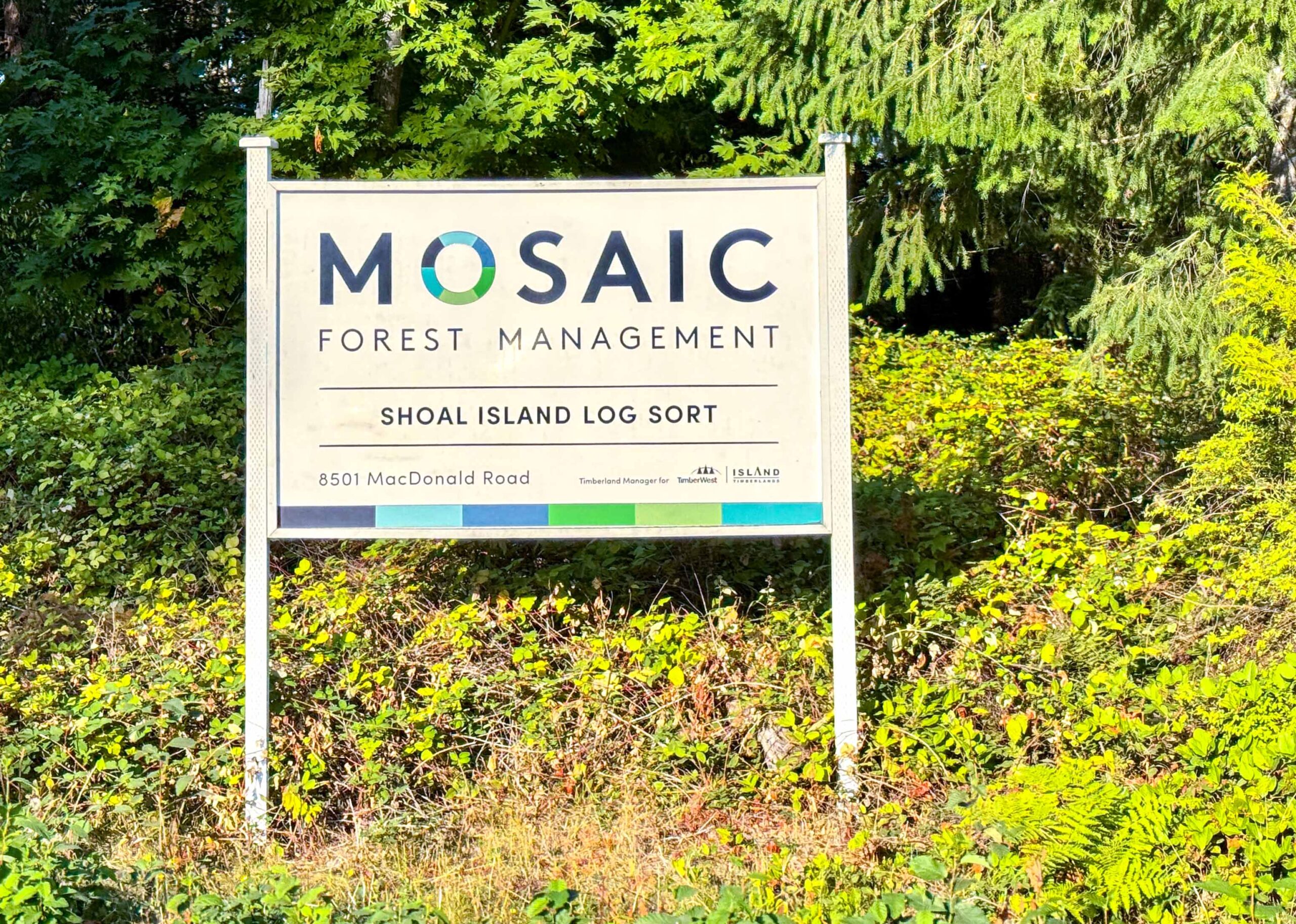 Local governments on Vancouver Island are frustrated after finally receiving a long-awaited answer to when legislative changes are coming to the law governing how some forest lands are managed in BC. The answer … after years of fighting, change is not coming. The 2003 Private Managed Forest Land (PMFL) Act puts no limit on the volume of timber that can be harvested, contrary to logging on Crown land. …“What they’re looking for is the same standards that apply on Crown land to apply on private property,” BC’s Minister of Forests, Ravi Parmar said. “…we have a number of private licensees that do really good work in BC, and I would highlight Mosaic being the largest.” Parmar added he has recently spoken to Mosaic … and feels the company is taking steps to address local government concerns that don’t require legislative changes.
 Campbell River council has given the green light to the fire department to apply for a $419,000 grant through the Union of British Columbia Municipalities. This funding will help mitigate wildfire risks within the city over the next five years. Fire Chief Kelly Bellefleur and Assistant Fire Chief Stephanie Bremer told council the grant will be used to develop a new Community Wildfire Resiliency Plan (CWRP) with a more comprehensive, science-based framework. It will assess current wildfire risks in the city, identify priority treatment zones, and establish a five-year framework for wildfire mitigation and community preparedness. The grant will also help the city upgrade the fire department’s capacity to fight wildfires by purchasing a Type 2 Structure Protection Unit, a mobile trailer equipped with pumps, hoses and sprinklers designed to protect multiple structures during a wildfire, among other priorities.


 On Friday, October 17, the Ministry of Forests, through the Value-Added Accelerators, in partnership with the BC First Nations Forestry Council, the Council of Forest Industries, and the BC Value-Added Wood Coalition, hosted the Coastal Currents Regional Fibre Flow Forum in Richmond. Coastal Currents was designed to bring together stakeholders from across the coastal region to share insights, discuss fibre flow challenges and opportunities, and foster connections that support business development. Modeled after successful regional forums such as Roots in the Koots (Nelson), the Robson North Thompson Forestry Coalition, and the Northwest Fibre Symposium (Terrace), this event focused on collaboration within a specific geographic area to strengthen the value-added wood sector. The response was overwhelming, the session sold out, welcoming over 70 participants with strong representation from both the value-added and primary sectors.
 Since its inception almost 10 years ago, the Forest Enhancement Society of BC (FESBC) has been guided by a simple but powerful principle: collaboration drives impact. …Partnering with First Nations organizations has also deepened our understanding of how traditional knowledge can guide projects with a generational focus. This approach has helped foster greater Indigenous participation and leadership within forestry, contributing to a more inclusive and sustainable future. …Together, we are investing in projects that help create healthier, more productive and resilient forests for the future, and we are also strengthening the relationships that help make it all possible.
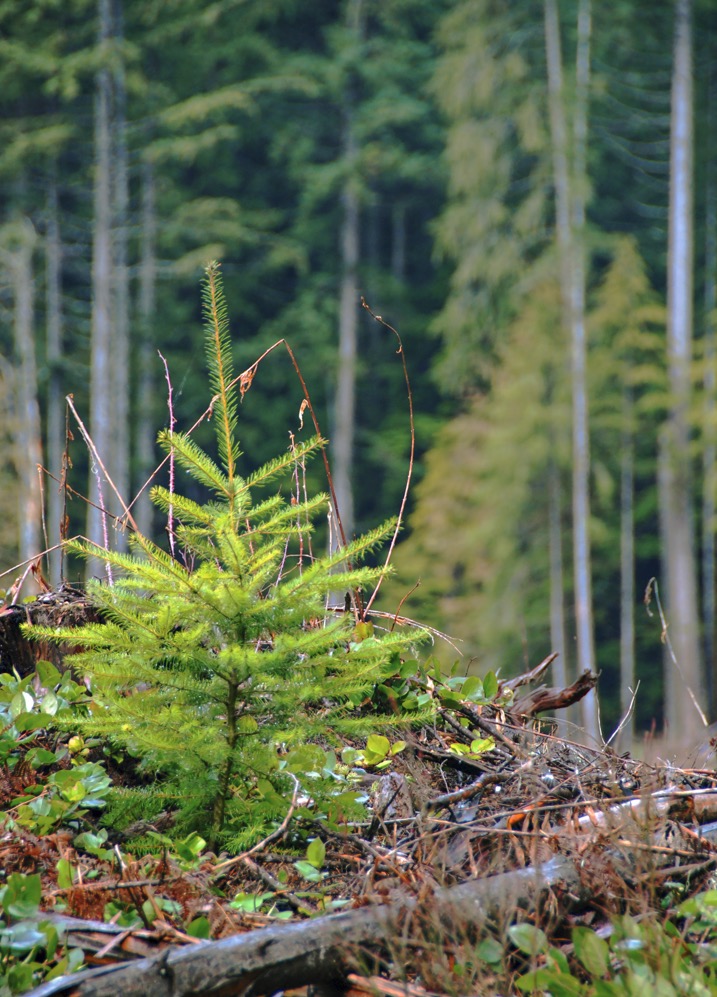 As wildfires continue to devastate communities across North America, it’s time we confront a hard truth: neglecting the forests that surround our towns is no longer an option. …Silviculture — the science of managing forest growth, composition, and health — is not just a tool for local timber production. It’s a vital strategy for climate resilience and community safety. Through practices like selective harvesting, thinning, and replanting, silviculture reduces fuel loads, promotes biodiversity, and maintains the ecological balance necessary to prevent catastrophic fires. Critics often question the ethics of cutting trees in the age of climate change. But when done responsibly, harvesting followed by replanting can actually enhance carbon sequestration. …Moreover, strong forest management isn’t just about trees — it’s about people. …Let’s stop treating forest management as a luxury or a controversial topic. It’s a necessity. Investing in silviculture is investing in the safety, sustainability, and future of our communities.
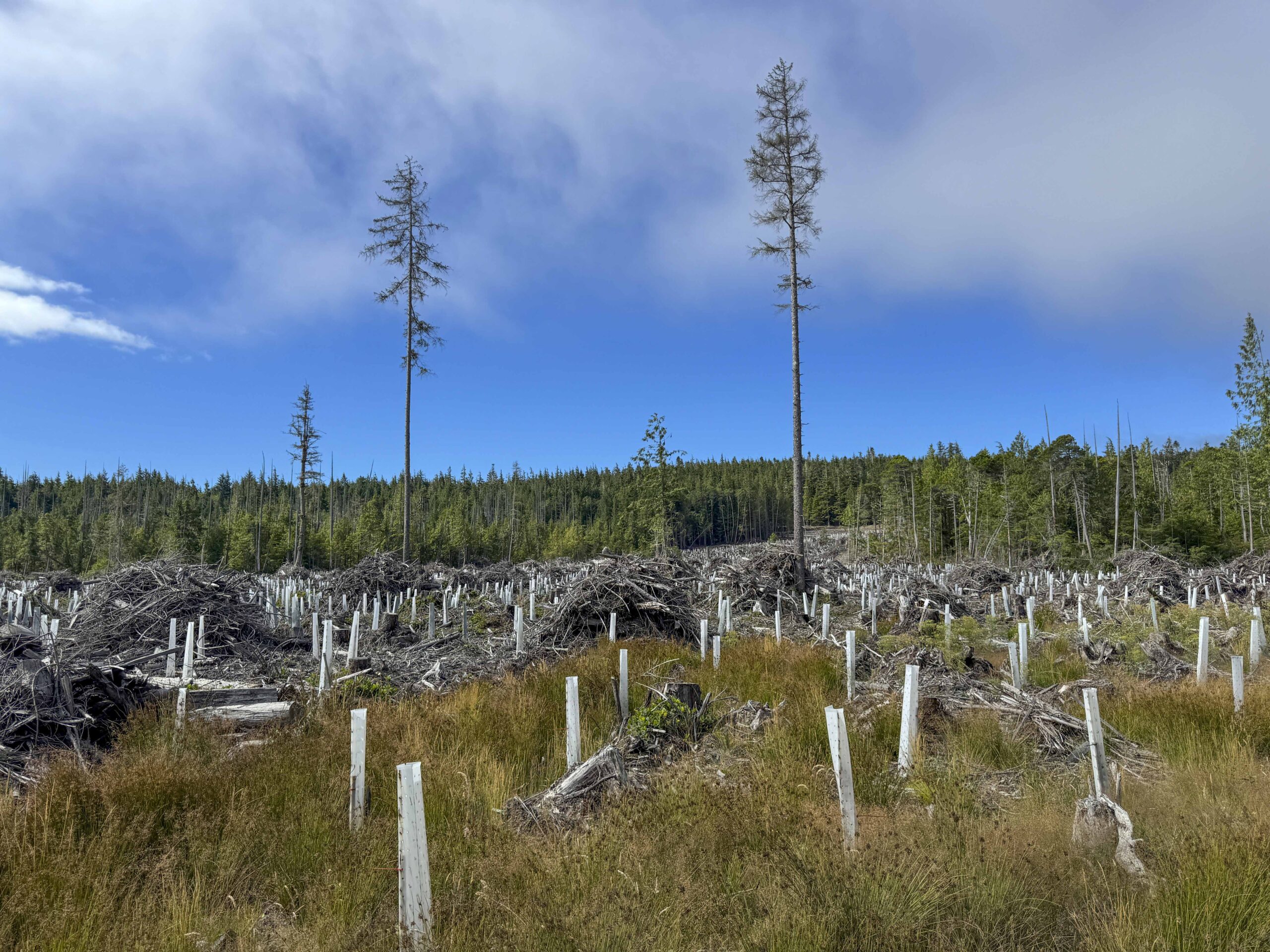 In response to the article, “
 The TLA commends the Provincial Forest Advisory Council (PFAC) for its ongoing work to develop a long-term vision for BC’s forest sector, and
 The Province is making 187 amendments to 38 regulations across 10 ministries to reduce red tape, improve permitting timelines and make government services more efficient and accessible. This work is part of Better Regulations for British Columbians (BR4BC) amendment package… This year’s focus is on expediting permitting and approval timelines for people and businesses in British Columbia. By streamlining approval processes, such as removing construction permit requirements for very small private water systems, simplifying the level of authority needed for special-use forestry permits, and eliminating outdated provisions related to soil relocation and open burning activities, the Province is making it easier to do business in B.C.


 Backgrounder: On October 24, 2025, the Honourable Rebecca Chartrand, Minister of Northern and Arctic Affairs, on behalf of the Honourable Tim Hodgson, Minister of Energy and Natural Resources,

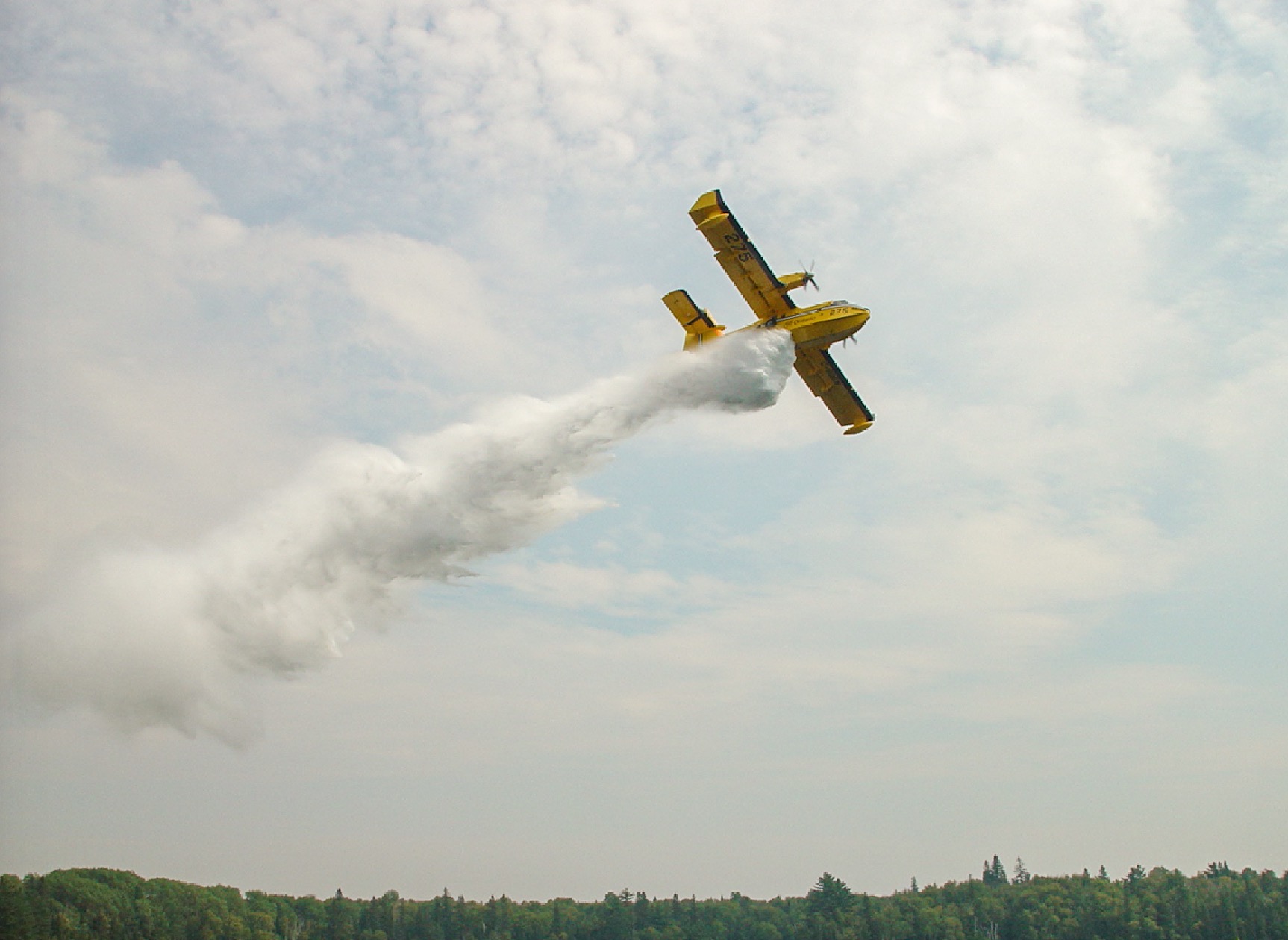 DRYDEN — Wildland fire crews were kept “very busy” throughout the 2025 forest fire season as Northwestern Ontario saw over 560,000 hectares go up in flames. “It would be fair to call the 2025 wildland fire season a very busy one in the Northwest,” said Chris Marchand, a fire information officer with the Ministry of Natural Resources’s regional fire management centre in Dryden. “Often in the spring, you hear us speak of the volatility of spring fire hazard conditions,” he continued. “And this year, from about the second week of May, it really provided a good demonstration of how a few weeks of dry weather combined with high winds and low humidity can really produce extreme fire behaviour in forests that haven’t greened up yet.” Those early conditions were the spark for a season that saw 560,234.9 hectares burned by 435 fires in the Northwest region alone. Comparatively, the Northwest’s relatively slow 2024 season saw 69,938.3 hectares burned in 218 fires.





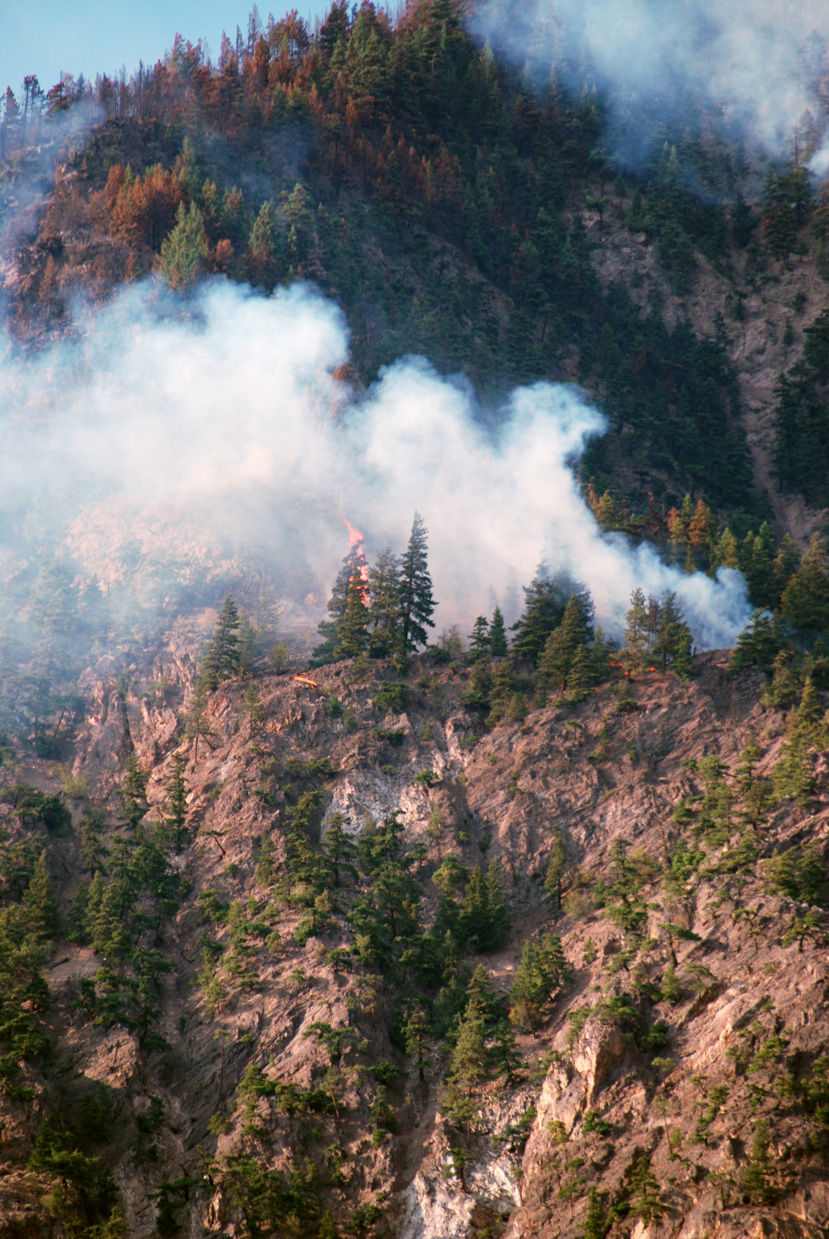 For more than 15 years, Scott Fitzwilliams led … the “crown jewel” of U.S. federal land — 2.2 million acres in Colorado that includes world class ski resorts… and sees a lot of wildfire. So when he was told in February to fire more than a dozen U.S. Forest Service employees from White River National Forest, one of his main concerns was: Will enough people be around to make sure the next big blaze doesn’t get out of control? …Fitzwilliams resigned in protest over the cuts, part of the Trump administration’s efforts to reduce the federal workforce… Eight months later, a new report confirms some of Fitzwilliams’s fears. A data analysis shared with The Washington Post found that as of the end of September, Forest Service work to reduce fire-fueling debris was down nearly 40 percent on this date compared with where it has been on average over the previous four years… [A subscription to the Washington Post is required for full story access]

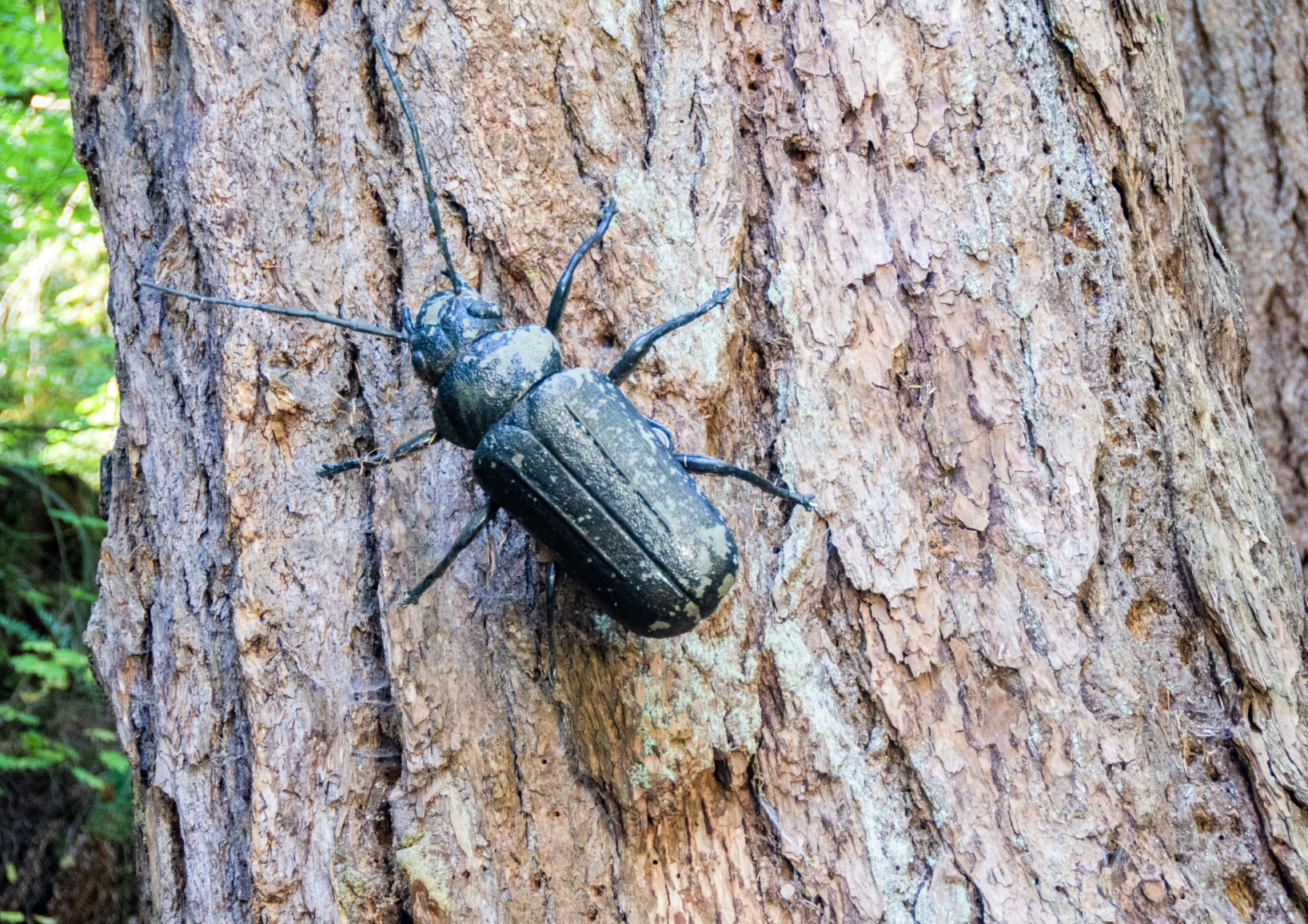 SEATTLE — …Of Washington’s 22 million forested acres, the Department of Natural Resources manages about 3 million acres of state land. Of those, 545,000 acres are now dead or dying — the equivalent of more than 500,000 football fields. …Washington’s severe drought has weakened trees across the state. Then came powerful storms—including last November’s bomb cyclone and February’s windstorm—that battered already-stressed trees to their breaking point. …As droughts intensify and insects thrive in warming forests, trees are dying of thirst while being eaten alive. It’s a double assault turning once-green mountainsides into graveyards of standing dead timber—impacting both eastern and western Washington. “We’re concerned this trend could continue as our climate continues to warm,” Commissioner Upthegrove said. One solution is to remove dead or dying trees and replant more resilient species like hemlock or cedar. However, according to the DNR, the funding needed to address these issues has vanished.
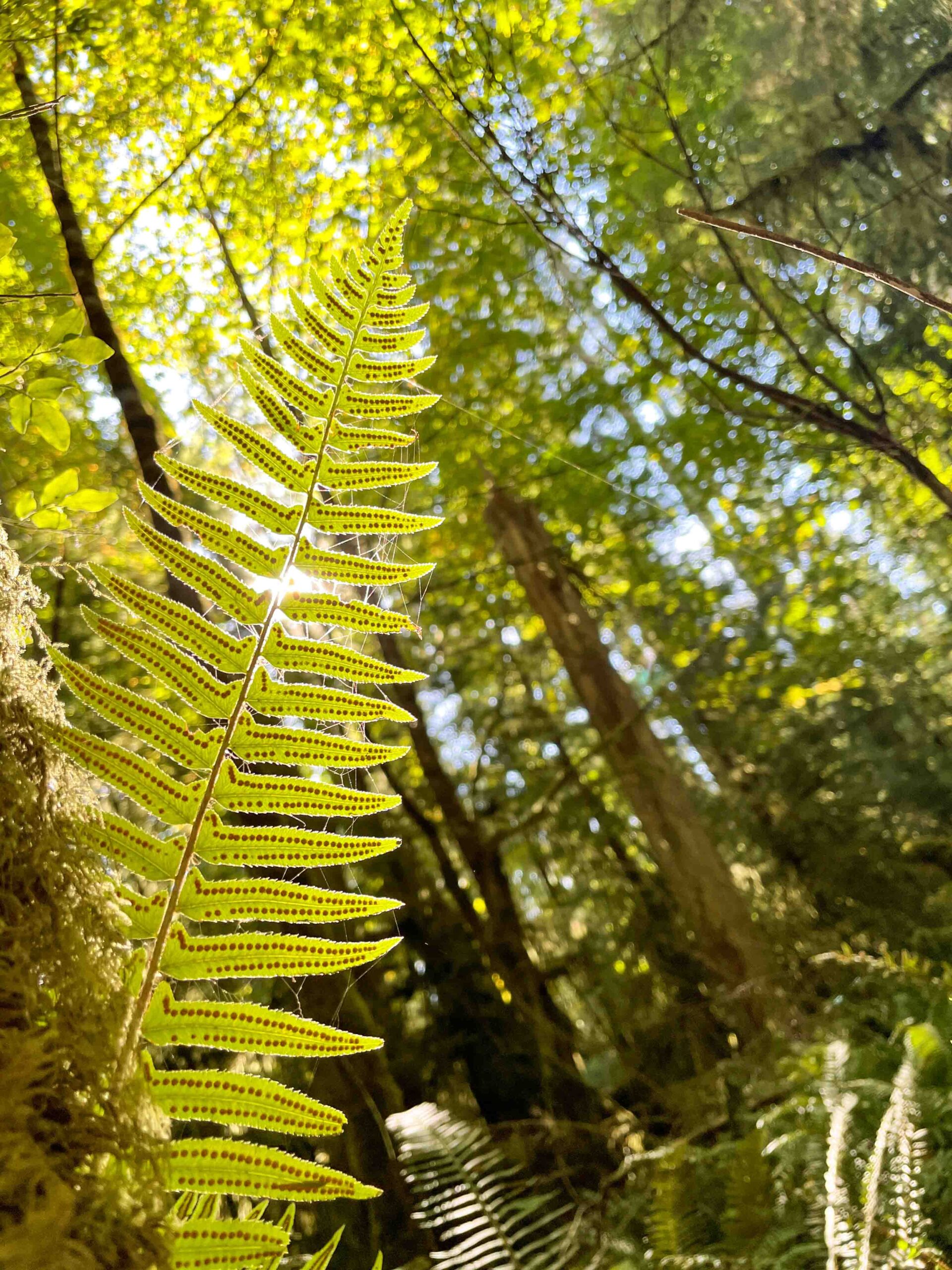 A new bill poised to pass the Senate after clearing the House will govern how the federal government thins, burns and otherwise manages nearly 200 million acres of the nation’s forests. The Fix Our Forests Act, sponsored by U.S. Sens. John Hickenlooper, D-Colo., John Curtis, R-Utah, Tim Sheehy, R-Mont., and Alex Padilla, D-Calif., passed out of Senate committee recently in a rare show of bipartisan support, with 18 senators in favor and only five opposed. “There is a wildfire crisis across much of the country — our communities need action now,” said Hickenlooper in a news release. “Wildfires won’t wait.” The proposed legislation — the first major congressional effort to fight wildfires in recent history — includes provisions that promote prescribed burning and forest thinning in fire-prone areas along with working with communities to create defensible space around vulnerable homes. The bill formally recognizes wetlands as buffers against wildfires and encourages cross-boundary programs among counties, states and tribes.

 A Montana logging project in grizzly habitat in the Kootenai National Forest will remain on hold until federal officials reassess how road use — particularly illegal road use — impacts the bears, a federal judge ruled on Monday. “This court has repeatedly held that it is arbitrary and capricious to not include illegal motorized use that it knows to occur into calculations, regardless of whether the use is chronic and site specific,” U.S. District Judge Dana Christensen wrote in the 40-page opinion. The Center for Biological Diversity led environmental groups in suing the U.S. Forest Service and U.S. Fish and Wildlife Service in 2022, seeking to block the Knotty Pine Project, and Christensen granted the environmentalists’ motion for a preliminary injunction the following year. …Christensen found the Forest Service violated the National Environmental Policy Act by failing to take a hard look at the impact of unauthorized road use on grizzly bears.
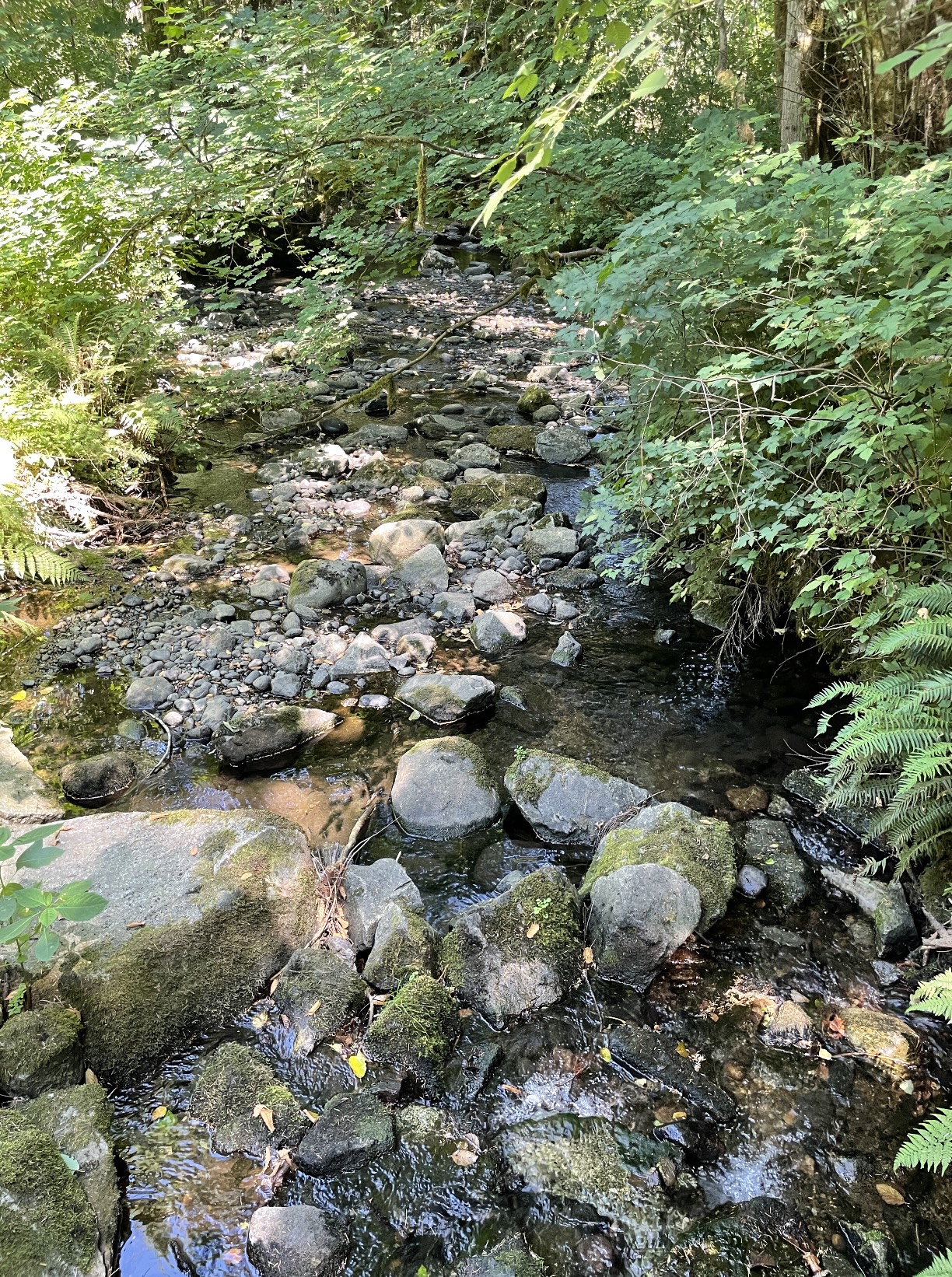 SOUTH BEND, Washington — Pacific County Commissioners Jerry Doyle, Lisa Olsen and David Tobin sent a scathing letter on Oct. 20 to the Washington Forest Practices Board (FPB) regarding a proposed increase in timber-harvest buffer zones along streams. Rural counties and forestry groups are mounting a vigorous push against bigger setbacks away from small non-salmon-bearing streams, arguing that over the course of time the loss of timber acreage will add up to billions in lost local economic activity and millions less taxes that currently support government services. Washington state established the Forest Practices Act and the FPB in 1974. It is tasked with establishing laws to “protect salmon, clean water, and the working forest economy.”
 Washington’s lands commissioner, Dave Upthegrove, is on a mission to secure $60 million of additional wildfire funding in next year’s legislative session, despite a tightening budget outlook. On Monday, he and a leading Democratic House lawmaker indicated that they want to tap revenue from the state’s cap-and-trade program for at least some of that money. The maneuver would mean turning to a steady-flowing stream of cash at a time when the state’s operating budget is squeezed. “Climate Commitment Act dollars are going to be on the table,” said state Rep. Larry Springer, D-Kirkland, who is deputy House majority leader. Lawmakers this year already started dedicating some of the climate dollars to the wildfire programs in question. At issue is funding provided under a 2021 law known as House Bill 1168, which passed with broad bipartisan support. With that legislation, lawmakers committed to direct $500 million over eight years to wildfire programs.
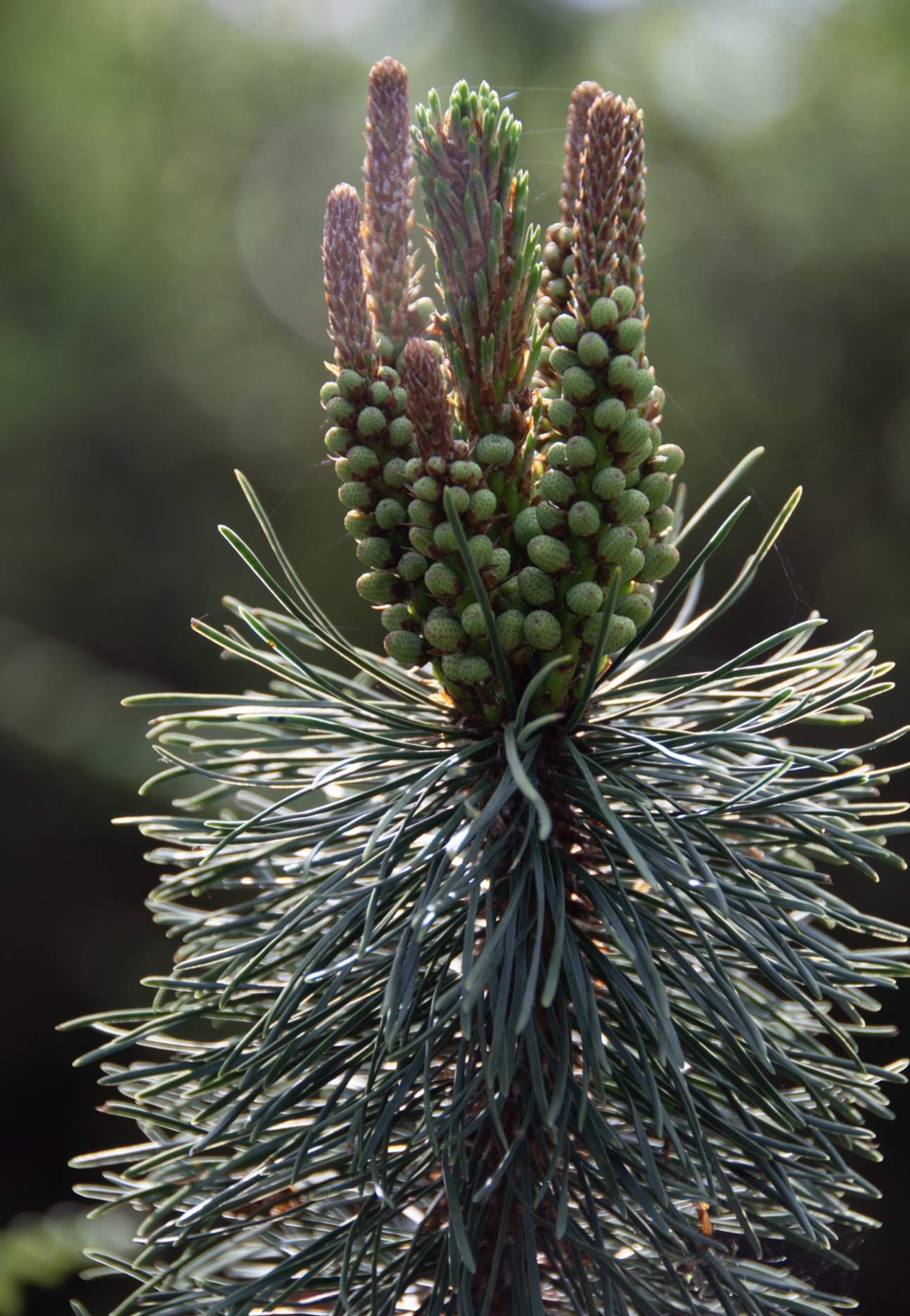 In the southeastern United States, pine plantations serve as critical components of the forestry economy, predominantly managed through intensive site preparation techniques designed to enhance tree growth and accelerate harvest cycles. These plantations often employ soil bed construction to improve drainage and the application of herbicides to mitigate competition from weeds and woody shrubs. While earlier studies have documented that such interventions yield promising early growth in pine species such as slash pine (Pinus elliottii) and loblolly pine (Pinus taeda), the long-term efficacy of these practices remains ambiguous, necessitating comprehensive longitudinal research to unravel their sustained impact on forest productivity. Addressing this knowledge gap, a recent extensive study conducted in the Lower Coastal Plain of North Florida monitored pine plantations for up to 27 years, offering unprecedented insights into how various site preparation strategies influence extended growth trajectories and timber yield.
 Ash trees are an important part of the basket weaving tradition, which has long played a significant cultural, spiritual and practical role in the lives of tribal citizens across the country, including John Daigle, a citizen member of the Penobscot Nation in Maine. But the emergence of the emerald ash borer beetle …has posed challenges for Indigenous basket makers. A grant awarded to Daigle, a professor of forest recreation management at the University of Maine, could help preserve and advance the craft. It’s part of the Indigenous Forest Knowledge Fund, a program run by the Northeastern States Research Cooperative to support projects related to tribal homelands or ancestral territories of the Northern Forest region… Daigle’s project was one of three winners this year. His team will also develop technologies to support the processing and storage of ash splints before widespread ash mortality, which could help sustain basket-making supplies.
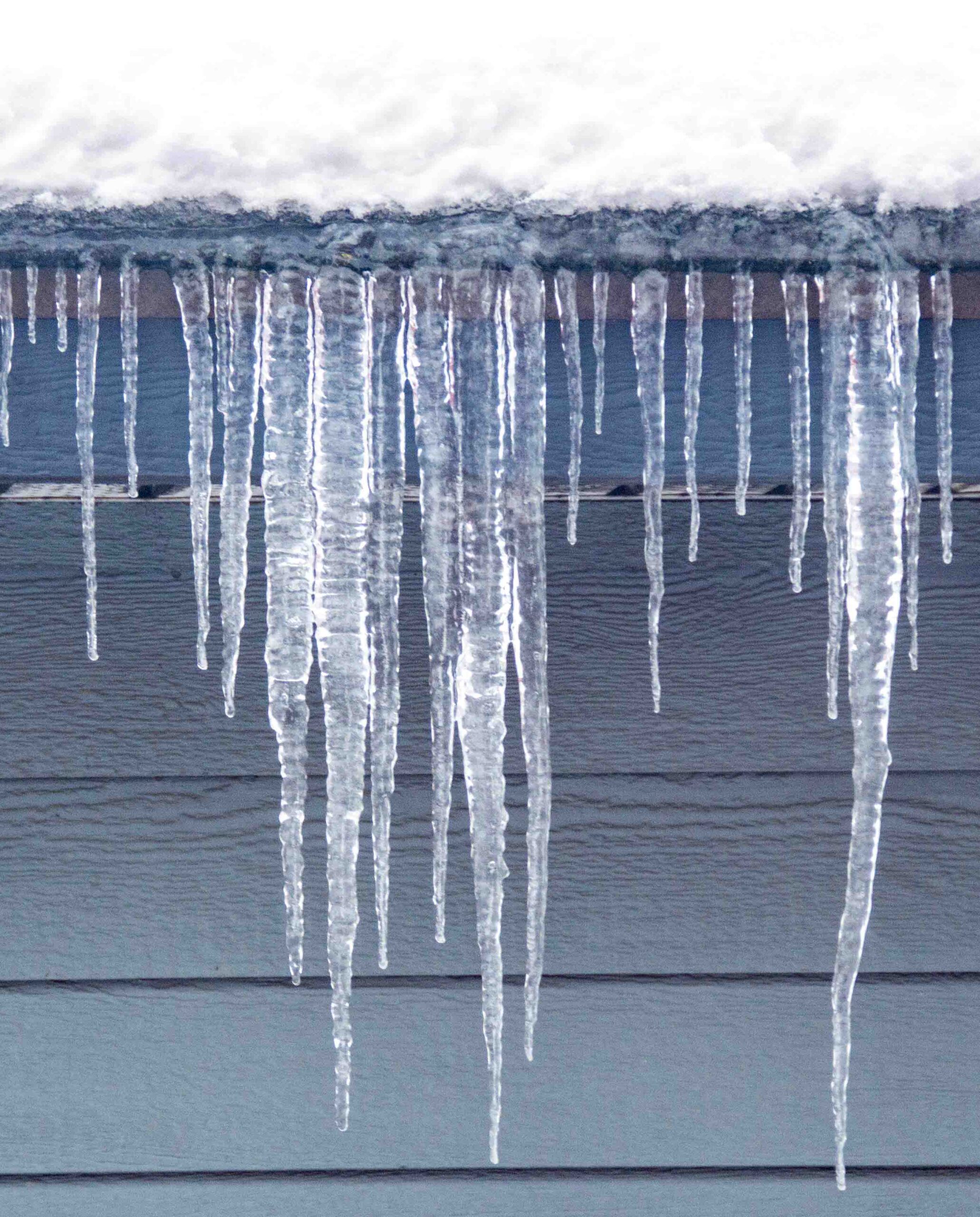 …An ice storm
 Panama – Unveiled today at its General Assembly, the Forest Stewardship Council (FSC) reports a sharp slide in public concern for climate change, even after the hottest year on record. The 2025 Global Consumer Awareness Survey – conducted with Ipsos across 50 countries and 40,000+ respondents – find war and conflict (52%) now dominate public worries while climate change trails at 31%. That is a 21-point gap in the 2025 snapshot. Looking only at the 32 countries surveyed in both 2022 and 2025, the concern gap has widened from 12 points in 2022 – where economic hardship was on top position – to 16 points in 2025. …While ‘climate change’ may rank lower as an abstract global issue in the 50-country snapshot, across the forestry module markets, the impacts felt through forests –wildfires, droughts, floods, and biodiversity loss – rank among the top concerns within the forestry sector.
 The Earth’s forests, soil and oceans are reaching their critical limits to naturally store carbon, as decades of climate change take their toll, according to a new analysis. The
 Quebec’s workers’ safety board (CNESST) concluded that driving a forestry vehicle that had no seat belt or complete door contributed to the death of a worker in Saint-Côme-Linière, in the Chaudière-Appalaches region. The forestry worker died in a workplace accident on Jan. 6 while reversing a vehicle known as a skidder, according to the Commission des normes, de l’équité, de la santé et de la sécurité du travail (CNESST). During the maneuver, the vehicle backed up onto the stump of a felled tree, causing vibrations that ejected the worker from the cab. The man was crushed by the front wheel of the skidder. In its report, the CNESST concluded that “operating a skidder that is not equipped with seat belts or full doors violates section 21 of the Regulation respecting occupational health and safety in forest development work.”
