 Canfor is expanding its lumber footprint in Sweden, via its subsidiary, Vida AB. In other Business news: First Nations in Quebec walk away from forestry bill talks; Washington’s dormant Cosmopolis pulp mill is fined for leaks; Texas timber markets remain steady; the Canadian Chamber of Commerce says Trump’s tariffs will add $14,000 to the cost of a US home; and Stora Enso beats Q2, 2025 earnings forecasts.
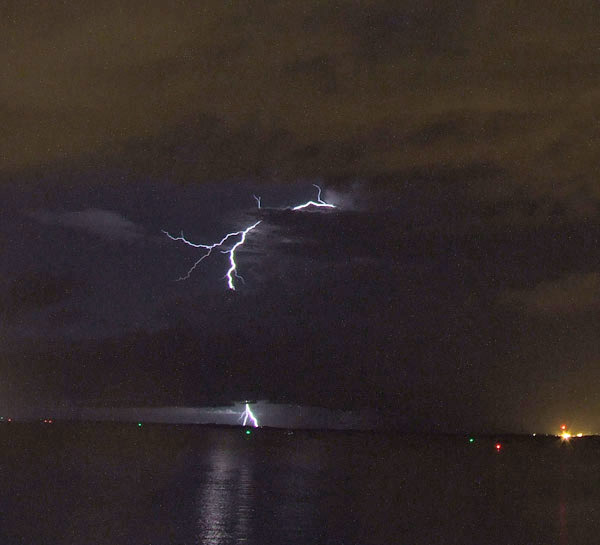
In Forestry/Wildfire news: BC transfers 700 hectares to the Snuneymuxw First Nation; a BC wildfire contractor is granted an appeal extension on a wildfire penalty; and B.A. Blackwell renews its Stanley Park tree-removal contract. South of the 49th: the US administration fast-tracks the repeal of roadless-area logging bans; a Montana logging project proceeds despite environmental concerns; Wisconsin’s governor wants to reverse forestry-related staff cuts; and lightning is identified as a major driver of tree mortality. Meanwhile: two wildfires are out of control on Vancouver Island; and Forestry England’s approach to forest resilience.
Finally, a look at megafires as an Oregon wildfire approaches the 100,000-acre mark.
Kelly McCloskey, Tree Frog News Editor

 Just as we depend on forests, forests depend on all of us. At the Forest Stewardship Council (FSC), your work will create a better future for forests and people around the world. When you join our team, you can do your part to build a world where the true value of forests is recognized by all.
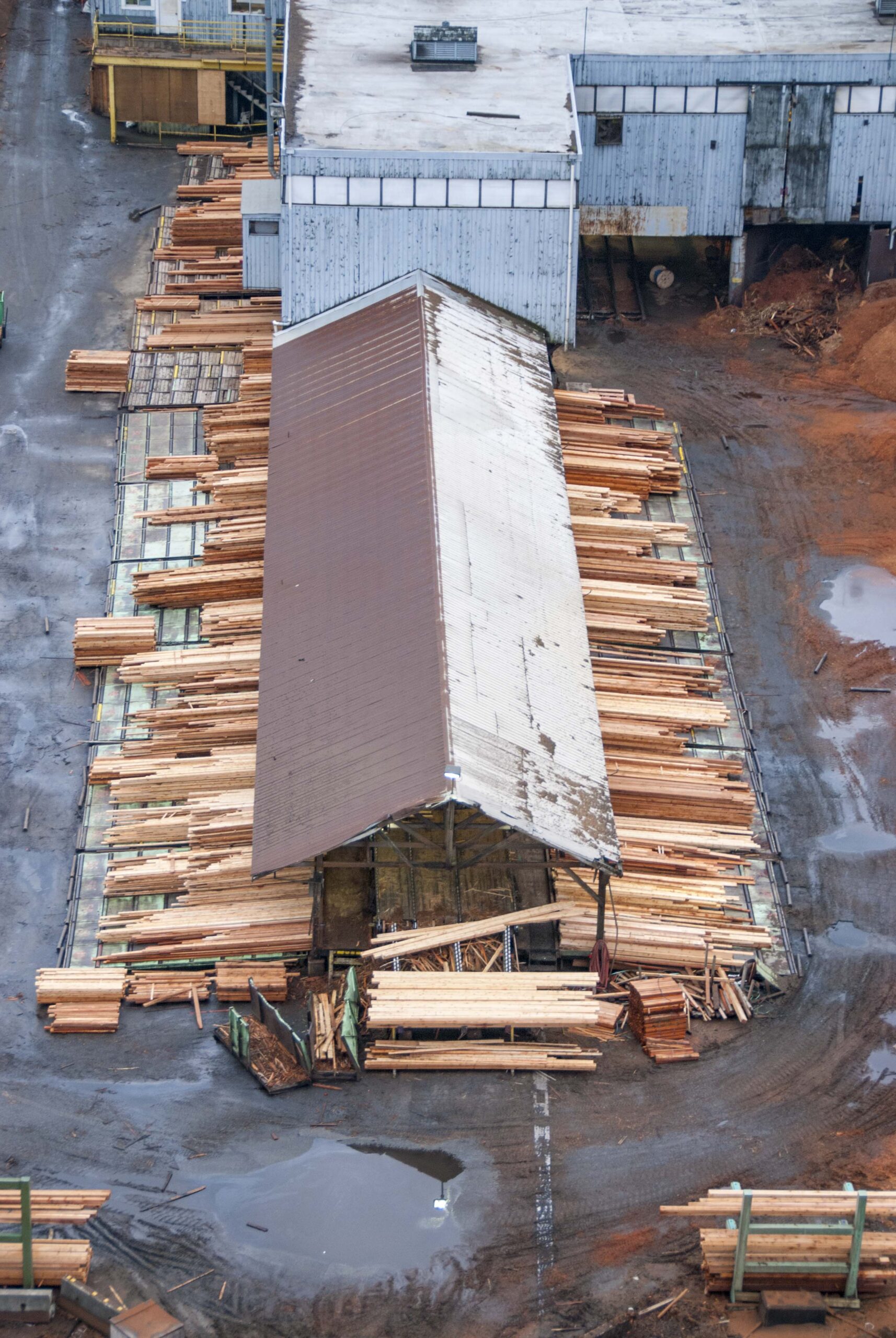 B.C.’s forest industry has a lot at stake in trade talks between Canada and the U.S. as Prime Minister Mark Carney works toward the suggested Aug. 1 deadline for a deal, and a promise to make resolving the pre-existing dispute between the two countries on softwood lumber trade a priority. Mills in the province are already running at just 67 per cent capacity during the uncertainty surrounding tariffs… But Carney put a spotlight back on the issue last week with his commitment to make a resolution “a top priority” in trade talks sparked by U.S. President Donald Trump. The prospect of additional tariffs … adds to the urgency for reaching a deal. …B.C. sawmills that would have been reluctant to absorb the high cost of curtailing production have been quicker to suspend operations … owing to the uncertainty around tariffs, according to industry analyst Keta Kosman, publisher of the trade data firm Madison’s Lumber Reporter.
 The Canadian Wood Council is hiring a new leader to guide its WoodWorks BC program. Based in Vancouver (hybrid), this is a senior role focused on driving market growth, building strategic partnerships, and advancing wood use in construction across British Columbia. The Executive Director will lead a high-impact team, contribute to national market development efforts, and work closely with government, industry, and design professionals to promote innovation and sustainability in the built environment. This is a pivotal leadership role responsible for driving strategic growth, fostering stakeholder relationships, and championing the use of wood in construction. The Executive Director will serve as the principal representative of the program in BC and play a national role in mentoring and supporting Market development staff across Canada. WoodWorks is the market development program of the Canadian Wood Council that seeks to increase the use of wood in non-residential and multi-family building markets across Canada.
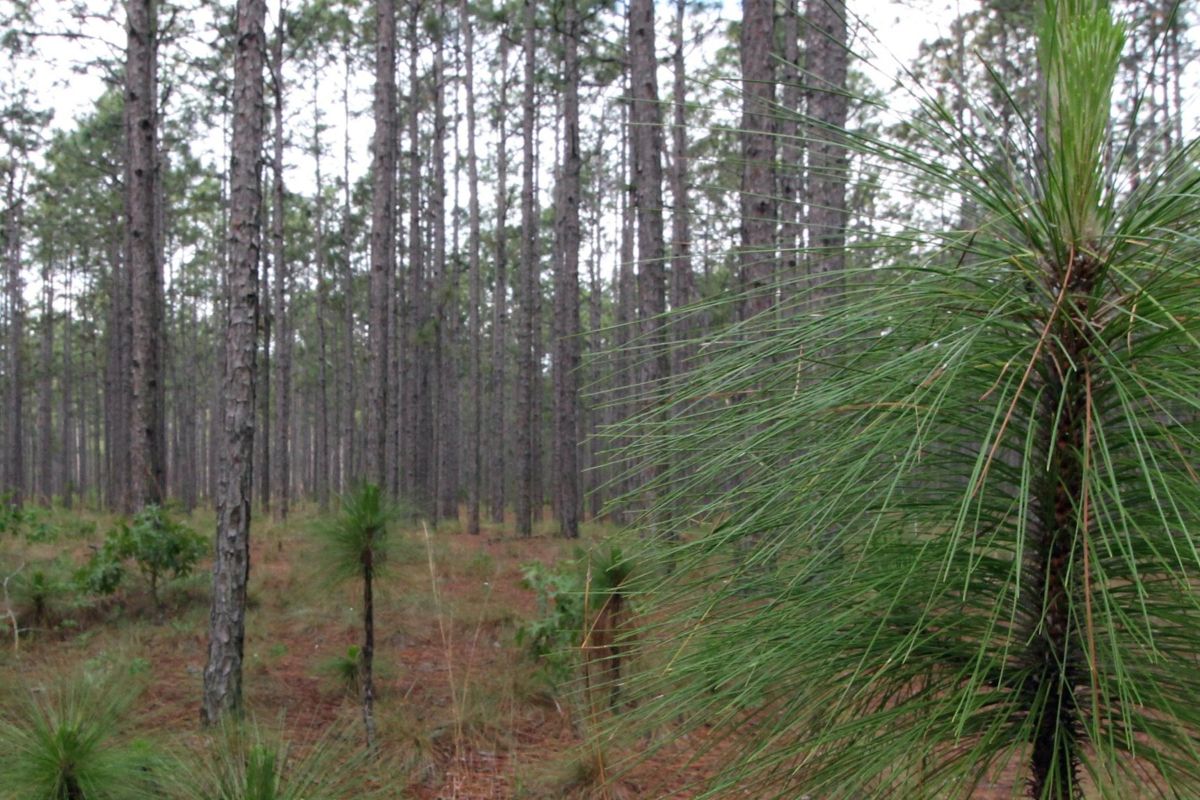
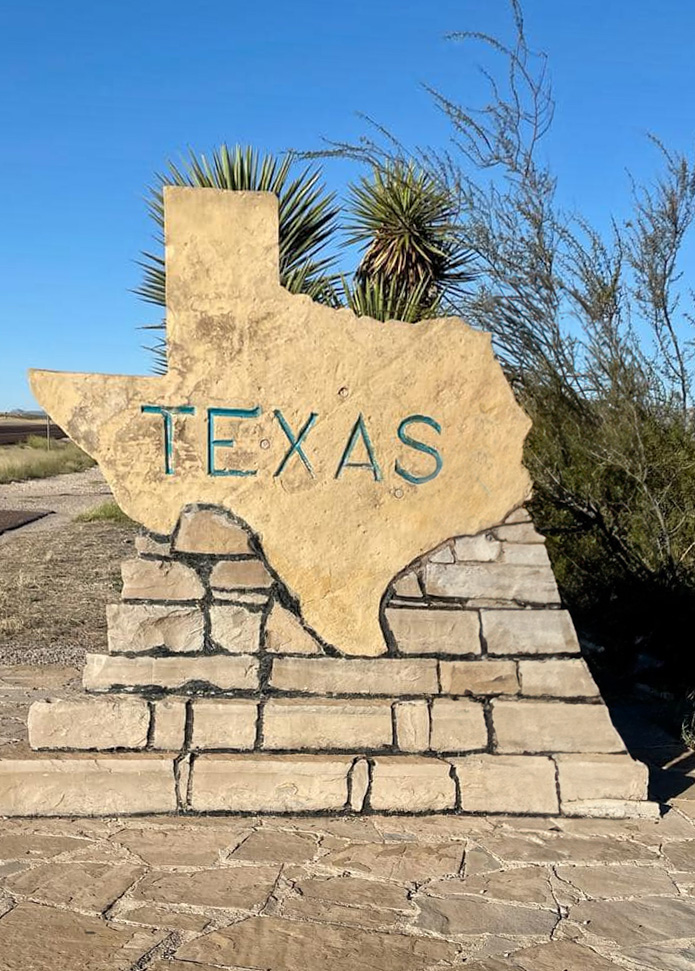 Texas’ timber industry continues to generate a significant economic impact for the state, with employment and output levels holding steady compared to 2023, said Eric Taylor, Ph.D., a silviculturist with Texas A&M AgriLife Extension Service and Texas A&M Forest Service. Market conditions remain largely unchanged from two years ago, with strong demand for sawtimber, coming primarily from pine trees in East Texas. On the flipside, there is an oversupply of smaller-diameter trees, keeping pulpwood prices soft, Taylor said. Roughly one-fifth of the state…provides about 12 million productive acres of timber out of roughly 22 million acres in the region. Most of the land is privately owned… While the Texas timber sector generally operates as a net-importer state, trade with Mexico and Canada accounts for 88% of Texas’ exports and 42% of its imports in 2024, Taylor said. …One bright spot is the growing interest in mass timber…


 OTTAWA, ON – With wildfires impacting Canadians across the country, the federal government is taking action to prevent wildfires, mitigate their effects and boost resilience. …The Government of Canada announced an investment of $11.7 million;over four years to establish the Wildfire Resilience Consortium of Canada (WRCC). Funded through the Wildfire Resilient Futures Initiative, the WRCC will serve as a national centre of excellence and virtual hub for wildland fire innovation and knowledge exchange. The WRCC will advance many of the actions in the Kananaskis Wildfire Charter, agreed to by the leaders of the G7 this spring in Canada and endorsed by the leaders of Australia, India, Mexico, the Republic of Korea and South Africa. It will bring together domestic and international governments, communities impacted by wildfires, the private sector and individual experts to share knowledge, facilitate collaboration and accelerate the use of cutting-edge science and technology in wildfire prevention, mitigation, preparedness and response.
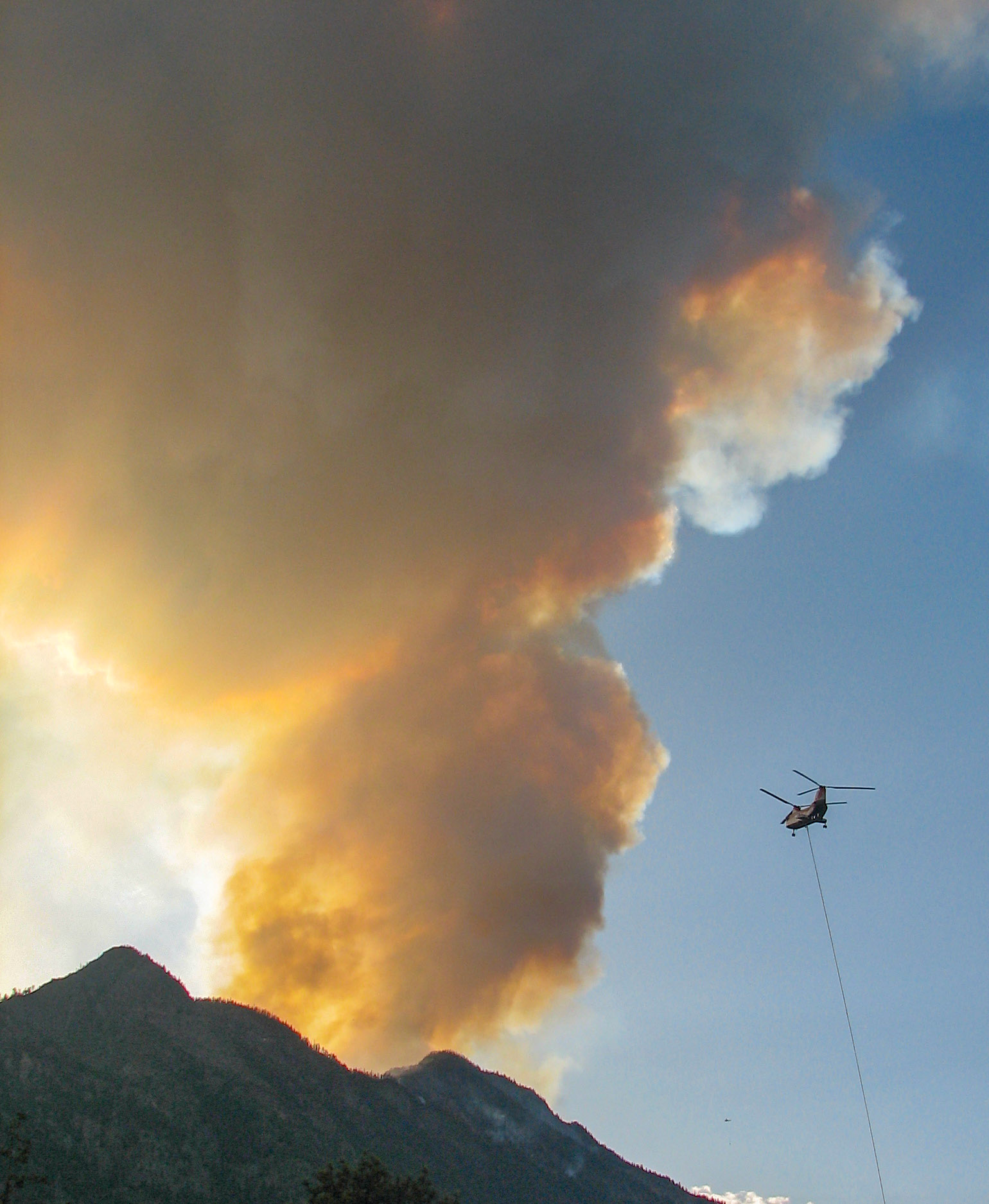 Canada’s premiers met June to talk infrastructure but were distracted by the small matter of the forest
 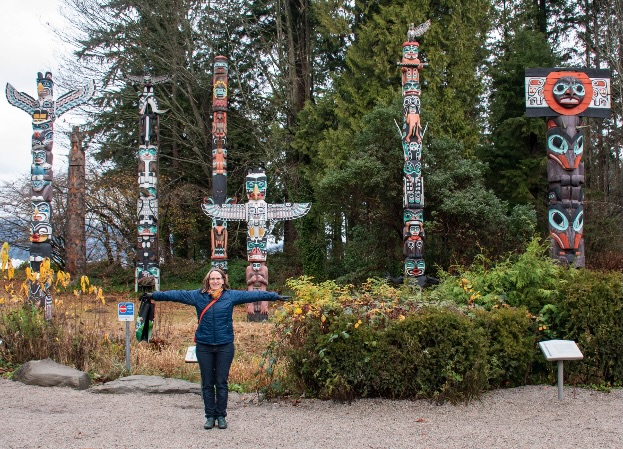 Vancouver park board commissioners voted Monday to keep the same contractor on the job for the continued work required to remove dead and declining trees in Stanley Park that have been damaged by a hemlock looper moth infestation. The board now has to finalize a contract with B.A. Blackwell and Associates Ltd. for the final phase of mitigation and restoration work in the park. The contract will be worth more than $3 million and fall within a previously approved overall budget of $17.9 million for the project. Although 23 suppliers registered an interest to complete the work, only Blackwell chose to submit a proposal, which was reviewed by the board’s evaluation team comprised of staff from urban forestry and supply chain management. …As for why Blackwell was the only bidder, Joe McLeod, the board’s associate director of urban forestry said, “There are very few forestry professional consulting firms that have the set of unique skill set.”
 Kamloops, B.C.– The Forest Enhancement Society of BC (FESBC) recently approved up to $1.7 million to the Woodlot Product Development Council (Woodlots BC) to carry out wildfire risk reduction treatments over a 2-year fiscal period. Treatments will be conducted on woodlots throughout British Columbia, each located within a Wildland Urban Interface, endorsed by the local Forestry District and following BC Wildfire Service (BCWS) wildfire risk reduction standards. Through this work, Woodlots BC looks forward to building capacity across the forest sector and helping promote innovative ways to complete treatment of wildfire risk reduction projects to reduce combustible forest fuel loading, thereby better protecting communities. “Woodlots are vital to B.C.’s forestry sector as they support local jobs, keep our forests healthy, and help reduce wildfire risk where it matters most: right where people live,” said Ravi Parmar, Minister of Forests.

 Conservation groups sued the U.S. Fish and Wildlife Service on July 17 for denying Endangered Species Act (ESA) protections to the north Oregon Coast population of red tree voles. The lawsuit, filed by the Center for Biological Diversity, Bird Alliance of Oregon, Oregon Wild and Cascadia Wildlands, claims the USFWS’ February 2024 decision that the population was not warranted for ESA protections deprives it of critical protections necessary to ensure its survival. “Red tree voles have graced Oregon’s coastal old-growth forests for thousands of years, but we could lose them forever if they don’t get Endangered Species Act protections soon,” said Ryan Shannon, a senior attorney in the Center for Biological Diversity’s endangered species program. …Due to decades of logging, this population has been eliminated from most of its historic range. It also faces an existential threat from wildfire that is worsening under climate change, according to the lawsuit.
 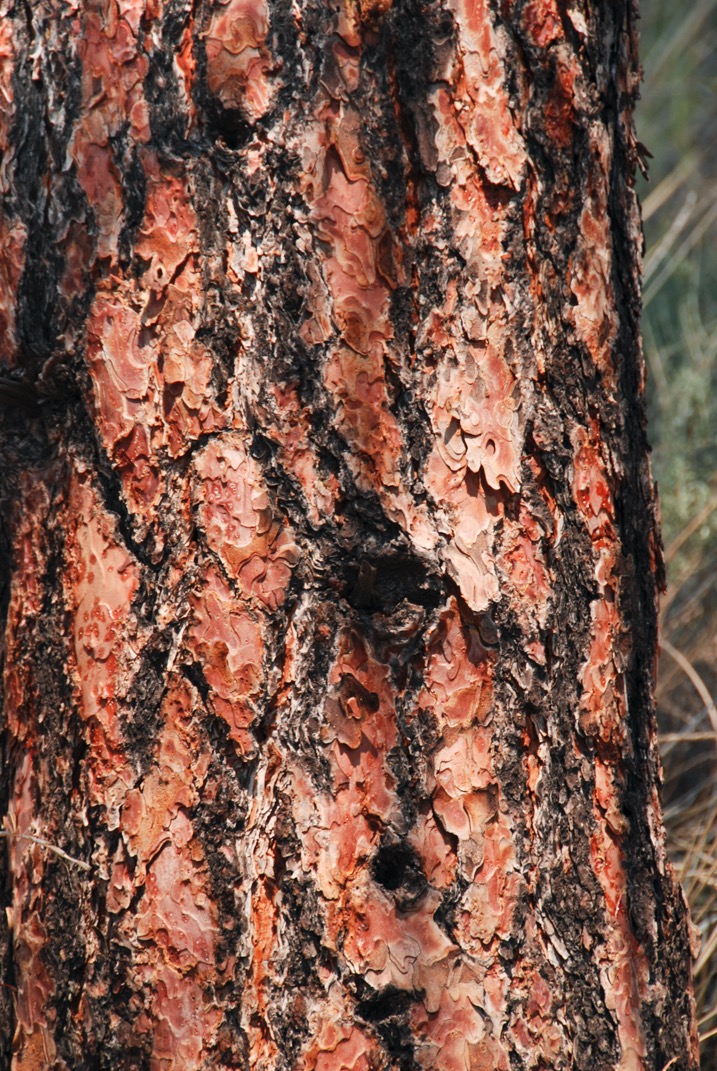 DOLORES, Colo.— Forest health advocates have finalized an agreement with the U.S. Forest Service that will preserve tens of thousands of the largest, oldest ponderosa pine trees in Colorado’s San Juan National Forest. “Large, mature trees are critical for climate resilience, habitat and forest health” said John Rader, public lands program director for the San Juan Citizens Alliance. “We are pleased to reach a common-sense agreement that helps safeguard our forests from climate change and biodiversity loss.” In June 2023 San Juan Citizens Alliance and the Center for Biological Diversity sued the Forest Service in federal court over its approval of a nearly 23,000-acre timber project in the Dolores District of the San Juan National Forest. The project area is a watershed for the Dolores River and provides important habitat for elk, mule deer and raptor, including imperiled goshawks. It was extensively logged throughout the 1900s, and few mature ponderosa pines remain.
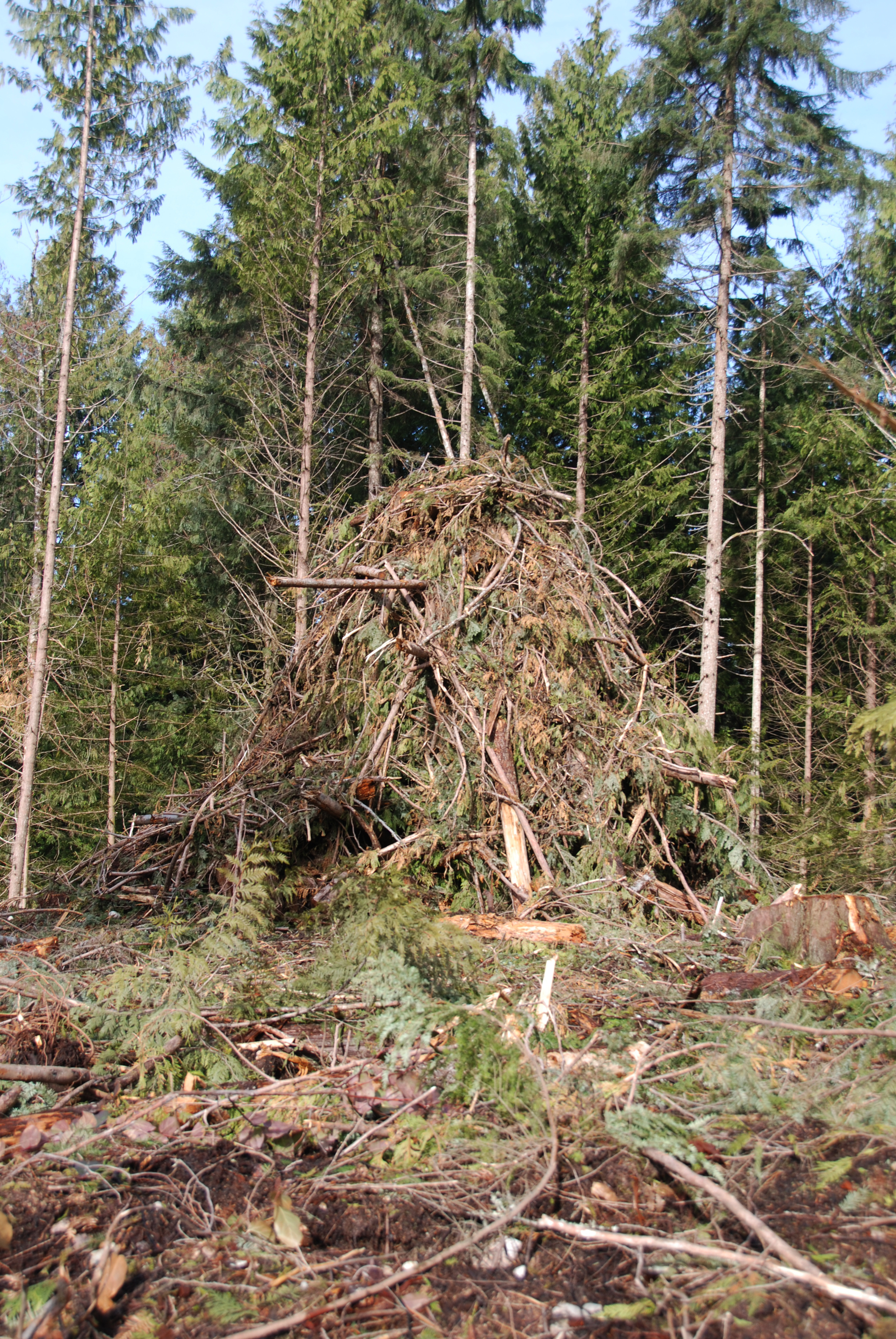 The Oregon Department of Forestry is teaming up with the owner of 33,000 acres of private timberland west of Bend to test a new technology that reduces the amount of smoke produced during pile burning activities, and reduces wildfire risk. A pilot project is set to be held in October on Shanda Asset Management’s Skyline Forest, a vast swath of timberland that has long been the target of conservation efforts. The project entails using an air curtain burner — a container-sized unit that burns wood slash from thinning projects. Instead of releasing particulate matter into the atmosphere, these units capture smoke and produce biochar. It also reduces the risk of a wildfire caused by embers escaping from burning piles. Another advantage is limiting the spread of tree disease and insects — air curtain burners have proven to be better than pile burning when containment is needed.
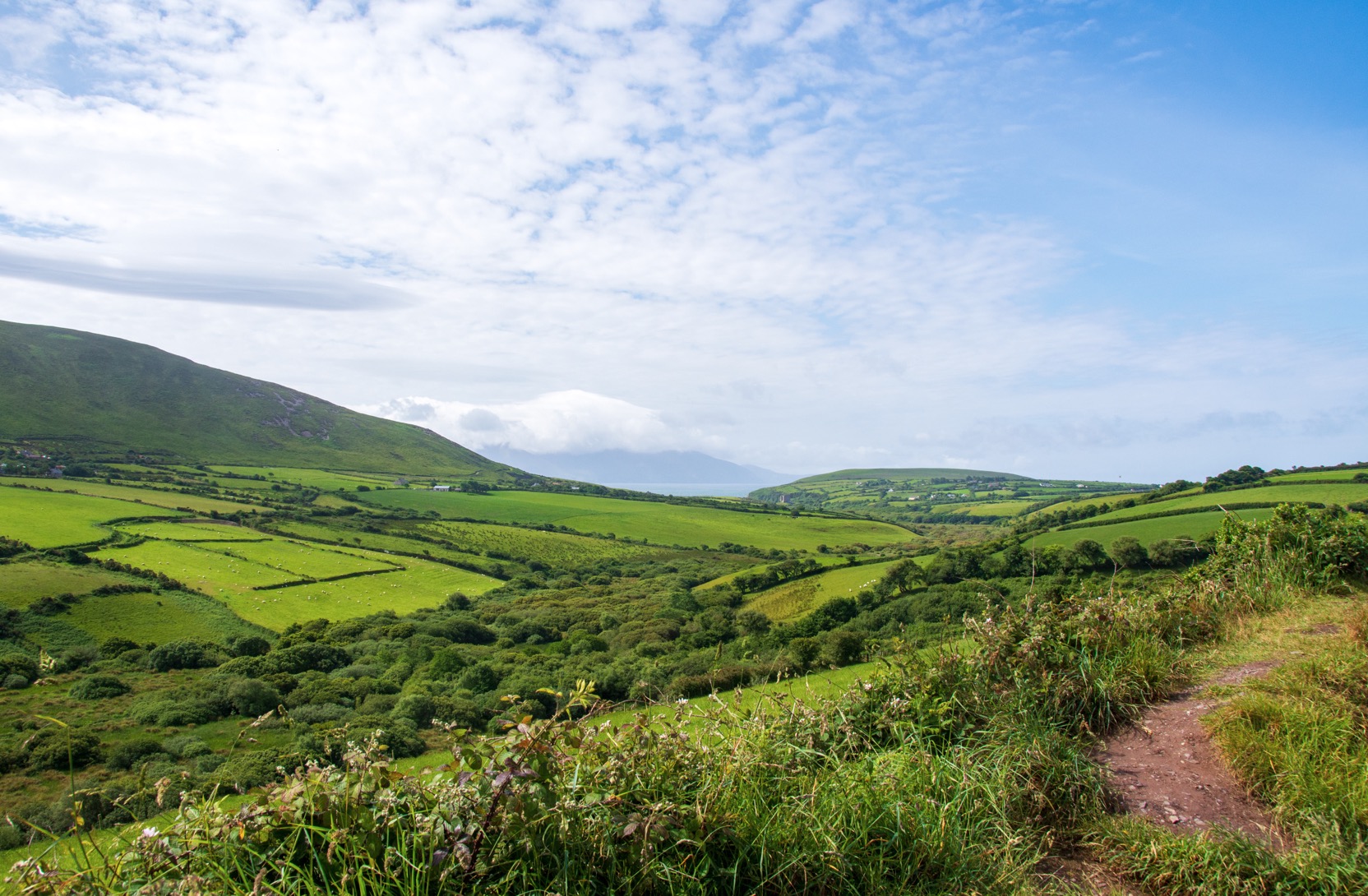 Alastair Collier is right to point out that to build forests that can withstand future conditions, we must invest in resilience from the outset (Britain’s forests need help to adapt to the changing climate
 The General Directorate of Forestry (OGM) under Türkiye’s Ministry of Agriculture and Forestry has issued a stark warning, urging extreme caution as temperatures are forecast to rise by 6 to 12 degrees Celsius between July 19 and 25. As record-breaking summer heat and dry winds sweep across the Mediterranean basin, Türkiye is once again on the front lines of a growing global crisis: forest fires. Citing meteorological data, the OGM emphasized that a combination of soaring heat, low humidity and wind can create a dangerous trifecta, fueling wildfires that spread rapidly and with devastating intensity. “Even a moment of carelessness can ignite a fire of catastrophic scale,” the statement read. Citizens are urged not to burn brush, discard cigarette butts, light open fires or leave glass bottles in nature during this critical period. With 86% of wildfires caused by human activity, the risk is real and preventable.
 …The Tyee looked at three critical and vastly different means to store carbon in the West, examining how these ecosystems capture carbon, the restoration work they require and why Canada should take them seriously as solutions. …Peatlands are a type of wetland found all over Canada. In the West, they are found in northern B.C. and Alberta. …However, they come with a catch; as much as they absorb carbon, they also emit methane. …Kelp is one of the newest potentials for natural climate solutions and carbon sequestration in Canada. …It is hard for researchers to fully evaluate how much kelp carbon is sequestered in the deep oceans in the long term. …Trees are one of the world’s largest carbon sinks. Like peat, trees sequester carbon through photosynthesis. As trees grow, they take in carbon from the air around them and store it in their wood, soil and plant matter


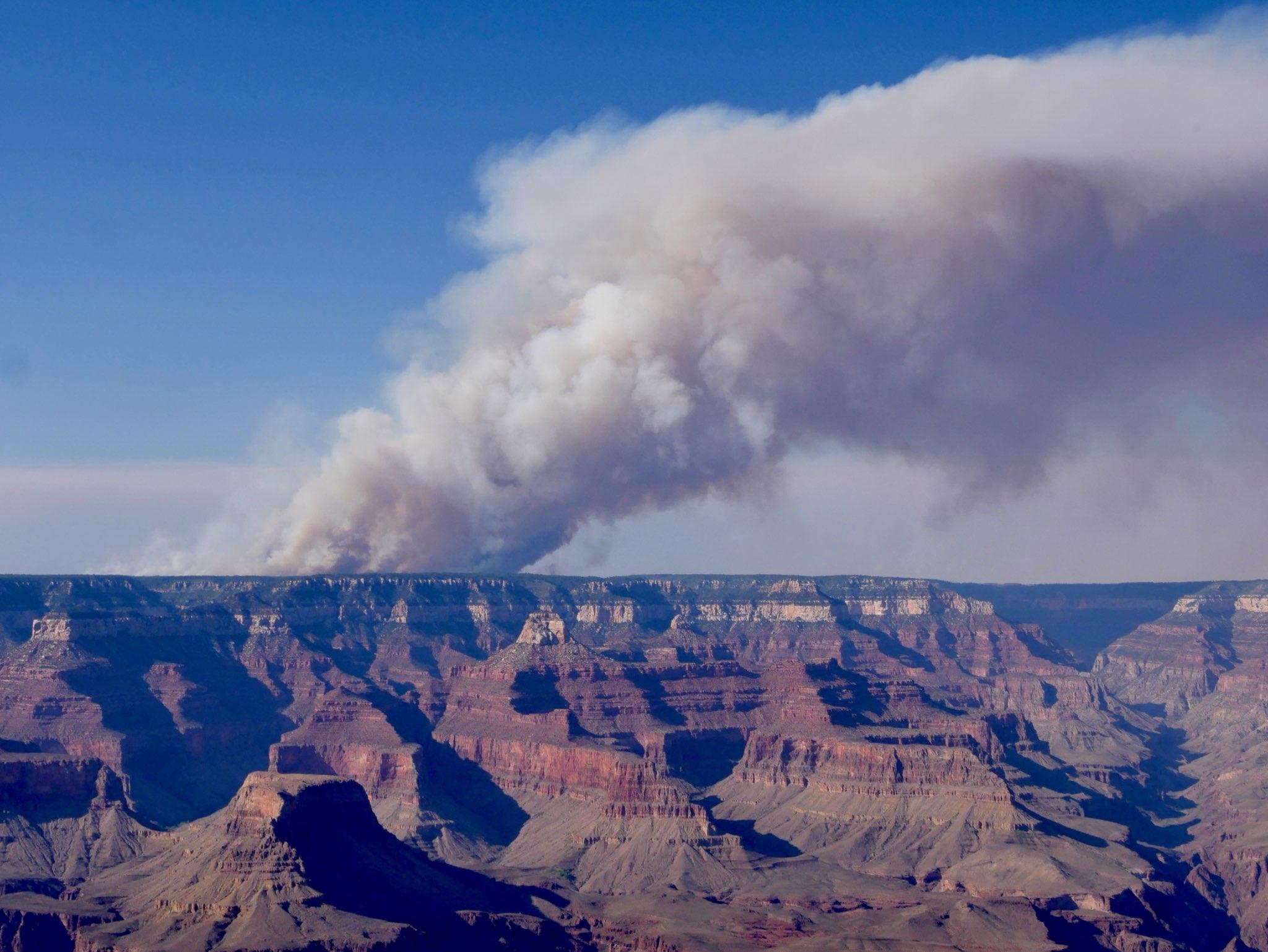
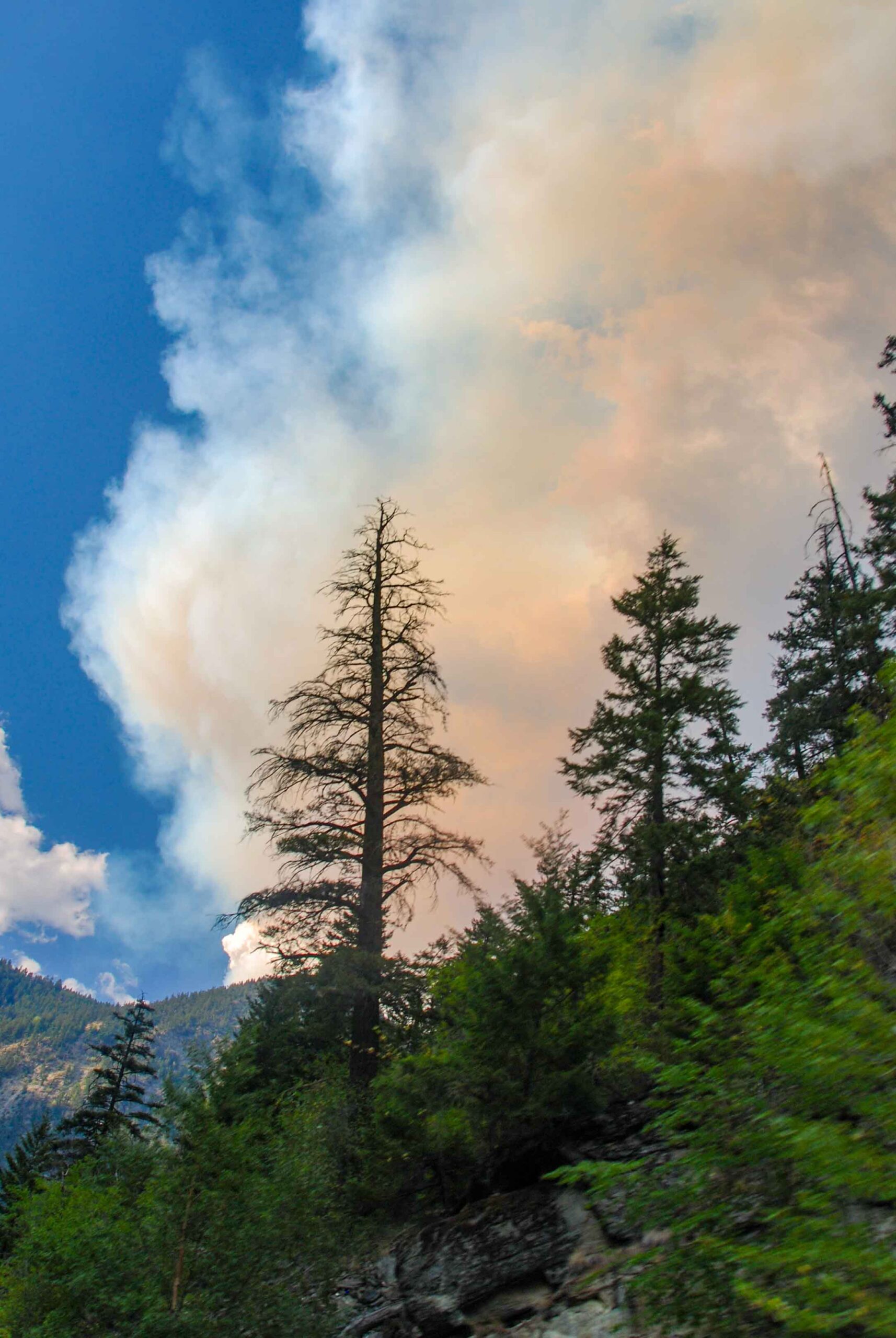 The country’s largest wildfire this year has burned over 95,740 acres, fire officials in central Oregon said Sunday, as ground crews made progress to partially contain a blaze that could still intensify to become a so-called megafire. Officials said that the massive blaze — which has drawn more than 900 fire personnel, destroyed a handful of homes and prompted evacuations in two counties — was 49% contained after crews struggled to keep back the flames last week. …Cooler temperatures and higher humidity over the weekend are expected to continue early this week, potentially aiding firefighting efforts, but the sheer size of the fire has been staggering: If it grows to at least 100,000 acres, it would be classified as a megafire, becoming the first one in the U.S. in 2025, said the National Interagency Fire Center in Boise, Idaho, which coordinates the country’s wildland firefighting operations. Oregon saw six wildfires reach megafire status last year