 A federal appeals court says Trump’s tariffs can remain in place for now—but fast tracks a summer resolution. In related news: US and China reach a deal to keep their trade-truce alive (or do they?); Canadian ownership of US lumber mills raises economic and policy questions; and the US Dept. of Justice says Trump can abolish national monuments. Meanwhile: Steelworkers strike at LKSM Forestry LP on Vancouver Island; Legacy Paper restarts its Port Huron, Michigan paper machine; and US wood importers talk trade with Vietnam.
In Forestry/Wildfire news: the Cree Nation says its forestry agreement takes precedent over Quebec’s bill; US officials warn of an ominous fire season—want employees who voluntarily resigned to come back; and a Texas bioenergy plant secures a wood deal with Louisiana Pacific. Meanwhile: HUB International launches exclusive Forestry Select Insurance; Ottawa’s climate plan is said to be falling short; and the USDA sets a date for vote on paper promotion program.
Finally, University of BC innovators unveil novel wood leather soccer ball at Expo 2025.
Kelly McCloskey, Tree Frog News Editor


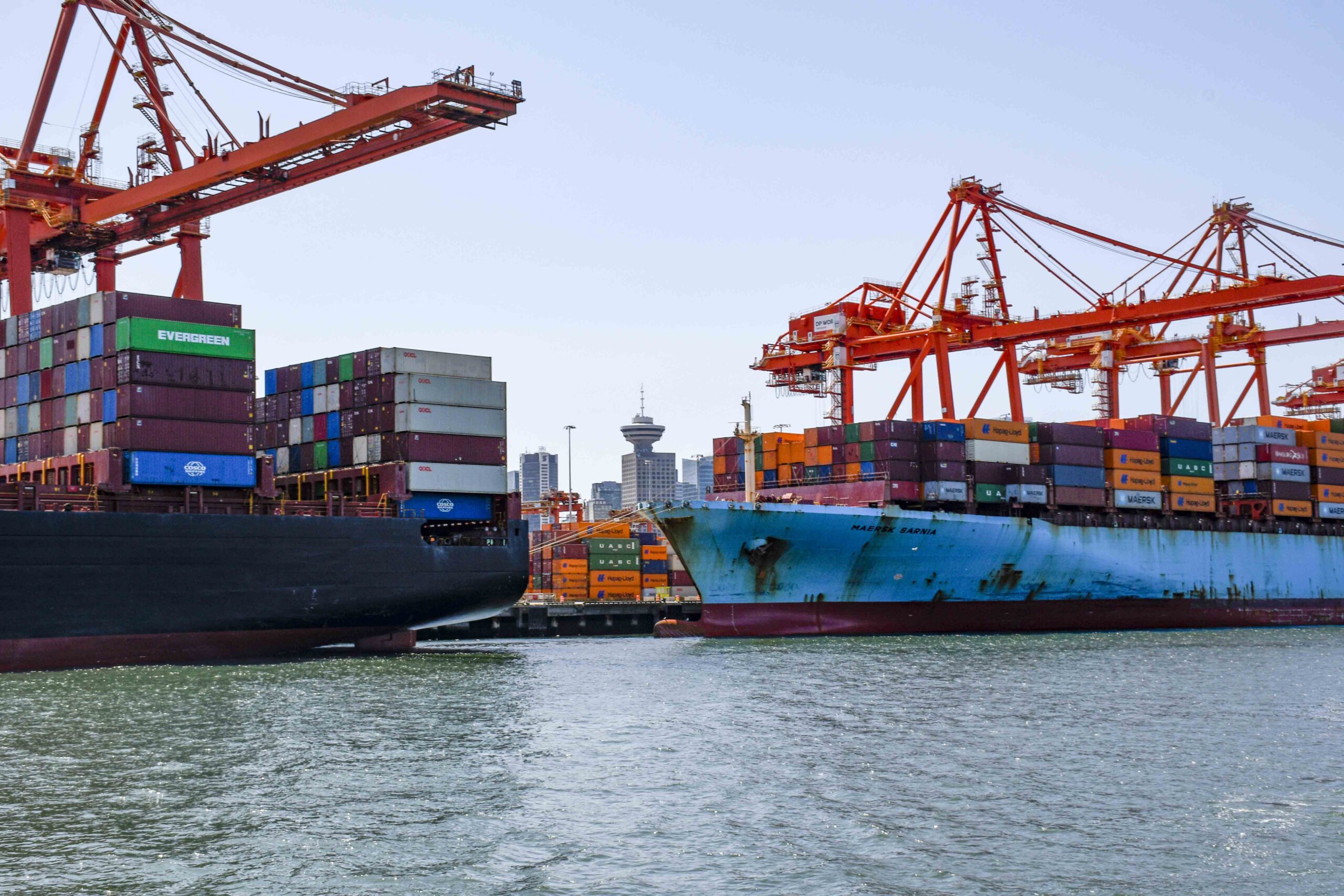 Maritime employers in British Columbia and the union representing port foremen say they have ratified a new four-year collective agreement, after a dispute that saw workers locked out of container terminals last year. The British Columbia Maritime Employers Association and the International Longshore and Warehouse Union Ship and Dock Foremen Local 514 said in a joint statement that the new collective agreement extends from April 1, 2023, to March 31, 2027. …It is the second major labour deal for Canada’s West Coast ports that will be in place until March 2027, after an earlier agreement with thousands of port workers that was signed in August 2023 following a strike. The details of the new deal with supervisors have not been released, and neither the employers association nor the union representing roughly 700 supervisors immediately responded to requests for comment. They had been without a deal since the last accord expired in March 2023.
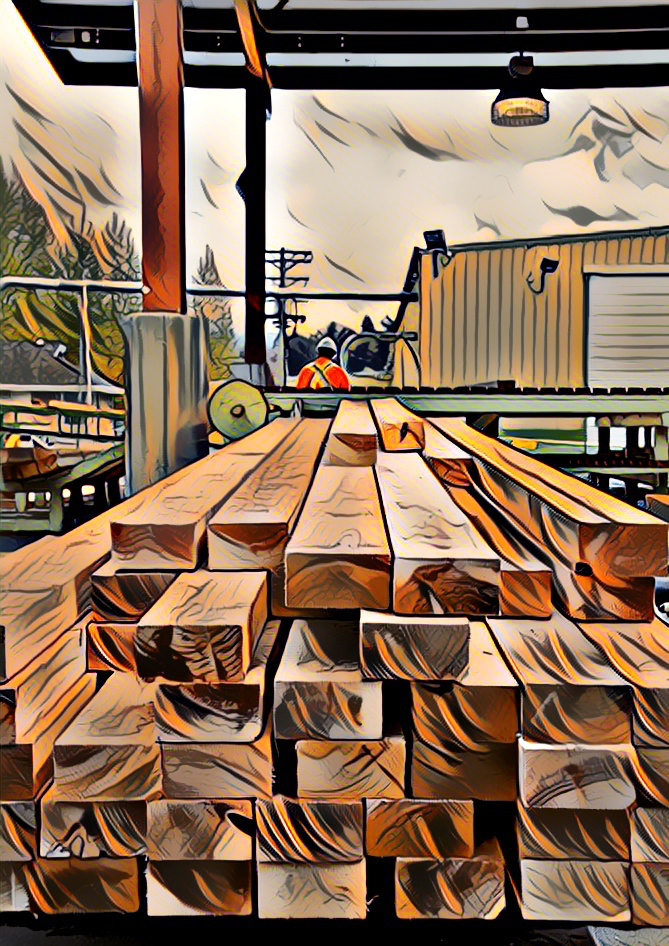 Duties placed on Canadian lumber entering the U.S. could eventually help markets here, a local mill manager is saying, but they are still a few months out. There’s a misconception that recent tariffs announced against Canadian goods extended to lumber products, F.H. Stoltze Land and Lumber vice president and general manager Paul McKenzie said Monday. The U.S.-Canada lumber market is governed under a separate and oft disputed softwood agreement that places duties on Canadian lumber. The duties are supposed to keep Canadians from dumping government subsidized lumbers onto U.S. markets. They currently amount to about 14% combined. By August or September, they’re expected to climb to 34%, McKenzie noted. That will be helpful to us,” McKenzie said. Stoltze has operated its independent mill in Columbia Falls, Montana over 100 years. McKenzie said Canadians are currently dumping their products into the U.S. ahead of the hike in duties.

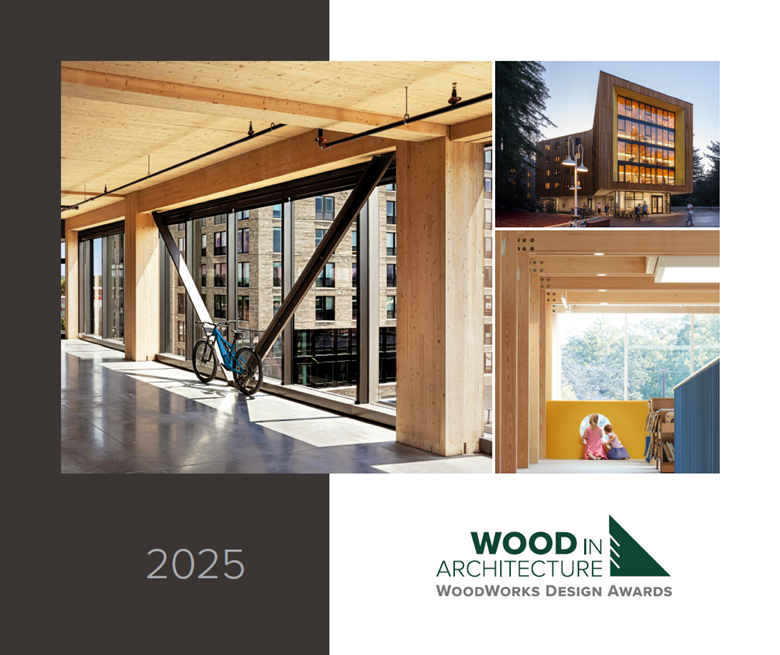
 EDINBURGH, SCOTLAND — The International Sustainable Forestry Coalition (ISFC) welcomes the release by the International Organization for Standardization (ISO) of its new Standard covering the way greenhouse gas accounting should be applied to wood and wood-based products. Until the publication of this Standard, there had not been an internationally agreed upon accounting approach for biogenic carbon emissions and removals – an important piece of the puzzle to support corporate climate action and reach global net zero targets. The new series is ISO 13391 Wood and wood-based products — Greenhouse gas dynamics, and covers all essential components of carbon accounting for the sector: carbon in forests, carbon in harvested wood products and potential greenhouse gas emissions avoided through the use of wood-based products instead of fossil-based products.
 The legacy sewing pattern brands Simplicity, Butterick, McCalls, and Vogue, commonly referred to as the Big 4, have been sold to a liquidator.
 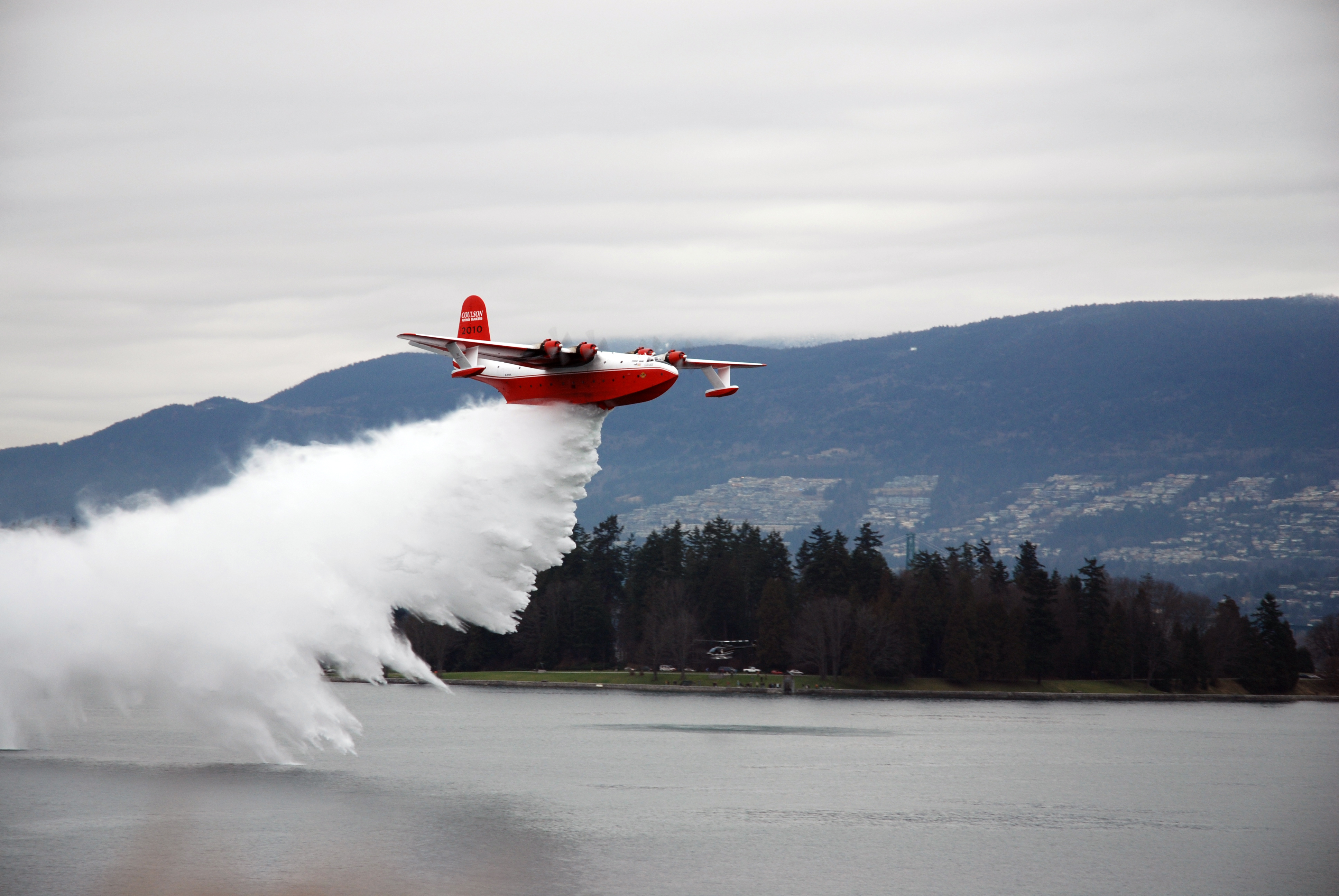 As Canada is again dealing with massive wildfires, the increasing severity of the natural disasters is having the knock-on effect of spiking the demand for water bomber planes — and it will be years before Canada gets its hands on a new one. Premiers gathered in Saskatchewan this week, one of the provinces currently gripped by wildfires. They were primarily meeting to discuss major infrastructure projects, but a number of premiers talked to reporters about dealing with the wildfire situation. Manitoba Premier Wab Kinew, whose province has also seen thousands flee wildfires in recent weeks, mentioned that his government is waiting for an order of water bombers — but he doesn’t expect them to be delivered any time soon. …John Gradek, an aviation management lecturer at McGill University, agreed [with Premier Ford] that it’s well past time for Canada to have a nationalized water bomber fleet.
 This month’s news includes:
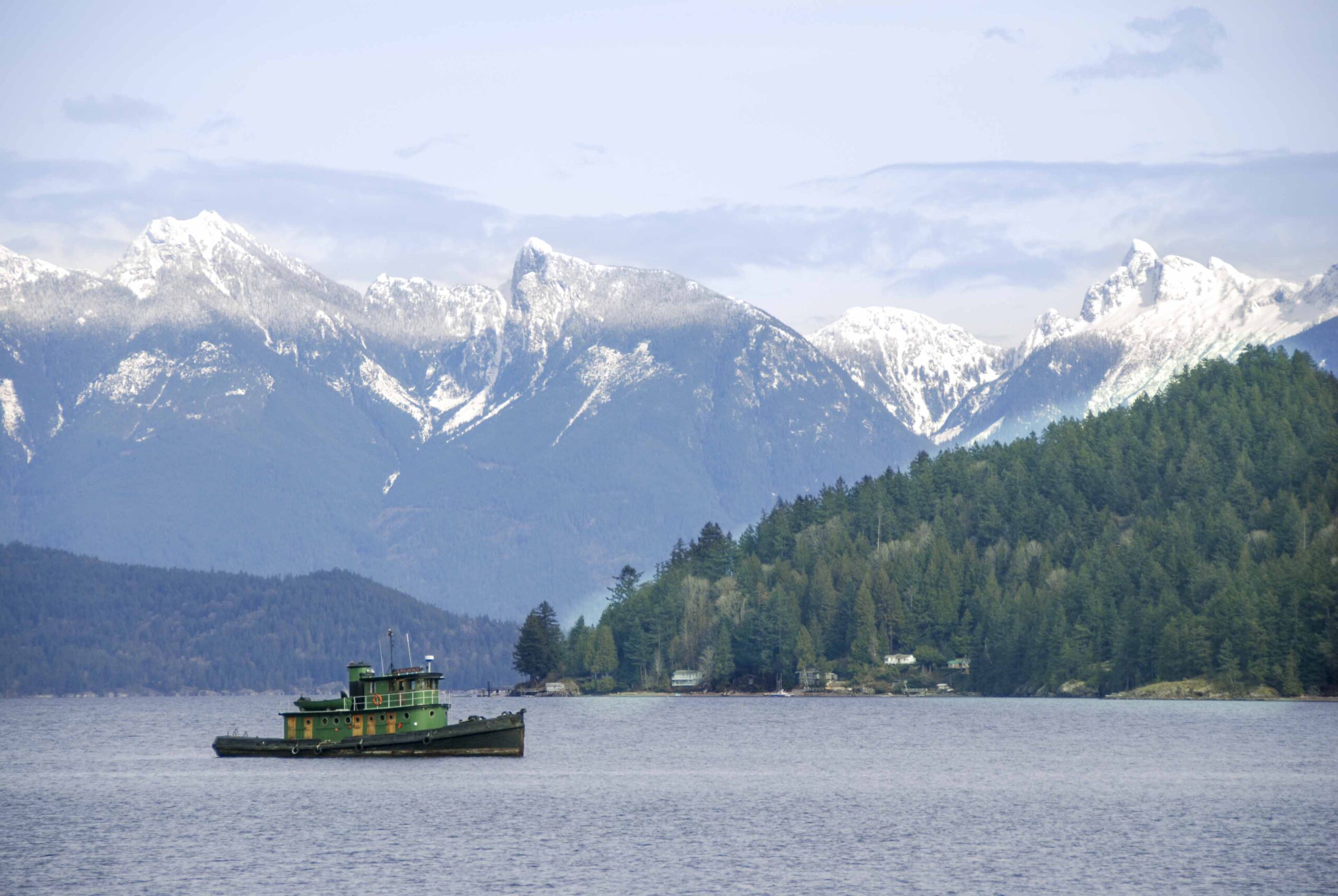 The Town of Gibsons has endorsed an ambitious urban forest plan to protect and expand tree canopy coverage across the municipality by 2045. The plan, developed by Diamond Head Consulting, was presented to council during the June 3 regular meeting, following community engagement and technical analysis. The urban forest plan establishes canopy cover targets of 31 per cent for urban areas and 39 per cent for greenfield development sites by 2045. Currently, Gibsons maintains 38 per cent overall canopy coverage, representing 160 hectares of tree canopy within the town’s 430-hectare(4.3km²) boundary. The plan notes that while greenfield areas will see reduced canopy due to expected development, strategic planting and protection measures can still achieve meaningful coverage.
 Canada’s wildfire season has had an early and intense start, with states of emergency declared in Saskatchewan and Manitoba and forecasts warning of severe conditions across central and eastern Canada. Wildfire smoke is already crossing borders, affecting millions. In this Q&A, wildfire experts Dr. Lori Daniels and Dr. Mathieu Bourbonnais, co-directors of the

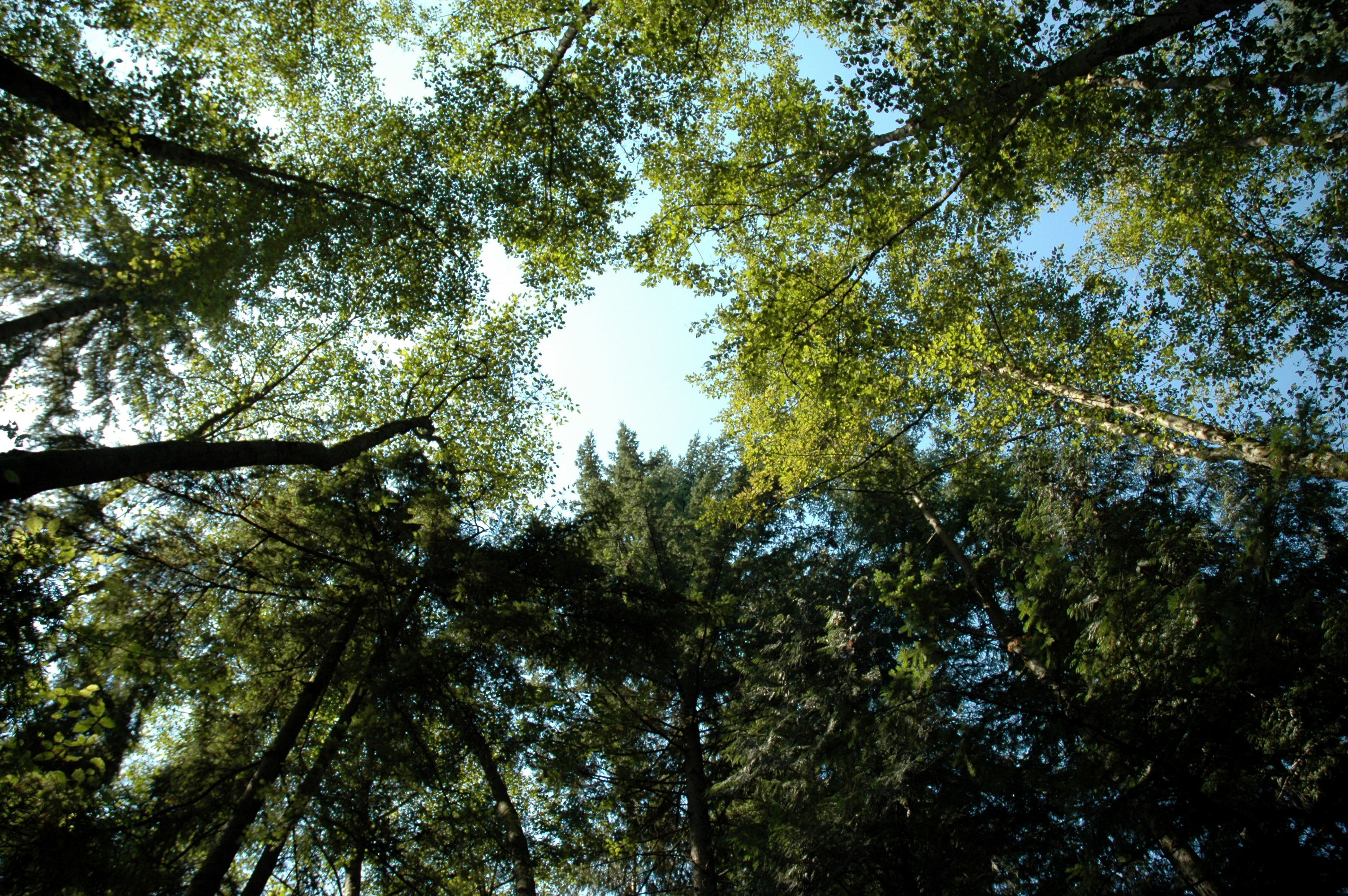 Quebec’s sweeping reform of how forests are managed is causing concerns among Indigenous leaders, conservation groups and unions, who warn the changes prioritize logging over long-term health of the ecosystem. Bill 97, tabled this spring by Minister of Natural Resources and Forests Maïté Blanchette Vézina, proposes to divide the forest into three zones: one that prioritizes conservation, one focused on timber production and a third zone for multiple uses. At least 30 per cent of Quebec’s forests will fall into that second category, Blanchette Vézina said. Speaking at the legislative hearing on Bill 97, Lac-Simon Anishnabe Nation Chief Lucien Wabanonik says he wants to see it scrapped and rewritten from scratch in collaboration with First Nations people. “They call it triade in French, meaning 30 per cent of the territory will be specifically used by the industry in exclusion of other users,” he said. “It’s very negative on our rights as First Nations.”
 SEATTLE — The US Forest Service has been tasked by President Trump to create a plan that will increase timber production in federal forests, and Pacific Northwest industry leaders are waiting to see how that plan will be implemented in a region rich in logging history. Many leaders are worried that this new order will disrupt the decades of work put into policies locally. …Logging has historically been a staple industry in the northwest that has simultaneously been an ongoing conversation between the need to harvest for building and economy, and also protecting the environment within these forests. …Lands Commissioner Dave Upthegrove said the constant balancing act between the economy and the environment continues. “As our state has grown, as many of our forest lands have been developed, it’s more important that we manage these forests now, not just as economic resources, but as valuable assets that contribute to our quality of life,” said Upthegrove.
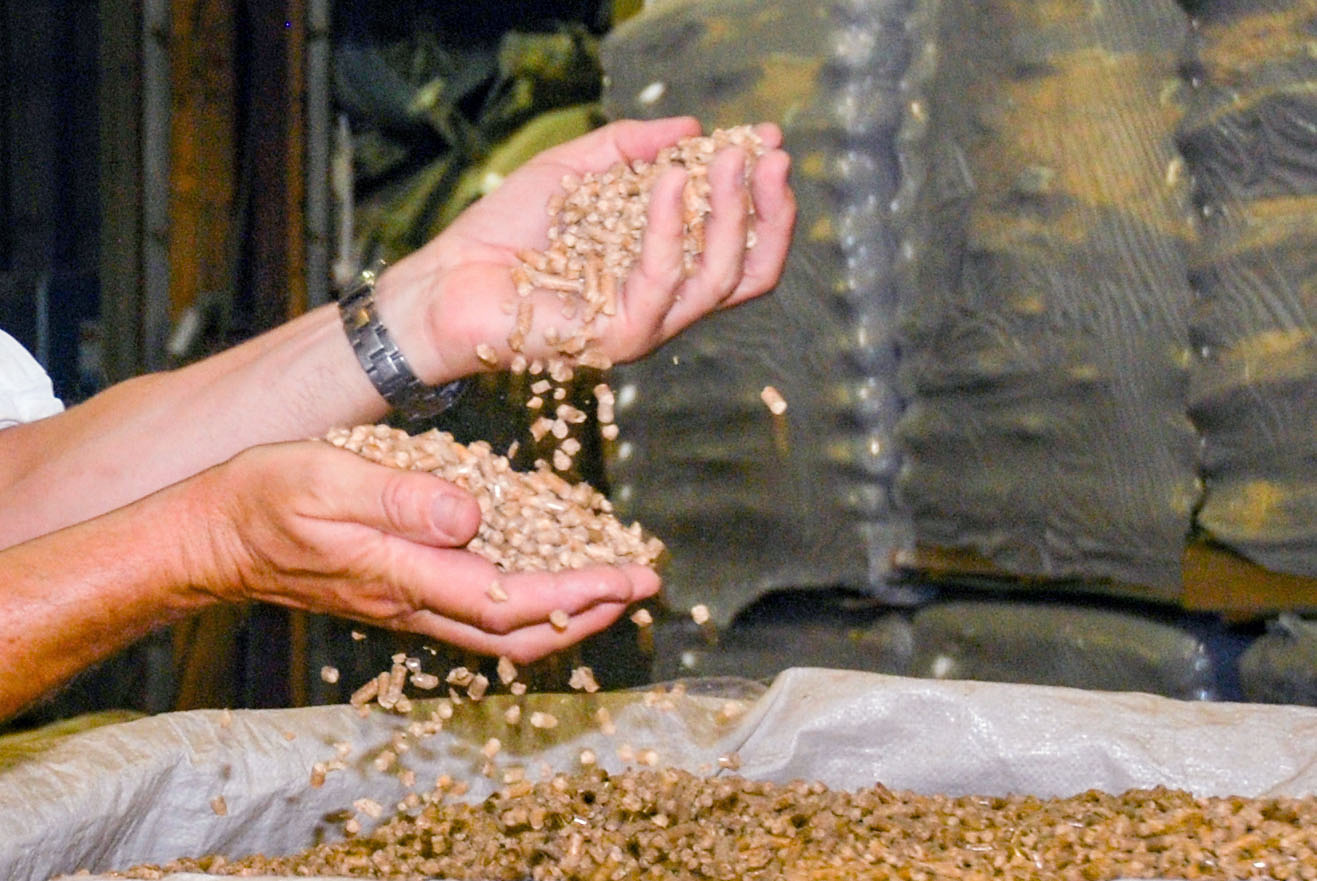 In an energy conversation dominated by buzzwords and breakthroughs, it’s easy to overlook the quiet, proven solutions that are already delivering results. Exhibit A: wood pellets. These compact cylinders aren’t flashy or trend on social media. For the uninitiated, they are carriers of renewable carbon and energy, sourced from responsibly managed forests; a real, scalable, domestic resource that delivers energy security, climate value, and rural jobs while sustaining and growing forests. Wood pellets are emerging as one of the smartest plays in America’s energy and climate portfolio. …Every year, America’s 360 million acres of privately-owned forests grow more wood than we harvest. …Responsible forest management, the kind that thins out fuel for wildfires, not only keeps forests healthy but also supplies feedstock for wood pellets. …This is climate action with a hard hat, not a hashtag. …Wood pellets are real, scalable, renewable and a true American resource.
 Hundreds of top environment lawyers are suing the New Zealand government over what they say is its “dangerously inadequate” plan to reduce emissions to net zero by 2050. It is the first time the country’s emissions reduction plan has faced litigation, and the lawyers believe it is the first case globally that challenges the use of forestry to offset emissions. …two groups representing more than 300 lawyers filed judicial review proceedings against the government in Wellington’s high court on Tuesday. The groups … claim … the government has abandoned dozens of tools to tackle emissions, failed to adequately consult the public, and too heavily relies on high-risk carbon capture strategies such as forestry. …They claim that the government is relying on “high risk” methods such as planting hundreds of thousands of hectares of introduced pine trees to offset emissions, and capturing carbon underground, with few alternatives to fall back on if something goes wrong.
 With warmer, drier conditions expected to increase across B.C., people are advised to stay prepared for climate-related emergencies. …People are encouraged to prepare grab-and-go bags, create an emergency and evacuation plan, create an Emergency Support Services profile through their B.C. Services Card app and ensure they have renter’s or homeowner’s insurance for their property. …Warm and dry conditions are expected throughout the province this month, and with that comes an elevated risk of wildfire. Northeastern B.C. is continuing to experience prolonged drought and is expected to remain at high risk for wildfire this summer. …In addition to wildfire risk, the Province is also closely monitoring key indicators of drought risk, including snowpack.
 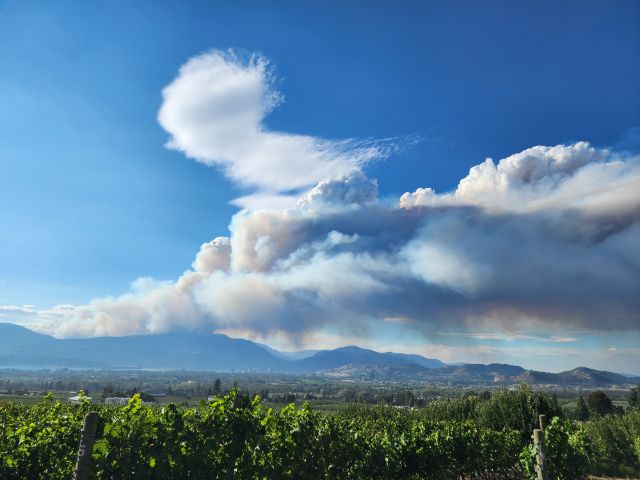 “Wildfires are happening more frequently. They’re getting bigger. They’re emitting more smoke,” Paige Fischer, a professor of environmental sustainability at the University of Michigan says. “The climate models are projecting that we’re going to have more frequent, more severe wildfires.” As of Thursday, the
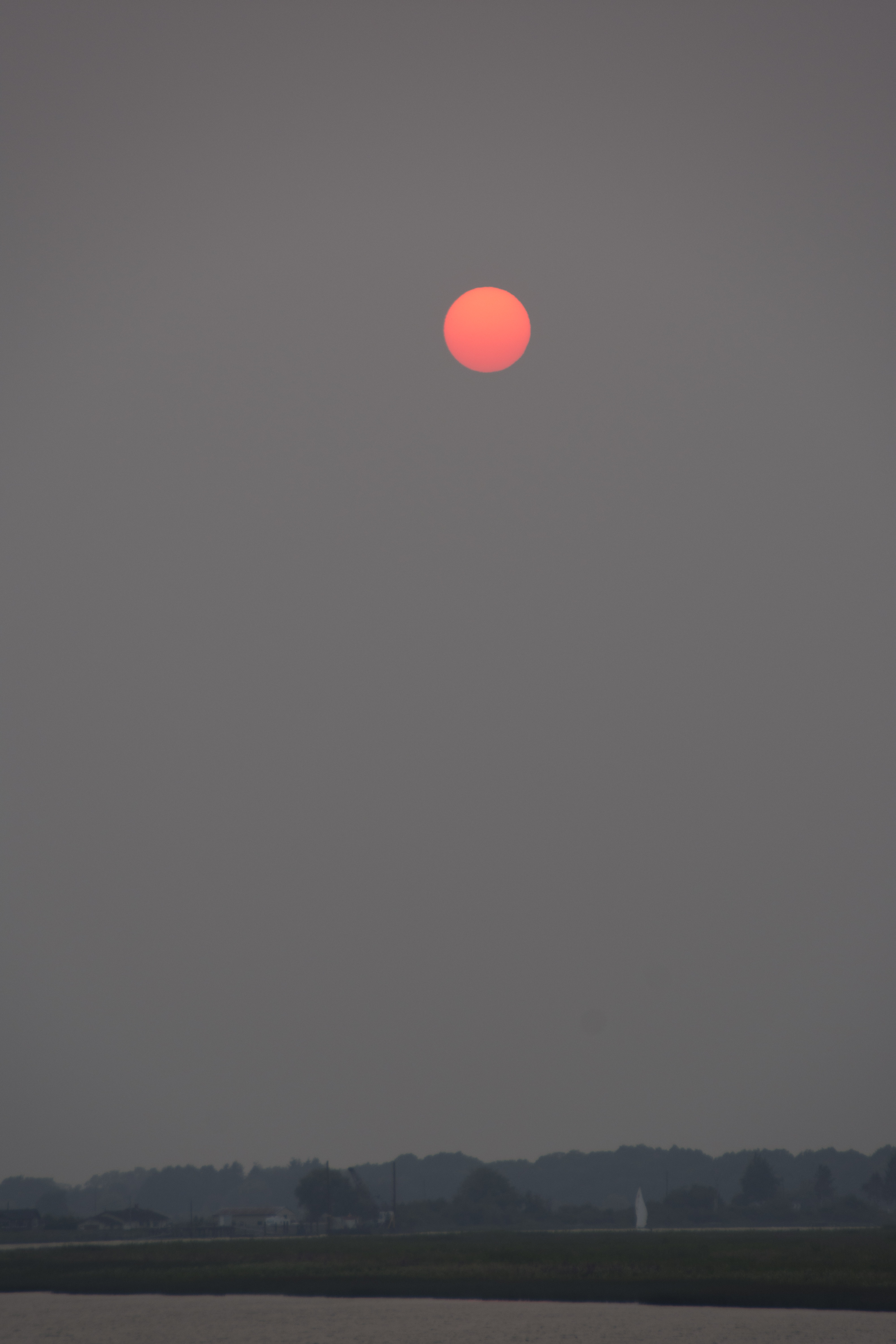
  Canada’s wildfires have forced evacuations of more than 26,000 people and continue to spread with heavy smoke choking millions of Canadians and Americans and reaching as far away as Europe. Hazardous air quality alerts were issued for parts of Canada and the neighbouring United States. A water tanker air base was consumed by flames in Saskatchewan province, oil production has been disrupted in Alberta, and more communities are threatened each day. “We have some challenging days ahead of us,” said Saskatchewan Premier Scott Moe, adding that the number of evacuees could rise quickly. …Heavy smoke has engulfed part of the continent, forcing residents of four Canadian provinces and the US states of Michigan, Minnesota, Nebraska and Wisconsin to limit outdoor activities. …Elsewhere, extensive forest fires have been raging in Russia’s Far Eastern Federal District since early April, generating carbon emissions of around 35 million tons, Copernicus reported.
 Smoke from wildfires in northern Alberta and northeastern B.C. reached Calgary this weekend, resulting in poor air quality in the city through the weekend and into Monday morning. Fire bans remain in effect for a large part of Alberta, including in all of Rocky View County, as six of the province’s forest areas are considered to be at extreme wildfire risk. An evacuation order for parts of the County of Grande Prairie was expanded again late Saturday after the Kiskatinaw River wildfire in B.C. crossed into Alberta Friday afternoon. …As of Monday night, there were 60 fires burning in the province, with 23 of them classified as out of control. More than 615,000 hectares have burned in Alberta so far in 2025. Fire personnel and aircraft from British Columbia, Yukon, Quebec, Nova Scotia, New Brunswick, Washington State, Oregon and Idaho have arrived in Alberta to assist with battling out-of-control blazes.
 In response to the Dryden Creek fire, as this wildfire is called, Squamish Fire Rescue said in a post late Monday night that the District’s emergency response team is working out of the Emergency Operations Centre, located at Fire Hall 1 in Valleycliffe. The out of control fire is located above the eastern end of Depot Road, in the north end of Squamish. It said the BC Wildfire Service has “actively and aggressively” attacked the wildfire thus far by air and with ground crews and would continue to late into the night, and will begin again early this morning. Aerial attack will also resume early Tuesday morning, the post said. Late last night the District of Squamish issued evacuation alerts to those living in properties at the east end of Depot Road, east of Highway 99 including the campground Mountain Fun Basecamp and at the end of Tantalus Road.




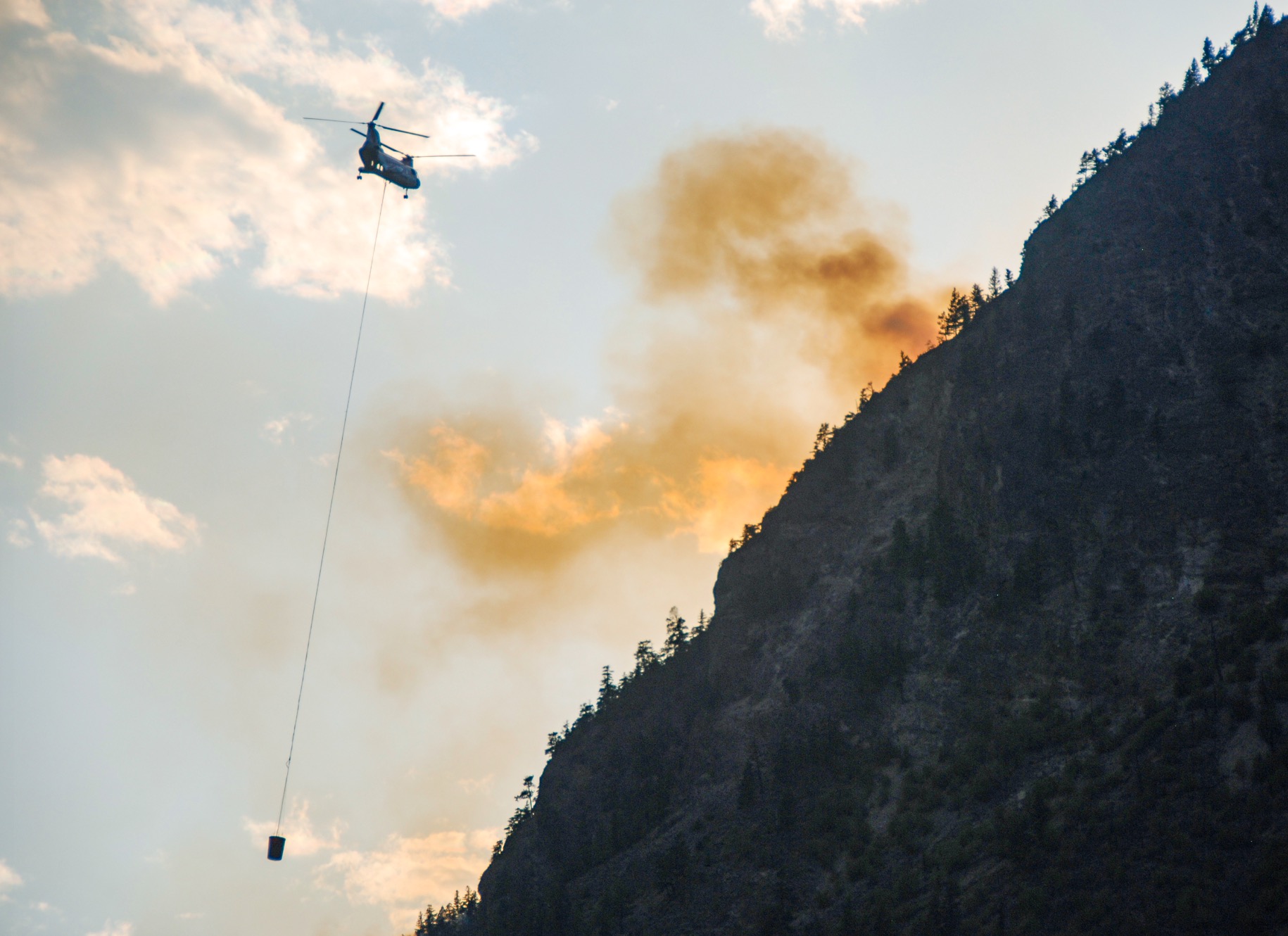 KITTITAS COUNTY, Wash. — The US Forest Service has taken command of the 60-acre Red Bridge Fire burning about 7 miles east of Cle Elum. Level 3 evacuations were issued for those nearby. A Level 3 evacuation means residents should “go now” or leave immediately. A Level 2 evacuation means there is significant danger in the area; be ready to go or voluntarily evacuate. Level 1 means there is danger in the area. Residents should plan escape routes, but evacuations are voluntary, according to the Washington Smoke Blog. The Red Bridge Fire started on June 9, 2025, at approximately 3:57 p.m. As of 8 p.m., the fire is estimated at 60 acres and growing, according to the Washington State Department of Natural Resources (DNR).