 The great tariff rollback—why the US and China pulled back from the edge. In related news: reacting to US tariff policy; Alabama’s GOP seeks higher duties on lumber; what else is hurting BC’s forest sector; Kitselas First Nation buys A&A Trading’s tenure; and Biochar breathes new life into the Espanola mill. Meanwhile: the US inflation rate was 2.3% in April; and lumber price continue to drop.
In Forestry/Wildfire news: a University of Alberta study says the boreal forest is understated by 1/3; the US Endowment supports wood product manufacturers; Colorado’s Jefferson county faces a pine beetle outbreak; the Centre for Biological Diversity says active forest management harms forests; and wildfire updates from Kenora and Northwestern Ontario; and northern Manitoba.
Finally, West Fraser Timber’s Henderson, Texas General Manager retires after 51 years!
Kelly McCloskey, Tree Frog News Editor

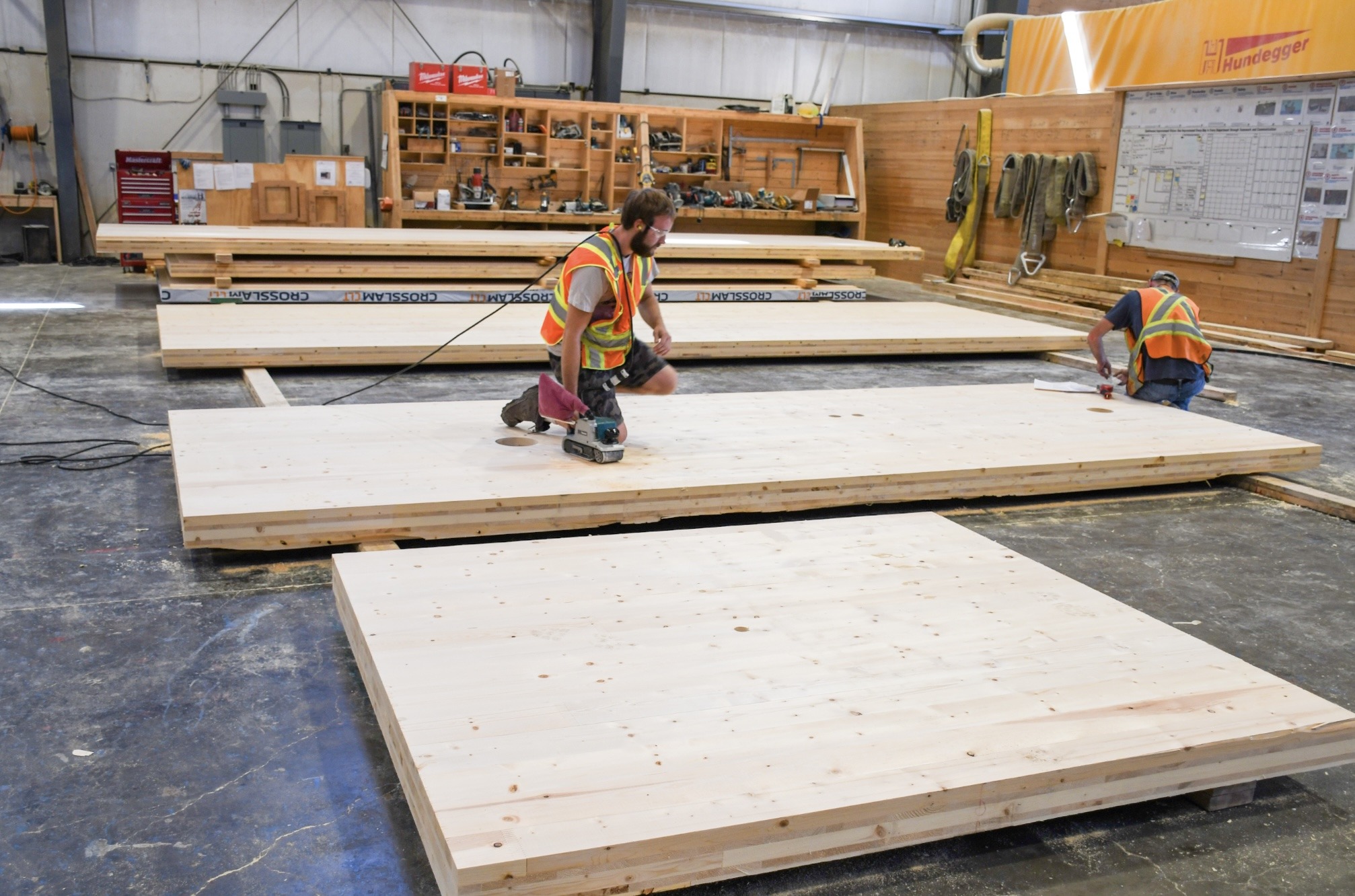 Now that the Liberals have secured another term in office, the big question is whether they can deliver on their ambitious promises, particularly a $26 billion push into prefabricated homes through a new agency called Build Canada Homes (BCH). The plan includes $25 billion in debt financing and $1 billion in equity for Canada’s prefab and modular homebuilders. The goal is to cut construction times by as much as 50%, reduce costs by 20%, and lower emissions by 22% compared to traditional building, while using Canadian technologies like mass timber and softwood lumber. BCH also plans to issue bulk orders to manufacturers, aiming to create steady demand and boost apprenticeships to strengthen the skilled trades workforce. …A problem, Kevin Lee, CEO of the
 Are you passionate about technology and forestry? Join our team at Phoenix Connect (a division of DR Systems) and help shape the future of forest operations. We’re looking for a Client Experience Lead to support the growth of our SaaS platform and work closely with clients to optimize their forest management practices. This dynamic role blends innovation, client service, and environmental stewardship—working alongside a collaborative and motivated team. As the Client Experience Lead, you’ll contribute directly to the evolution of Phoenix Connect—bringing fresh ideas, solving real-world challenges, and making a tangible impact. This position can be based remotely, though our head office is located in Nanaimo, BC. Phoenix Connect is a cloud-based platform designed specifically for the forestry sector. It brings together all aspects of forest management—planning, operations, reporting, and compliance—into one seamless system. Phoenix helps forestry professionals make informed decisions, stay compliant with regulations, and manage their operations more efficiently. Phoenix Connect is shaping the future of sustainable forest management.
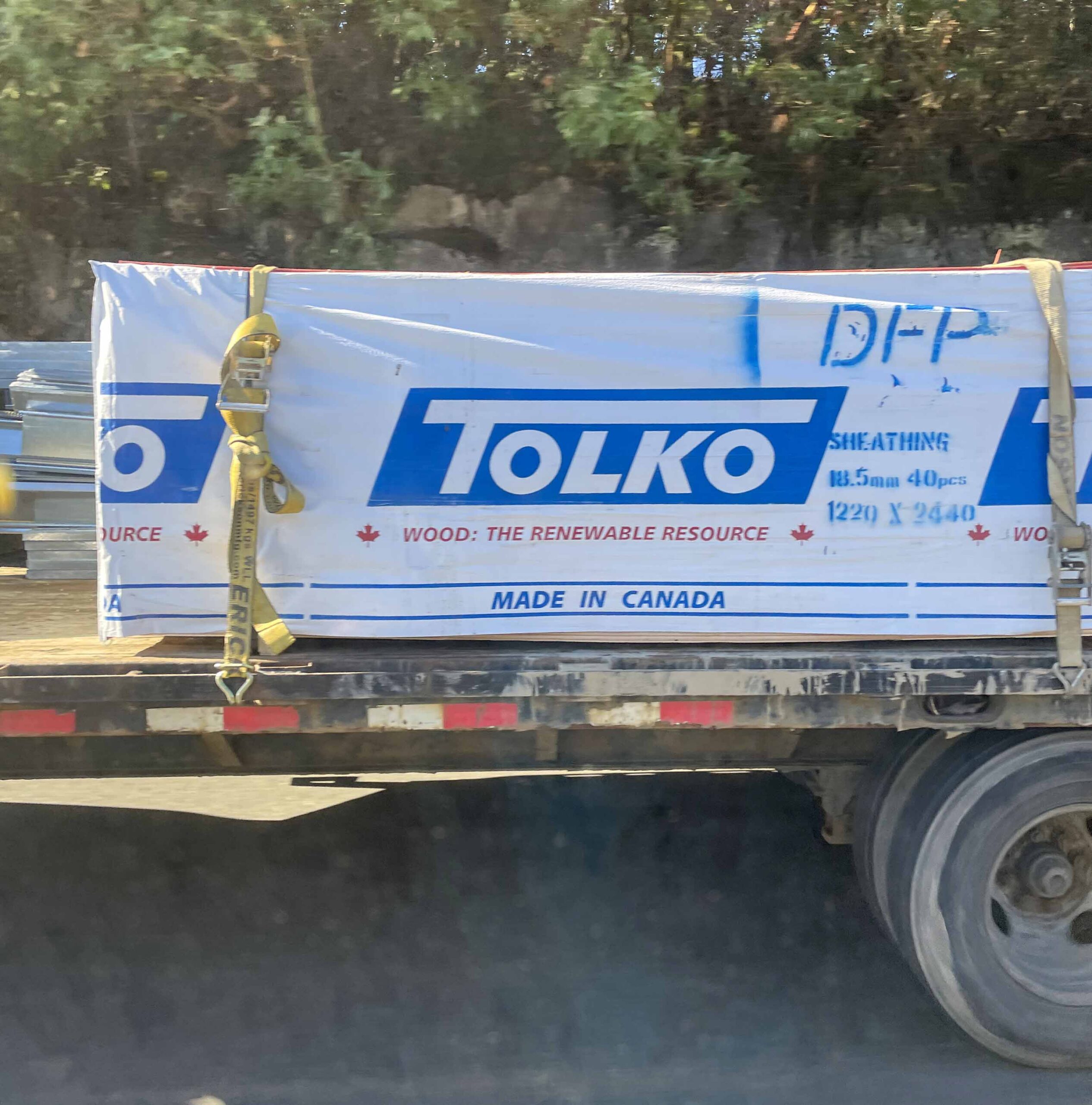 A lack of economical fibre will result in downtime at a pair of North Okanagan Tolko operations. Plants in Armstrong and at White Valley, near Lumby, will take approximately one week of downtime beginning as early as May 12 at Armstrong Lumber, and May 15 at White Valley. Employees have been notified. “BC regulatory and policy burden continues to impact the availability and accessibility of economic fibre,” said the Vernon-based company in an email. “We’re actively managing our log inventory, and the logs we have available are being deliberately directed to mills to make products where we can deliver the most value — accelerating our production of specialty, value-added (plywood, veneer and lamstock) and engineered wood products. “We recognize the impact this has on our employees and their families, and we will continue to provide as much notice as possible to help them manage through this uncertainty.”
 The Ford government is planning to impose new rules on how local governments greenlight development projects, pushing the changes on municipalities as the province struggles to meet its self-imposed goal of building 1.5 million homes by 2031. The government is relying on a series of changes to Ontario’s planning rules, like reducing studies developers have to undertake and standardizing development charges, in a bid to speed up homebuilding. Minister of Municipal Affairs and Housing Rob Flack is set to table the legislation next week, with changes including reducing requirements for builders to conduct some municipally-focused studies, allowing builders to bypass some city committees and a raft of changes to the fees developers pay to local governments. …The legislation would give the Ford government the ability to pare down the list of requirements for a development application, establish which studies would be required and force municipalities to accept certified studies presented by the developer.


 The Canadian mass timber industry has been making great strides forward, but it has been kept from growing even faster by challenges it faces in procuring reasonably priced insurance and financing. Simon Fraser University (SFU) Renewable Cities recently released a guide that describes these challenges. Titled, Advancing Mass Timber/Risk mitigation and insurance strategies for a thriving sector, the guide presents three what it calls pathways “to help address risks, improve insurability and support a thriving mass timber industry.” Mass timber’s benefits notwithstanding, projects built with it often face higher insurance rates than traditional materials. According to the guide, “This can discourage developers from using mass timber elements…Understanding this could influence a phased approach to a building that could make it easier and cheaper to insure. “It is crucial that the insurance broker negotiating the project understands these specific issues and concerns.”
 Professionals working in the lumber and sawmill sector and looking to advance their careers can gain specialized training through BCIT’s Associate Certificate in Industrial Wood Processing, starting June 2025. The IWP program was developed with industry subject matter experts and informed by industry leaders to support upskilling and professional development within the sector. The program is 1-year, delivered online and part-time to allow students to balance work and studies. What sets the program apart is the expertise behind the scenes—seasoned instructors who bring decades of hands-on experience from across North America.


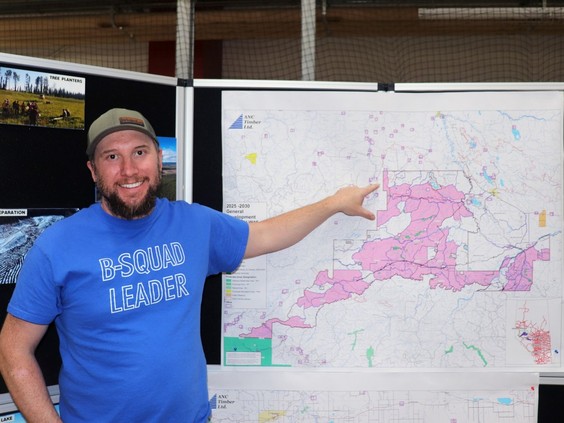
 The Telkwa Caribou Road Restoration project has received a commitment of $278,257 over three years from the Habitat Conservation Trust Foundation. This project will benefit the Telkwa caribou herd through the reclamation of approximately 100 kilometres of road that will according to the project, reduce interactions of caribou with predators, increase habitat availability and access for predators to alternative prey, and increase intact caribou habitat (mature, old-growth forest) into the future. Senior conservation planning biologist Laura Greene said the Telkwa caribou herd has been a conservation concern since the late 1960s. Increasing landscape change, such as logging, road-building, human settlement, etc., is what has driven the decline of the Telkwa caribou, Greene explained. Habitat alteration can result in the direct loss of habitat for caribou, a decrease in habitat quality, and/or a shift in the predator-prey dynamics, resulting in more caribou being killed by predators.
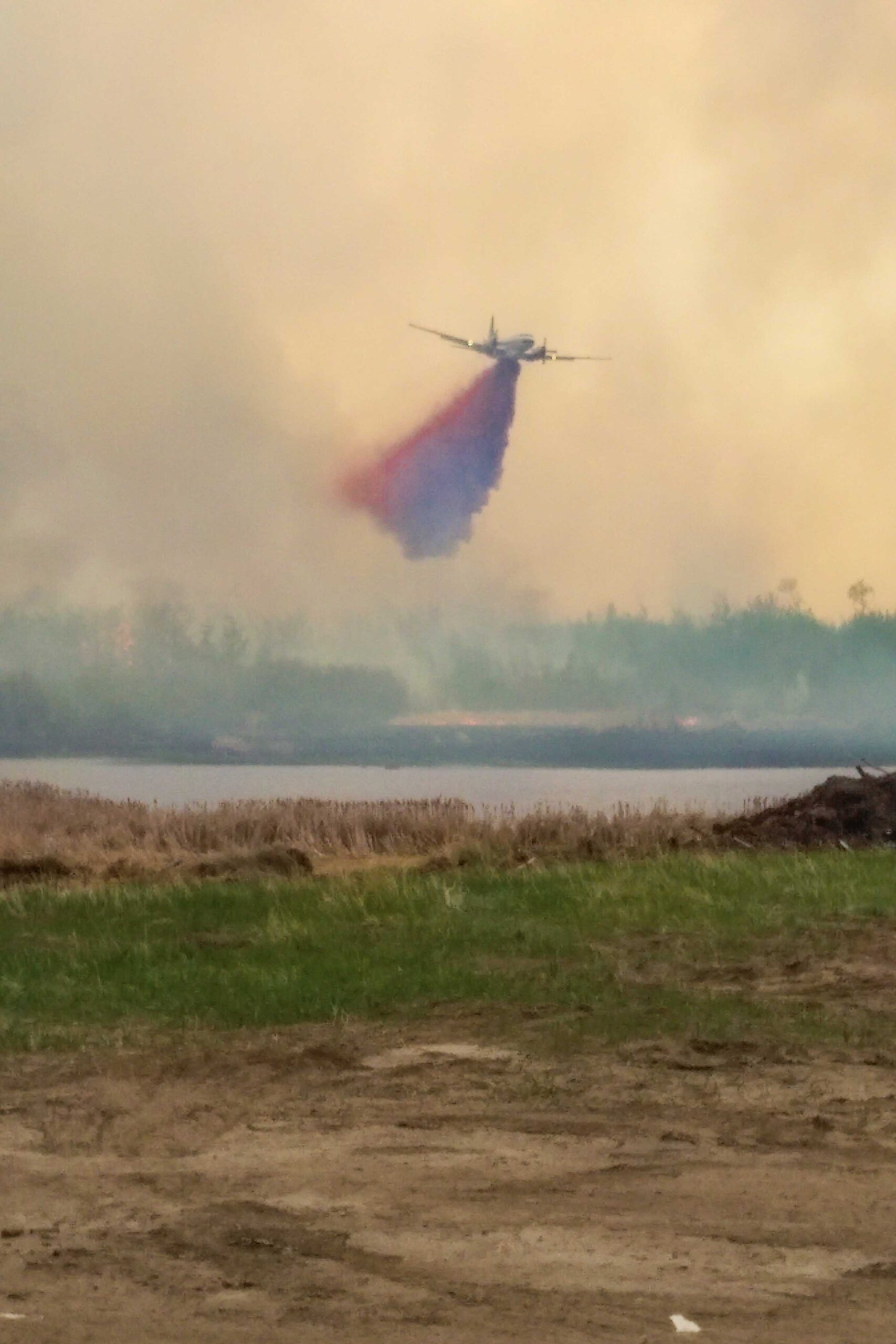 Washington, D.C.—Congressman Doug LaMalfa (R-Richvale), along with Reps. Jimmy Panetta (D-CA) and Jeff Hurd (R-CO), introduced H.R. 3300, the Forest Protection and Wildland Firefighter Safety Act of 2025, to ensure aerial fire retardant remains available for wildfire suppression efforts without being tied up in Clean Water Act permitting delays. The bill clarifies that federal, state, local, and tribal firefighting agencies do not need a National Pollutant Discharge Elimination System (NPDES) permit to use fire retardant from aircraft when responding to wildfires. … In 2022, an environmental group sued the Forest Service over its use of aerial fire retardant, arguing regulation under the Clean Water Act. A federal court ruled in 2023 that the Forest Service must obtain a NPDES permit from the EPA… …if future litigation results in a successful injunction, firefighters could be forced to ground aircraft or fly them with only water…
 EVERGREEN, Colo. — Crews with Jefferson County Open Space (JCOS) are working to reduce a spike in pine beetles in ponderosa pine trees at an Evergreen park. When the bark of infected trees is pulled back at Elk Meadow Park, the problem is clear. Pine beetles burrow into the trees and lay their larva under the bark. The larva live right on top of the living tissue of the tree, suck up the nutrients and end up killing the tree. They then pupate, turn into adults and fly off to the next tree. …”We are totally OK with a few trees being killed from the pine beetle that creates variable habitat for our wildlife species, and so at a small scale, mountain pine beetle is a good thing,” Steve Murdock, the interim manager of JCOS’ Natural Resource Stewardship. said. However, the numbers that Colorado communities, including Jefferson County, are seeing are well above what would be beneficial for a forest.
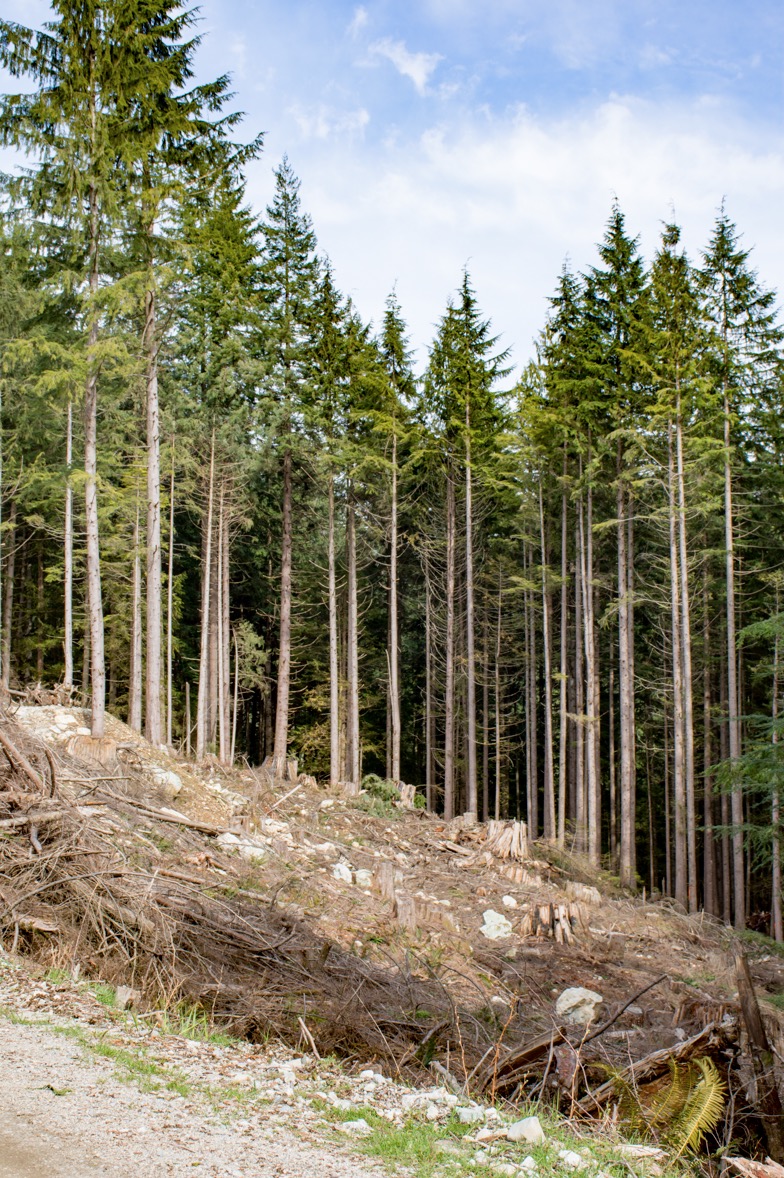 NASELLE, Wash. — One self-service library, high school, and grocery store serve the 519 people of Naselle, Washington. The piles of felled logs along the roadsides dwarf the passing cars, signaling to drivers that this town was built on logging. Many Naselle residents have family roots in the forestry sector, allowing them to be intimately familiar with its demands. They also do not often push back on timber harvests that pose no threat to endangered species or their habitats. But an upcoming harvest will fell trees surrounding one of two creeks that supply the town’s water: this is where most residents draw the line. …The Washington State Department of Natural Resources (DNR) will auction off 105 acres of state-owned forest in Naselle on May 29 after they determined the area was suitable for harvest. The revenue from the highest bid will go to UW. …UW received approximately $20 million from the DNR from 2020 to 2024, $8.6 million of which was from timber sales.
 Oregon lawmakers appear likely to pass a bill that encourages college-credit agriculture and forestry classes in high schools, though some have doubts about its effectiveness. Senate Bill 784 would require the development of statewide standards for “dual credit” courses in these subjects, which is intended to make such classes more widely available, especially in rural areas. “Many students are eager to pursue careers in agriculture, forestry and natural resources but they need exposure and seamless pathways to higher education and industry jobs,” said Sen. Todd Nash, R-Enterprise, the bill’s chief co-sponsor. …More than 7,400 students are enrolled in natural resource programs at Oregon’s universities, showing there’s a demand for such education, so SB 784 would be a “smart investment” in the state’s future workforce, said Rep. Bobby Levy, R-Echo, the bill’s chief co-sponsor.
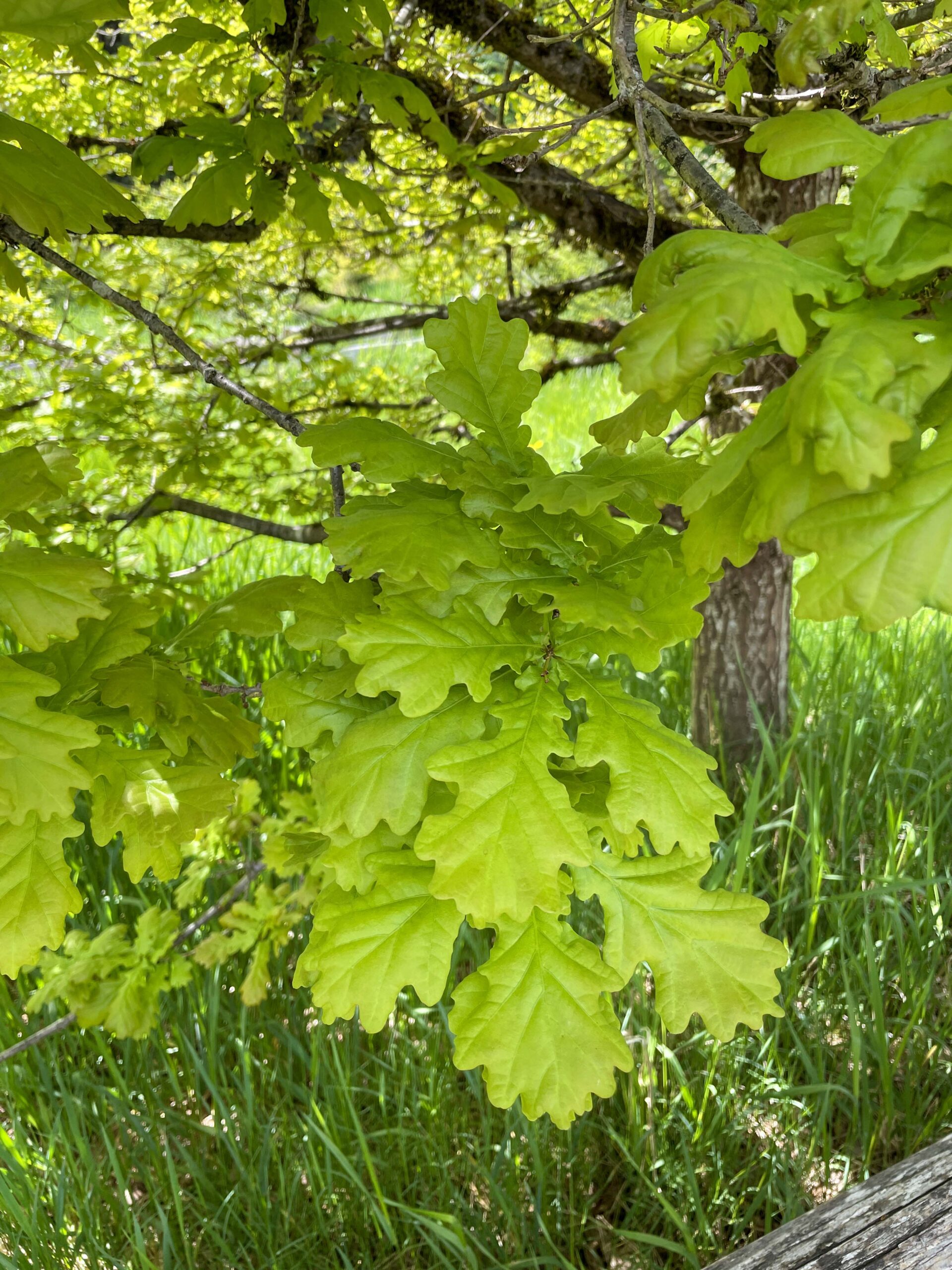 UNIVERSITY PARK, Pa. — A debate continues among scientists over whether tree composition in forests in eastern North American historically have been influenced more by climate or by cultural burning, which is the intentional and controlled use of fire by Indigenous people to manage their environment. A new study of southern New England forests … lends credence to the cultural burning hypothesis, suggesting that fire-tolerant vegetation — oak, hickory and pine — were significantly more abundant near Indigenous settlements over the last 5,000 years. “The results of this study strongly suggest that Native Americans extensively use fire and other disturbances such as land clearing for villages, agriculture and trails, and both directly and indirectly promoted fire-adapted trees,” said study co-author Marc Abrams, Penn State professor emeritus. “These trees were very important to the Native American diet because of the mast — nuts and acorns — they produced.”
 WASHINGTON – U.S. Sens. Mark R. Warner and Tim Kaine (both D-VA) introduced two bills to protect wilderness in Rockingham, Augusta, Highland, and Bath counties. “We are lucky to have such beautiful natural resources in Virginia, and we need to do more to ensure that these lands are protected for future generations,” said the senators. “We’re proud to introduce this legislation to preserve wilderness in Rockingham, Augusta, Highland, and Bath counties, protect wildlife, and support local economies that depend on tourism and outdoor recreation.” These additions were recommended by the U.S. Forest Service in 2014 and endorsed by members of the George Washington National Forest Stakeholder Collaborative, a group of forest users who work together on acceptable locations in the George Washington National Forest for wilderness, timber harvest, trails, and other uses. In 2023, the tourism economy directly employed 7,562 people and generated $842.5 million in expenditures in [these areas].

 GRAND RAPIDS, Mich. —
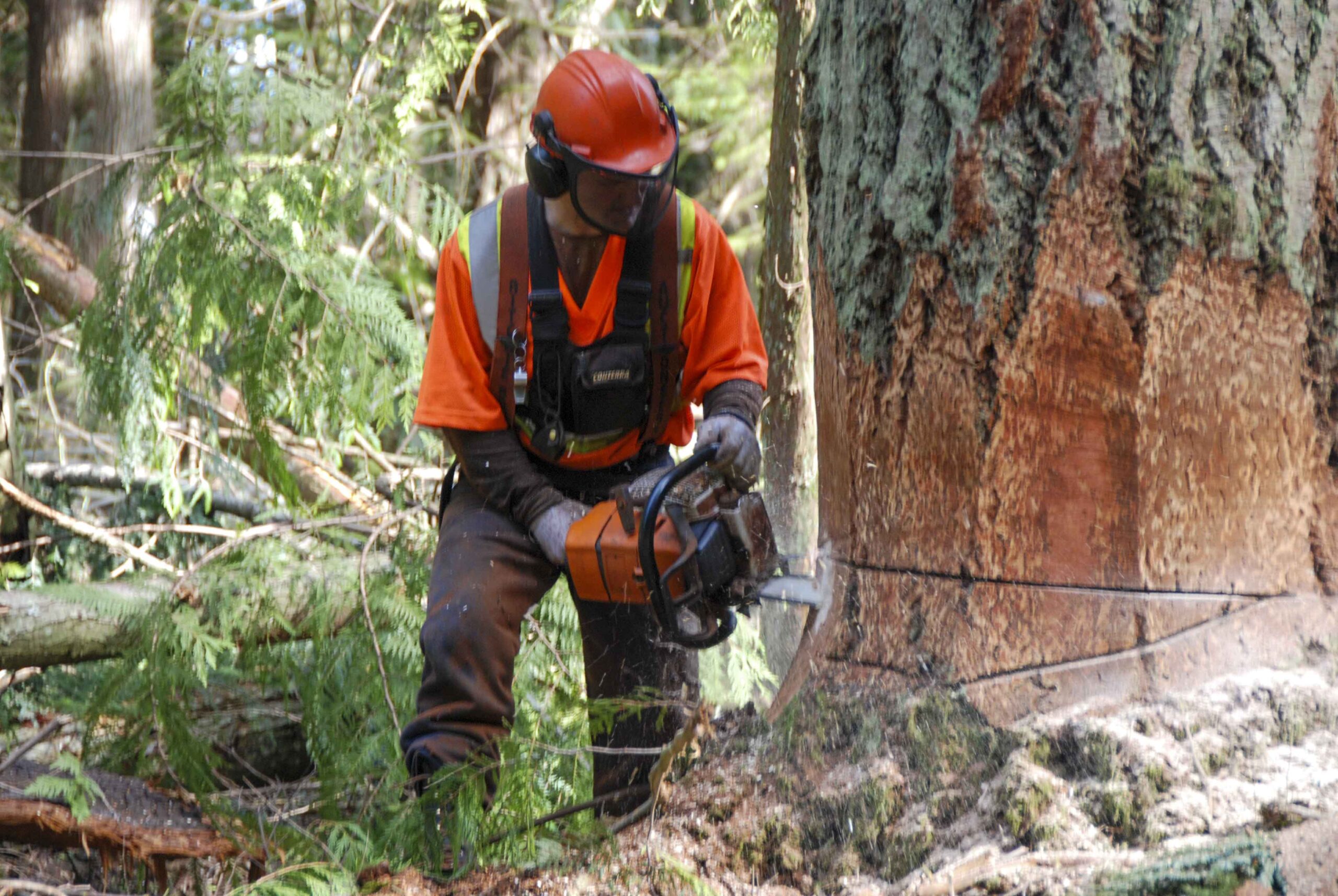 The same exoskeleton principles that protect grasshoppers, crabs and similar creatures could also help protect the 25,000 or so workers in the job with the highest injury and fatality rates in America: forestry. “Forestry is vitally important to our economy and our standard of living, but its workers pay a high price, with an injury rate that is 40 percent higher than the average of all other industries and fatality rates that are 20 to 30 times higher,” said Jeong Ho “Jay” Kim, PhD, a systems engineering expert with the Texas A&M University School of Public Health. In a recent
 Wildfire crews from British Columbia are expected to join first responders in Manitoba on Monday to help them battle the largest out-of-control blaze in the province at the moment. “We are at the place right now and, and in this season with current conditions and activity on the landscape that we can provide these couple of unit crews,” B.C. Wildfire Service spokesperson Erika Berg told CBC News on Sunday. The fire — one of two blazes north of The Pas, a town more than 500 kilometres northwest of Winnipeg … grew from 100 hectares to 6,600 within four days. Premier Wab Kinew first announced the deployment of B.C. crews in Manitoba on Friday at an unrelated news conference where he thanked the province for its support.
  Favourable winds and provincial firefighting efforts have led to the cancellation of a stage one evacuation for Wabaseemoong Independent Nations as a large forest fire burns nearby. The fire, known as Kenora 14, was discovered on Thursday 12 kilometres from Wabaseemoong. It has since grown to more than 1,000 hectares in size, and is not under control. “We had another update meeting (Sunday) morning, and it looked promising that we won’t have to do any evacuation,” said Waylon Scott, chief of Wabaseemoong. “We were at the midst of doing a stage one evacuation, which is basically the vulnerable population.” Scott said the evacuation has now been put on hold. Chris Marchand, fire information officer with Ontario’s Aviation, Forest Fire and Emergency Services (AFFES), said southerly winds have kept the fire from advancing any closer to Wabaseemoong, and helped keep smoke out of the community.