 Domtar’s Jackson Widjaja is planning for more growth in Canada. In related news: Northern Pulp secures extension of creditor protection; Kimberly-Clark plans to invest in Ohio and South Carolina; Greif Inc. will close its Los Angeles paperboard mill; Washington’s SDS plywood mill is closing next month; and Stora Enso completes acquisition of Finnish sawmill Junnikkala. Meanwhile: George Brown College’s 10-storey mass timber structure nears completion in Toronto; and the latest international market news courtesy of Canada Wood.
In Forestry/Climate news: McGill University has become a safe place for US climate research data; a whistleblower sues Oregon Dept. of Forestry as its Board of Forestry seeks a new state forester; Calgary wants to double its urban forest canopy; BC’s overwintering fires are becoming more active; and the Ukraine war takes its toll on the forest.
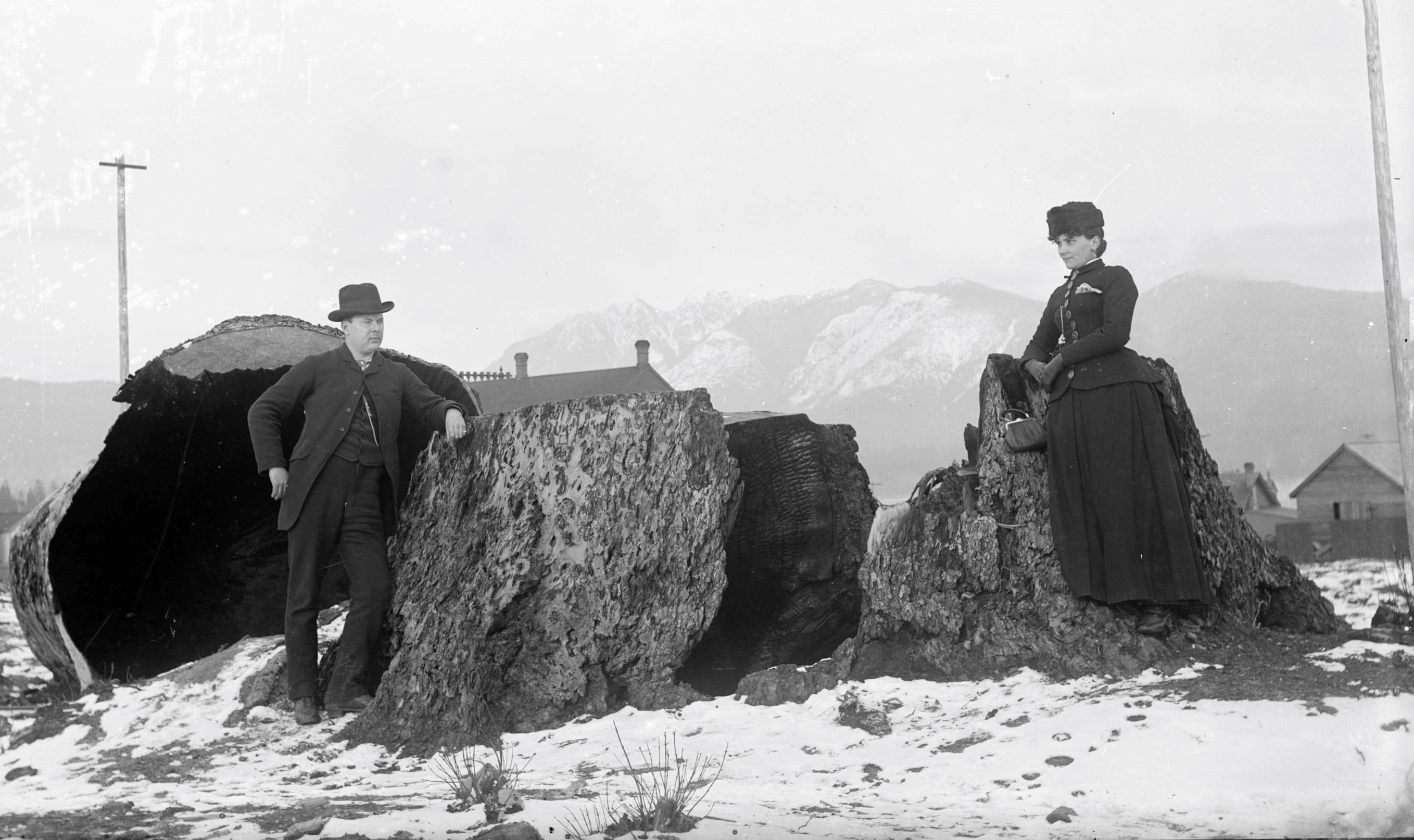
Finally, legendary ponderosa pine Twin Peaks prop emerges for Portland forestry exhibit.
Kelly McCloskey, Tree Frog News Editor
 Professionals working in the lumber and sawmill sector and looking to advance their careers can gain specialized training through BCIT’s Associate Certificate in Industrial Wood Processing, starting June 2025. The IWP program was developed with industry subject matter experts and informed by industry leaders to support upskilling and professional development within the sector. The program is 1-year, delivered online and part-time to allow students to balance work and studies.

 New York — Some of the last cargo ships carrying Chinese goods without crippling tariffs are arriving at US ports. Come next week, that will change. Cargo on ships from China loaded after April 9 will carry with them the 145% tariff President Donald Trump slapped on goods from that nation last month. Next week there will be fewer ships carrying less cargo. For many importers, it is too expensive to do business with China. Yet China is still one of America’s most important trading partners. It’s where we get most of our clothes, footwear, electronics and microchips, which power appliances, thermostats and anything else that beeps. …Forty-five percent of supply chain leaders expect they’ll pass the higher cost from tariffs down to their customers, according to a new survey by Gartner, a corporate research firm. …With fewer cargo ships expected at US ports, local economies will suffer immediately, Gene Seroka, executive director of the Port of Los Angeles said.
 Drax Group plc on May 1
  This newsletter includes: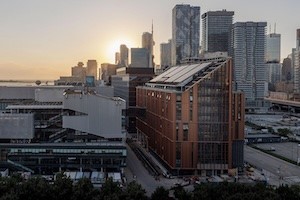



 With the Southern Interior’s hottest months just around the corner, FortisBC is putting important safety measures into place to help protect communities and its electricity system against wildfires, which includes adding extra precautions that could result in power outages. To further enhance its wildfire safety practices, FortisBC has introduced a Public Safety Power Shutoff (PSPS) policy, a new precautionary measure where electricity is proactively shut off in selected areas in advance of extreme weather. FortisBC is advising its customers to be prepared for these potential outages that help reduce potential ignition sources. …According to FortisBC, customers should always be prepared to be without electricity for at least 72 hours, especially during wildfire season.
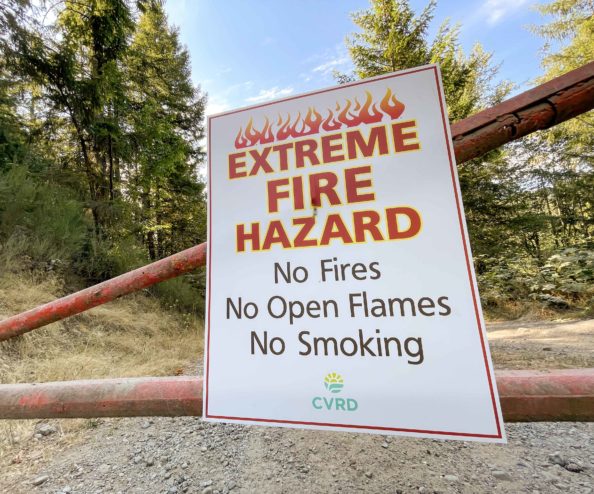 People are asked to use caution over the next several days as a combination of warm, dry conditions and strong winds in much of southern B.C. are adding to elevated wildfire danger. The BC Wildfire Service urges people to postpone any open burning until the windy conditions pass and to use extra caution when camping in the backcountry. “We are expecting active weather in the coming days that could set the stage for dangerous wildfire conditions across the province,” said Ravi Parmar, Minister of Forests. “This is the time of year when we’re at the most risk for human-caused wildfires in B.C., most of which are entirely preventable.” People planning to have campfires should do so safely, following any local prohibitions.
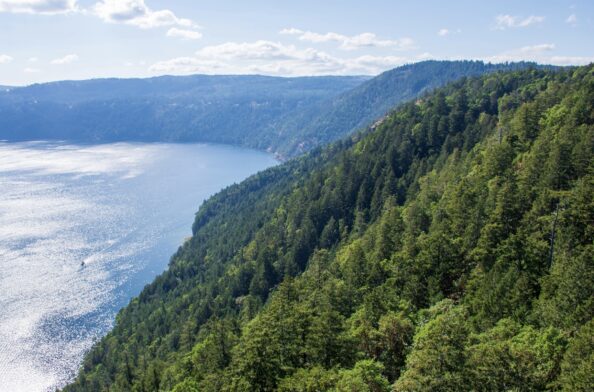 More than 80 per cent of the critical habitat for at-risk species in B.C. fails to meet federal protection standards, according to a government briefing document. The

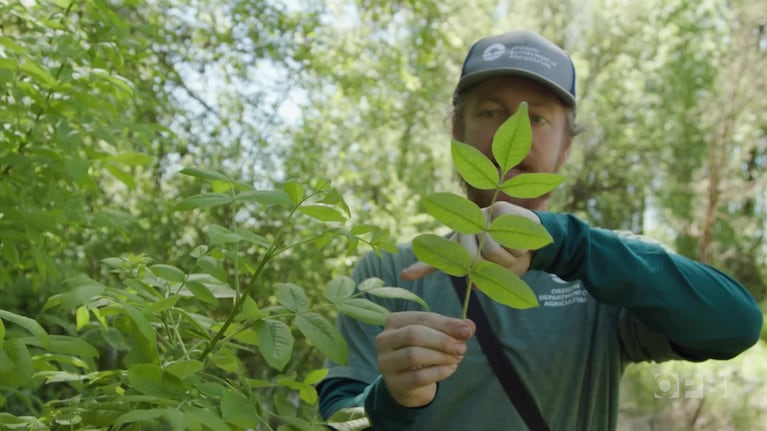


 The Washington State Department of Natural Resources recently began a multi-faceted forest restoration project across approximately 150 acres of the Mount Baker-Snoqualmie National Forest near Verlot. The Pilchuck Restoration Project is led by the Department of Natural Resources (DNR) Federal Lands Program under the agency’s Good Neighbor Authority agreement with the USDA Forest Service. Established in 2014, the GNA allows DNR to leverage its resources with federal and local partners to perform a variety of restoration activities on federal lands. Operators are following a carefully designed prescription focused on thinning out the small-diameter, younger trees that, due to past management practices, are overcrowding tree stands to the detriment of the larger, older trees.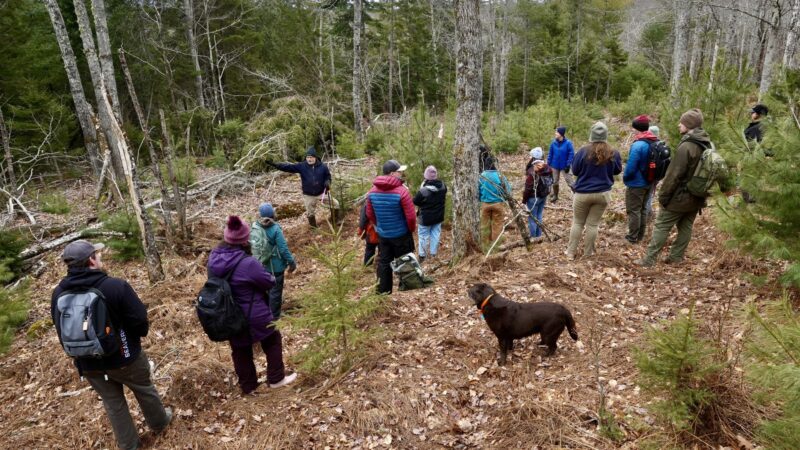

 MONTREAL – Academics at McGill University in Montreal are providing the U.S. scientific community a platform to protect climate research under attack. Six months ago, researchers at McGill University’s Desautels Faculty of Management launched the Sustainability Academic Network — SUSANHub.com — a database that centralizes climate research and data. “We initially created this platform to connect researchers and professionals in sustainable development and climate change,” said Juan Serpa, a professor at the Desautels Faculty of Management, describing the platform as a kind of “LinkedIn” for the field. But at a time when the administration of United States President Donald Trump is firing climate researchers, banning certain words from scientific articles, cutting funding for environmental research, threatening to withdraw financial support from universities, and deleting scientific reports from government websites, the McGill platform has taken on a different significance. “The goal is to protect scientific data against threats from the U.S. government,” Serpa said.
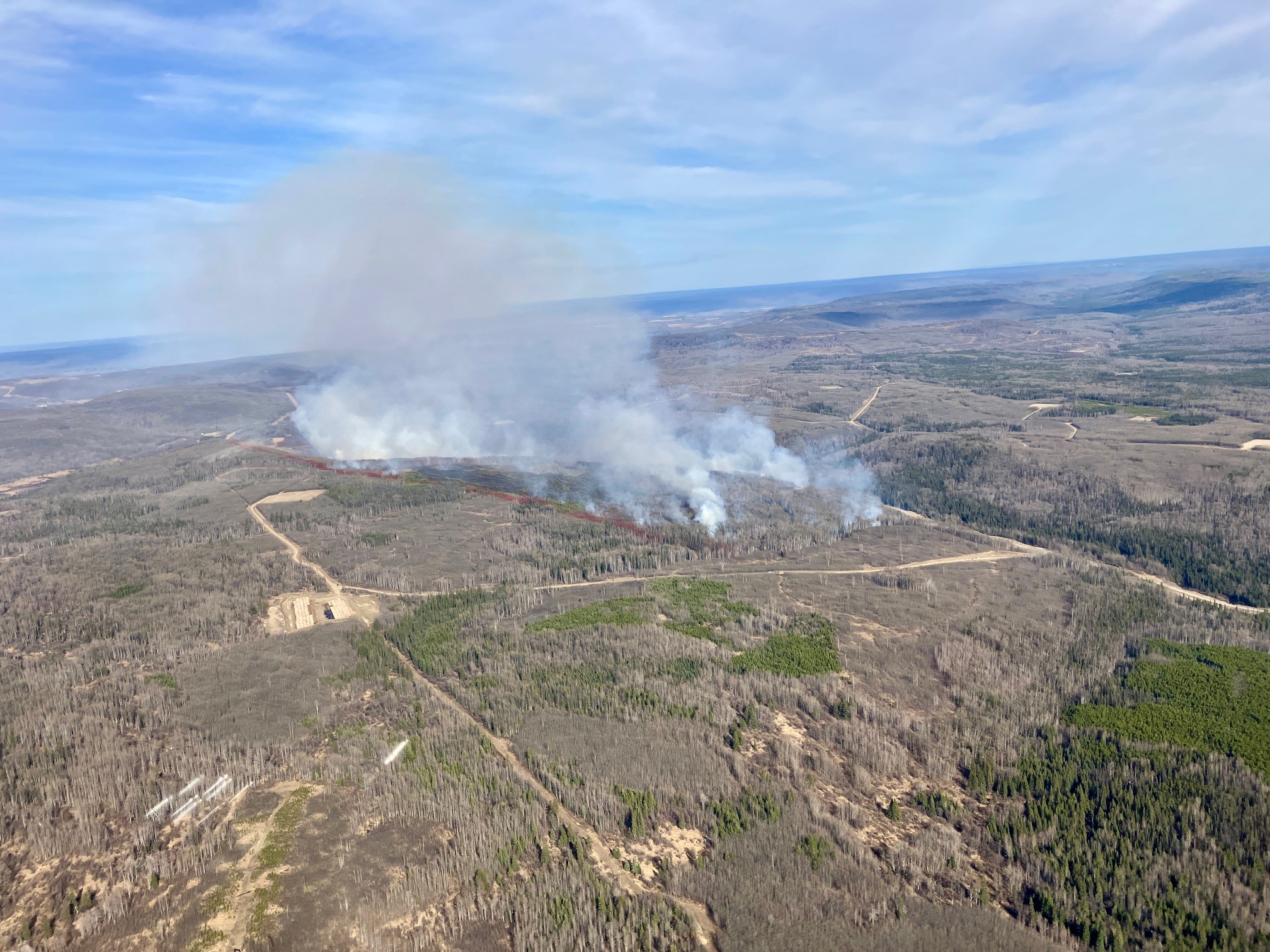
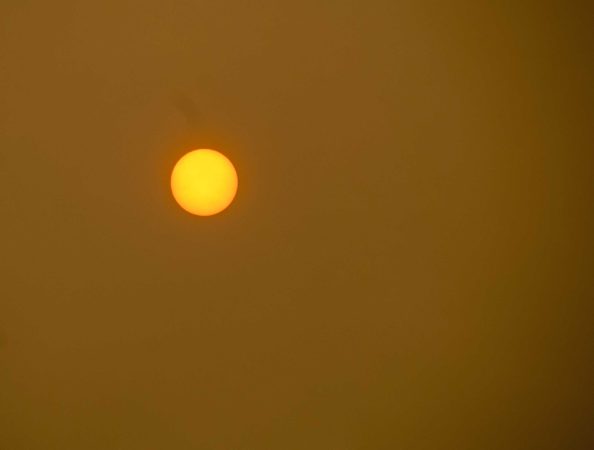 Israel asked Greece, Bulgaria, Cyprus, Italy and Croatia to help extinguish major wildfires that broke out Wednesday morning in several locations near Jerusalem and along Highway 1 leading to the city as communities along the road were instructed to evacuate. At least one man suspected of involvement in igniting the fires was arrested, according to Israeli broadcaster Kan, which reported that the suspect is now detained at the Oz police station in east Jerusalem. Israel police did not confirm or give any details on what started the fires. …Foreign Minister Gideon Saar asked his counterparts in the four countries to send firefighting airplanes and helicopters to Israel, including supertankers. Ynet reported that Greece and Italy are sending supertankers and that the Palestinian Authority offered to send firefighters, though Israel has not yet responded to the offer. International aid is expected to arrive Thursday morning.