 Canada defends forest industry support amid US Lumber Coalition pressure, says diversification will reduce lumber dependence. In related news: FPAC’s Derek Nighbor welcomes Canada’s diversification program; RBC Economics reviews the decades-long softwood dispute; FEA’s Paul Jannke updates the Section 122 duty implications for wood products; and more on BC Premier Eby’s trade mission to India. In other Business news: paper industry trends; lumber futures new low; and Q4 earnings reports from Stella-Jones, Drax and Cascades.
In Forestry news: Mosaic tests a new approach to forest management in Koksilah Watershed; a First Nations coalition prepares to take over Canfor’s timber allocation; and Bayer faces new court challenges after Roundup deal. Meanwhile: entries open for the Marcus Wallenberg Prize; news from SFI’s Project Learning Tree and the BC Forest Safety Council; annual convention updates by COFI (April 8-10), and OFIA (April 28-29); and CWC’s webinar on affordable housing and mass timber (March 5).
Finally, when firefighters choose to sleep in a wood building, that tells you something about how far mass timber has come.
Kelly McCloskey, Tree Frog News Editor
 The Forest Products Association of Canada responded to the federal government’s announcement to support and retool our forest sector to ensure it remains a pillar of national strength and prosperity. The Minister of Energy and Natural Resources, launched a national
  Delaware – President Trump’s announcement of a 15% tariff following last week’s Supreme Court ruling has created uncertainty in financial markets. While some retailers and consumer companies may benefit from reduced trade barriers, domestic lumber and packaging firms face increased competition from cheaper imports. …On Monday, domestic lumber companies saw their stock prices drop amid concerns that cheaper foreign imports could undercut their pricing power. The court’s tariff decision threatens to erode the competitive advantage that domestic packaging and lumber businesses previously held against lower-cost foreign competitors, industry analysts warn. RBC analysts identified potential negative consequences for companies including Clearwater Paper, Rayonier, Sylvamo, and Smurfit WestRock. A recent industry survey revealed that most U.S. purchasers reported declining containerboard prices in February, as increased European imports expanded supply and created additional pricing pressures. Monday trading saw Smurfit and domestic competitor International Paper decline by 7% and 6%, respectively.
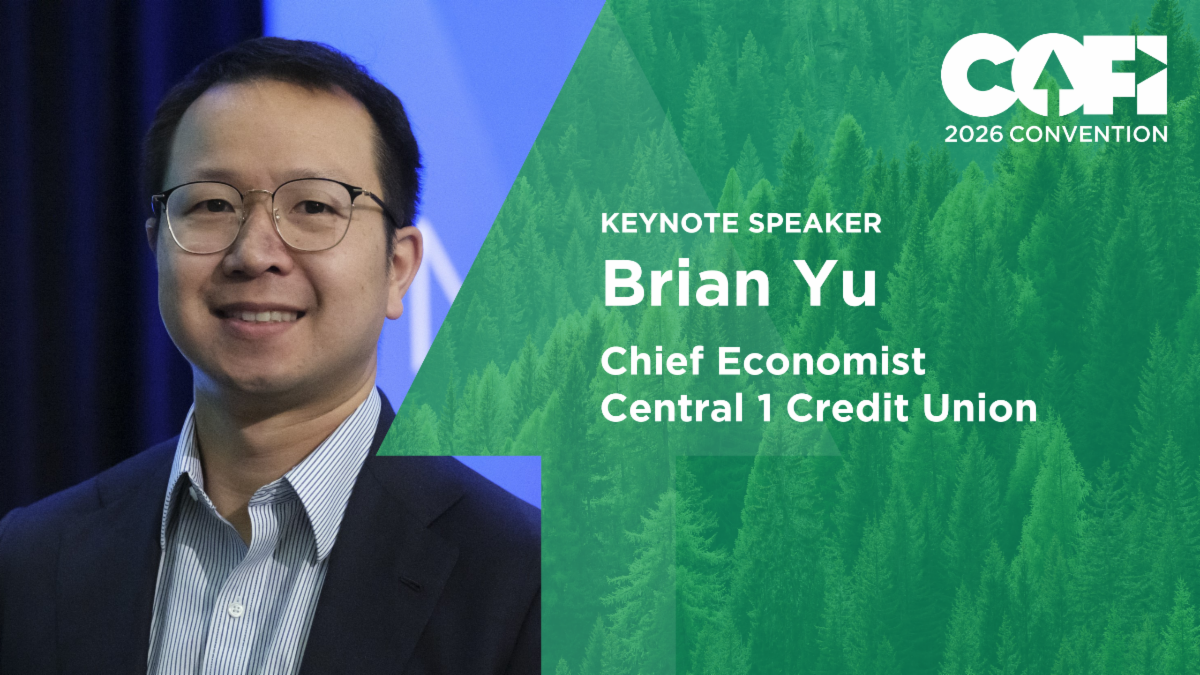 Join Bryan Yu, Chief Economist at Central 1 Credit Union, for a clear-eyed keynote on the economic forces shaping the year ahead. In his presentation, 2026 Macroeconomic Outlook he will examine trade uncertainty, global competition, and pressure at home. What’s ahead for BC and Canada’s economy? Hear what the outlook means for BC’s forest sector and the strategic decisions leaders will face in a rapidly changing economy. Mark your calendar for April 8 – 10, and register before March 6 to take advantage of Early Bird discounts.

 The Ontario Forest Industries Association is looking forward to welcoming you to our 83rd Annual Convention at One King West Hotel & Residence in Toronto, April 28 – 29, 2026. We are planning another high-impact event, and we want to ensure your visit is as smooth and enjoyable as possible. If you have not registered for the event, do so as soon as possible as limited spots remain. If you haven’t yet secured accommodations, we encourage you to do so as soon as possible. There are options at the One King West Hotel as well as several hotels within a short walking distance of One King West. The OFIA is a trade association representing Ontario’s sustainable forest industry and serves as a unified voice for forest products companies across the province — from timber producers to wood manufacturers — advocating on policy, market access, sustainability, and economic development issues. The Annual Convention is our flagship event, intended to bring together industry leaders, members, and stakeholders for networking, education, discussion, and celebration.
 The Quebec government says it will hold a “mini-reform” of the province’s forest regime to provide relief for sawmills and other businesses pressured by cumulative U.S. tariffs. Jean-François Simard, Quebec’s minister of natural resources and forests, said that the changes aim to prevent plant closures and job losses which have surged in recent months. Simard said in a statement on Tuesday that 60,000 jobs are at risk. Quebec’s forestry and logging industry is the second largest in Canada in terms of employment, according to Statistics Canada. The forest regime dictates how Quebec’s forests are managed and harvested. The announcement comes days after a group of Indigenous land guardians and First Nations hereditary chiefs filed a lawsuit seeking formal recognition of their rights over a vast stretch of Quebec. Their legal challenge aims to curb industrial logging and ensure the protection of their traditional way of life.





 The Wood Innovations Funding Opportunity supports the growth and expansion of U.S. wood products and wood energy markets, advancing sustainable forest management and the long-term stewardship of National Forest System (NFS) lands and other forested areas. …The Wood Innovations Funding Opportunity provides a strategic platform for public, private, and non-profit entities to expand wood markets, promote sustainable forest management, and advance wood energy and mass timber technologies across the United States. By funding projects that create tangible economic and environmental impact, the program strengthens domestic wood product industries while supporting the responsible management of forest resources. Deadline is April 22, 2026
 MESA COUNTY, Colorado. – Mesa County commissioners have passed a wildfire resiliency code that will affect the construction of new houses and projects on current structures, including re-roofing. The code, required by state legislation, applies only to buildings in the Wildland Urban Interface — a designated area marking locations close to potential wildfires. It mandates that projects in those areas use more fire-resistant materials and regulates where new structures can be built. “It’s not going to keep houses from burning down…,” Davis said. “What it’s designed to do is to keep it from burning as quick and as violently so that people can get out and get to safety.” Davis said the new code could make building in affected areas slower and more expensive. “To make things fire resistant, it costs money. The cheapest siding out there is wood-based and more affordable, but it’s also going to be more flammable,” Davis said.
.jpg)
 FPInnovations’ latest newsletter pulls articles from their blog that feature several developments of interest to Canada’s forest sector. An update to its
  DUNCAN, BC — Mosaic Forest Management is launching a multi-year pilot on its private lands in the Koksilah watershed on Vancouver Island to demonstrate how working forests can deliver both economic performance and environmental resilience by integrating watershed services, carbon programs, renewable energy, recreation and real estate activities alongside timber production. This pilot supports the historic government-to-government agreement signed by Cowichan Tribes and the Province in May 2023 to develop BC’s first water sustainability plan in the Koksilah River which has experienced critically low summer flows in recent years. As part of the planning process, Mosaic sits on the Community Collaborative Advisory Table for the Xwulqw’selu / Koksilah Watershed and Water Sustainability Plan (XWWSP). “This pilot is about figuring out what works by combining sustainable forestry with watershed stewardship and other land solutions,” said Duncan Davies, President and CEO of Mosaic. “We’re committed to building the business model that makes this approach viable and scalable where the right conditions exist.”
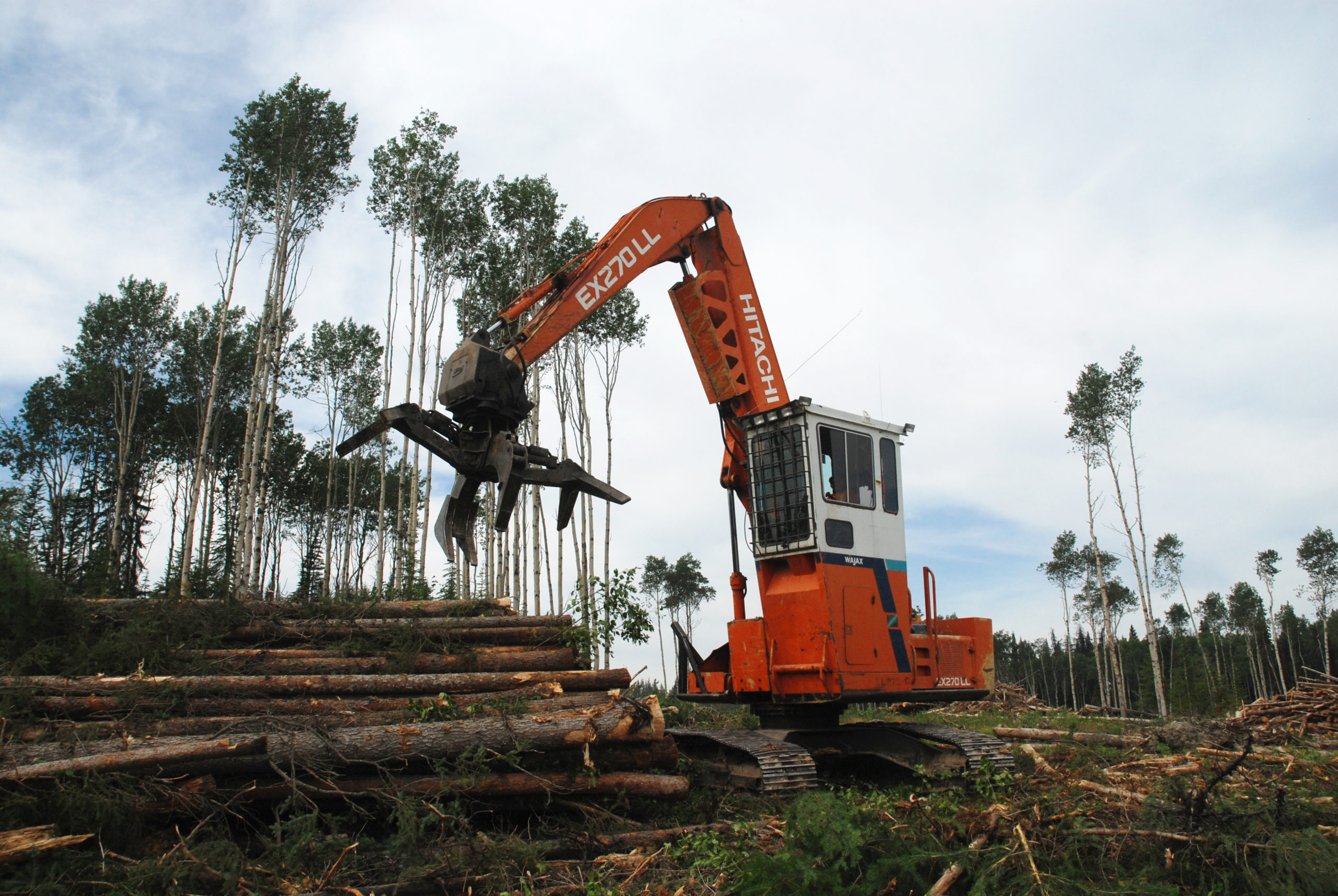 PRINCE GEORGE – British Columbia’s Forests Minister Ravi Parmar has announced that changes to BC Timber Sales are beginning to yield positive results, particularly in the Prince George area. The province aims to boost job creation, support local mills, and enhance forest health through this updated approach. Following a 2021 review of BC Timber Sales, several recommendations were made, and since then, the province has reported an increase in timber sales across British Columbia. This includes the recent auction of two new commercial thinning sales in the Prince George area, marking a significant achievement for the region.
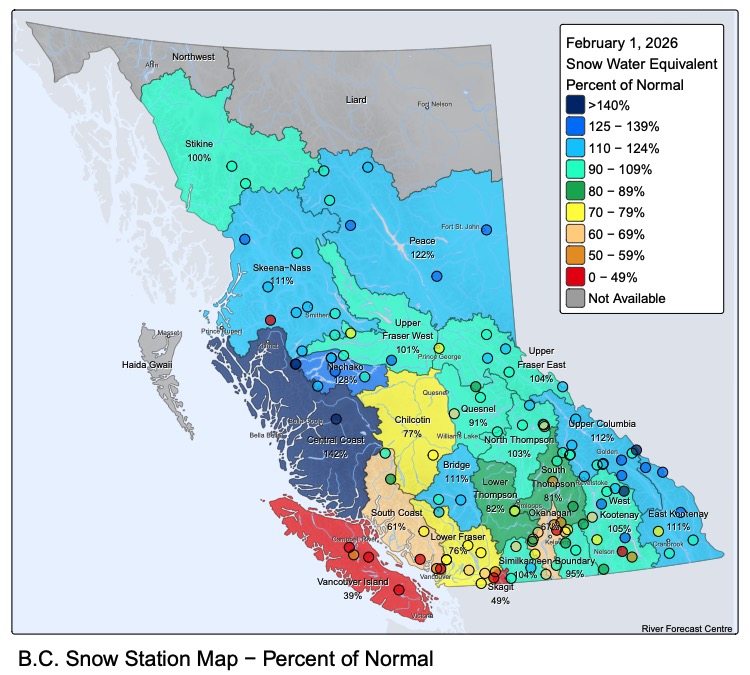 The mood was jubilant at Mount Washington Alpine Resort on Vancouver Island after a weekend storm saw 108 centimetres of snow blanket the resort. The snow was a welcome reprieve from the warm and wet weather that started the season… A
 Nearly 40 Indigenous land guardians, alongside hereditary and traditional chiefs, have filed a lawsuit seeking formal recognition of their rights over a vast stretch of Quebec. Their legal challenge aims to curb industrial logging and ensure the protection of their traditional way of life. The application, filed in Quebec Superior Court last week, covers a territory spanning between the St. Lawrence River, the Saint-Maurice River valley and the forested areas of northern Mauricie, according to the document. The plaintiffs are specifically asking the court to declare all supply guarantees and intervention permits granted to forestry companies null and void. This legal move follows a summer of tensions marked by numerous blockades across the ancestral lands of several Indigenous nations. These actions were spearheaded by MAMU First Nation — a collective of land guardians from the Atikamekw and Innu nations — to protest a proposed overhaul of the province’s forestry regime.
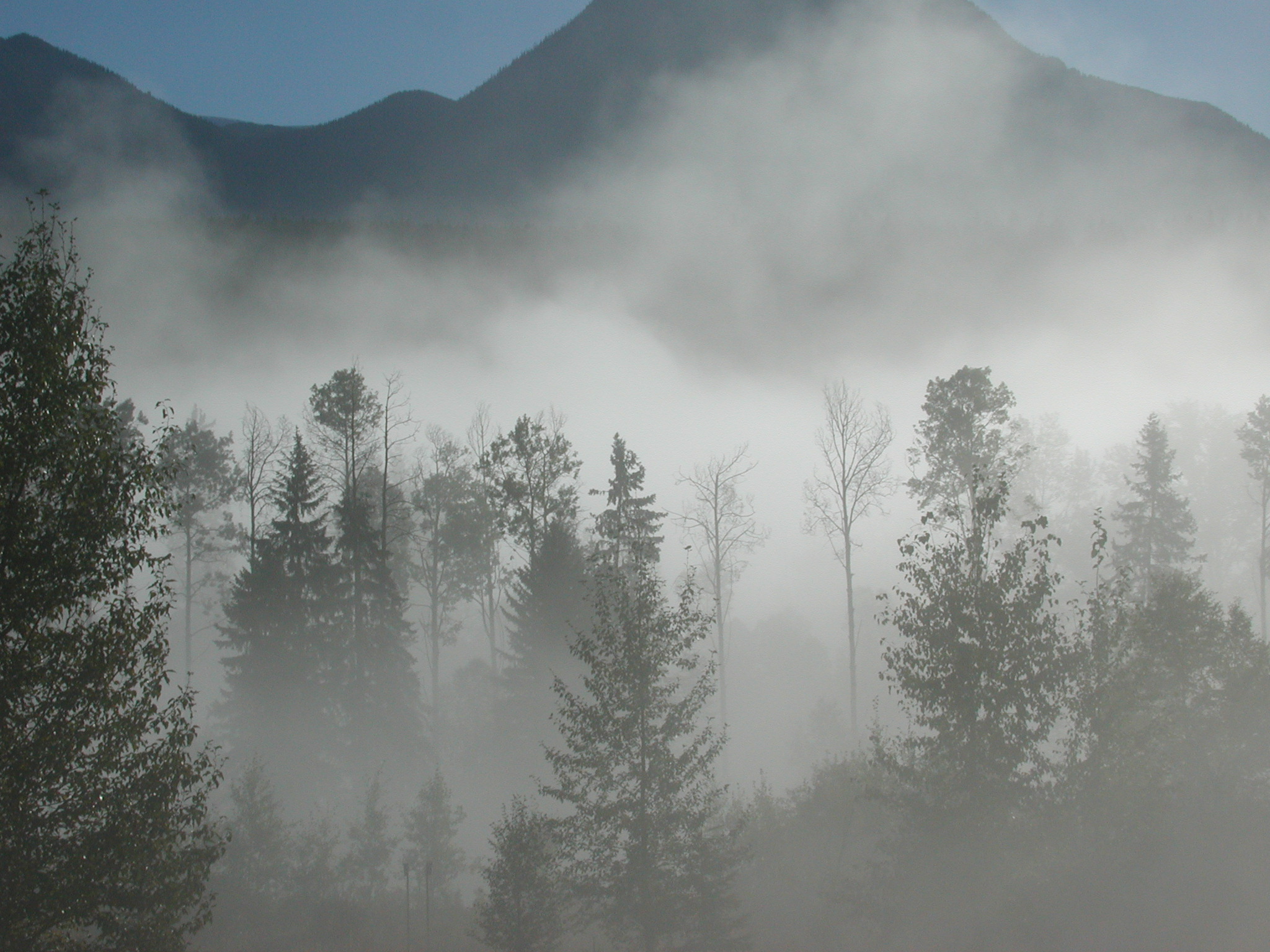 More than 110 million acres of land across the U.S. are protected in 806 federally designated wilderness areas – together an area slightly larger than the state of California. For the most part, these places have been left alone for decades, in keeping with the 1964 Wilderness Act’s directive that they be “untrammeled by man.” But in a time when lands are experiencing the effects of climate change and people are renewing their understanding of Indigenous knowledge and stewardship practices, protecting these places may require action, not inaction. …First, the American ideal that wildlands flourish best in the absence of human management – conflicts with the growing understanding that many wilderness areas are part of the ancestral homelands of Indigenous peoples, who tended those lands for thousands of years. …And second, as climate change and ecological stressors affect wilderness, human intervention could help sustain the very ecological qualities that are protected.
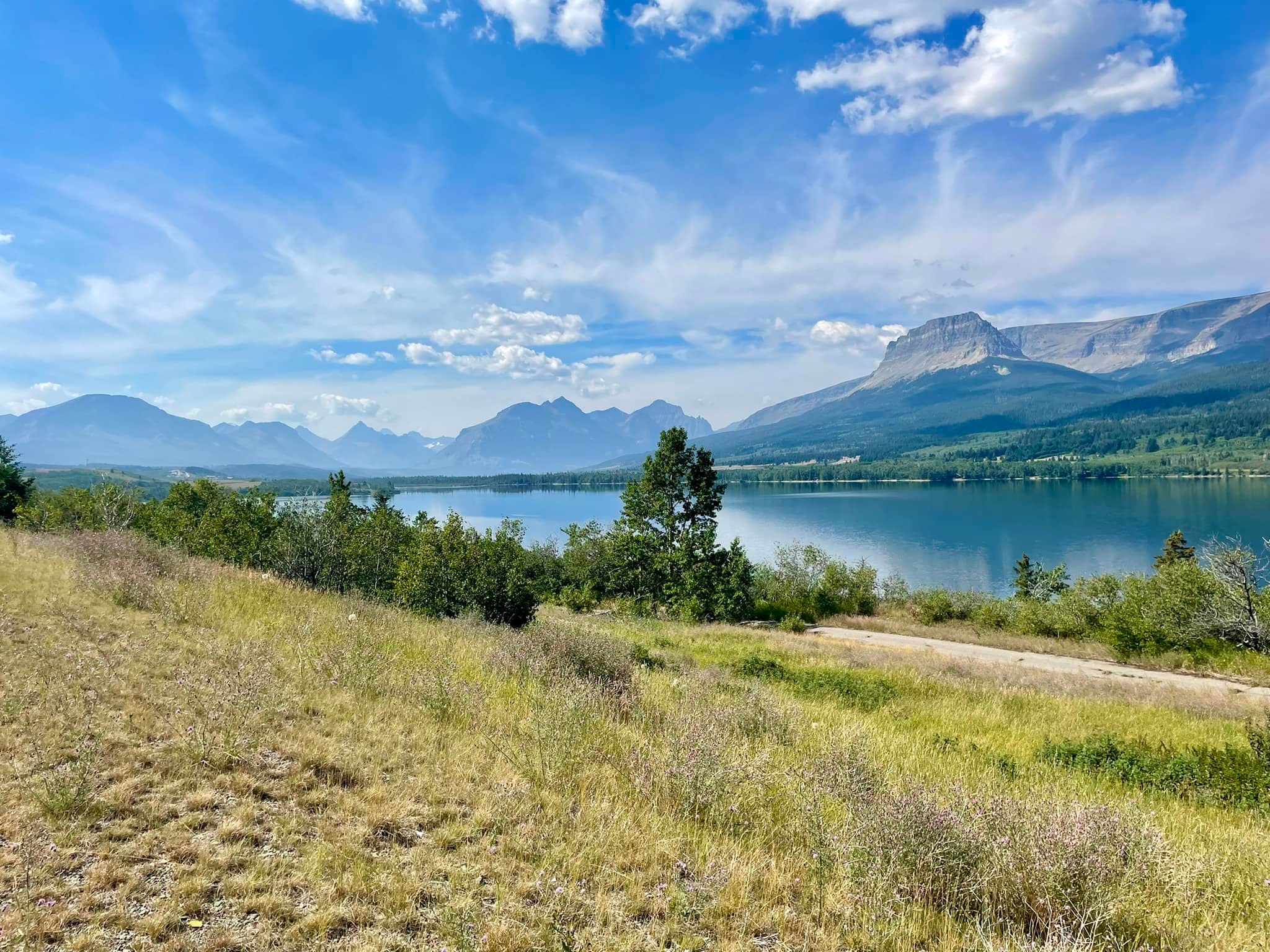 Large, bipartisan majorities of voters across eight Western states remain concerned about the impacts of climate change and opposed to efforts by the Trump administration to weaken environmental rules and public lands protections. Eighty-four percent of Western voters say “rollbacks of laws that protect our land, water and wildlife” are a serious problem, up from 68% eight years ago, according to a poll released by Colorado College’s State of the Rockies project. The annual Conservation in the West poll has measured Western voters’ views of environmental and energy issues since 2011. The 2026 survey is based on interviews conducted in January with 3,419 voters in Arizona, Colorado, Idaho, Montana, New Mexico, Nevada, Utah and Wyoming. “After 16 years, it’s become a rare longitudinal data set that lets us track how public attitudes have shifted over time throughout the West,” said Ian Johnson, Colorado College’s director of strategic initiatives and sustainability.
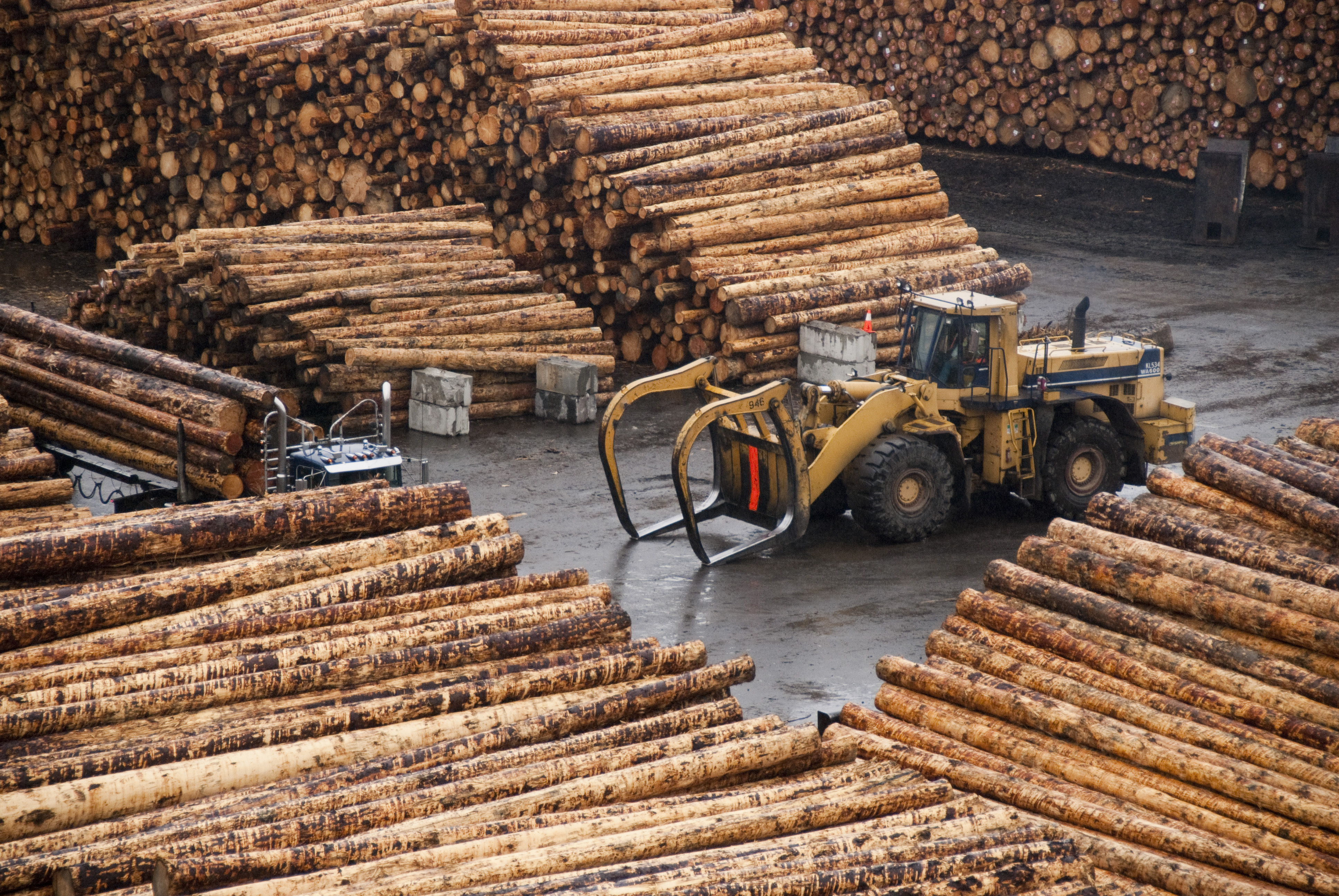 Federal officials are proposing to ramp up logging on 2.5 million acres of western Oregon forests as part of a Trump administration priority to expand domestic timber production. The Bureau of Land Management is asking for public comment on its plan through March 23. The federal agency said last week it would update the Western Oregon Resource Management Plan that governs logging on the state’s checkerboard “O&C forests” located in 18 Oregon counties. Known as O&C lands for having once belonged to the Oregon and California Railroad, the forests produced more than 1 billion board feet of timber annually from 1960 and 1989. …BLM’s latest proposal, issued Feb. 19 … could mean a timber harvest that returns to 1 billion board feet. …Oregon’s timber industry celebrated the latest news… Environmental groups strongly opposed the decision…
 WILMINGTON, N.C. – The N.C. Forest Service (NCFS) is reminding the public to use best practices and common sense with outdoor fires ahead of the state’s spring wildfire season. NCFS officials say escaped yard debris burns are the leading cause of wildfires across the state, often due to carelessness. 99% of wildfires are caused by human activity, officials said, often when people work in their yards in spring and burn yard debris. Other causes of human-caused wildfires include machine and vehicle use, such as dragging tow chains, arson and escaped campfires. “With the recent rainfall combined with multiple winter storms earlier this year, some folks may not realize that most of North Carolina is still experiencing very dry conditions,” said Agriculture Commissioner Steve Troxler. “Our state’s gradual descent into drought and prolonged dry conditions are going to lead to wildfires igniting more easily, burning more intensely and spreading quicker.”
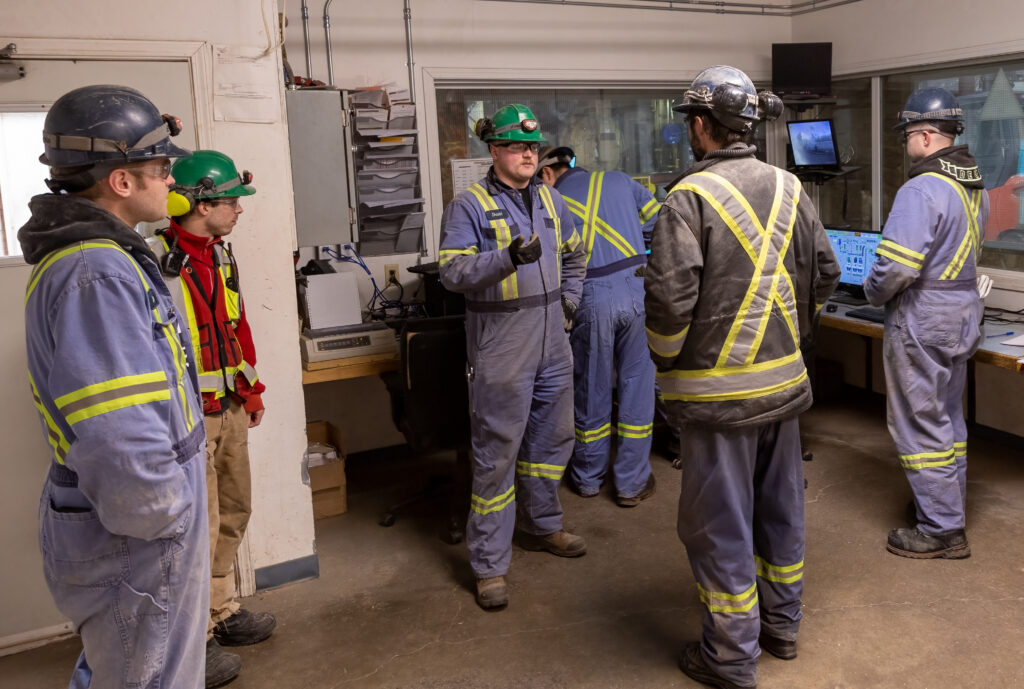
 The March 2026 issue of Forest Safety News is out now — and it’s packed with important updates for everyone in the forest sector! From mental health resources to leadership changes and upcoming safety events, this edition focuses on building safer workplaces across British Columbia. This month’s lead story highlights the Connection to Care program, a FREE and confidential support service for forestry workers navigating stress, job pressures, or life challenges — because mental wellness is now a core part of workplace safety. We also mark a leadership moment as long-time CEO Rob Moonen retires after 16 years, and Cherie Whelan steps in as the new CEO, bringing deep experience in safety and industry engagement. Plus, don’t miss the Interior Safety Conference in Kamloops — a full day of sessions and networking for professionals across harvesting, silviculture, transportation, and manufacturing. There’s much more inside including safety alerts, training updates, and industry links you’ll want to see. Read the full issue for all the details!
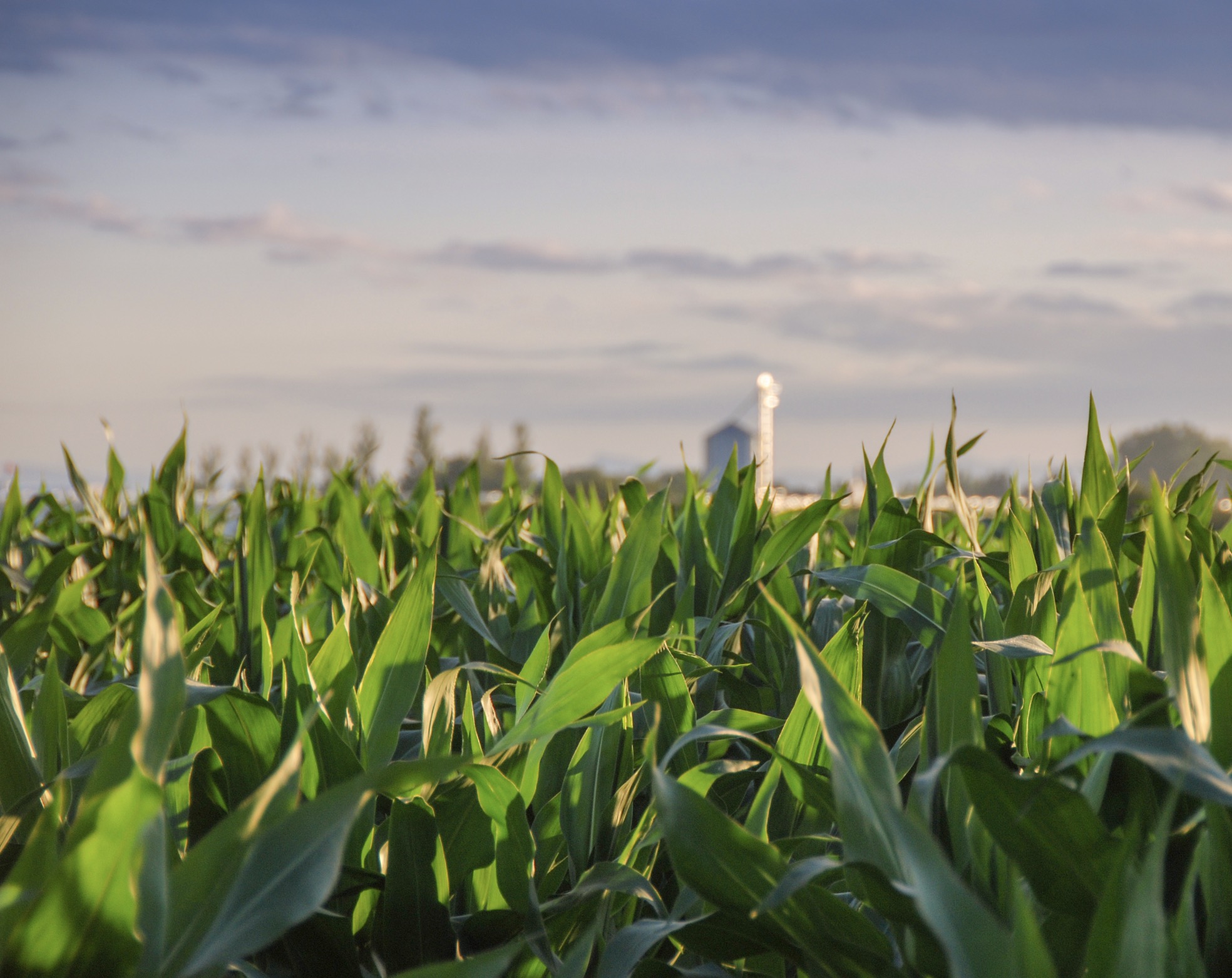 Supporters of the “Make America Healthy Again” strategy have long railed against pesticides, making opposition to them a pillar of the movement. But an executive order issued by U.S. President Donald Trump last week collides with that long-held stance. The order states that glyphosate … is “central to American economic and national security” and calls for an adequate domestic supply. Glyphosate inhibits protein synthesis in plants and microorganisms, leading to their death. Scientists can genetically modify field crops — choosing which survive after glyphosate treatment. US Health and Human Services Secretary Robert F. Kennedy Jr., a key figure in the MAHA movement, has long opposed glyphosate-based pesticides. …He reiterated last month on Katie Miller’s podcast that “I believe glyphosate causes cancer.” But Kennedy sounded a different tone. “Donald Trump’s executive order puts America first where it matters most — our defense readiness and our food supply,” said Kennedy.