 Canada says Canadian forestry investments in the US South should be viewed positively by US Section 232 investigation. In related news: US trade policies create uncertainty for Canada’s forest sector; amid uncertainty—BC invests $11M in four wood product manufacturers; and a webinar to help contractors manage tariff impacts. Meanwhile: a look inside Gorman’s West Kelowna mill; what the closure of IP’s Georgetown mill says about fluff pulp; and US roofing contractors say they are delaying projects.
In Forestry/Wildfire news: Canadian Forest Owners seek clarity from the political parties; firefighting drones could change the way BC fights wildfires; ENGO’s want BC to refocus on old-growth; Trump and California find common ground on forestry; New Jersey lifts its wildfire evacuation order; and the US Fix Our Forests Act called forest malpractice.
Finally, Wood Solutions Conference comes to Halifax, and the Softwood Lumber Board’s 2024 Annual Report.
Kelly McCloskey, Tree Frog News Editor


 Canadian Forest Owners (CFO) reached out to the five federal political parties with current representation in parliament to ask how their party would support the thousands of rural communities across Canada where these forest owners live. Canadian Forest Owners represents 480,000 private forest owners from Prince Edward Island to Vancouver Island. These forest owners are largely family owned, small business, who own over a tenth of Canada’s managed forests, supporting every mill across the country, and accounting for nearly 20 percent of Canada’s total forest production. Private forest landowners provide solutions to climate change and real socio-economic development opportunities in rural communities from coast to coast. Here’s what they had to say…
 New support for forestry-sector manufacturers in the province is creating sustainable jobs, strengthening local supply chains, establishing new made-in-B.C. products and reinforcing B.C.’s position as a leader in mass-timber innovation. …Through the BC Manufacturing Jobs Fund (BCMJF), the Government of B.C. is contributing as much as $11 million toward four forestry-sector capital projects in the province. The projects are helping B.C.-based forestry-product manufacturers grow their businesses by constructing new production facilities, purchasing new equipment and adding new high-value product lines, while creating and protecting hundreds of jobs.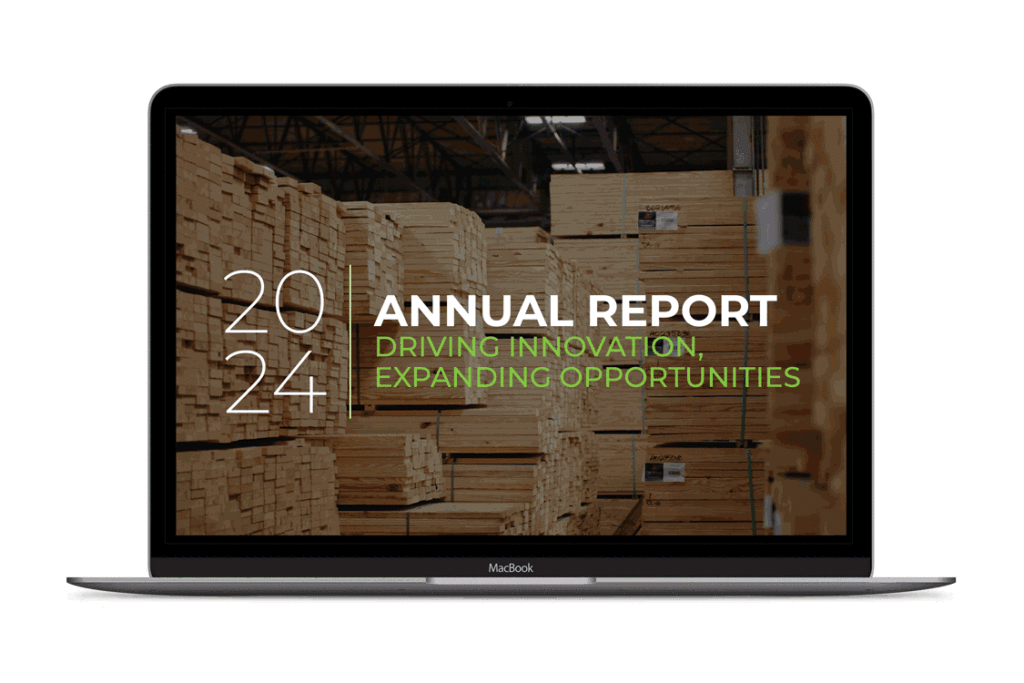


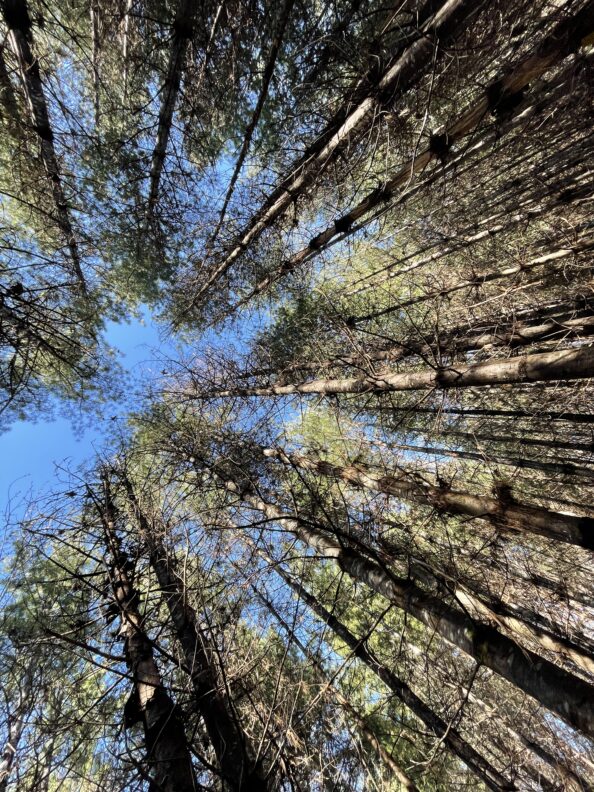 The Forest Enhancement Society of BC has given over $5 million for 18 projects in the Cariboo Region. Executive Director Jason Fisher said the Society distributes the money on behalf of the Province to invest in Forest Management activities related primarily to two major functions. “There’s the wildfire risk reduction, which involves going in and removing potentially some of the crown closure, removing some of the stems, some woody debris off the ground and making forest stands more resilient in the event of wildfire or less likely a wildfire that occurs in those stands would lead to more catastrophic wildfires.” Fisher said the other major function is wood recovery and utilization. In damaged stands, or post harvesting “we will help support applicants in going in, collecting that wood [debris] and bringing it to facilities like pulp mills or pellet plants to generate economic opportunities.”
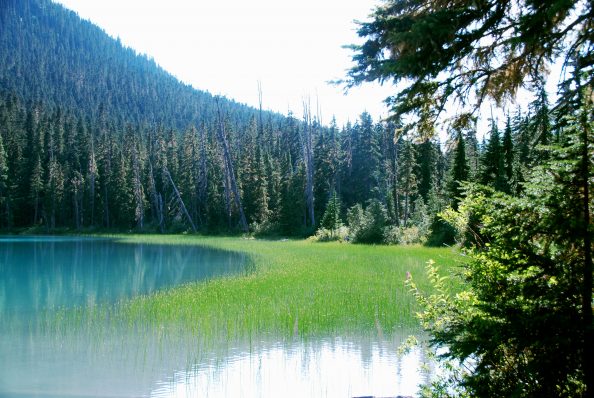 A temporary closure will take place at Pipi7íyekw/Joffre Lakes Park to provide time and space for members of the Líl̓wat Nation and N͛Quatqua to reconnect with the land and carry out cultural and spiritual practices. Pipi7íyekw/Joffre Lakes Park has become one of the busiest parks in the province. As more people go to the park, there is a need for enhanced visitor-use management, ensuring the park is not degraded by heavy use. Temporary closures to the park for recreational visitors will occur from April 25 until May 16, 2025. Beginning Saturday, May 17, adults and youth older than 12 will require a free day-use pass to visit the park. …The park is collaboratively managed with Líl̓wat Nation and N’Quatqua with the primary goal of maintaining the natural environment, and so the Nations can continue their cultural practices on their territory.
 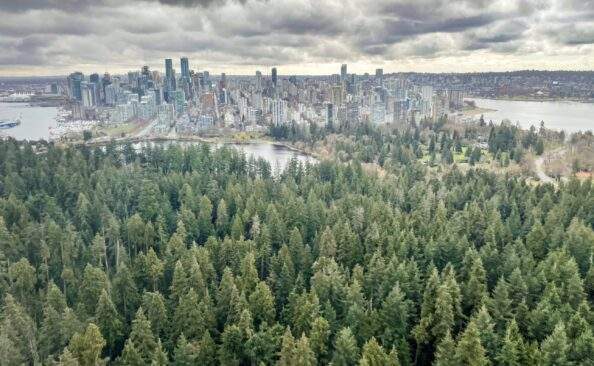 The Sḵwx̱wú7mesh Úxwumixw (Squamish Nation) is calling for better education on Stanley Park’s Indigenous history after a First Nations group threw their connection into question during a logging protest earlier this month. A “sacred fire” lit March 15 was kept ablaze for over a month at Brockton Park’s totem poles by a woman who identified, according to protest group Save Stanley Park, as a “matriarch” of the land. The woman claimed to be a descendent of “Portuguese Joe”, an early B.C. settler with Musqueam lineage, and was in protest of the Vancouver Park Board’s ongoing project to remove hundreds of trees affected by the looper moth disease. Squamish Nation elected councillor Wilson Williams says the claims are still yet to be verified, and his own community is left reeling at the group’s failure to address the history of the Squamish people that dates back thousands of years within the park.
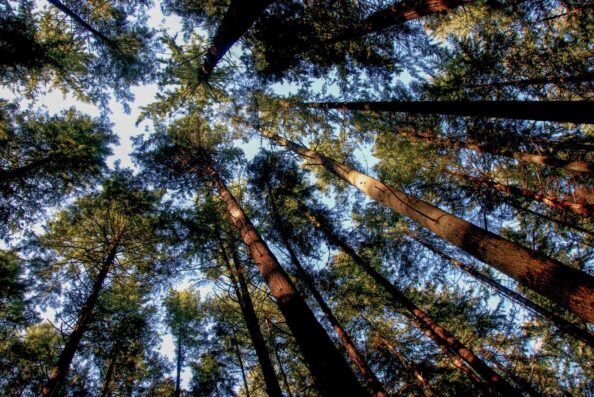 The Ancient Forest Alliance (AFA) and Endangered Ecosystems Alliance (EEA) are calling for better protection of old-growth forests from the BC Government. [They want the] province to refocus their measures, implement their draft biodiversity, and Ecosystem Health Framework to ensure a transition to a sustainable forest industry. Executive Director of EEA Ken Wu said there is two directions the government can go in response to tariff threats from the U.S. “Either take the easy but foolish route by falling back on the destructive status quo of old-growth logging and raw low exports, or instead take the opportunity to invest in a modernized, sustainable, value-added, second-growth forest industry that is the future of forestry in BC, while protecting the last old-growth forests.” …The groups are also issuing a warning which commercial logging must not be permitted in protected areas under the guise of wildfire risk reduction.
 The Agriculture Research Service researchers are helping to mitigate a destructive tree and insect that continue to spread across the United States. With its lush tropical canopy and ability to quickly grow toward the sky, the Tree of Heaven seems as angelic as its name suggests. However, Tree of Heaven is proving to be a devil. The invasive tree is aggressive and damaging as it spreads rapidly across Mid-Atlantic and Midwestern states. …Not only is Tree of Heaven an environmental menace, it is also “the most favored host” of the invasive spotted lanternfly, according to Tracy Leskey, a research entomologist in Kearneysville, WV. Leskey and university partners are working to reduce both Tree of Heaven and spotted lanternfly populations through ARS’ Area-Wide Pest Management program. Their goal is to suppress the populations of both invasive species … all while alleviating the impact on native pollinators and plants.
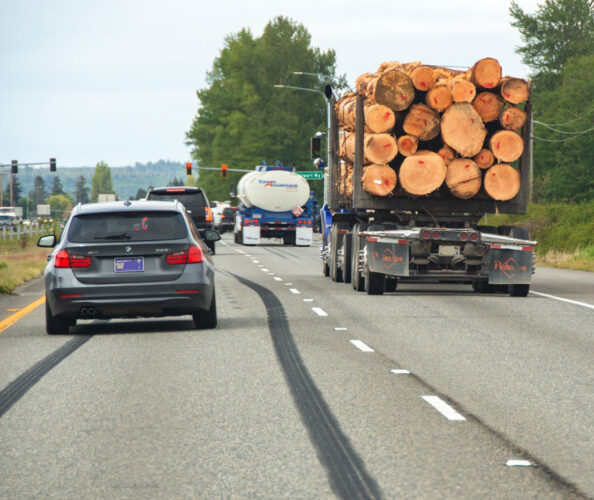 Increased timber production may be coming to the Volunteer State, impacting the Appalachian forests in East Tennessee. A new emergency order from the U.S. Department of Agriculture allocated 59% of national forests across the country for timber production. …However, the economics benefits of logging come at a steep price, according to The Wilderness Society. “Don’t be fooled: the Trump Administration and its allies in Congress aren’t trying to solve the wildfire crisis or protect communities threatened by it. Instead, they are aiming to deepen the pockets of private industry to log across our shared, public forests, while sidestepping public review,” said Josh Hicks, Conservation Campaigns Director at The Wilderness Society. …A majority of the impacted U.S. Forest Service areas are in the western half of the United States. However, the USDA declaration also impacts Appalachia and East Tennessee. The affected areas total more than 112 million acres of U.S Forest Service land.
 A Canadian carbon credit firm is seeking more than US$40 million in damages in a lawsuit against its former CEO and several ex-directors and associates over alleged unjust enrichment, fraud, and breach of fiduciary duty. A statement of claim filed in the Ontario Superior Court by Carbon Streaming Corporation describes diverted six-figure advisory fees, as well as lavish trips and retreats without a business purpose, over the span of multiple years. Toronto-based Carbon Streaming provides capital to carbon capture projects around the world via streaming or royalty agreements for carbon credits, which they sell to buyers looking to offset emissions, or other investors. …Last week, Carbon Streaming filed a lawsuit with the Ontario Superior Court of Justice against founder, former CEO and company director Justin Cochrane, as well as several other past executives, directors, consultants, and affiliated entities.
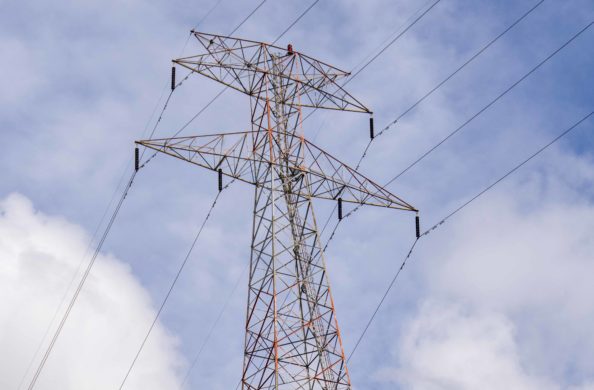 A UK government spending watchdog has questioned the value of the multibillion pound subsidies granted to the Drax power plant in North Yorkshire – and said plans to hand over billions more may not represent value for money. The government has provided about £22bn of public money to businesses and households that burn biomass pellets as fuel over the past three years, including £6.5bn for the owner of the Drax plant. The power plant, which generates about 5% of the UK’s electricity, is expected receive more than £10bn in renewable energy subsidies between 2015 and the end of 2026 – despite ongoing concerns that wood pellets are not always sustainably sourced. The Public Accounts Committee has said that biomass generators have been left to “mark their own homework” when it comes to proving that their fuel met the sustainability standards set by the subsidy scheme.
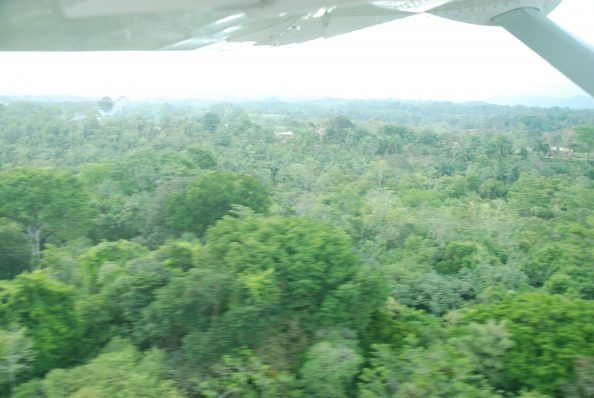 The assessment singled out Brazil and Australia, and warned a lack of rules around accounting for forests and other land-based carbon sinks meant countries could “game the system” when reporting their national greenhouse gas emissions. Scientists are still unclear about how carbon sinks might behave as the planet warms in future, and exactly how much heat-trapping carbon dioxide they might soak up from the atmosphere. But that has not stopped countries from making their own assumptions and using those numbers in their national climate plans, which are due to be finalised to 2035 before the next UN climate talks in Brazil in November. Climate Analytics, a policy institute that independently assesses these plans, said overly optimistic assumptions about how much CO2 forests might draw down was “masking the scale and pace of the fossil fuel emissions cuts needed”.