
BMI Group buys Domtar’s idled pulp and paper mill in Espanola, Ontario. In other Business news: Microsoft signs CO2 removal agreement on the Gulf Coast; citing log shortage—West Fraser Williams Lake mill goes to 4-day week; Stella-Jones appoints Wesley Bourland Senior VP and COO; Gerald Tuskan is awarded the 2025 Marcus Wallenberg Prize; and sadly—Steve Tolnai, Sopron Student and Distinguished BC Forester, dies at 89.
Meanwhile, on the tariff/duty front: United Steelworkers International says Canada is not the problem; Maine grapples with cross-border levies; a Quebec veneer plant pans Canada’s counter tariffs; the US Lumber Coalition reacts to media banter; and Vietnam’s timber sector wants to make a deal.
In Forestry/Wildfire news: Alberta invests to upgrade wildfire monitoring; more support for the US Fix Our Forest Act (for wildfire resilience); and two US Senators introduce a Jobs in the Woods Act (for training).
Finally, on Day 5 of Wildfire Resilience and Awareness Week—the BC is Burning documentary; and How Businesses Can Prepare for the Wildfire Season.
Kelly McCloskey, Tree Frog News Editor
 In Forestry/Wildfire news: what
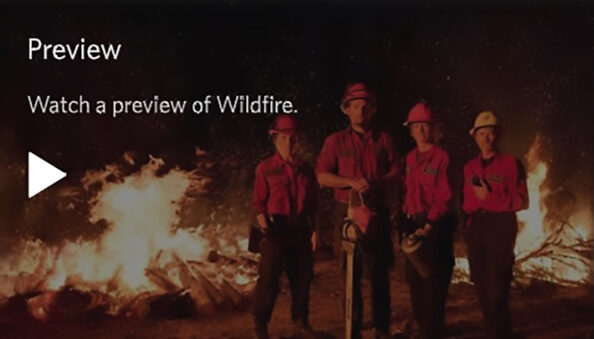
 British Columbia’s forests are increasingly on fire—and the consequences are catastrophic. As we approach another fire season, communities, ecosystems, and livelihoods are at growing risk. In this crisis, BC is Burning, a new two part documentary, offers both a wake-up call and a beacon of hope. The film explores fuel loading, carbon emissions, proactive forest management and the need for a shift from suppression to increasing proactive prevention activities, offering solutions to reduce the mega-fires that are becoming all too common. … The core message of BC is Burning is the importance of active forest management. By managing forest landscapes… we can reduce fuel loads and prevent catastrophic fires. … BC is Burning is more than just a documentary—it calls for collective action. …become part of the conversation. Together, we can turn the tide on wildfires and ensure that our forests—and our future—remain safe and resilient.



 WASHINGTON — U.S. President Donald Trump partially reversed course Wednesday on his global trade war following days of market turmoil — but he’s not offering any changes to the tariffs hitting Canada. Trump immediately paused for 90 days the levies on nations slapped with the highest duties under his “reciprocal” tariff regime. A White House official later clarified that a 10 per cent baseline tariff will remain in place for all countries. The president has held fast to his plan to rapidly realign global trade through a benchmark “reciprocal” tariff — but his tariffs have spread chaos throughout global markets. …On social media, Trump said he made the decision after more than 75 countries called his administration “to negotiate a solution.” Later at the White House, the president said he lowered the levies because “people were jumping a little bit out of line.” “They were getting yippy, you know,” Trump said. “They were getting a little bit yippy, a little bit afraid.”
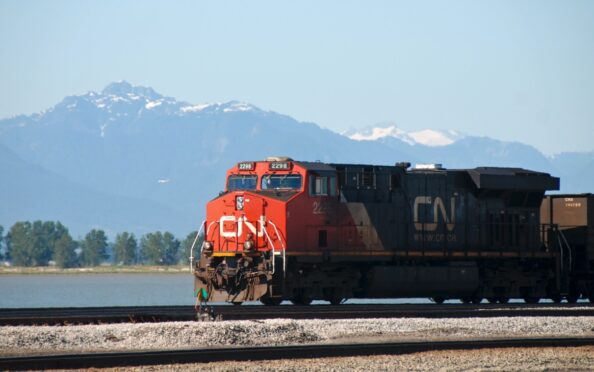 Canadian National train service employees represented by the Teamsters Canada Rail Conference will get a 3% annual raise under an arbitrator’s contract decision. Arbitrator William Kaplan released his decision Monday on the three-year contract, which runs from Jan. 1, 2024, through Dec. 31, 2026. When CN and the TCRC were unable to reach a negotiated settlement during their contract talks, the Canada Industrial Relations Board sent the matter to binding arbitration in August 2024 after a brief lockout. Kaplan urged the railway and union to iron out their differences regarding changes to work rules. “Both parties proposed detailed changes to work rules. And both parties described the proposals they sought as justified by demonstrated need, and the ones advanced by the other party as breakthroughs that would never be accepted in free collective bargaining,” Kaplan wrote.

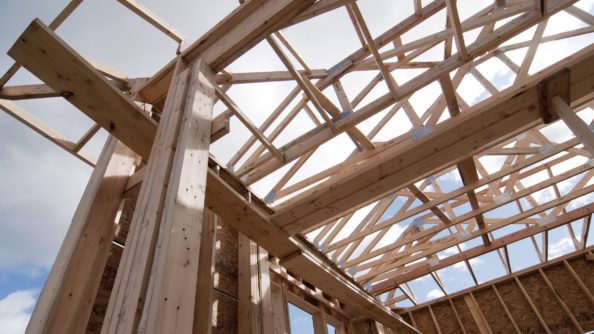 American consumers could be paying more to build new homes after the U.S. announced it will more than double existing duties on Canadian softwood lumber. “In the end, the U.S. consumer ends up paying additional money,” Supply-Build Canada president said on Tuesday. “It is an extra cost that is being passed on to the U.S. consumer and that’s not an ideal situation when you are looking for housing affordability.” Claiming that the Canadian lumber industry is unfairly subsidized, the U.S. Department of Commerce announced Friday that it planned to hike duties on Canadian softwood lumber from
 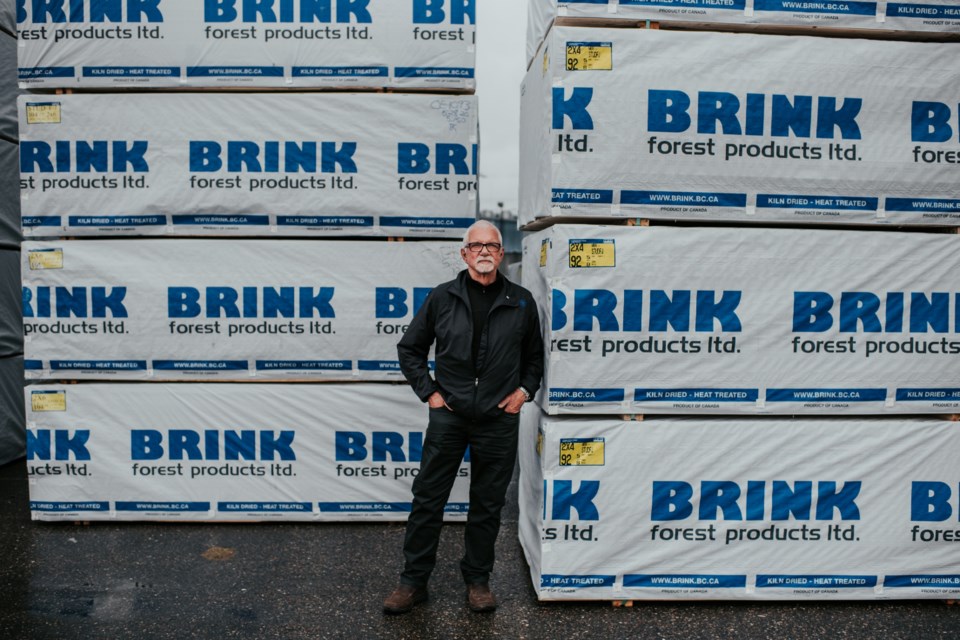 AUDIO STORY: John Brink, CEO of Brink Forest Products, talks to host Gloria Macarenko about the economic potential for value-added wood products in B.C. and the impact of higher duties and tariffs from the U.S.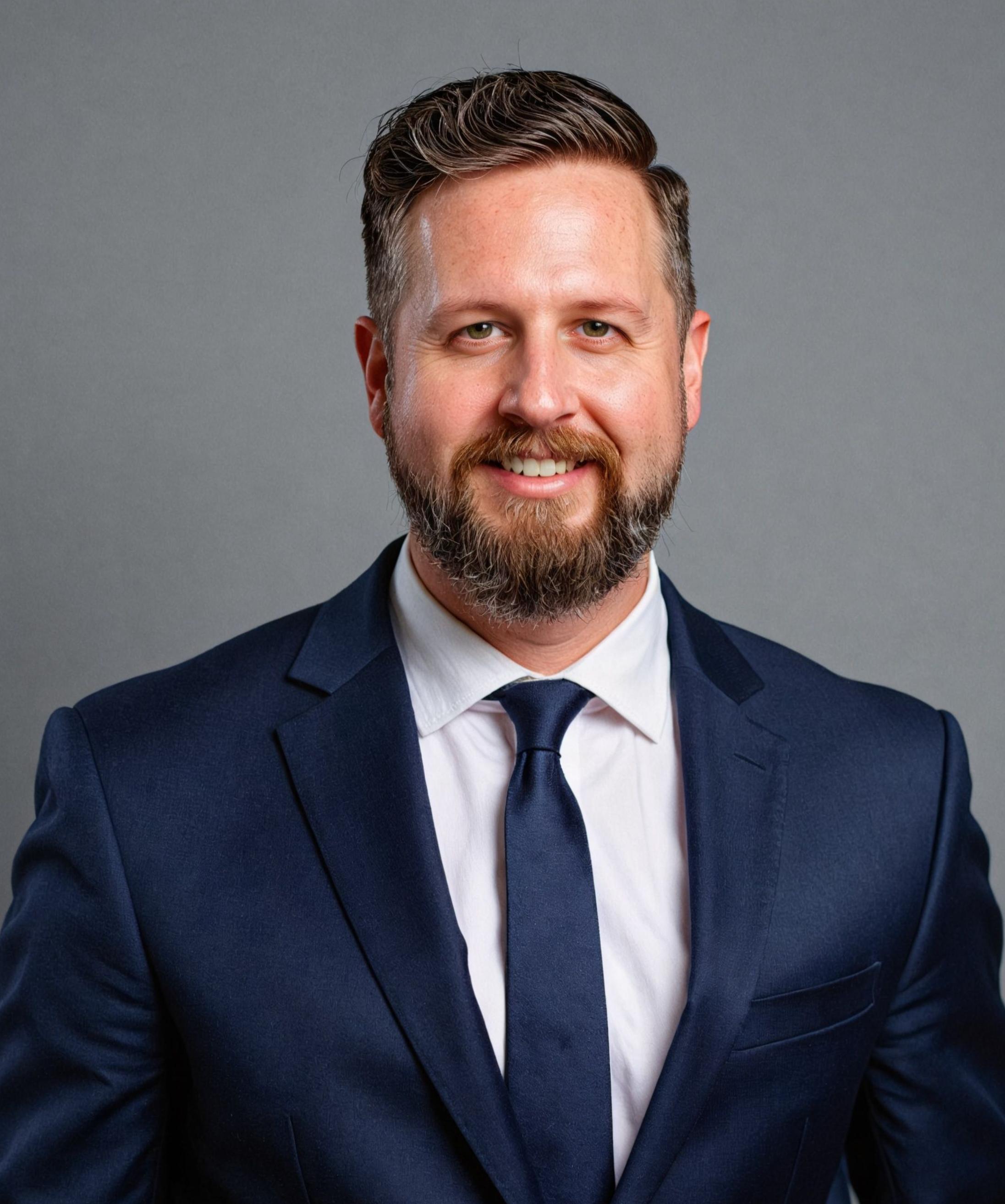
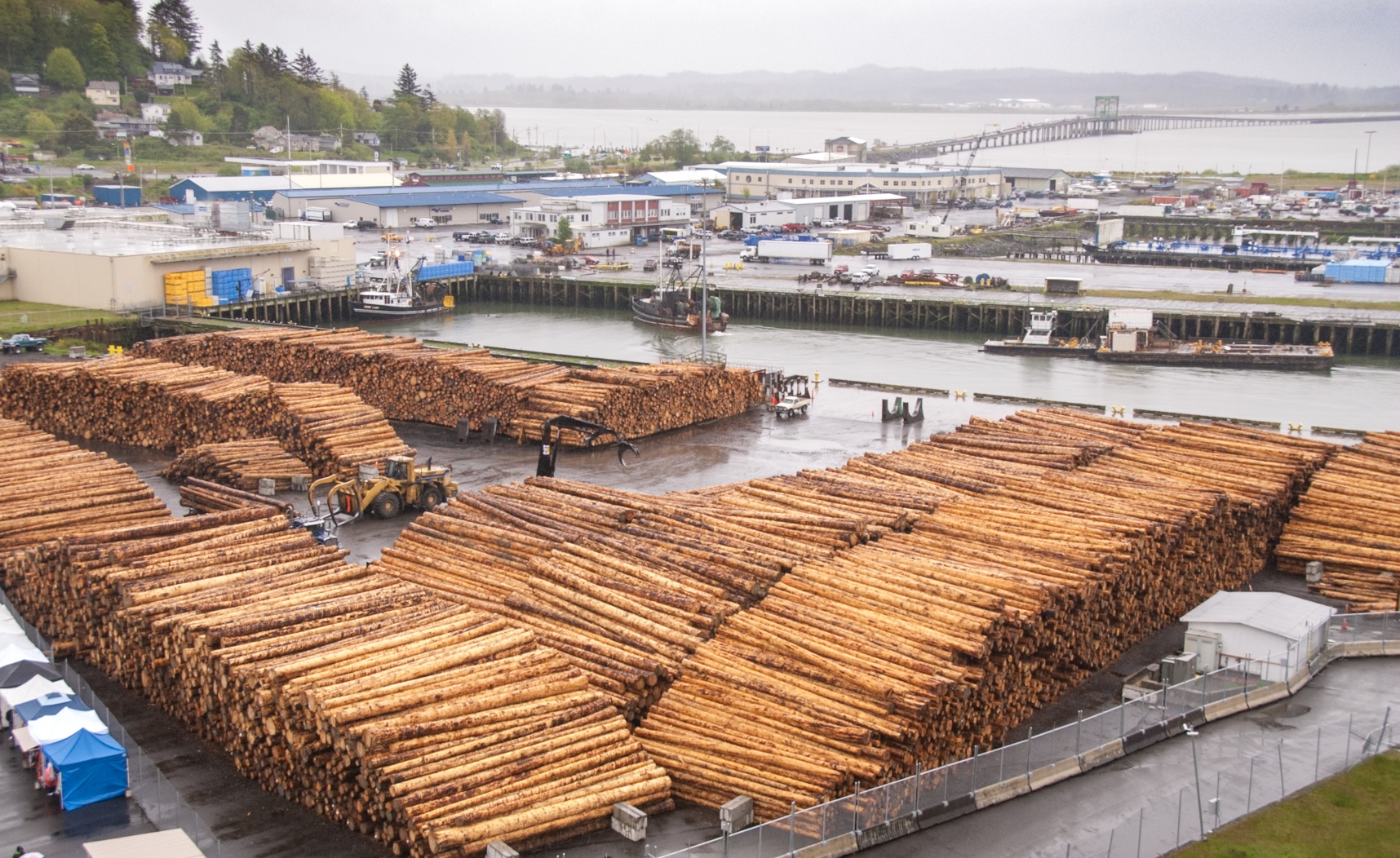 The United States has announced sweeping changes to encourage more logging in the country’s national forests. A new emergency order requires rolling back environmental protections on national forests… A big question for forestry economists is whether the U.S. is in need of significantly larger lumber production. …The forest products industry will only begin quickly cutting and milling more U.S. timber if there is demand, Jeff Reimer, an economics professor at Oregon State University said. Much of the lumber needs in the eastern part of the U.S. are met by private forests he said, that won’t be impacted by the new Forest Service requirements. But lumber in the west is almost all from Canada. …”Loggers and mills need to have …assurance that they can sell their products at a profit,” Reimer said. “If we see high inventories of unsold housing and low (weak) housing starts, then the demand for lumber is probably low.”





 DULUTH — The U.S. Forest Service will not log in designated wilderness areas like the Boundary Waters, federal officials clarified Tuesday evening, days after issuing an emergency order intended to boost logging on national forest land throughout the country. … Wide swaths of several wilderness areas, like the Boundary Waters, were included in that total, and
 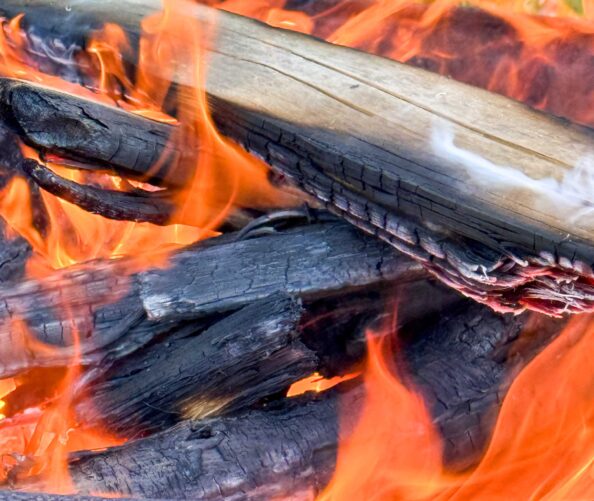 COLUMBIA, S.C. – A group of South Carolina lawmakers will continue considering a bill that would increase penalties for illegal burning in the state. The South Carolina Criminal Law Subcommittee discussed H.4265 during a meeting on Wednesday. The bill, filed by Rep. Tim McGinnis of Horry County, came after a wildfire allegedly started by a Carolina Forest woman burned more than 2,000 acres last month. McGinnis’s bill would increase fines and even jail time for burning during a ban issued by the South Carolina Forestry Commission. He spoke during Wednesday’s meeting, saying that an amendment to the bill was also made after meeting with the SCFC on Tuesday. …The bill would also repeal a section of South Carolina law that allowed exemptions for fire regulation, such as fire pits and chimineas.
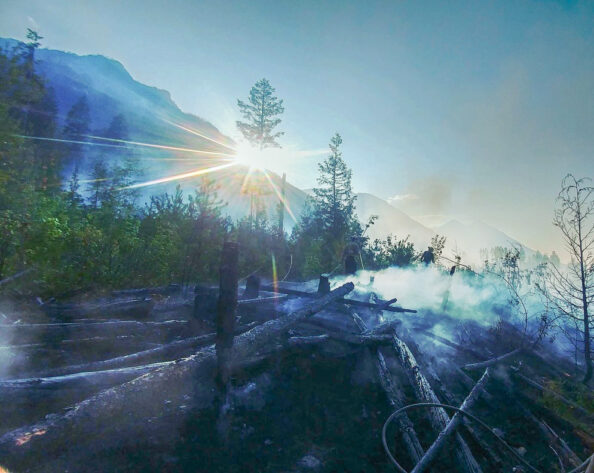 OKLAHOMA CITY — There is more fallout from what has largely divided Governor Kevin Stitt and the entire firefighting community. Governor Stitt confirms two more top-level employees within Oklahoma Forestry Services. The two unnamed employees follow the firing of lauded Forestry Director Mark Goeller. …Since Goeller’s firing, Stitt has continued making shocking changes — and suggestions — within and about forestry. He has suggested eliminating OFS altogether and called for an investigation, claiming 50% of resources went untapped during the March wildfires. …“Forestry is an integral part of what we do,” said Rep. Stan May, who worked for the Tulsa Fire Department for 30 years. …May said it would also likely disrupt inter-state agreements that aid in a multitude of disasters. He said if we don’t help others, it will hinder our efforts to get help. “We have to make sure those agreements are in place,” he said.
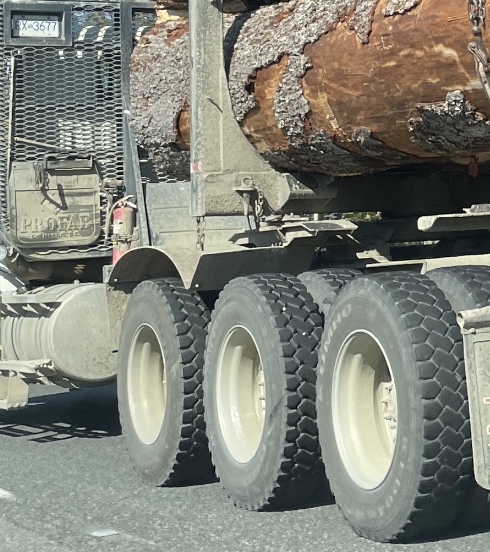 Leaders from the Texas forest industry urged Angelina County commissioners Tuesday to table a proposed road use agreement they say unfairly targets timber haulers and could lead to legal challenges. Dave Durren, speaking on behalf of the Texas Logging Council and the Texas Forestry Association, said the proposed policy would require permits and potential financial responsibility for road maintenance, placing an undue burden on loggers. “Other agricultural sectors… are not subject to this level of scrutiny or regulation, despite using the same rural road systems. This selective enforcement places an undue burden on the forestry sector and creates an uneven playing field,” the speaker said. The speaker also cited the passage of Texas Proposition 1, a constitutional amendment approved by Texas voters in 2023 protecting the right to farm, ranch and produce timber. He argued that regulating the transportation of timber directly interferes with the constitutionally protected activity.

 LONDON – The United States has withdrawn from talks in London looking at advancing decarbonisation in the shipping sector and Washington will consider “reciprocal measures” to offset any fees charged to U.S. ships, a diplomatic note said. Delegates are at the UN shipping agency’s headquarters this week for negotiations over decarbonisation measures, aimed at enabling the global shipping industry to reach net zero by “around 2050″. …”The U.S. rejects any and all efforts to impose economic measures against its ships based on GHG emissions or fuel choice,” according to a diplomatic demarche sent to ambassadors by the United States. …”Should such a blatantly unfair measure go forward, our government will consider reciprocal measures so as to offset any fees charged to U.S. ships and compensate the American people for any other economic harm from any adopted GHG emissions measures,” the note from Washington said.
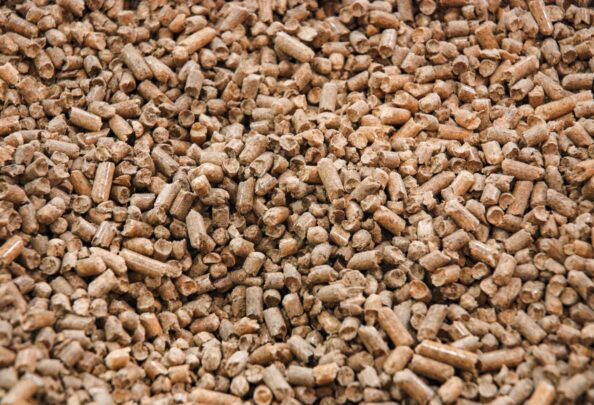 After over three hours and two executive sessions on Tuesday, the Mississippi Department of Environmental Quality’s Permit Board denied Drax’s application to become a “major” source of Hazardous Air Pollutants, or HAPs. The new permit would have allowed the company’s wood pellet facility, Amite BioEnergy, to release more potentially harmful air pollutants than what its currently allowed under state regulation. …Drax officials, though, told the Permit Board that in order to produce as much as its permit allows, it would need to exceed the “minor” source allowance for HAPs. After some confusion among the Permit Board over whether Drax’s actual output of HAPs would increase, Whitlock clarified: “There is a guarantee that actual emissions will increase (if Drax was given “major” source status), and based on my speculations, (HAP emissions) could very likely increase above those thresholds (that Drax currently has to stay under).”
 WorkSafeBC is releasing a discussion paper concerning changes made to policy on duration of benefits (retirement age). To reflect legislative amendments to the Workers Compensation Act, policy changes related to retirement age determinations were effective on January 1, 2021. After reviewing the implementation of the initial changes, WorkSafeBC’s Board of Directors approved further policy changes, effective January 1, 2024, on WorkSafeBC’s determination of whether a worker “would retire” after the retirement dates set out in the Workers Compensation Act. The Board of Directors approved these policy changes in advance of public consultation. Our Policy, Regulation and Research Department is now consulting on the 2024 changes to determine whether further changes are necessary. The discussion paper and information on how to provide feedback can be found here:
  The Workers Compensation Amendment Act, 2019 (Bill 18) expanded the definition of “firefighter” and changed the definition of “worker” in the Workers Compensation Act, resulting in implications for society fire brigades that engage volunteer firefighters. Our Policy, Regulation and Research Department is releasing a discussion paper with proposed amendments to policy in the Assessment Manual to provide guidance on how WorkSafeBC determines the employer of a volunteer firefighter, and to remove outdated language. The discussion paper and information on how to provide feedback can be found here:
  There are many contradictory myths about Northwoods lumberjacks and the work they did in the late 19th and early 20th centuries. They were depicted as hard-living, violent men, but also as upstanding, conservation-minded gentlemen. Recently, Willa Hammitt Brown, the author of the book “