 The US Lumber Coalition pushed back on Wall Street Journal’s take on the impact of tariffs, but US Homebuilders say lumber prices will go way up. In related news: Ontario business leaders unite; and the Bank of Canada cuts interest rates to 3%. In other Business news: Canada signs off on Nova Scotia’s Boat Harbour cleanup plan.
In Forestry/Climate news: Canada invests in Northern Ontario and Quebec; a weather group says LA-type wildfires are now 35% more likely; California’s federal lands are hemorrhaging CO2; do environmental rules even matter in the Trump era; and Finland’s forests now emit more CO2 than they absorb. Meanwhile: the BC Forest Practices Board newsletter is back; the latest from the BC Community Forest Association; and BC Timber Sales passes audit on Haida Gwaii.
Finally, we are excited to share that our Tree Frog News readership grew 44% in 2024. Your feedback is key to continue the trend—please complete our brief survey.
Kelly McCloskey, Tree Frog Editor



 The B.C. government has turned down a petition to investigate Canada’s largest forestry company at a time when a federal probe into the firm faces the prospect of total collapse. On December 2, 2024, the national Standing Committee on Natural Resources unanimously passed a motion summoning Paper Excellence owner Jackson Wijaya to testify before lawmakers—an order that was enforceable with a legal subpoena if necessary. …Charlie Angus, the NDP’s natural resources critic and member of Parliament for Timmins–James Bay, said Wijaya’s expanded ownership over APP represents a break down in government oversight. …the probe came to a grinding halt when Prime Minister Justin Trudeau … prorogued Parliament. That act wiped out the work of all parliamentary committees, including the motion to summon Wijaya….When asked if B.C.’s Ministry of Forests would heed calls to launch its own investigation into Paper Excellence, a spokesperson deferred to the federal government.
  The Western Retail Lumber Association used its trade show, taking place now in Edmonton, as the platform for announcing a major rebranding initiative. After in-depth consultation with its members and board, partners, and key stakeholders, the WRLA has been renamed as Supply-Build Canada. The change is effective today. “As the association expands its advocacy efforts and external partnerships, the ‘Western Retail Lumber Association’ name became a misnomer,” says association president Liz Kovach. “The building supply industry encompasses building materials beyond lumber, and the association represents manufacturers, distributors, wholesalers, and other categories not represented by just retail.” Because many of the association’s members, especially on the supplier side, have offices and production outside of the West, the new name intends to capture that, “making a wholesale change of name both necessary and timely,” Kovach adds.
 Washington, D.C. — The U.S. Department of Agriculture today announced the names of the following individuals who will hold senior staff positions in Washington, D.C. These appointees have been selected to implement President Trump’s America First agenda, ensuring that the needs of America’s farmers, ranchers, and producers remain a top priority.



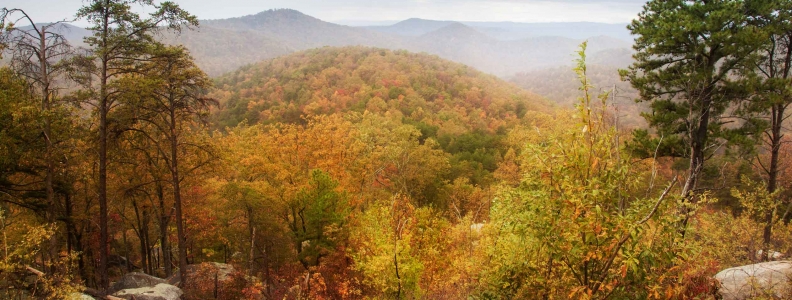

 Mattawa, ON – The Canadian Institute of Forestry (CIF-IFC) is excited to announce that the 2026 National Conference and 118th Annual General Meeting will take place in Calgary, Alberta, from October 5-8, 2026. This landmark event, hosted in collaboration with the Society of American Foresters (SAF) and the CIF-IFC Rocky Mountain Section, will unite forestry professionals, practitioners, and students from across North America and beyond under the theme, “Leading from where we are for a brighter future.” The event will showcase the leaders of today and empower the leaders of tomorrow to begin acting now to make the world they want to see. …The Conference will serve as a platform to address pressing issues such as climate change, biodiversity, and sustainable forestry and natural resources management while highlighting innovative approaches to ensure a vibrant and resilient future for forests globally.
 How FSC is using Google Earth Engine to monitor forest degradation and support EUDR compliance: The Forest Stewardship Council is leveraging cutting-edge technology to better monitor and protect the world’s forests.
  VICTORIA – The Forest Practices Board has completed its audit of BC Timber Sales (BCTS) and Timber Sale Licence (TSL) holders in the Haida Gwaii Natural Resource District. A compliance audit examined all forestry planning and activities carried out in the area between May 1, 2022, and May 31, 2024. The parties complied with most legislative requirements with two exceptions. Auditors found BCTS was not diligent in inspecting approximately 90 kilometres of its roads and structures in its Sewell Inlet operating area. …Following the audit, BCTS inspected these roads … and has committed to working with the Ministry of Forests and the Haida Nation to develop road deactivation plans as needed. …Auditors found all three TSL holders audited had abated fire hazards within the required period. However, two TSL holders did not complete the required number of fire-hazard assessments and did not conduct fuel-hazard assessments on time. This is considered an area requiring improvement…


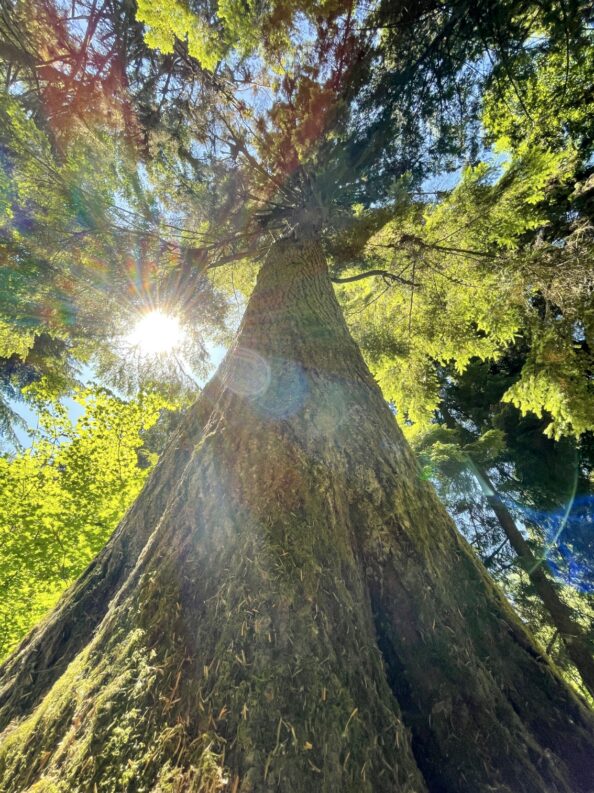 A new University of British Columbia study has pinpointed strategies to help local forests adapt to climate change. …the eight-year study found ways forest ecosystems can be better prepared for the climate threat, with a focus on mitigating the loss of the Douglas fir tree. …professor and co-author of the study Suzanne Simard, said the project looked at the process of relocating Douglas firs that are already adapted to dry, hot weather, further north. …Opting for a two-pronged approach, researchers also explored how various routes of harvesting and regenerating forests would affect the migrated seedlings’ attempt to grow in the face of climate change. Researchers tried various avenues, from clear-cutting to retaining larger densities of the tallest Douglas fir trees, said Simard.

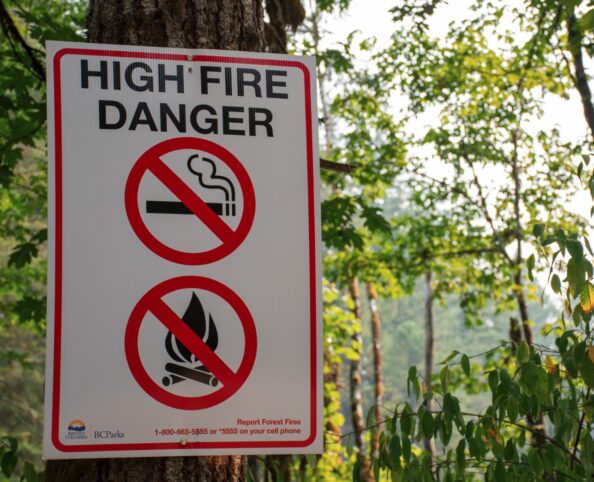 In British Columbia, wood remains the primary framing material, remarks Anthony Marks, who constructs fire resistant modular homes, but the fire resistant modular homes his company constructs are framed with steel. They also use wood sheathing coated with a fire retardant and fibrous cement board products for exterior cladding. …Anabela Bonada, manager and research associate at the University of Waterloo’s Intact Centre on Climate Adaptation says there are solutions at hand to reduce the risk of fire to homes — Canada just hasn’t demanded they be taken yet. …Canada’s National Building Code is geared toward protecting buildings and homes in cities and doesn’t refer to wildfires. …Most Canadian communities are lagging in responding to wildfire threats, Bonada said. …Referring to the National Research Council of Canada’s guide for wildland-urban interface fires, she said programs like
  Colorado wildlife officials say the capture of 15 grey wolves in British Columbia and their release in the U.S. state is complete, an operation they say led to unspecified threats against staff. The operation that began in B.C. on Jan. 10 and wrapped up on Saturday follows Colorado voters’ approval of a 2020 ballot initiative to reintroduce grey wolves to the state, where the animals are listed as endangered. But the program has stirred opposition, and a statement from Colorado Parks and Wildlife on Sunday says its staff have been threatened over the relocations. It says its officers were “watched” and were targeted by threatening phone calls and social media posts. The department says it did not share details while the wolf release was underway due to the “safety risk and security needs of our staff and the animals.” It adds that two of the 10 wolves reintroduced in Colorado in 2023 have been illegally shot.


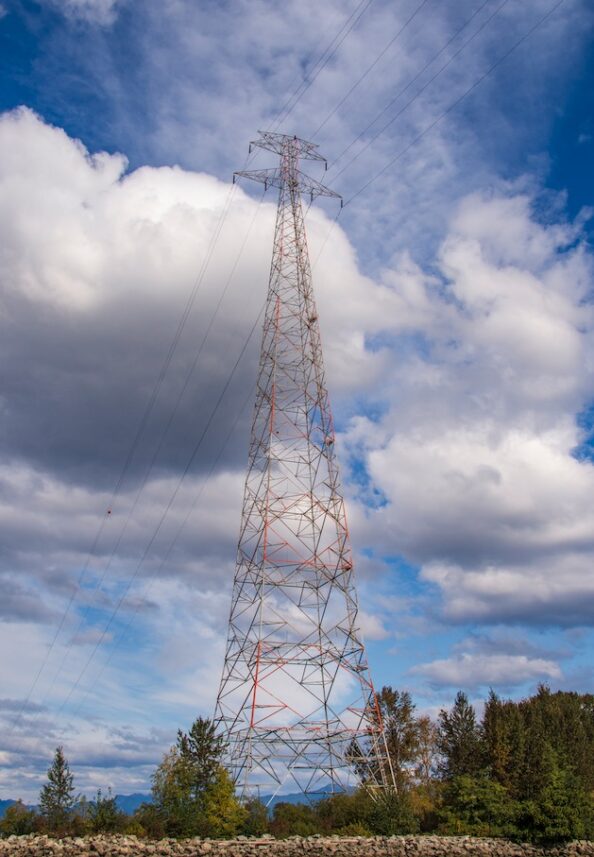 …some electric utilities and cooperatives are urging the Senate to seal the deal on the “Fix Our Forests Act” that aims to expedite some federal approvals and reduce wildfire risk overall. The legislation …establishes requirements for managing forests on federal land, including reducing wildfire, expediting certain forest management projects, and implementing forest management projects and activities. …The legislation prohibits courts from immediately halting a project unless they determine that the person suing to stop it “is likely to succeed on the merits” of the case if the lawsuit gets a full hearing. …The National Rural Electric Cooperative Association applauded the bill, arguing it would make it easier for electric cooperatives to reduce the risk of catastrophic wildfires, and called on the Senate to also pass the bill. …Pacific Gas & Electric “supports legislation that would expedite permitting and approvals and reduce barriers to the essential work of keeping powerlines clear of vegetation.”
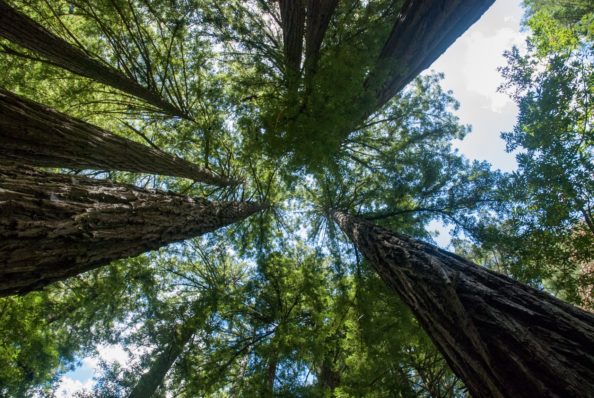 PORTLAND, Ore. – The United States Forest Service (USFS) is currently taking comments on its proposed changes to the Northwest Forest Plan (NWFP) through March 17. The NWFP dates back to the mid-1990s, serving as the blueprint for conserving forests and wildlife habitat along the West Coast. It covers over 24 million acres managed by the Forest Service and other federally managed lands, spanning from California and up through Washington. The proposed amendments intend to provide an updated management framework that incorporates best available scientific information and current conditions in order to better address the social, economic, and ecological changes experienced over the last 30 years. The proposed changes outlined in a Draft Environmental Impact Statement focus on themes of fire resilience, economic benefits, and forest stewardship, with Tribal inclusion and adapting to changing conditions interwoven throughout these themes.
 President Donald Trump signed executive order aimed at boosting oil and gas drilling, mining and logging in Alaska. While state political leaders cheer, environmental groups see it as worrying. …”It means a timber industry in the Tongass National Forest can once again take place. It means Alaska can begin the process [of] finally getting its remain[ing] acreage of land from the federal government”, Republican Gov. Mike Dunleavy said on X about the executive orders. …It also aims to reverse restrictions on logging and road-building in a temperate rainforest. …Cooper Freeman, Alaska director at the Center for Biological Diversity, told The Associated Press that the president “just can’t wave a magic wand and make these things happen. Environmental laws and rules must be followed… We’re ready and looking forward to the fight of our lives to keep Alaska great, wild and abundant”.
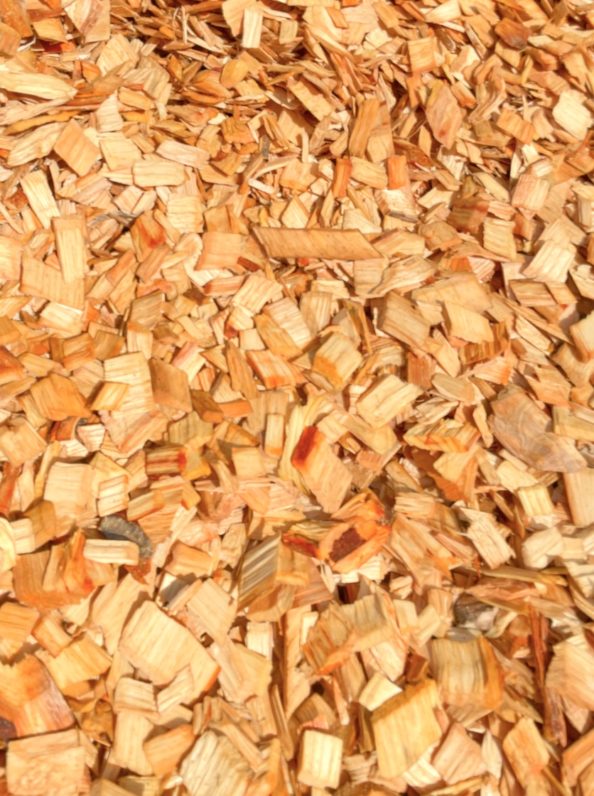 BATON ROUGE, La. — Louisiana produces 70% more forests than it is cutting down. The Forestry Association is trying to encourage industry to utilize those resources, including renewable fuel makers. The state has been working on reforestation closely since the 1940s when the issue of losing critical timber came to a head. With paper mills closing up shop over the years, Louisiana Forestry Association Executive Director Buck Vandersteen said the state is nearing a forest level that will be hard to manage against disease and wildfires. Vandersteen talked about four mills that are in the works of opening in some of the northern parishes in the state. Those companies harvest the larger trees for hardwood. Smaller brush and trees offer an opening for the biofuel industry to thrive. …With the Trump administration … undoing the push towards renewable energy, there is a question of how this will impact the industry in Louisiana.
 Controlled burns are a key to Georgia’s strategy of preventing the kind of wildfires that are devastating the Los Angeles area… The fires in LA, fueled by historic drought and powerful Santa Ana winds, have raised questions about the vulnerabilities of other communities, particularly as human development spreads into wildlands. More frequent and more costly natural disasters, such as wildfires, have also contributed to surging home insurance costs nationwide. …Georgia lately has been averaging about 1,200 wildfires a year — a historical low, said Johnny Sabo, director of the Georgia Forestry Commission, which issues permits for controlled burns under proper conditions. He credited the state’s overall response and management for preventing most of those fires from getting out of hand. In Georgia, more than 90% of the state’s woodlands are in private hands, including commercial timberland that generates billions in economic impact each year, according to the forestry commission.
 President Donald Trump signed actions on the first day of his second term to pull the United States out of the Paris Agreement, an international climate change treaty in which nearly 200 countries agreed to work together to limit global warming. …Representatives from the US were leaders in the Paris Agreement negotiations. It was adopted by nearly 200 countries during the Obama administration in 2015. Trump announced his intent to pull the US out of the Paris Agreement in 2017, though it wasn’t formalized until November 4, 2020, a day after the presidential election that Biden ultimately won. On the first day of his term, Biden announced his intent to reenter the Paris Agreement. On the first day of Trump’s second term in January 2025, Trump ordered the withdrawal from the Paris Agreement again as he sought to increase US production of fossil fuels. …In the meantime, a leading United Nations climate change official reiterated “the door remains open to the Paris Agreement.”
 The UK should stop burning wood to generate power because it is not needed to meet the government’s target of decarbonising the electricity sector by 2030, according to analysis. Ed Miliband, the energy security and net zero secretary, is expected to make a decision soon on whether to allow billions of pounds in new public subsidies for biomass burning, despite fierce opposition from green groups. Campaigners have amassed years of evidence of how much destruction burning wood causes to forests and wildlife around the world, and argue that it is not “carbon neutral” because regrowing trees takes decades to make up for the carbon emitted when burned. But ministers were thought to be reluctant to let go of the capacity for baseload power generation that biomass represents. Biomass makes up roughly 4% of the UK’s total electricity generation, and about 8% of “green” power generation, most of it coming from Drax.
 Here are some highlights from this months Safety News:
