 The US Department of Commerce released its preliminary countervailing duties on Canadian lumber, even before the Trump tariffs hit. In related news: Prime Minister Carney discusses softwood lumber duties with BC Premier Eby; Canada’s economy is starting to crack; US homebuilder stocks tumble; and the European Commission considers its tariff response. Meanwhile: the Decorative Hardwood Association on wood imports that affect US national security; and the Wood Pallet and Container Association has a new board.
In Forestry/Wildfire news: push back on Trump’s timber plans East and West; Oklahoma’s Governor resists calls to reconsider firing—says Forest Service held back; and BC ENGO’s put a price on old-growth forest protection. Meanwhile: charges laid in Grande Prairie lumber mill death; and (with apologies) a correction to the COFI panel on Fibre, and once again the overall conference wrap-up.
Finally, on Day 2 of Wildfire Resilience and Awareness Week: certificate training (MacLeod Forest Services), worker safety (BC Forest Safety Council), and lessons learned (Mosaic).
Kelly McCloskey, Tree Frog News Editor

 Last year’s wildfire season in BC was the most destructive on record, with 2.8 million hectares burned—more than double any previous year. The fires caused significant disruption to the work and lives of many people in BC, and the impact was felt strongly by those in the forest industry. Evacuations and alerts, oppressive smoke, high heat, area closures, and lack of access to industry critical resources, including helicopters, were among the many challenges faced by the industry. …The forestry sector is vital to BC’s economy, and its workforce is the backbone of the industry. It’s crucial for forestry workers to understand wildfire risks and management to ensure their safety and the safety of forestry operations. Equipping forestry workers with the necessary skills they need to prepare themselves for the prevention, and/or mitigation wildfires is essential.
 At MacLeod Forest Services, our primary business focus is providing training and response services to a variety of customers. This includes our S100 Wildfire for Industry Program. Our aim is to provide timely, achievable, effective, up to date and cost-efficient wildfire instruction to all stakeholders that have the potential to be affected by a wildfire. By staying involved in response we can continually improve our products and services as changing conditions require. We have provided training to stakeholders from First Nations crews, the Forest, Agriculture, Outdoor Recreational and Construction Industries, Type 2 and 3 Wildfire Contractors, BC Wildfire Service crews as well as rural residents. The MacLeod S100 for Industry is a two-day BCWS S100 course enhanced to better prepare participants to be on their own until organized help arrives. Upon completion participants will be able to: assess wildfires accurately; develop an appropriate plan; and respond safely and effectively. Course runs April 29-30, 2025.



 Teal Cedar Products has lost a bid for damages against the B.C. government over its declaration of First Nations rights on Haida Gwaii. The company argued the recognition of title over the lumber-rich but highly protected island archipelago deprived it of its ability to harvest despite Teal holding tree farm and forest licences in the area. It argued the B.C. government didn’t act in good faith, essentially expropriated property where Teal had business interests, and failed in a promise to keep the company whole during its negotiations with the Haida Gwaii Management Council over Indigenous title to the former Queen Charlotte Islands. B.C. Supreme Court Judge Brenda Brown rejected all three rationales and dismissed the claim for damages against either of the defendants, the B.C. government or the management council. …Teal obtained the two tenures from TimberWest in 2008, before selling them to A&A Trading Ltd. in late 2016.

 Willis, a business of WTW, and The Nature Conservancy (TNC) have launched a new $2.5 million wildfire resilience insurance for the Tahoe Donner Association in Truckee, California. Described as “first-of-its-kind,” this policy directly links insurance costs to proactive wildfire risk mitigation efforts. Developed in partnership with UC Berkeley’s Center for Law, Energy and the Environment, the policy aims to demonstrate how ecological forest management practices can lead to reduced premiums and increased insurance availability. Such techniques include tree thinning to improve the health and growth of the remaining trees and planned fires to clear out flammable vegetation, both proven to reduce wildfire risk and make forests healthier. Tahoe Donner has completed forest management projects over 1,520 acres since 2015. …This new policy, covering 1,345 acres of Tahoe Donner’s land, secures a 39% lower premium and an 89% lower deductible than would have been possible without the nature-based forest management.


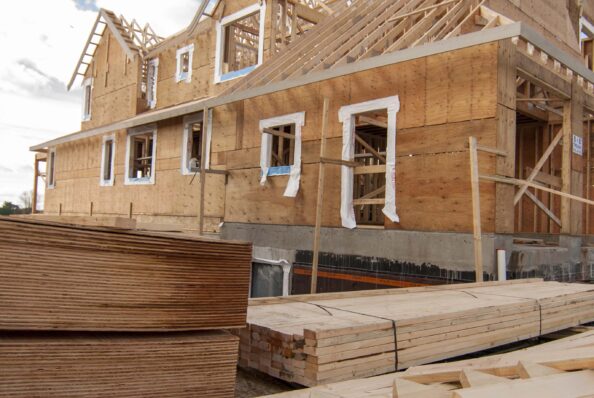 In the course of their business, home builders and remodelers buy many different products— ranging from lumber and other wood products to electrical and plumbing fixtures, a variety of materials used to finish various areas of the house, appliances, and even tools. The National Association of Home Builders (NAHB) recently surveyed both its single-family builders and its remodelers, asking them who’s most often responsible for choosing these products. In a separate question, NAHB also asked where these products are purchased irrespective of who chooses them because even when they’re not the ones driving the product choice, builders and remodelers often know where the product is being purchased. …The survey results show that, irrespective of who actually makes the purchase, it is the builders and remodelers themselves who most often influence product selection and therefore should most often be the prime targets for manufacturers looking to effectively market building products.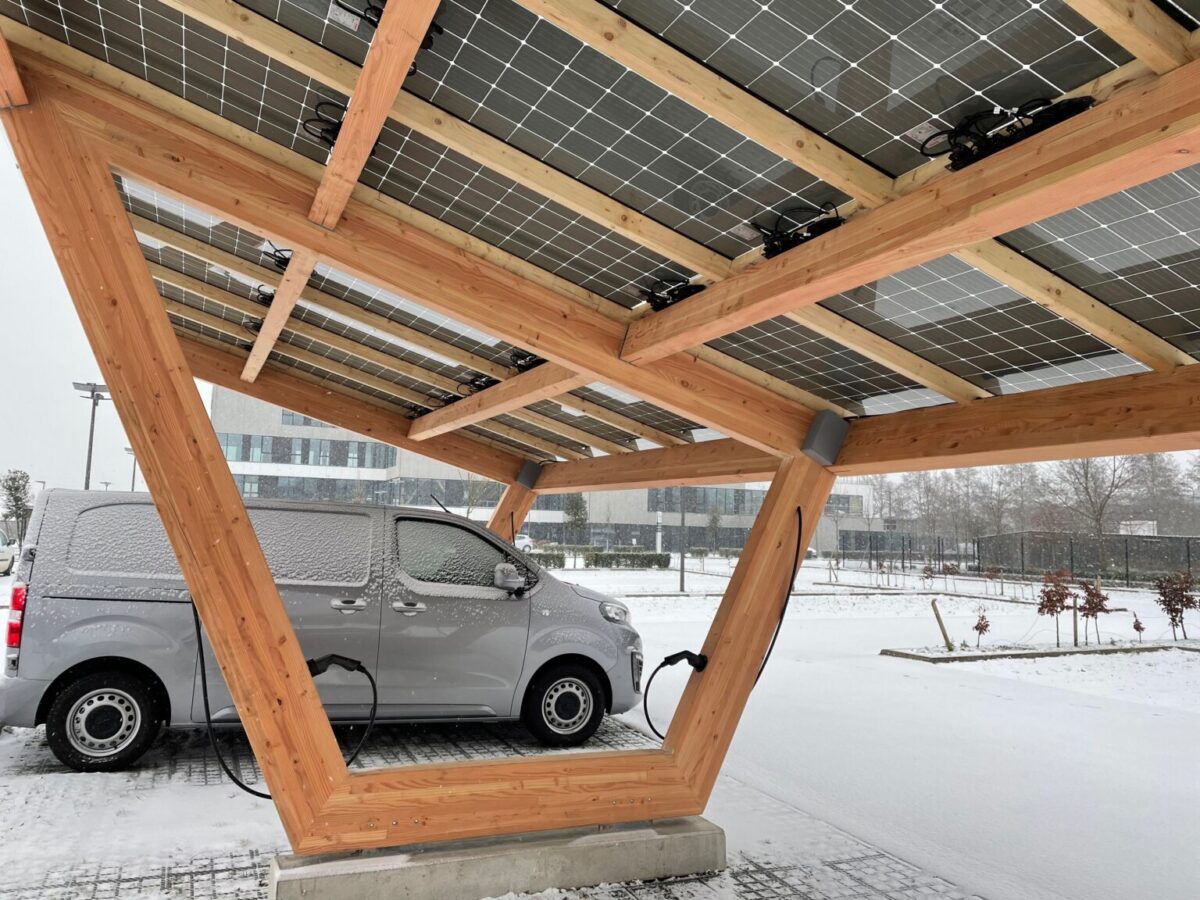
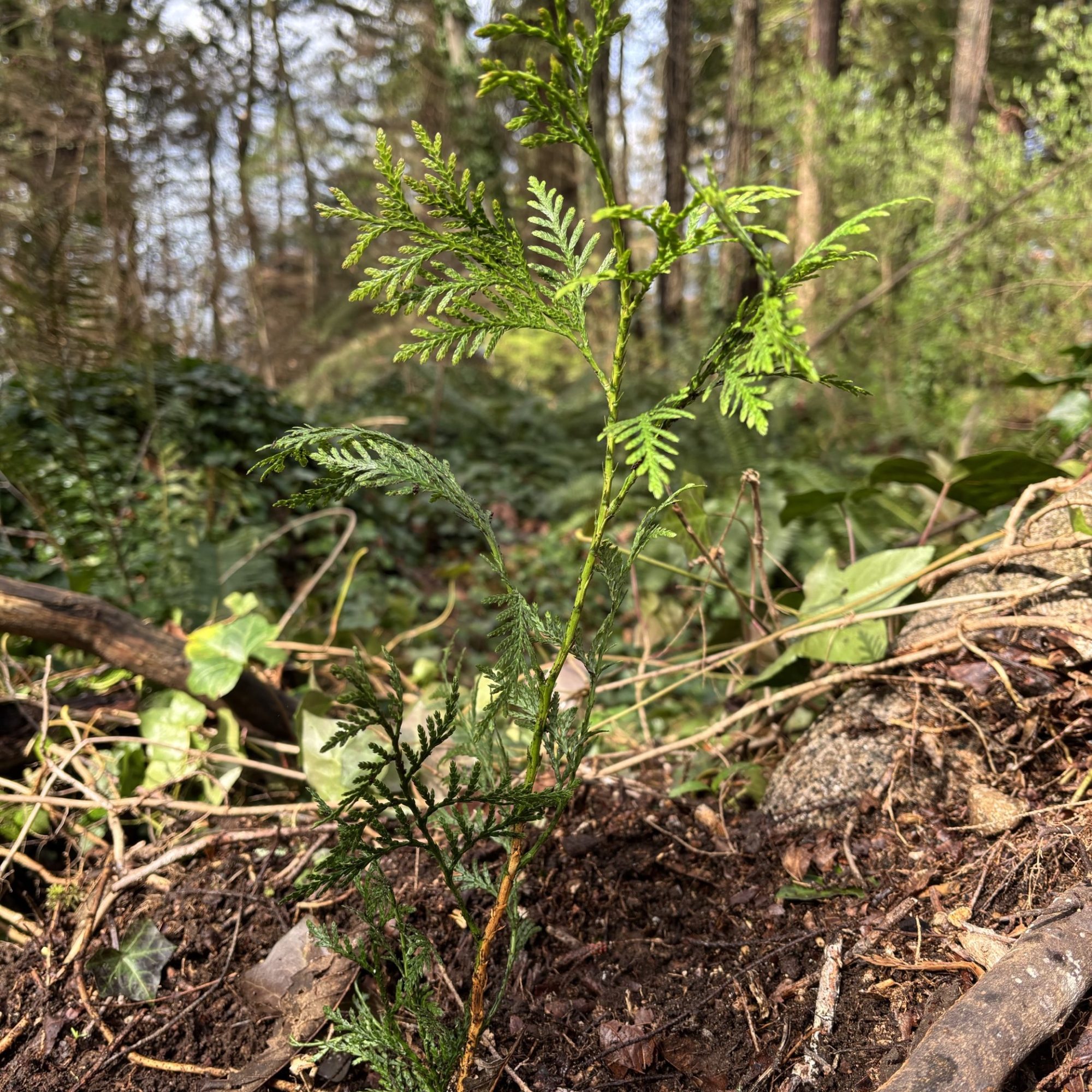

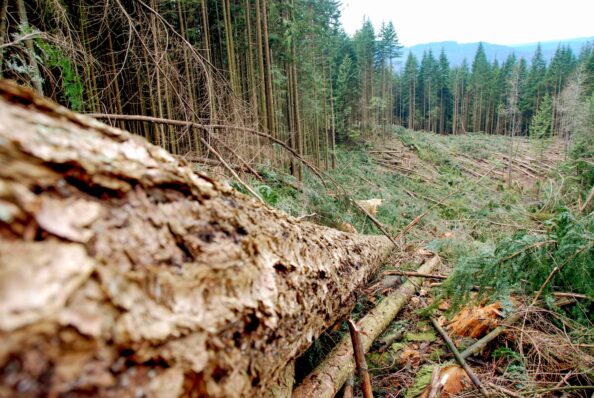 The federal government is pitching in more than $180,000 for a Kamloops-area study to determine whether rehabilitating wildfire-damaged landscapes can provide an economic opportunity through carbon credits. It’s part of a total $20 million the federal government will be injecting into B.C.’s forestry sector. Jonathan Wilkinson, minister of energy and natural resources, said 67 projects in the province will receive funding, including a number of Kamloops and Shuswap-area initiatives. The Secwepemcul’ecw Restoration and Stewardship Society will receive $184,355. …Tolko Industries will be getting $400,000 in federal funding to conduct further research into a finger jointing process for parallel laminated veneer products produced at its Heffley Creek facility. Local Indigenous groups are also set to receive funding as part of the Indigenous Forestry Initiative program. …And as part of the Global Forest Leadership program the Wood Pellet Association of Canada based in Revelstoke is set to receive $180,000 to help advance international standards for wood pellets.
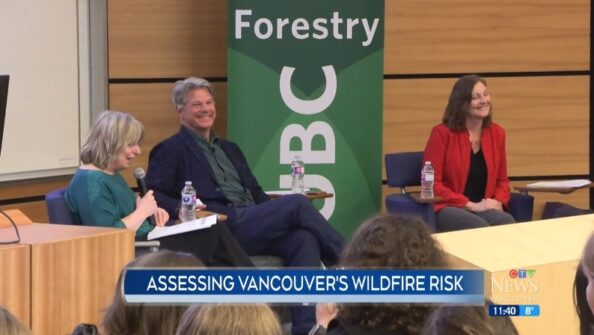 B.C.’s wildfire season is fast approaching, and experts are warning that urban areas of the province – including Metro Vancouver – may be at risk as fires grow more frequent and intense. A panel of experts – including bestselling author of Fire Weather John Vaillant and UBC Centre for Wildfire Coexistence co-director Dr. Lori Daniels – spoke about urban wildfire risks at the university’s Vancouver campus Thursday night. Daniels told CTV News a combination of climate change, forest management practices and urban expansion into fire-prone areas has contributed to a rise in the amount of land and structures burned in recent years. While in some parts of the province – such as the Okanagan Valley – there is a sense that it’s “not if, but when” a destructive wildfire will hit, Daniels said Metro Vancouver is also vulnerable.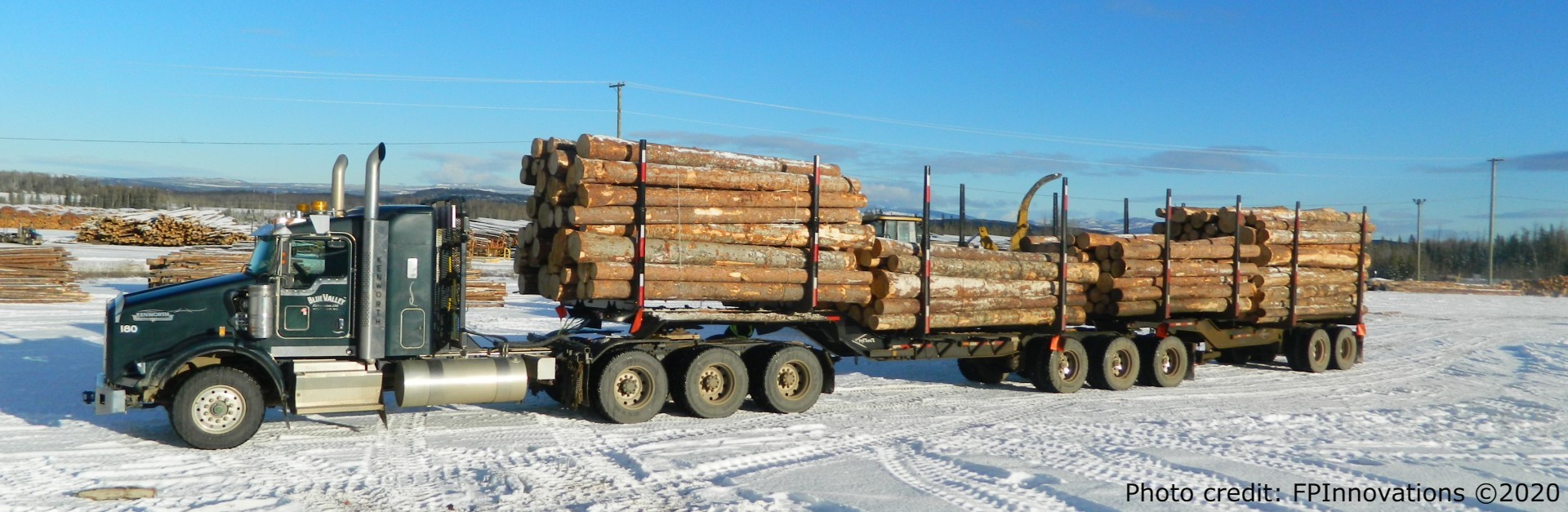
 The Province is taking action to adapt B.C.’s forests to ensure long-term sustainability and good-paying jobs by enlisting BC Timber Sales (BCTS) to play a larger role in reducing wildfire risk and enhancing forest and community resilience through its operations. This work is increasingly urgent given the threat of sector-specific tariff threats coming from the United States. … BCTS manages forest harvesting on more than 20% of B.C.’s public land. In January 2025, the Ministry of Forests initiated a review of BCTS, undertaken by an expert task force, to create pathways for a stronger, more resilient forestry sector. A progress update was announced at the Council of Forest Industries convention on Friday, April 4, 2025. “We have all witnessed the impacts of wildfire on B.C.’s communities, and we are uniting all parts of my ministry to tackle this challenge head on,” said Ravi Parmar, Minister of Forests.
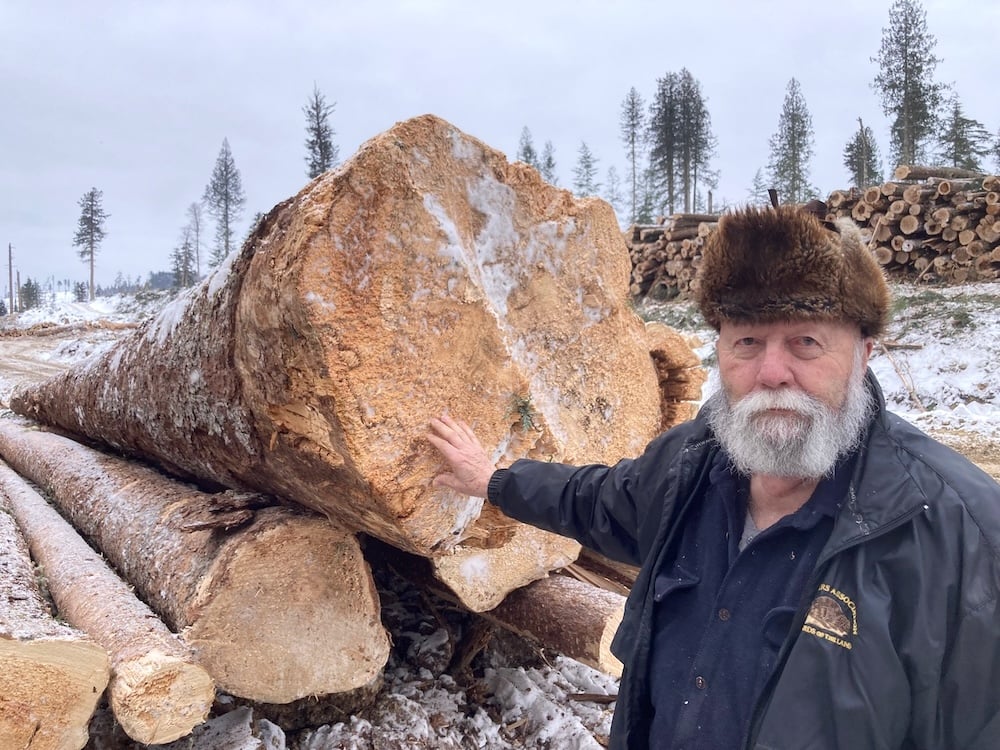
 The BC Supreme Court has dismissed a lawsuit from Teal Cedar Products, a forestry company, which claimed it lost millions of dollars due to new timber rules in Haida Gwaii. The company argued that the new regulations unfairly devalued their forest tenures. The rule changes included reducing the amount of timber that could be harvested and implementing conservation measures. Teal, which owned forest licenses affected by the regulations, claimed these changes amounted to “constructive expropriation,” meaning the government’s actions took away the value of their property rights, without formally seizing the property. Chris Tollefson, a University of Victoria law professor and public interest lawyer who represented the Haida Gwaii Management Council, said private operators need to know rules evolve based on changing values and science, and companies aren’t owed compensation “where the change is bona fide, is not being used to discriminate or target them.”
 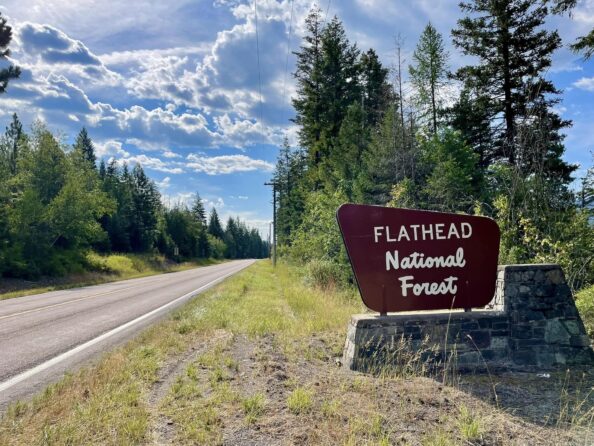 The U.S. Department of Agriculture on Friday announced will allow logging in national forests, which will help spur timber production amid reciprocal tariffs on other nations. A memo by USDA Secretary Brooke Rollins follows an executive order by President Donald Trump last month to expand timber production. There are 154 national forests covering approximately 188.3 million acres. … “Healthy forests require work, and right now, we’re facing a national forest emergency,” Rollins said in a statement. “We have an abundance of timber at high risk of wildfires in our National Forest. “I am proud to follow the bold leadership of President Trump by empowering forest managers to reduce constraints and minimize the risks of fire, insects, and disease so that we can strengthen American timber industry and further enrich our forests with the resources they need to thrive.” …The Sierra Club said the order was a giveaway to the logging industry.


