 Northern Pulp’s proposed pulp mill will require $2.5 billion in private-public funding. In other Business news: cooler heads prevail on US-Canada tariff escalation, but Trump’s steel levies beget countermeasures by Canada and Europe; Alberta’s forest industry seeks tariff support at home; and Drax is not in breach of its UK sustainability obligations. Meanwhile, lumber prices and lumber futures continue to oscillate and Canada cuts its interest rate to 2.75%.
In Forestry news: the USDA Forest Service hires back all 6,000 fired workers—as layoffs sparked wildfire preparation concerns; Louisiana Tech names Paul Jackson director of Ag Sciences and Forestry; the remains of California firefighter from 2020 El Dorado Fire are finally confirmed; and the latest news from FSC Canada.
Finally, and sadly, longtime forestry advocate and North Cowichan mayor Tom Walker died March 7.
Kelly McCloskey, Tree Frog News Editor



 This year’s COFI convention will tackle the most pressing challenge facing BC’s forest sector – predictable access to fibre. Without this, BC’s global competitiveness and the family-supporting jobs forestry provides remain at risk. There is a path forward. Within the sustainable Allowable Annual Cut there are opportunities to surpass a minimum target of 45 million cubic meters of harvest while maintaining environmental stewardship. Achieving these outcomes will require changes to BC Timber Sales (BCTS), innovative approaches to forest landscape planning, stronger partnerships with First Nations, and community-led solutions. Join us for a solutions-oriented discussion, featuring distinguished experts: George Abbott, Treaty Commissioner, Former BC Cabinet Minister & Member, BC Timber Sales Review Task Force; David Elstone, Managing Director, Spar Tree Group; Makenzie Leine, Vice President, Business Development, A&A Trading; Jennifer Gunter, Executive Director, BC Community Forest Association; moderated by Michael Armstrong, VP and Chief Forester at COFI.
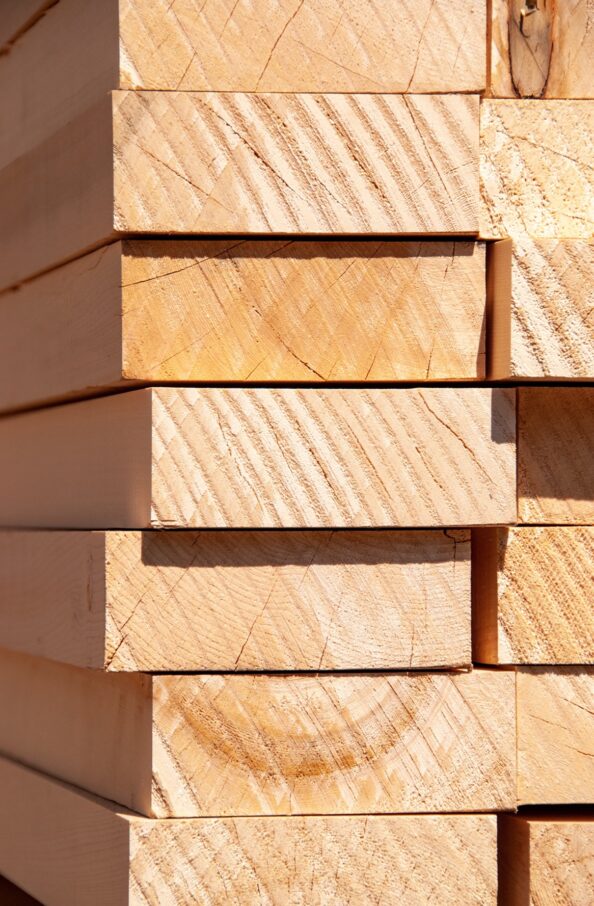 SAGUENAY, QUE. — Wood, as well as aluminum, are economic drivers in Quebec’s Saguenay-Lac-St-Jean region north of Quebec City. The … looming 25 per cent tariffs are leaving businesses in Saguenay-Lac-St-Jean bracing for impact. Inotech, a company that specializes in manufacturing equipment for the wood industry, said the economic disruption started in early February, when Trump had initially promised to impose tariffs, before delaying them. “In Quebec, the entire wood market was paralyzed,” said Michel Marceau, the company’s CEO. “People are waiting to see what will happen and during this time, no one is investing,” added Michael Dufour, Inotech’s sales director. A recent study from the Canadian Chamber of Commerce identified Saguenay and Drummondville — a city northeast of Montreal — among the Canadian cities most vulnerable to U.S. tariffs.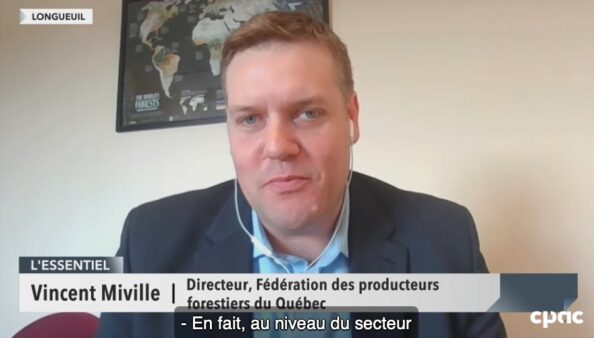
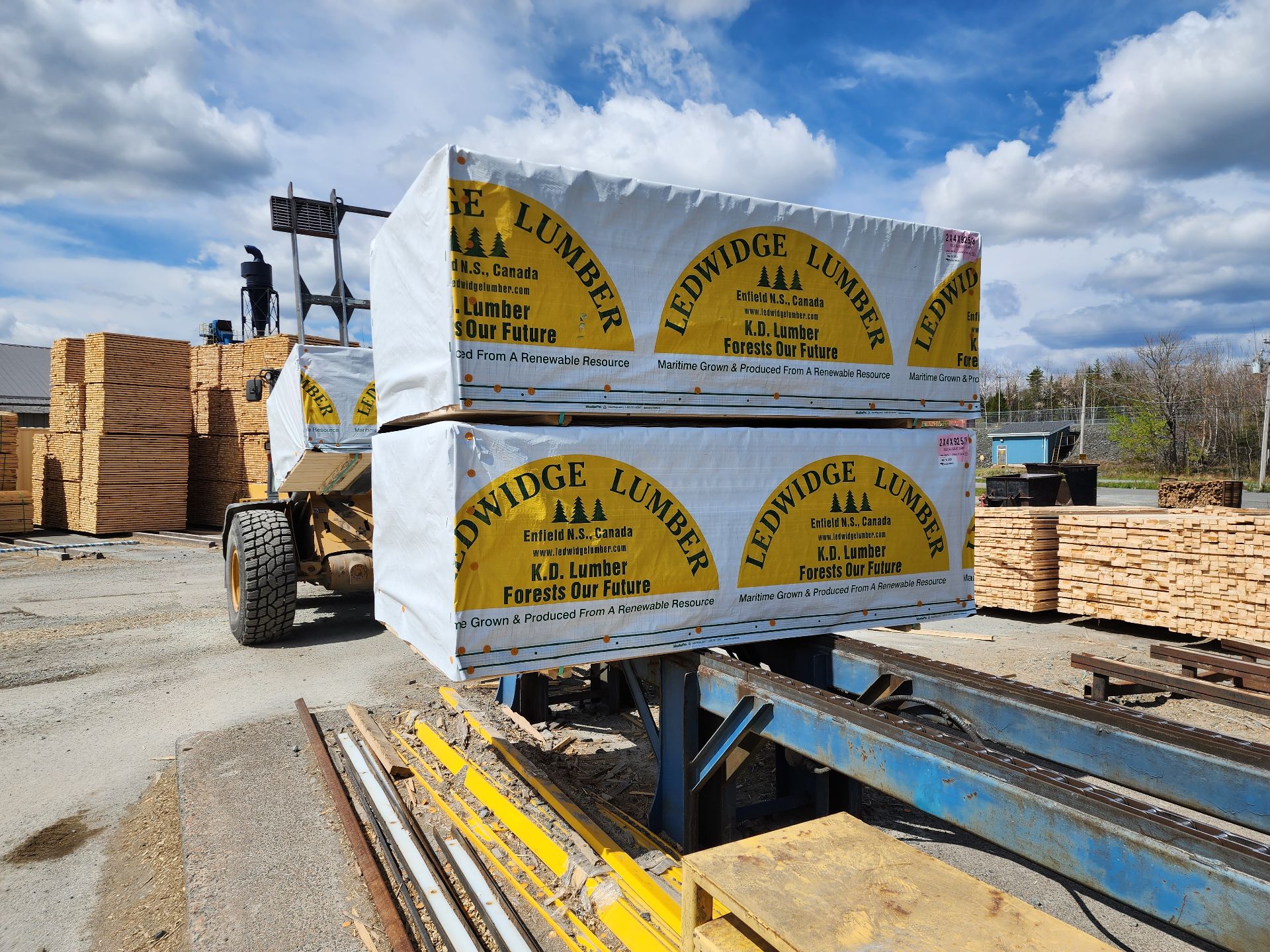
 These are the headlines you’ll find in this month’s newsletter:



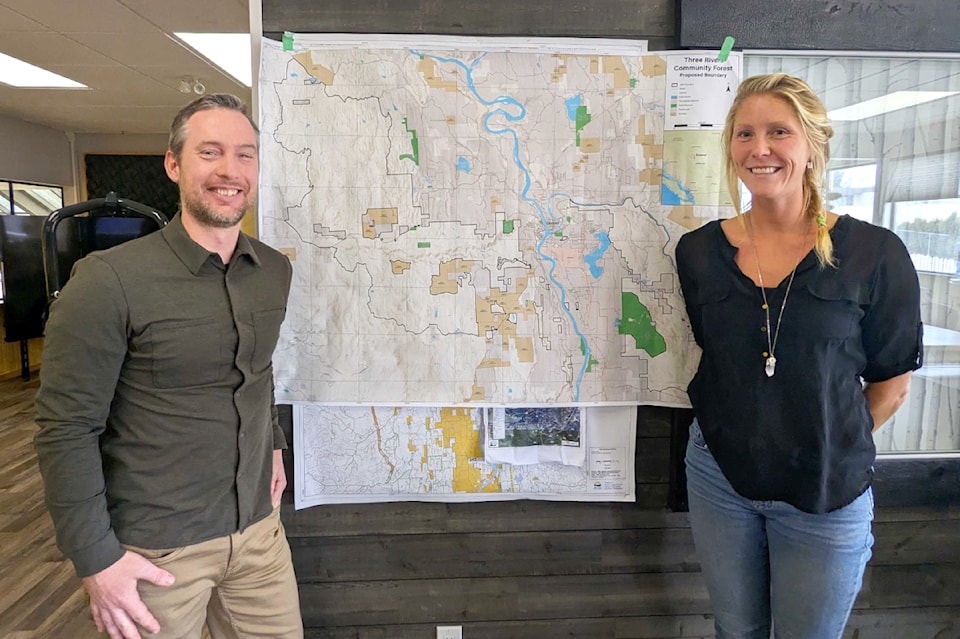

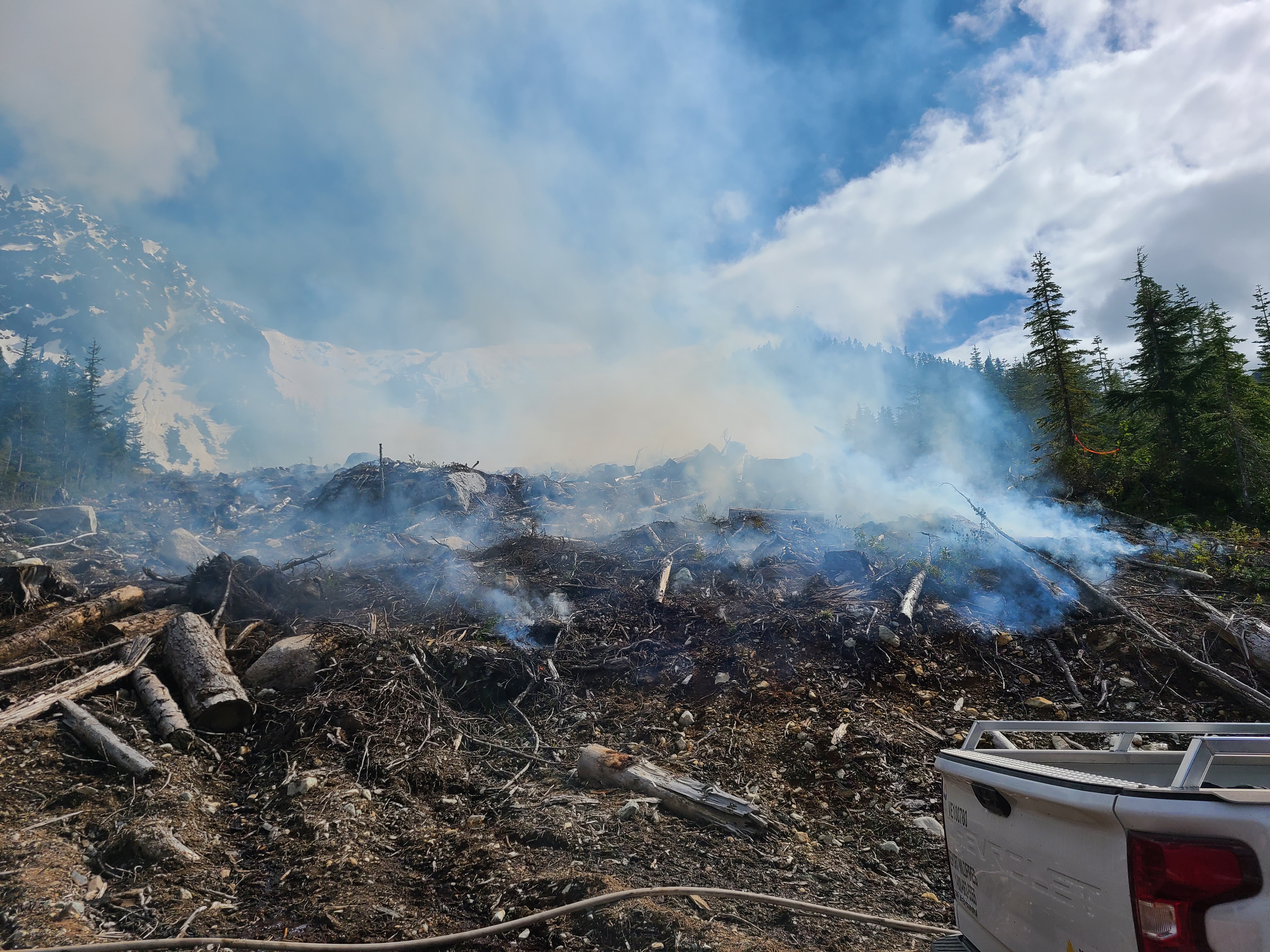

 QUÉBEC – The Ministry of Environment and Climate Change announced the signing of a Canada-Quebec agreement to advance the protection and conservation of nature throughout Quebec. The Government of Canada will invest up to $100 million between now and 2027 to support the objectives of Quebec’s 2030 Nature Plan and Canada’s 2030 Nature Strategy. This nature agreement reflects both governments’ commitment to implementing the Kunming-Montréal Global Biodiversity Framework and establishes a series of objectives to achieve this: Create and expand protected and conserved areas, and accelerate the conservation of natural environments on private land in southern Quebec, including through the implementation of urban park projects; Take action to address threats to biodiversity, better protect threatened or vulnerable species, and foster the recovery of at-risk species; Control invasive alien species; and Support Indigenous leadership in biodiversity conservation.
 The Trump administration touted logging as the next frontier in job creation and wildfire prevention, but those goals will face confounding challenges. Trump issued two executive orders on March 1: the first to boost timber production on federal land and the second to address wood product imports. The moves were cheered by the timber industry. “These are common sense directives,” said Travis Joseph, president of the American Forest Resource Council, a timber industry trade group. “Our federal forests have been mismanaged for decades and Americans have paid the price in almost every way – lost jobs, lost manufacturing, and infrastructure.” Timber groups and rural lawmakers also said the orders could help manage overstocked forests and reduce the threat of wildfire. But conservation groups and forestry experts say cutting down more trees doesn’t inherently reduce wildfire risk and can actually increase it. The plan also faces pushback about environmental concerns and economics.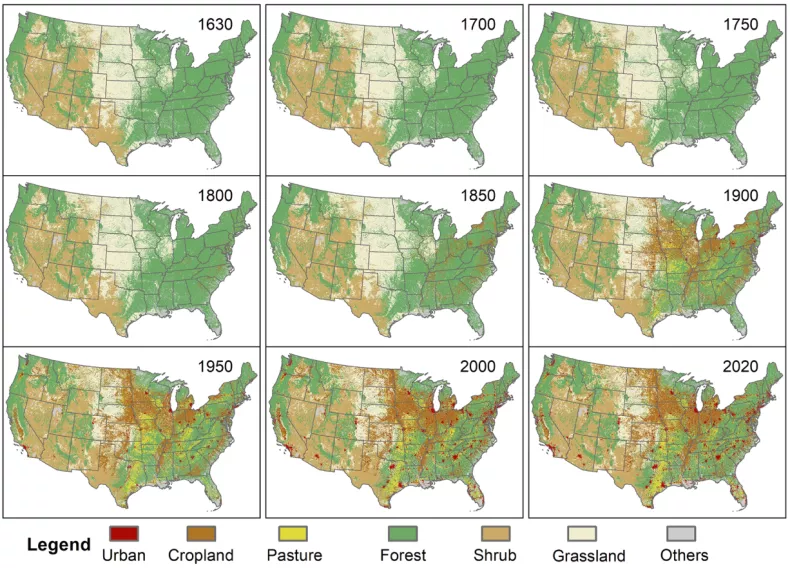
 FRANKFURT – Bayer has told U.S. lawmakers it could stop selling Roundup weedkiller unless they can strengthen legal protection against product liability litigation, according to a financial analyst and a person close to the matter. Bayer has paid about $10 billion to settle disputed claims that Roundup, based on the herbicide glyphosate, causes cancer. About 67,000 further cases are pending for which the group has set aside $5.9 billion in legal provisions. The German company has said plaintiffs should not be able to take Bayer to court by invoking U.S. state rules given the federal U.S. Environmental Protection Agency has repeatedly labelled the product as safe to use, as have regulators in other parts of the world. “Without regulatory clarity (Bayer) will need to exit the business. Bayer have been clear with legislators and farmer groups on this,” analysts at brokerage Jefferies said in a note on Thursday, citing guidance Bayer’s leadership provided in a meeting.
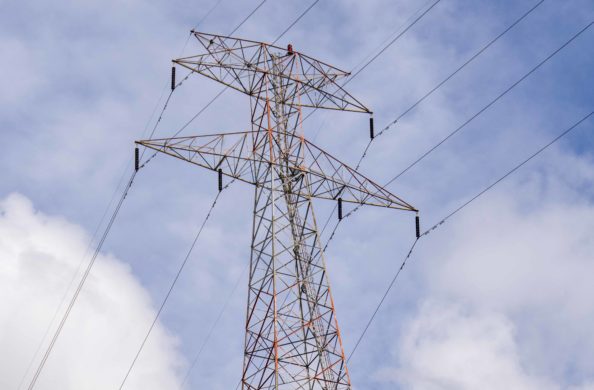 Oregon lawmakers are considering a legislative package that would provide some protection to utility companies whose equipment sparks wildfires. House Bill 3917, introduced Tuesday by Rep. Pam Marsh, D-Ashland, would create a fund to help people who lose homes or businesses to utility-caused wildfires — as long as they agree not to sue utility companies for that damage. Marsh is also sponsoring a complementary bill, House Bill 3666, which would allow the Oregon Public Utility Commission to grant a safety certificate to utilities it deems are “acting reasonably with regard to wildfire safety practices.” The wildfire assistance fund created by HB 3917 would be seeded by utility companies that are regulated by the state’s Public Utility Commission, including Pacific Power and Portland General Electric. Half of their their seed contribution could come from ratepayer dollars, and the other half would come from the share of rates designated for profits.
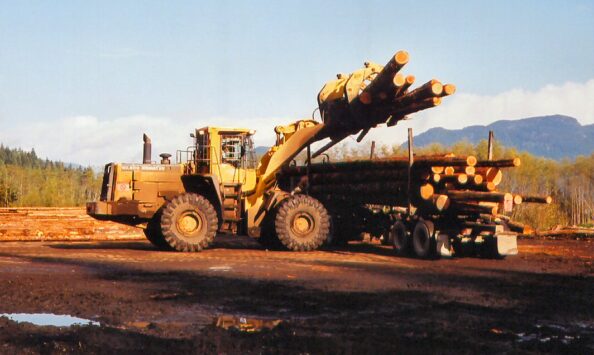 Northeastern Minnesota loggers and the nation’s forest products industry could get a lift under an executive order issued by President Donald Trump. New guidance or updates to facilitate increased timber production, sound forest management, reduced timber delivery time, and decreased timber supply uncertainty, are by the end of March to be issued by the U.S. Secretary of the Interior, Secretary of Agriculture, and U.S. Forest Service chief, under Trump’s “Immediate Expansion of American Timber Production,” order. National and Minnesota timber products officials say Trump’s order is a positive step toward boosting American timber production. “We’ve had nearly 150 mills close across the U.S. in the past 24 months,” Scott Dane, American Loggers Council (ALC) executive director said. “We need to turn the dismantling of the American timber industry around before it is too late. President Trump’s “immediate” increase in lumber production is the beginning of that turnaround.”
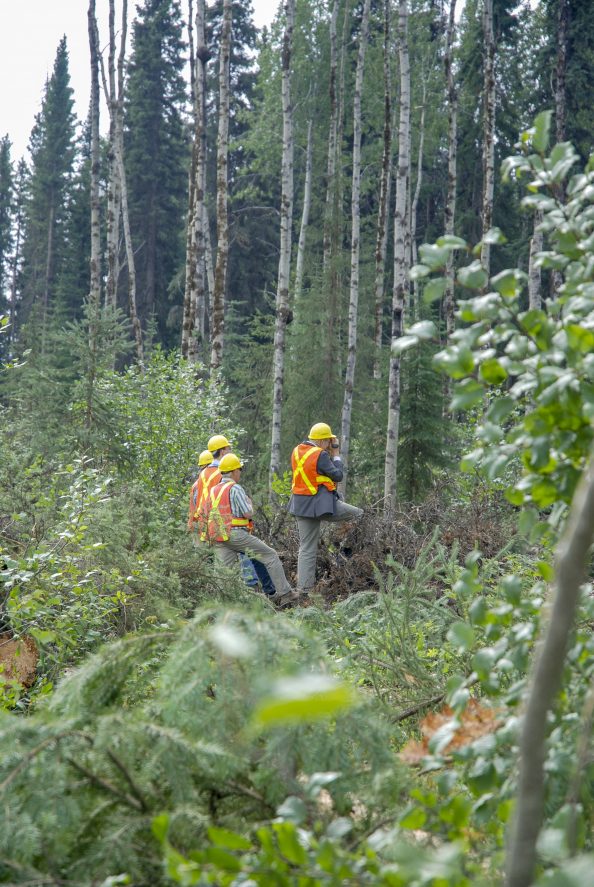 …in the early 2000s, a group of scientists and businessmen began arguing that forest thinning was too much for the government to take on. If Arizona had any hope of decreasing the risk of catastrophic forest fire, private industry would have to play a part. From this debate emerged Arizona Forest Restoration Products, a company that had planned to make oriented strand board from the low-dollar trees. …But …the Forest Service unexpectedly awarded the contract in 2012 to Pioneer Associates, a group it favored, even if they were arguably less qualified and had gathered almost no funding for their proposal. …Pioneer quickly went defunct, and the company that took over its contract, Good Earth, only thinned a fraction of what it promised. …And a cautionary tale as we fall into a pattern of on-again, off-again federal infrastructure funding cuts and threatened tariffs, which were enacted and then delayed on Canada and Mexico until April.

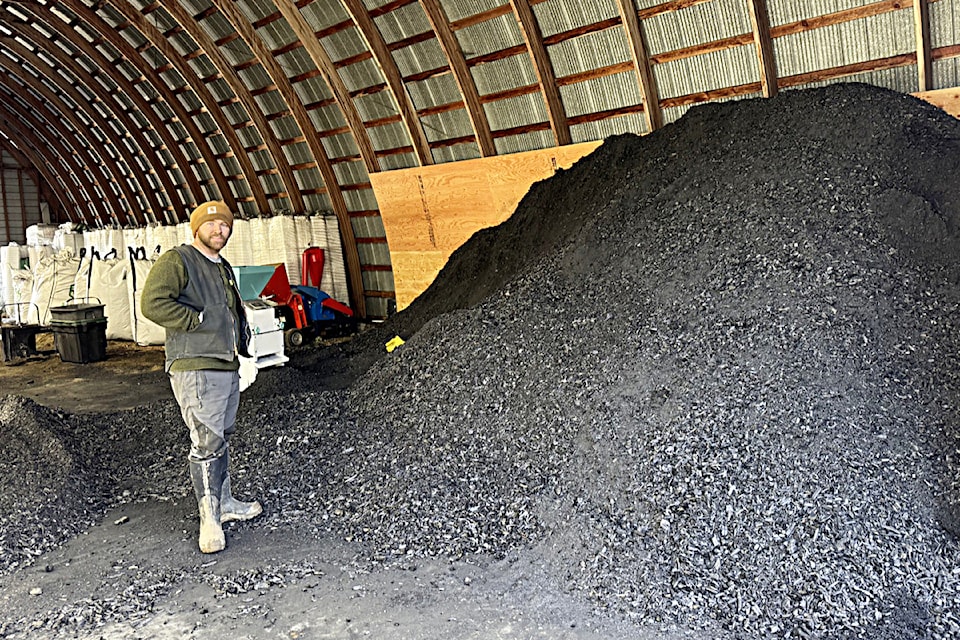
 LONDON, March 12 – British energy regulator Ofgem said on Wednesday that it had not found evidence of a breach of sustainability obligations by power company Drax, in the watchdog’s review of reports prepared by auditor KPMG. Renewable power generators in Britain can receive renewable obligation (RO) certificates which can then be sold to energy suppliers who use them to sell renewable electricity products to customers. For biomass power plants to qualify for the certificates they must show at least 70% of their biomass fuel comes from sustainable sources. Green groups have long criticised the sustainability credentials of biomass power plants, which burn wood pellets to generate electricity. In 2023, regulator Ofgem opened an investigation into whether Drax was in breach of annual reporting requirements under the RO scheme. Ofgem said it reviewed over 3,000 documents and did not find evidence to support claims that sustainability obligations had been breached.
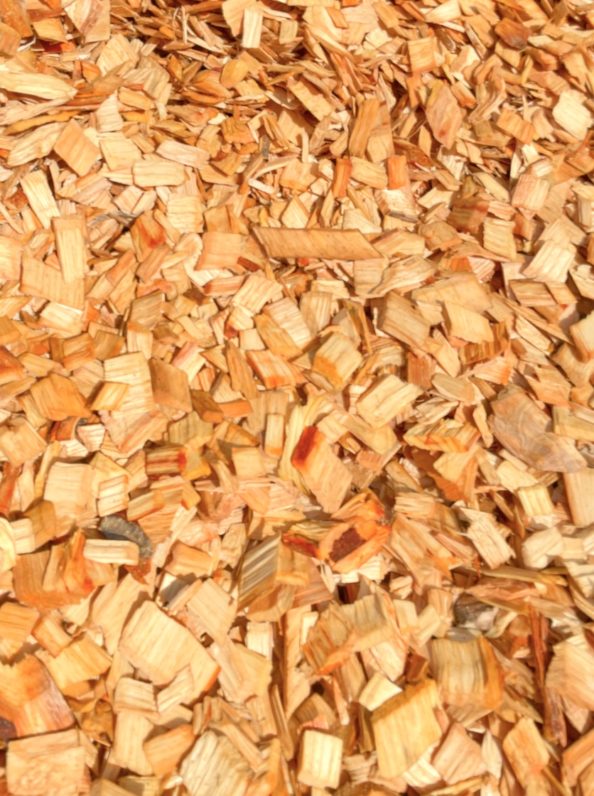 The harvesting and burning of forest biomass to produce energy continues to surge, according to a new report entitled
